
Bug Encyclopedia
Search and identify bugs & insects — beetles, butterflies, moths, ants, bees, spiders and more — with size, habitat, danger, behavior, and how to tell them apart.
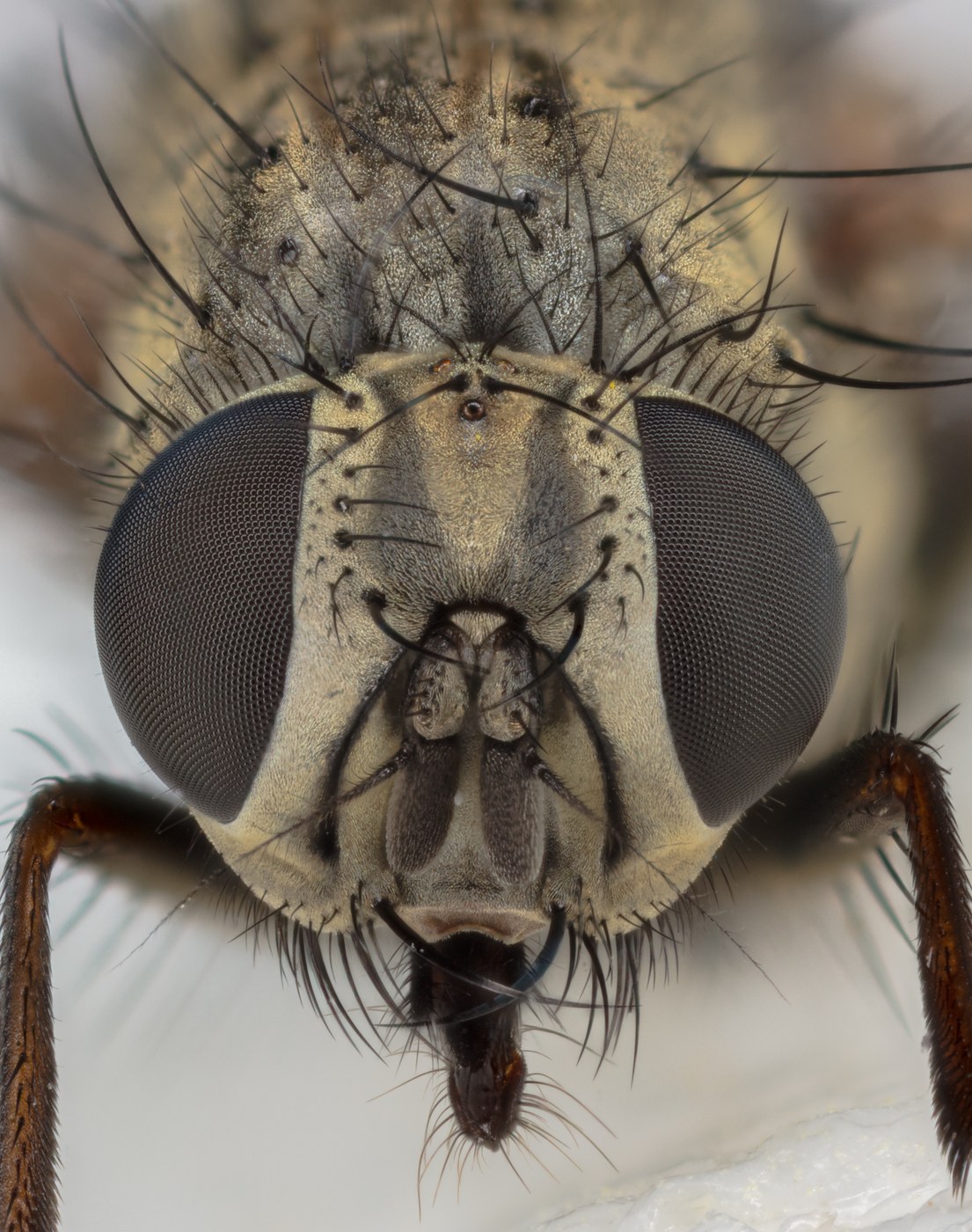
House Fly
A gray, fuzzy-bodied fly with four dark stripes on its thorax and large reddish compound eyes, famous for its erratic buzzing flight and tendency to land repeatedly on food and surfaces.
fly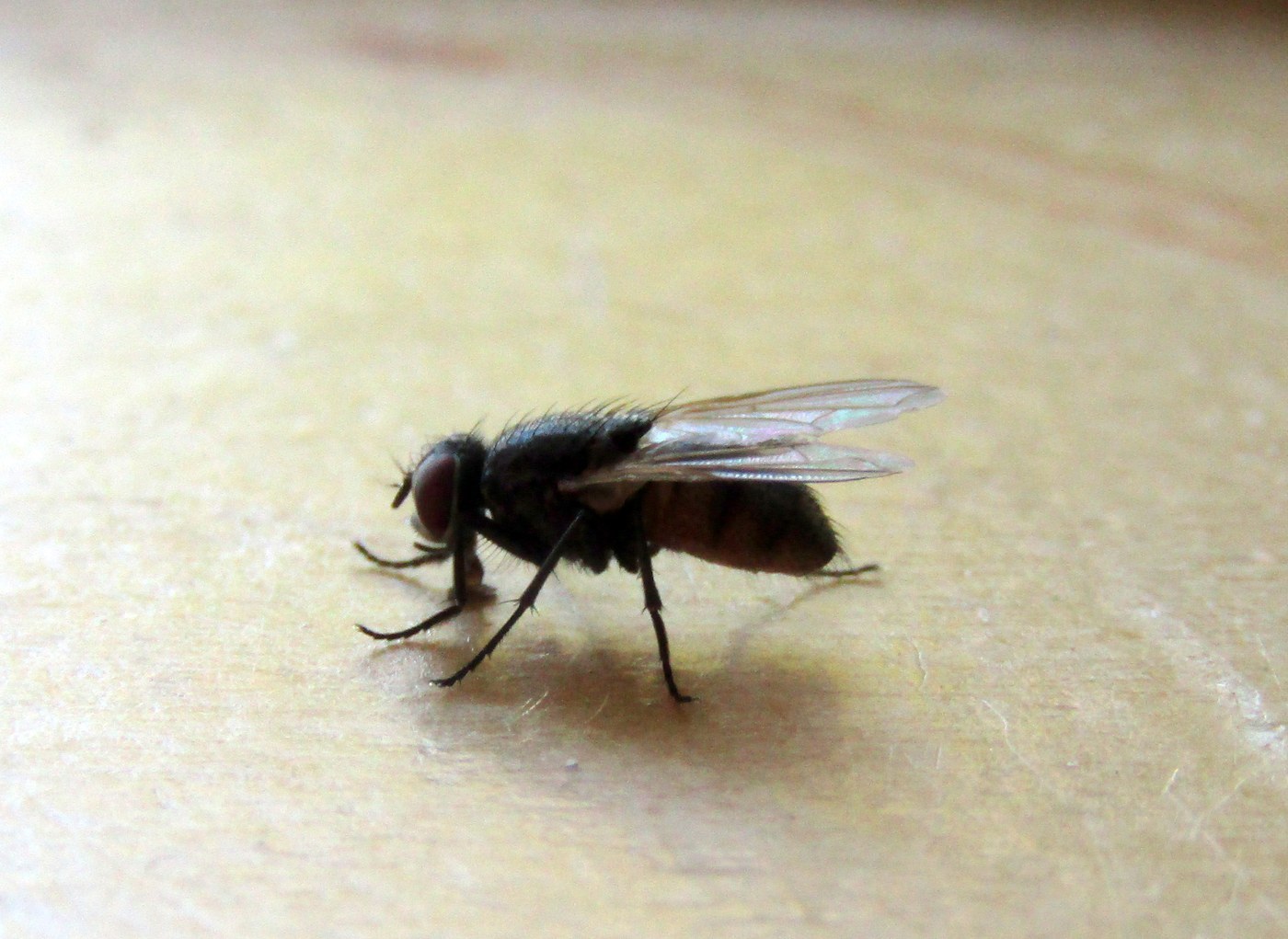
Common House Fly
A dull gray fly with four dark stripes down its back, the house fly is one of the most familiar insects on Earth, following people and their food waste to every continent.
fly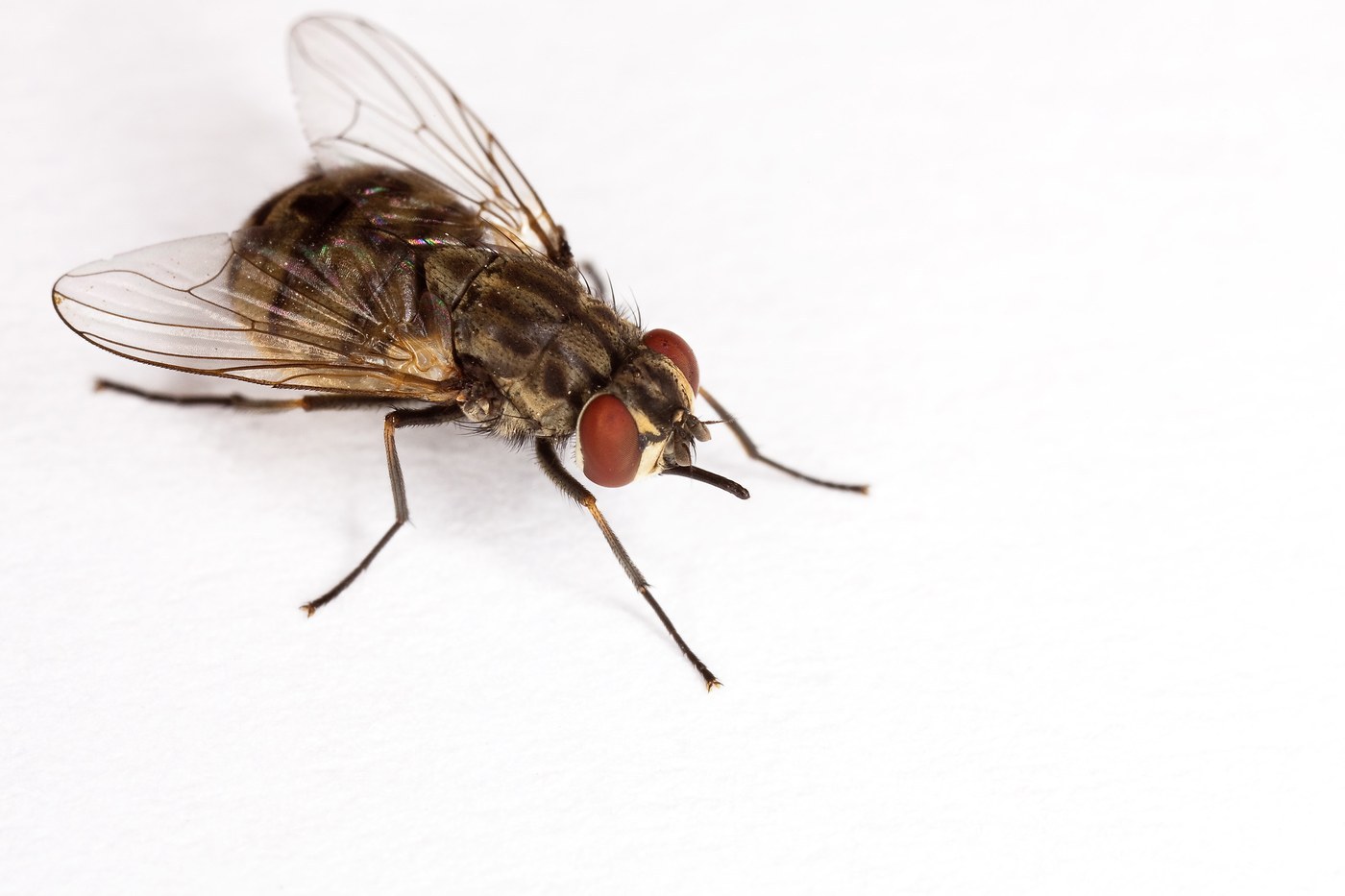
Stable Fly
A gray fly that looks almost identical to the common house fly, but carries a rigid, forward-pointing proboscis built for piercing skin rather than sponging up liquids.
flyTsetse Fly
A stout grayish-brown fly of African woodlands whose rigid, forward-jutting proboscis and scissor-folded wings set it apart from any ordinary house fly.
fly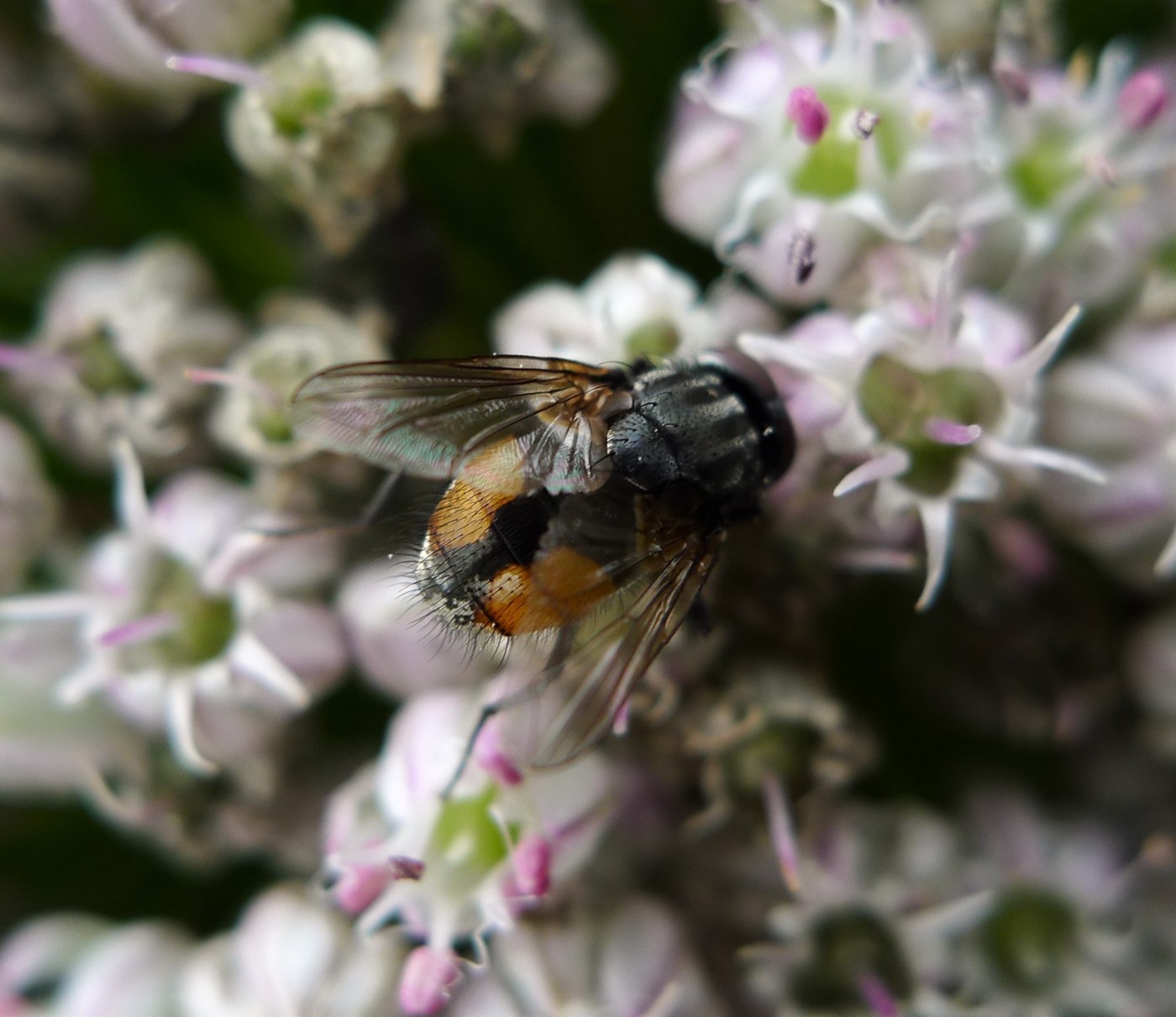
Face Fly
A house fly look-alike that clusters persistently around the eyes, muzzle, and face of grazing livestock to feed on moisture and secretions.
fly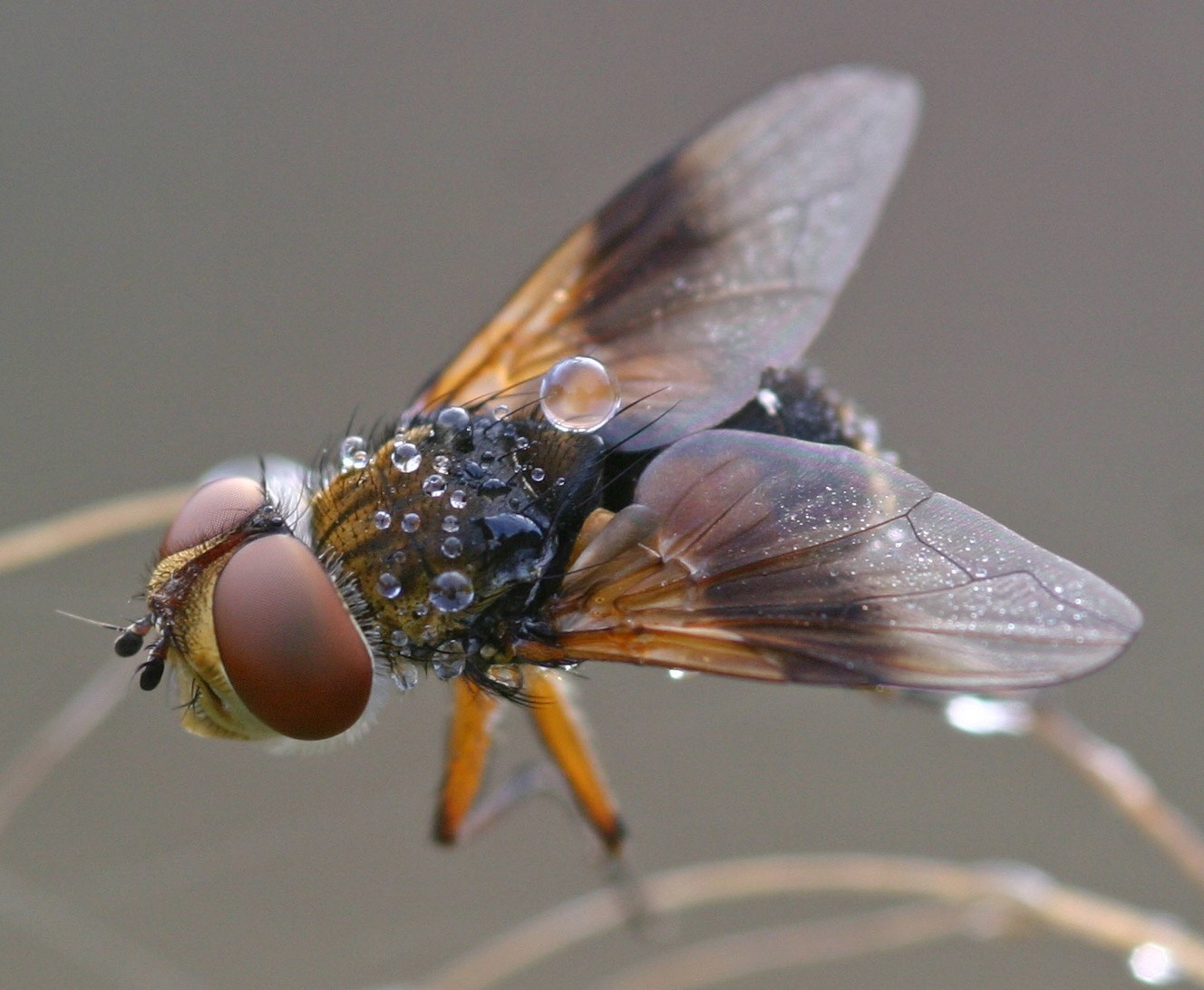
Tachinid Fly
A bristly, house-fly-like insect that looks unremarkable at a glance but hides one of the most important ecological roles among flies: its larvae develop as internal parasites of caterpillars, beetles, and other insects, quietly regulating populations across the landscape. Gardeners often welcome tachinid flies as natural allies against crop-damaging pests.
flyHorse Fly
A stout, fast-flying fly with large iridescent eyes and a heavy, robust body, known for its persistent, buzzing pursuit of large mammals on warm summer days.
fly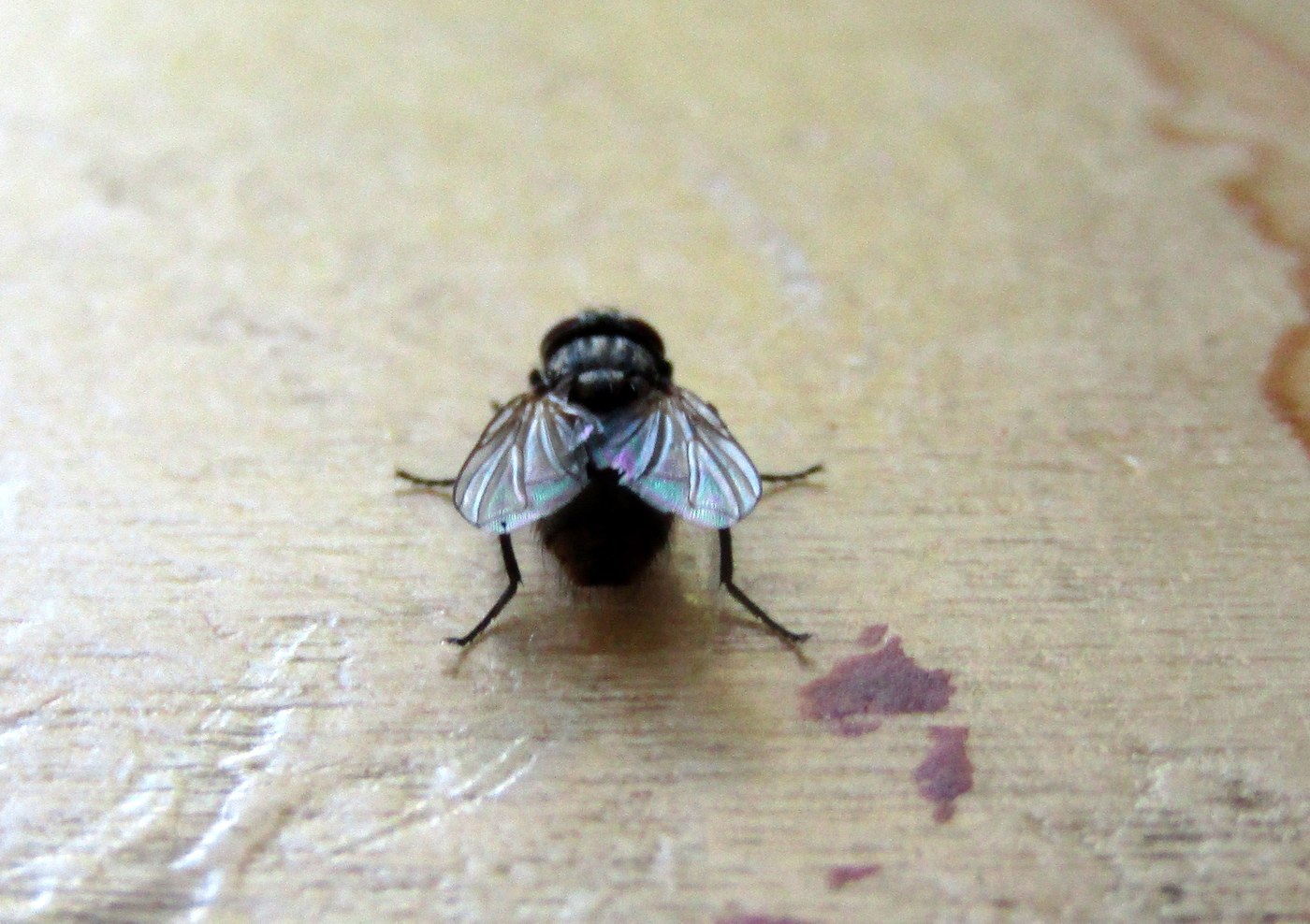
Common Housefly
A dull gray fly with four dark stripes on its thorax and large reddish eyes, one of the most widespread insects on Earth thanks to its close association with human food and waste.
flyHorse Fly Larva
Hidden in the wet mud along pond and stream margins, the horse fly larva is a tapered, tough-skinned predator that hunts other small soil and mud-dwelling invertebrates before eventually transforming into the familiar biting fly.
aquatic-insectHoverfly
A slender, bee- or wasp-patterned fly known for its remarkable ability to hover motionless in midair before darting suddenly to a new flower.
fly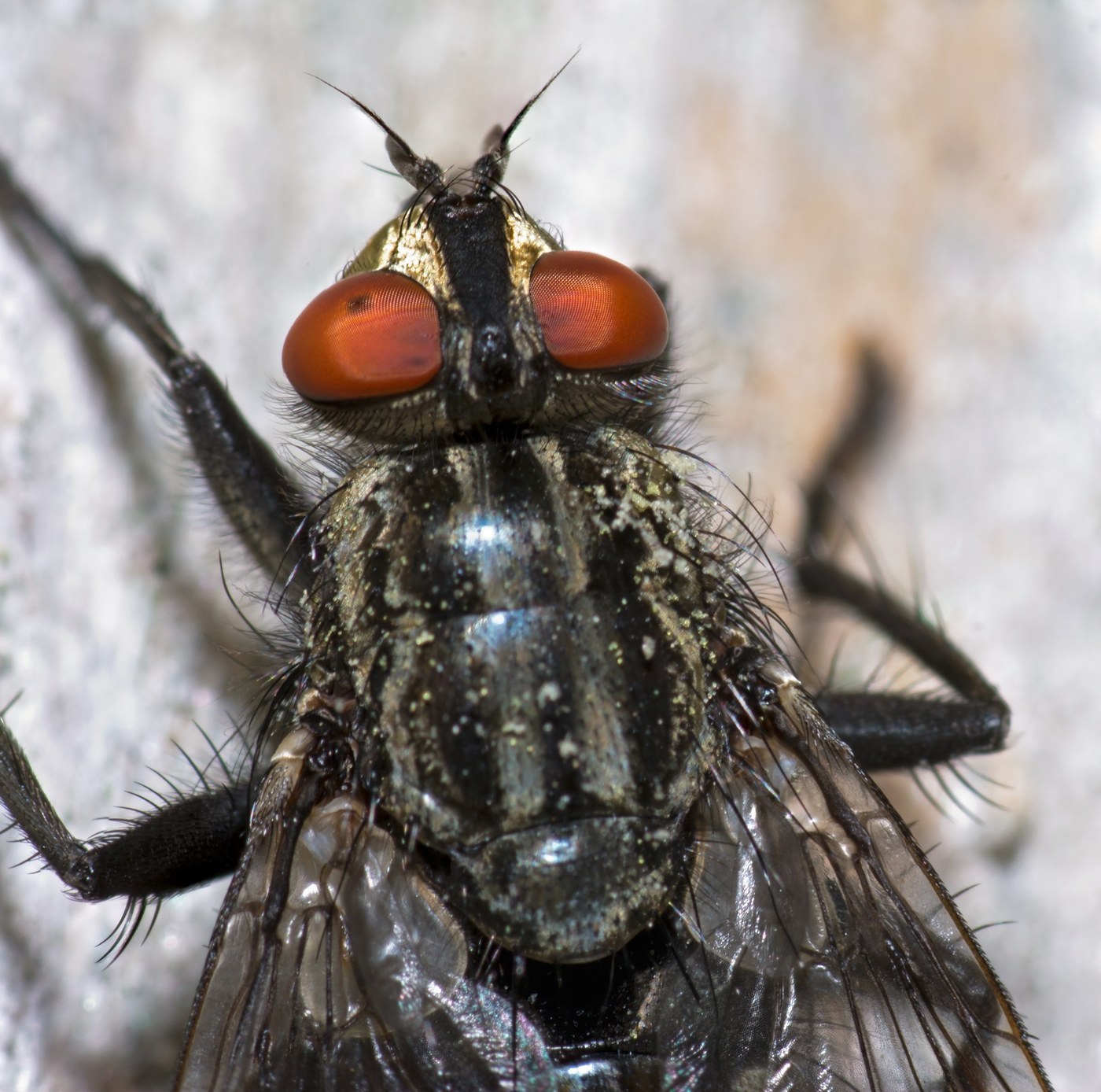
Flesh Fly
A bristly gray fly marked with three dark thoracic stripes and a checkerboard-patterned abdomen, often spotted hovering near carrion or garbage.
flyBot Fly
A stocky, bumblebee-mimicking fly whose adults never feed and live only long enough to mate and locate a rodent or rabbit burrow for their eggs. Despite their harmless, buzzing adult stage, bot flies are best known through the larvae that develop as internal parasites of small mammals.
fly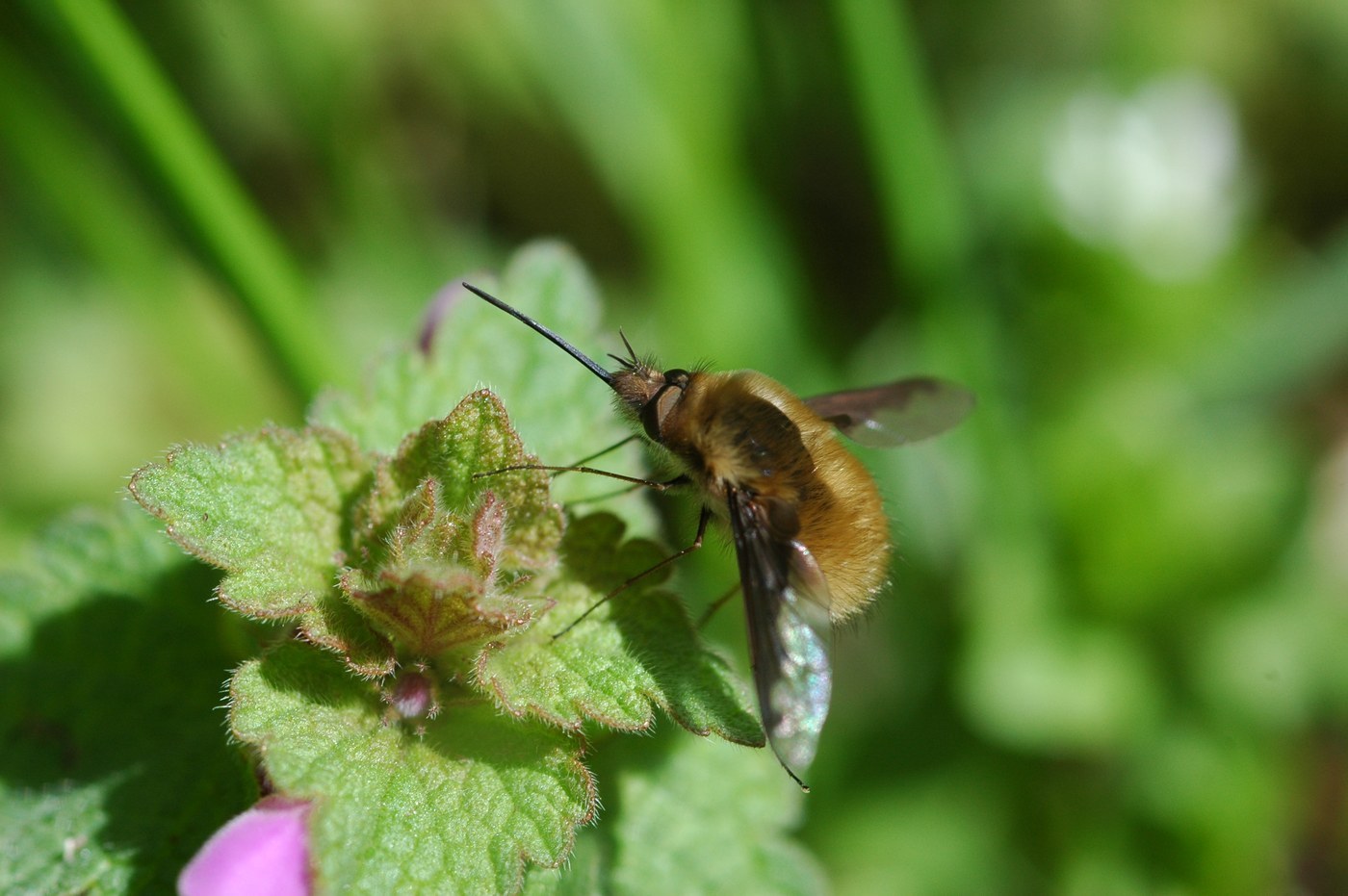
Bee Fly
A fuzzy, bee-mimicking fly with a long, forward-pointing proboscis that hovers motionless in front of spring flowers while sipping nectar.
fly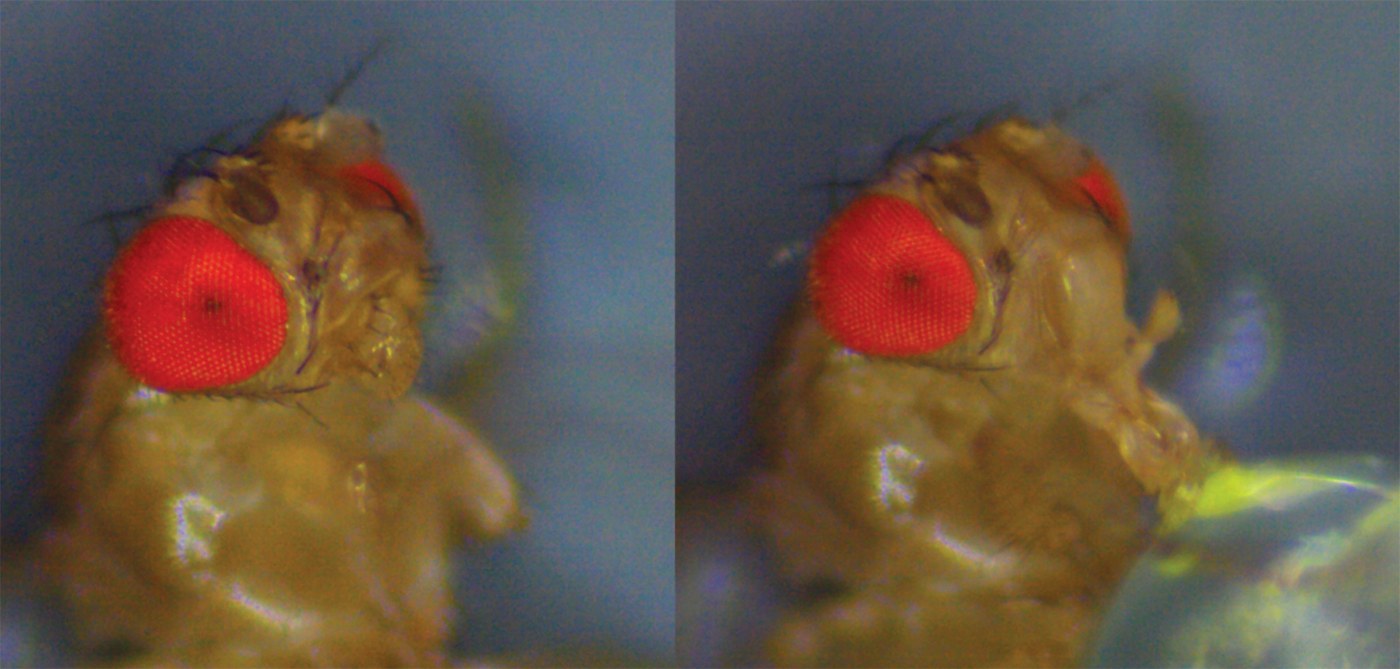
Fruit Fly
A tiny tan fly with prominent red eyes that swarms around overripe fruit, wine, and vinegar, appearing seemingly out of nowhere thanks to an extremely fast life cycle.
flyDung Fly
A hairy, often golden-hued fly commonly seen perched on fresh manure in pastures, where it hunts smaller insects as an adult while its larvae develop within the dung itself.
fly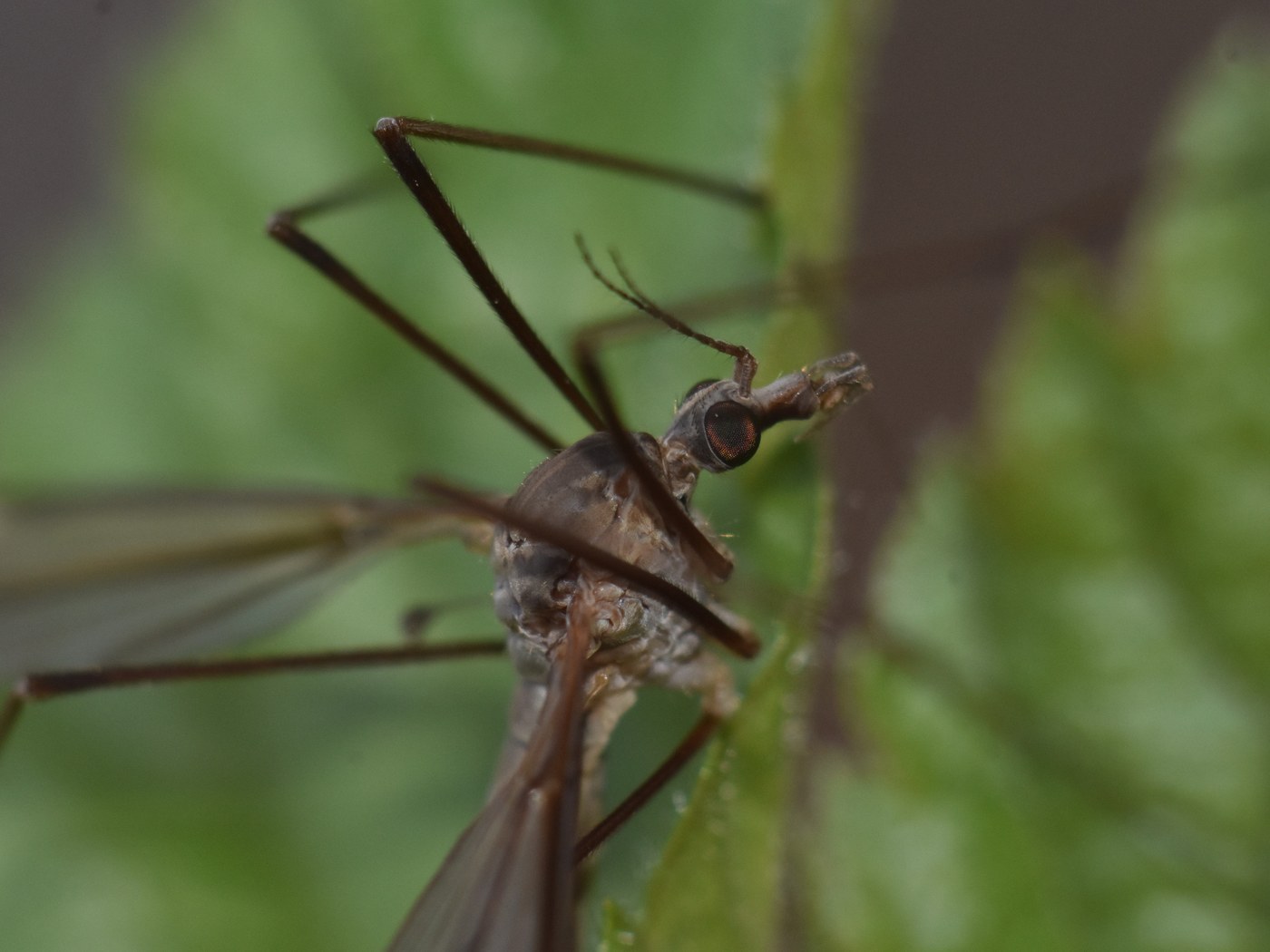
Crane Fly
A long-legged, mosquito-like fly with a slender tan or gray body and a single pair of narrow wings, often seen wobbling clumsily around outdoor lights on summer evenings.
flyLouse Fly
A flattened, leathery-bodied fly that clamps onto fur or feathers with stout claws and scuttles sideways like a tiny crab rather than taking flight when disturbed. Several species shed their wings for good once they settle on a permanent host, spending the rest of their lives buried in fleece or plumage.
flyMarsh Fly
A slender, unassuming fly best known for larvae with a remarkable diet: nearly every species in the family feeds on aquatic or terrestrial snails and slugs, making marsh flies natural specialists in wetland food webs. Adults are often found resting quietly on sedges and other marsh vegetation near the water's edge.
fly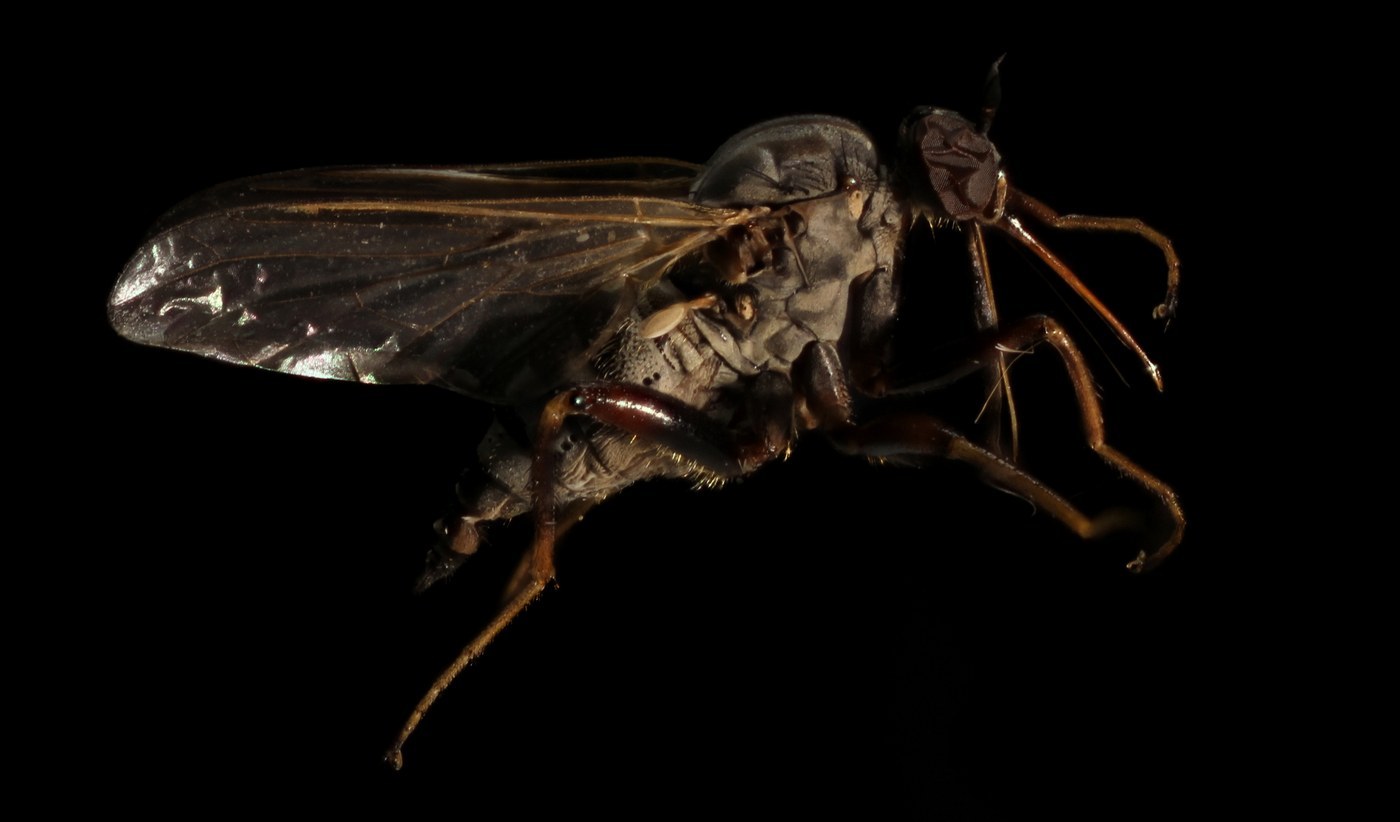
Dance Fly
A slender, long-legged predatory fly named for the swarming courtship dances males perform at dusk, often while carrying a captured insect as an offering.
flyMarch Fly
A stout, all-black fly that emerges in sudden, dense swarms during the first warm days of spring, often dangling its long hind legs conspicuously in slow, low flight over grass. Its name comes from its habit of appearing reliably around the start of the month, sometimes on cue near a particular saint's feast day in the traditional European calendar.
fly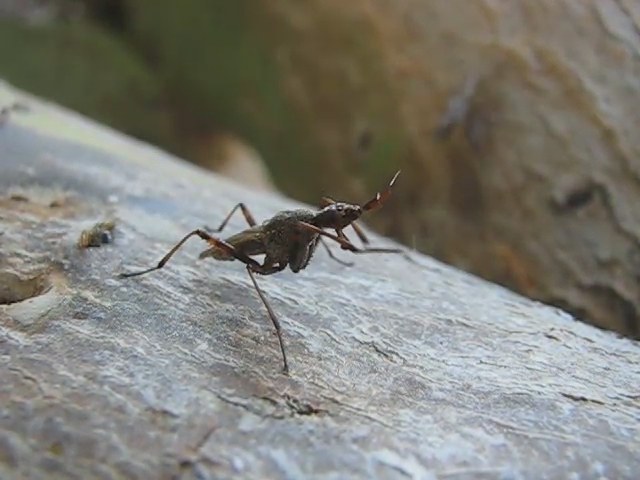
Cactus Fly
A slender, long-legged desert fly that specializes in breeding within the soft, fermenting tissue of decaying cactus, particularly saguaro and other columnar cacti.
flySoldier Fly
A wasp-mimicking fly with a flattened, often metallic body that spends its larval life quietly breaking down decaying plant matter or aquatic debris.
fly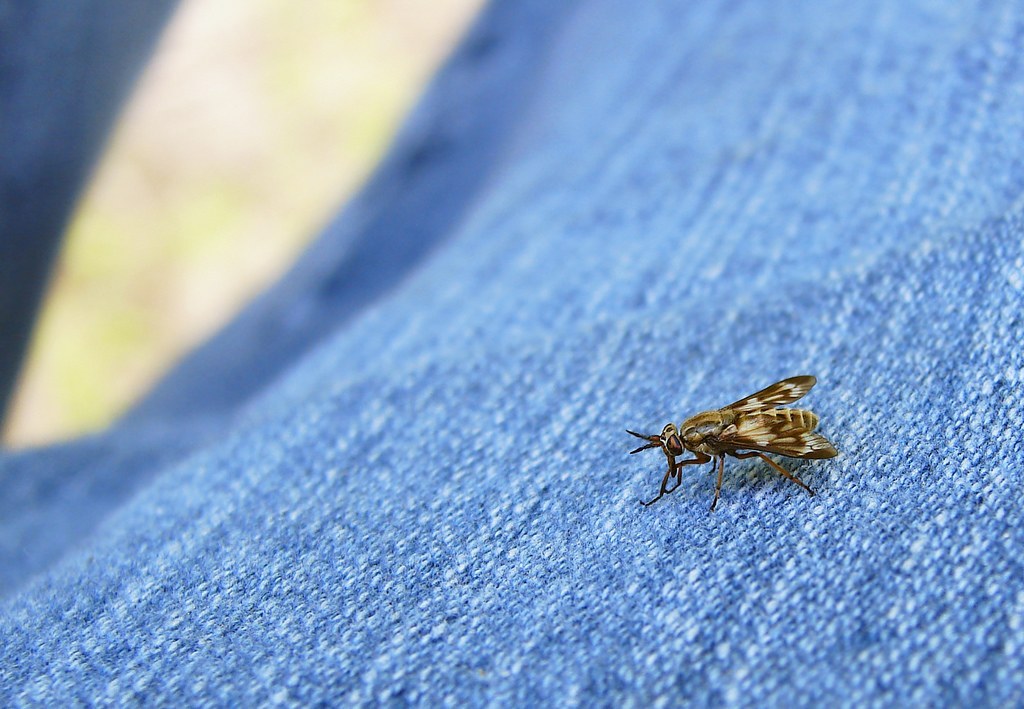
Deer Fly
A small but aggressive fly with strikingly patterned, dark-banded wings and bright green or gold eyes, often circling the head and shoulders while hunting for a blood meal.
fly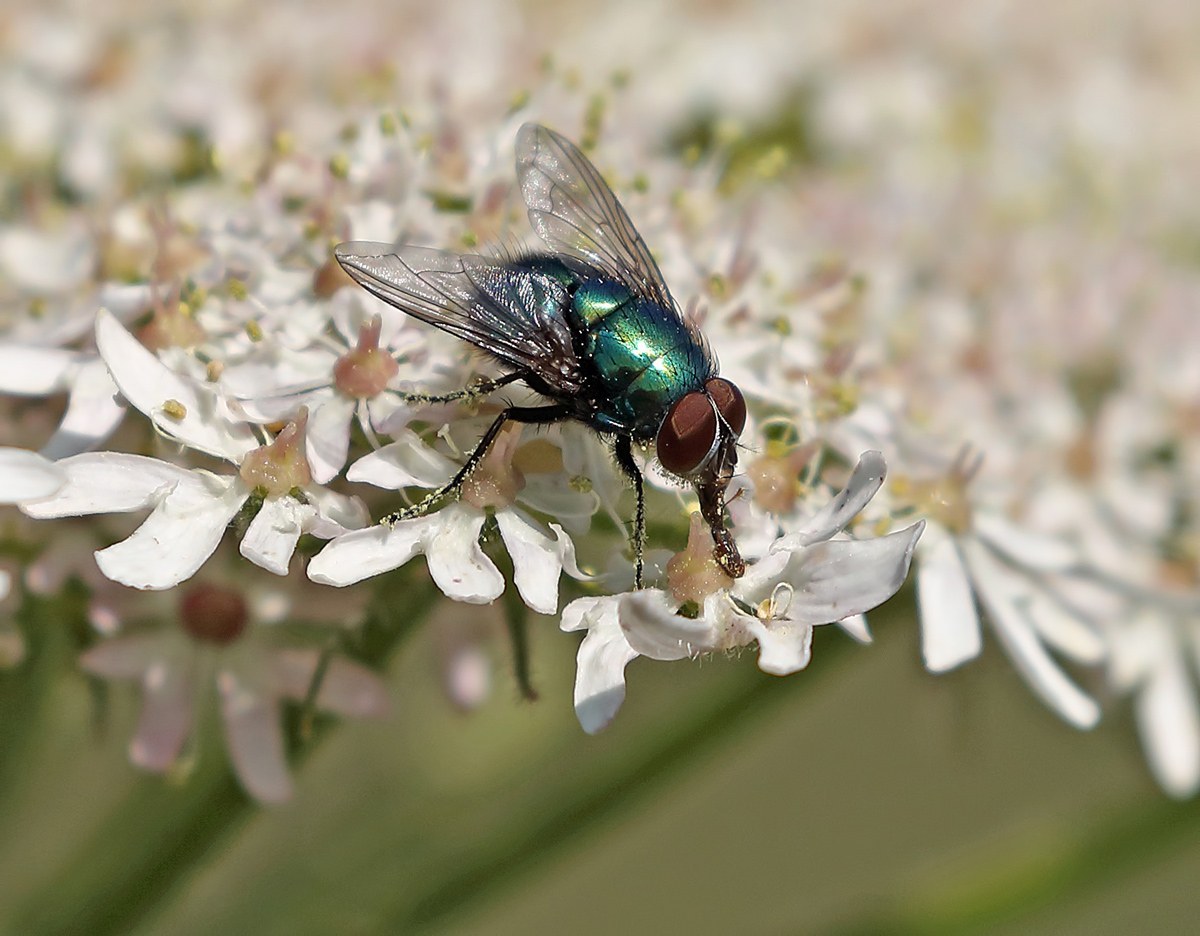
Blow Fly
A brilliant, metallic green fly that gleams like a jewel in sunlight, quickly locating decaying material with an acute sense of smell.
fly