
Bug Encyclopedia
Search and identify bugs & insects — beetles, butterflies, moths, ants, bees, spiders and more — with size, habitat, danger, behavior, and how to tell them apart.
Drywood Termite
A termite that lives entirely within the dry wood it feeds on, needing no soil contact at all, and revealing itself mainly through small piles of pellet-like frass pushed from tiny exit holes.
other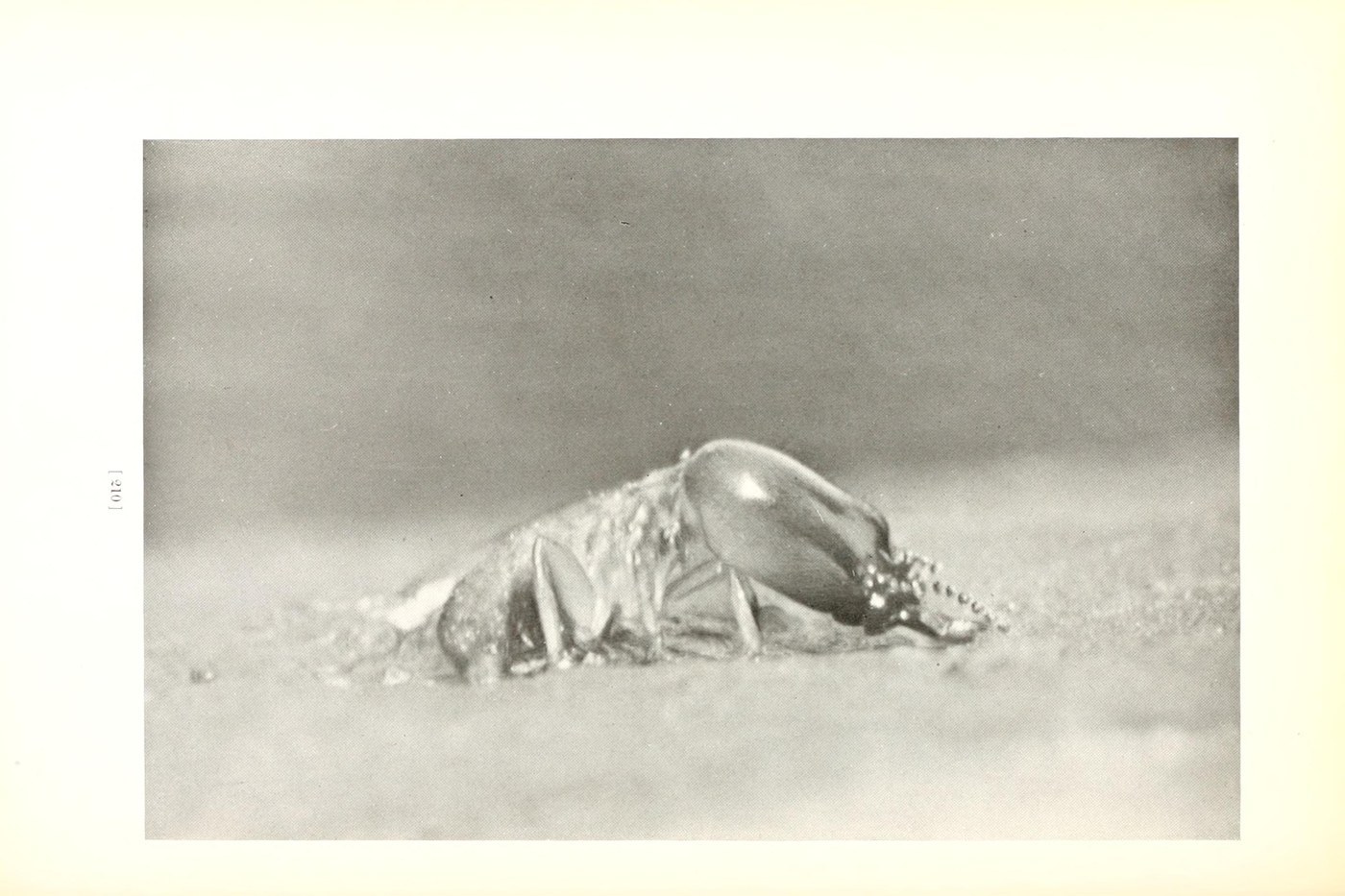
Termite
A pale, soft-bodied social insect that lives in hidden colonies and feeds on cellulose in wood and plant debris, often mistaken for an ant despite belonging to an entirely different insect order.
otherTermite Swarmer
A dense, short-lived cloud of dark, equal-winged insects pouring from a crack in soil or wood, each one a would-be founder of a brand-new termite colony.
otherDampwood Termite
A relatively large termite that nests directly inside heavily moistened, decaying wood such as rotting logs and stumps, needing no soil contact but requiring consistently damp timber.
other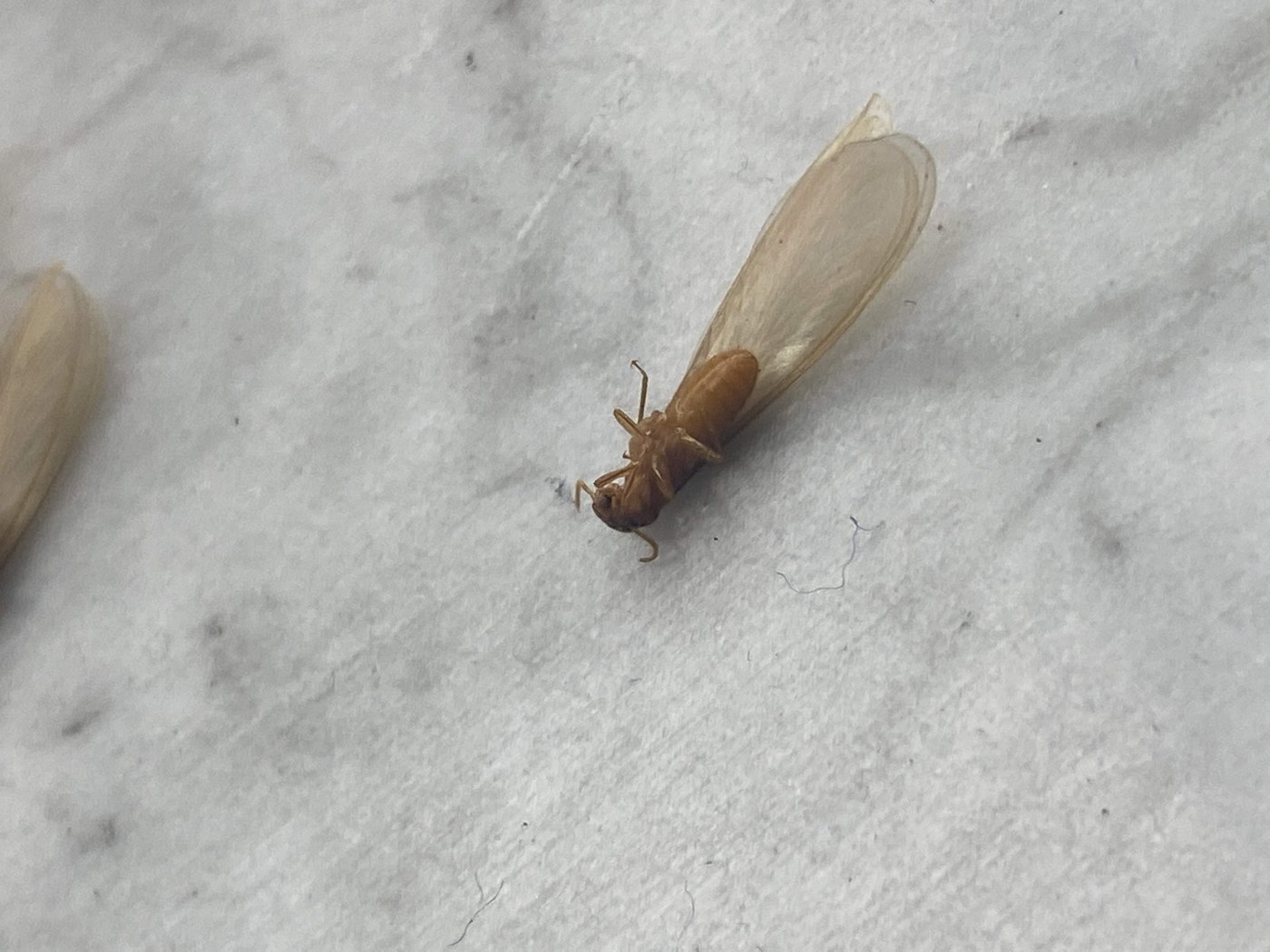
Formosan Subterranean Termite
A pale, aggressive subterranean termite native to East Asia that builds enormous colonies and can construct large above-ground carton nests in trees, walls, and structures.
other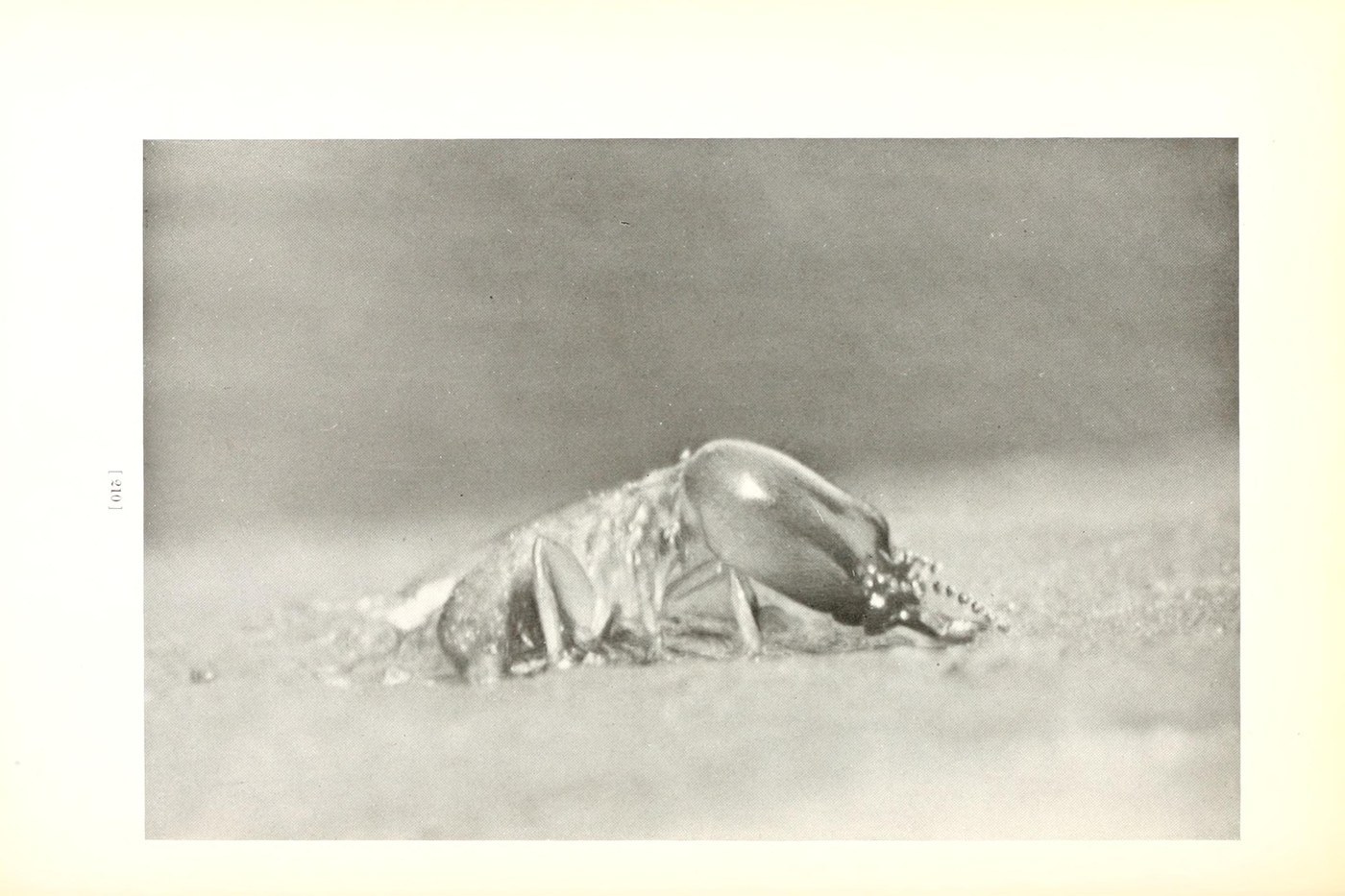
Eastern Subterranean Termite
A pale, soft-bodied social insect that lives in vast underground colonies and builds mud tubes to reach and feed on wood cellulose, including structural timber.
other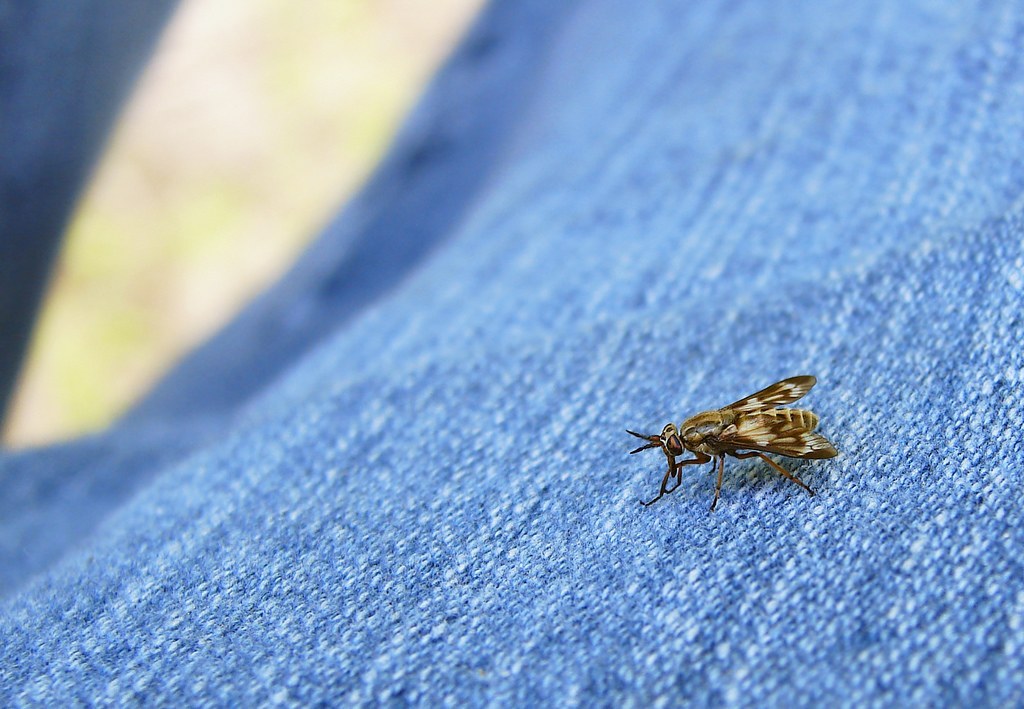
Deer Fly
A small but aggressive fly with strikingly patterned, dark-banded wings and bright green or gold eyes, often circling the head and shoulders while hunting for a blood meal.
flyPicture-Winged Fly
A small fly whose clear wings are decorated with bold bands, spots, or intricate patterns, often waved and flicked in slow, deliberate displays that give the impression of a tiny fan being opened and closed. Some species even raise their patterned wings above the body and walk sideways in courtship displays reminiscent of a strutting peacock.
fly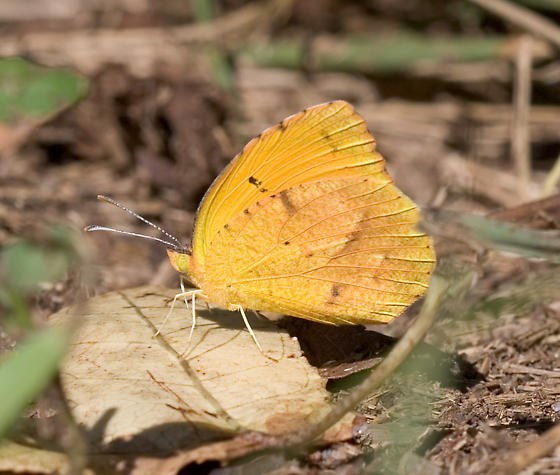
Sleepy Orange
A small, deep orange sulphur butterfly with dark wing borders and a low, wandering flight, named for a faint dark mark that suggests a half-closed, sleepy eye.
butterfly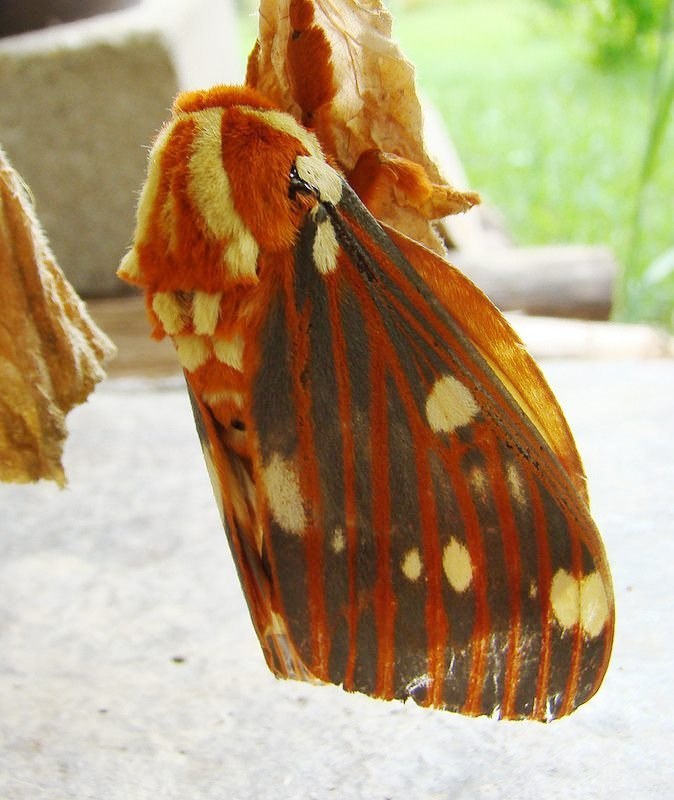
Regal Moth (Hickory Horned Devil)
One of the largest moths in North America, with orange-red and gray-veined wings on the adult, best known for its enormous, formidable-looking caterpillar, the hickory horned devil, a blue-green giant bristling with long orange spines.
mothLouse Fly
A flattened, leathery-bodied fly that clamps onto fur or feathers with stout claws and scuttles sideways like a tiny crab rather than taking flight when disturbed. Several species shed their wings for good once they settle on a permanent host, spending the rest of their lives buried in fleece or plumage.
fly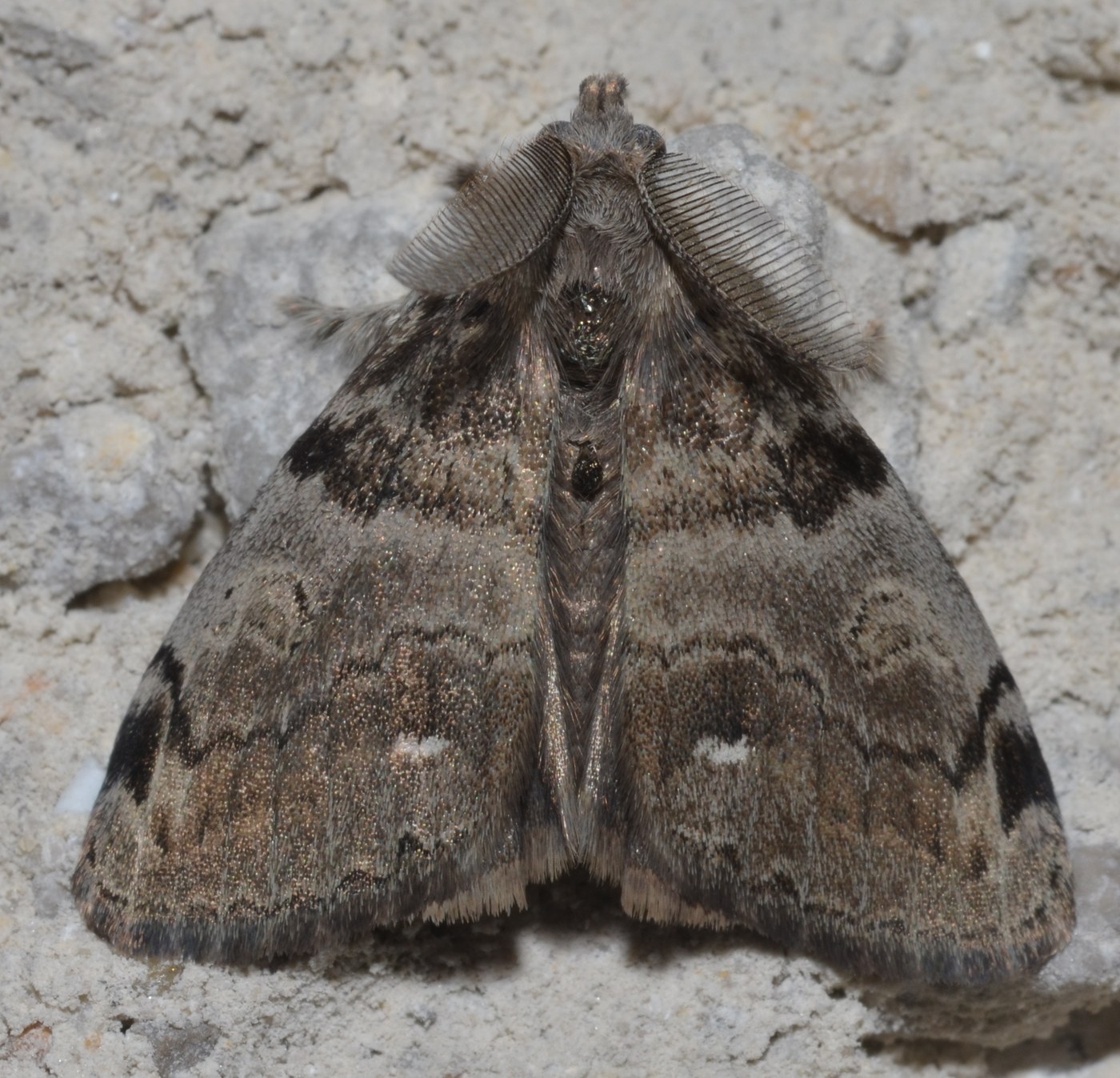
Tussock Moth
A moth with a striking split lifestyle: winged, drab gray-brown males fly to seek out flightless, grub-like females, while the ornate caterpillars sport dense tufts of colorful bristly hair.
moth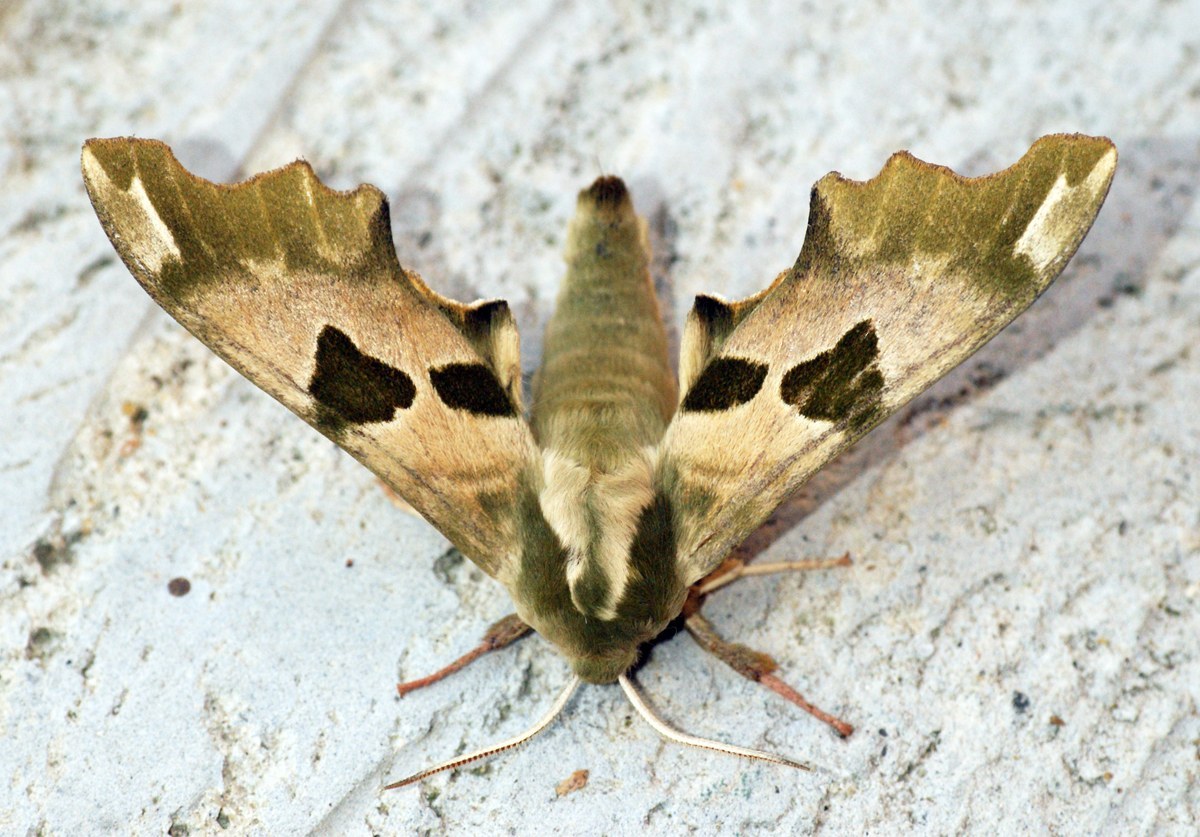
Lime Hawk-Moth
A stout, angular-winged hawk-moth in muted greens, browns, or pinks with deeply scalloped wing margins, closely tied to lime (linden) trees for its larval development.
mothFungus Gnat
A small, dark, mosquito-like fly with long legs and delicate smoky wings, often seen weakly fluttering around houseplants or crawling across damp potting soil.
fly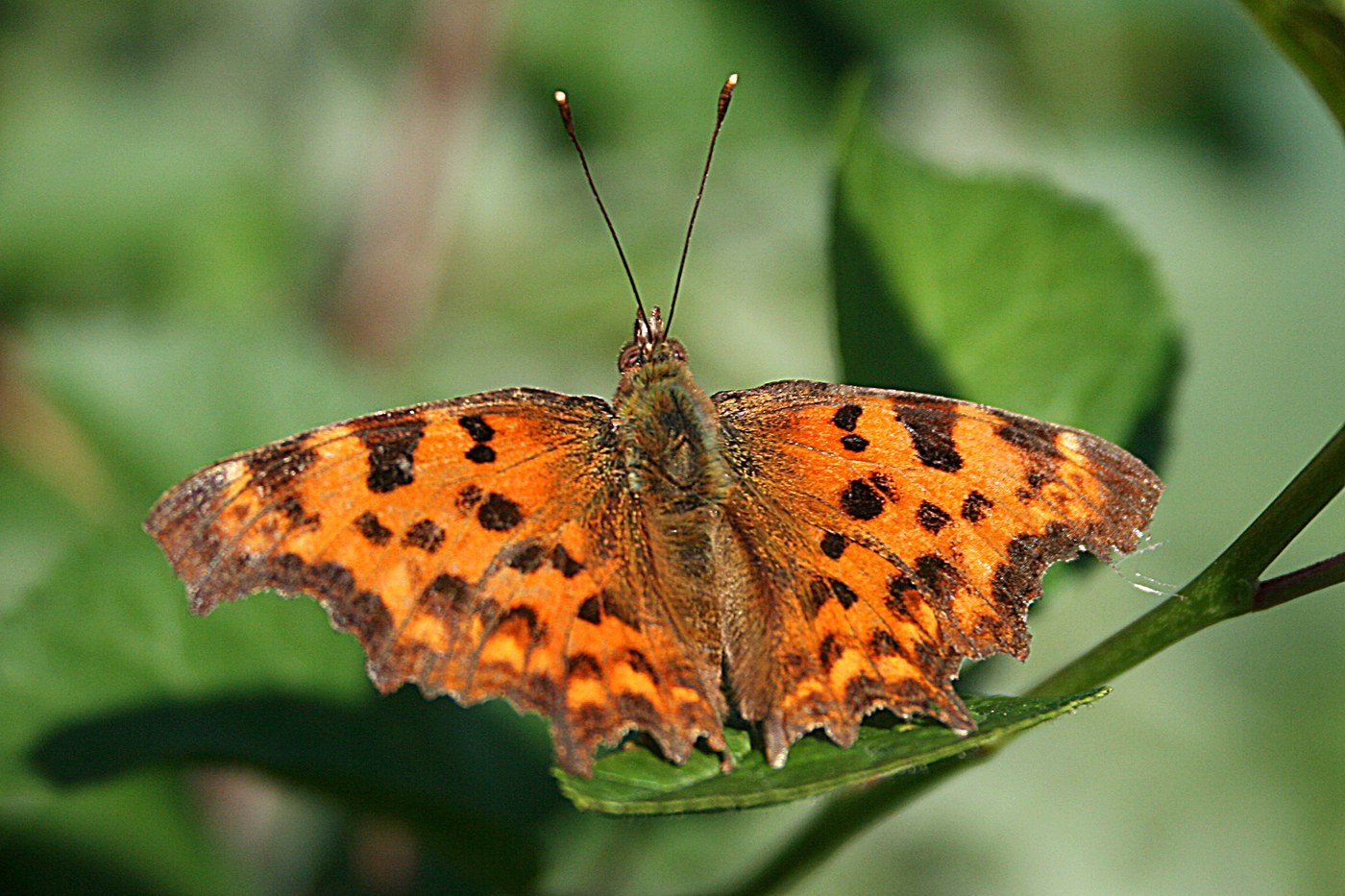
Comma Butterfly
An orange-brown butterfly with distinctively ragged, scalloped wing edges and a small white comma-shaped mark on the underside of the hindwing, resembling a dead leaf when at rest.
butterflyMayfly
A delicate insect with upright, sail-like wings and long, thread-thin tail filaments, famous for emerging by the millions in brief, synchronized swarms before dying within a day or two.
aquatic-insect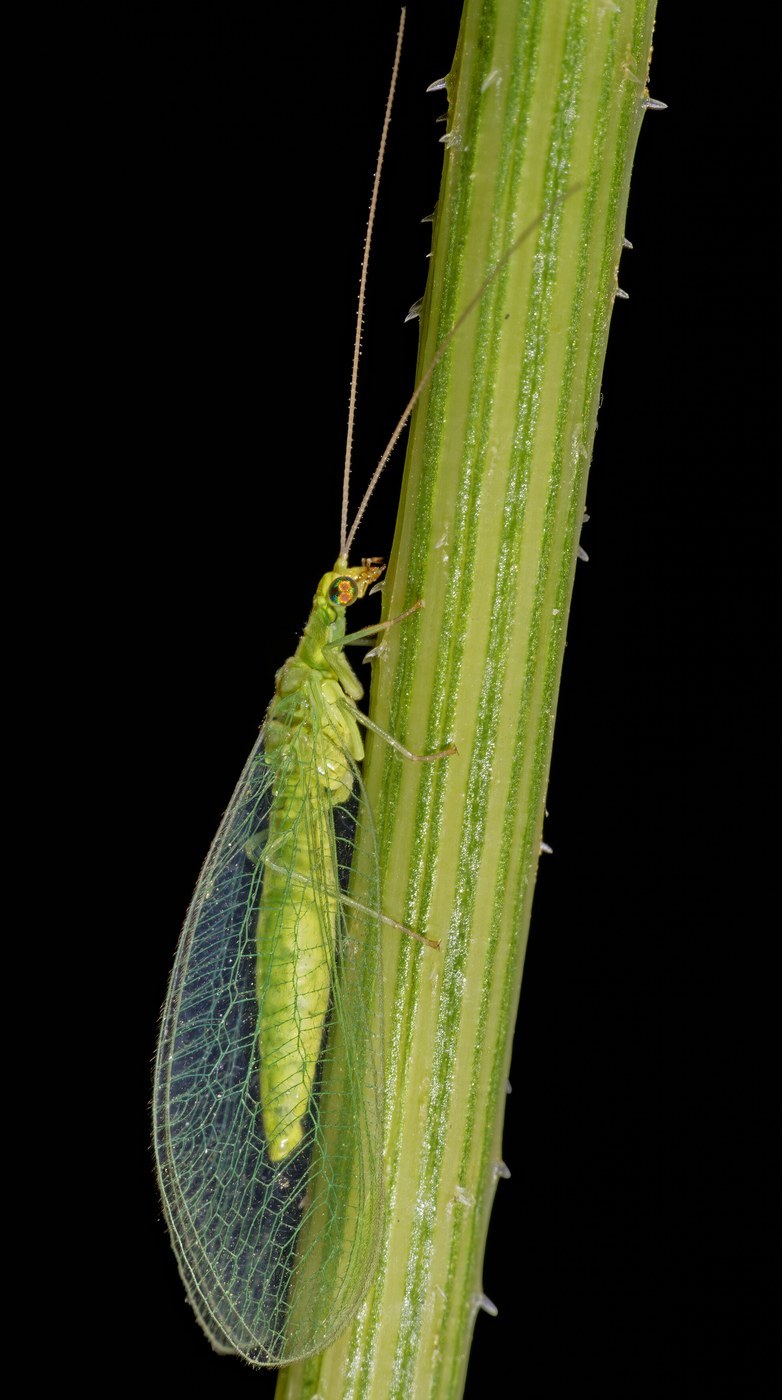
Lacewing
A delicate, pale green insect with large, transparent, intricately veined wings and shining golden or copper-colored eyes, valued as a natural predator of aphids in its larval form.
other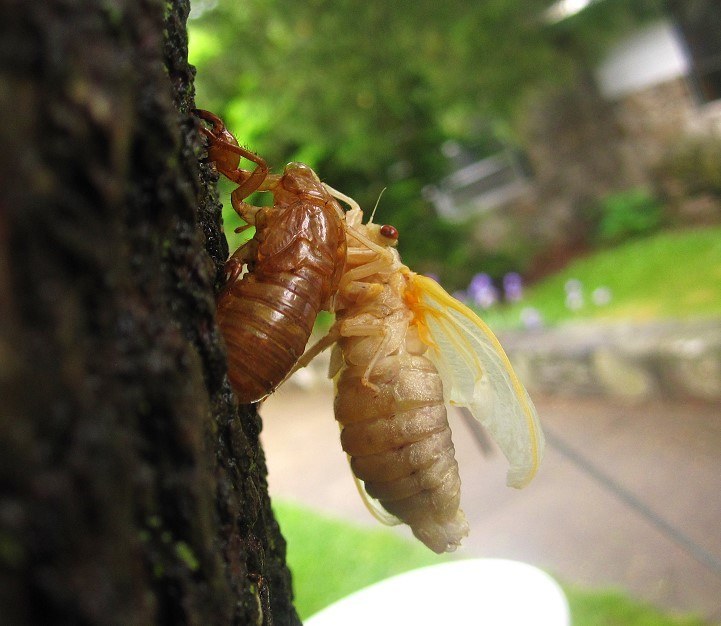
Periodical Cicada
A black-bodied cicada with striking red eyes and orange-veined wings, famous for emerging in massive, synchronized broods after spending 13 or 17 years developing underground.
true-bug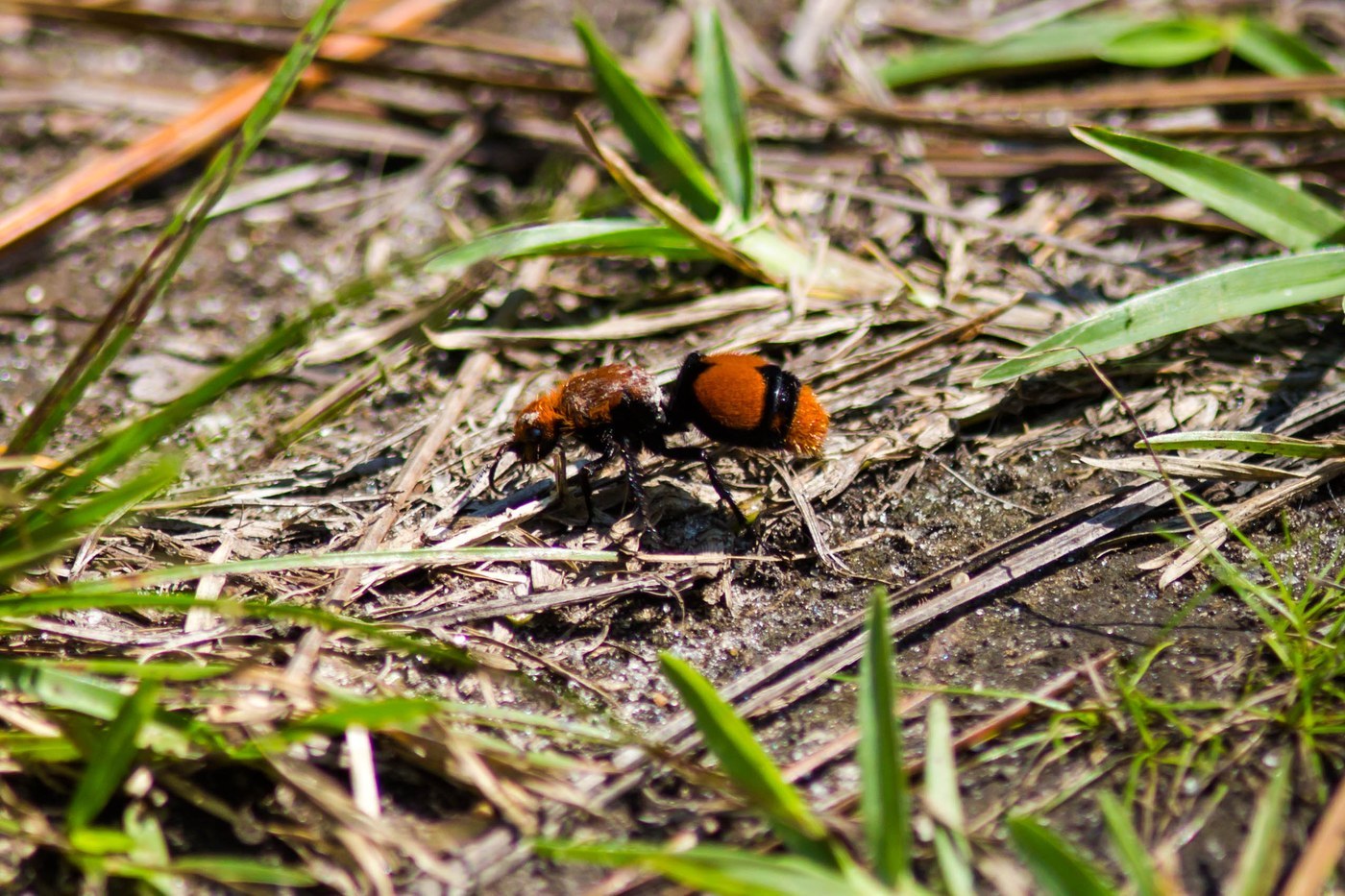
Velvet Ant
A densely fuzzy, brightly colored insect that looks like an oversized ant but is actually a wingless female wasp, instantly recognizable by its thick coat of red, orange, black, or white hair.
wasp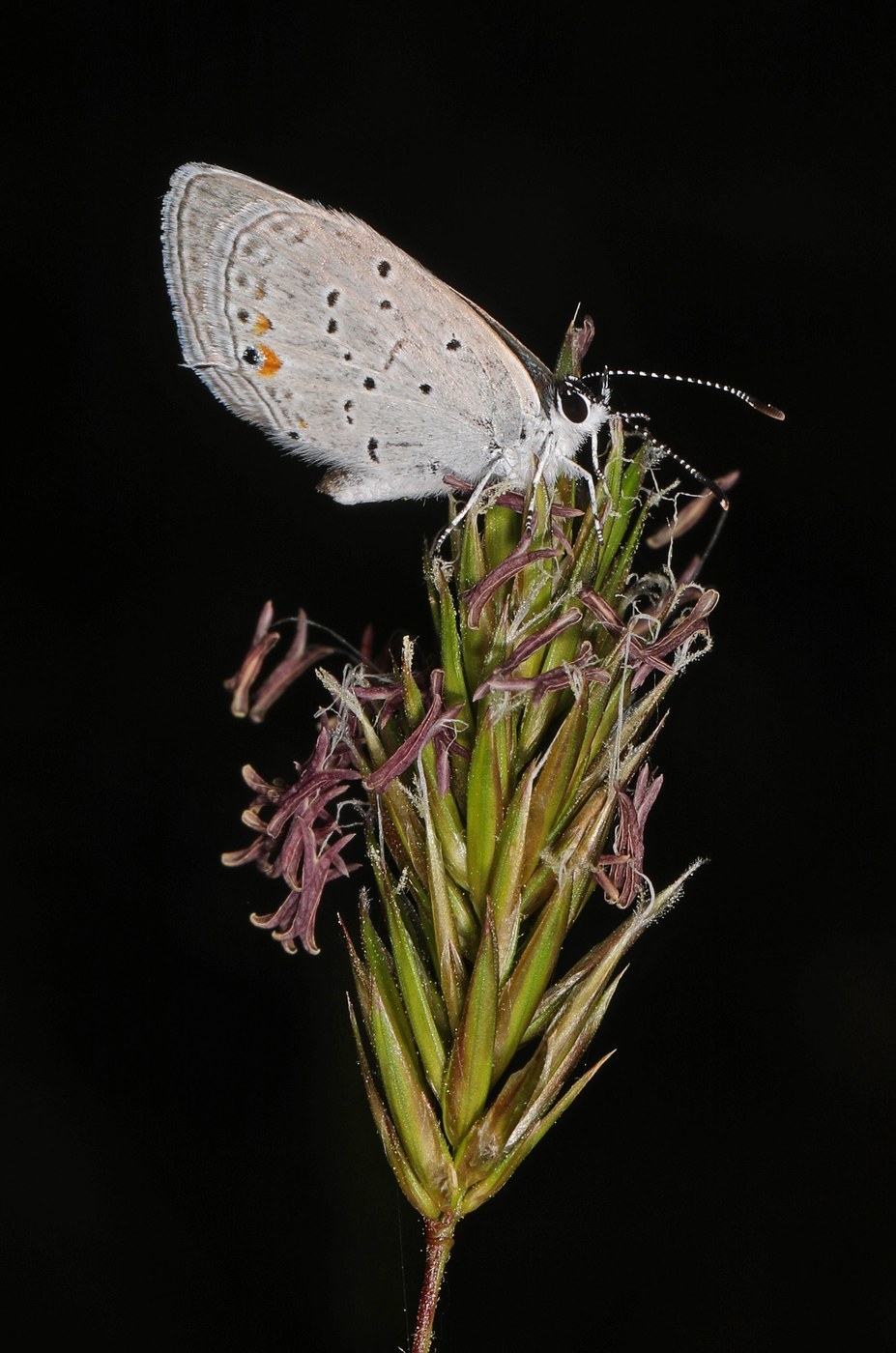
Eastern Tailed-Blue
A tiny gossamer-wing butterfly with a delicate thread-like tail on each hindwing and a small orange spot near the tail base, common in open weedy habitats throughout the eastern half of North America.
butterfly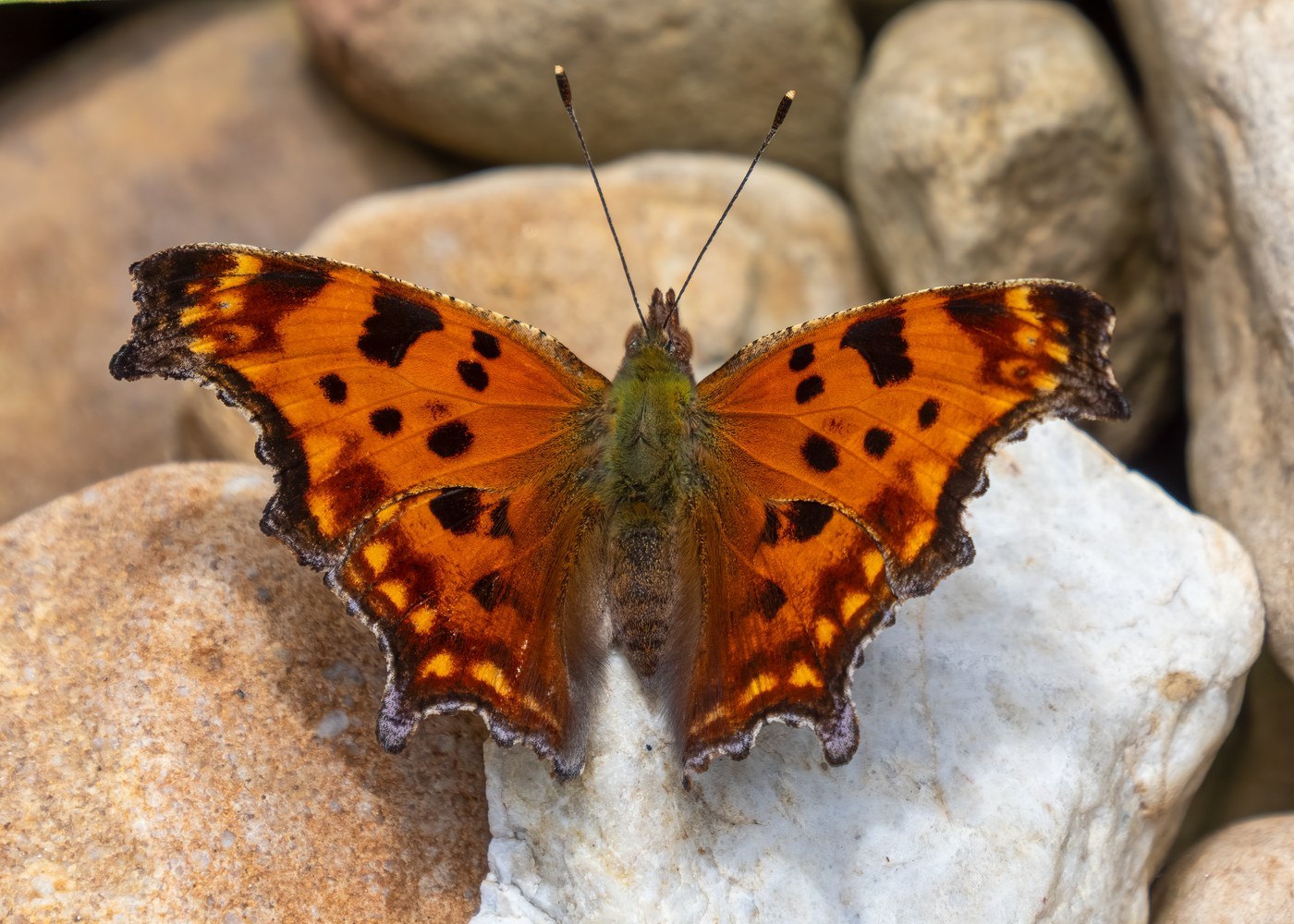
Eastern Comma
A ragged-edged orange-and-brown woodland butterfly named for the small, silvery comma-shaped mark on the underside of its hindwing, with a cryptic dead-leaf pattern that camouflages it perfectly when its wings are closed.
butterfly