
Bug Encyclopedia
Search and identify bugs & insects — beetles, butterflies, moths, ants, bees, spiders and more — with size, habitat, danger, behavior, and how to tell them apart.
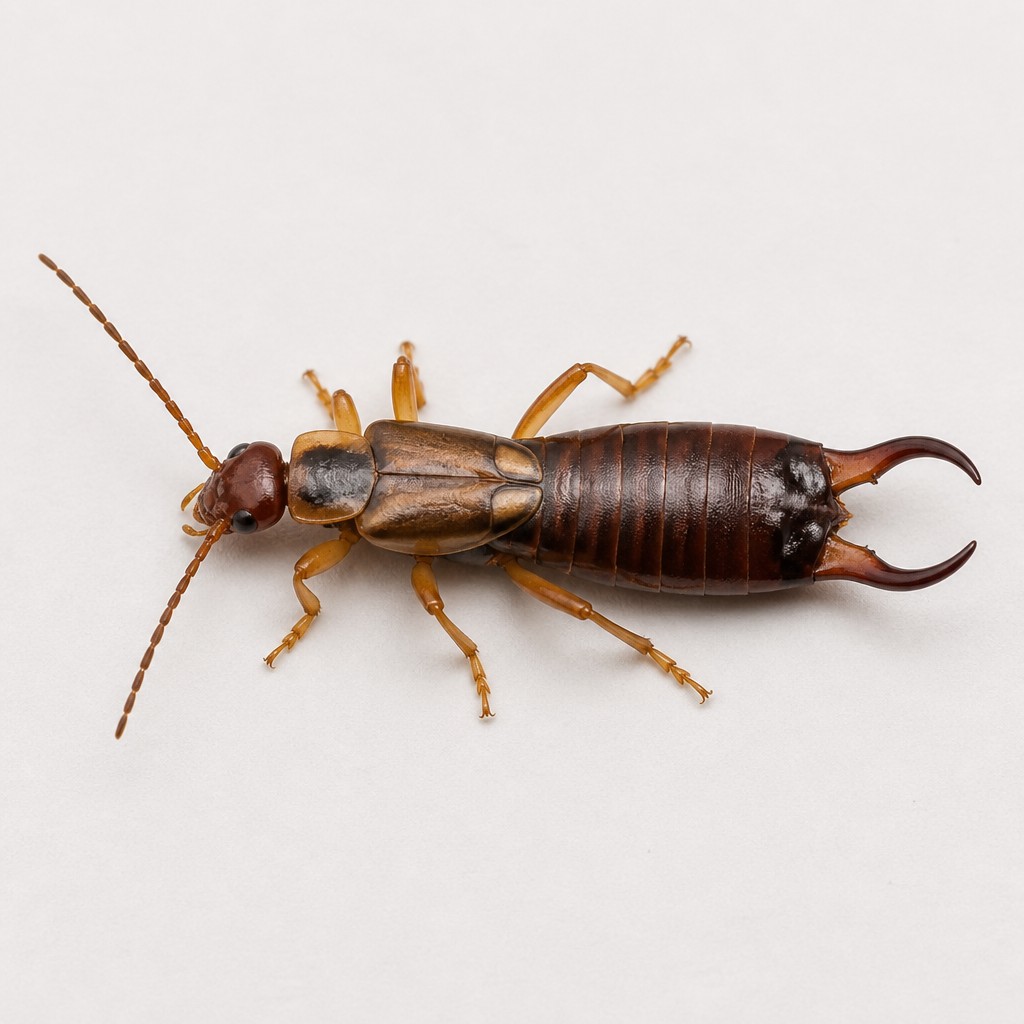
Earwig
A slender, reddish-brown insect easily identified by the pair of curved, forceps-like pincers at the tip of its abdomen, often found hiding under mulch, bark, or garden debris by day.
other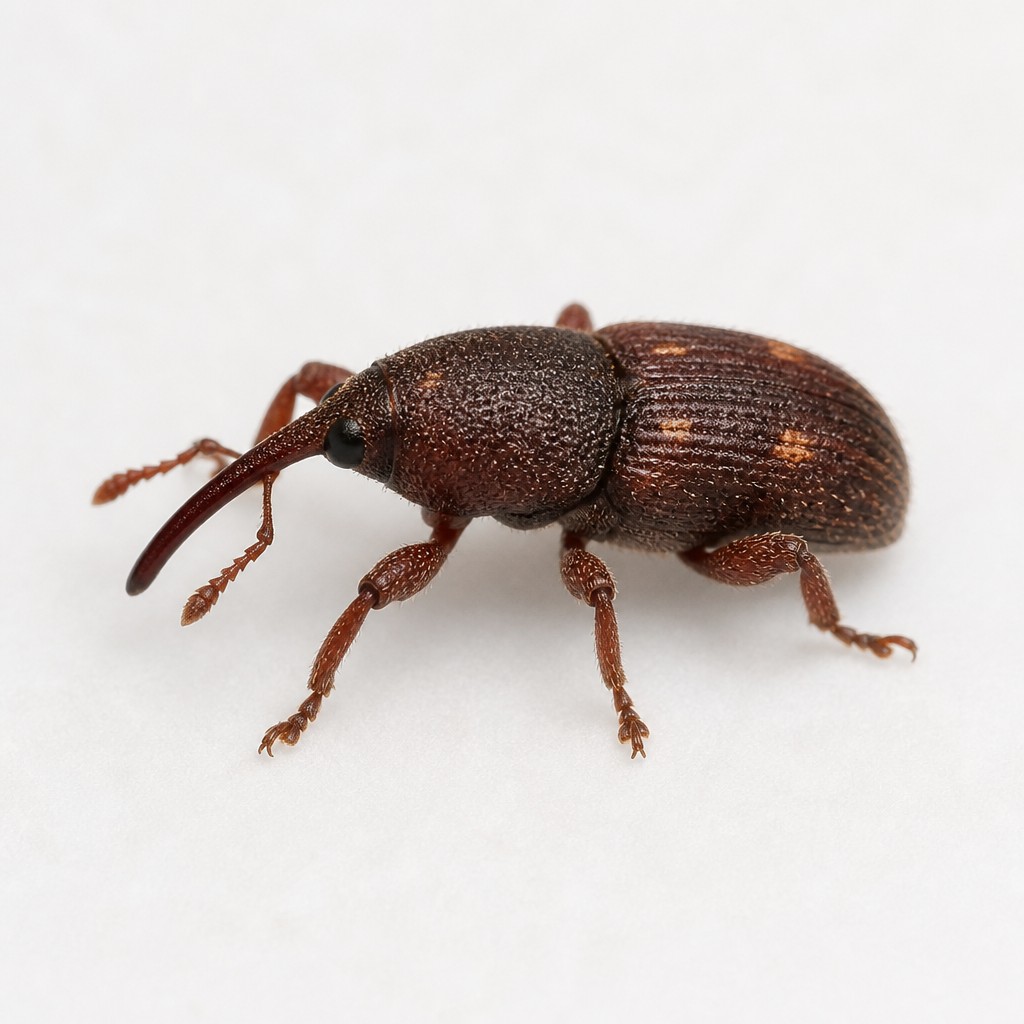
Rice Weevil
A tiny reddish-brown weevil with a long curved snout and four faint pale spots on its wing covers, commonly found infesting stored rice, wheat, and other grain products.
beetle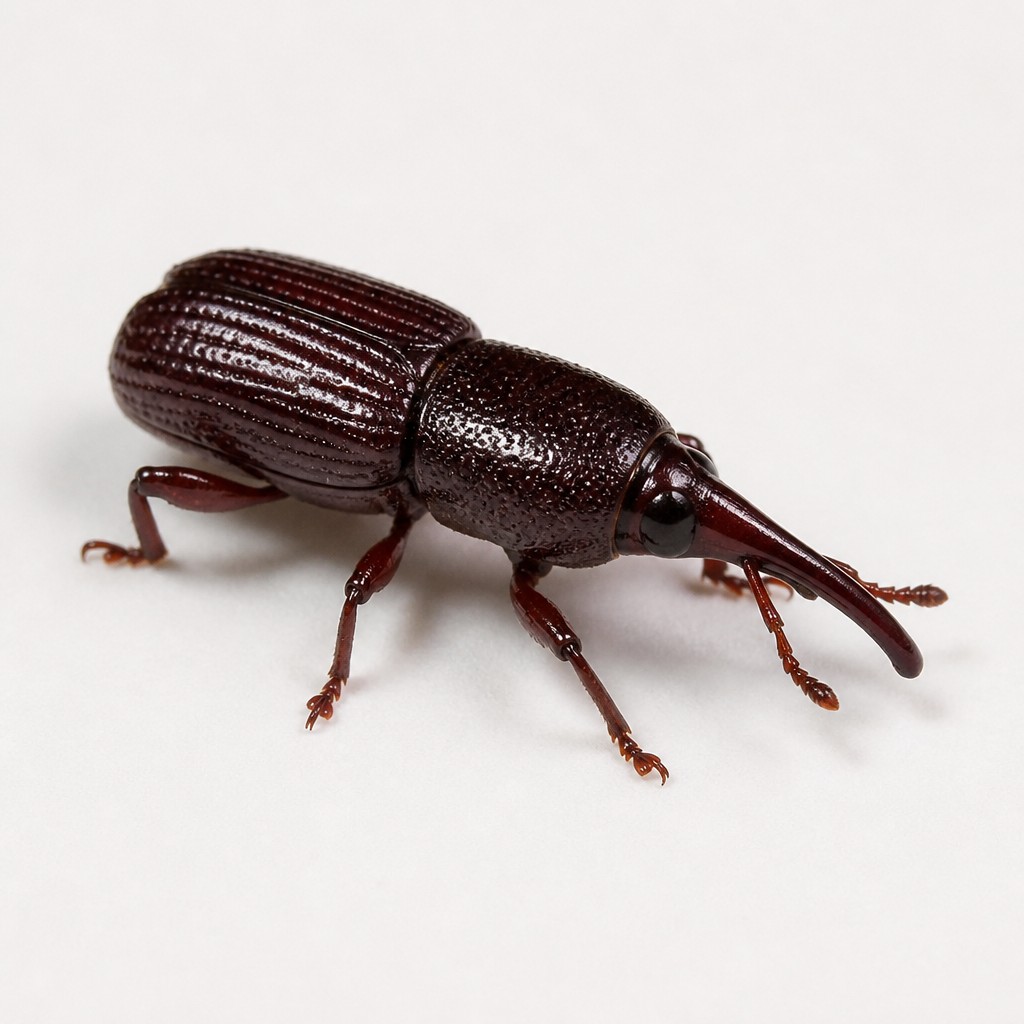
Granary Weevil
A small, shiny, dark reddish-brown to black weevil with a long curved snout that is unable to fly, spending its entire life cycle within stores of wheat and other cereal grains.
beetle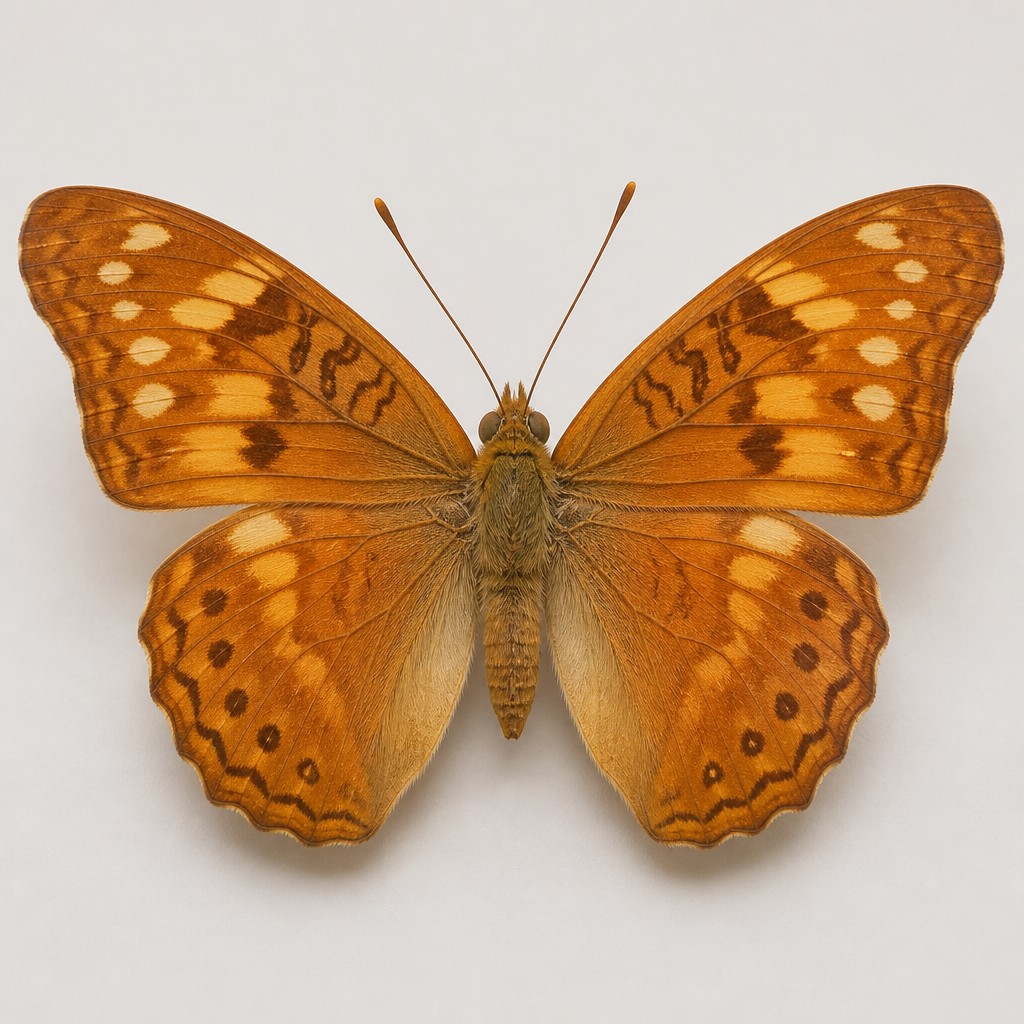
Tawny Emperor
A warm orange-brown woodland butterfly, close relative of the Hackberry Emperor, best distinguished by its lack of a forewing eyespot and its habit of feeding on sap and dung rather than flowers.
butterfly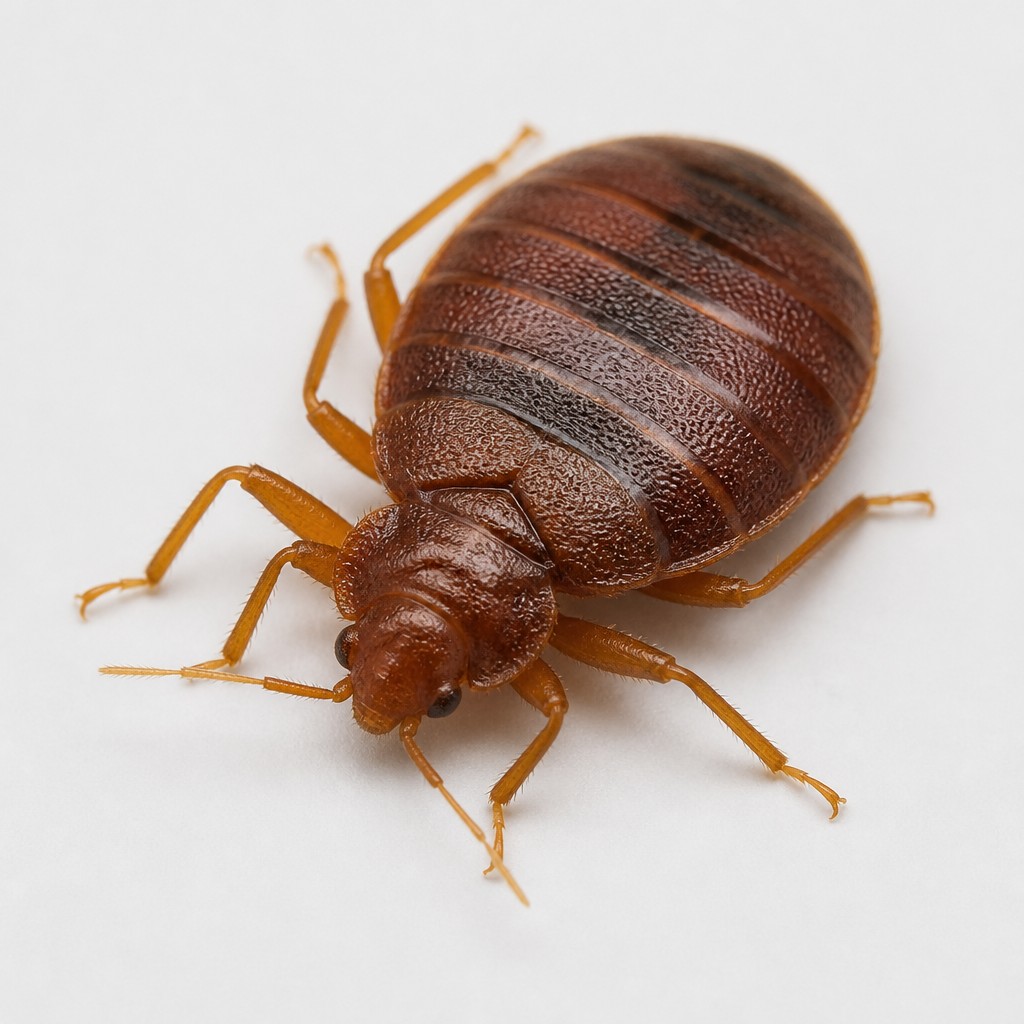
Bed Bug (Bat Bug)
A small, flat, reddish-brown, wingless true bug that hides in tight seams and crevices by day and feeds on blood at night, closely related to the bat bug, which occupies a similar niche in bat roosts.
true-bug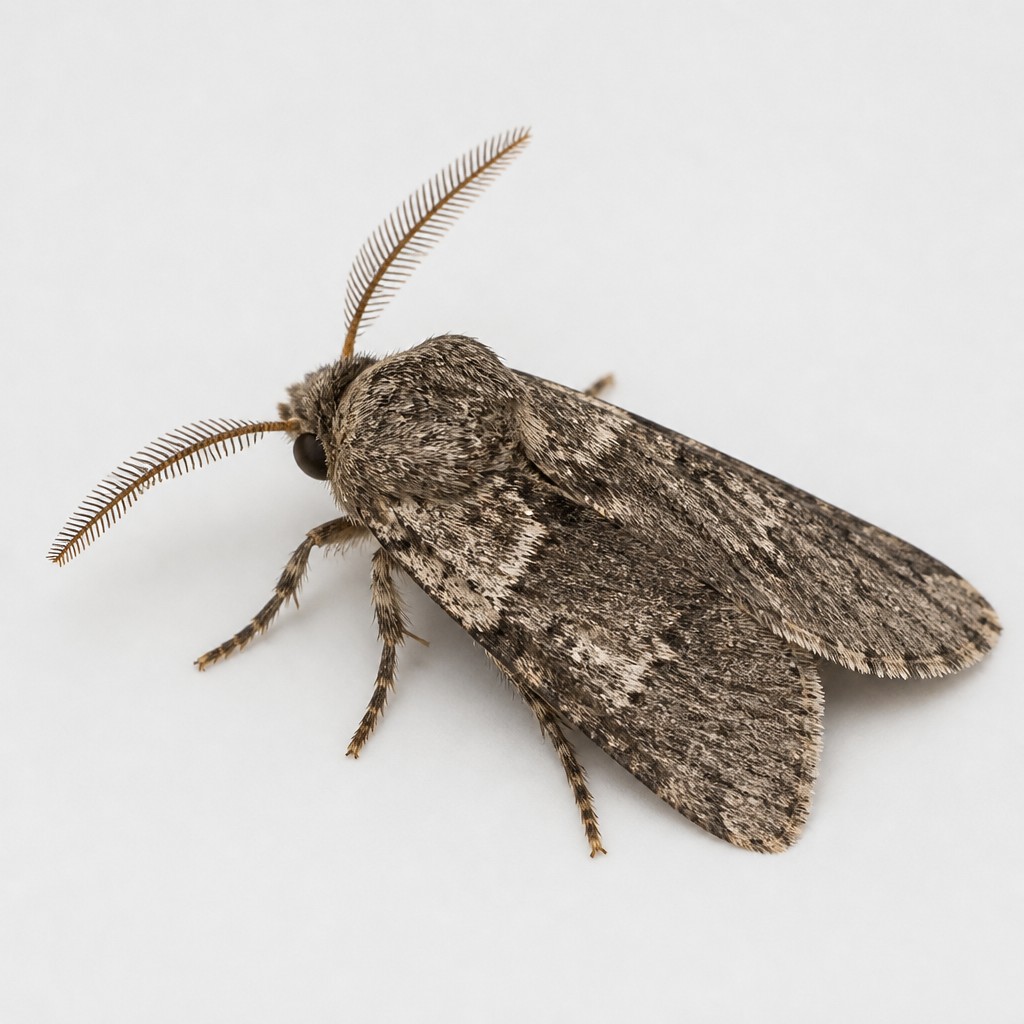
Tussock Moth
A moth with a striking split lifestyle: winged, drab gray-brown males fly to seek out flightless, grub-like females, while the ornate caterpillars sport dense tufts of colorful bristly hair.
moth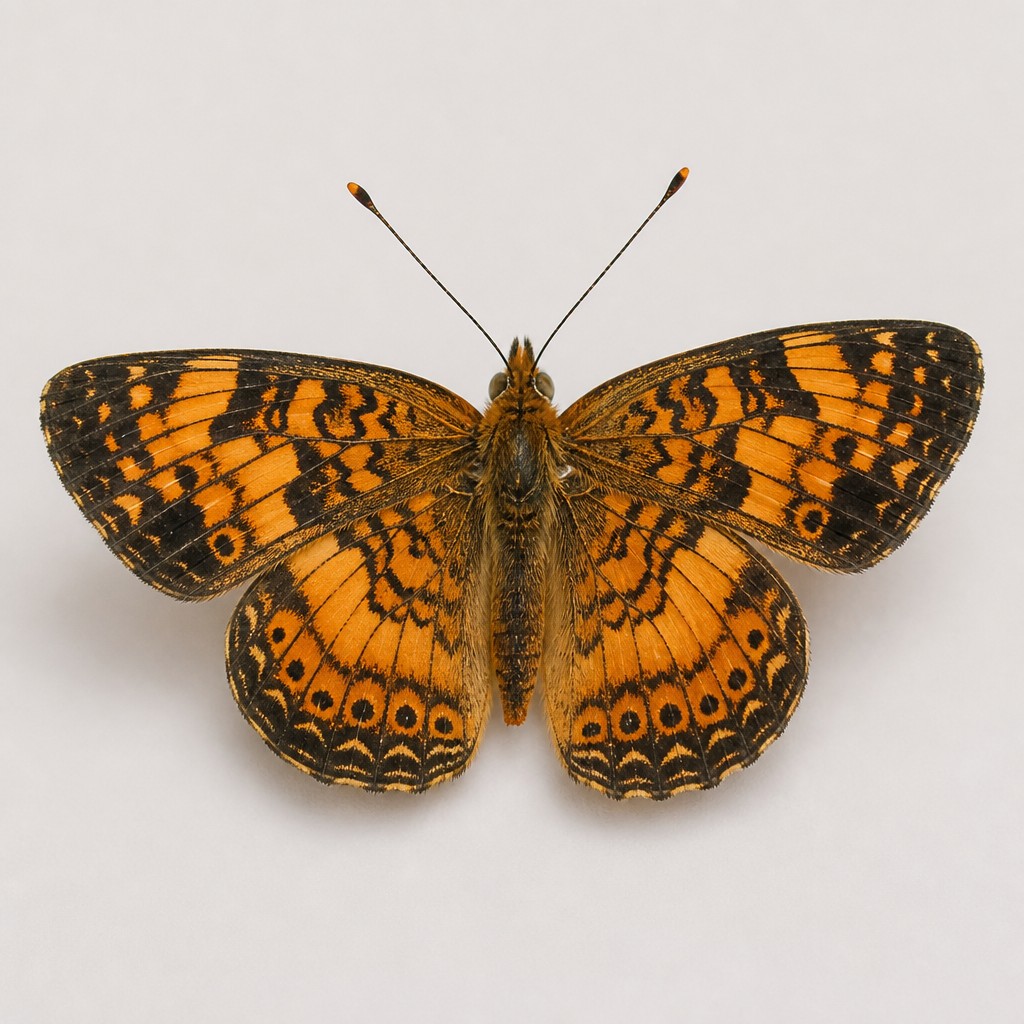
Variegated Fritillary
A wide-ranging, mottled orange-brown butterfly that lacks the silvery underside spots of true fritillaries and instead shows an intricate patchwork of tan, orange, and black markings, known for its wandering, migratory habits.
butterfly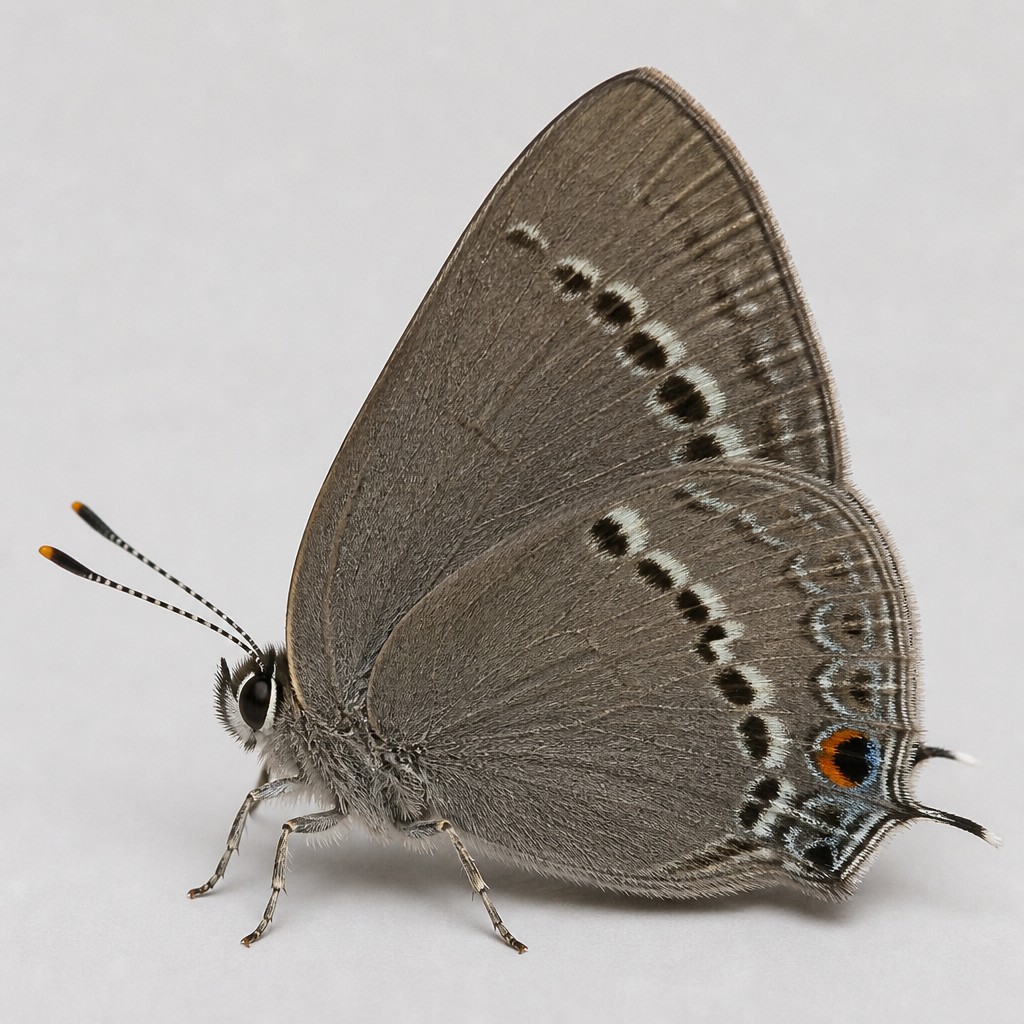
Banded Hairstreak
A gray-brown, tailed hairstreak marked by a postmedian band of white-edged dark spots on the hindwing underside and a small orange-capped blue spot near the tail, closely tied to oak and hickory woodlands.
butterfly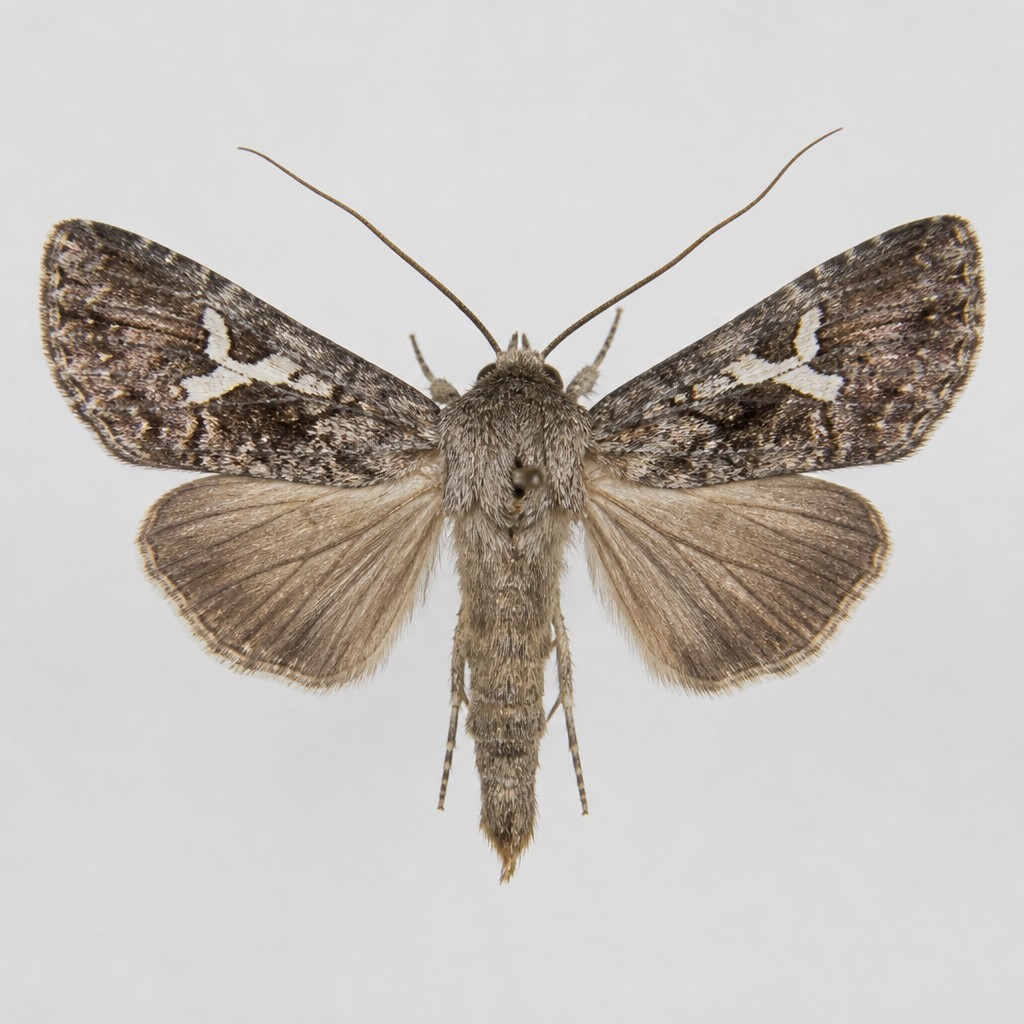
Silver Y Moth
A fast-flying, day-active noctuid moth named for the metallic silver Y- or gamma-shaped mark on each mottled grey-brown forewing, famous for its long-distance migratory flights.
moth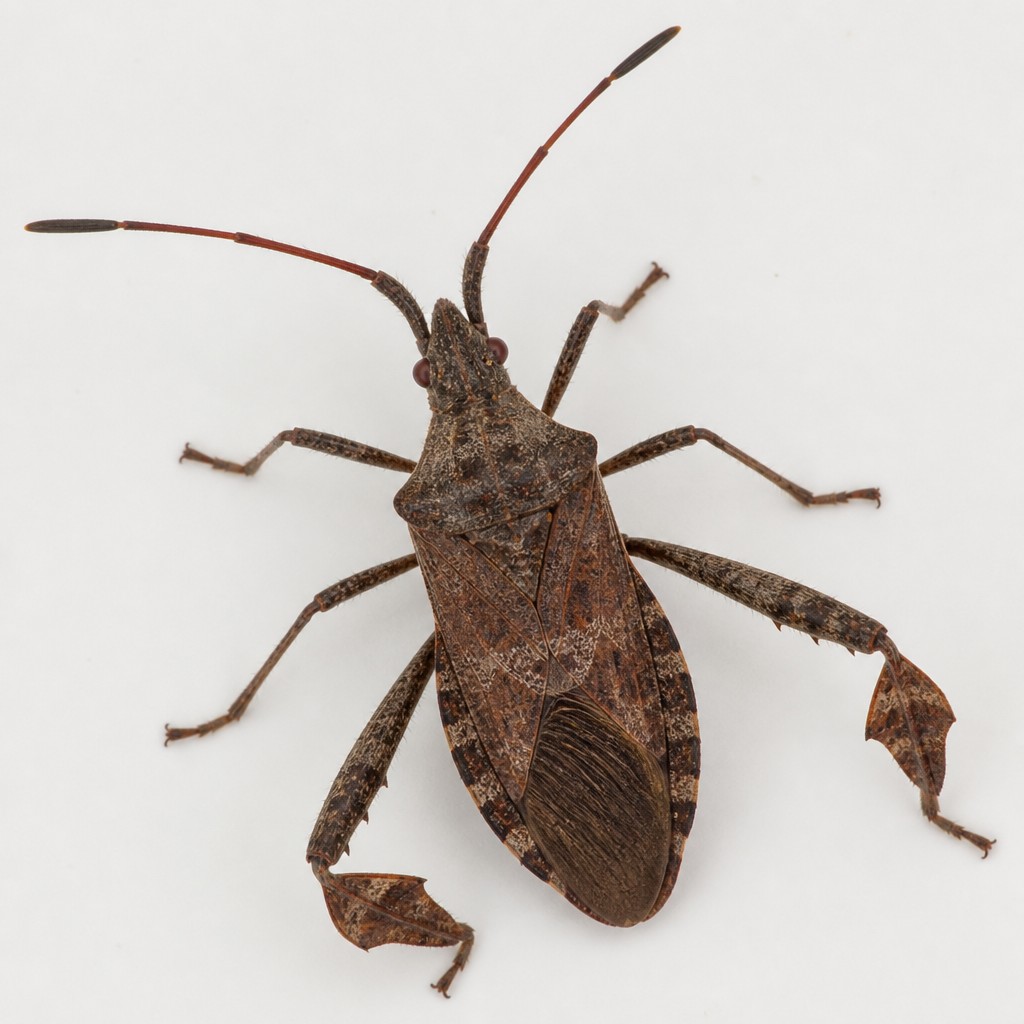
Western Conifer Seed Bug
A large brown true bug with flattened, leaf-shaped hind legs, native to conifer forests of the western United States but now widespread and notorious for gathering on and inside buildings as cooler weather approaches.
true-bug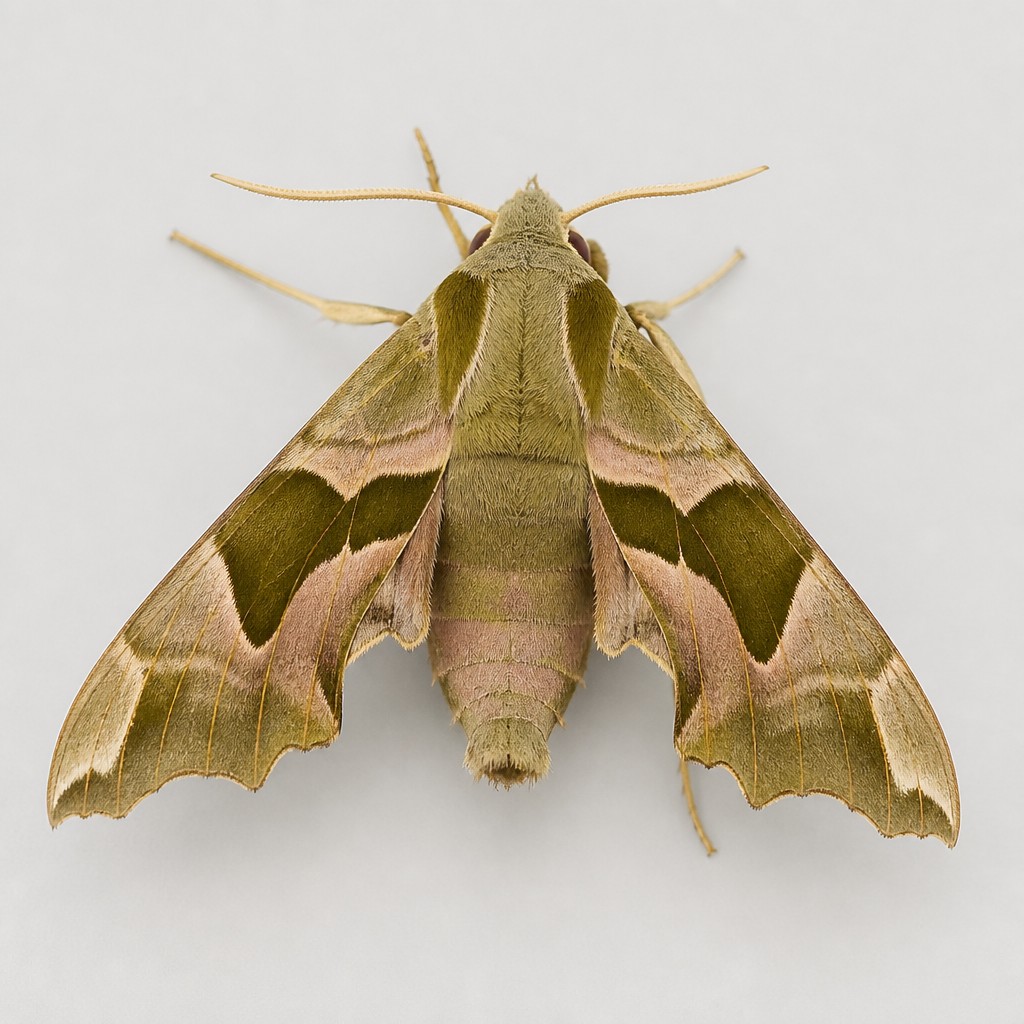
Lime Hawk-Moth
A stout, angular-winged hawk-moth in muted greens, browns, or pinks with deeply scalloped wing margins, closely tied to lime (linden) trees for its larval development.
moth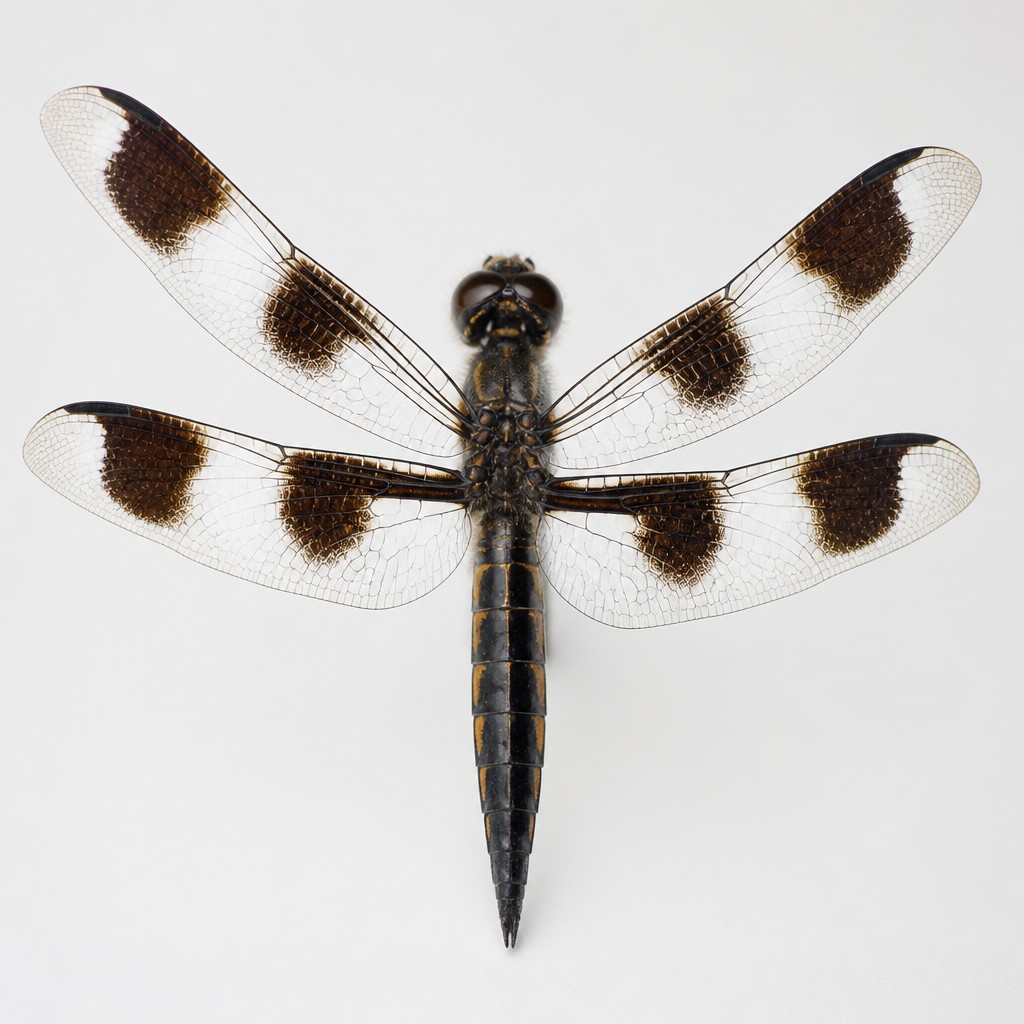
Twelve-spotted Skimmer
A big, boldly patterned skimmer whose wings each carry three chocolate-brown patches, and whose mature males add chalky white flashes between them for a striking black-and-white flicker in flight.
dragonfly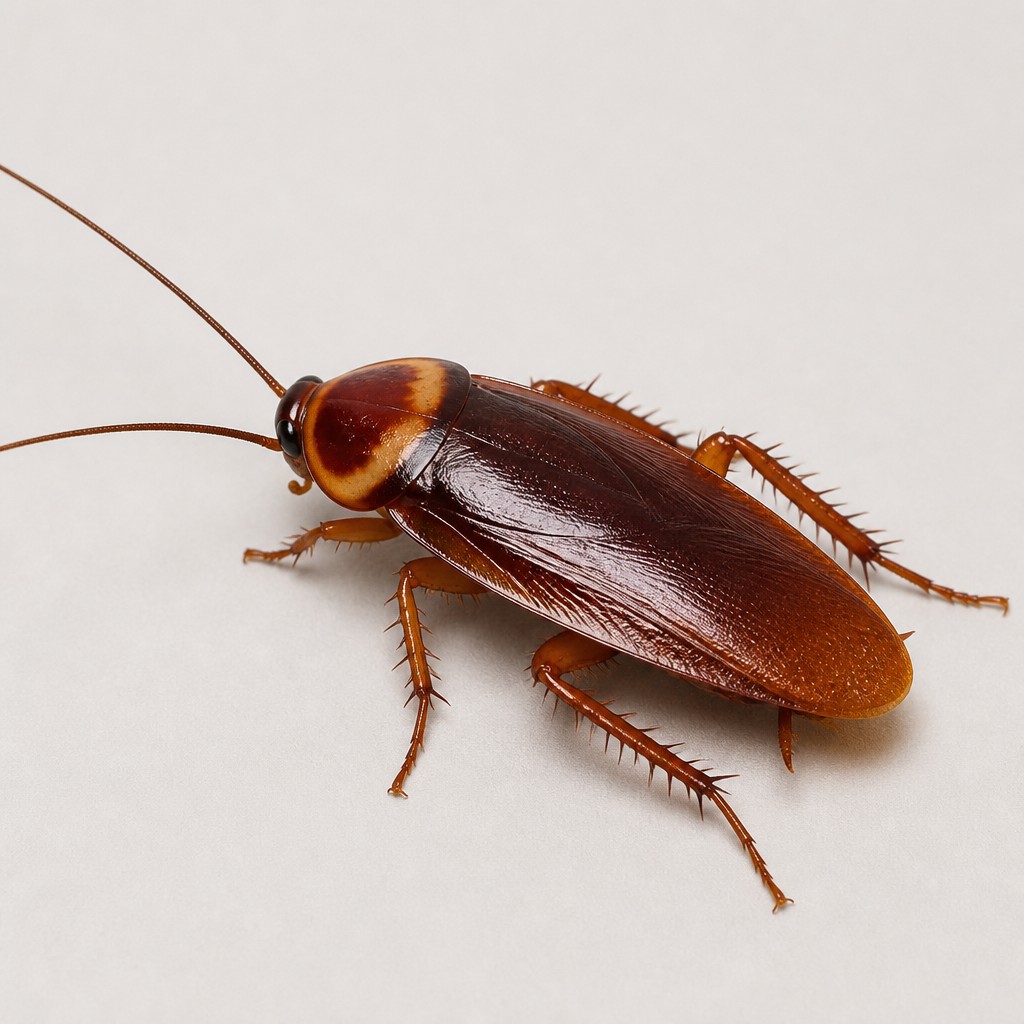
American Cockroach
The largest common house-infesting cockroach, a reddish-brown, glossy insect with long antennae and a pale yellowish band edging the shield behind its head, capable of both fast running and short bursts of flight.
other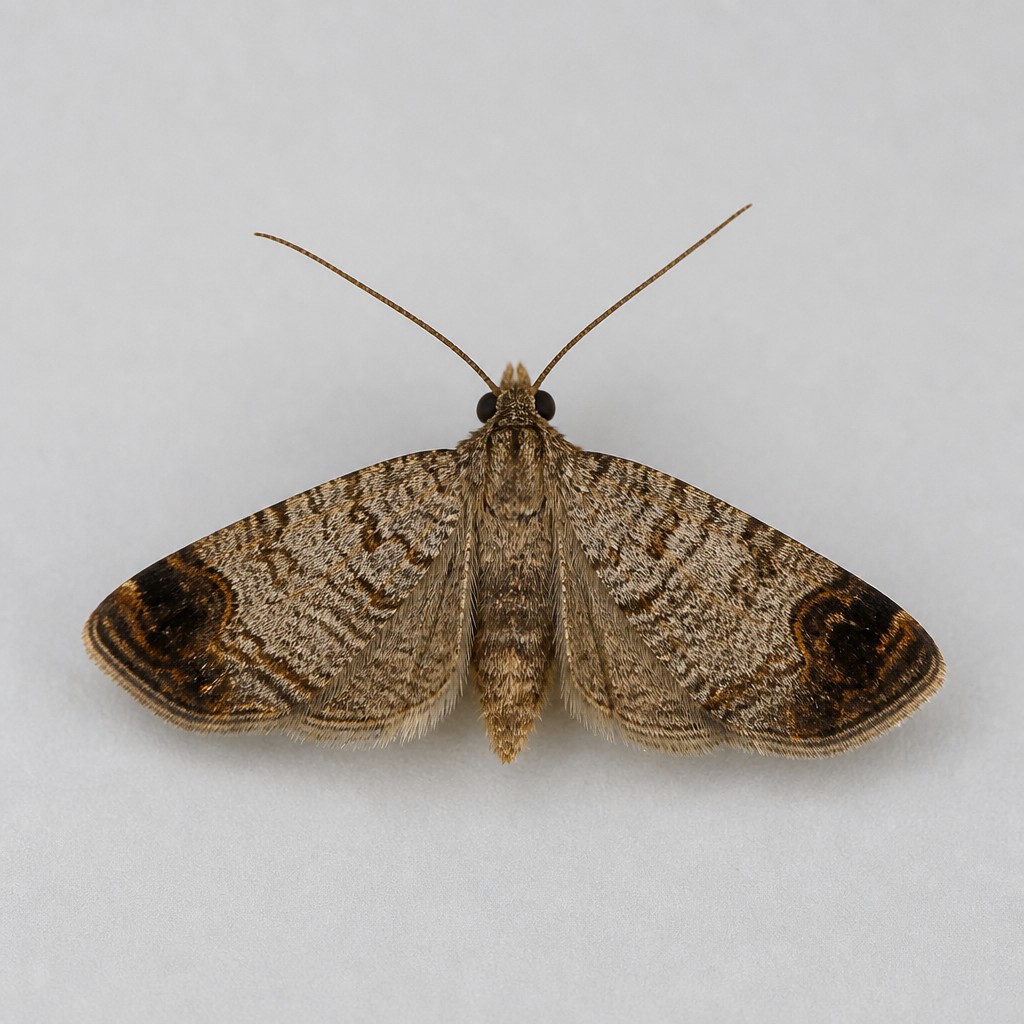
Codling Moth
A small, inconspicuous grey-brown moth best known through the work of its larva, the classic apple 'worm' that tunnels into fruit, making this tiny moth one of the most economically significant insects in orchards worldwide.
moth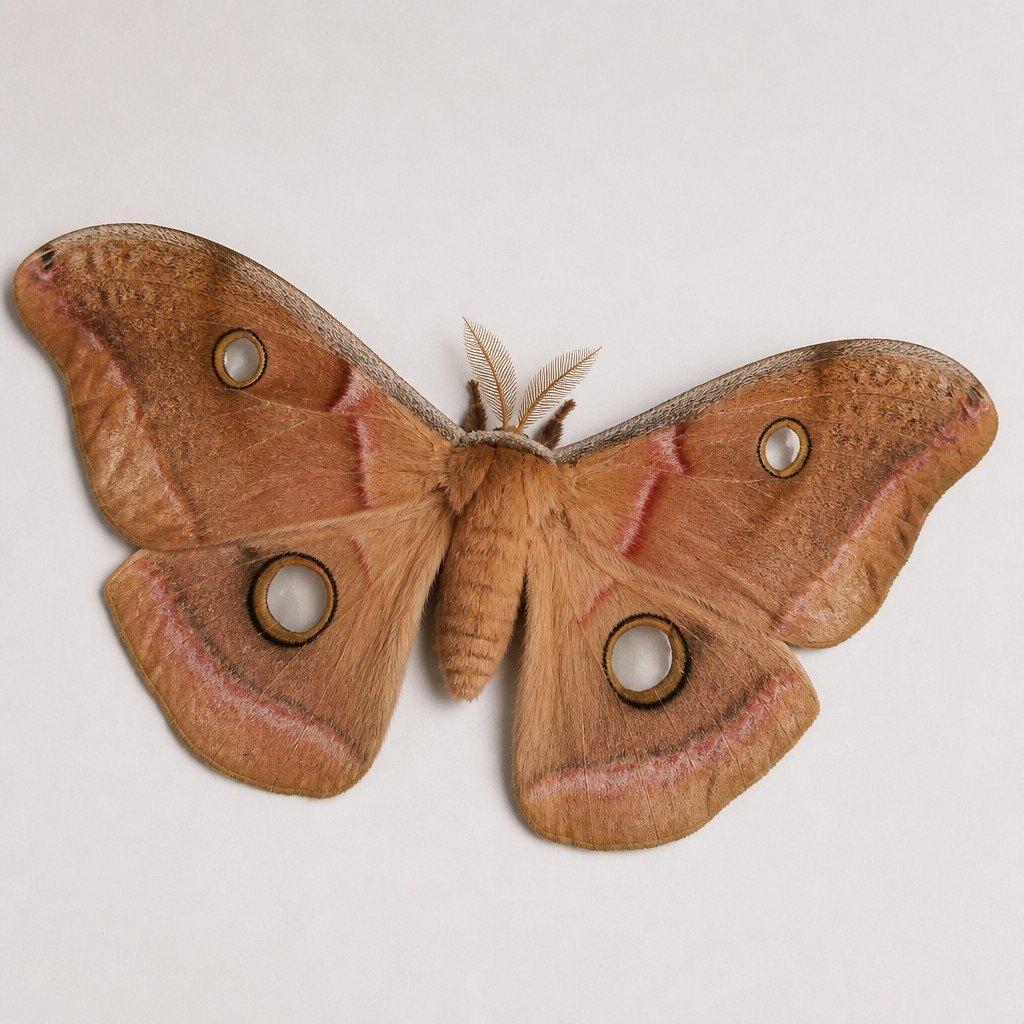
Antheraea Silkmoth
A large, robust silkmoth in the genus Antheraea with broad reddish-brown to tan wings, each marked with a prominent transparent, eye-like spot, representing a group of giant moths long valued for producing wild silk.
moth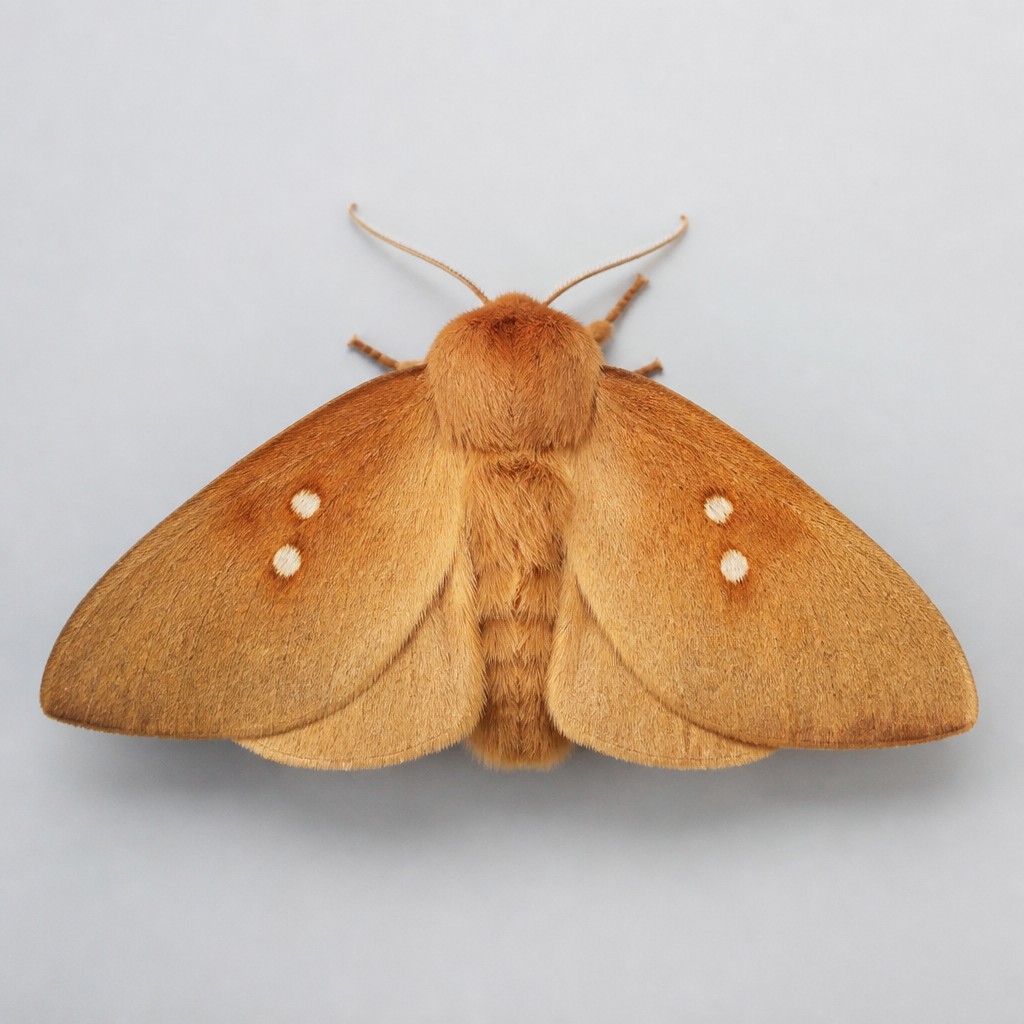
Drinker Moth
A stout, furry moth with warm tawny-orange to buff-brown wings marked by two small white spots on each forewing, named for its caterpillar's habit of drinking water droplets from grass blades.
moth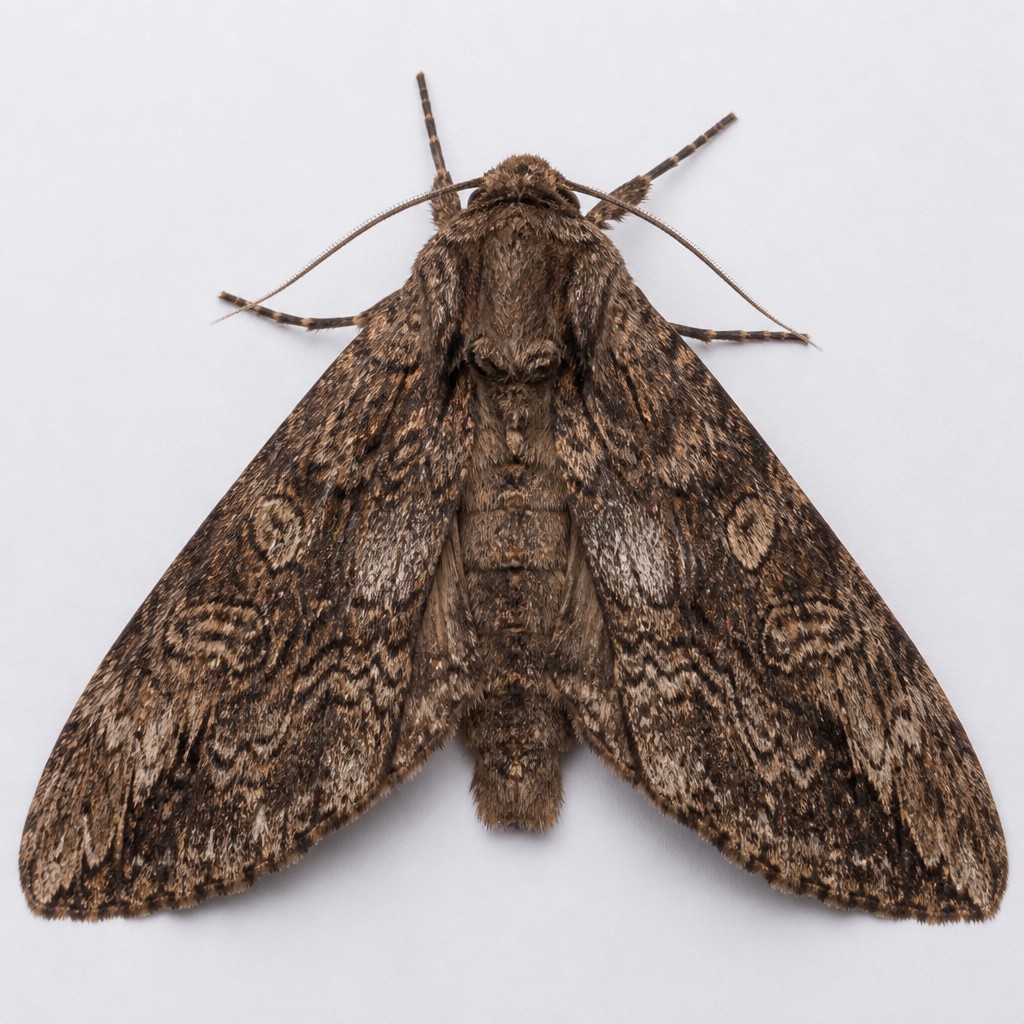
Old Lady Moth
A large, dusky brown noctuid moth with an intricate, wood-grain-like pattern of dark streaks and pale flecks across broad wings, often found resting motionless in sheds and against tree bark by day.
moth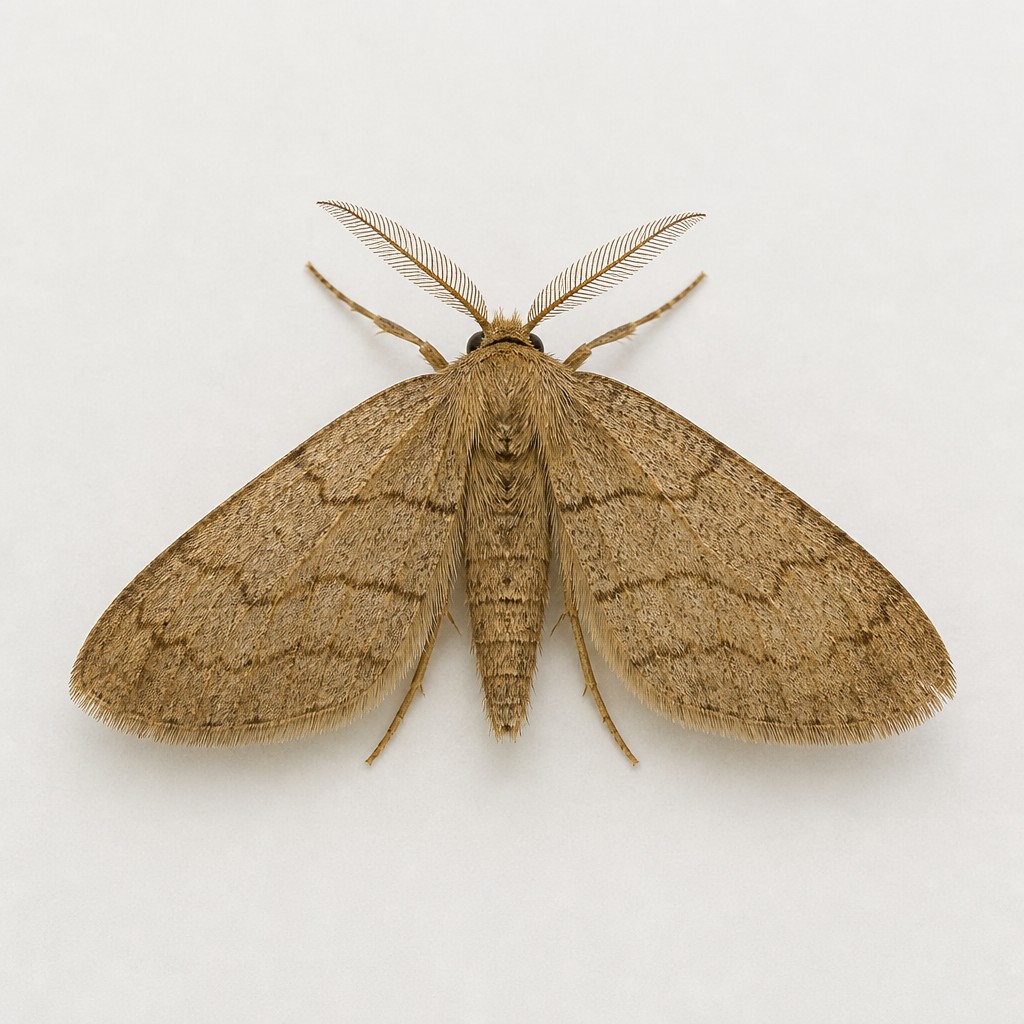
Winter Moth
A small tan-brown moth unusual for flying in the cold of late autumn and early winter, with strongly dimorphic sexes: fully winged males and flightless, near-wingless females that climb tree trunks to lay eggs.
moth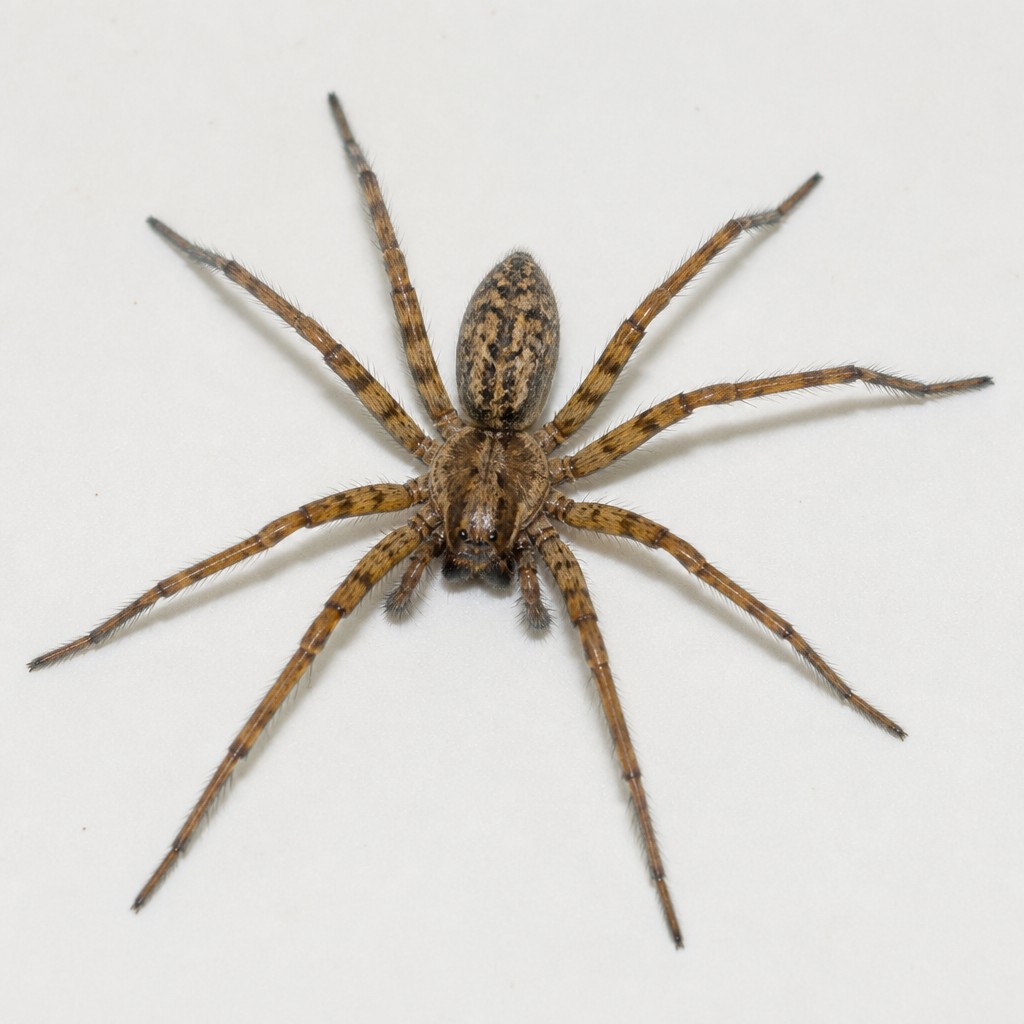
Hobo Spider
A fast-running, brown funnel-web spider with a chevron pattern down its abdomen, the hobo spider builds a flat, non-sticky sheet web that narrows into a tunnel retreat where it waits for prey.
spider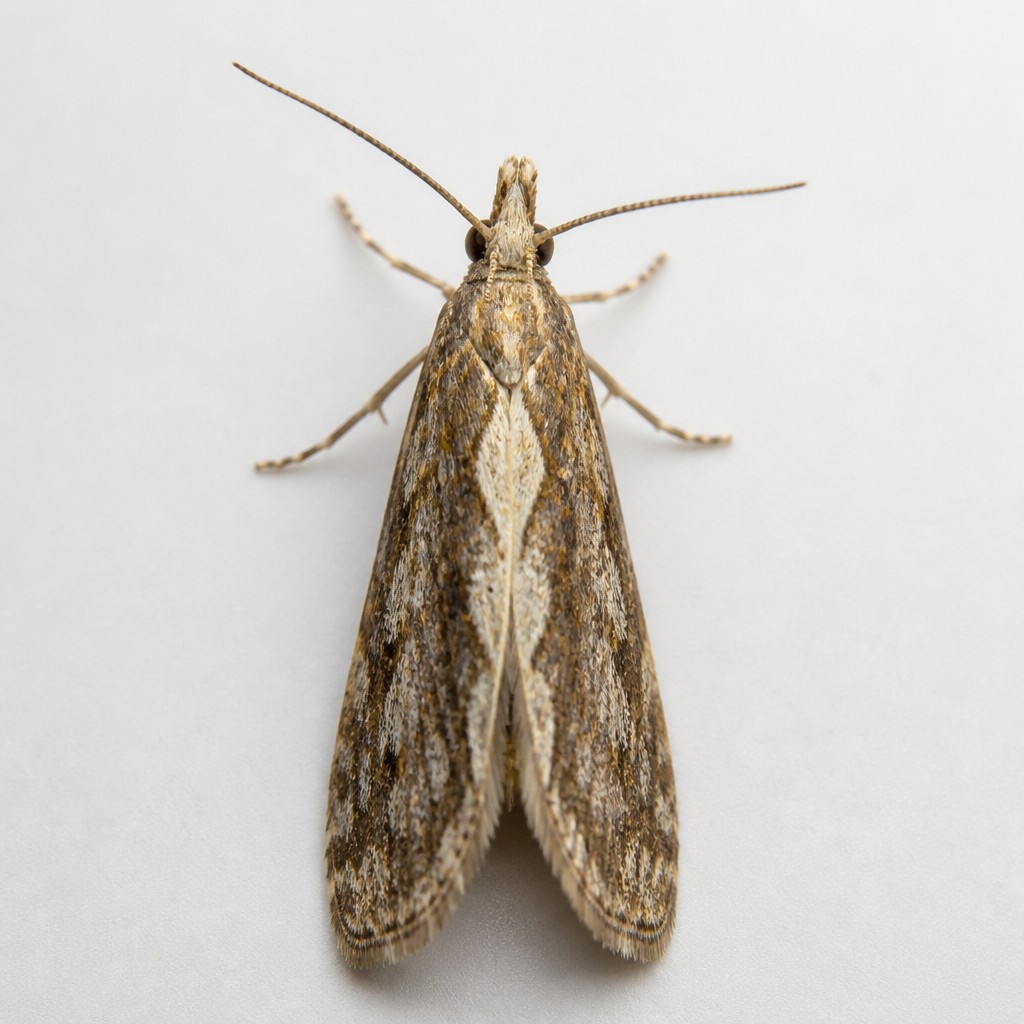
Diamondback Moth
A small, slender grey-brown moth named for the pale, diamond-shaped pattern that appears down its back when the wings are folded, best known as a widespread pest of cabbage and other brassica crops.
moth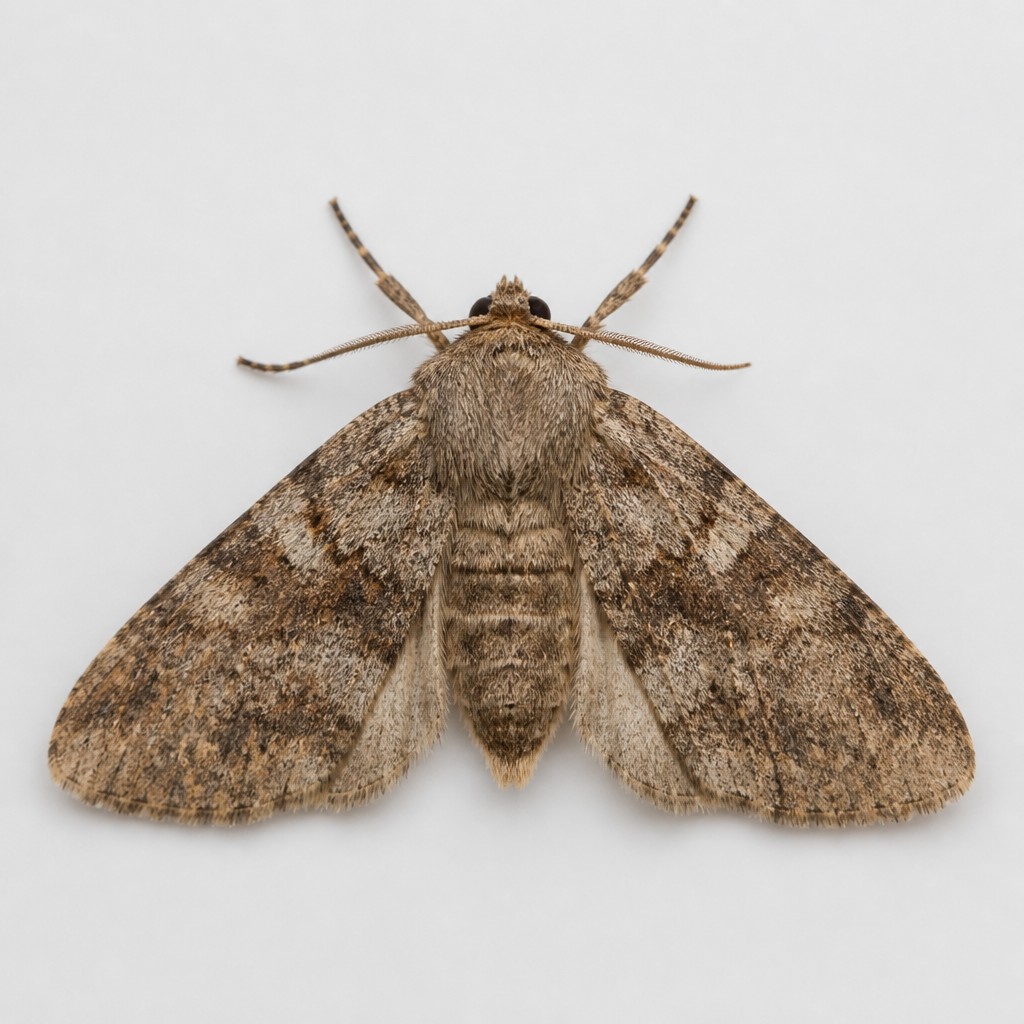
Bogong Moth
A modest brown, mottled moth famous for its extraordinary mass seasonal migration across thousands of kilometers to cool alpine caves in the Australian mountains, forming one of the largest known insect migrations by biomass.
moth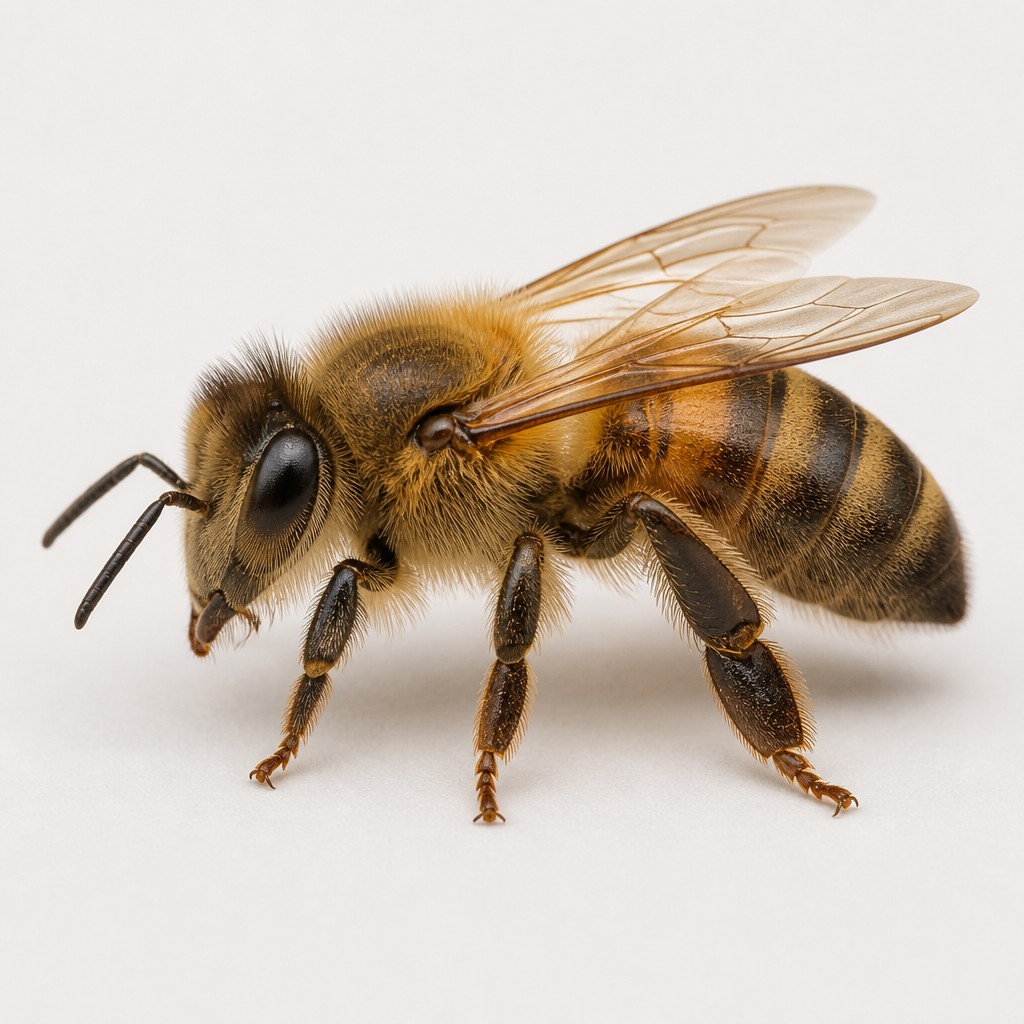
Western Honey Bee
The familiar golden-brown, fuzzy-banded honey bee kept worldwide for honey production and crop pollination, living in large perennial colonies built around wax comb and a single egg-laying queen.
bee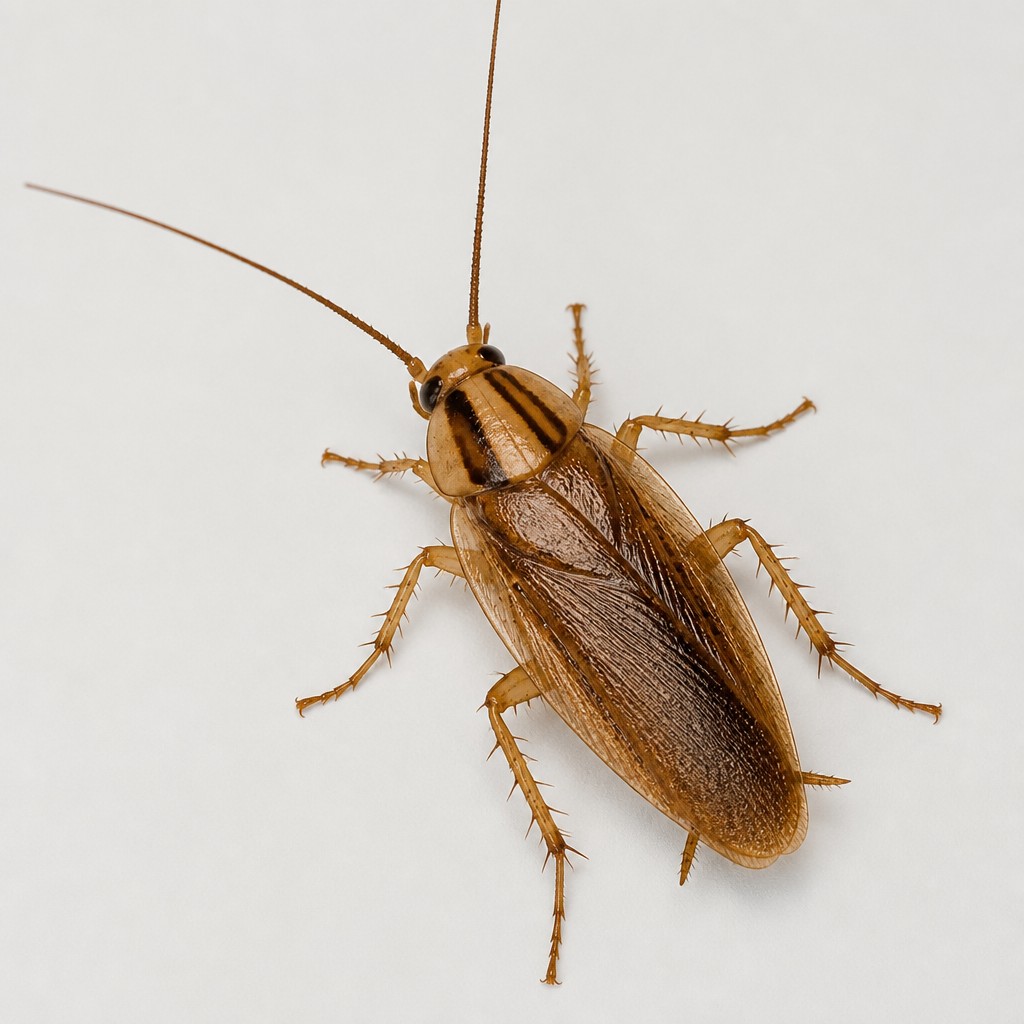
German Cockroach
A small, fast-moving light brown to tan roach marked with two dark parallel stripes running down its pronotum, most often seen scurrying for cover in warm, moist indoor areas.
other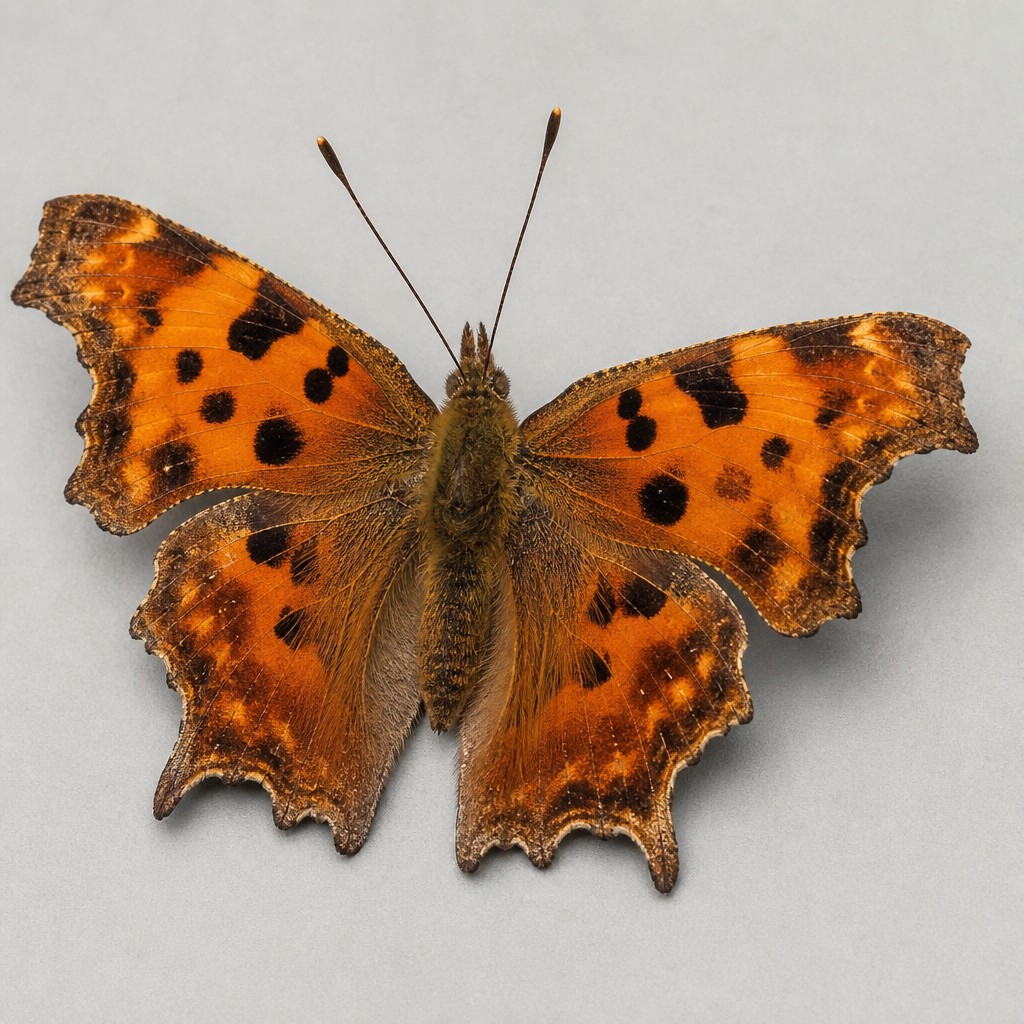
Eastern Comma
A ragged-edged orange-and-brown woodland butterfly named for the small, silvery comma-shaped mark on the underside of its hindwing, with a cryptic dead-leaf pattern that camouflages it perfectly when its wings are closed.
butterfly