
Bug Encyclopedia
Search and identify bugs & insects — beetles, butterflies, moths, ants, bees, spiders and more — with size, habitat, danger, behavior, and how to tell them apart.
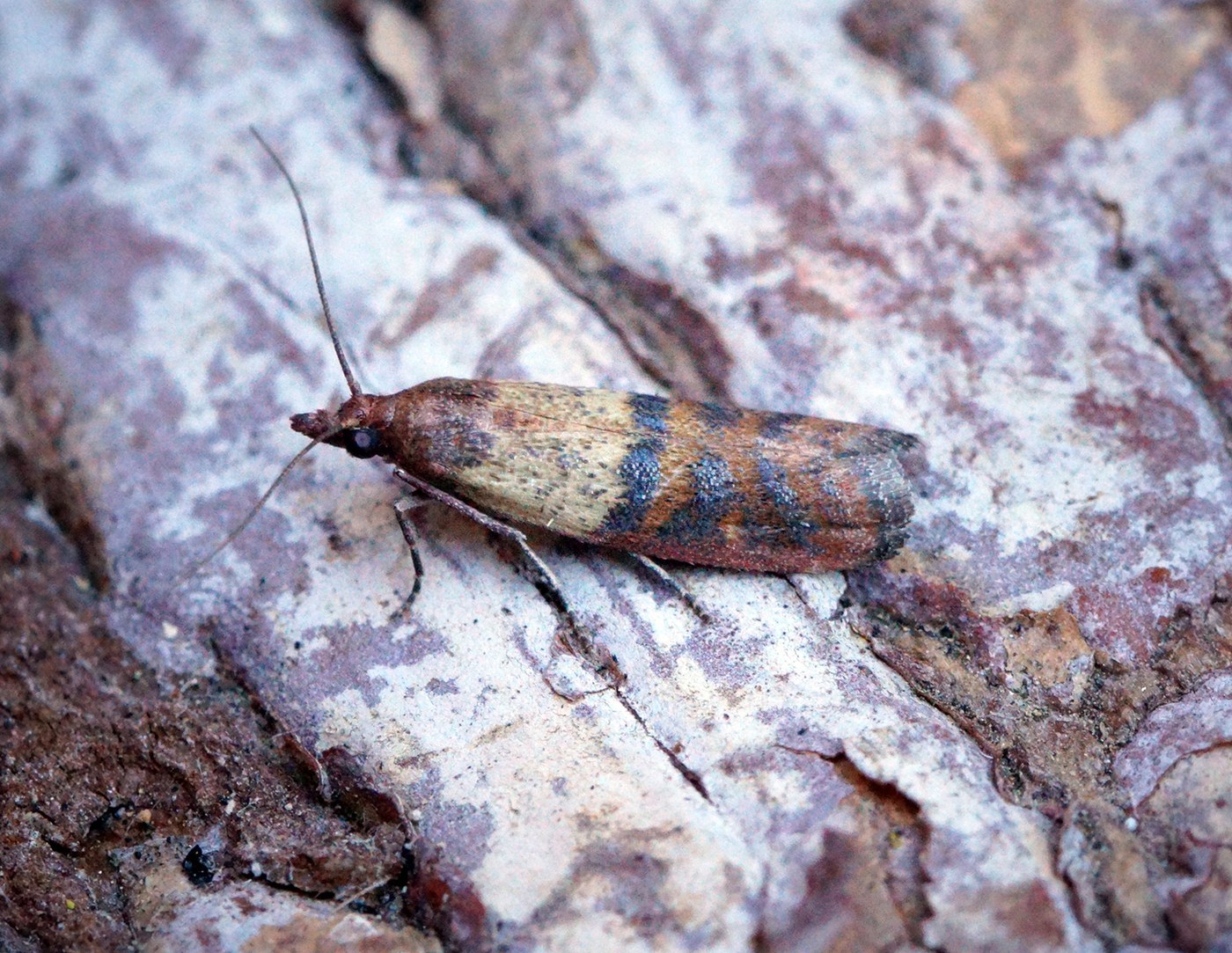
Indian Meal Moth
A small, distinctively two-toned moth with pale grey-tan inner wings and coppery-reddish outer wings, widely recognized as the most common moth found infesting stored dry food products in homes.
moth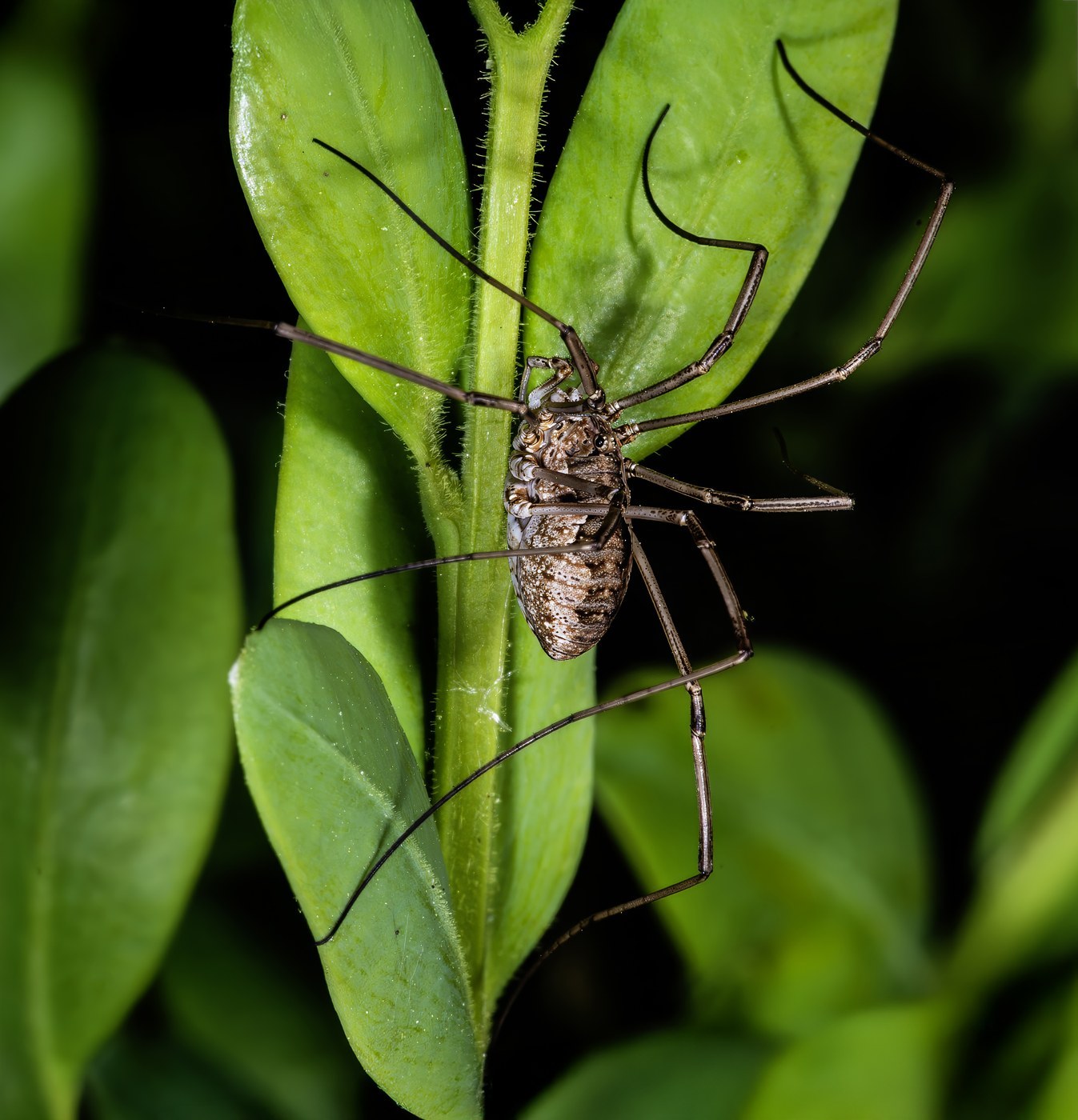
Harvestman
An arachnid built almost entirely of legs, with a single compact, oval body segment and no waist separating it into two parts like a true spider. Common in gardens and forests worldwide, it scuttles along on impossibly long, thin legs scavenging for food after dark.
arachnidFirefly
A soft-bodied, dusk-flying beetle famous for the bioluminescent flashes it produces from its abdomen to attract mates on warm summer evenings.
beetle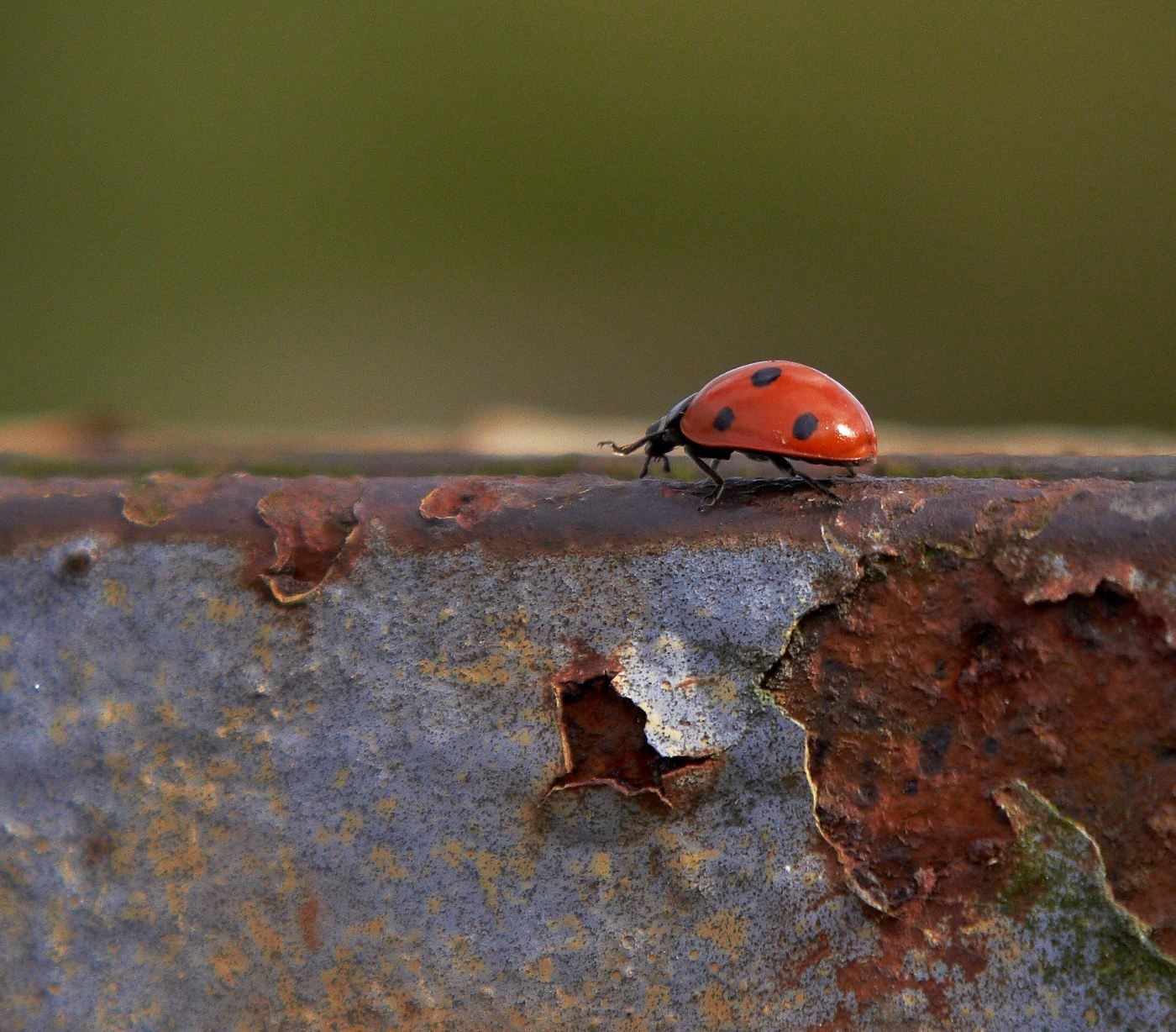
Seven-spotted Ladybird
A classic bright red ladybird with exactly seven black spots, one of the most iconic and widely recognized beetles in the world.
beetle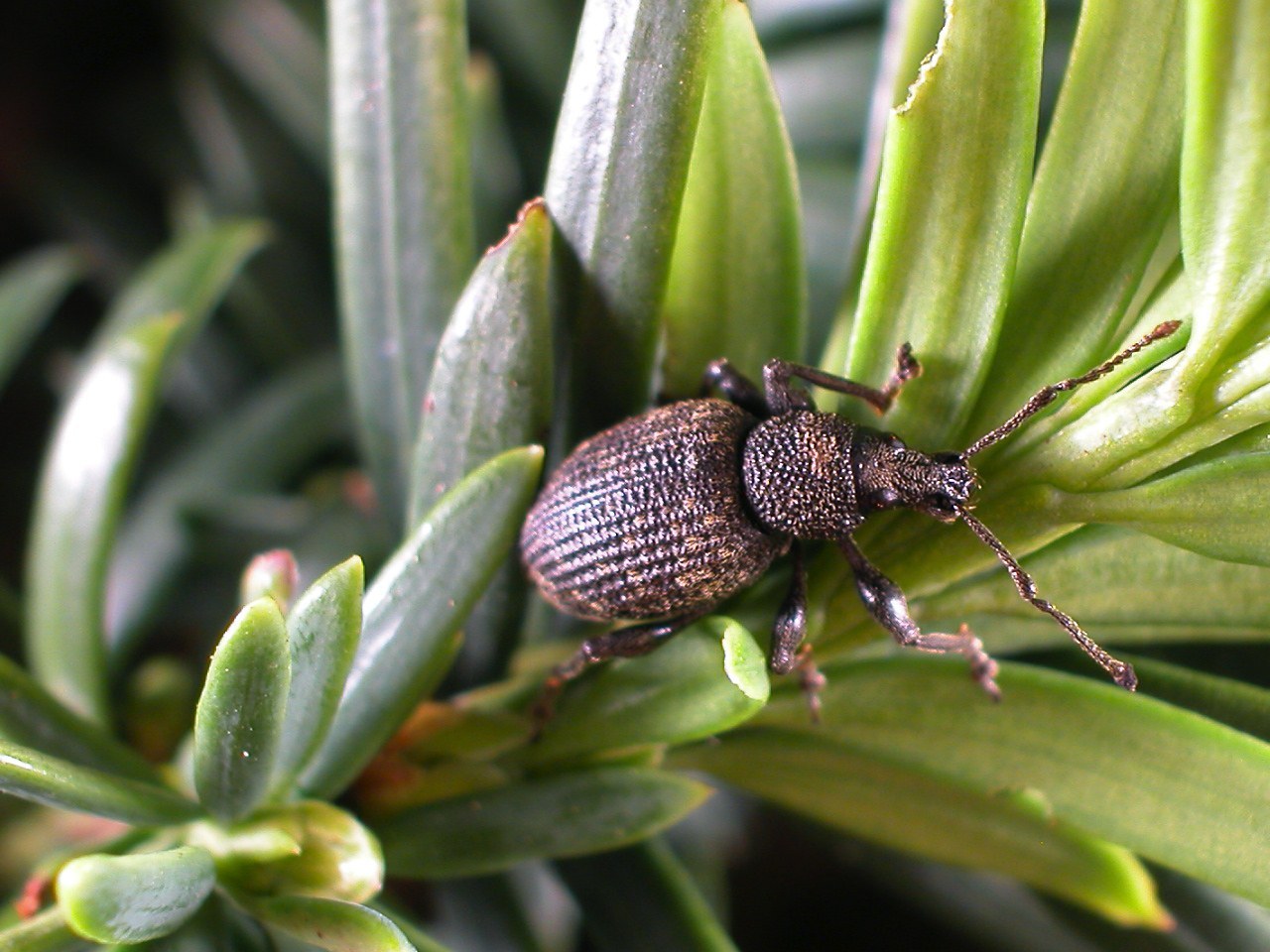
Vine Weevil
A slow, flightless, matte-black beetle that hides by day and emerges at night to notch neat semicircular bites from the edges of leaves.
beetleMarsh Fly
A slender, unassuming fly best known for larvae with a remarkable diet: nearly every species in the family feeds on aquatic or terrestrial snails and slugs, making marsh flies natural specialists in wetland food webs. Adults are often found resting quietly on sedges and other marsh vegetation near the water's edge.
fly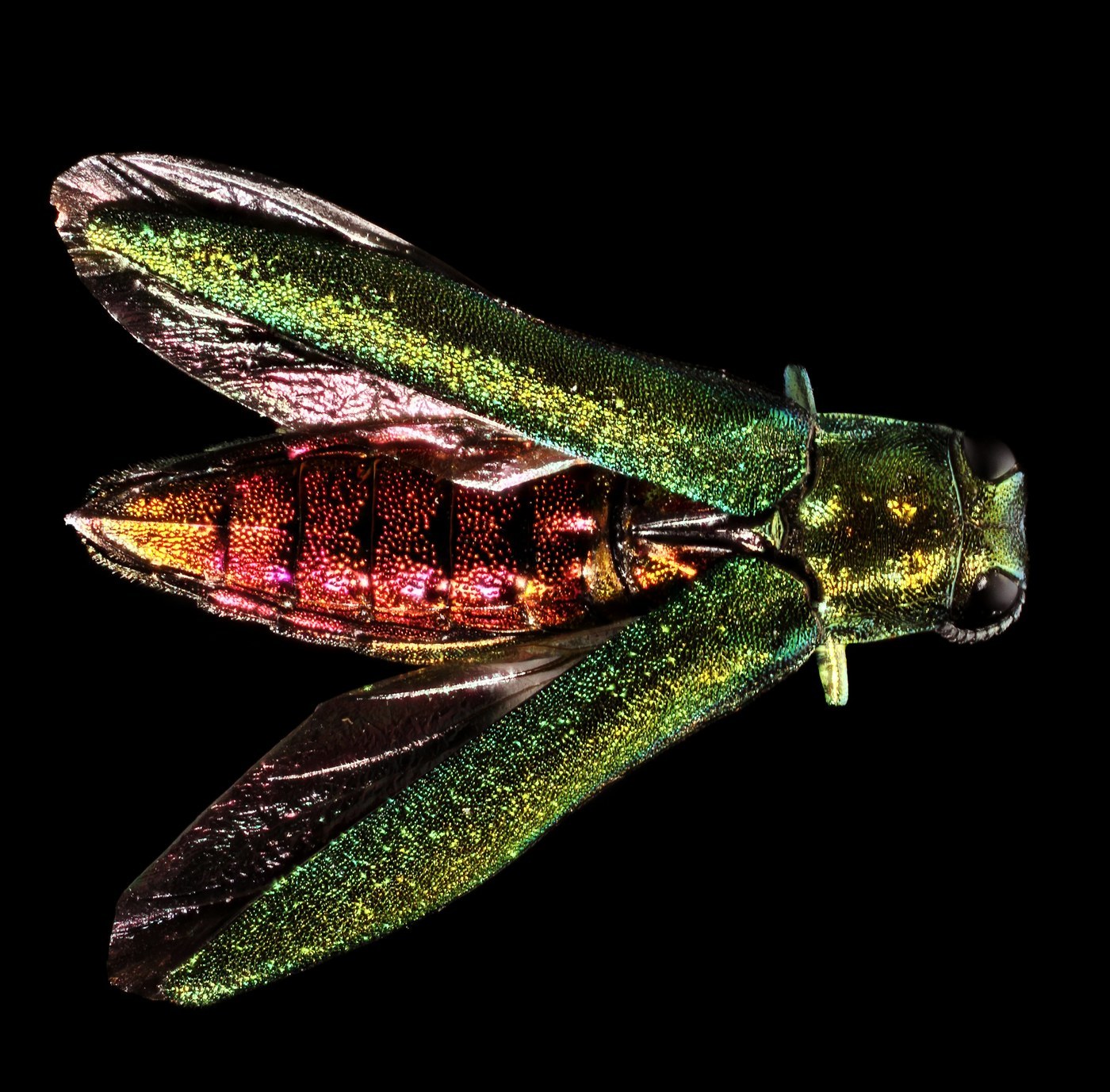
Emerald Ash Borer
A slender, bullet-shaped beetle with brilliant metallic-green coloring, whose bark-tunneling larvae feed almost exclusively within ash trees.
beetle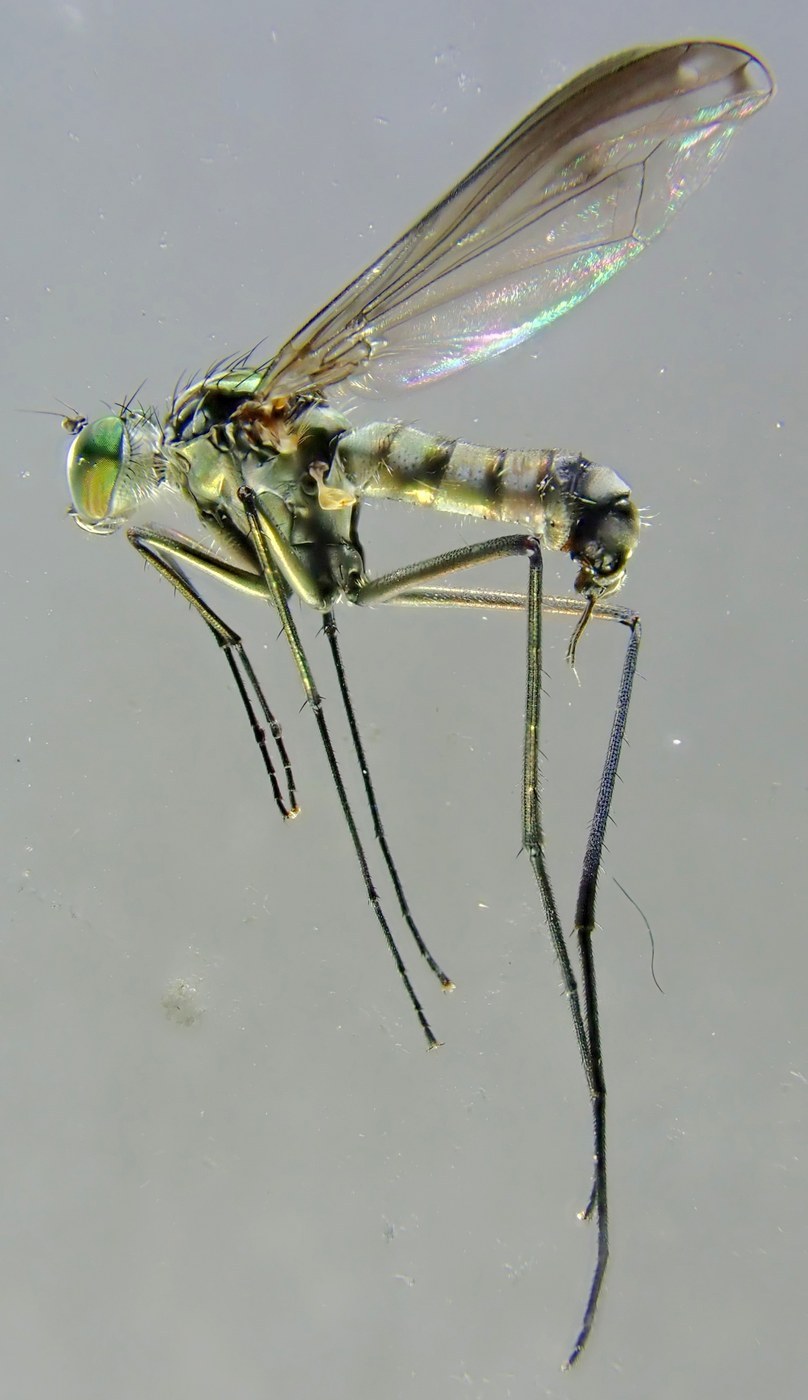
Long-Legged Fly
A jewel-bright little fly that flashes metallic green, blue, or bronze in the sunlight as it darts across leaves on comically long, stilt-like legs, pausing to perform quick territorial displays. Both adults and larvae are active hunters of even smaller insects, making this tiny fly a useful predator in gardens and wetlands alike.
fly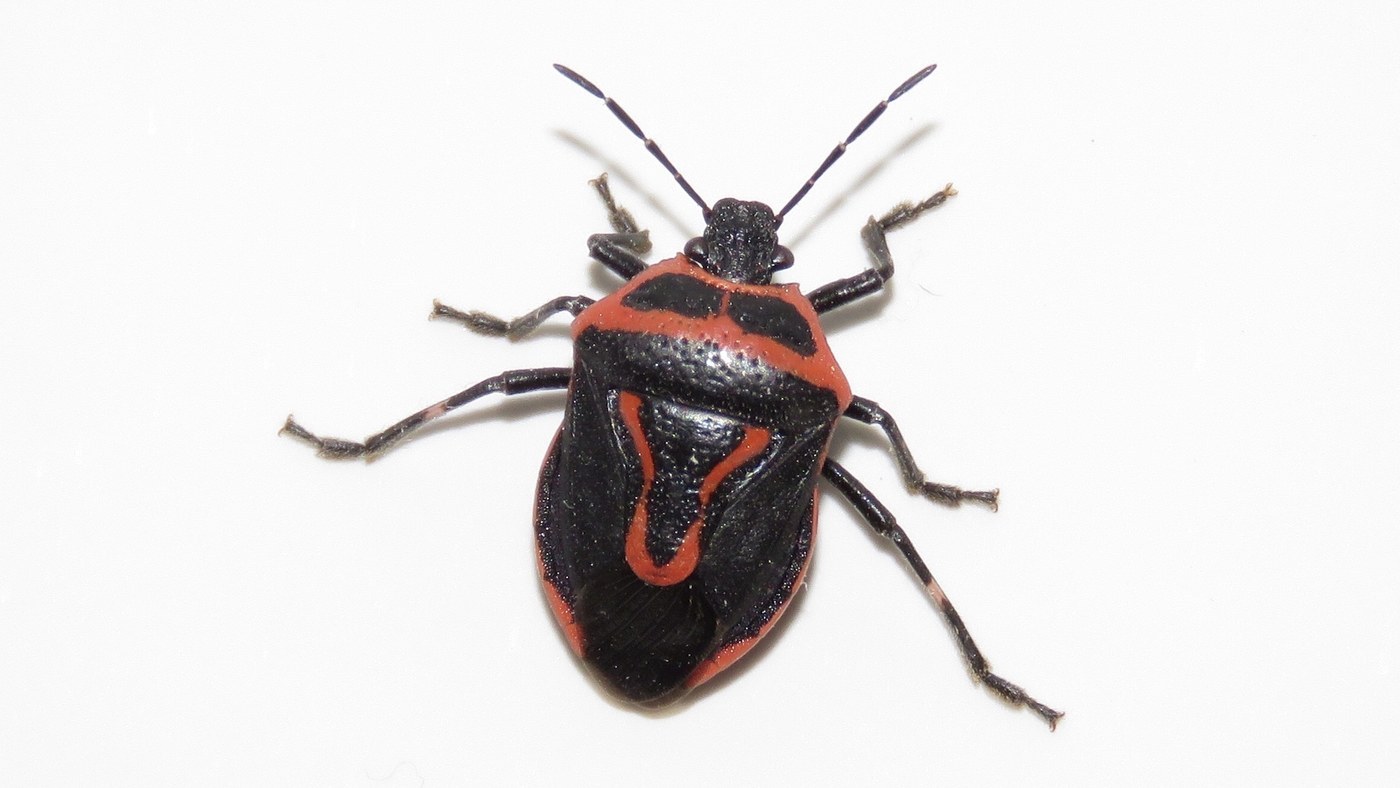
Two-Spotted Stink Bug
A boldly patterned black-and-orange predatory stink bug named for the pair of dark spots on its back, best known for hunting Colorado potato beetle larvae in gardens and fields.
true-bugFireflies (Lightning Bug)
A soft-bodied beetle that turns summer evenings magical by flashing rhythmic patterns of cold light from its abdomen to attract mates across meadows and forest edges.
beetle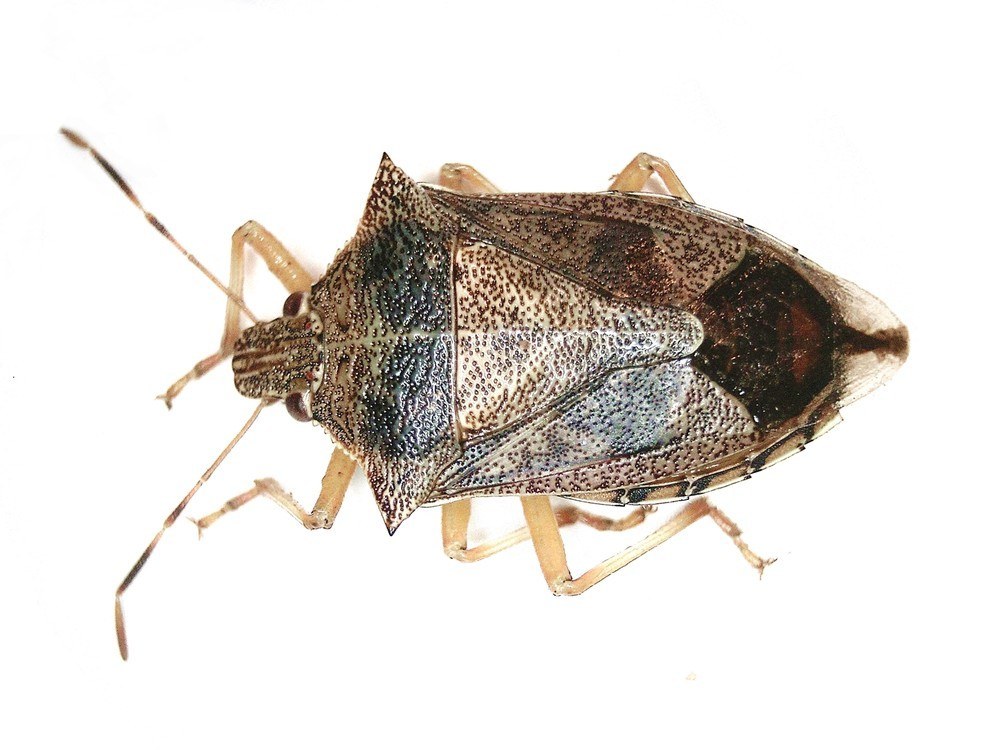
Spined Soldier Bug
A predatory stink bug identified by the sharp, pointed spines projecting from its shoulders, valued in gardens and farm fields for hunting caterpillars, beetle larvae, and other pest insects.
true-bug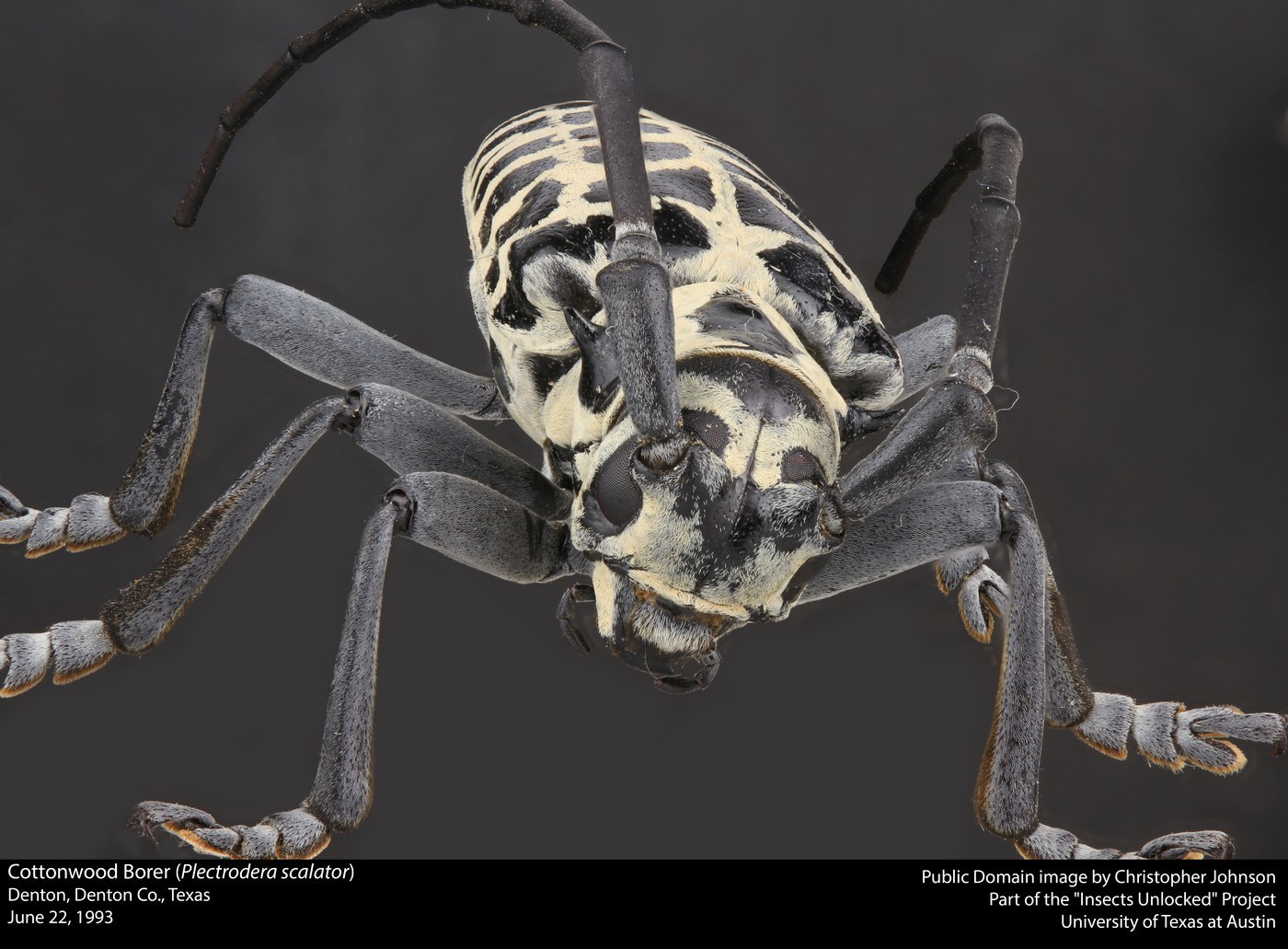
Cottonwood Borer
A large, boldly patterned longhorn beetle in black and chalky white checkerboard markings, often found clinging to the trunks of cottonwood and poplar trees near its larvae's root tunnels.
beetlePredatory Stink Bug
Unlike its plant-feeding relatives, the predatory stink bug is a hunter that spears caterpillars and beetle larvae with a stout beak. The spined soldier bug is a familiar shield-shaped garden ally.
true-bug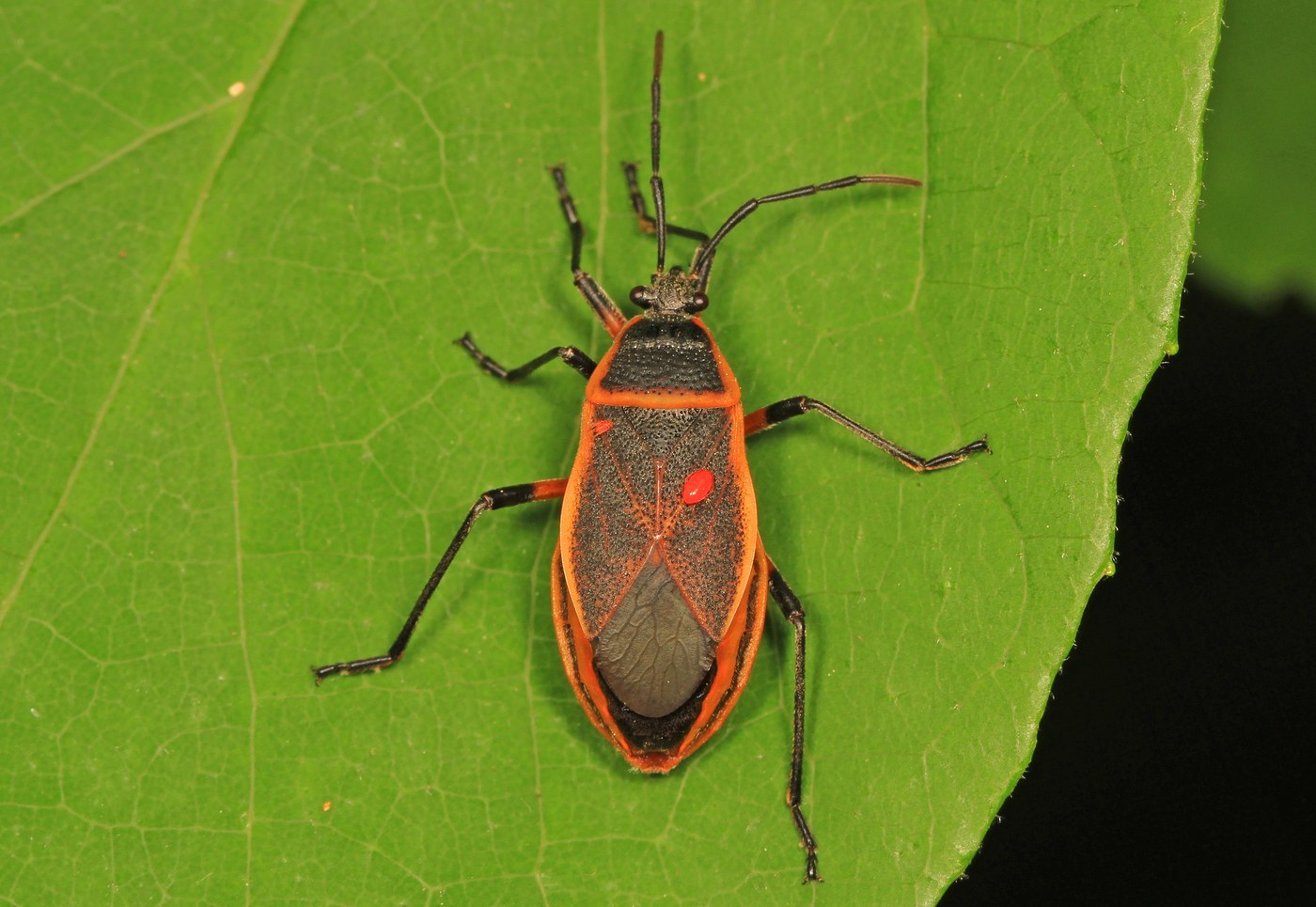
Bordered Plant Bug
A dark, oval-bodied true bug with a distinct pale margin around its wing edges, often mistaken for a large ant or beetle when its nymphs cluster together in tight groups.
true-bugRootworm
Working unseen below ground, rootworm larvae chew tunnels through the root systems of corn and other crops, the underground counterpart to the small, often striped or spotted beetles seen on leaves and flowers above.
beetle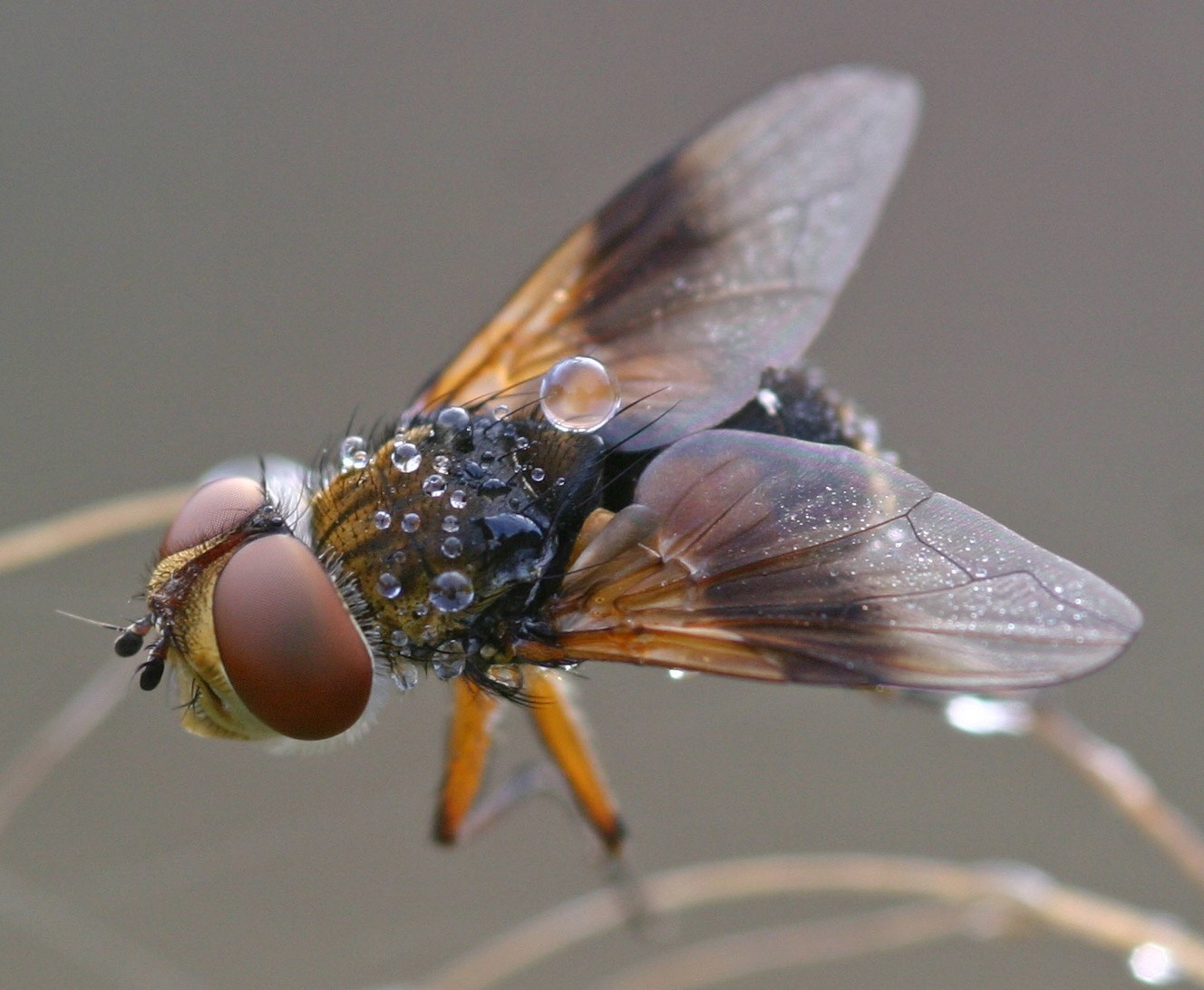
Tachinid Fly
A bristly, house-fly-like insect that looks unremarkable at a glance but hides one of the most important ecological roles among flies: its larvae develop as internal parasites of caterpillars, beetles, and other insects, quietly regulating populations across the landscape. Gardeners often welcome tachinid flies as natural allies against crop-damaging pests.
fly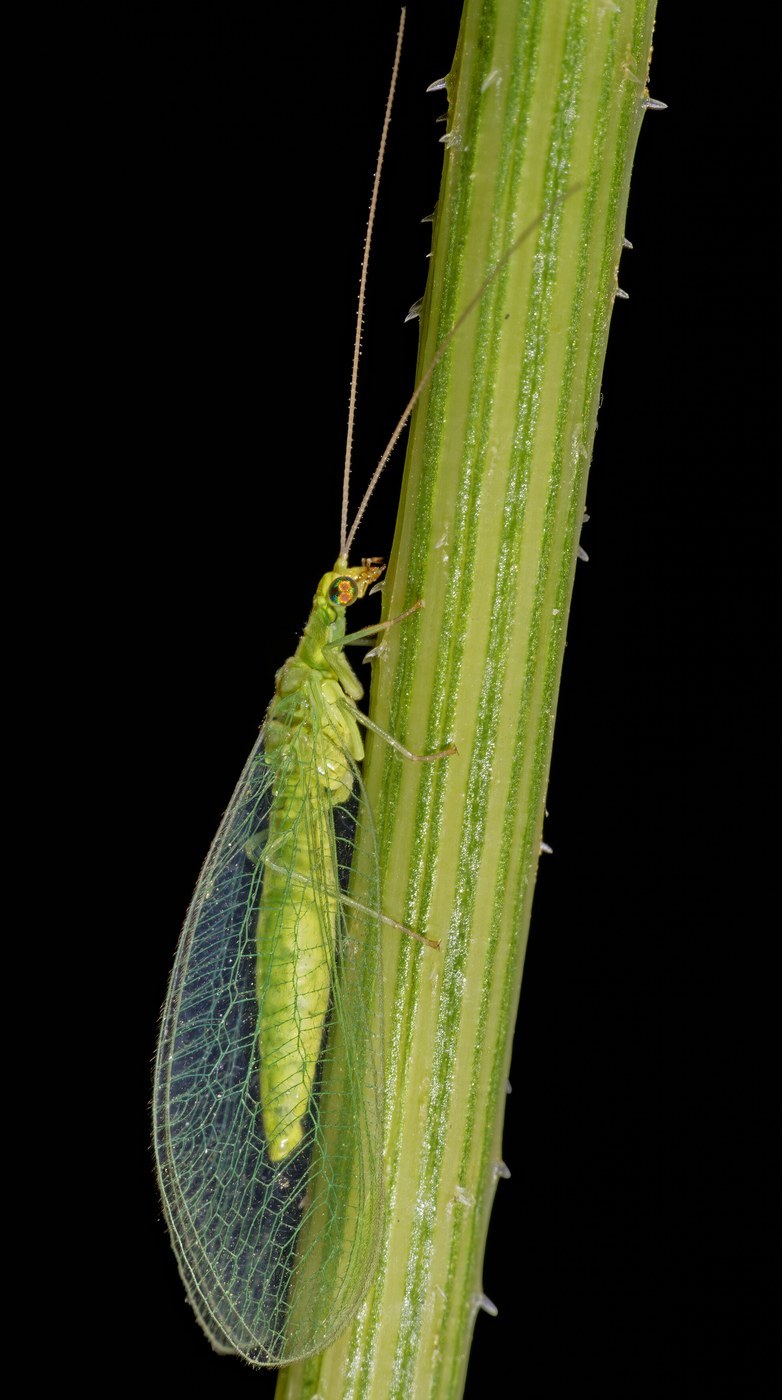
Lacewing
A delicate, pale green insect with large, transparent, intricately veined wings and shining golden or copper-colored eyes, valued as a natural predator of aphids in its larval form.
other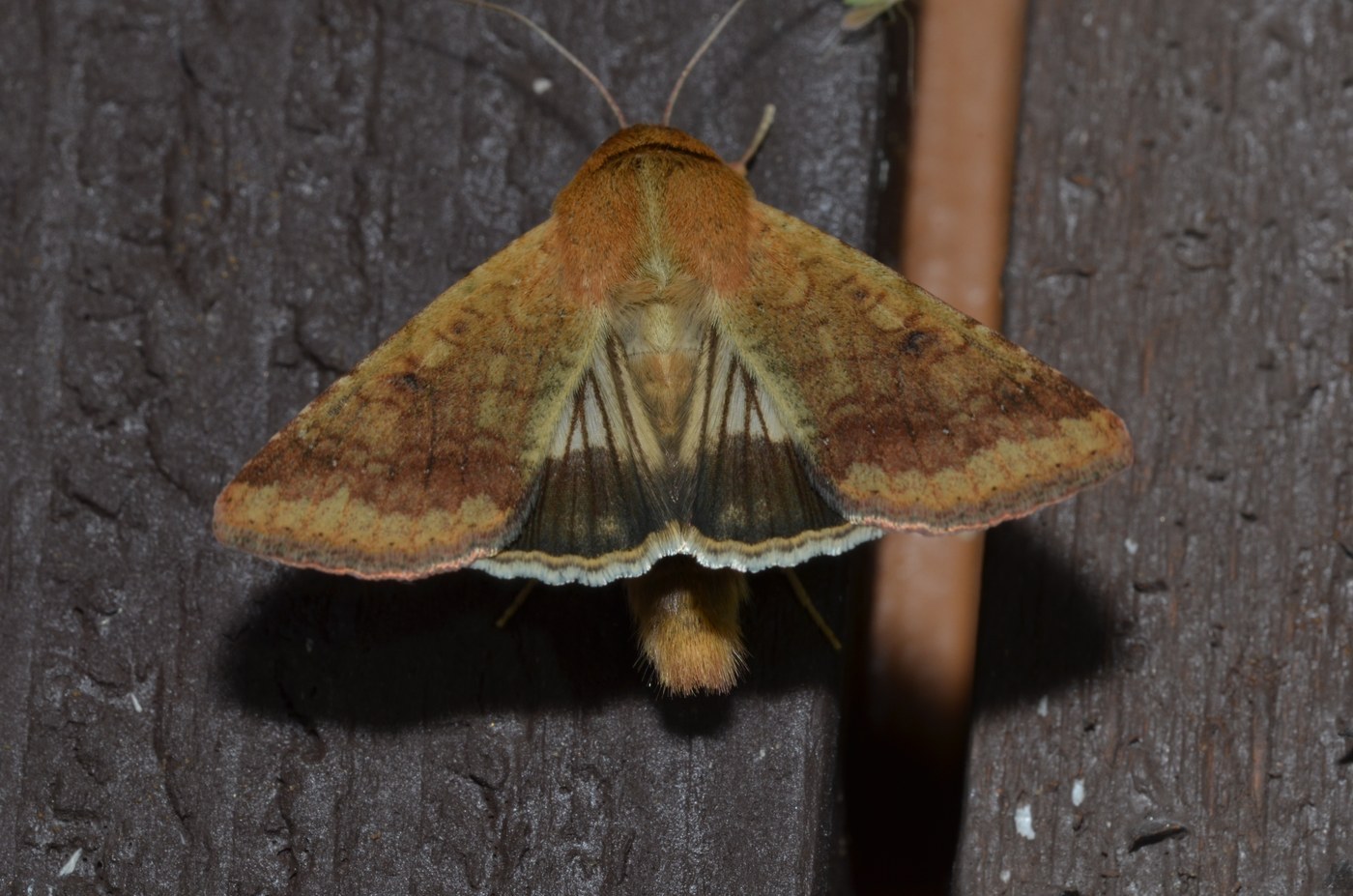
Corn Earworm
A color-variable caterpillar, ranging from pale green to reddish-brown, that burrows headfirst into corn ears and is one of the most economically significant crop pests in North America.
caterpillar-larva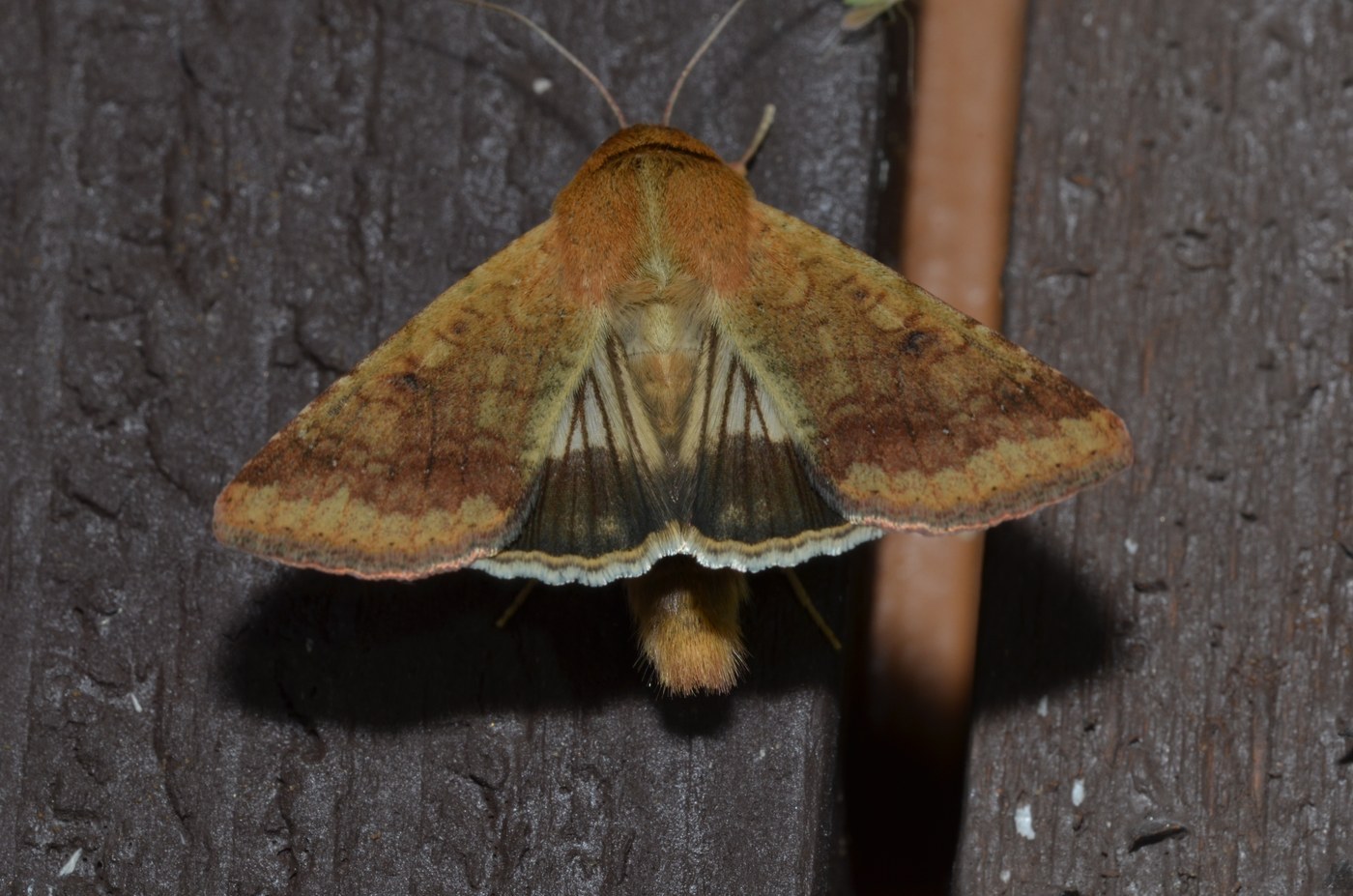
Corn Earworm Moth
A tan to olive-colored moth whose caterpillar, the corn earworm, is one of the most economically significant crop pests in North America, feeding inside corn ears, tomatoes, and cotton bolls.
moth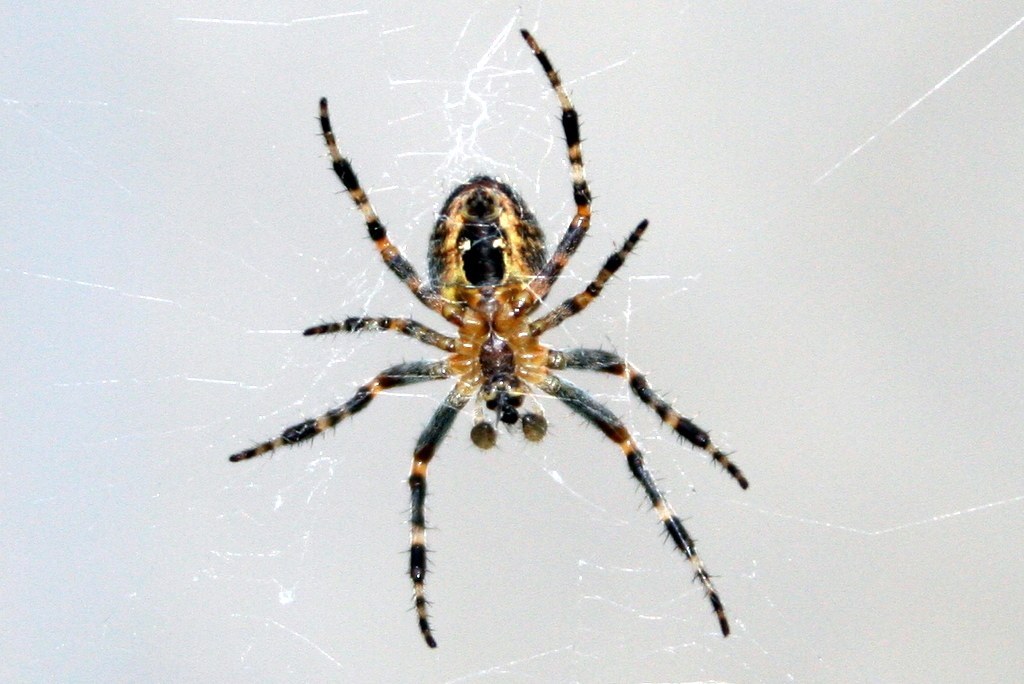
Barn Spider
A brownish, mottled orb weaver famous as the inspiration for Charlotte's Web, commonly found spinning large nightly webs on barns, porches, and other structures.
spider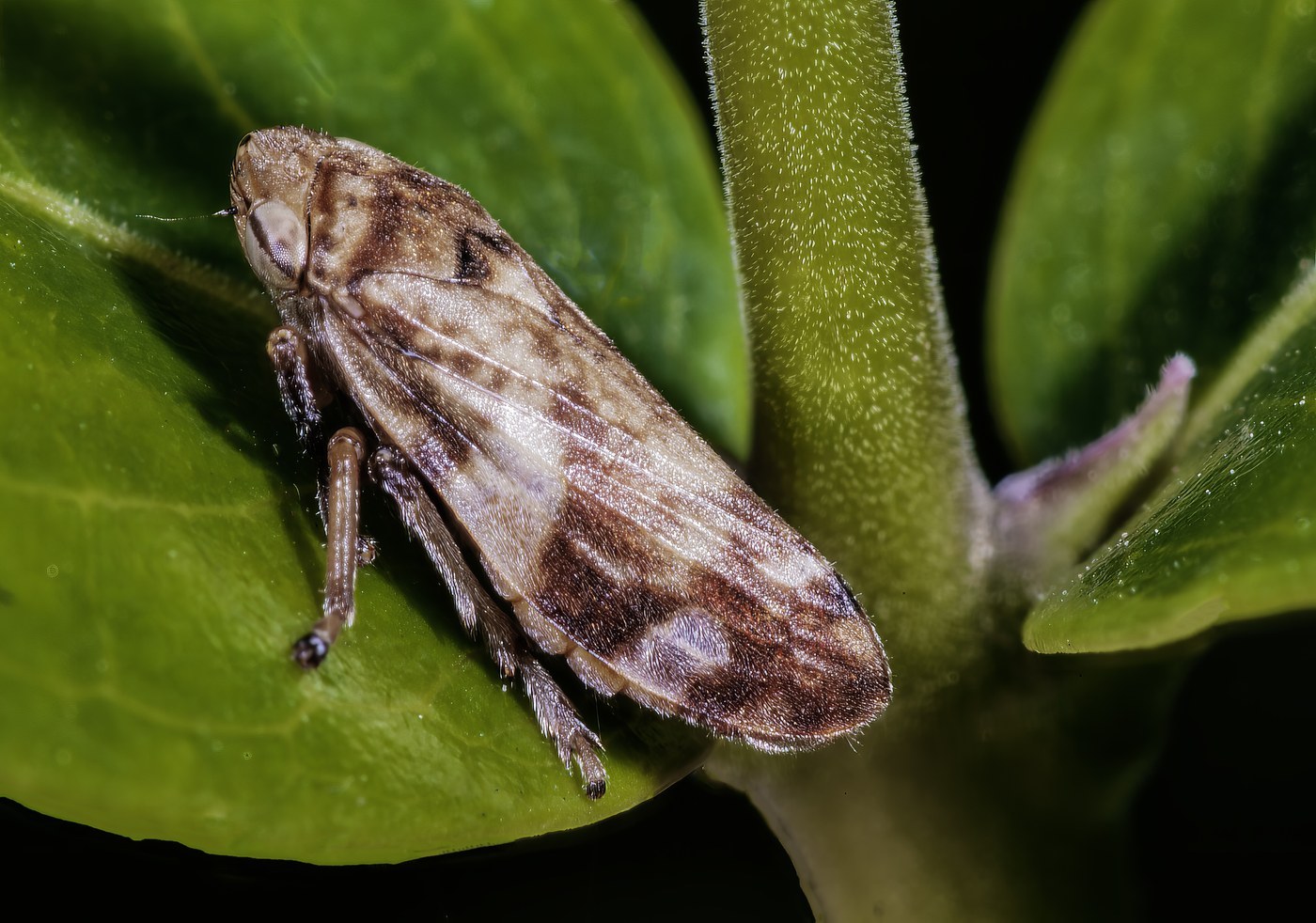
Spittlebug
A small hopping true bug best known in its nymph stage, which surrounds itself in a frothy mass of white foam on plant stems, commonly called cuckoo spit.
true-bugLonghorn Bee
A fuzzy, medium-sized solitary bee named for the males' notably long, curved antennae, commonly seen foraging on sunflowers, asters, and other late-summer composite flowers.
bee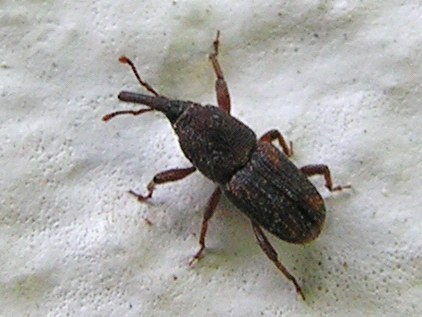
Rice Weevil
A tiny reddish-brown weevil with a long curved snout and four faint pale spots on its wing covers, commonly found infesting stored rice, wheat, and other grain products.
beetle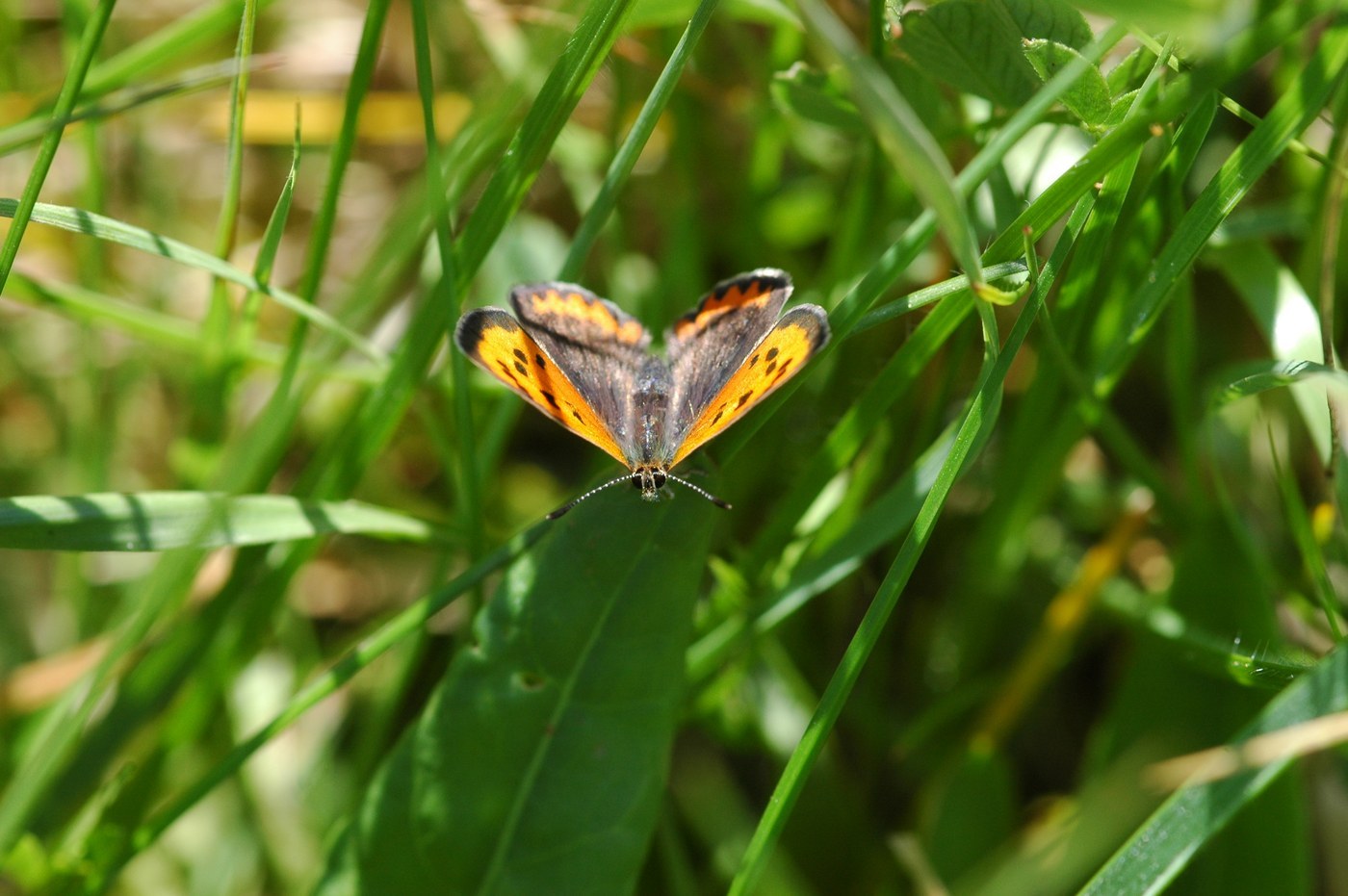
American Copper
A small, bright orange-and-black butterfly with fiery copper-colored forewings and dusky gray hindwings edged in orange, commonly seen darting low over weedy fields and vacant lots.
butterfly