Bug Encyclopedia
Search and identify bugs & insects — beetles, butterflies, moths, ants, bees, spiders and more — with size, habitat, danger, behavior, and how to tell them apart.
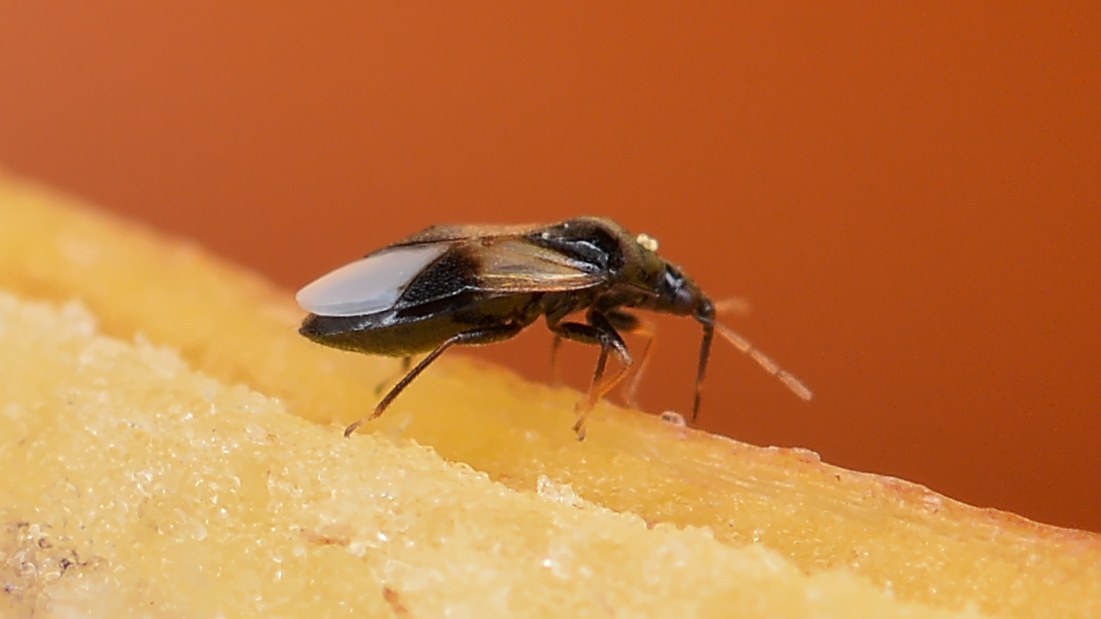
Minute Pirate Bug
A tiny, black-and-white patterned true bug barely visible without close inspection, the minute pirate bug is a voracious predator of thrips, mites, and insect eggs on flowers and foliage.
true-bugMadagascan Sunset Moth
A day-flying moth with iridescent wings that shimmer through bands of green, blue, red, and gold, so vividly colored that it is frequently mistaken for a butterfly despite being a true moth.
moth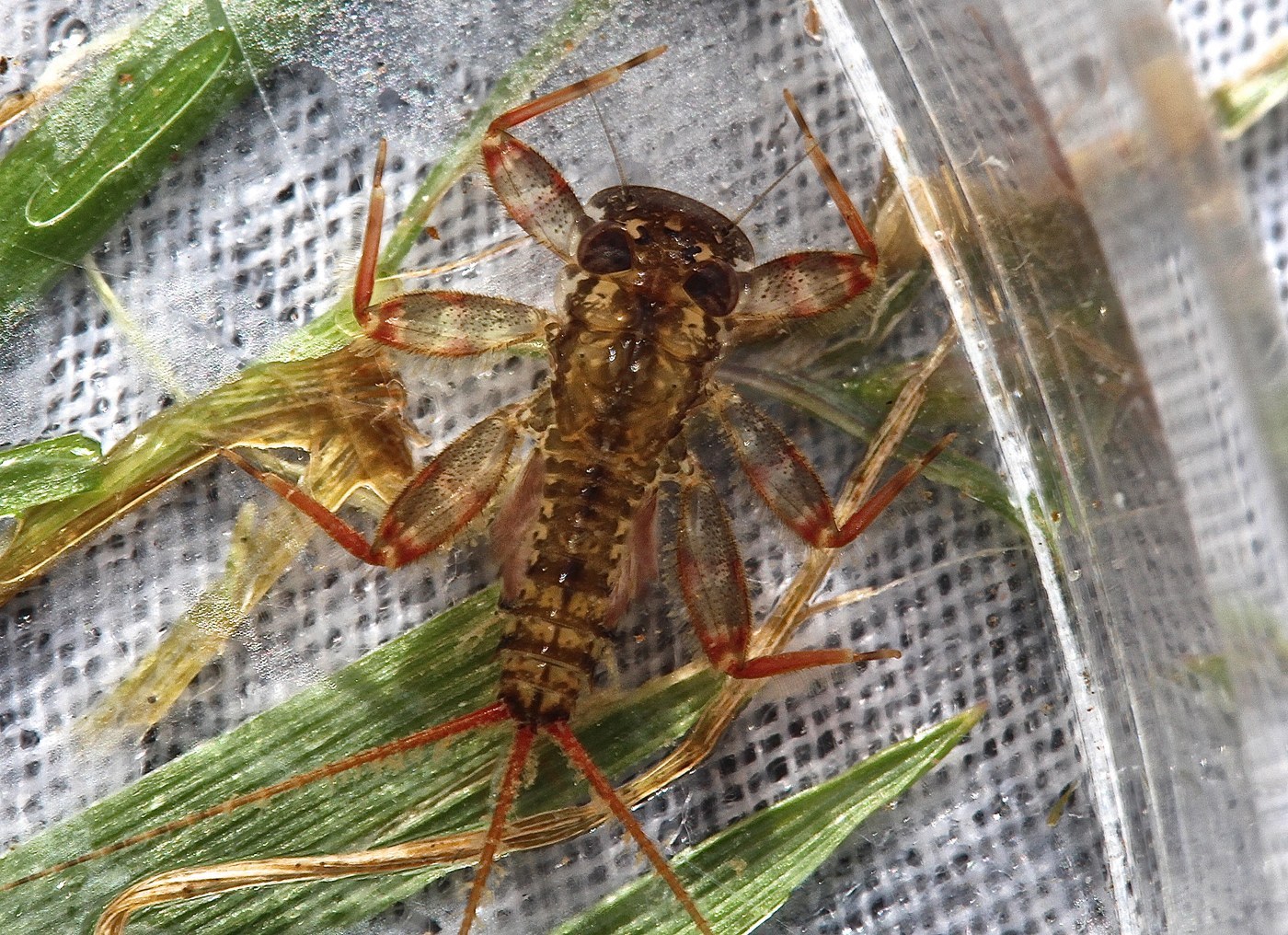
March Brown Mayfly
A speckled, mottled-winged mayfly whose springtime hatch is prized by anglers, the March Brown emerges from clean, rocky streams and is one of the earlier large mayflies of the season.
aquatic-insect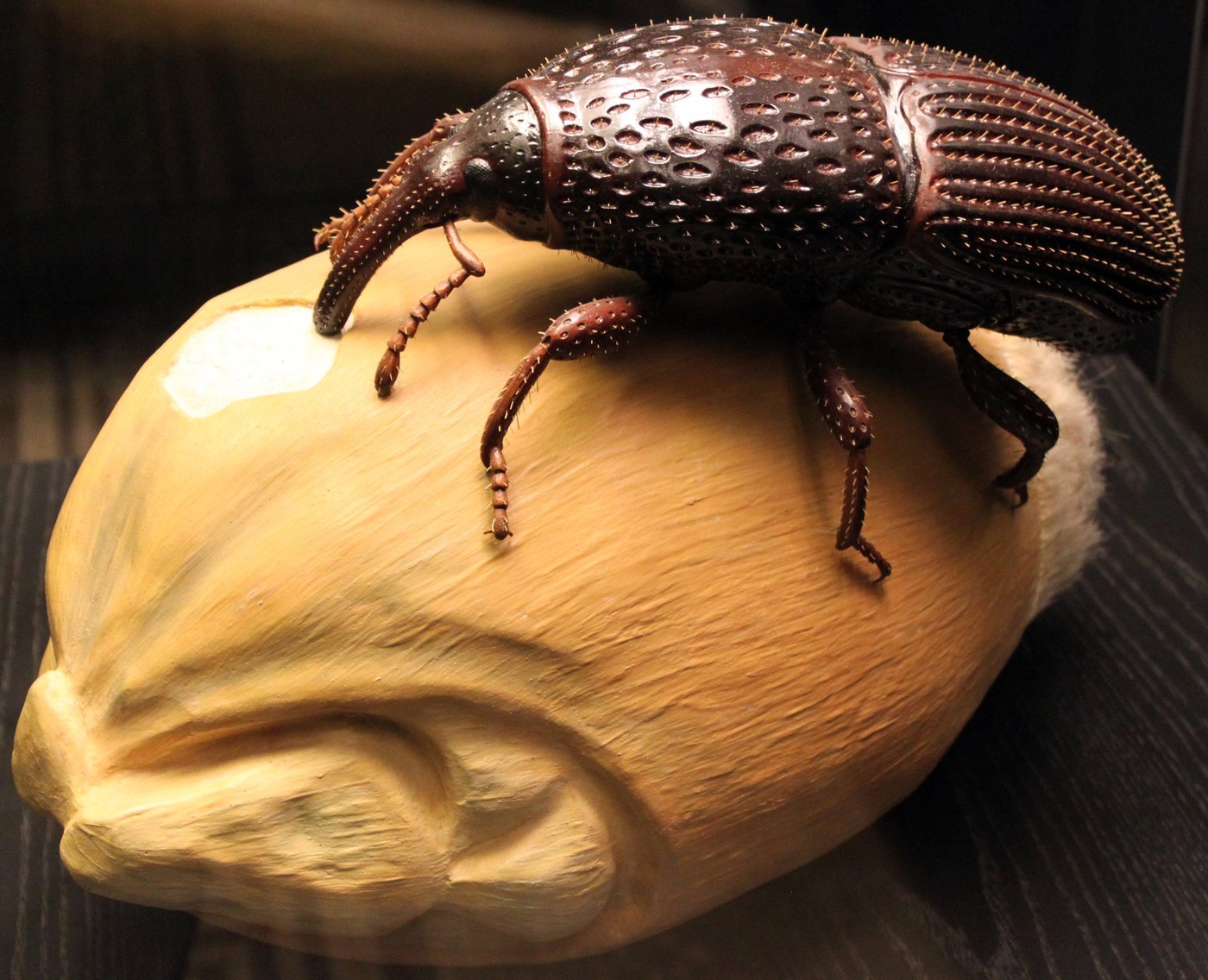
Granary Weevil
A small, shiny, dark reddish-brown to black weevil with a long curved snout that is unable to fly, spending its entire life cycle within stores of wheat and other cereal grains.
beetle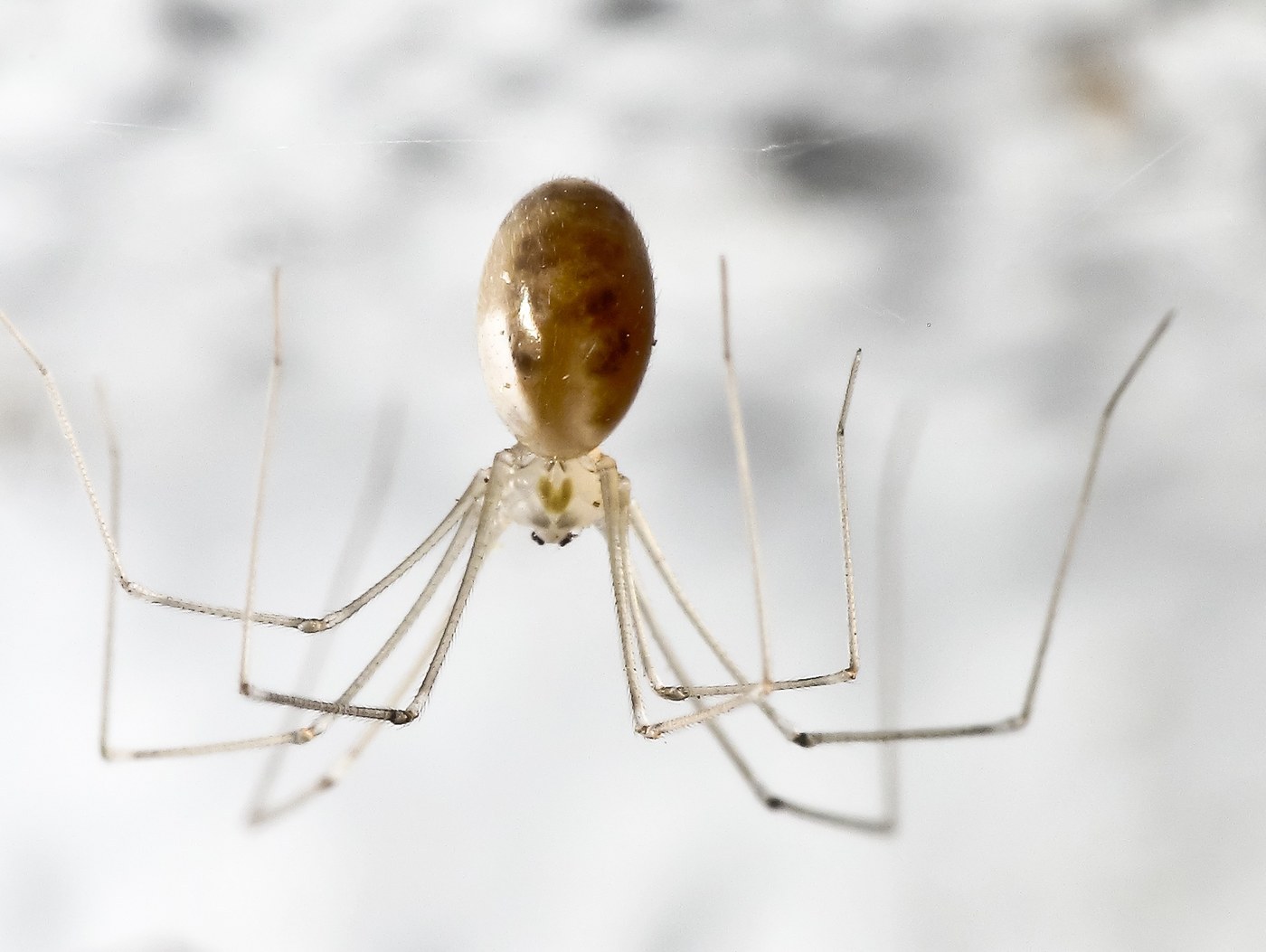
Cellar Spider
A pale, long-legged spider that builds loose, irregular webs in dark corners and is famous for rapidly vibrating in its web when disturbed, causing it to blur into an indistinct shape.
spiderPhantom Midge Larva
Almost invisible in open water, the phantom midge larva is a slender, transparent predator that drifts through the water column, using a pair of internal gas-filled sacs to hover at precise depths while hunting tiny prey.
aquatic-insect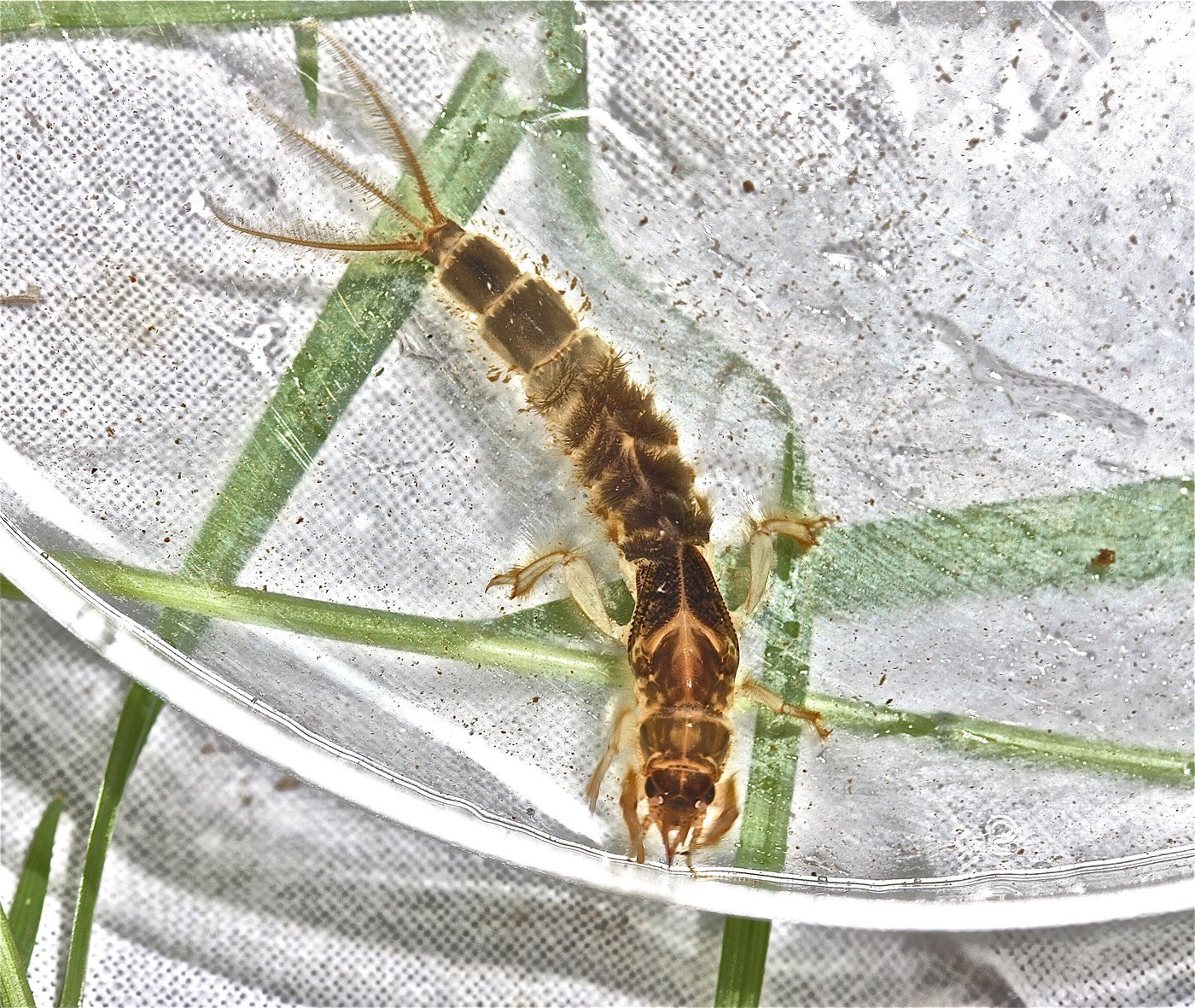
Green Drake Mayfly
Famous among anglers for triggering explosive trout feeding frenzies, the Green Drake Mayfly is a large, striking insect whose brief springtime emergence is one of the most anticipated events on many rivers.
aquatic-insectBurying Beetle
A black beetle marked with bold orange-red bands, notable for locating small dead animals, burying them underground, and cooperatively raising larvae with a partner over the buried carcass.
beetle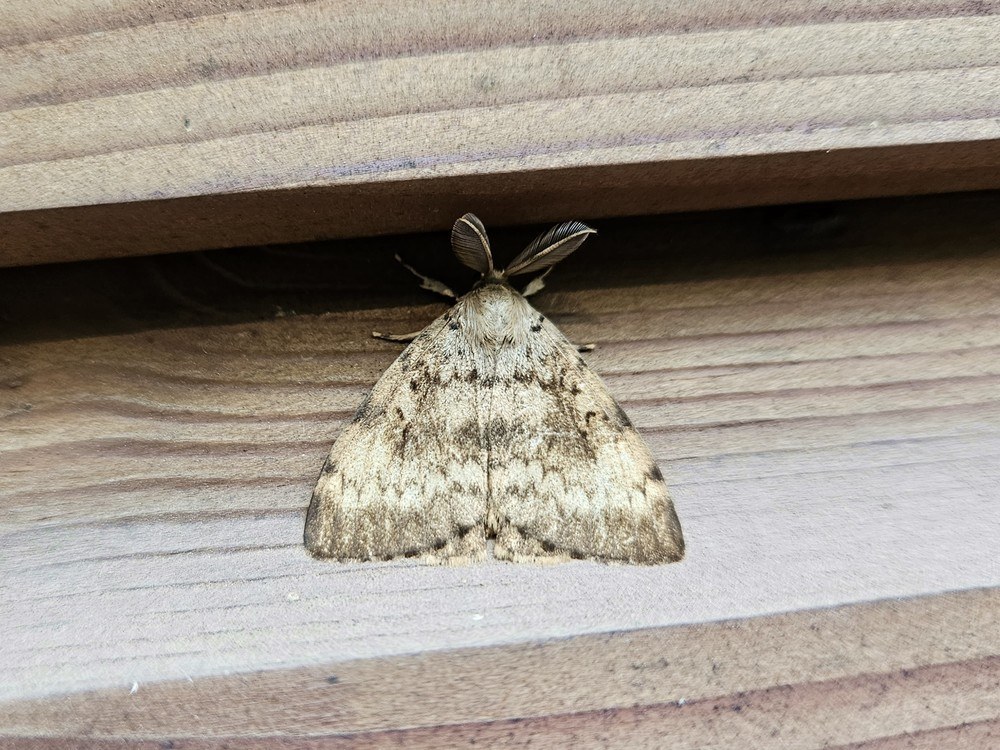
Gypsy Moth (Spongy Moth)
A strongly sexually dimorphic moth, recently renamed the Spongy Moth for its distinctive spongy, tan egg masses, whose caterpillars are known for periodically defoliating oak and other hardwood trees in large outbreak years.
mothHorse Fly Larva
Hidden in the wet mud along pond and stream margins, the horse fly larva is a tapered, tough-skinned predator that hunts other small soil and mud-dwelling invertebrates before eventually transforming into the familiar biting fly.
aquatic-insect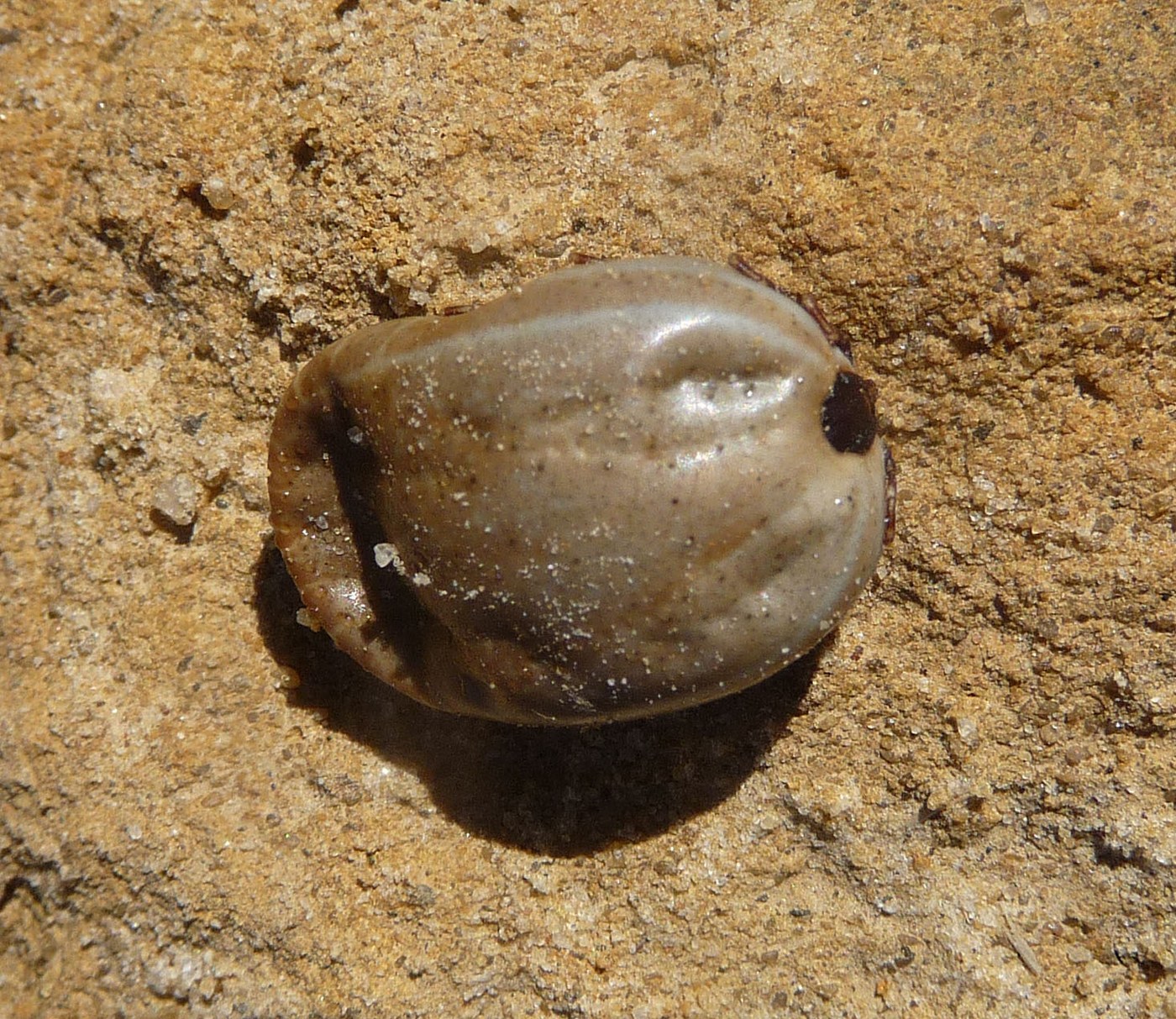
Brown Dog Tick
A uniformly reddish-brown tick with an elongated body, the brown dog tick is unusual among ticks for being able to complete its entire life cycle indoors around wherever dogs rest. It has spread to warm regions worldwide largely by traveling with its preferred host.
arachnidToe-Biter
One of the largest true bugs in the world, the toe-biter is a broad, flattened ambush predator that lies in wait among pond vegetation, seizing prey many times its own size with powerful raptorial front legs.
true-bug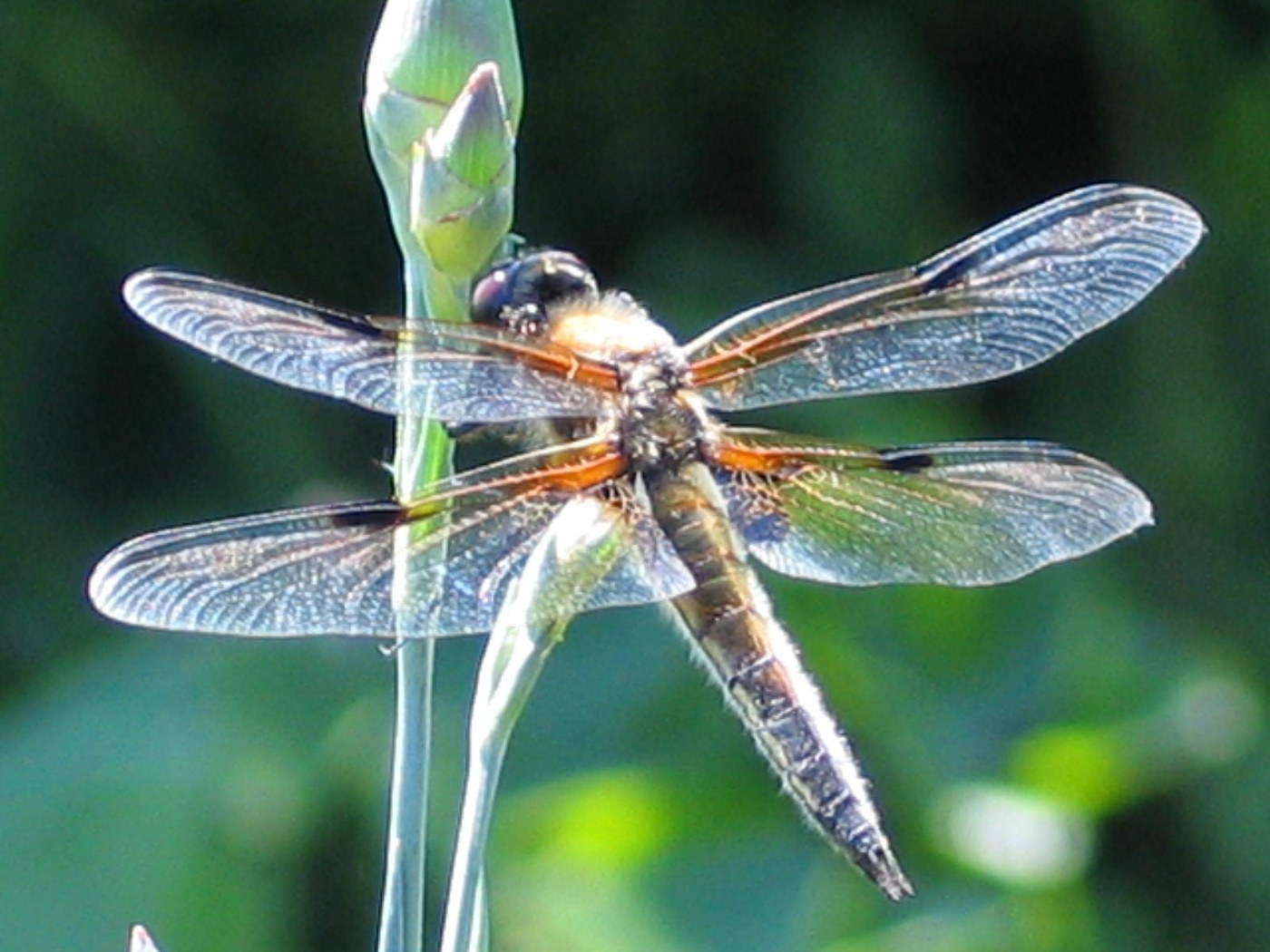
Four-spotted Skimmer
A brown, sturdily built dragonfly marked with a single dark spot on each wing, this holarctic species is famous for occasional mass emergences and long-distance swarming flights.
dragonflyGreen Lacewing
With delicate pale green wings and glittering golden eyes, the Green Lacewing is a familiar garden insect whose larvae are voracious predators of aphids and other soft-bodied pests.
other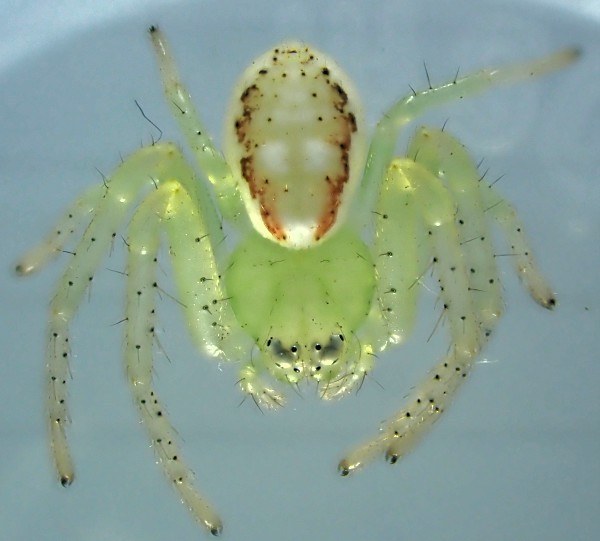
Crab Spider
Perched motionless atop a flower petal, often perfectly matched to its color, the crab spider is a patient ambusher that waits for pollinators to land within reach of its outstretched front legs.
spiderCone-headed Katydid
A large, grass-colored katydid named for its sharply pointed, cone-shaped head, best known for producing some of the loudest, most sustained buzzing calls of any North American insect.
grasshopper-cricket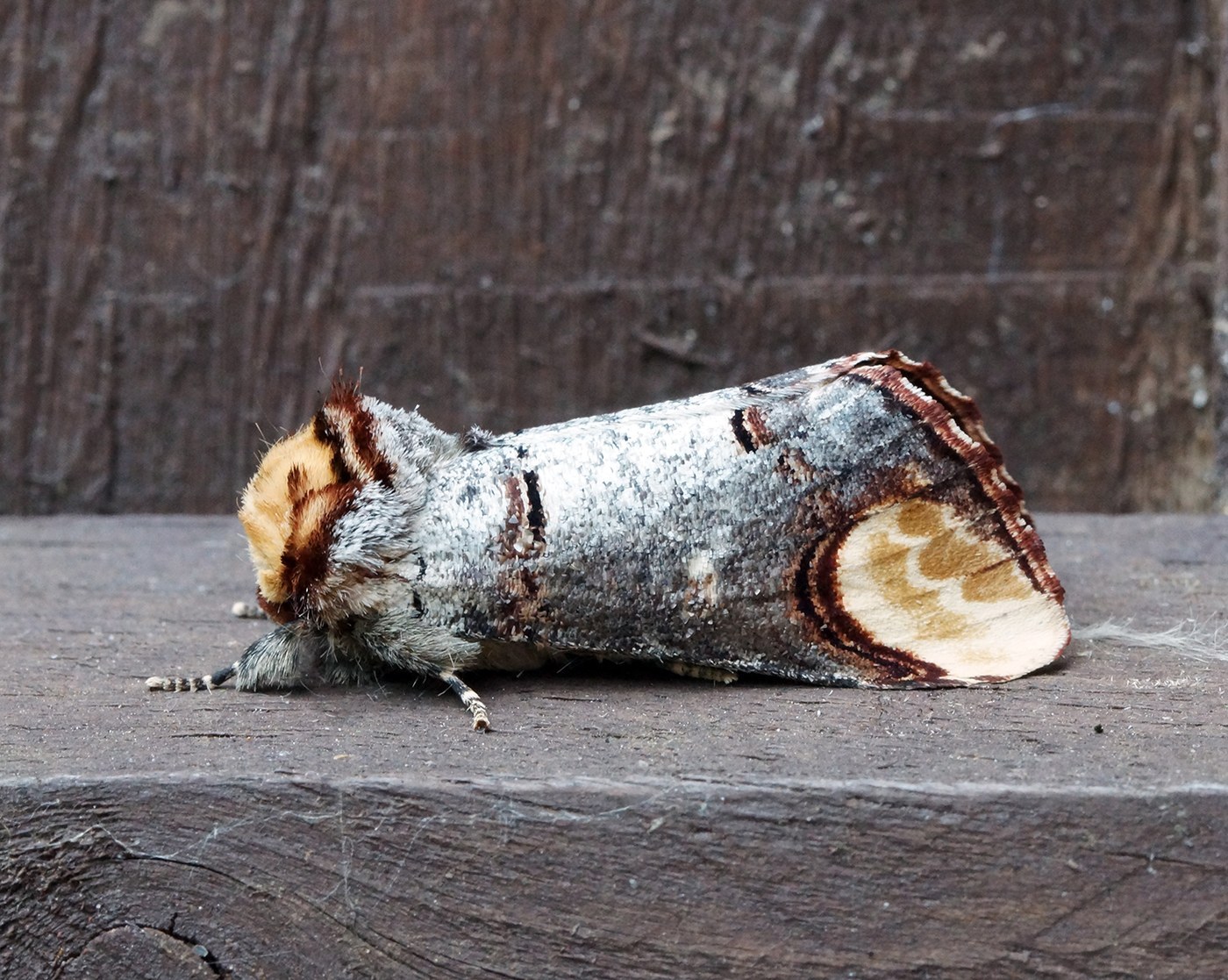
Buff-tip Moth
A moth so convincingly disguised as a broken birch twig that it is often overlooked entirely, with silvery-gray wings and pale buff patches at the tip and base that complete the illusion of snapped, weathered wood.
moth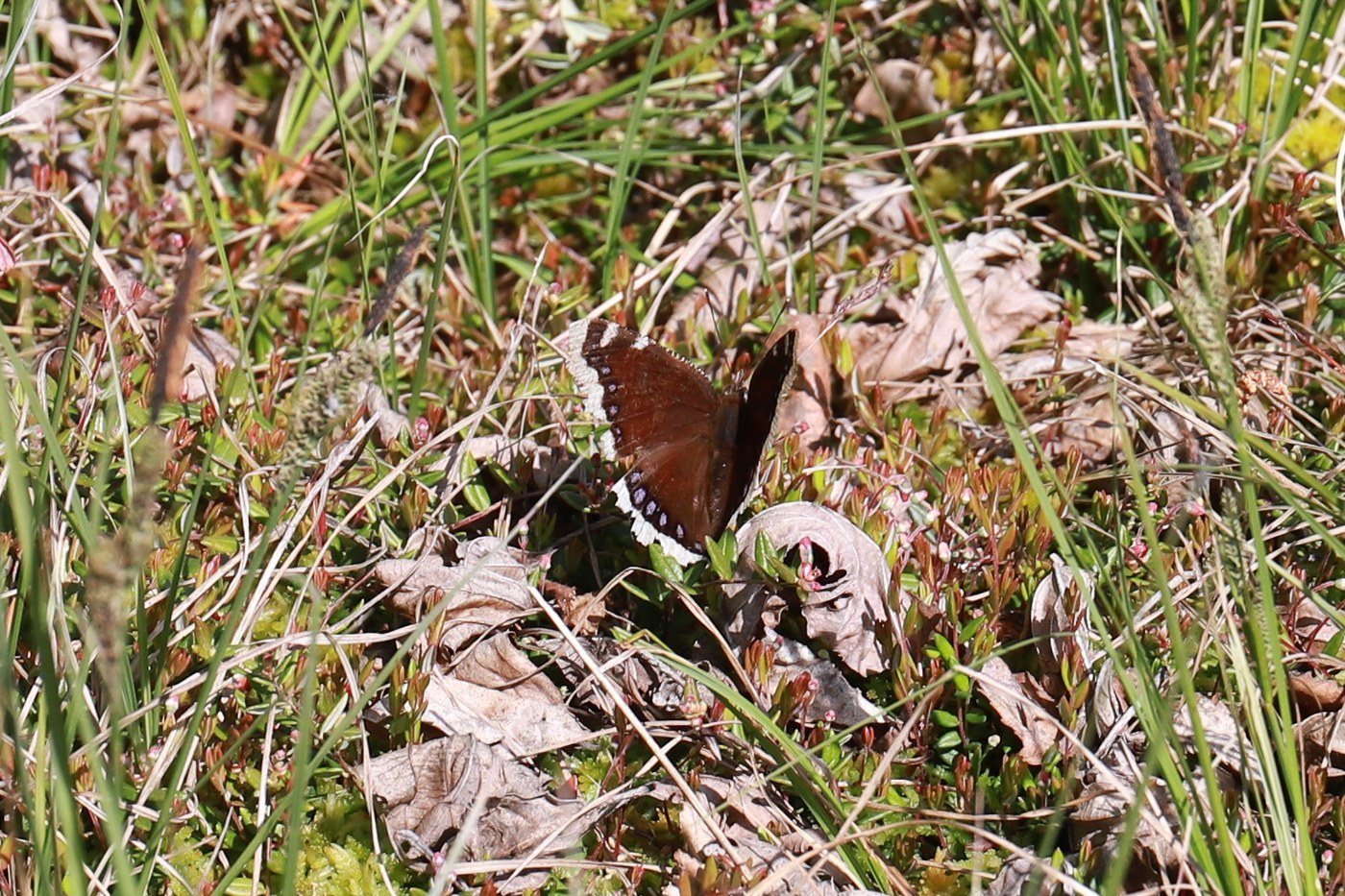
Mourning Cloak
A dark, velvety maroon-brown butterfly edged with a ragged cream-yellow border and a row of iridescent blue spots, notable for overwintering as an adult and often being one of the very first butterflies seen flying in early spring.
butterfly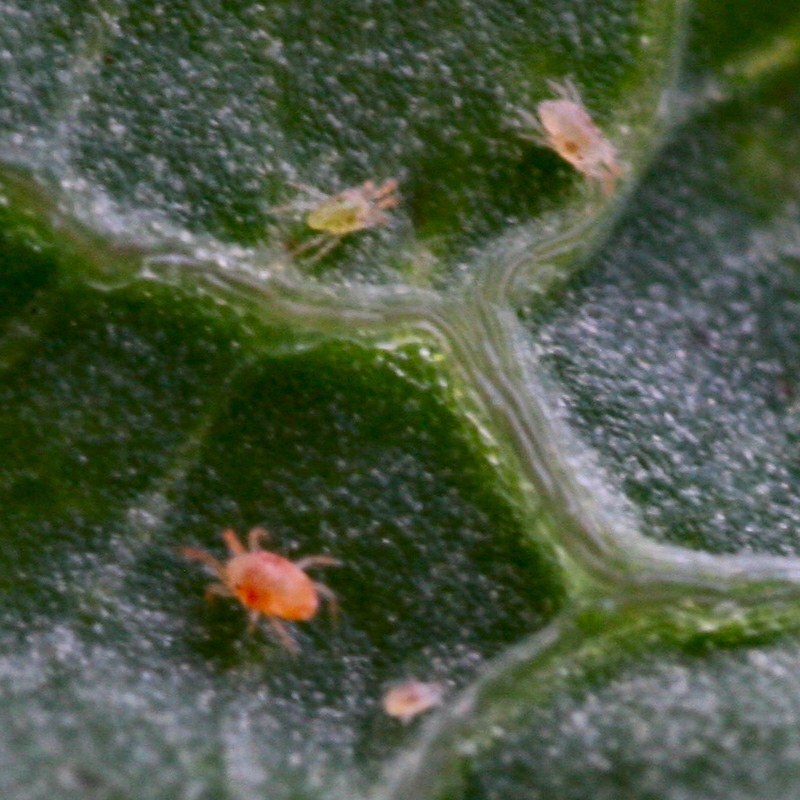
Spider Mite
A speck-sized arachnid that spins fine silk webbing across infested leaves as it pierces plant cells for their contents, leaving behind a telltale stippled, bronzed appearance. Populations can explode rapidly in hot, dry weather, making it a familiar garden and greenhouse pest.
arachnid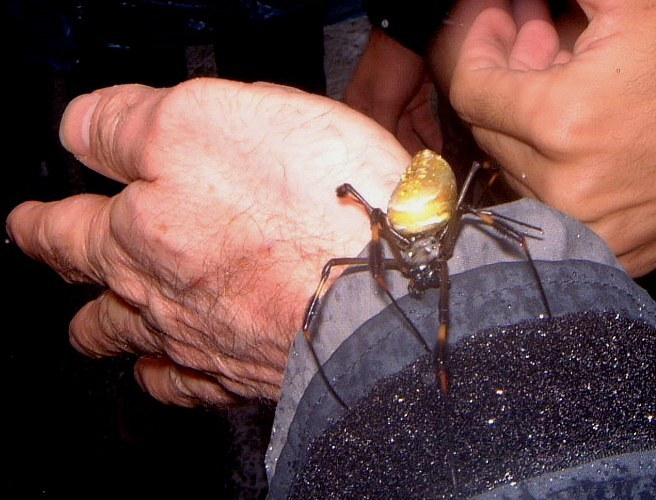
Golden Silk Orb Weaver
Suspended in a massive, glinting web strung between trees along a forest trail, the golden silk orb weaver is one of the largest and most striking web-building spiders in the Americas, spinning silk with a distinctive yellow-gold sheen.
spider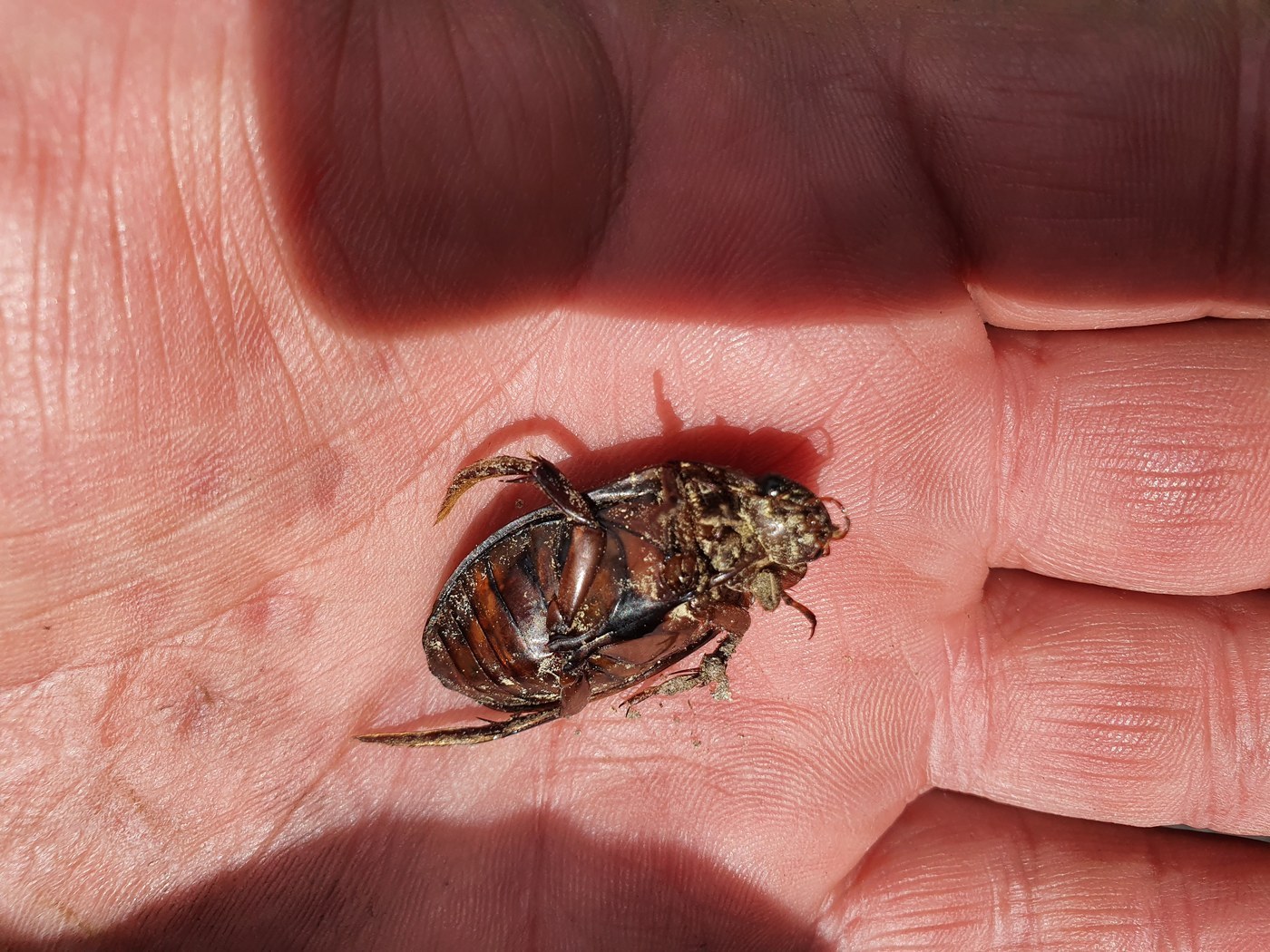
Great Diving Beetle
One of Europe's largest water beetles, the great diving beetle is a streamlined, olive-brown predator that rows through ponds on fringed hind legs, surfacing periodically to trap a bubble of air beneath its wing covers.
beetle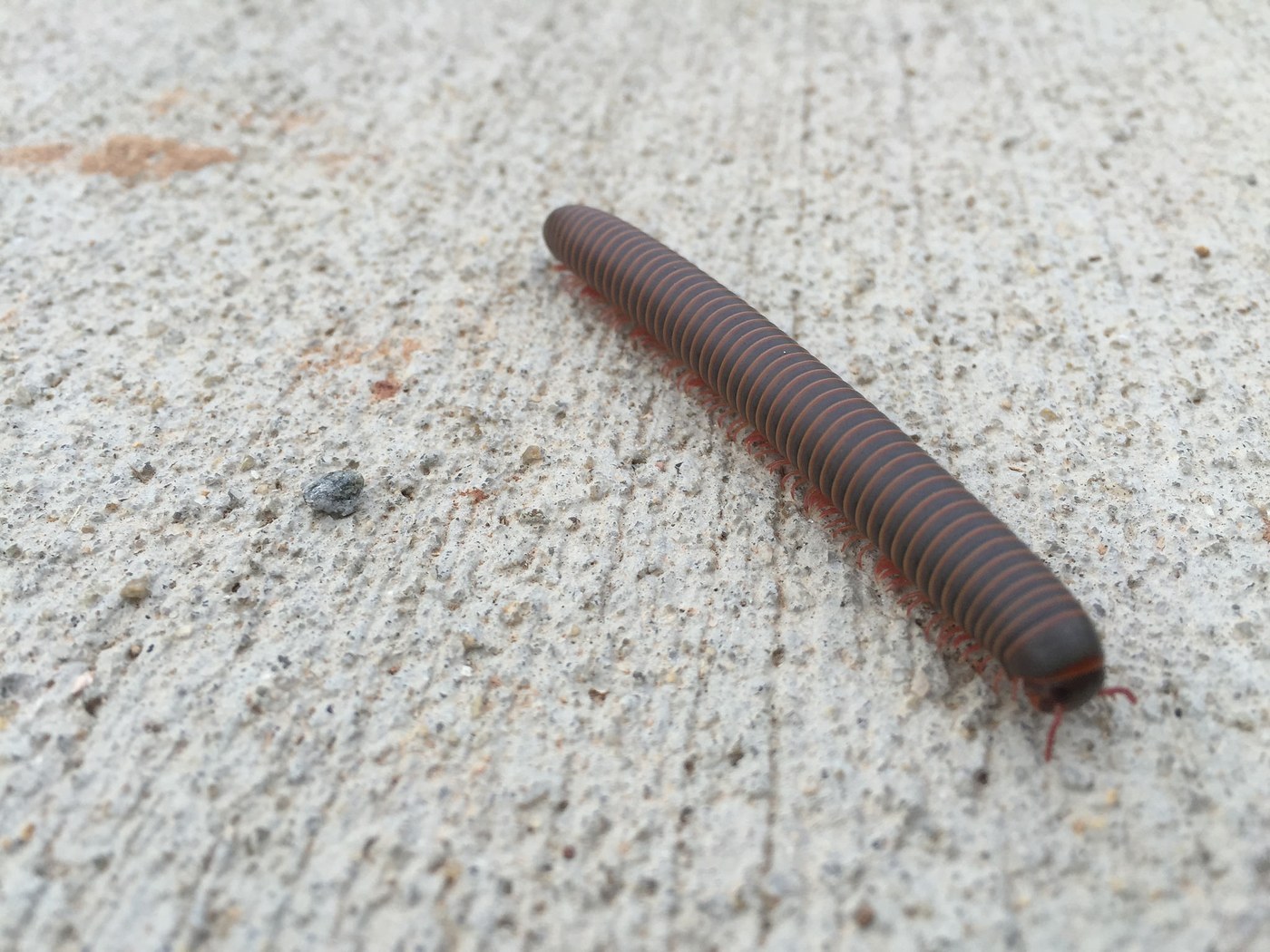
Millipede
A slow-moving, cylindrical, many-legged detritivore with two pairs of legs per body segment, often seen curling into a tight spiral when disturbed.
myriapod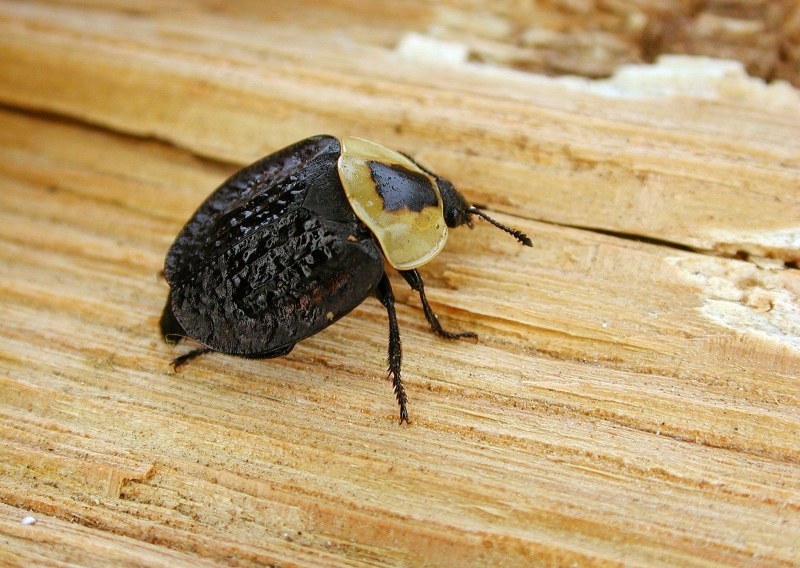
American Carrion Beetle
A broad, flattened black beetle with a striking pale yellow shield behind its head, commonly found on and around small animal carcasses where it feeds alongside fly larvae.
beetleCicada Killer's Prey Cicada
A large, thick-bodied, clear-winged insect best known for the loud, buzzing chorus males produce from treetops on hot summer afternoons, and a preferred prey item of the cicada killer wasp.
true-bug