
Bug Encyclopedia
Search and identify bugs & insects — beetles, butterflies, moths, ants, bees, spiders and more — with size, habitat, danger, behavior, and how to tell them apart.
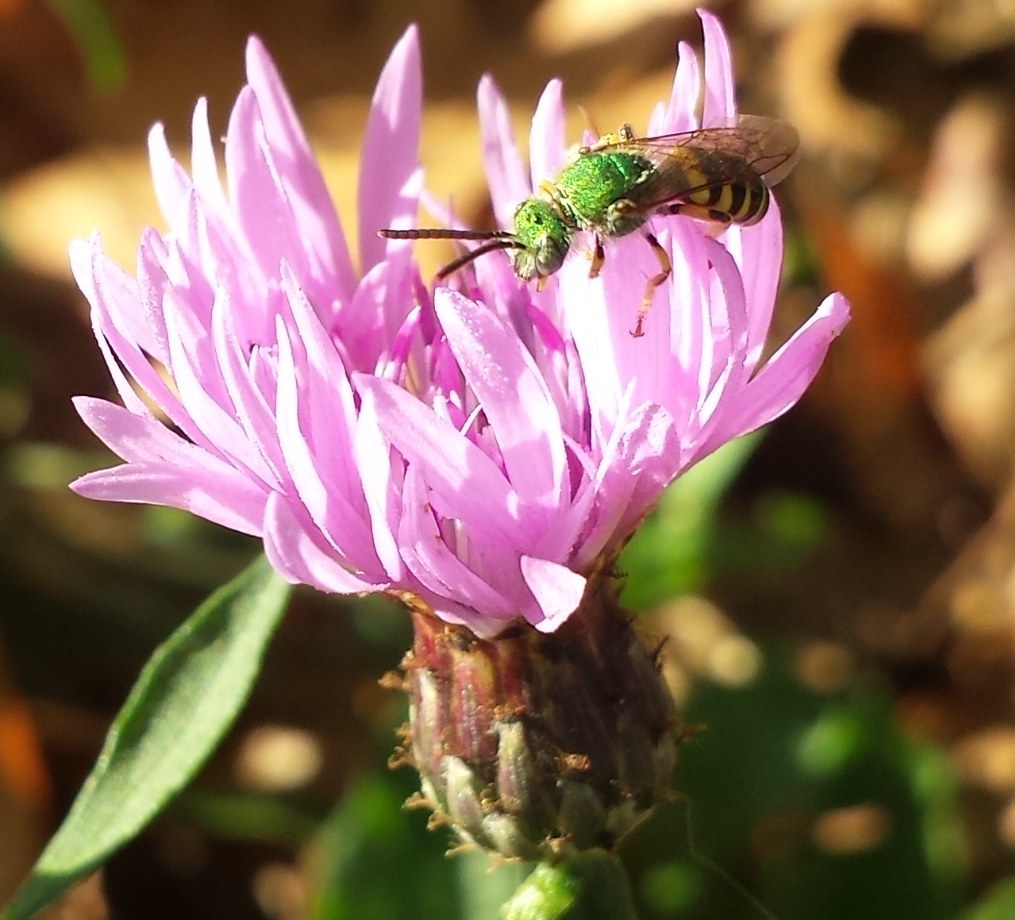
Sweat Bee
A small, often metallic green or bronze bee in the family Halictidae, named for its habit of landing on skin to sip perspiration, and an important generalist pollinator of wildflowers and crops.
bee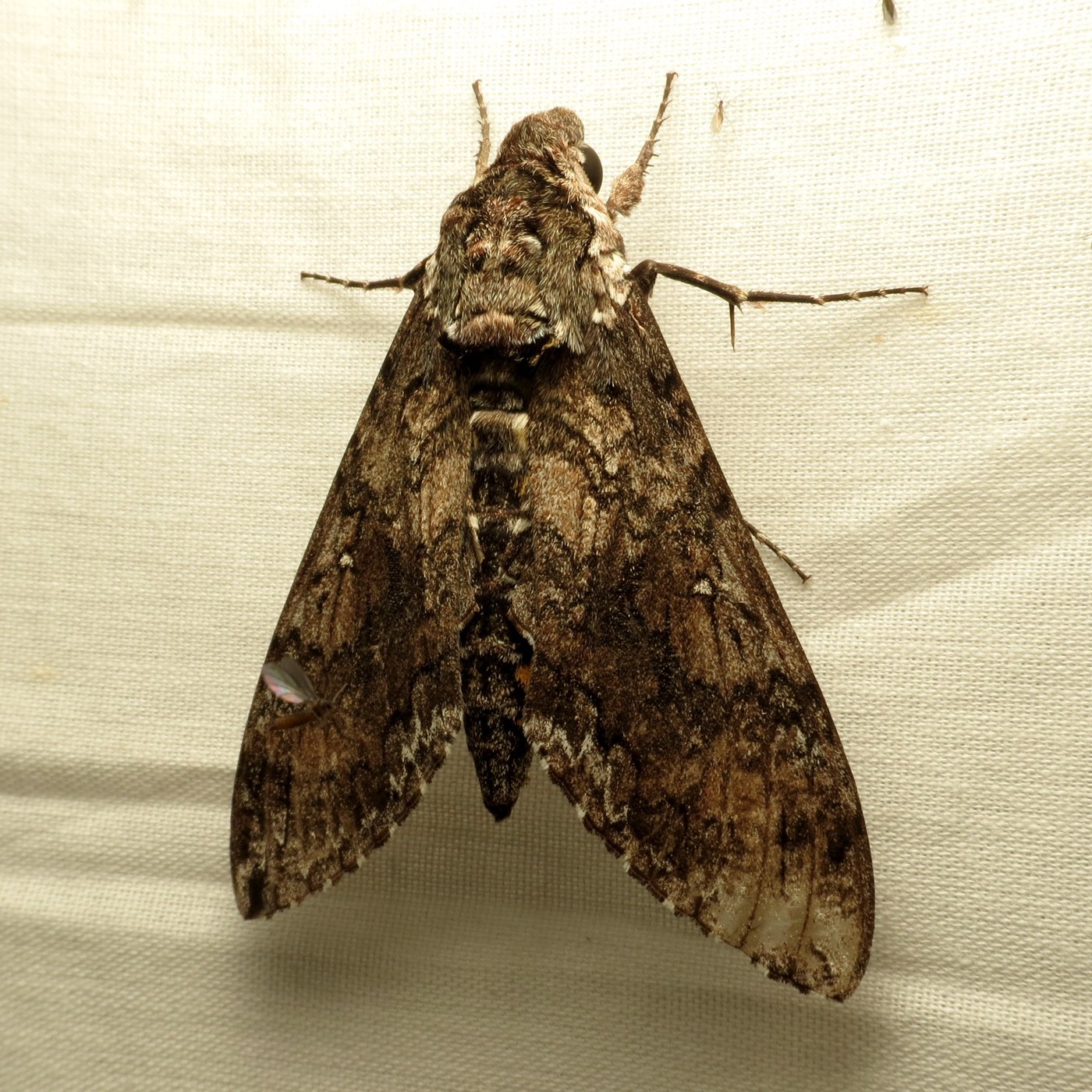
Tobacco Hornworm
A large, chunky green caterpillar with diagonal white stripes and a curved red-orange horn at its tail end, often found stripping tomato and tobacco plants.
caterpillar-larvaSpur-throated Grasshopper
One of the most familiar grasshopper groups in North America, named for the small spine on its throat and known for including some of the continent's most abundant rangeland species.
grasshopper-cricketRed Paper Wasp
A large, rusty-red paper wasp that builds open, umbrella-shaped nests under eaves and in sheltered structures, often seen hovering near its comb.
wasp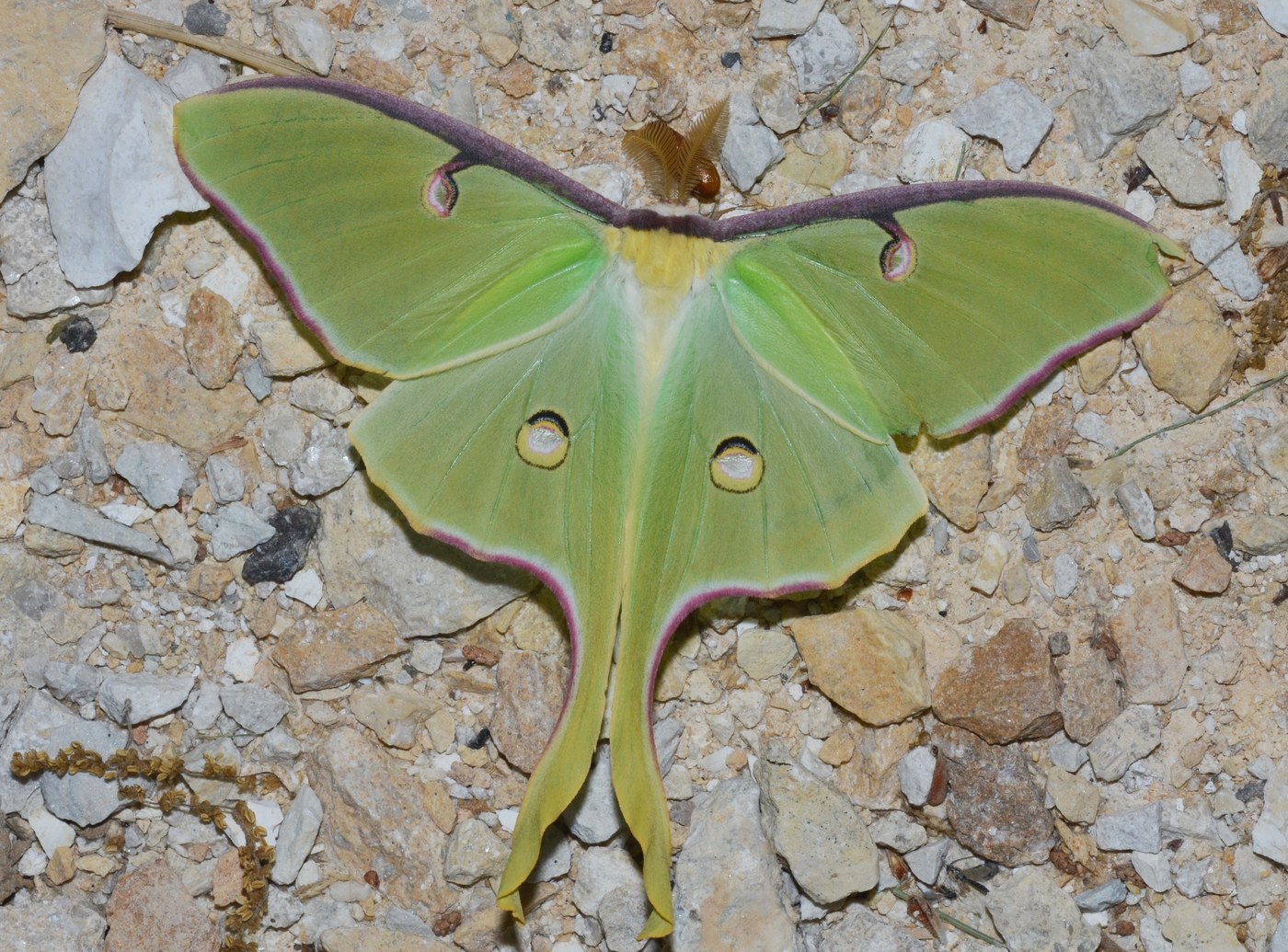
Luna Silkmoth
A large, pale lime-green silkmoth with long, trailing tails on its hindwings and delicate eyespots, widely regarded as one of the most striking moths in North America.
moth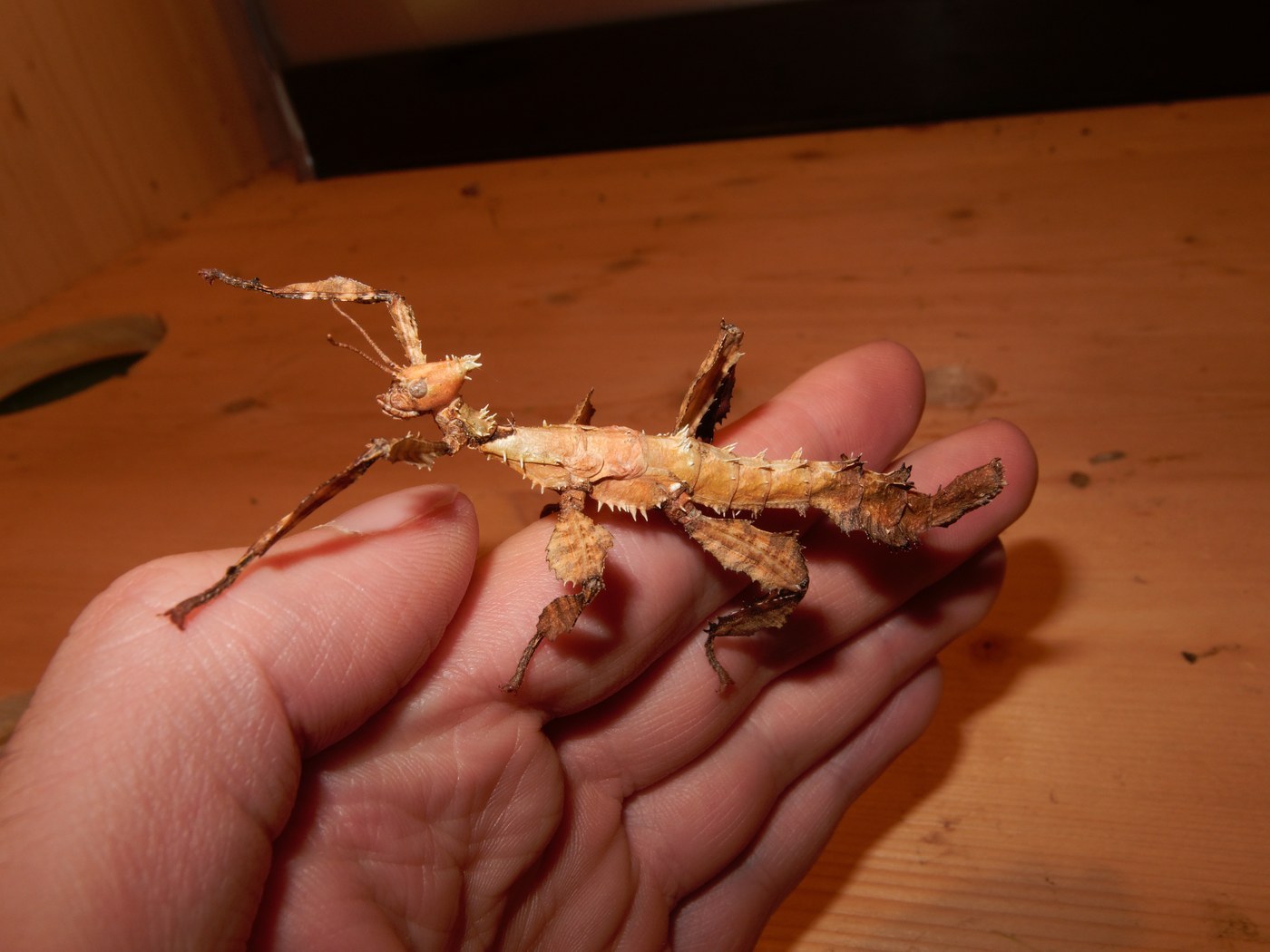
Giant Prickly Stick Insect
A hefty, spine-covered phasmid that mimics dead leaves and curled bark, and when threatened, arches its abdomen like a scorpion's tail in a dramatic bluff display.
mantis-stick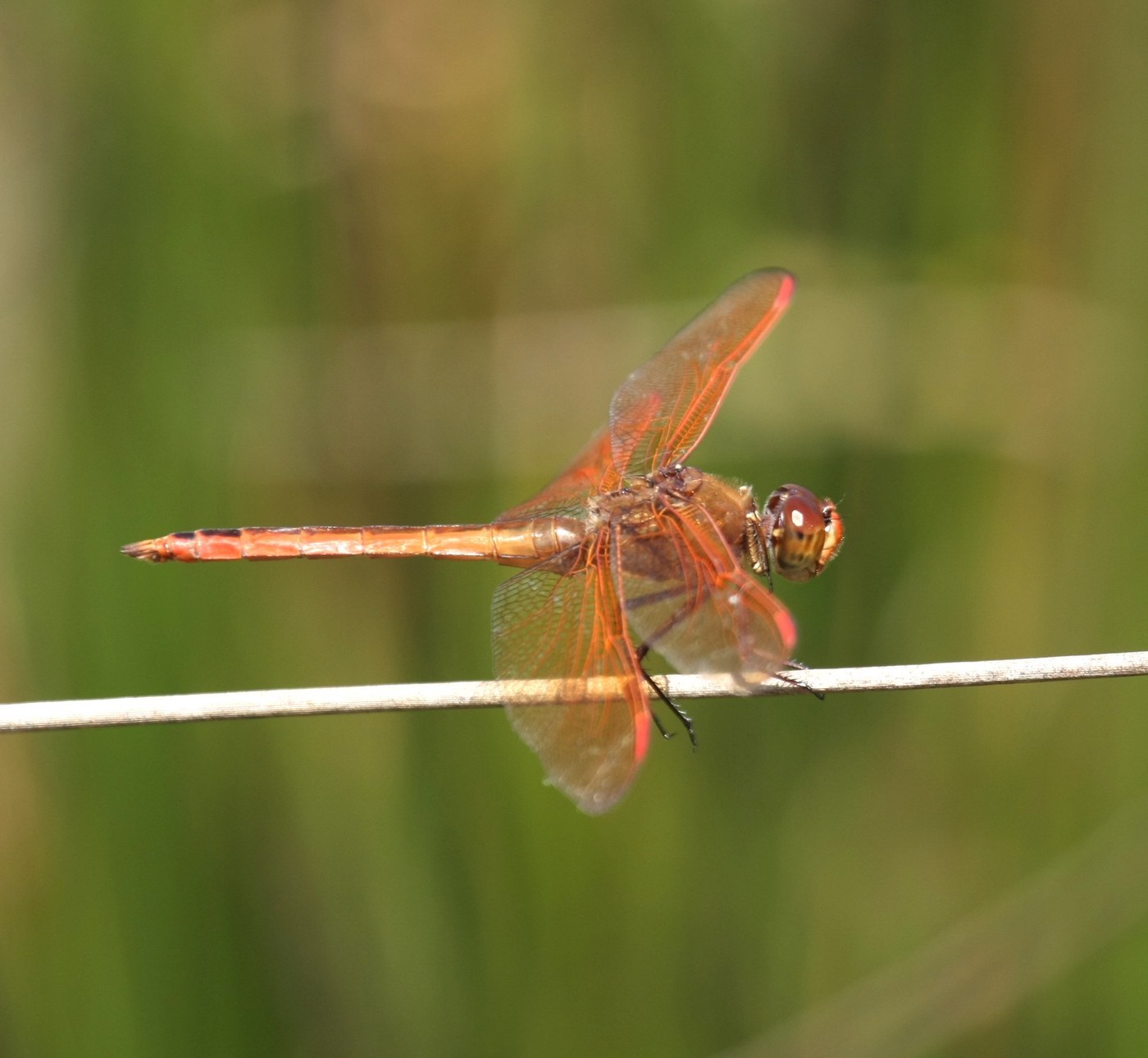
Golden-winged Skimmer
A large skimmer of southeastern wetlands, its wings brushed with a warm golden-amber wash along the leading edge that catches the light as it patrols still, sunlit water.
dragonfly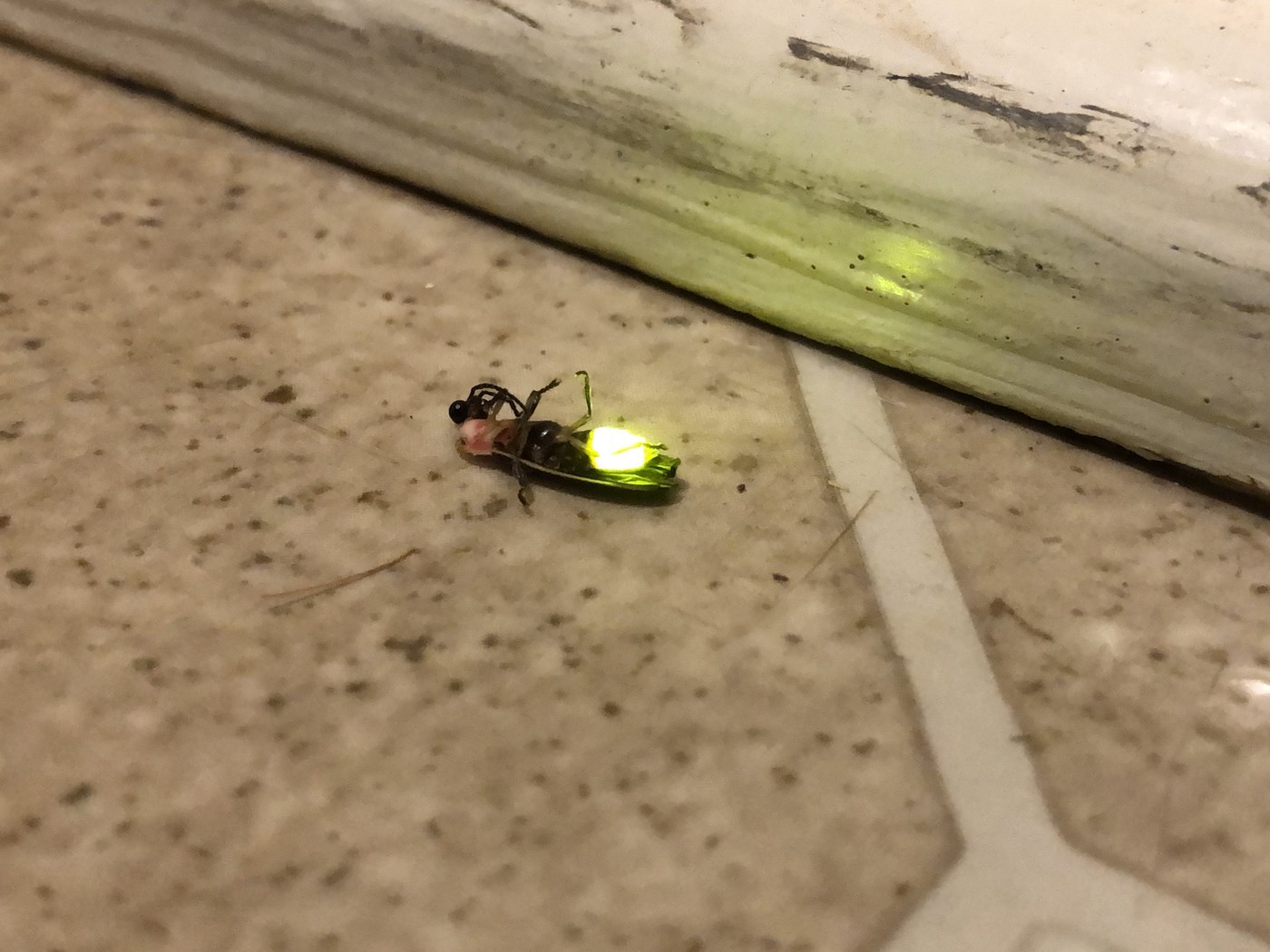
Firefly Beetle
A soft-bodied, dark beetle famous for producing rhythmic flashes of light from its abdomen at dusk, using bioluminescence to attract mates on warm summer evenings.
beetle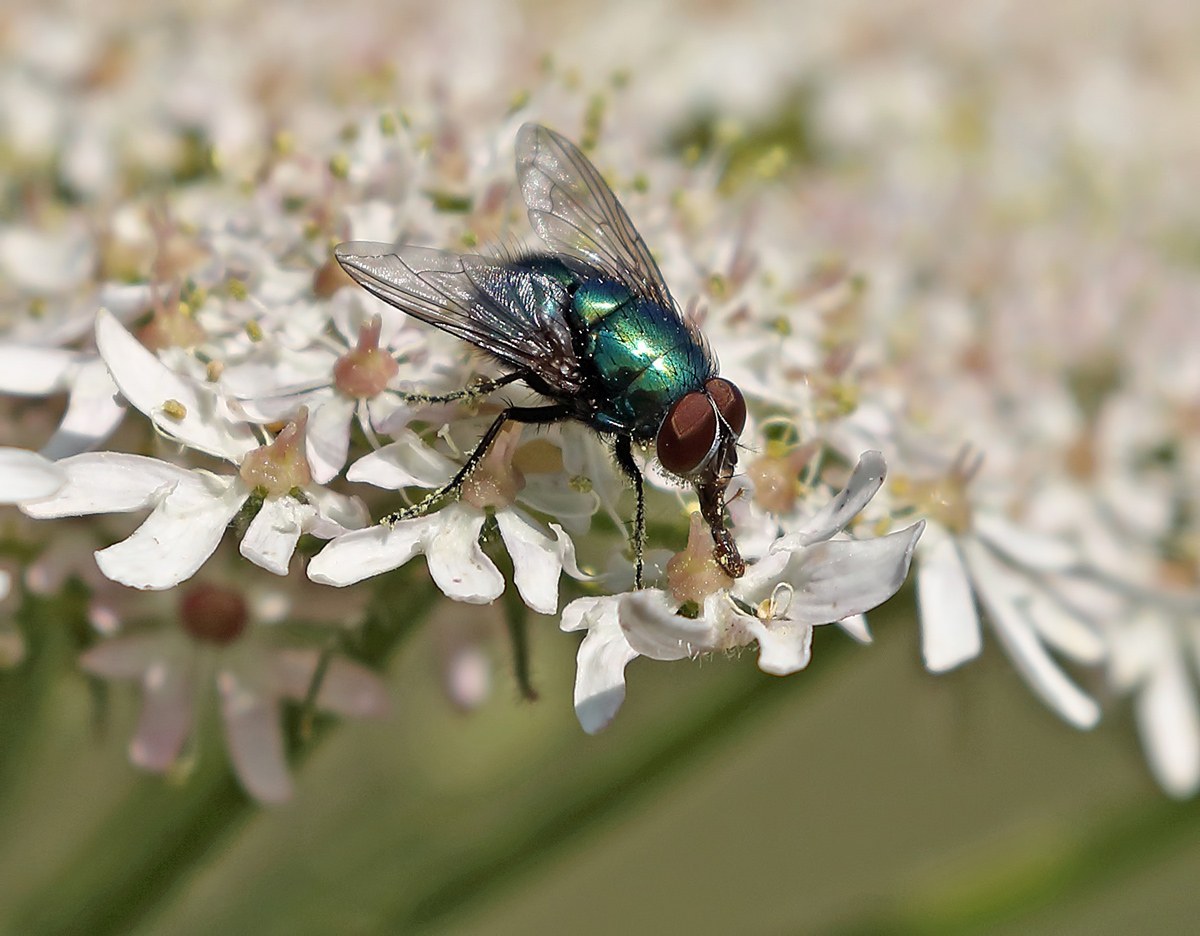
Green Bottle Fly
A brilliantly iridescent, metallic green fly frequently seen basking on sunny surfaces outdoors, easily recognized by its shining emerald body and quick, buzzing flight.
fly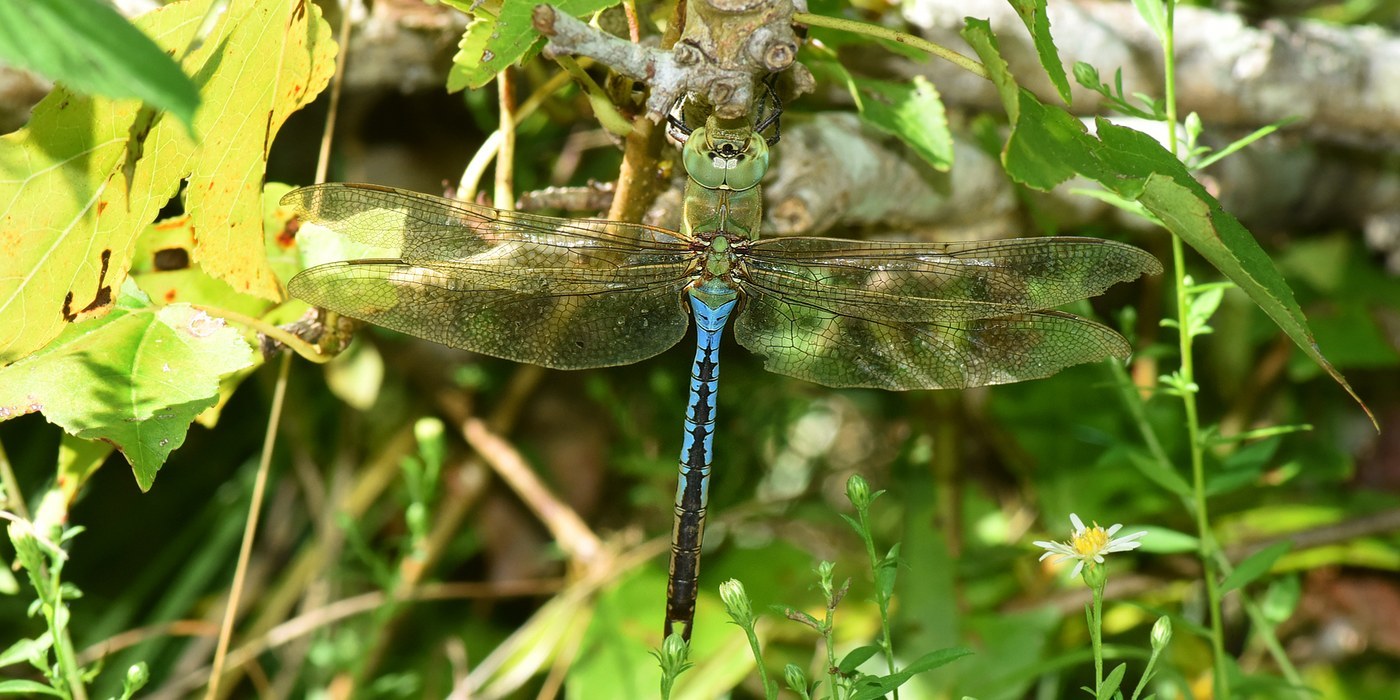
Green Darner Dragonfly
One of the largest and most widespread dragonflies in North America, its green thorax and target-marked face make it unmistakable as it patrols open water on powerful wings.
dragonfly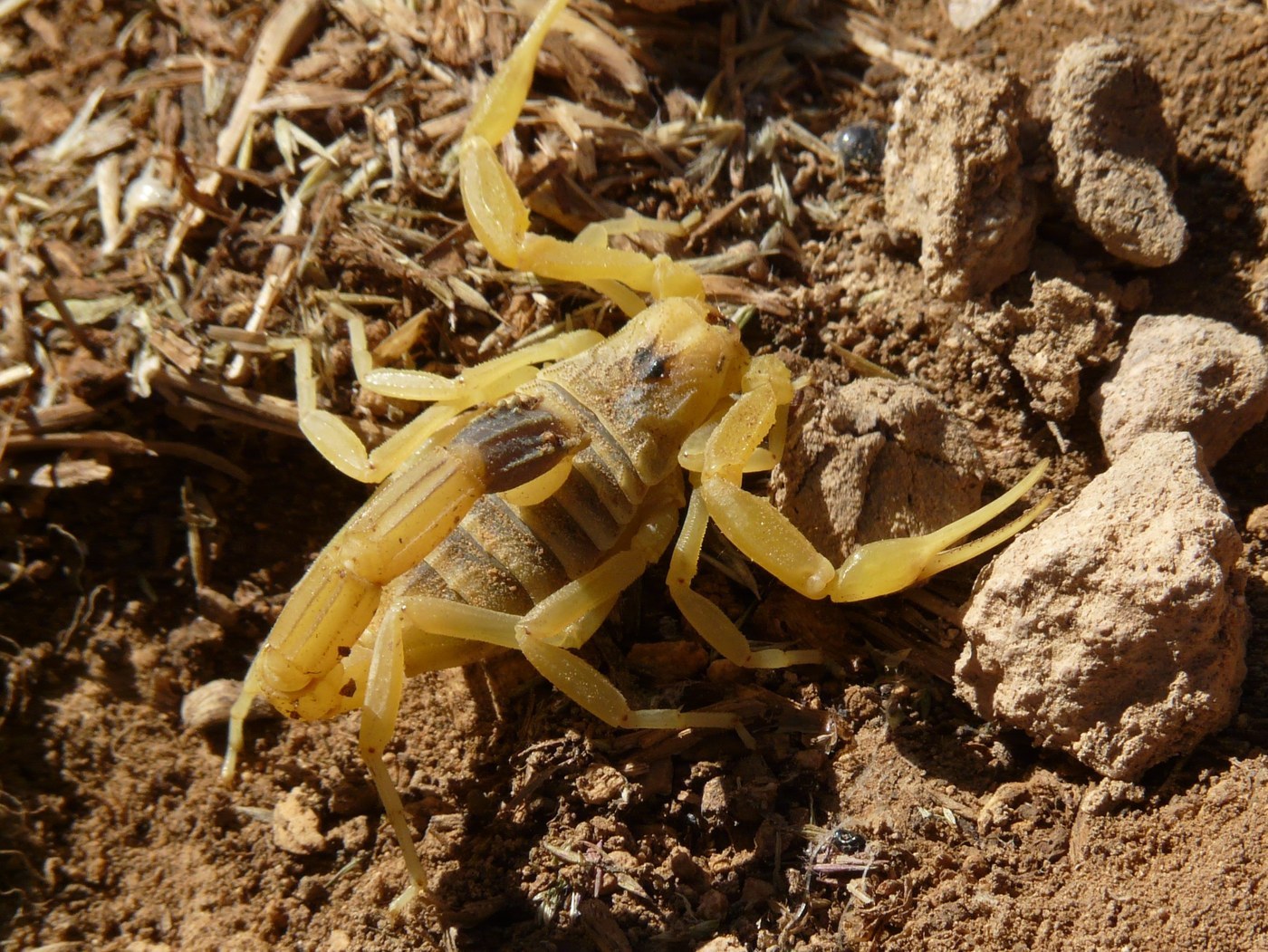
Deathstalker Scorpion
A slender, pale yellow scorpion of Middle Eastern and North African deserts, famed for its striking coloration and status as one of the most studied scorpions in scientific research.
arachnid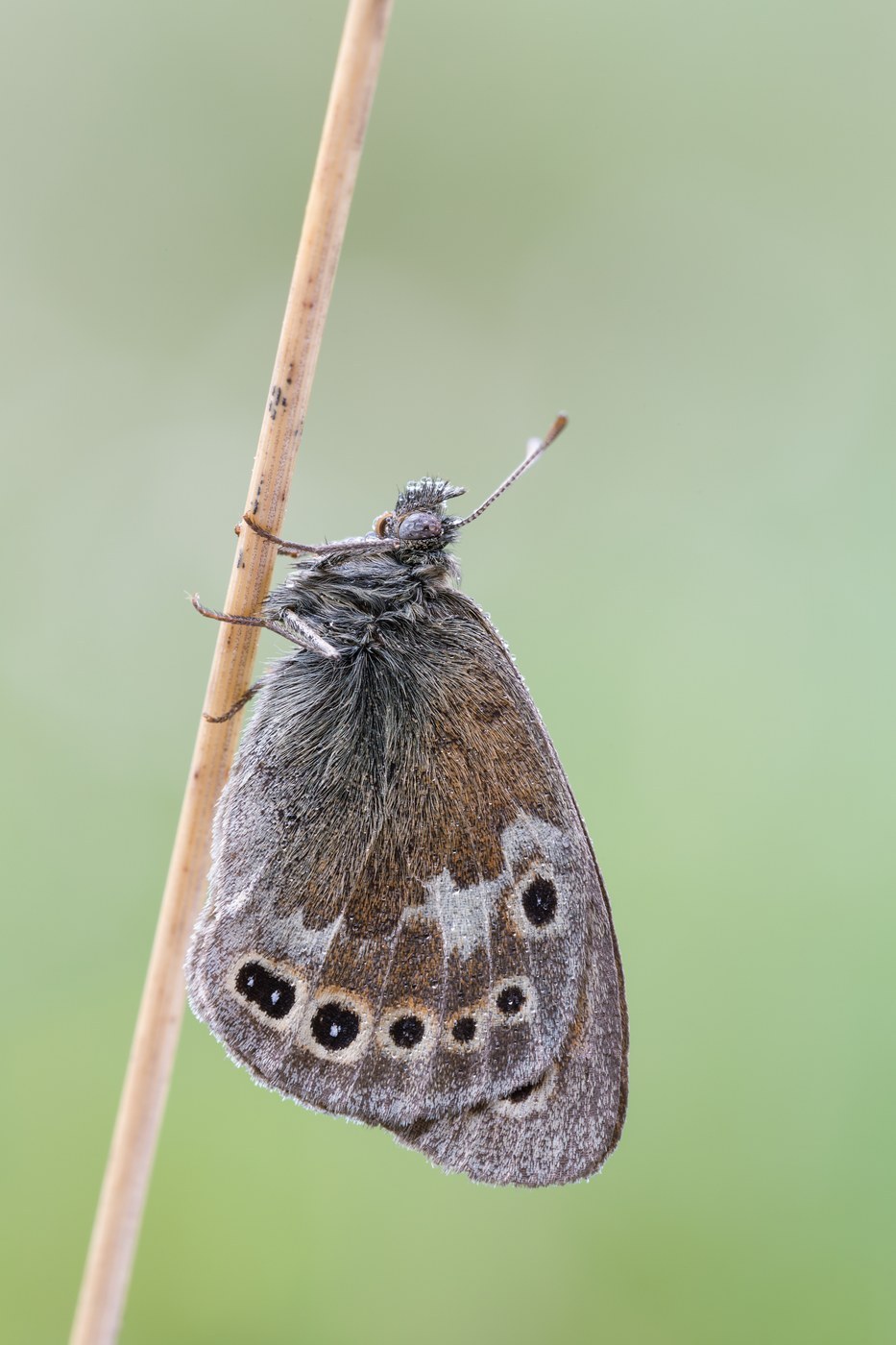
Common Ringlet
A small, plain buff-orange satyr butterfly of open grassy places, notable for its understated coloring and Holarctic distribution spanning North America, Europe, and Asia.
butterflyCamel Spider
A fast-running desert arachnid, neither a true spider nor scorpion, with enormous jaw-like chelicerae and a reputation exaggerated far beyond its actual behavior.
arachnid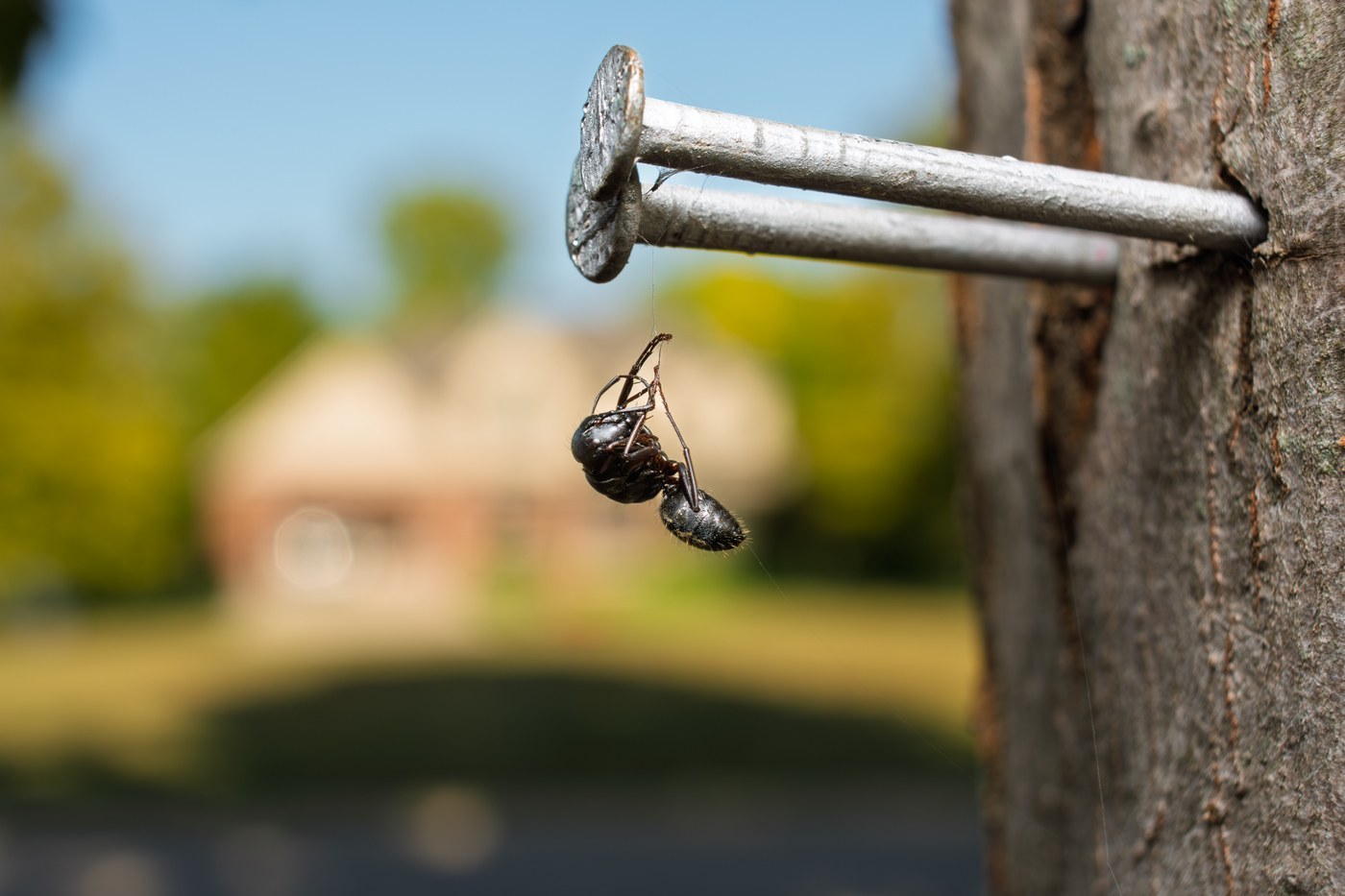
Carpenter Ant
A large, often shiny black ant that excavates smooth tunnels in dead or damp wood for nesting, recognizable by its size, evenly rounded thorax, and elbowed antennae.
antWarble Fly
A furry, bee-mimicking fly that never lands on flowers or feeds as an adult, spending its brief life darting around grazing cattle to lay eggs on their legs and lower body. Herds sometimes react with sudden panicked runs, known as gadding, whenever a warble fly approaches.
fly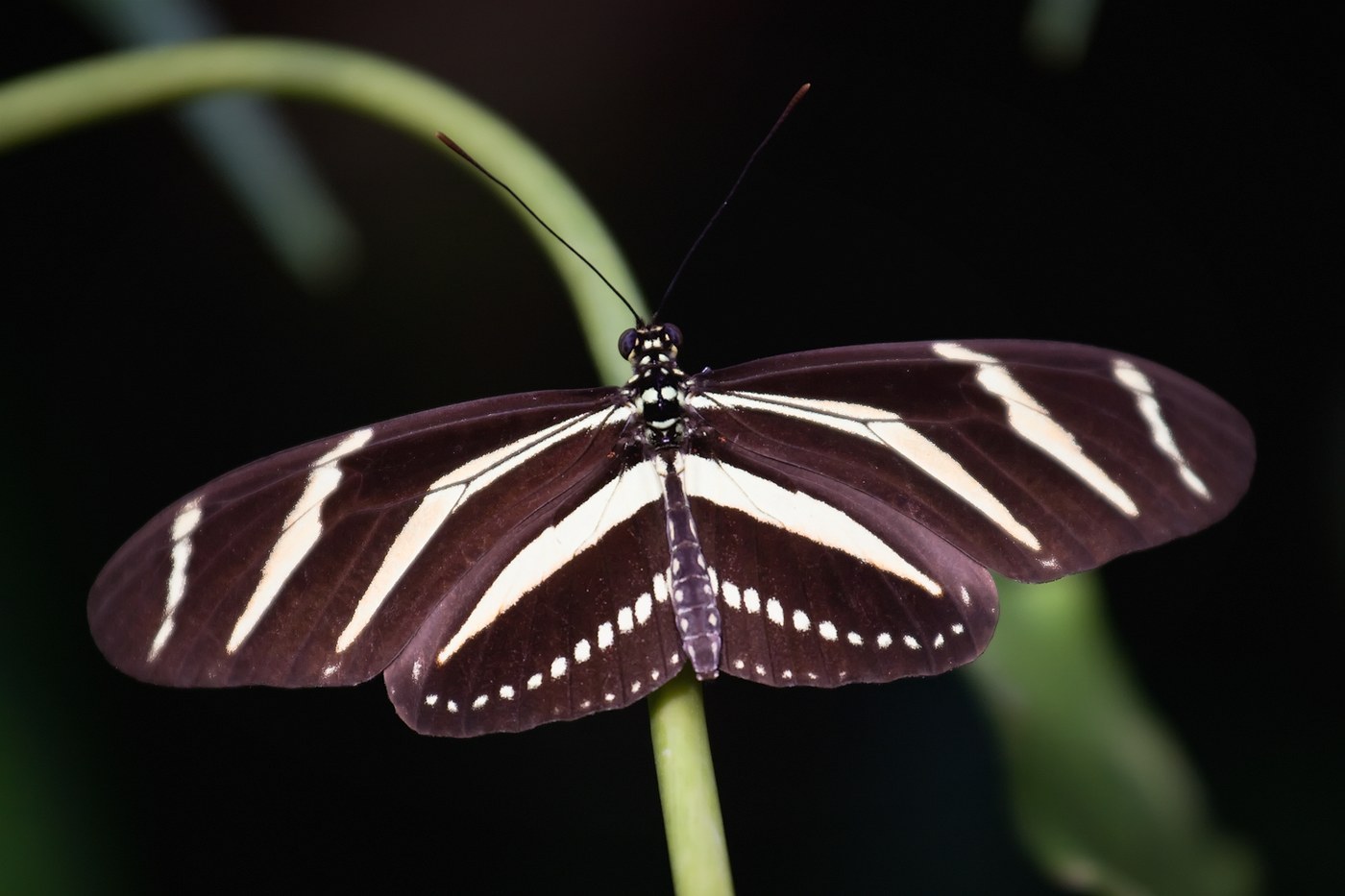
Zebra Longwing
A slow-flying, long-winged black butterfly striped boldly with yellow, unusual among butterflies for feeding on pollen as an adult, which extends its lifespan to several months.
butterfly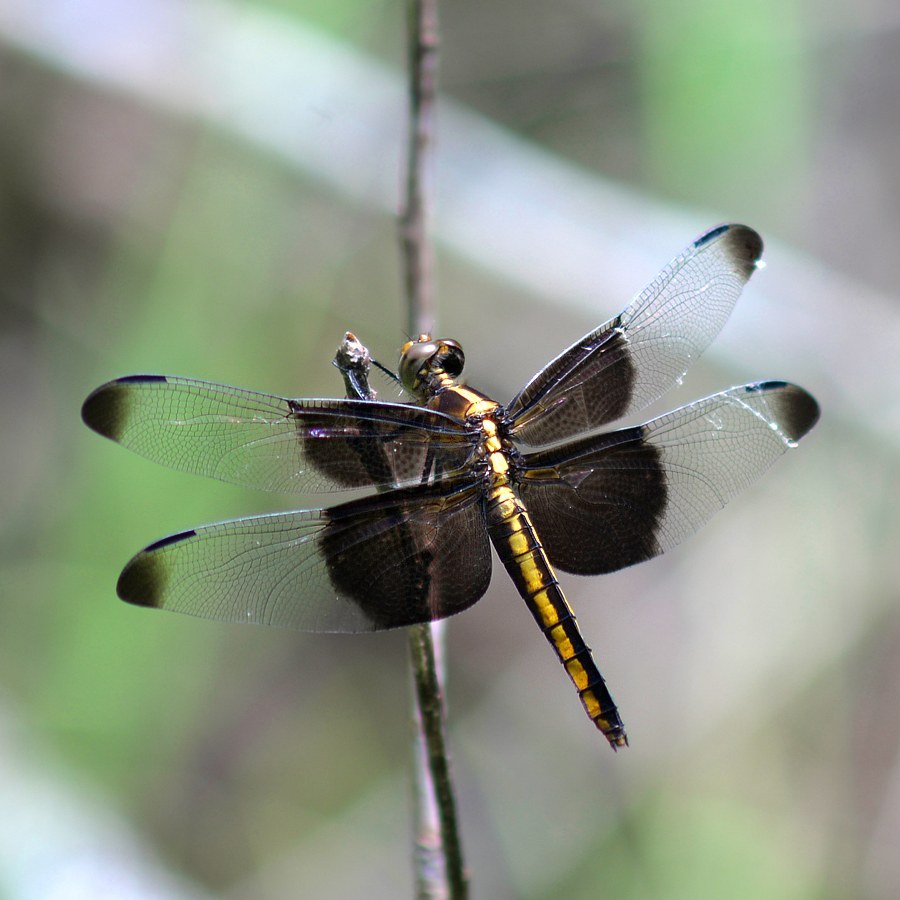
Widow Skimmer
A medium-sized dragonfly named for the broad, dark mourning-veil-like patches at the base of its wings, seen perched on shoreline vegetation across much of North America.
dragonfly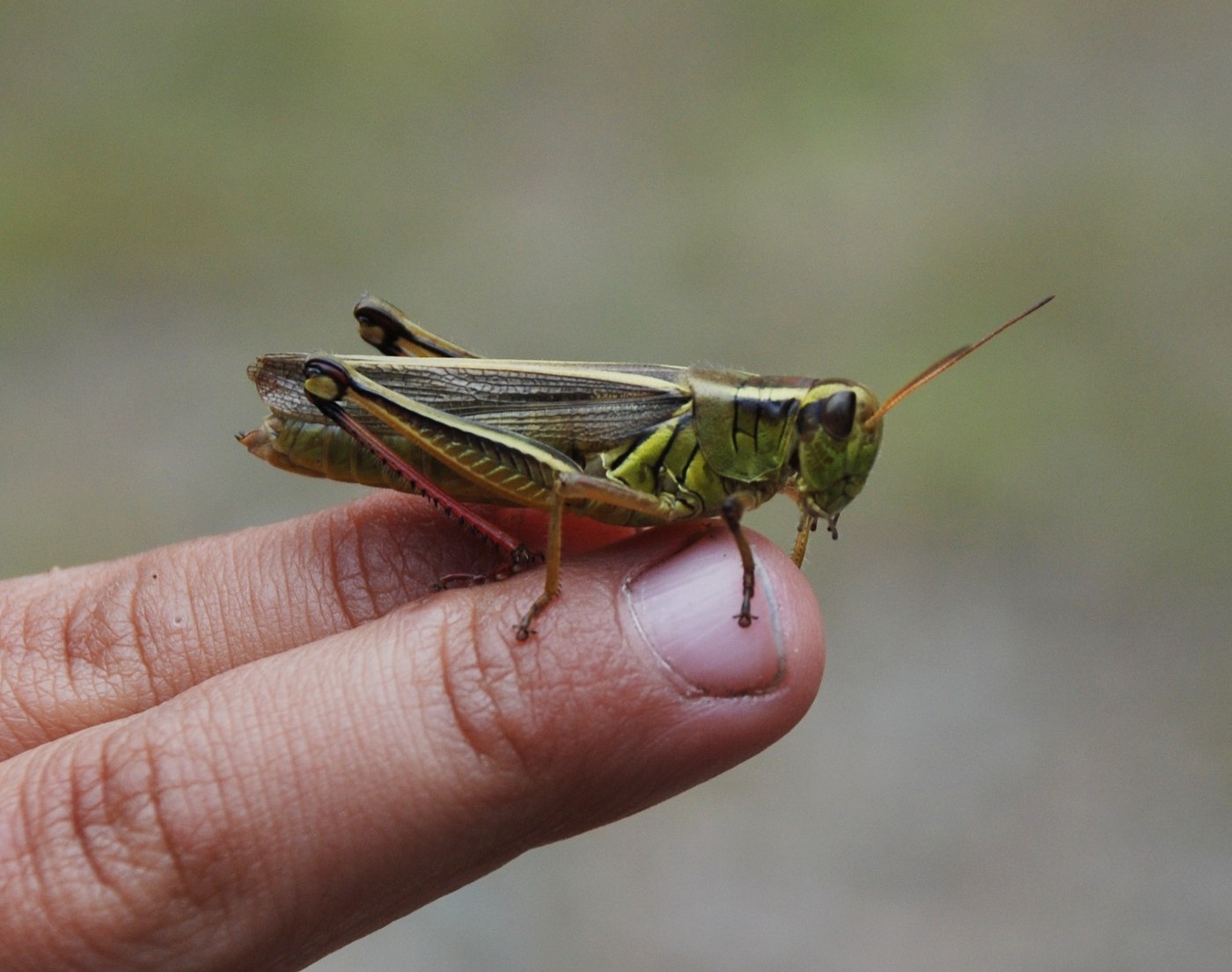
Two-striped Grasshopper
Easily spotted by the pair of pale cream stripes running the length of its body, the two-striped grasshopper is one of the largest and most economically important grasshoppers in North America.
grasshopper-cricketRough Stink Bug
A gray-brown, textured stink bug with an irregular, jagged-edged outline that blends seamlessly against tree bark, making it one of the best-camouflaged members of its family.
true-bug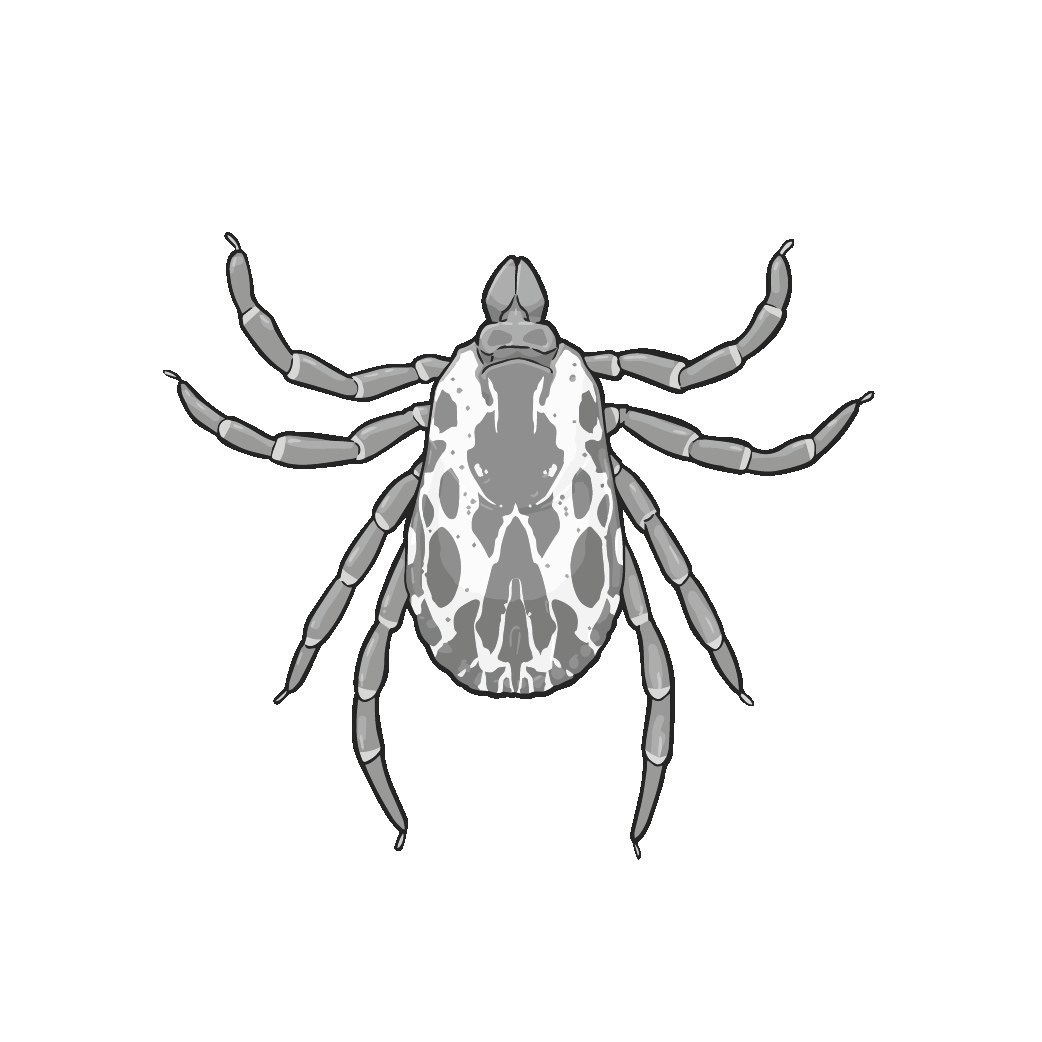
Tick
A small, flattened, oval arachnid with a hard shield-like plate on its back that waits on vegetation and attaches to passing hosts to feed on blood, swelling considerably once fed.
arachnid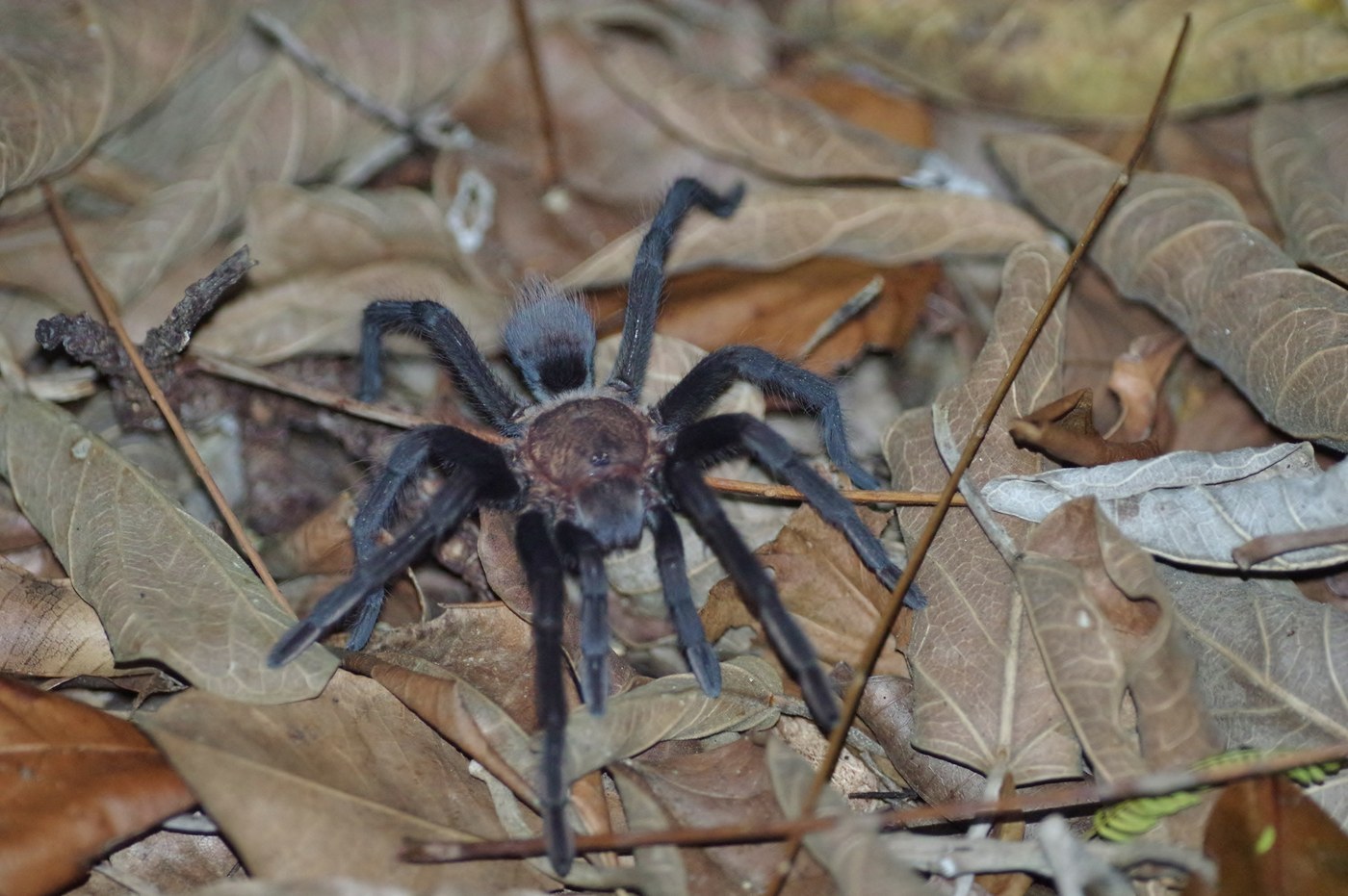
Tarantula
The tarantula is the heavyweight of the spider world, a densely furred, ground-hugging hunter that spends most of its long life waiting in a silk-lined burrow for prey to wander past.
spider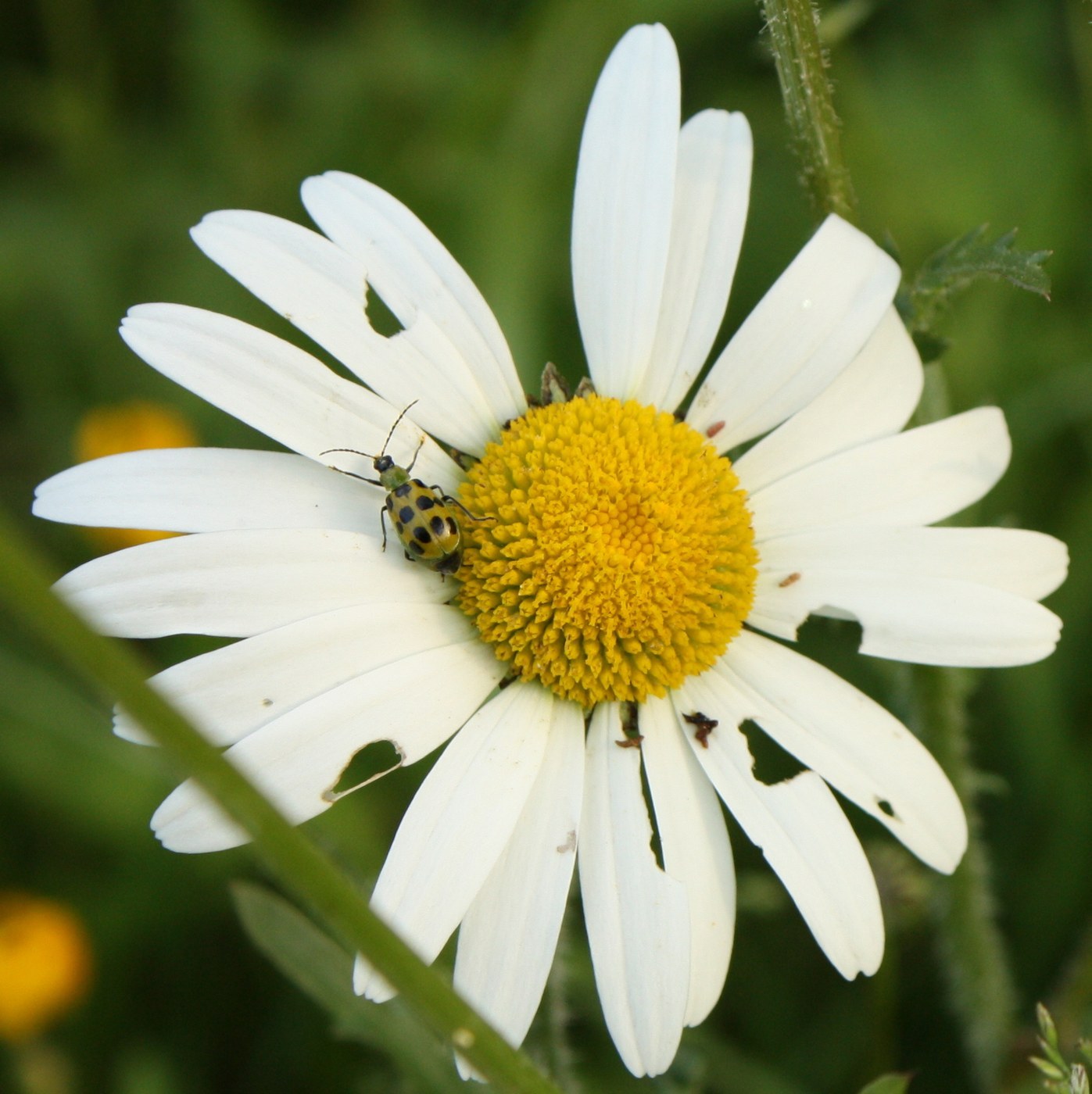
Spotted Cucumber Beetle
A small, elongated yellow-green beetle marked with twelve black spots across its wing covers, commonly seen on cucurbit and corn plants throughout the growing season.
beetle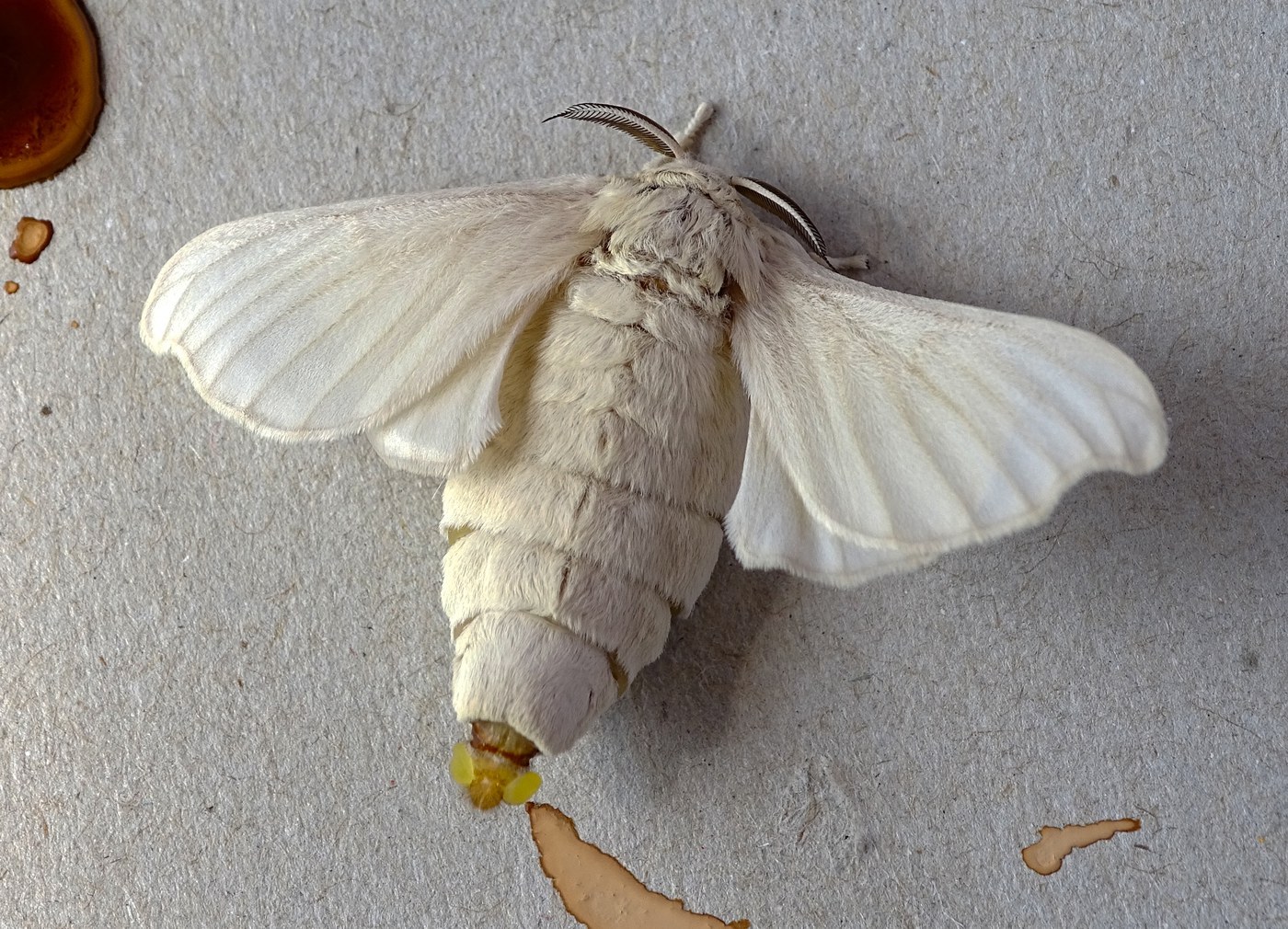
Silkworm
Plump, pale, and utterly dependent on humans, the silkworm is the domesticated caterpillar behind thousands of years of silk production, spinning a single continuous thread of silk to form its cocoon.
caterpillar-larva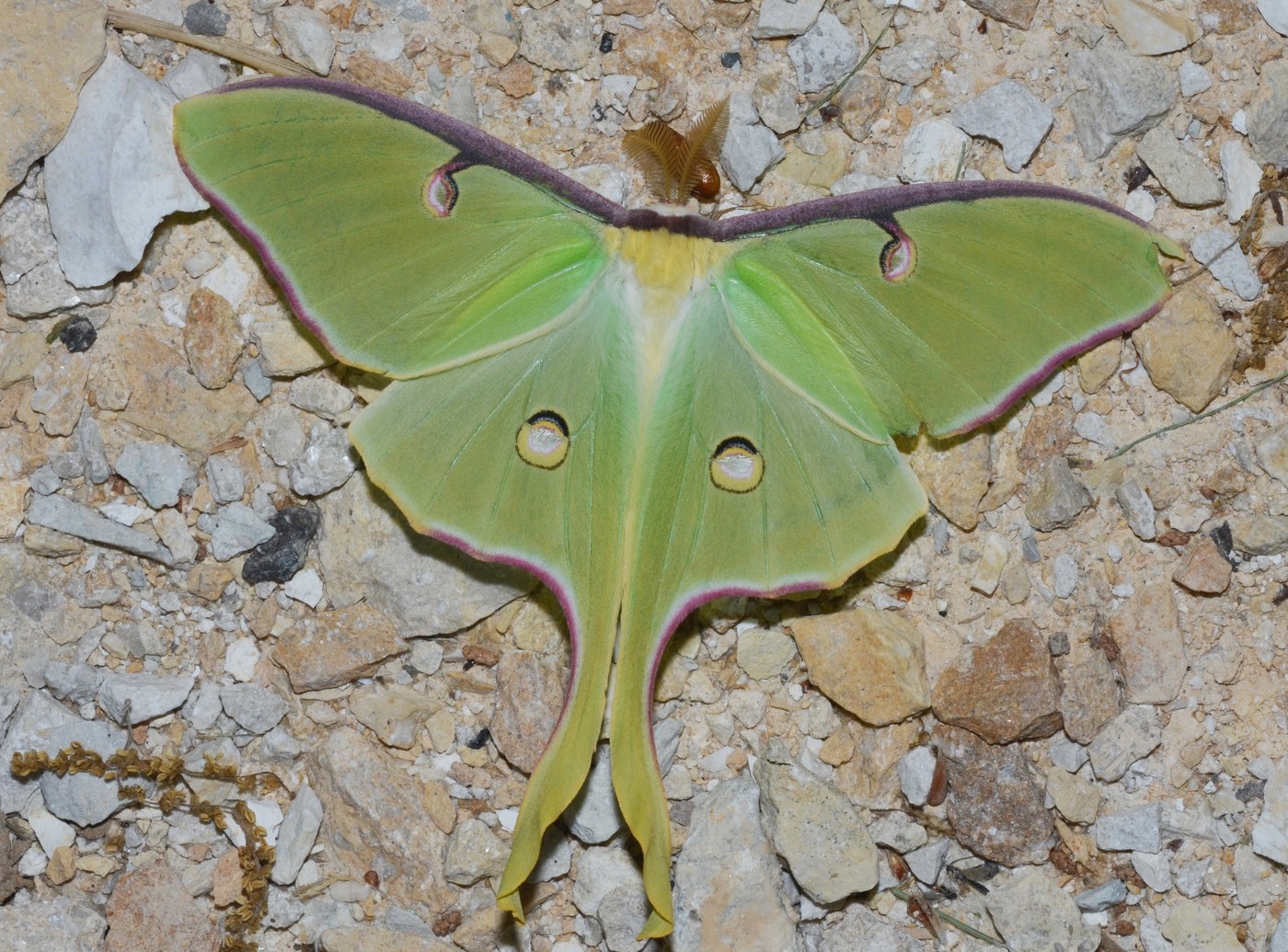
Luna Moth
A large, pale lime-green silk moth with long, elegant tails trailing from its hindwings, considered one of the most striking nocturnal insects in North America.
moth