
Bug Encyclopedia
Search and identify bugs & insects — beetles, butterflies, moths, ants, bees, spiders and more — with size, habitat, danger, behavior, and how to tell them apart.
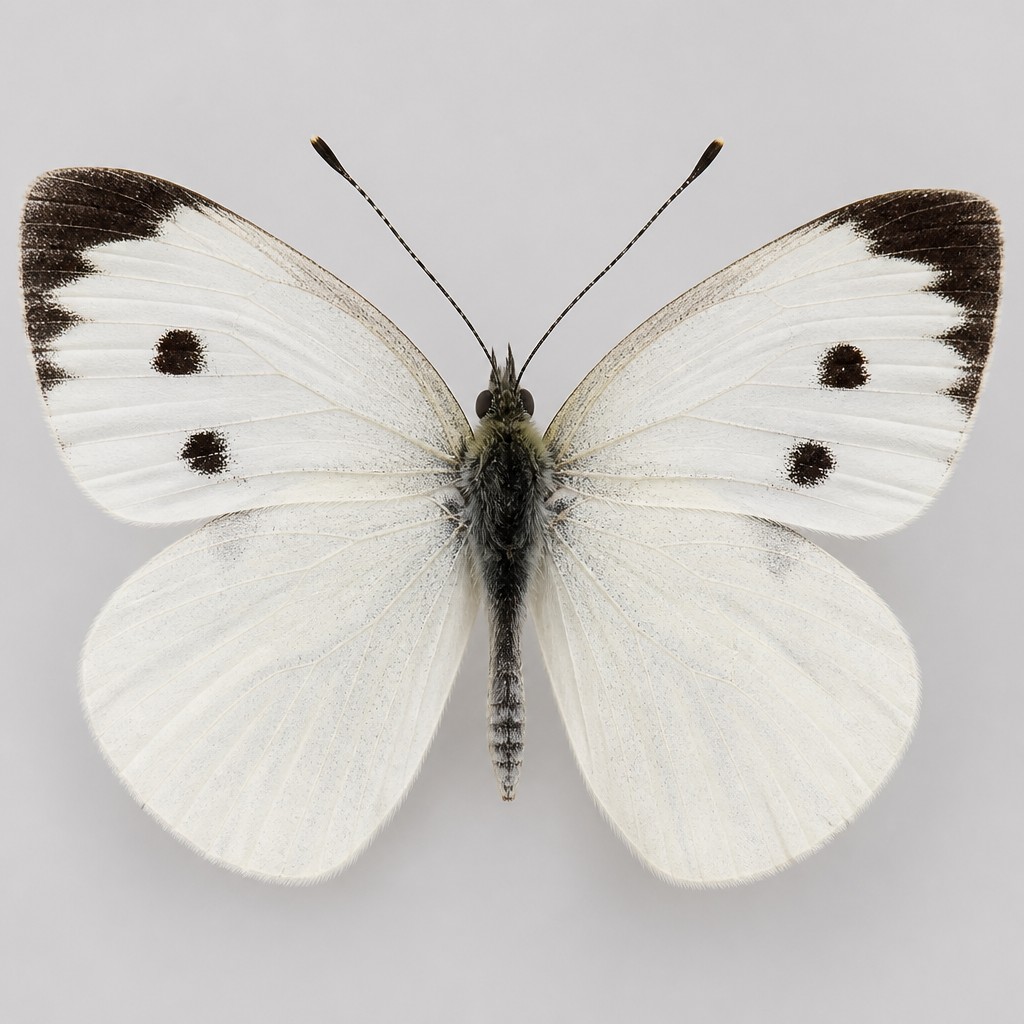
Cabbage White Butterfly
A small, plain white butterfly with one or two black spots on each forewing and dark wingtips, one of the most common and widespread garden butterflies in the world.
butterfly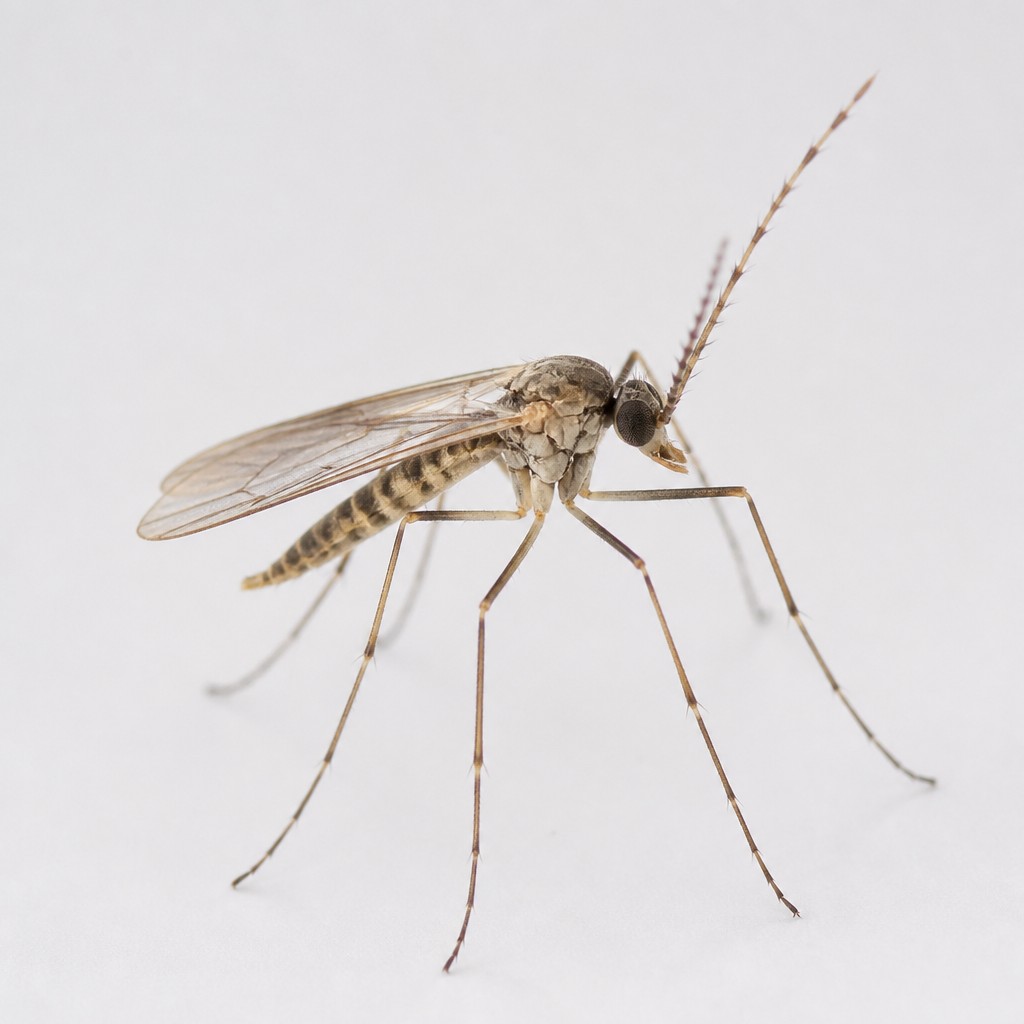
Aphid Midge
A delicate, long-legged midge whose orange larvae are voracious aphid hunters. The aphid midge is a prized natural enemy of aphids in gardens and greenhouses.
fly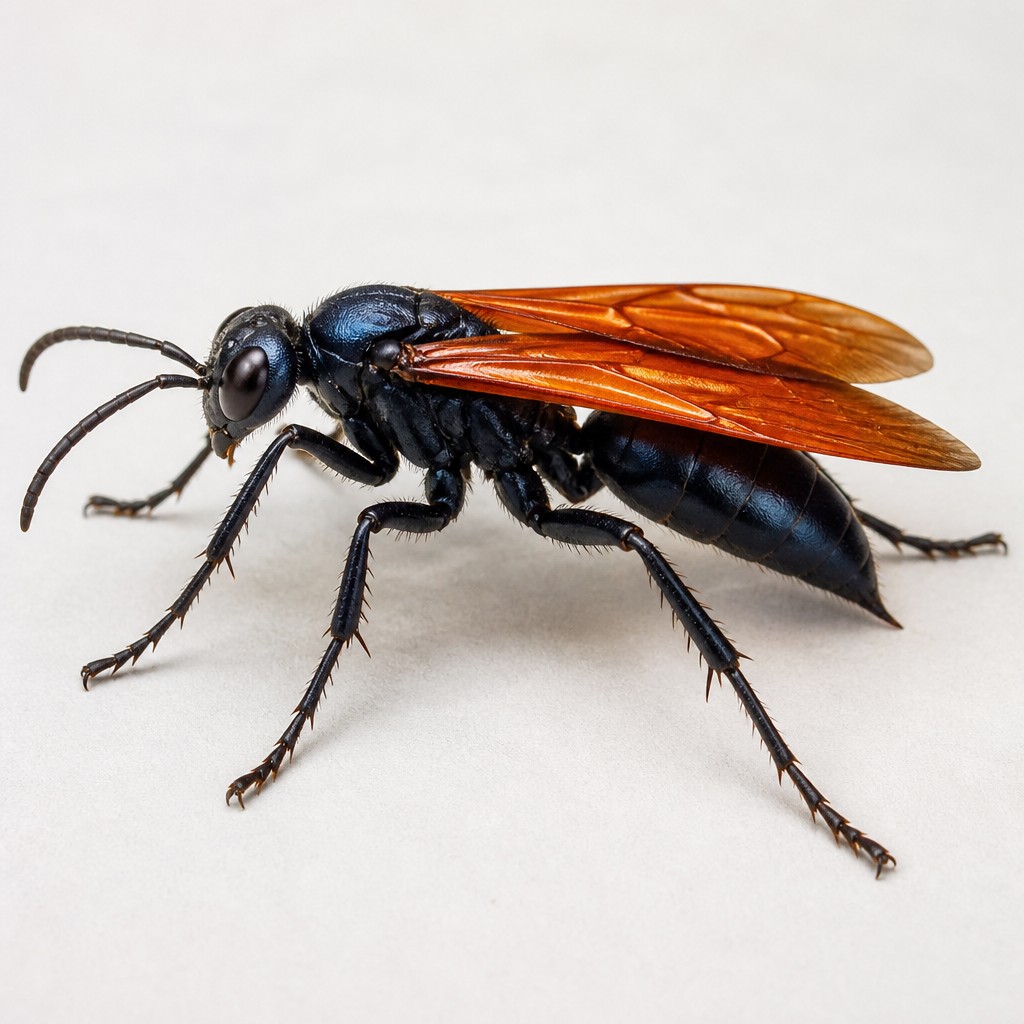
Tarantula Hawk Wasp
A giant metallic-blue wasp with rust-orange wings, the tarantula hawk is one of the largest wasps in the world. Females hunt tarantulas as living food for their single offspring.
wasp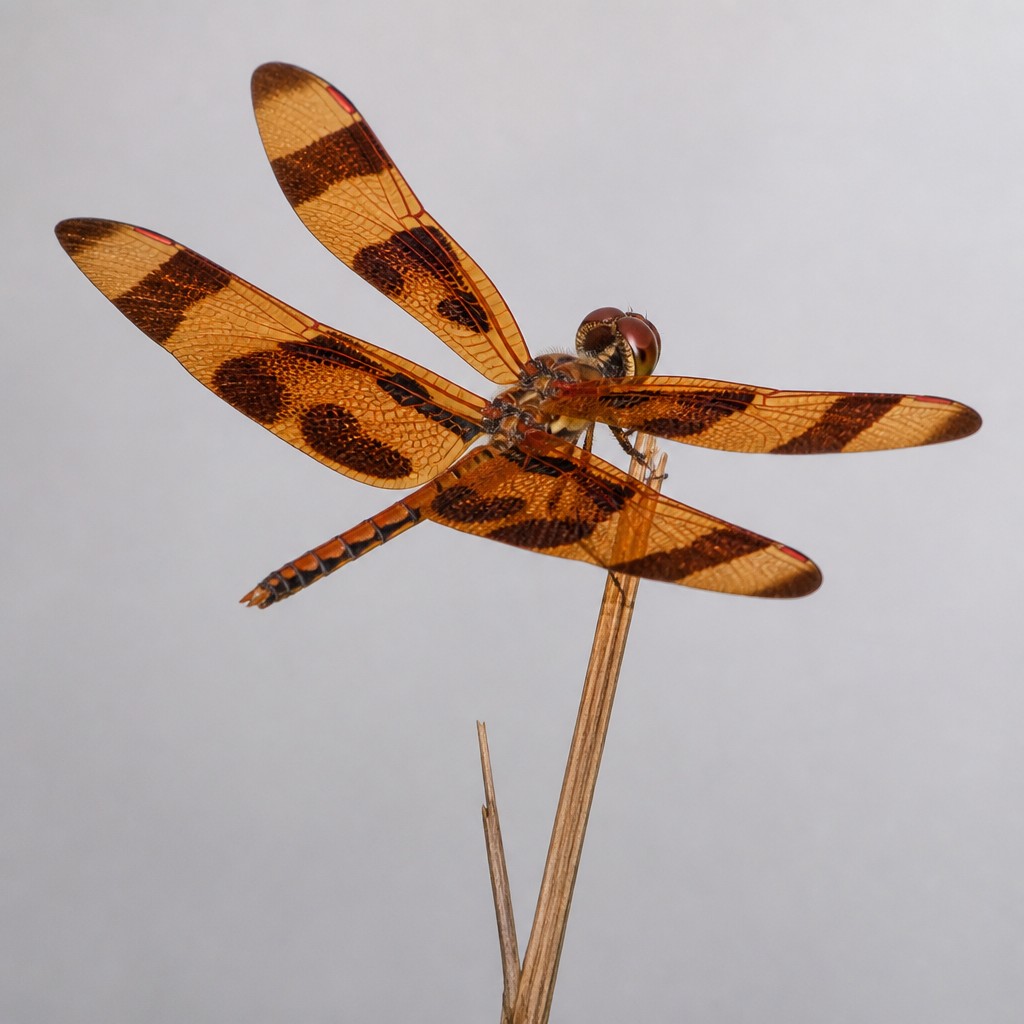
Halloween Pennant
With broad orange-amber wings banded in dark brown, this dragonfly perches conspicuously atop tall grass stems, swaying like a small flag in the breeze.
dragonfly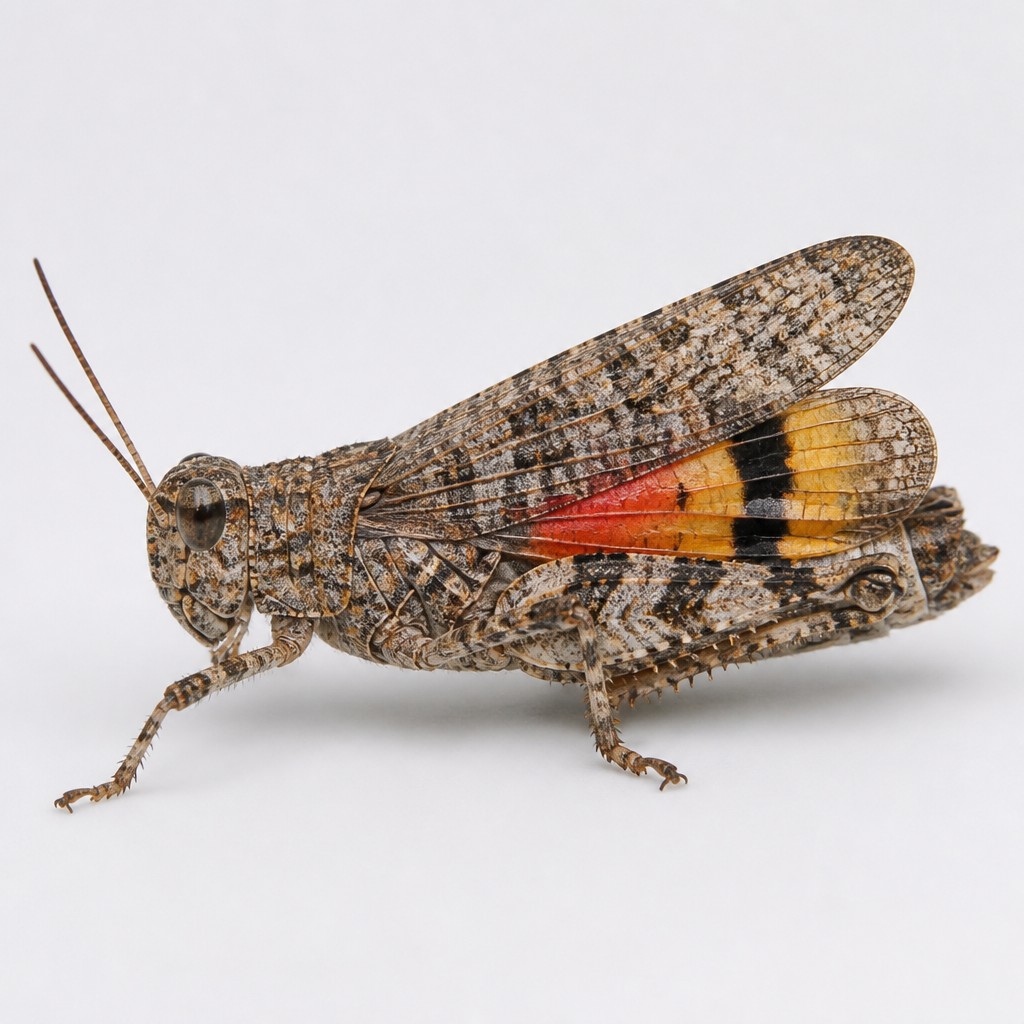
Band-winged Grasshopper
A camouflaged grasshopper that flashes vivid yellow, red, or blue hindwings in flight before vanishing again into the dust the instant it lands.
grasshopper-cricket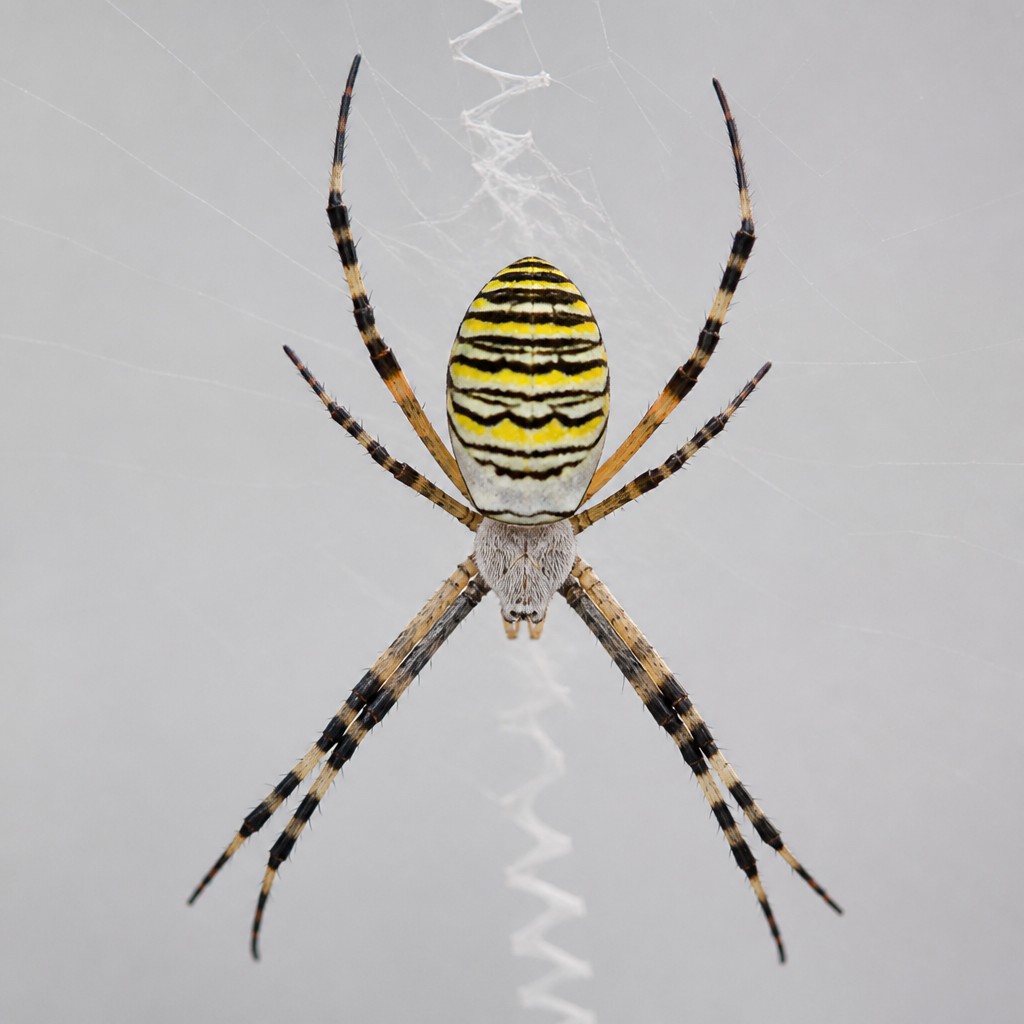
Banded Garden Spider
A large orb weaver with a silvery, banded abdomen striped in yellow and black, spinning a distinctive zigzag stabilimentum through the center of its web.
spider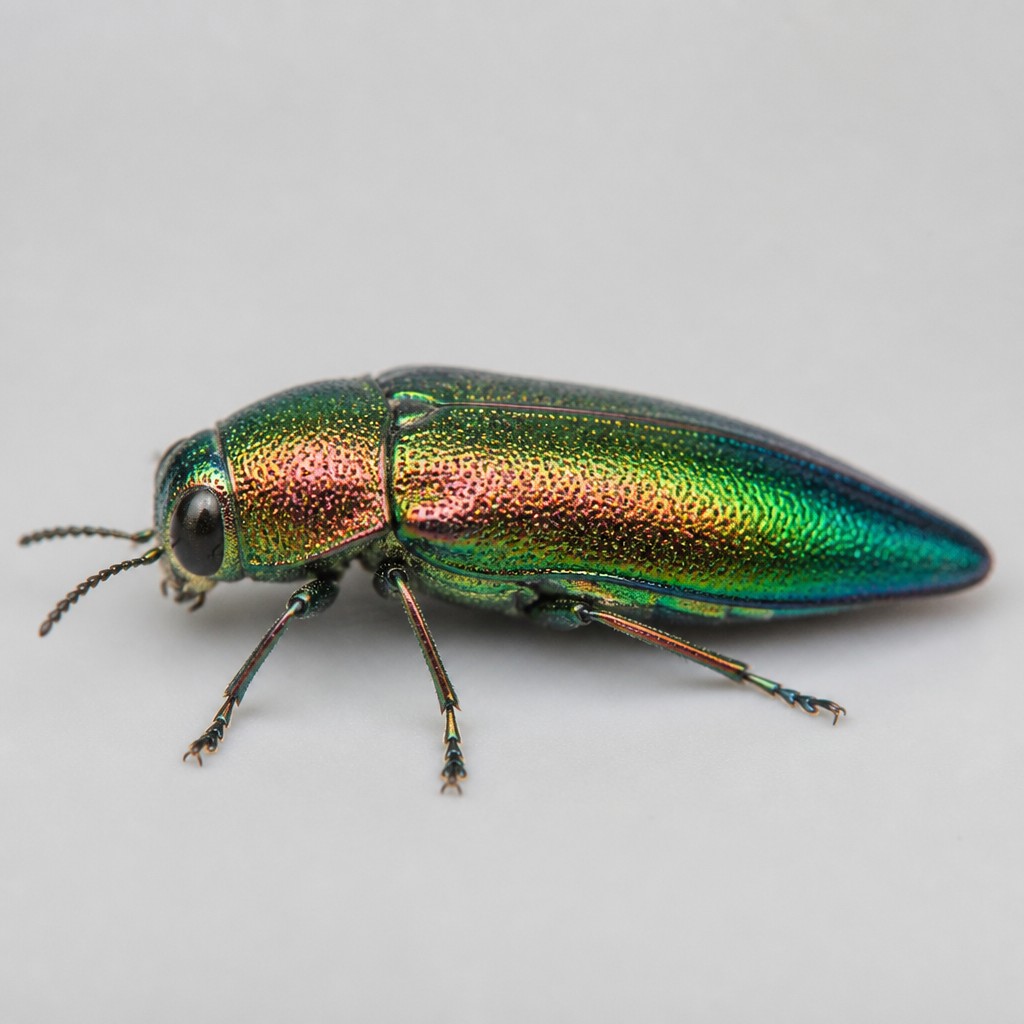
Jewel Beetle
A sleek, bullet-shaped beetle wrapped in brilliant iridescent metallic colors — green, copper, blue, or gold — that seem to shift with the angle of light.
beetle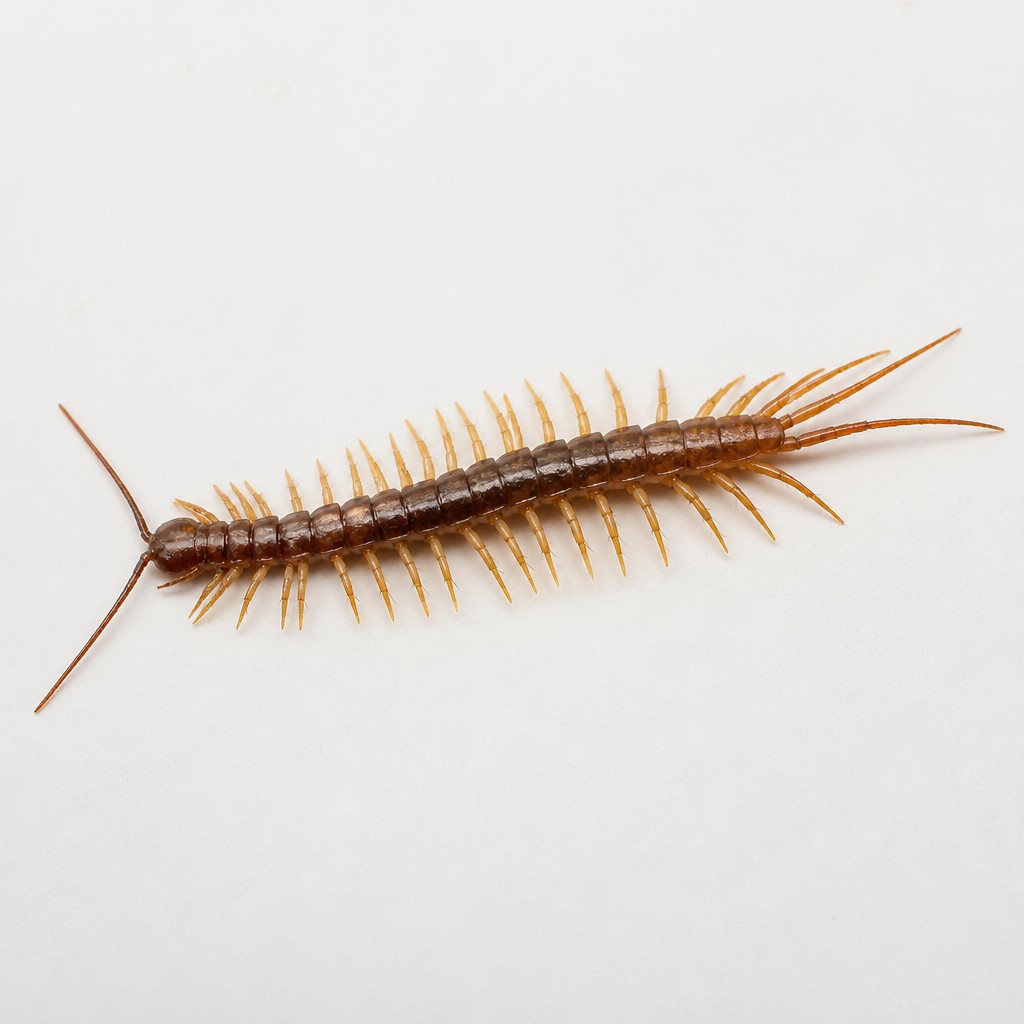
Stone Centipede
A quick, flattened, reddish-brown centipede that darts for cover the instant its stone or log shelter is lifted, one of the most commonly seen centipedes in temperate gardens.
myriapod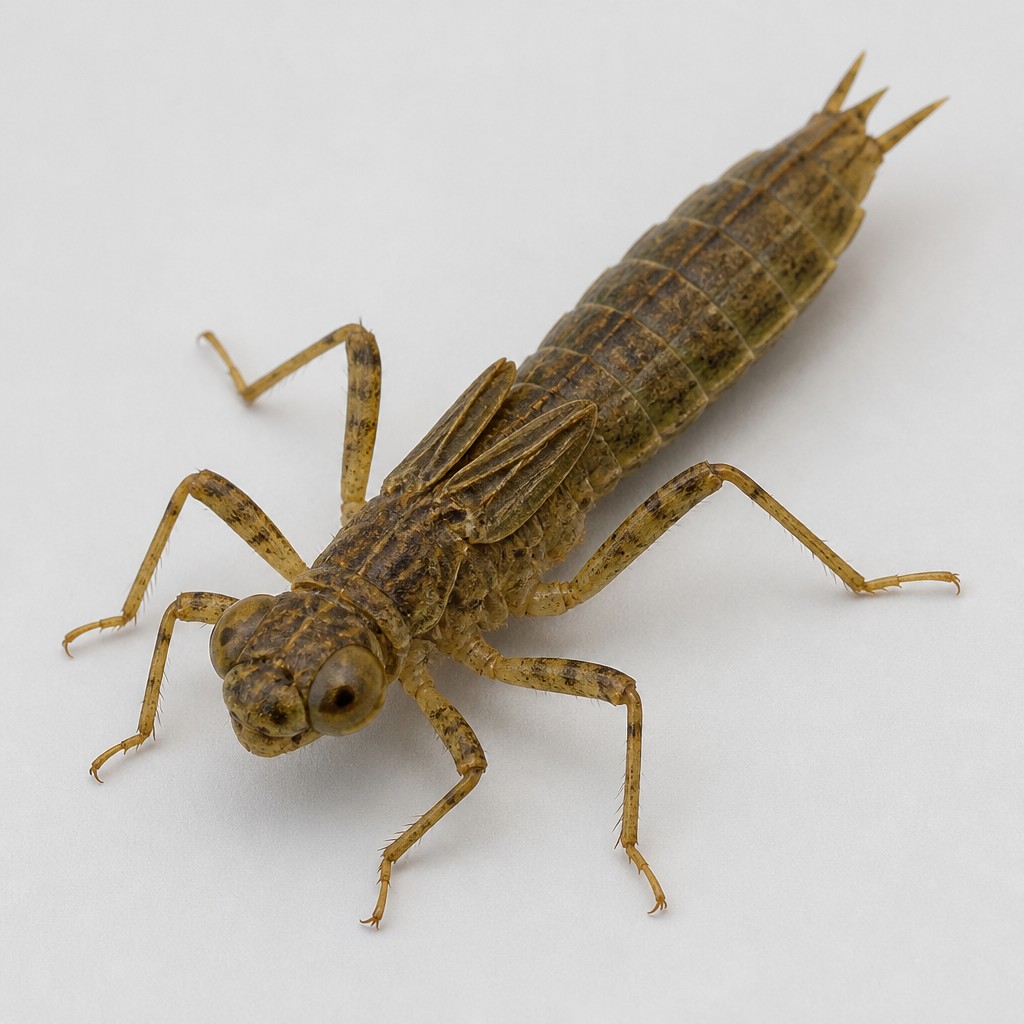
Dragonfly Nymph
A stocky, camouflaged underwater predator that spends months or years stalking prey along the pond bottom before transforming into an aerial dragonfly.
aquatic-insect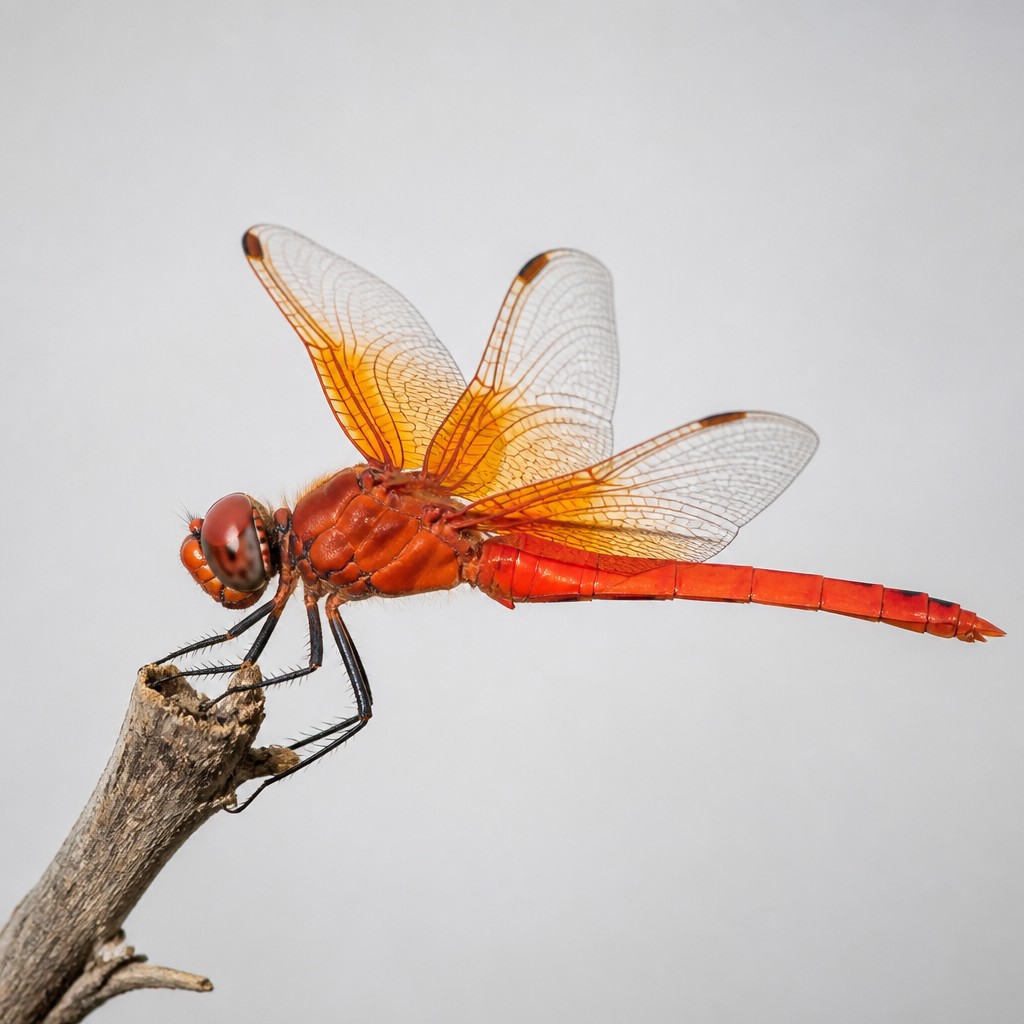
Flame Skimmer
A blazing orange-red dragonfly of western waterways, the Flame Skimmer perches boldly on sunlit rocks and twigs, its amber-tinted wings glowing like embers in flight.
dragonfly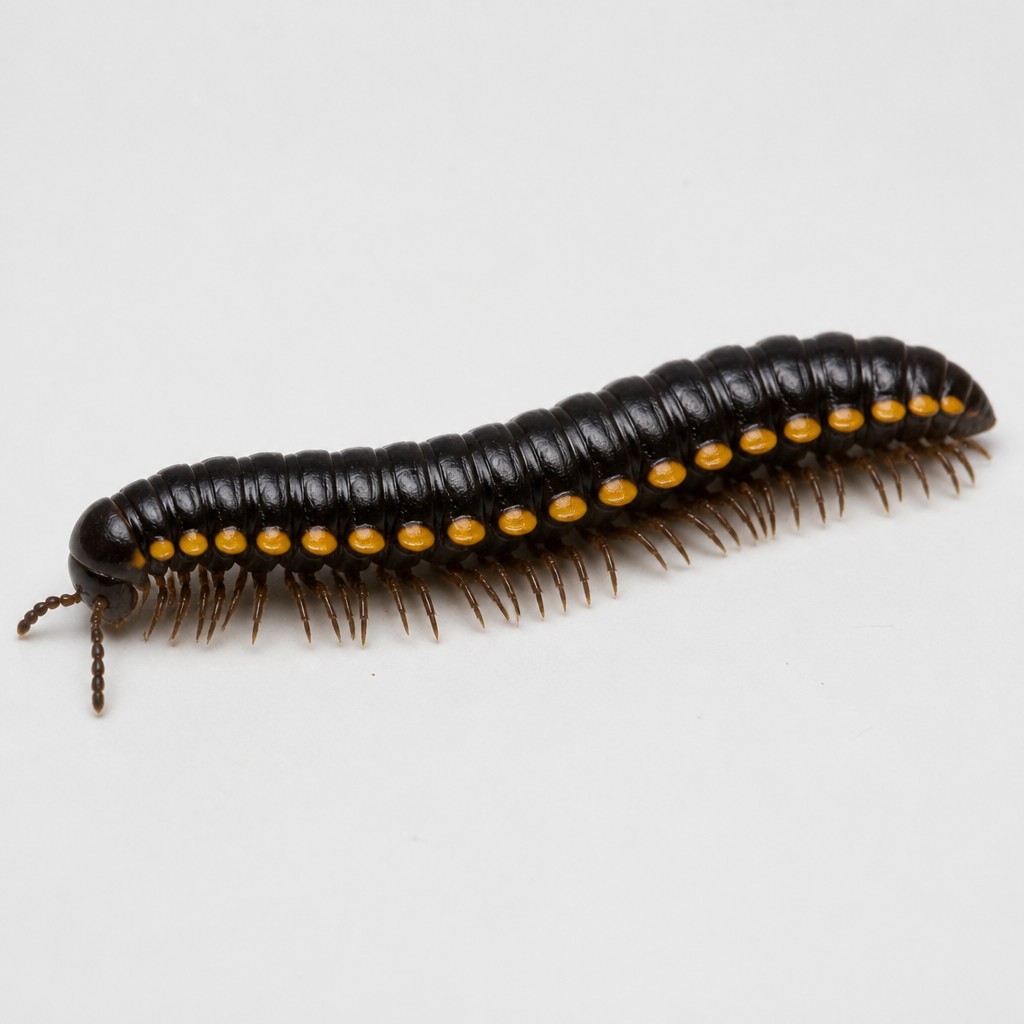
Yellow-spotted Millipede
A striking black millipede lined with bright yellow-orange spots along its flanks, one of the most recognizable invertebrates of the Pacific coast's damp forest floors.
myriapod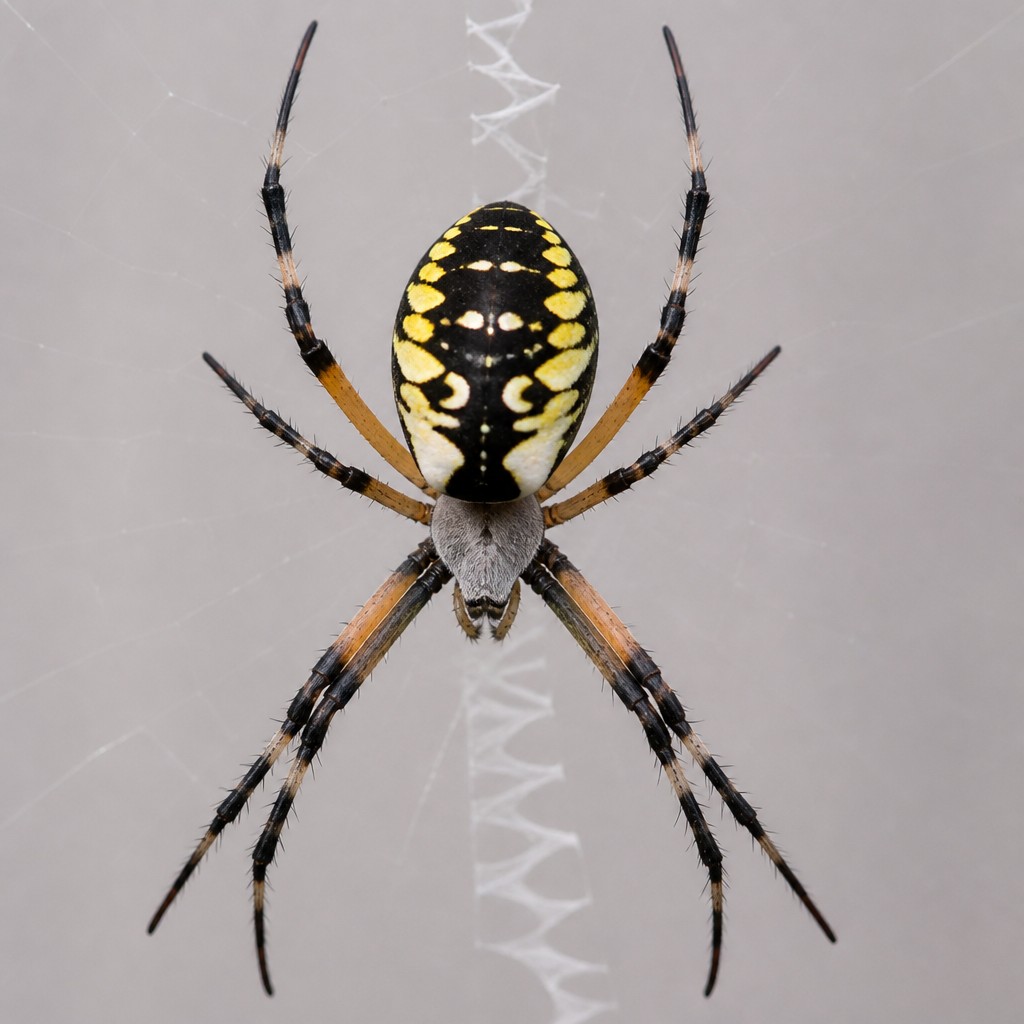
Garden Spider
A large, strikingly patterned orb weaver with a black-and-yellow abdomen and a bold zigzag band of silk woven into the center of its web, making it one of the most recognizable garden spiders.
spider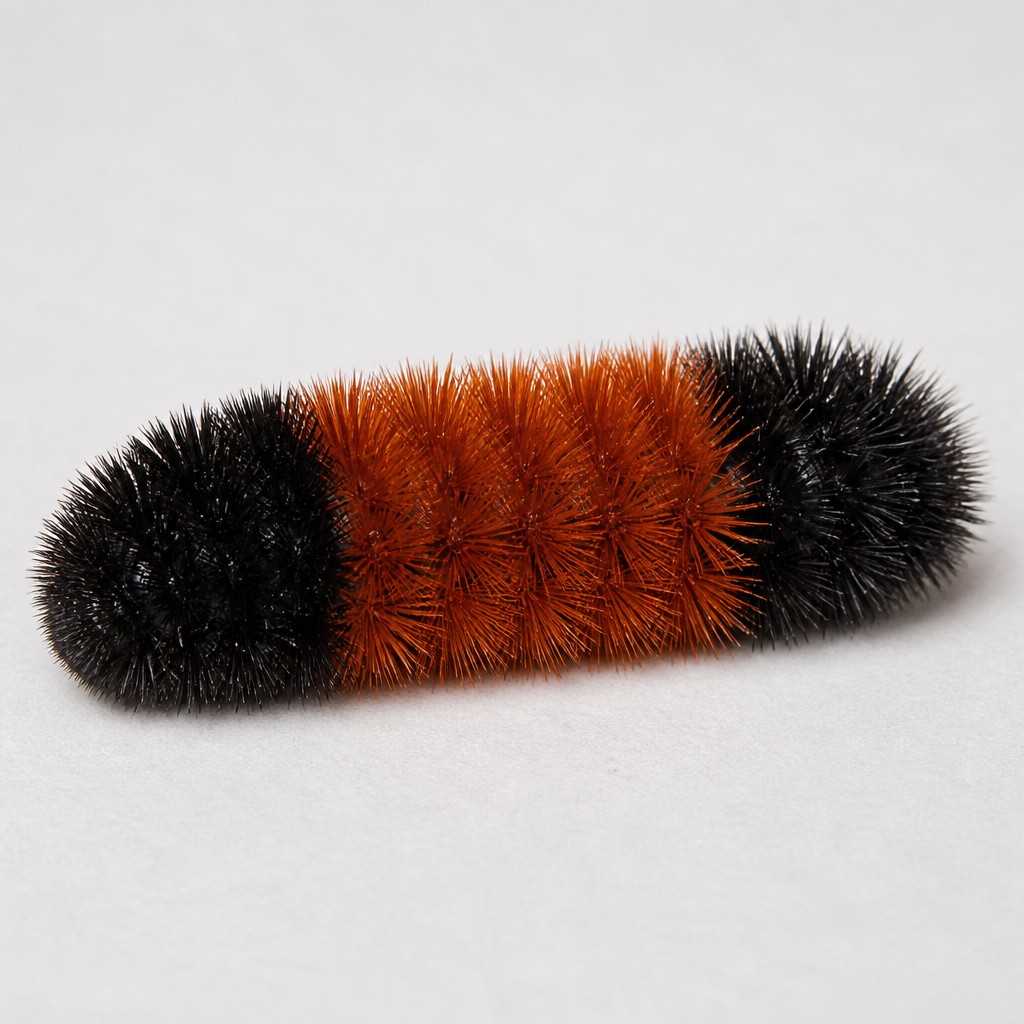
Banded Woolly Bear Moth
Best known as the black-and-rust-banded fuzzy caterpillar that famously curls into a ball when disturbed, this species matures into a plain golden-orange to tan tiger moth.
moth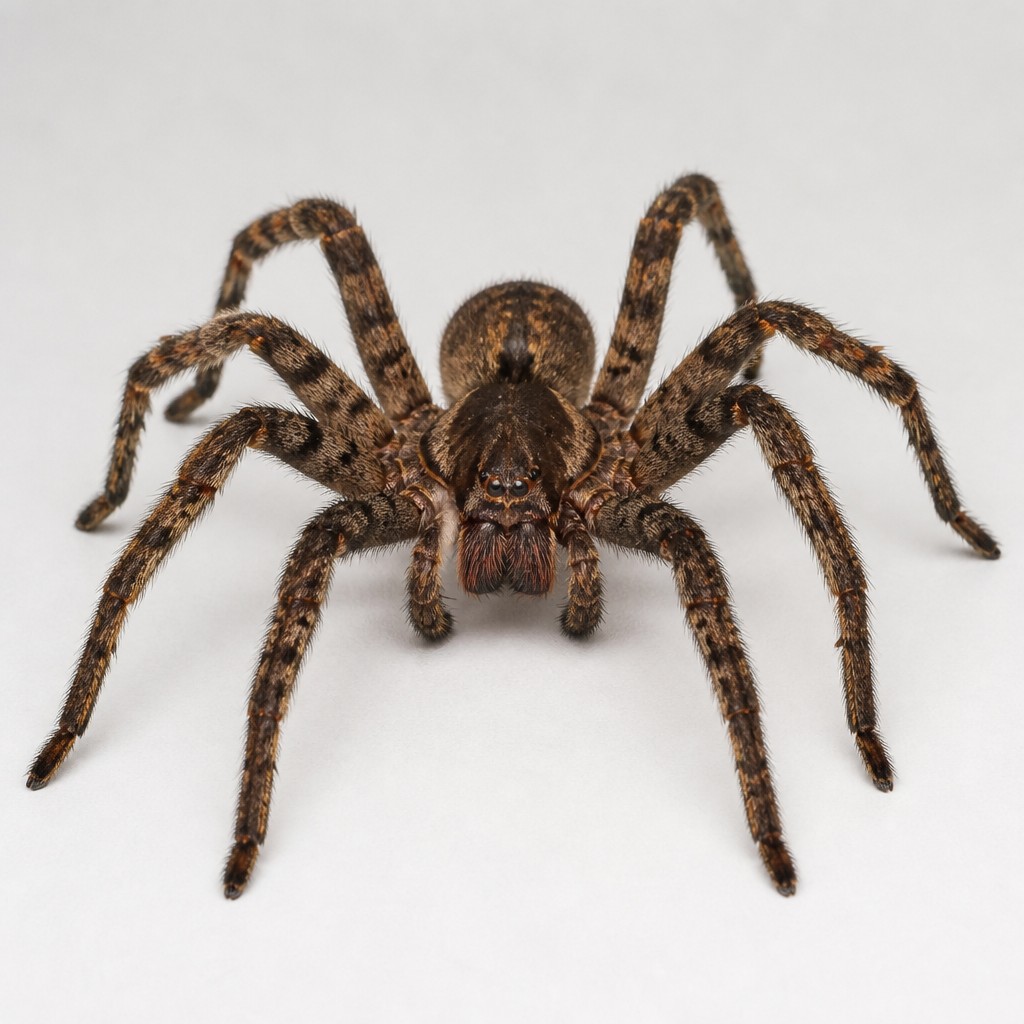
Brazilian Wandering Spider
A fast, ground-dwelling hunter of the South American rainforest floor, the Brazilian wandering spider builds no web at all, instead actively roaming at night in search of prey and occasionally turning up in shipments of bananas, which earned it a widely known nickname.
spider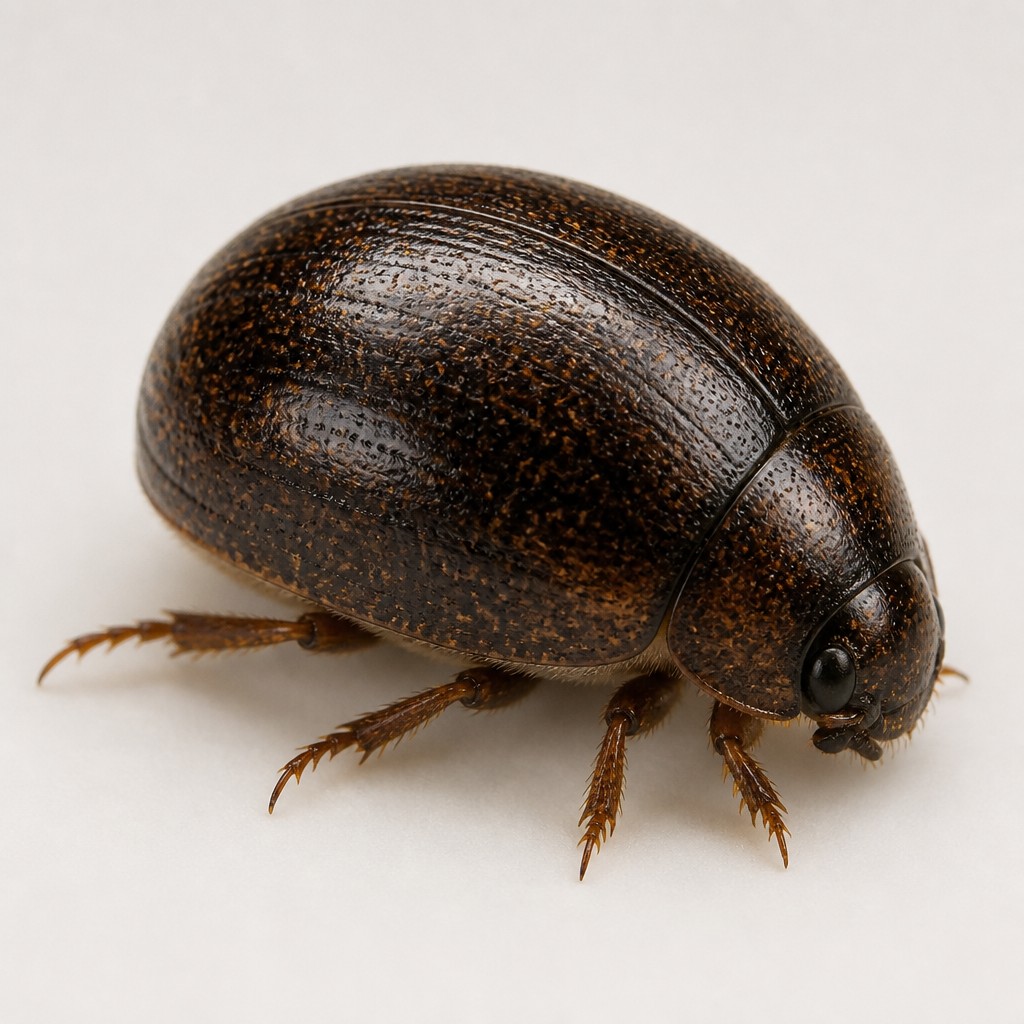
Screech Beetle
This small, oval water beetle earns its name from the loud squeak it produces when picked up, a sound made by rubbing internal body parts together rather than by any vocal organ.
beetle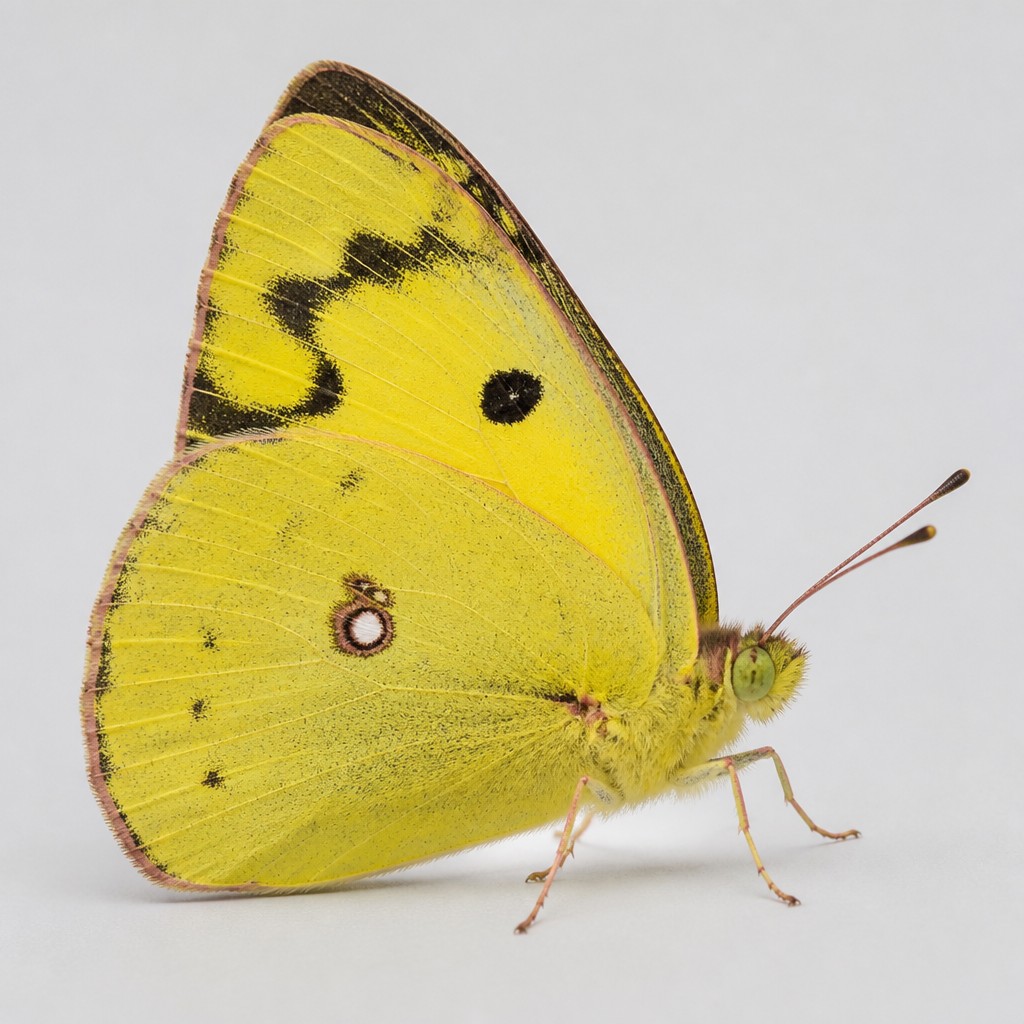
Dogface Butterfly
A striking yellow sulphur butterfly whose forewing pattern forms the silhouette of a dog's or poodle's head complete with a dark 'eye' spot, visible in good light.
butterfly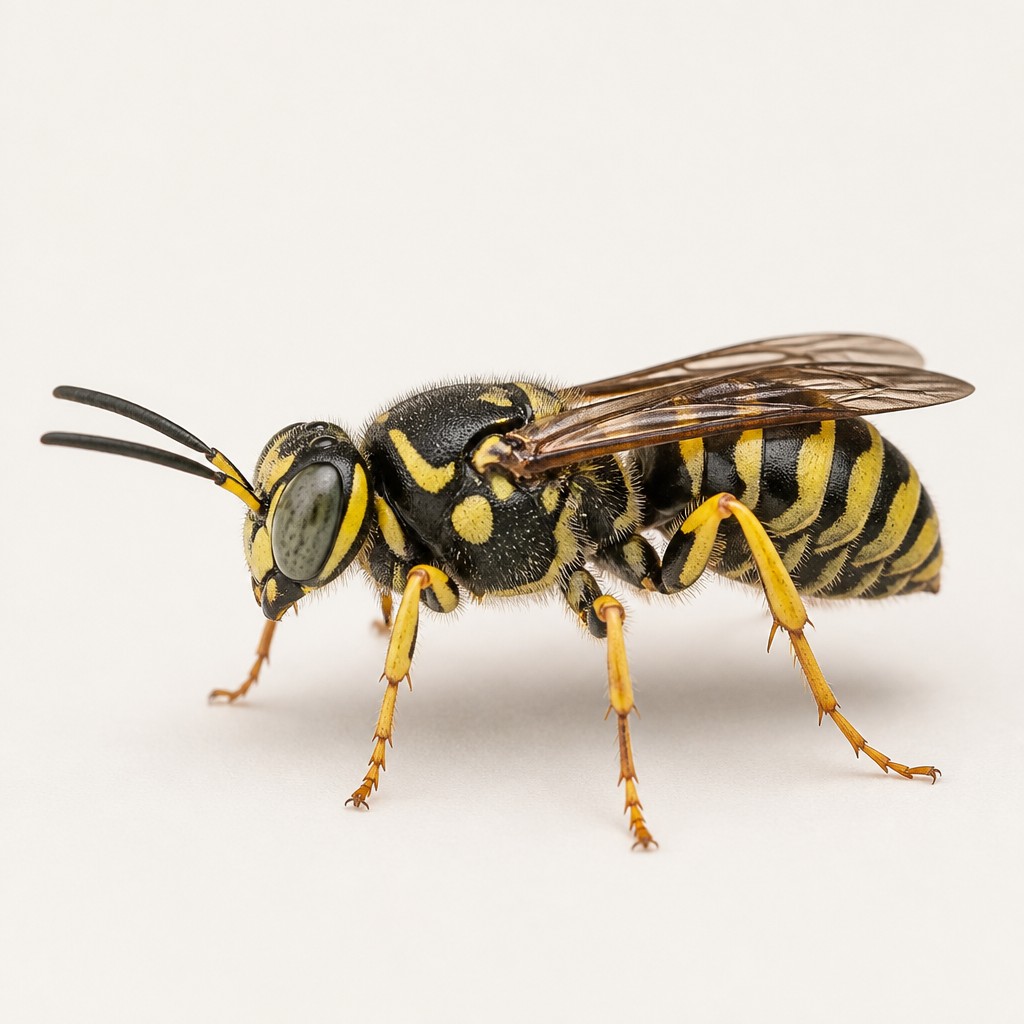
Sand Wasp
A fast, sun-loving solitary wasp with large green or grayish eyes and yellow-striped markings that digs burrows in loose sand and provisions them almost entirely with flies.
wasp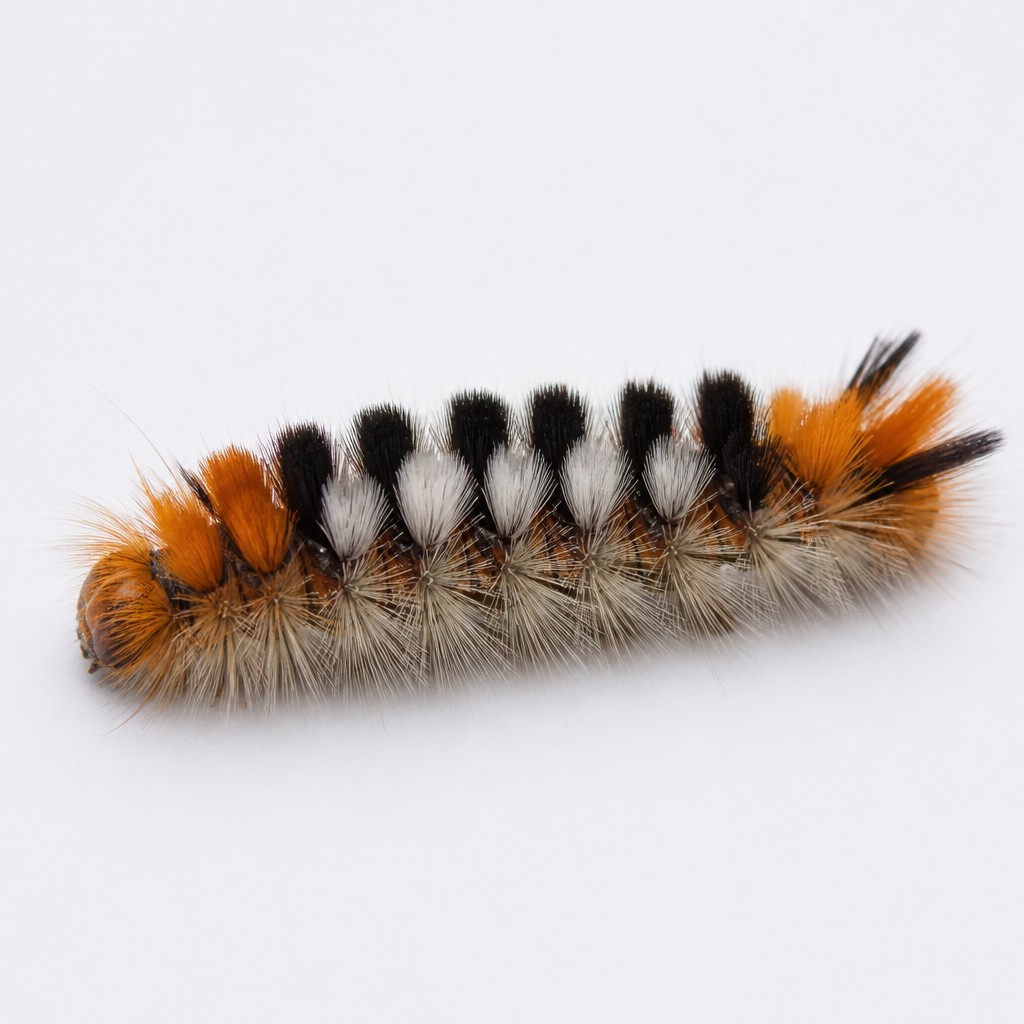
Milkweed Tussock Caterpillar
Rows of dense orange, black, and white hair tufts run down the back of this milkweed specialist, whose young larvae feed in tight groups that skeletonize milkweed leaves before dispersing to feed alone.
caterpillar-larva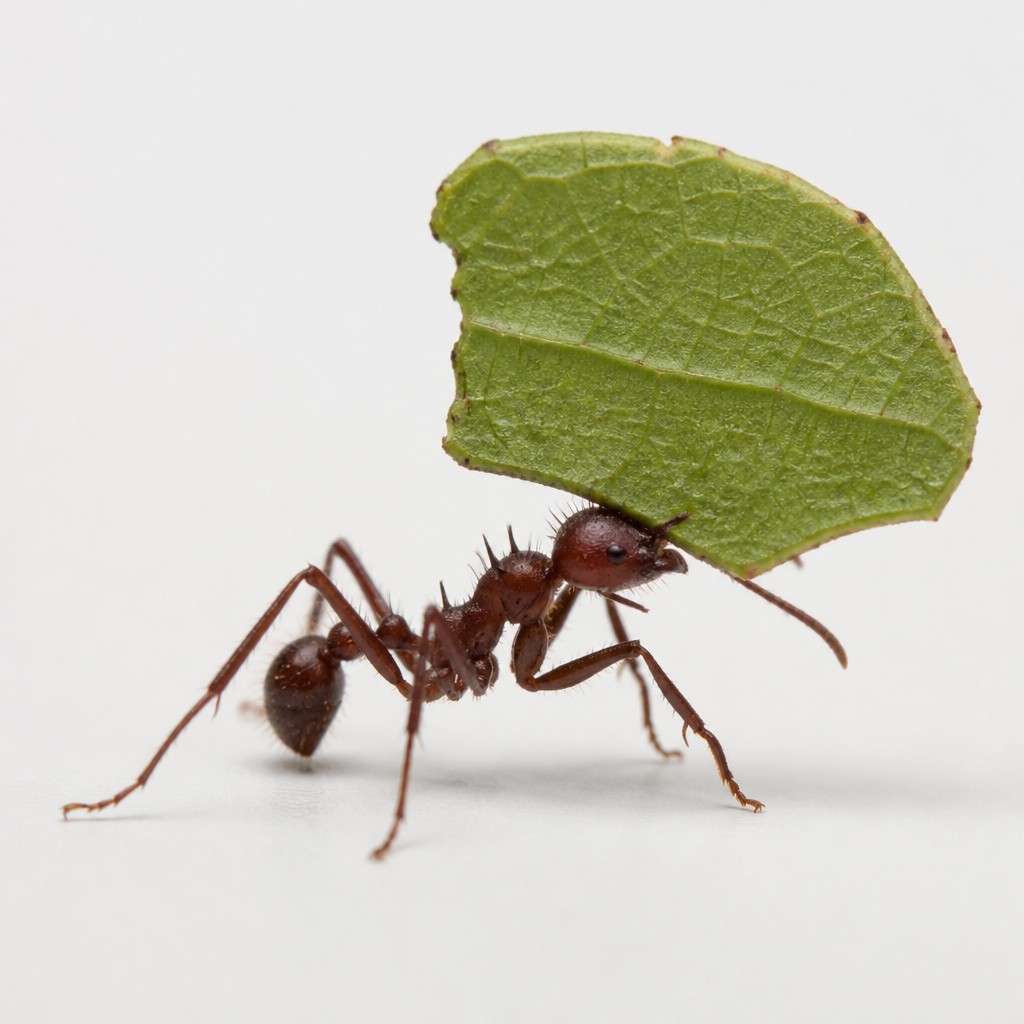
Leafcutter Ant
A highly organized ant famous for marching in long trails while carrying disc-shaped pieces of leaf many times their own size, which they use to cultivate fungus gardens deep underground.
ant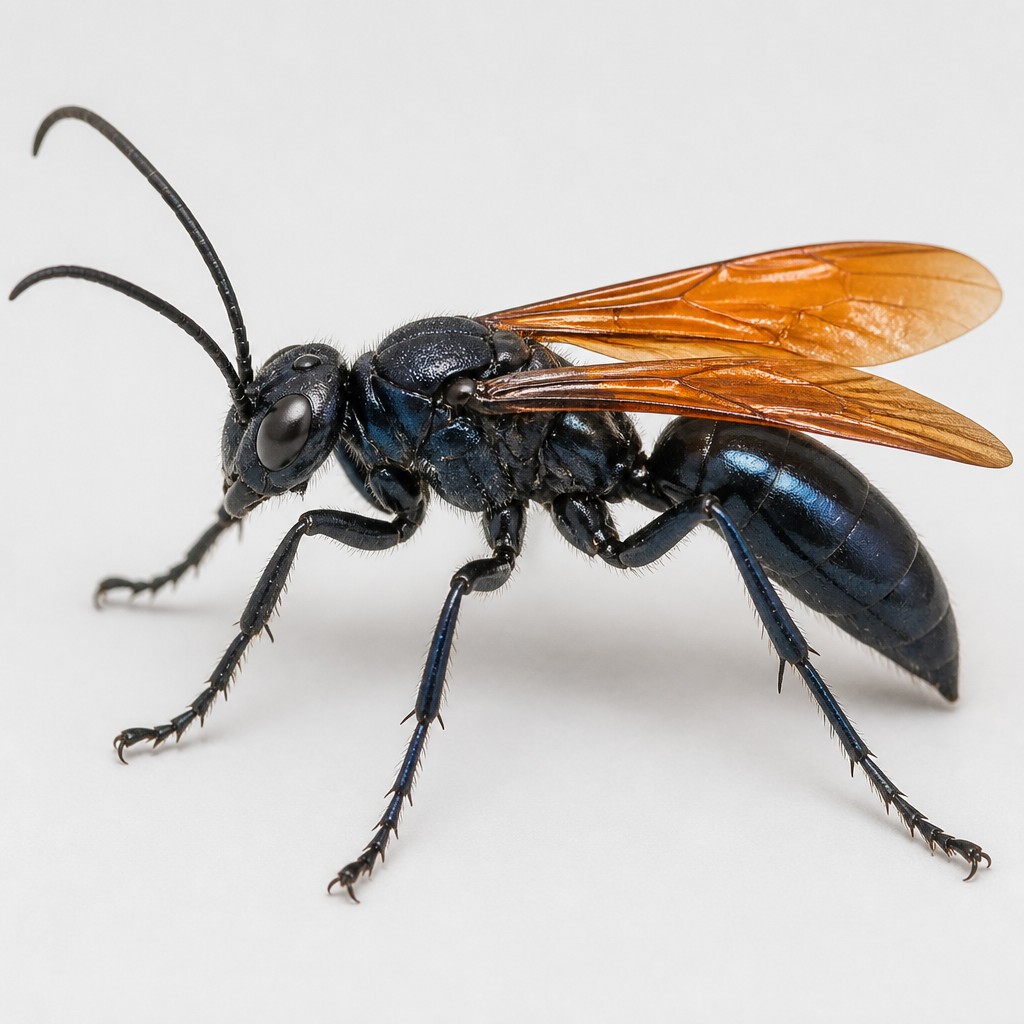
Tarantula Hawk
One of the largest wasps in the world, with a glossy metallic blue-black body and vivid burnt-orange wings, famous for hunting tarantulas to provision a single underground burrow for its larva.
wasp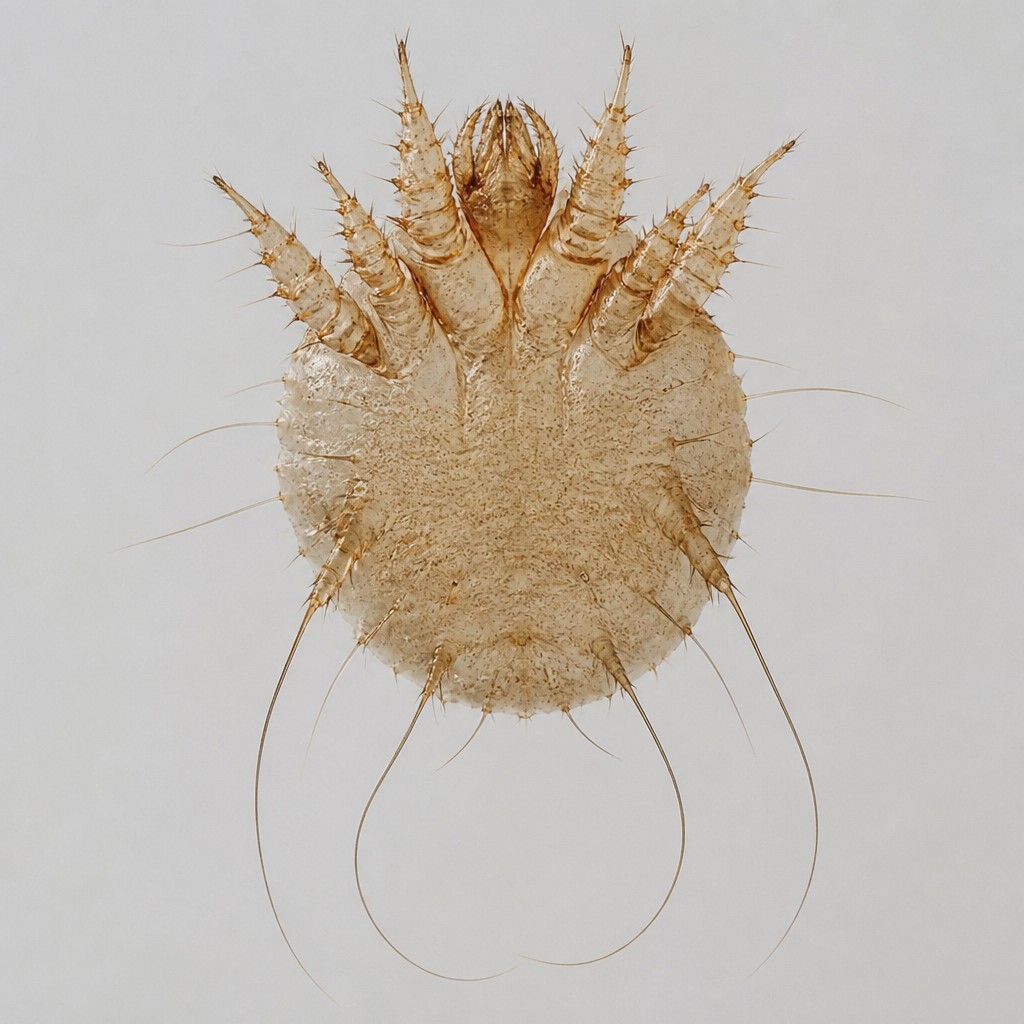
Scabies Mite
A microscopic, eyeless mite that spends its entire life cycle burrowed within the outer layer of a mammal's skin, among the smallest arachnids known to science. Unlike free-living mites, it has no independent existence away from a host and is studied primarily through microscopic examination rather than direct observation.
arachnid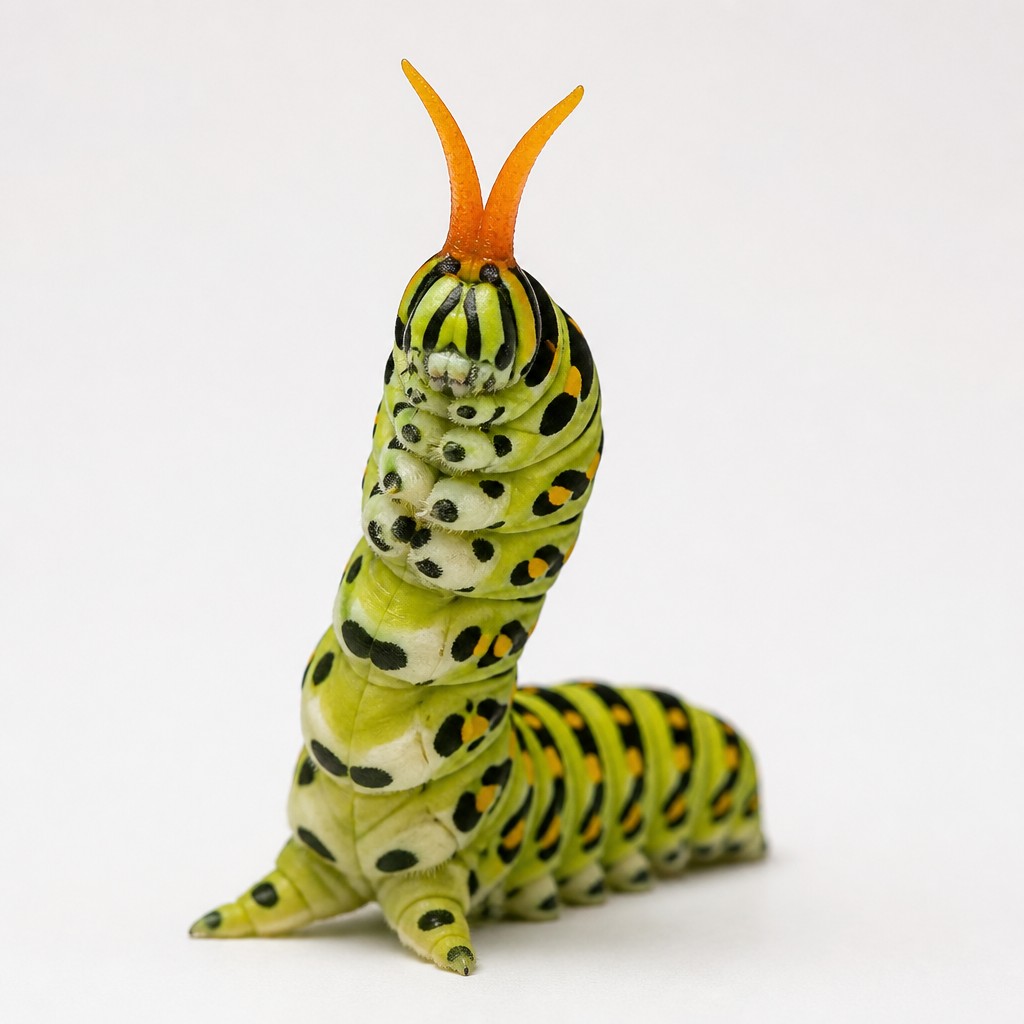
Parsley Worm
Banded in green, black, and yellow, the parsley worm rears up and flashes a bright orange, forked scent gland when disturbed, a signature defense of black swallowtail caterpillars.
caterpillar-larva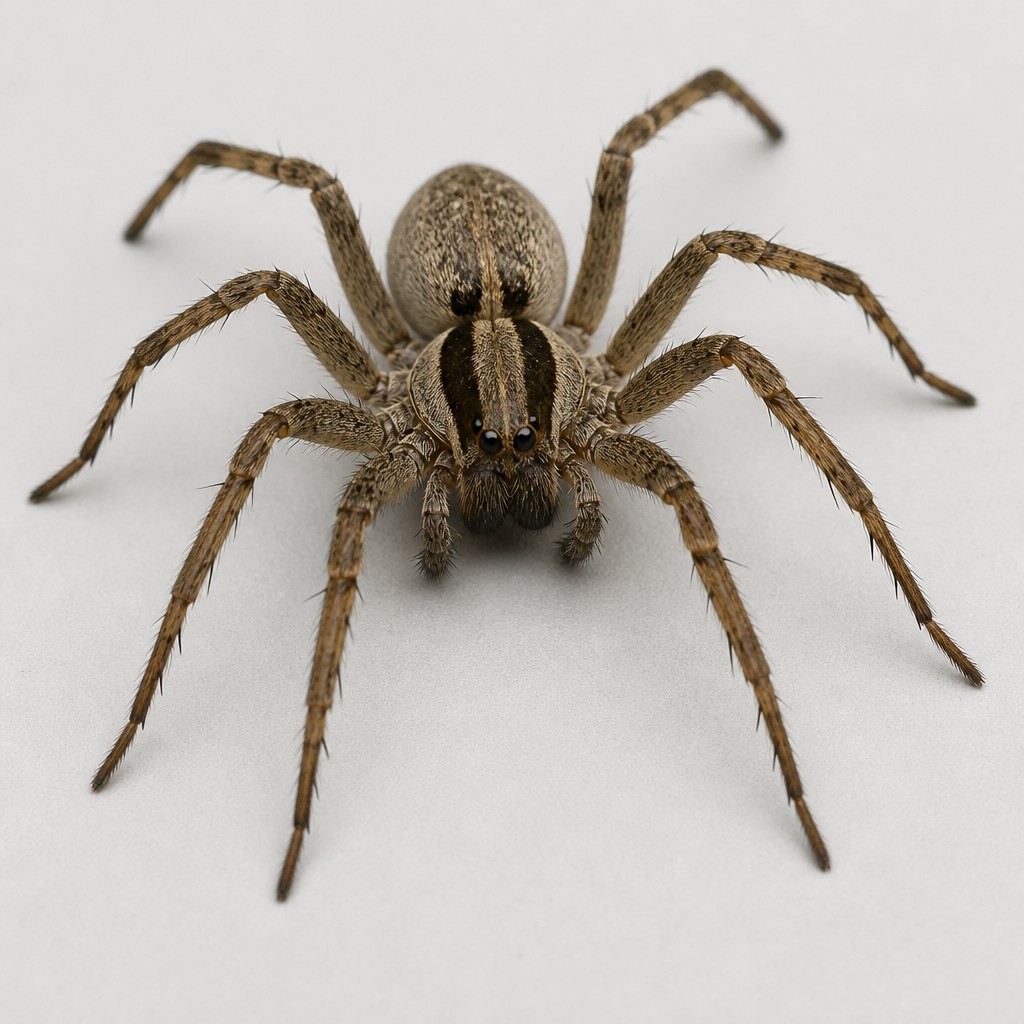
Funnel Weaver Spider
Nearly invisible until dew or morning frost outlines it in silver, the funnel weaver's sheet-and-tunnel web is a familiar sight across lawns and gardens, with its owner watching from the safety of a silken tube.
spider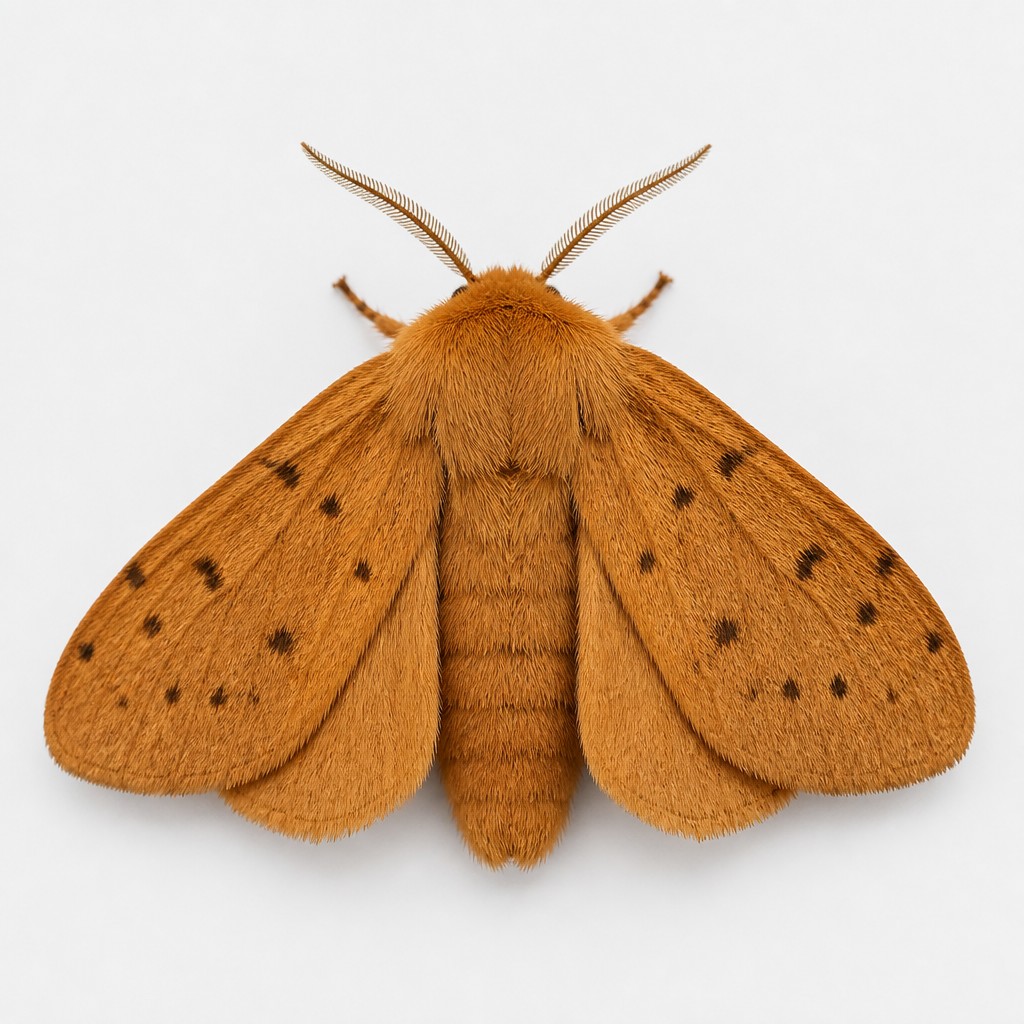
Isabella Tiger Moth (Woolly Bear)
Famous chiefly in its larval stage as the banded woolly bear caterpillar, this tiger moth's fuzzy black-and-rust-colored caterpillar is a familiar autumn sight, while the adult is a soft, tawny-orange moth with a stout, furry body.
moth