
Bug Encyclopedia
Search and identify bugs & insects — beetles, butterflies, moths, ants, bees, spiders and more — with size, habitat, danger, behavior, and how to tell them apart.
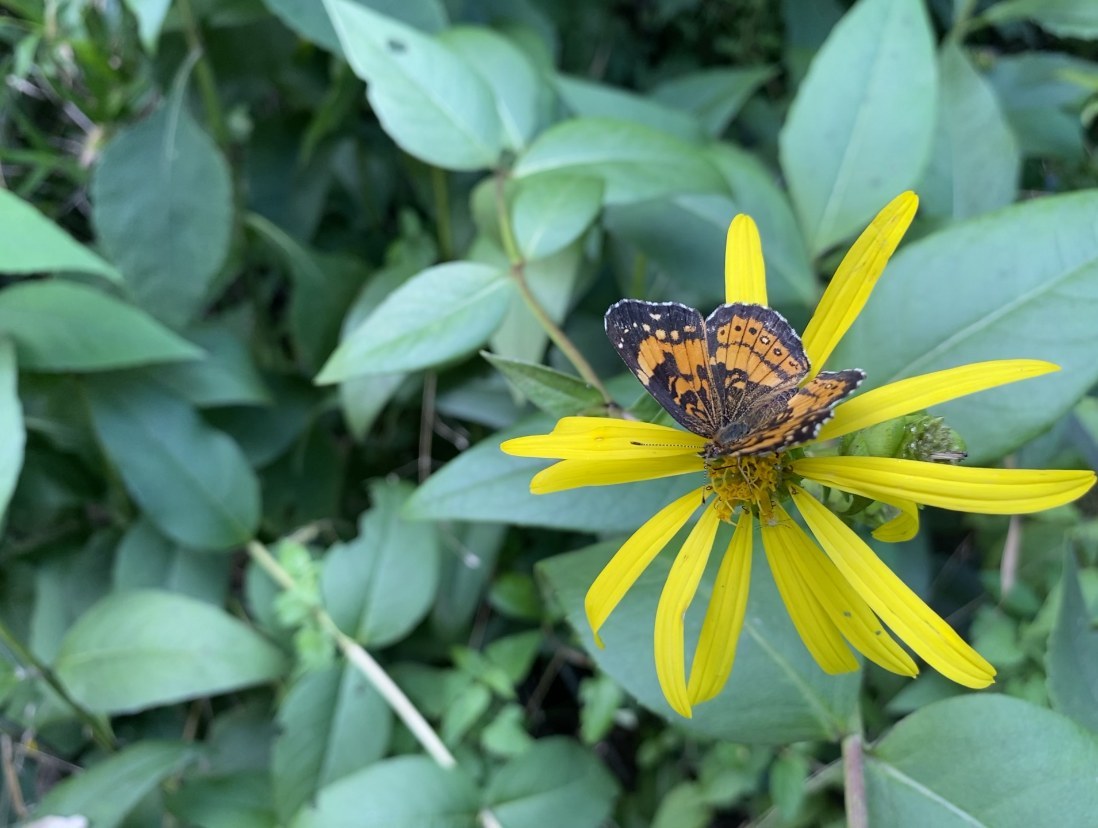
Silvery Checkerspot
An orange-brown checkered butterfly named for the row of small silvery-white crescent spots along the underside hindwing margin, commonly seen nectaring at composite flowers in open habitats.
butterfly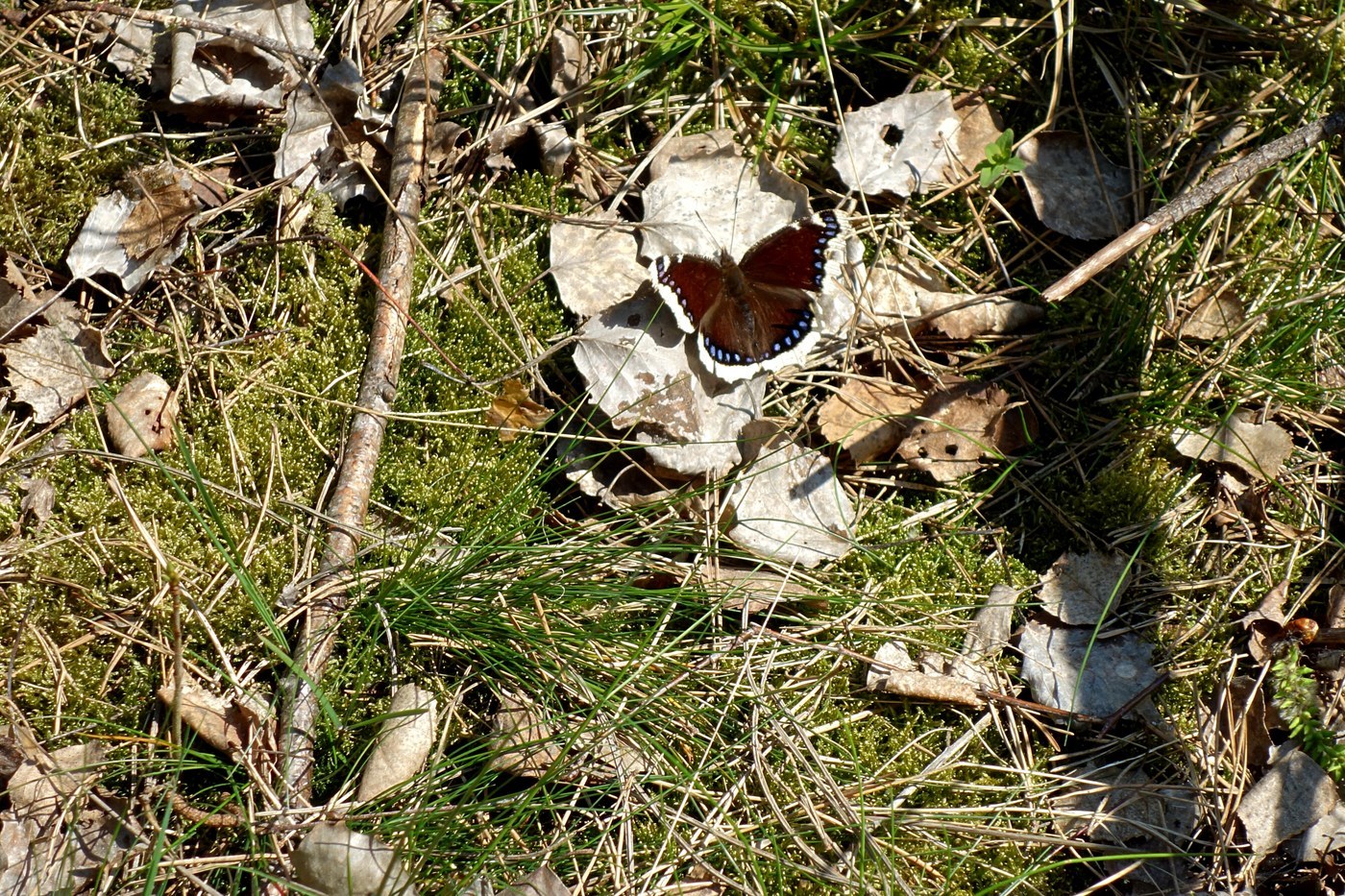
Mourning Cloak Butterfly
A deep maroon-brown butterfly bordered with a cream-yellow band and a row of iridescent blue spots, unusual among butterflies for overwintering as an adult and being one of the first to appear in early spring.
butterfly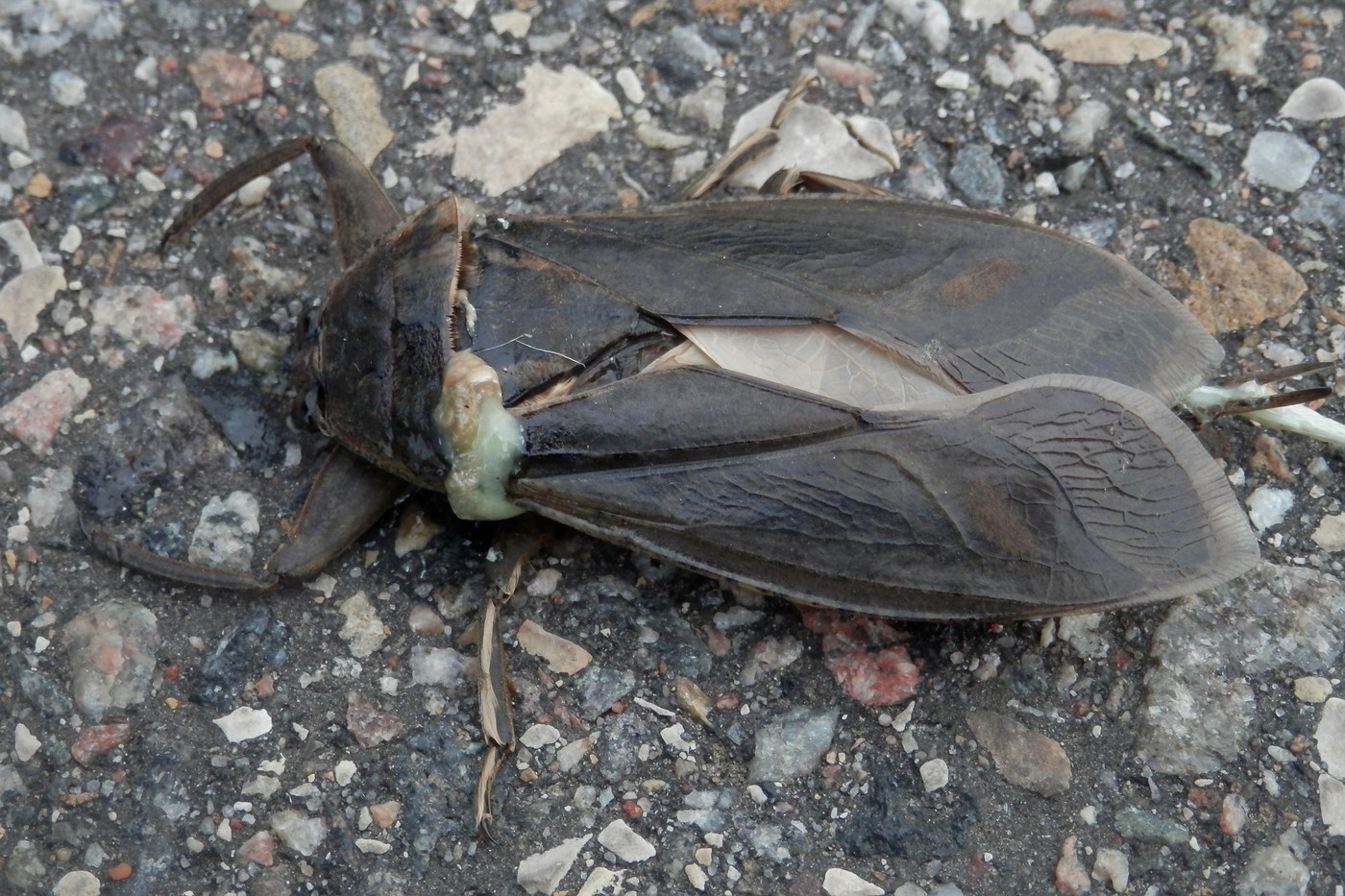
Giant Water Bug
A massive, flattened oval true bug with powerful grasping front legs, the giant water bug is North America's largest aquatic insect and an ambush predator lurking just below the surface of still water.
aquatic-insect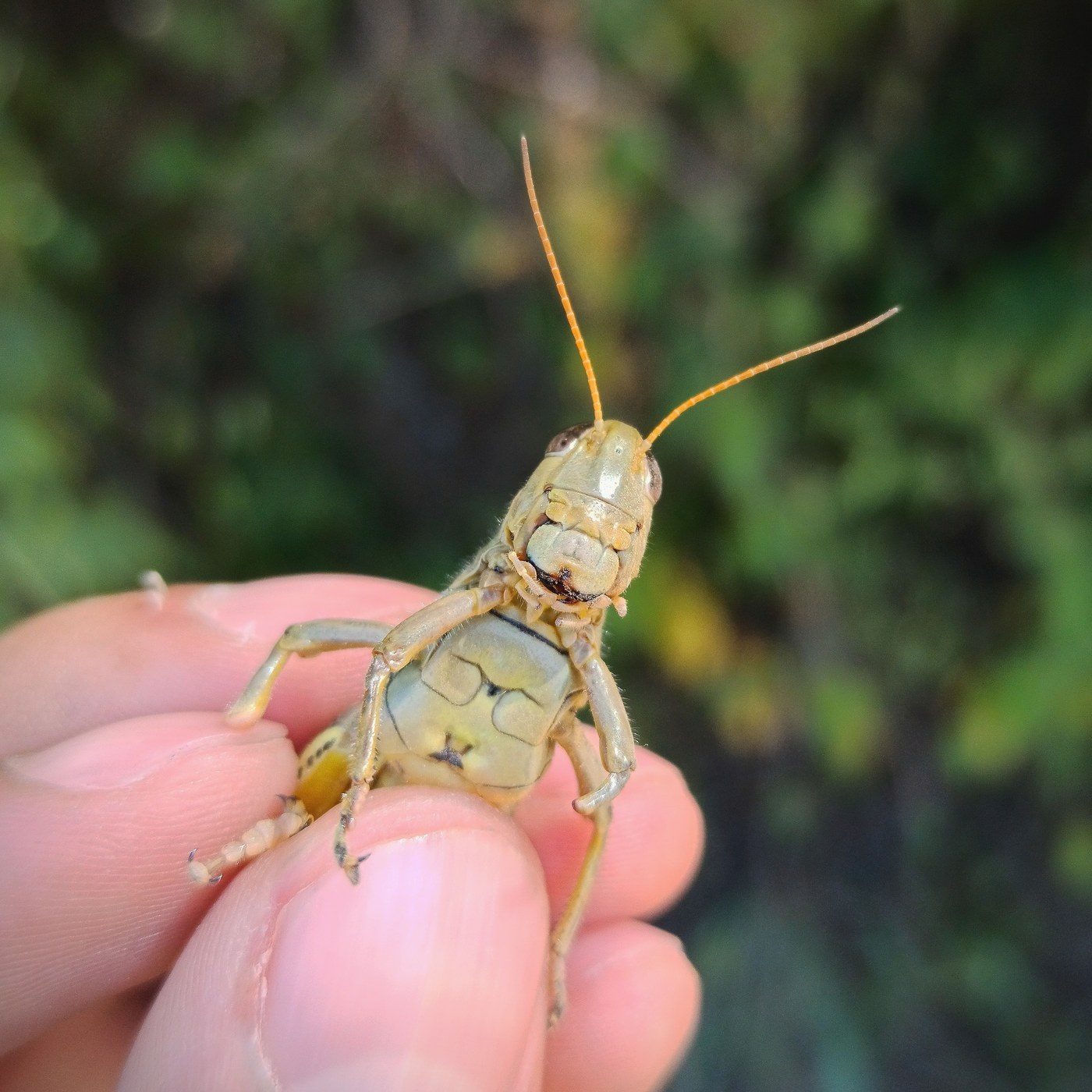
Differential Grasshopper
A large, robust grasshopper with a bold black herringbone pattern etched along its swollen hind legs, the differential grasshopper is one of the biggest and most recognizable pest grasshoppers in North America.
grasshopper-cricket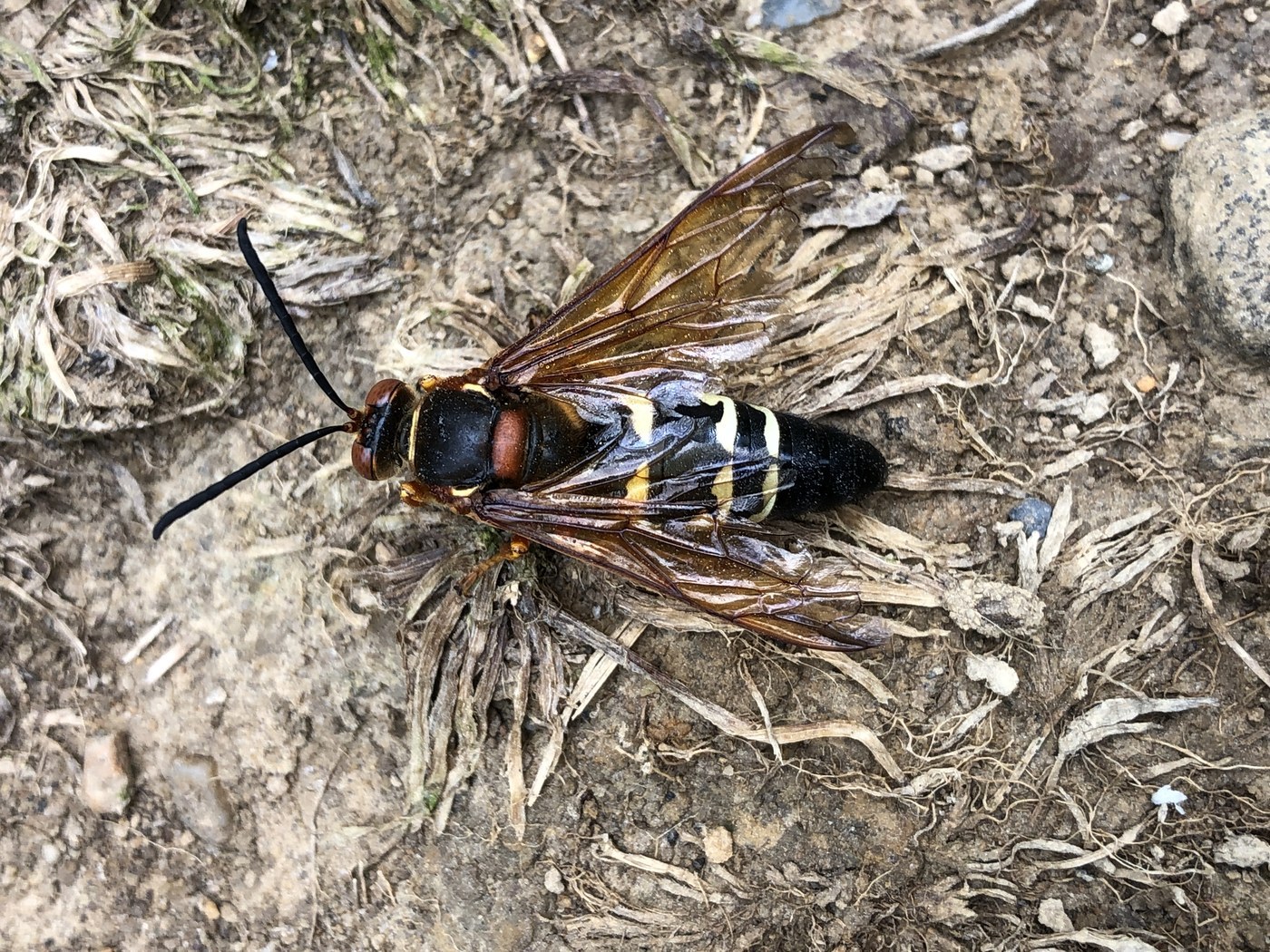
Cicada Killer Wasp
One of the largest wasps in North America, a robust rust-and-black or yellow-marked digger wasp that excavates burrows in bare soil and specializes in hunting cicadas to provision its underground nest.
wasp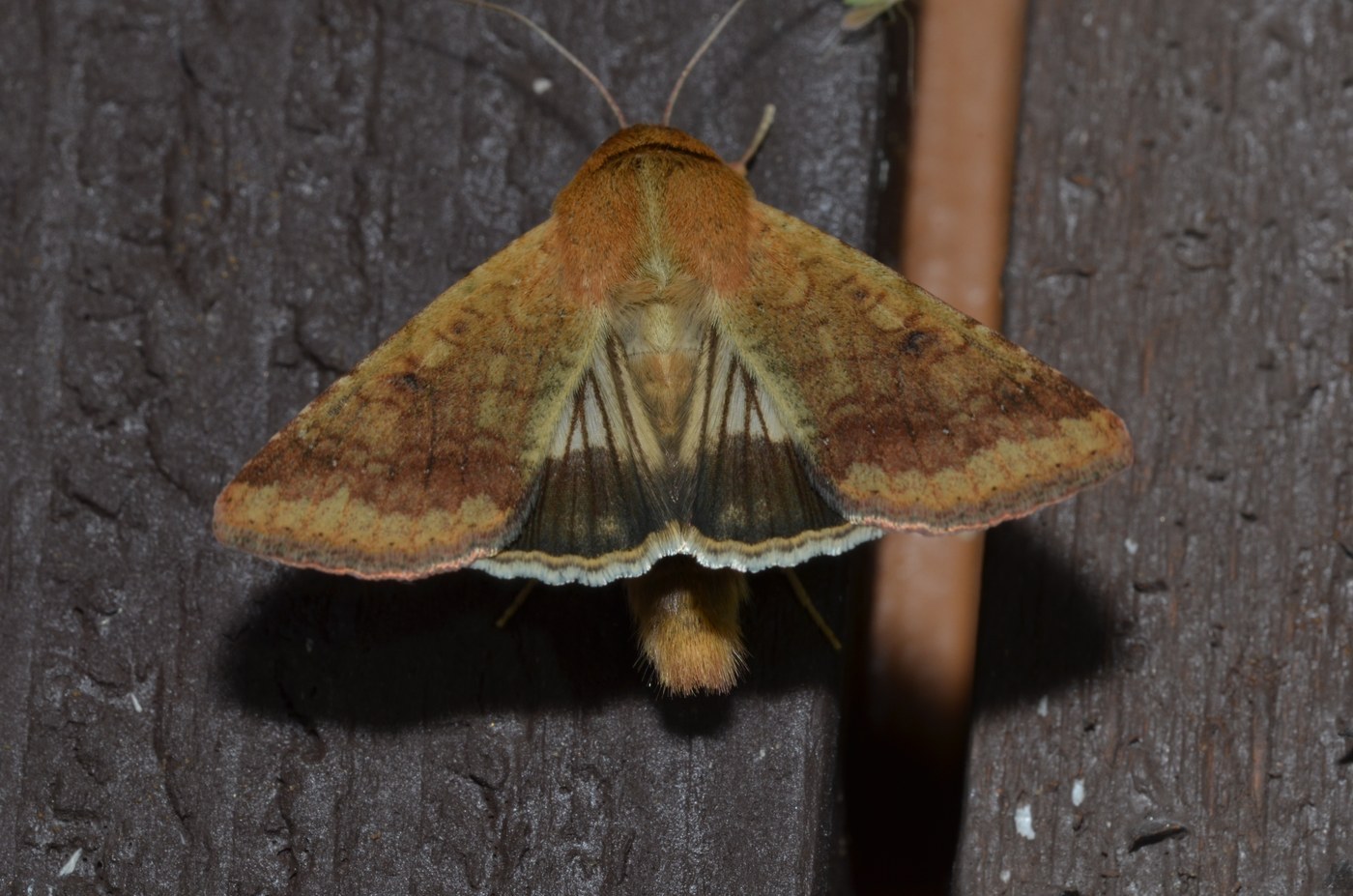
Corn Earworm
A color-variable caterpillar, ranging from pale green to reddish-brown, that burrows headfirst into corn ears and is one of the most economically significant crop pests in North America.
caterpillar-larvaAmbush Bug
A chunky, irregularly shaped true bug with thickened, raptorial front legs, the ambush bug hides motionless on flowers, blending into the petals while waiting to seize visiting pollinators.
true-bug
Spider Mite
A speck-sized arachnid that spins fine silk webbing across infested leaves as it pierces plant cells for their contents, leaving behind a telltale stippled, bronzed appearance. Populations can explode rapidly in hot, dry weather, making it a familiar garden and greenhouse pest.
arachnid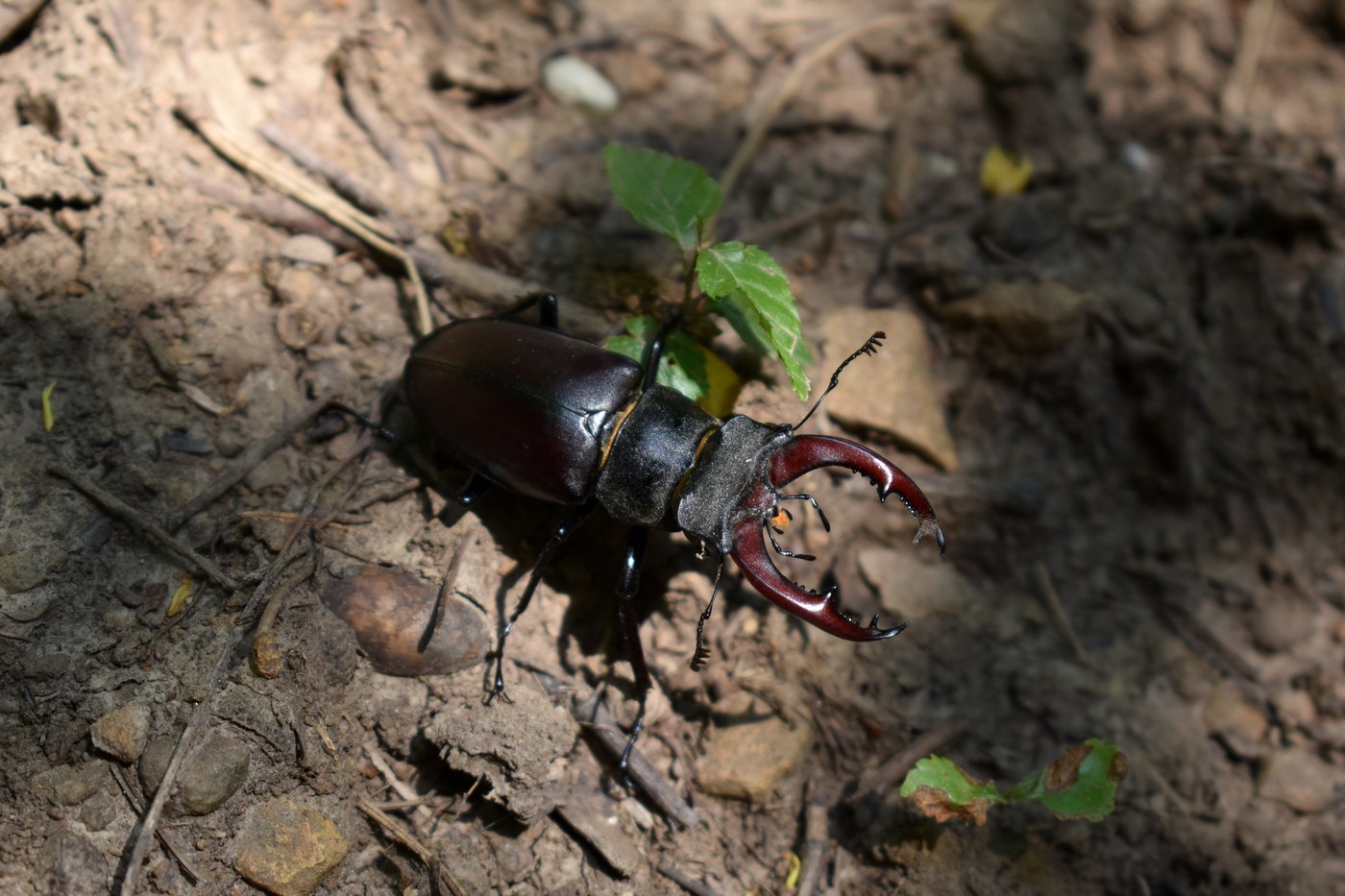
Stag Beetle
A large, glossy beetle whose males wield oversized, antler-like mandibles resembling a stag's rack of horns, used for wrestling rival males rather than for feeding.
beetleSoil Centipede
An extremely long, thin, worm-like centipede with dozens of leg pairs that burrows through soil using its elongated body rather than speed to get around.
myriapod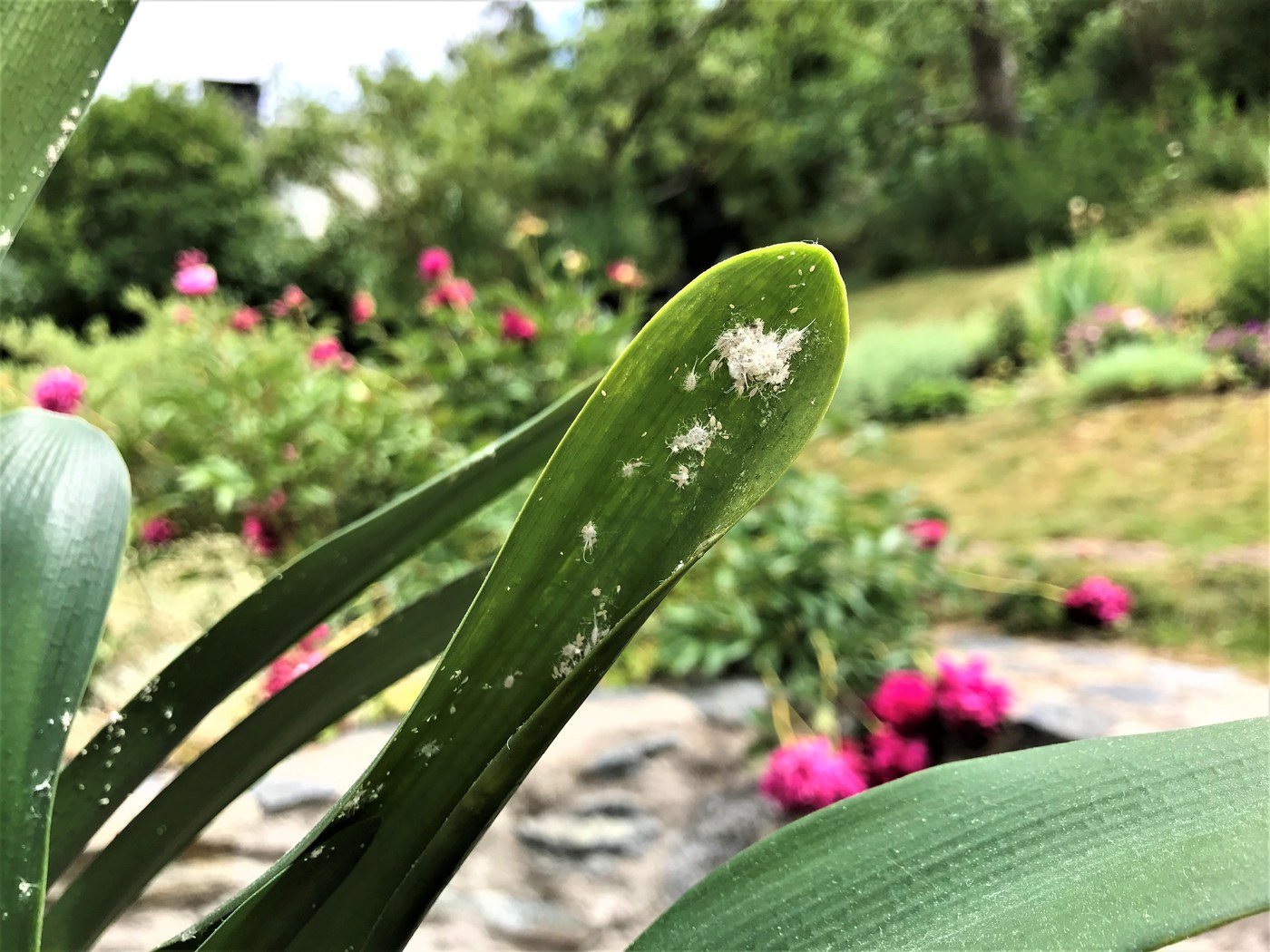
Mealybug
A soft, oval insect coated in a powdery white waxy secretion that gives it a fuzzy, cotton-like appearance, typically found clustered in leaf joints and along stems of houseplants.
true-bugFungus Gnat
A small, dark, mosquito-like fly with long legs and delicate smoky wings, often seen weakly fluttering around houseplants or crawling across damp potting soil.
fly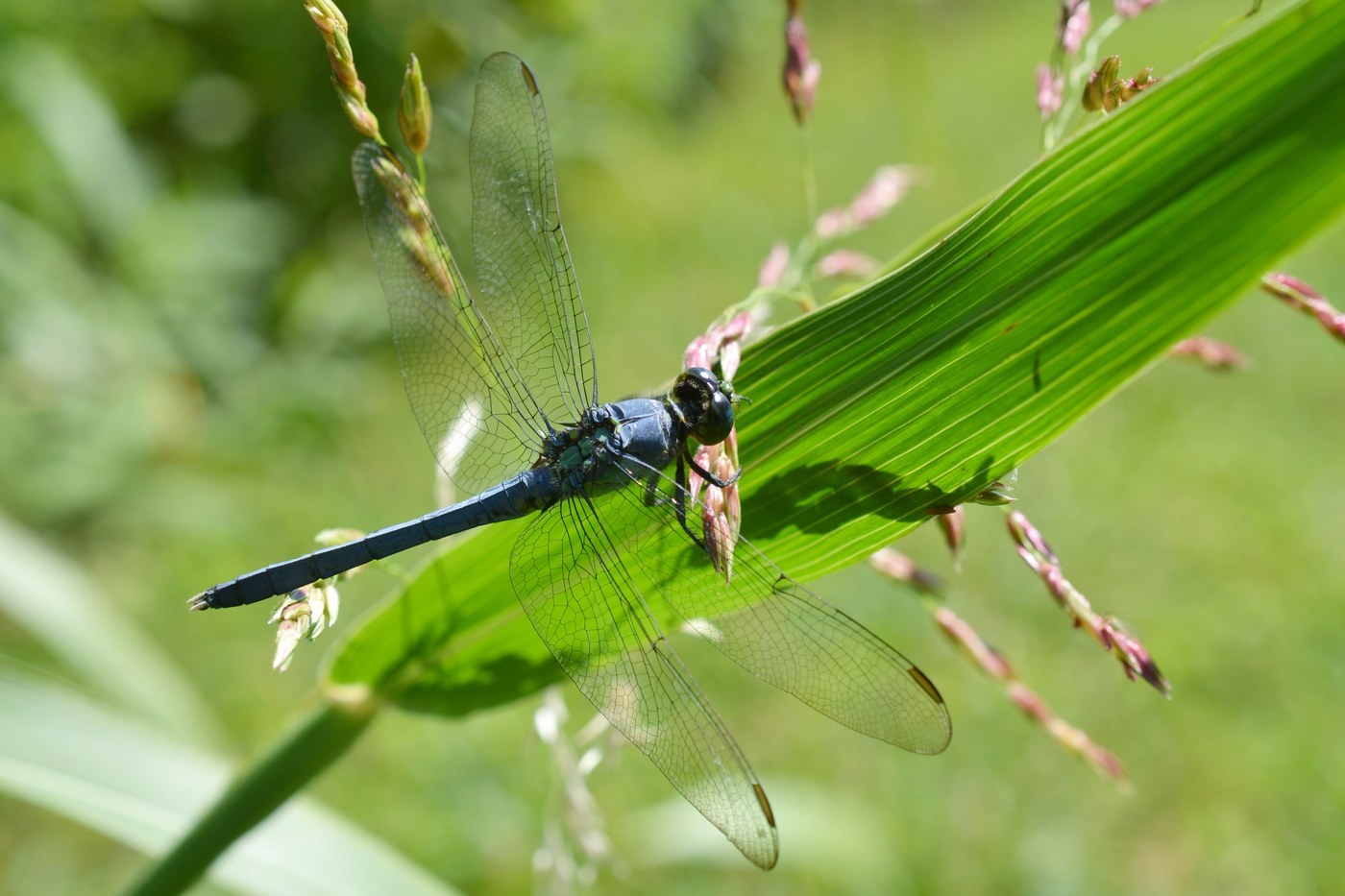
Eastern Pondhawk
A bold, ground-perching dragonfly whose bright green females and powdery blue males look almost like different species, and which readily preys on other dragonflies.
dragonflyAnt-mimic Spider
A slender jumping spider that walks on six legs while waving the front pair like antennae, convincingly passing itself off as an ant to fool predators and prey alike.
spider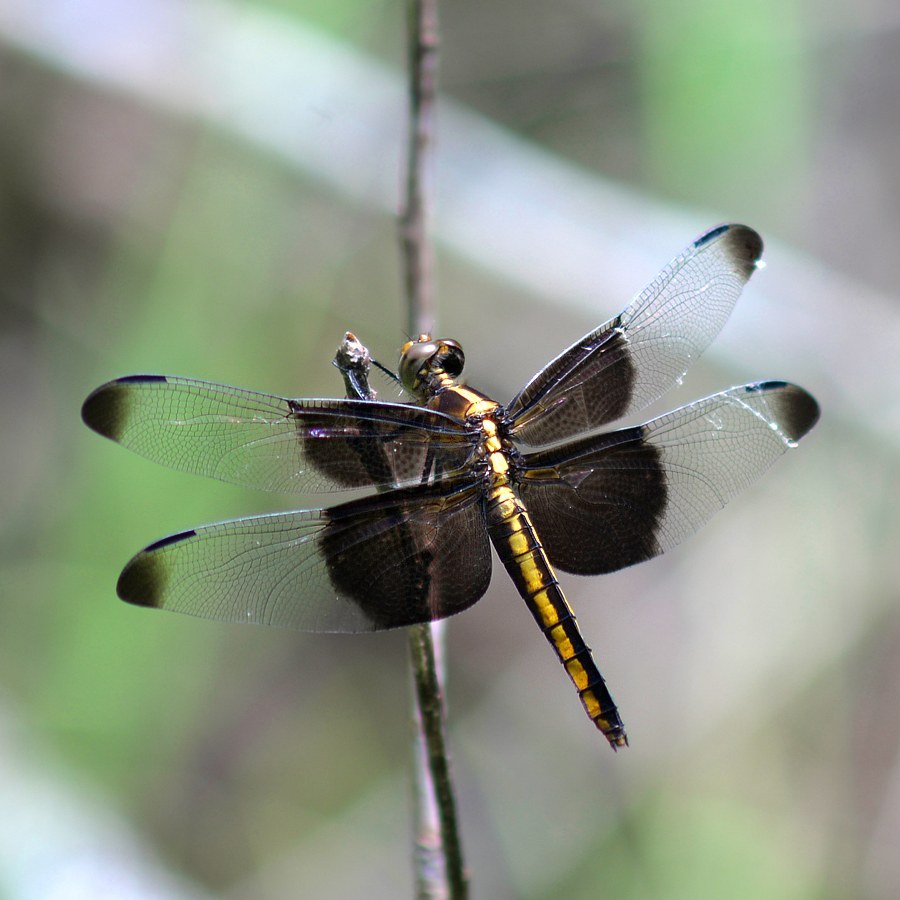
Widow Skimmer
A medium-sized dragonfly named for the broad, dark mourning-veil-like patches at the base of its wings, seen perched on shoreline vegetation across much of North America.
dragonfly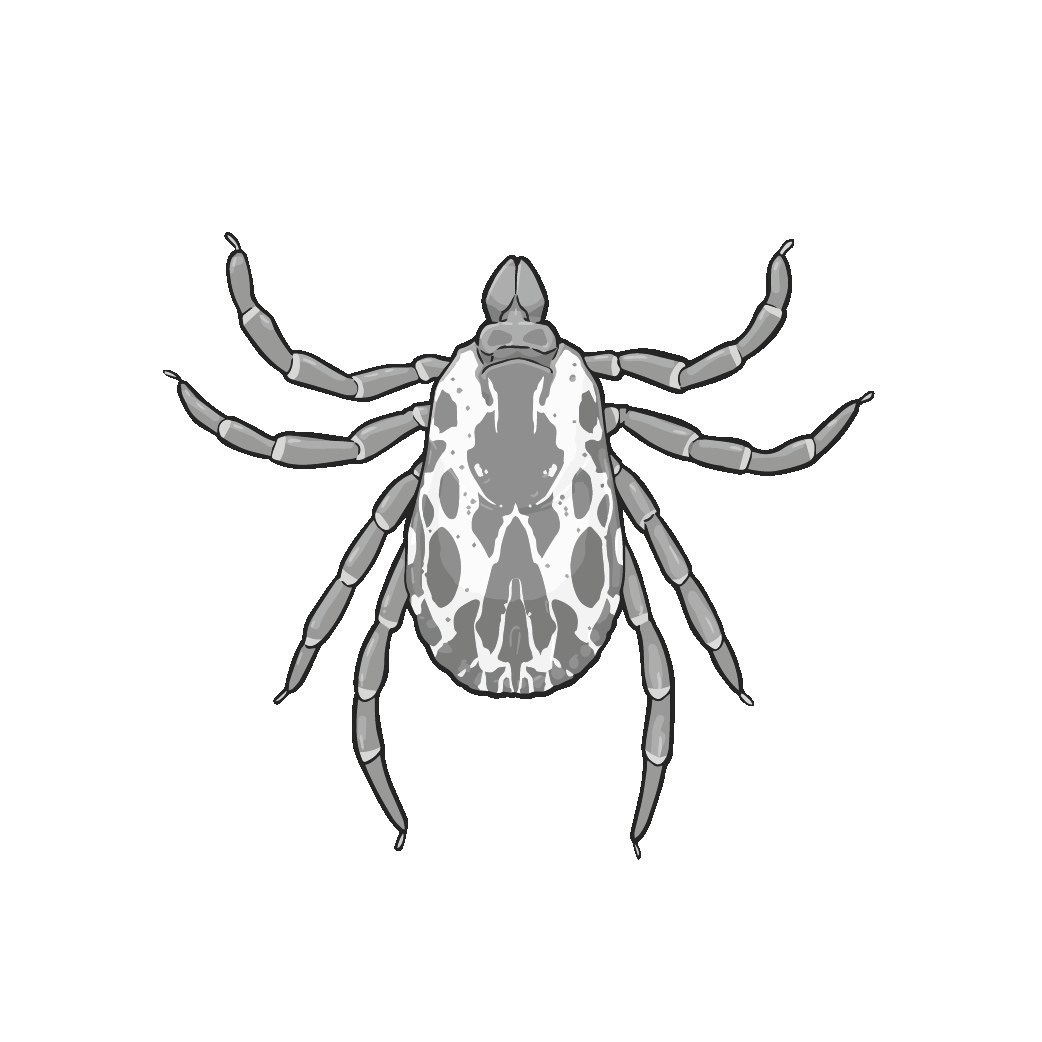
Tick
A small, flattened, oval arachnid with a hard shield-like plate on its back that waits on vegetation and attaches to passing hosts to feed on blood, swelling considerably once fed.
arachnid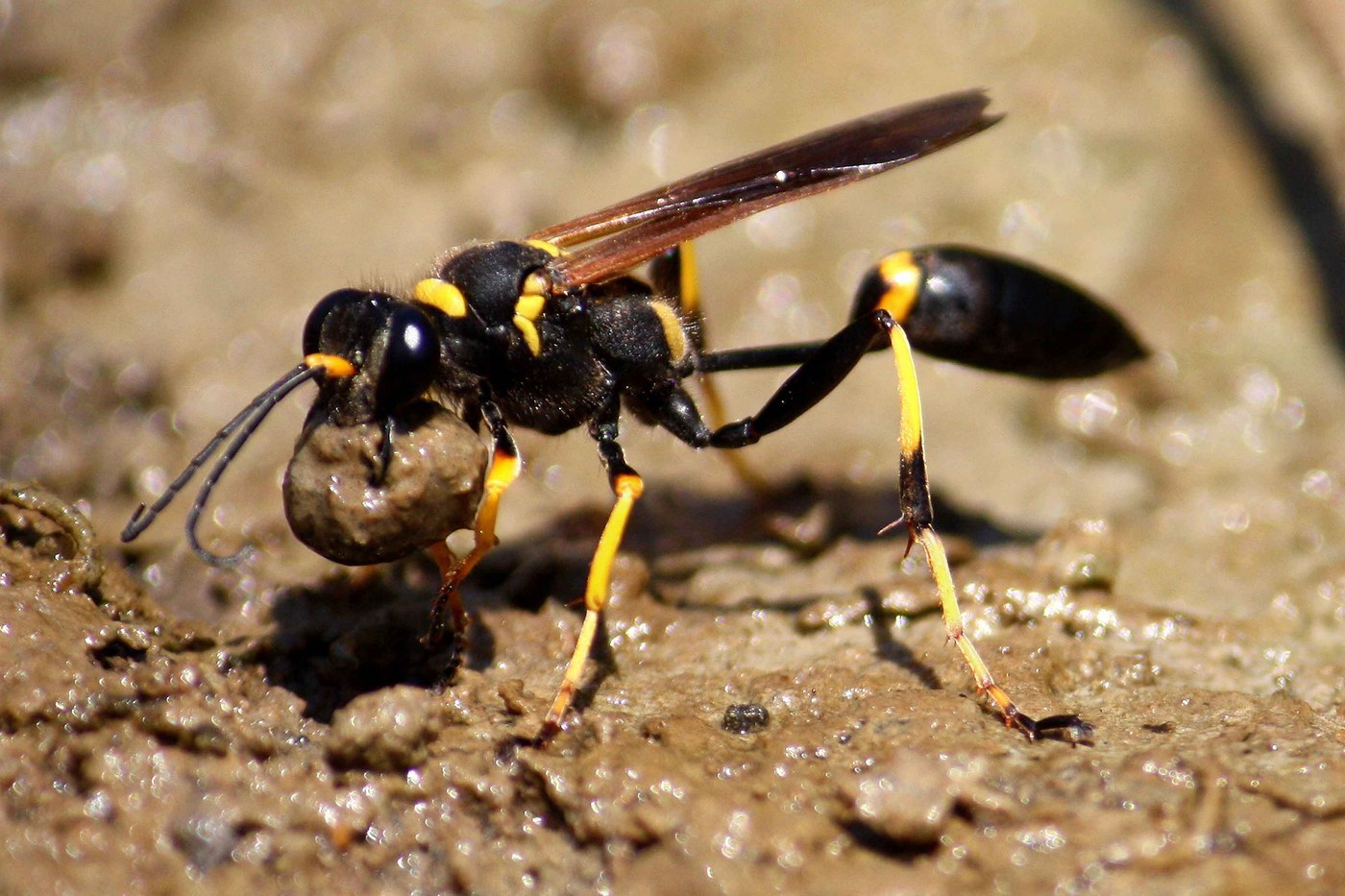
Mud Dauber
A slender, non-aggressive solitary wasp with a distinctively long, thread-like waist, known for constructing tube- or pot-shaped nests out of mud pellets on walls and eaves.
wasp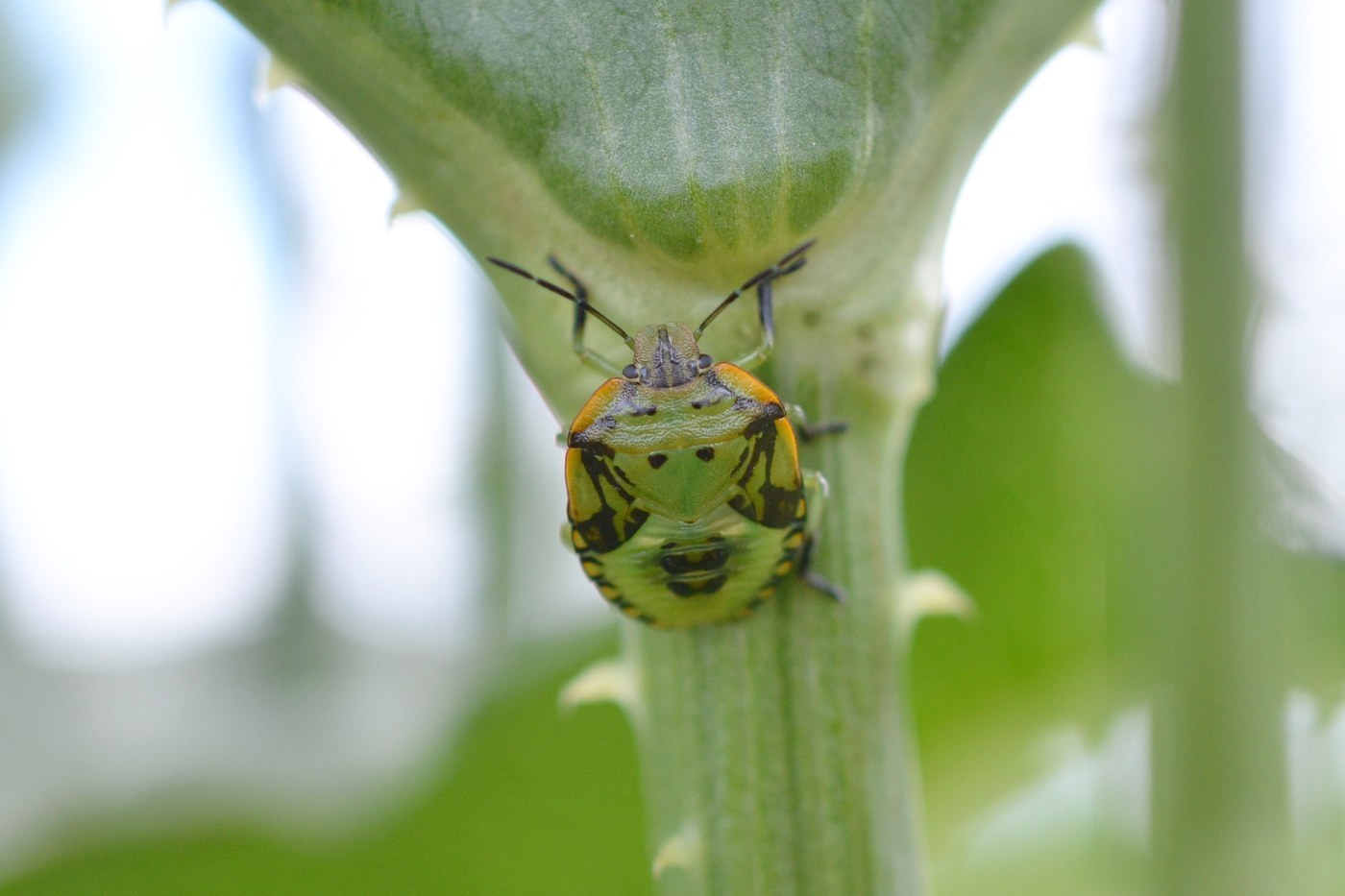
Green Stink Bug
A broad, shield-shaped bug in solid bright green with a shell-like appearance, easily disturbed off host plants and known for releasing a pungent odor when handled.
true-bug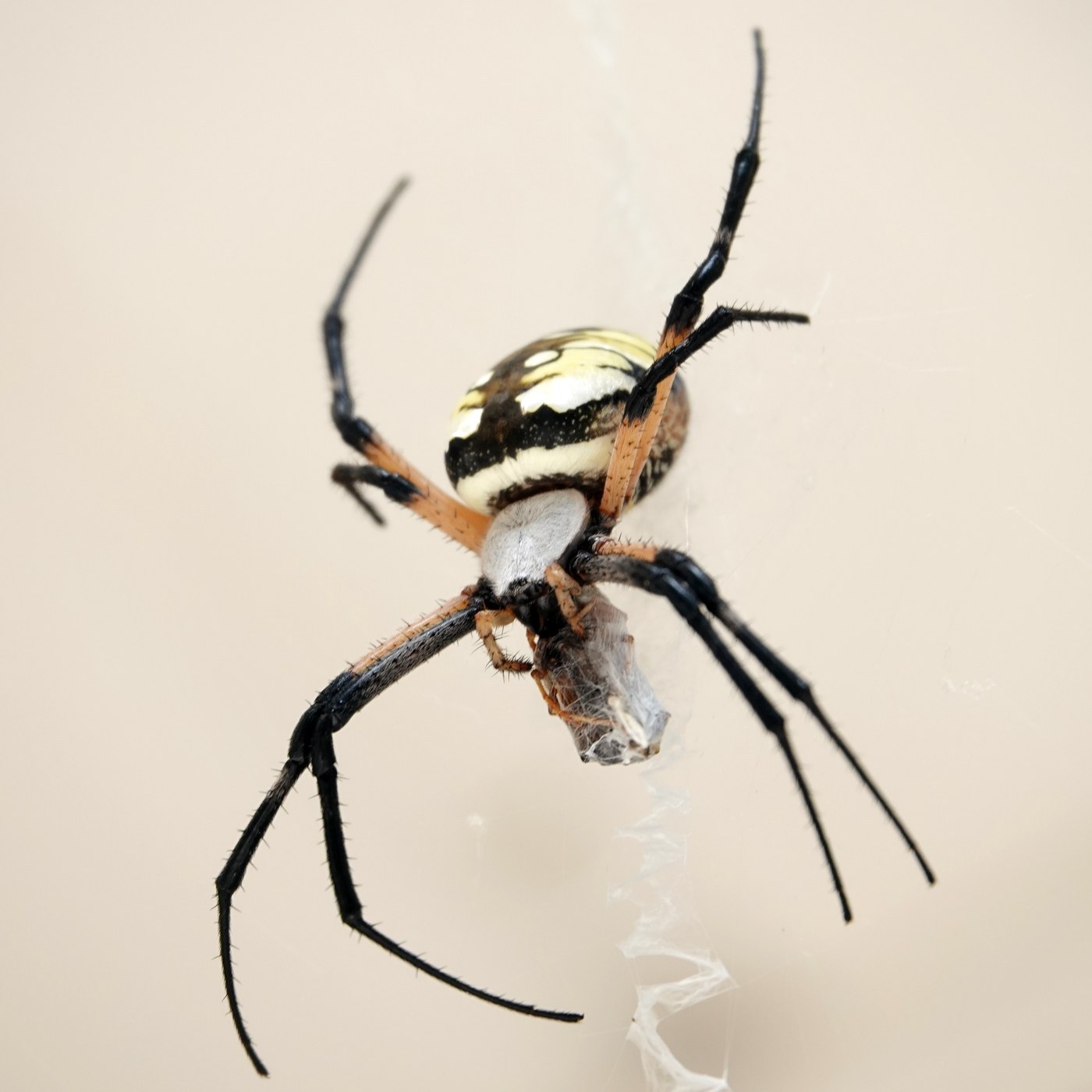
Yellow Garden Spider
Bold black and yellow markings, a large orb web anchored with a bright zigzag of silk, and a habit of sitting in plain view make the yellow garden spider one of the most eye-catching and recognizable spiders in North American backyards.
spider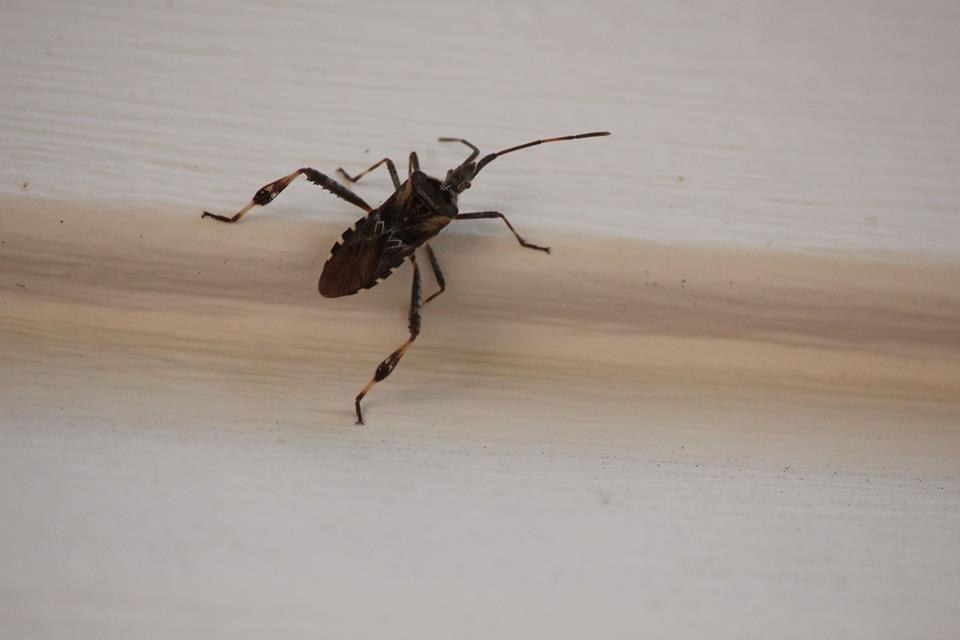
Western Conifer Seed Bug
A large brown true bug with flattened, leaf-shaped hind legs, native to conifer forests of the western United States but now widespread and notorious for gathering on and inside buildings as cooler weather approaches.
true-bug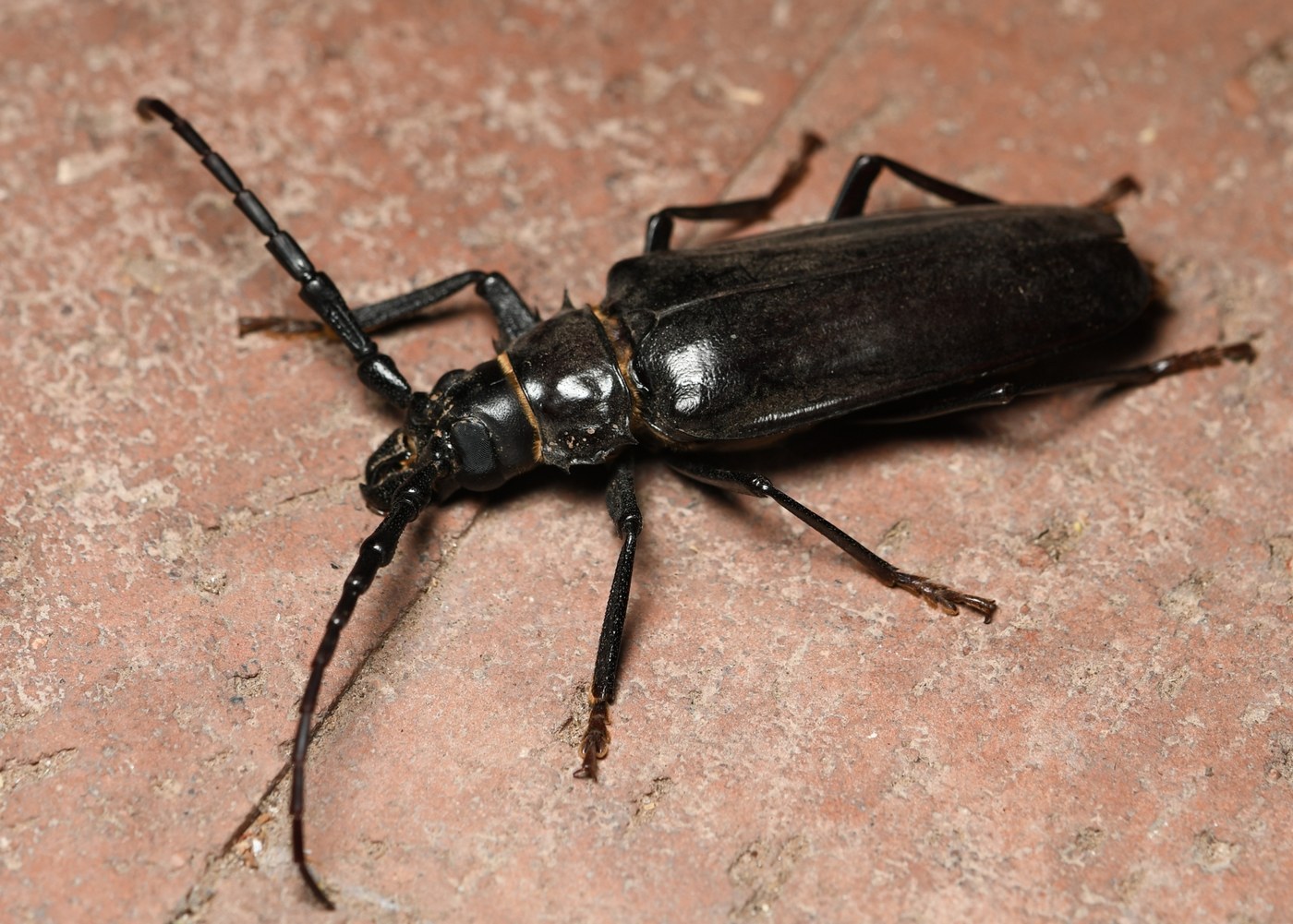
Palo Verde Beetle
One of the largest beetles in North America, a heavy, dark reddish-brown longhorn beetle with long spiny antennae and a loud, buzzing flight that emerges from the desert soil around palo verde and mesquite trees in summer.
beetle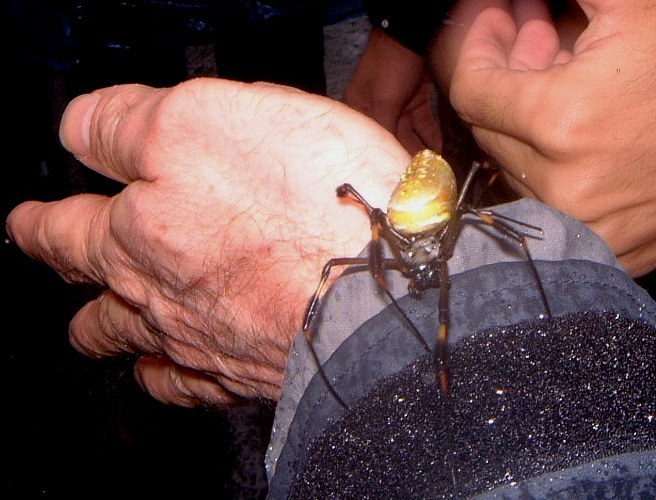
Golden Silk Orb Weaver
Suspended in a massive, glinting web strung between trees along a forest trail, the golden silk orb weaver is one of the largest and most striking web-building spiders in the Americas, spinning silk with a distinctive yellow-gold sheen.
spiderGiant Weta
One of the world's heaviest insects, a giant flightless cricket relative endemic to New Zealand that has survived for millions of years by filling the ecological role usually taken by small mammals.
grasshopper-cricketForest Tent Caterpillar
Named for the silk mats rather than tents it spins, this blue-gray caterpillar sports a row of pale keyhole- or footprint-shaped spots down its back and can appear in outbreak numbers that strip entire stands of trees bare.
caterpillar-larva