
Bug Encyclopedia
Search and identify bugs & insects — beetles, butterflies, moths, ants, bees, spiders and more — with size, habitat, danger, behavior, and how to tell them apart.
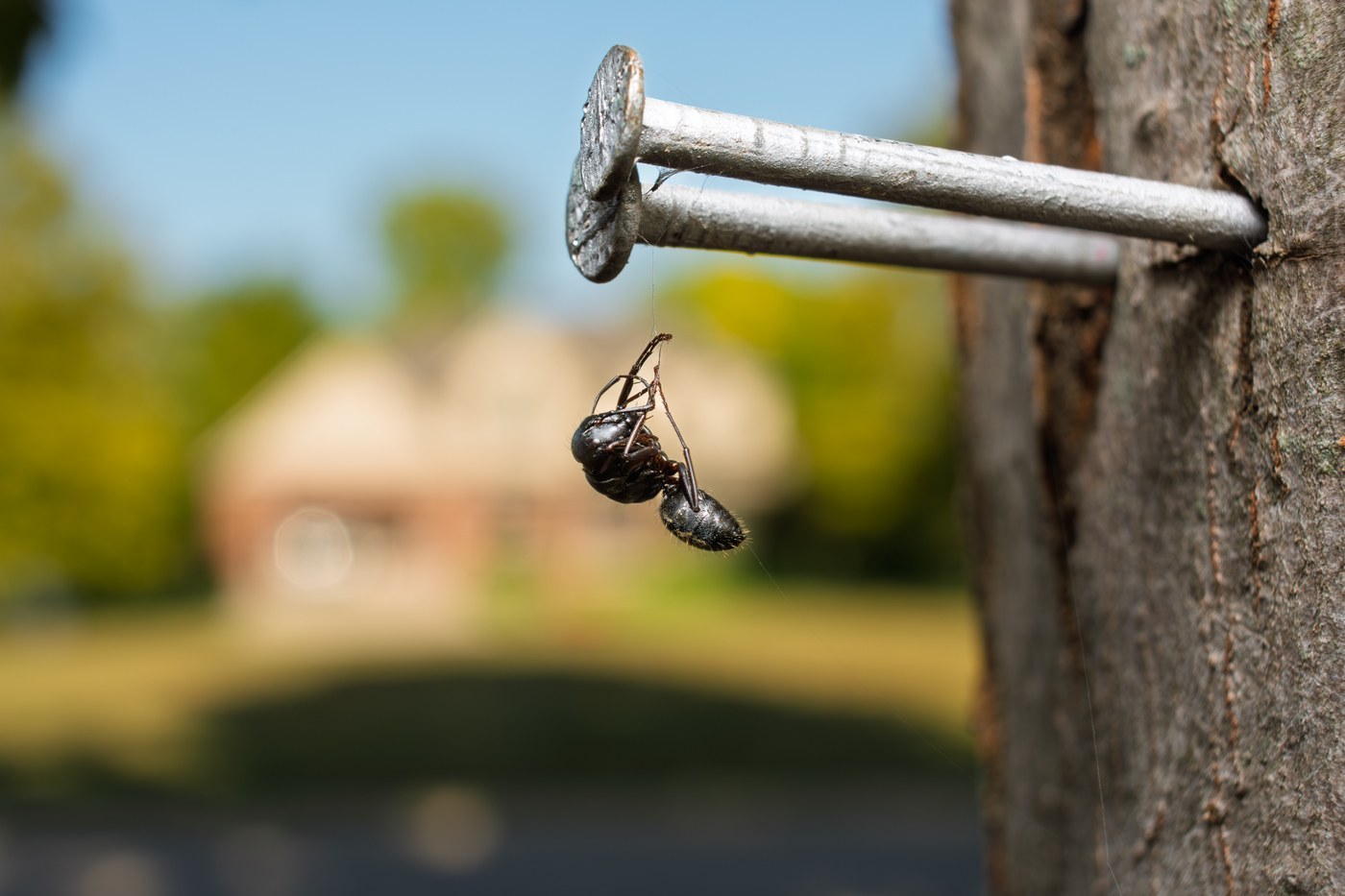
Carpenter Ant
A large, often shiny black ant that excavates smooth tunnels in dead or damp wood for nesting, recognizable by its size, evenly rounded thorax, and elbowed antennae.
ant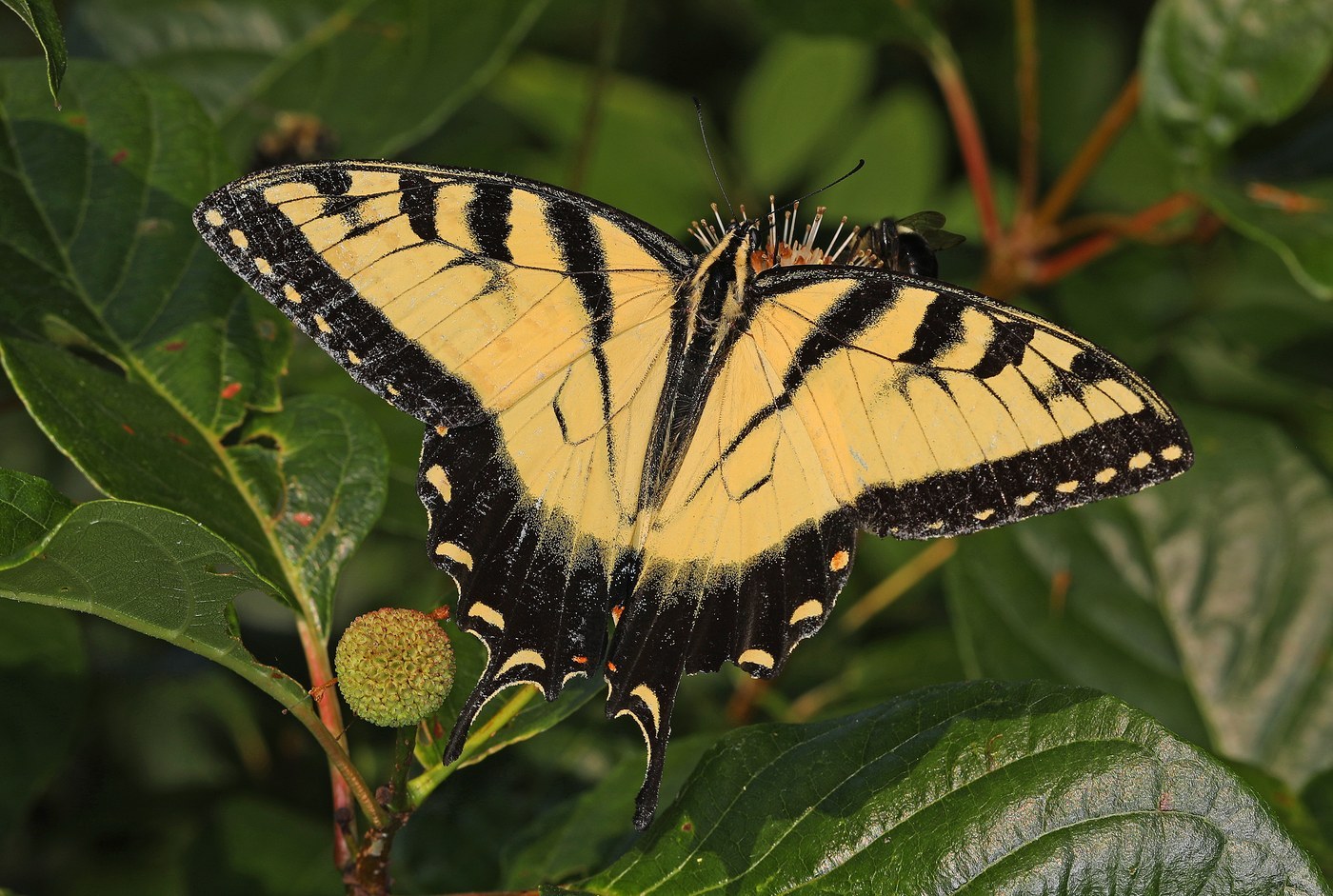
Swallowtail Butterfly
A large, showy butterfly named for the elongated, tail-like extensions on its hindwings, often seen gliding gracefully around gardens and flowering meadows.
butterfly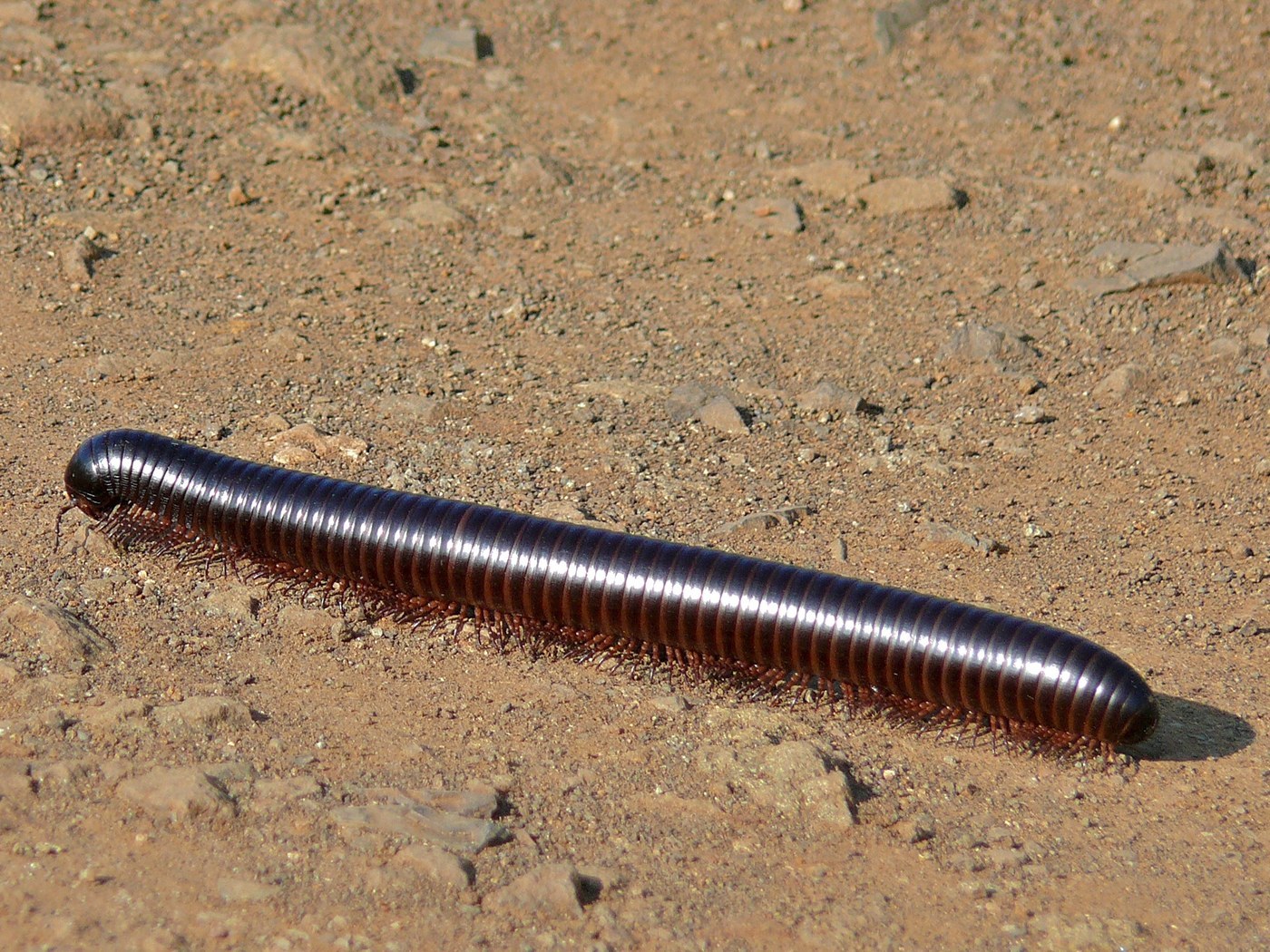
Giant African Millipede
One of the largest millipedes in the world, a slow-moving, cylindrical detritivore covered in hundreds of tiny legs that curls into a tight defensive coil when disturbed.
myriapod
Parsley Worm
Banded in green, black, and yellow, the parsley worm rears up and flashes a bright orange, forked scent gland when disturbed, a signature defense of black swallowtail caterpillars.
caterpillar-larva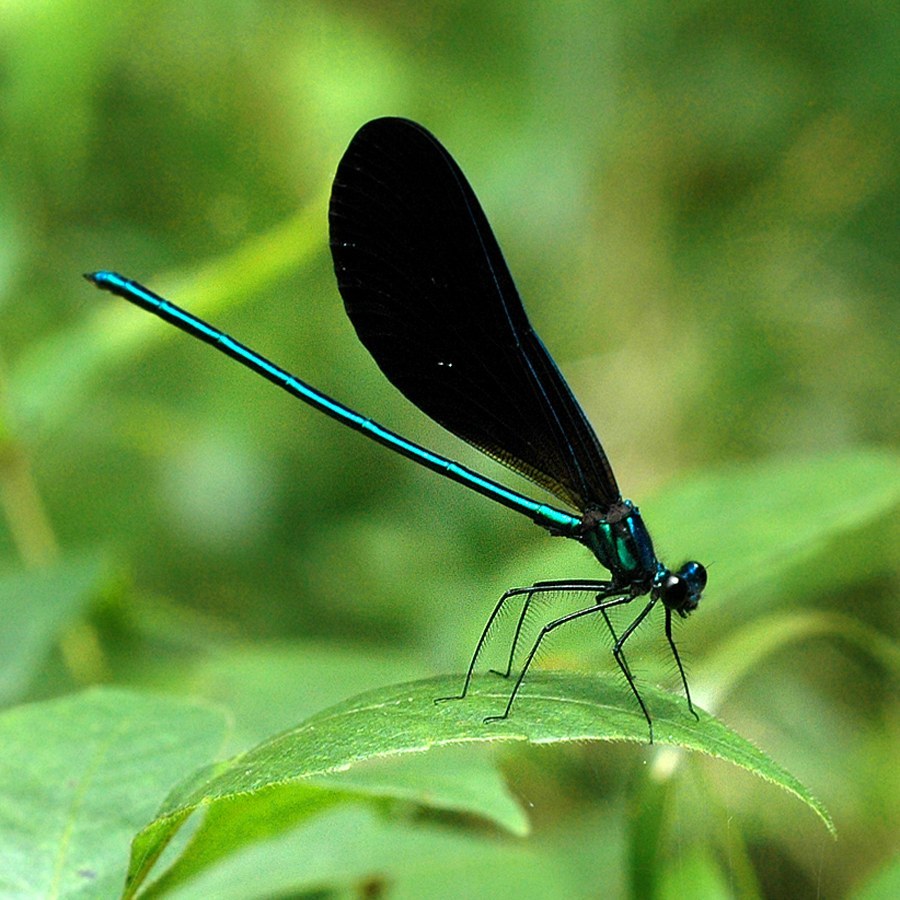
Ebony Jewelwing Damselfly
With a metallic emerald body and wings of solid inky black, the ebony jewelwing flutters like a delicate butterfly along shaded forest streams rather than darting like most other damselflies.
dragonflyHorse Fly Larva
Hidden in the wet mud along pond and stream margins, the horse fly larva is a tapered, tough-skinned predator that hunts other small soil and mud-dwelling invertebrates before eventually transforming into the familiar biting fly.
aquatic-insect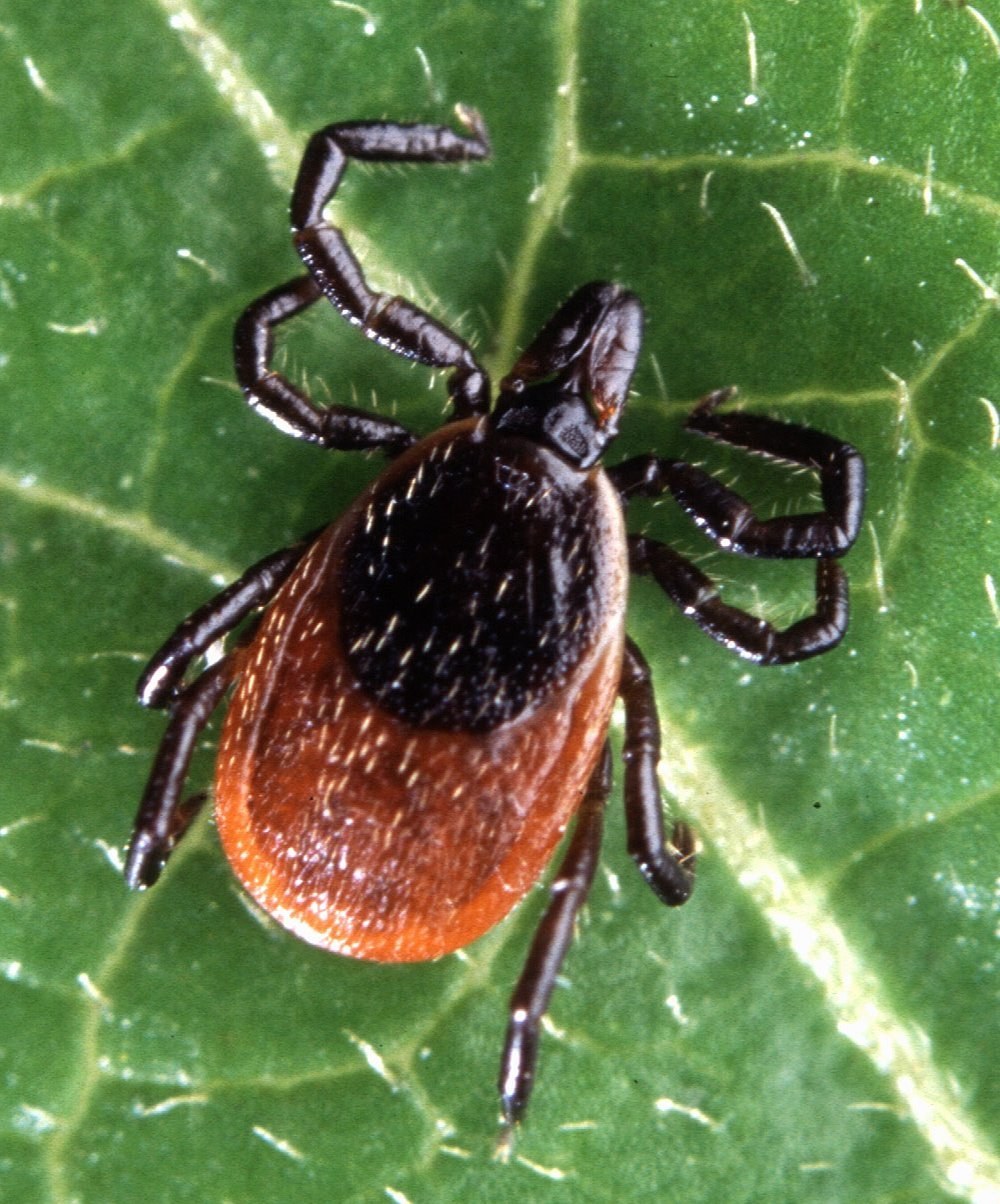
Blacklegged Tick
A tiny, teardrop-shaped tick with dark legs and a reddish-brown abdomen that lurks in leaf litter along woodland trails.
arachnid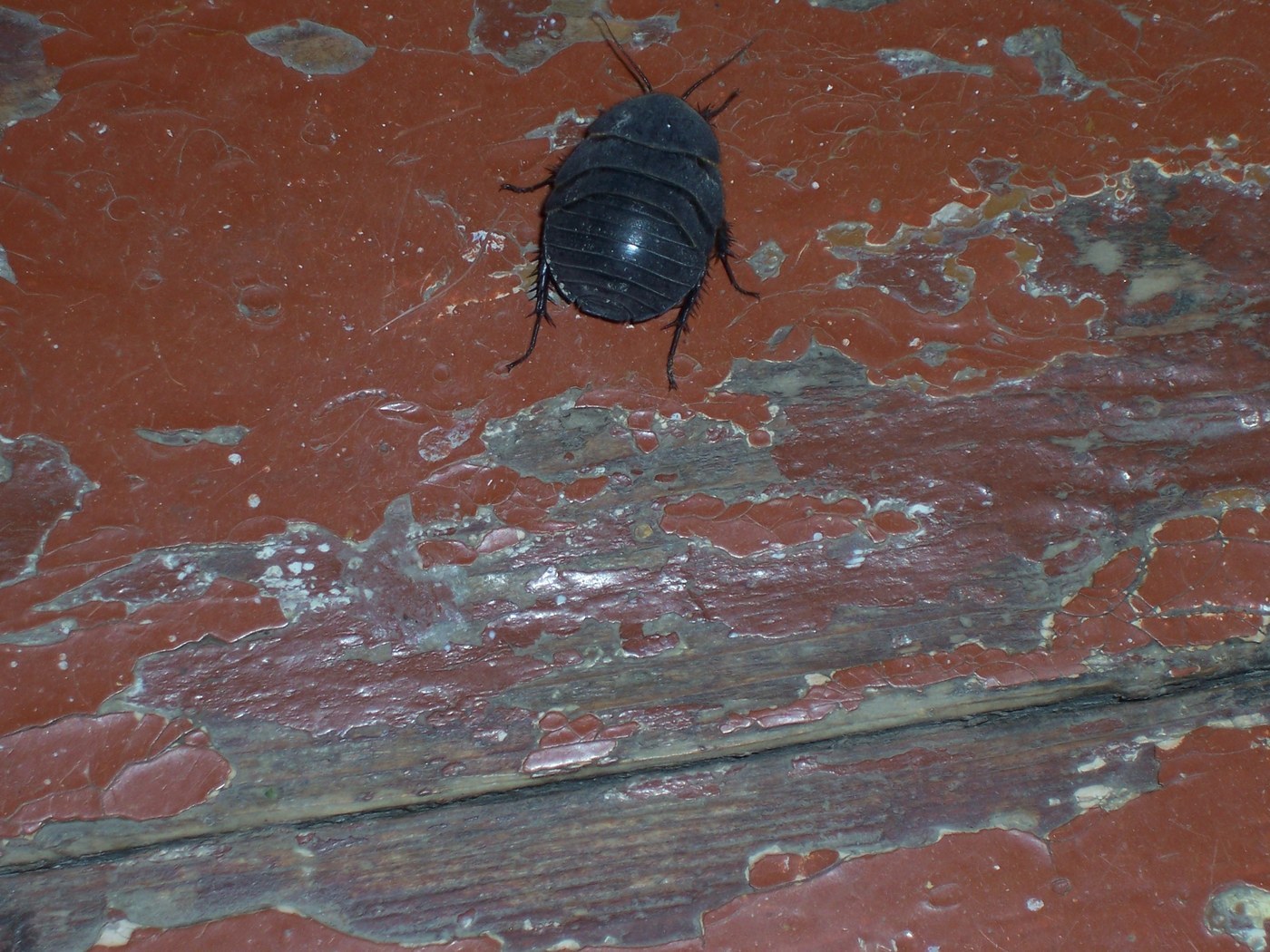
Oriental Cockroach
A dark, matte blackish-brown cockroach with short wings that do not cover the abdomen, especially in females, and a preference for cooler, damper hiding spots than most other common cockroaches.
otherCutworm
A plump, dull gray-brown caterpillar that hides in soil by day and emerges at night to sever young seedlings at the base, curling tightly into a C-shape when disturbed.
caterpillar-larva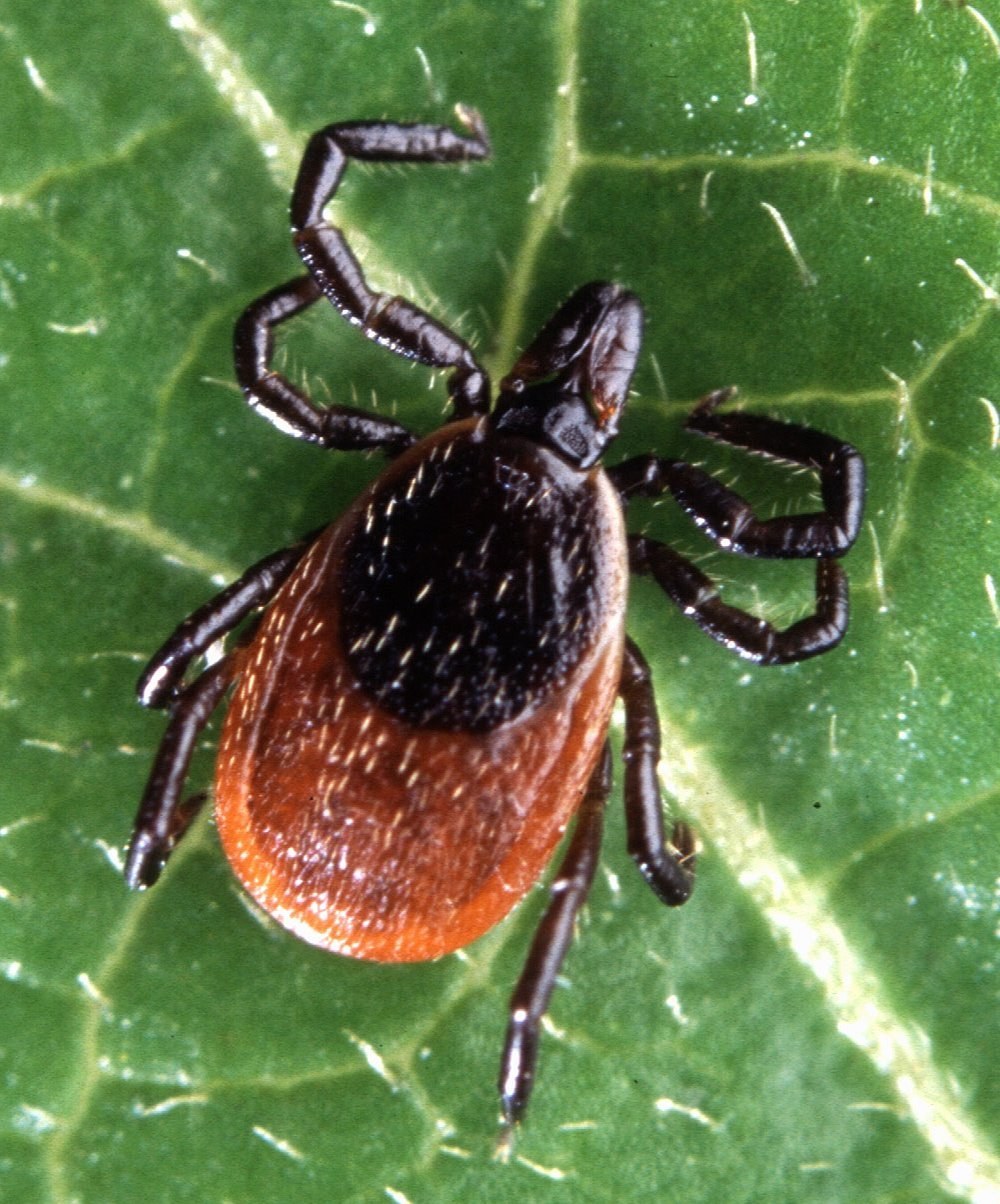
Deer Tick
A small, dark-legged tick with a reddish-brown, teardrop-shaped body, noticeably smaller than many other common tick species and often found questing in wooded or grassy edge habitats.
arachnid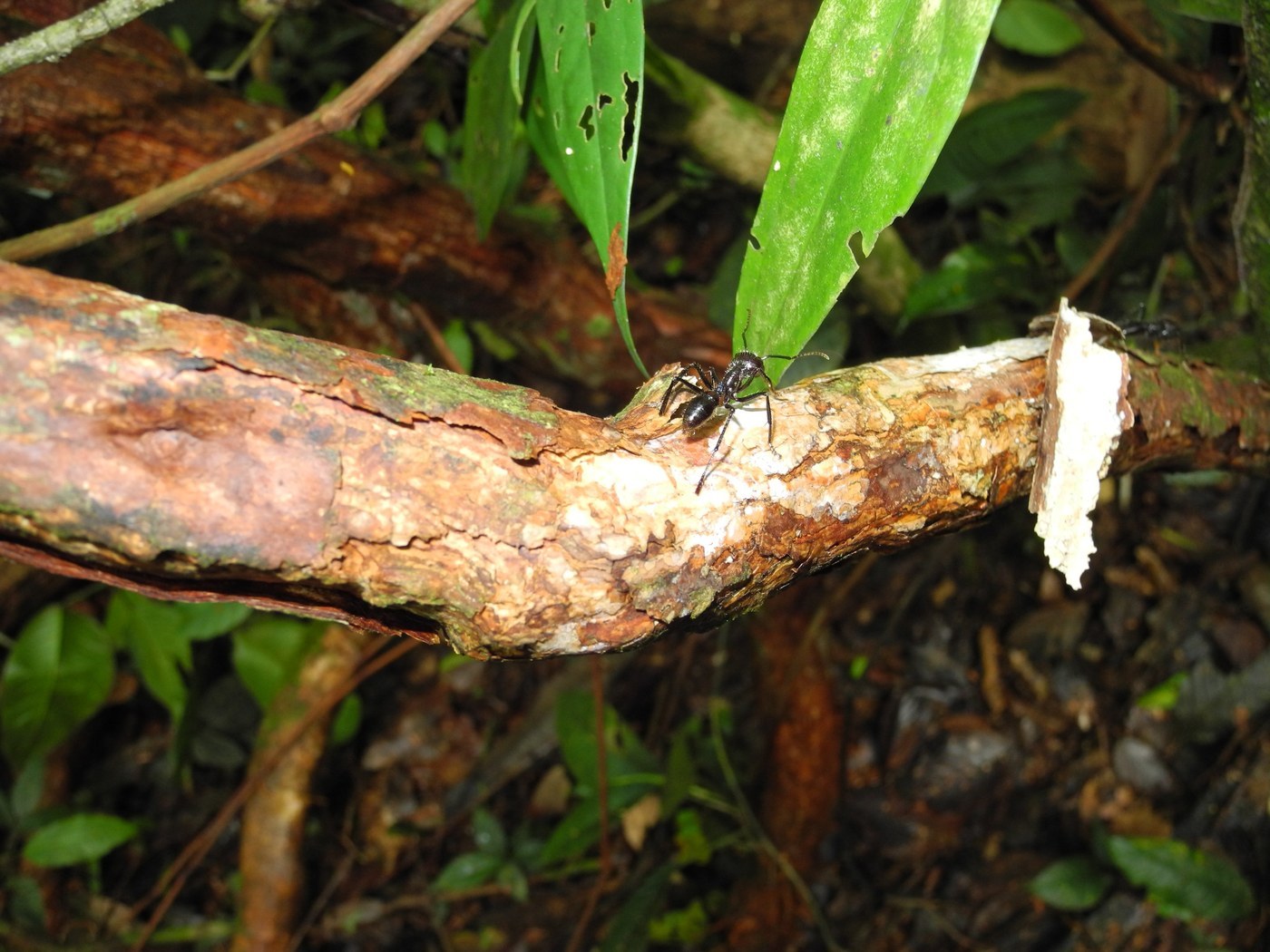
Bullet Ant
A large, glossy reddish-black rainforest ant, among the biggest ants in the world, that nests at the base of trees and forages individually along trunks and branches of the tropical canopy floor.
ant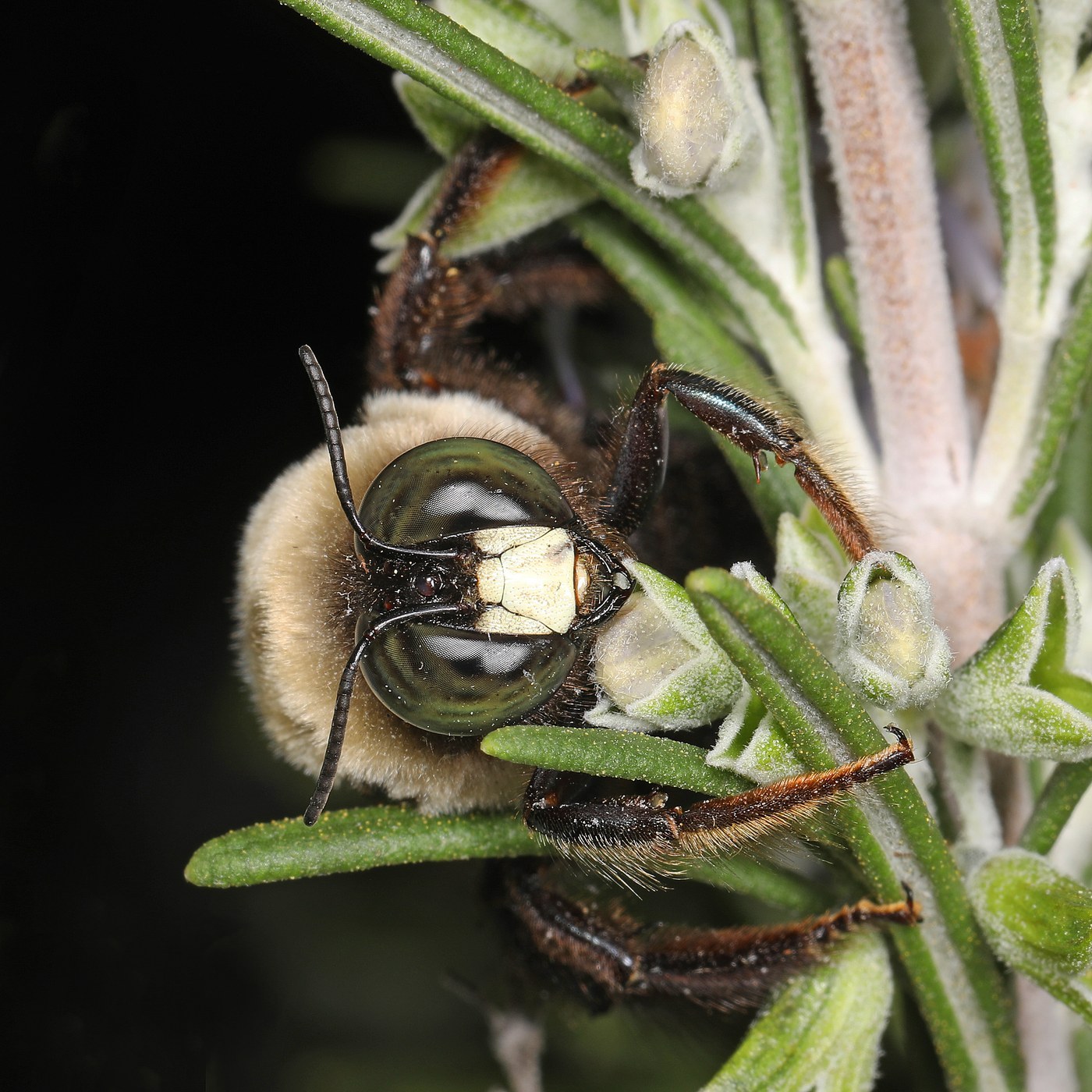
Carpenter Bee
A large, robust bee closely resembling a bumblebee but with a shiny, mostly bald black abdomen, known for excavating tunnel nests into bare, untreated wood.
bee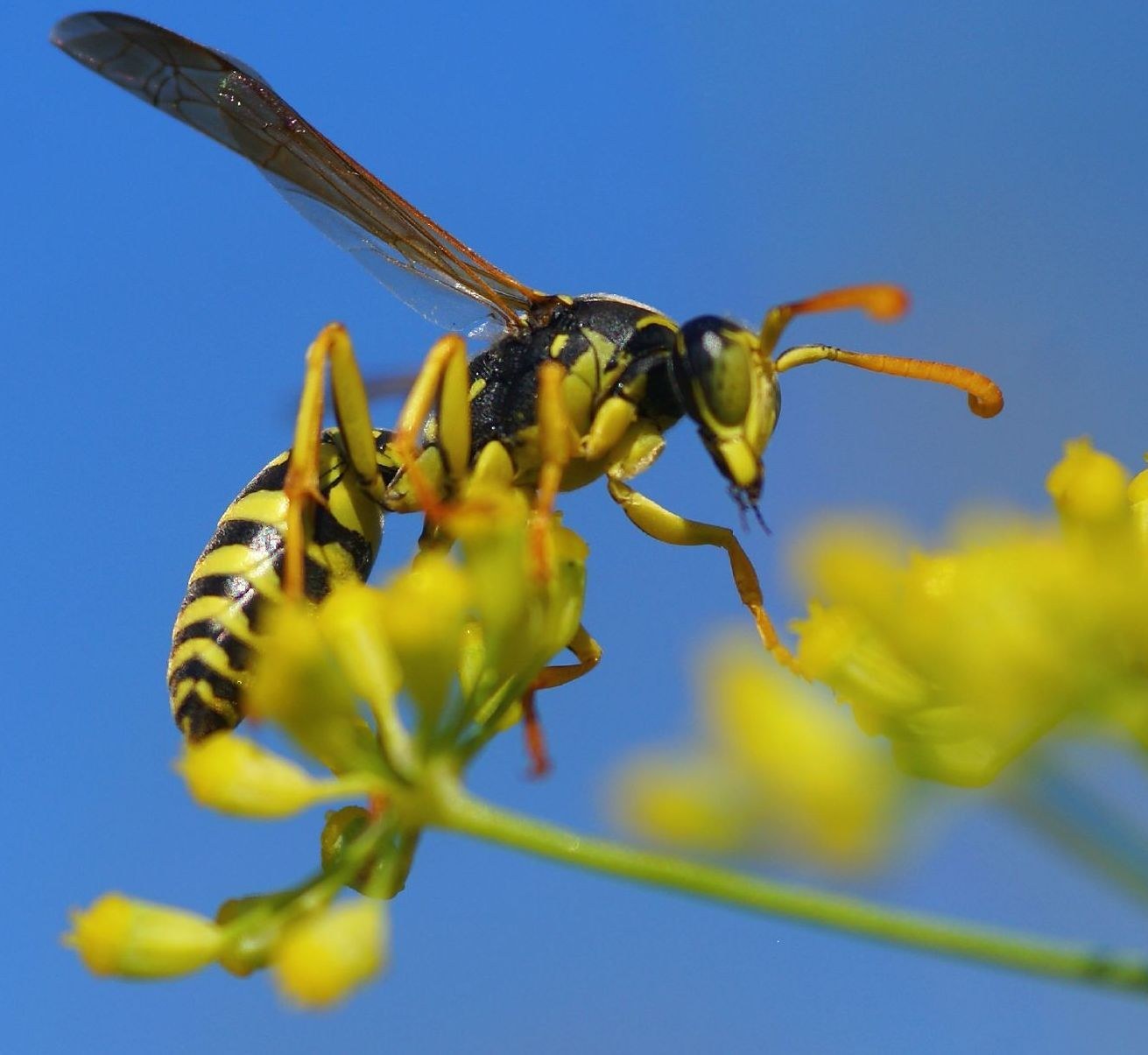
Wasp
A slender-waisted, smooth-bodied flying insect typically banded in black and yellow, recognizable by its narrow 'wasp waist' and folded wings, and often social, building paper nests in colonies.
waspGerman Yellowjacket
A black-and-yellow social wasp closely resembling the common wasp, distinguished by three black facial dots, that builds large paper nests in wall voids and roof cavities and is widespread in both its native and introduced ranges.
wasp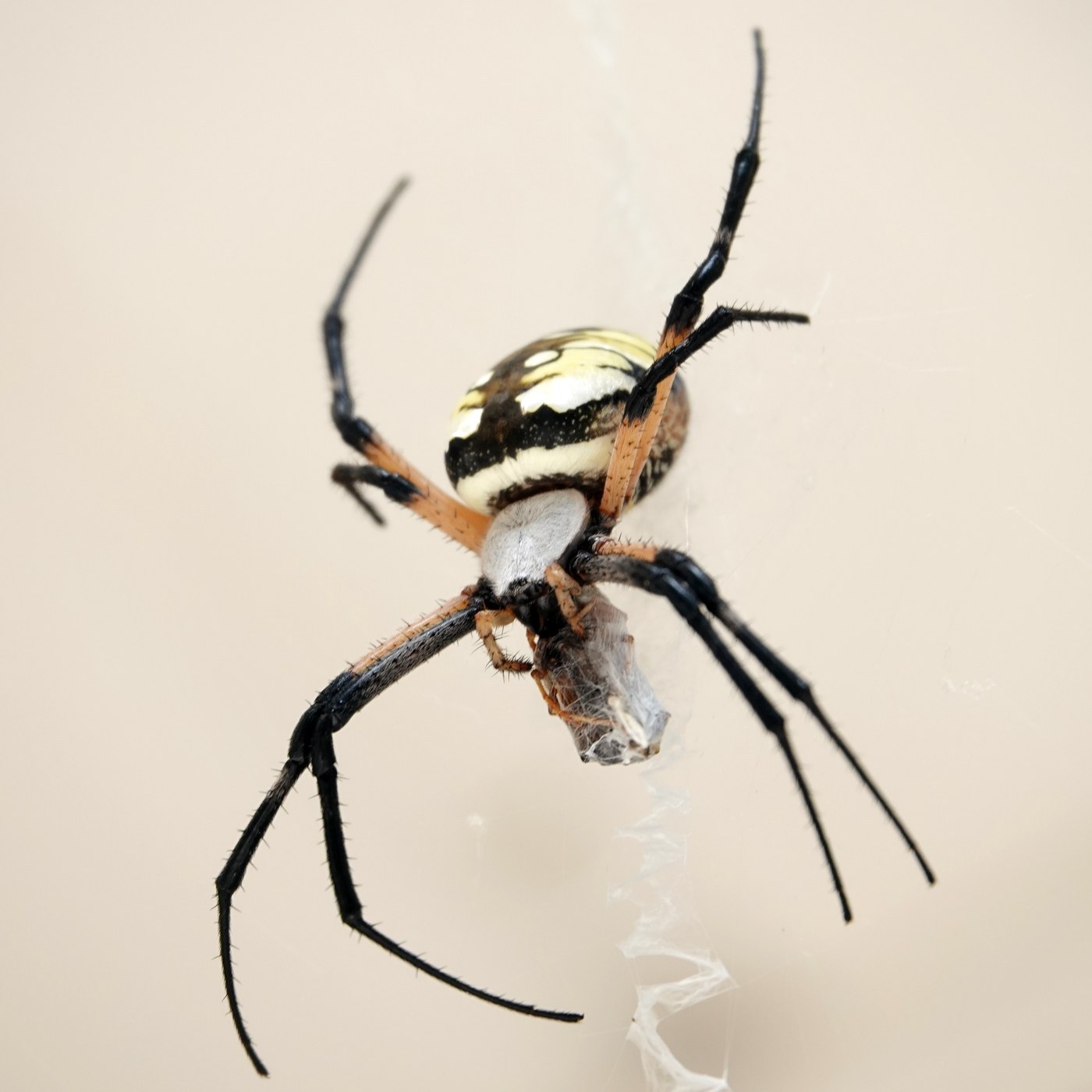
Yellow Garden Spider
Bold black and yellow markings, a large orb web anchored with a bright zigzag of silk, and a habit of sitting in plain view make the yellow garden spider one of the most eye-catching and recognizable spiders in North American backyards.
spider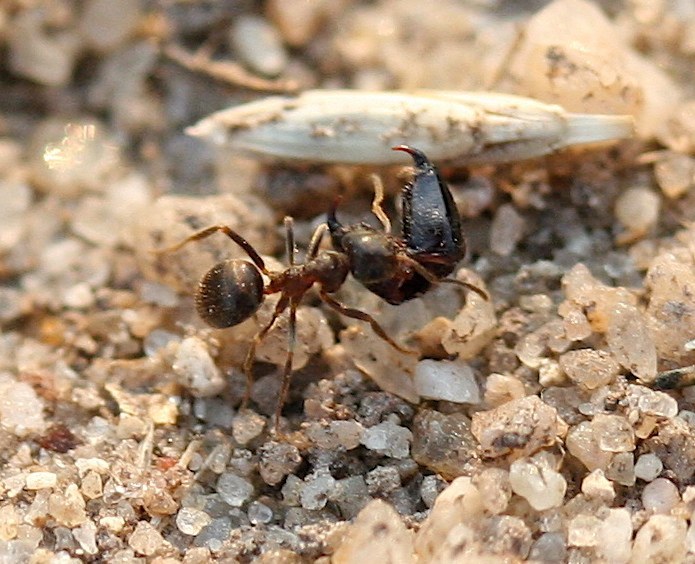
Ant
A small eusocial insect that lives in highly organized colonies, instantly recognizable by its narrow pinched waist, elbowed antennae, and single-file foraging trails.
ant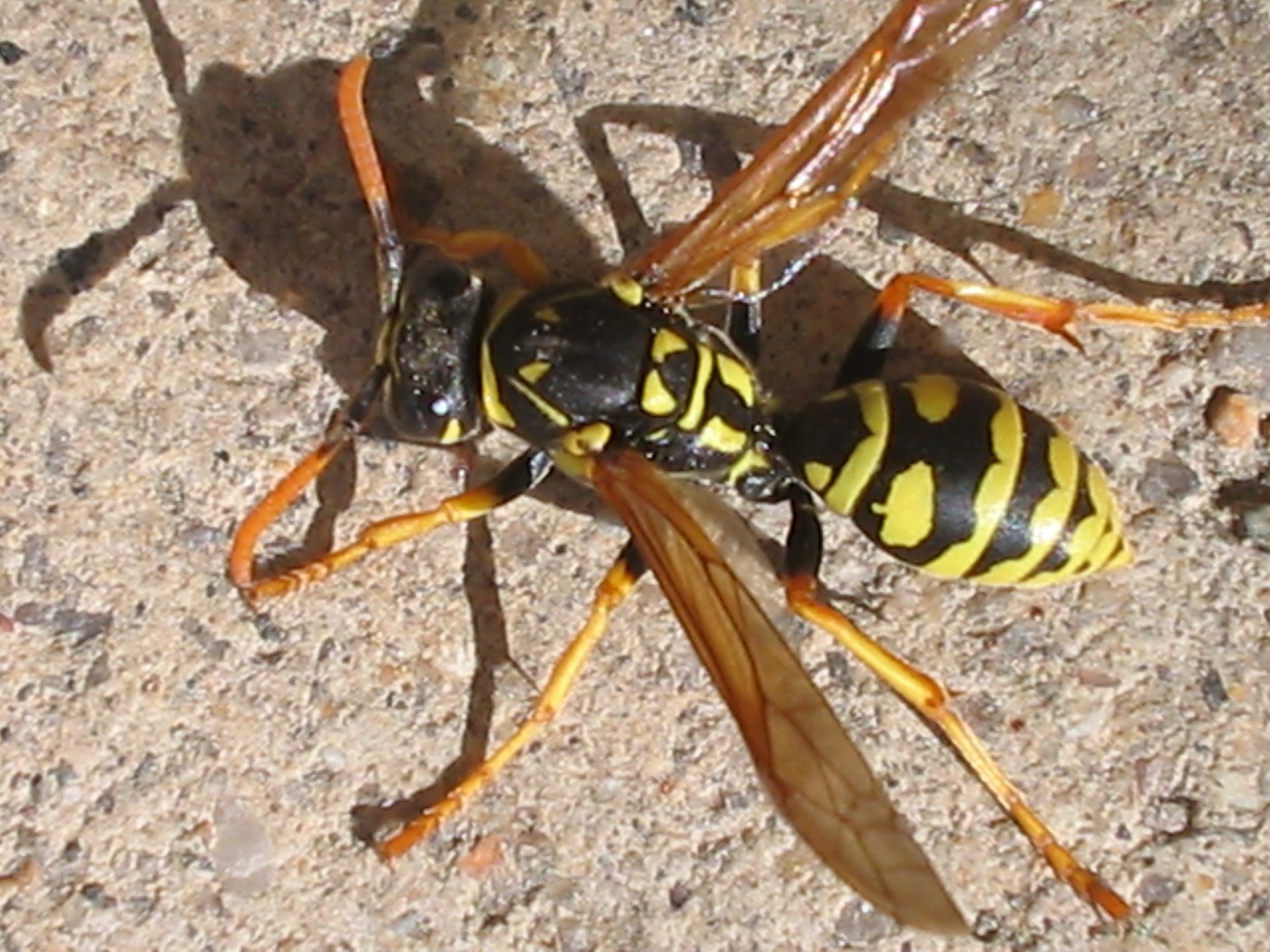
Paper Wasp
A slender, long-legged wasp with a narrow waist and reddish-brown to black coloring marked with yellow, recognized by its open, umbrella-shaped paper nest with visible hexagonal cells.
waspCrane Fly Larva
Thick-skinned and worm-like, the crane fly larva, often called a leatherjacket, burrows through wet mud and decaying vegetation at the edges of ponds and streams, breaking down plant material as it grows.
aquatic-insect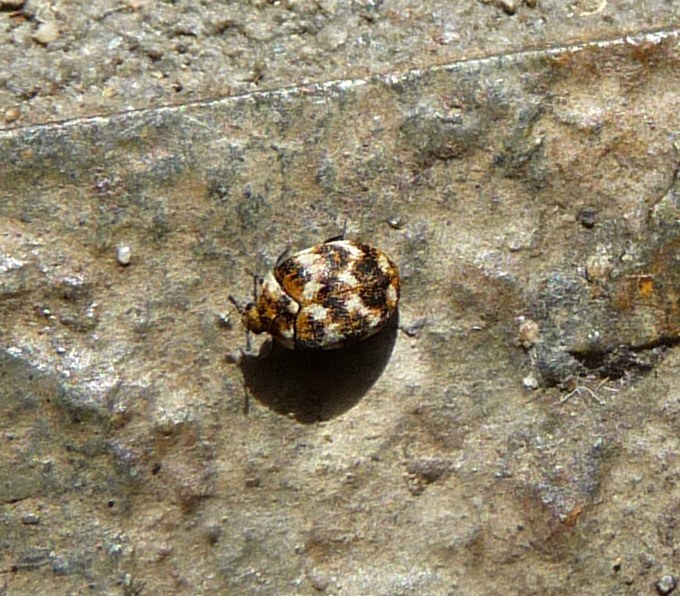
Carpet Beetle
A tiny, rounded beetle with a mottled scale pattern of white, brown, and yellow, whose bristly larvae are known for feeding on wool, fur, and other dried animal fibers indoors.
beetle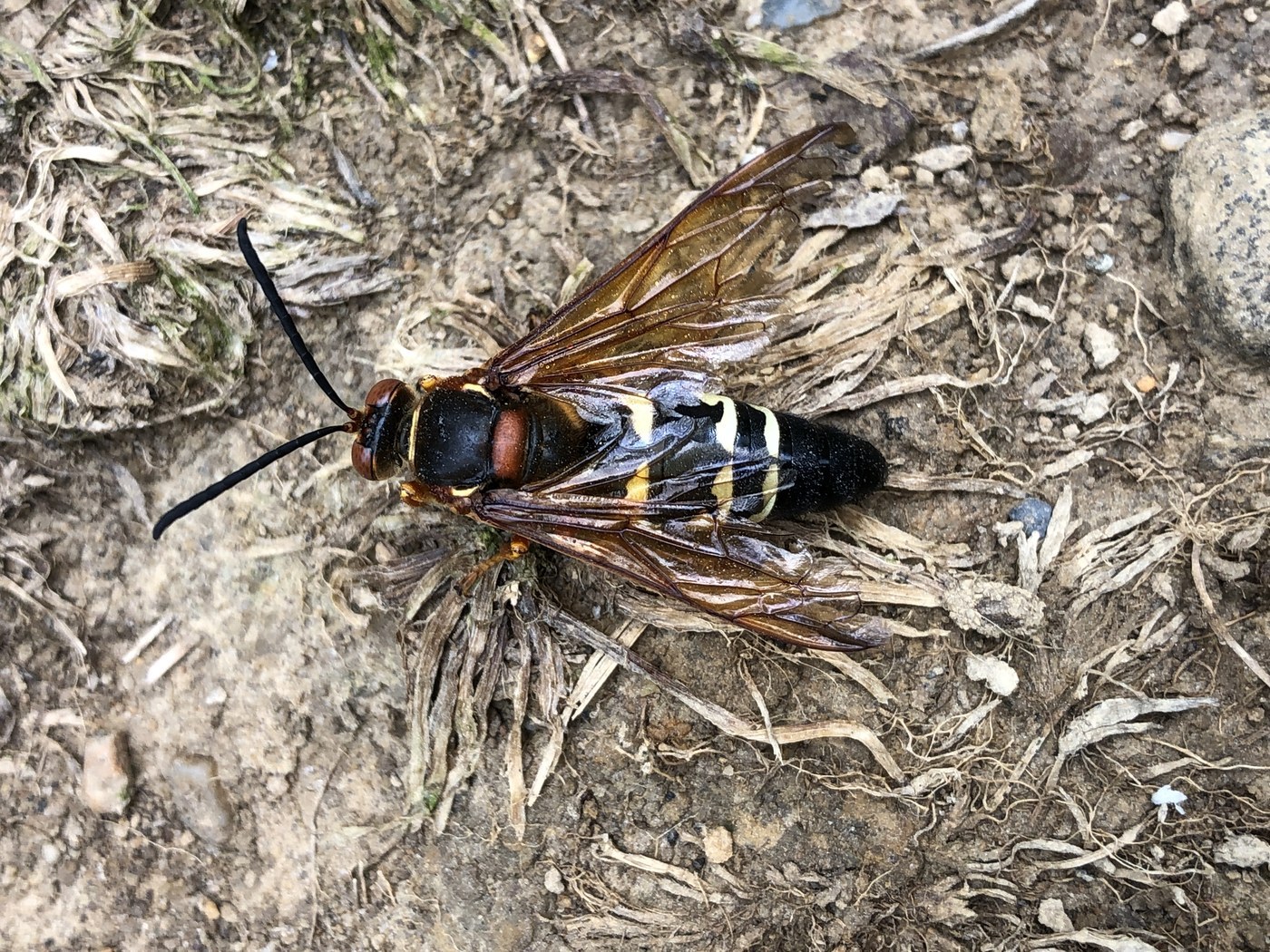
Cicada Killer Wasp
One of the largest wasps in North America, a robust rust-and-black or yellow-marked digger wasp that excavates burrows in bare soil and specializes in hunting cicadas to provision its underground nest.
wasp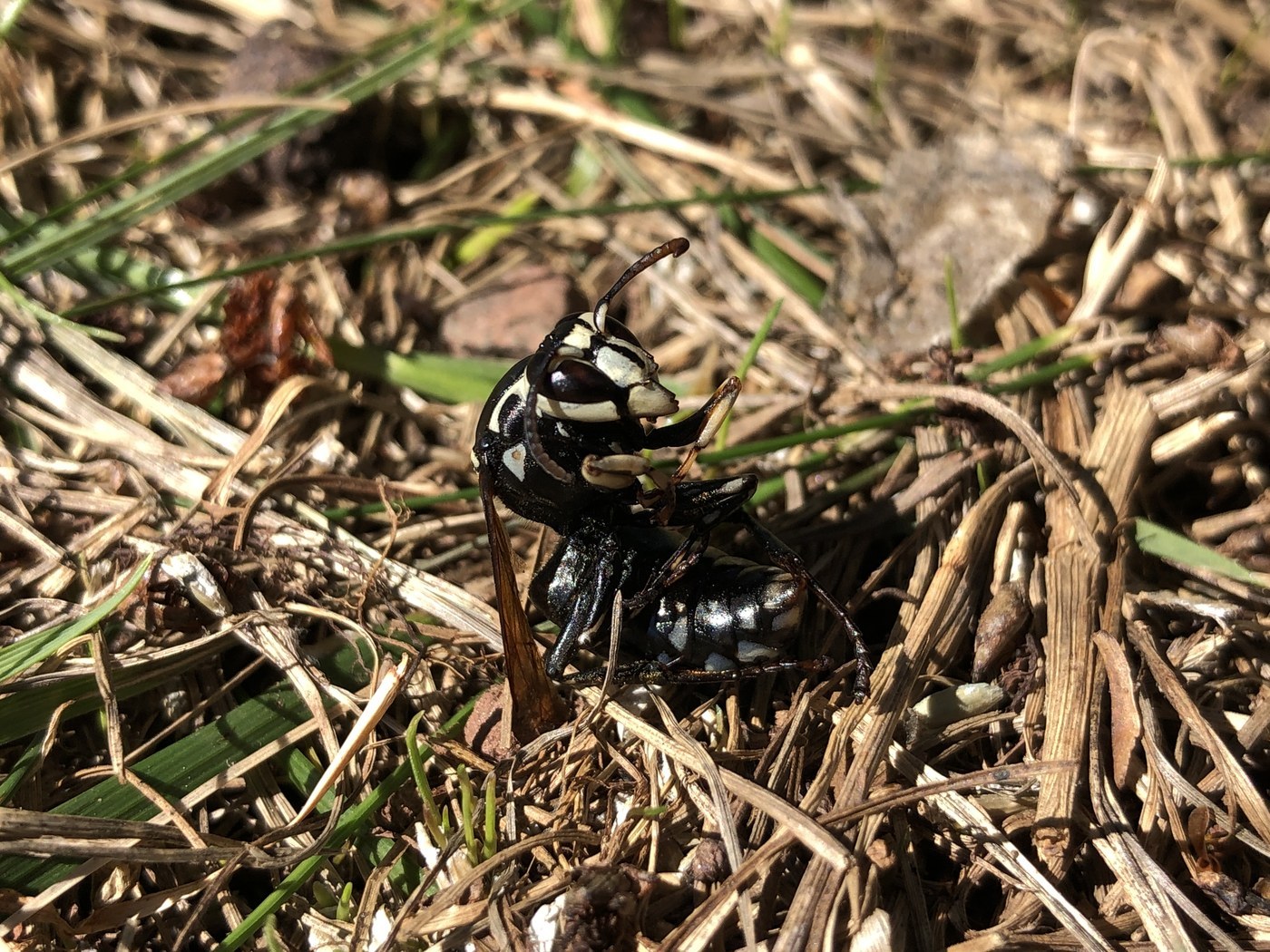
Bald-faced Hornet
A black-and-white social wasp, actually a type of yellowjacket rather than a true hornet, best known for building large, football-shaped gray paper nests suspended from tree branches or eaves.
wasp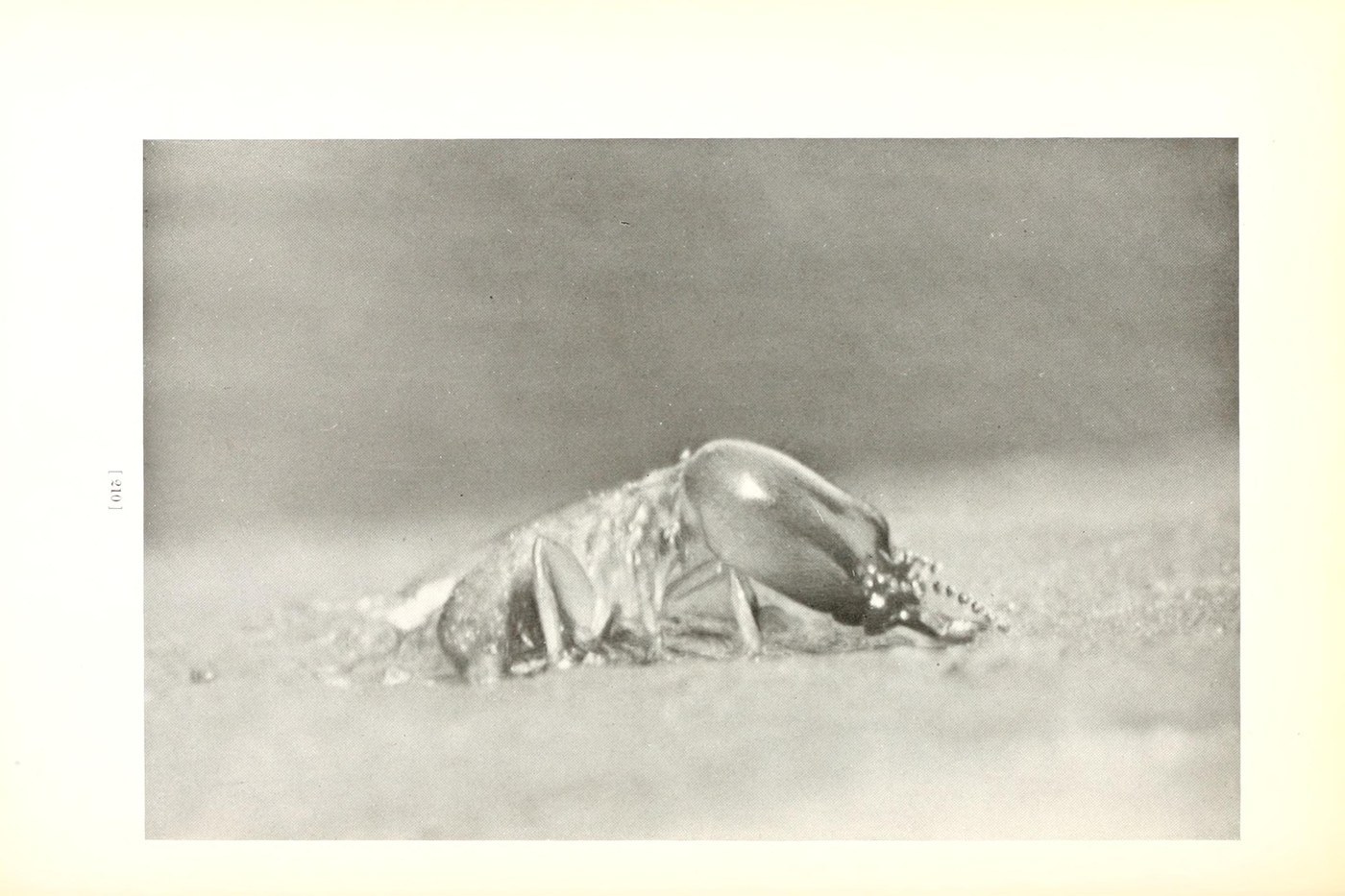
Eastern Subterranean Termite
A pale, soft-bodied social insect that lives in vast underground colonies and builds mud tubes to reach and feed on wood cellulose, including structural timber.
otherSoft Tick
A wrinkled, leathery, bean-shaped tick that hides by day in nests and cracks, emerging briefly at night to feed and then vanish again.
arachnid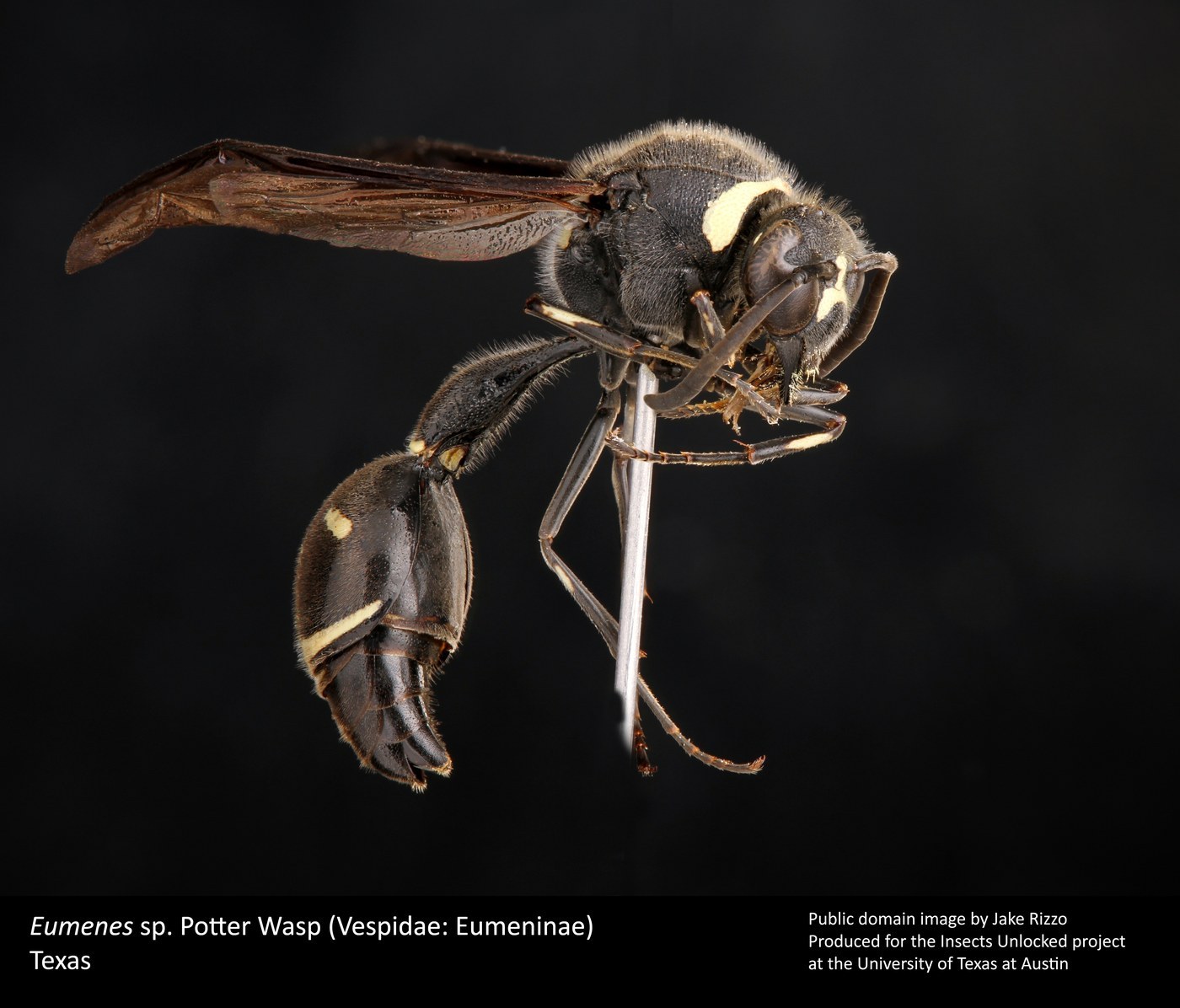
Potter Wasp
A solitary wasp with a pronounced hourglass waist that sculpts tiny, perfectly rounded mud pots resembling miniature clay jugs, each one stocked with paralyzed caterpillars for a single offspring.
wasp