
Bug Encyclopedia
Search and identify bugs & insects — beetles, butterflies, moths, ants, bees, spiders and more — with size, habitat, danger, behavior, and how to tell them apart.
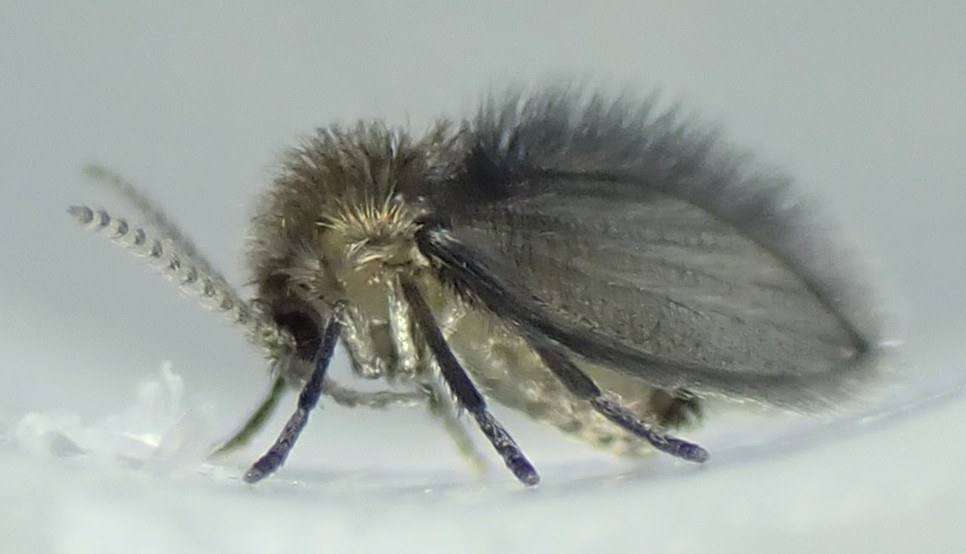
Drain Fly
A tiny, fuzzy gray-tan fly with broad, moth-like wings held tent-fashion over its body, often seen resting motionless on bathroom walls near drains.
fly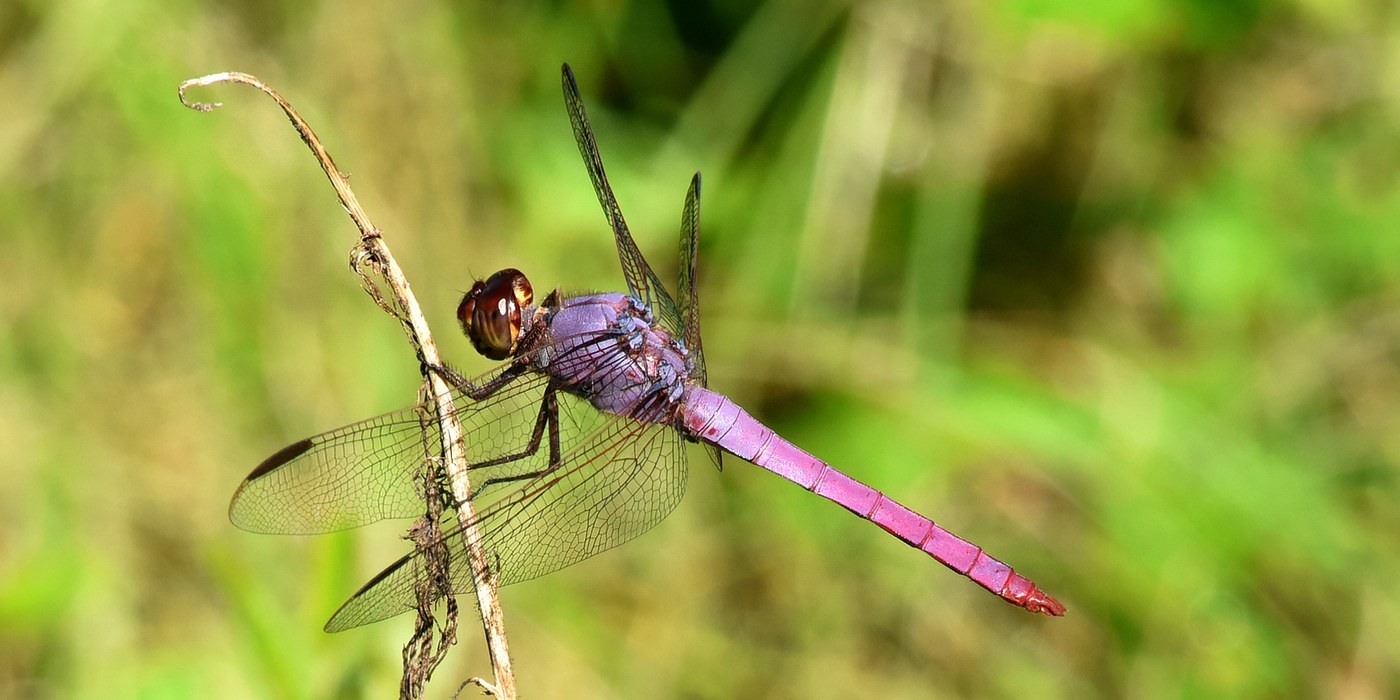
Roseate Skimmer
A vivid pink-violet dragonfly of southern wetlands, the mature male's rose-pruinose body makes it one of the most striking skimmers found around ponds and canals.
dragonflyMouse Spider
A stout, glossy burrowing spider named for its supposed mouse-like agility, with males often sporting a strikingly colored head and jaws.
spider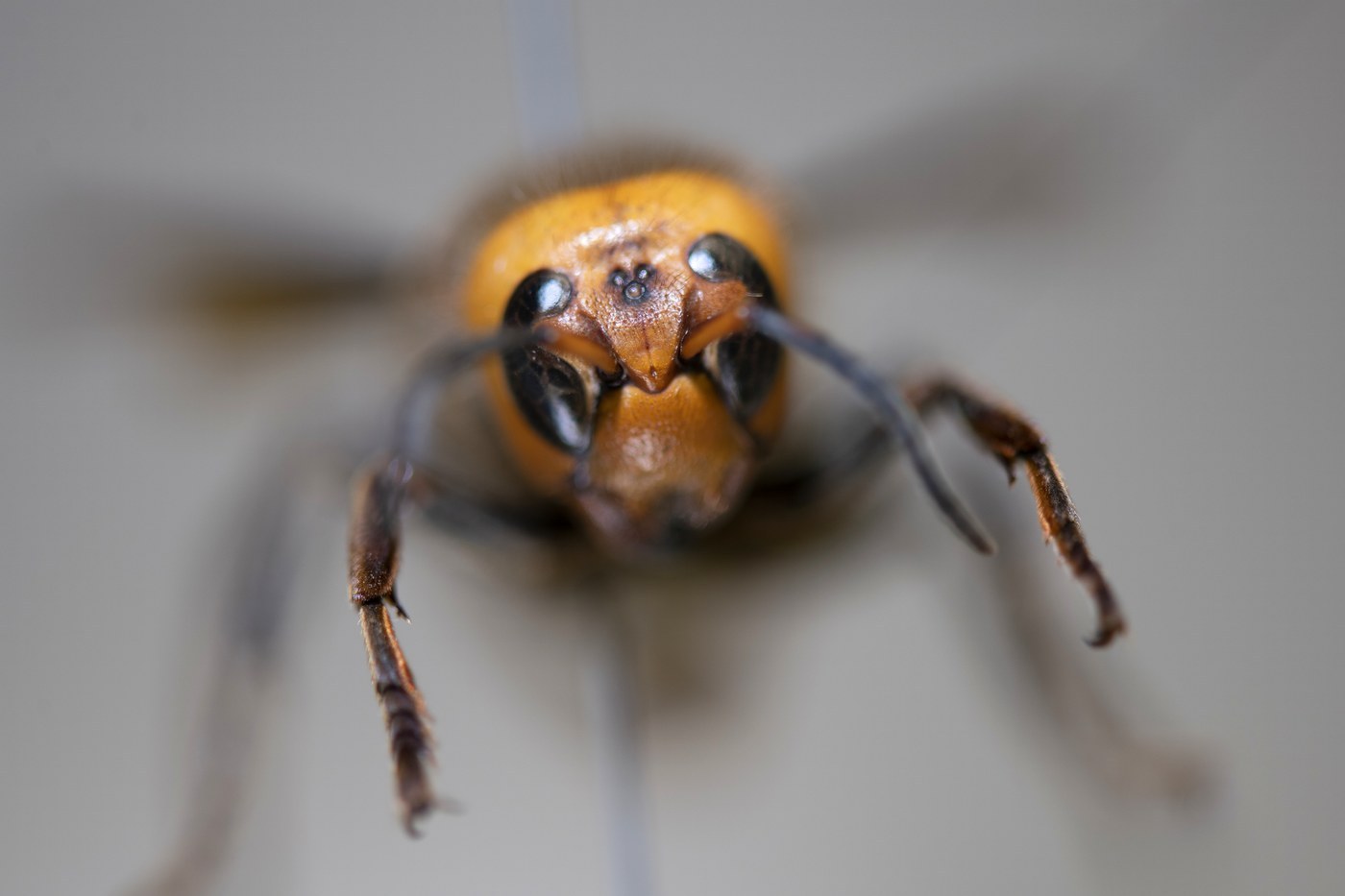
Asian Giant Hornet
The world's largest hornet, an imposing orange-and-black wasp with a wide head and long stinger, best known for raiding honey bee colonies to feed its brood.
wasp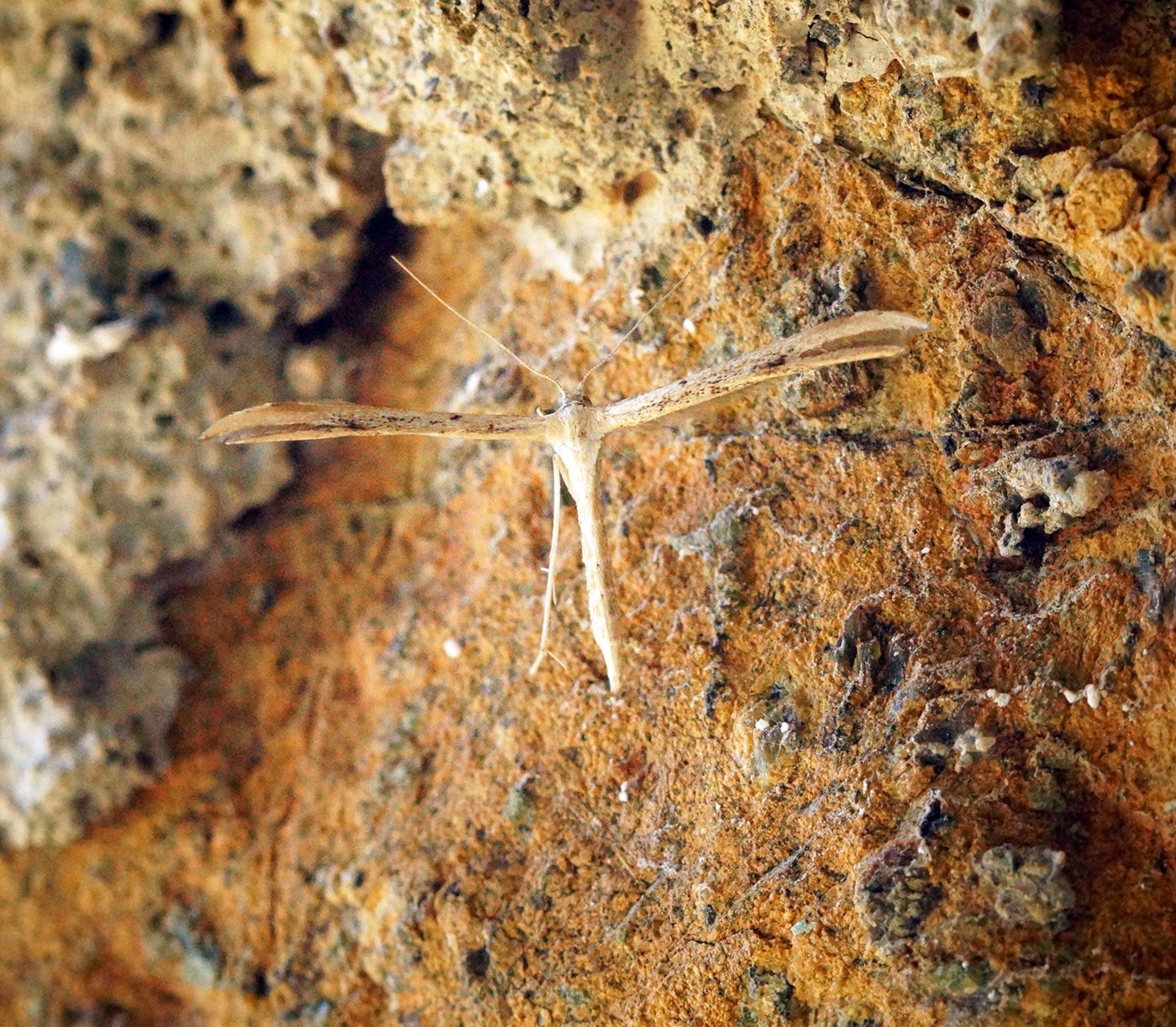
Plume Moth
A slender, long-legged moth that rests with its wings rolled tightly and held out at right angles to its body, forming a distinctive letter-T silhouette.
moth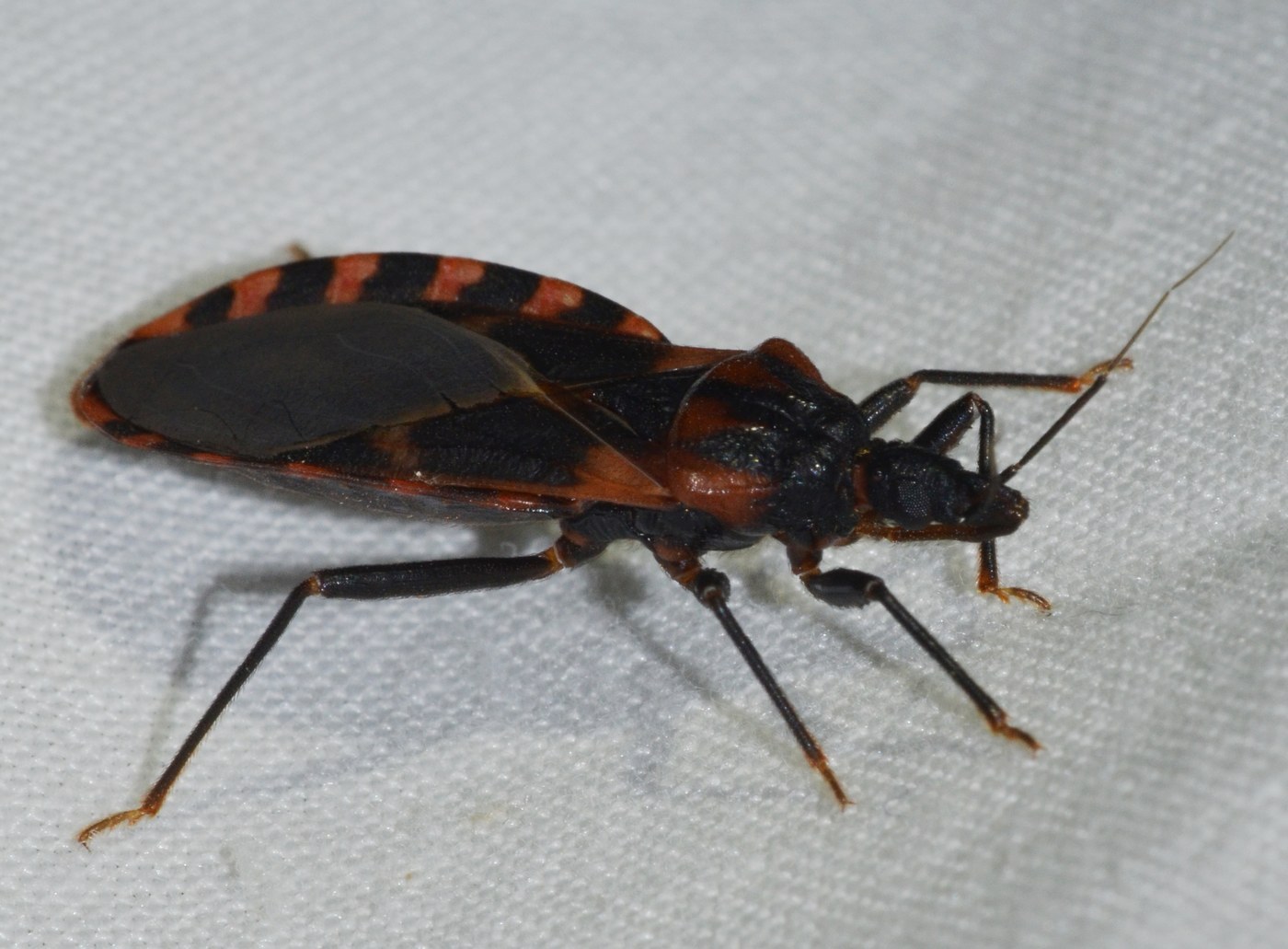
Kissing Bug
A dark, elongated true bug with a narrow, cone-shaped head and distinctive orange or red markings along the edges of its abdomen, most active at night.
true-bug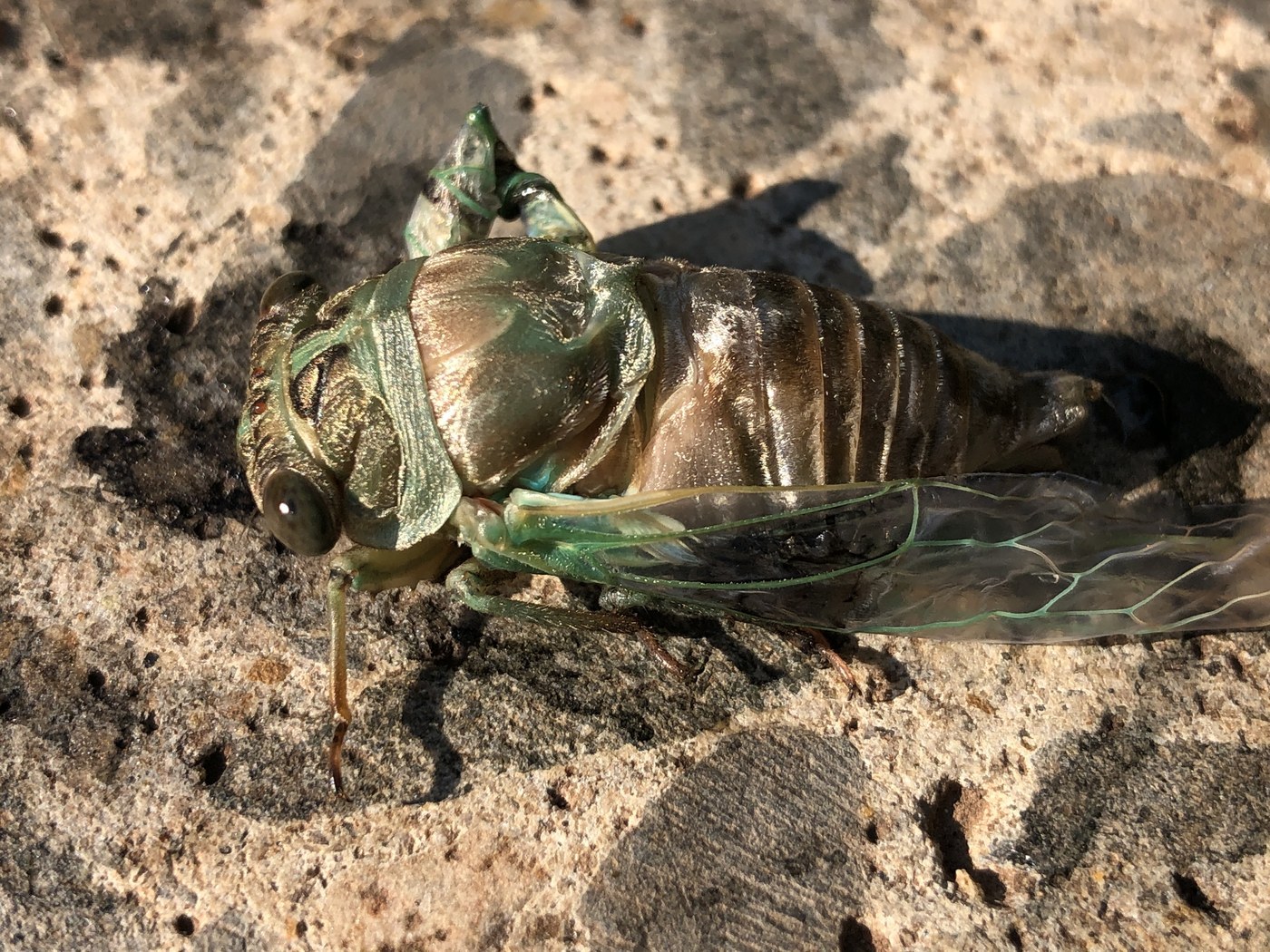
Dog-Day Cicada
A stout, thick-bodied cicada with mottled green and brown camouflage patterning, named for its loud droning calls heard during the hot "dog days" of late summer.
true-bugBush Cricket
Known by its long, thread-like antennae and evening chorus of chirps, this leaf-colored insect spends its life hidden among grass and foliage, often heard far more often than seen.
grasshopper-cricket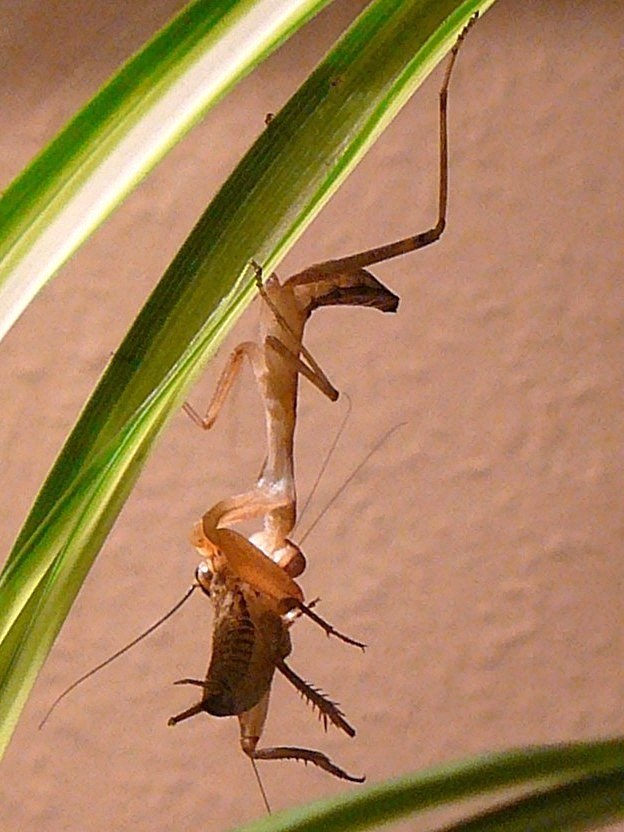
African Mantis
A large, sturdy green or brown mantis frequently found perched on garden shrubs, patiently scanning for insect prey with its sharply angled triangular head.
mantis-stick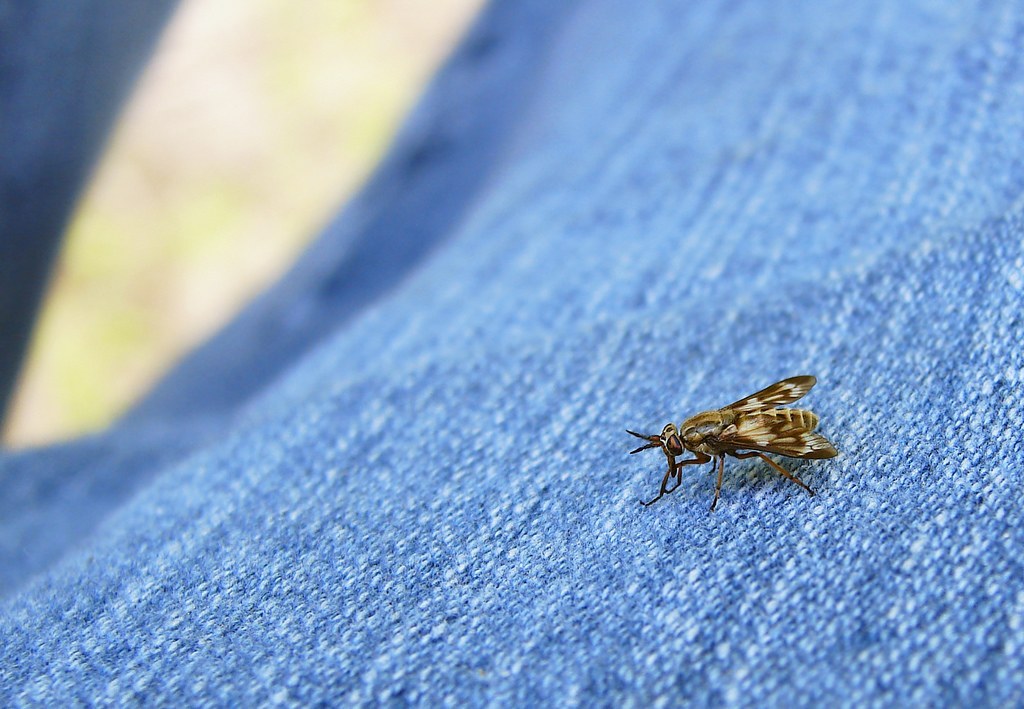
Deer Fly
A small but aggressive fly with strikingly patterned, dark-banded wings and bright green or gold eyes, often circling the head and shoulders while hunting for a blood meal.
fly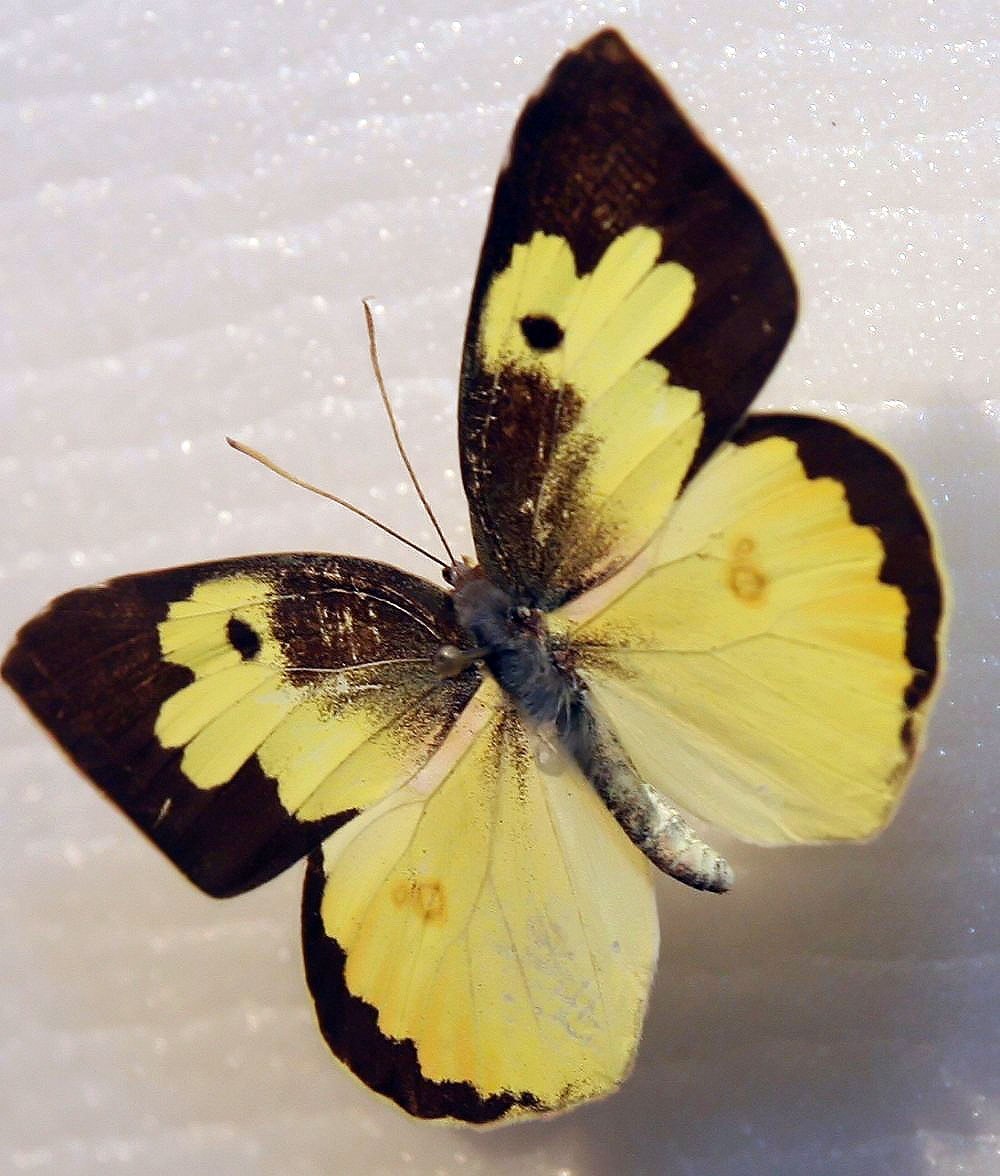
Dogface Butterfly
A striking yellow sulphur butterfly whose forewing pattern forms the silhouette of a dog's or poodle's head complete with a dark 'eye' spot, visible in good light.
butterfly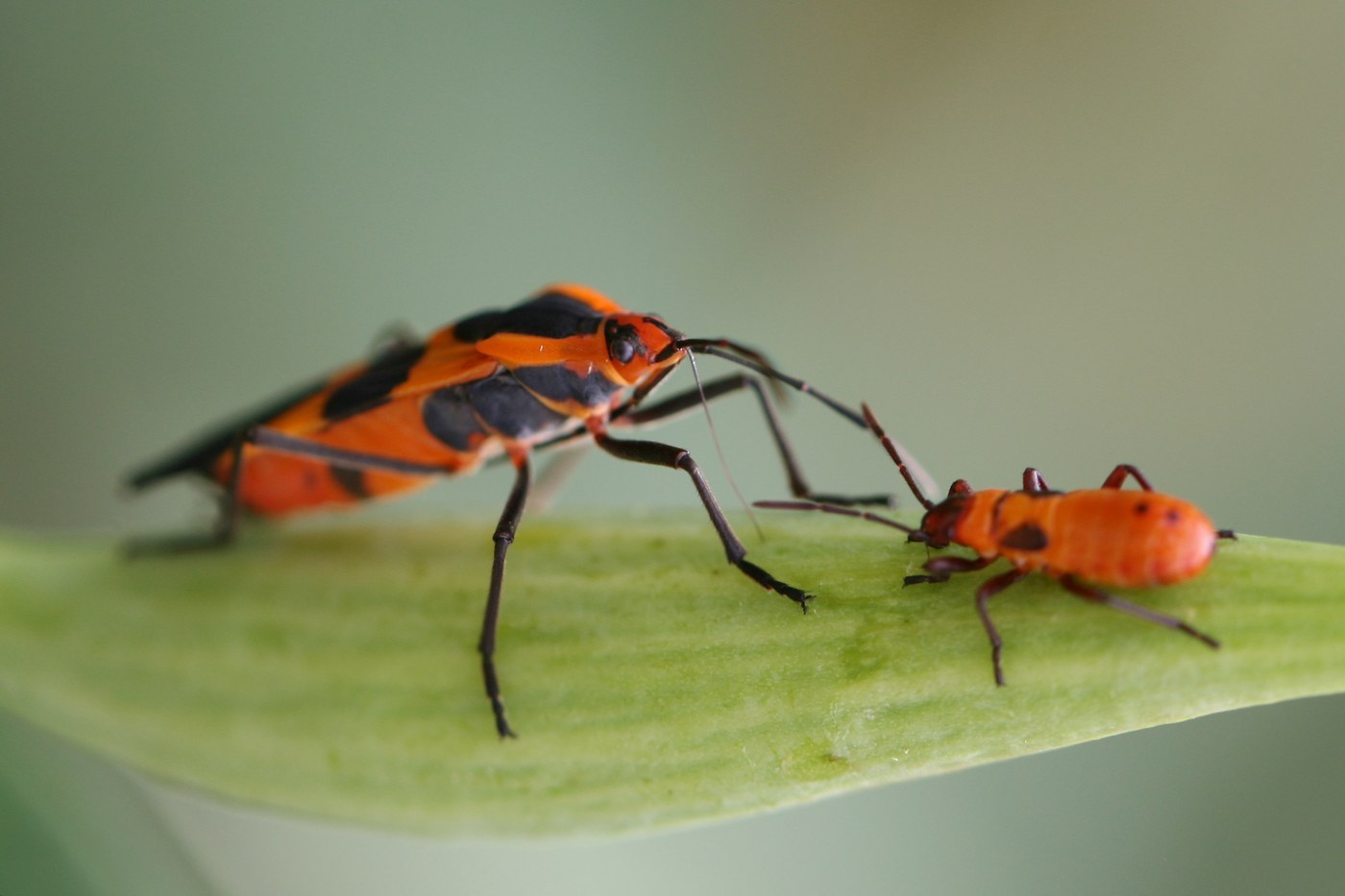
Milkweed Bug (Large Milkweed Bug)
A boldly patterned orange-and-black true bug found clustering on milkweed seed pods, sporting an elongated body with a distinctive black band across the wings.
true-bug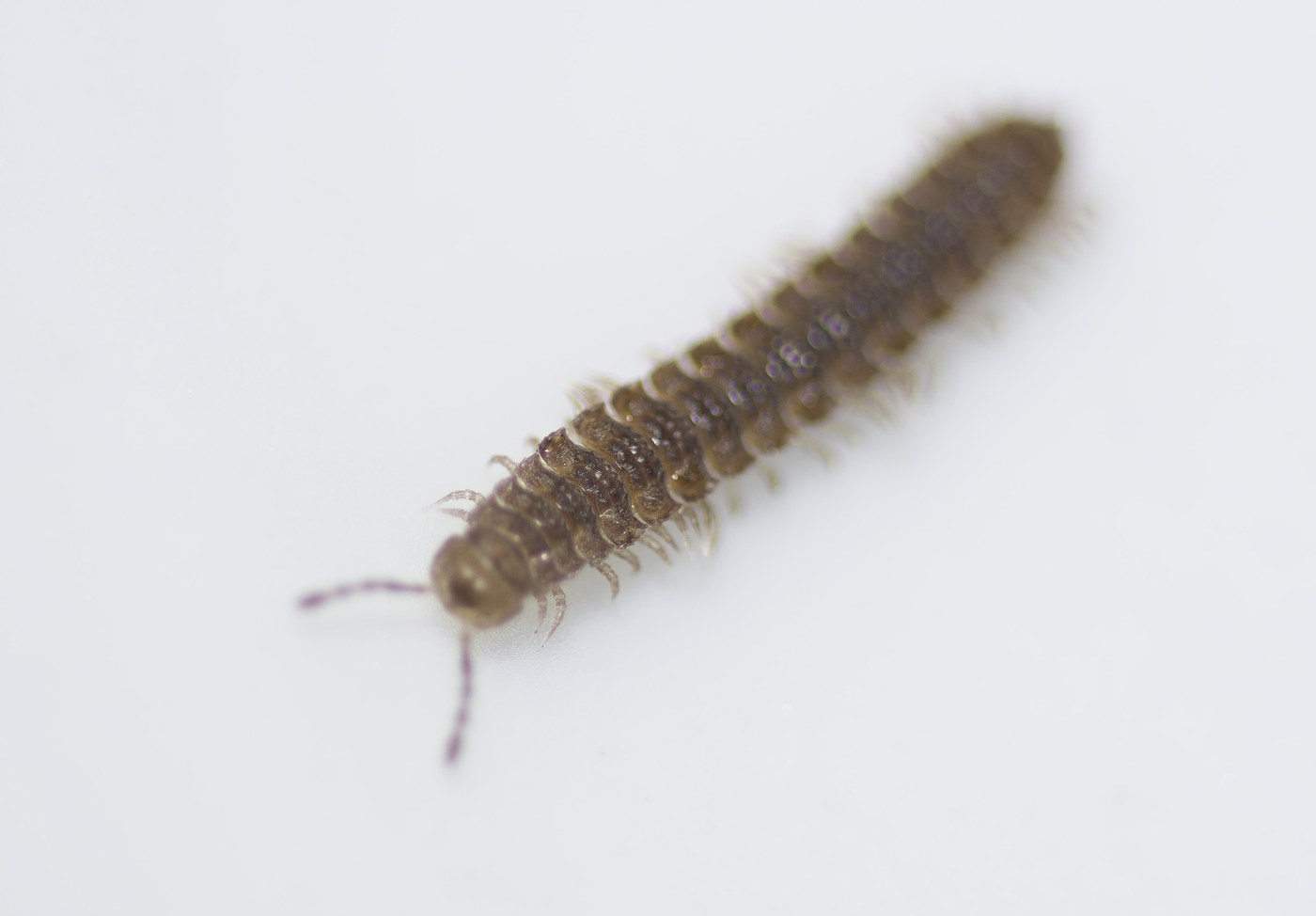
Flat-backed Millipede
A slow, armor-plated decomposer whose body segments flare into flat, wing-like keels, giving it a distinctly ribbed, tank-like silhouette compared to rounder millipedes.
myriapod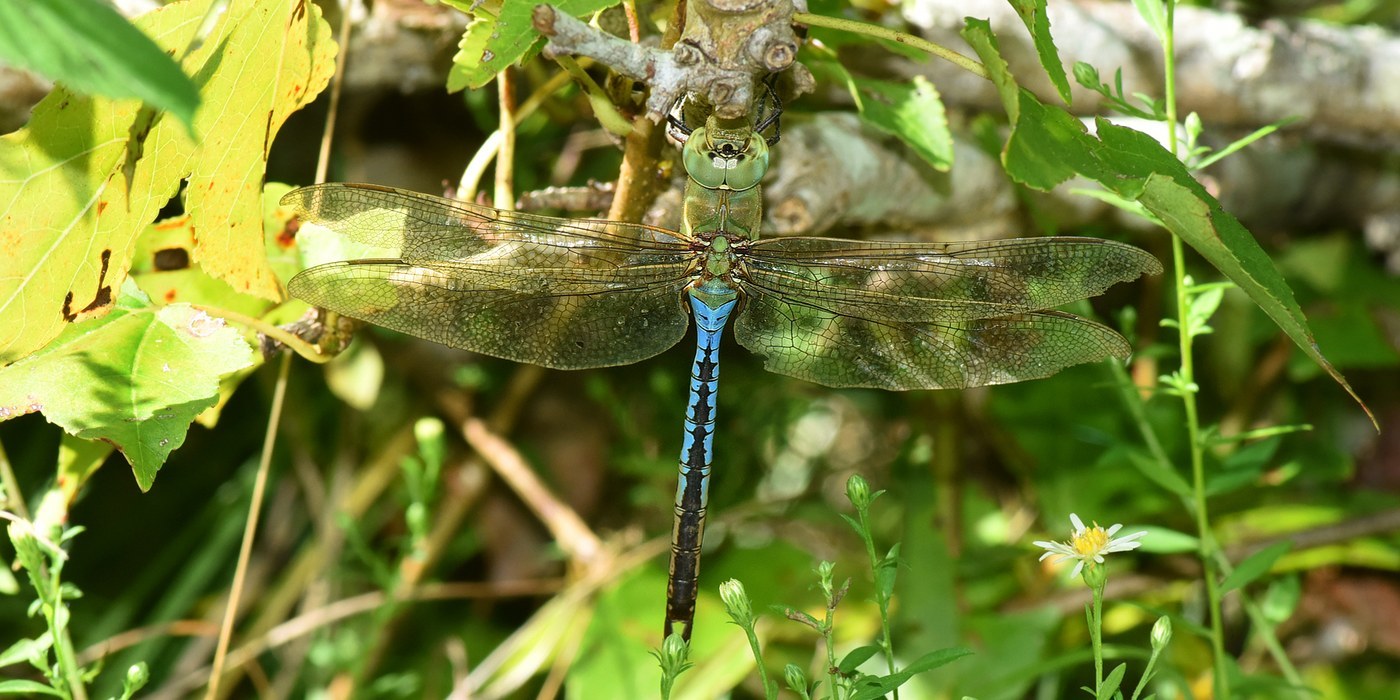
Dragonfly
A large, agile aerial predator with an elongated body, enormous compound eyes, and two pairs of strong wings held straight out to the sides at rest, often seen patrolling over water in search of prey.
dragonfly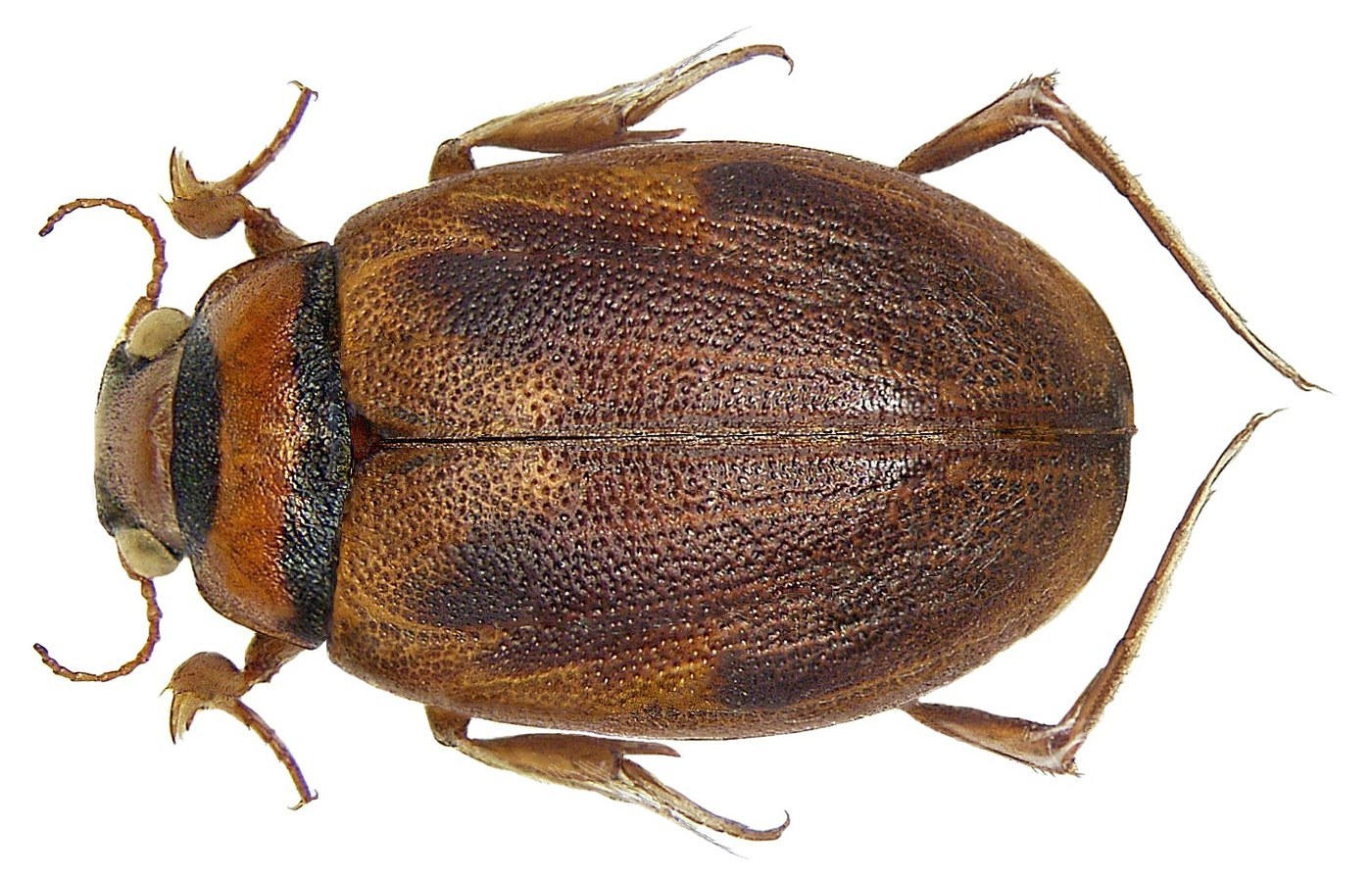
Screech Beetle
This small, oval water beetle earns its name from the loud squeak it produces when picked up, a sound made by rubbing internal body parts together rather than by any vocal organ.
beetle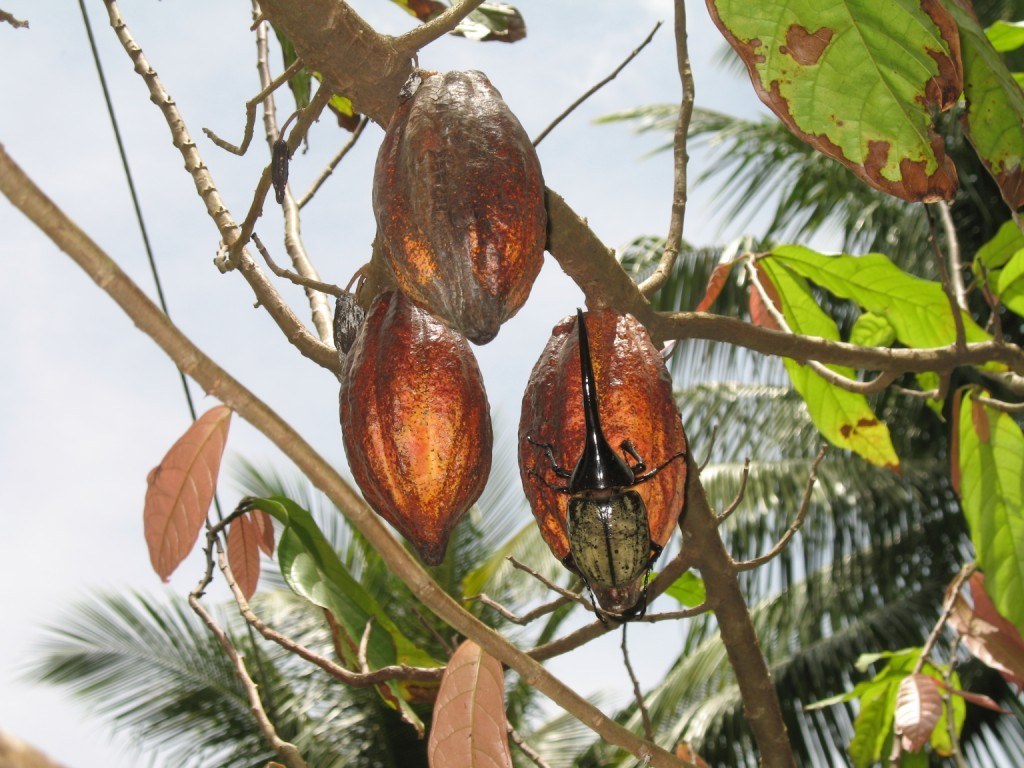
Hercules Beetle
One of the largest beetles in the world, with males bearing dramatic, forceps-like horns nearly as long as the rest of their armored, olive-green body.
beetle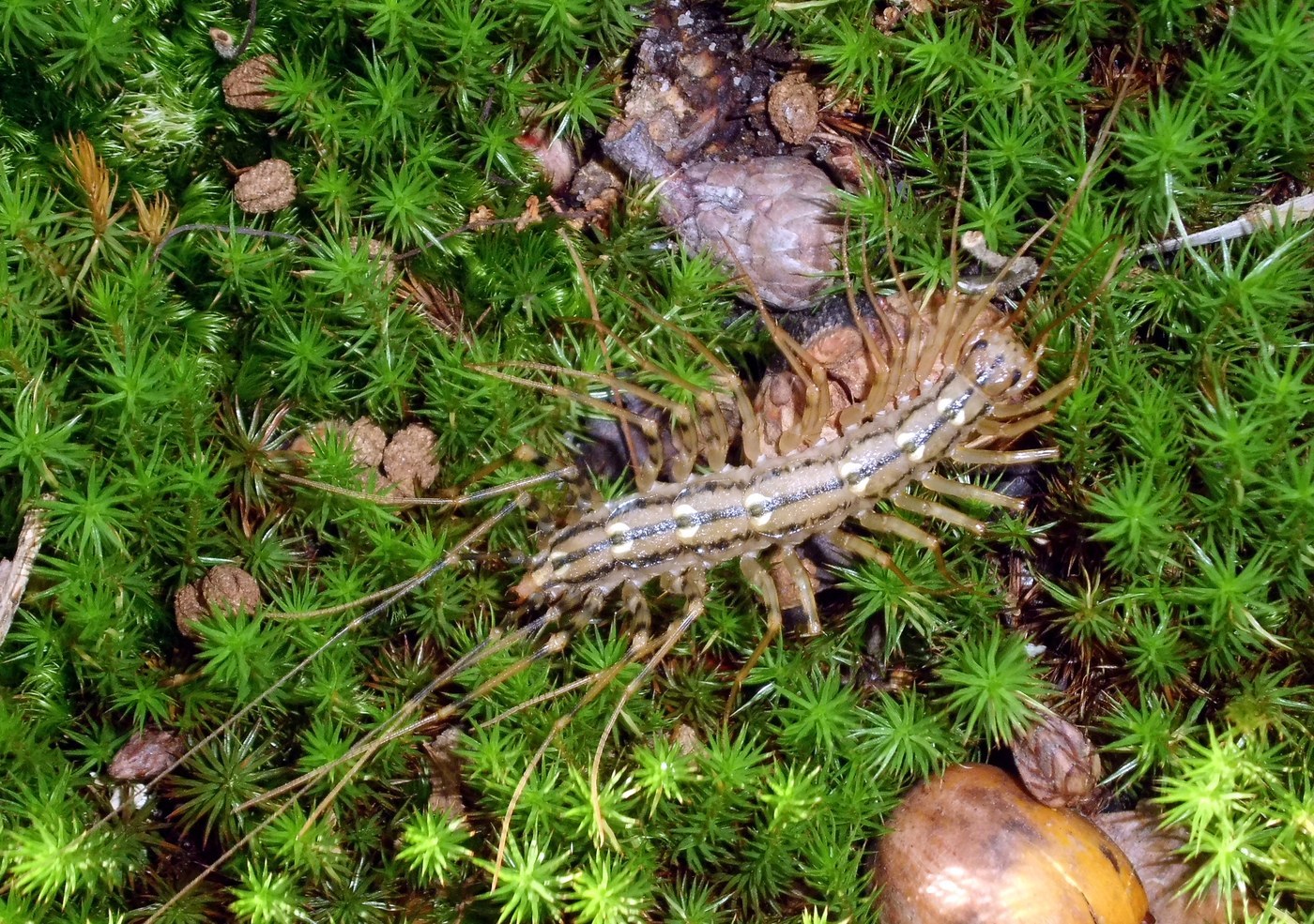
House Centipede
A fast, wiry arthropod with 15 pairs of extremely long, banded legs that make it look far bigger than its actual body size, often seen darting across bathroom or basement floors at night.
myriapod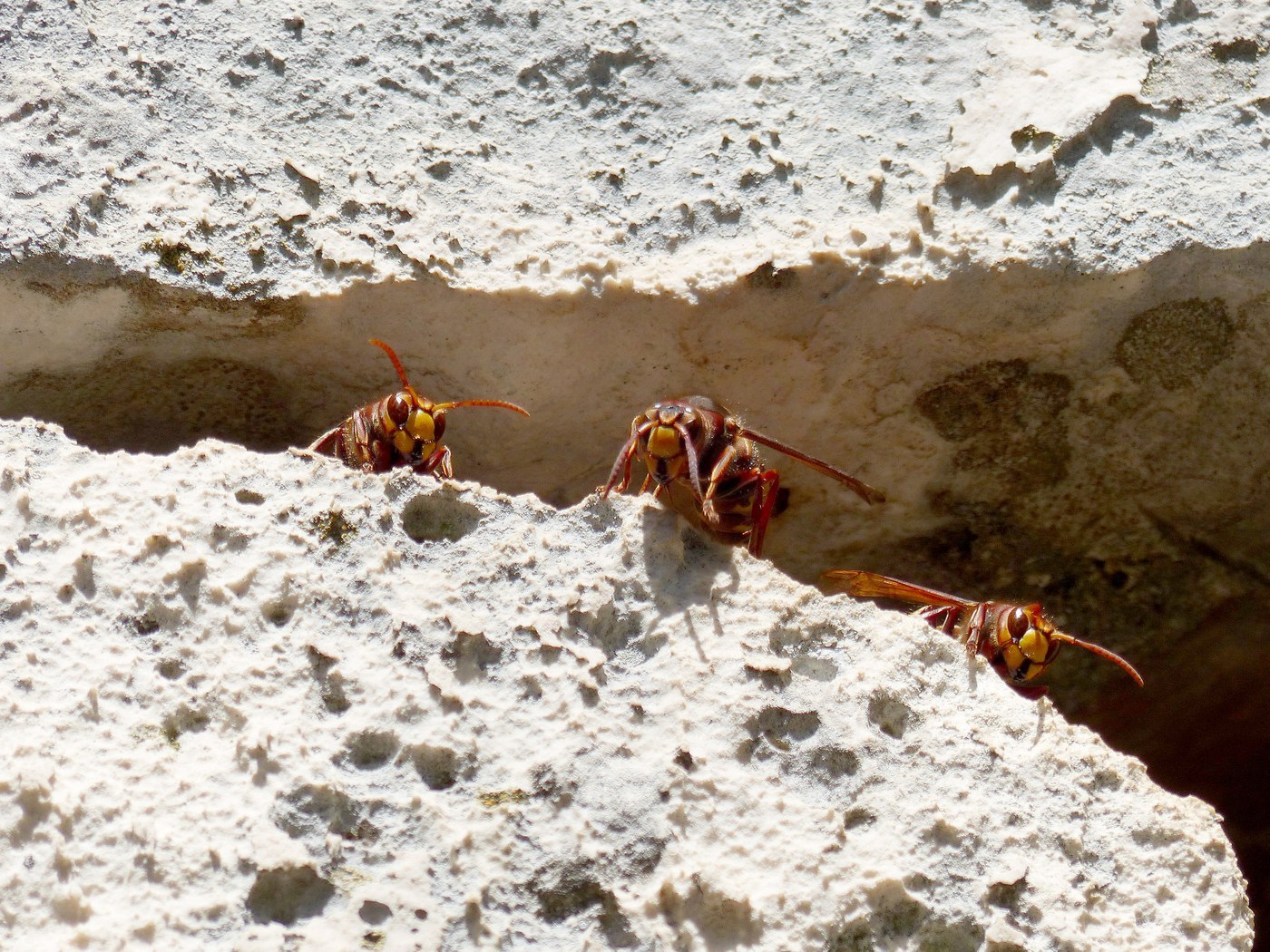
Hornet
A large, robust social wasp with a reddish-brown and yellow patterned body, notably bigger than yellowjackets, building enclosed papery nests often high in tree cavities or wall voids.
wasp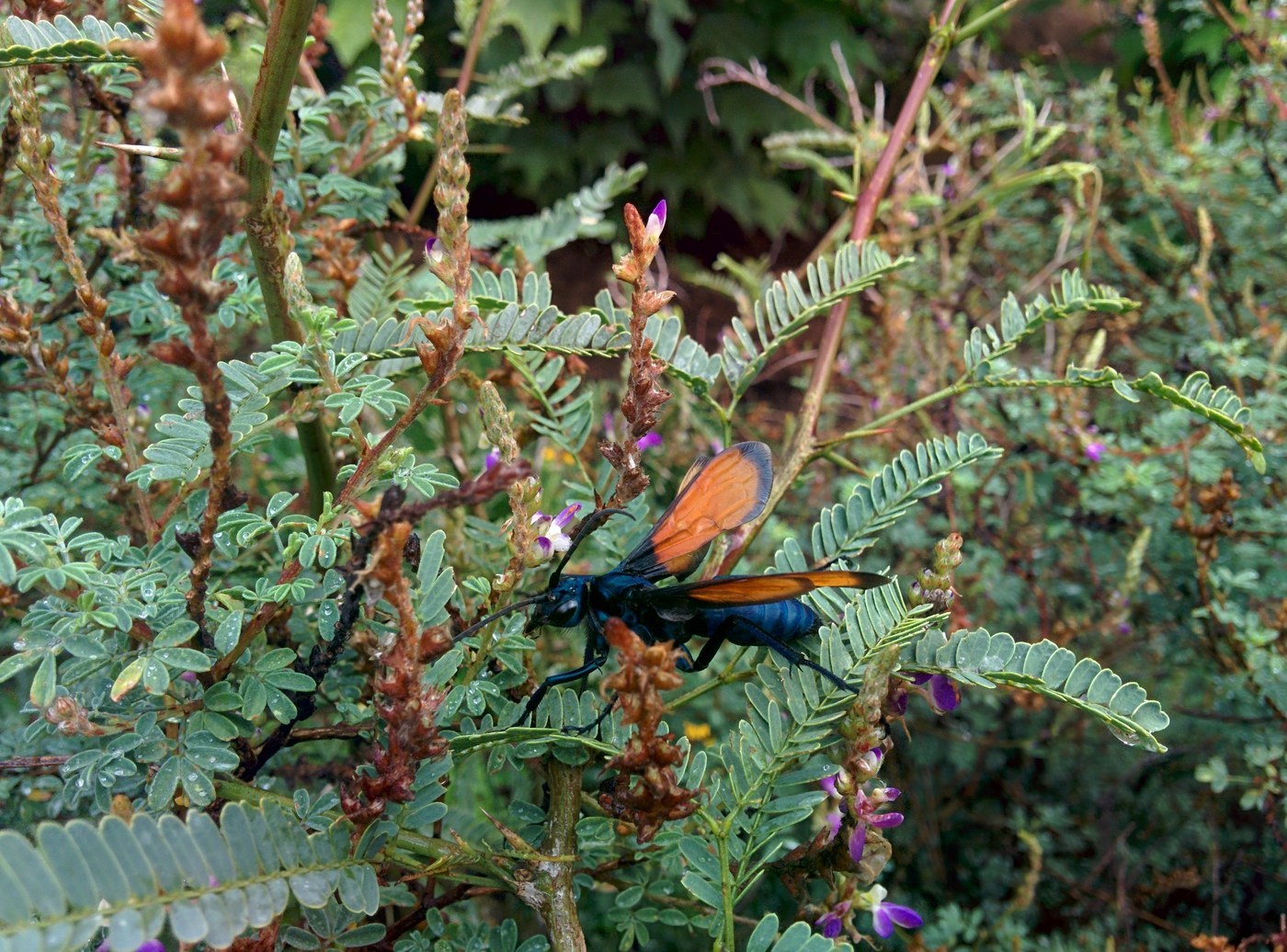
Tarantula Hawk
One of the largest wasps in the world, with a glossy metallic blue-black body and vivid burnt-orange wings, famous for hunting tarantulas to provision a single underground burrow for its larva.
wasp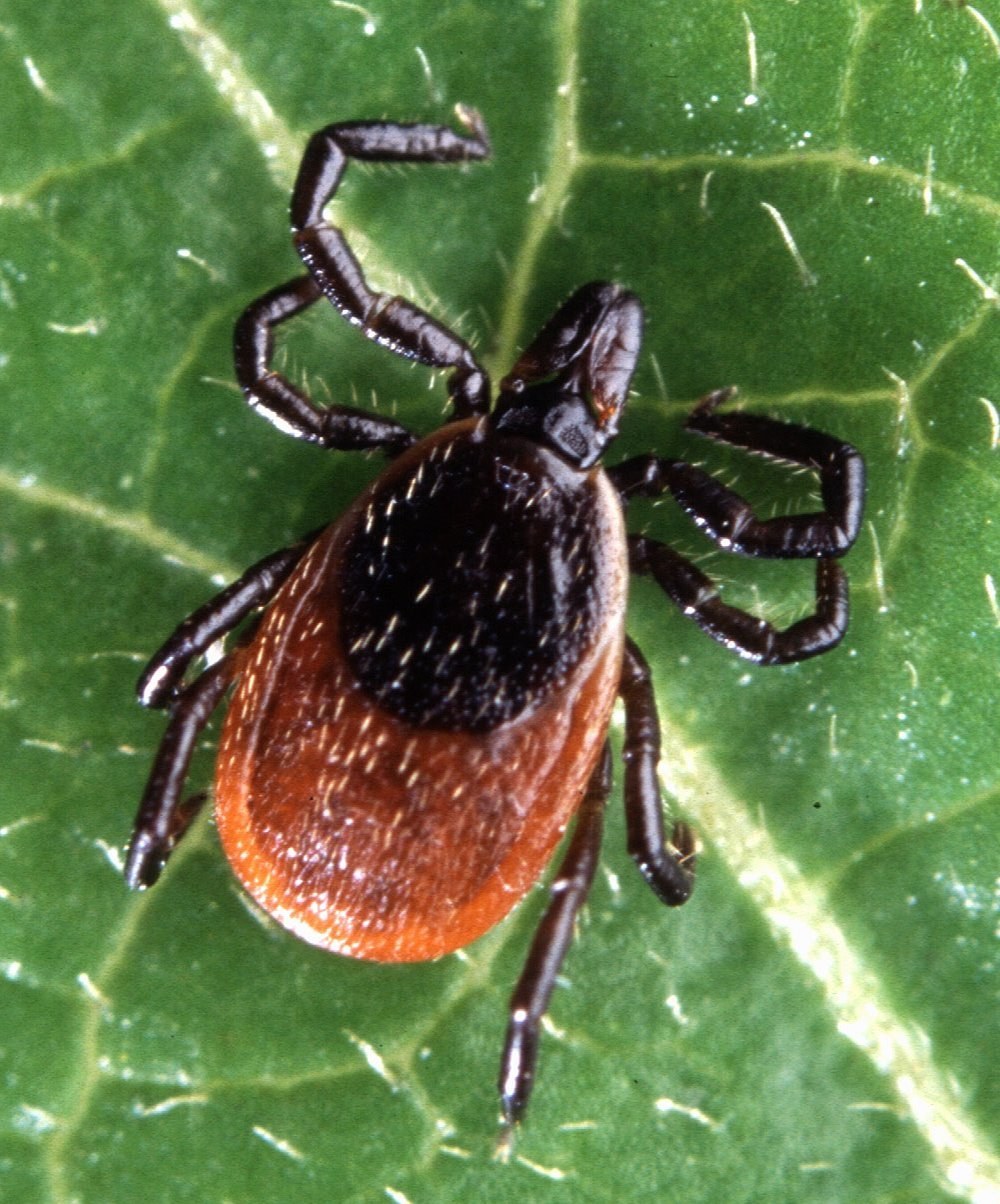
Deer Tick
A small, dark-legged tick with a reddish-brown, teardrop-shaped body, noticeably smaller than many other common tick species and often found questing in wooded or grassy edge habitats.
arachnidCaterpillar
The soft-bodied, segmented larval stage of butterflies and moths, recognized by its worm-like shape, multiple pairs of stubby legs, and voracious appetite for leaves.
caterpillar-larvaGlowworm Beetle
A beetle whose females remain larva-like and glowing for their entire lives, producing rows of soft greenish light along their segmented, worm-like bodies, while males develop into small, feathery-antennaed flying beetles.
beetle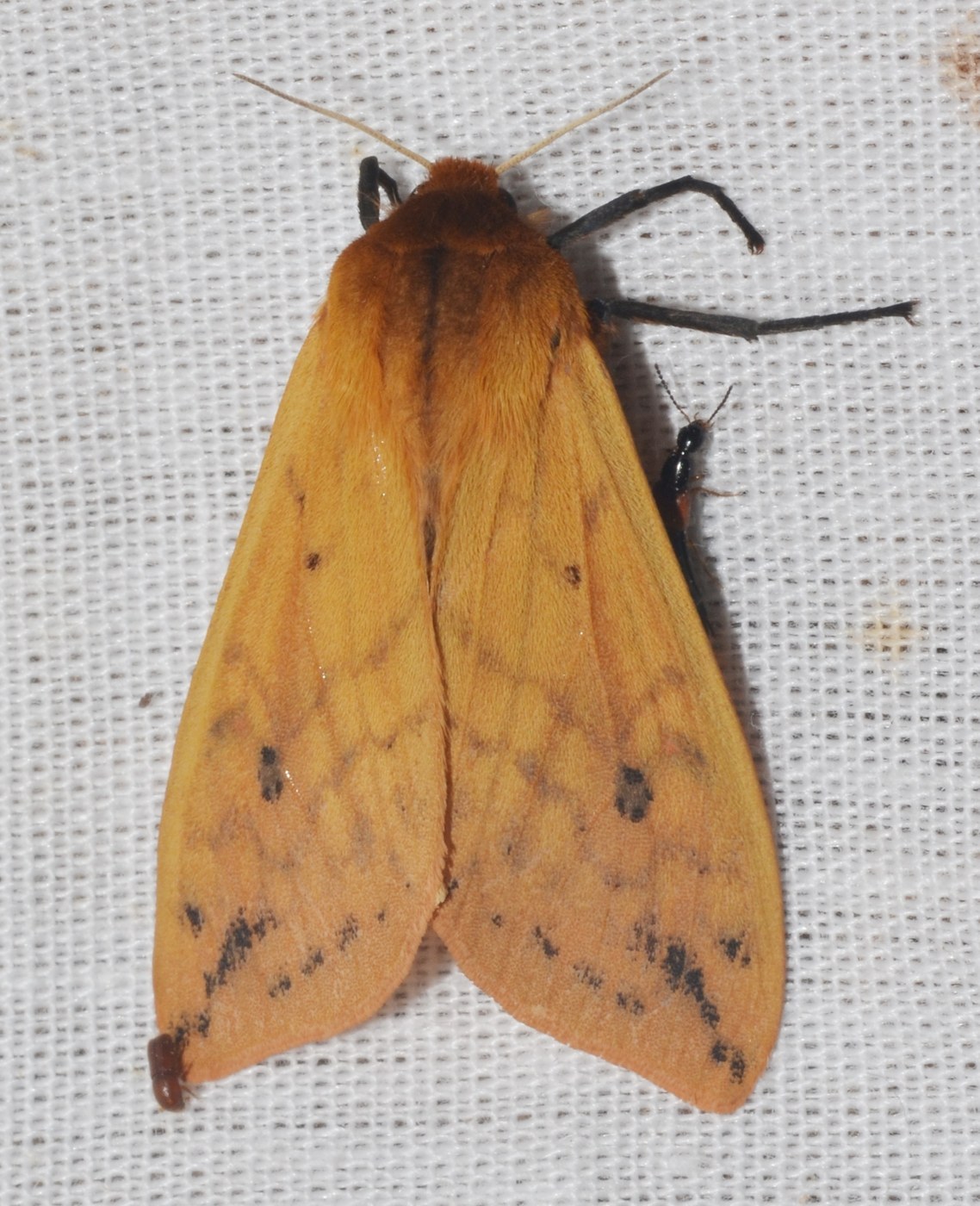
Isabella Tiger Moth (Woolly Bear)
Famous chiefly in its larval stage as the banded woolly bear caterpillar, this tiger moth's fuzzy black-and-rust-colored caterpillar is a familiar autumn sight, while the adult is a soft, tawny-orange moth with a stout, furry body.
moth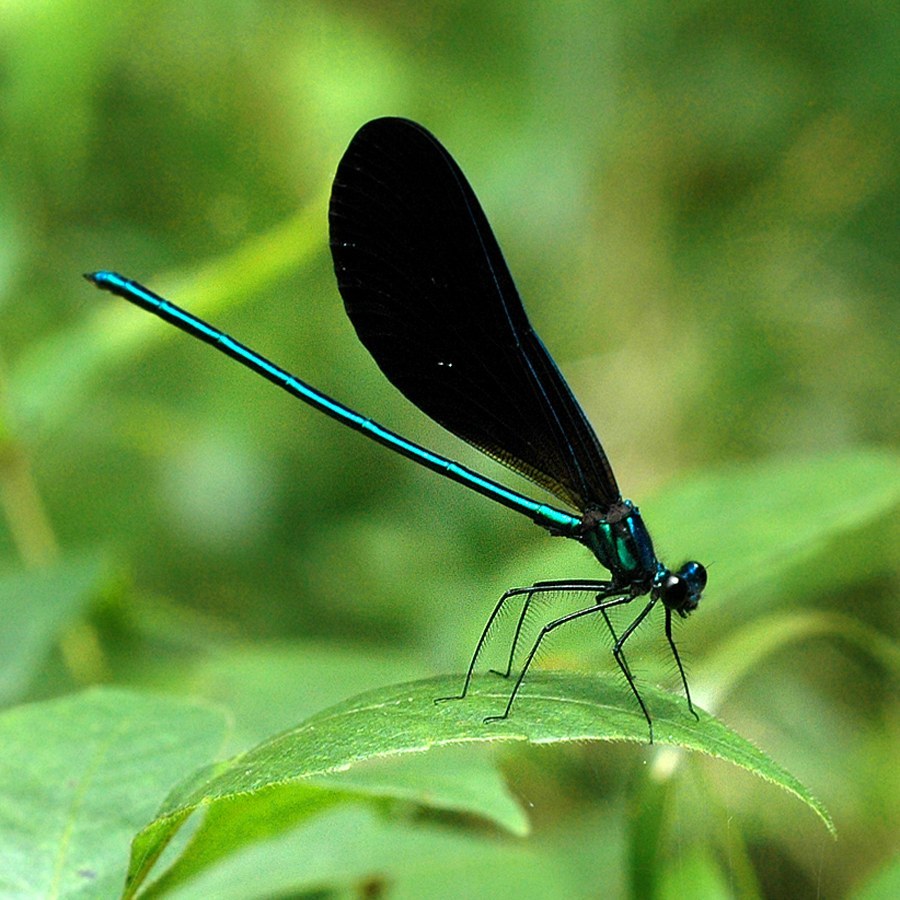
Ebony Jewelwing Damselfly
With a metallic emerald body and wings of solid inky black, the ebony jewelwing flutters like a delicate butterfly along shaded forest streams rather than darting like most other damselflies.
dragonfly