
Bug Encyclopedia
Search and identify bugs & insects — beetles, butterflies, moths, ants, bees, spiders and more — with size, habitat, danger, behavior, and how to tell them apart.
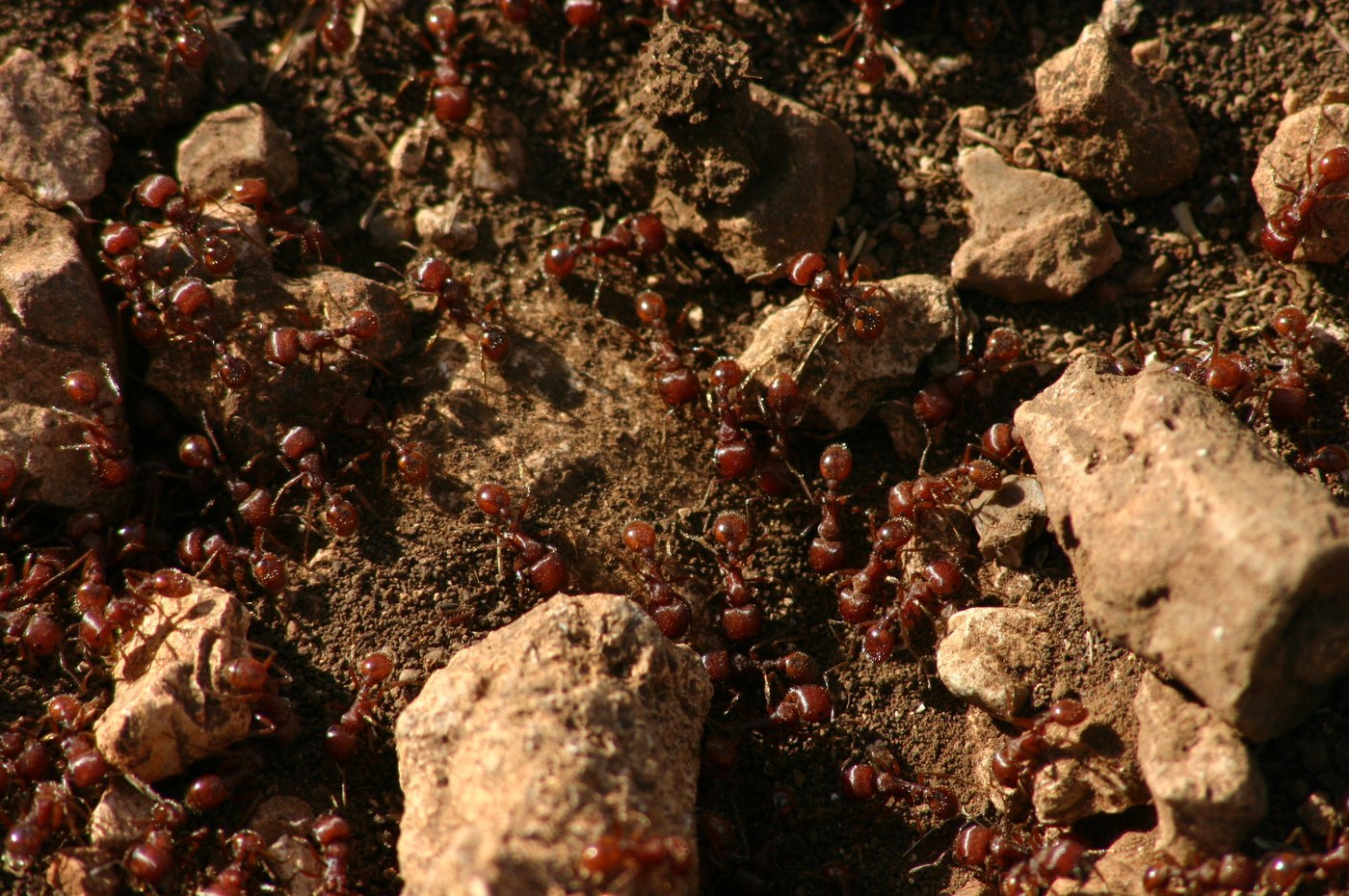
Fire Ant
A small reddish-brown ant that builds loose, crater-less dirt mounds in sunny open turf and mobilizes large numbers of workers rapidly when the nest is disturbed.
ant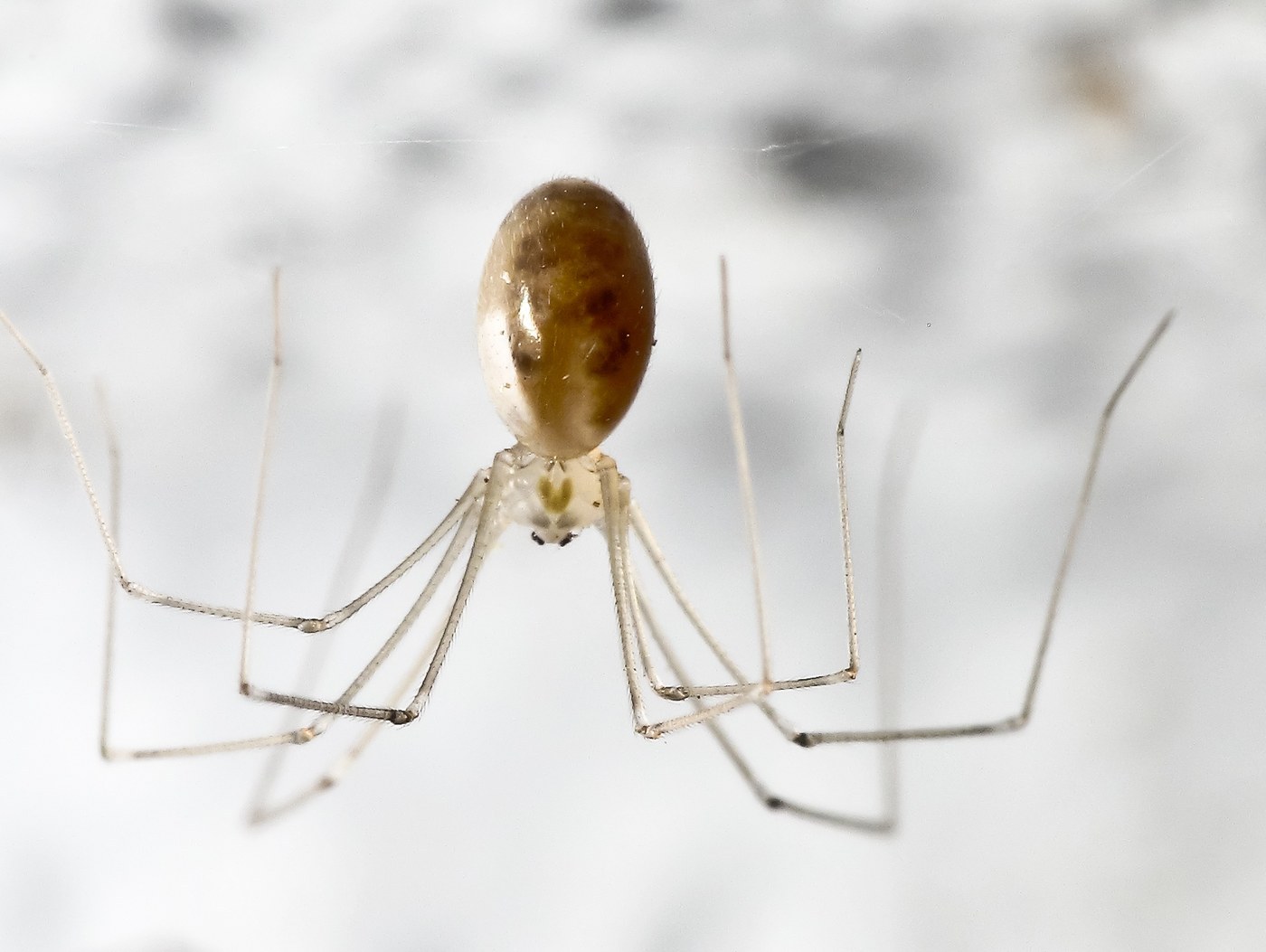
Cellar Spider
A pale, long-legged spider that builds loose, irregular webs in dark corners and is famous for rapidly vibrating in its web when disturbed, causing it to blur into an indistinct shape.
spider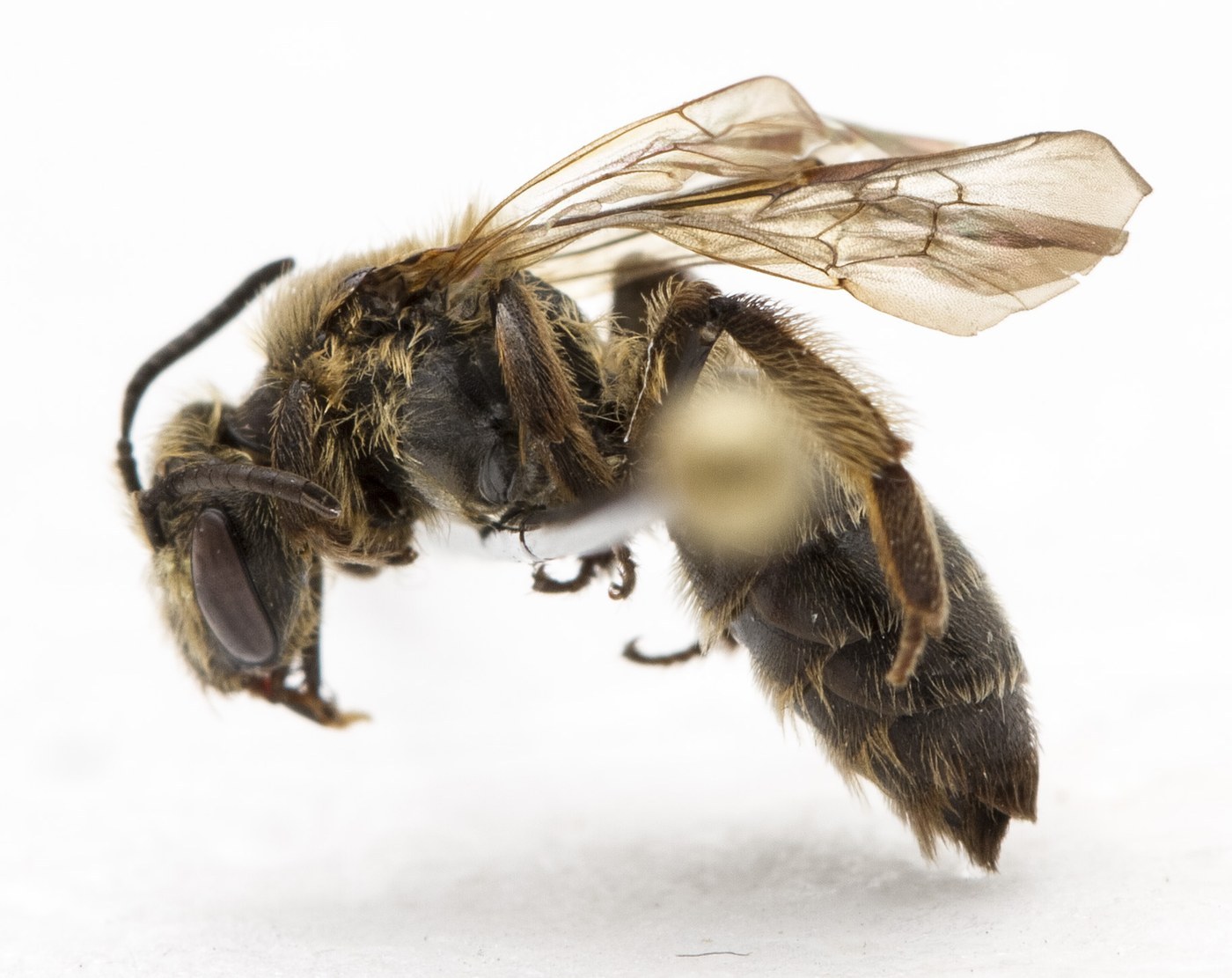
Mining Bee
A furry, solitary ground-nesting bee that emerges in early spring in loose aggregations, often mistaken for a small bumble bee, digging individual burrows marked by small volcano-shaped mounds of soil.
beeWhirligig Beetle
A small, glossy black beetle that spins and darts in rapid circles across the surface film of ponds, often gathered in loose groups, using divided eyes to see both above and below the water at once.
aquatic-insect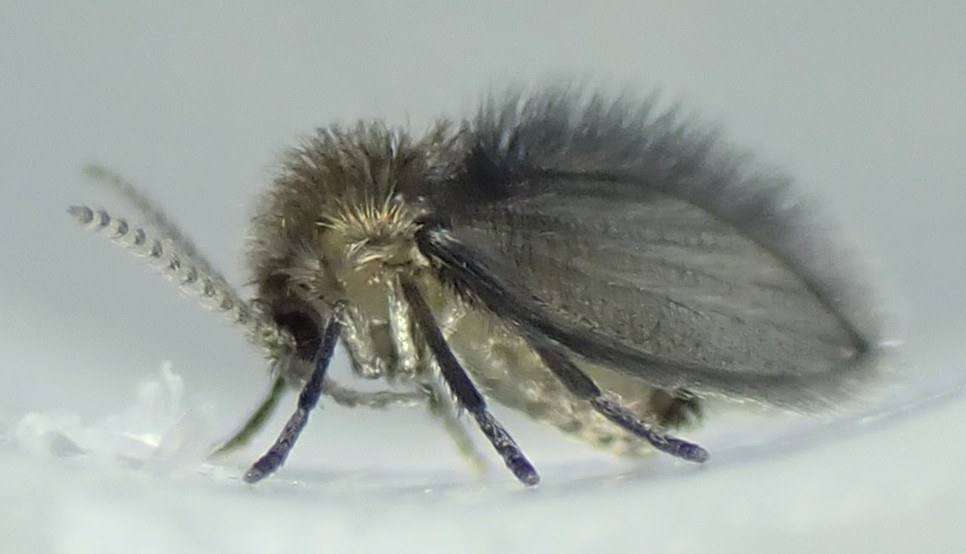
Drain Fly
A tiny, fuzzy gray-tan fly with broad, moth-like wings held tent-fashion over its body, often seen resting motionless on bathroom walls near drains.
flyMouse Spider
A stout, glossy burrowing spider named for its supposed mouse-like agility, with males often sporting a strikingly colored head and jaws.
spider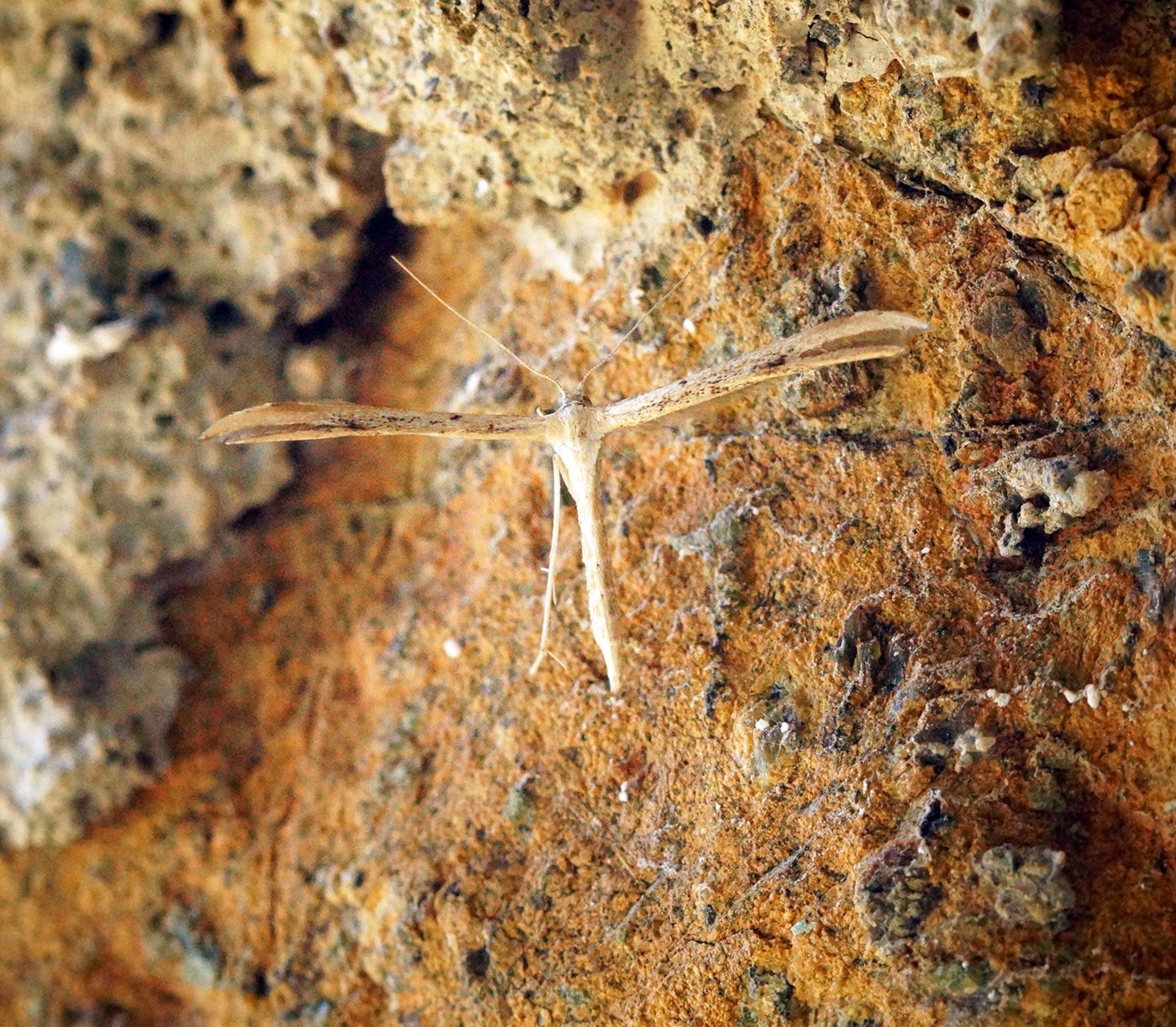
Plume Moth
A slender, long-legged moth that rests with its wings rolled tightly and held out at right angles to its body, forming a distinctive letter-T silhouette.
moth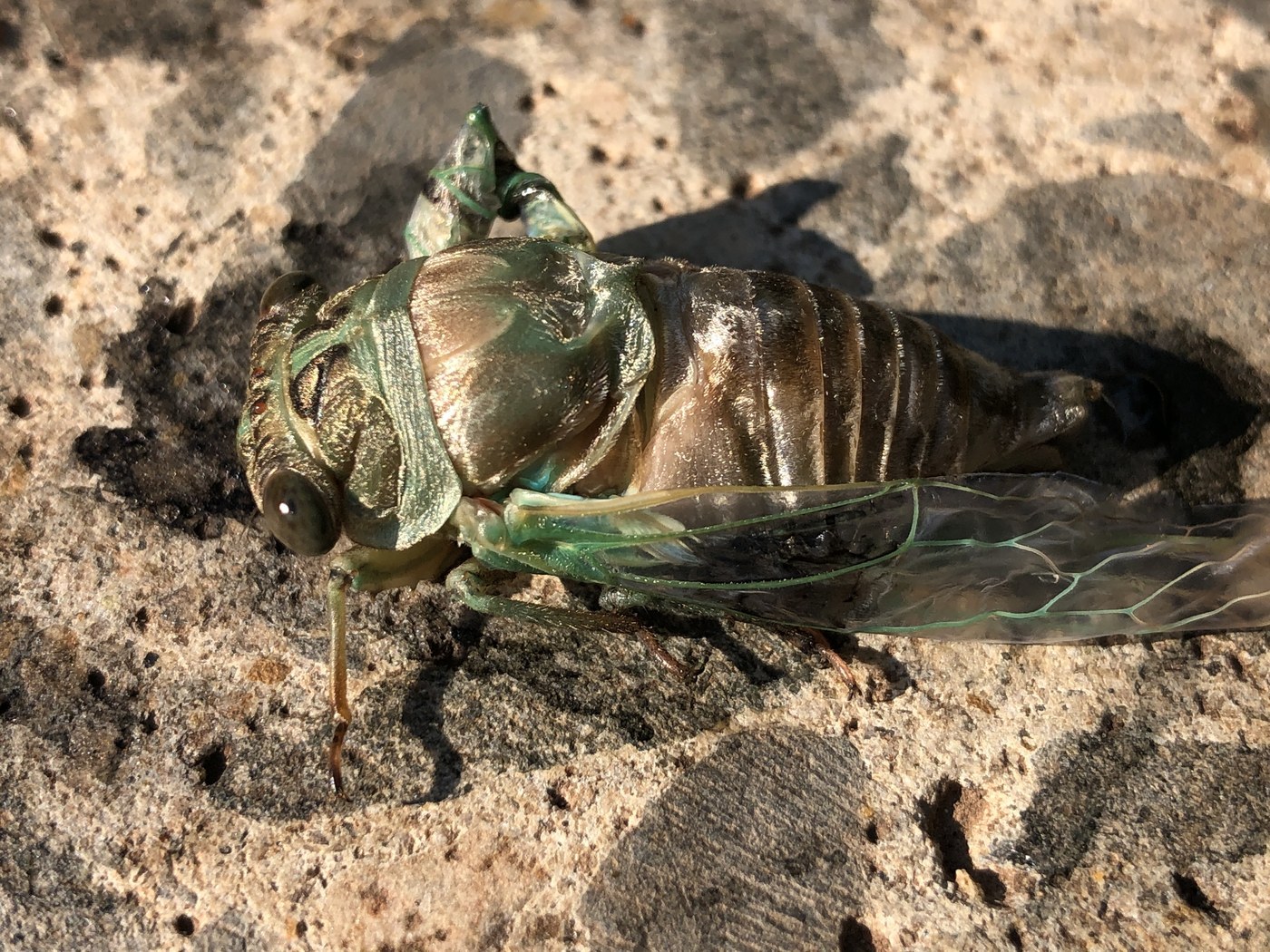
Dog-Day Cicada
A stout, thick-bodied cicada with mottled green and brown camouflage patterning, named for its loud droning calls heard during the hot "dog days" of late summer.
true-bugBush Cricket
Known by its long, thread-like antennae and evening chorus of chirps, this leaf-colored insect spends its life hidden among grass and foliage, often heard far more often than seen.
grasshopper-cricketWarble Fly
A furry, bee-mimicking fly that never lands on flowers or feeds as an adult, spending its brief life darting around grazing cattle to lay eggs on their legs and lower body. Herds sometimes react with sudden panicked runs, known as gadding, whenever a warble fly approaches.
flyGarden Orb Weaver Spider
The classic maker of the round, wheel-shaped web, the garden orb weaver hangs head-down at the center of its silken snare. Many sport a cross-like pattern of pale spots on a rounded abdomen.
spiderWhite Grub
A pale, C-shaped larva with a brown head capsule and six stubby legs, spending its entire early life hidden underground feeding on roots before emerging as a stout May or June beetle.
beetle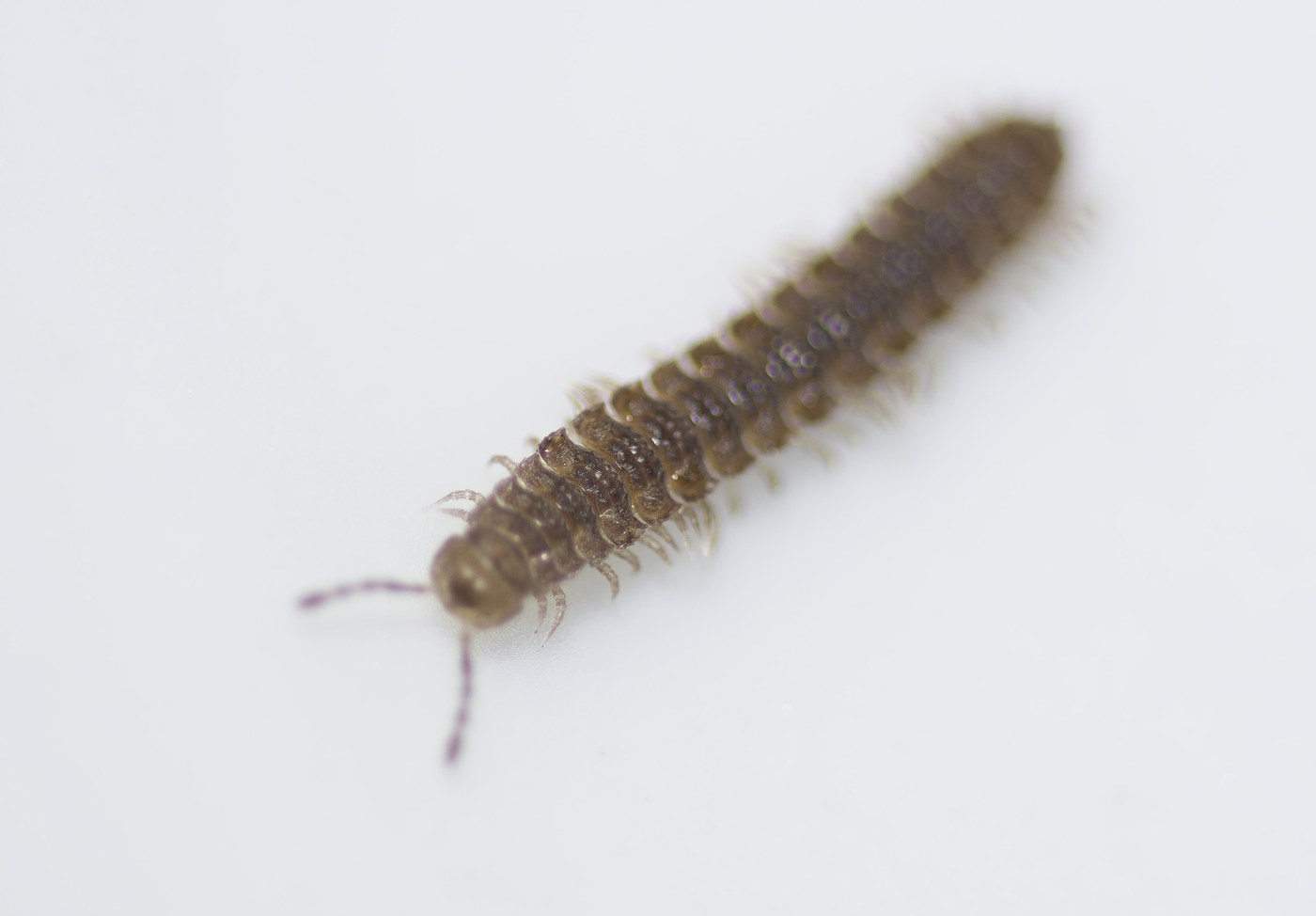
Flat-backed Millipede
A slow, armor-plated decomposer whose body segments flare into flat, wing-like keels, giving it a distinctly ribbed, tank-like silhouette compared to rounder millipedes.
myriapod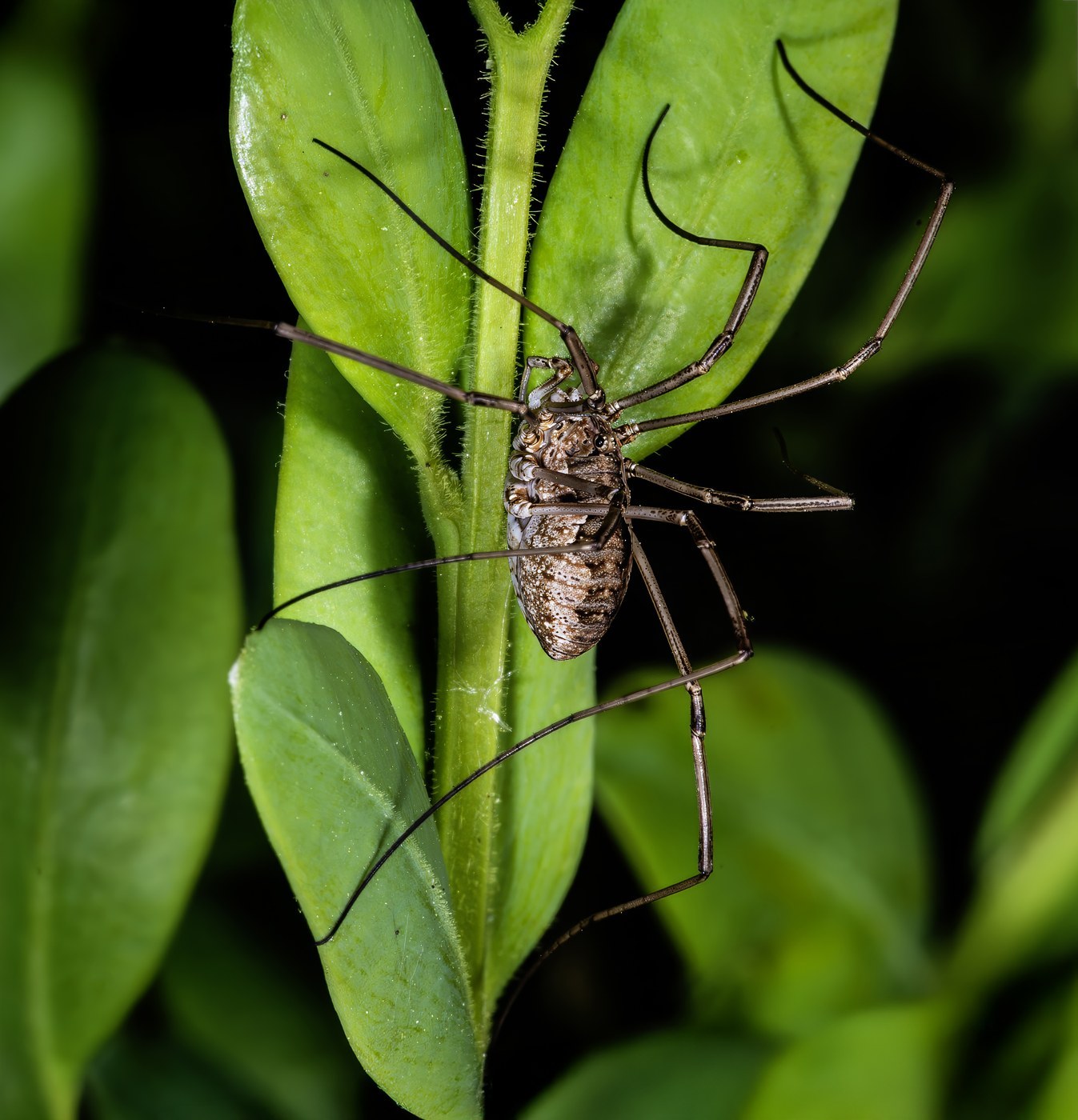
Daddy Longlegs
A small, oval-bodied arachnid carried on extremely long, thread-like legs, distinct from true spiders in having a one-piece fused body and no silk glands or web.
arachnid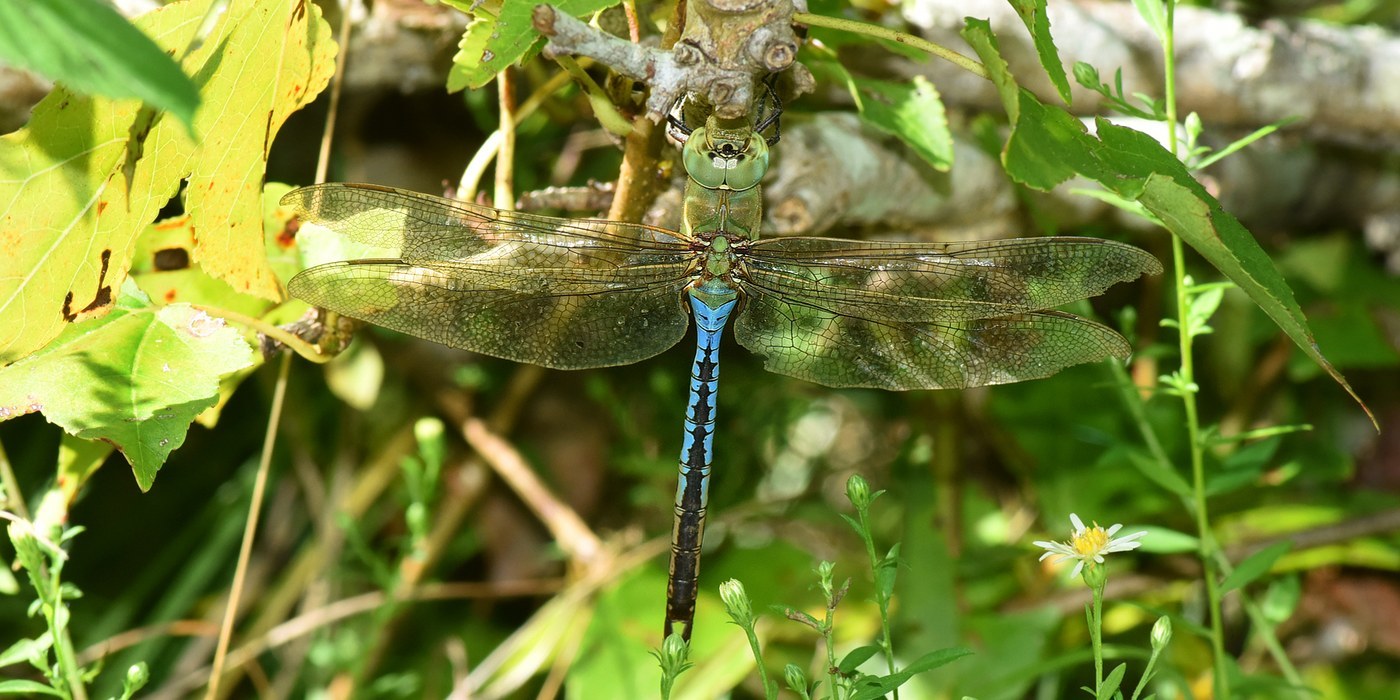
Dragonfly
A large, agile aerial predator with an elongated body, enormous compound eyes, and two pairs of strong wings held straight out to the sides at rest, often seen patrolling over water in search of prey.
dragonflySnipe Fly
A slender, long-legged fly often seen perched head-down on a sunny tree trunk or fence post, patiently watching for smaller insects to ambush. Its tapered, wasp-like abdomen and habit of resting motionless with legs splayed give it a distinctive, almost sentry-like posture in woodland clearings.
fly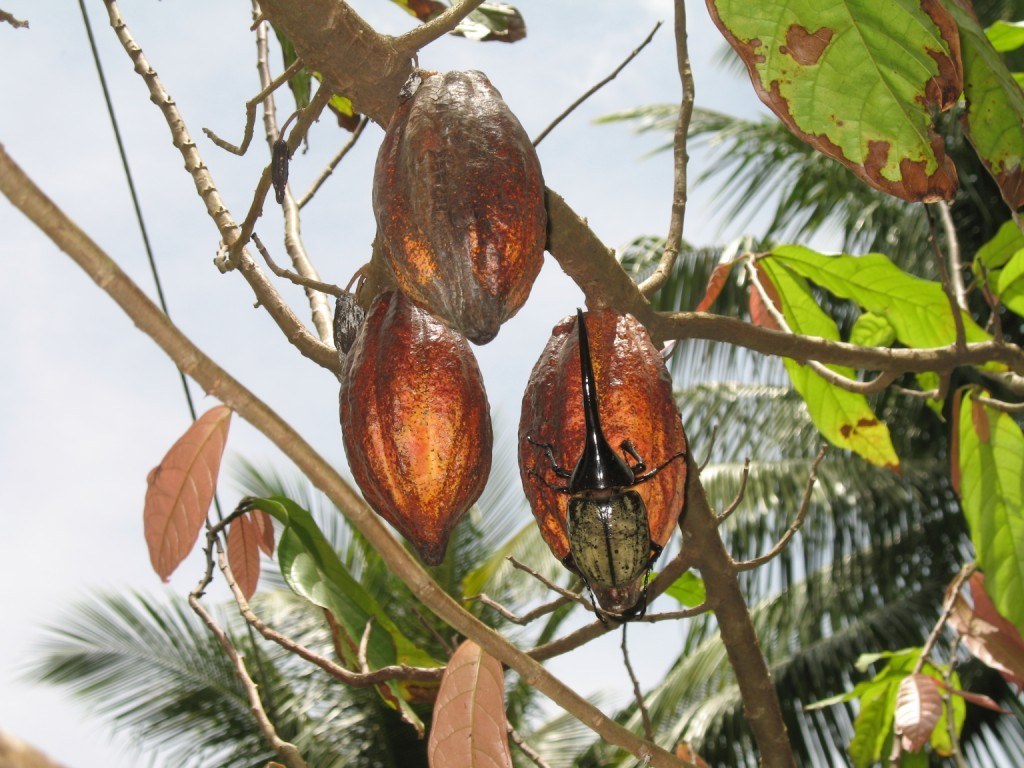
Hercules Beetle
One of the largest beetles in the world, with males bearing dramatic, forceps-like horns nearly as long as the rest of their armored, olive-green body.
beetleSoldier Fly
A wasp-mimicking fly with a flattened, often metallic body that spends its larval life quietly breaking down decaying plant matter or aquatic debris.
flyCaterpillar
The soft-bodied, segmented larval stage of butterflies and moths, recognized by its worm-like shape, multiple pairs of stubby legs, and voracious appetite for leaves.
caterpillar-larvaGlowworm Beetle
A beetle whose females remain larva-like and glowing for their entire lives, producing rows of soft greenish light along their segmented, worm-like bodies, while males develop into small, feathery-antennaed flying beetles.
beetleAcrobat Ant
A small ant named for its habit of raising its distinctive heart-shaped abdomen up over its body like an acrobat when disturbed or alarmed.
ant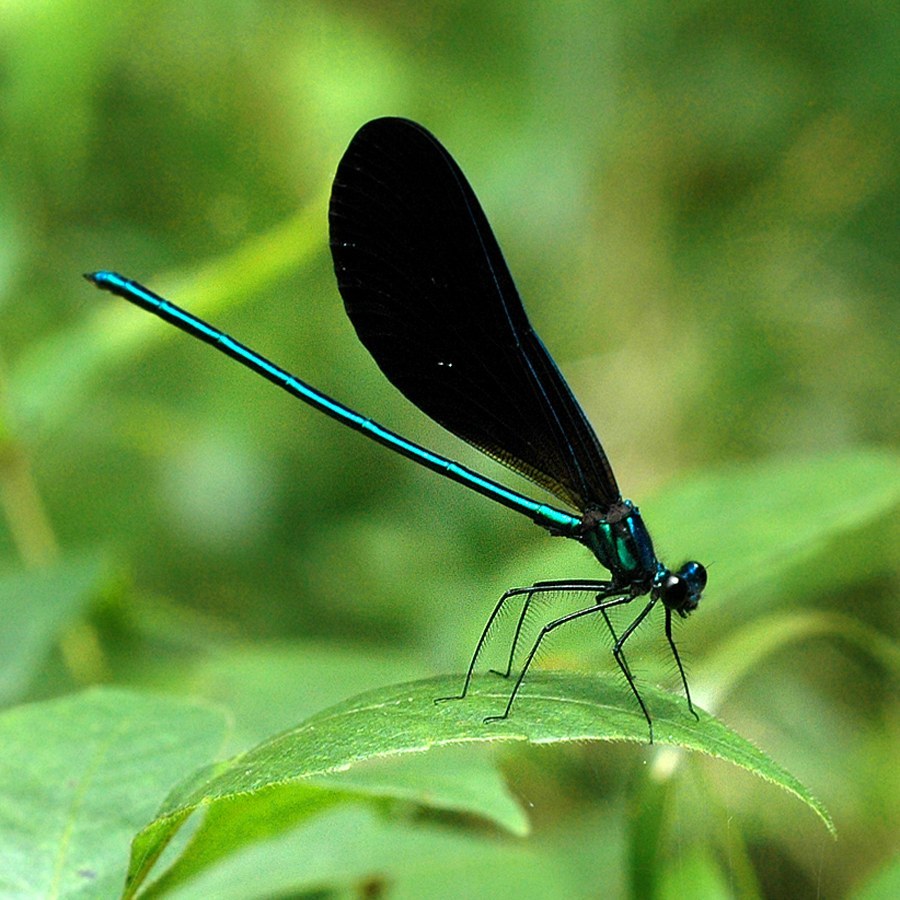
Ebony Jewelwing Damselfly
With a metallic emerald body and wings of solid inky black, the ebony jewelwing flutters like a delicate butterfly along shaded forest streams rather than darting like most other damselflies.
dragonfly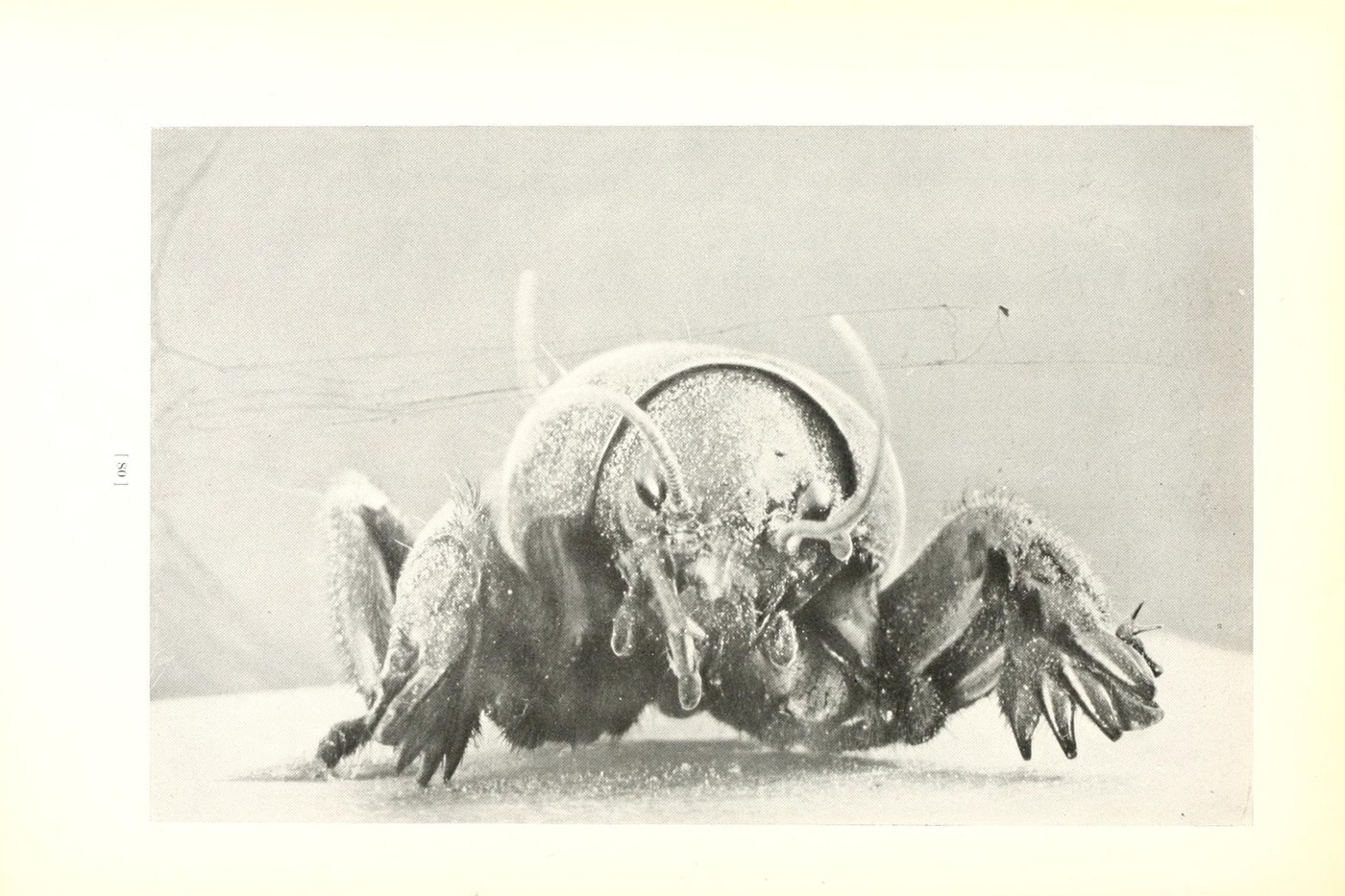
Northern Mole Cricket
A stout, velvety brown cricket with shovel-like front legs built for tunneling through damp soil, more often heard as a low buzzing trill at night than seen above ground.
grasshopper-cricketHuntsman Spider
With legs splayed crab-like to either side of a flattened body, the huntsman spider is built for speed, capable of scuttling sideways across walls and tree trunks in pursuit of prey.
spider