
Bug Encyclopedia
Search and identify bugs & insects — beetles, butterflies, moths, ants, bees, spiders and more — with size, habitat, danger, behavior, and how to tell them apart.
Maggot
A pale, legless, tapering grub that wriggles through rotting food and organic waste, the larval stage of a fly.
caterpillar-larvaTermite Swarmer
A dense, short-lived cloud of dark, equal-winged insects pouring from a crack in soil or wood, each one a would-be founder of a brand-new termite colony.
otherCaddisfly Larva
A soft-bodied aquatic larva famous for building a portable protective case from sand, gravel, or plant debris bound together with silk.
aquatic-insectIchneumon Wasp
A slender, long-antennaed parasitoid wasp, often mistaken for a giant mosquito or a stinging insect, that is best known for the extraordinarily long ovipositor some species use to drill into wood and lay eggs on hidden larvae.
waspCrane Fly Larva
Thick-skinned and worm-like, the crane fly larva, often called a leatherjacket, burrows through wet mud and decaying vegetation at the edges of ponds and streams, breaking down plant material as it grows.
aquatic-insect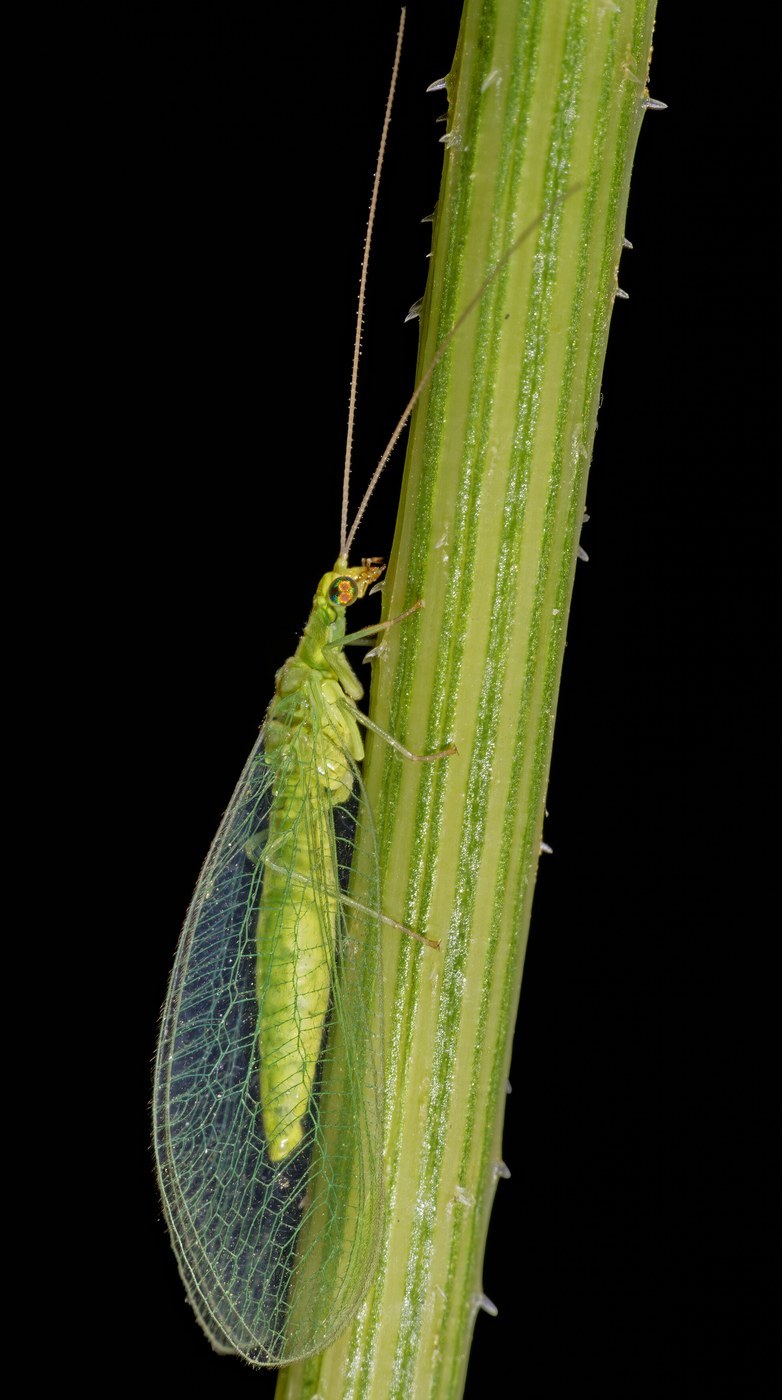
Lacewing
A delicate, pale green insect with large, transparent, intricately veined wings and shining golden or copper-colored eyes, valued as a natural predator of aphids in its larval form.
otherWhip Spider
A flattened, spider-like arachnid with no venom and no silk, using a pair of extremely long, whip-like front legs as sensitive feelers to navigate the dark.
arachnid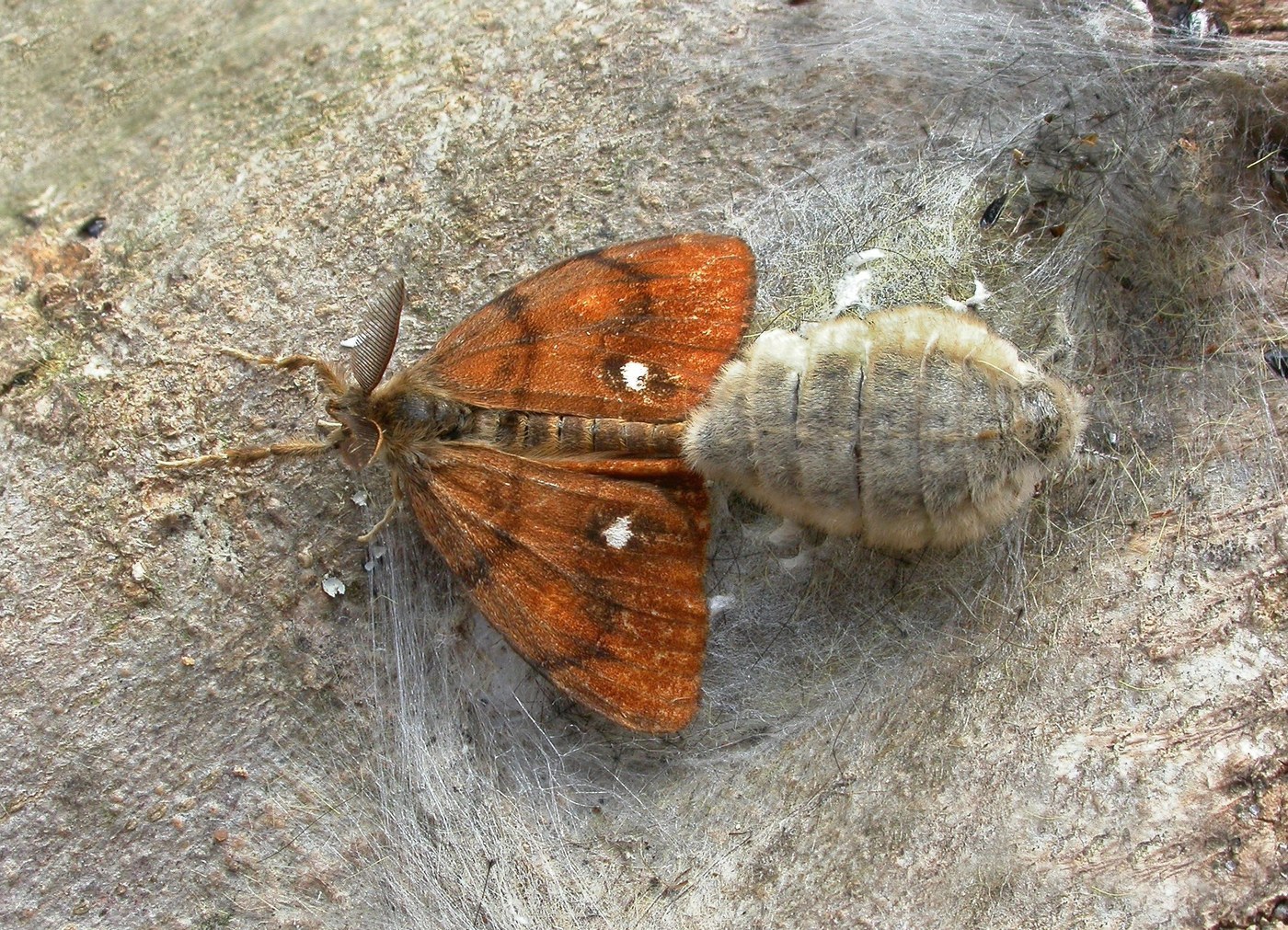
Vaporer Moth
A tussock moth with dramatic sexual differences: the male is a small rusty-brown day-flying moth with a white wing spot, while the female is a flightless, wingless gray sac-like insect that never leaves her cocoon.
mothMud Dauber Wasp
Slender, long-waisted wasps that build distinctive nests from mud, mud daubers stock their cells with paralyzed spiders. Their tube or urn-shaped mud nests are common under eaves and bridges.
wasp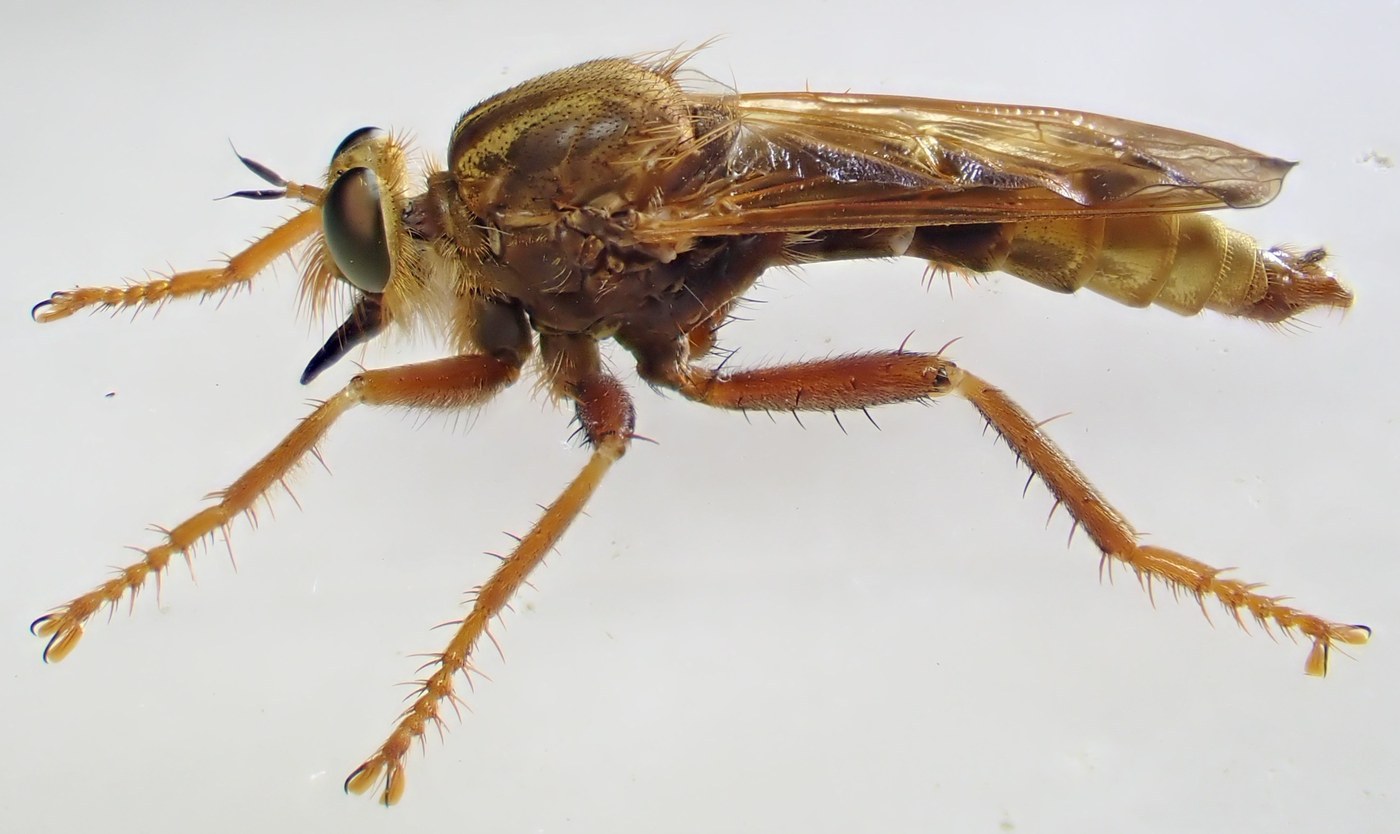
Robber Fly
A powerfully built, bristly-faced predatory fly that ambushes other flying insects in midair, piercing them with a stout beak-like proboscis.
flyHuntsman Spider
With legs splayed crab-like to either side of a flattened body, the huntsman spider is built for speed, capable of scuttling sideways across walls and tree trunks in pursuit of prey.
spider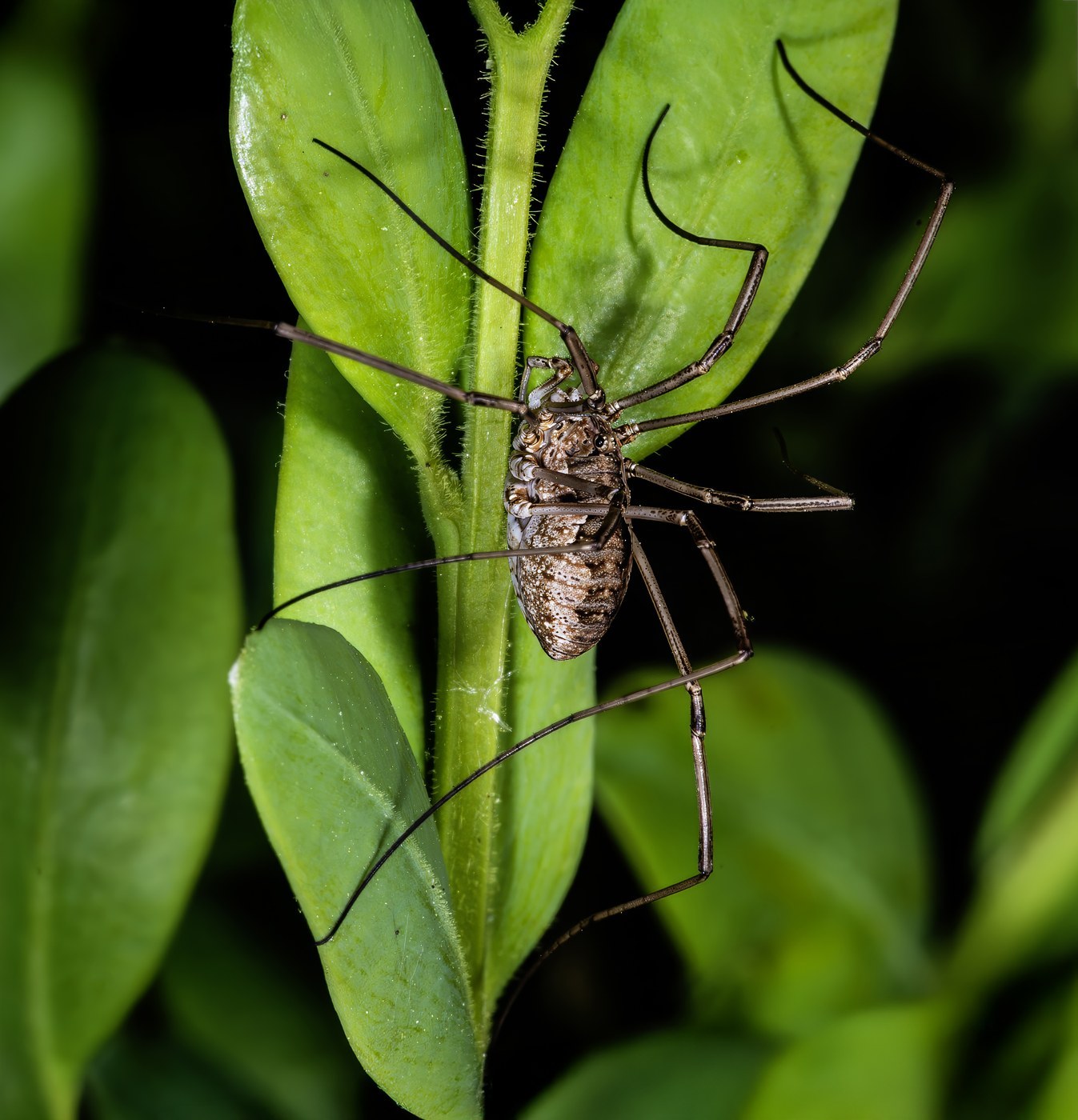
Harvestman
An arachnid built almost entirely of legs, with a single compact, oval body segment and no waist separating it into two parts like a true spider. Common in gardens and forests worldwide, it scuttles along on impossibly long, thin legs scavenging for food after dark.
arachnid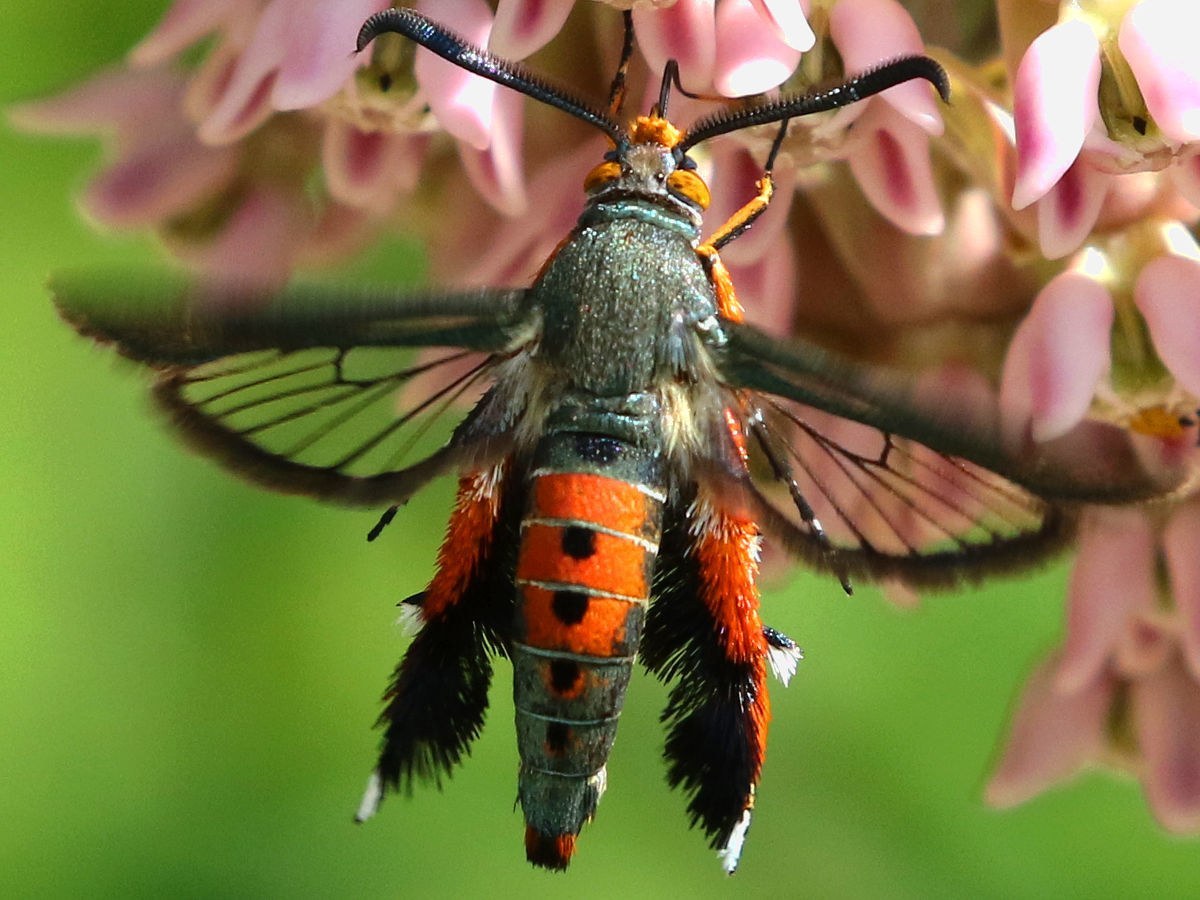
Squash Vine Borer
A day-flying, wasp-mimicking moth whose orange fuzzy hind legs and metallic wings make it easy to mistake for a wasp as it darts around squash vines.
moth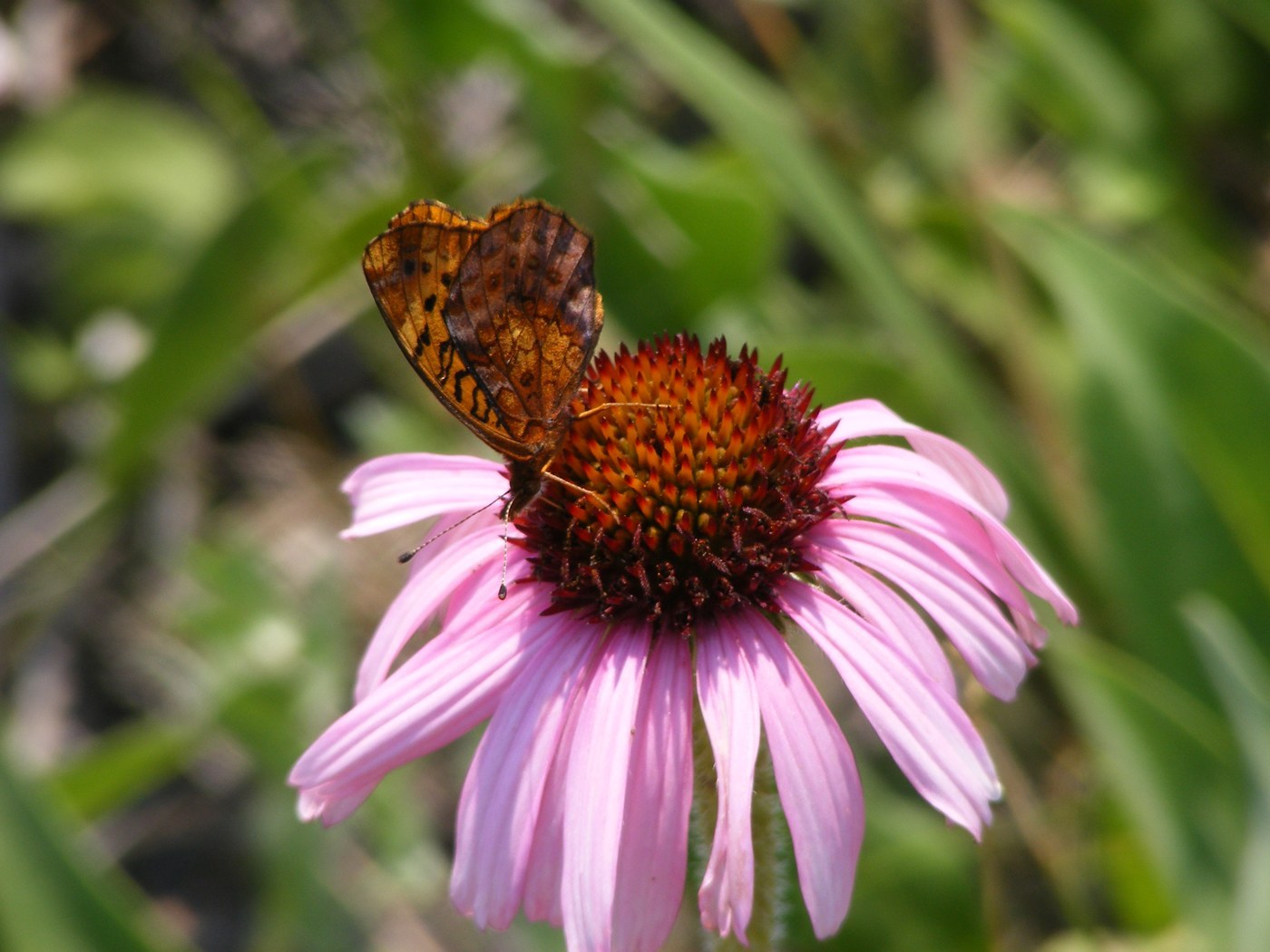
Meadow Fritillary
A small, fast-flying orange-and-black fritillary of open grassy fields, easily told from its larger cousins by its lack of silvery spots on the underside of the hindwing.
butterflyTailless Whip Scorpion
A flattened, spider-like arachnid with no stinger and no fangs, instead using a pair of long whip-like sensory legs and grasping spiny arms to feel out and seize prey in total darkness.
arachnid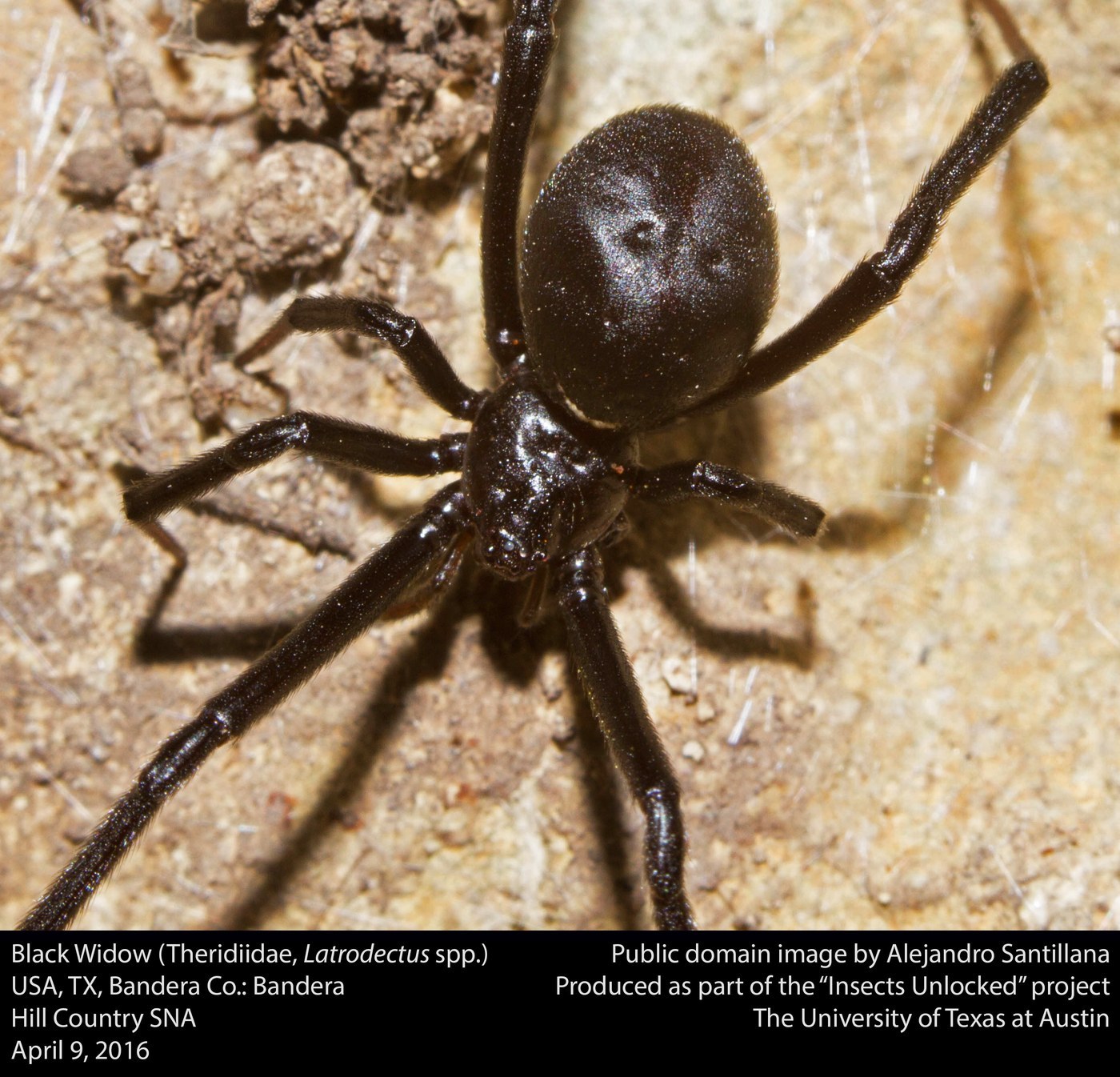
Comb-footed Spider
A diverse family of spiders defined by a row of tiny serrated bristles on their hind legs, used like a comb to fling silk over prey and wrap it up in an instant.
spider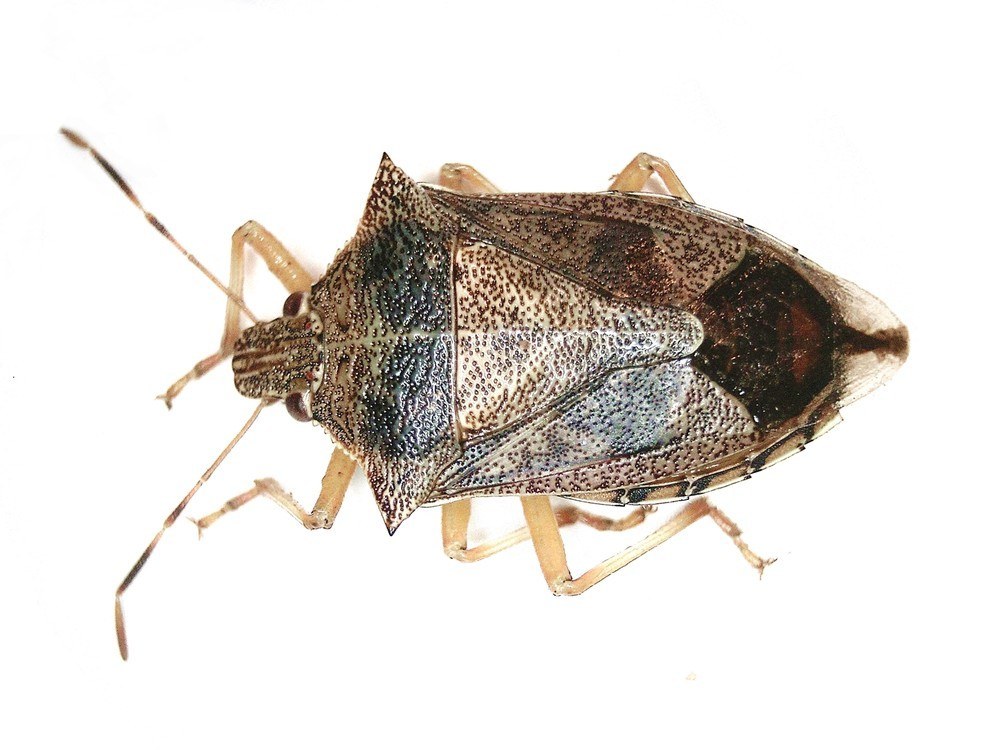
Spined Soldier Bug
A predatory stink bug identified by the sharp, pointed spines projecting from its shoulders, valued in gardens and farm fields for hunting caterpillars, beetle larvae, and other pest insects.
true-bugDaddy Longlegs (Harvestman)
A leggy, one-piece-bodied arachnid that scurries through leaf litter and garden beds on impossibly long, spindly legs, easily mistaken for a spider despite belonging to an entirely different arachnid order.
arachnidAnt-mimic Spider
A slender jumping spider that walks on six legs while waving the front pair like antennae, convincingly passing itself off as an ant to fool predators and prey alike.
spider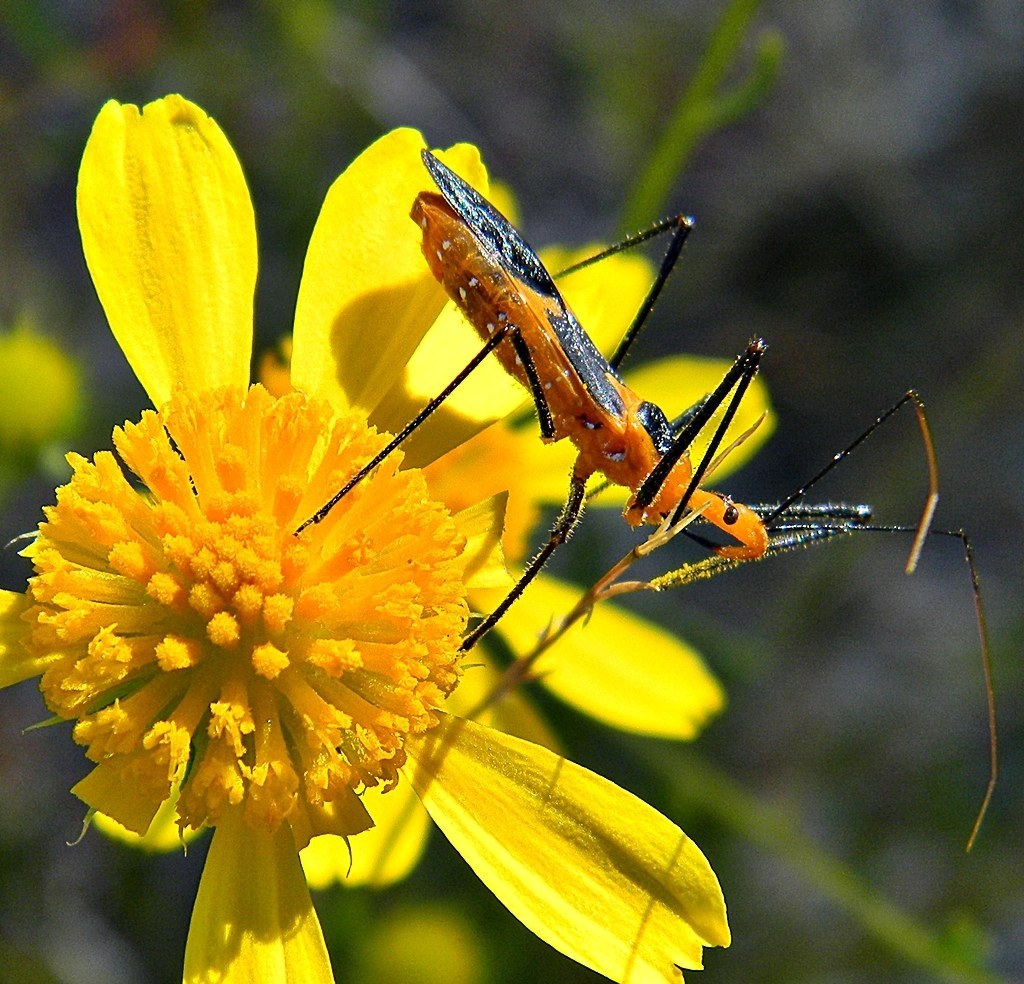
Assassin Bug
A slender, long-legged predatory true bug with a curved, needle-like beak used to ambush and pierce other insects, often patterned in bold orange, black, or red warning colors.
true-bug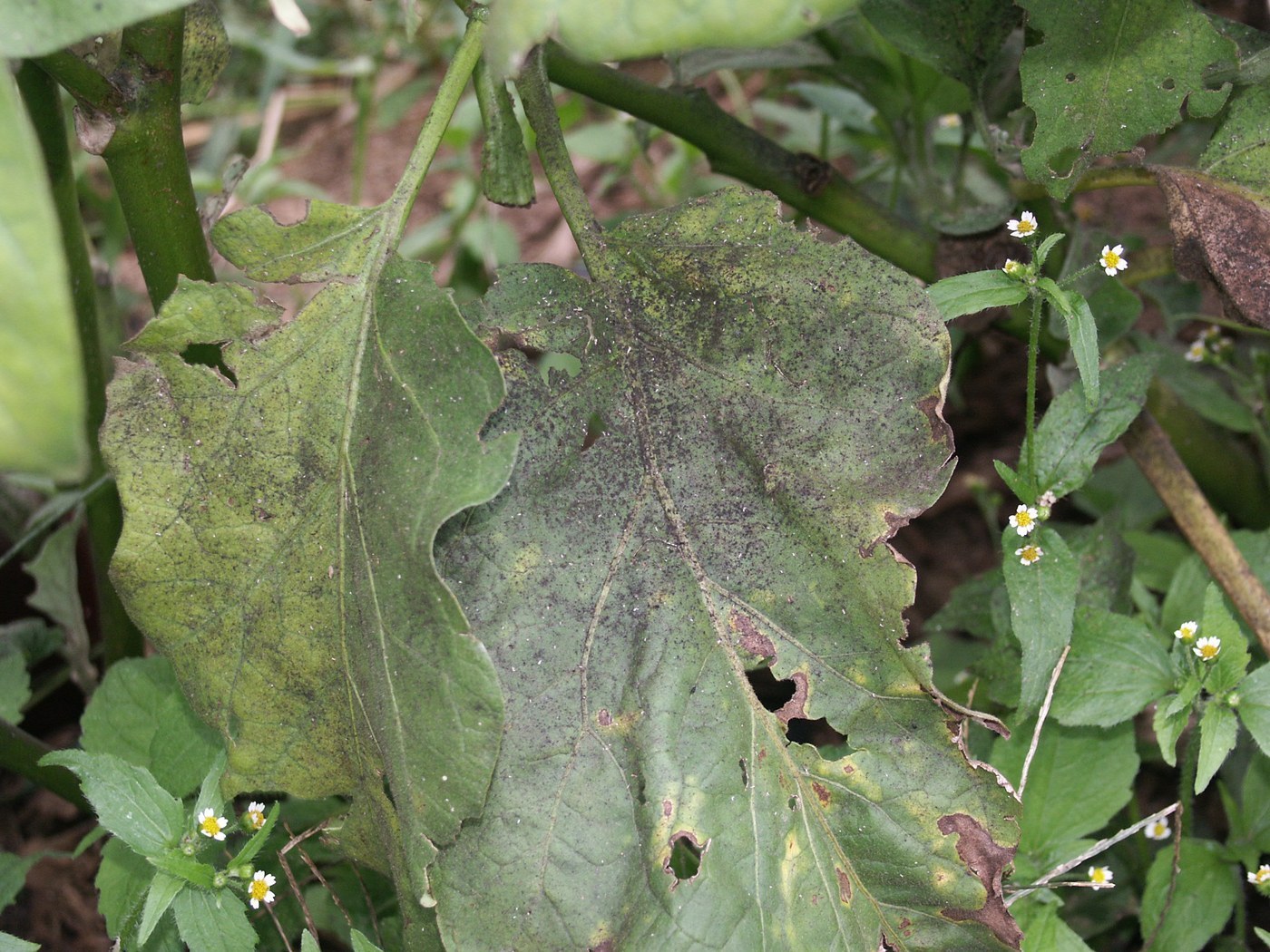
Whitefly
A tiny, moth-like white insect that clusters on the undersides of leaves and bursts into a snowy cloud when the plant is disturbed. Despite the name, it is not a true fly but a sap-feeding relative of aphids and scale insects.
true-bug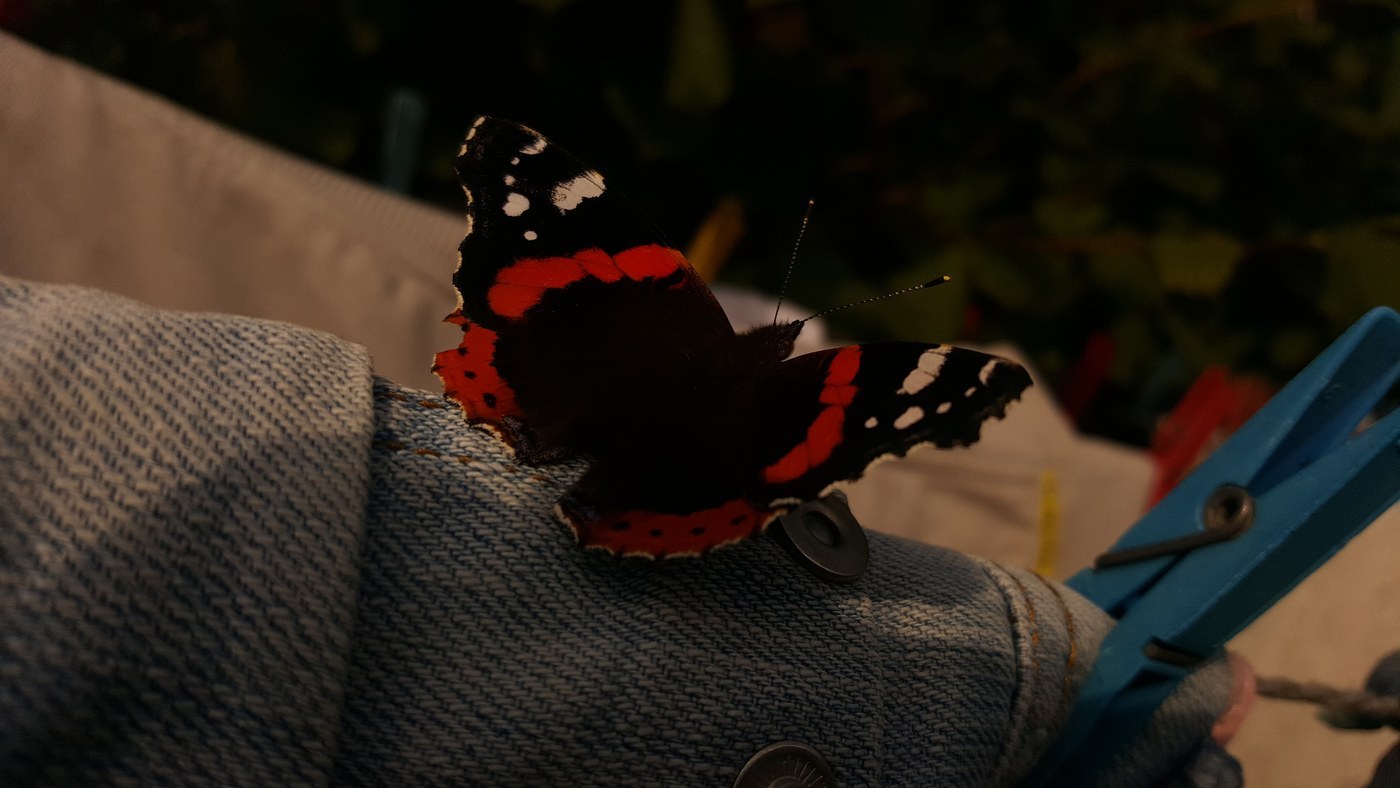
Red Admiral
A fast-flying, strikingly patterned butterfly with velvety black wings crossed by a bold orange-red band and white-spotted tips, often seen basking on tree trunks or sipping from fallen fruit.
butterfly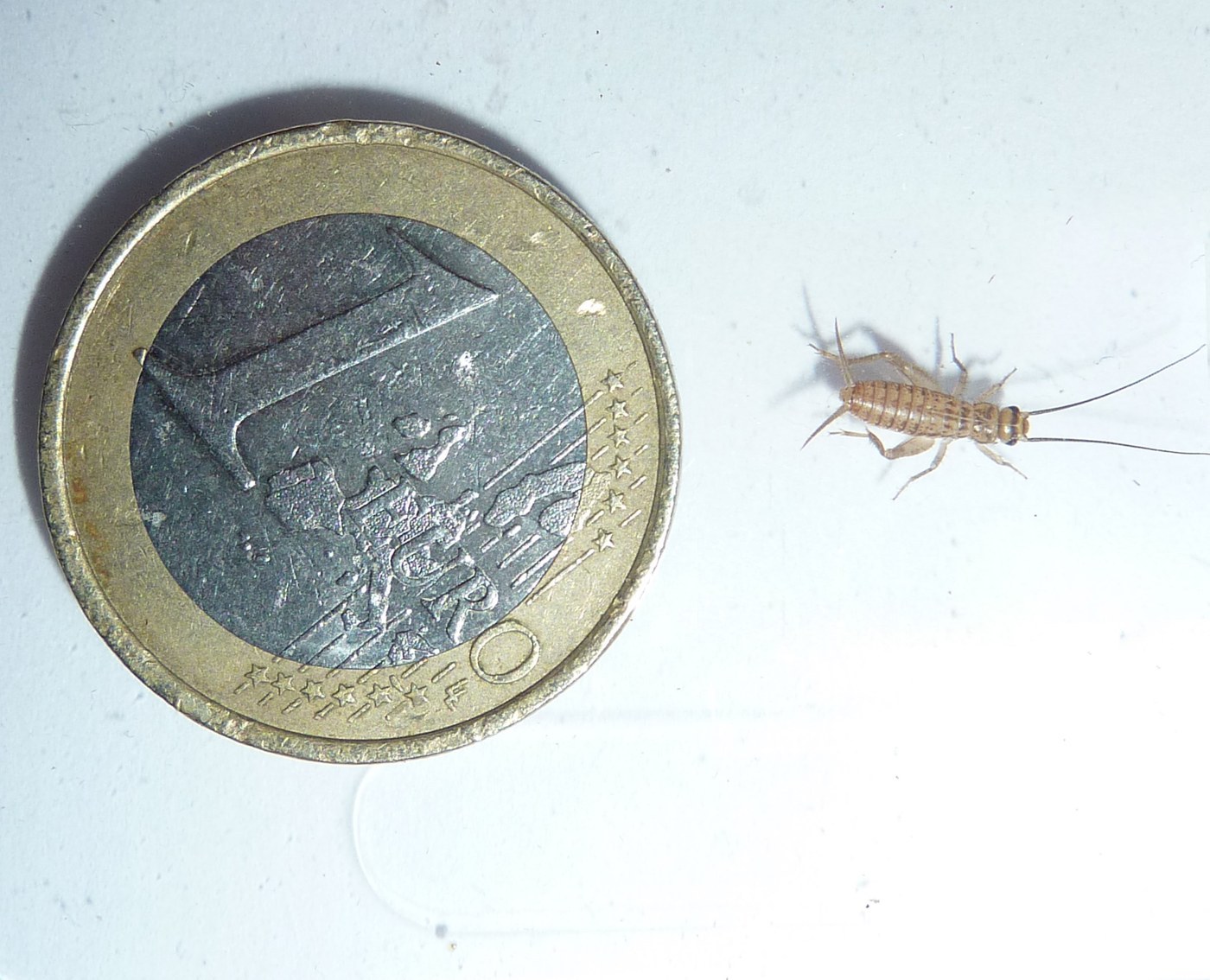
House Cricket
A pale tan, dark-banded cricket originally from warm regions of Asia that has spread worldwide both as an occasional indoor nuisance and as a widely farmed feeder insect.
grasshopper-cricket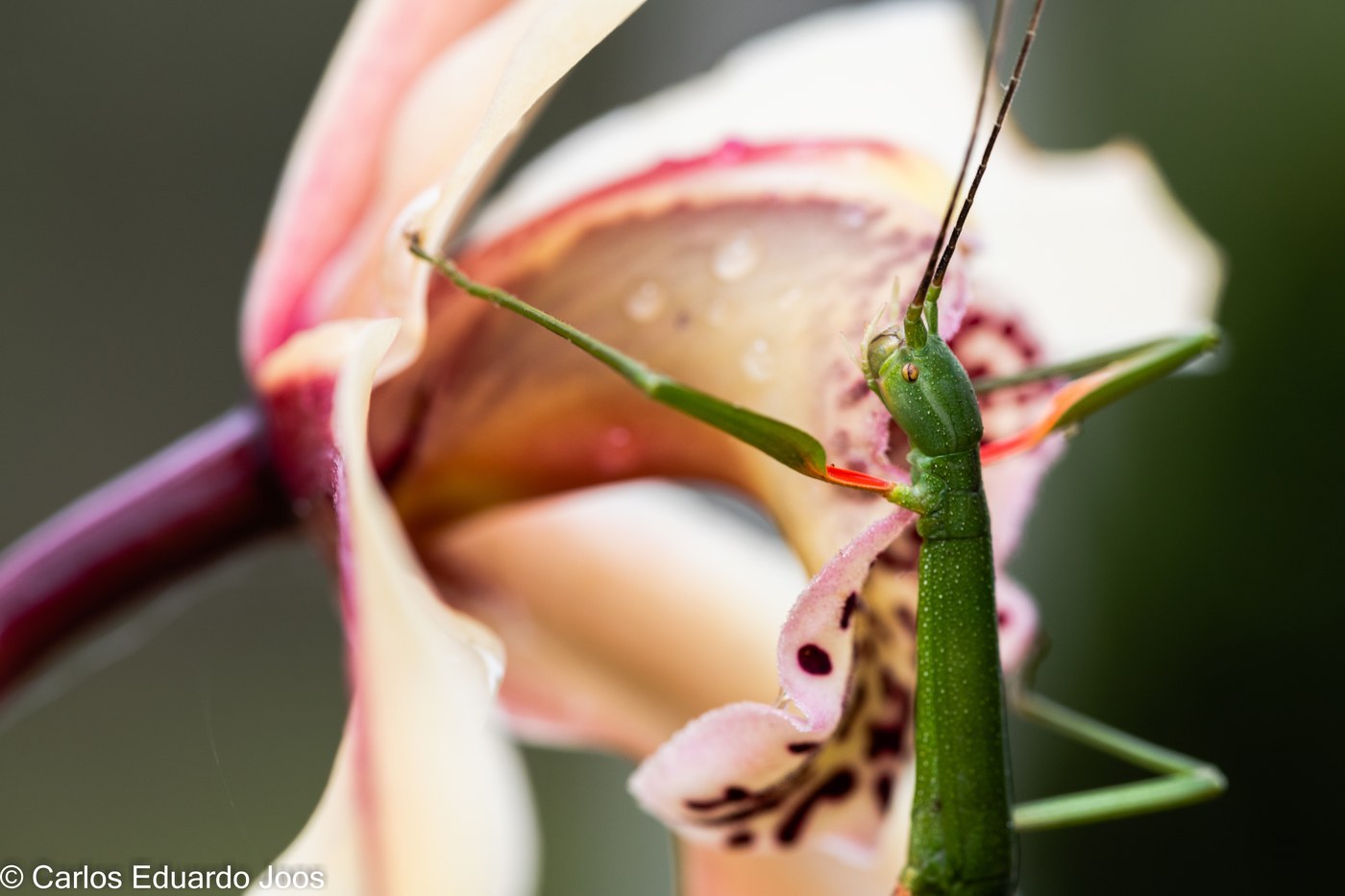
Northern Walkingstick
A slender, wingless insect so convincingly shaped like a twig that it can rest motionless on a branch just inches from view and go completely unnoticed.
mantis-stick