
Bug Encyclopedia
Search and identify bugs & insects — beetles, butterflies, moths, ants, bees, spiders and more — with size, habitat, danger, behavior, and how to tell them apart.
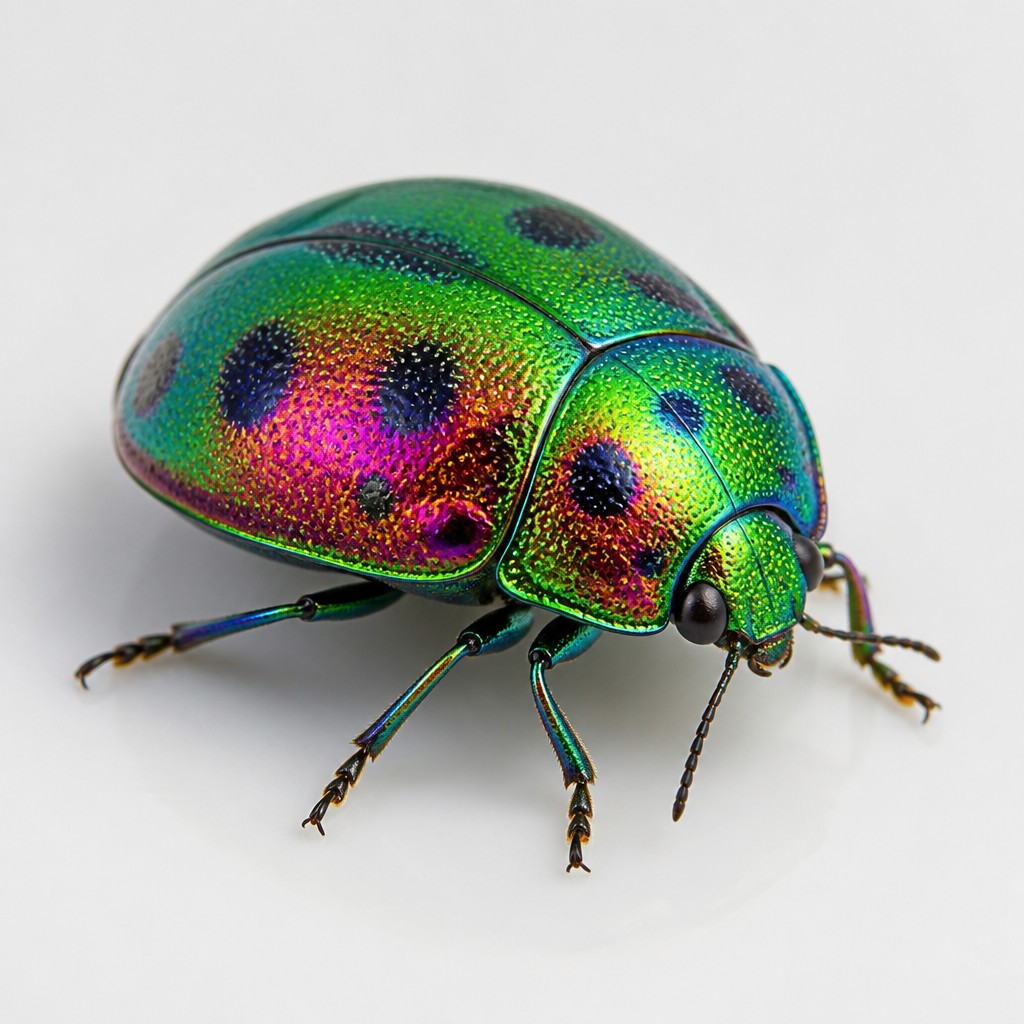
Jewel Bug
A living gemstone of the insect world, the jewel bug shimmers in dazzling metallic greens, blues, reds, and golds. Its enlarged shield-like back covers the entire body, making it look like a polished piece of enamelware.
true-bug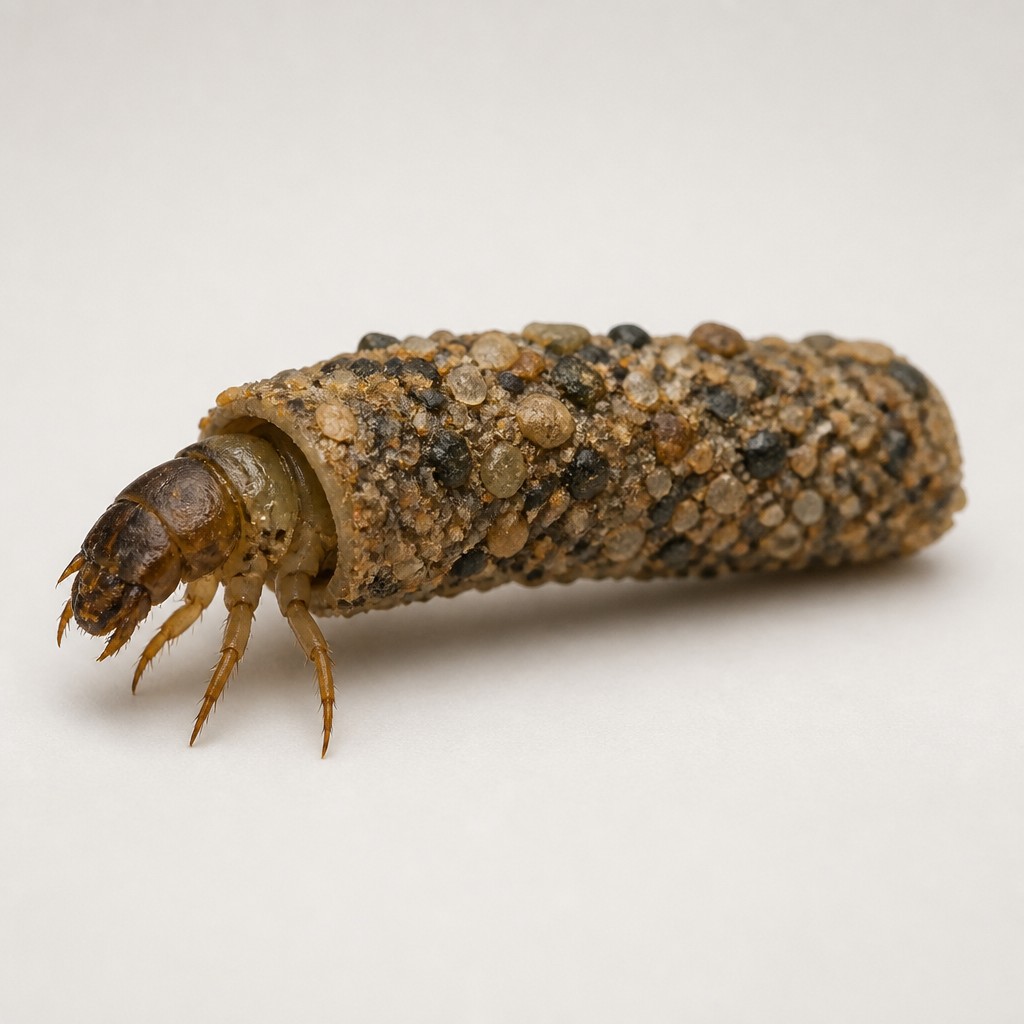
Caddisfly Larva
A soft-bodied aquatic larva famous for building a portable protective case from sand, gravel, or plant debris bound together with silk.
aquatic-insect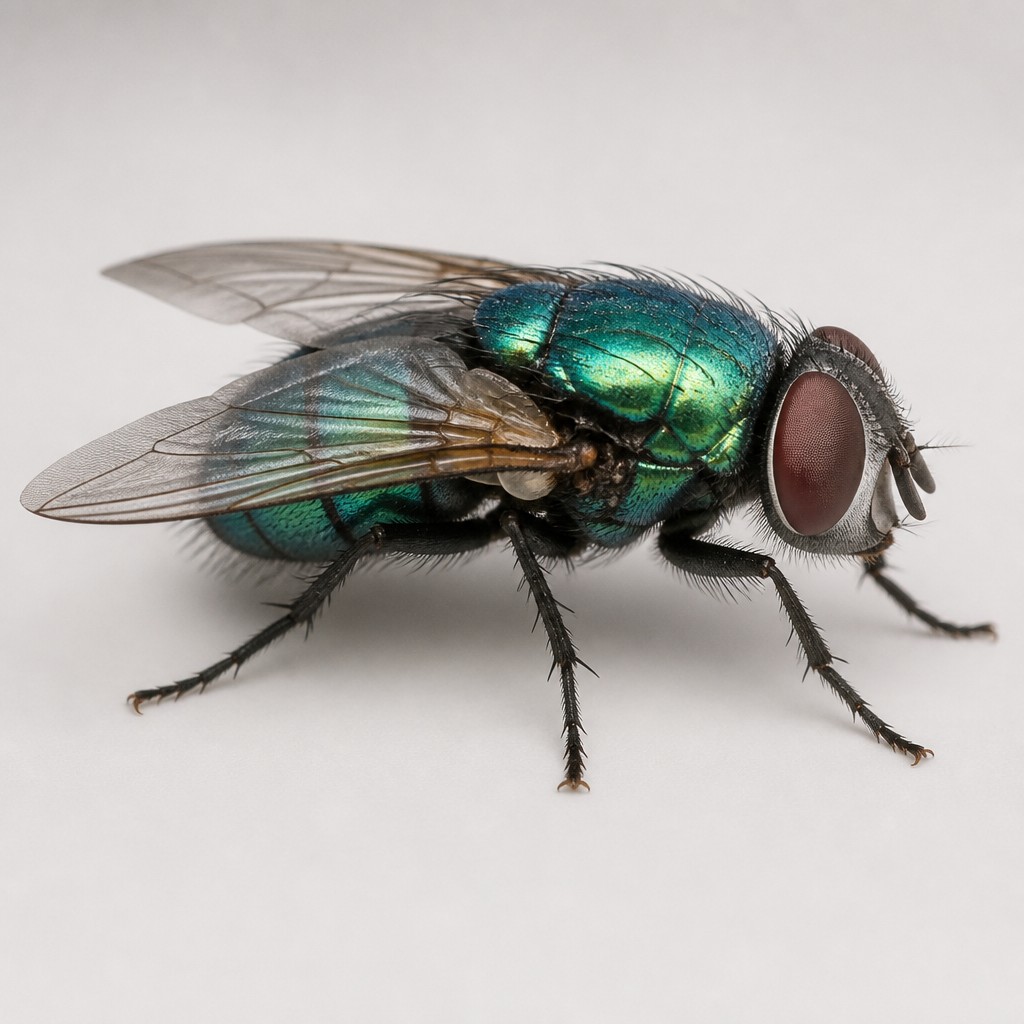
Screwworm Fly
A metallic blue-green blowfly whose larvae are unusual among maggots for feeding on living tissue rather than carrion, drawn to even small open wounds on warm-blooded animals. The species has been the target of one of the most successful large-scale insect eradication campaigns in history across much of North America.
fly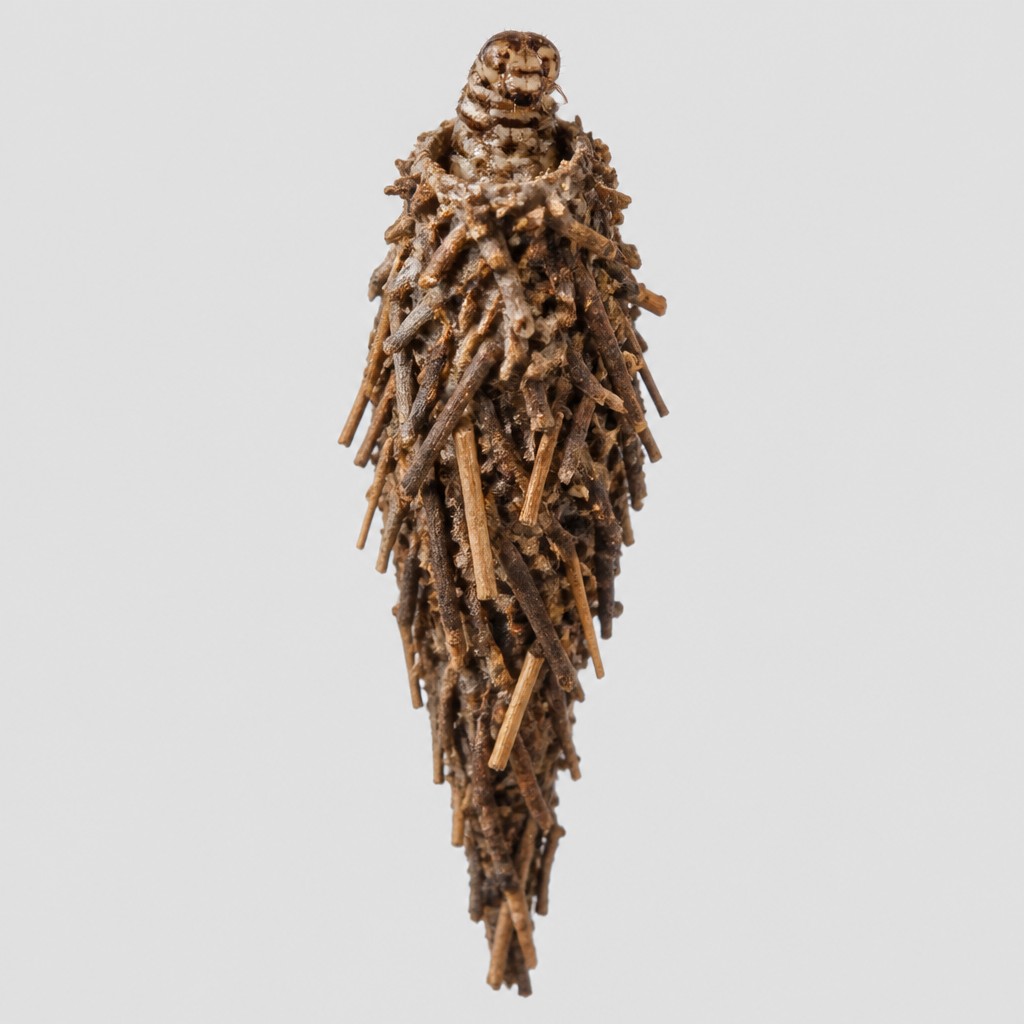
Bagworm
A caterpillar that constructs and lives inside a spindle-shaped case of silk and plant debris, dragging its portable shelter along as it feeds on tree foliage.
caterpillar-larva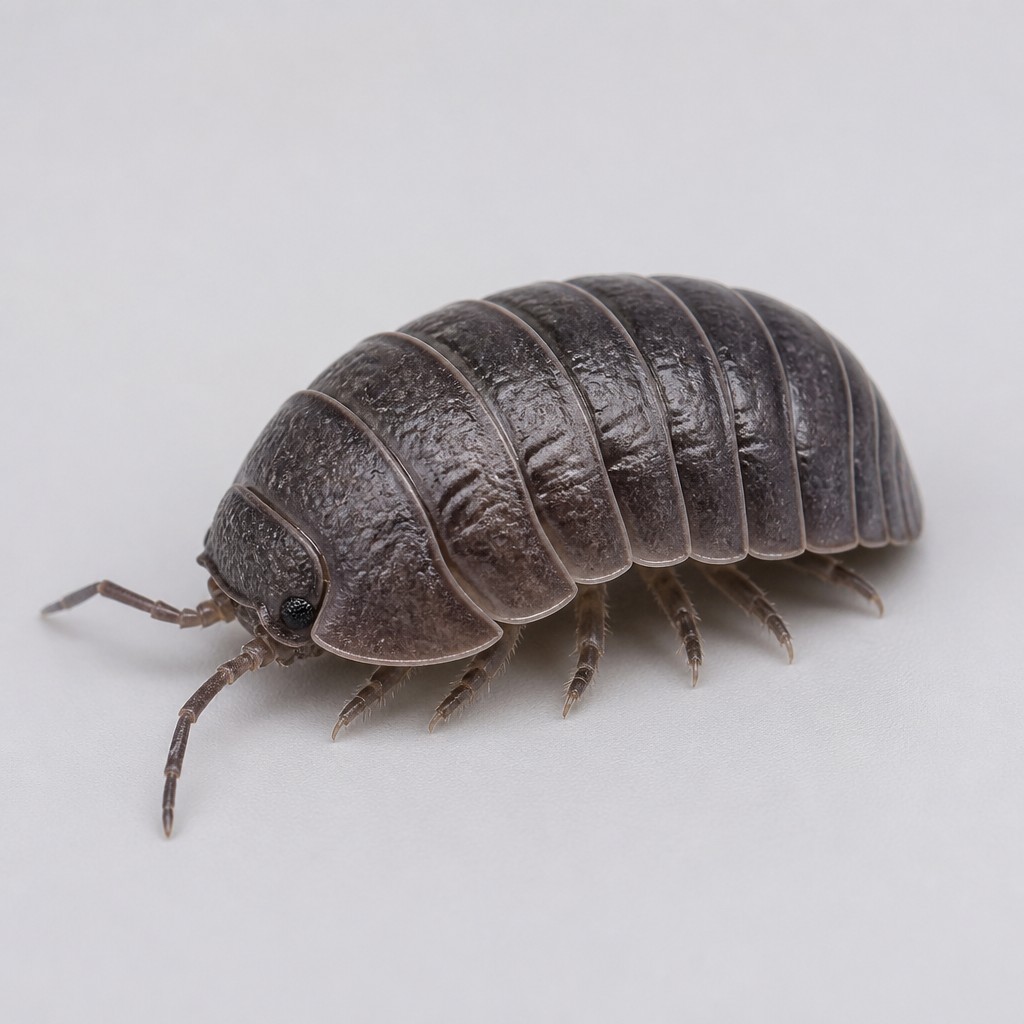
Pill Bug
A gray, segmented, armor-plated crustacean that curls into a tight ball when disturbed, commonly found under rocks, logs, and damp garden debris.
other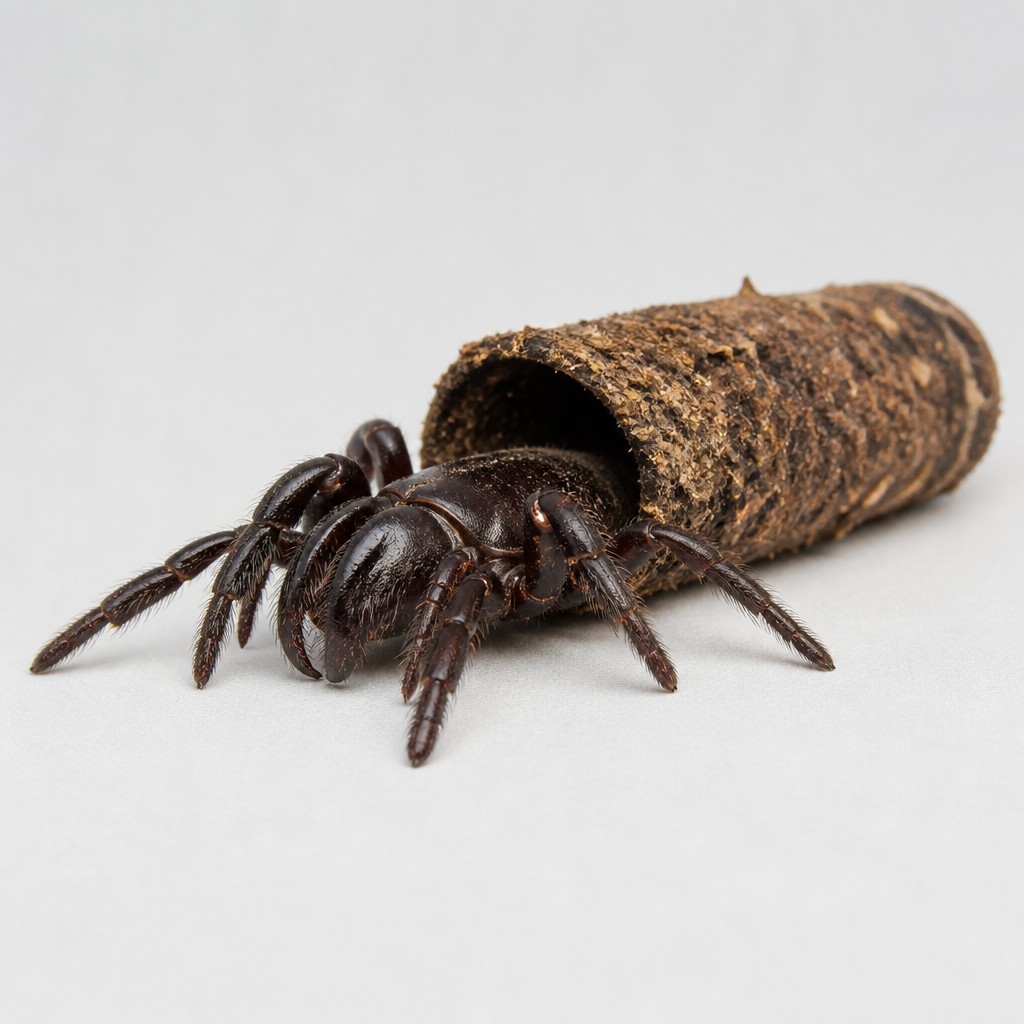
Purseweb Spider
A secretive, tube-dwelling spider that spends nearly its entire life hidden inside a silk-lined burrow extension camouflaged with soil and debris on the surface.
spider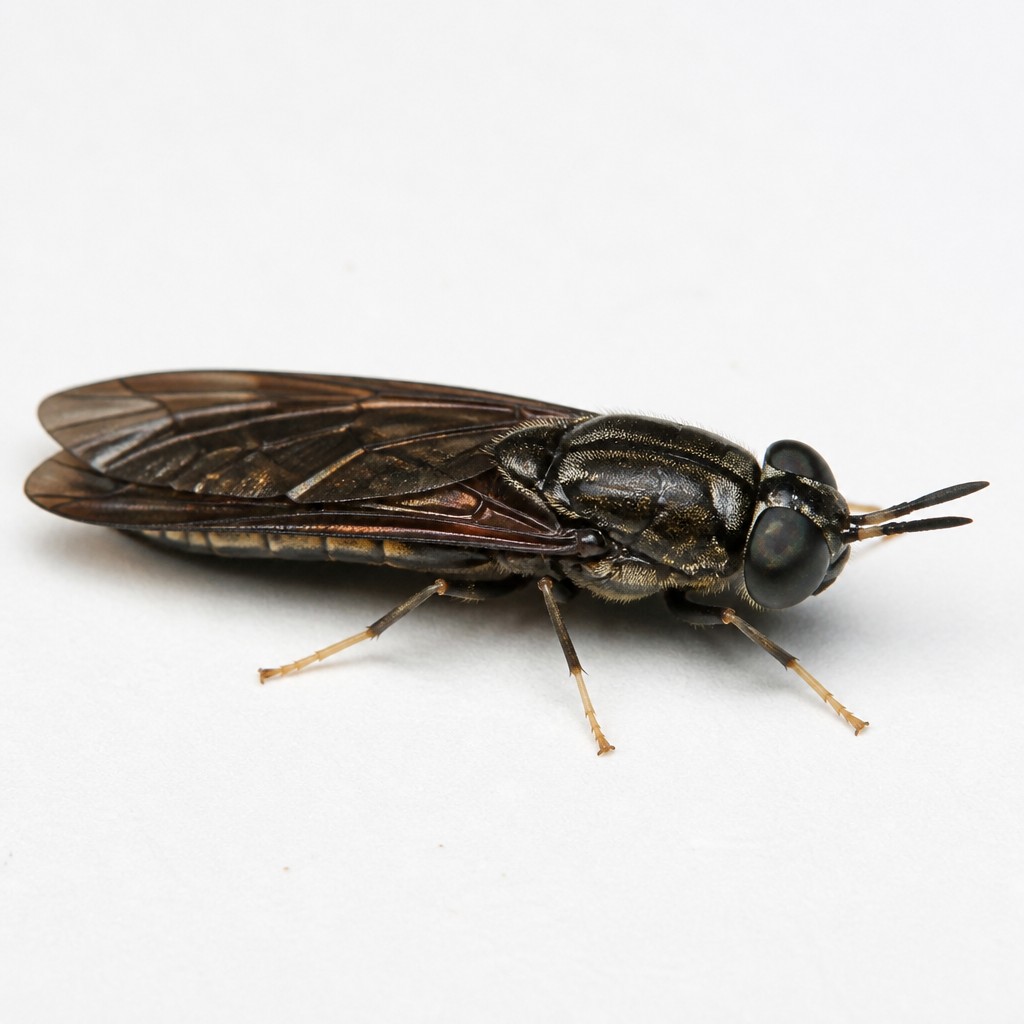
Soldier Fly
A wasp-mimicking fly with a flattened, often metallic body that spends its larval life quietly breaking down decaying plant matter or aquatic debris.
fly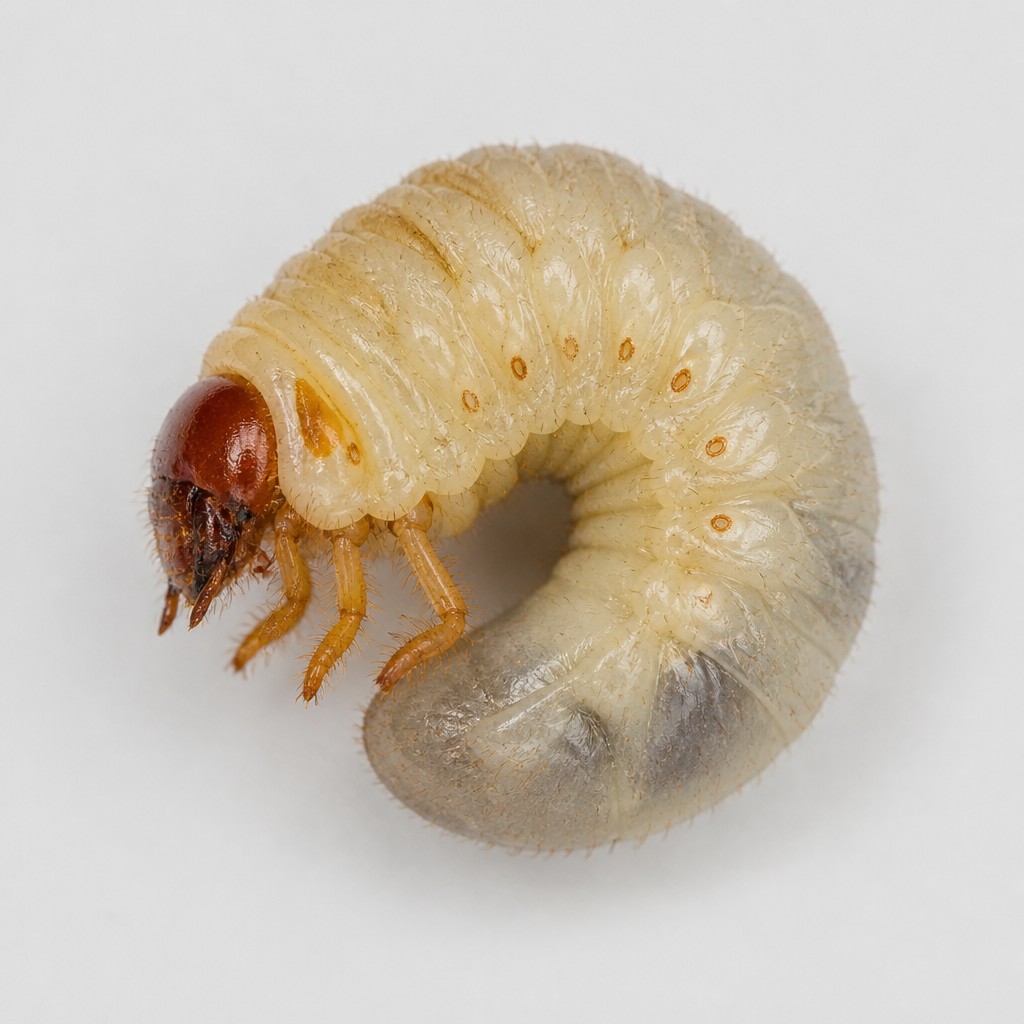
Grub Worm
A plump, C-shaped, creamy-white larva with a distinct brown head, living underground where it feeds on grass and plant roots before eventually maturing into a scarab beetle.
beetle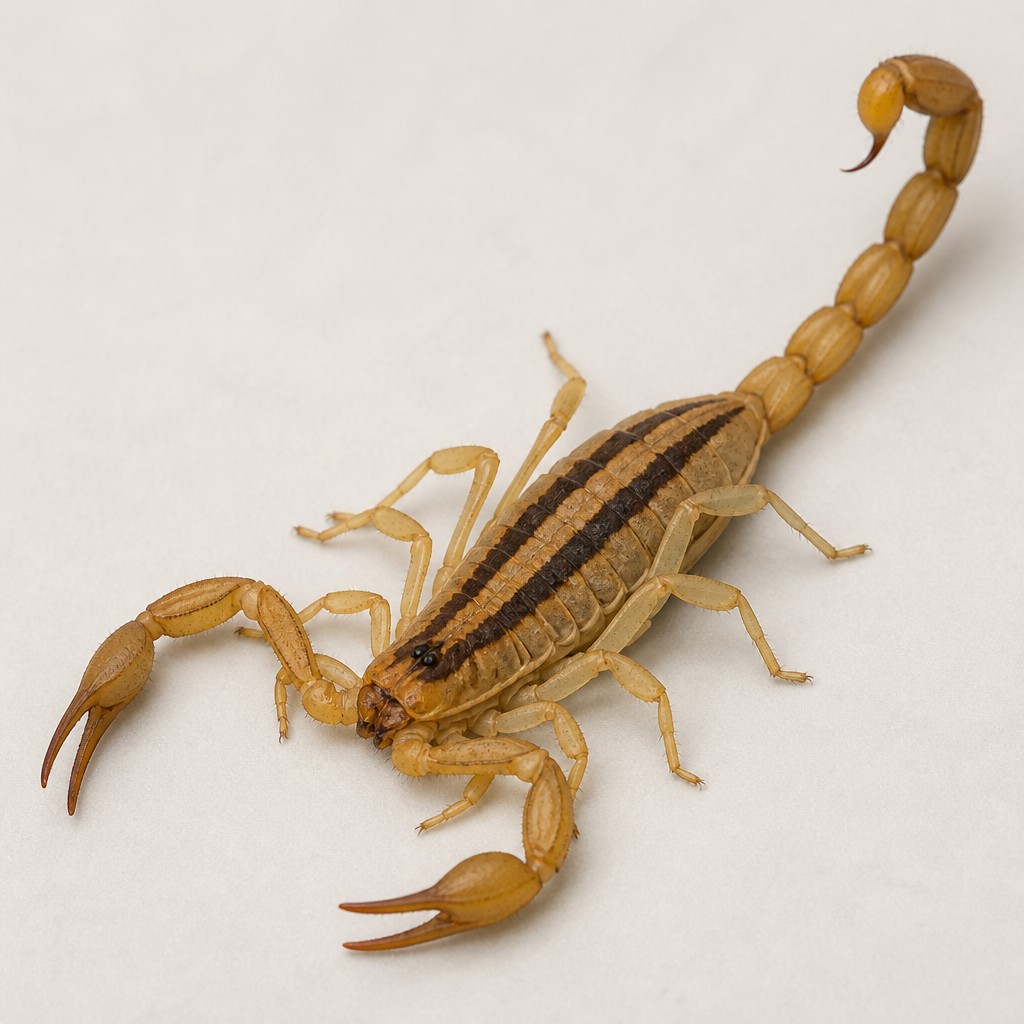
Striped Bark Scorpion
A slender, tan scorpion marked with two bold dark stripes down its back, often found tucked under bark, rocks, or debris across the central United States.
arachnid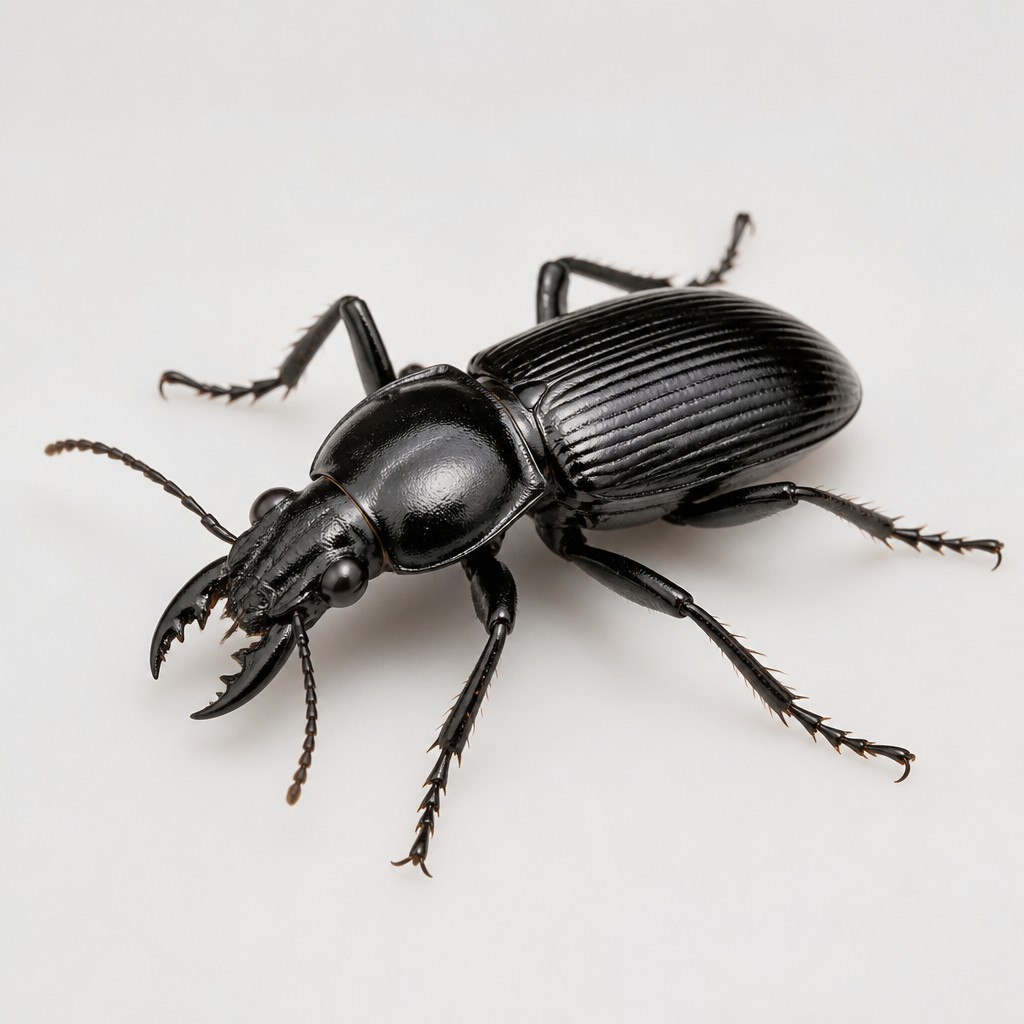
Ground Beetle
A fast-moving, shiny black or metallic beetle with long legs and prominent jaws, usually found scurrying under rocks and debris where it hunts other small invertebrates.
beetle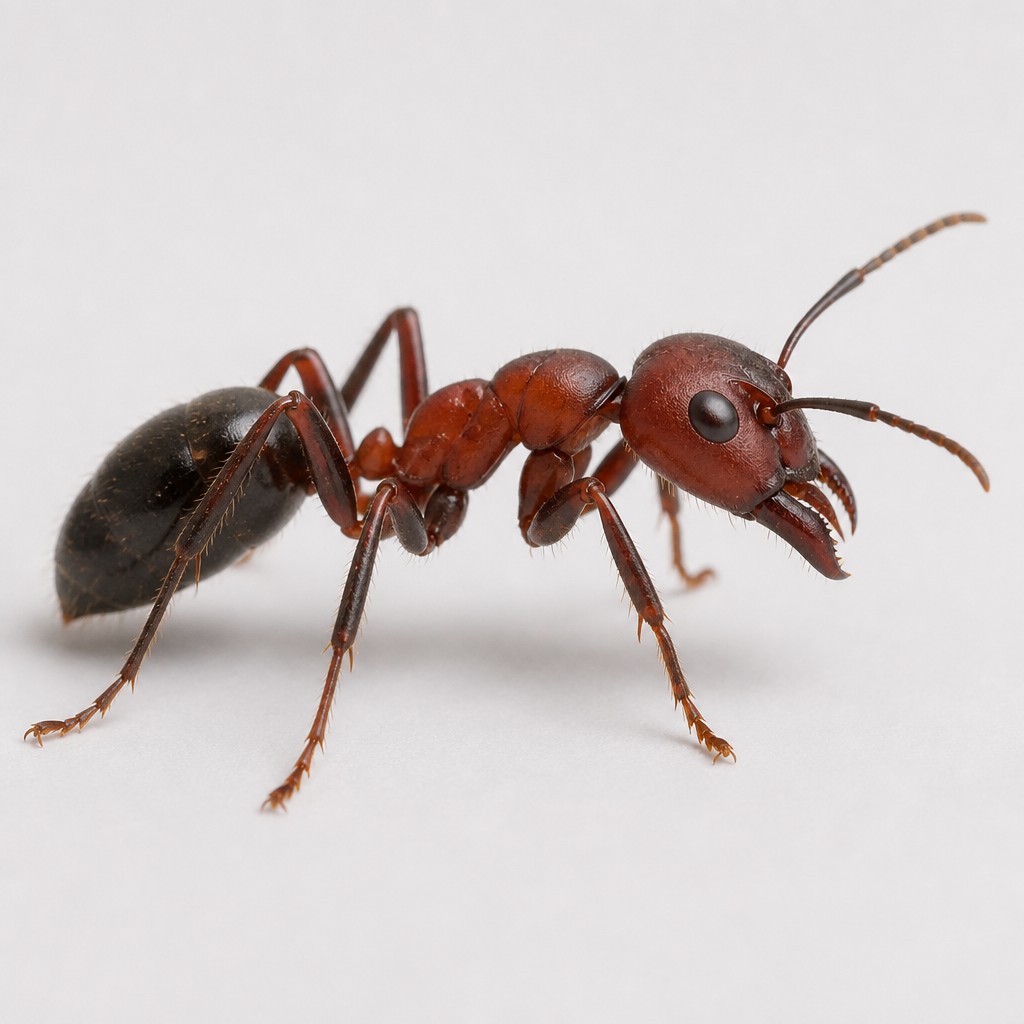
Army Ant
A nomadic predator that never builds a permanent nest, instead forming temporary living bivouacs from its own linked bodies and sweeping through the forest floor in massive predatory raids.
ant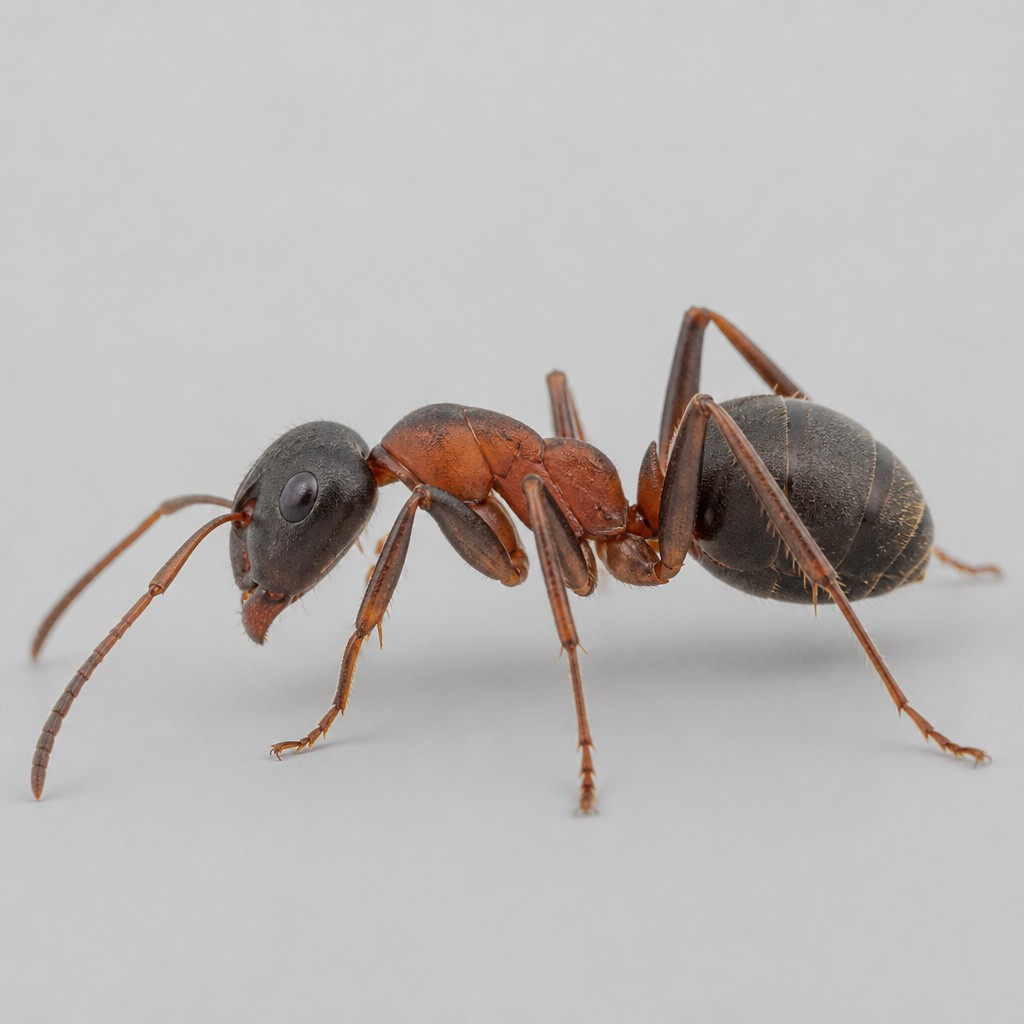
Field Ant
A large, common outdoor ant that builds conspicuous mound nests of soil and plant debris in sunny open ground and defends itself by spraying formic acid rather than stinging.
ant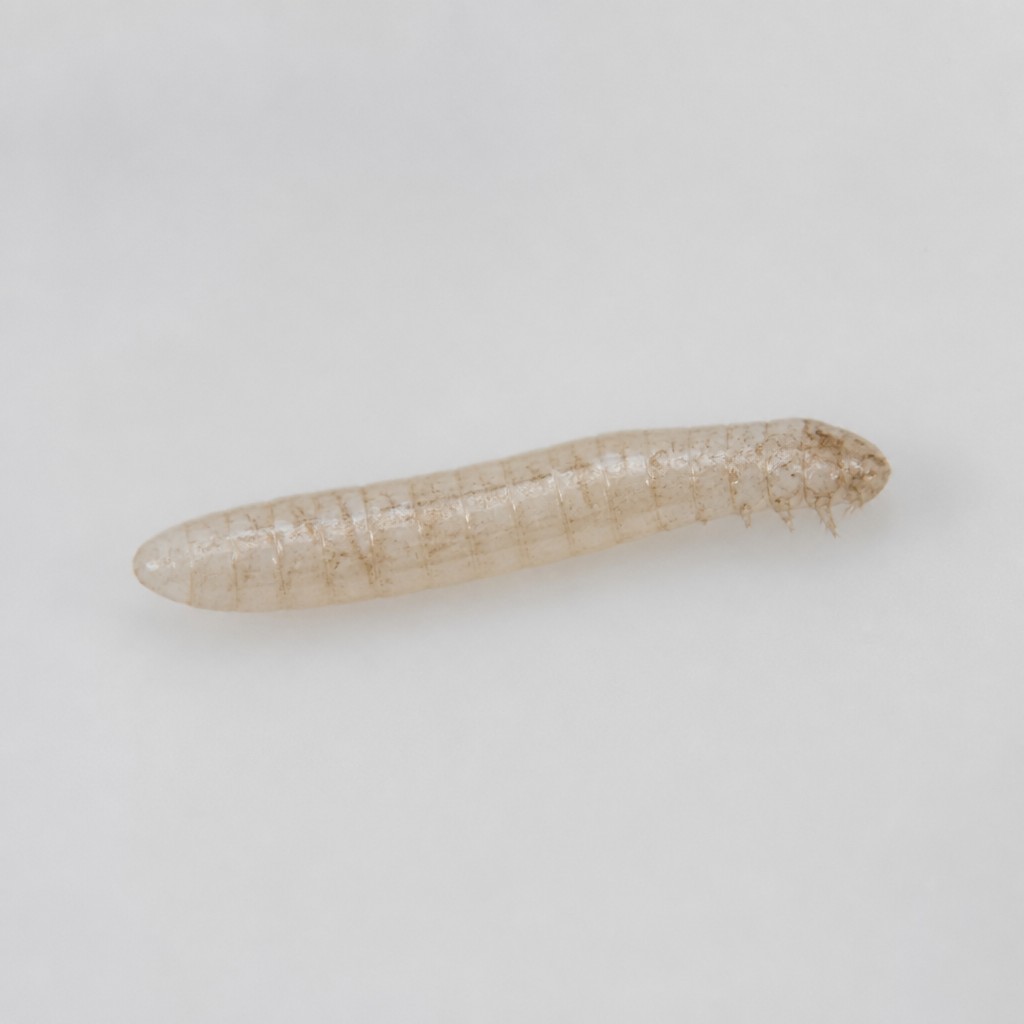
Follicle Mite
An elongated, microscopic mite shaped almost like a tiny worm, living deep within hair follicles and oil glands of mammal skin where it spends its entire life largely unnoticed.
arachnid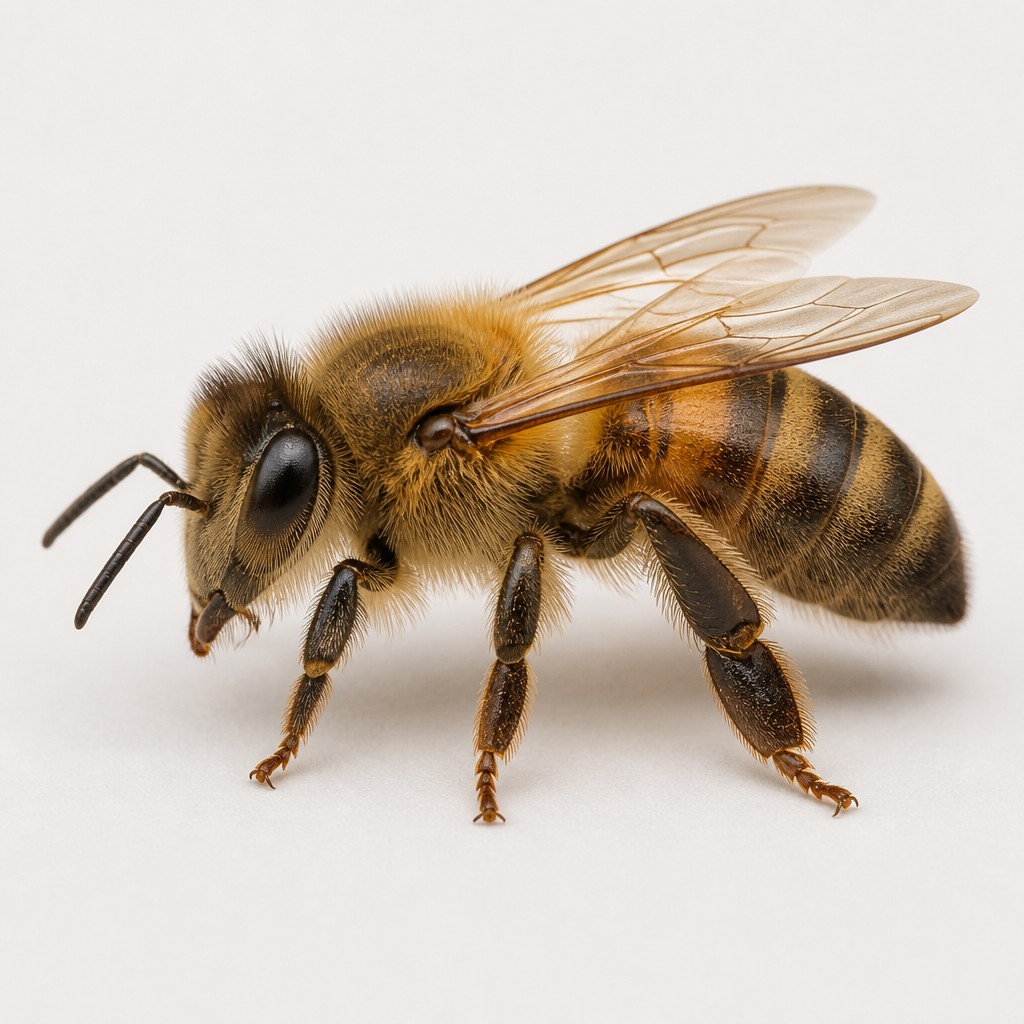
Western Honey Bee
The familiar golden-brown, fuzzy-banded honey bee kept worldwide for honey production and crop pollination, living in large perennial colonies built around wax comb and a single egg-laying queen.
bee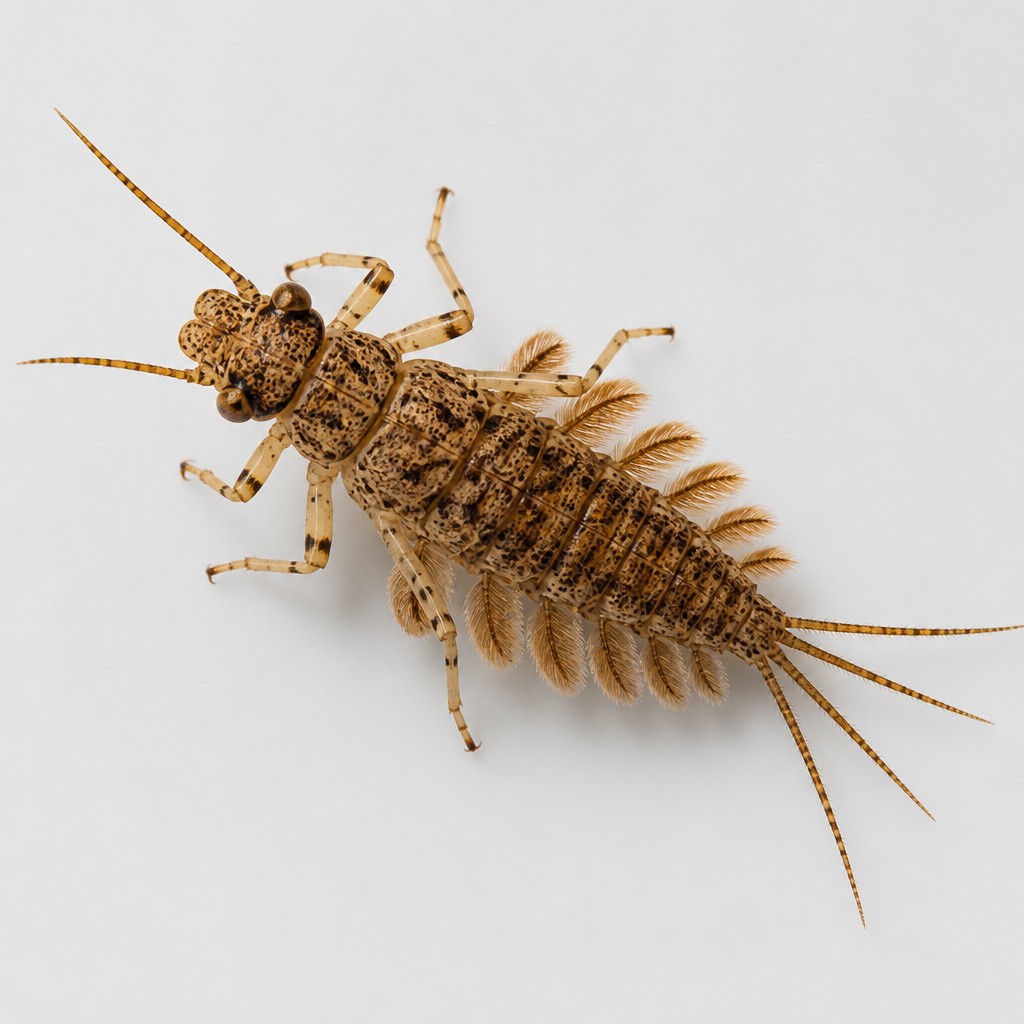
Mayfly Nymph
A short-lived aquatic grazer with feathery gills along its abdomen, living for months underwater before a brief, spectacular mass emergence as a winged adult.
aquatic-insect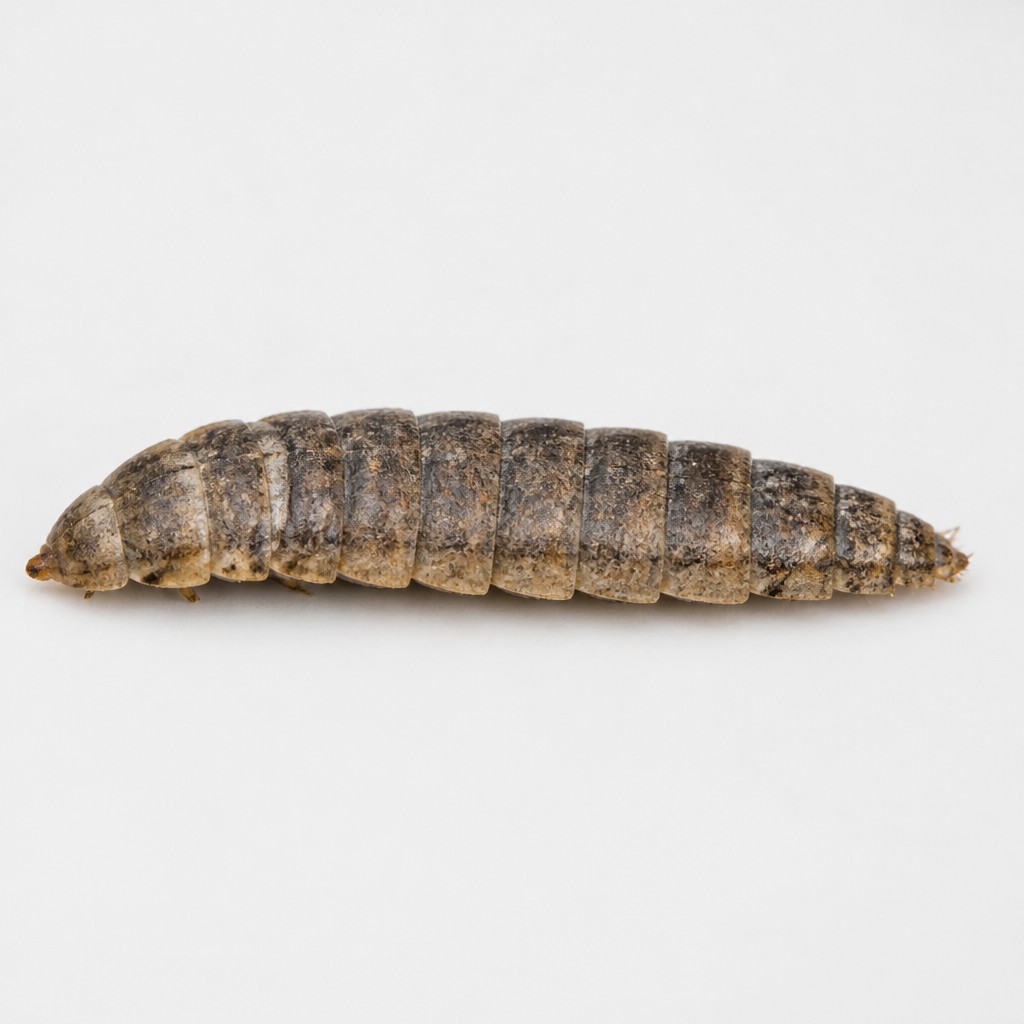
Soldier Fly Larva
Flattened, leathery, and tapered at both ends, the soldier fly larva drifts just beneath the surface film of ponds and marshes, filtering algae and organic debris while breathing through a fringe of water-repellent hairs at its tail.
aquatic-insect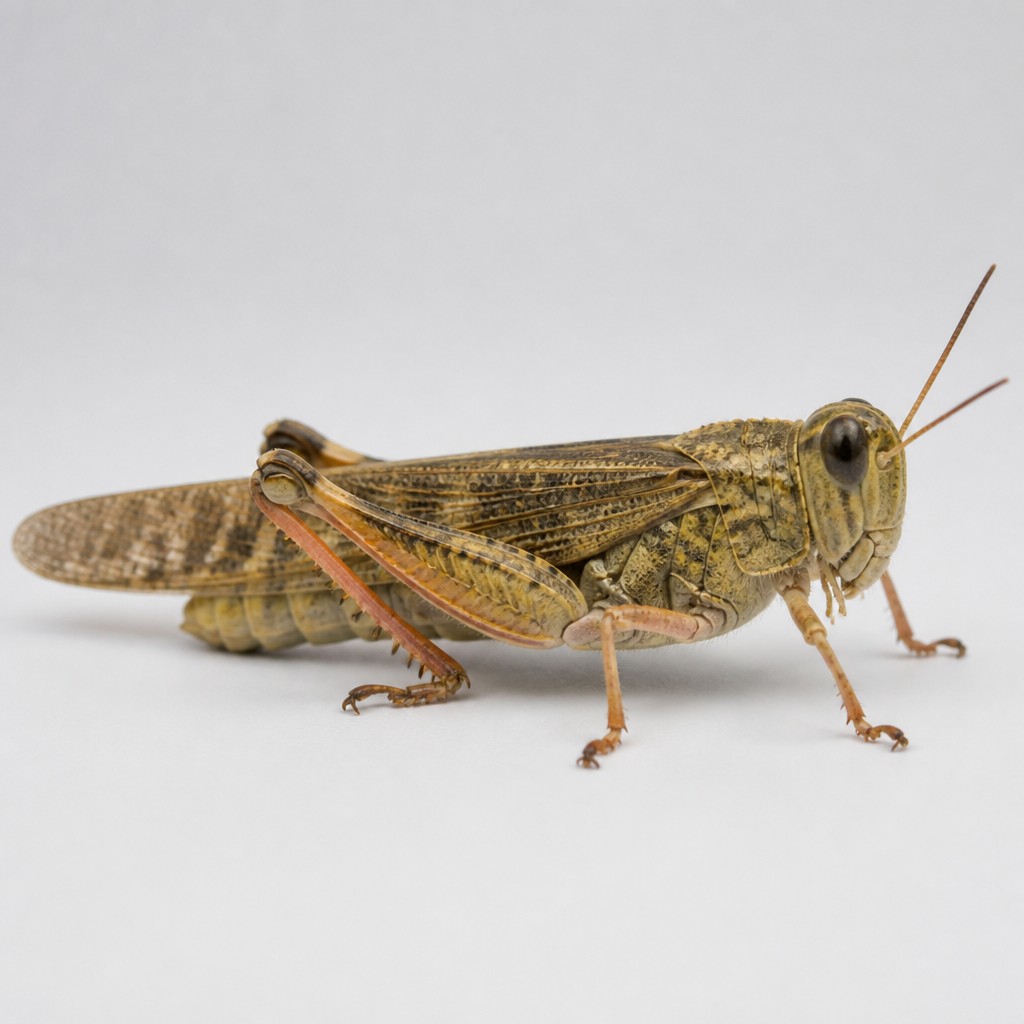
Rocky Mountain Locust
Once the most destructive insect in North American history, this swarming grasshopper vanished within a few decades of forming the largest insect swarm ever recorded.
grasshopper-cricket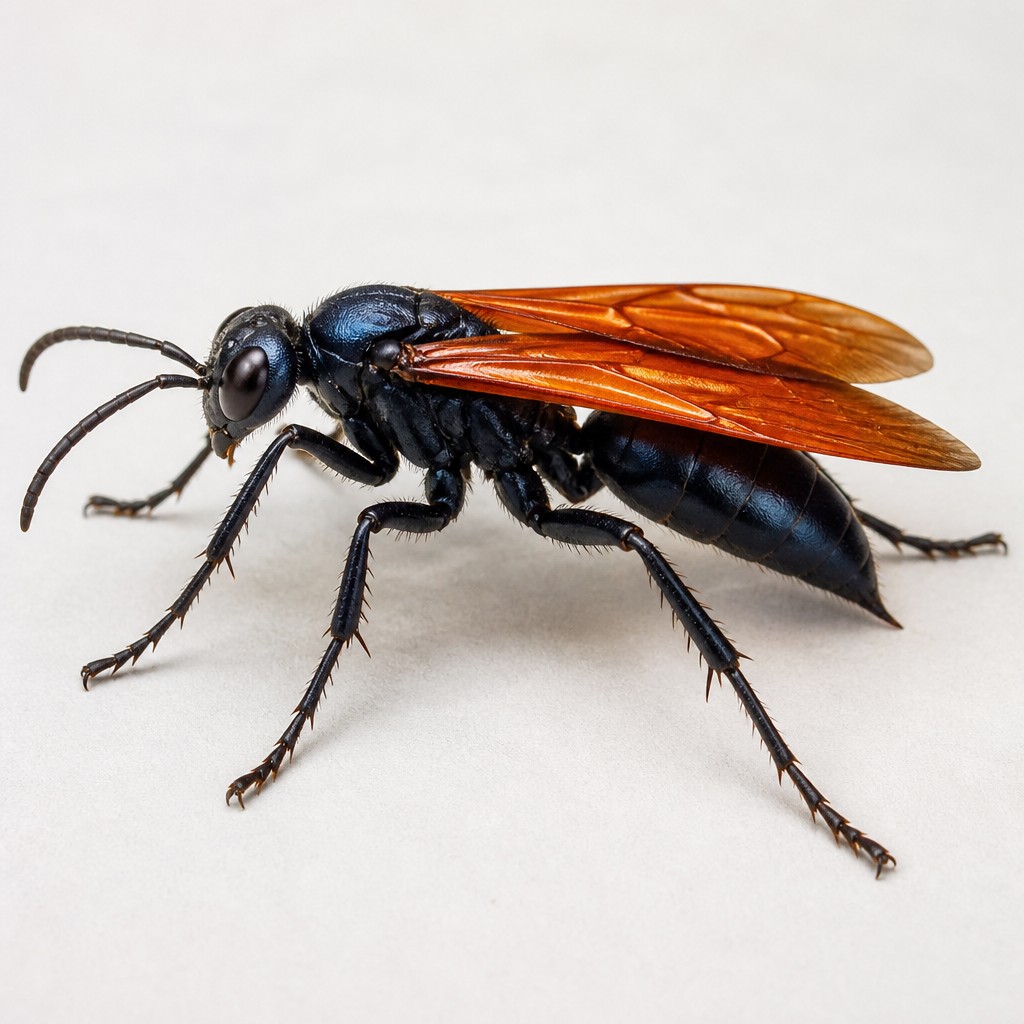
Tarantula Hawk Wasp
A giant metallic-blue wasp with rust-orange wings, the tarantula hawk is one of the largest wasps in the world. Females hunt tarantulas as living food for their single offspring.
wasp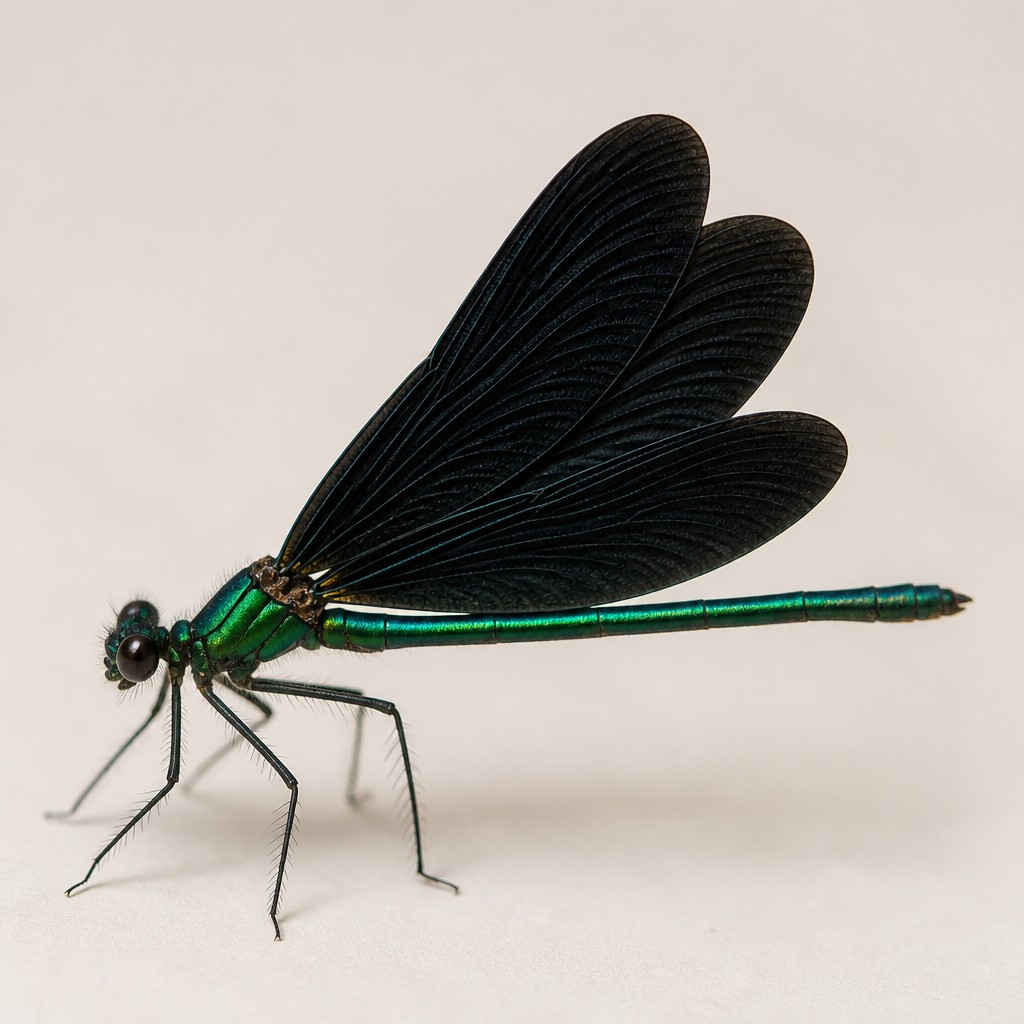
Ebony Jewelwing
With entirely jet-black wings and a metallic emerald-green body, the Ebony Jewelwing flutters through streamside shade like a living jewel, its wings flashing in filtered sunlight.
other
Riffle Beetle
Tiny and unassuming, riffle beetles cling tightly to submerged rocks in swift, clean streams for their entire lives, making them one of the most reliable living indicators of healthy water.
beetle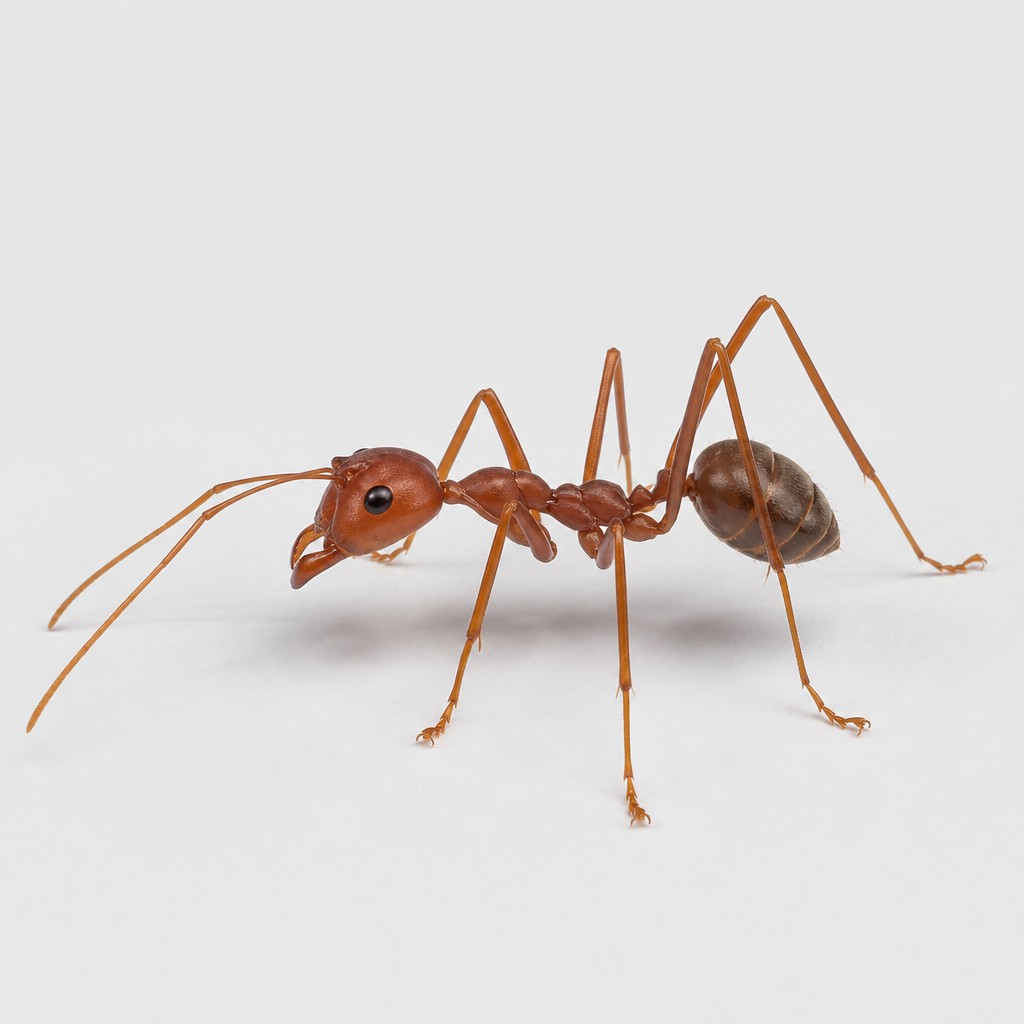
Weaver Ant
A tree-dwelling ant that builds its nest by stitching living leaves together with silk produced by its own larvae, forming elaborate arboreal colonies defended fiercely by its workers.
ant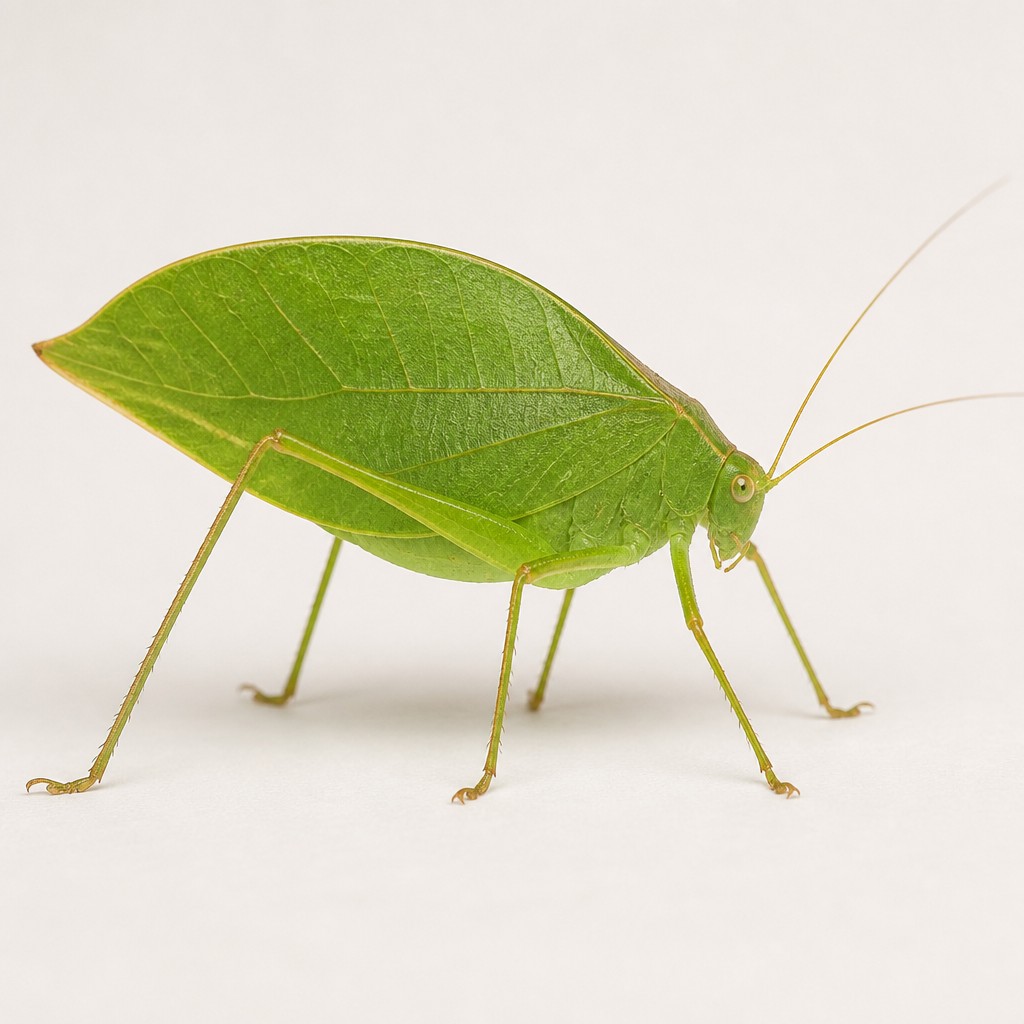
Common True Katydid
A living leaf that spends its life high in the treetops, the common true katydid is far more often heard than seen, producing the loud, rasping "katy-did, katy-didn't" chorus that fills eastern summer nights.
grasshopper-cricket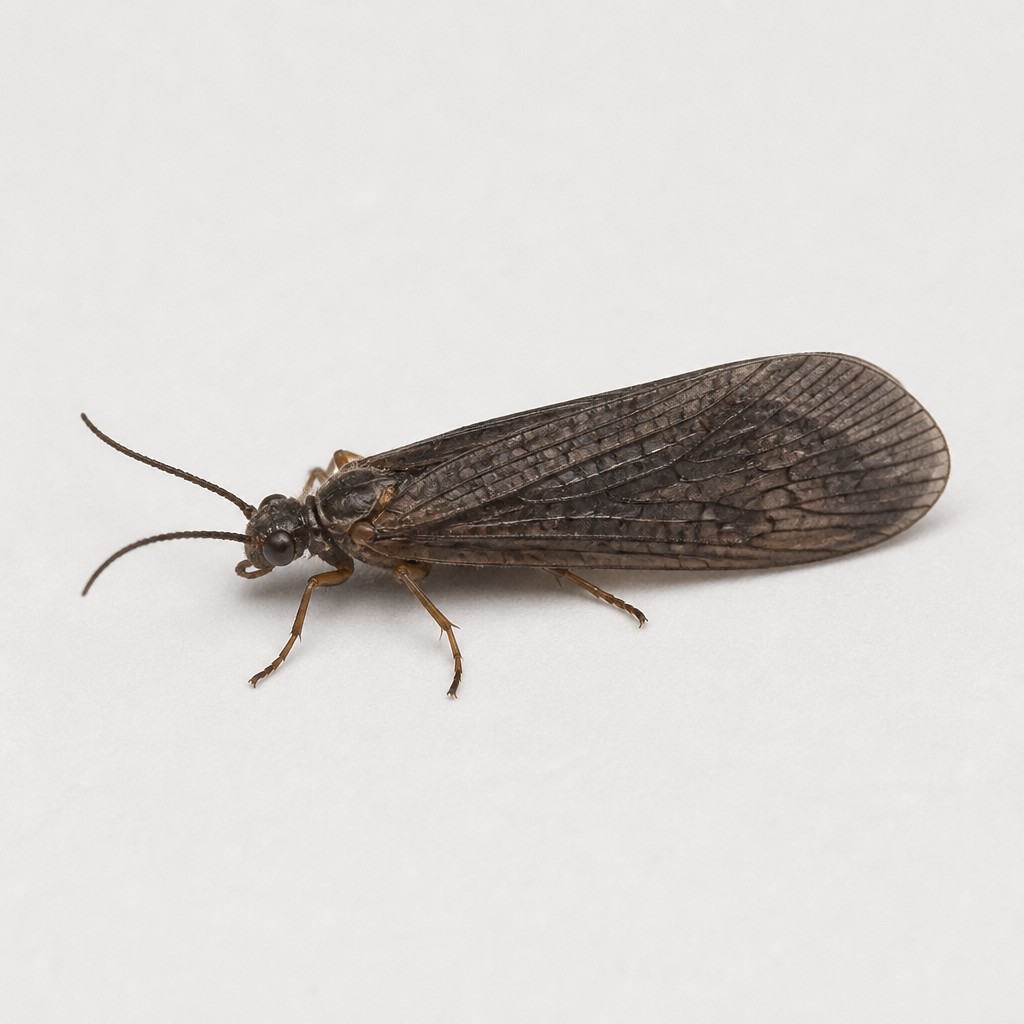
Alderfly
A small, dusky-winged insect that flutters weakly among streamside alders and shrubs, the diminutive relative of the mighty dobsonfly.
aquatic-insect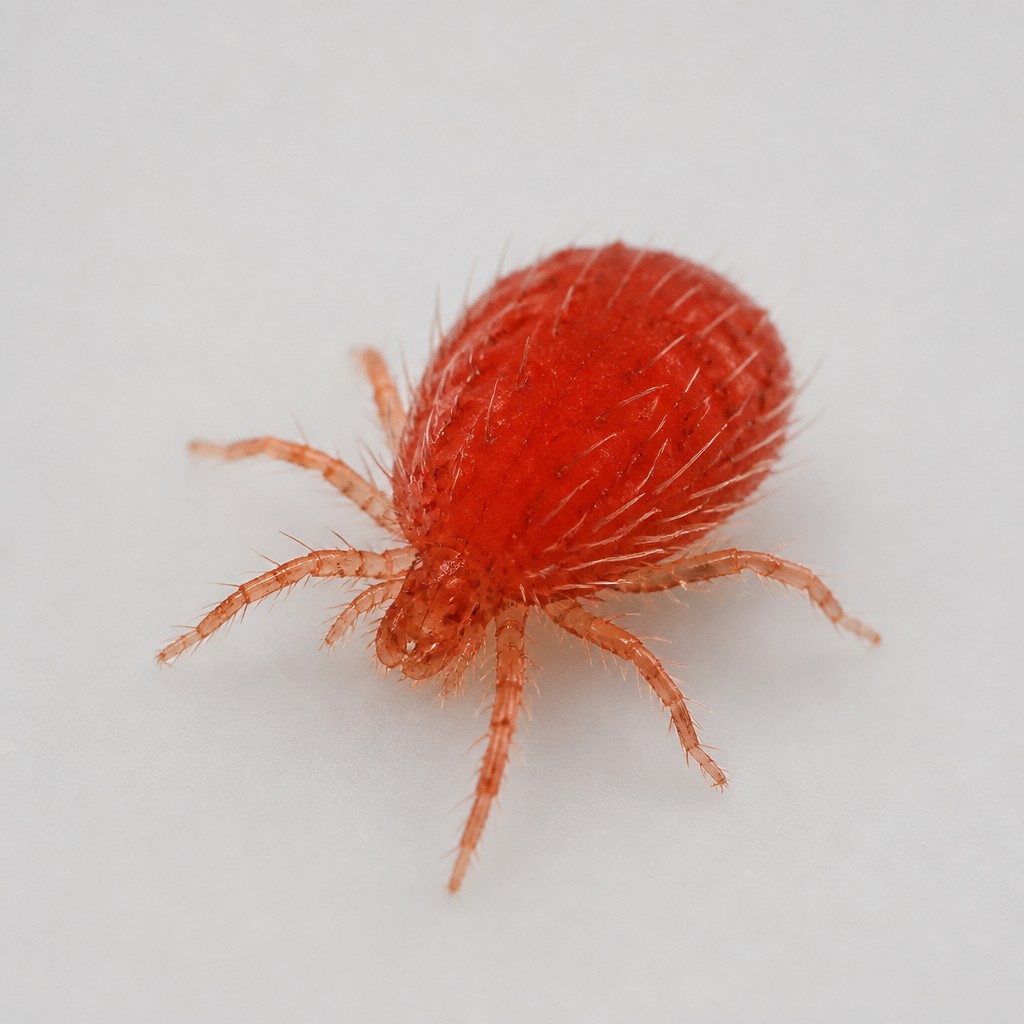
Chigger
A nearly microscopic mite larva that waits in clusters on grass tips for a passing host, taking a single brief meal before dropping away unseen. Only this larval stage is parasitic; the free-living adult spends its life hunting tiny prey in the soil.
arachnid