
Bug Encyclopedia
Search and identify bugs & insects — beetles, butterflies, moths, ants, bees, spiders and more — with size, habitat, danger, behavior, and how to tell them apart.
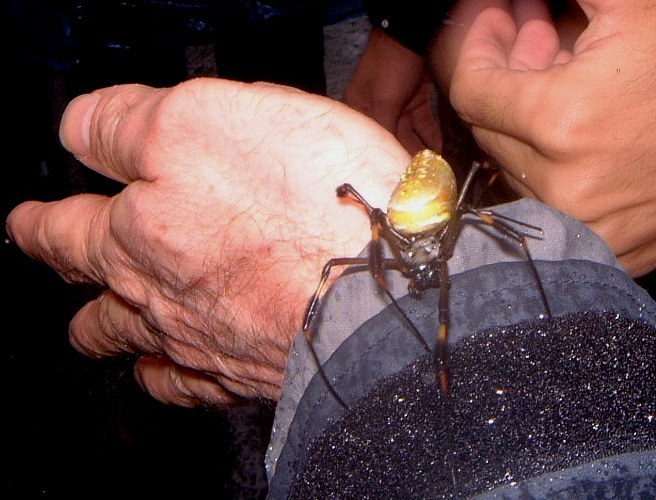
Golden Silk Orb Weaver
Suspended in a massive, glinting web strung between trees along a forest trail, the golden silk orb weaver is one of the largest and most striking web-building spiders in the Americas, spinning silk with a distinctive yellow-gold sheen.
spiderFungus Gnat
A small, dark, mosquito-like fly with long legs and delicate smoky wings, often seen weakly fluttering around houseplants or crawling across damp potting soil.
fly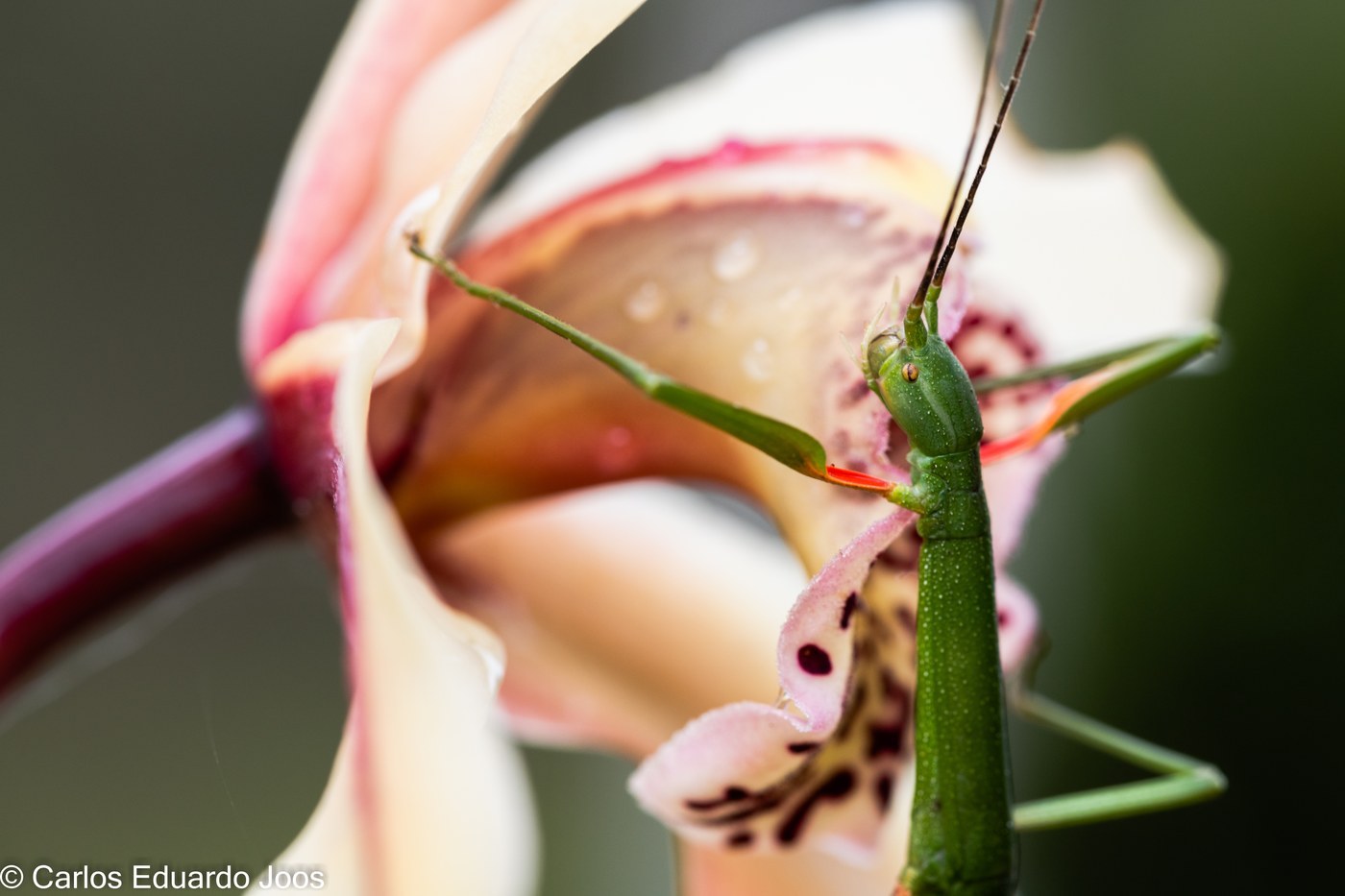
Walking Stick
A remarkably twig-like insect with a long, slender, brown to green body and thin legs, so effective at mimicking a plant stem that it can be nearly invisible while motionless on vegetation.
mantis-stick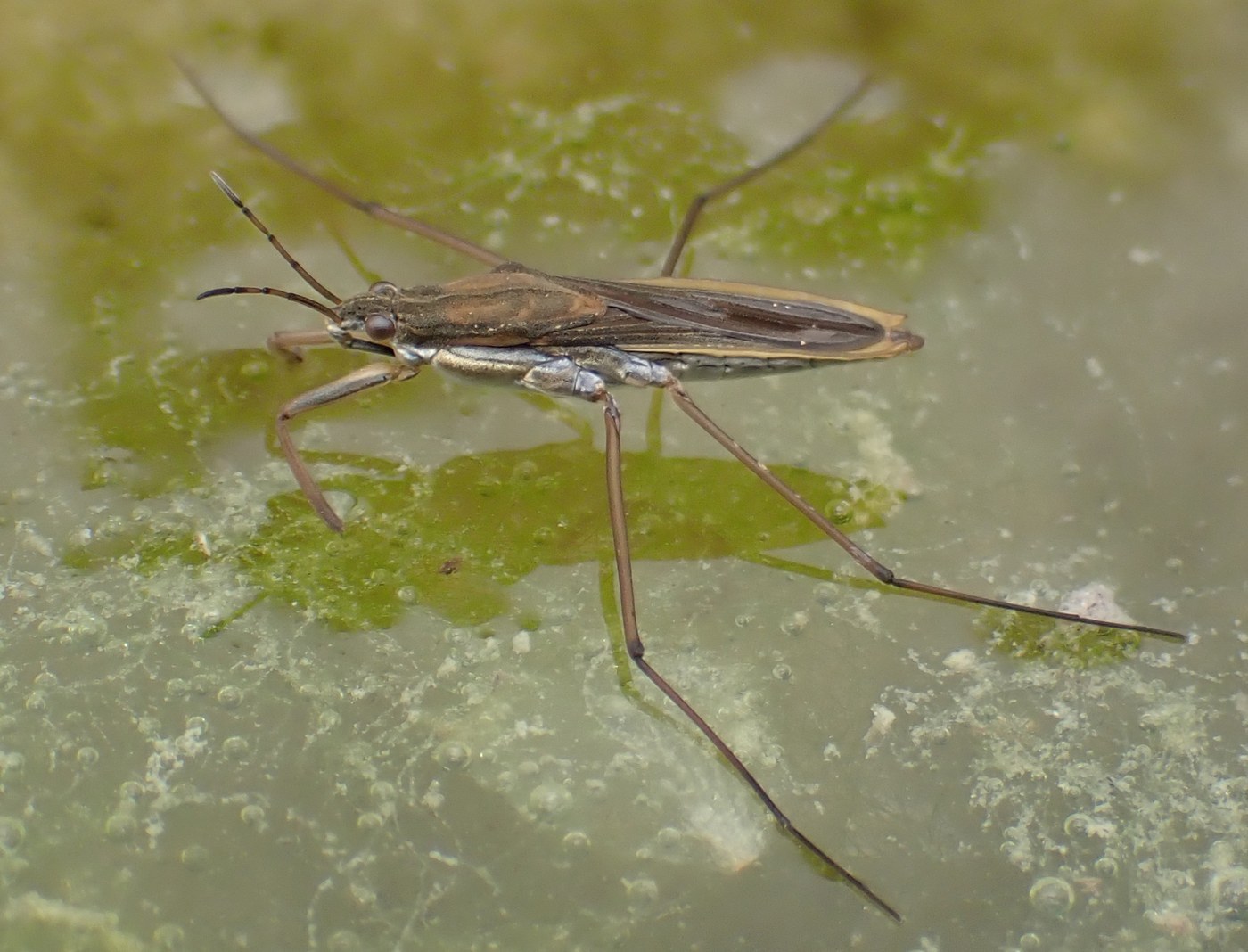
Pond Skater
Skimming effortlessly across the surface of still water on long, spindly legs, the pond skater uses ripples to detect struggling insects, which it seizes and pierces with needle-like mouthparts.
true-bug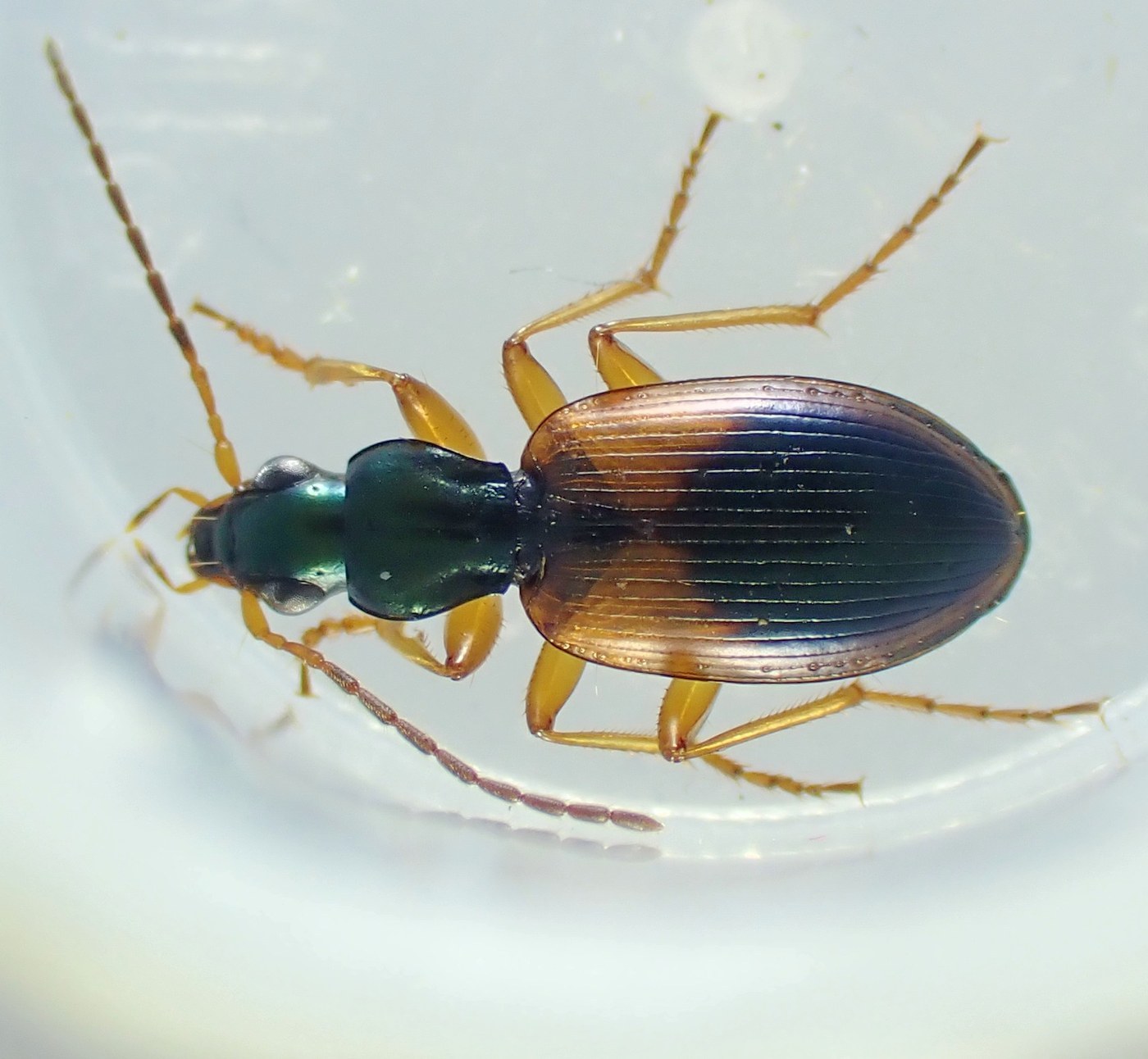
Ground Beetle
A fast-moving, shiny black or metallic beetle with long legs and prominent jaws, usually found scurrying under rocks and debris where it hunts other small invertebrates.
beetle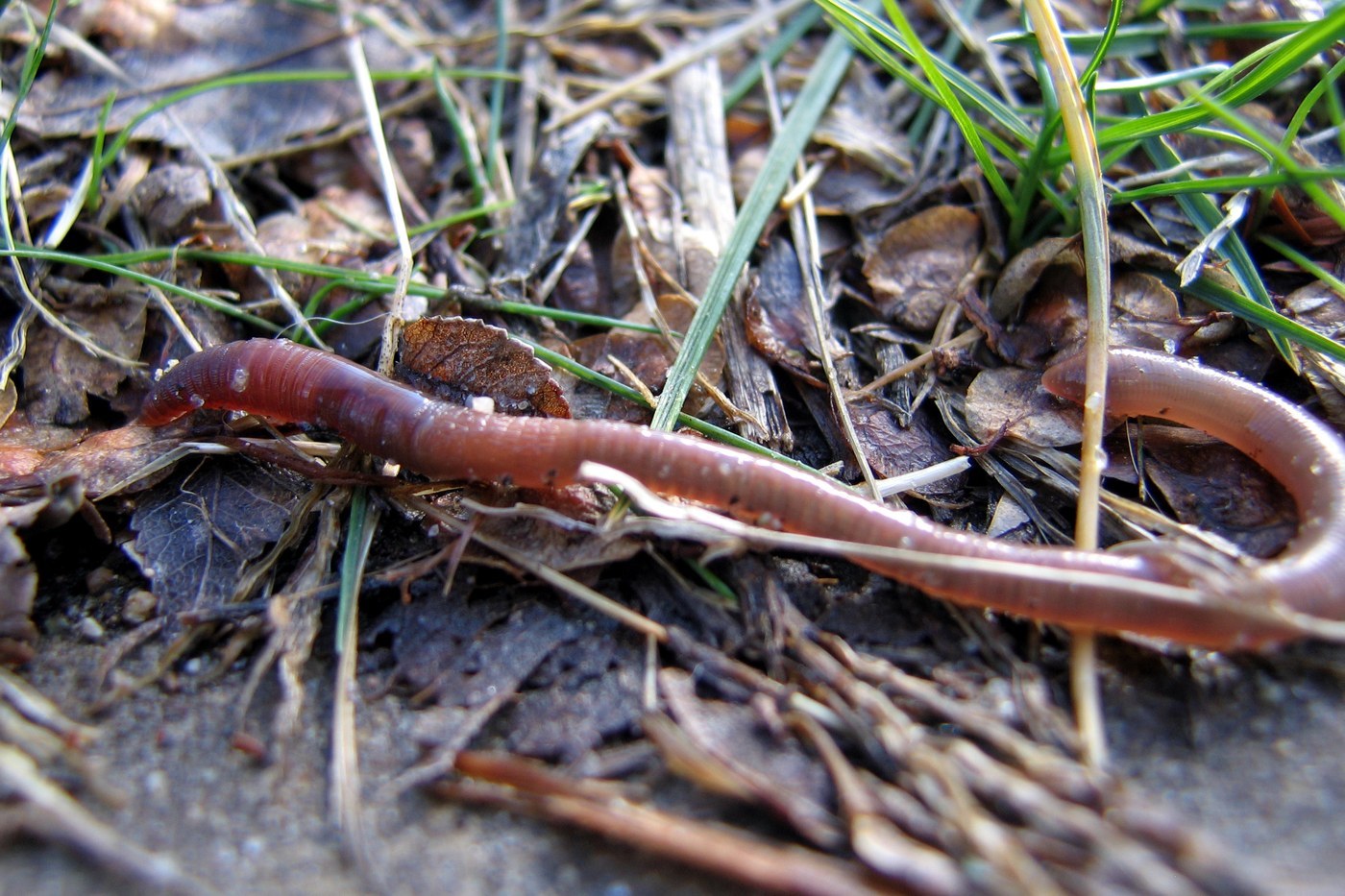
Earthworm
A long, smooth, segmented soil-dweller with no legs, eyes, or shell, best recognized by its ringed body and the pale saddle-like band (clitellum) found on mature individuals.
otherSoil Centipede
An extremely long, thin, worm-like centipede with dozens of leg pairs that burrows through soil using its elongated body rather than speed to get around.
myriapodMud Dauber Wasp
Slender, long-waisted wasps that build distinctive nests from mud, mud daubers stock their cells with paralyzed spiders. Their tube or urn-shaped mud nests are common under eaves and bridges.
wasp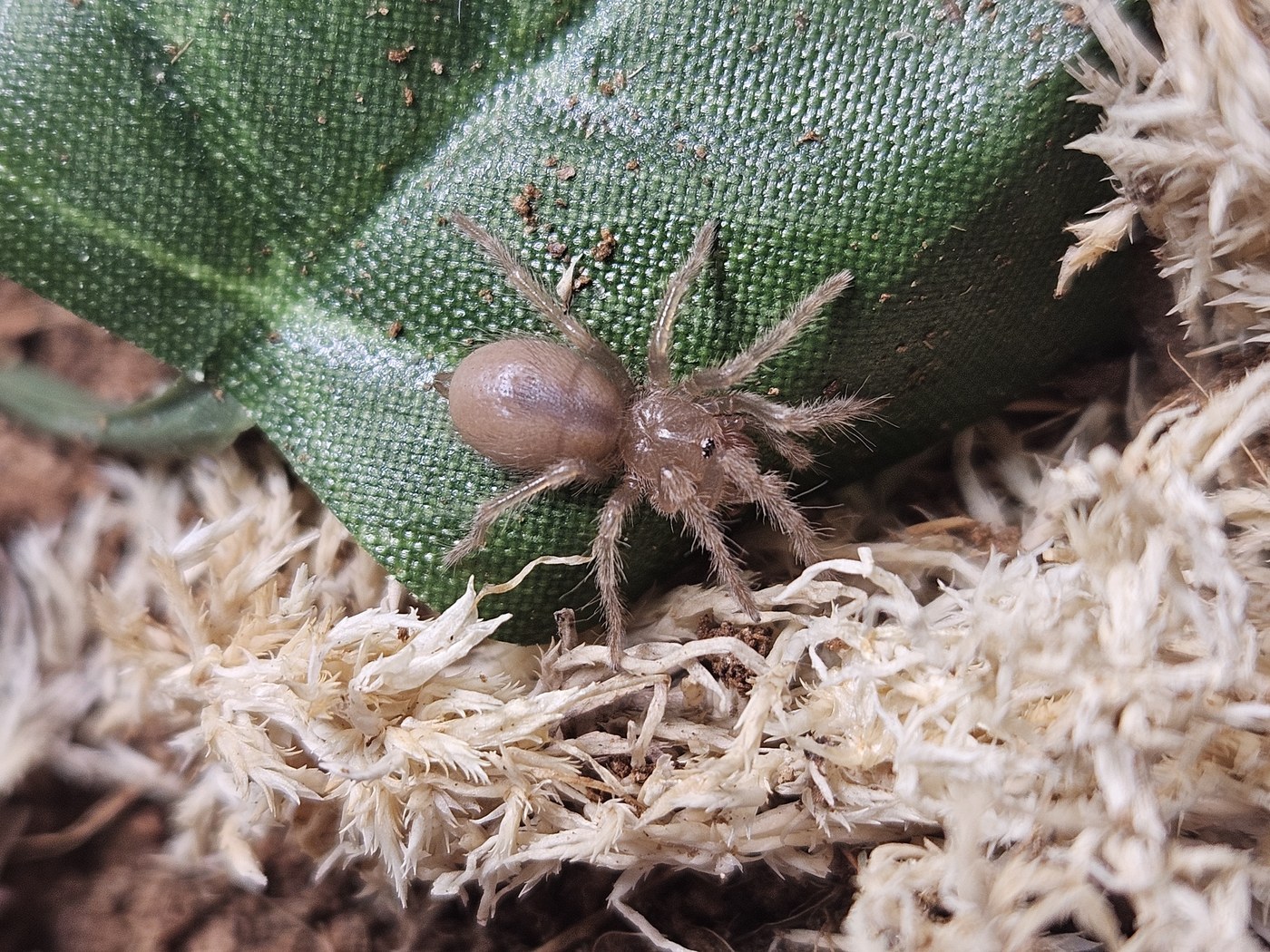
Mexican Redknee Tarantula
One of the most recognizable tarantulas in the world, this heavy-bodied spider has jet-black legs banded with vivid orange-red at each joint, and defends itself by kicking a cloud of irritating hairs from its abdomen rather than attacking.
spiderSnipe Fly
A slender, long-legged fly often seen perched head-down on a sunny tree trunk or fence post, patiently watching for smaller insects to ambush. Its tapered, wasp-like abdomen and habit of resting motionless with legs splayed give it a distinctive, almost sentry-like posture in woodland clearings.
flyMarch Fly
A stout, all-black fly that emerges in sudden, dense swarms during the first warm days of spring, often dangling its long hind legs conspicuously in slow, low flight over grass. Its name comes from its habit of appearing reliably around the start of the month, sometimes on cue near a particular saint's feast day in the traditional European calendar.
fly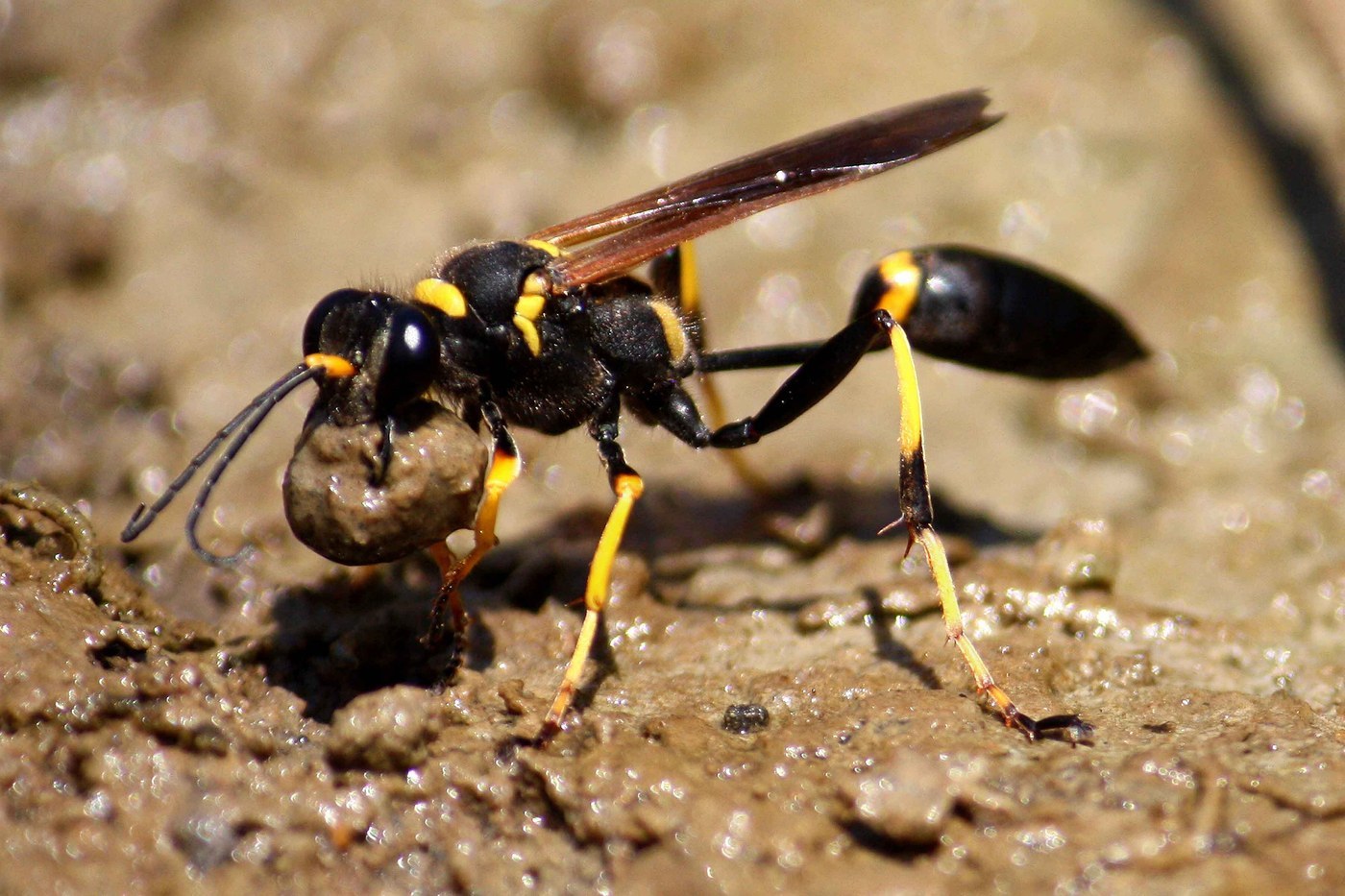
Mud Wasp
A slender, thread-waisted solitary wasp famous for plastering rows of tube-shaped mud cells under eaves and porch ceilings, each one stocked with paralyzed spiders for its larva.
wasp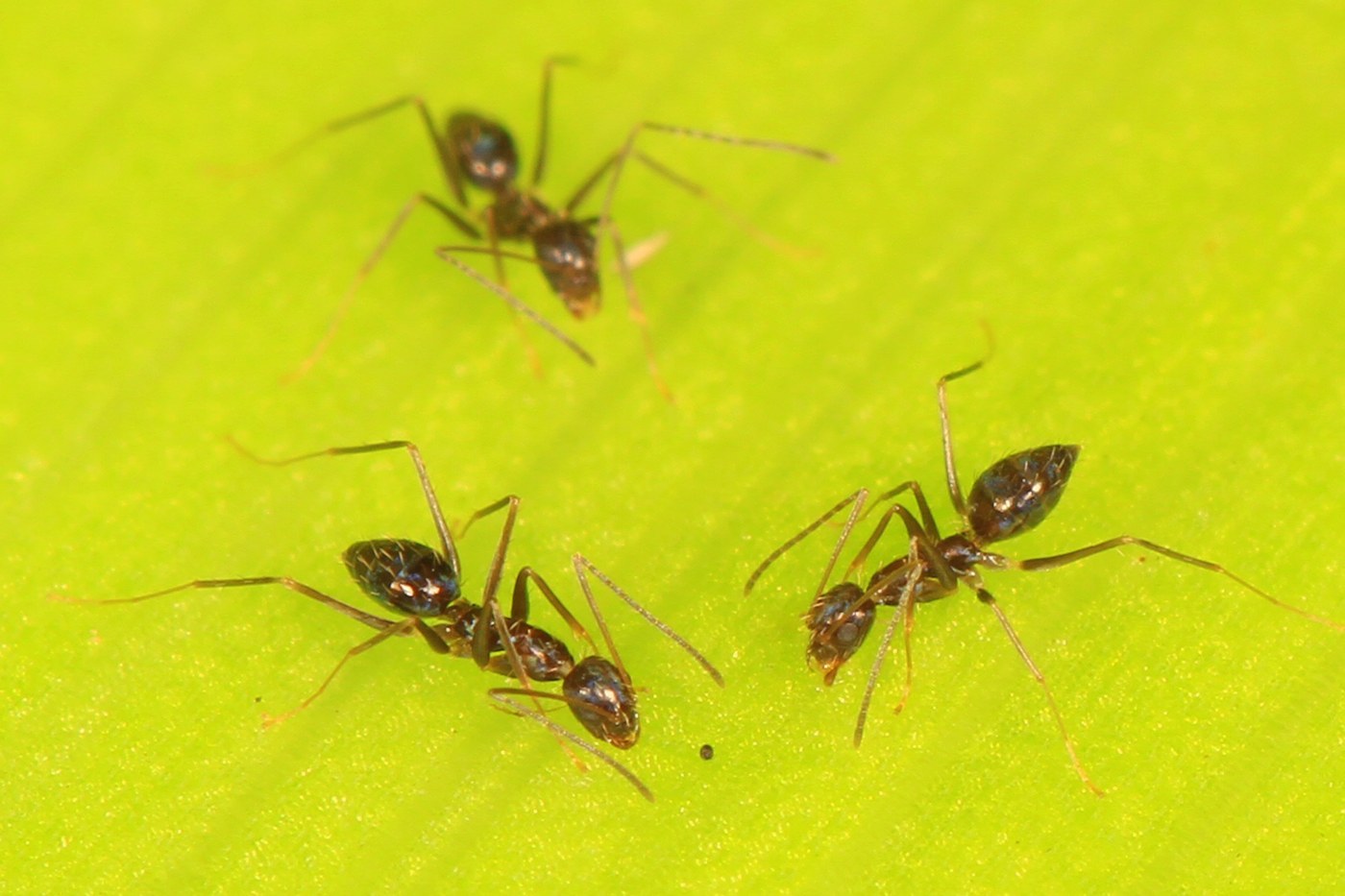
Crazy Ant
A fast-moving, long-legged ant instantly recognizable by its erratic, non-stop scurrying in every direction rather than the orderly trails followed by most other ants.
antTussock Moth Caterpillar
A boldly tufted caterpillar bristling with dense brush-like hair tussocks and long dark pencil plumes that give it an almost punk-rock silhouette.
caterpillar-larva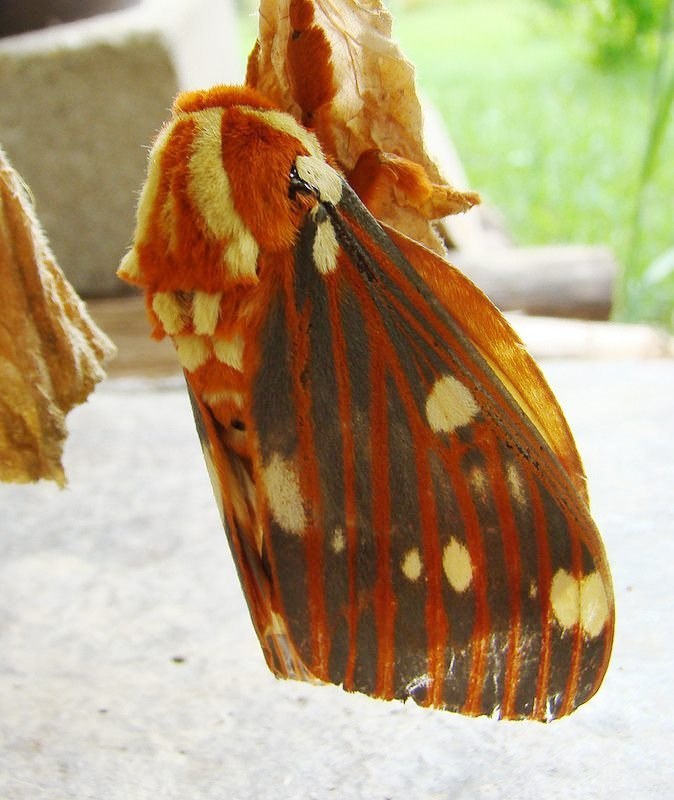
Regal Moth (Hickory Horned Devil)
One of the largest moths in North America, with orange-red and gray-veined wings on the adult, best known for its enormous, formidable-looking caterpillar, the hickory horned devil, a blue-green giant bristling with long orange spines.
moth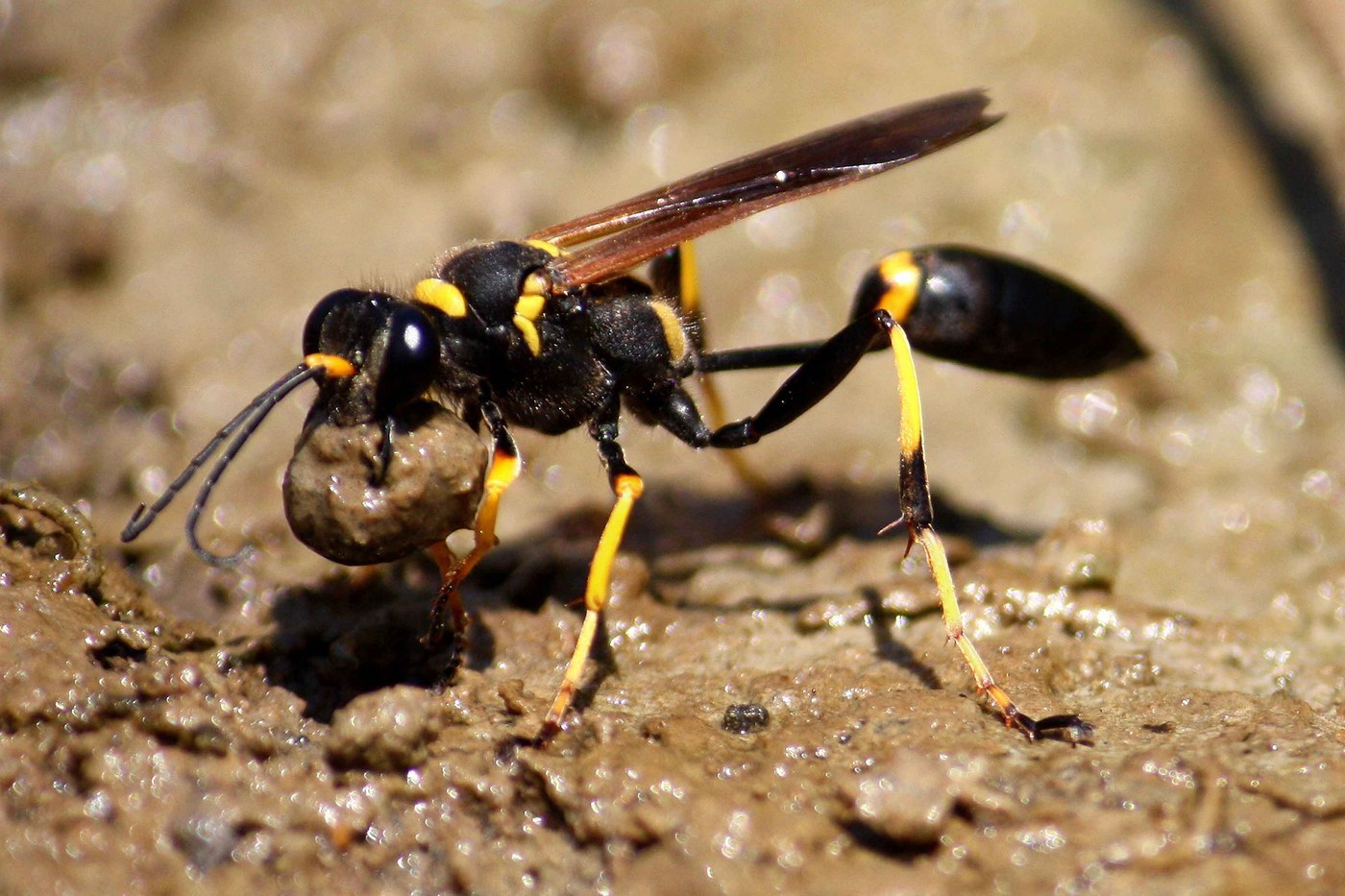
Mud Dauber
A slender, non-aggressive solitary wasp with a distinctively long, thread-like waist, known for constructing tube- or pot-shaped nests out of mud pellets on walls and eaves.
wasp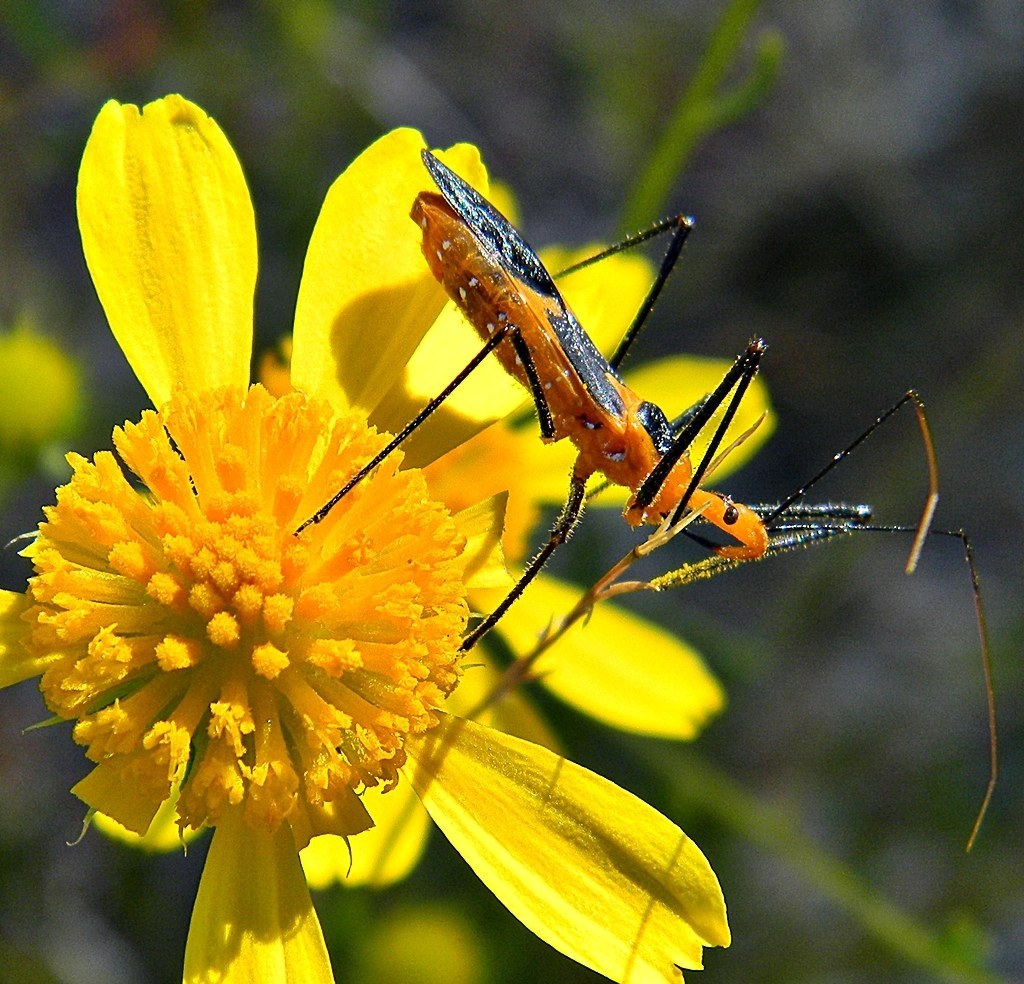
Assassin Bug
A slender, long-legged predatory true bug with a curved, needle-like beak used to ambush and pierce other insects, often patterned in bold orange, black, or red warning colors.
true-bug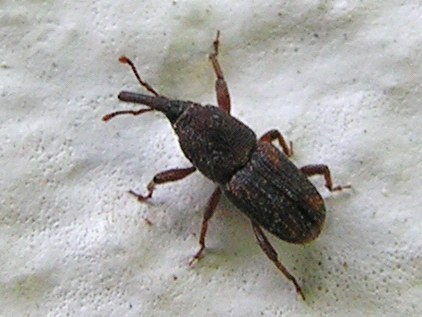
Rice Weevil
A tiny reddish-brown weevil with a long curved snout and four faint pale spots on its wing covers, commonly found infesting stored rice, wheat, and other grain products.
beetle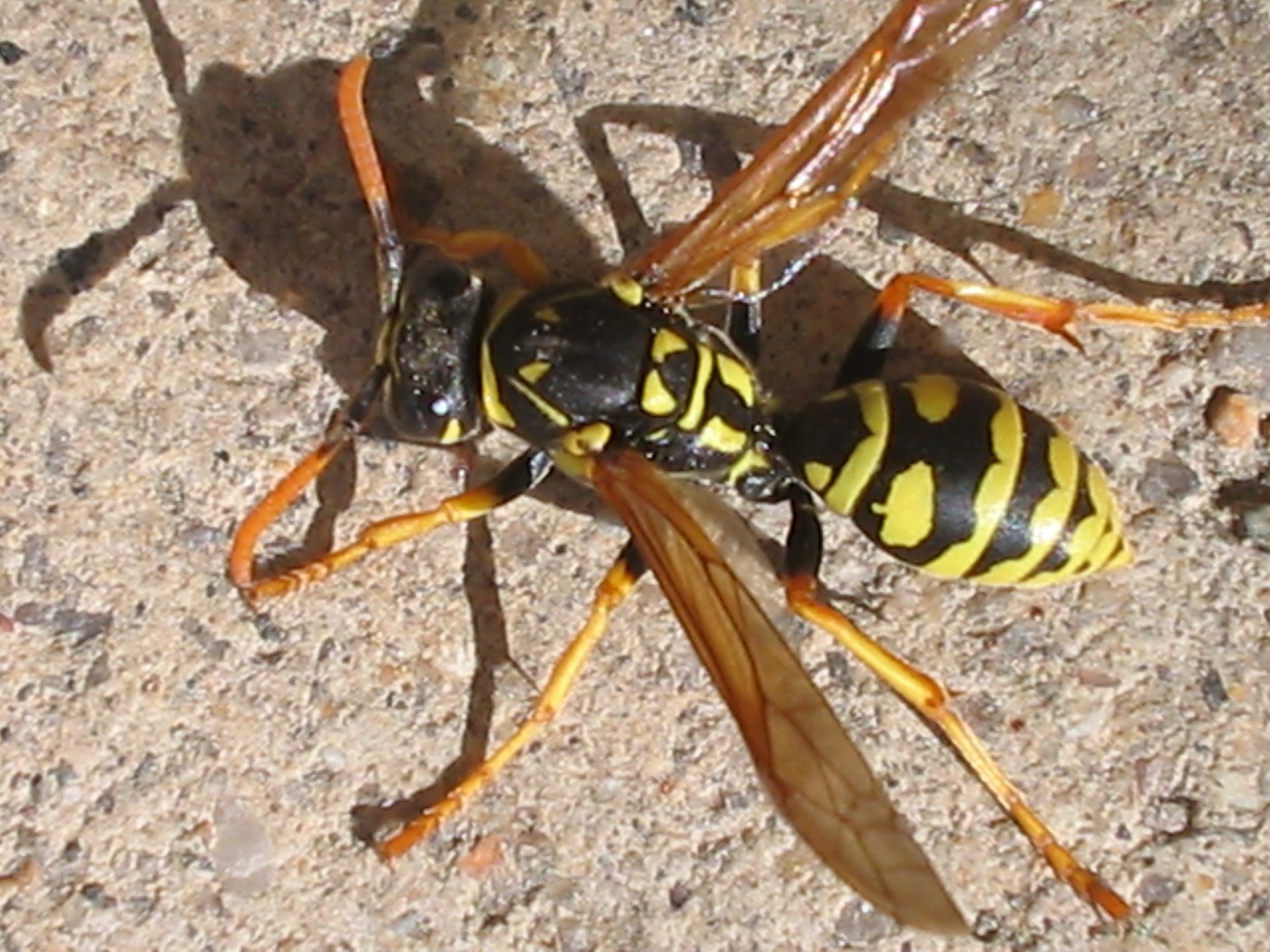
Paper Wasp
A slender, long-legged wasp with a narrow waist and reddish-brown to black coloring marked with yellow, recognized by its open, umbrella-shaped paper nest with visible hexagonal cells.
wasp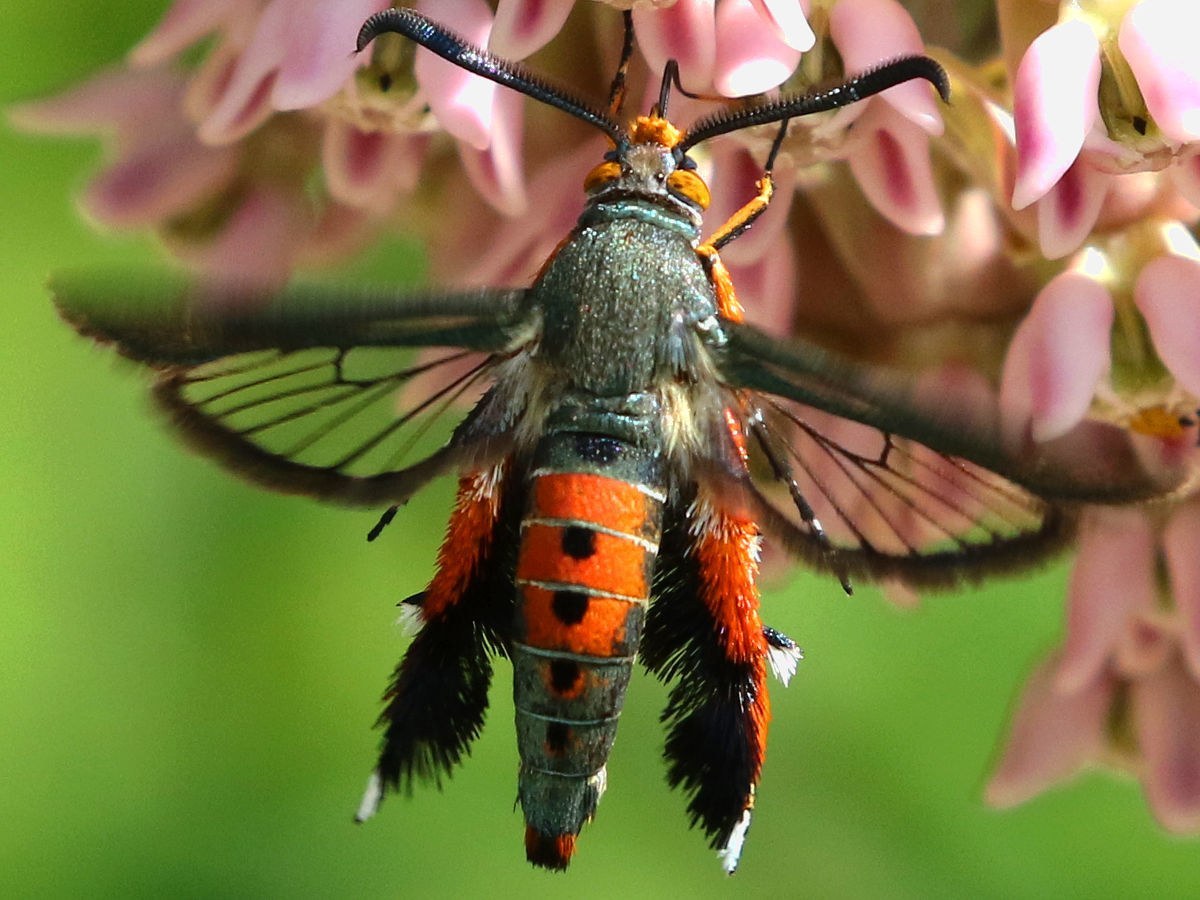
Squash Vine Borer
A day-flying, wasp-mimicking moth whose orange fuzzy hind legs and metallic wings make it easy to mistake for a wasp as it darts around squash vines.
mothSnakefly
A slender predator named for its habit of rearing up its long, mobile neck like a tiny cobra when hunting or threatened.
other
Leaf-Footed Bug
A large, elongated brown true bug named for the flattened, leaf-shaped expansions on its hind legs, often found feeding on fruits, seeds, and vegetables in gardens and orchards.
true-bugWhite Grub
A pale, C-shaped larva with a brown head capsule and six stubby legs, spending its entire early life hidden underground feeding on roots before emerging as a stout May or June beetle.
beetle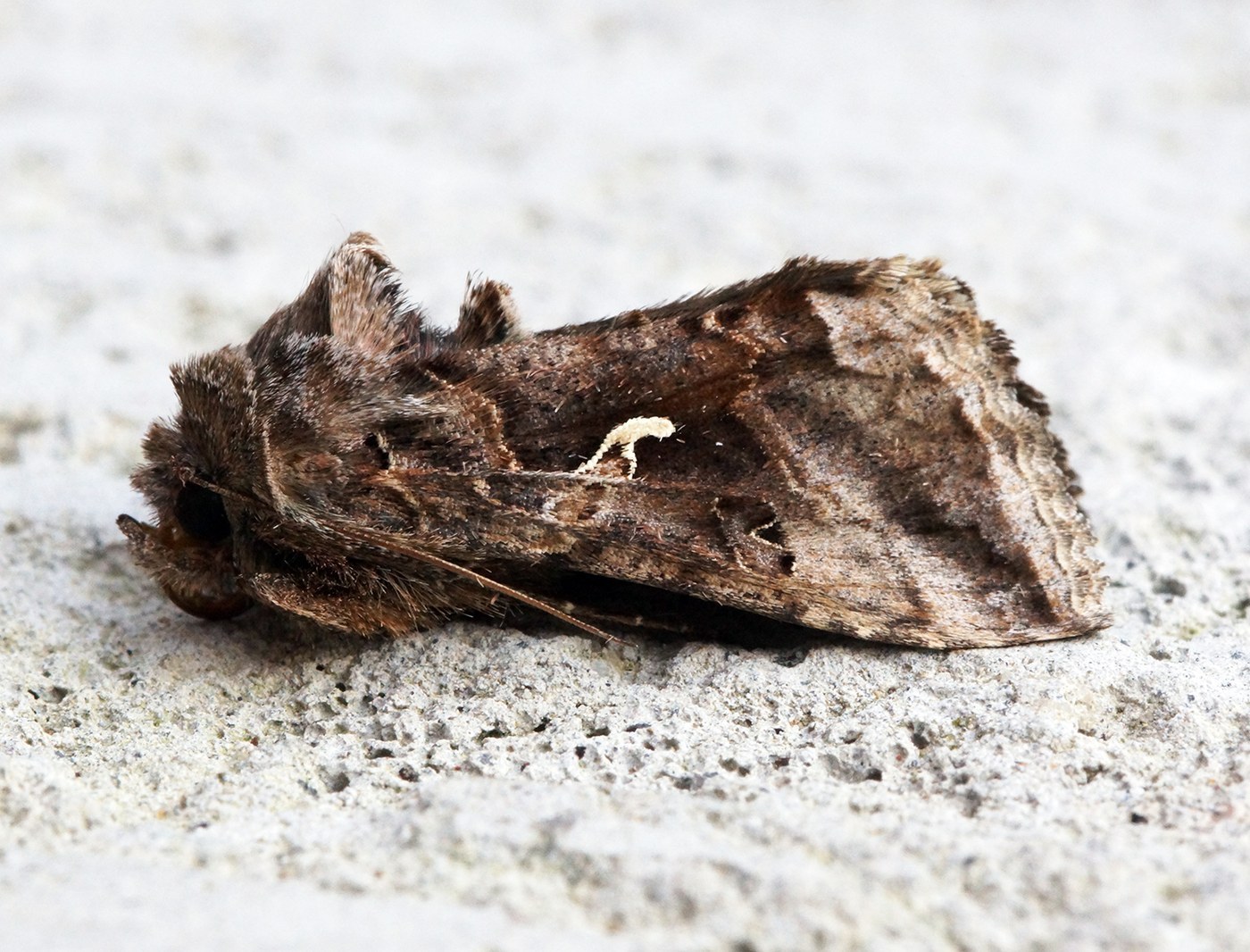
Silver Y Moth
A fast-flying, day-active noctuid moth named for the metallic silver Y- or gamma-shaped mark on each mottled grey-brown forewing, famous for its long-distance migratory flights.
moth