
Bug Encyclopedia
Search and identify bugs & insects — beetles, butterflies, moths, ants, bees, spiders and more — with size, habitat, danger, behavior, and how to tell them apart.
Tussock Moth Caterpillar
A boldly tufted caterpillar bristling with dense brush-like hair tussocks and long dark pencil plumes that give it an almost punk-rock silhouette.
caterpillar-larva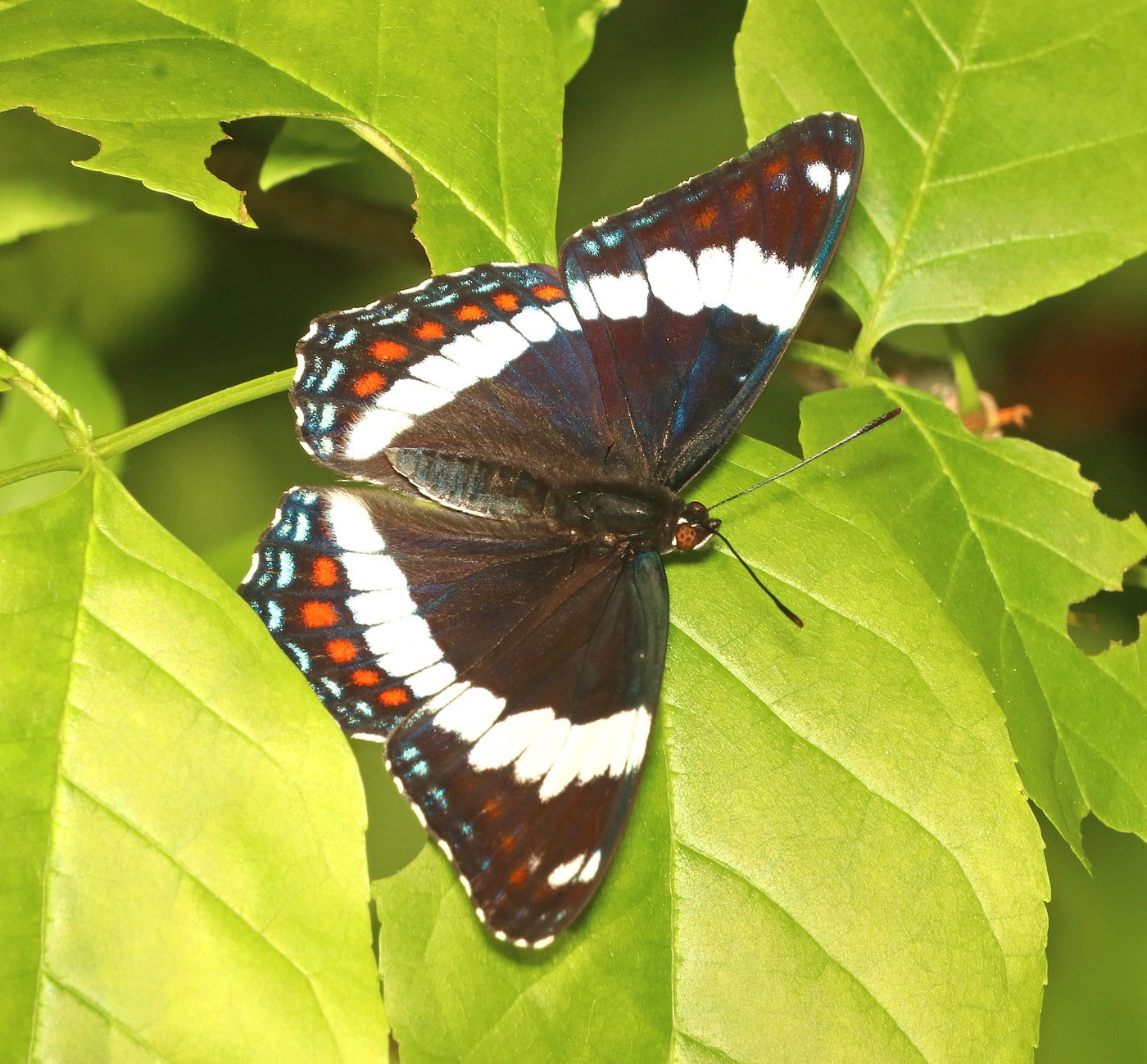
White Admiral
A large, dark butterfly crossed by a bold white band on both wings, the northern form of the same species that produces the iridescent blue Red-spotted Purple farther south.
butterfly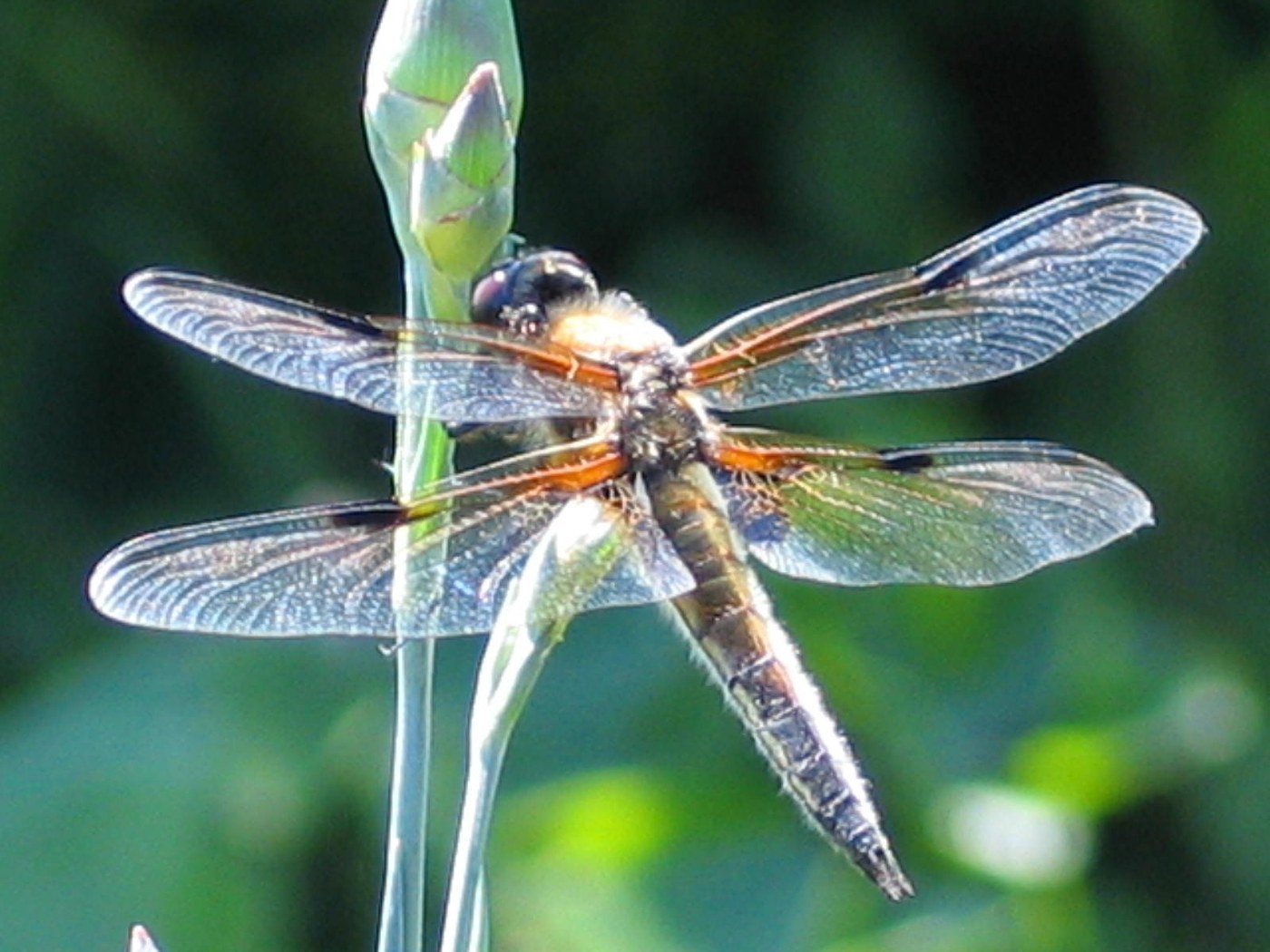
Four-spotted Skimmer
A brown, sturdily built dragonfly marked with a single dark spot on each wing, this holarctic species is famous for occasional mass emergences and long-distance swarming flights.
dragonfly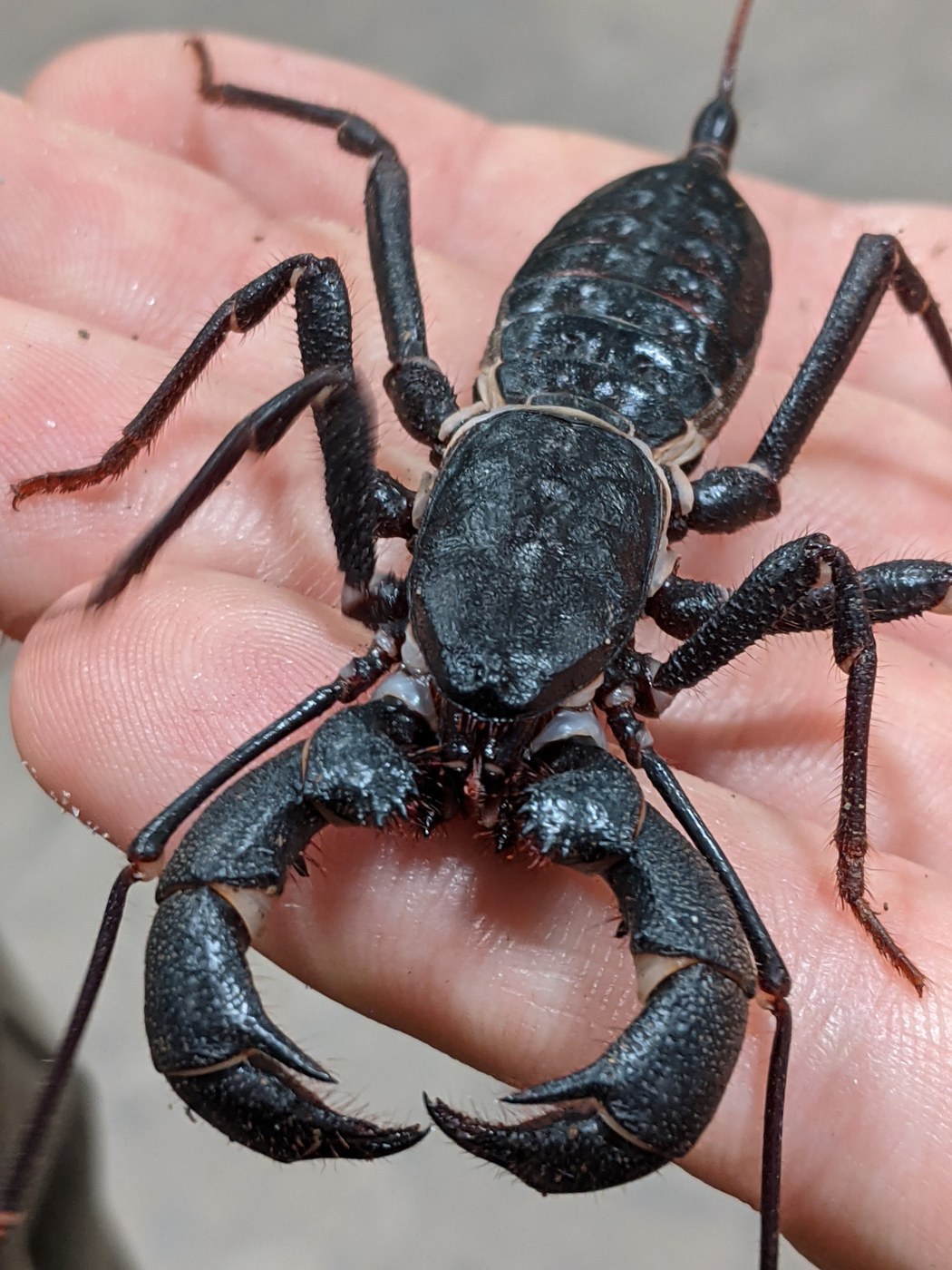
Vinegaroon
A robust, dark, scorpion-like arachnid whose long, thin whip for a tail gives it its name, and whose signature defense is spraying a concentrated mist of vinegar-scented fluid rather than stinging. Despite its intimidating look, it has no venom at all.
arachnid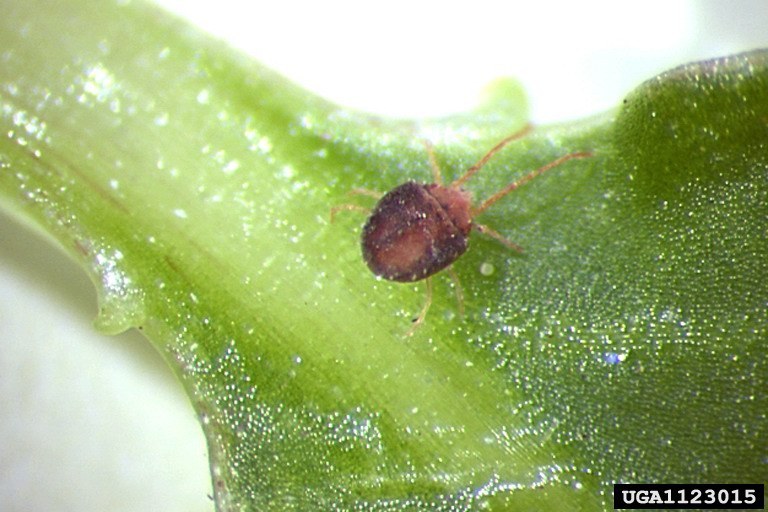
Clover Mite
A speck-sized reddish mite that streaks a rust-colored stain if crushed and invades homes by the hundreds when lawns dry out or turn cold.
arachnid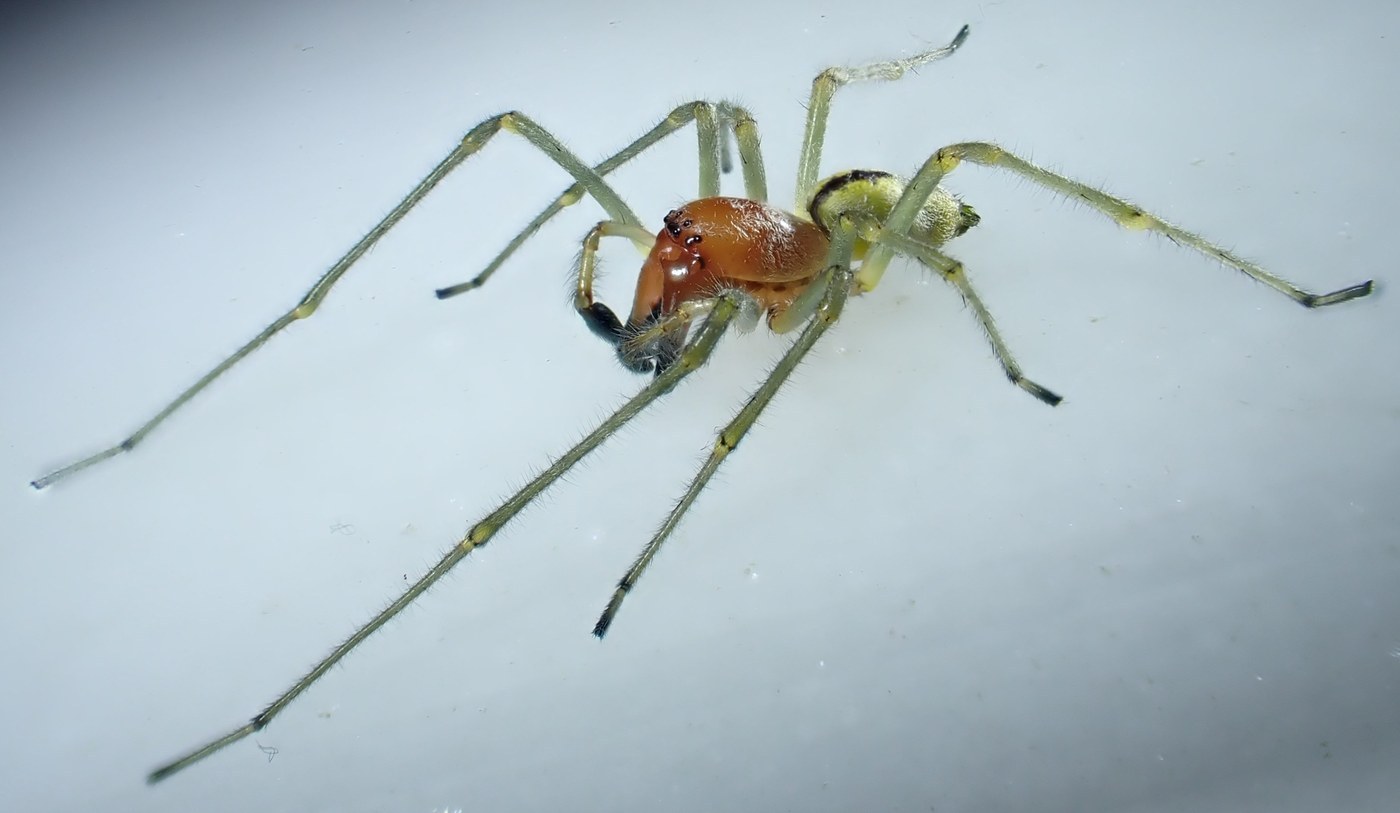
Sac Spider
A pale, uniformly colored spider that spins a small silk sac retreat rather than a capture web, often found tucked into rolled leaves or corners of rooms.
spider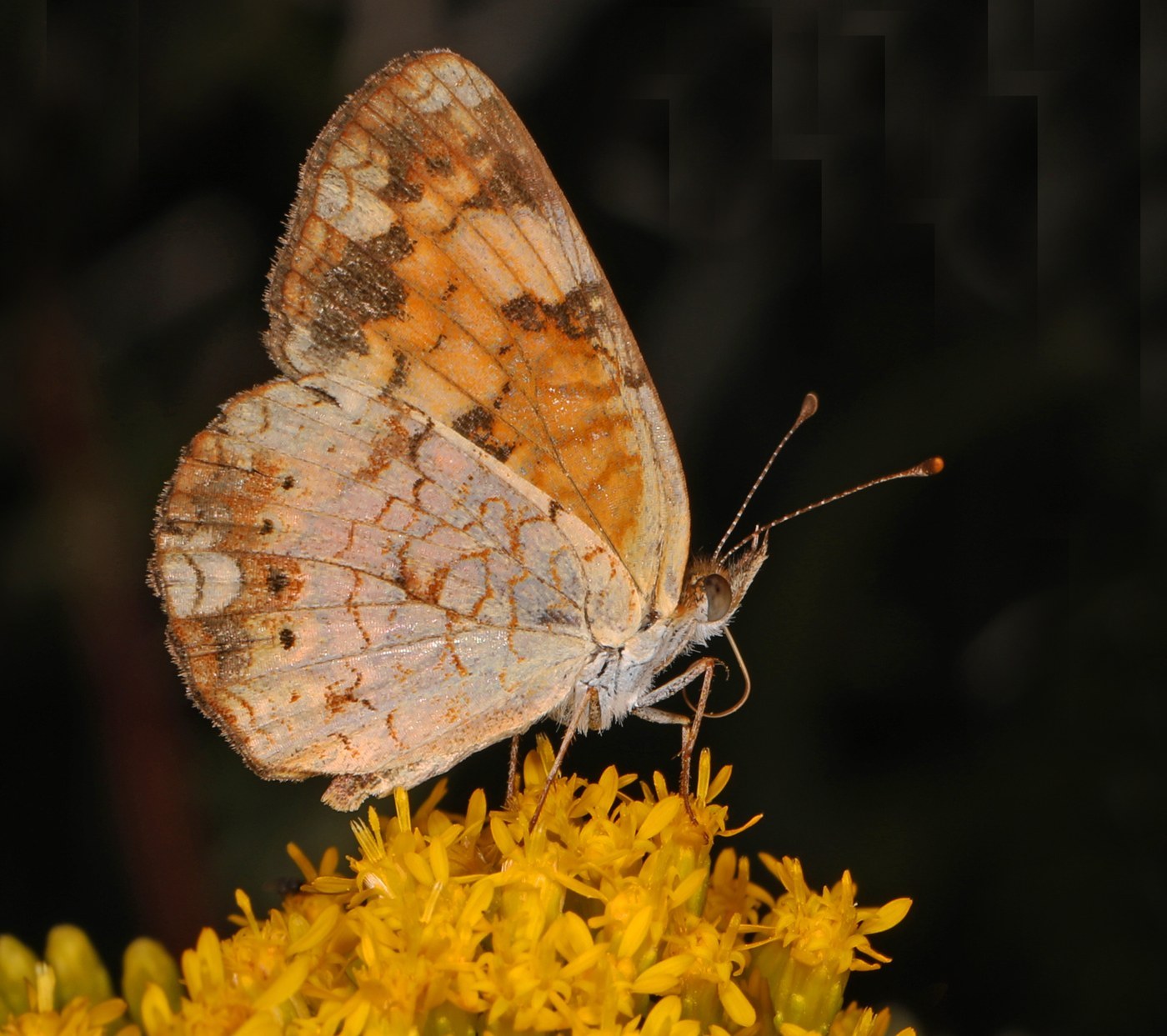
Pearl Crescent
A small, orange-and-black checkered butterfly that is one of the most abundant and widespread species in open fields across the continent, easily recognized by its crescent-shaped pale marking on the hindwing underside.
butterflyIchneumon Wasp
A slender, long-antennaed parasitoid wasp, often mistaken for a giant mosquito or a stinging insect, that is best known for the extraordinarily long ovipositor some species use to drill into wood and lay eggs on hidden larvae.
wasp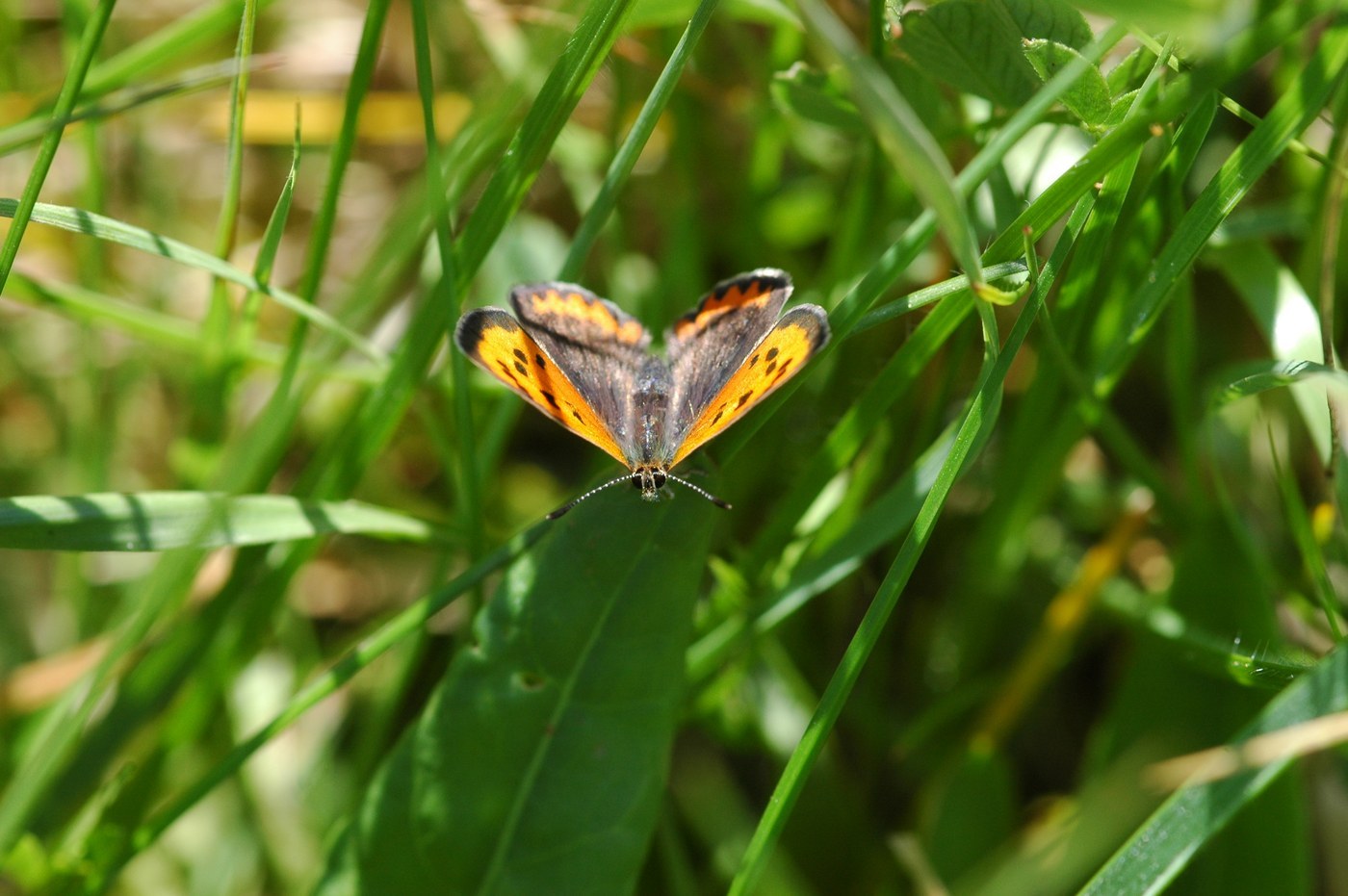
American Copper
A small, bright orange-and-black butterfly with fiery copper-colored forewings and dusky gray hindwings edged in orange, commonly seen darting low over weedy fields and vacant lots.
butterfly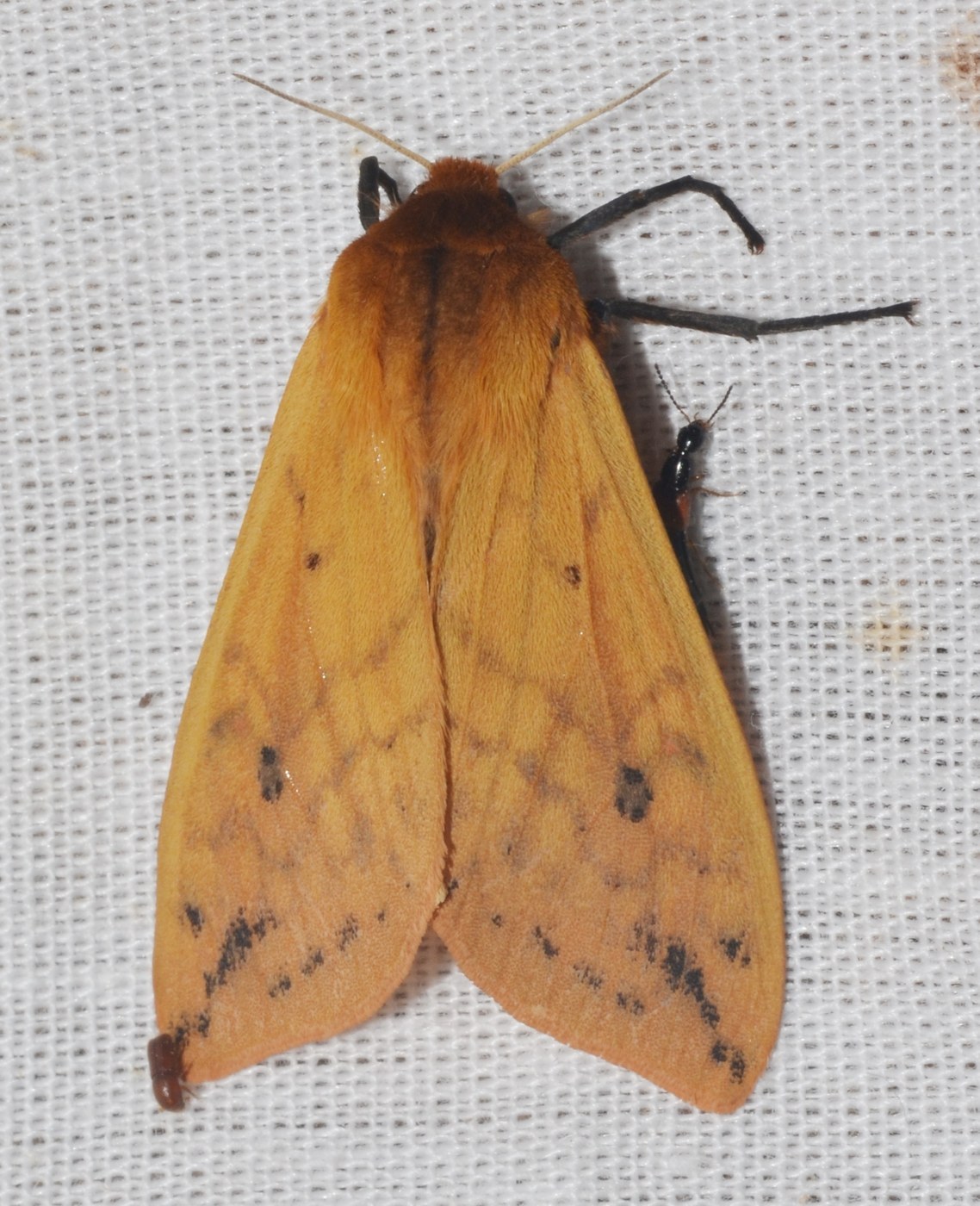
Banded Woolly Bear Moth
Best known as the black-and-rust-banded fuzzy caterpillar that famously curls into a ball when disturbed, this species matures into a plain golden-orange to tan tiger moth.
moth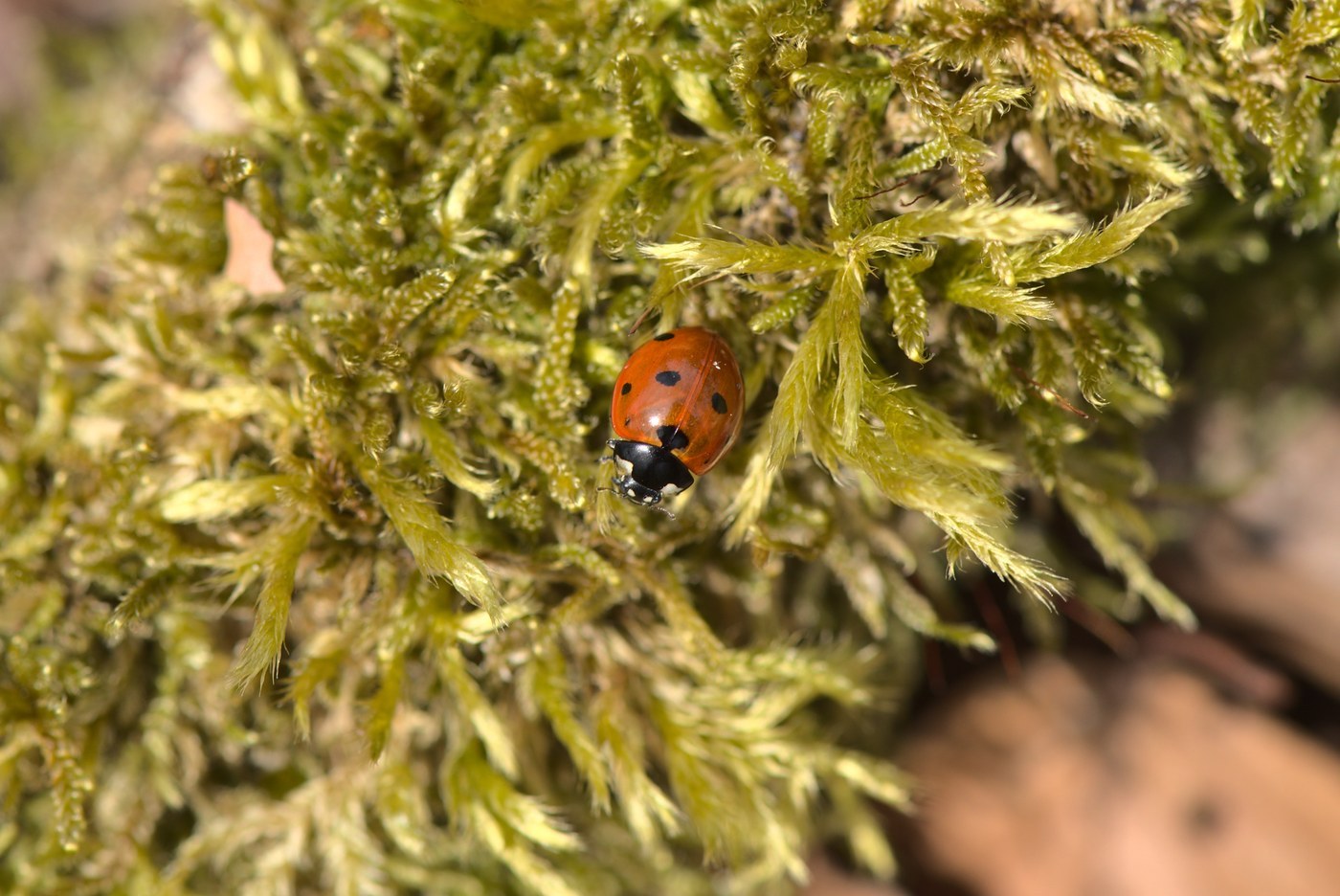
Ladybug
A small, round, brightly colored beetle with a domed, shiny shell typically red or orange with black spots, one of the most recognizable and beloved beetles found in gardens worldwide.
beetle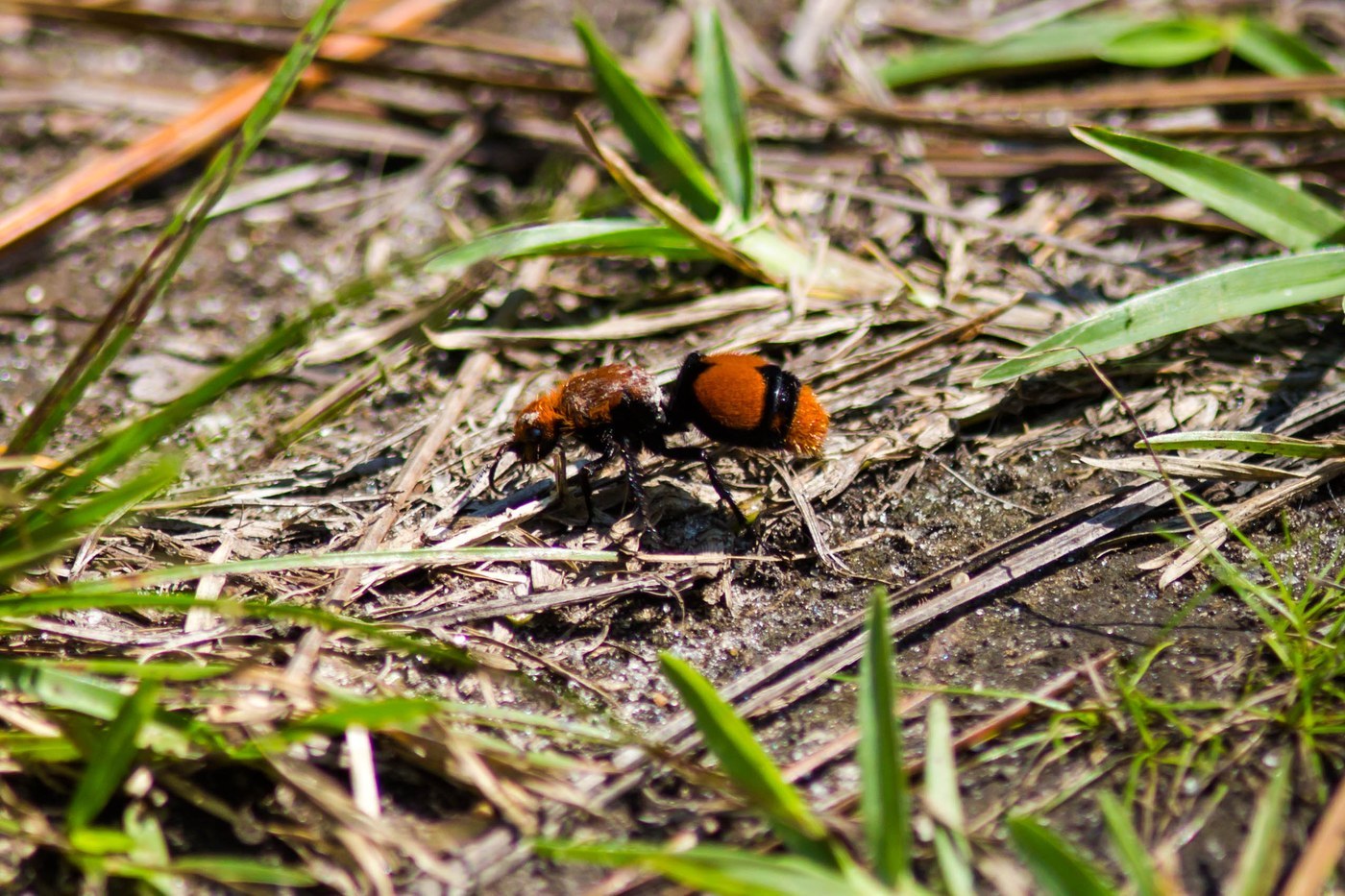
Velvet Ant
A densely fuzzy, brightly colored insect that looks like an oversized ant but is actually a wingless female wasp, instantly recognizable by its thick coat of red, orange, black, or white hair.
wasp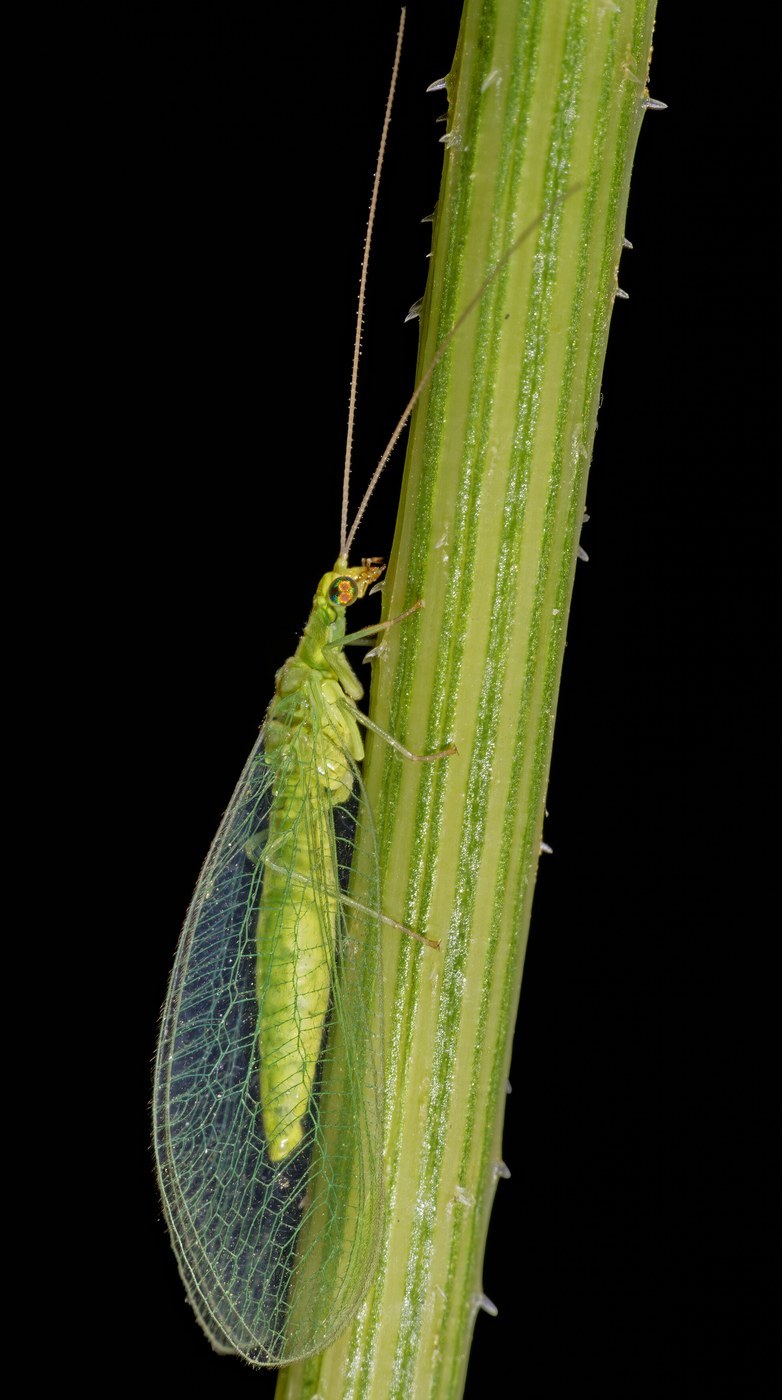
Lacewing
A delicate, pale green insect with large, transparent, intricately veined wings and shining golden or copper-colored eyes, valued as a natural predator of aphids in its larval form.
other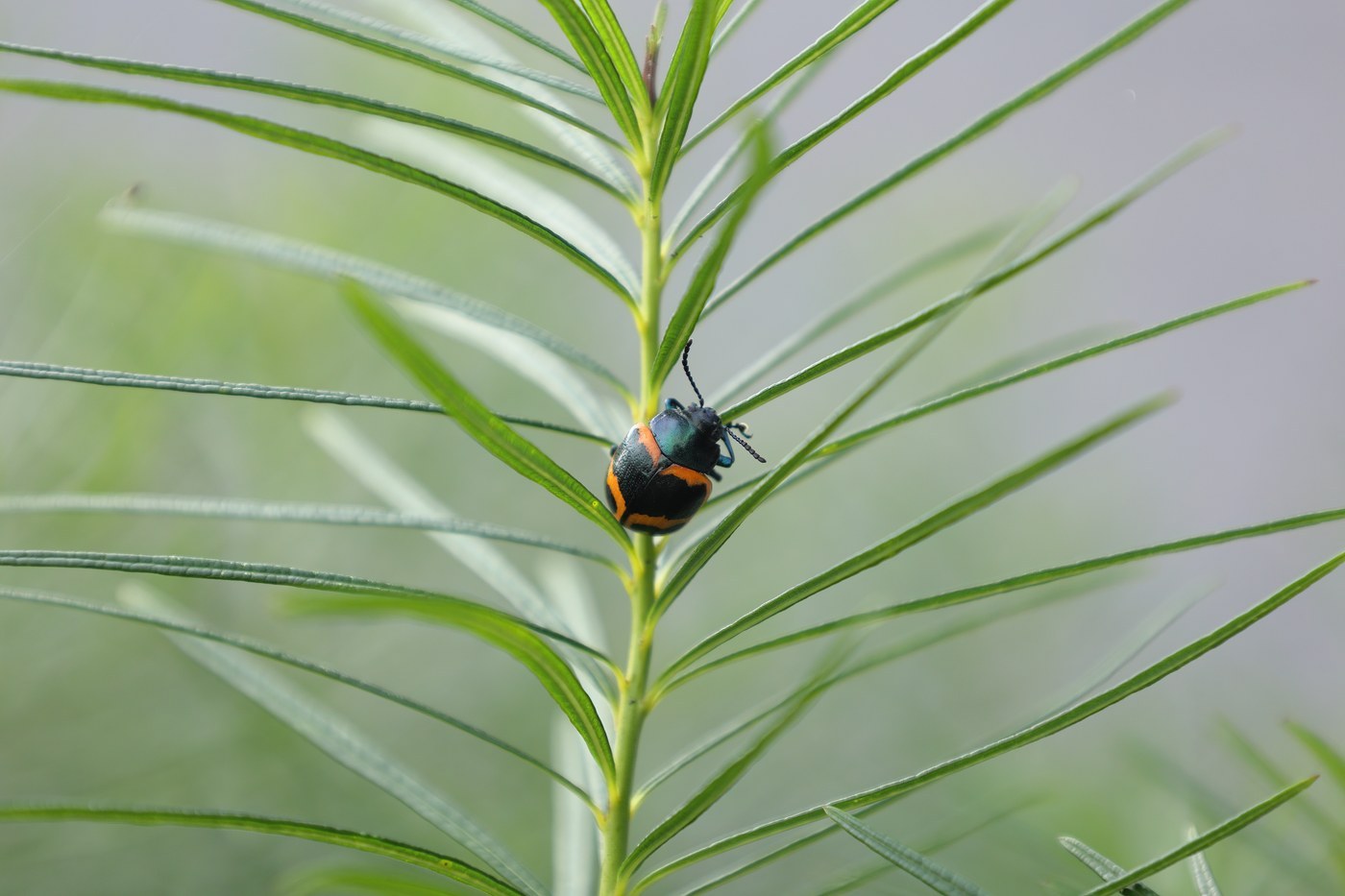
Milkweed Leaf Beetle
A large, boldly colored leaf beetle in glossy orange-red with irregular black patches, found feeding exclusively on milkweed plants alongside monarch caterpillars.
beetle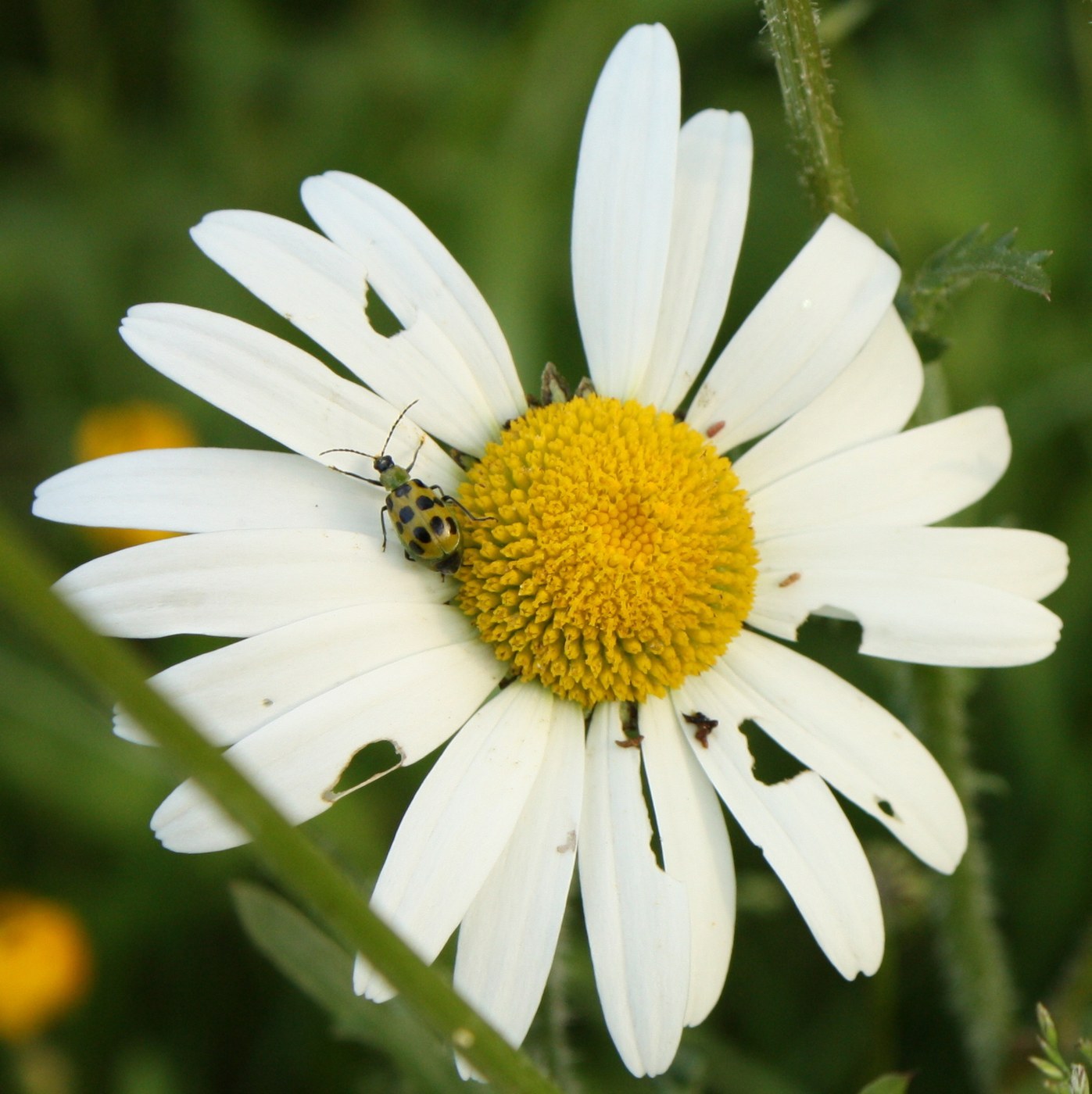
Cucumber Beetle
A small, brightly colored beetle patterned with black spots or stripes on a yellow-green background, commonly seen crawling on the flowers and leaves of cucumber and squash plants.
beetle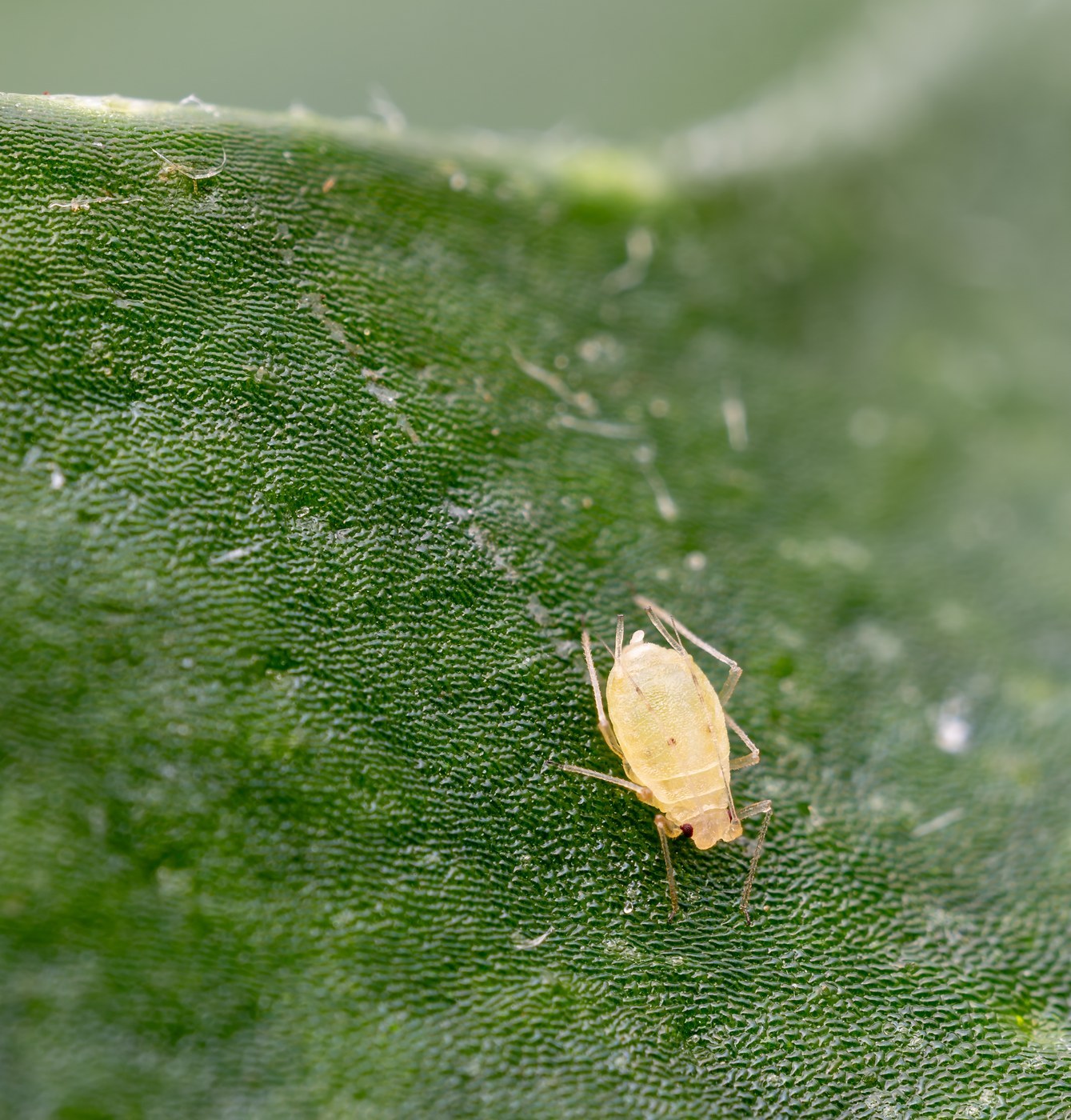
Green Peach Aphid
A small, pale yellow-green aphid with an exceptionally broad host range, recognized as one of the most widespread and adaptable aphid species found on garden vegetables, ornamentals, and stone fruit trees.
true-bug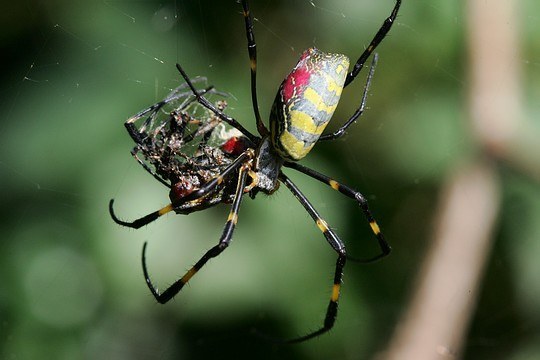
Jorō Spider
A large, strikingly colored East Asian orb weaver with yellow-and-blue-gray banding, now spreading rapidly across the southeastern United States and building enormous golden webs.
spider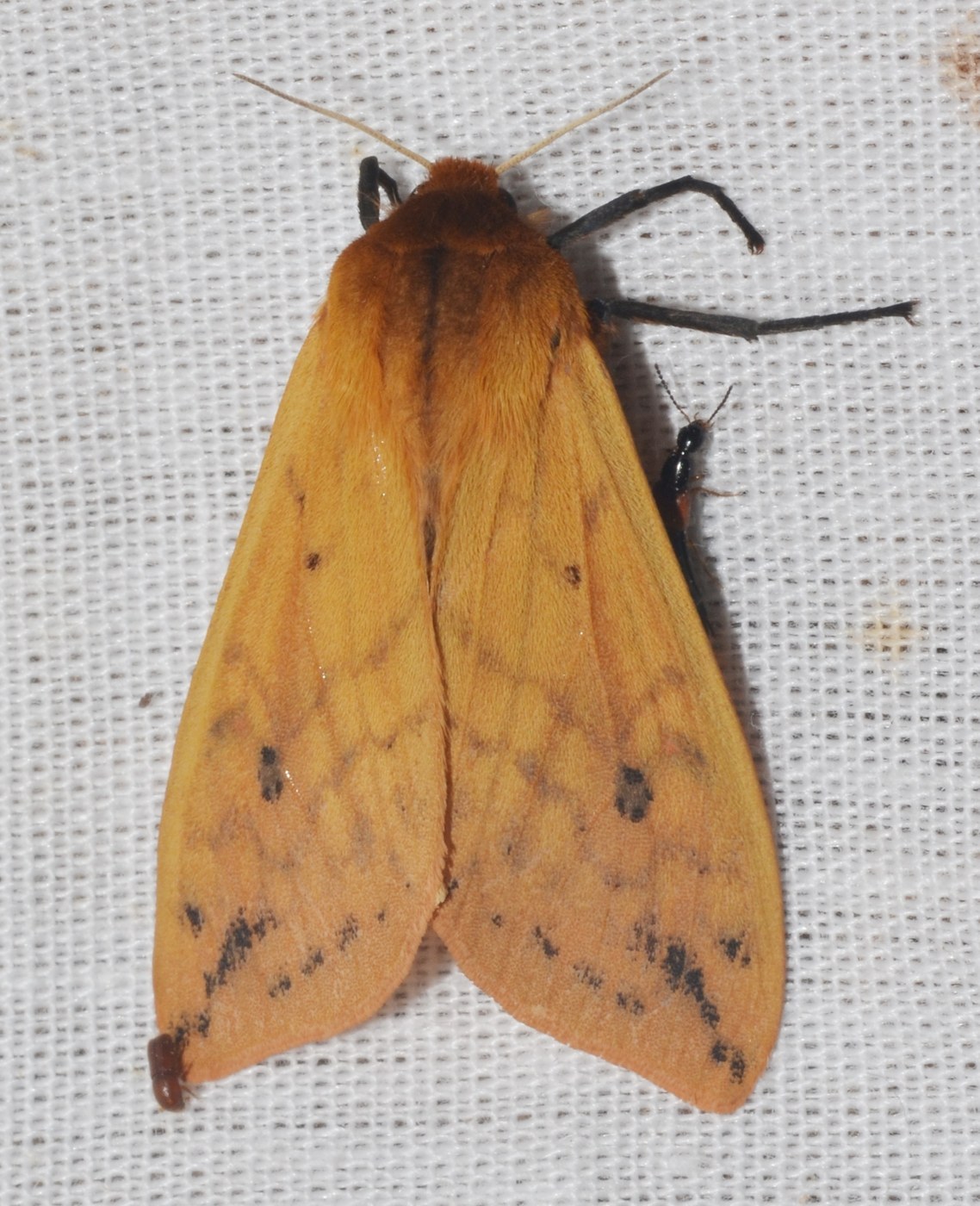
Isabella Tiger Moth (Woolly Bear)
Famous chiefly in its larval stage as the banded woolly bear caterpillar, this tiger moth's fuzzy black-and-rust-colored caterpillar is a familiar autumn sight, while the adult is a soft, tawny-orange moth with a stout, furry body.
moth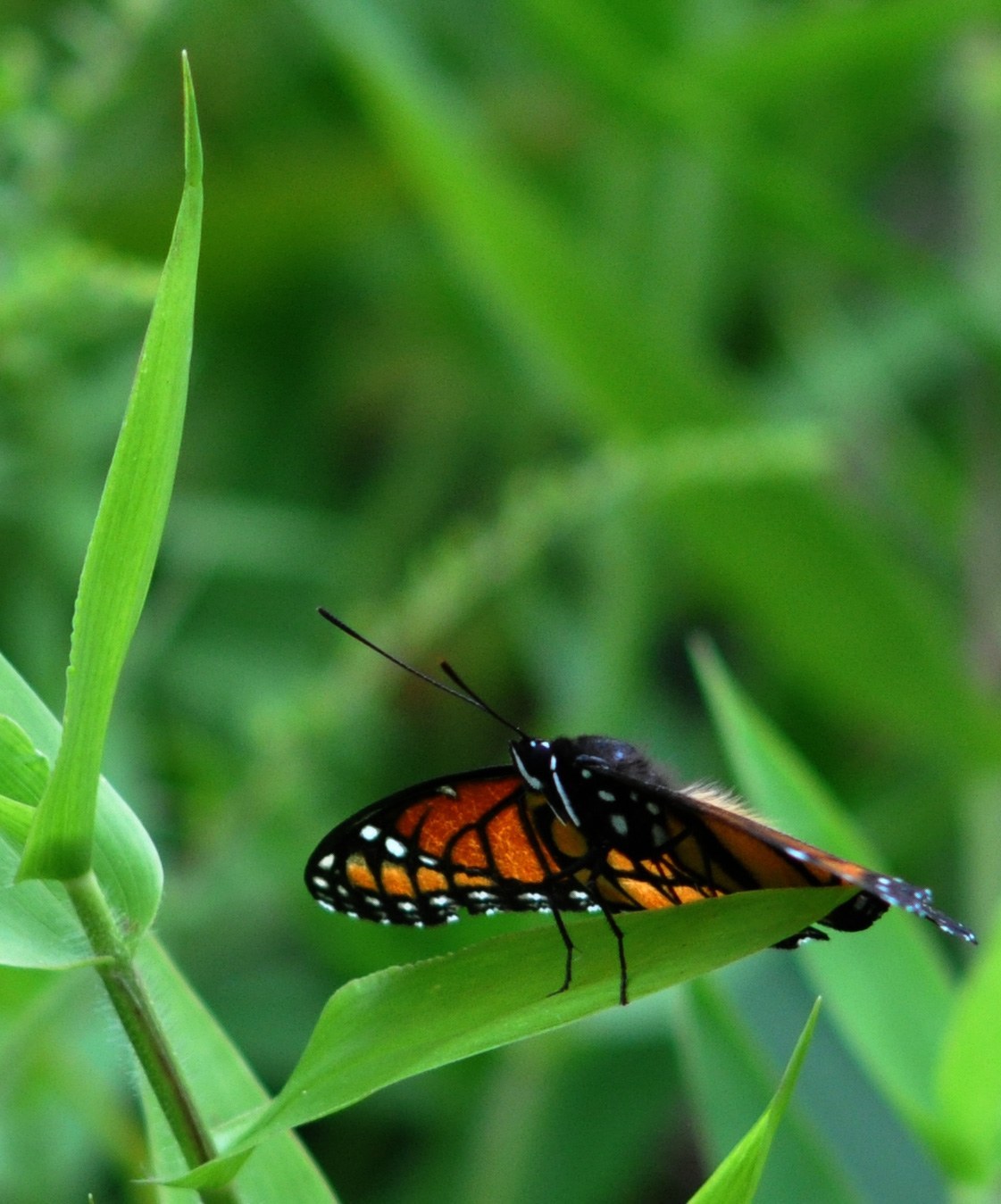
Viceroy Butterfly
An orange-and-black butterfly closely resembling the monarch, distinguished by a smaller size and a distinctive black line crossing the veins of the hindwing, and long cited as a classic example of mimicry between two unrelated species.
butterflyPicture-Winged Fly
A small fly whose clear wings are decorated with bold bands, spots, or intricate patterns, often waved and flicked in slow, deliberate displays that give the impression of a tiny fan being opened and closed. Some species even raise their patterned wings above the body and walk sideways in courtship displays reminiscent of a strutting peacock.
flyThrips
A minuscule, slender insect with fringed, feather-like wings, often noticed only as a fast-moving dark speck darting across a flower petal or windowsill.
other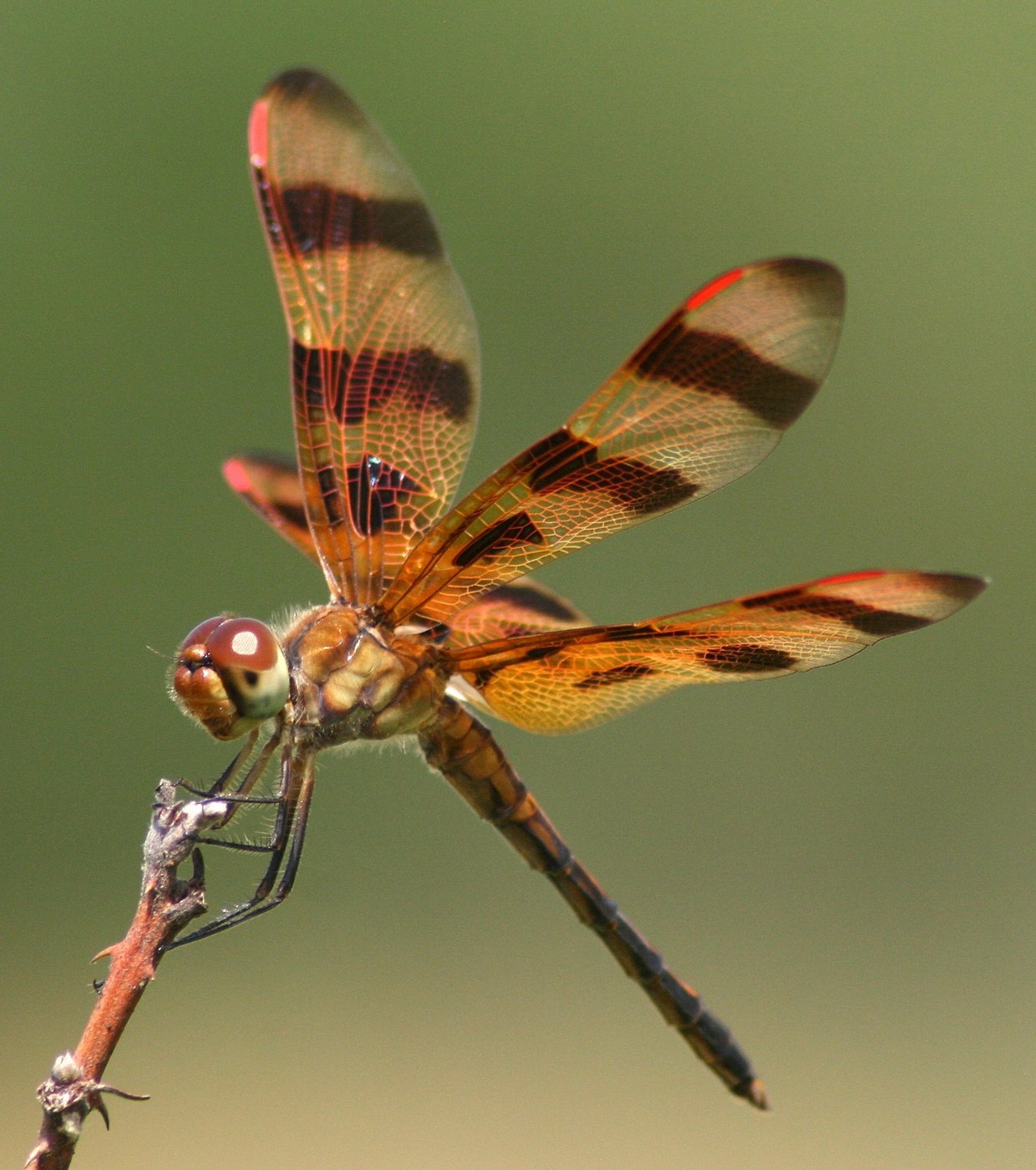
Halloween Pennant
With broad orange-amber wings banded in dark brown, this dragonfly perches conspicuously atop tall grass stems, swaying like a small flag in the breeze.
dragonflyLouse Fly
A flattened, leathery-bodied fly that clamps onto fur or feathers with stout claws and scuttles sideways like a tiny crab rather than taking flight when disturbed. Several species shed their wings for good once they settle on a permanent host, spending the rest of their lives buried in fleece or plumage.
flyTermite Swarmer
A dense, short-lived cloud of dark, equal-winged insects pouring from a crack in soil or wood, each one a would-be founder of a brand-new termite colony.
other