
Bug Encyclopedia
Search and identify bugs & insects — beetles, butterflies, moths, ants, bees, spiders and more — with size, habitat, danger, behavior, and how to tell them apart.
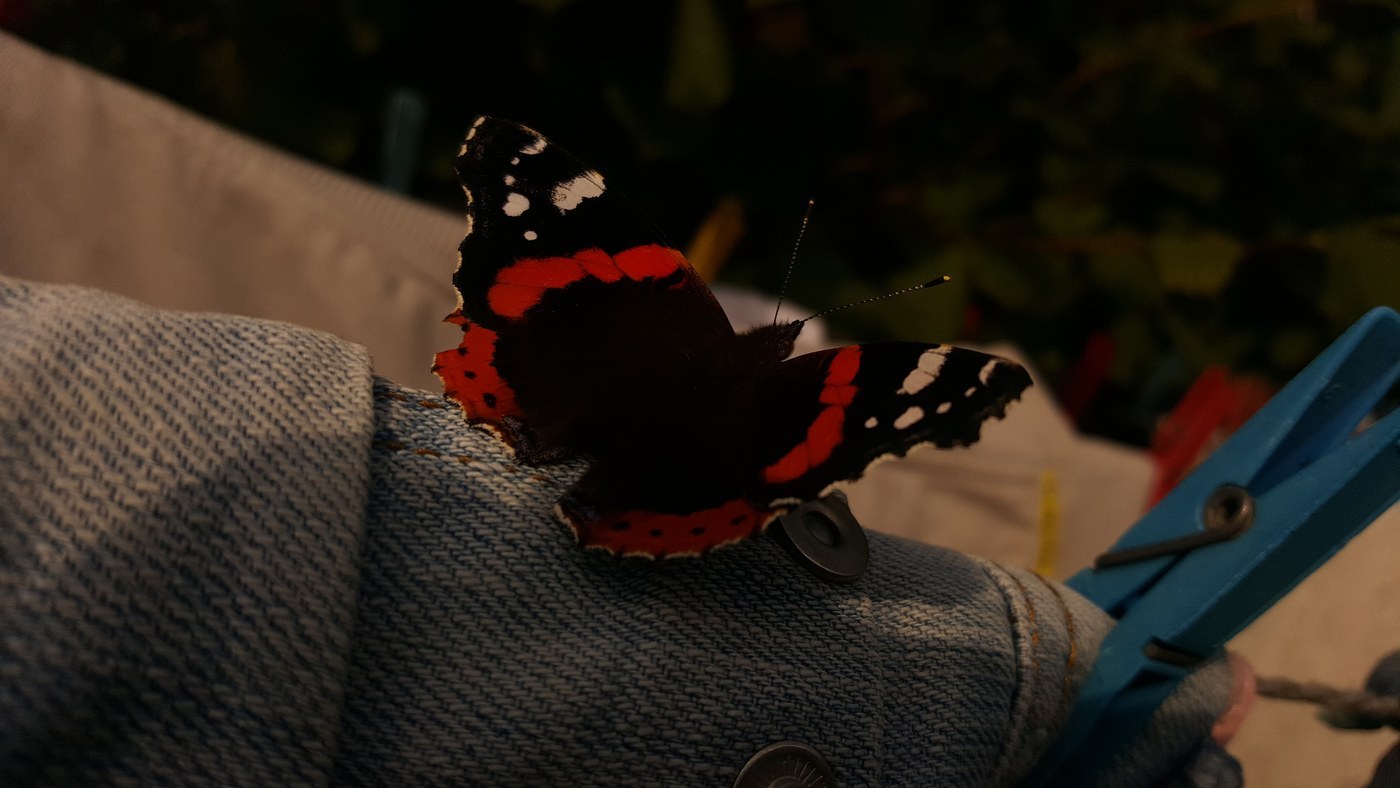
Red Admiral
A fast-flying, strikingly patterned butterfly with velvety black wings crossed by a bold orange-red band and white-spotted tips, often seen basking on tree trunks or sipping from fallen fruit.
butterfly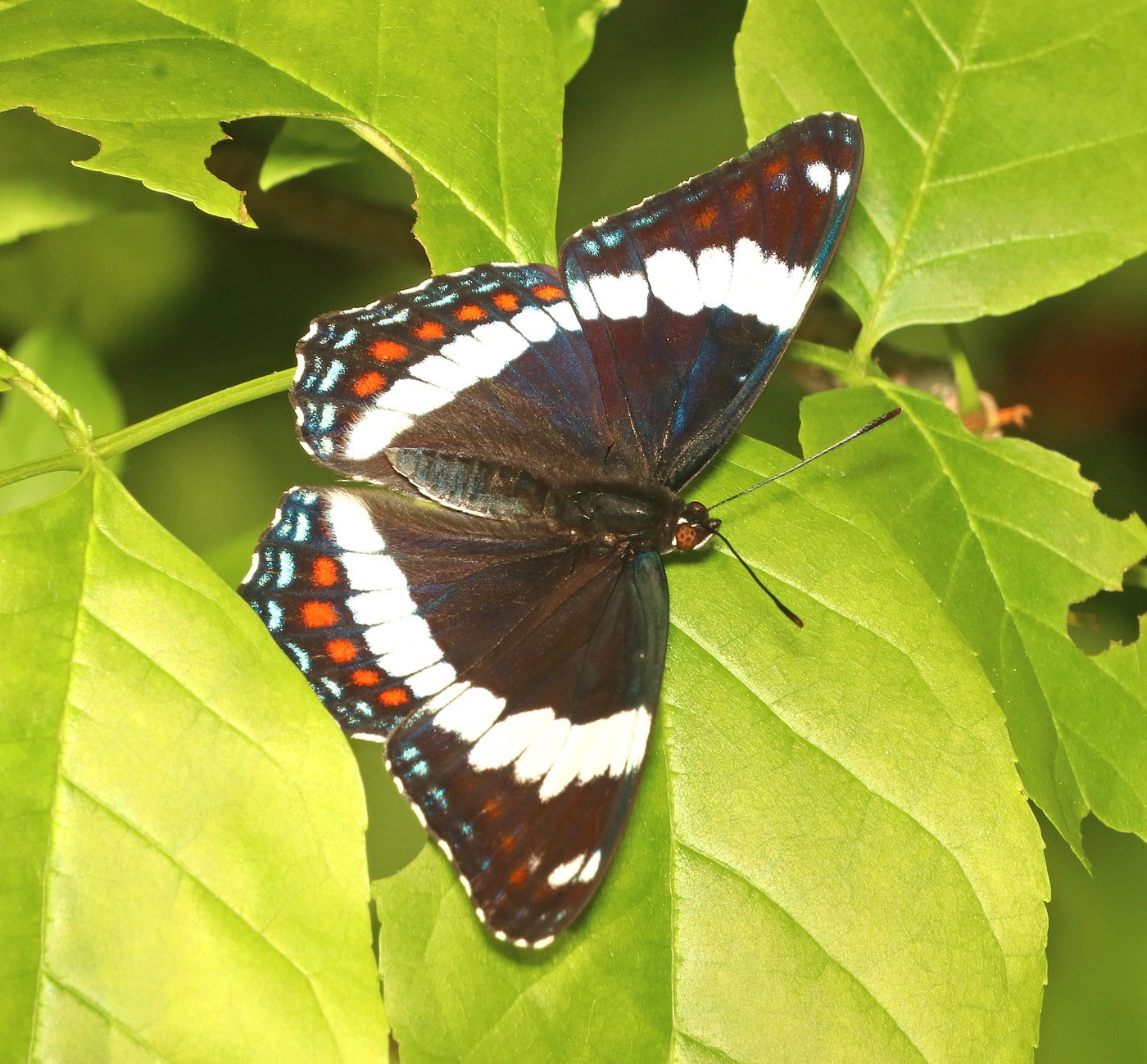
White Admiral
A large, dark butterfly crossed by a bold white band on both wings, the northern form of the same species that produces the iridescent blue Red-spotted Purple farther south.
butterfly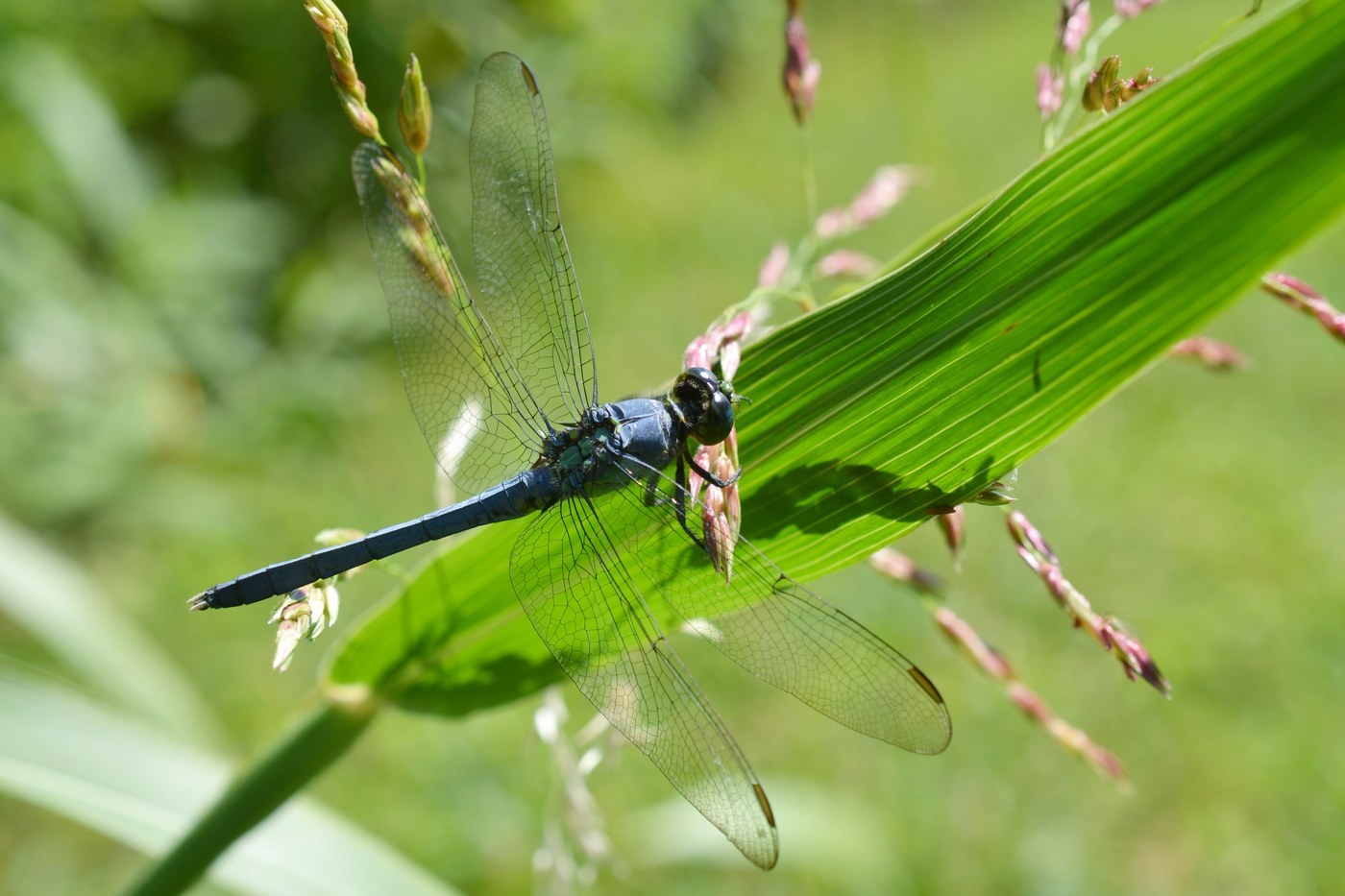
Eastern Pondhawk
A bold, ground-perching dragonfly whose bright green females and powdery blue males look almost like different species, and which readily preys on other dragonflies.
dragonfly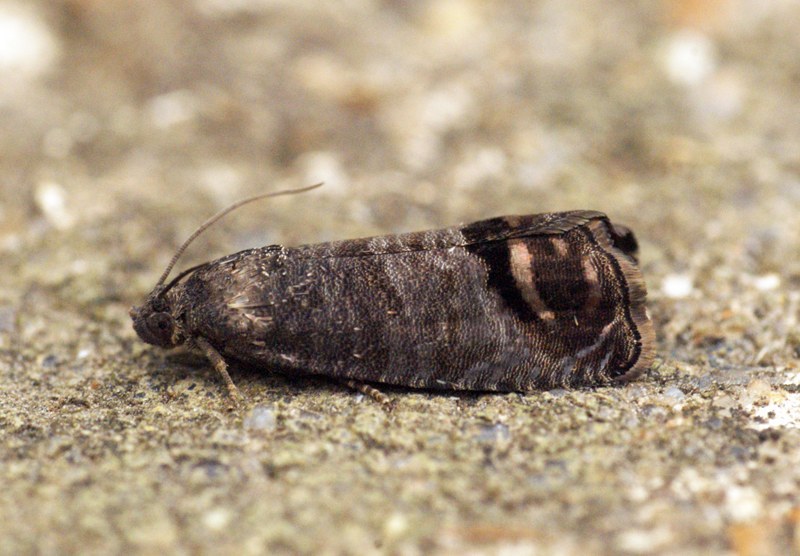
Codling Moth
A small, inconspicuous grey-brown moth best known through the work of its larva, the classic apple 'worm' that tunnels into fruit, making this tiny moth one of the most economically significant insects in orchards worldwide.
moth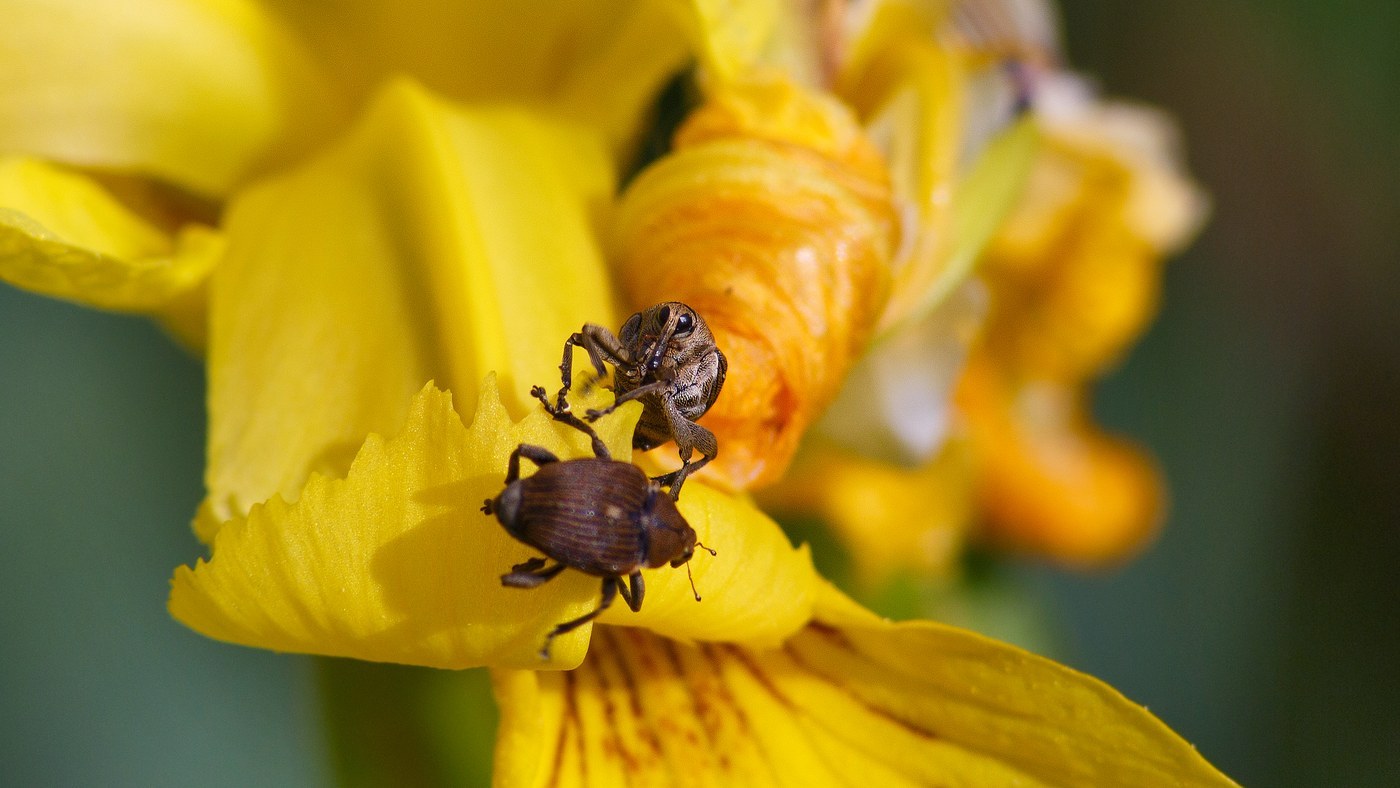
Snout Beetle
A small beetle instantly recognized by its elongated, downward-curving snout, tipped with chewing mouthparts, used to bore into seeds, nuts, stems, or fruit.
beetle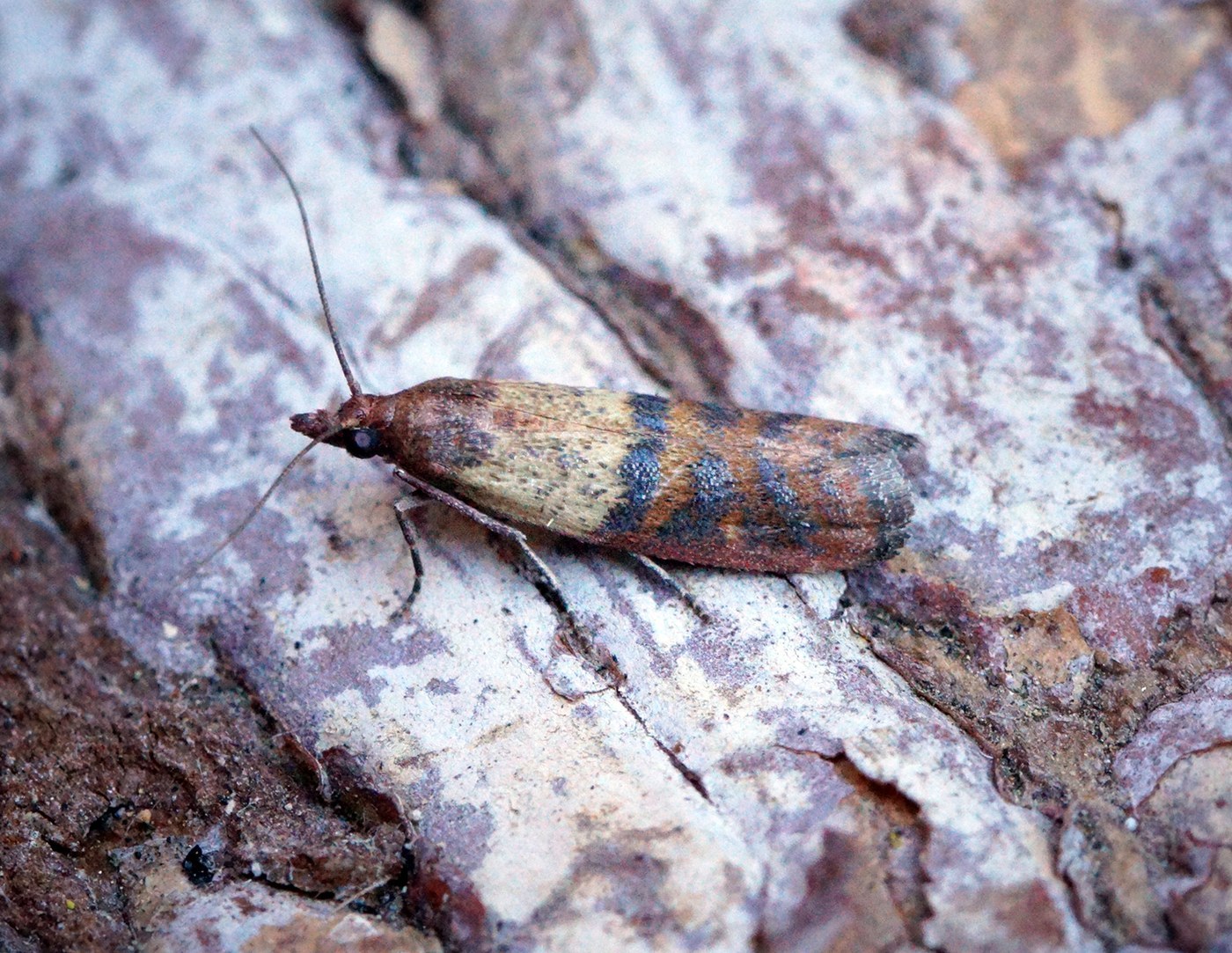
Indianmeal Moth
A small moth with two-toned, coppery-and-gray wings whose caterpillars spin silken webbing through stored grain, cereal, and dried fruit.
moth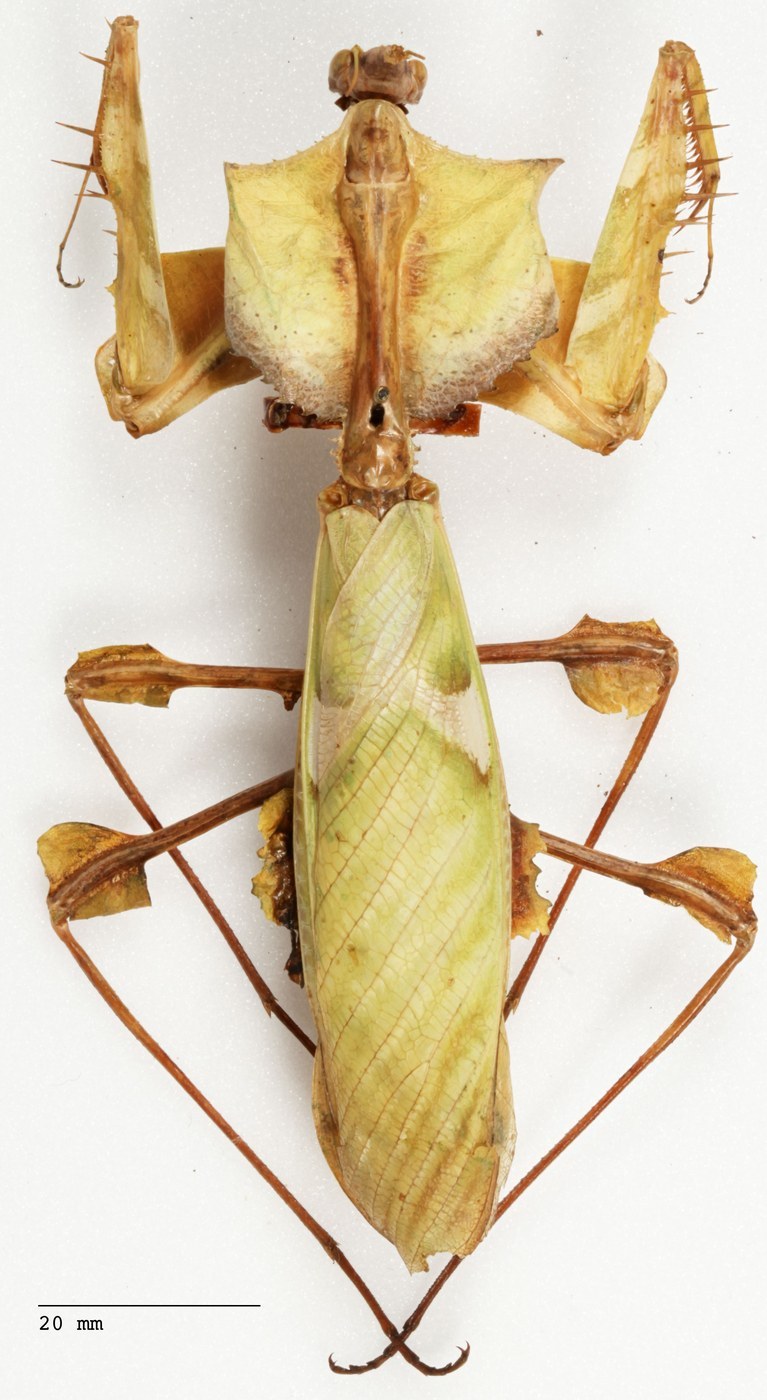
Devil's Flower Mantis
One of the largest mantis species on Earth, this striking insect can suddenly rear up and fan out vividly colored wings and legs into a dramatic, flower-like threat display.
mantis-stick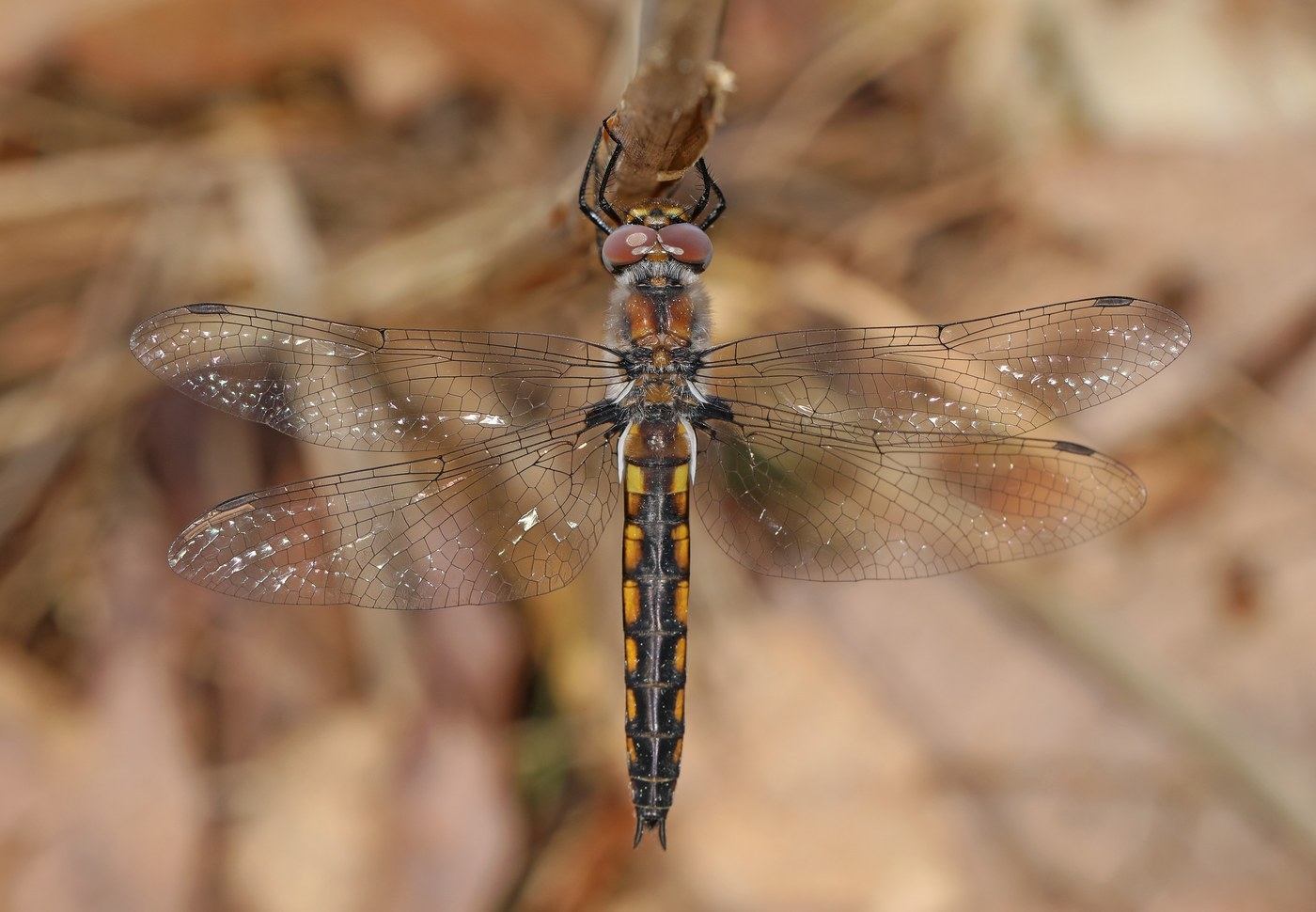
Common Baskettail
One of the earliest dragonflies to appear each spring, this brown, green-eyed skimmer often swarms in numbers over sunny clearings before most other species have emerged.
dragonfly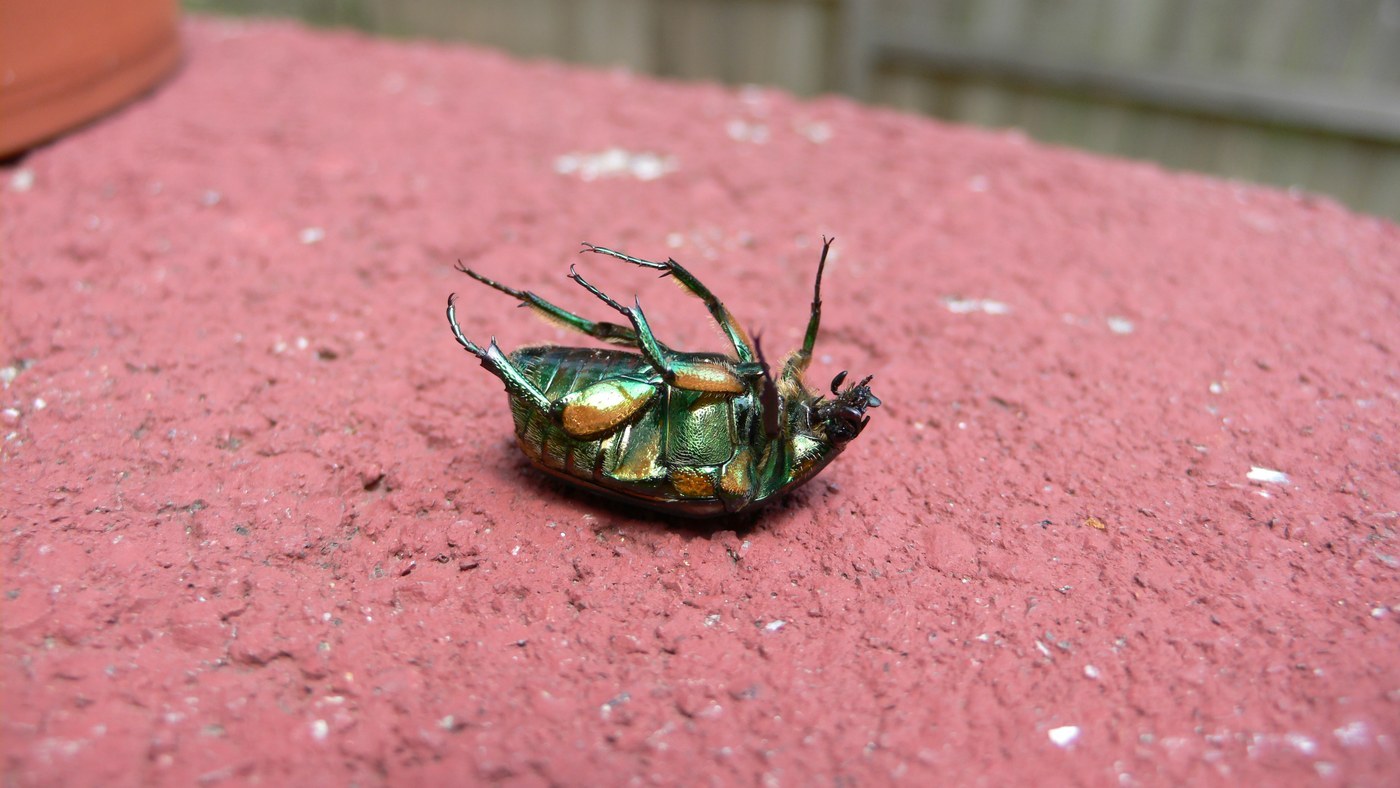
Green June Beetle
A large, velvety green scarab beetle with bronze edges that flies with a loud buzzing drone on warm summer days, often seen around ripening fruit.
beetle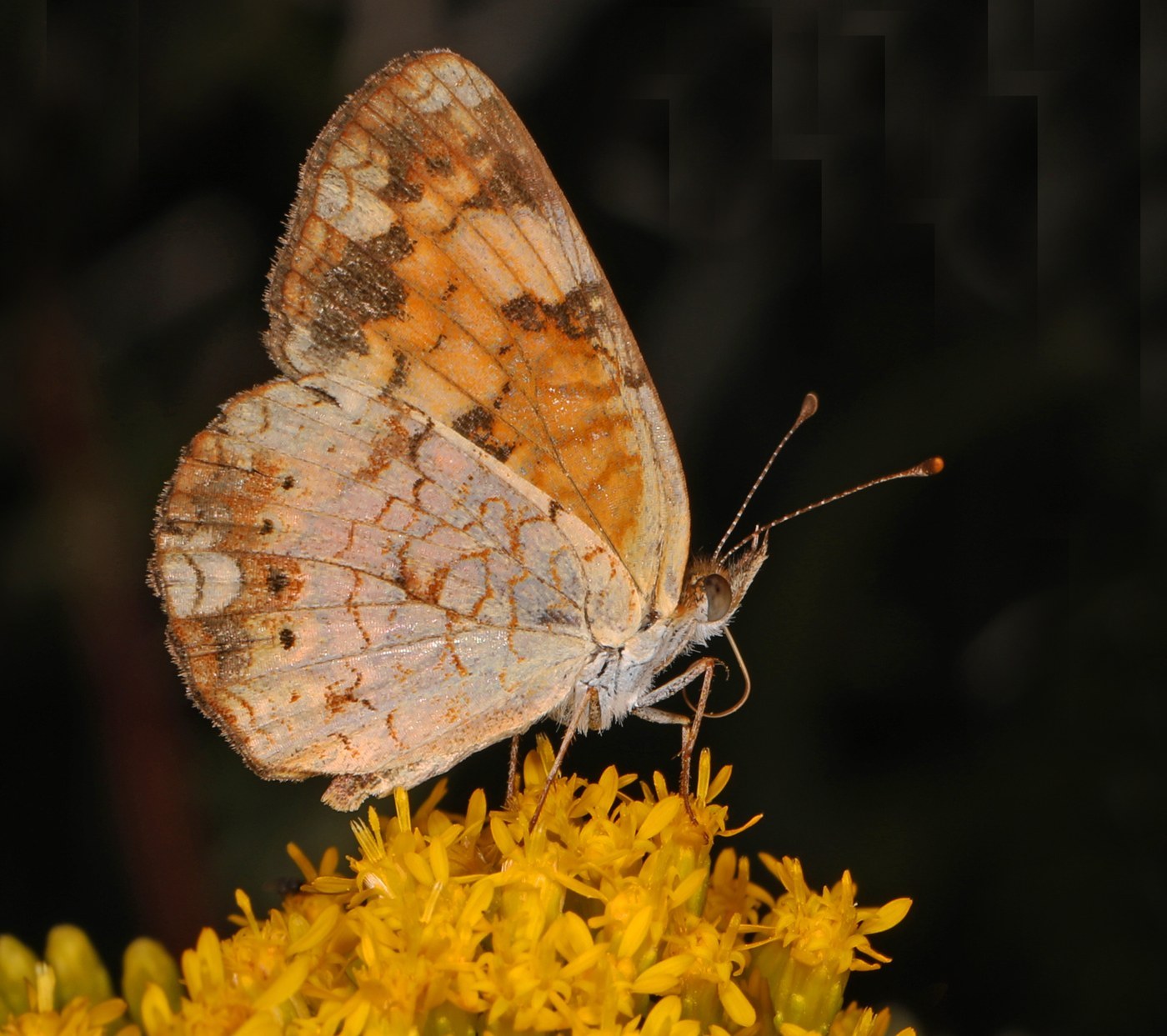
Pearl Crescent
A small, orange-and-black checkered butterfly that is one of the most abundant and widespread species in open fields across the continent, easily recognized by its crescent-shaped pale marking on the hindwing underside.
butterfly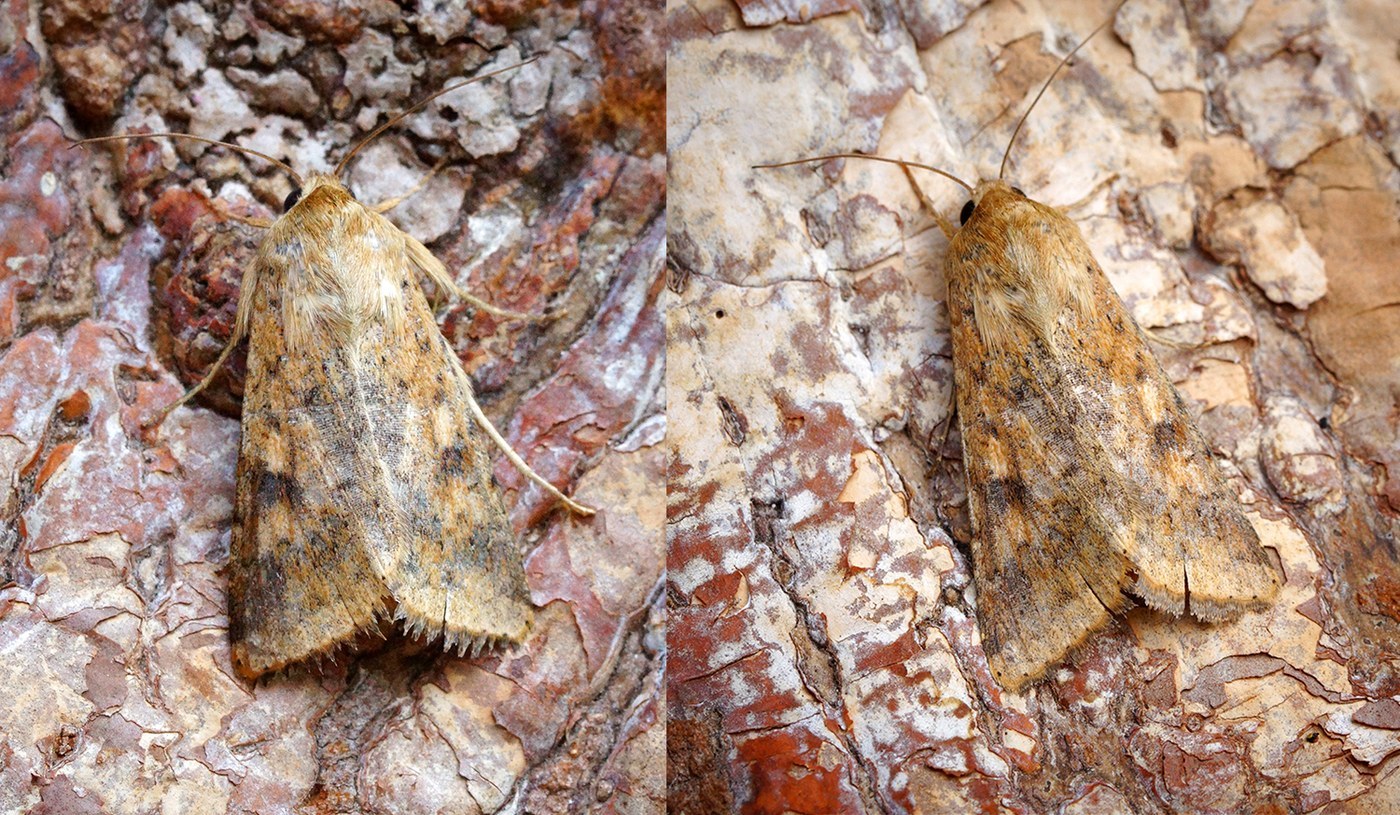
Cotton Bollworm
A variably colored caterpillar, ranging from green to brown to nearly pink, that burrows into cotton bolls, corn ears, and tomato fruit, feeding concealed inside the very structures it damages.
caterpillar-larva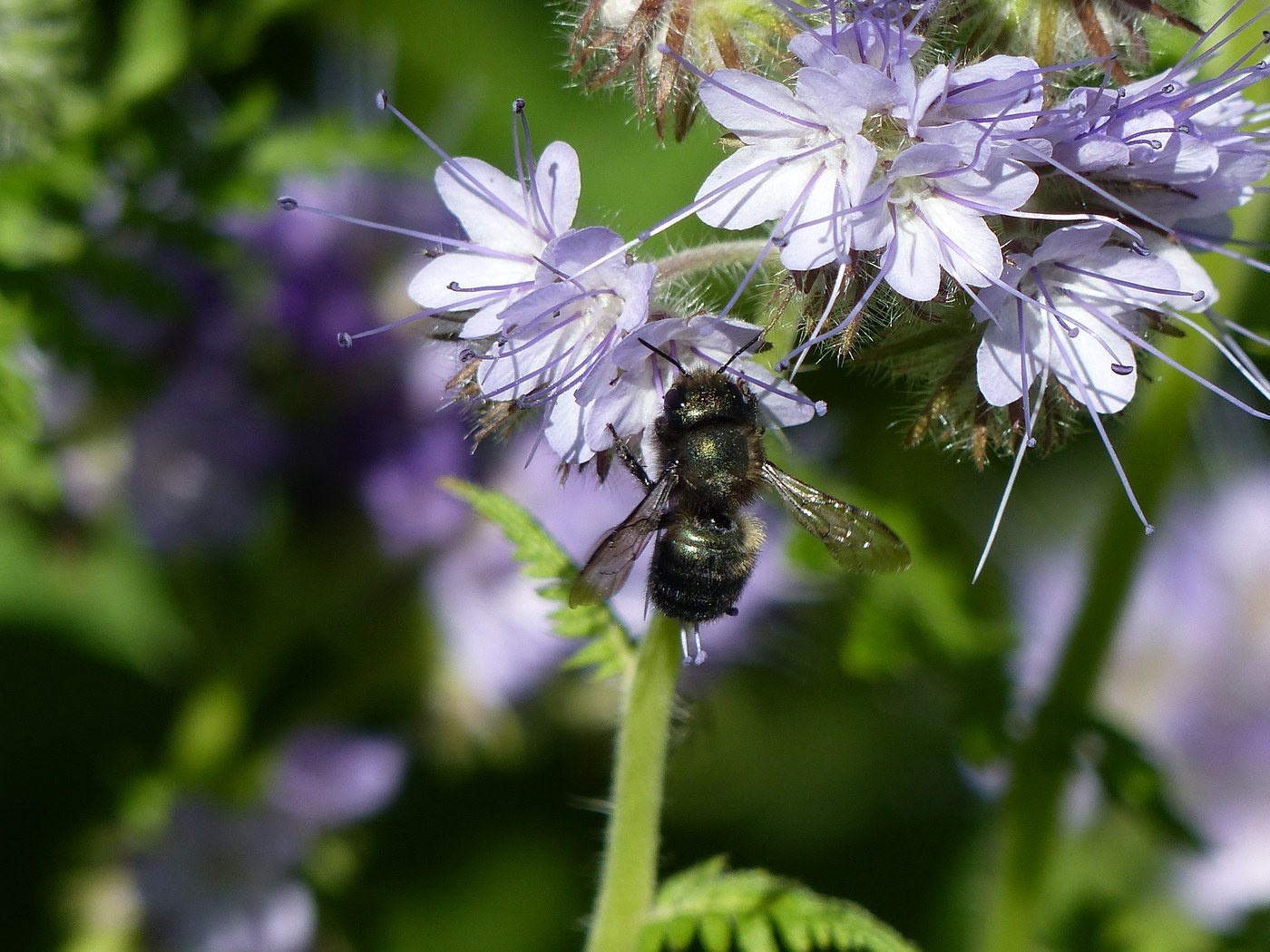
Mason Bee
A compact, metallic blue-black bee that nests in existing narrow cavities and seals its brood cells with mud, prized as one of the most efficient early-spring pollinators of fruit trees.
bee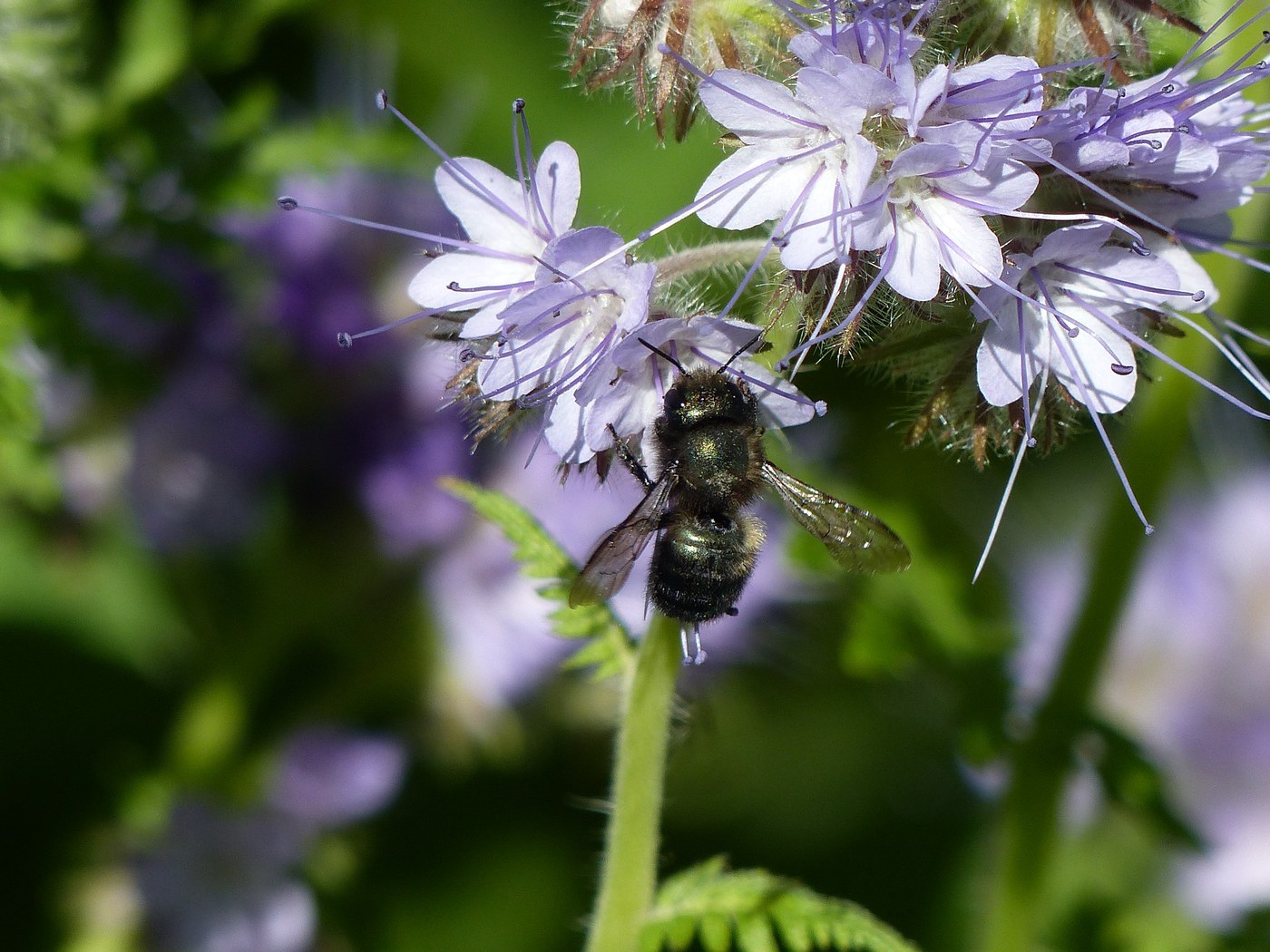
Blue Orchard Bee
A small, metallic blue-black solitary bee widely valued as an efficient early-spring pollinator of fruit trees, nesting in narrow tunnels and hollow stems rather than building hives.
beeSpur-throated Grasshopper
One of the most familiar grasshopper groups in North America, named for the small spine on its throat and known for including some of the continent's most abundant rangeland species.
grasshopper-cricket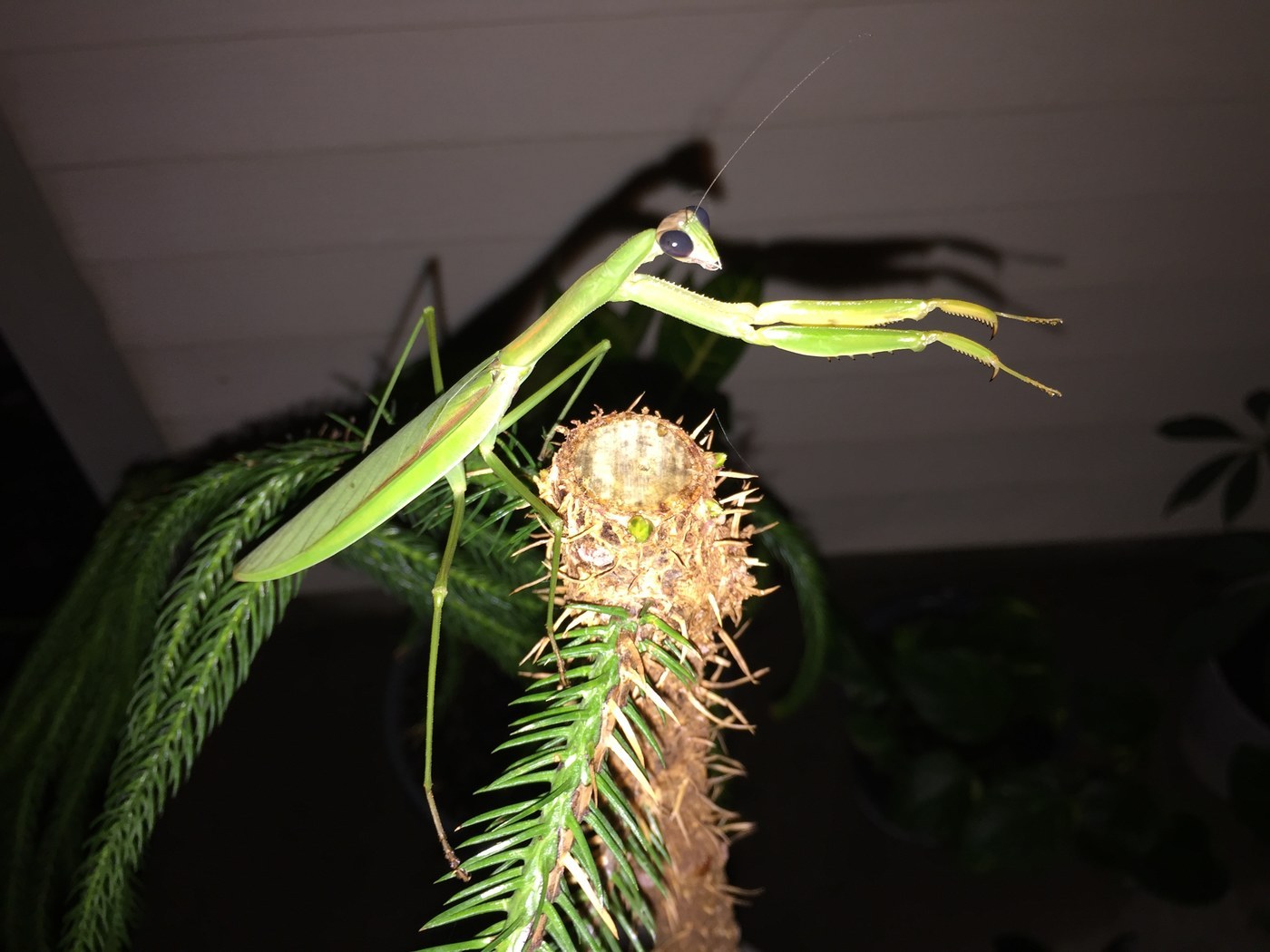
Chinese Mantis
One of the largest praying mantises found in North America, an introduced species with a lean brown-and-green body and grasping spined forelegs built for ambushing insect prey.
mantis-stickCockroach Egg Case
A small, purse-shaped, ridged capsule that houses dozens of developing cockroach eggs, its size, color, and shape offering telltale clues to which species produced it.
other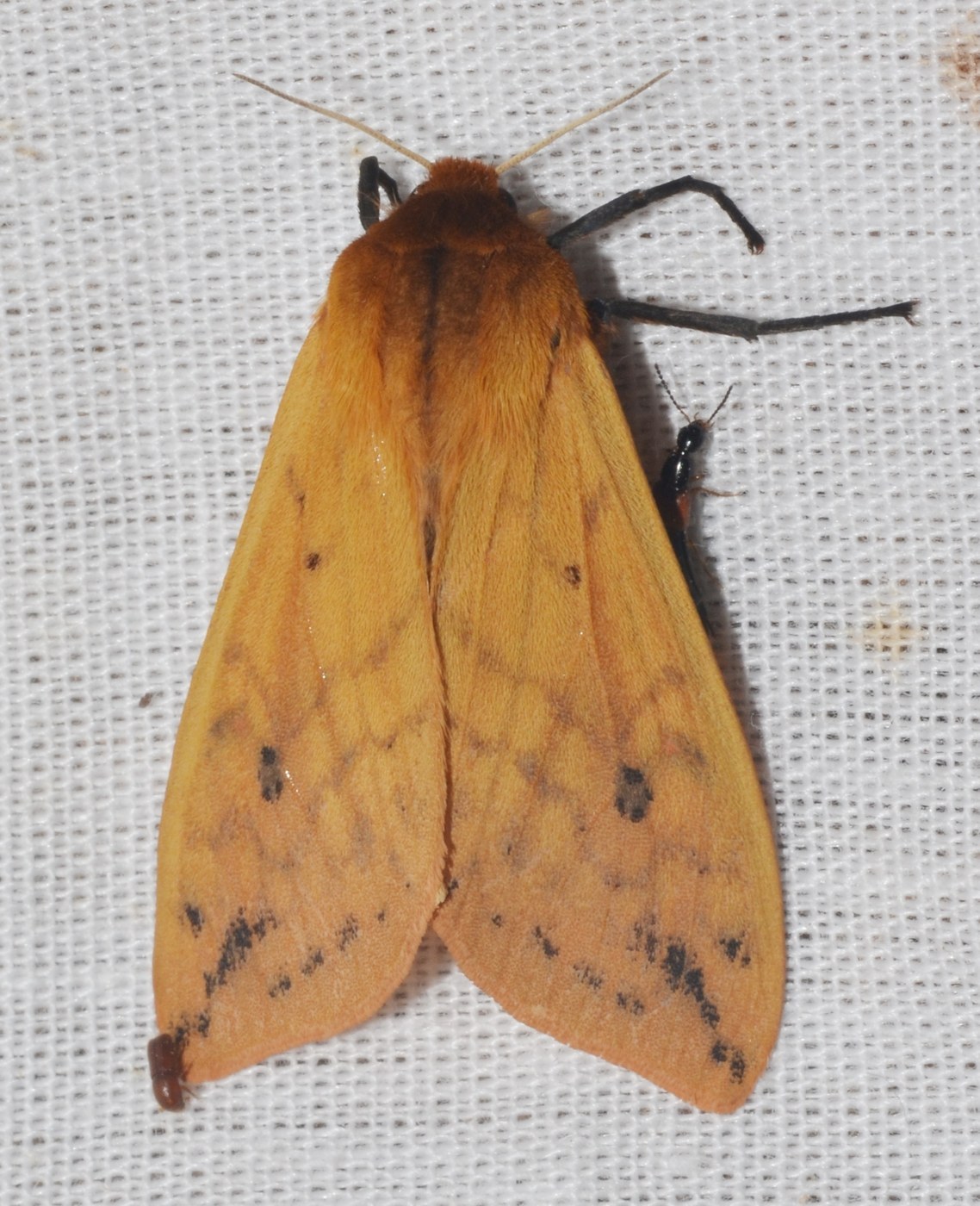
Banded Woolly Bear Moth
Best known as the black-and-rust-banded fuzzy caterpillar that famously curls into a ball when disturbed, this species matures into a plain golden-orange to tan tiger moth.
moth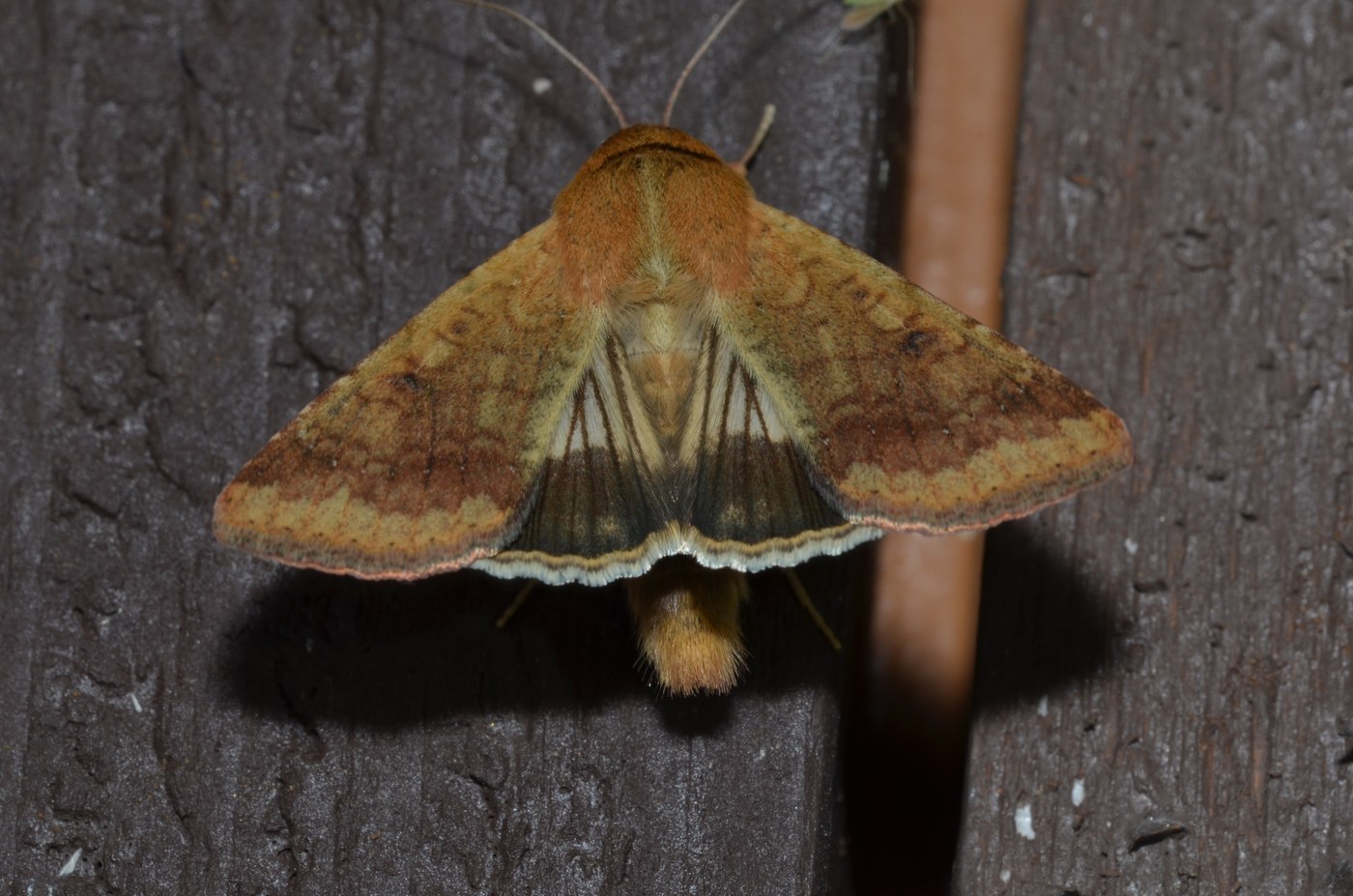
Bollworm
One of the most economically significant caterpillars in North American agriculture, the bollworm changes color from green to brown to pink across its life and bores into cotton bolls, corn ears, and tomato fruit alike.
caterpillar-larva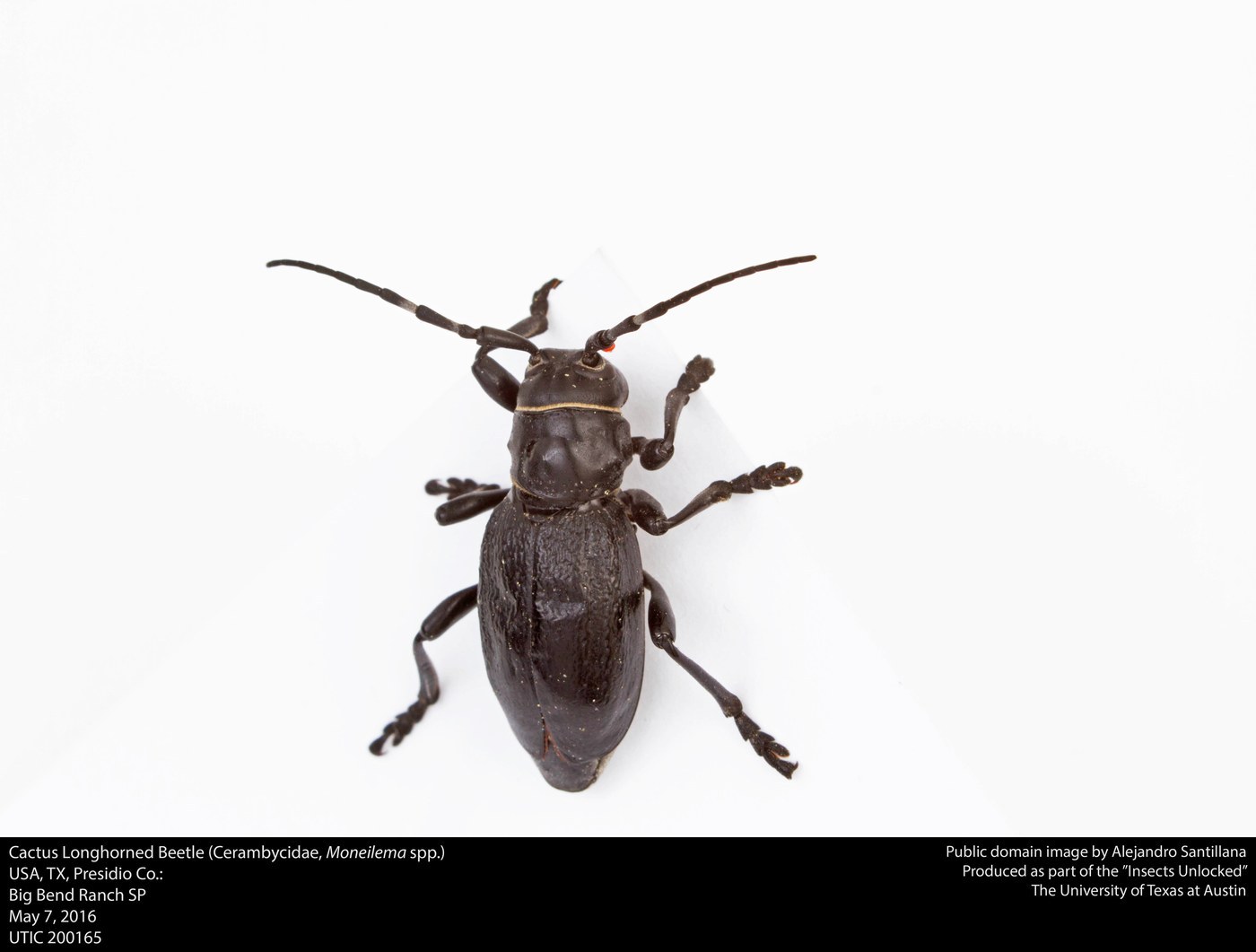
Longhorn Beetle
A beetle instantly recognizable by antennae often longer than its own body, ranging from small woodland species to large, dramatically patterned tropical and temperate forms.
beetle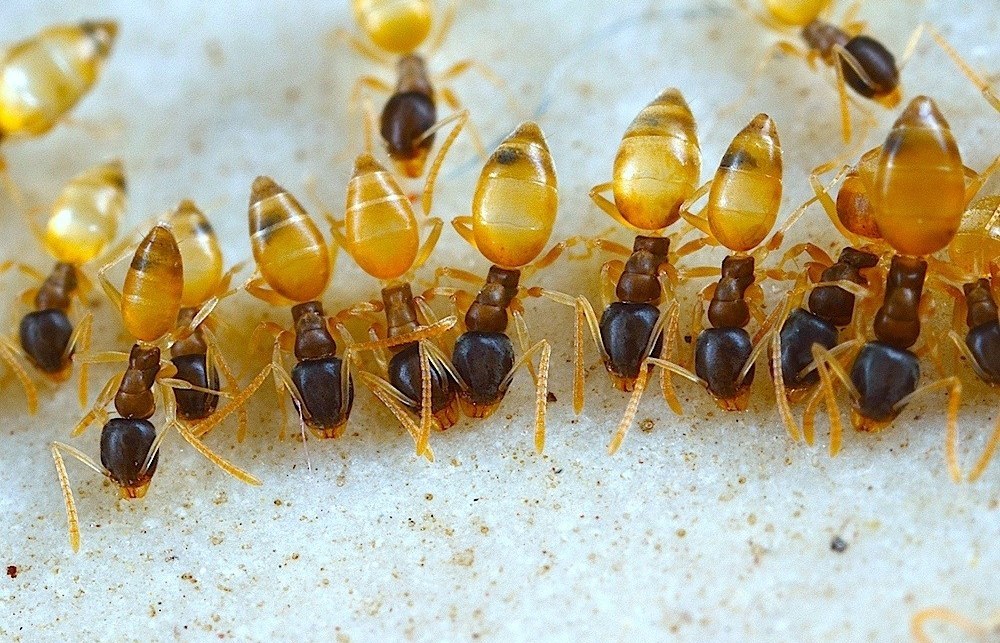
Ghost Ant
A minuscule ant with a dark head and pale, nearly translucent legs and abdomen that seem to vanish against light-colored surfaces, giving the species its ghostly common name.
antDragonhunter
North America's largest clubtail, the Dragonhunter is a powerful predator that lives up to its name by capturing and eating other dragonflies, including species nearly its own size.
dragonfly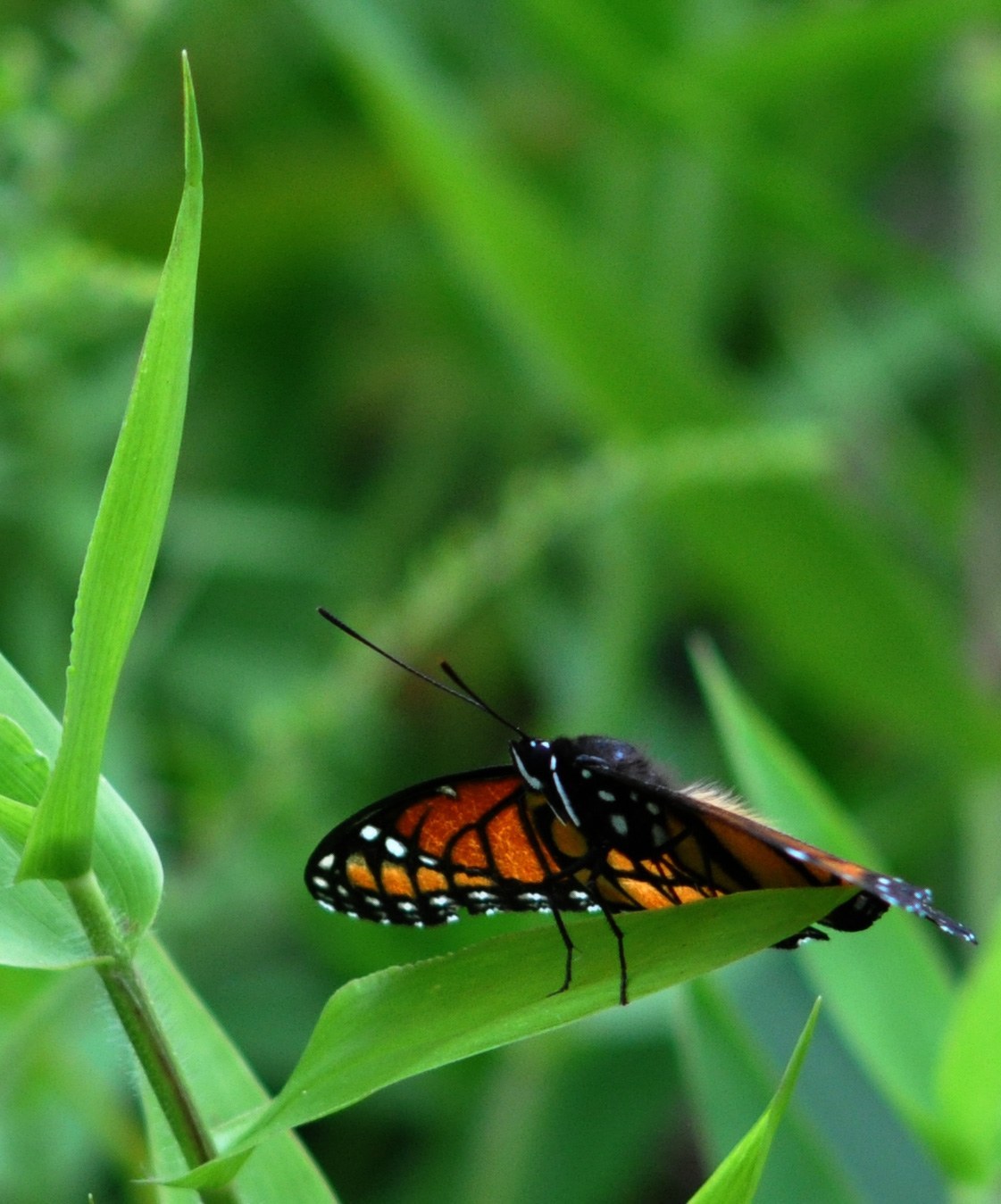
Viceroy Butterfly
An orange-and-black butterfly closely resembling the monarch, distinguished by a smaller size and a distinctive black line crossing the veins of the hindwing, and long cited as a classic example of mimicry between two unrelated species.
butterfly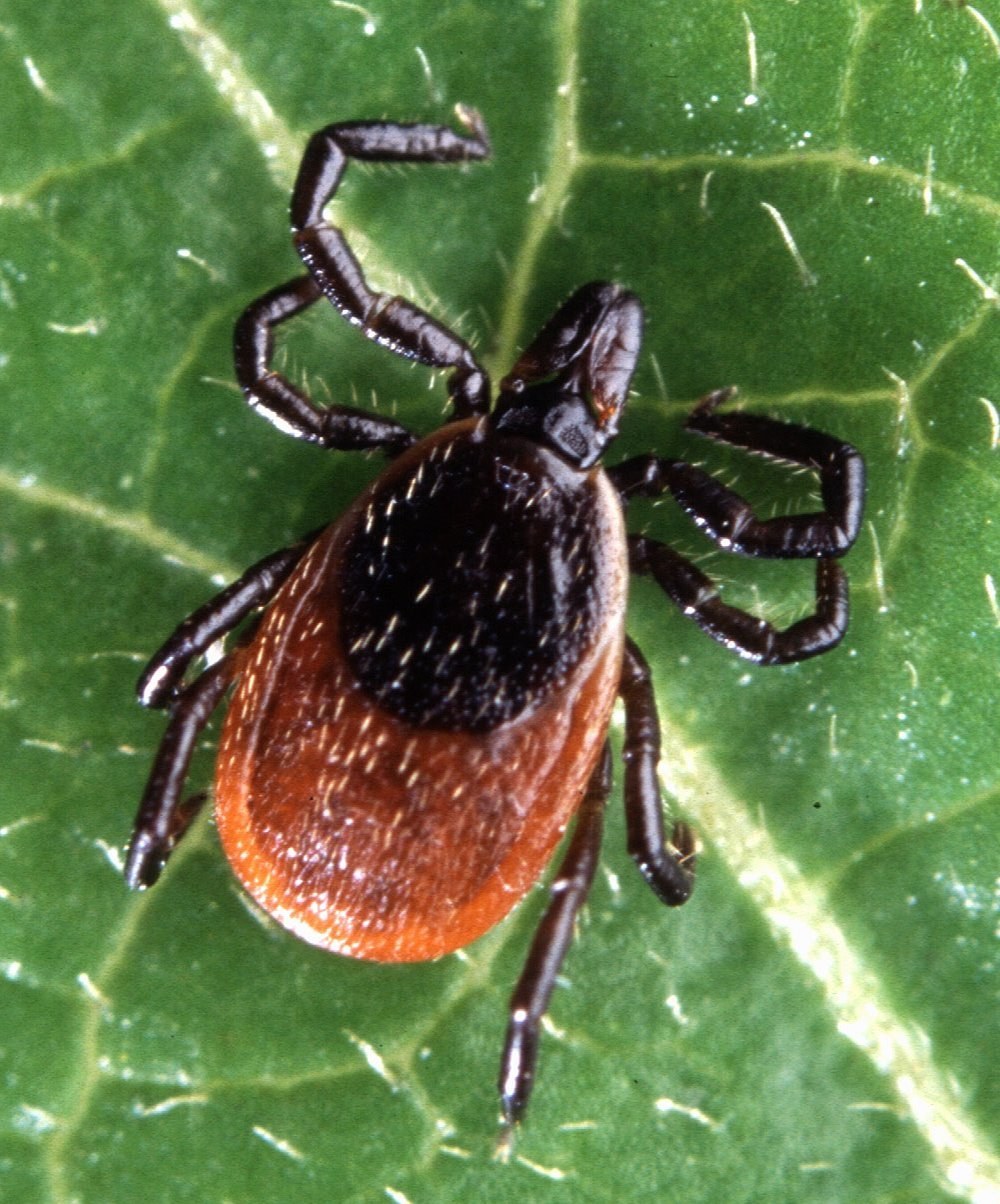
Deer Tick
A small, dark-legged tick with a reddish-brown, teardrop-shaped body, noticeably smaller than many other common tick species and often found questing in wooded or grassy edge habitats.
arachnid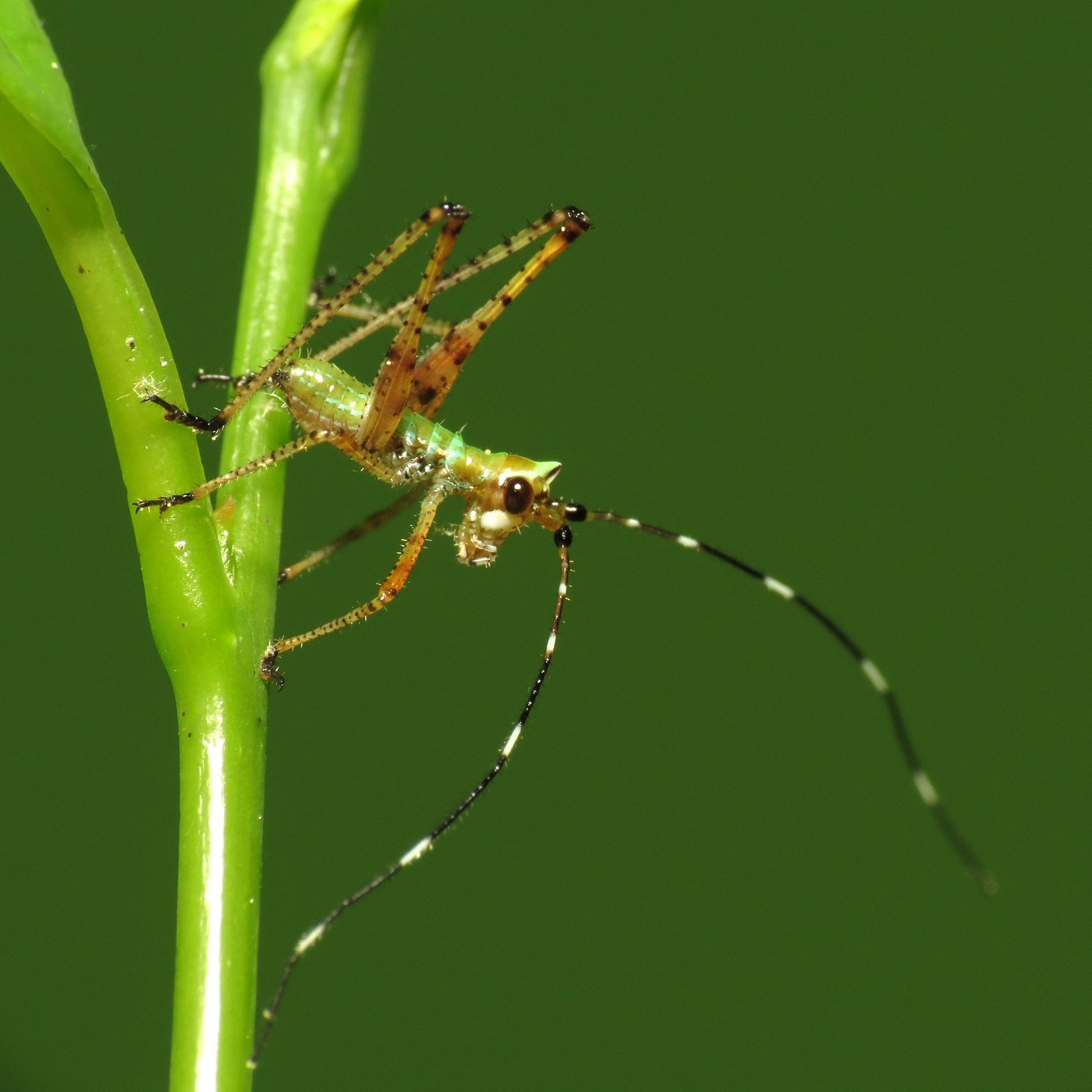
Fork-tailed Bush Katydid
Slimmer and greener than its treetop relatives, the fork-tailed bush katydid lives among shrubs and garden plants, with males identified by the distinctive forked appendages at the tip of the abdomen that give the species its name.
grasshopper-cricket