
Bug Encyclopedia
Search and identify bugs & insects — beetles, butterflies, moths, ants, bees, spiders and more — with size, habitat, danger, behavior, and how to tell them apart.
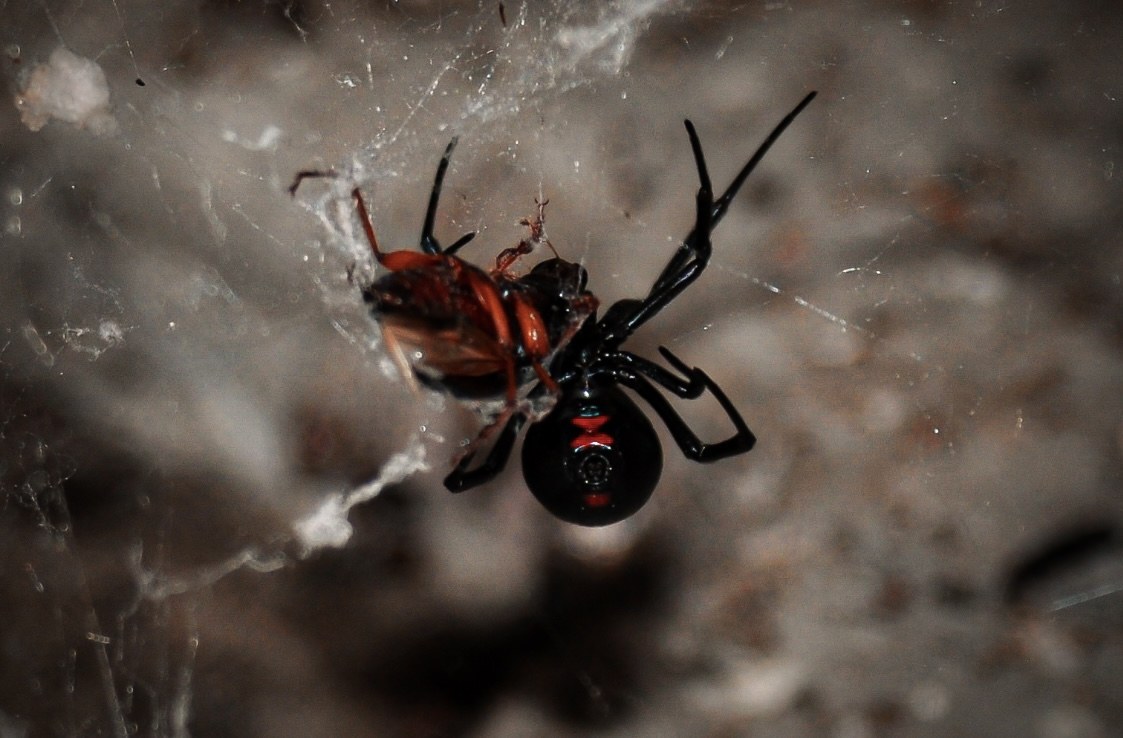
Black Widow Spider
A glossy black, globe-bodied spider best known for the red or orange hourglass marking on the underside of the female's rounded abdomen, usually found tucked in a tangled web near ground level.
spider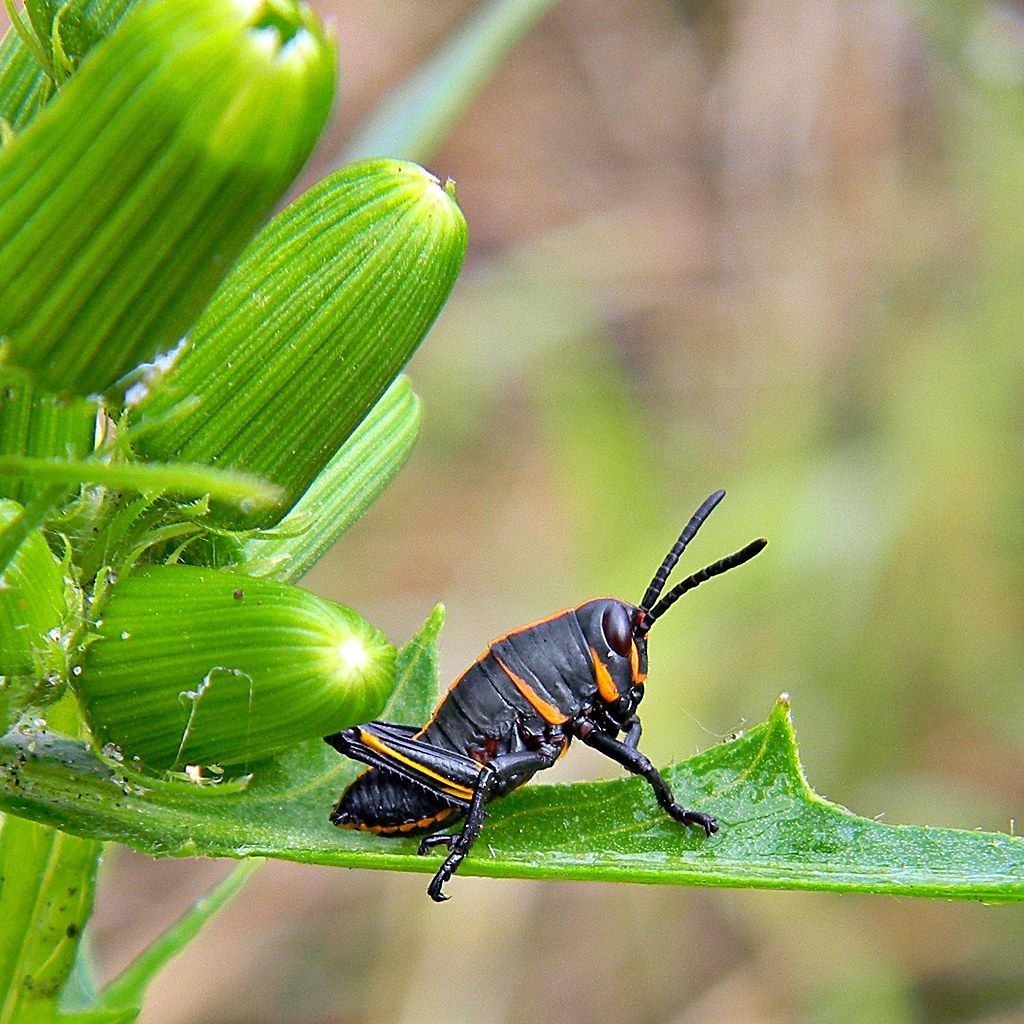
Eastern Lubber Grasshopper
One of the largest grasshoppers in North America, the eastern lubber is a slow, flightless giant clad in bold black, yellow, and red that announces its presence rather than hiding from it.
grasshopper-cricket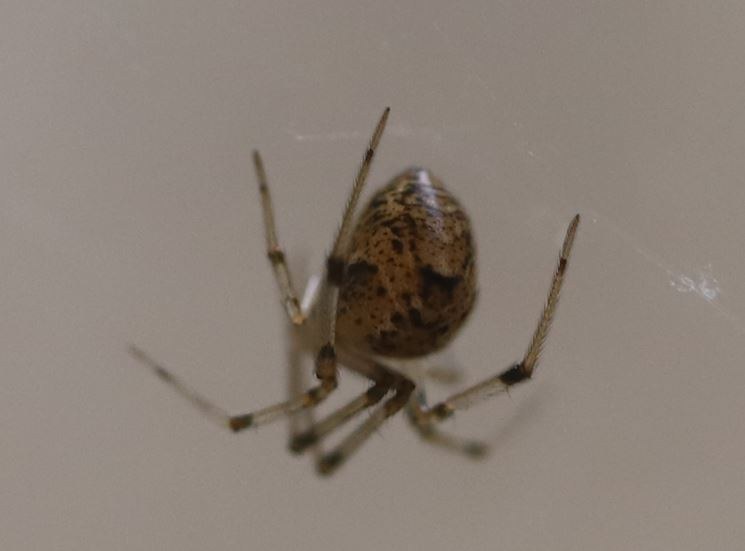
Common House Spider
Tucked into a messy tangle of silk in a quiet corner, the common house spider is one of the most familiar indoor spiders, quietly picking off flies and other small insects that blunder into its web.
spider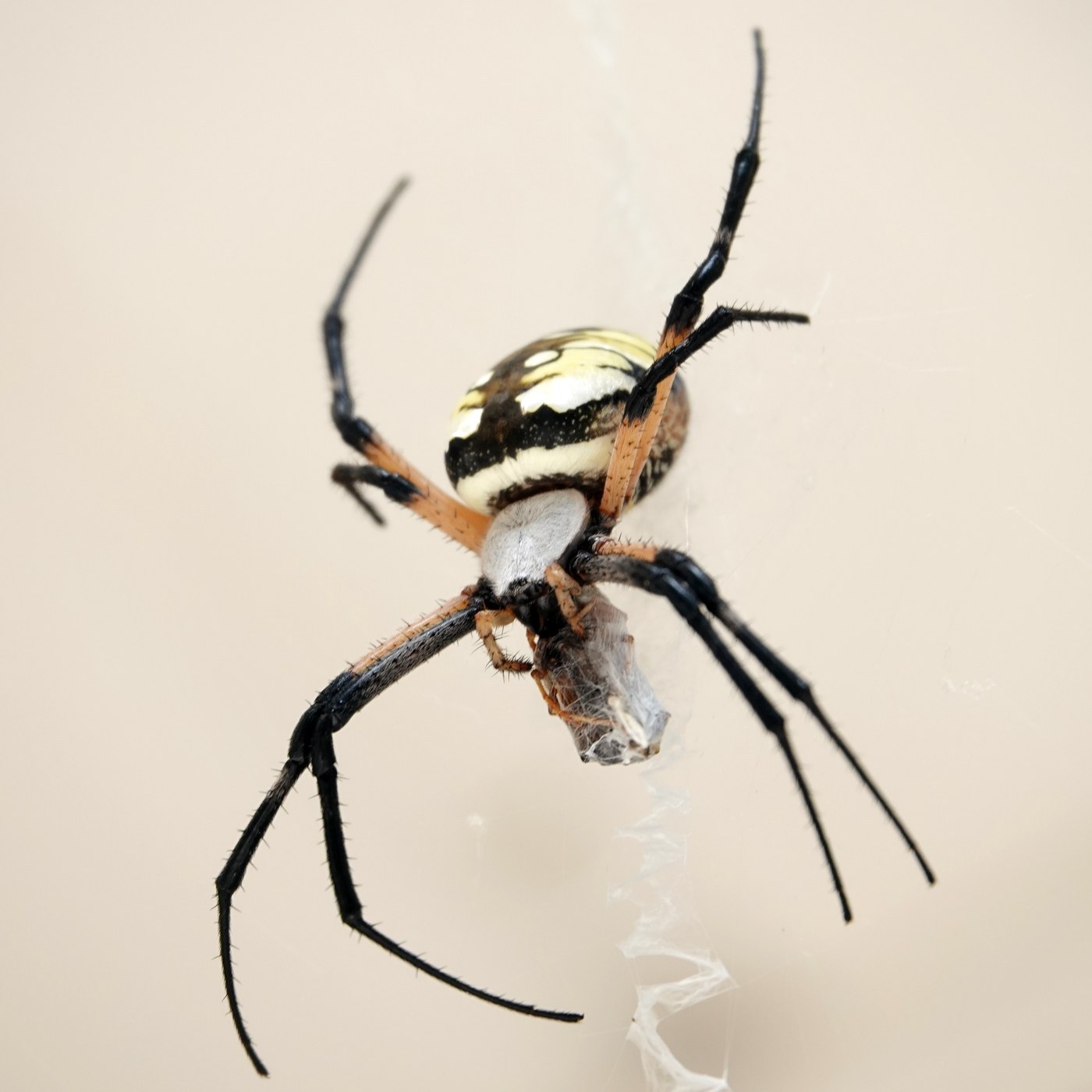
Yellow Garden Spider
Bold black and yellow markings, a large orb web anchored with a bright zigzag of silk, and a habit of sitting in plain view make the yellow garden spider one of the most eye-catching and recognizable spiders in North American backyards.
spider
Two-Spotted Spider Mite
A near-microscopic mite that spins fine silk webbing over leaves as it feeds, leaving foliage stippled and pale.
arachnid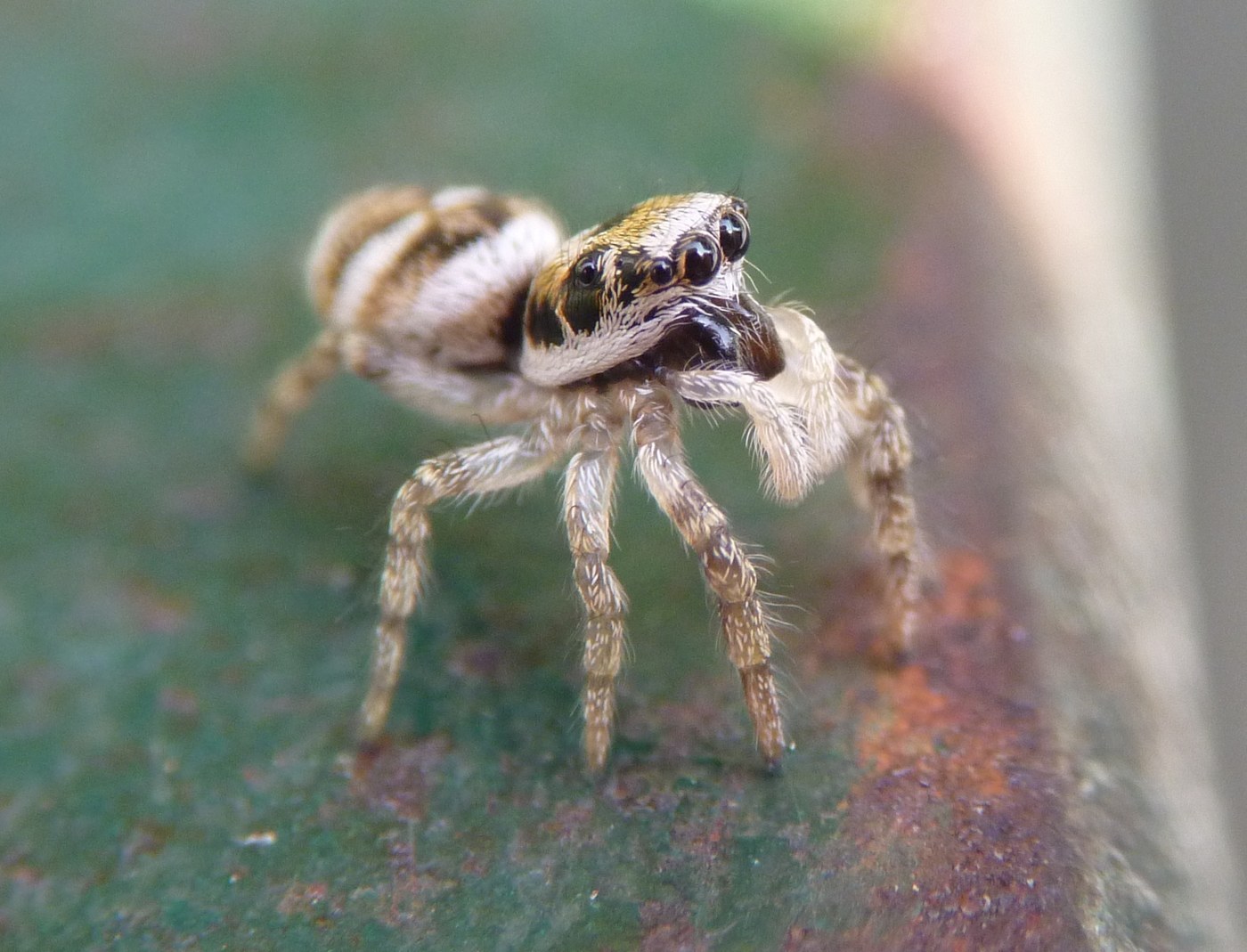
Zebra Jumping Spider
A compact black-and-white striped jumping spider that stalks prey in short, precise leaps across sun-warmed walls and fences.
spider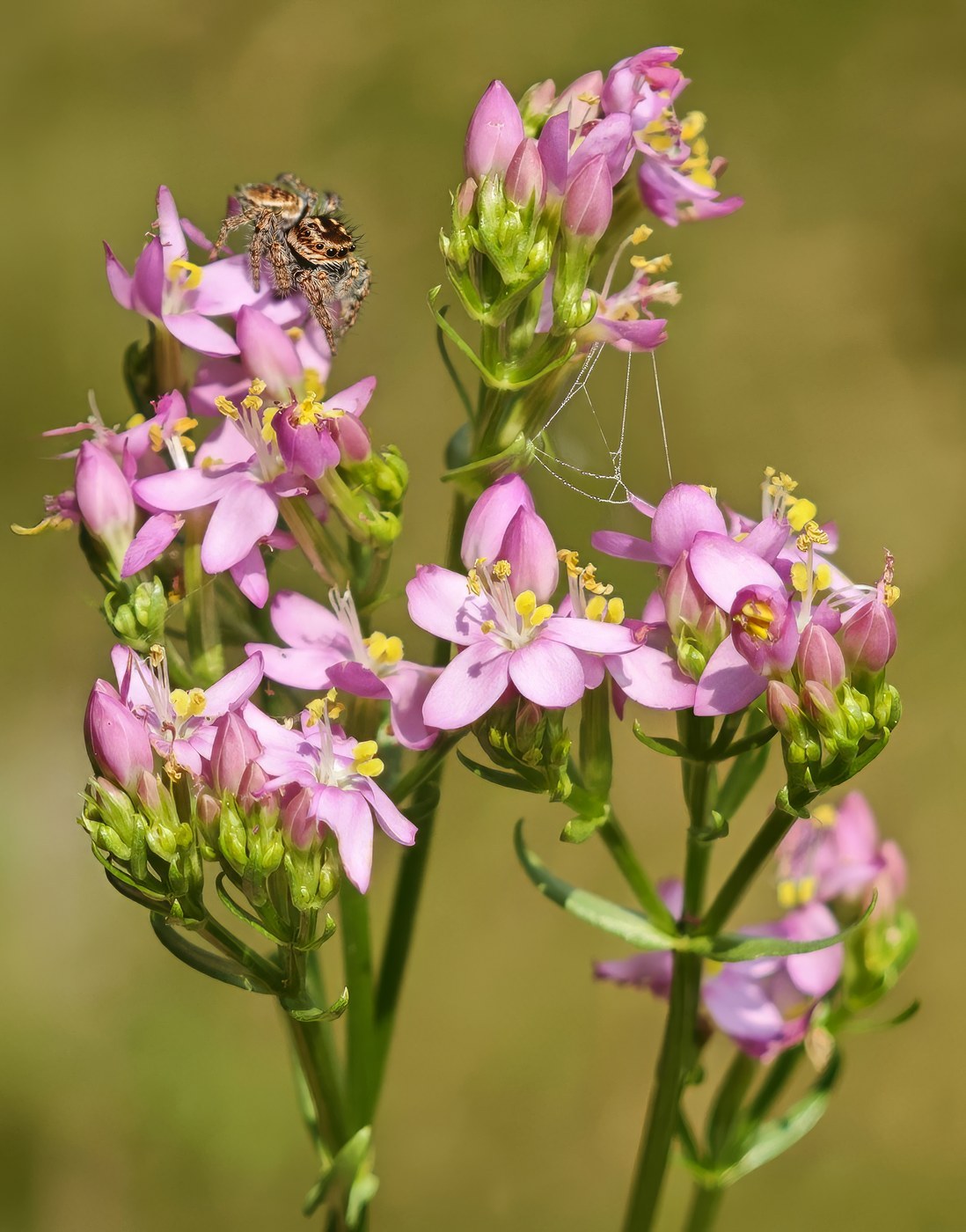
Regal Jumping Spider
One of the largest and most striking North American jumping spiders, with a velvety black body, bold markings, and huge iridescent green or blue-lined eyes.
spider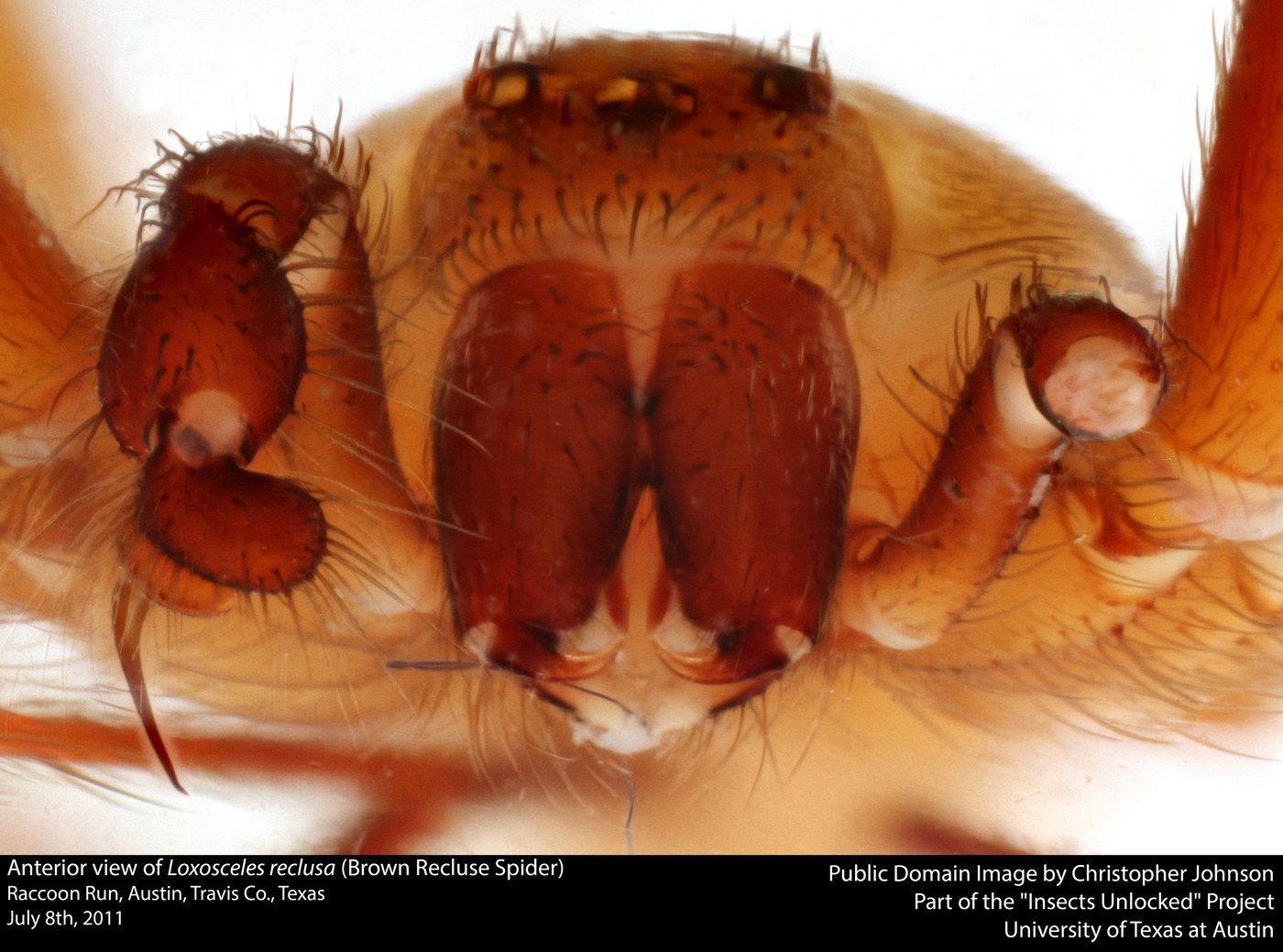
Brown Recluse Spider
A uniformly light-brown spider with a faint violin-shaped marking on its back and only six eyes instead of the usual eight, typically found hiding in dry, undisturbed indoor and outdoor spaces.
spider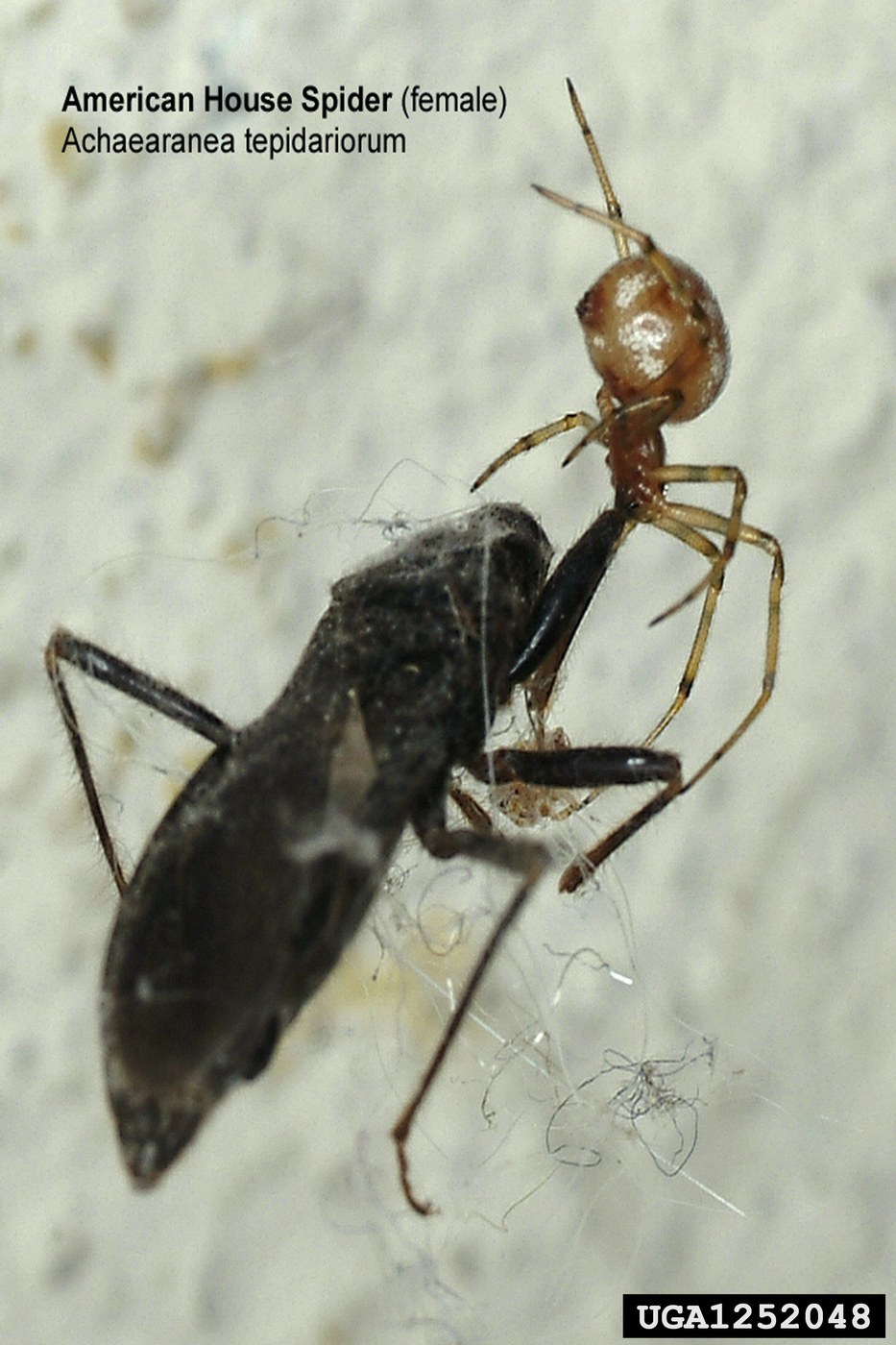
American House Spider
A small, brownish spider with a bulbous, mottled abdomen that spins loose, irregular tangle webs in quiet corners, ceilings, and window frames.
spider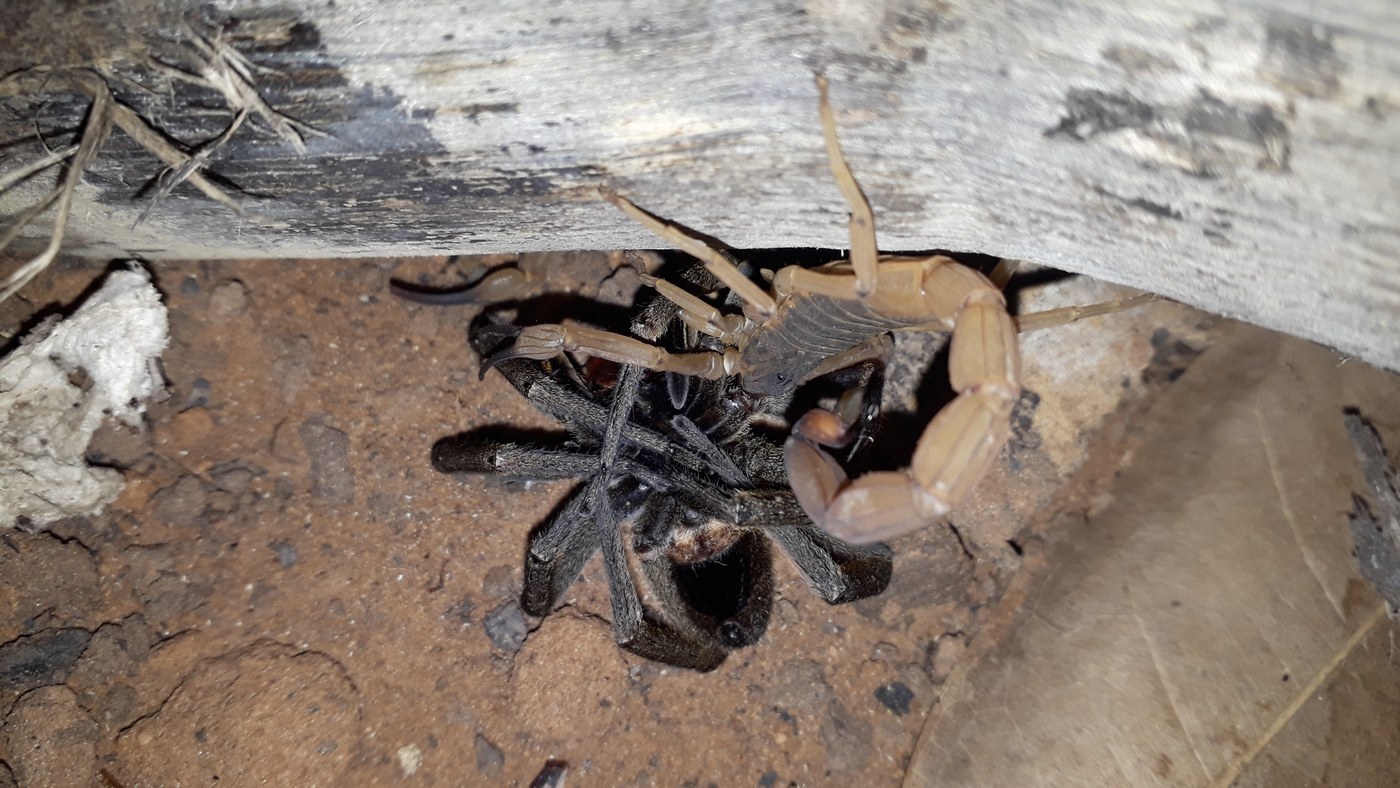
Brazilian Wandering Spider
A fast, ground-dwelling hunter of the South American rainforest floor, the Brazilian wandering spider builds no web at all, instead actively roaming at night in search of prey and occasionally turning up in shipments of bananas, which earned it a widely known nickname.
spiderMeadow Katydid
Small, slender, and beautifully camouflaged among grass blades, meadow katydids fill open fields and marsh edges with a soft, buzzy, insect-like ticking that blends into the summer evening background.
grasshopper-cricketTailless Whip Scorpion
A flattened, spider-like arachnid with no stinger and no fangs, instead using a pair of long whip-like sensory legs and grasping spiny arms to feel out and seize prey in total darkness.
arachnidCamel Cricket
A wingless, humpbacked cricket with unusually long legs that gives it a spider-like appearance, often startling people when it turns up in damp basements or crawl spaces.
grasshopper-cricketWhip Scorpion
A flattened, spider-like arachnid with a pair of extraordinarily long, whip-thin front legs used to feel out its surroundings in the dark, and large spiny pedipalps held out front like a crab's claws. Despite the name and fearsome appearance, it has no stinger and no fangs.
arachnid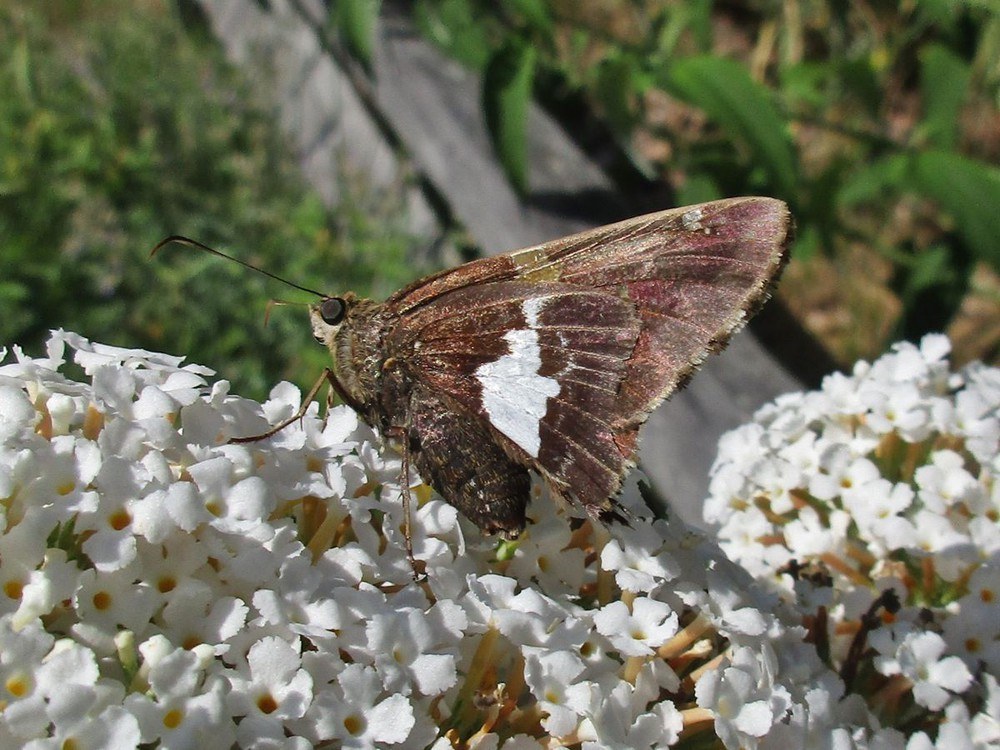
Skipper Butterfly
A stocky, fast-darting butterfly with a large head, hooked antennae tips, and thick furry body, intermediate in appearance between butterflies and moths, named for its quick, skipping flight.
butterflyCave Cricket
Humpbacked and wingless with absurdly long legs and antennae, this pale, silent insect thrives in the total darkness of caves, basements, and damp crawl spaces.
grasshopper-cricket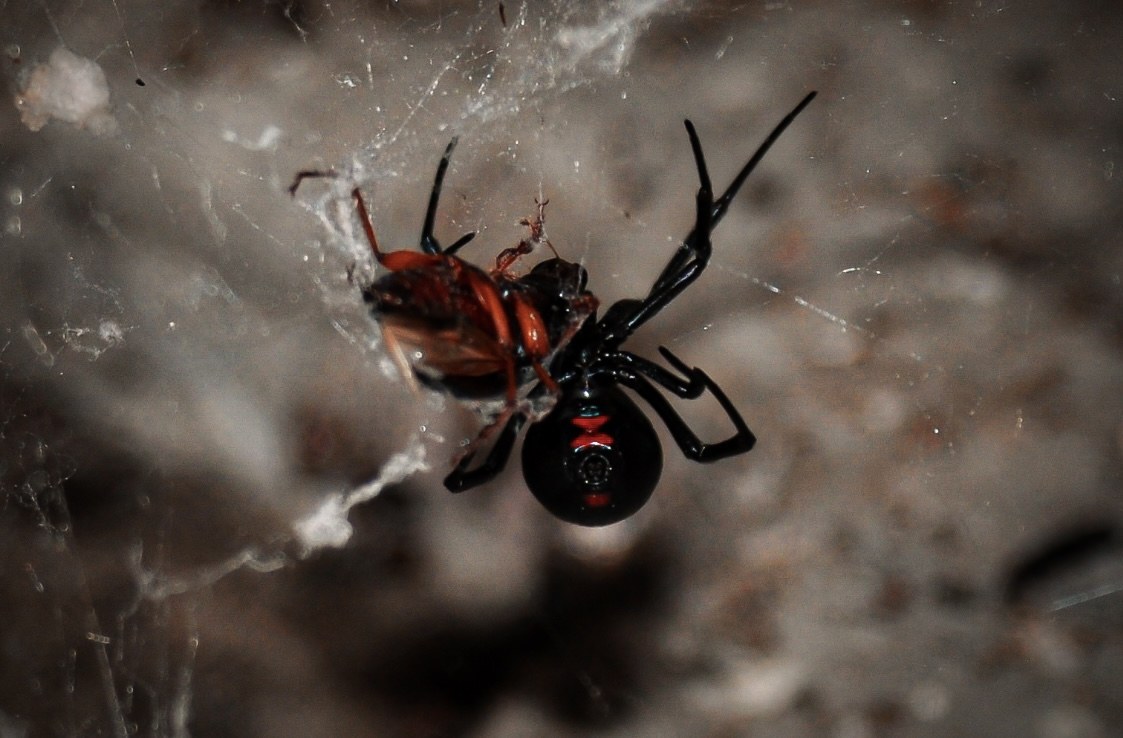
Southern Black Widow
Glossy jet-black and marked with a bright red hourglass on the underside of its rounded abdomen, the southern black widow is one of the most recognizable spiders in North America, typically found tucked into quiet, undisturbed corners rather than out in the open.
spiderSod Webworm
A dull, grayish-green caterpillar that hides in silk-lined burrows by day and emerges at night to chew grass blades down to the thatch.
caterpillar-larva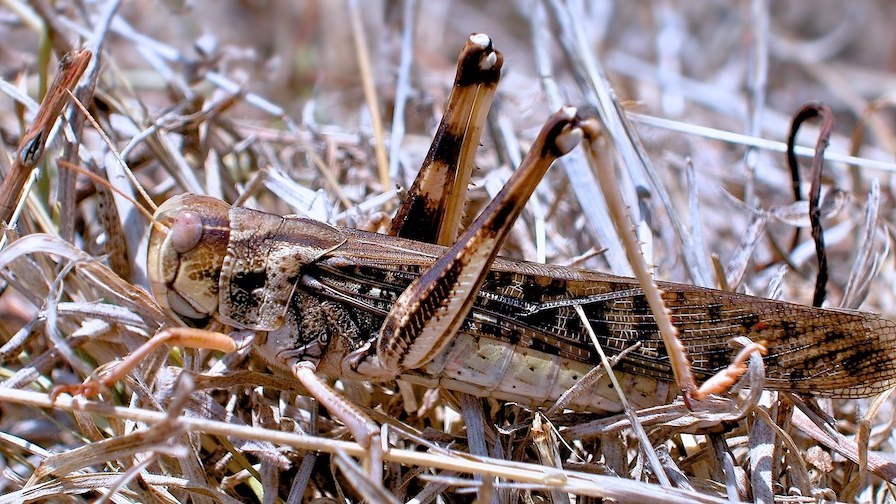
Locust
A large, powerful grasshopper capable of transforming from a solitary, harmless insect into a densely packed, migrating swarm when populations surge, historically famous for devastating crops across huge regions.
grasshopper-cricket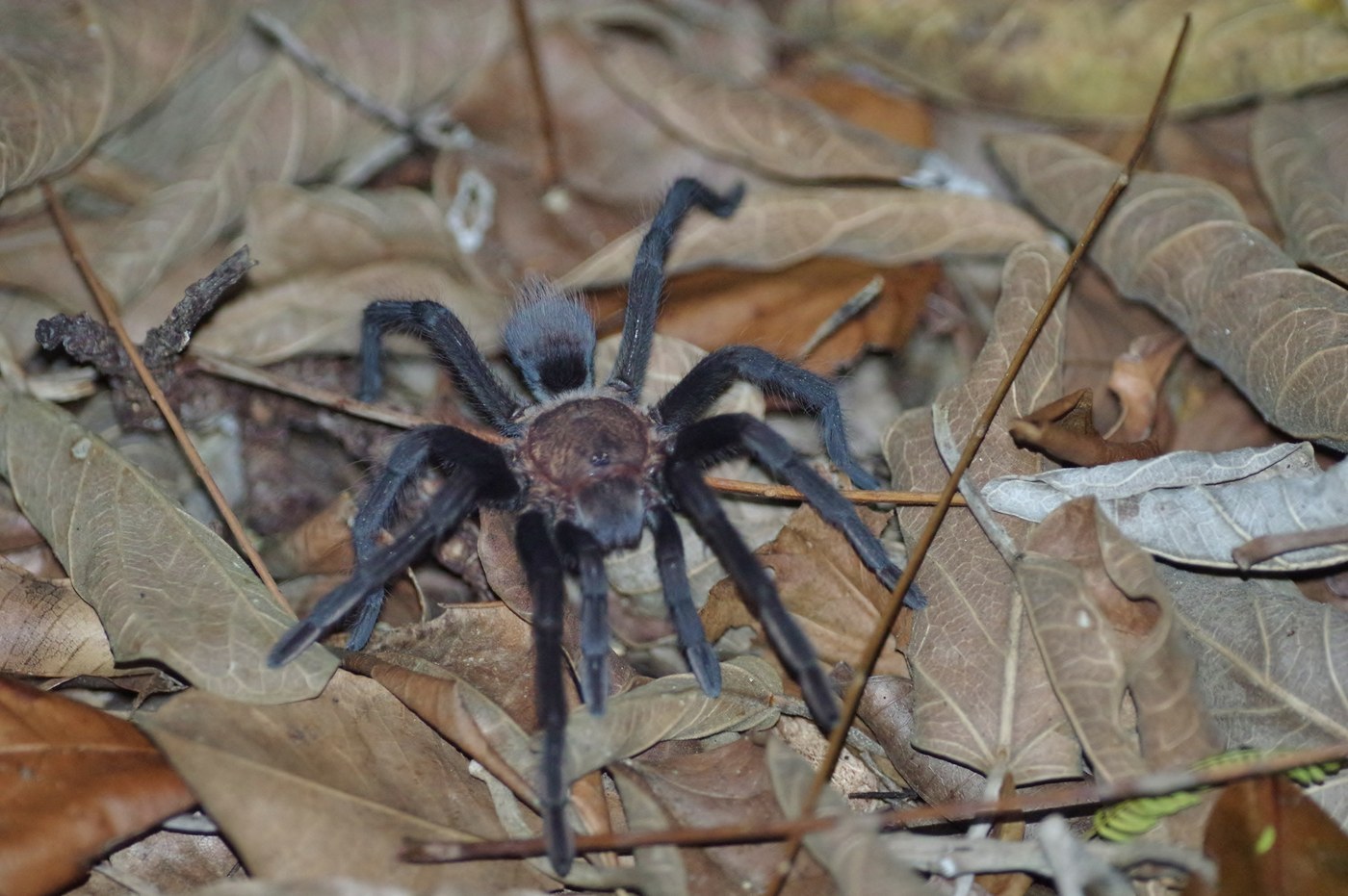
Tarantula
The tarantula is the heavyweight of the spider world, a densely furred, ground-hugging hunter that spends most of its long life waiting in a silk-lined burrow for prey to wander past.
spider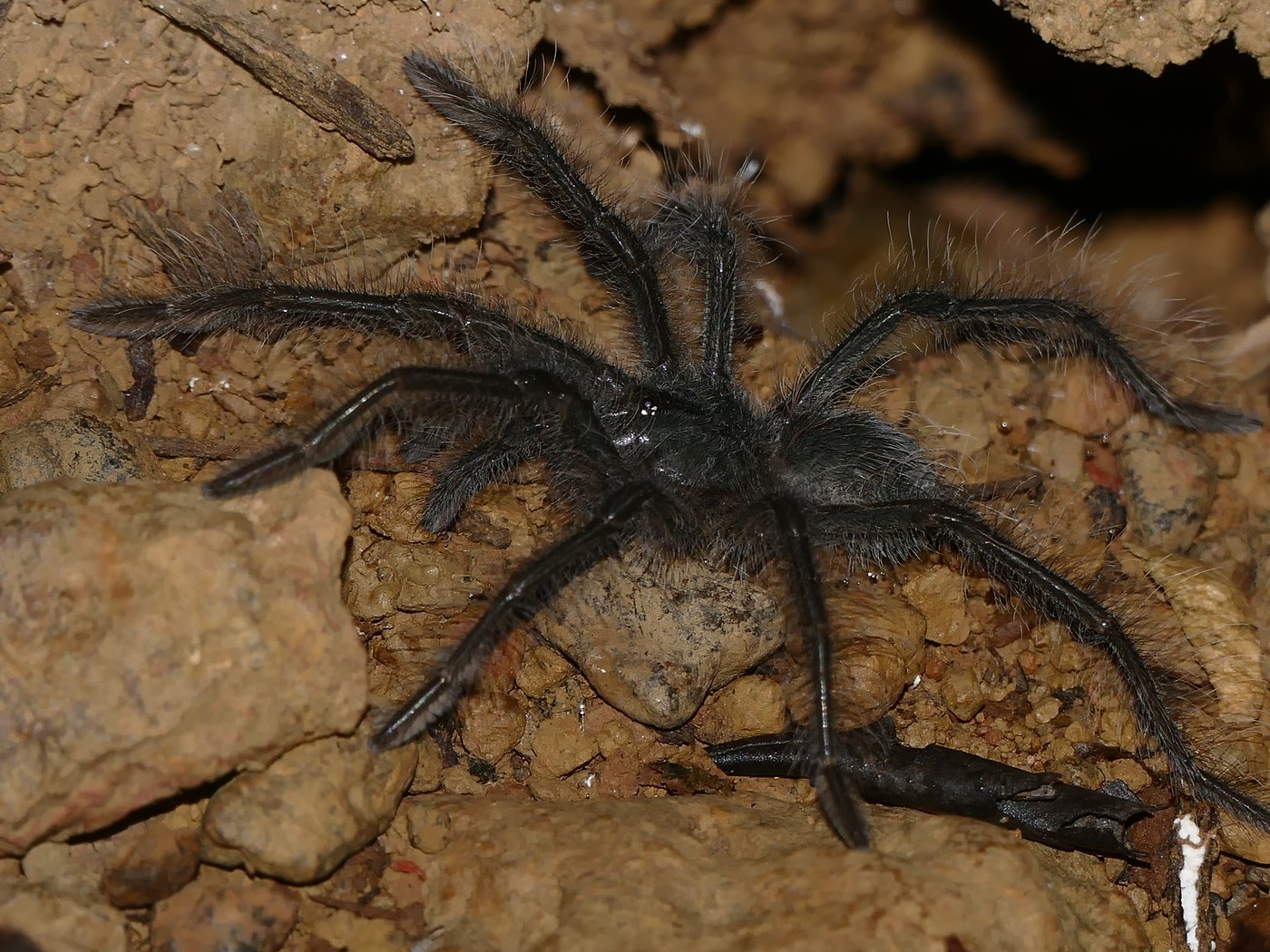
Goliath Birdeater
The heaviest spider in the world, the Goliath birdeater is a massive, hairy tarantula from the South American rainforest whose leg span can rival a dinner plate, though despite its name it primarily hunts insects and other invertebrates rather than birds.
spiderRocky Mountain Locust
Once the most destructive insect in North American history, this swarming grasshopper vanished within a few decades of forming the largest insect swarm ever recorded.
grasshopper-cricketKatydid
A leaf-mimicking insect with broad, veined green wings shaped remarkably like foliage, best known for the loud, rhythmic 'katy-did, katy-didn't' chorus males produce on warm summer nights.
grasshopper-cricket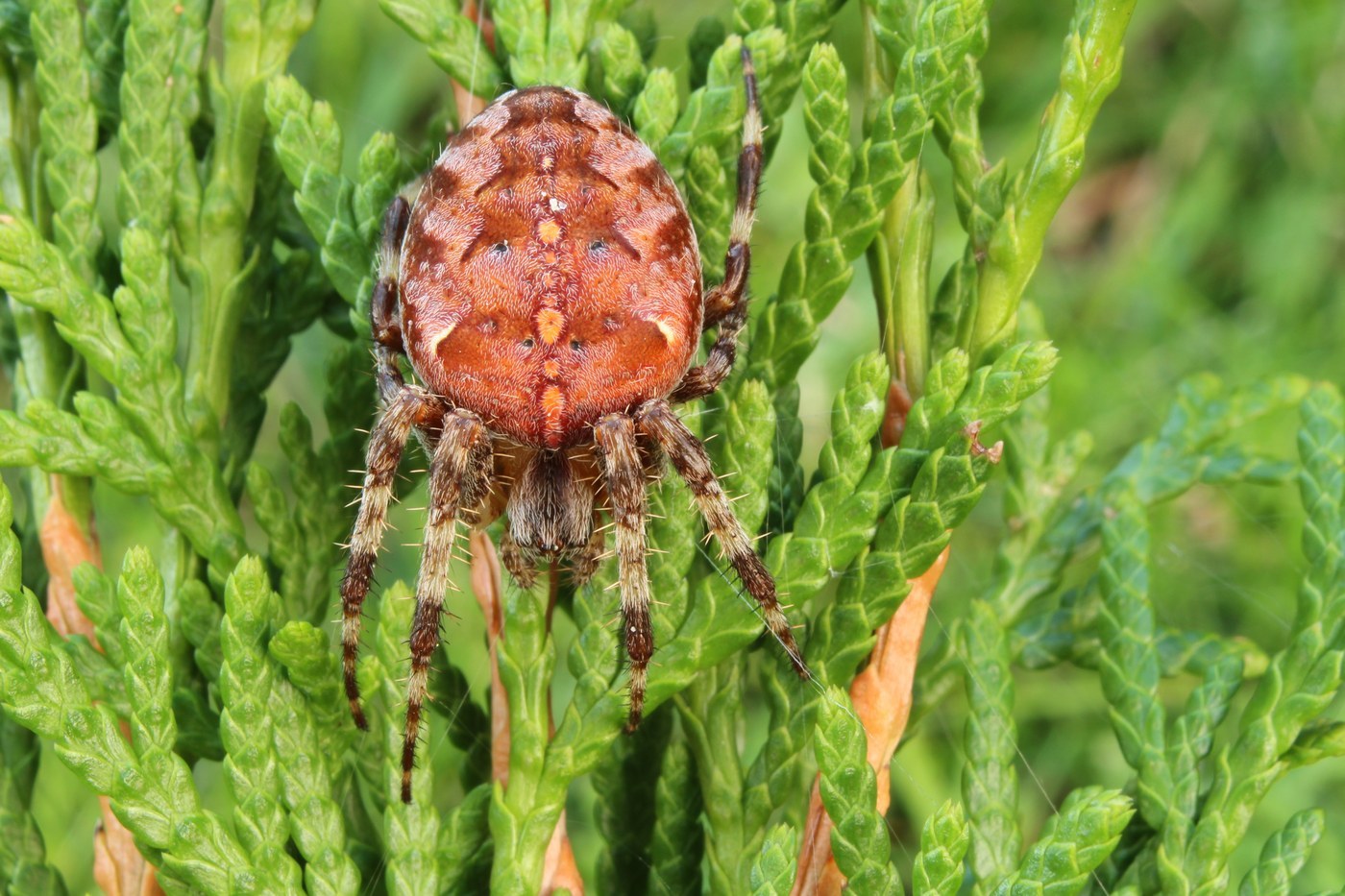
Cross Orbweaver
Named for the pale cross of dots marking its rounded abdomen, the cross orbweaver spins one of the most classic wheel-shaped webs, rebuilding it fresh nearly every night to keep its silk sticky and effective.
spider