
Bug Encyclopedia
Search and identify bugs & insects — beetles, butterflies, moths, ants, bees, spiders and more — with size, habitat, danger, behavior, and how to tell them apart.
Question Mark Caterpillar
A spiny, variably colored caterpillar named for the silver question-mark-shaped mark on the underside of the adult butterfly's wings.
caterpillar-larva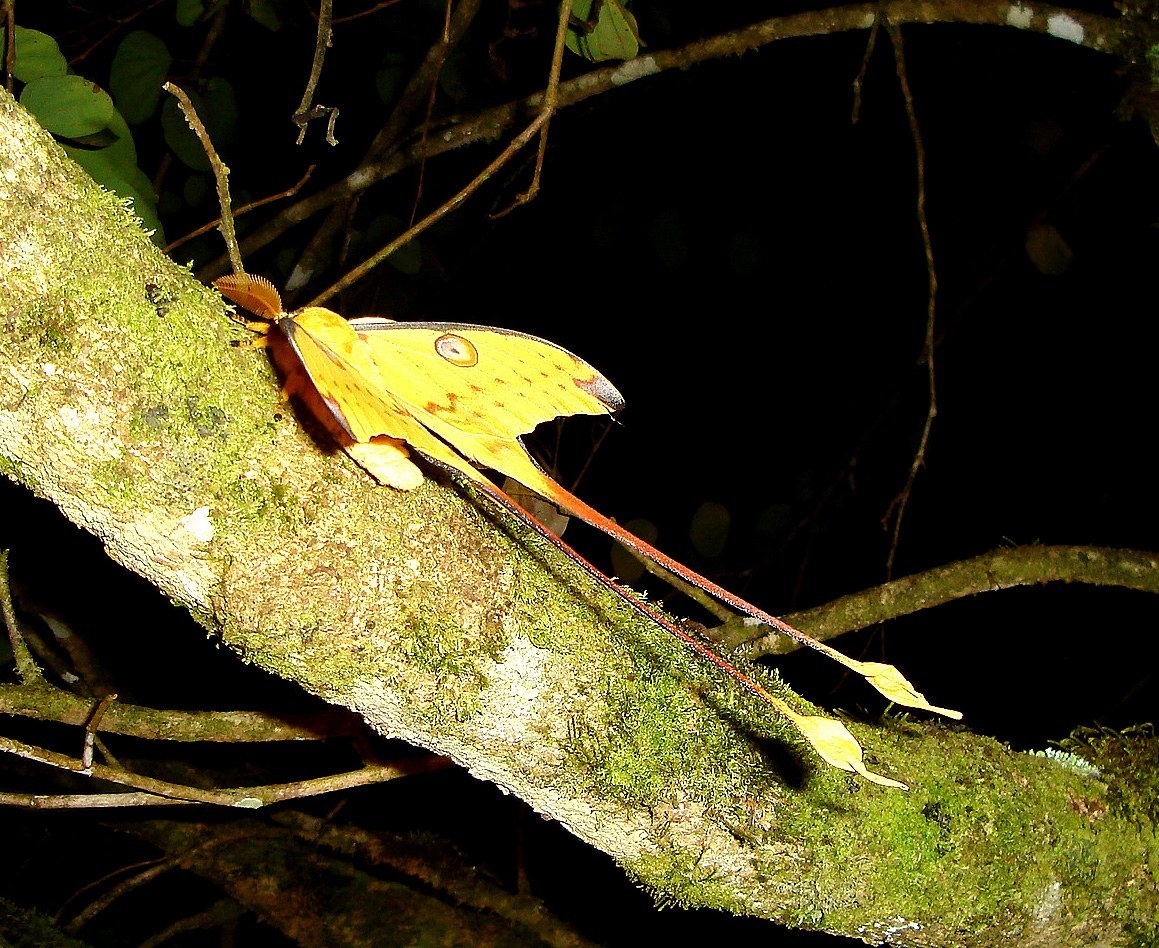
Comet Moth (Madagascan Moon Moth)
One of the largest and most spectacular silk moths in the world, with pale yellow-to-red wings and extraordinarily long, ribbon-like tails on the hindwings.
mothCabbage White Caterpillar
A velvety, bright green caterpillar with a faint yellow stripe down its back, the larval stage of the common white butterfly seen fluttering around vegetable gardens.
caterpillar-larva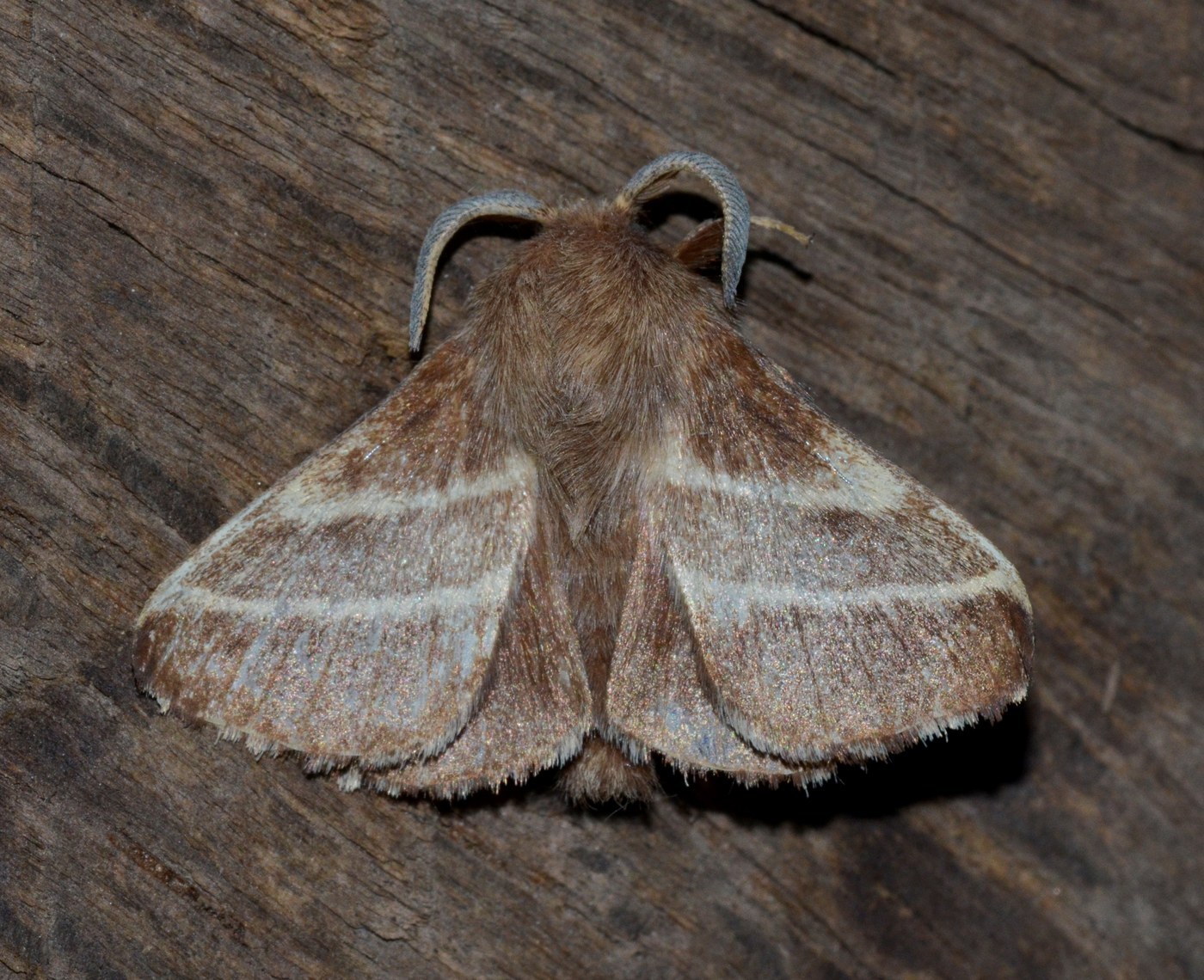
Eastern Tent Caterpillar
A fuzzy, blue-flecked caterpillar with a pale stripe down its back, famous for spinning large communal silk tents in the forked branches of cherry and apple trees each spring.
caterpillar-larva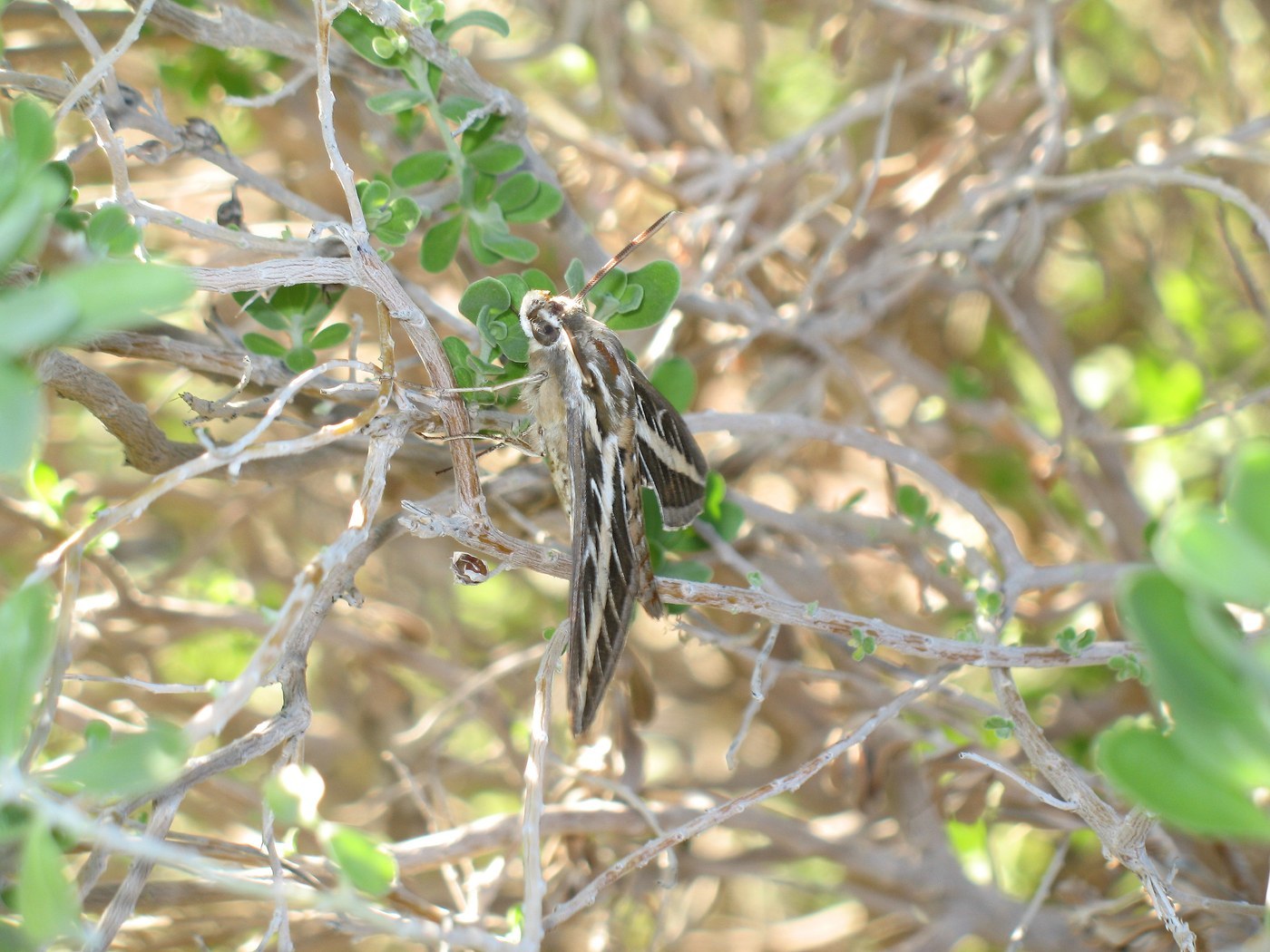
White-lined Sphinx Moth
A fast, hovering moth often mistaken for a hummingbird as it darts between flowers at dusk, identifiable by the bold cream-colored stripe running across each streamlined brown forewing.
moth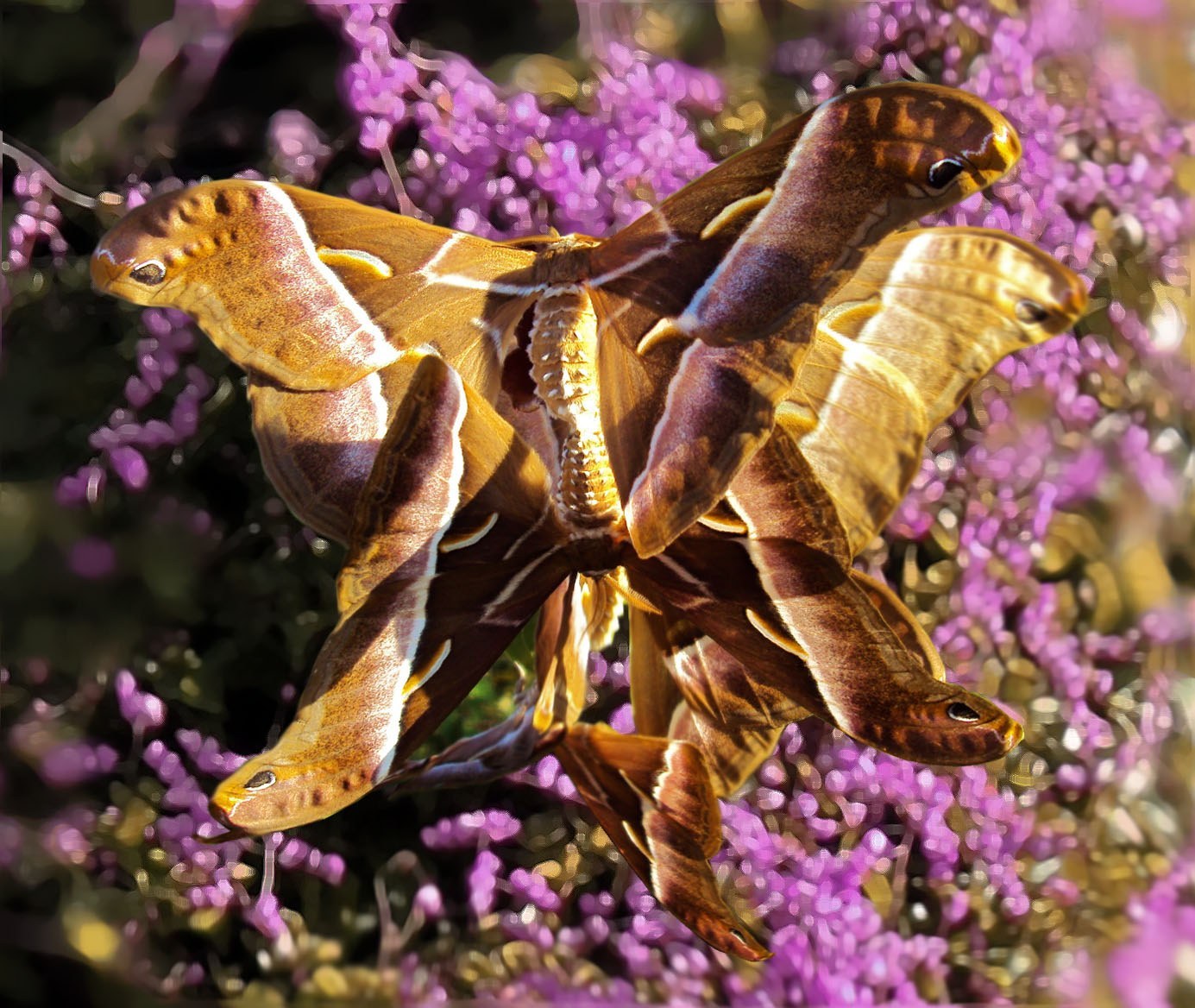
Ailanthus Silkmoth (Cynthia Moth)
A very large silkmoth with broad, tan-brown wings crossed by white, crescent-moon-shaped bands, closely associated with the fast-spreading tree-of-heaven that both feeds its larvae and carried the species around the world.
moth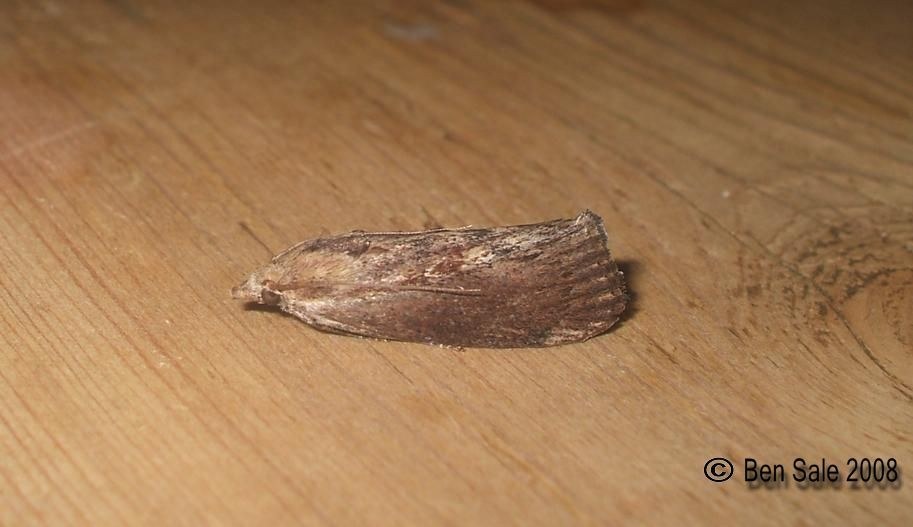
Waxworm
A soft, cream-colored grub found tunneling through beeswax comb, the waxworm is the larva of the wax moth and has become a household staple as fishing bait and reptile feed.
caterpillar-larva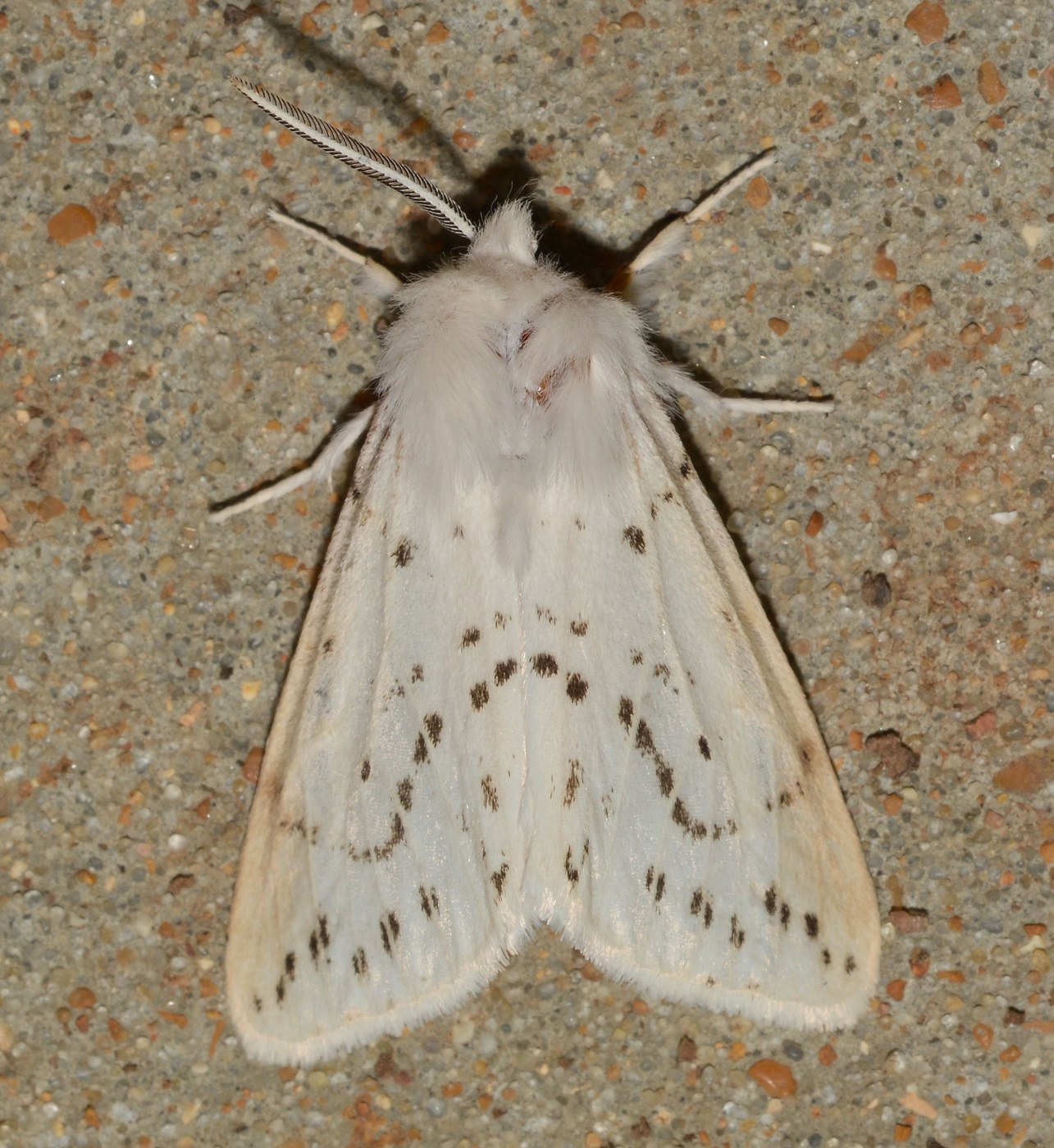
Fall Webworm
A pale, hairy caterpillar that spins loose, messy silk webs enclosing entire leaf clusters at the tips of tree branches, becoming especially noticeable in late summer and fall.
caterpillar-larva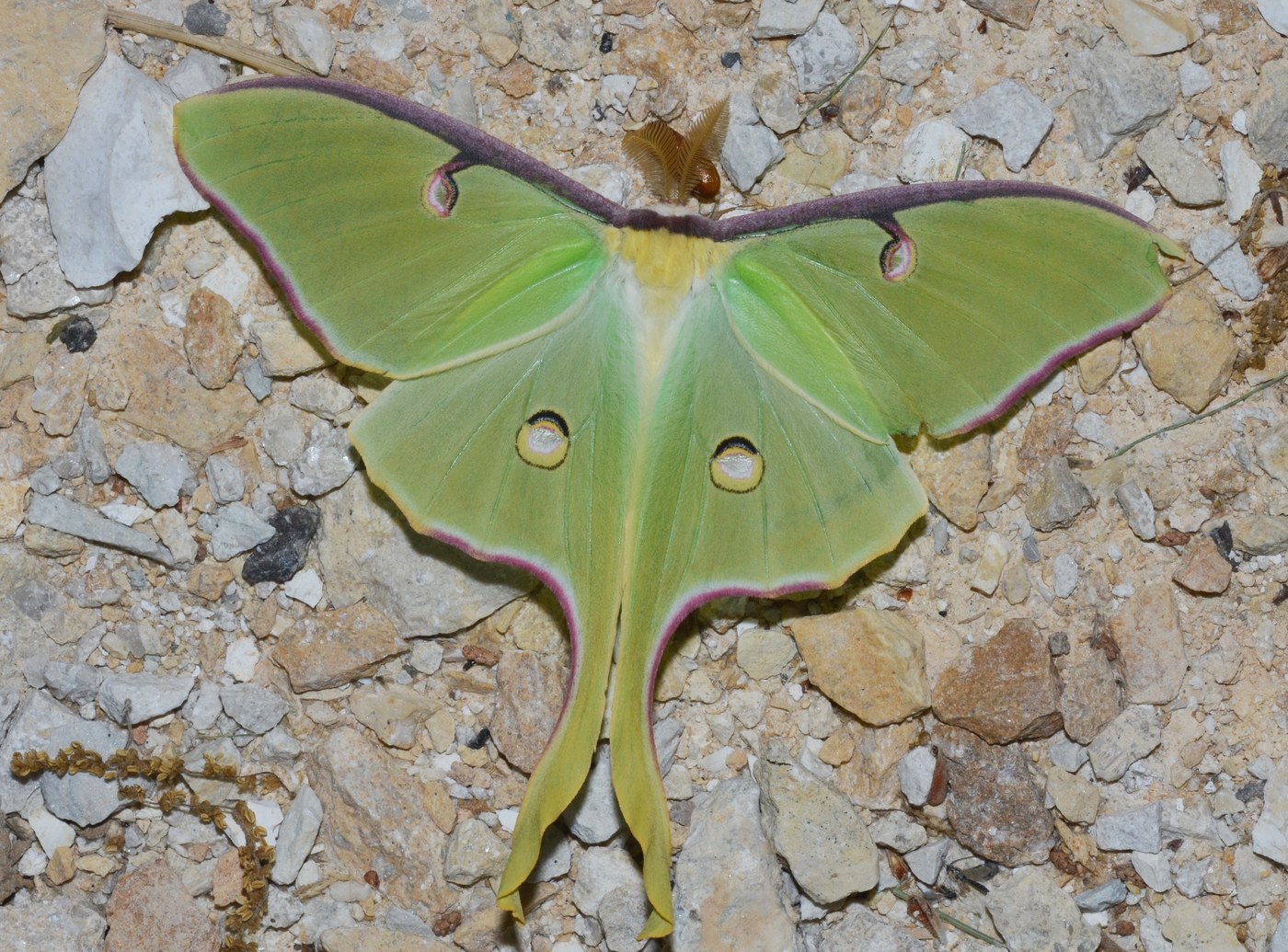
Luna Silkmoth
A large, pale lime-green silkmoth with long, trailing tails on its hindwings and delicate eyespots, widely regarded as one of the most striking moths in North America.
moth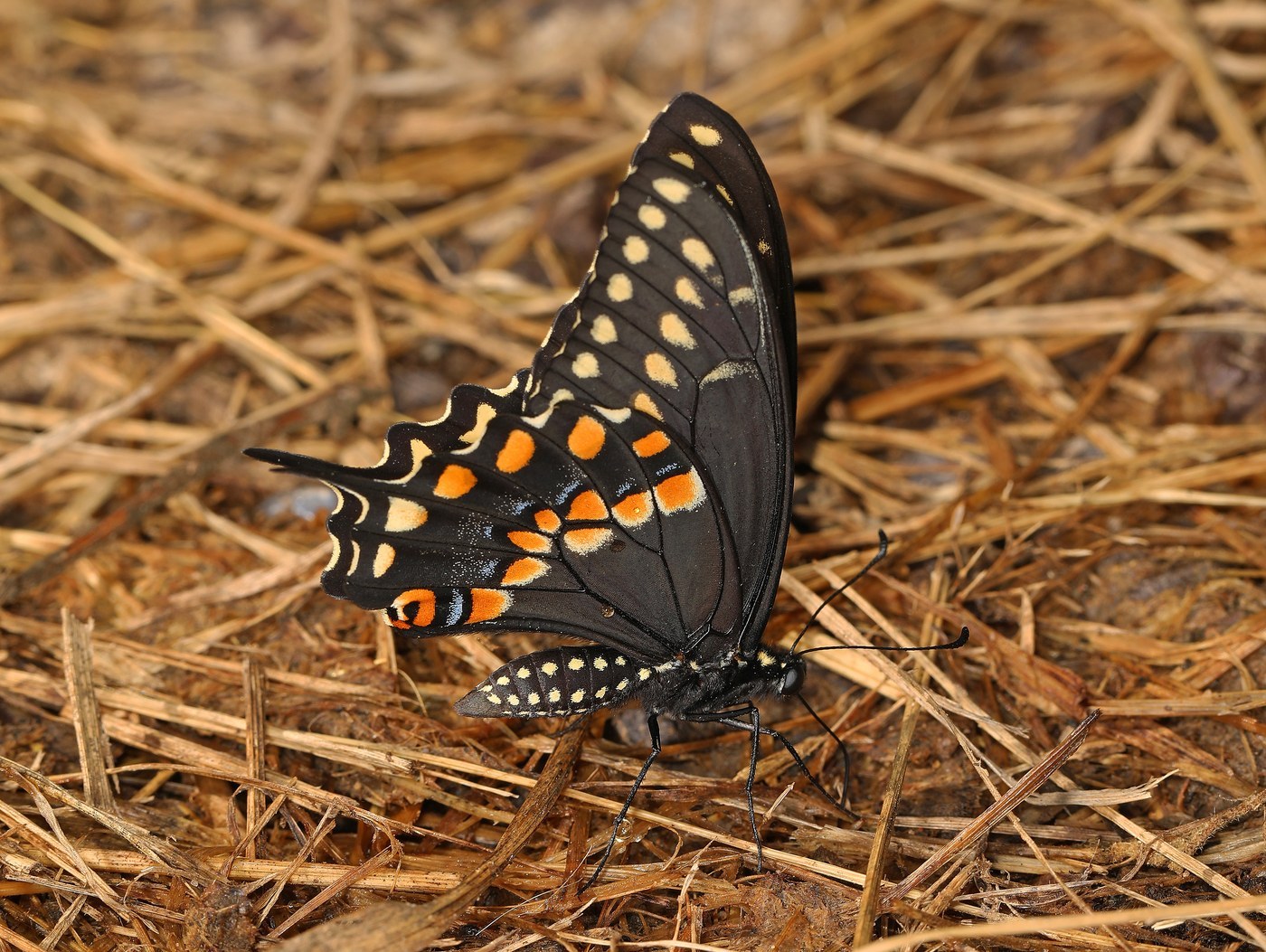
Parsley Worm
Banded in green, black, and yellow, the parsley worm rears up and flashes a bright orange, forked scent gland when disturbed, a signature defense of black swallowtail caterpillars.
caterpillar-larva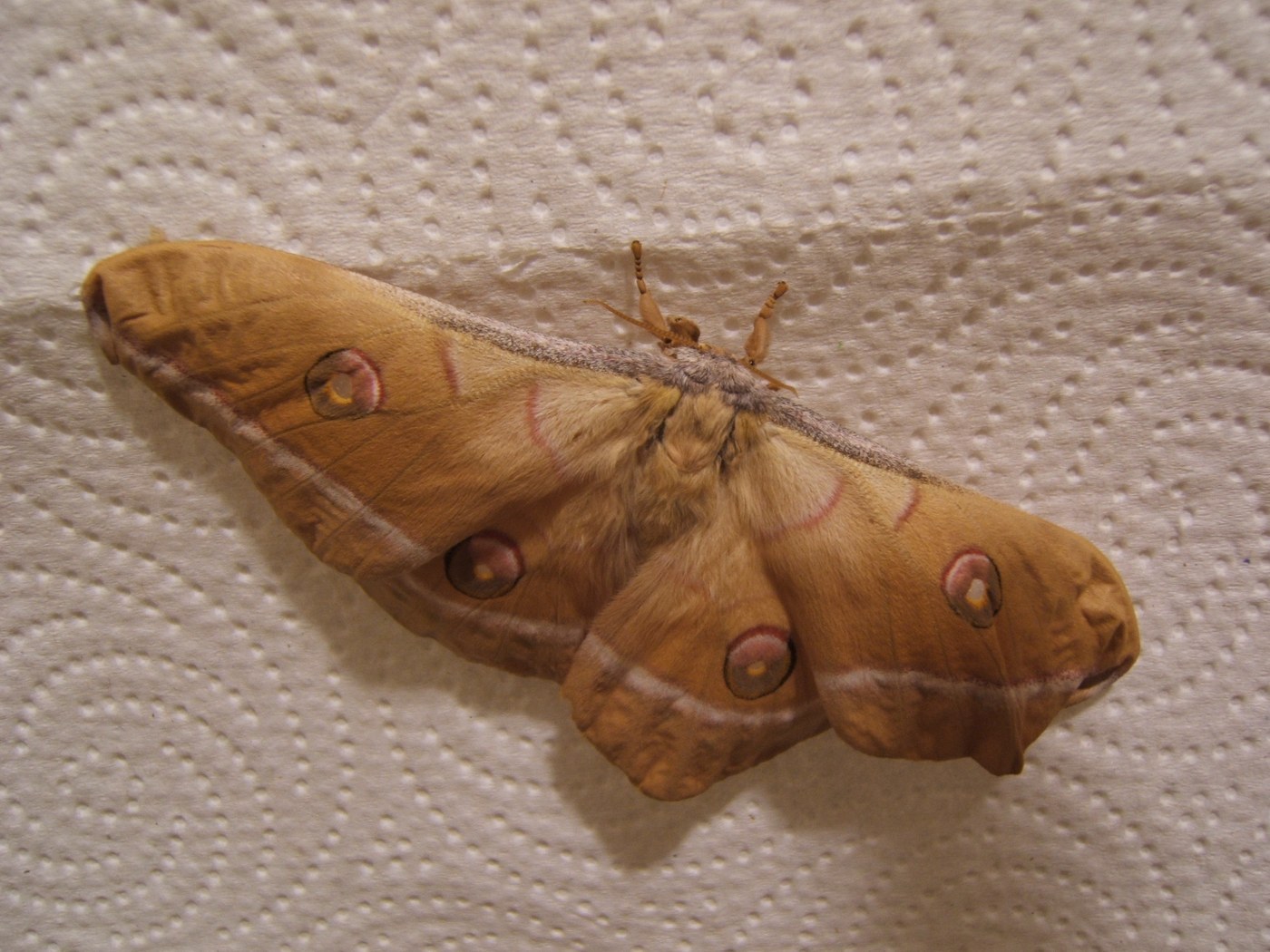
Chinese Oak Silkmoth
A large, rust-brown silkmoth with prominent transparent eyespots on all four wings, native to oak forests of China and long cultivated there for coarse tussah silk production.
moth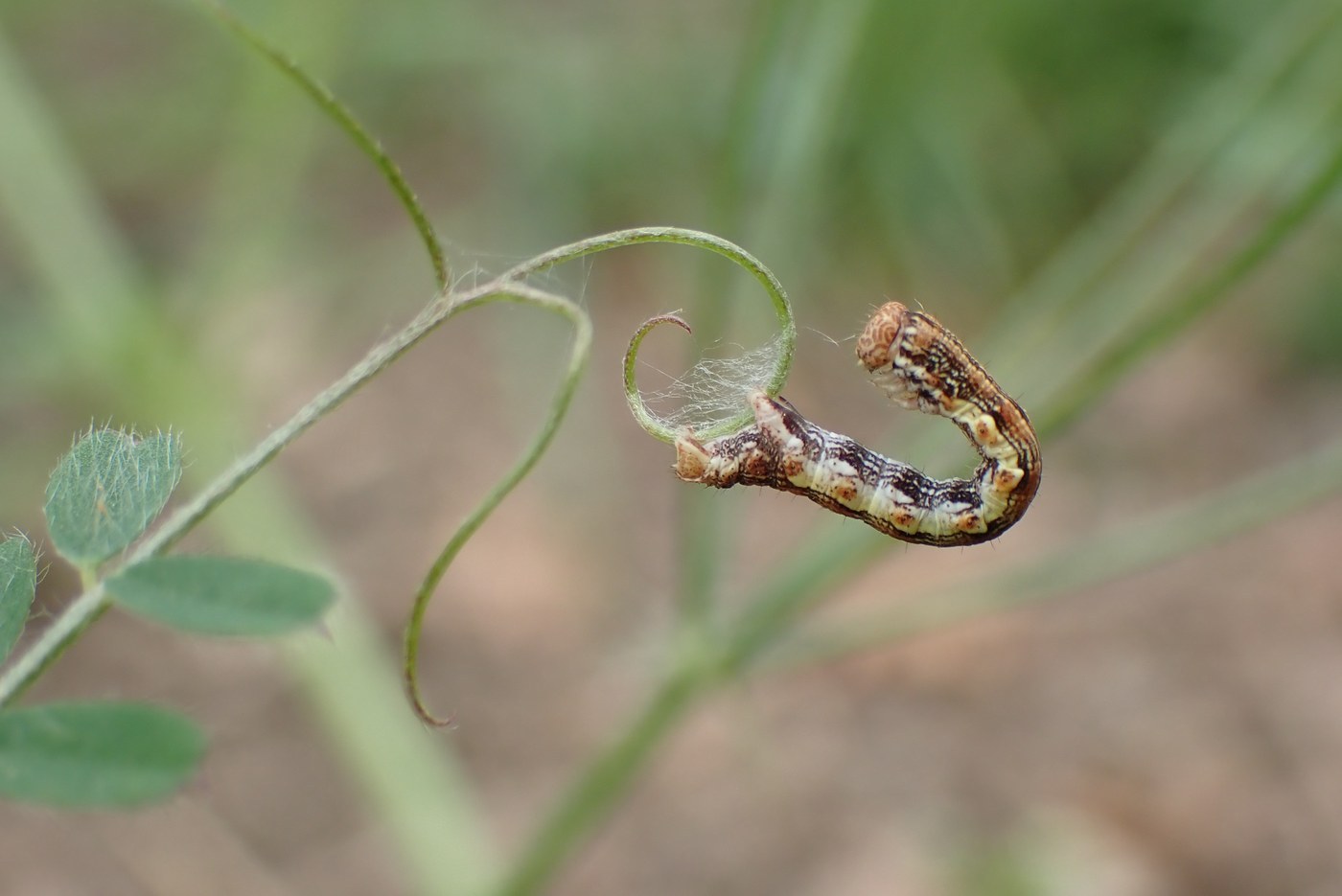
Inchworm
A slender, twig-mimicking caterpillar that travels by looping its body into an arch and releasing a strand of silk to drop and dangle at the slightest disturbance.
caterpillar-larva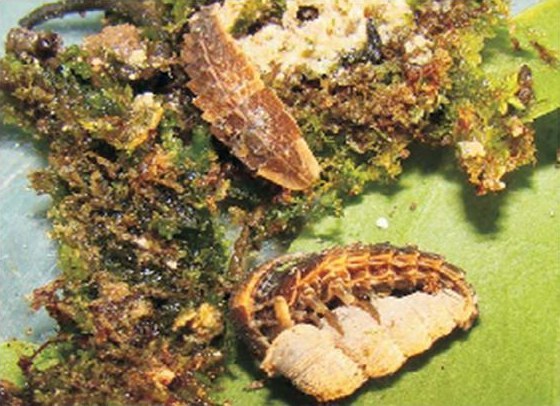
Fireflies Larvae Glowworm
The larval form of fireflies, often called glowworms, are flattened, segmented crawlers that glow with a steady greenish light. These little predators hunt slugs, snails, and worms in damp ground.
beetleMarsh Fly
A slender, unassuming fly best known for larvae with a remarkable diet: nearly every species in the family feeds on aquatic or terrestrial snails and slugs, making marsh flies natural specialists in wetland food webs. Adults are often found resting quietly on sedges and other marsh vegetation near the water's edge.
fly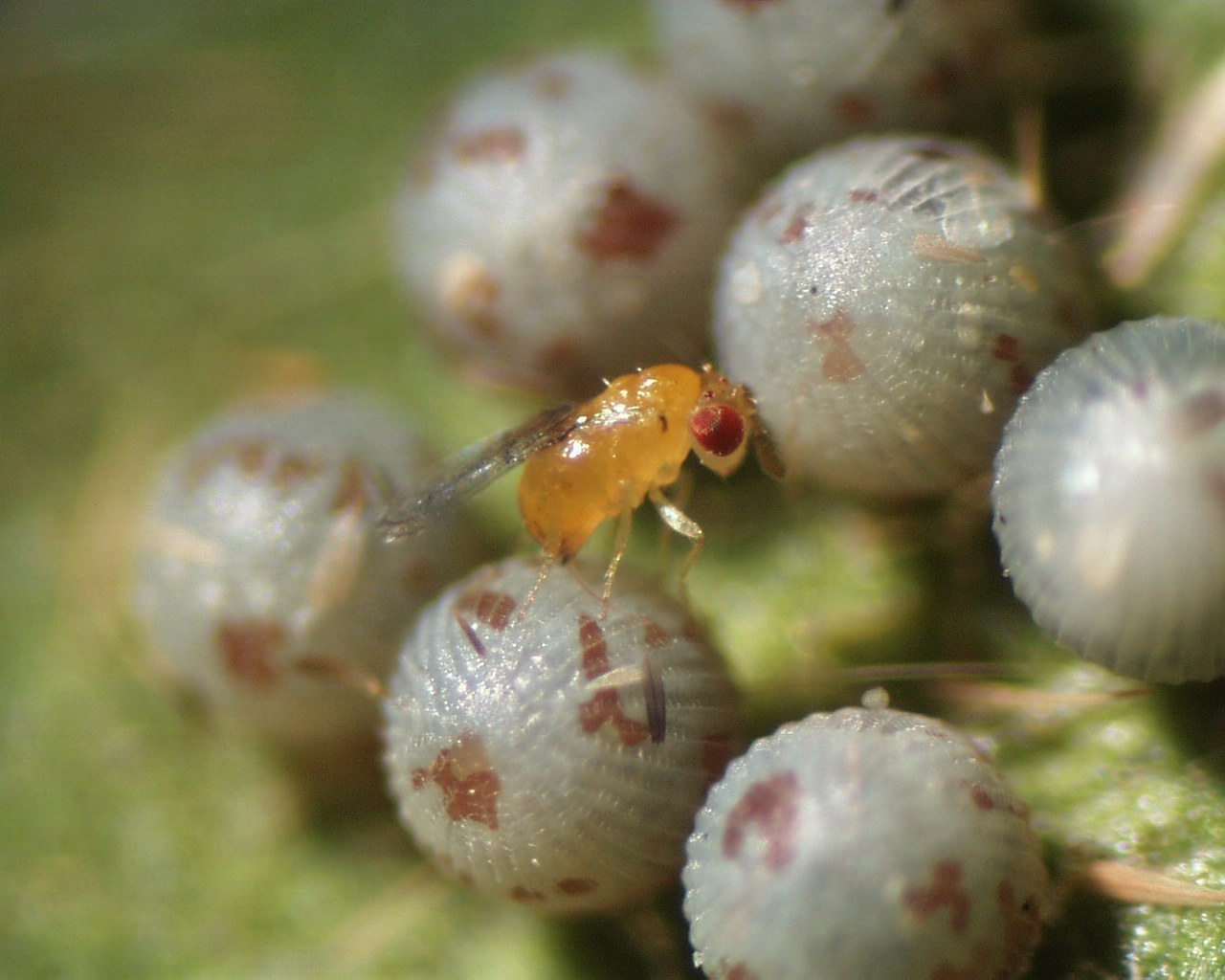
Trichogramma Wasp
Barely larger than a speck of dust, the trichogramma wasp is one of the tiniest insects known. These minute parasitoids lay their eggs inside the eggs of moths and butterflies.
wasp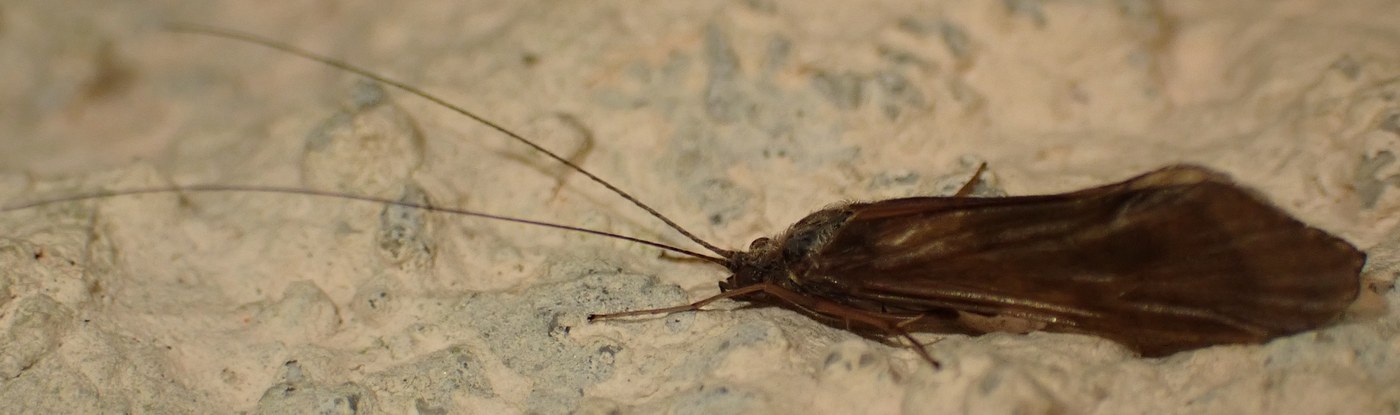
Caddisfly
A moth-like insect whose larvae are famous for constructing portable protective cases out of silk and whatever sand, twigs, or debris they can find.
aquatic-insect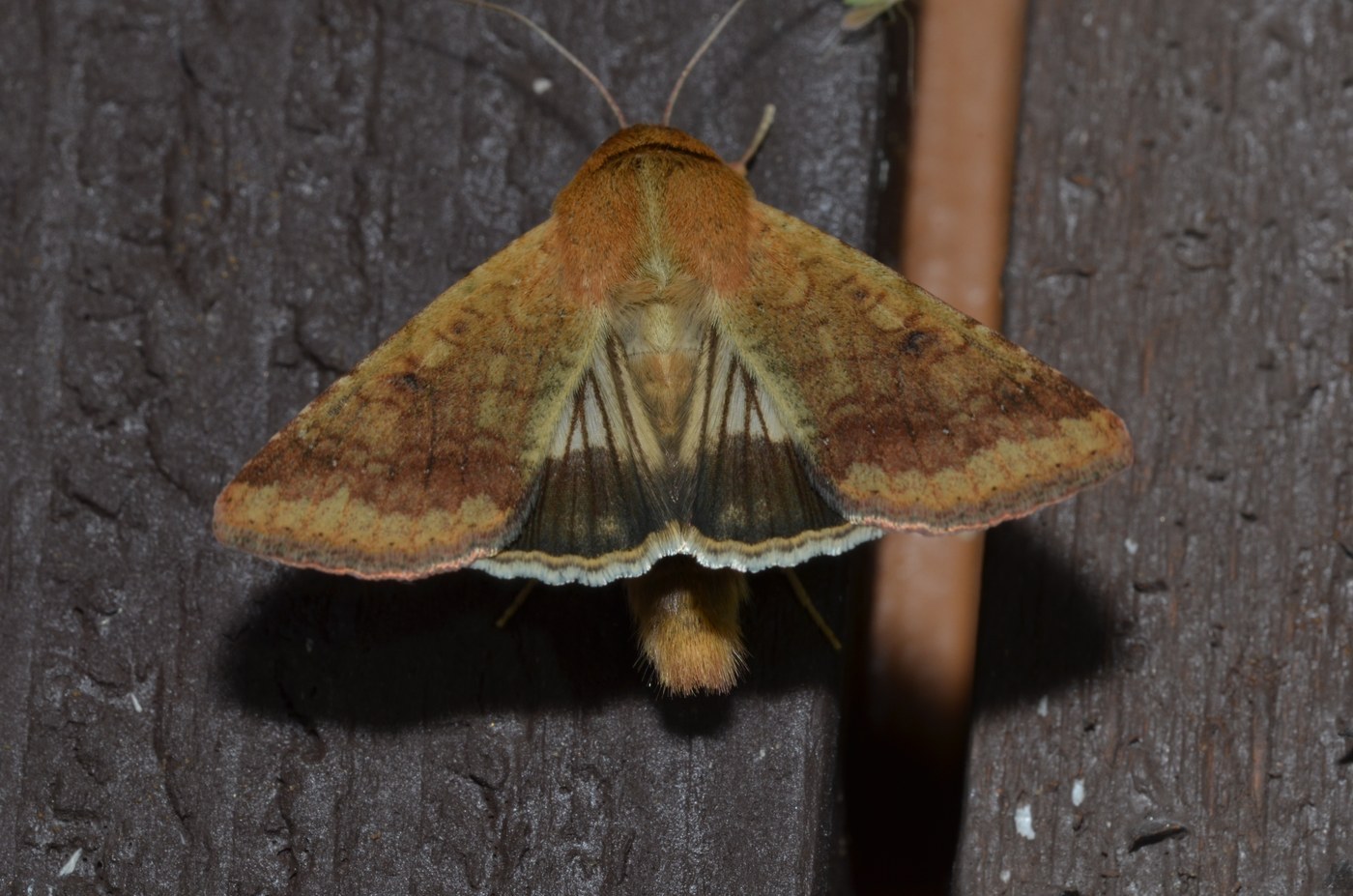
Corn Earworm
A color-variable caterpillar, ranging from pale green to reddish-brown, that burrows headfirst into corn ears and is one of the most economically significant crop pests in North America.
caterpillar-larva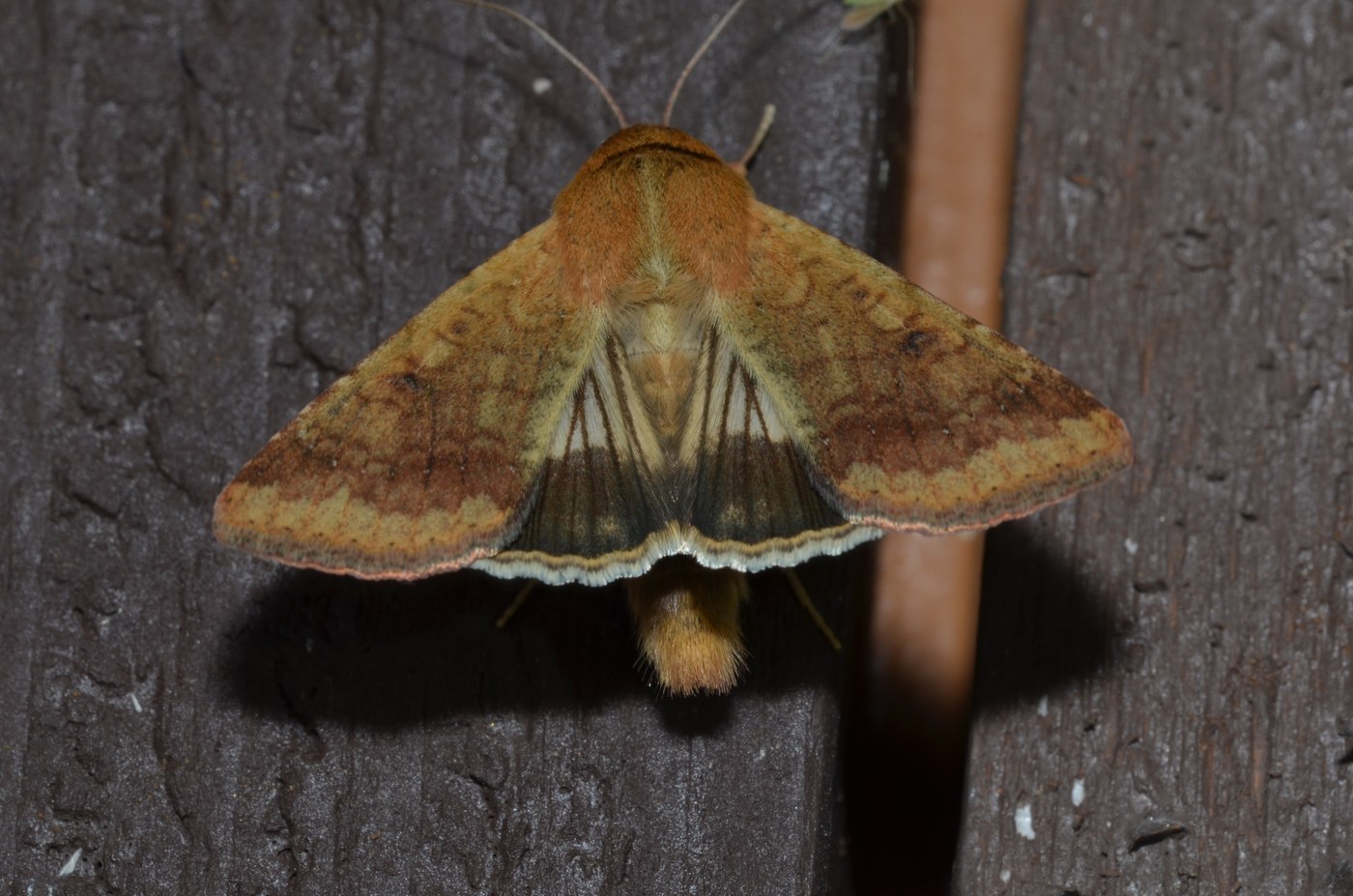
Bollworm
One of the most economically significant caterpillars in North American agriculture, the bollworm changes color from green to brown to pink across its life and bores into cotton bolls, corn ears, and tomato fruit alike.
caterpillar-larva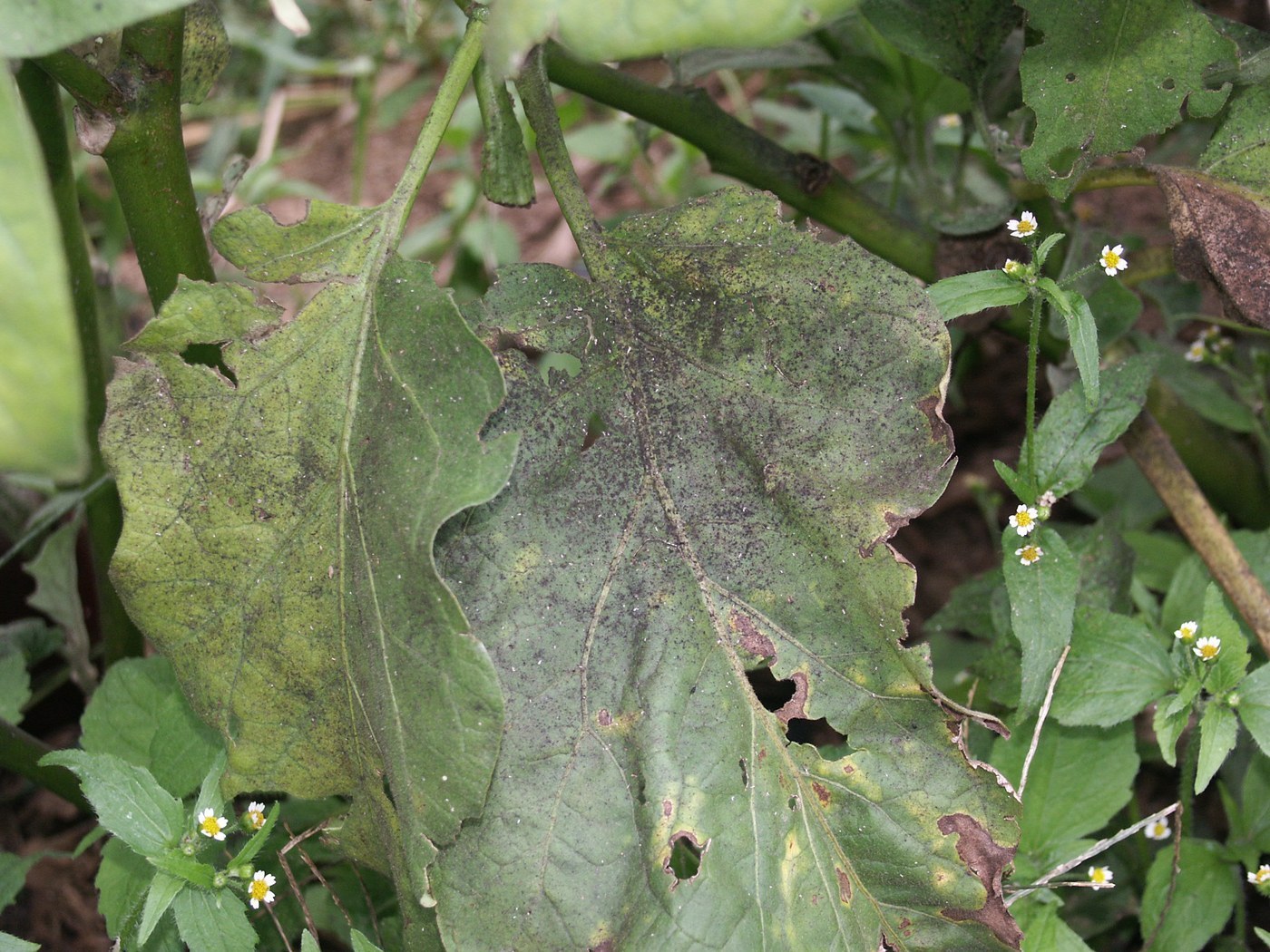
Whitefly
A tiny, moth-like white insect that clusters on the undersides of leaves and bursts into a snowy cloud when the plant is disturbed. Despite the name, it is not a true fly but a sap-feeding relative of aphids and scale insects.
true-bug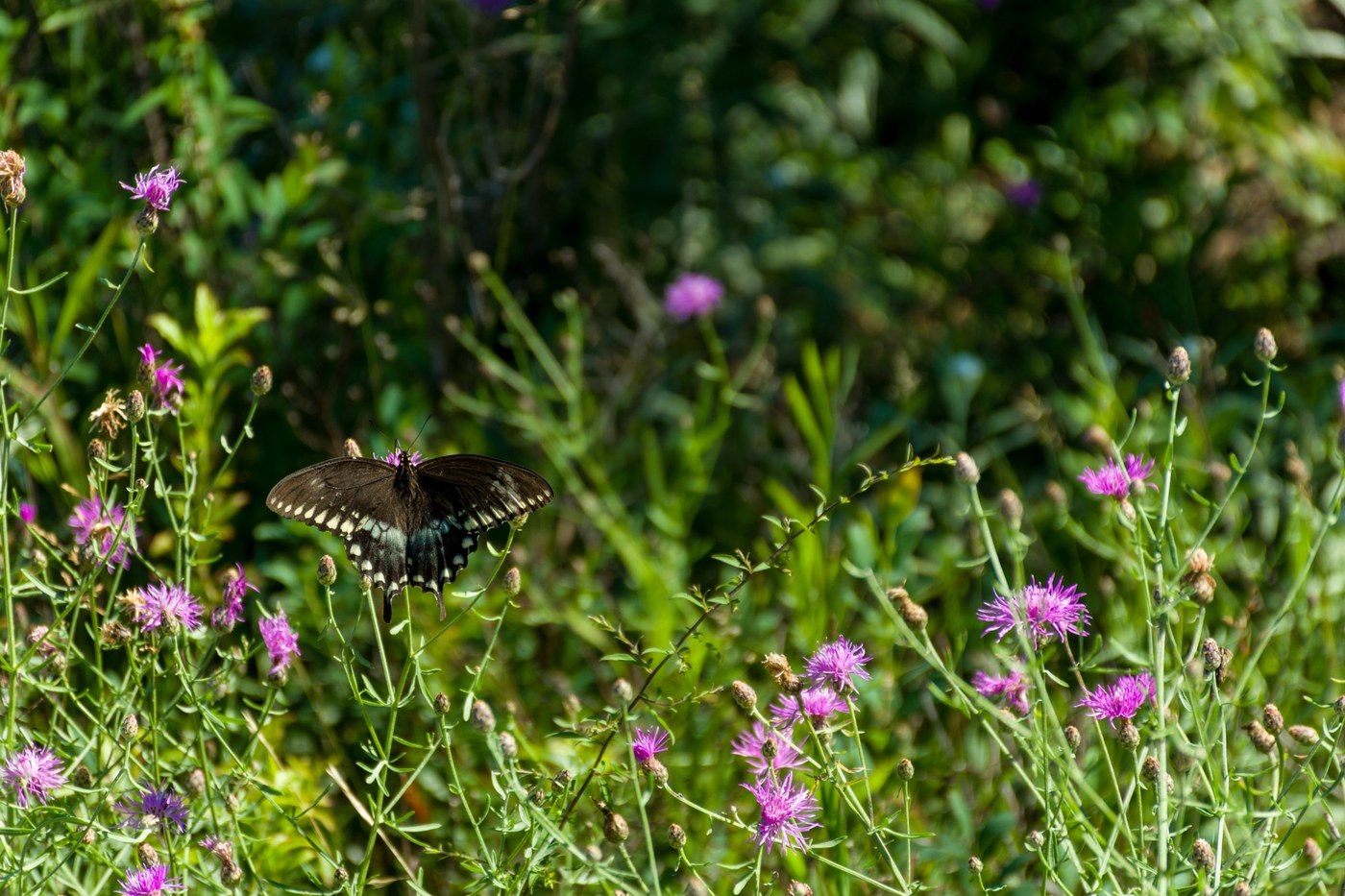
Spicebush Swallowtail
A black swallowtail with a blue-green wash across the hindwings and a row of pale spots along the forewing margin, whose caterpillars have famous large false eyespots and mimic the Pipevine Swallowtail as adults.
butterfly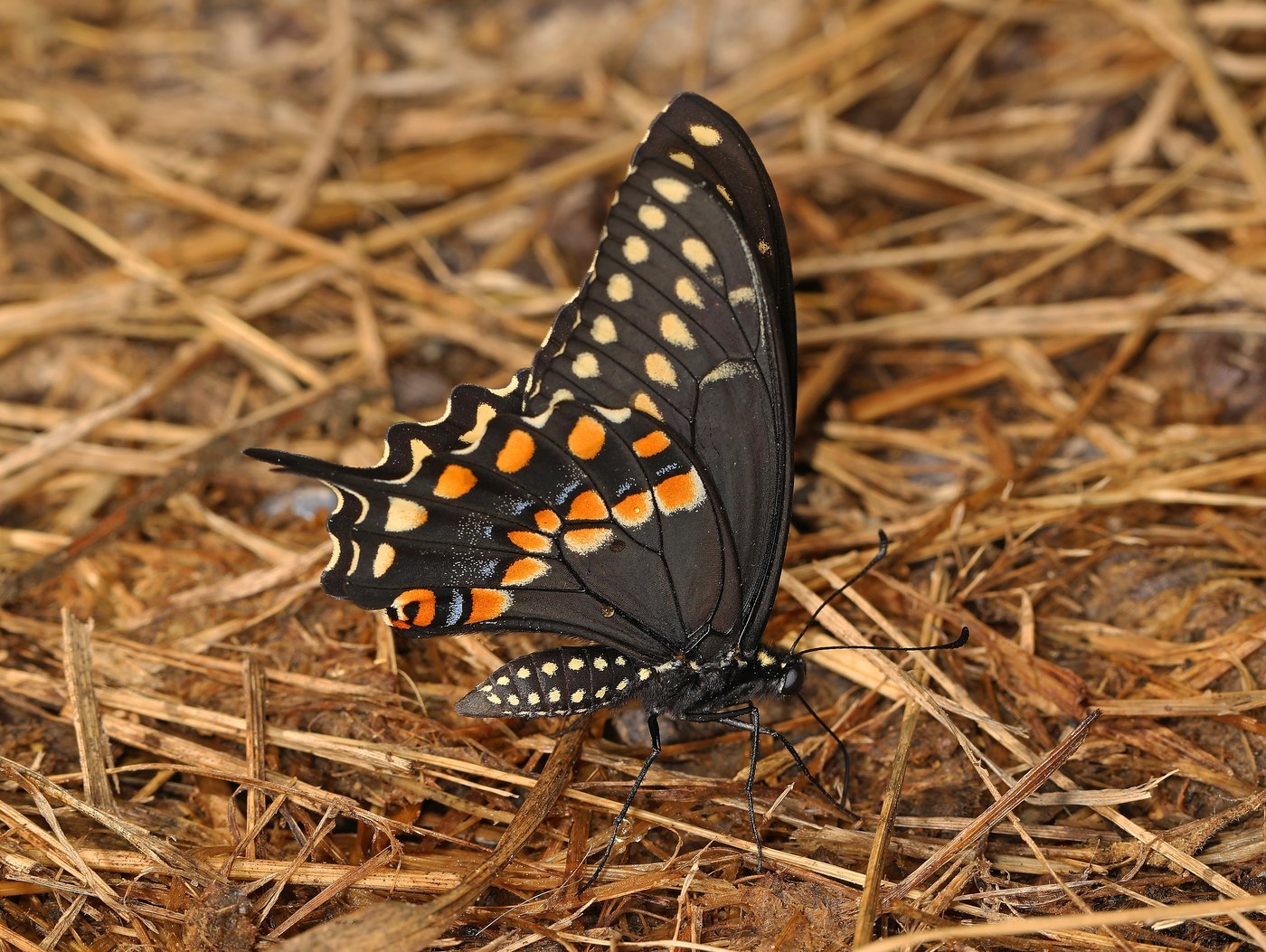
Black Swallowtail
A striking black swallowtail with two rows of yellow spots and a patch of blue scaling on the hindwings, whose green-and-black banded caterpillars are a familiar sight on garden dill, parsley, and carrot foliage.
butterfly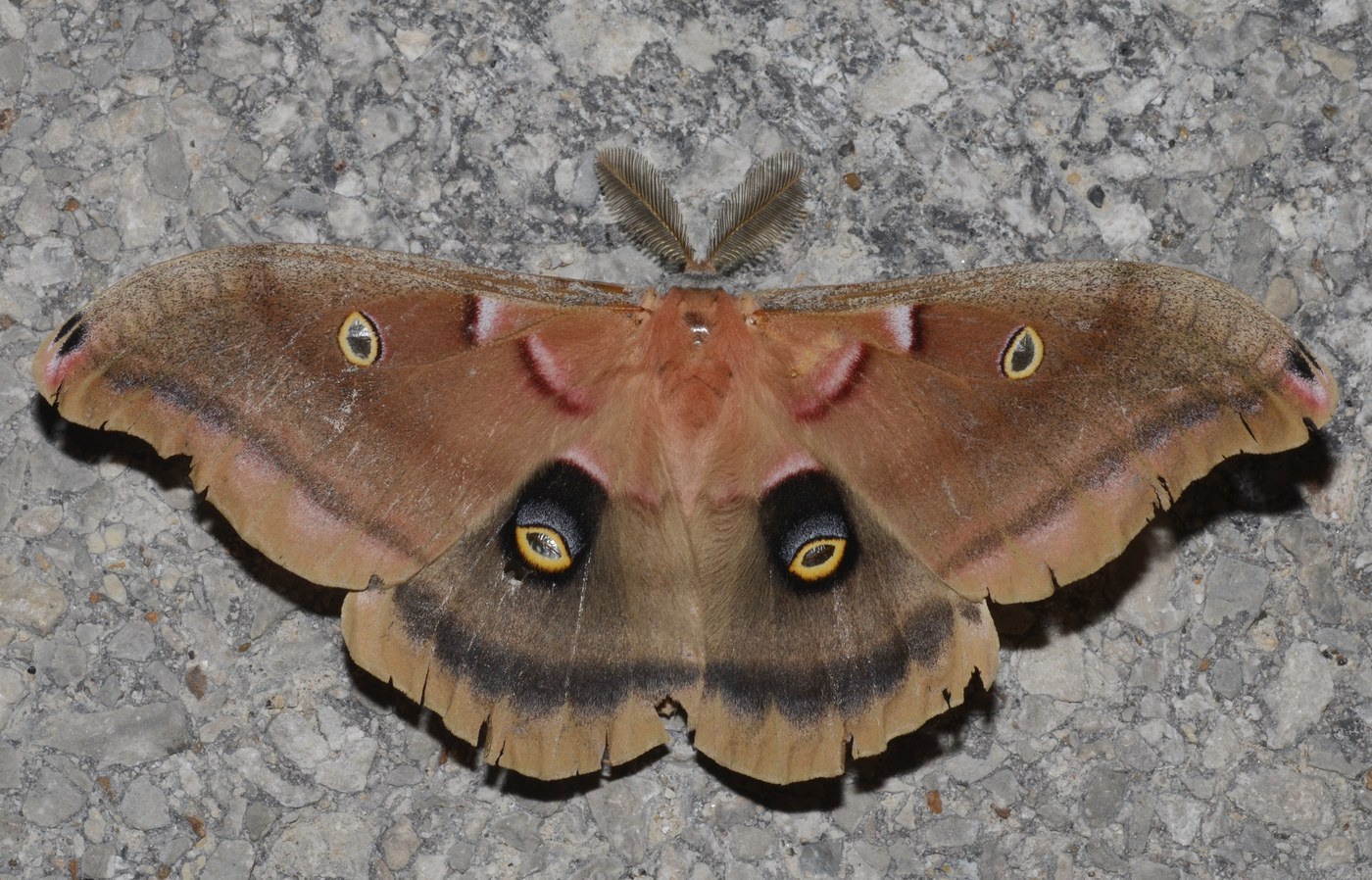
Antheraea Silkmoth
A large, robust silkmoth in the genus Antheraea with broad reddish-brown to tan wings, each marked with a prominent transparent, eye-like spot, representing a group of giant moths long valued for producing wild silk.
moth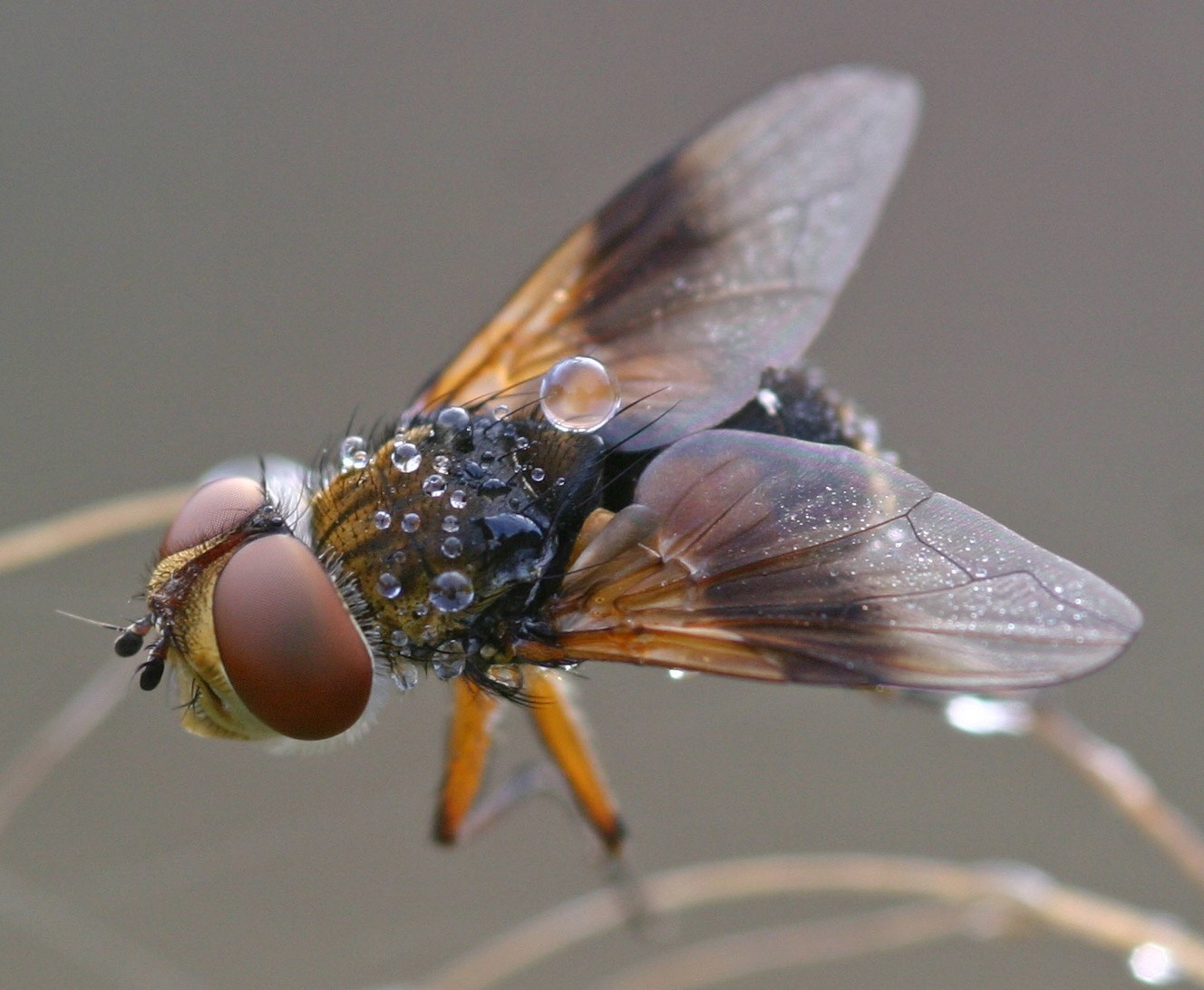
Tachinid Fly
A bristly, house-fly-like insect that looks unremarkable at a glance but hides one of the most important ecological roles among flies: its larvae develop as internal parasites of caterpillars, beetles, and other insects, quietly regulating populations across the landscape. Gardeners often welcome tachinid flies as natural allies against crop-damaging pests.
fly