
Bug Encyclopedia
Search and identify bugs & insects — beetles, butterflies, moths, ants, bees, spiders and more — with size, habitat, danger, behavior, and how to tell them apart.
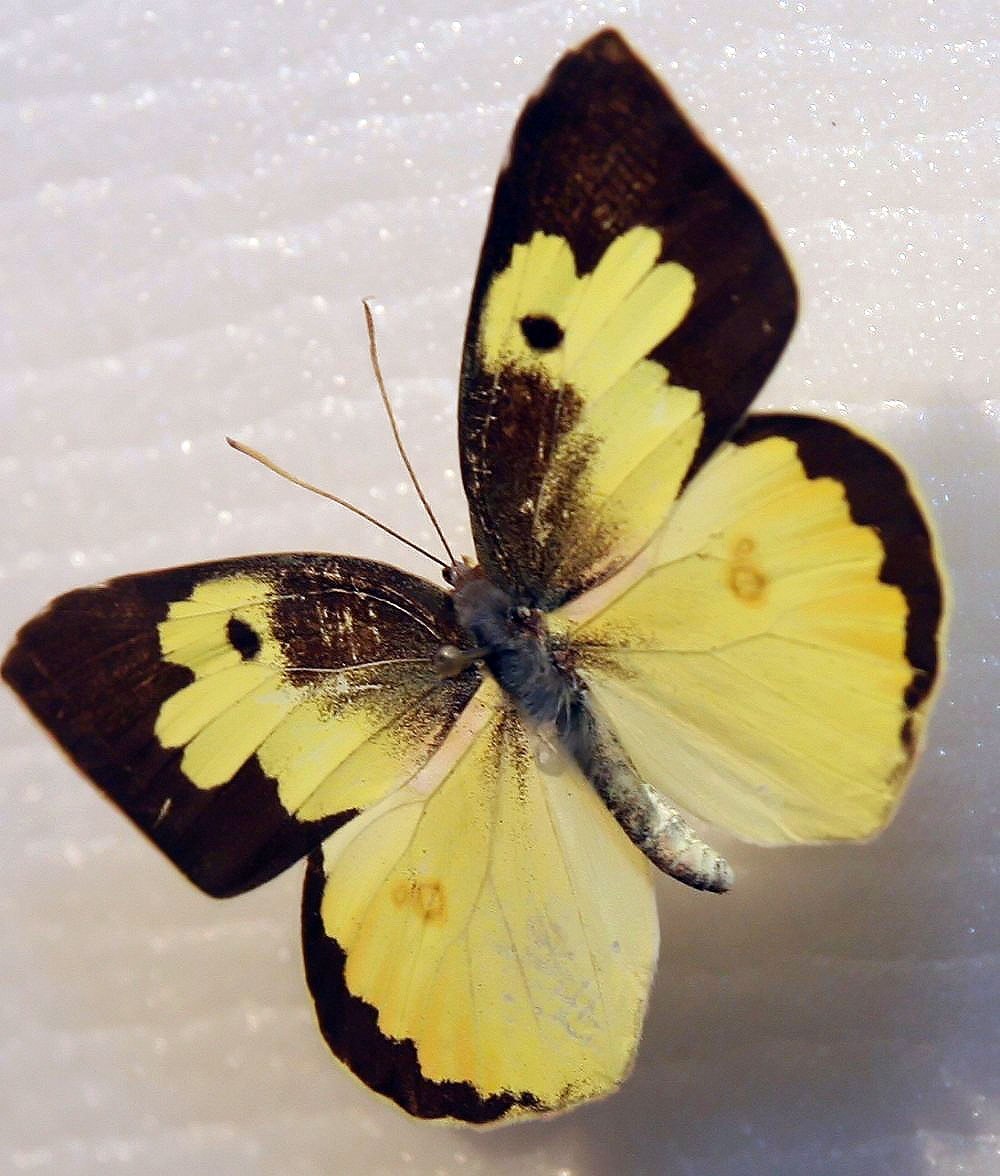
Dogface Butterfly
A striking yellow sulphur butterfly whose forewing pattern forms the silhouette of a dog's or poodle's head complete with a dark 'eye' spot, visible in good light.
butterfly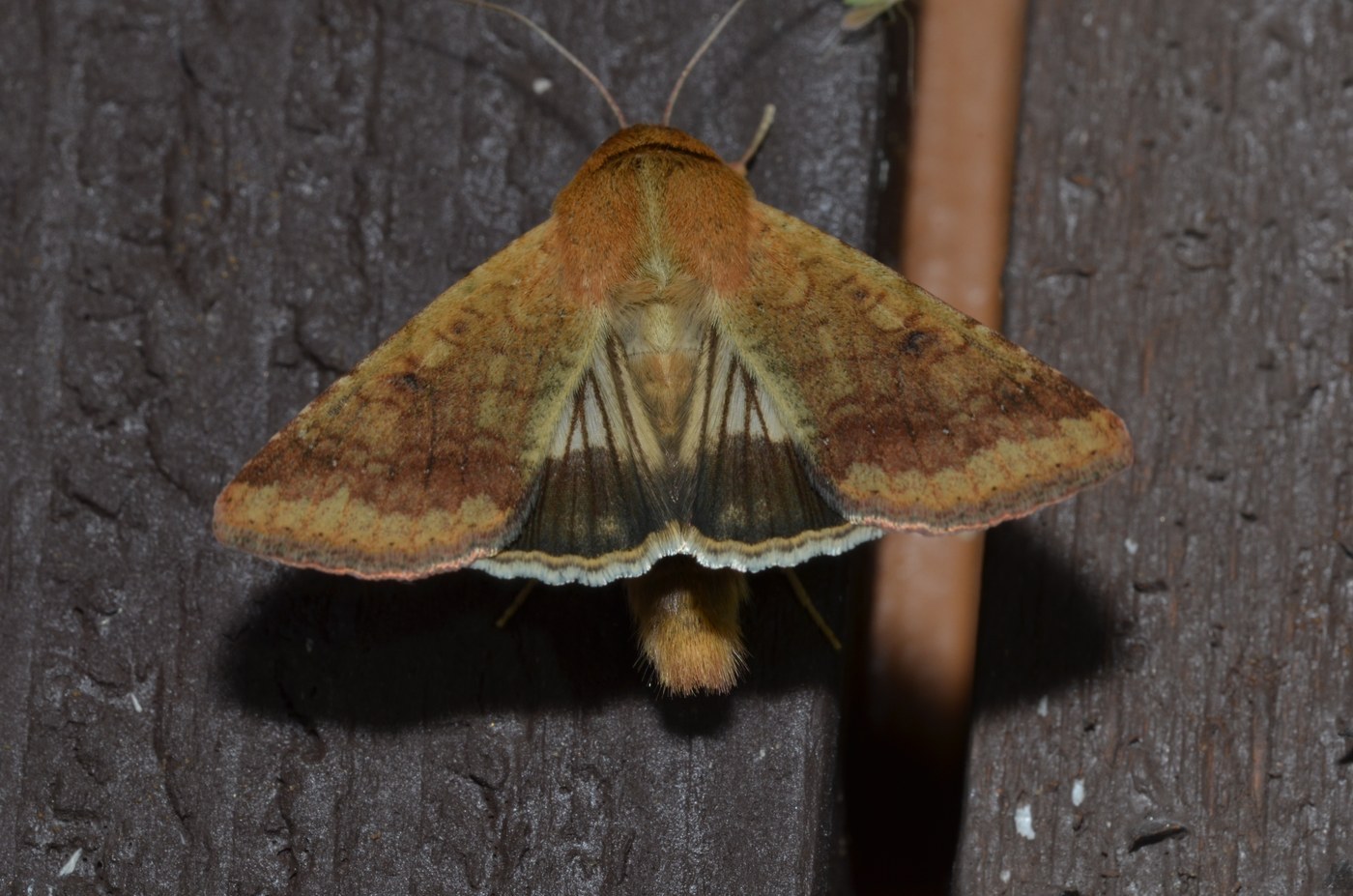
Corn Earworm Moth
A tan to olive-colored moth whose caterpillar, the corn earworm, is one of the most economically significant crop pests in North America, feeding inside corn ears, tomatoes, and cotton bolls.
moth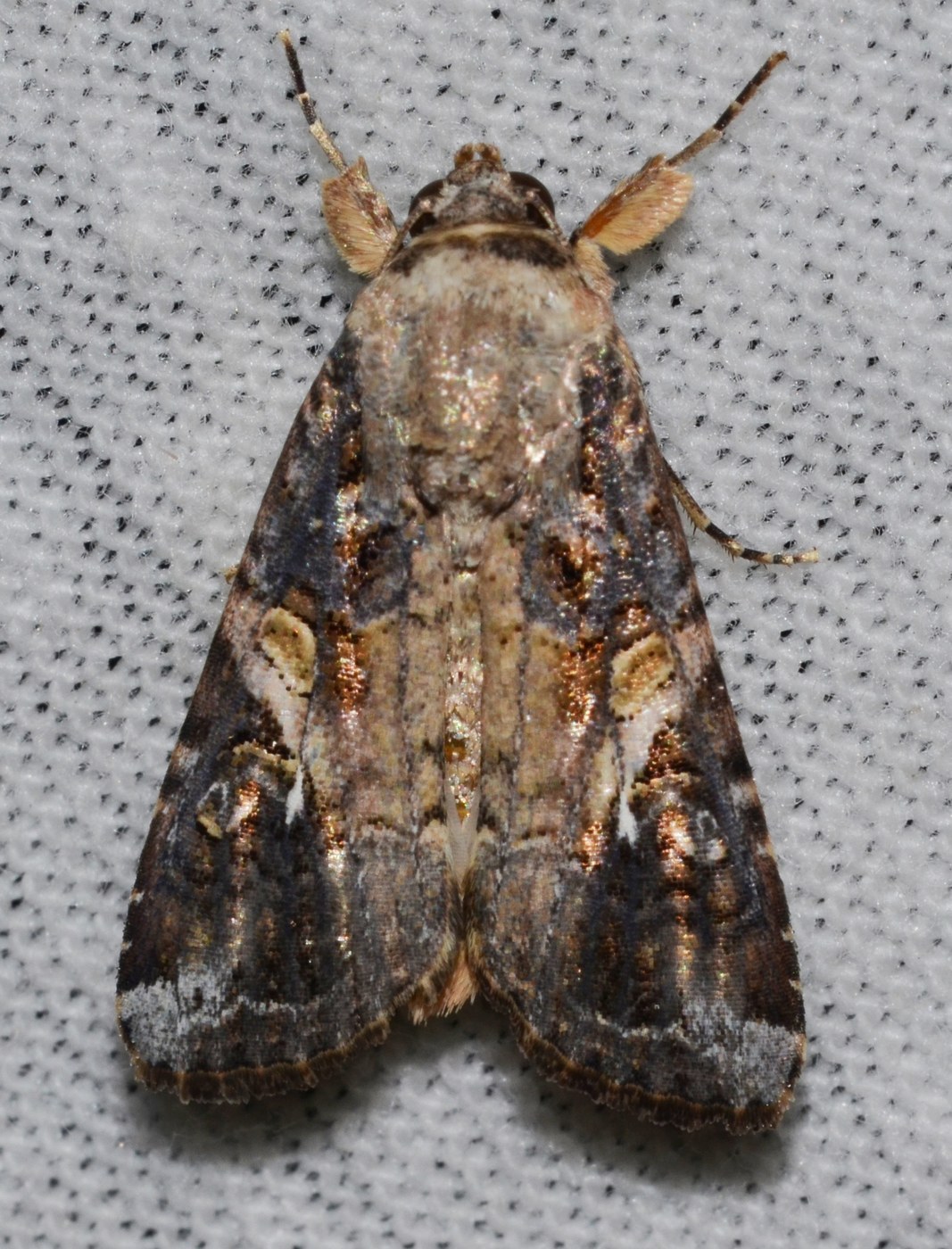
Fall Armyworm
A brownish-green caterpillar marked with a pale inverted "Y" on its head, notorious for rapid, large-scale outbreaks that devastate corn and other grass crops across the globe.
caterpillar-larva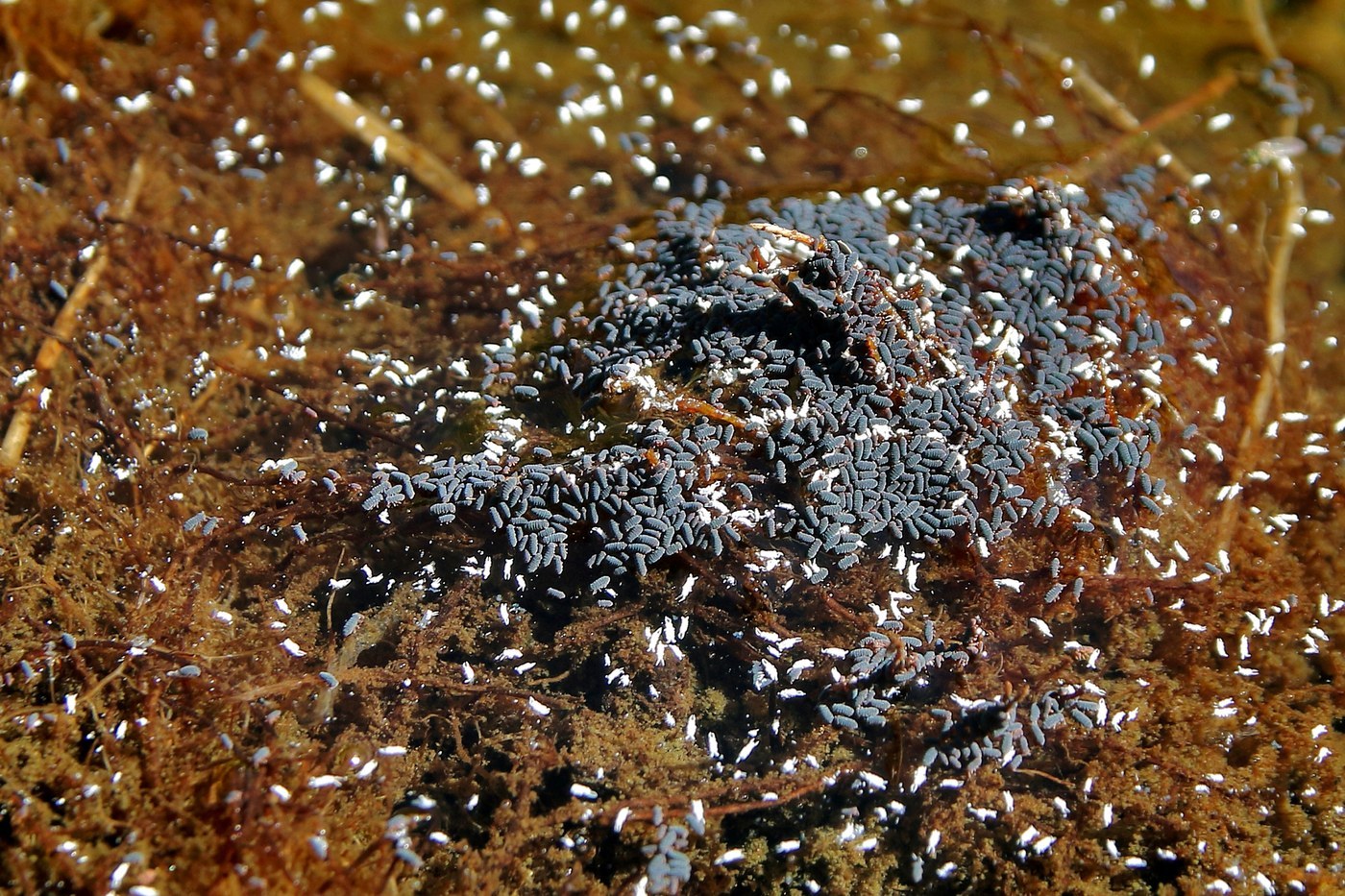
Water Springtail
Barely visible to the naked eye, the water springtail skates across the surface film of still water in dense dark clusters, flicking itself into the air with a spring-loaded tail whenever danger approaches.
other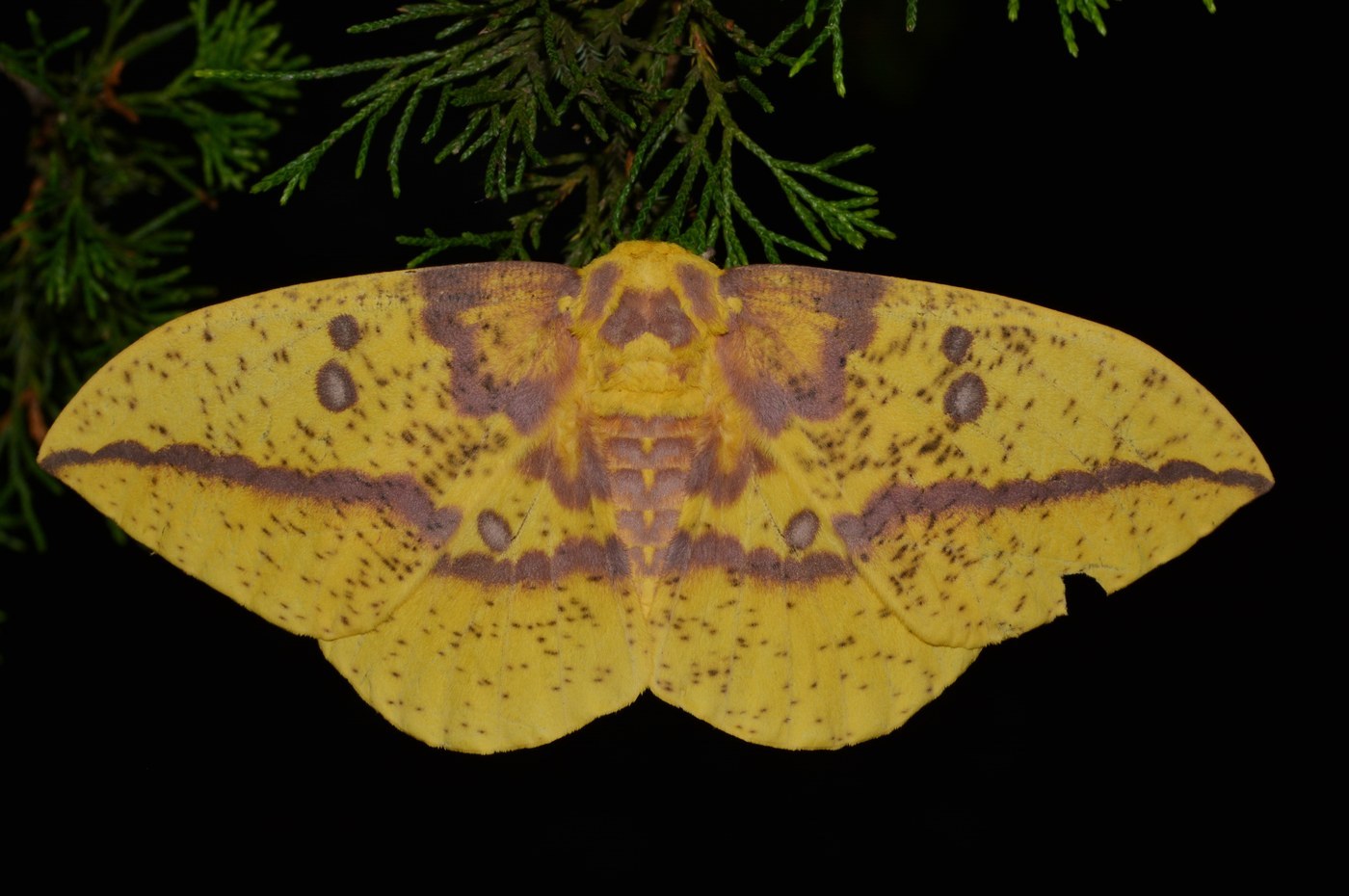
Imperial Moth
One of the largest and most variably patterned silk moths in North America, with broad yellow wings mottled in shades of purple, brown, and pink, and a caterpillar that can grow to impressive size on a wide range of forest trees.
moth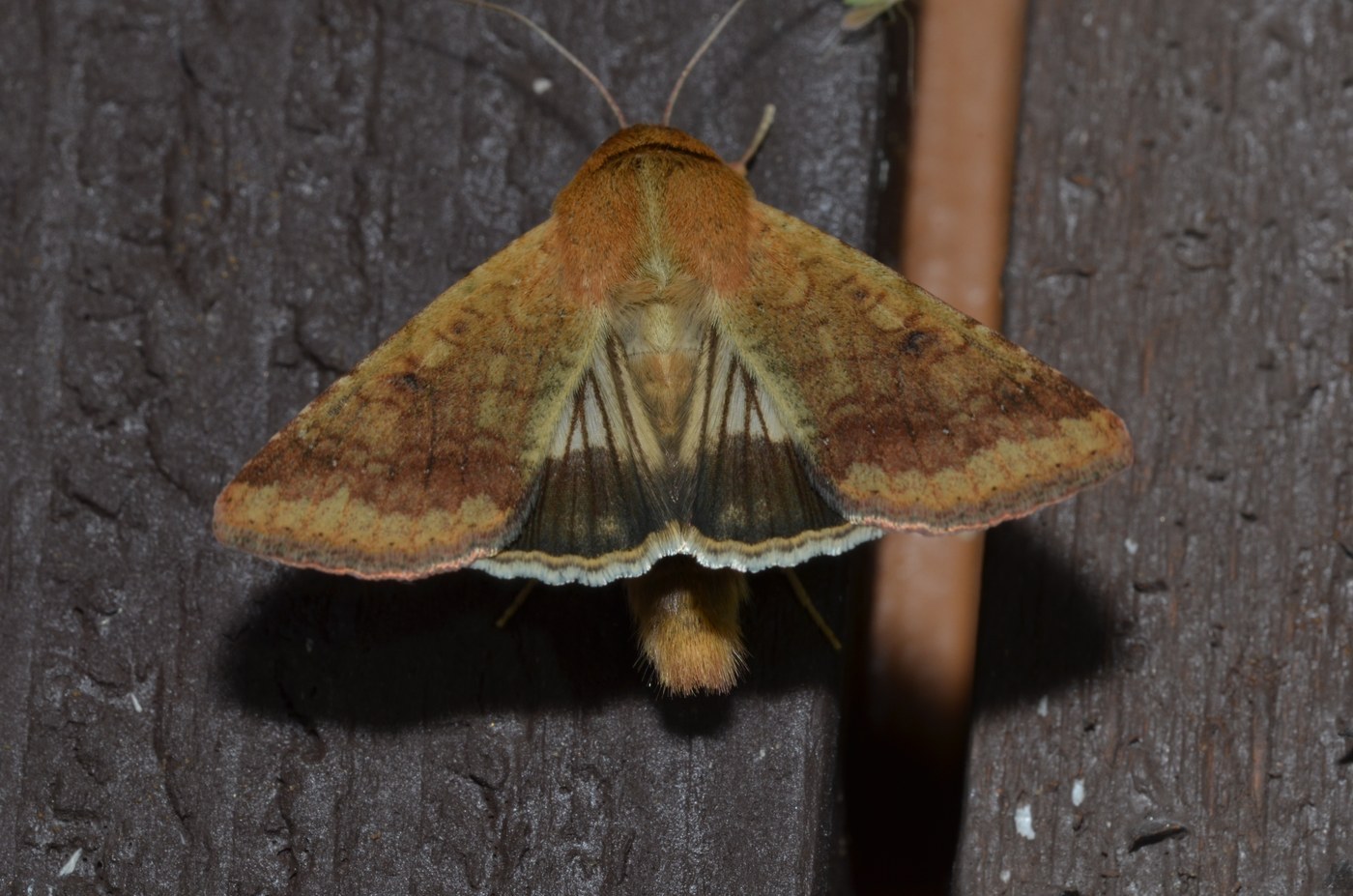
Corn Earworm
A color-variable caterpillar, ranging from pale green to reddish-brown, that burrows headfirst into corn ears and is one of the most economically significant crop pests in North America.
caterpillar-larvaAsian Longhorned Beetle
A large, glossy black longhorn beetle patterned with irregular white spots and boldly banded blue-white antennae, notable as one of the largest and most eye-catching wood-boring beetles seen in temperate hardwood trees.
beetle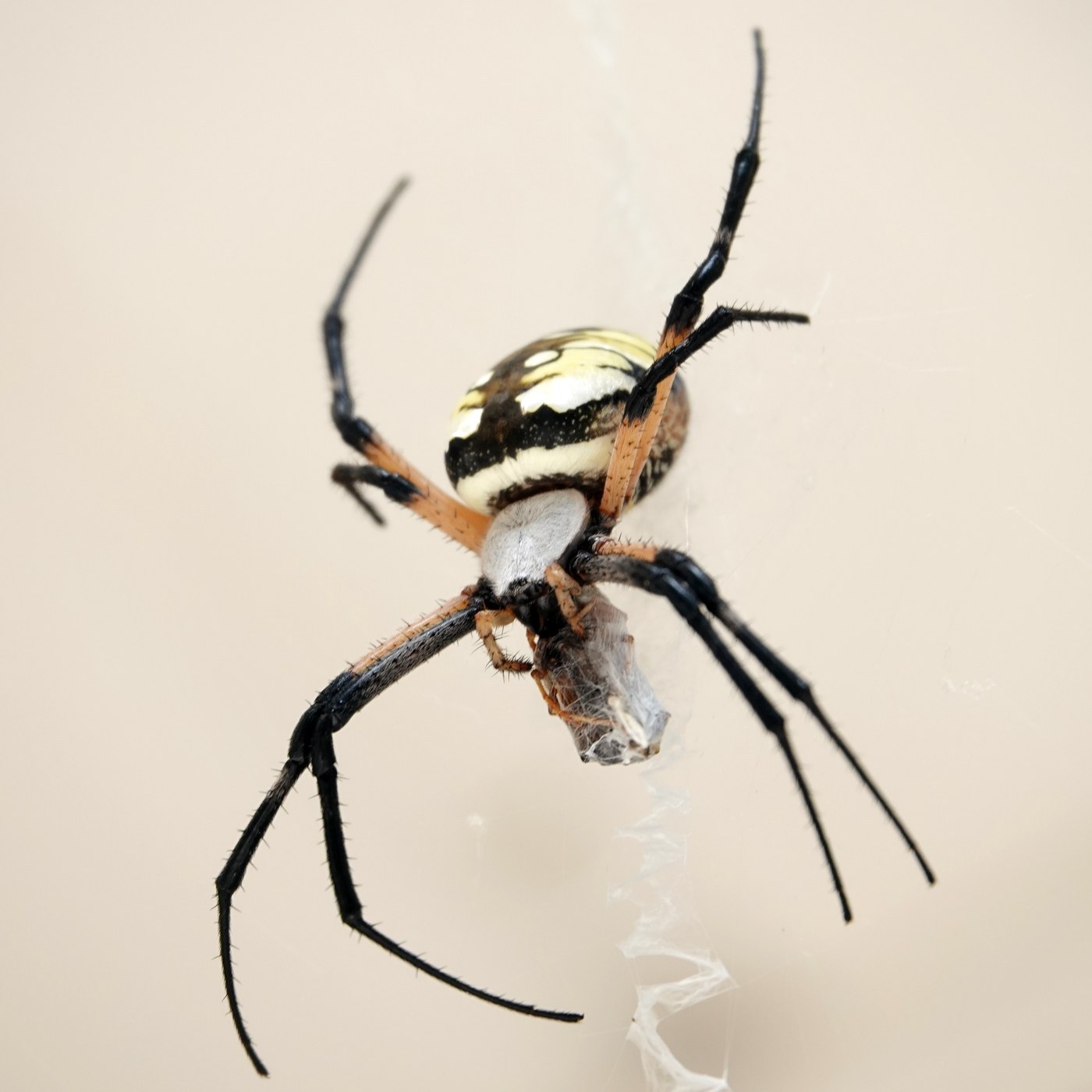
Yellow Garden Spider
Bold black and yellow markings, a large orb web anchored with a bright zigzag of silk, and a habit of sitting in plain view make the yellow garden spider one of the most eye-catching and recognizable spiders in North American backyards.
spider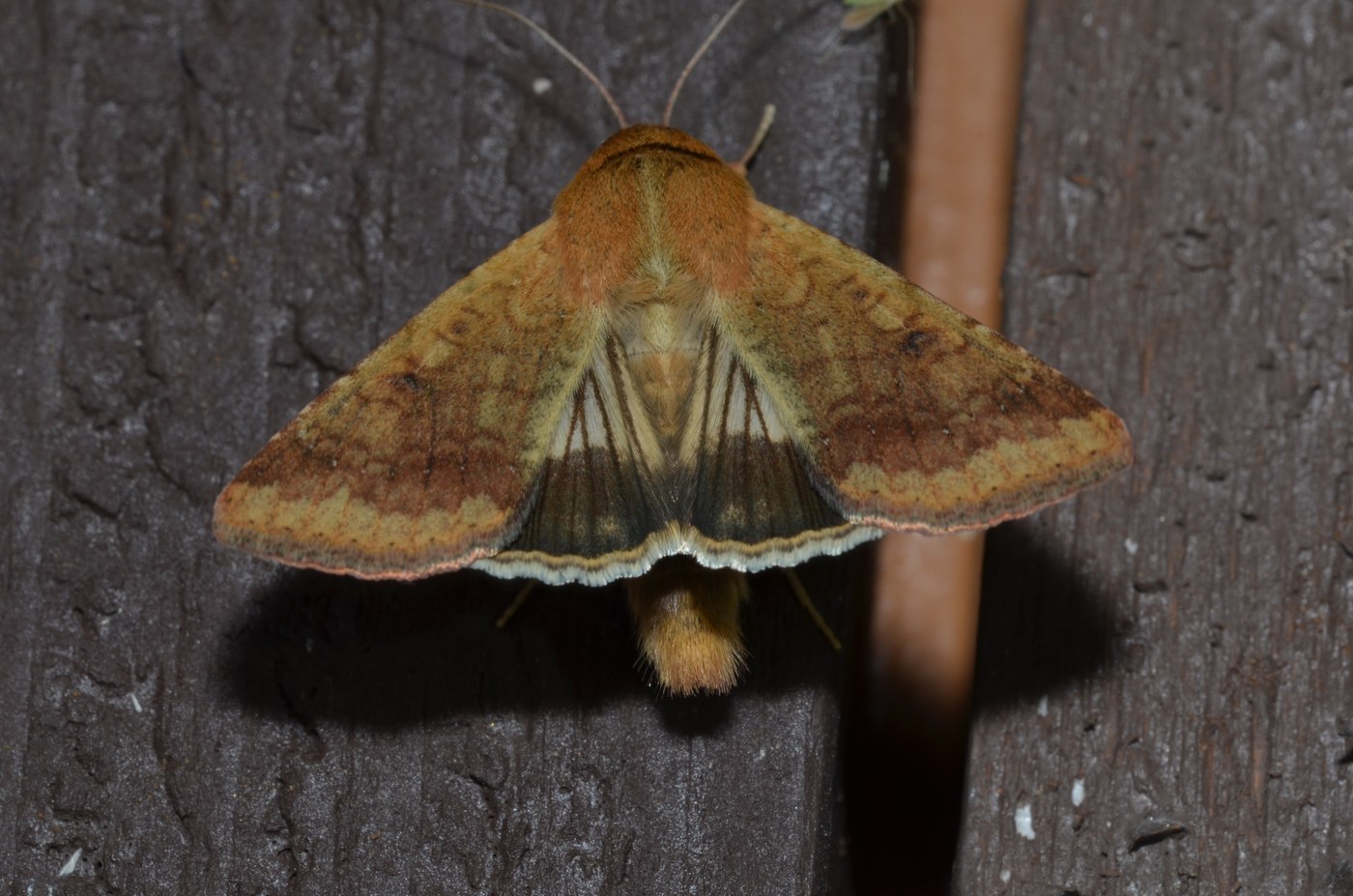
Bollworm
One of the most economically significant caterpillars in North American agriculture, the bollworm changes color from green to brown to pink across its life and bores into cotton bolls, corn ears, and tomato fruit alike.
caterpillar-larva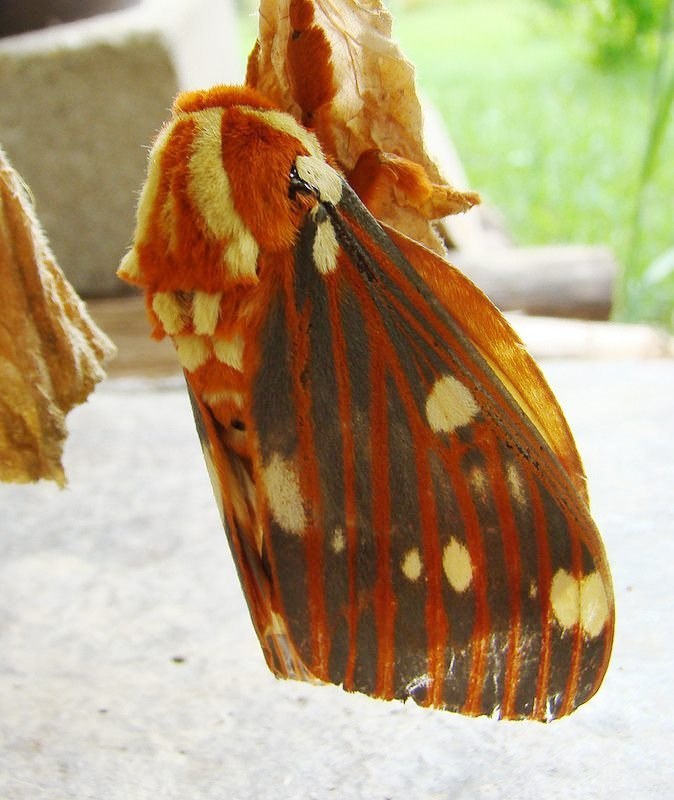
Regal Moth (Hickory Horned Devil)
One of the largest moths in North America, with orange-red and gray-veined wings on the adult, best known for its enormous, formidable-looking caterpillar, the hickory horned devil, a blue-green giant bristling with long orange spines.
moth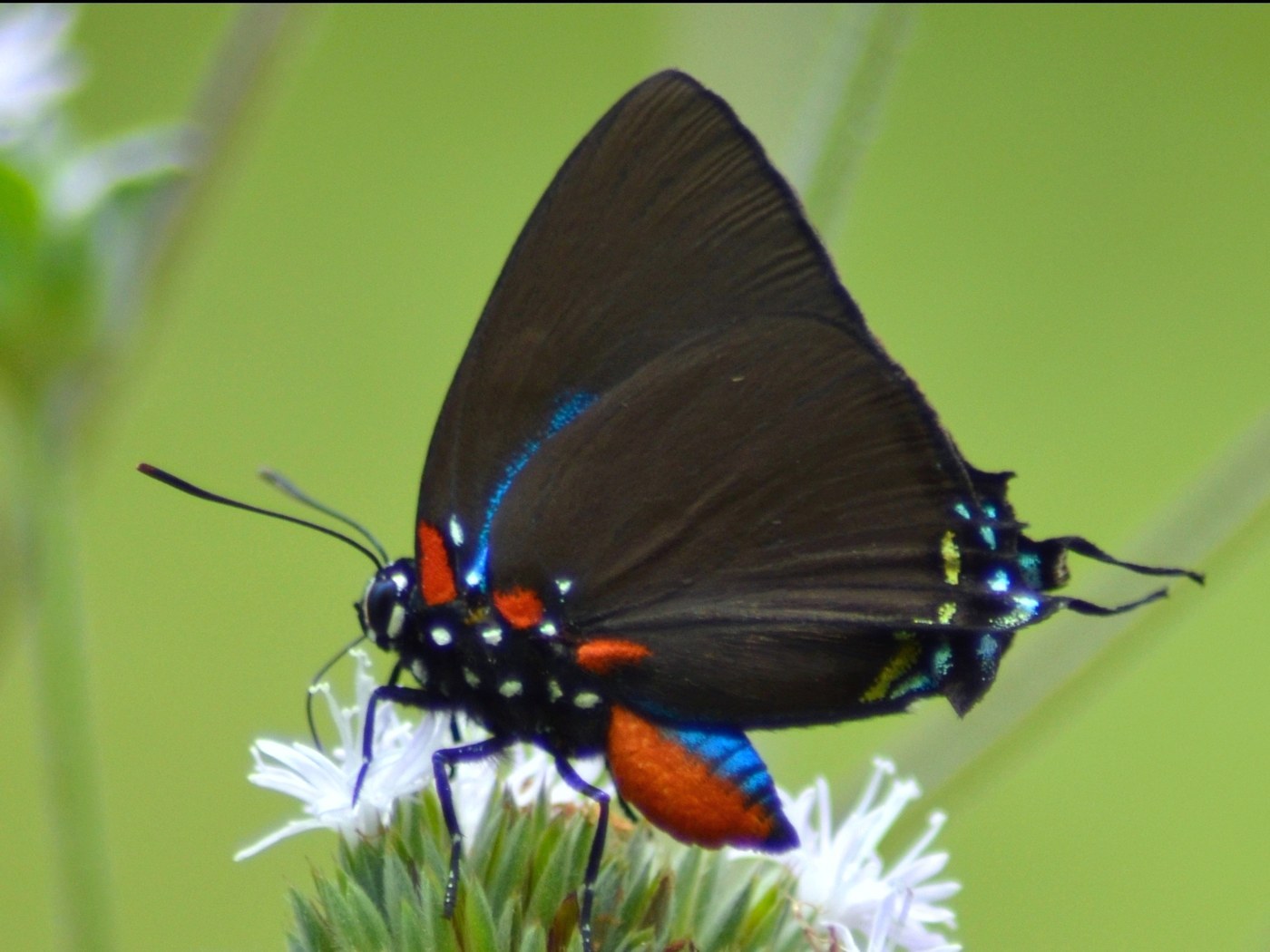
Great Purple Hairstreak
The largest and most iridescent hairstreak in North America, with brilliant blue-green upperwings, red-orange spots on the body and wing base, and long twin tails, its caterpillars feeding on parasitic mistletoe clumps in host trees.
butterfly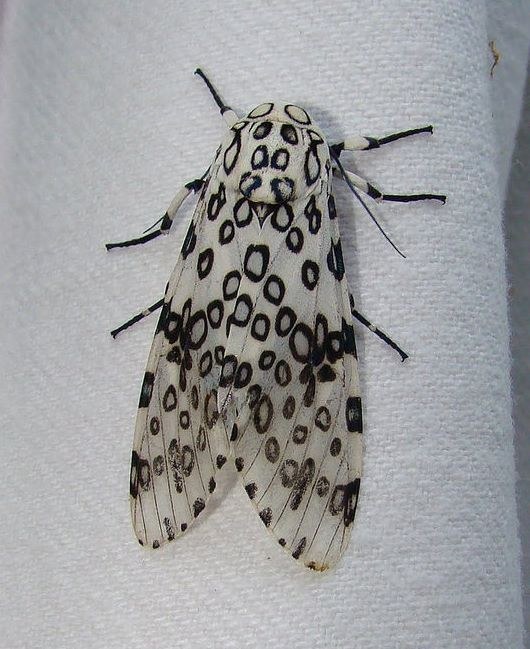
Giant Leopard Moth
A striking white moth patterned with bold, hollow black rings and dots resembling leopard spots, revealing an iridescent blue-black abdomen marked with orange when its wings part, making it one of the most eye-catching tiger moths in North America.
mothFire Ant Queen
The reproductive powerhouse of a fire ant colony, noticeably larger than the reddish worker ants and equipped with wings before she sheds them to found a new nest.
ant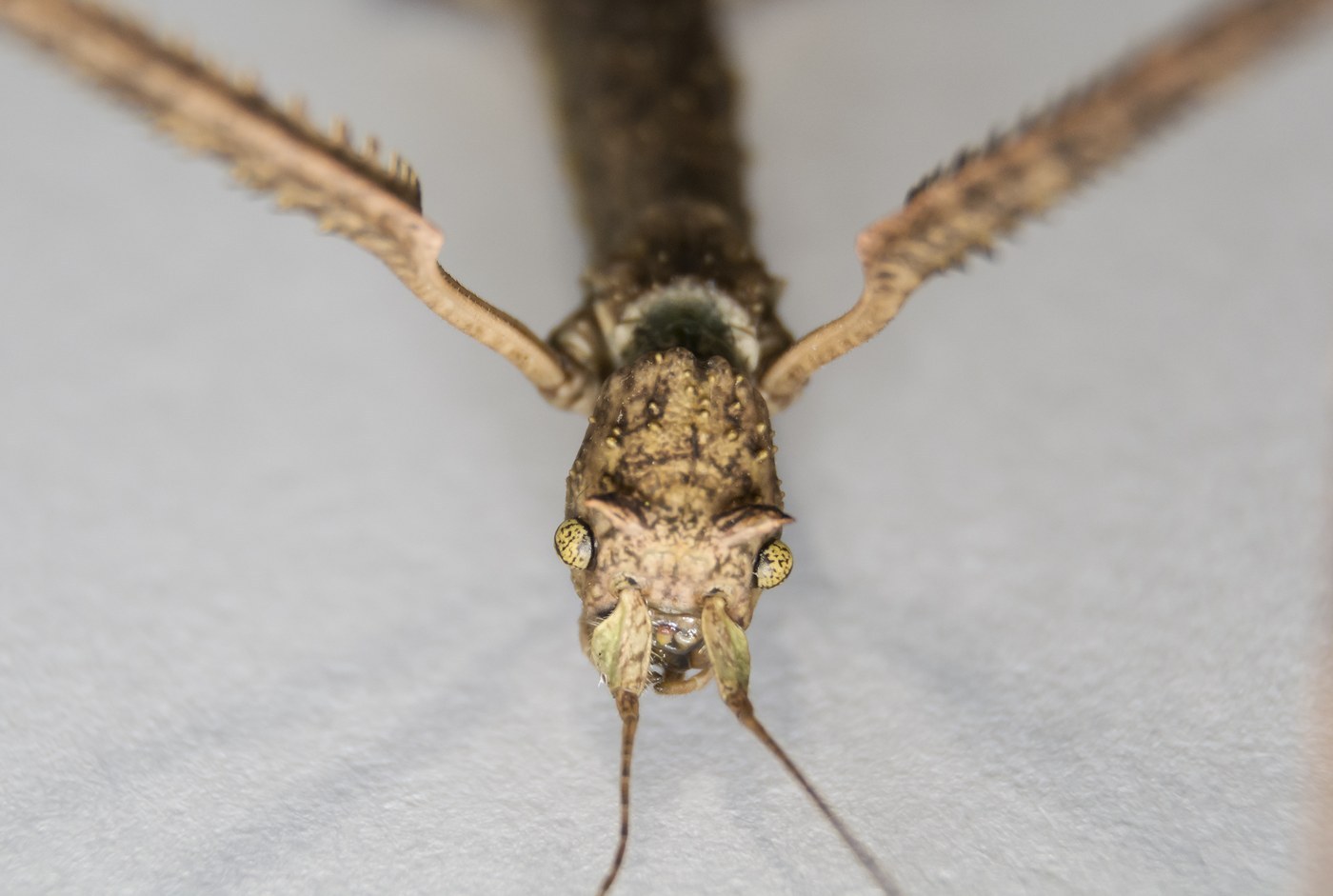
Vietnamese Walking Stick
A slender tropical stick insect popular in classrooms and terrariums, notable for females that can produce healthy offspring entirely on their own, without ever mating.
mantis-stick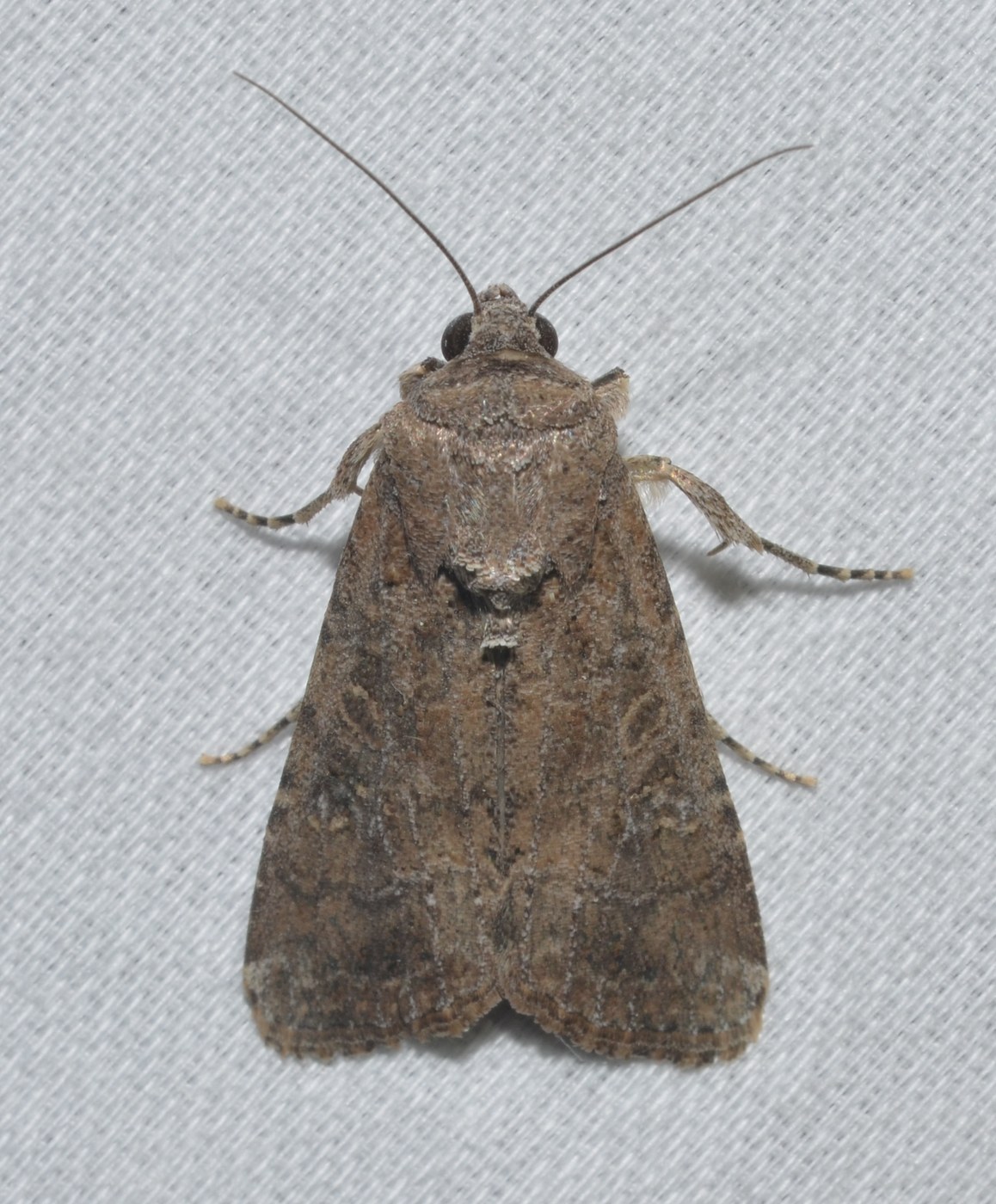
Armyworm Moth
A plain tan to reddish-brown moth whose caterpillars are famous for marching in large groups across fields, stripping grasses and grain crops as they move.
moth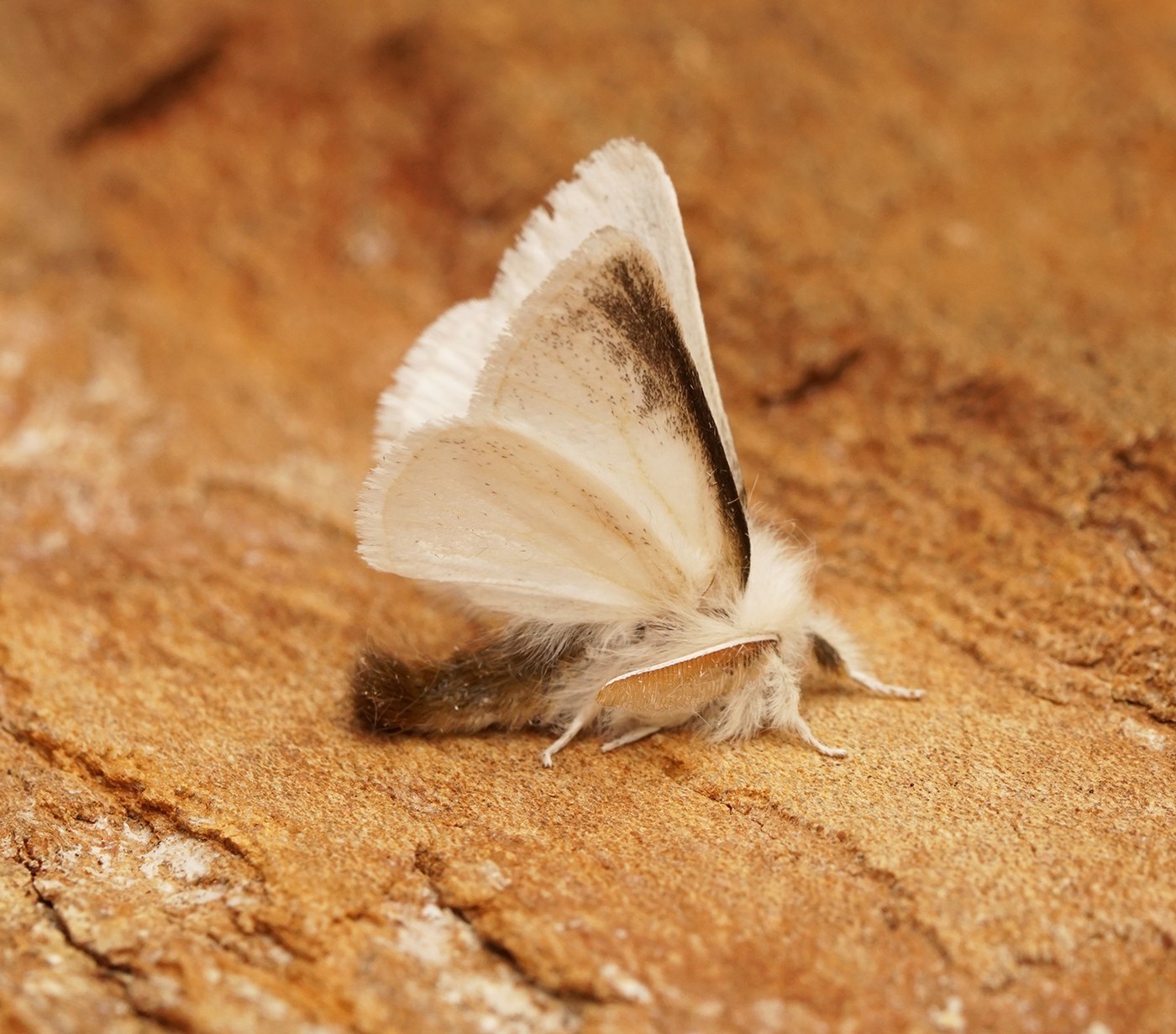
Brown-tail Moth
A pure white moth with a tuft of brown hair at the tip of its abdomen, whose gregarious, hairy caterpillars overwinter communally in silken webs on tree branches.
mothCodling Moth Larva
The classic 'worm in the apple,' this pinkish-white caterpillar tunnels straight to the core of apples and pears, leaving a telltale frass-plugged entry hole behind.
caterpillar-larvaCutworm
A plump, dull gray-brown caterpillar that hides in soil by day and emerges at night to sever young seedlings at the base, curling tightly into a C-shape when disturbed.
caterpillar-larva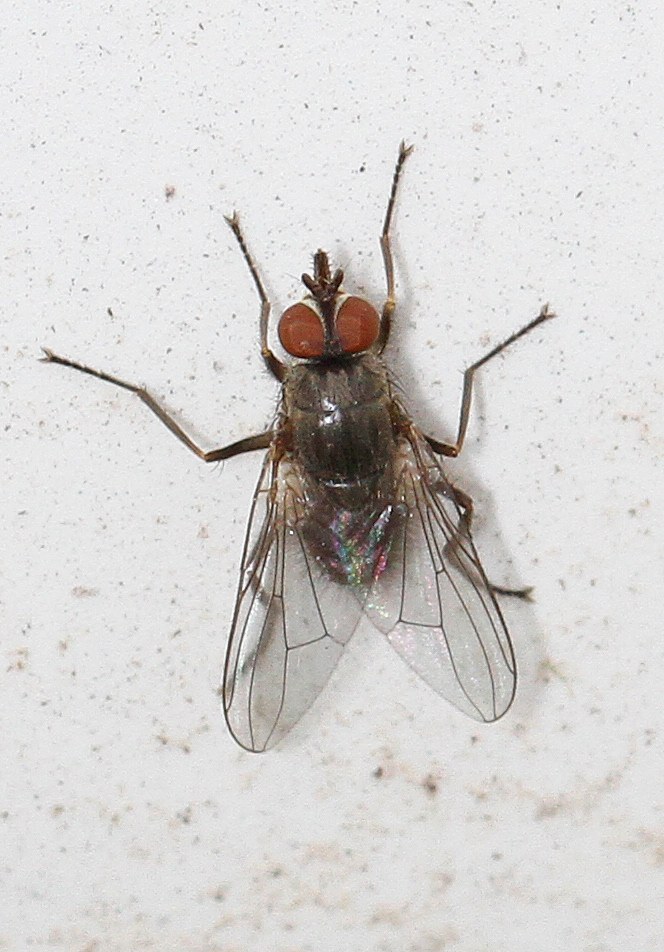
Horn Fly
A tiny, dark fly that clusters in dense patches on the backs and shoulders of grazing cattle, using piercing mouthparts to take frequent small blood meals.
fly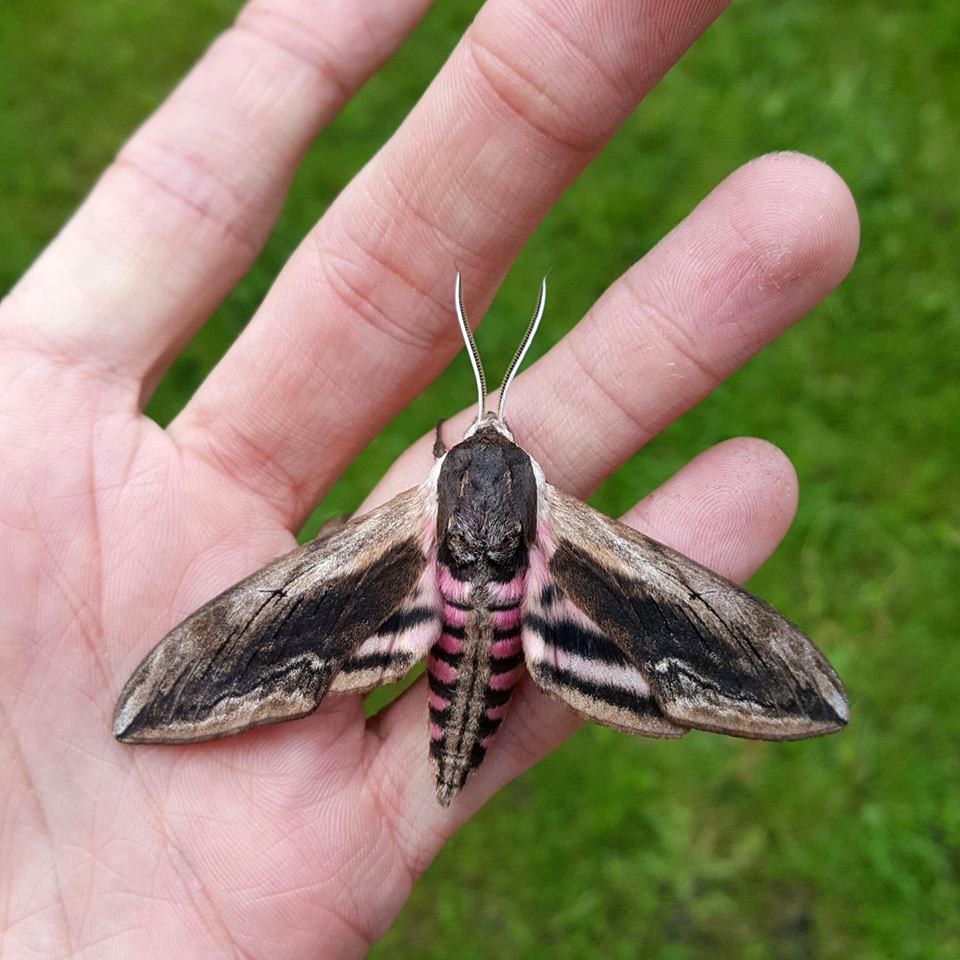
Privet Hawk-Moth
The largest resident hawk-moth in much of northern Europe, with streaked brown forewings and a striking abdomen banded in pink and black stripes.
mothDrywood Termite
A termite that lives entirely within the dry wood it feeds on, needing no soil contact at all, and revealing itself mainly through small piles of pellet-like frass pushed from tiny exit holes.
other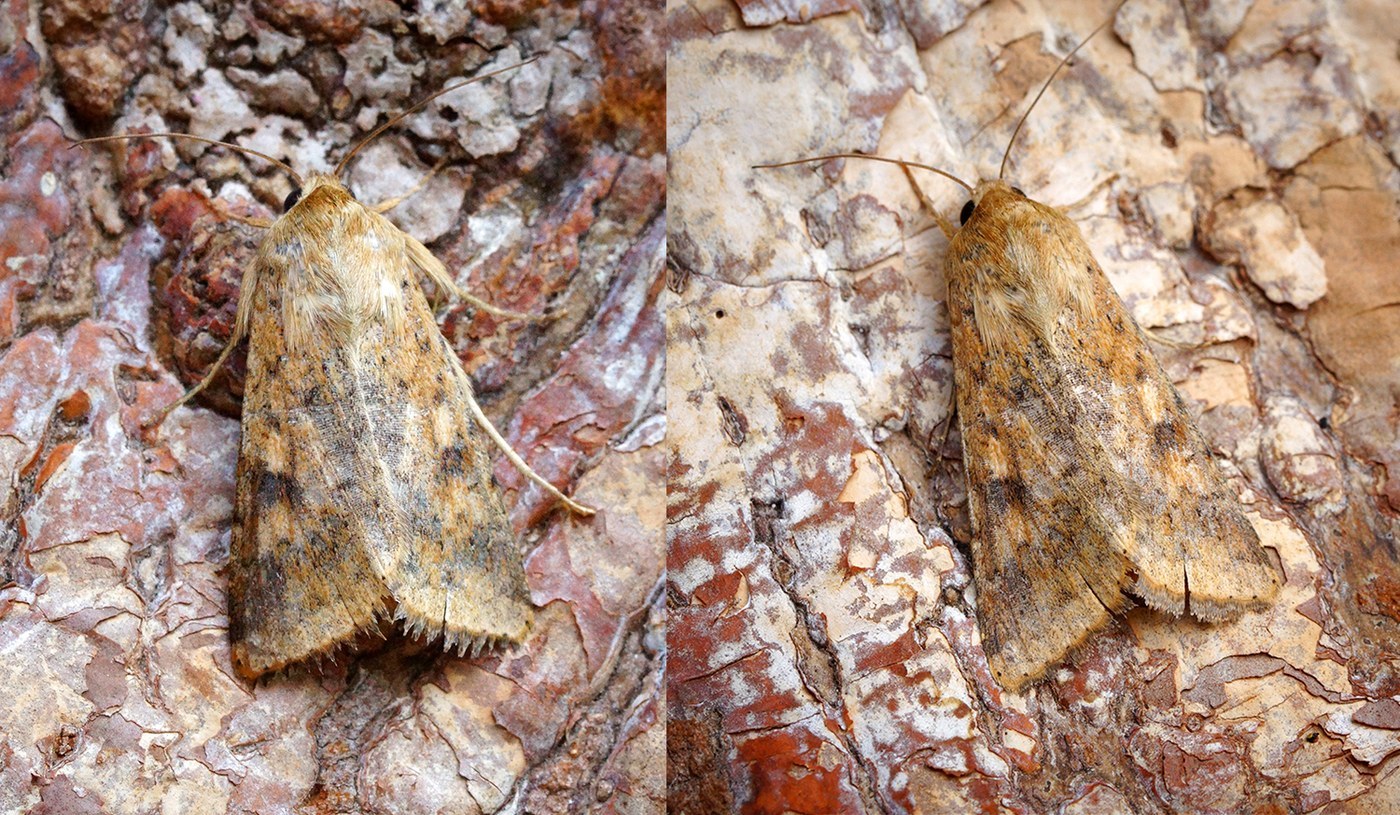
Cotton Bollworm
A variably colored caterpillar, ranging from green to brown to nearly pink, that burrows into cotton bolls, corn ears, and tomato fruit, feeding concealed inside the very structures it damages.
caterpillar-larva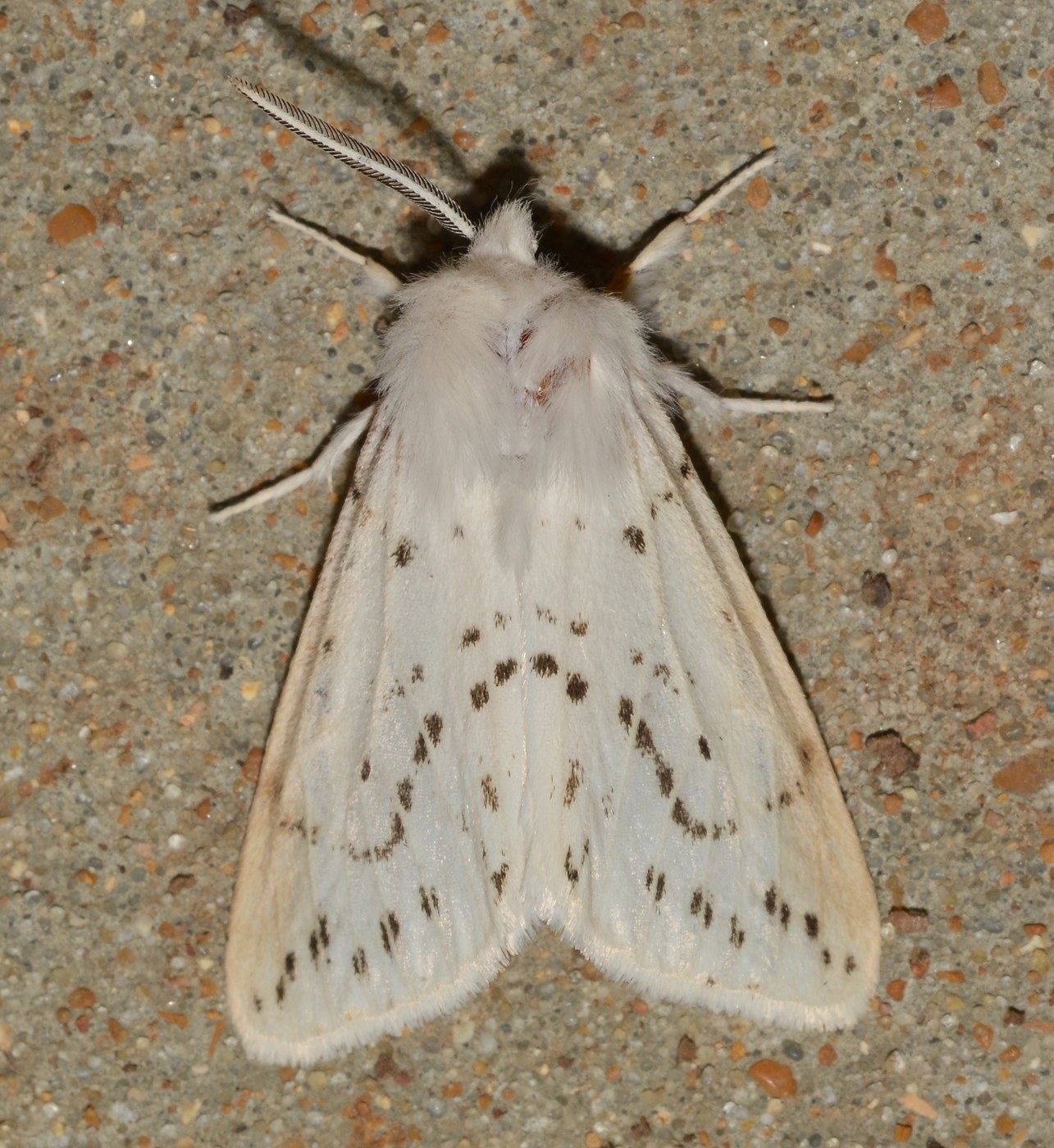
Fall Webworm Moth
A plain white (sometimes lightly speckled) moth whose caterpillars are far more familiar than the adult, spinning large communal silk webs over the ends of tree branches in late summer and early autumn.
moth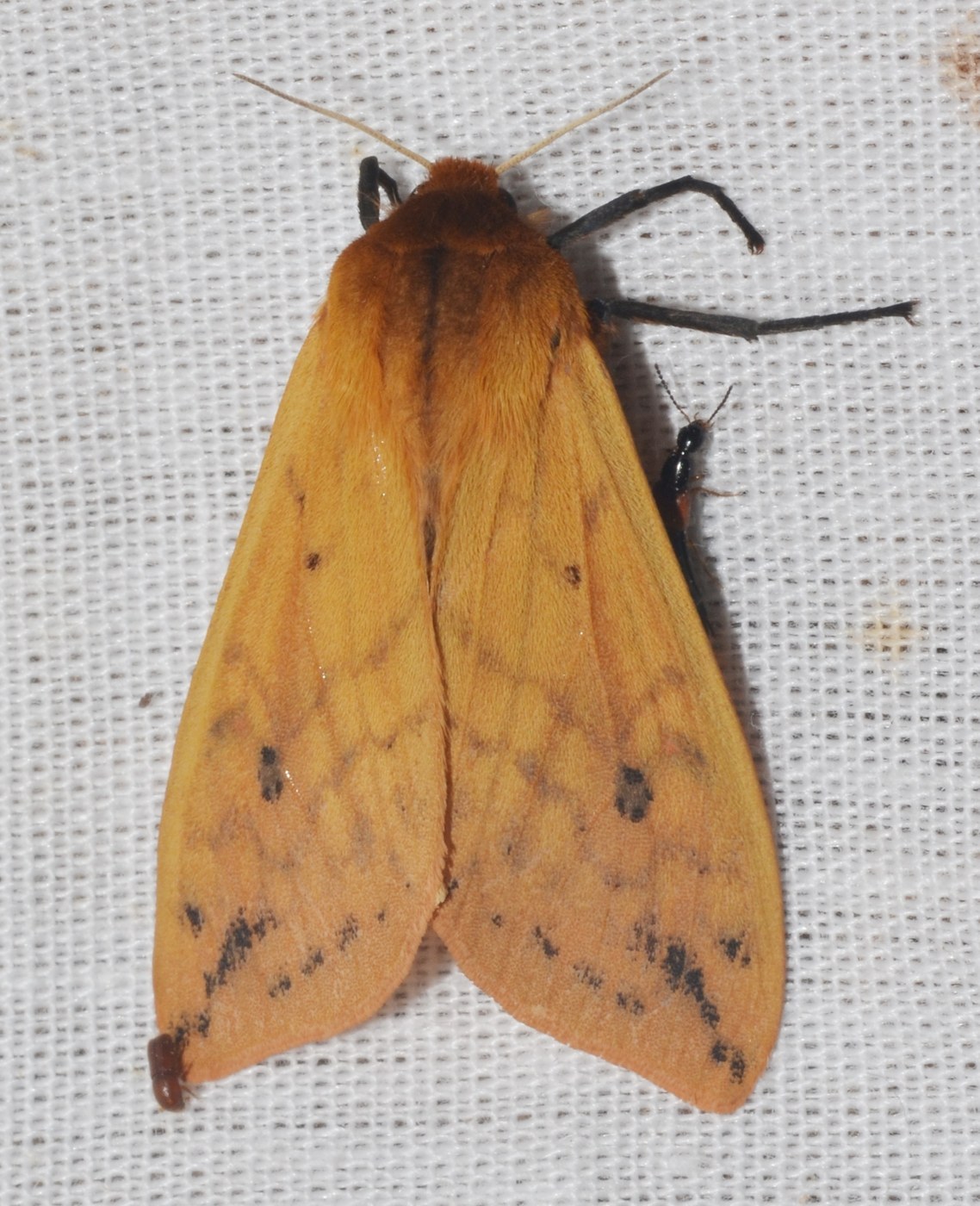
Isabella Tiger Moth (Woolly Bear)
Famous chiefly in its larval stage as the banded woolly bear caterpillar, this tiger moth's fuzzy black-and-rust-colored caterpillar is a familiar autumn sight, while the adult is a soft, tawny-orange moth with a stout, furry body.
moth