
Bug Encyclopedia
Search and identify bugs & insects — beetles, butterflies, moths, ants, bees, spiders and more — with size, habitat, danger, behavior, and how to tell them apart.
Booklice (Psocid)
A tiny, soft-bodied, pale insect barely visible to the naked eye that grazes on mold and mildew in damp books, wallpaper, and stored goods.
other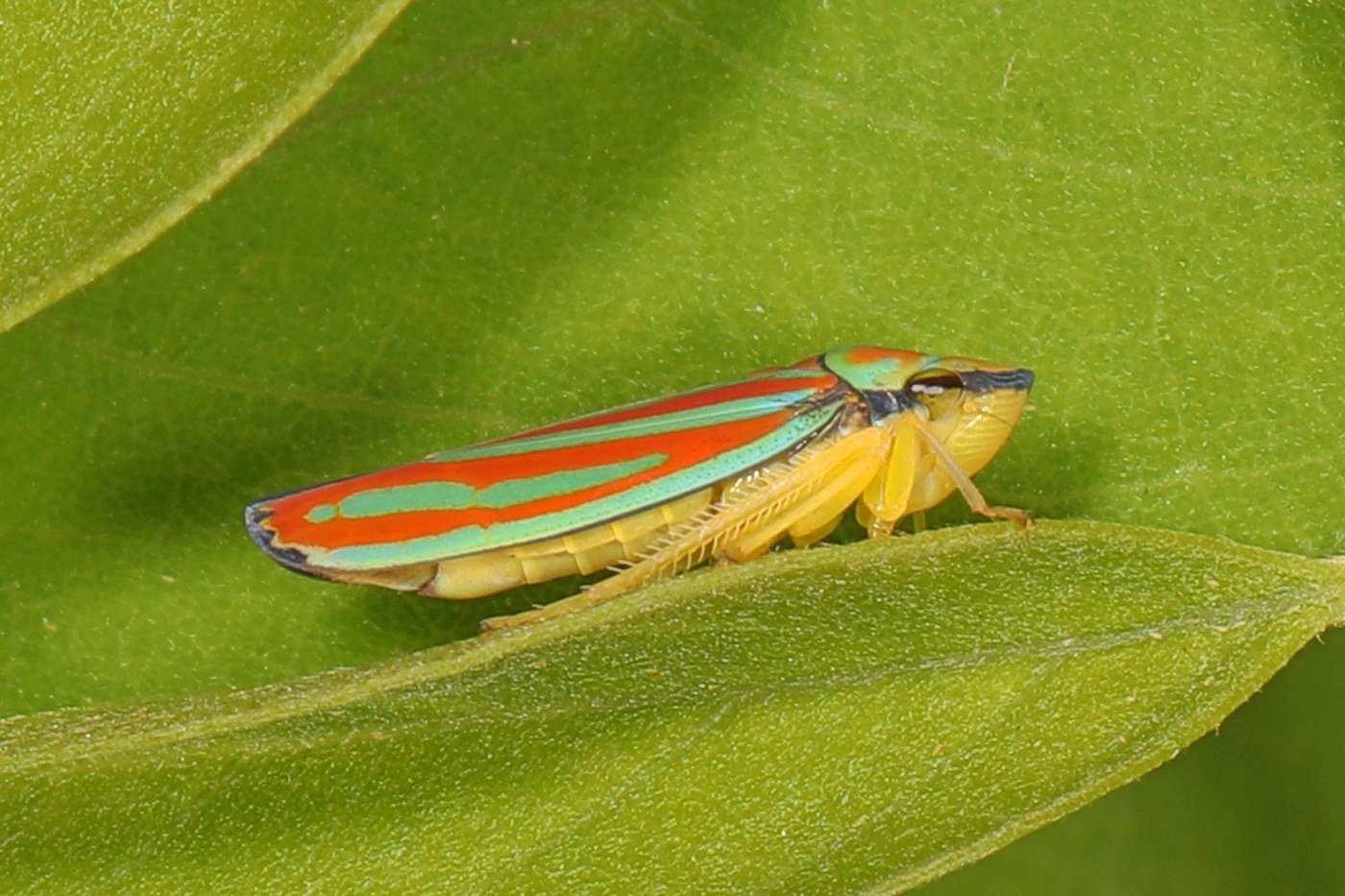
Leafhopper
A small, wedge-shaped insect that darts sideways and springs away in quick hops when disturbed, often brightly striped or patterned and found clinging to the underside of leaves.
true-bugCone-headed Katydid
A large, grass-colored katydid named for its sharply pointed, cone-shaped head, best known for producing some of the loudest, most sustained buzzing calls of any North American insect.
grasshopper-cricketCobweb Spider
A common household spider that spins a messy, three-dimensional tangle of silk in dark corners and drags entangled insects up into the maze to feed.
spider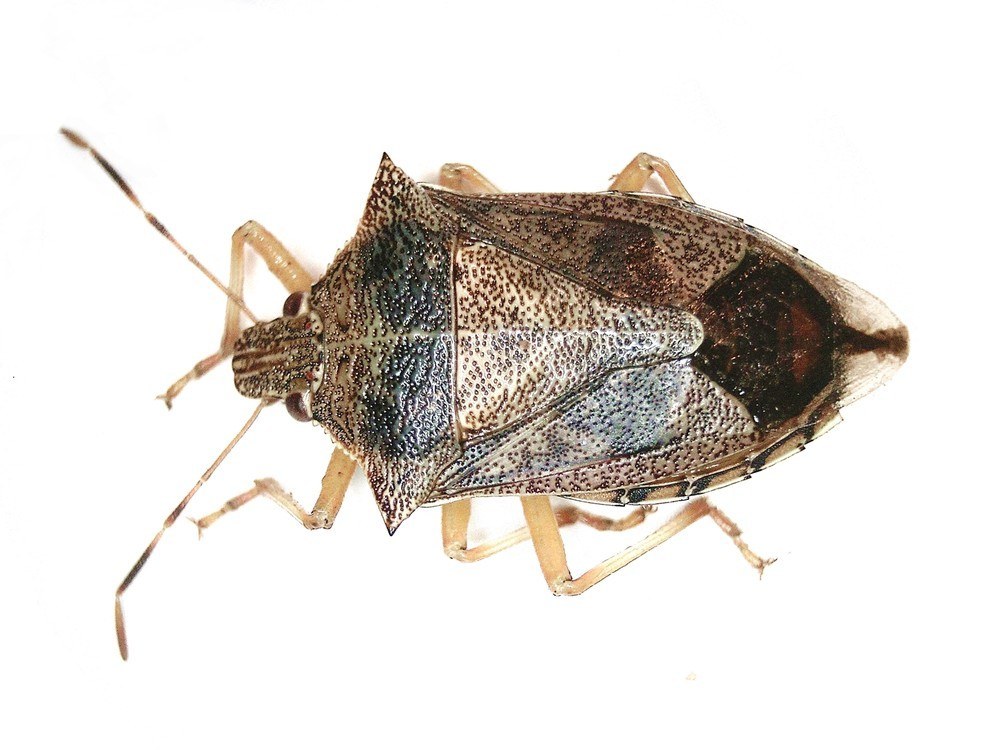
Spined Soldier Bug
A predatory stink bug identified by the sharp, pointed spines projecting from its shoulders, valued in gardens and farm fields for hunting caterpillars, beetle larvae, and other pest insects.
true-bug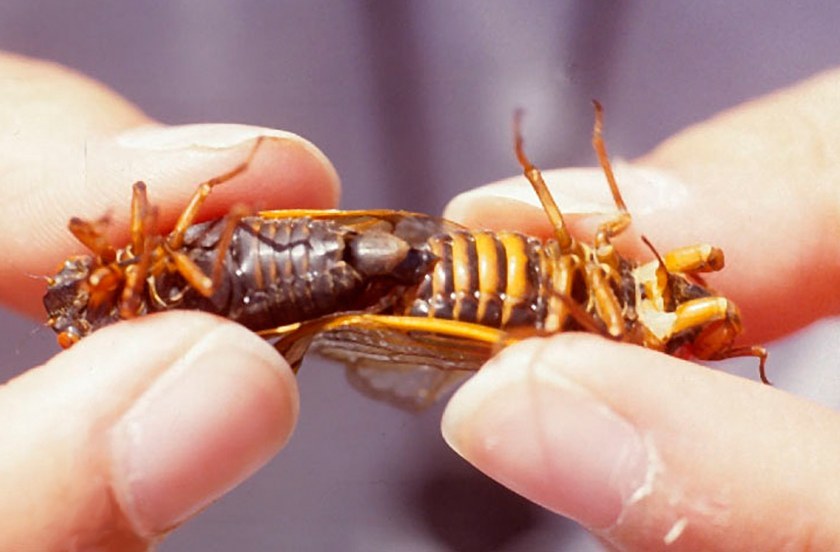
Cicada
A stout, big-eyed insect best known for the loud, buzzing chorus of song produced by males, and for periodical species that emerge from the ground by the millions after living underground for over a decade.
true-bug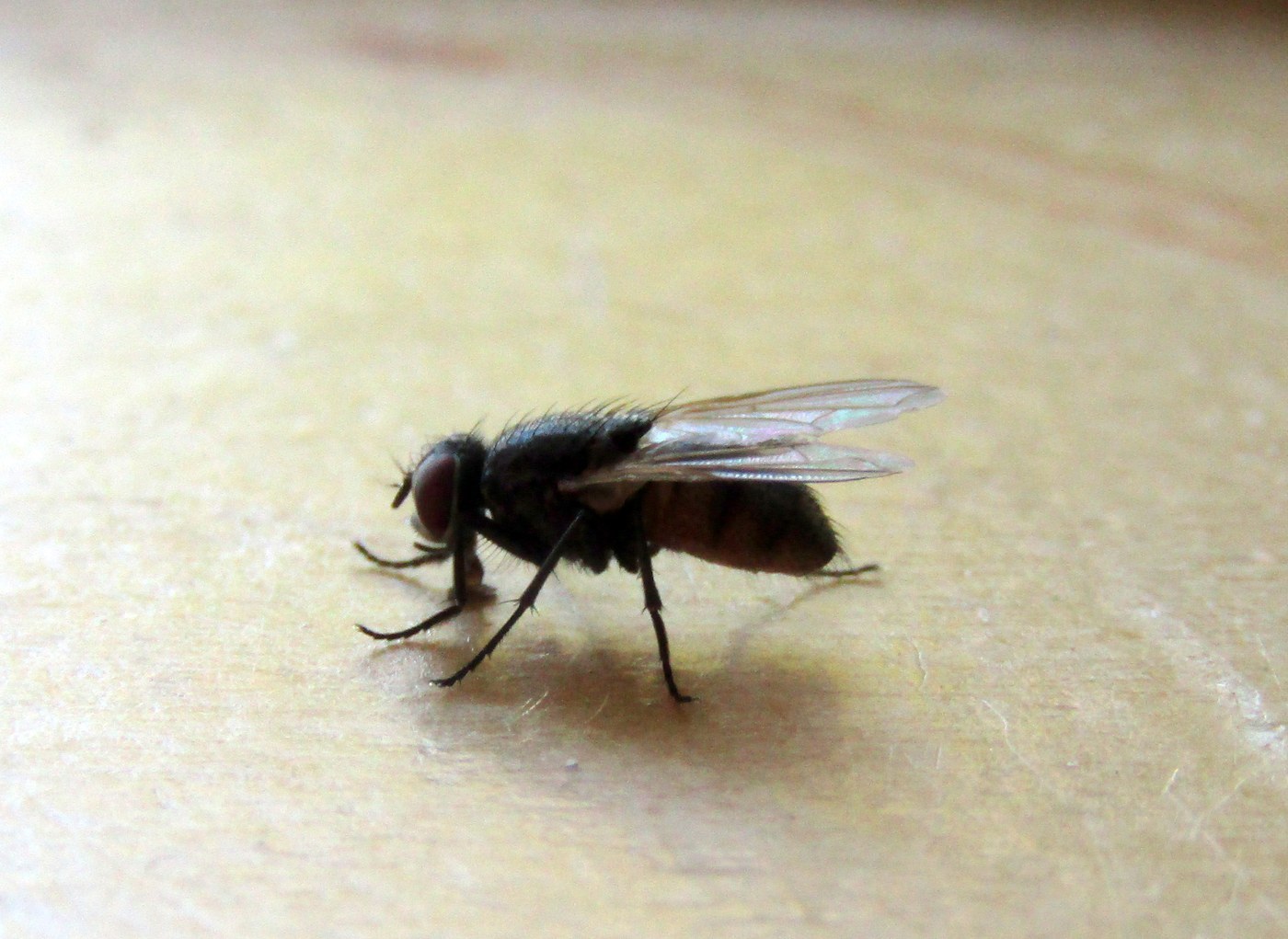
Common House Fly
A dull gray fly with four dark stripes down its back, the house fly is one of the most familiar insects on Earth, following people and their food waste to every continent.
fly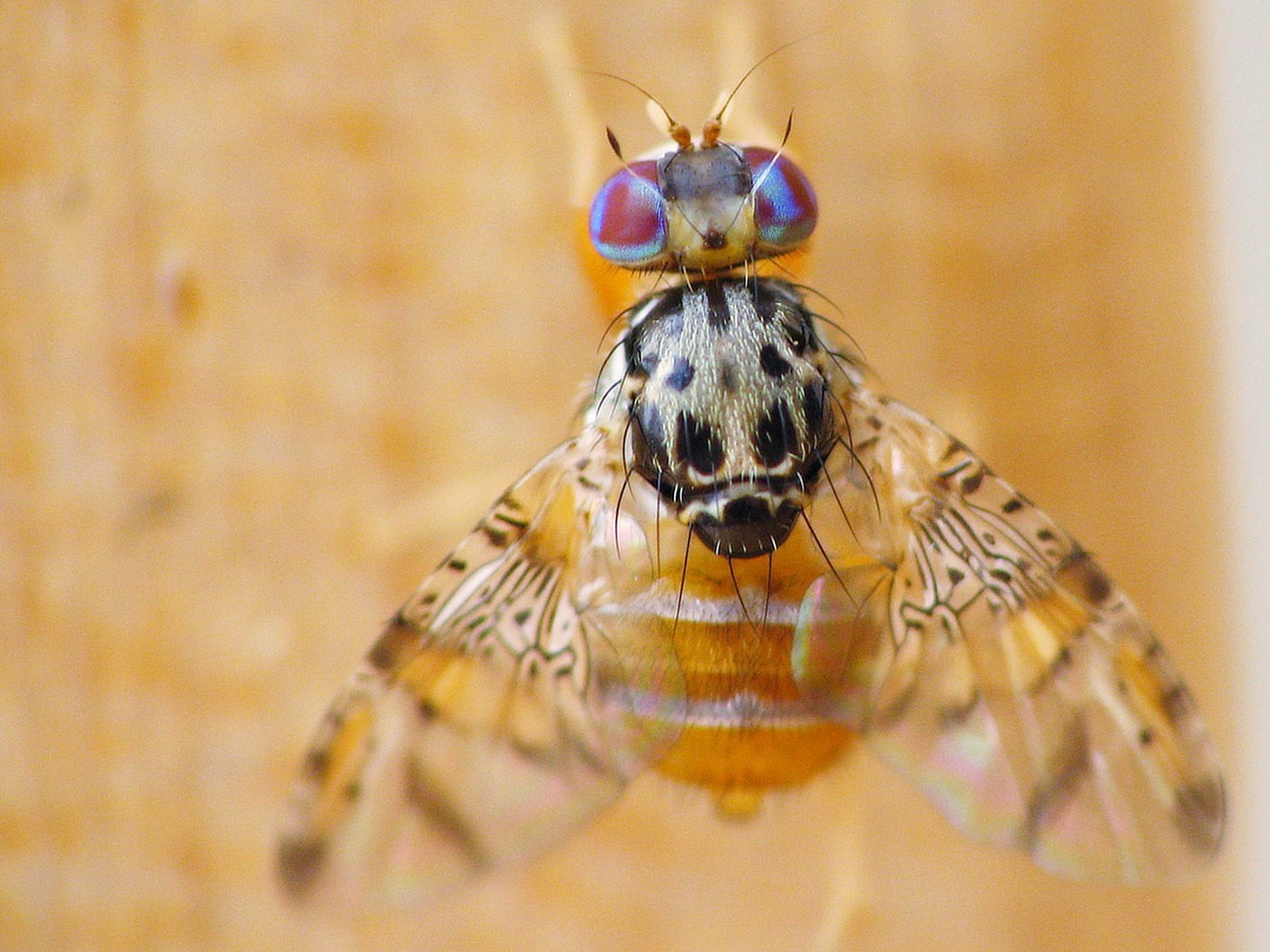
Fruit Fly (Mediterranean)
A small but strikingly patterned fly with mottled, banded wings held out to the sides in a fan and a body dotted with silvery spots, best known for larvae that tunnel through ripening fruit. Native to sub-Saharan Africa, it has spread with human trade to become one of the most widely recognized fruit-infesting insects in the world.
fly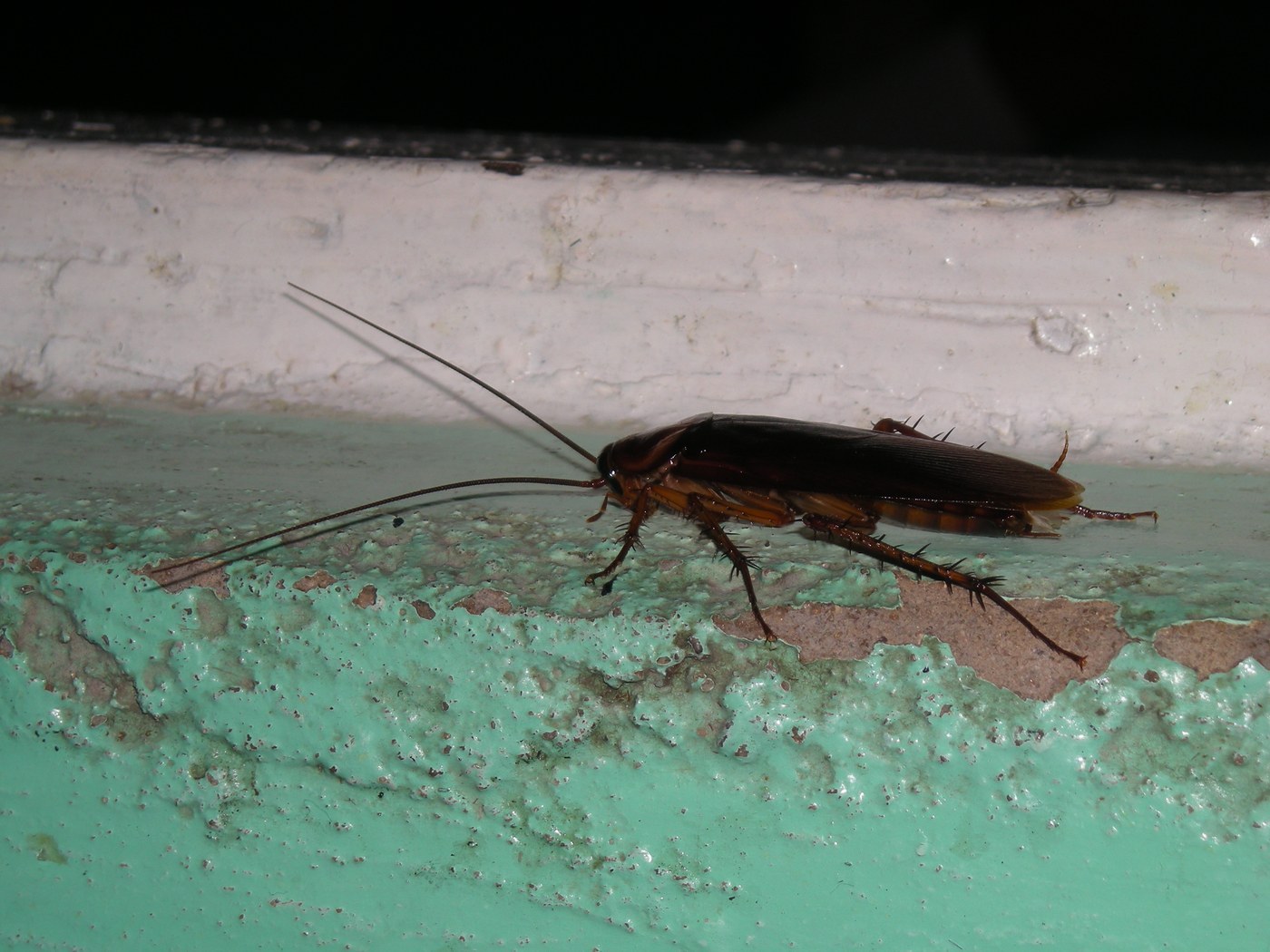
American Cockroach
The largest common house-infesting cockroach, a reddish-brown, glossy insect with long antennae and a pale yellowish band edging the shield behind its head, capable of both fast running and short bursts of flight.
other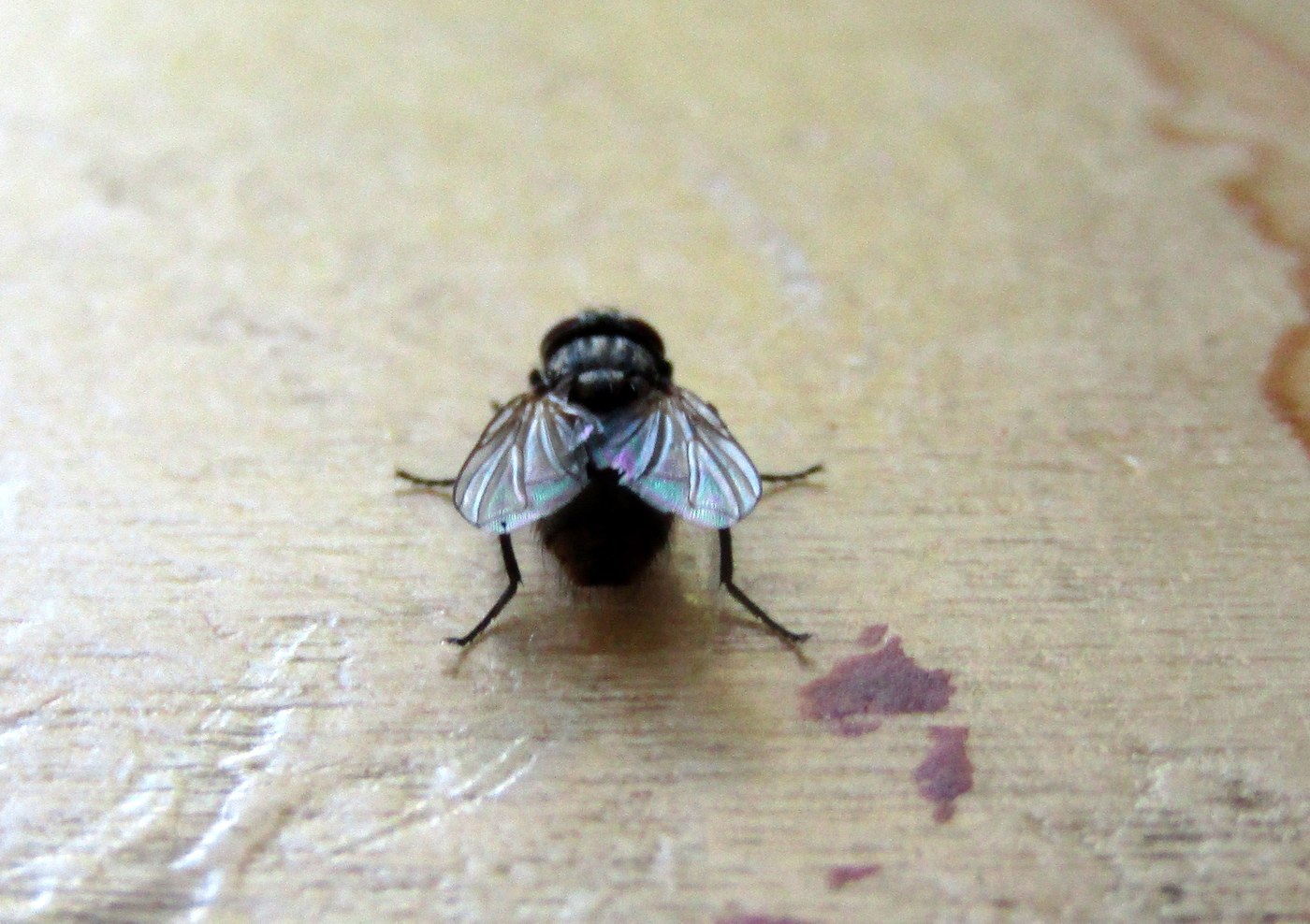
Common Housefly
A dull gray fly with four dark stripes on its thorax and large reddish eyes, one of the most widespread insects on Earth thanks to its close association with human food and waste.
flyDamsel Bug
A slender, tan to brown true bug with a narrow head and elongated front legs adapted for grasping, the damsel bug is a common predator patrolling foliage for soft-bodied insects.
true-bugMeadow Katydid
Small, slender, and beautifully camouflaged among grass blades, meadow katydids fill open fields and marsh edges with a soft, buzzy, insect-like ticking that blends into the summer evening background.
grasshopper-cricketPolyphemus Moth Caterpillar
A plump, apple-green giant silk moth larva with rows of silvery spots that swells to the size of a large finger before spinning a papery brown cocoon.
caterpillar-larva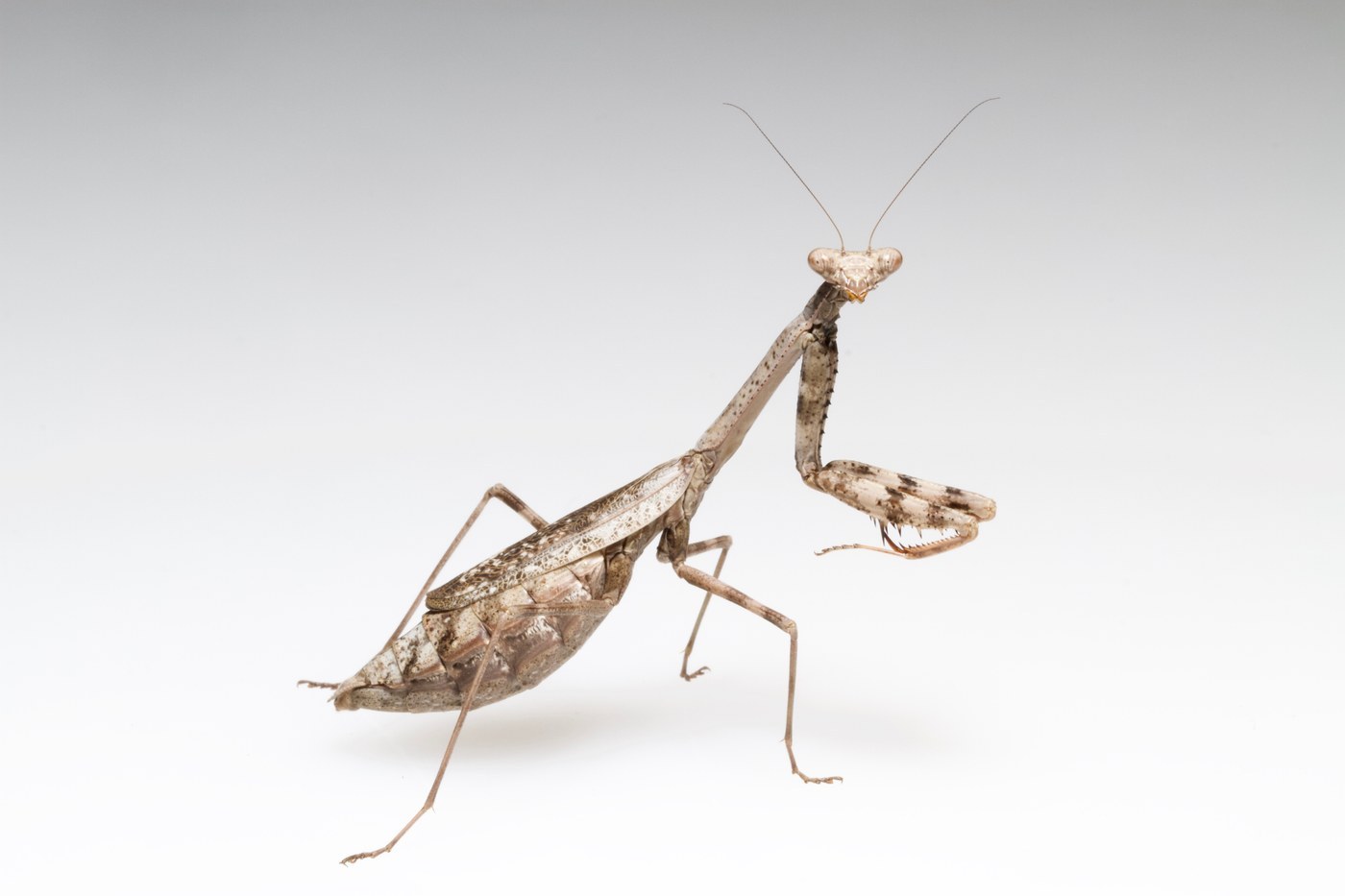
Carolina Mantis
A mottled gray-brown mantis native to the southeastern and south-central United States, smaller and more camouflaged than its introduced Chinese relative, and recognized as the state insect of South Carolina.
mantis-stickSoft Tick
A wrinkled, leathery, bean-shaped tick that hides by day in nests and cracks, emerging briefly at night to feed and then vanish again.
arachnid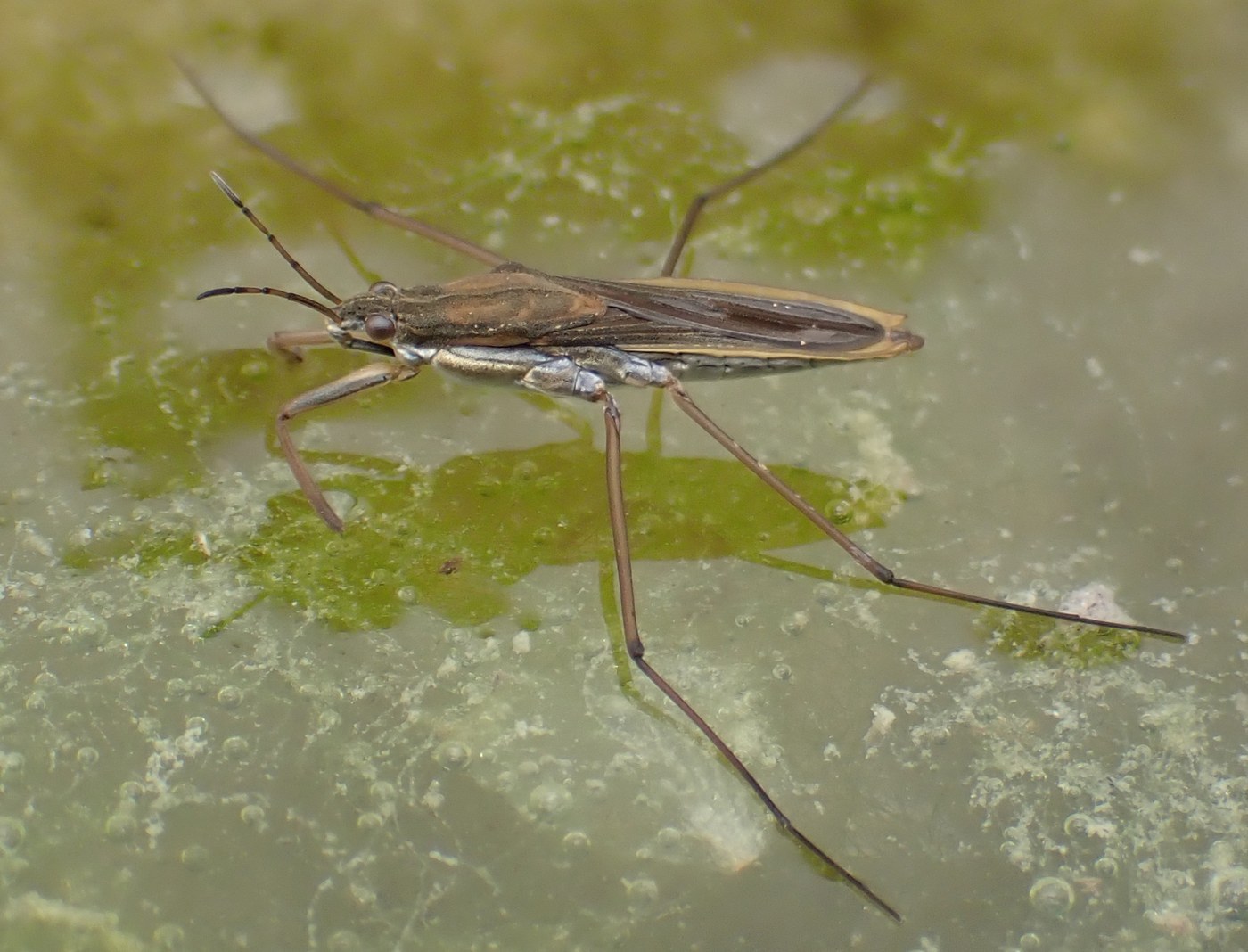
Pond Skater
Skimming effortlessly across the surface of still water on long, spindly legs, the pond skater uses ripples to detect struggling insects, which it seizes and pierces with needle-like mouthparts.
true-bug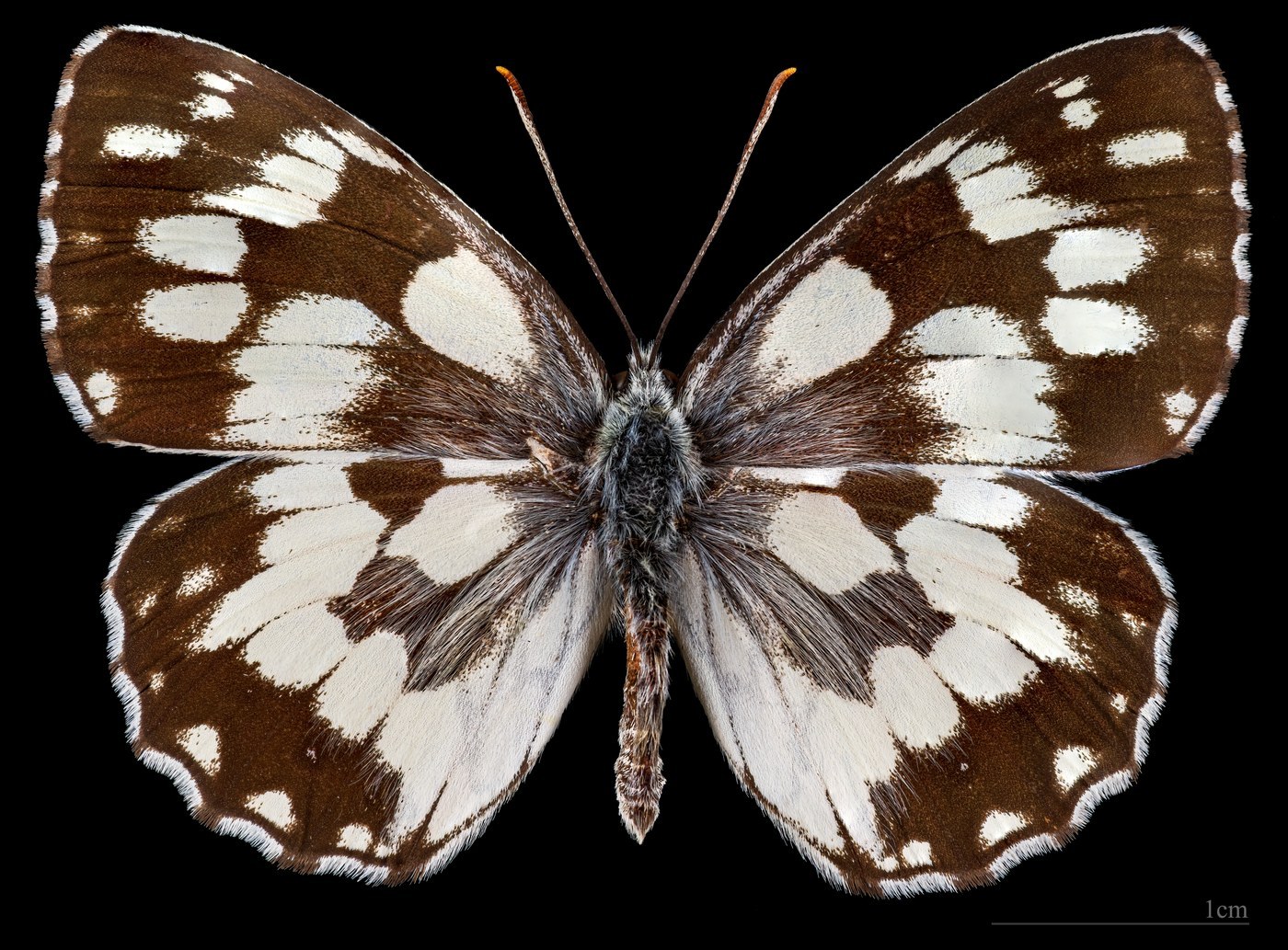
Marbled White
A striking checkerboard butterfly with bold black-and-white wing patterning, despite its name it belongs to the brown butterfly family rather than the whites.
butterflyCodling Moth Larva
The classic 'worm in the apple,' this pinkish-white caterpillar tunnels straight to the core of apples and pears, leaving a telltale frass-plugged entry hole behind.
caterpillar-larva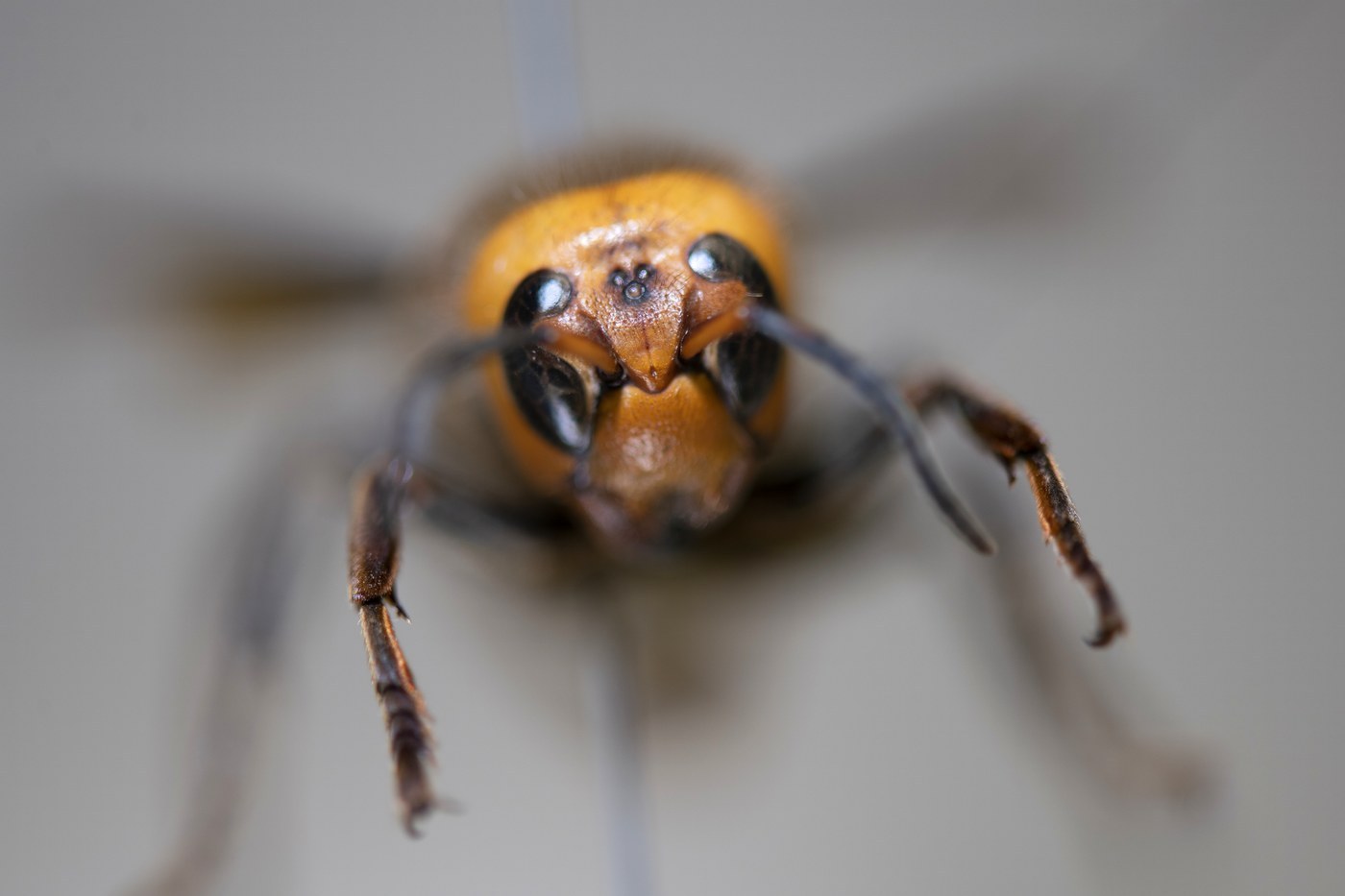
Asian Giant Hornet
The world's largest hornet, an imposing orange-and-black wasp with a wide head and long stinger, best known for raiding honey bee colonies to feed its brood.
wasp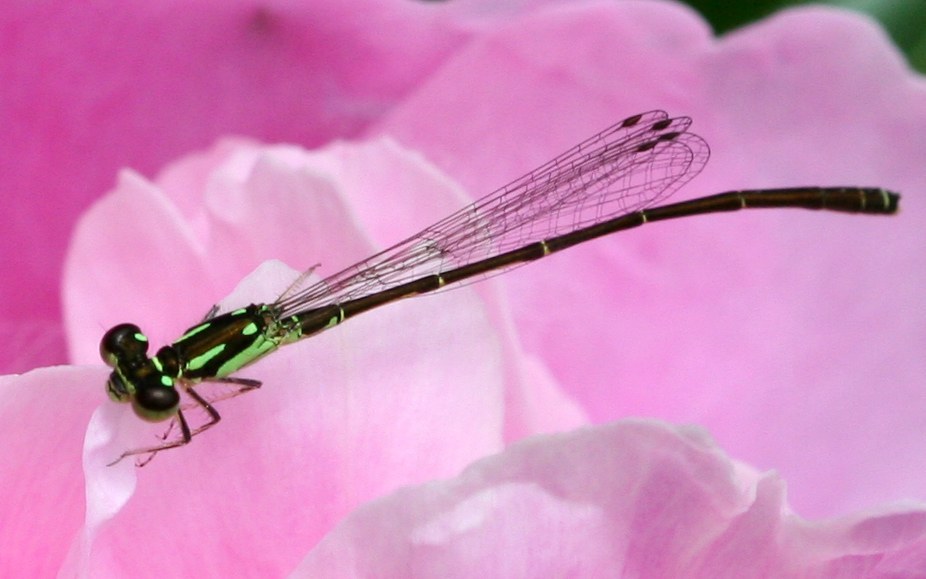
Fragile Forktail
One of North America's smallest and most delicate damselflies, the Fragile Forktail is best known for the pale green exclamation-point mark on top of its thorax.
dragonfly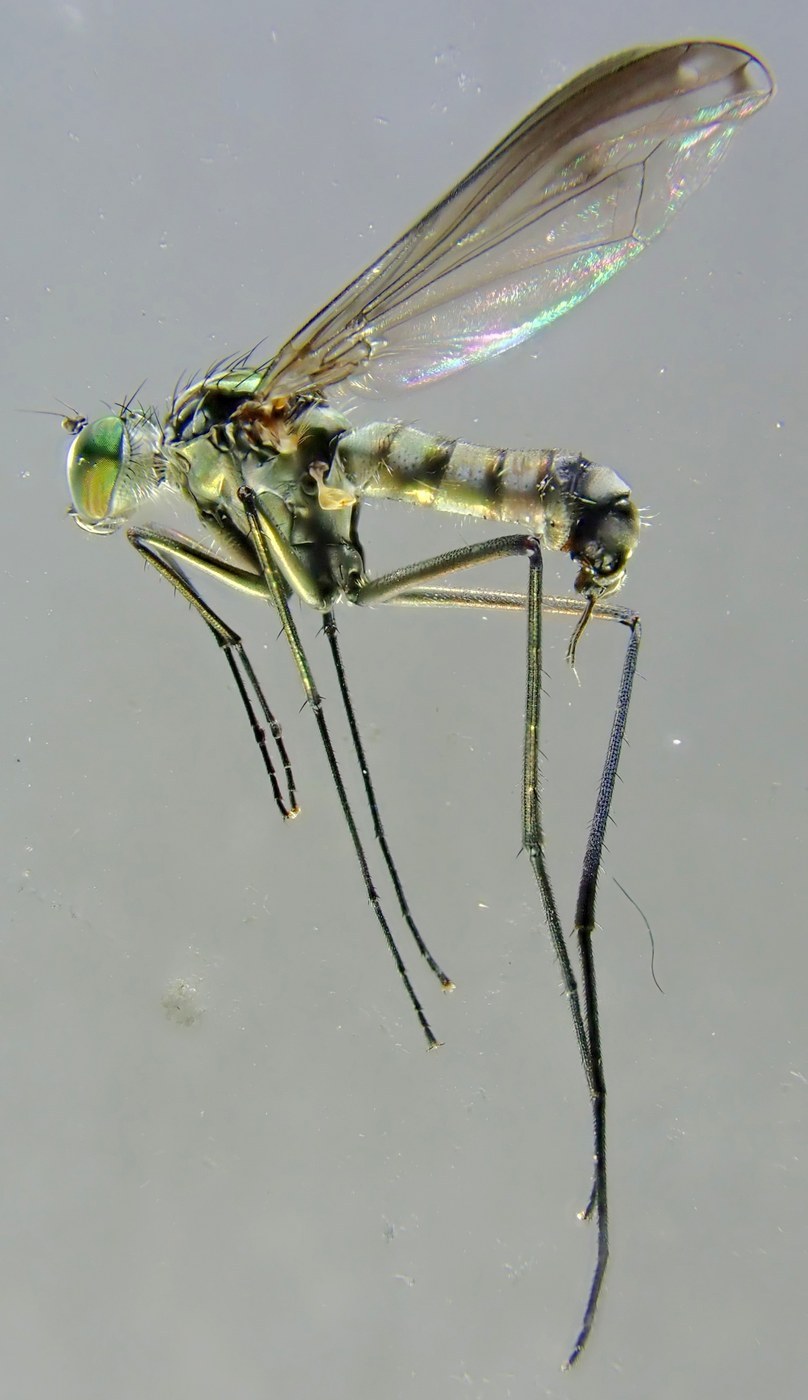
Long-Legged Fly
A jewel-bright little fly that flashes metallic green, blue, or bronze in the sunlight as it darts across leaves on comically long, stilt-like legs, pausing to perform quick territorial displays. Both adults and larvae are active hunters of even smaller insects, making this tiny fly a useful predator in gardens and wetlands alike.
fly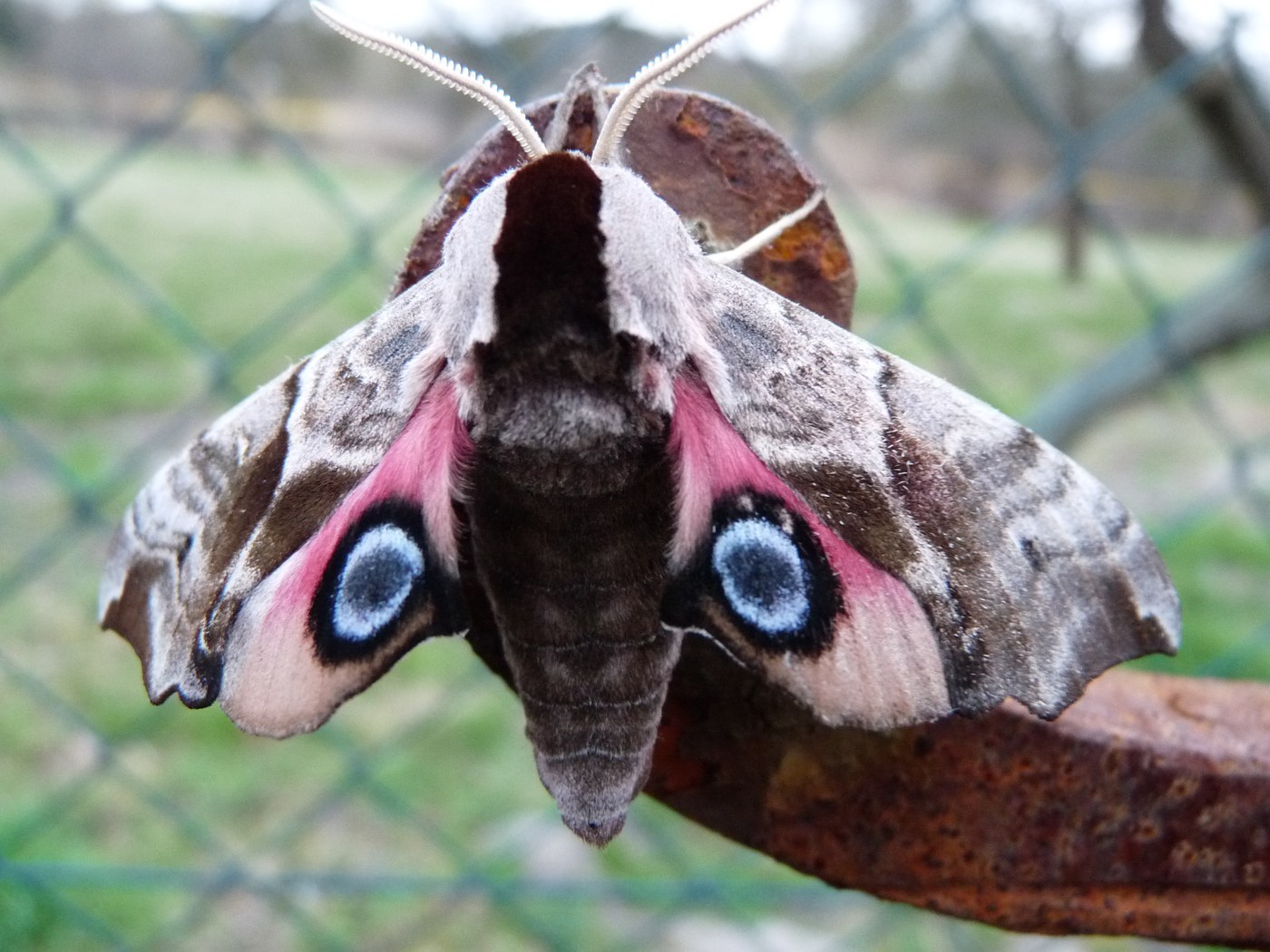
Eyed Hawk-Moth
A pinkish-brown hawk-moth that reveals a pair of large, blue-and-black eyespots on its hindwings when threatened, using the sudden flash of "eyes" to startle would-be predators.
moth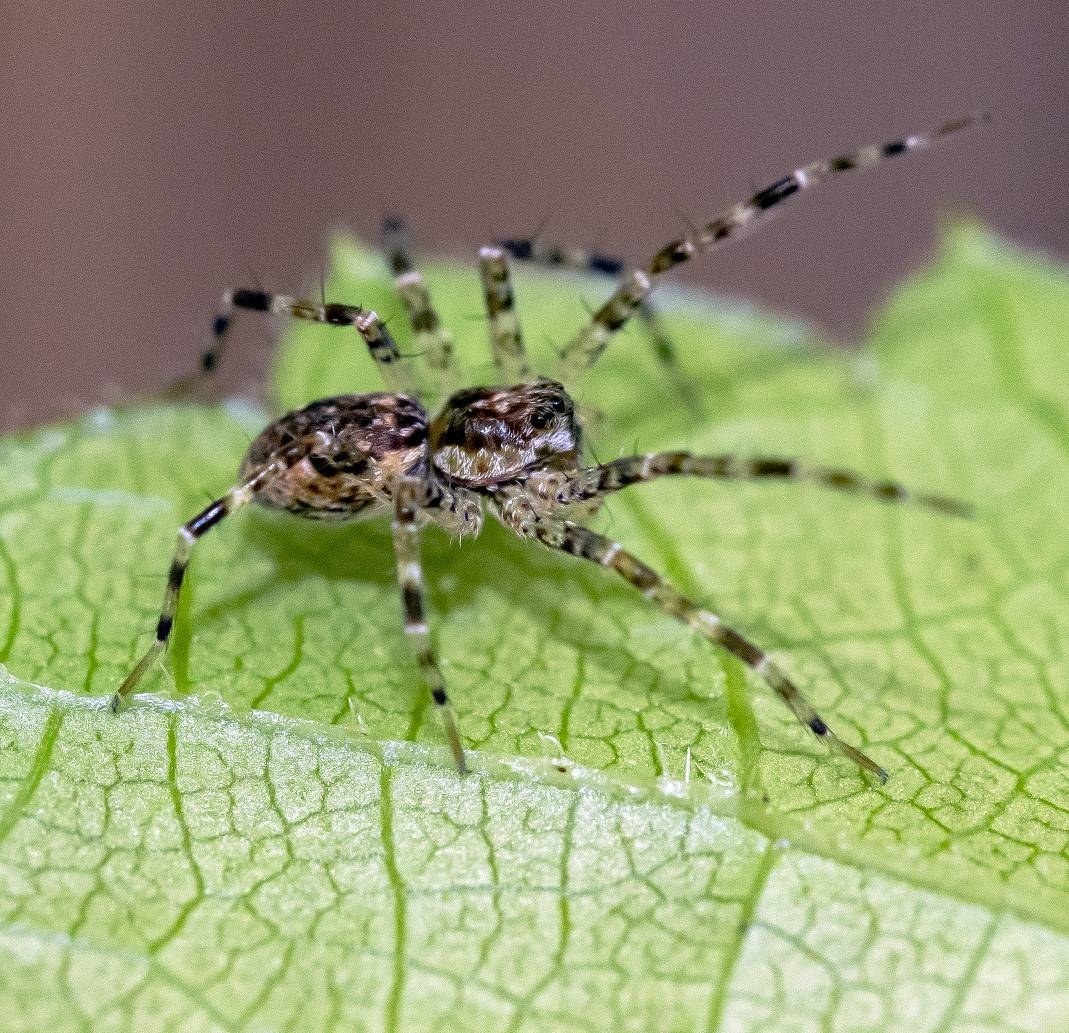
Fishing Spider
One of the largest spiders in North America, the fishing spider can walk on water, dive beneath the surface to escape danger, and ambush small fish and tadpoles with its front legs from the water's edge.
spiderGiant Centipede
A long, fast-moving, many-legged predator with a hardened segmented body and a pair of venom-injecting claws behind the head that it uses to overpower prey far larger than itself.
myriapod