Bug Encyclopedia
Search and identify bugs & insects — beetles, butterflies, moths, ants, bees, spiders and more — with size, habitat, danger, behavior, and how to tell them apart.
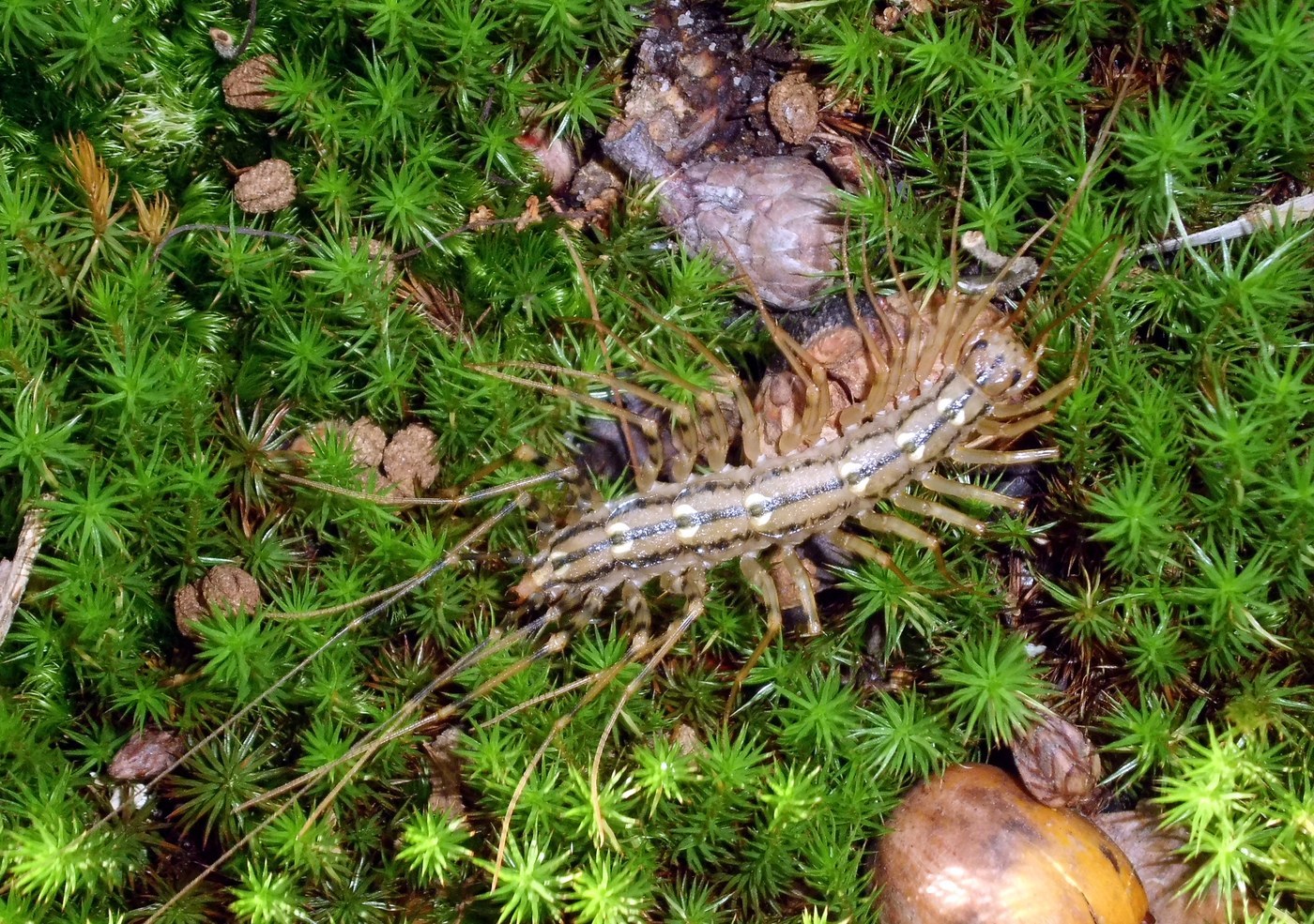
House Centipede
A fast, wiry arthropod with 15 pairs of extremely long, banded legs that make it look far bigger than its actual body size, often seen darting across bathroom or basement floors at night.
myriapod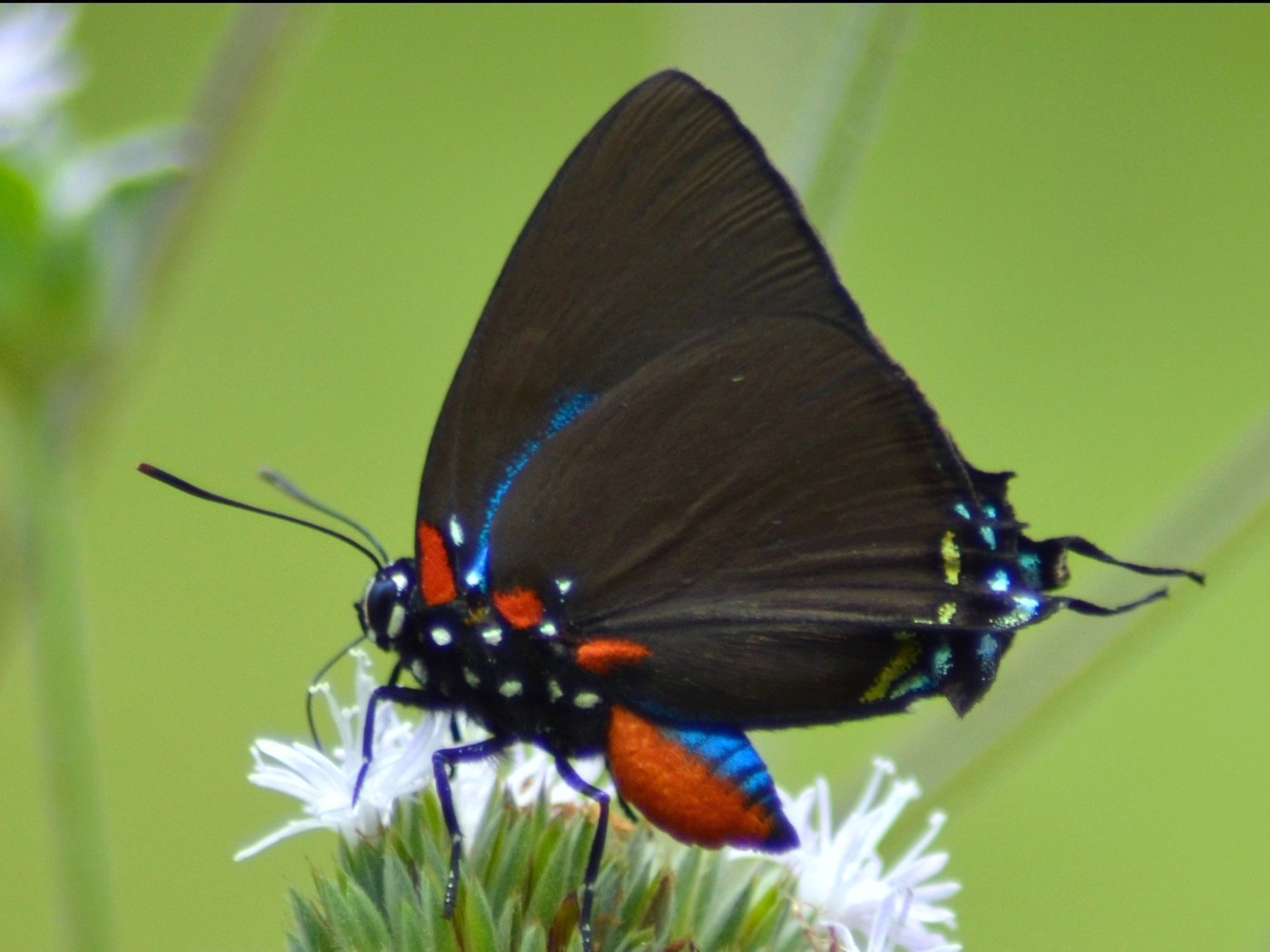
Great Purple Hairstreak
The largest and most iridescent hairstreak in North America, with brilliant blue-green upperwings, red-orange spots on the body and wing base, and long twin tails, its caterpillars feeding on parasitic mistletoe clumps in host trees.
butterflyPredatory Stink Bug
Unlike its plant-feeding relatives, the predatory stink bug is a hunter that spears caterpillars and beetle larvae with a stout beak. The spined soldier bug is a familiar shield-shaped garden ally.
true-bug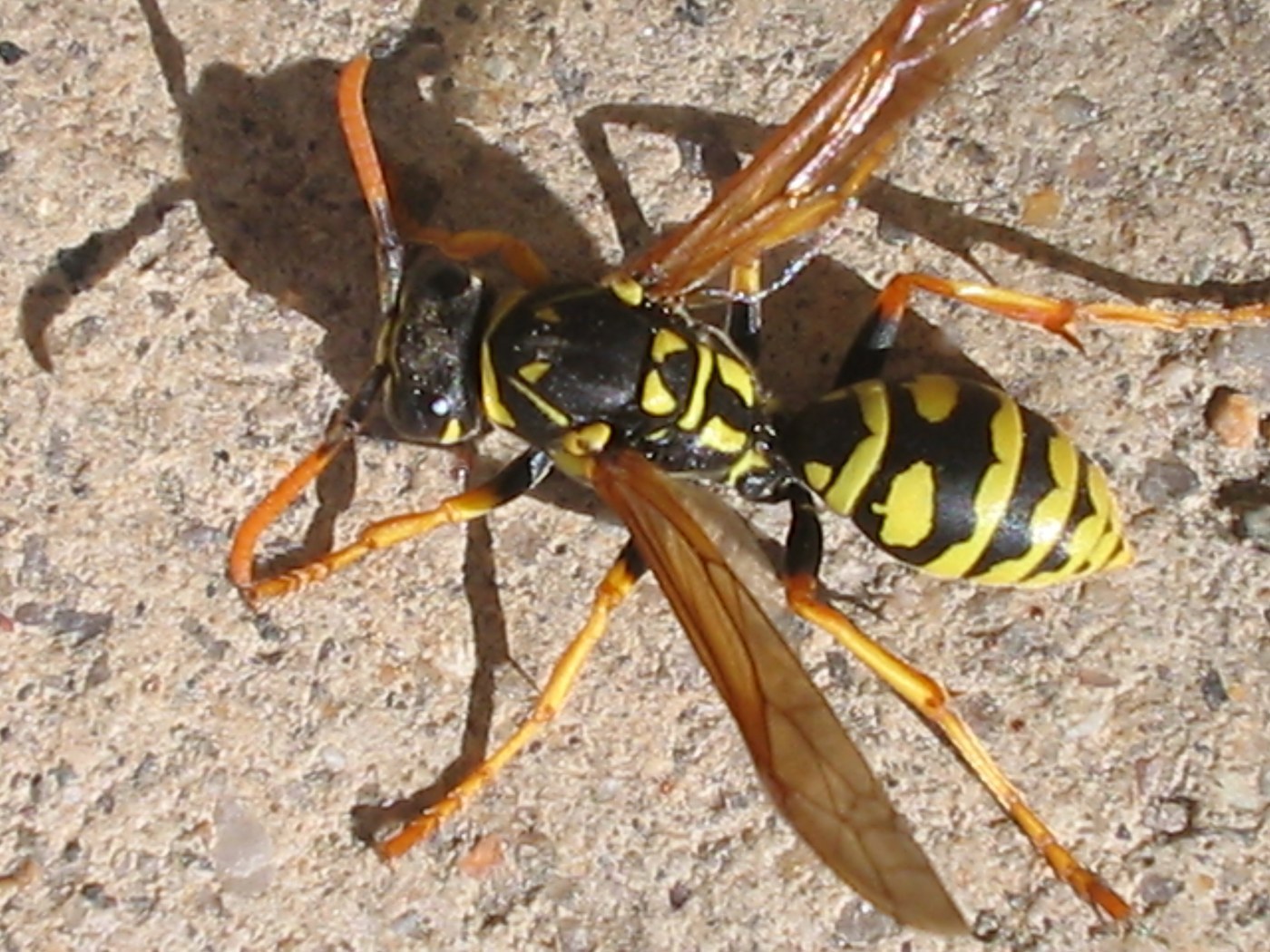
Paper Wasp
A slender, long-legged wasp with a narrow waist and reddish-brown to black coloring marked with yellow, recognized by its open, umbrella-shaped paper nest with visible hexagonal cells.
wasp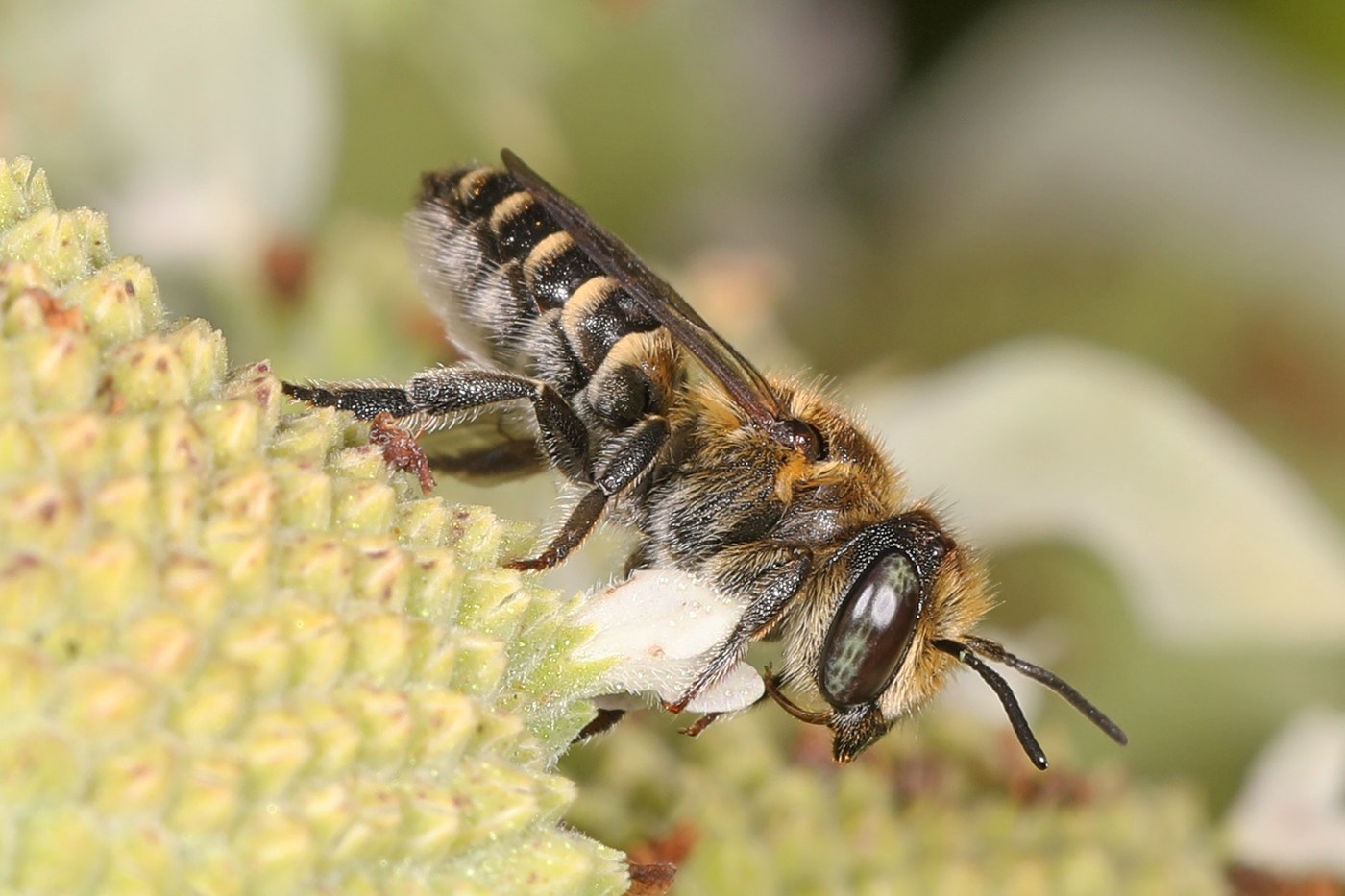
Leafcutter Bee
A stout, dark-bodied bee best known not for how it looks but for the neat, circular or oval notches it cuts from leaves, which it uses to line and seal its nest cells.
bee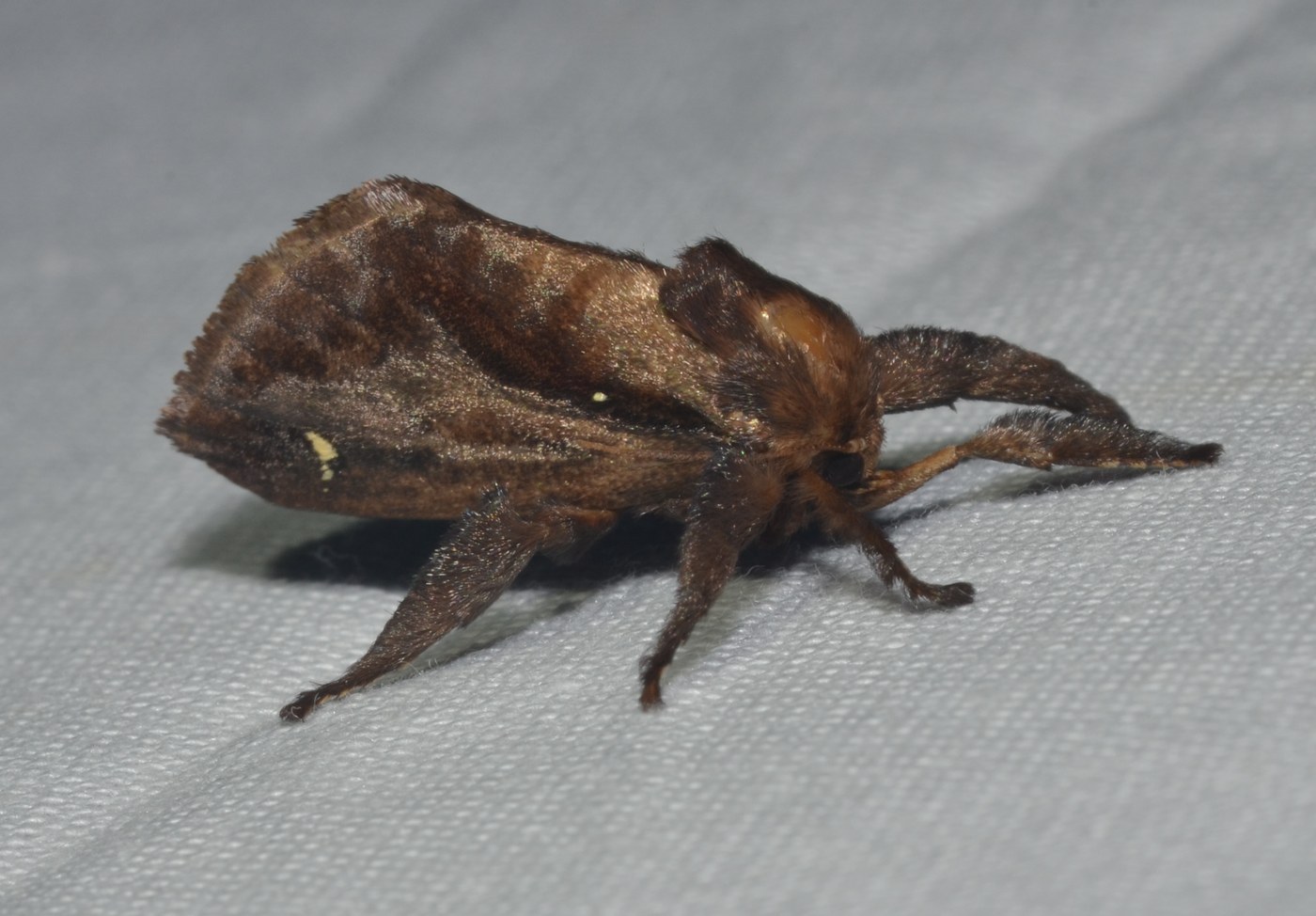
Saddleback Caterpillar
An unmistakable stout caterpillar with a bright green saddle-shaped patch on a brown back, bristling with clusters of spines along its stocky body.
caterpillar-larva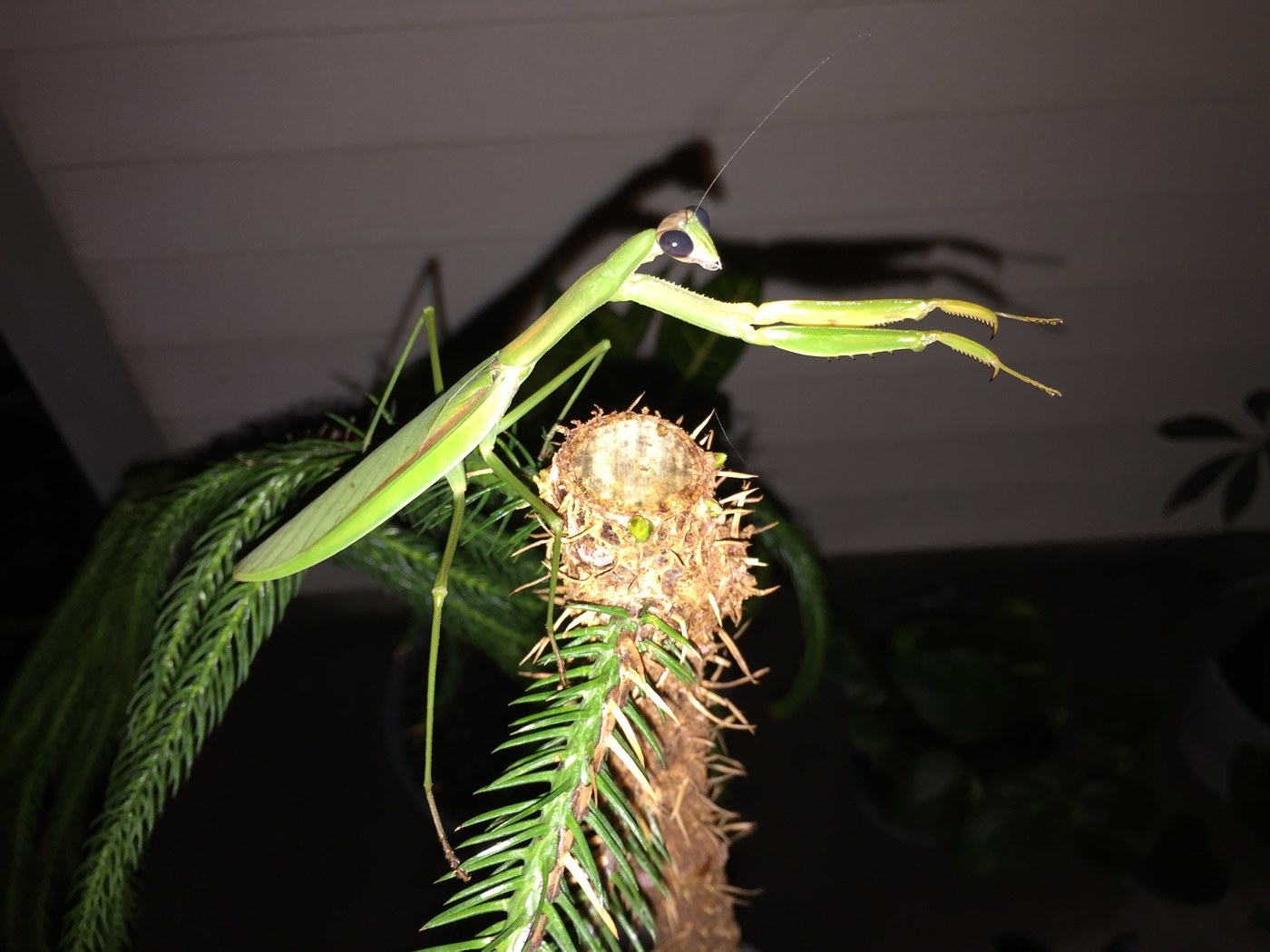
Chinese Mantis
One of the largest praying mantises found in North America, an introduced species with a lean brown-and-green body and grasping spined forelegs built for ambushing insect prey.
mantis-stick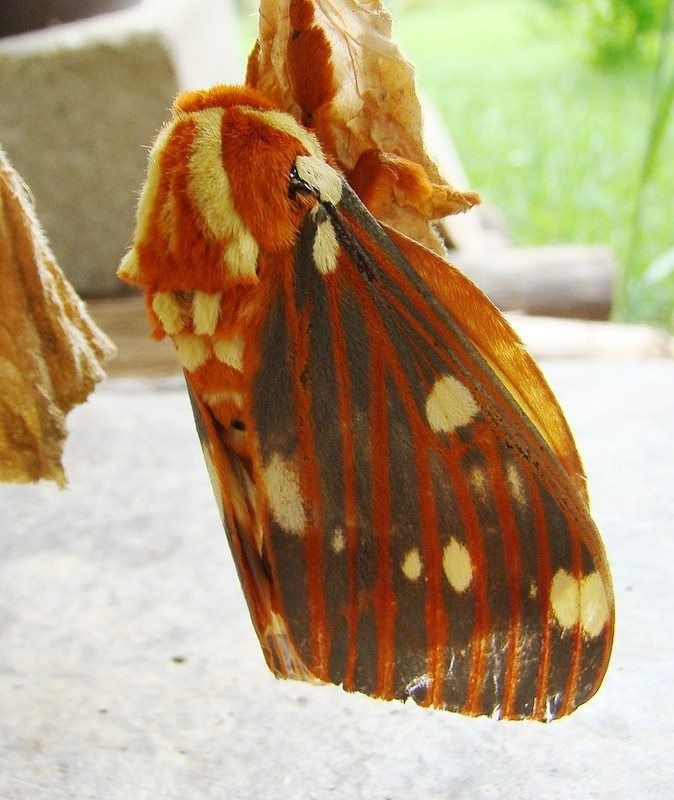
Regal Moth (Hickory Horned Devil)
One of the largest moths in North America, with orange-red and gray-veined wings on the adult, best known for its enormous, formidable-looking caterpillar, the hickory horned devil, a blue-green giant bristling with long orange spines.
mothTreehopper
A small, oddly shaped sap-feeding bug best known for an enlarged, often bizarre pronotum extending backward over its body, sometimes shaped like a thorn, leaf, or spike.
true-bug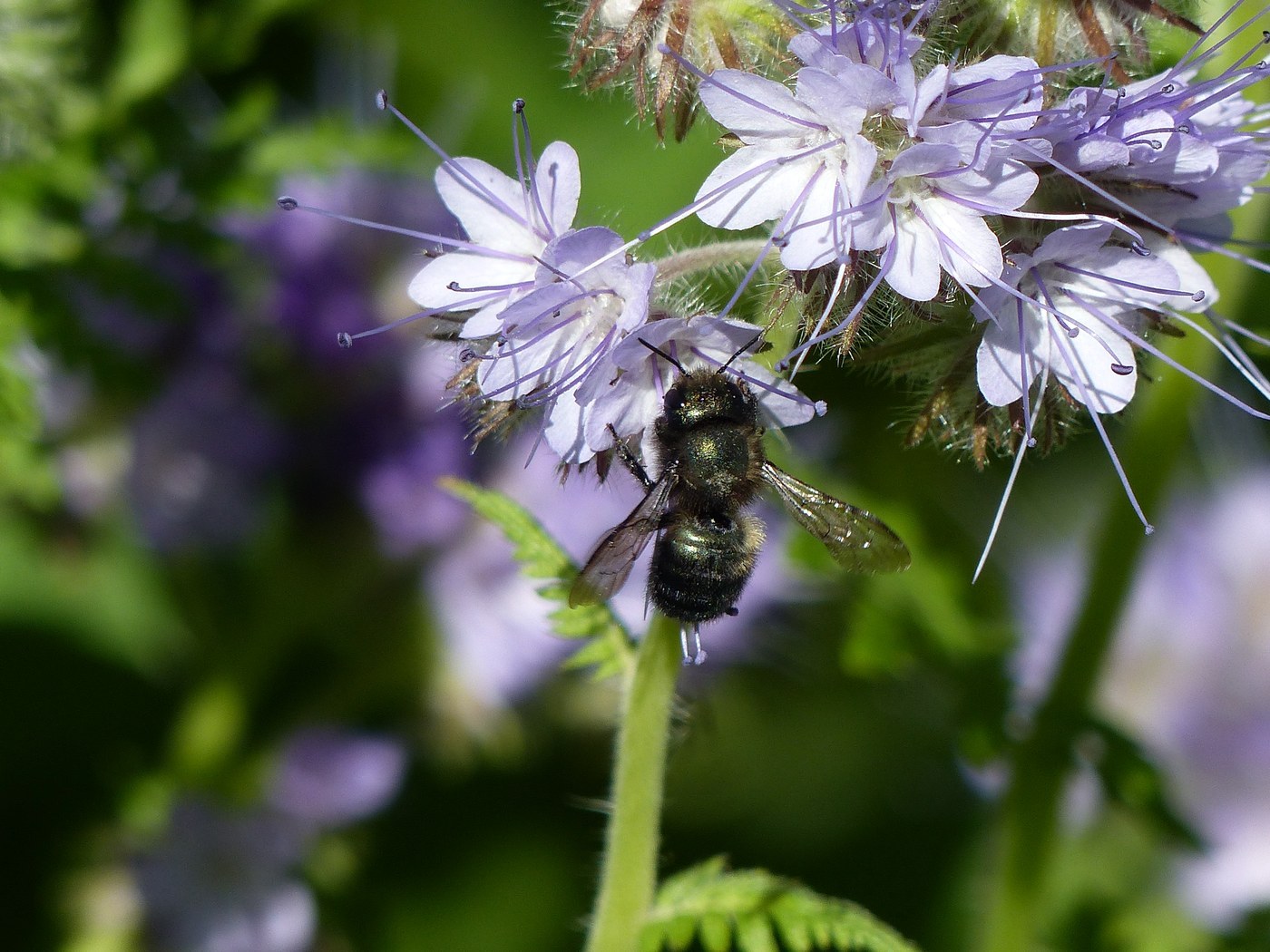
Mason Bee
A compact, metallic blue-black bee that nests in existing narrow cavities and seals its brood cells with mud, prized as one of the most efficient early-spring pollinators of fruit trees.
bee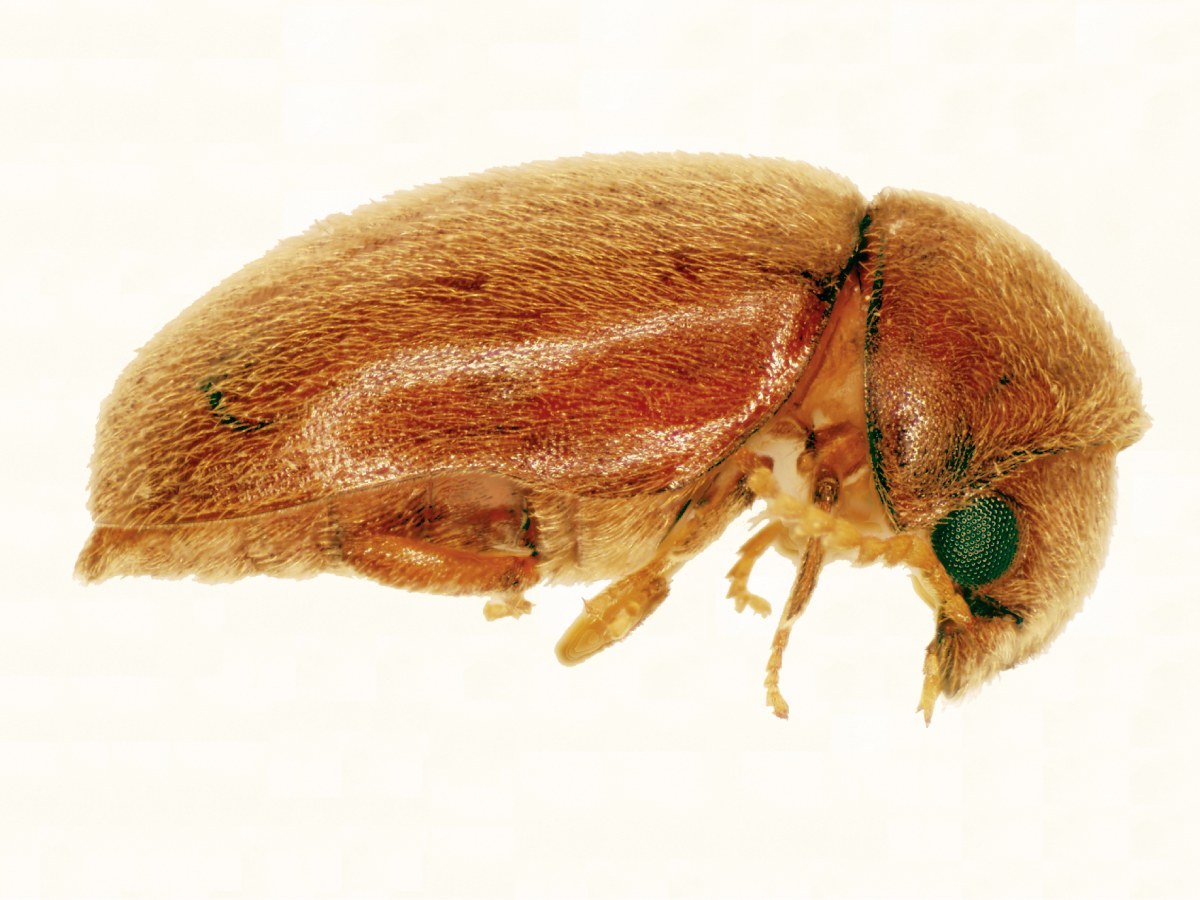
Cigarette Beetle
A tiny, reddish-brown, humpbacked beetle that rides along in stored dried herbs, spices, and tobacco wherever it hitches a ride.
beetleSpiny Oak-slug Caterpillar
A tiny, flattened slug-shaped caterpillar in shades of green, orange, or purple, bristling with clusters of branched spines that can deliver a sting if handled.
caterpillar-larvaZebra Longwing Caterpillar
A creamy-white caterpillar dotted with black spots and armed with branching black spines, feeding exclusively on passionflower vines whose chemistry it stores for defense.
caterpillar-larva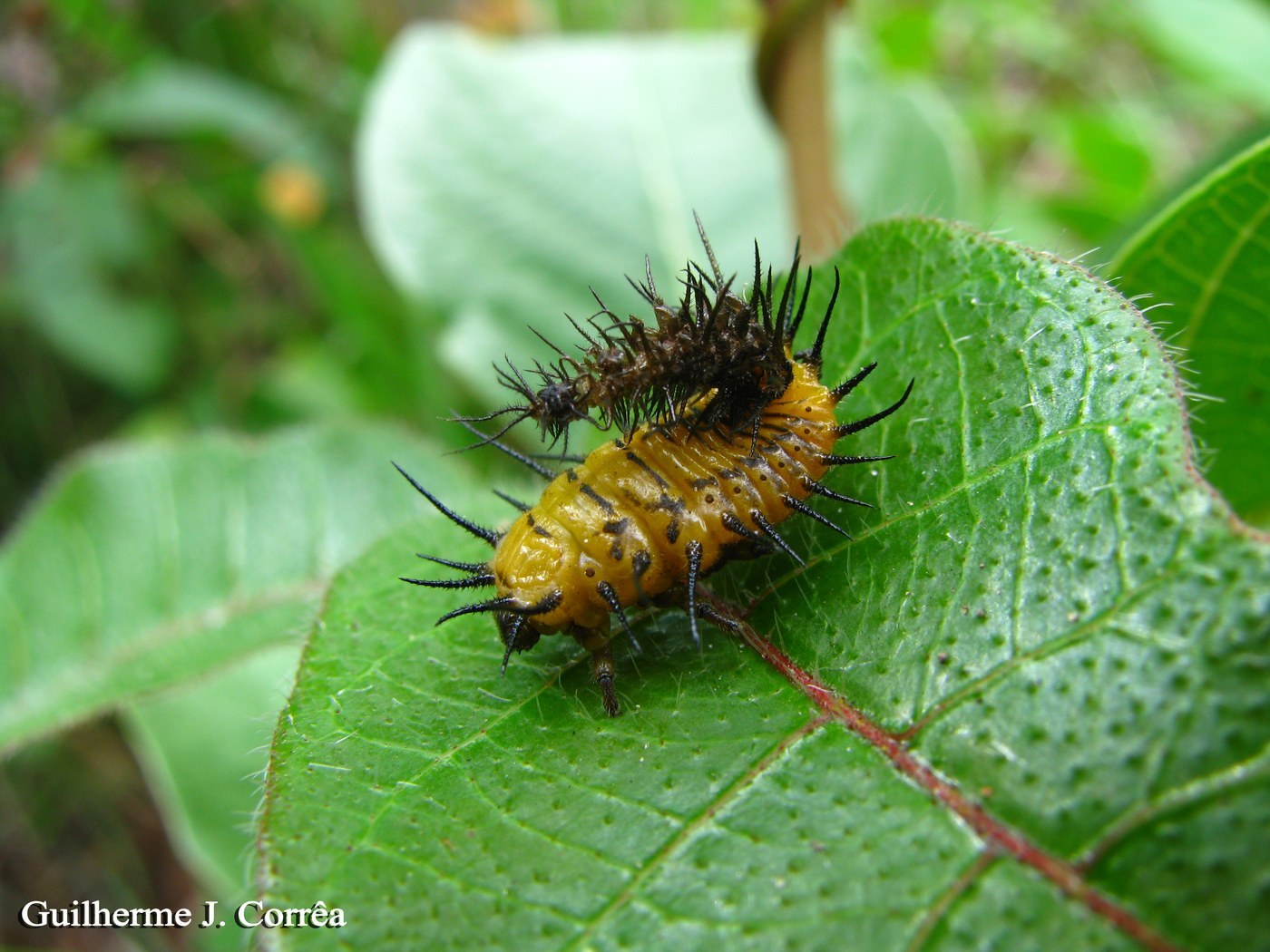
Gulf Fritillary Caterpillar
A vivid burnt-orange caterpillar bristling with rows of branched black spines that specializes almost exclusively on passionflower vines.
caterpillar-larva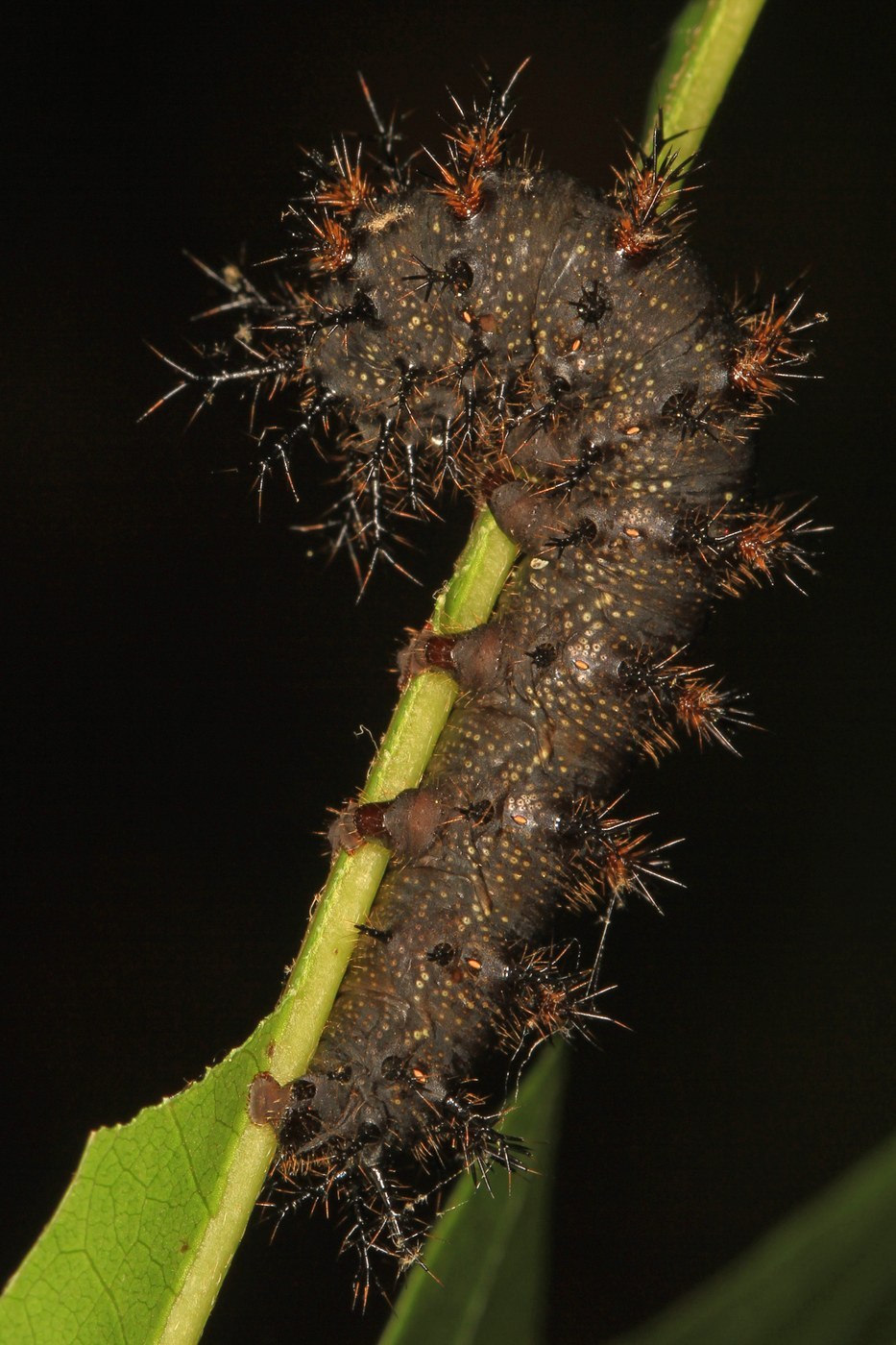
Buck Moth Caterpillar
A dark, spiny caterpillar covered in branched spines that marches across oak-lined sidewalks in dense groups each spring.
caterpillar-larvaSpur-throated Grasshopper
One of the most familiar grasshopper groups in North America, named for the small spine on its throat and known for including some of the continent's most abundant rangeland species.
grasshopper-cricket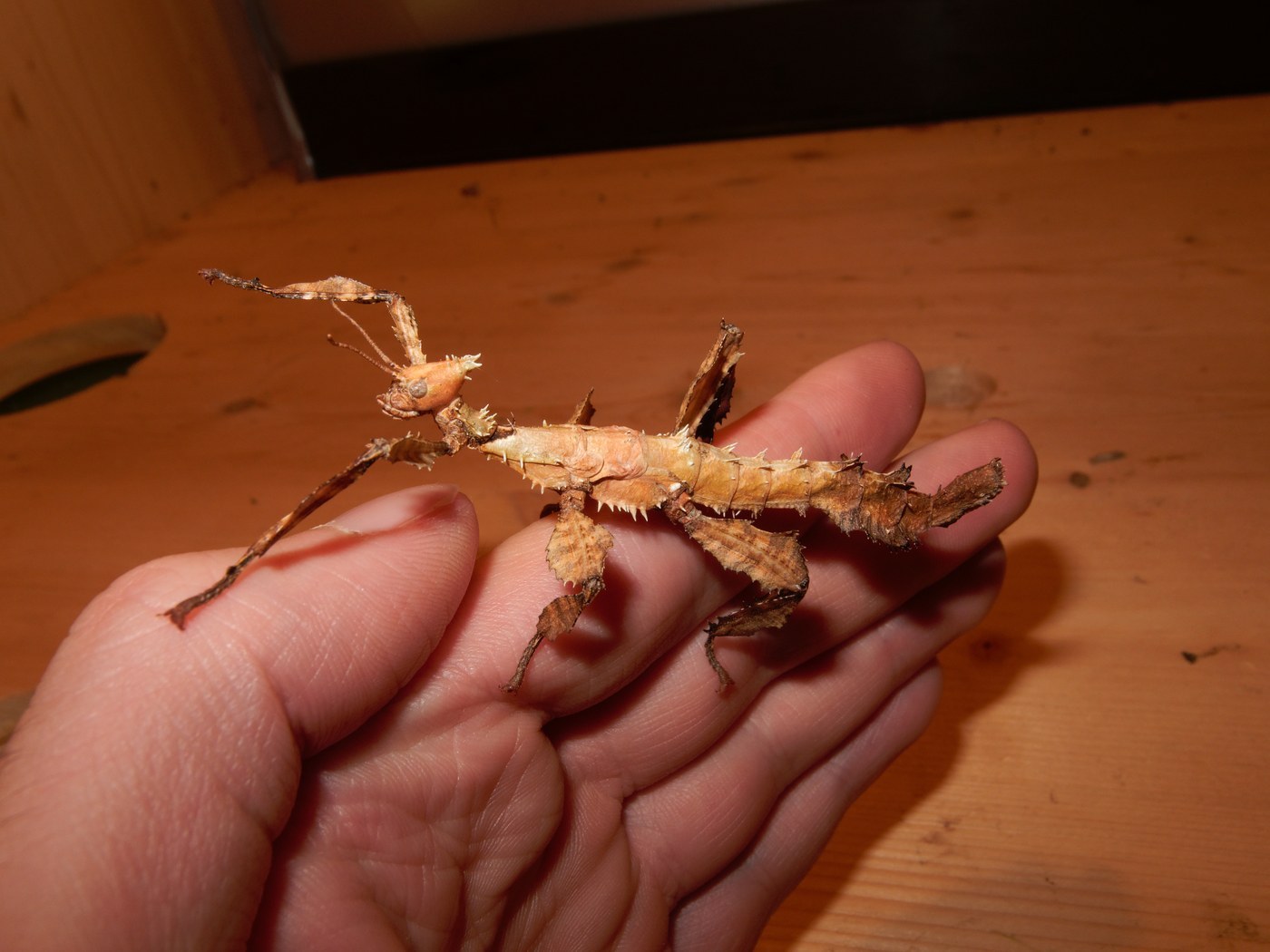
Giant Prickly Stick Insect
A hefty, spine-covered phasmid that mimics dead leaves and curled bark, and when threatened, arches its abdomen like a scorpion's tail in a dramatic bluff display.
mantis-stick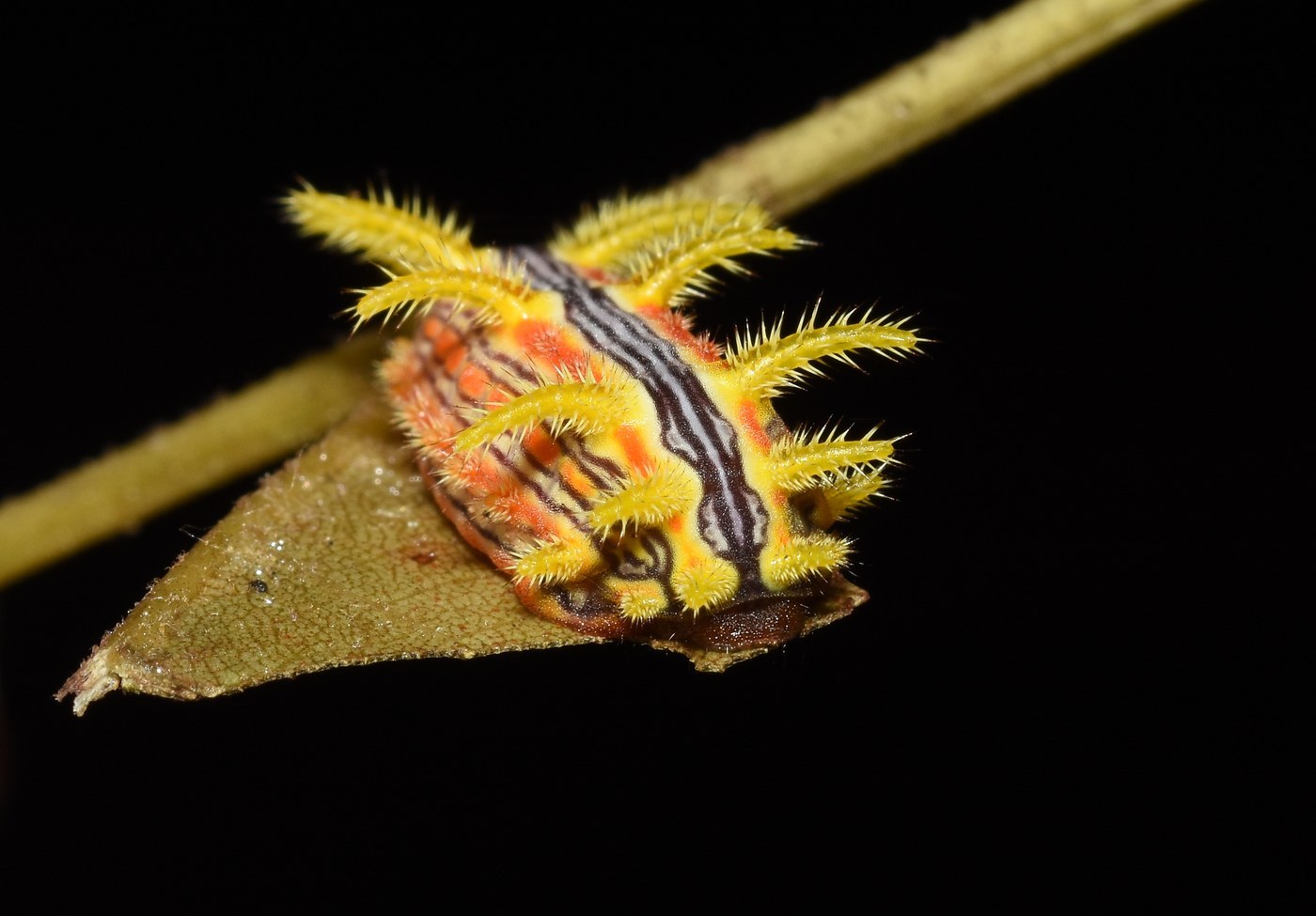
Stinging Rose Caterpillar
A boldly striped slug caterpillar in candy-like tones of yellow, orange, and purple, crowned with tufted spine clusters that can sting on contact.
caterpillar-larva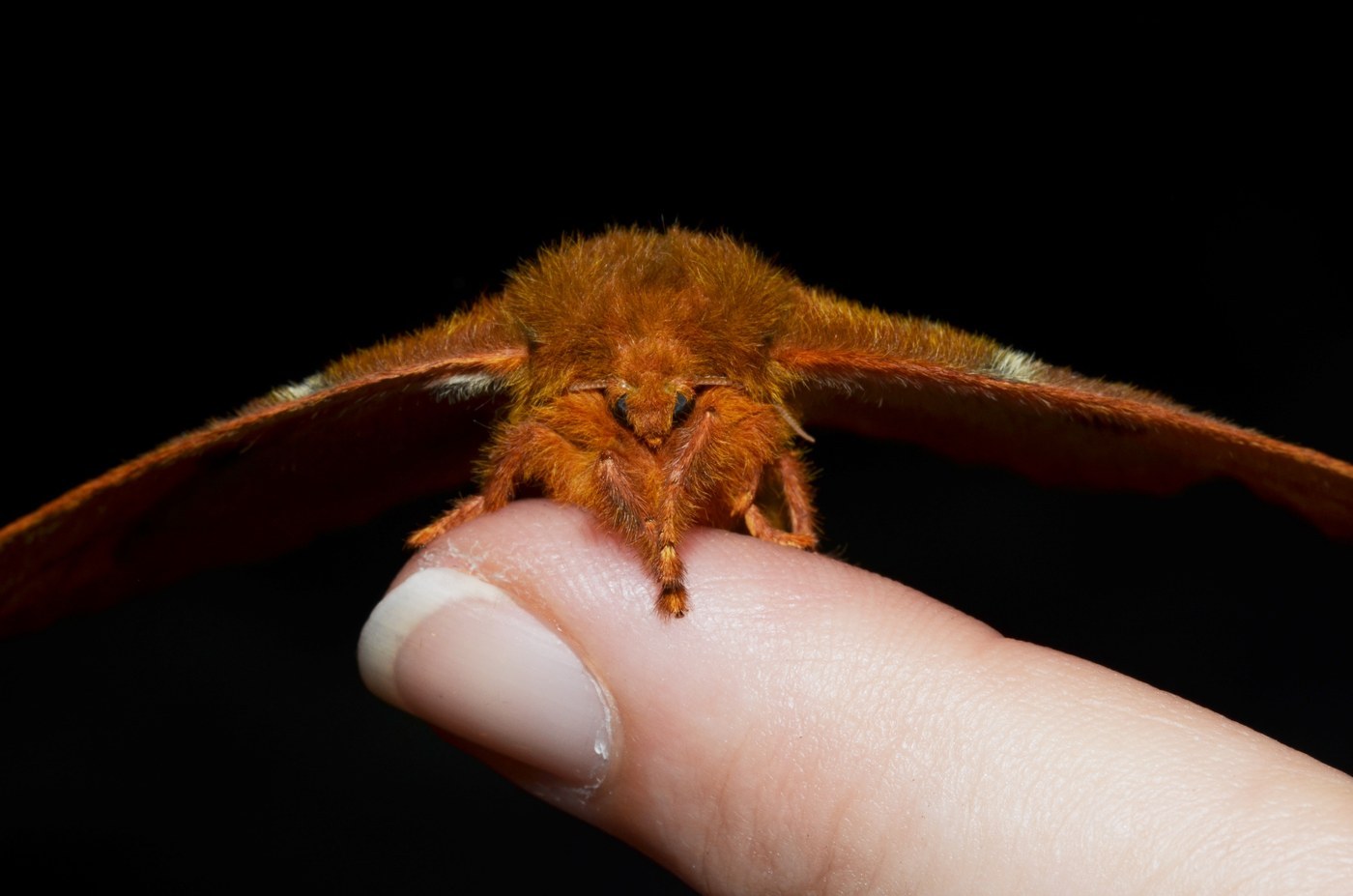
Io Moth Caterpillar
A bright lime-green caterpillar bristling with clusters of branching, stinging spines and thin red and white racing stripes along its sides.
caterpillar-larva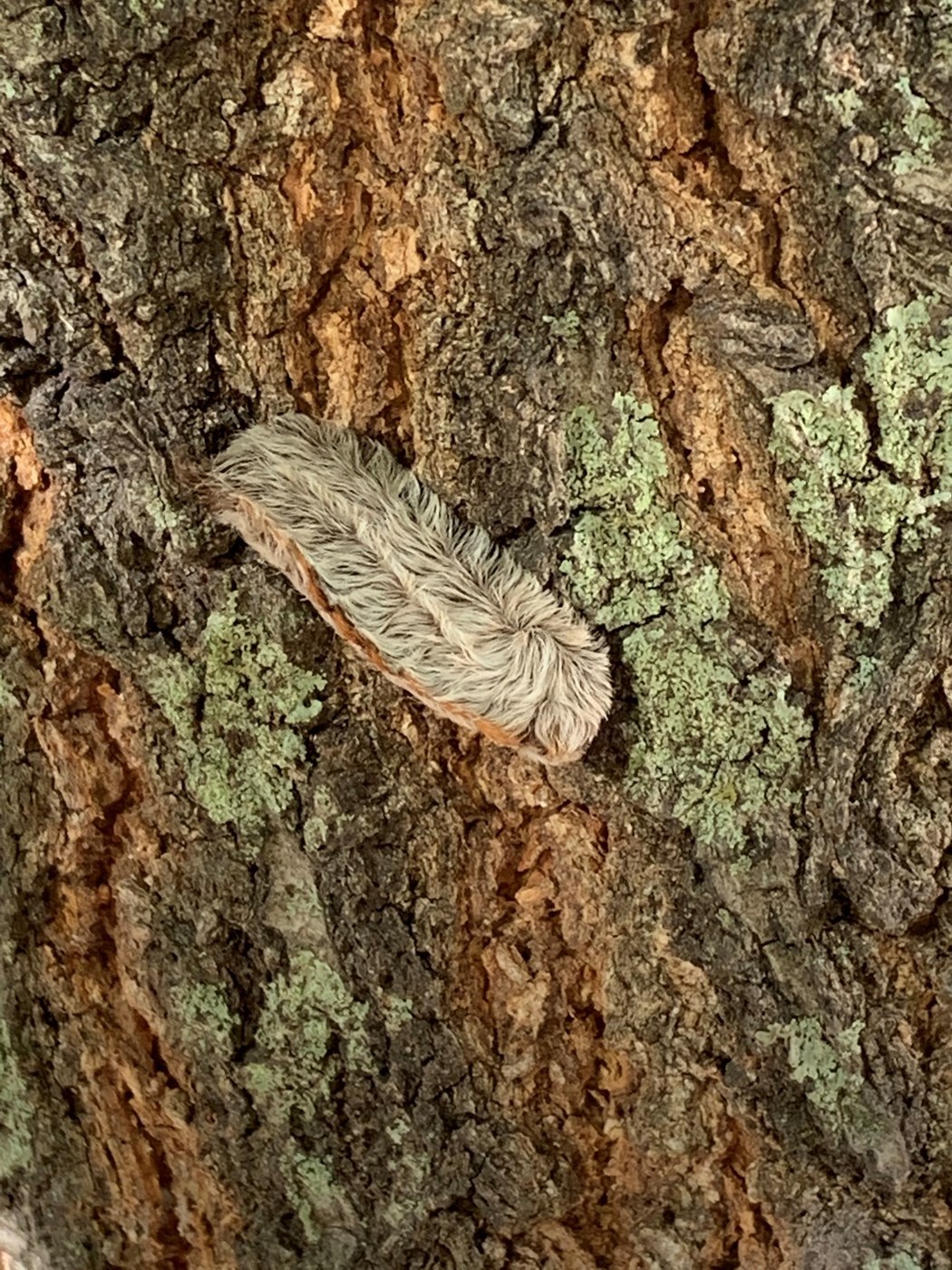
Southern Flannel Moth (Puss Caterpillar Moth)
A small, densely furred tan-to-orange moth best known for its unusual larva, a soft-looking, cat-tailed caterpillar whose fluffy coat hides rows of venomous spines.
moth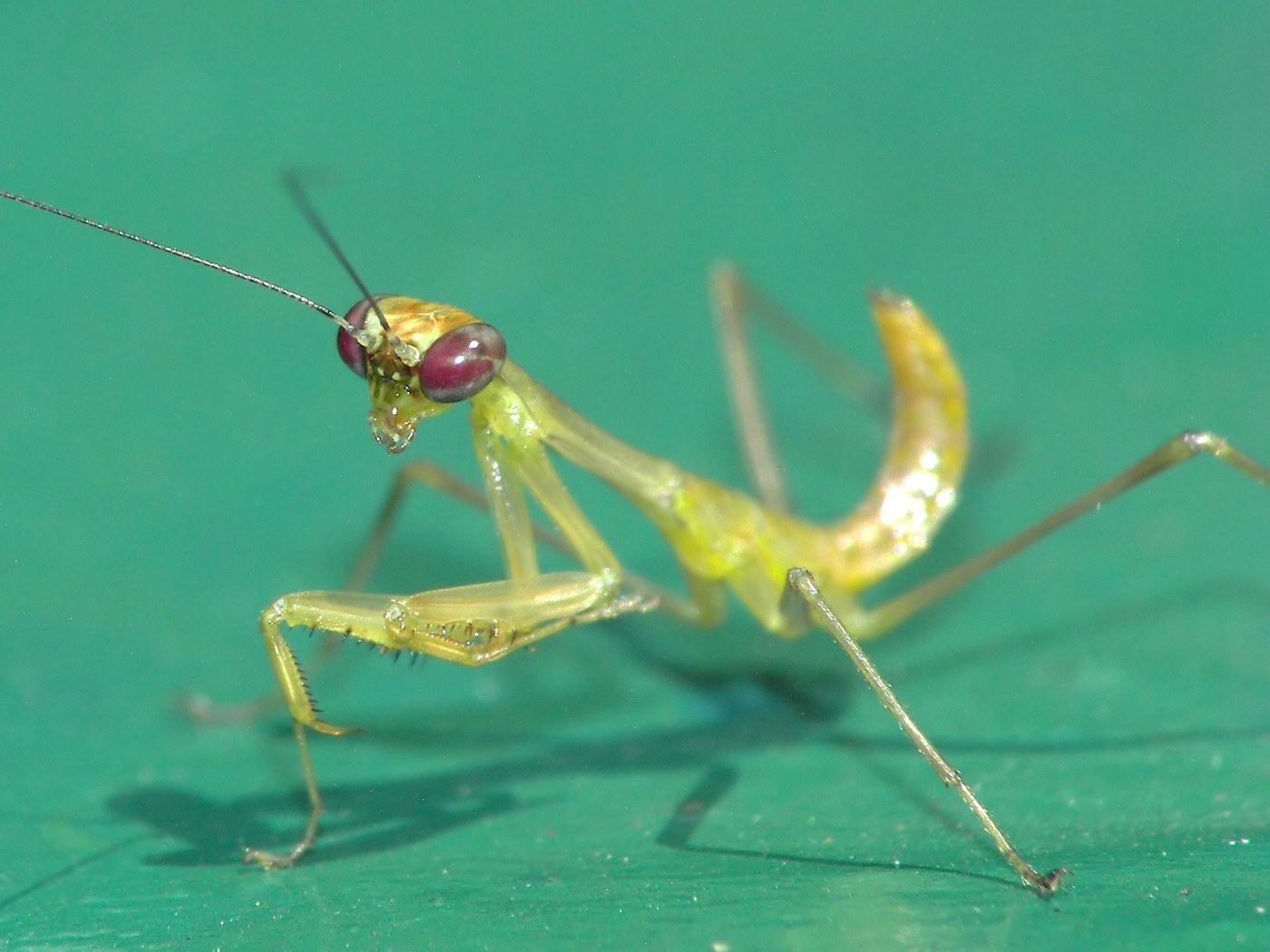
Giant Asian Mantis
A bulky, leaf-green predator that sits patiently among foliage, its powerful spined forelegs poised to snatch any insect that strays too close.
mantis-stick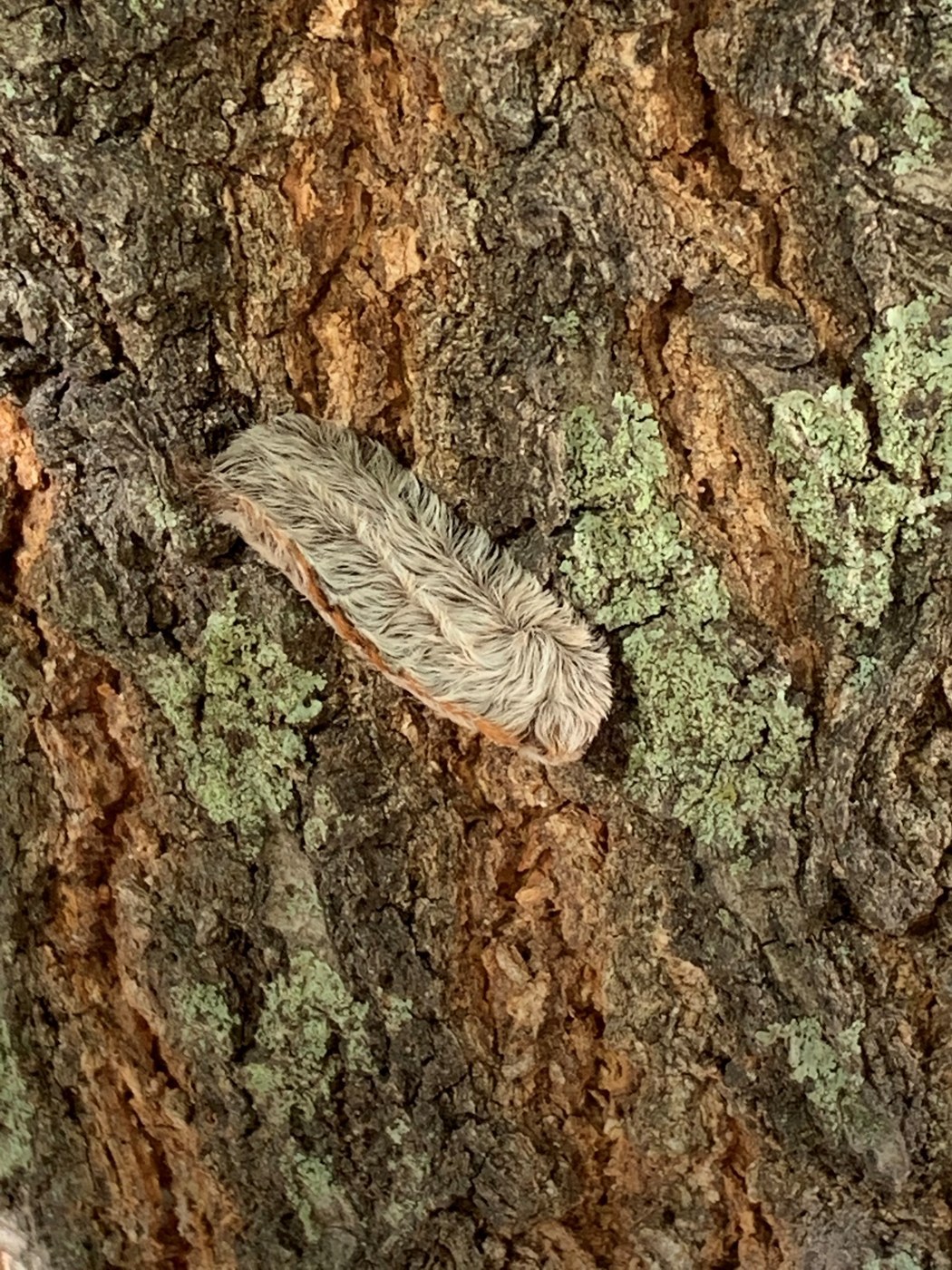
Puss Caterpillar
A caterpillar disguised as a tuft of soft fur, its dense coat of silky hairs conceals rows of spines beneath, making it one of the most deceptively harmless-looking stinging caterpillars in North America.
caterpillar-larva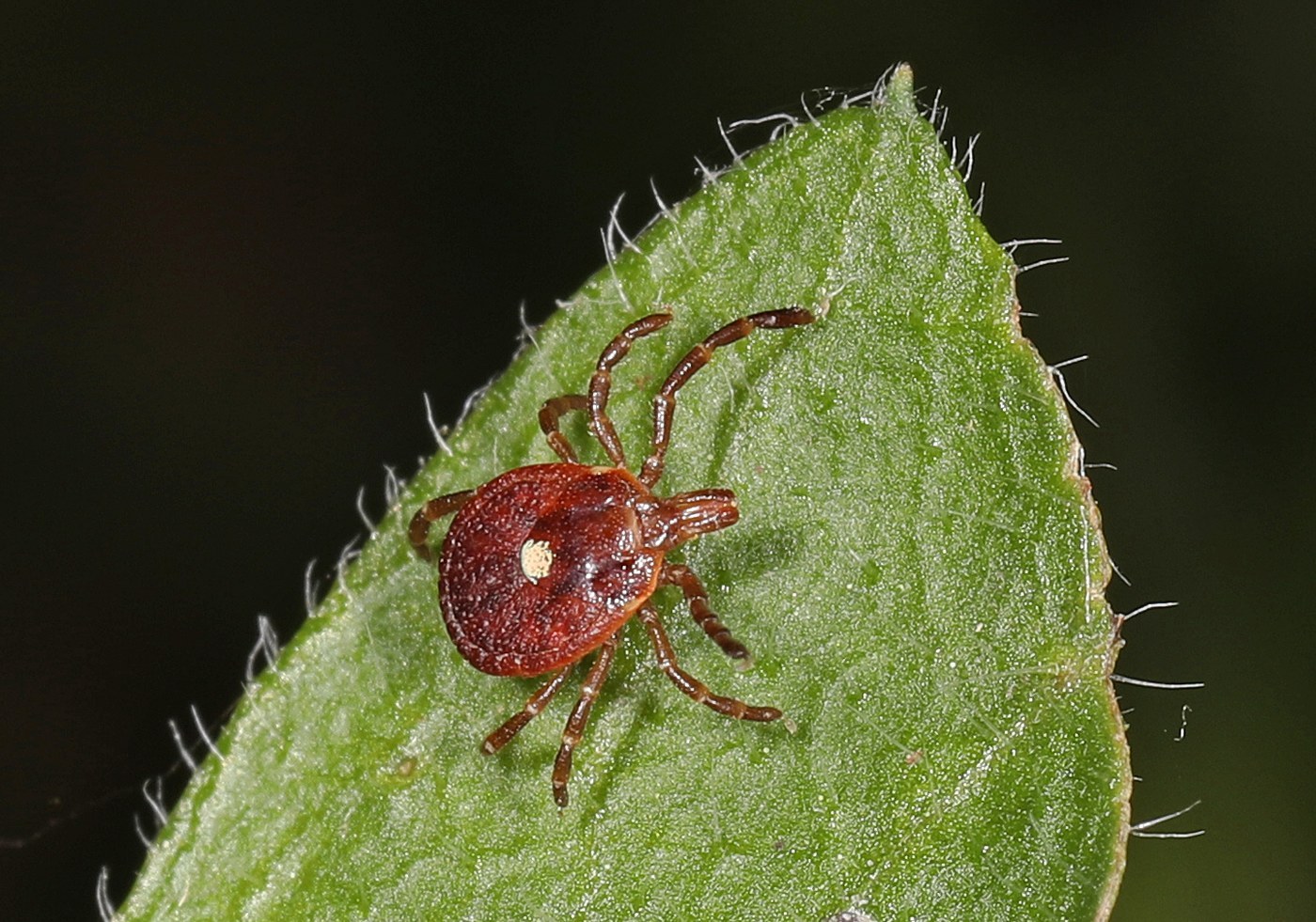
Lone Star Tick
Named for the single silvery-white spot on the back of the adult female, the lone star tick is unusually active for a tick, moving toward hosts rather than simply waiting for them to pass. Its reddish-brown, ornamented body makes it one of the easier North American ticks to identify at a glance.
arachnid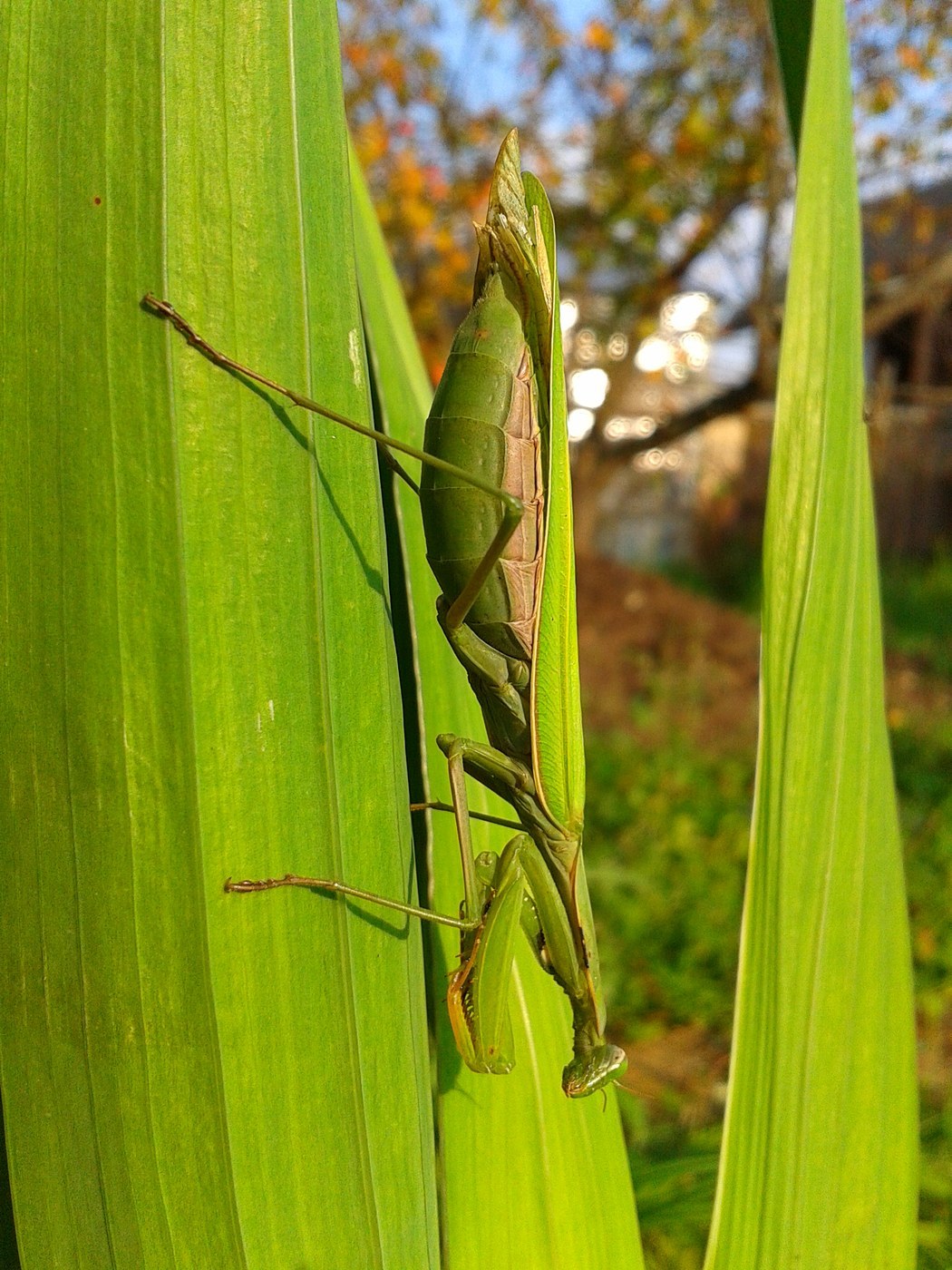
Praying Mantis
An elongated, ambush-hunting insect instantly recognizable by its triangular head, bulging compound eyes, and spiked raptorial forelegs held folded as if in prayer while it waits motionless for prey.
mantis-stick