
Bug Encyclopedia
Search and identify bugs & insects — beetles, butterflies, moths, ants, bees, spiders and more — with size, habitat, danger, behavior, and how to tell them apart.
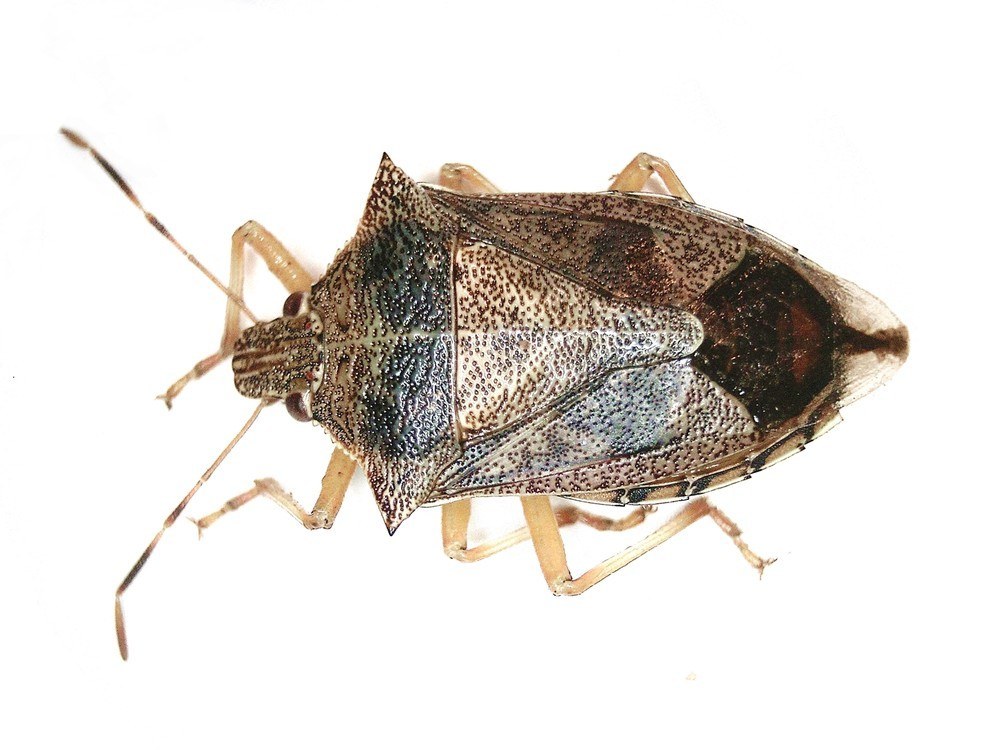
Spined Soldier Bug
A predatory stink bug identified by the sharp, pointed spines projecting from its shoulders, valued in gardens and farm fields for hunting caterpillars, beetle larvae, and other pest insects.
true-bugPolyphemus Moth Caterpillar
A plump, apple-green giant silk moth larva with rows of silvery spots that swells to the size of a large finger before spinning a papery brown cocoon.
caterpillar-larva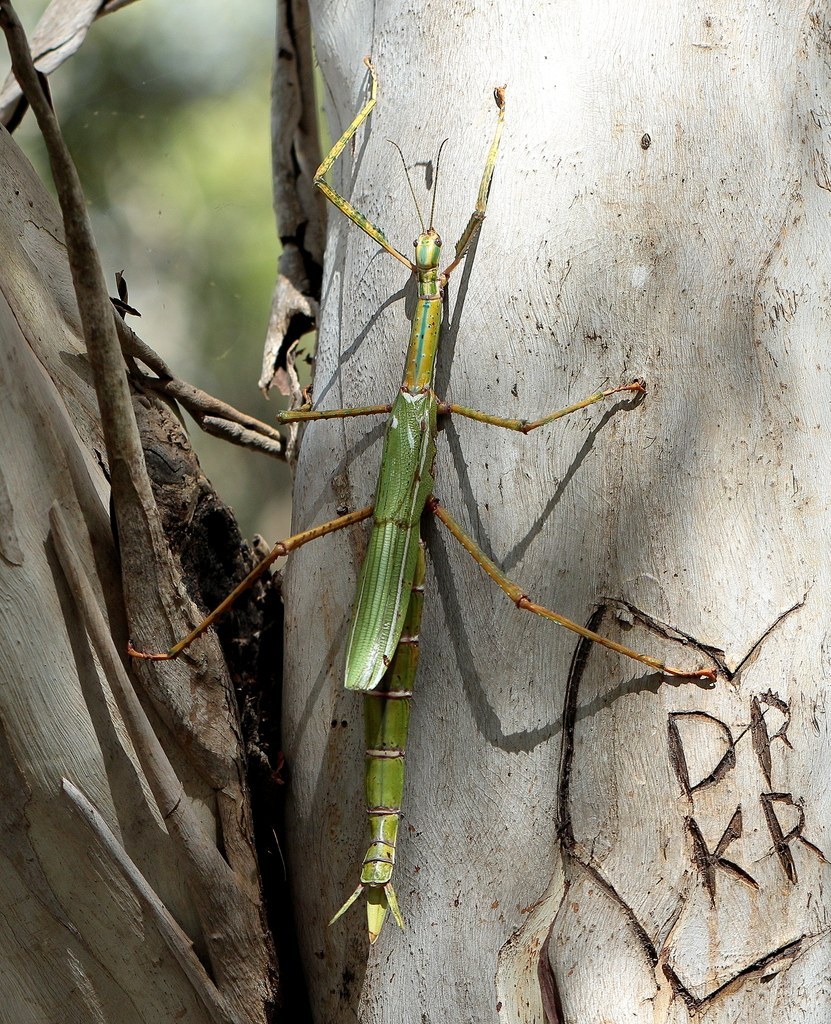
Goliath Stick Insect
One of the largest stick insects in the world, this vivid green giant unfurls startling crimson underwings when startled, briefly abandoning its disguise as foliage.
mantis-stick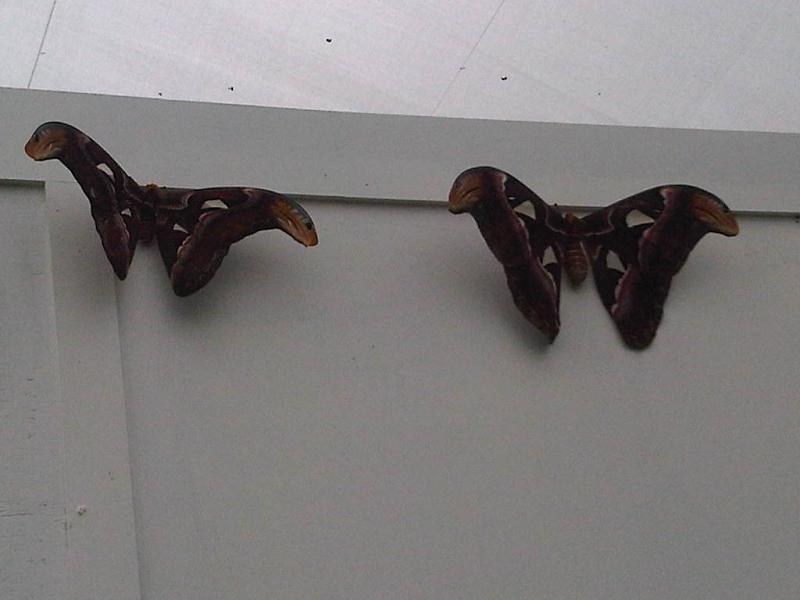
Atlas Moth
One of the largest moths in the world by wing surface area, the Atlas Moth is a giant reddish-brown silkmoth with striking triangular wingtip patches that resemble the heads of snakes.
mothTarantula Hawk Wasp
A giant metallic-blue wasp with rust-orange wings, the tarantula hawk is one of the largest wasps in the world. Females hunt tarantulas as living food for their single offspring.
waspCecropia Moth Caterpillar
North America's largest native caterpillar, a bulky blue-green giant studded with rows of bright red, yellow, and blue knobby tubercles resembling tiny coral formations.
caterpillar-larva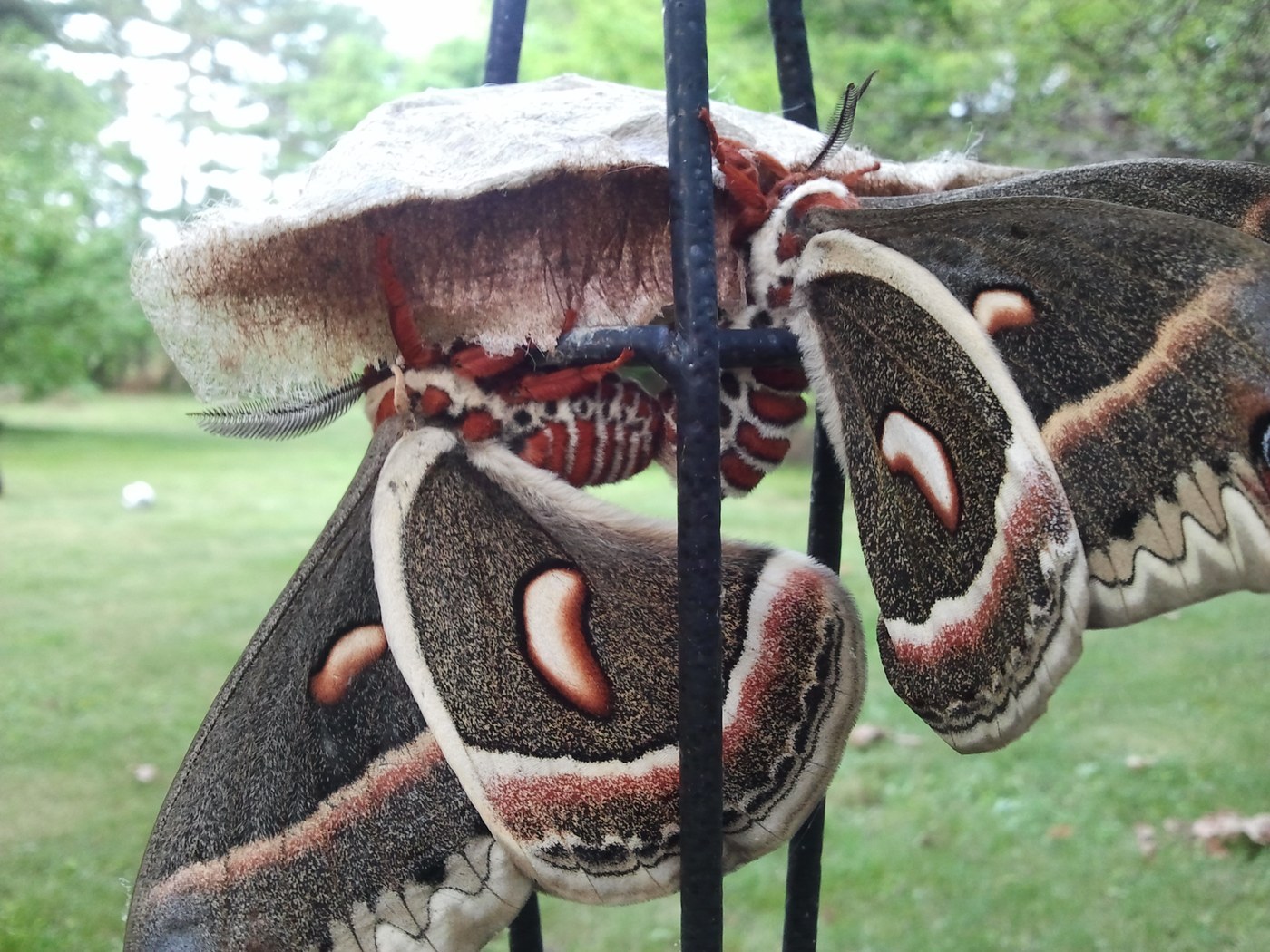
Cecropia Moth
North America's largest native moth, the Cecropia is a spectacular giant silkmoth with reddish-brown wings marked by crescent-shaped white spots and bold bands of red, white, and tan.
moth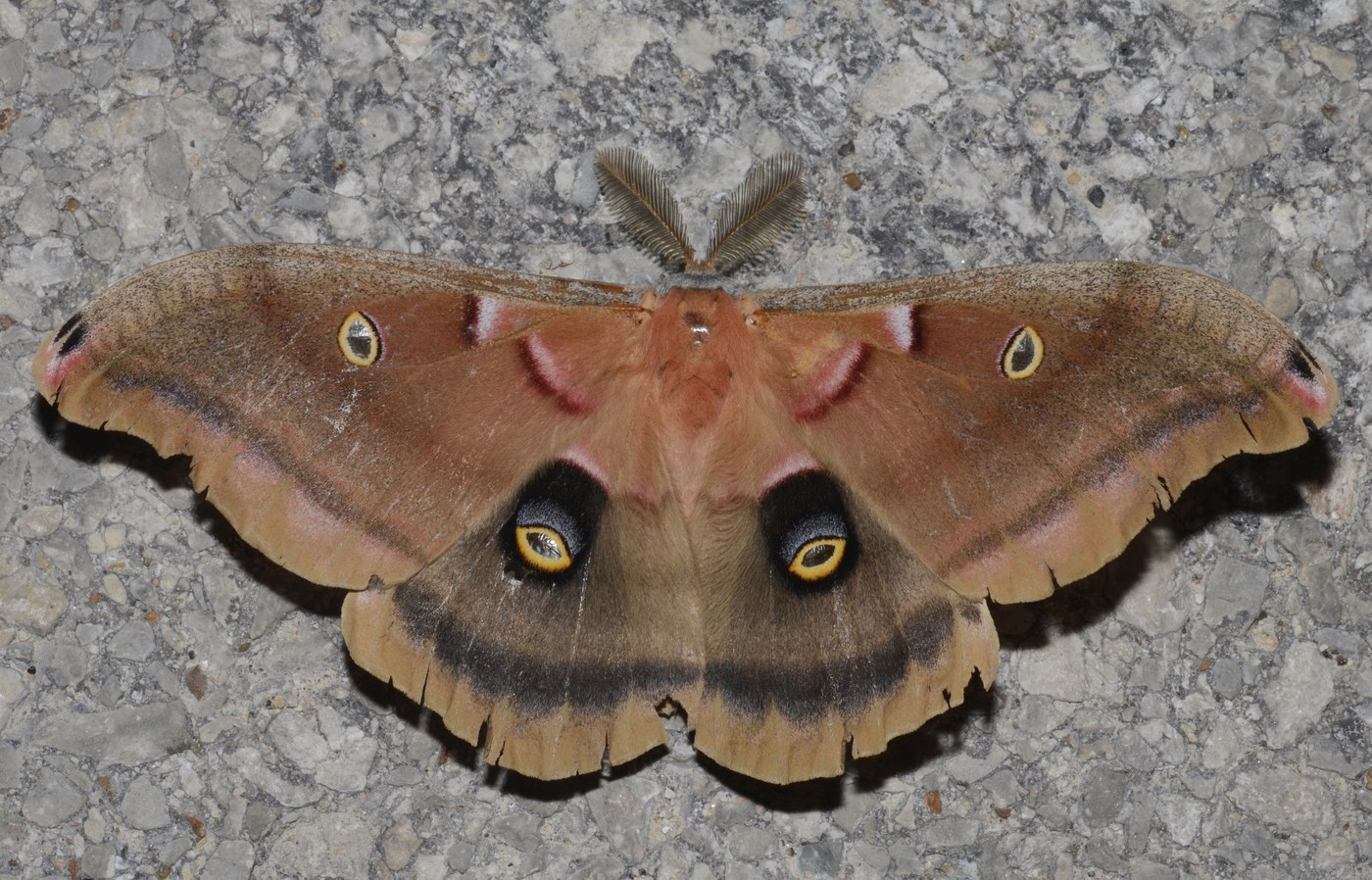
Polyphemus Moth
A large tan-to-golden-brown silkmoth named for the mythological one-eyed giant, thanks to the single large, transparent eyespot on each hindwing that flashes into view when the moth is startled.
moth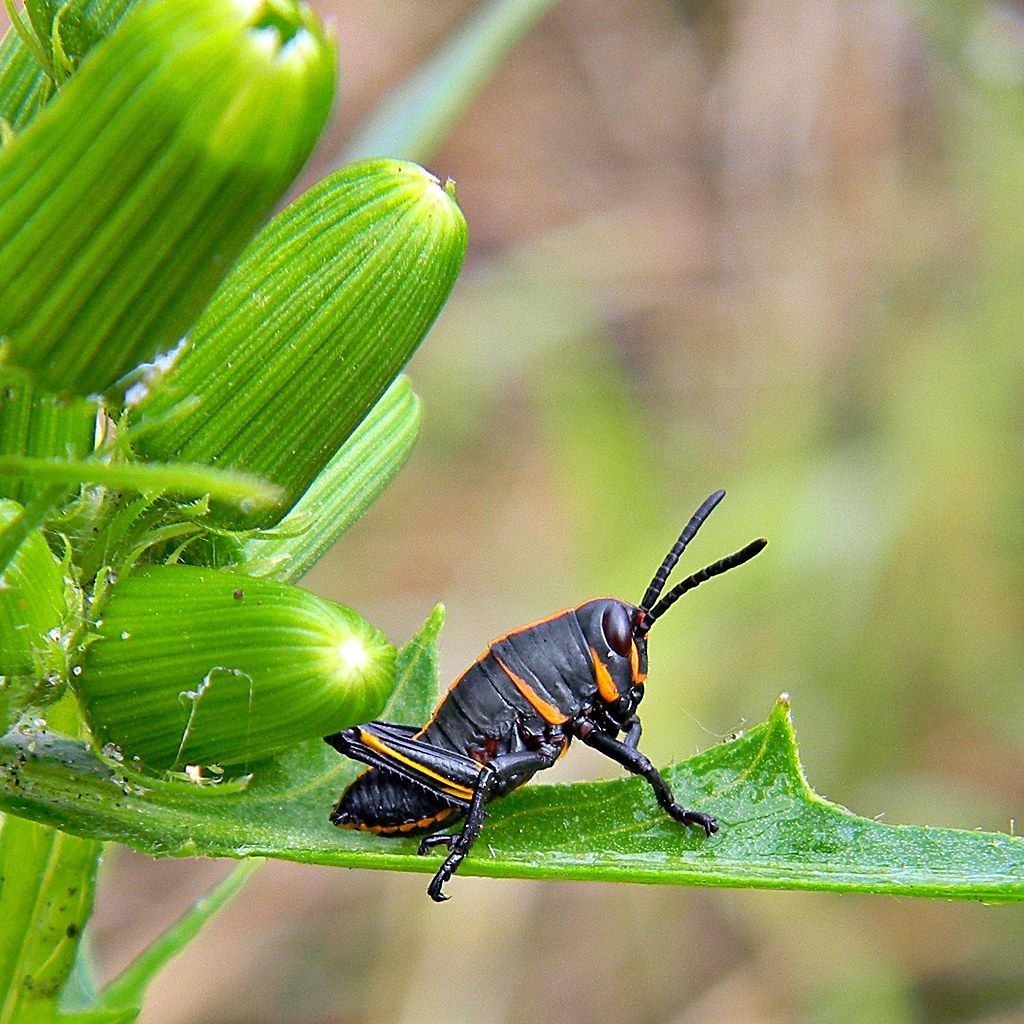
Eastern Lubber Grasshopper
One of the largest grasshoppers in North America, the eastern lubber is a slow, flightless giant clad in bold black, yellow, and red that announces its presence rather than hiding from it.
grasshopper-cricketDobsonfly Larva (Hellgrammite)
A large, fierce-looking aquatic larva with strong pinching jaws and fringed side gills, spending years hunting under stream rocks before becoming a giant winged dobsonfly.
aquatic-insect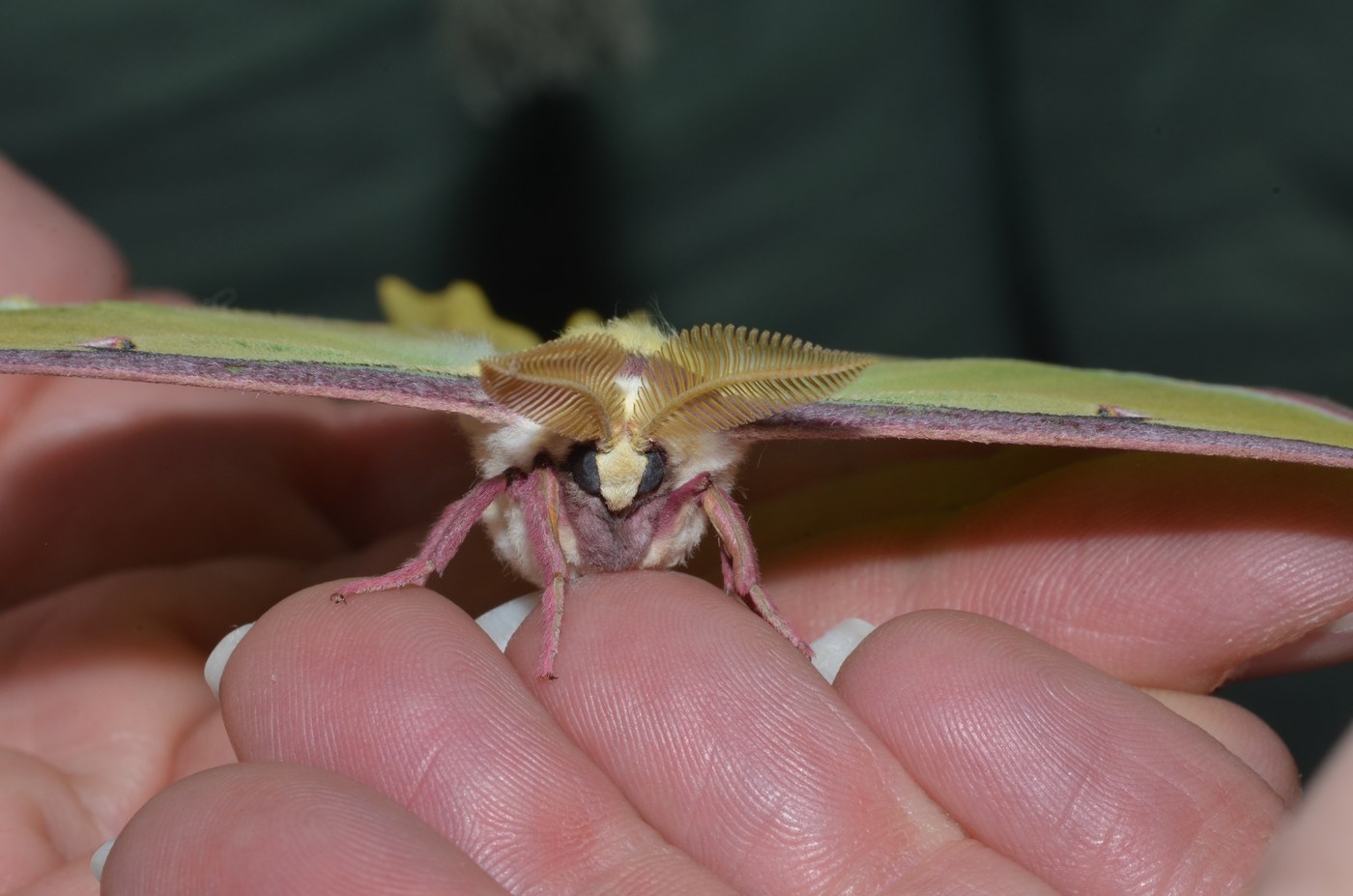
Luna Moth Caterpillar
A large, plump, apple-green caterpillar with faint yellow side stripes and rows of small red-orange tubercles, the larval form of one of North America's most beautiful giant silk moths.
caterpillar-larva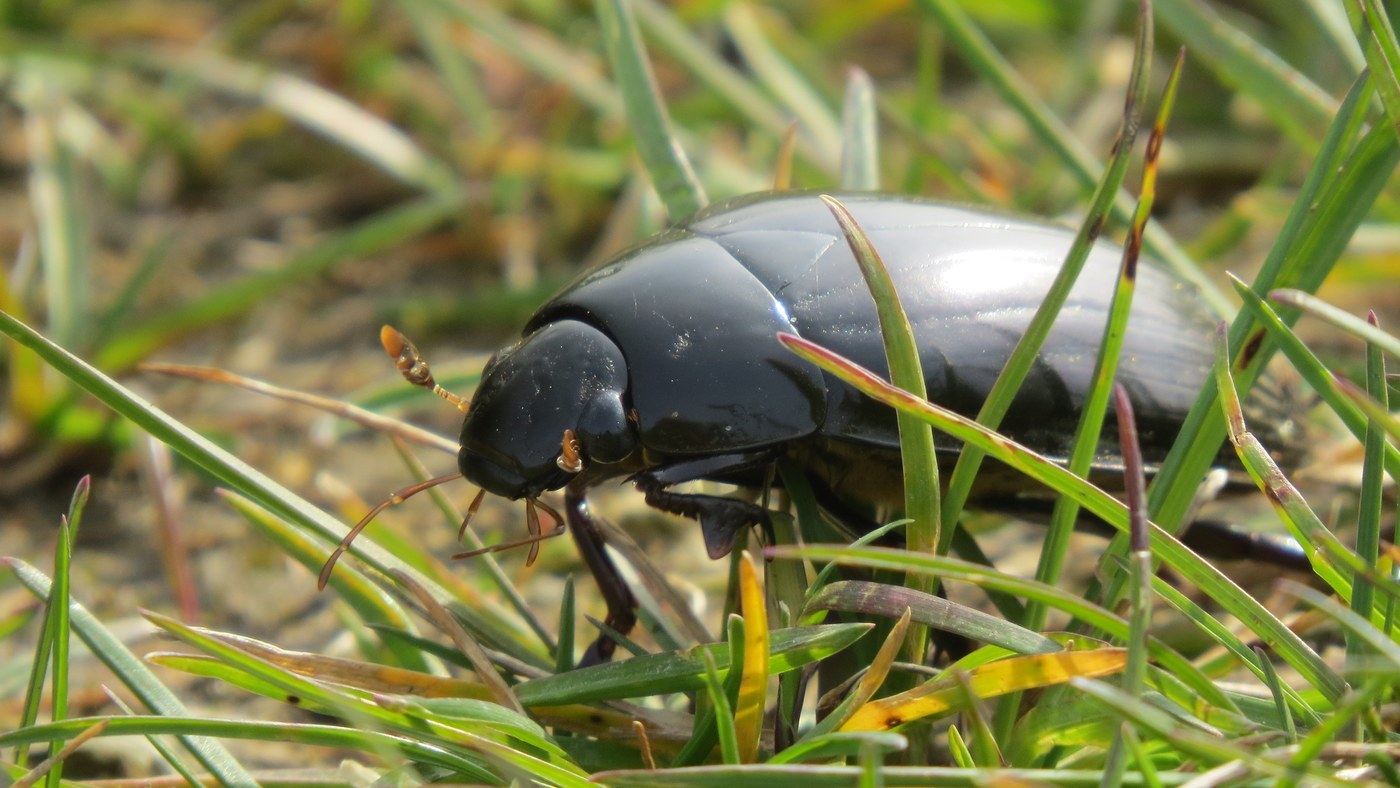
Great Silver Water Beetle
One of the largest beetles in Europe, the great silver water beetle is a glossy jet-black giant that rows through weedy ponds carrying a silvery film of air trapped beneath its body.
beetleIchneumon Wasp
A slender, long-antennaed parasitoid wasp, often mistaken for a giant mosquito or a stinging insect, that is best known for the extraordinarily long ovipositor some species use to drill into wood and lay eggs on hidden larvae.
wasp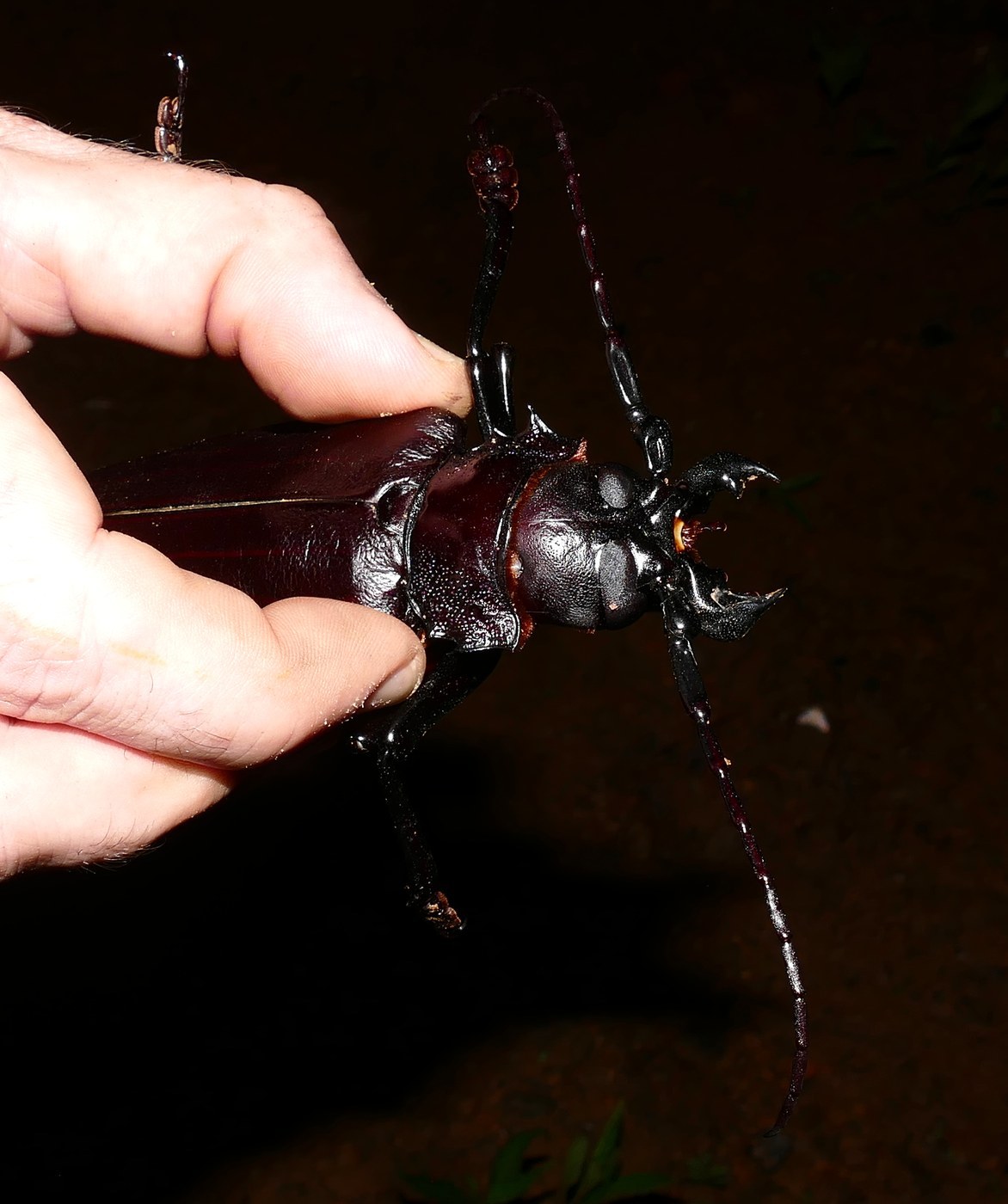
Titan Beetle
One of the largest insects on Earth, the titan beetle is a colossal longhorn from the Amazon whose body can exceed 16 cm. Its powerful jaws and loud hiss make it an imposing rainforest giant.
beetle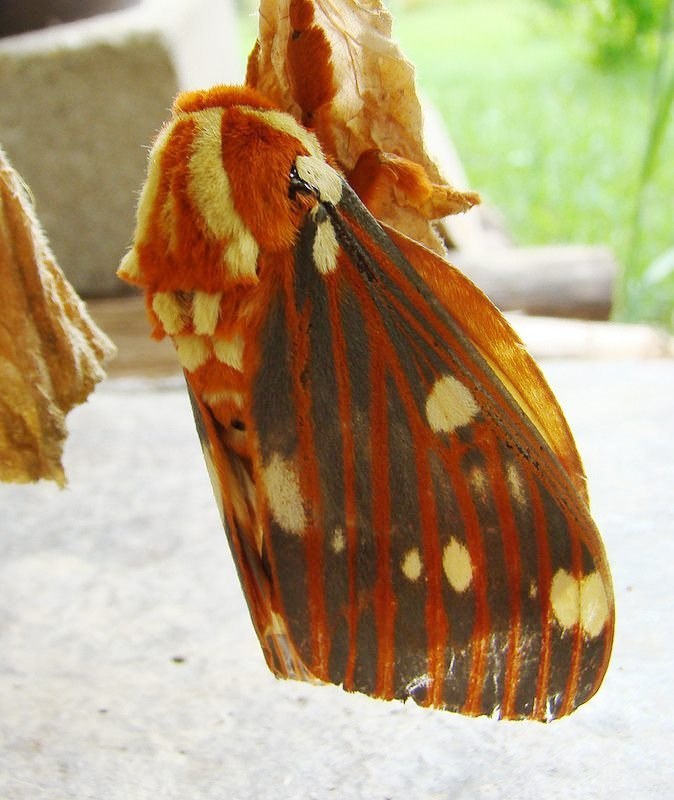
Regal Moth (Hickory Horned Devil)
One of the largest moths in North America, with orange-red and gray-veined wings on the adult, best known for its enormous, formidable-looking caterpillar, the hickory horned devil, a blue-green giant bristling with long orange spines.
moth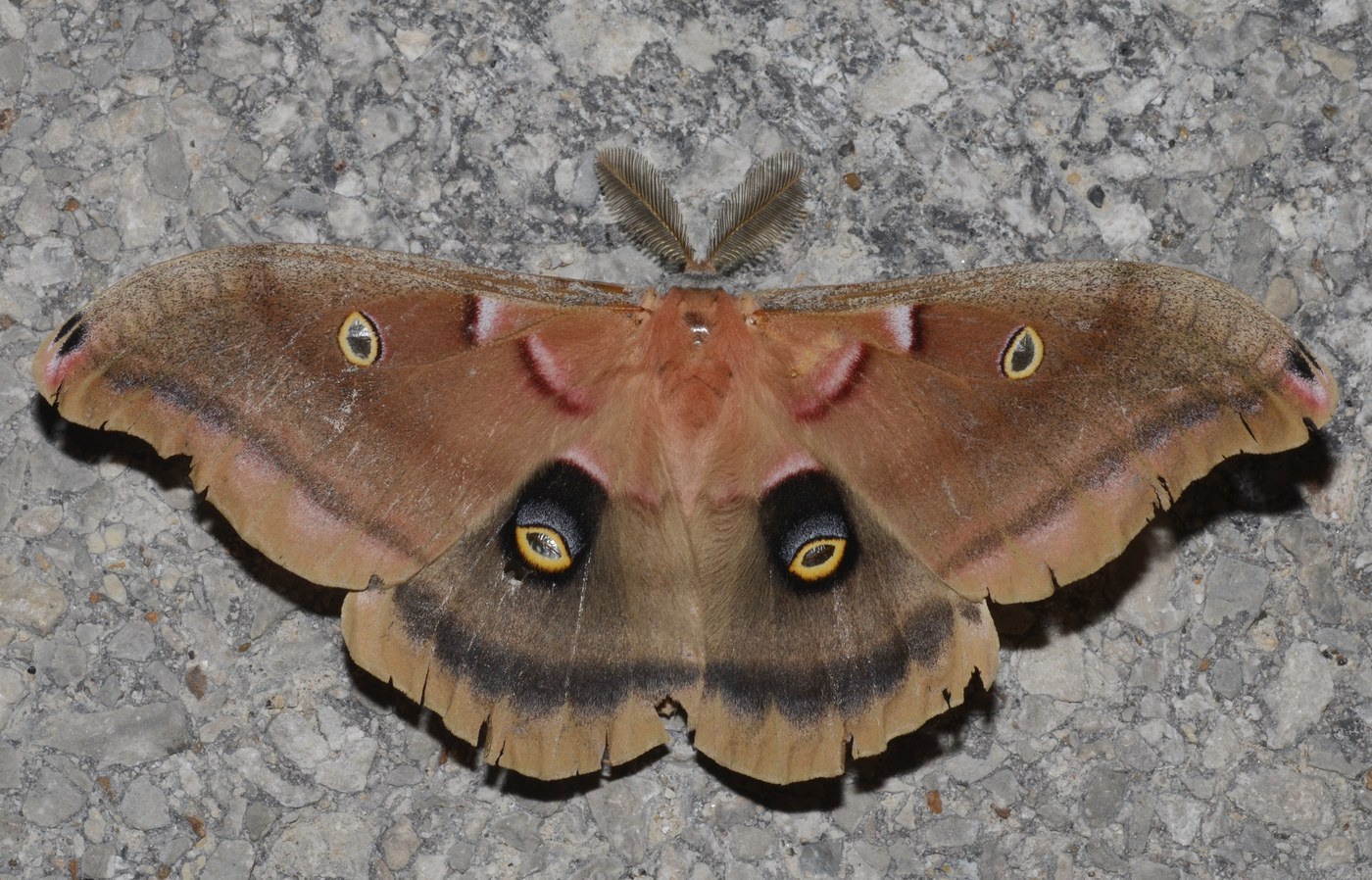
Antheraea Silkmoth
A large, robust silkmoth in the genus Antheraea with broad reddish-brown to tan wings, each marked with a prominent transparent, eye-like spot, representing a group of giant moths long valued for producing wild silk.
moth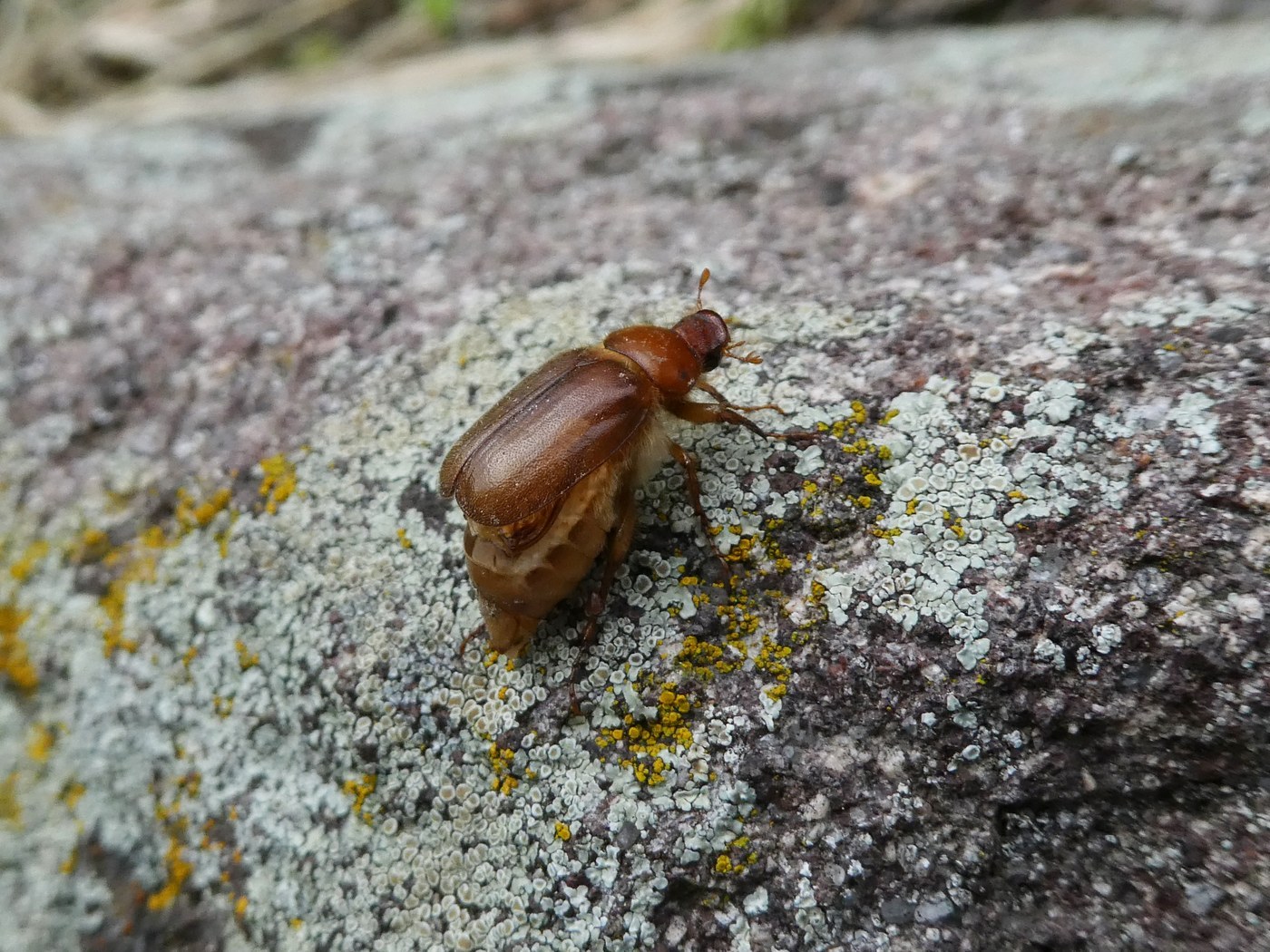
Scarab Beetle
A broad, often glossy beetle family recognized by its distinctive fan-like clubbed antennae, ranging from tiny dung-rollers to massive horned giants, found on every continent except Antarctica.
beetleDaddy Longlegs (Harvestman)
A leggy, one-piece-bodied arachnid that scurries through leaf litter and garden beds on impossibly long, spindly legs, easily mistaken for a spider despite belonging to an entirely different arachnid order.
arachnid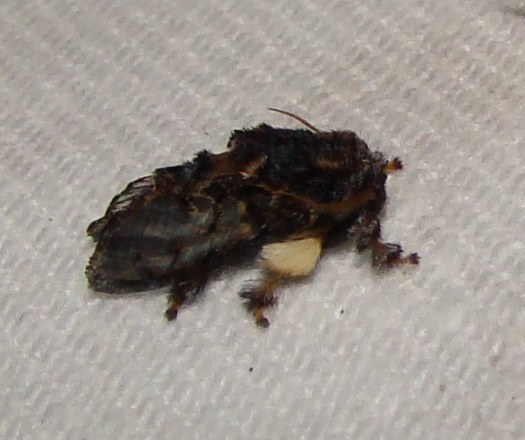
Hag Moth Caterpillar (Monkey Slug)
One of the strangest caterpillars in North America, with curling, hair-covered arm-like projections that make it look uncannily like a tiny tuft of matted fur or a miniature spider monkey.
caterpillar-larva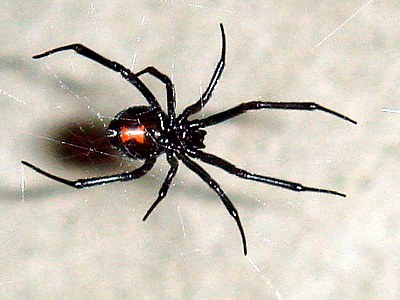
Western Black Widow
A glossy, jet-black spider with a bold red hourglass mark on the underside of her round abdomen, the western black widow builds a tangled, irregular web in dark, undisturbed corners of the American West.
spider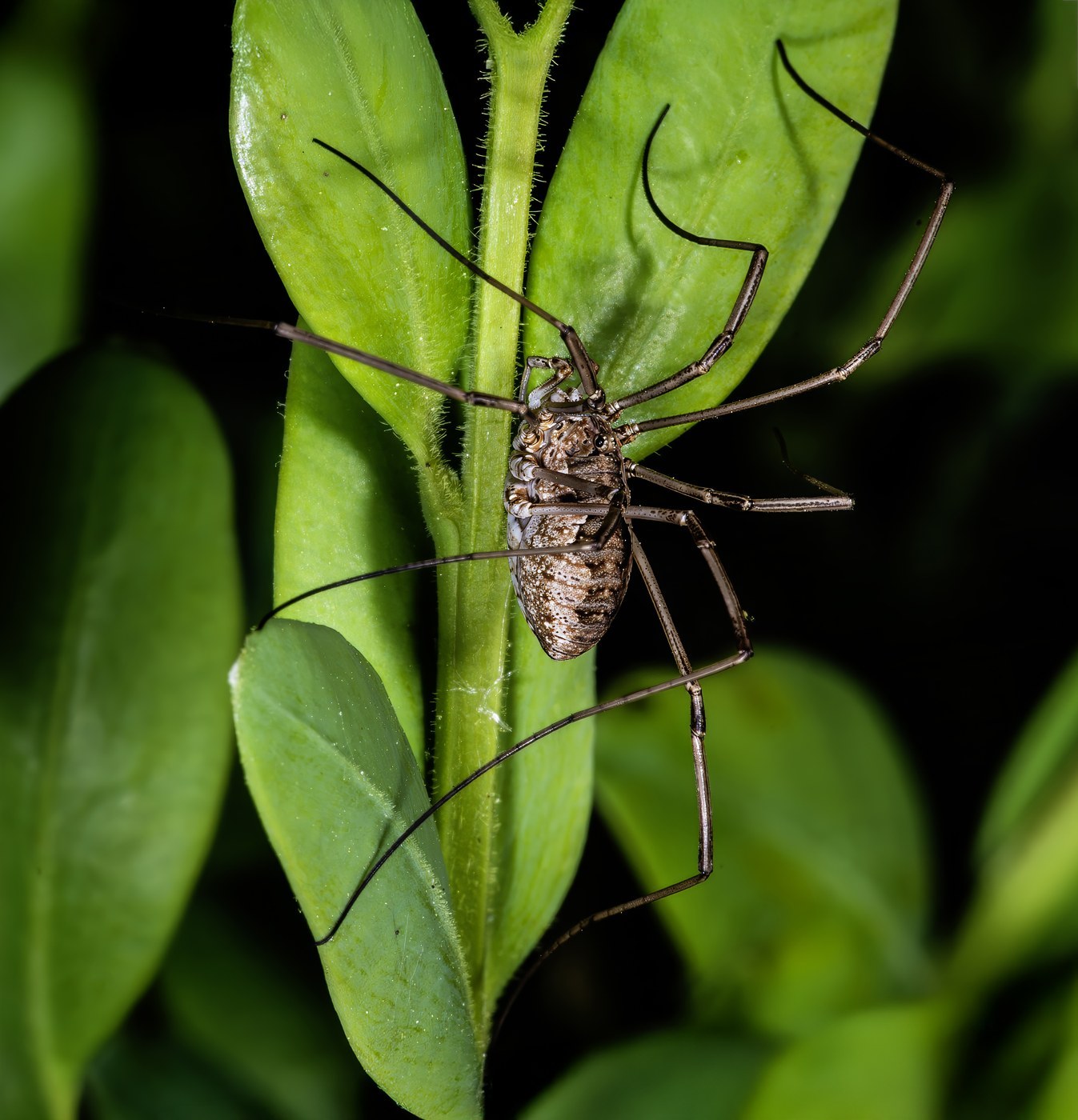
Daddy Longlegs
A small, oval-bodied arachnid carried on extremely long, thread-like legs, distinct from true spiders in having a one-piece fused body and no silk glands or web.
arachnid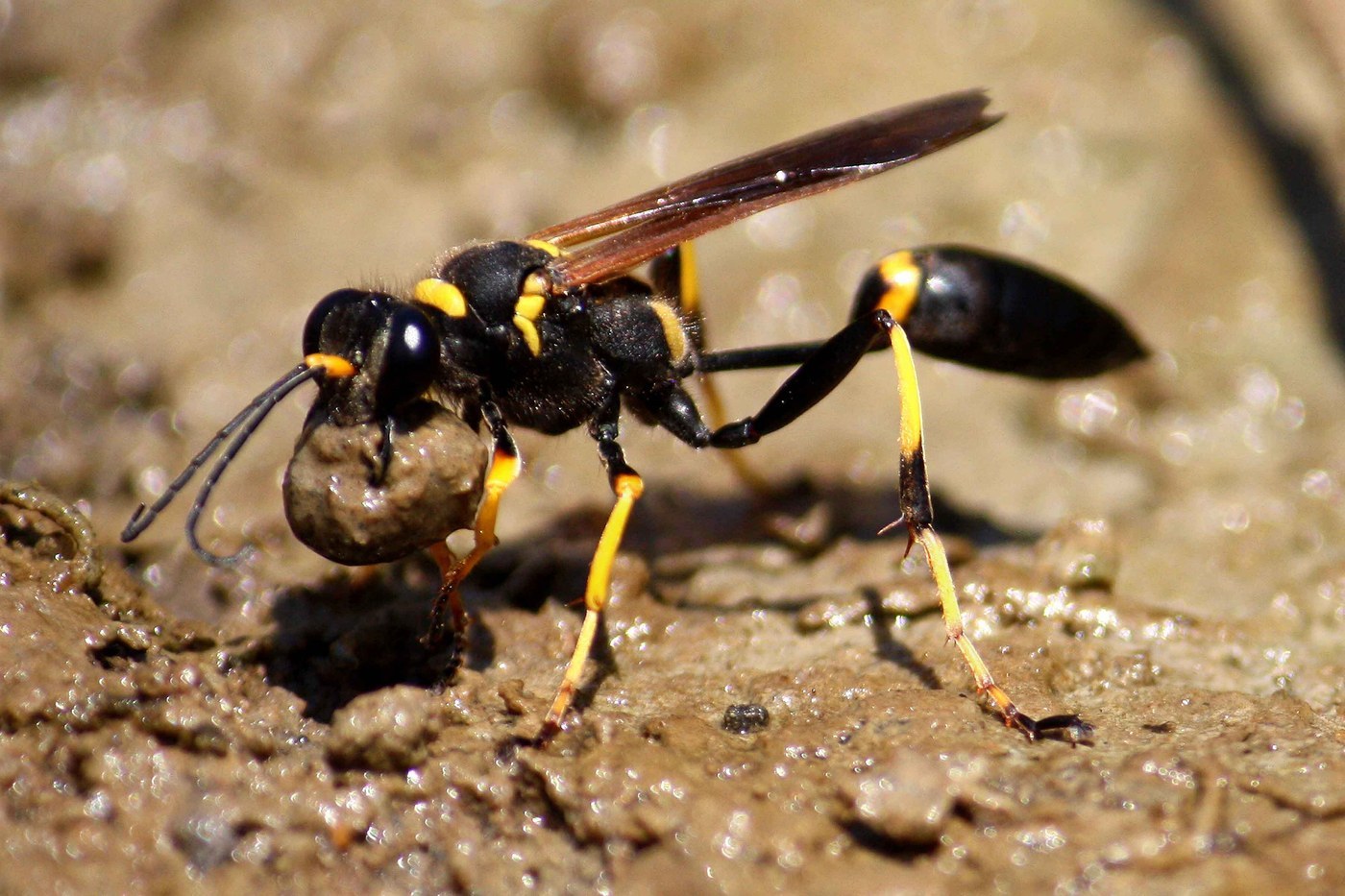
Mud Wasp
A slender, thread-waisted solitary wasp famous for plastering rows of tube-shaped mud cells under eaves and porch ceilings, each one stocked with paralyzed spiders for its larva.
wasp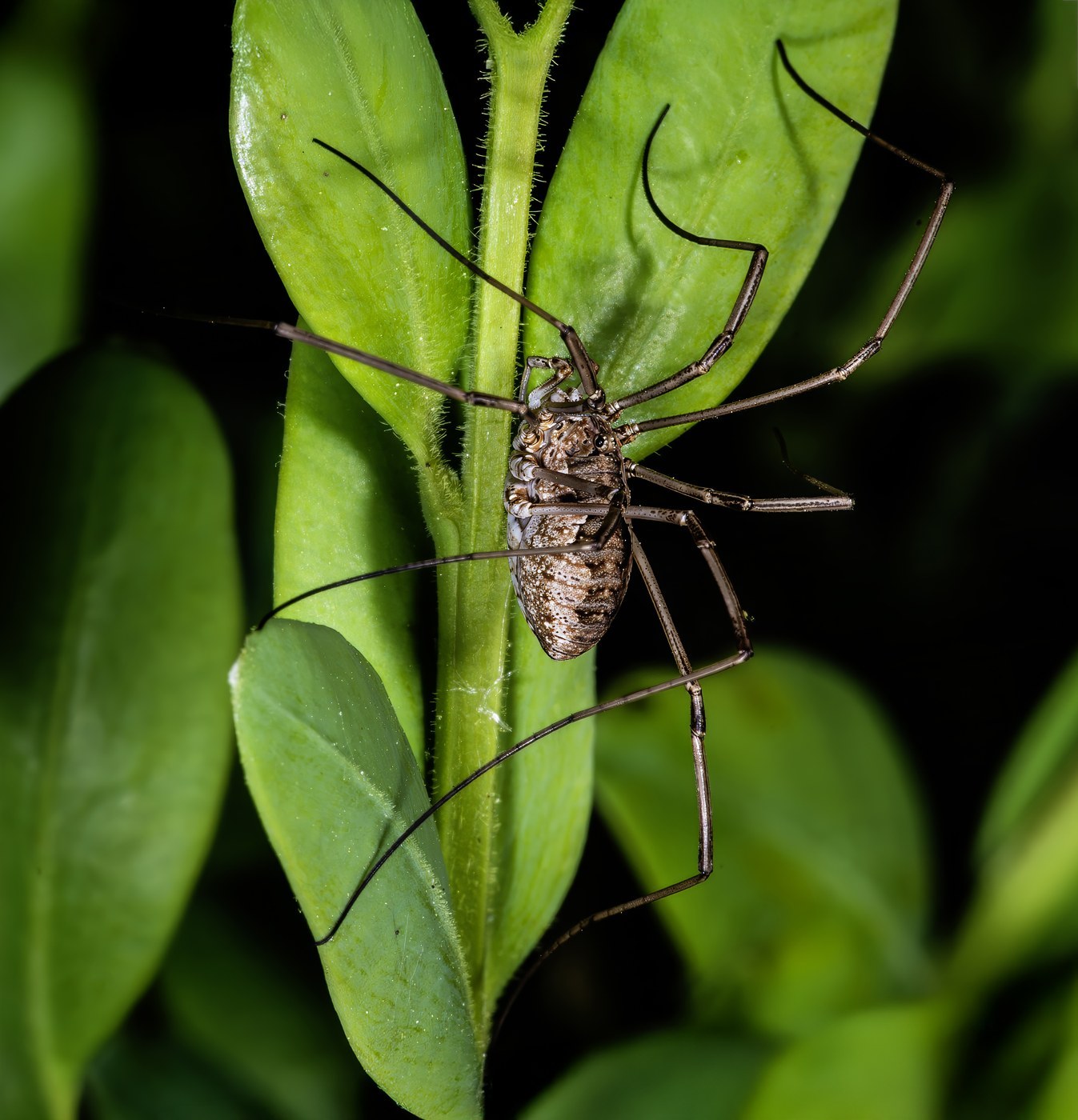
Harvestman
An arachnid built almost entirely of legs, with a single compact, oval body segment and no waist separating it into two parts like a true spider. Common in gardens and forests worldwide, it scuttles along on impossibly long, thin legs scavenging for food after dark.
arachnidMud Dauber Wasp
Slender, long-waisted wasps that build distinctive nests from mud, mud daubers stock their cells with paralyzed spiders. Their tube or urn-shaped mud nests are common under eaves and bridges.
wasp