
Bug Encyclopedia
Search and identify bugs & insects — beetles, butterflies, moths, ants, bees, spiders and more — with size, habitat, danger, behavior, and how to tell them apart.
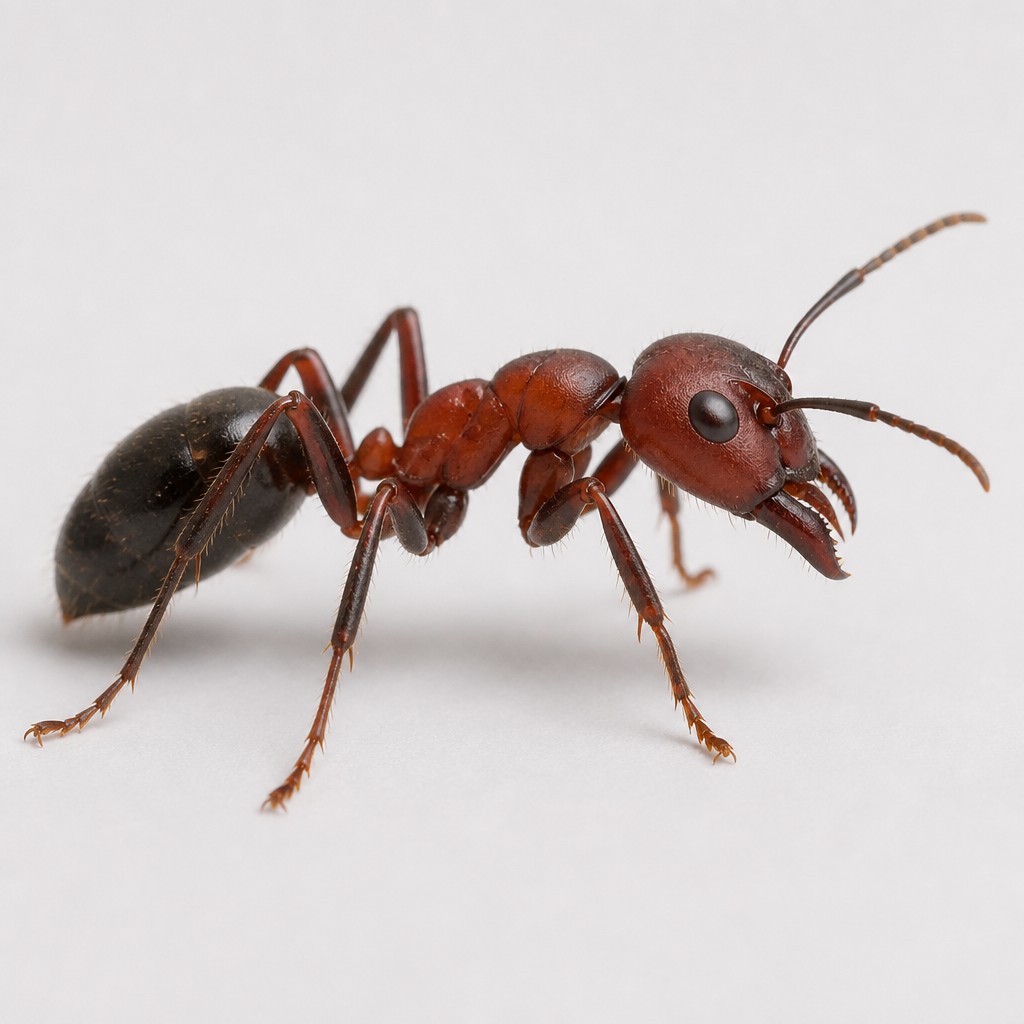
Army Ant
A nomadic predator that never builds a permanent nest, instead forming temporary living bivouacs from its own linked bodies and sweeping through the forest floor in massive predatory raids.
ant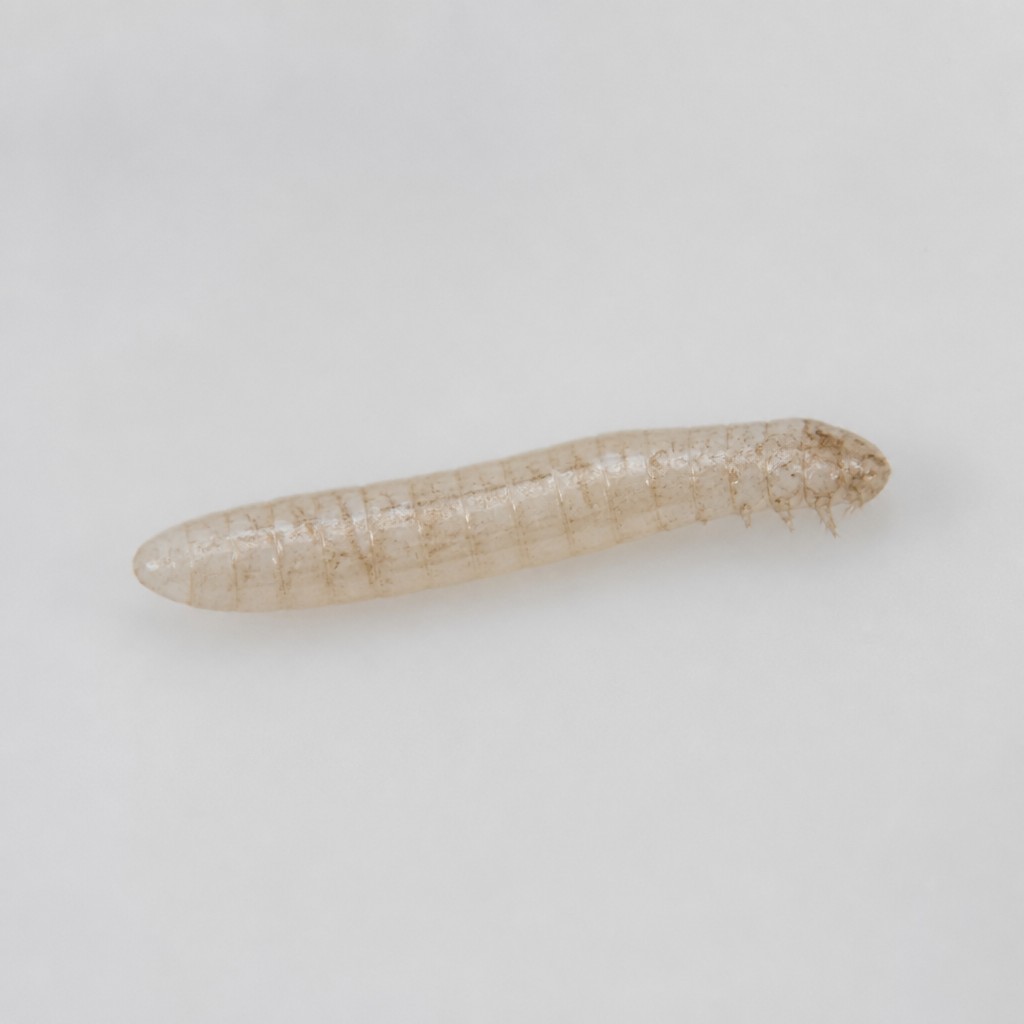
Follicle Mite
An elongated, microscopic mite shaped almost like a tiny worm, living deep within hair follicles and oil glands of mammal skin where it spends its entire life largely unnoticed.
arachnid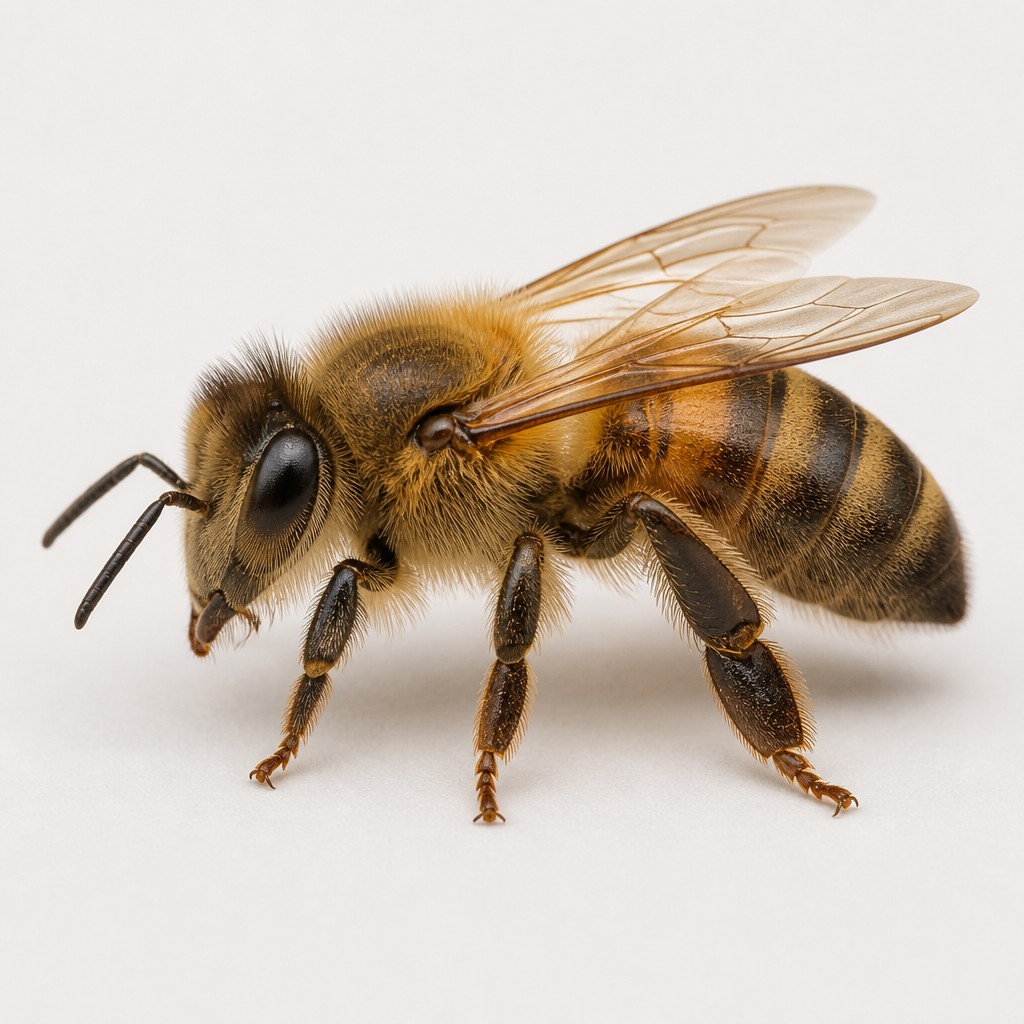
Western Honey Bee
The familiar golden-brown, fuzzy-banded honey bee kept worldwide for honey production and crop pollination, living in large perennial colonies built around wax comb and a single egg-laying queen.
bee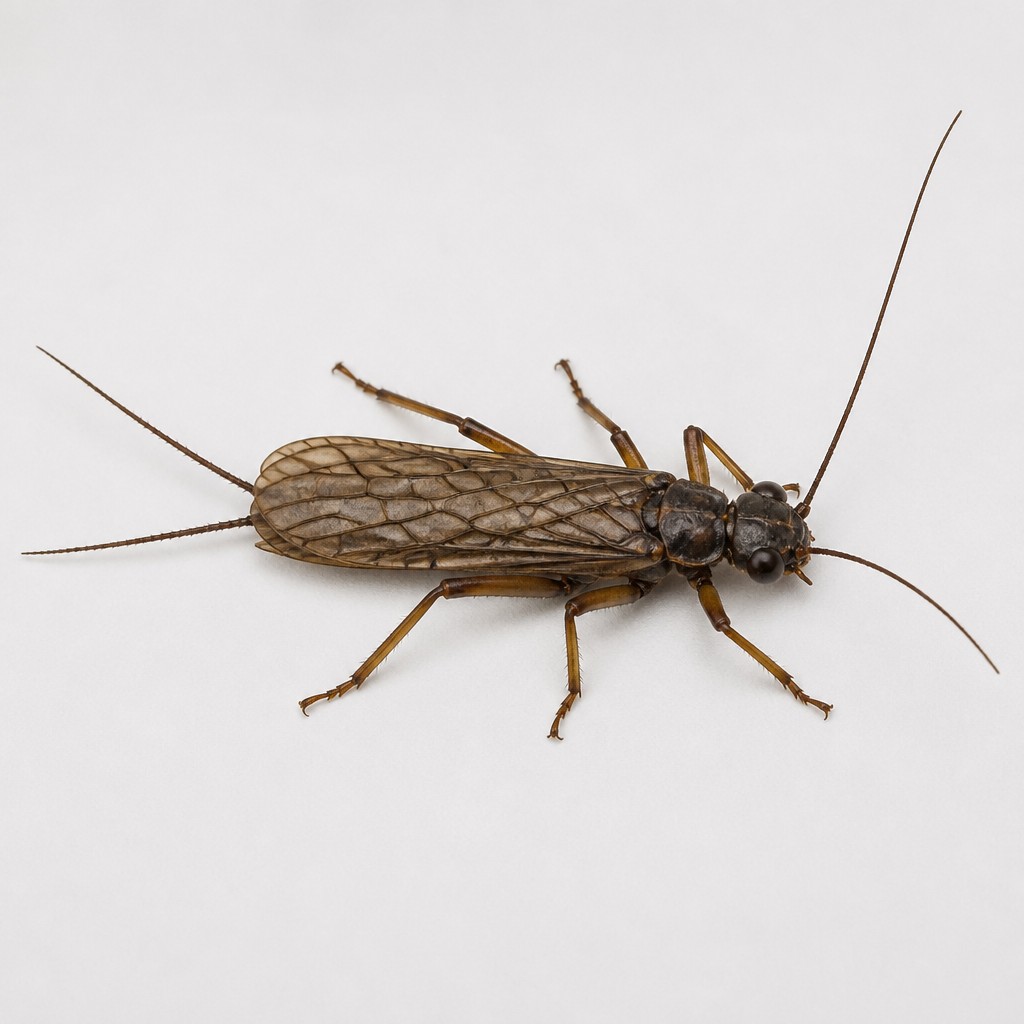
Stonefly
A flattened, drab-winged insect whose nymphs are among the most reliable living indicators of pristine, well-oxygenated stream water.
aquatic-insect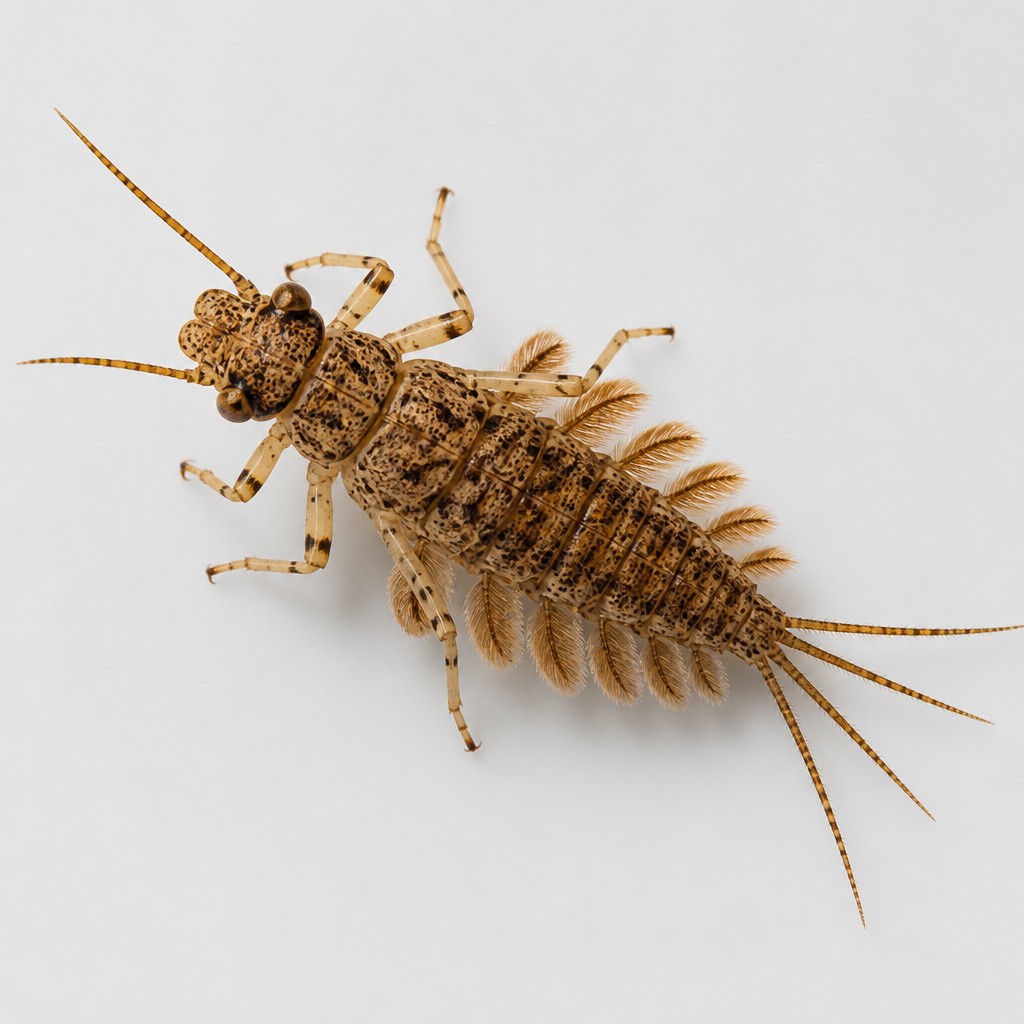
Mayfly Nymph
A short-lived aquatic grazer with feathery gills along its abdomen, living for months underwater before a brief, spectacular mass emergence as a winged adult.
aquatic-insect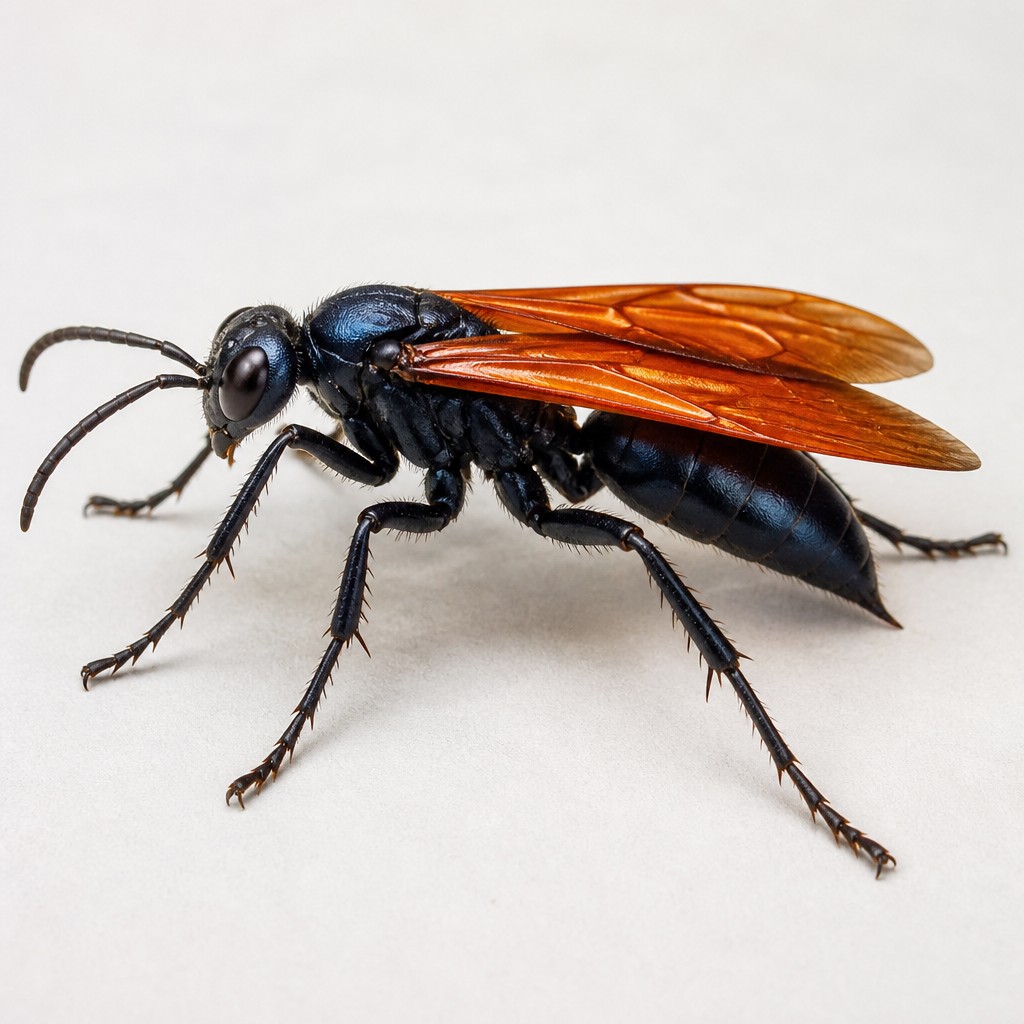
Tarantula Hawk Wasp
A giant metallic-blue wasp with rust-orange wings, the tarantula hawk is one of the largest wasps in the world. Females hunt tarantulas as living food for their single offspring.
wasp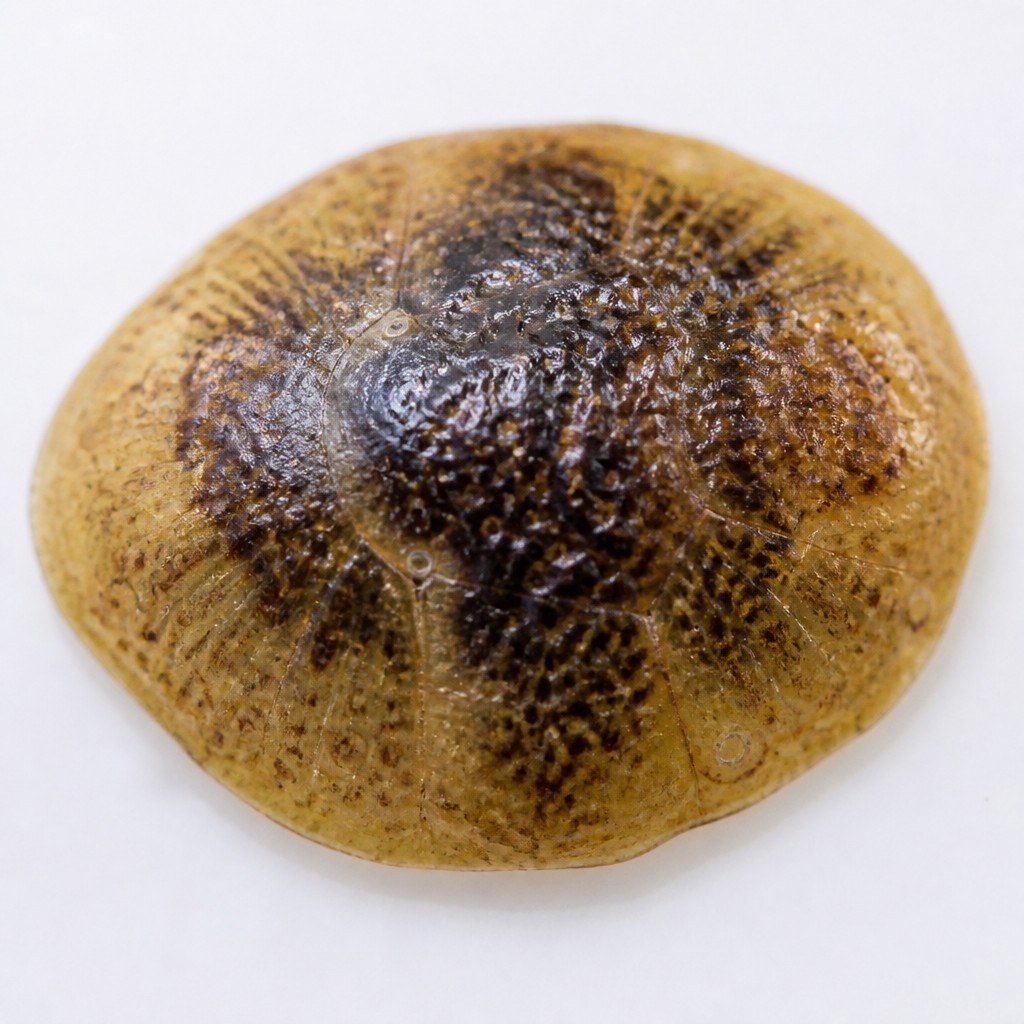
Scale Insect
A small, immobile insect that appears as a flat or domed, waxy bump firmly attached to a stem or leaf, easily mistaken for a plant blemish rather than a living creature.
true-bug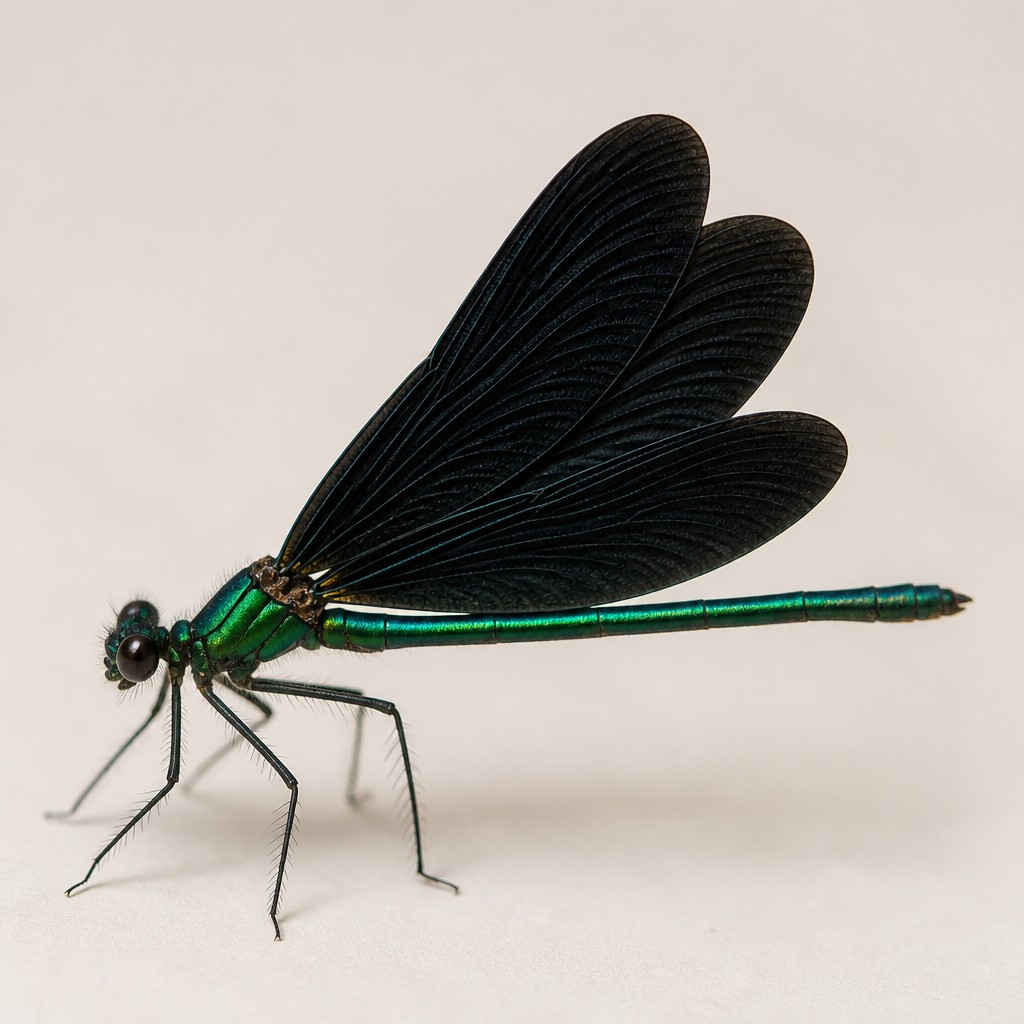
Ebony Jewelwing
With entirely jet-black wings and a metallic emerald-green body, the Ebony Jewelwing flutters through streamside shade like a living jewel, its wings flashing in filtered sunlight.
other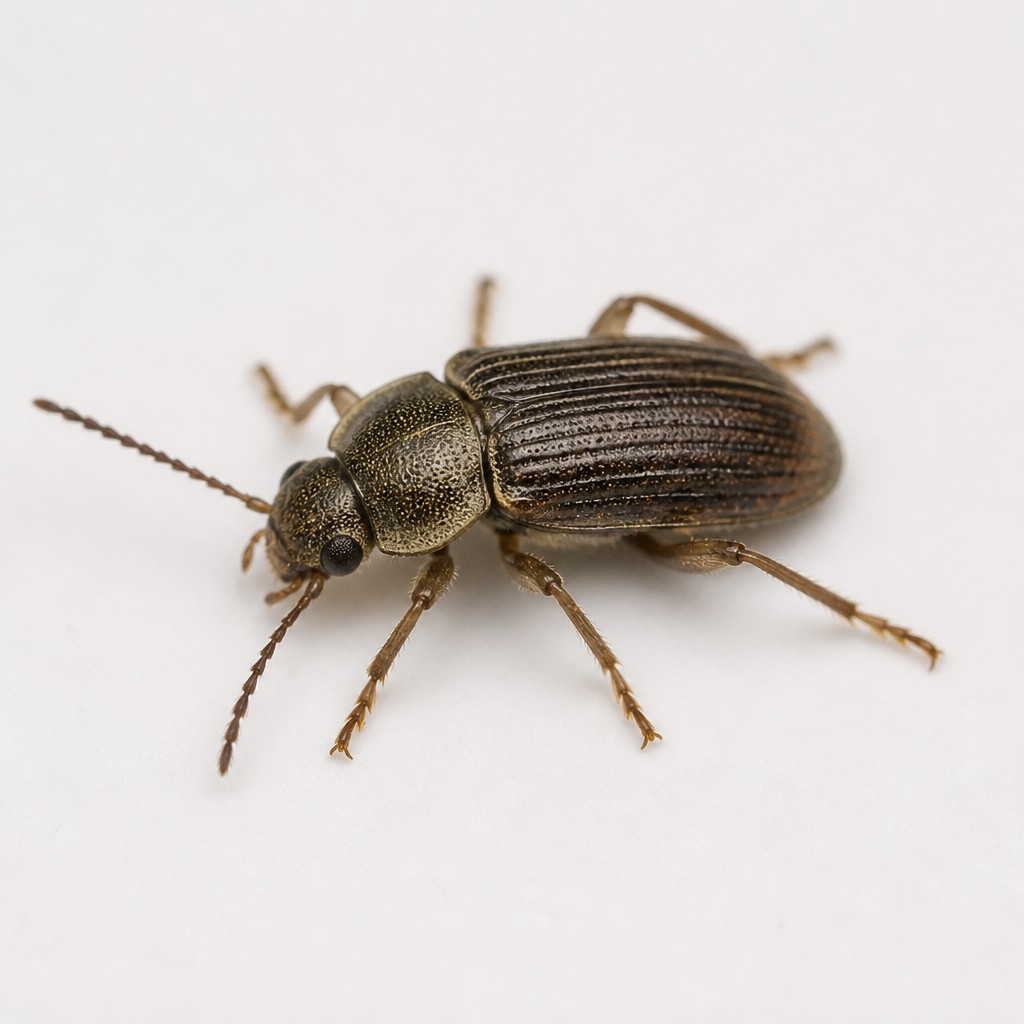
Riffle Beetle
Tiny and unassuming, riffle beetles cling tightly to submerged rocks in swift, clean streams for their entire lives, making them one of the most reliable living indicators of healthy water.
beetle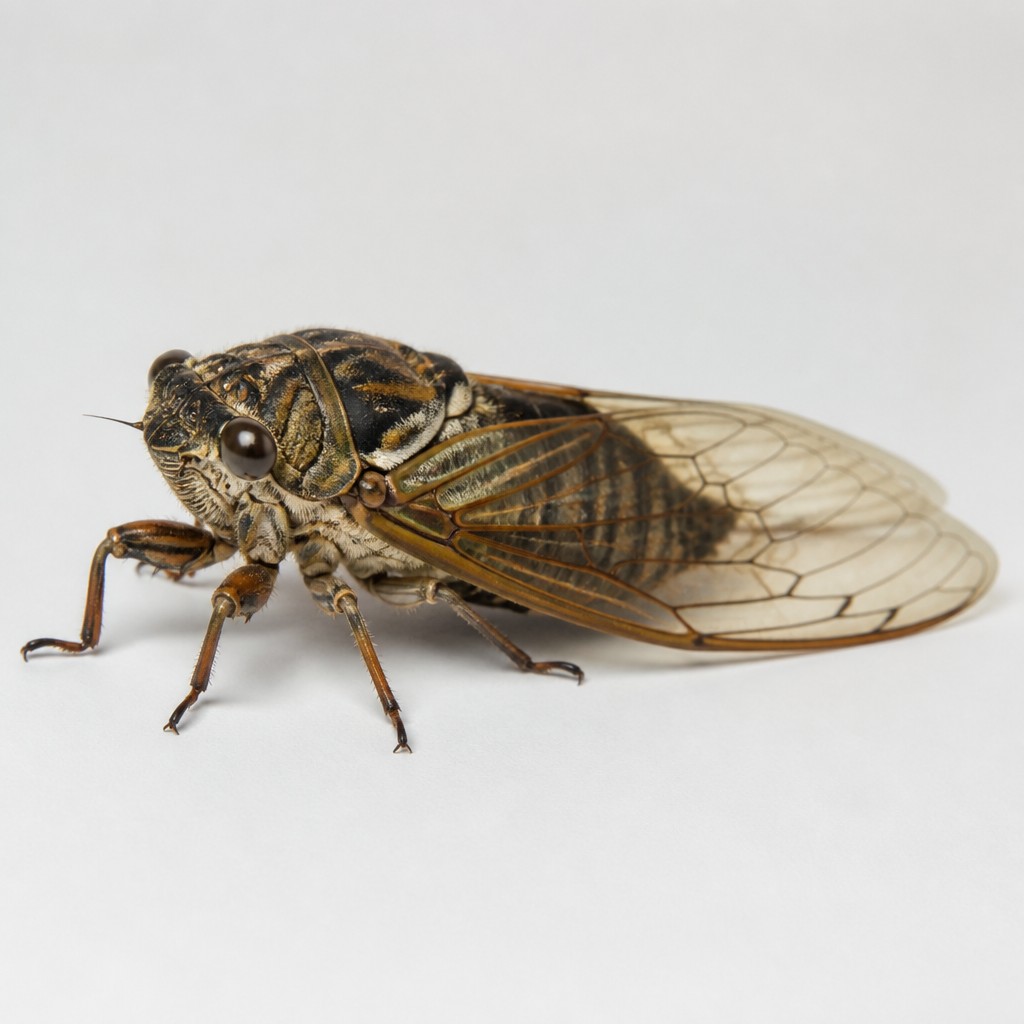
Cicada
A stout, big-eyed insect best known for the loud, buzzing chorus of song produced by males, and for periodical species that emerge from the ground by the millions after living underground for over a decade.
true-bug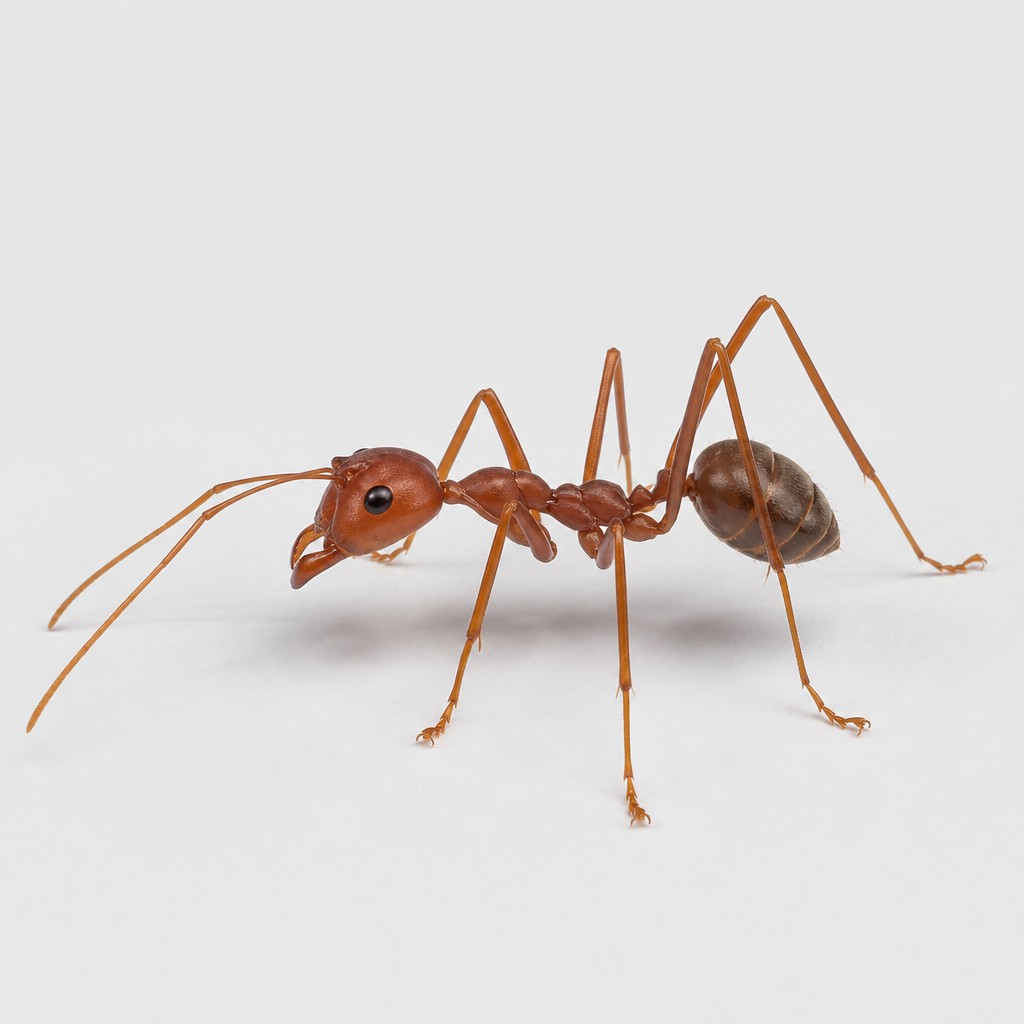
Weaver Ant
A tree-dwelling ant that builds its nest by stitching living leaves together with silk produced by its own larvae, forming elaborate arboreal colonies defended fiercely by its workers.
ant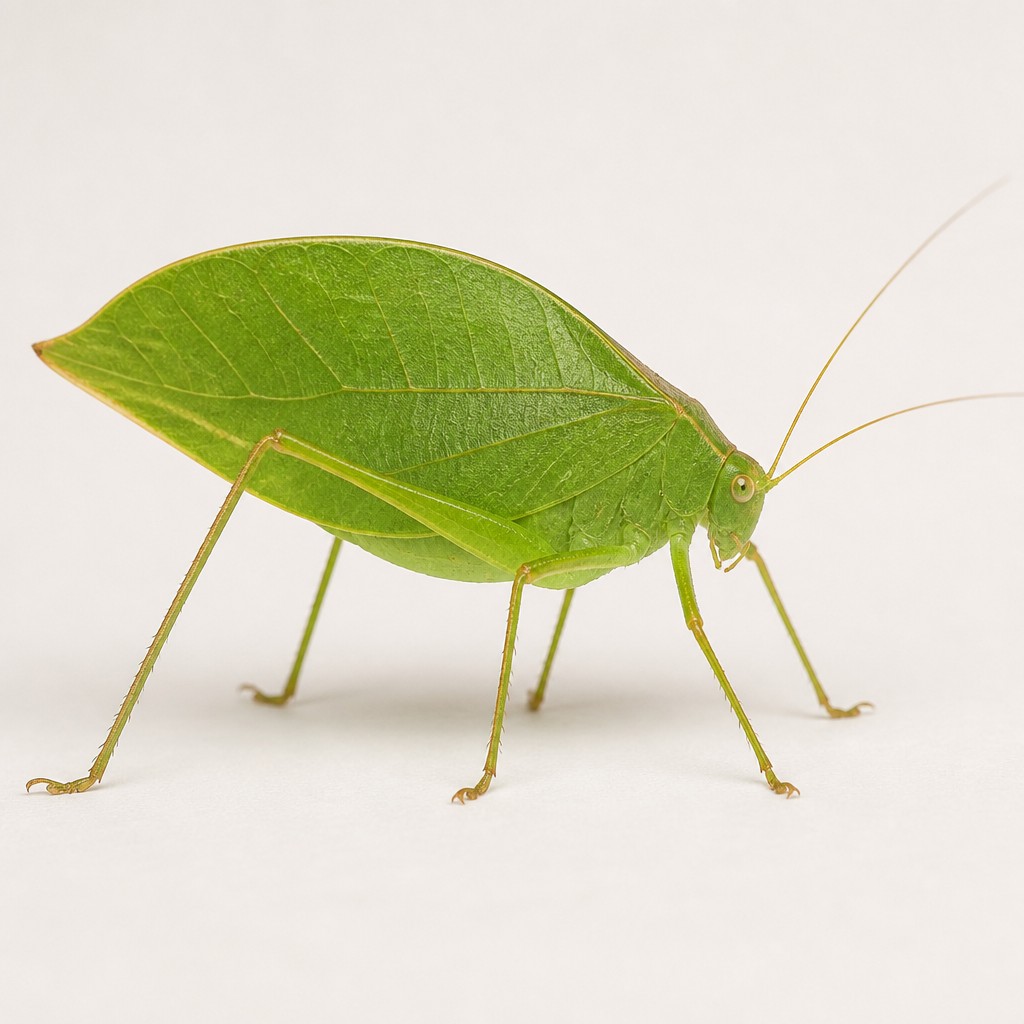
Common True Katydid
A living leaf that spends its life high in the treetops, the common true katydid is far more often heard than seen, producing the loud, rasping "katy-did, katy-didn't" chorus that fills eastern summer nights.
grasshopper-cricket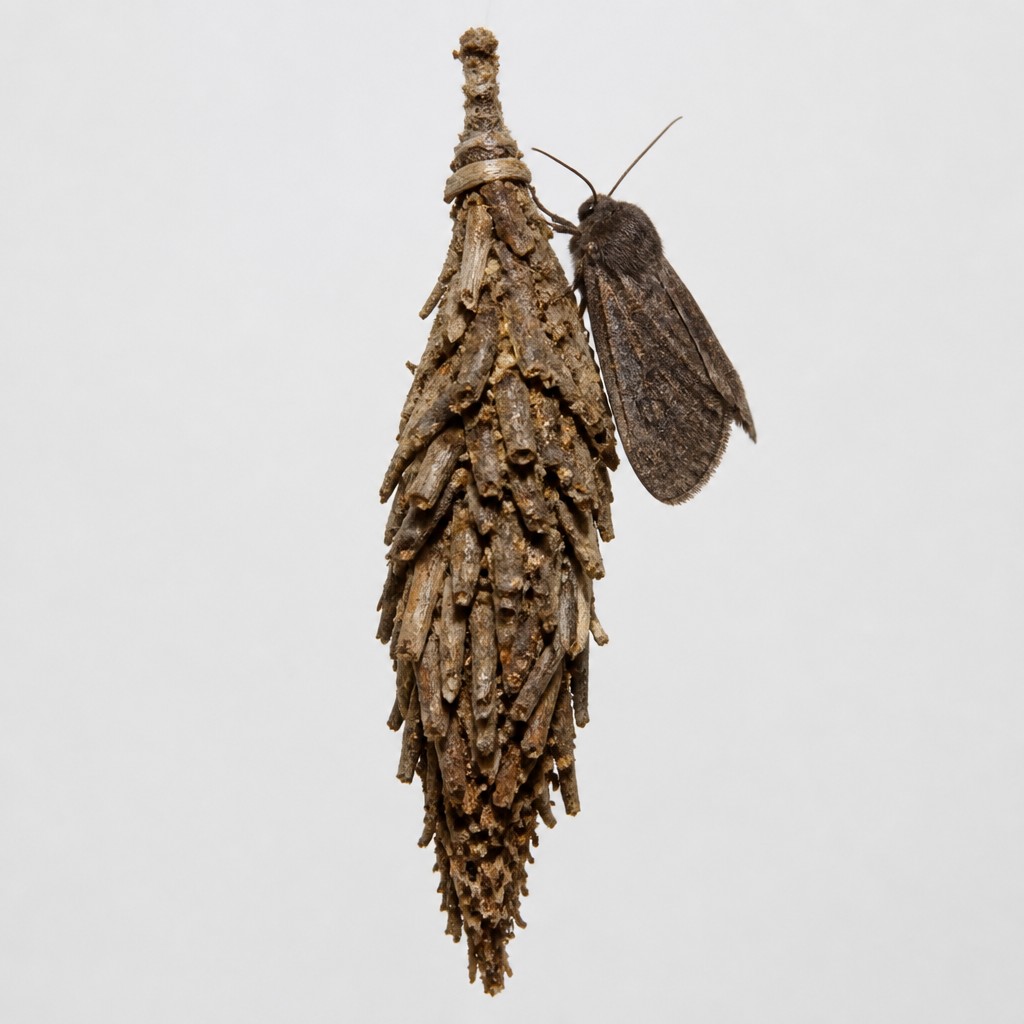
Bagworm Moth
A moth best known for its larva's habit of constructing and living inside a spindle-shaped case of silk and plant debris that hangs from twigs, with adult males a plain sooty-winged moth and females remaining wingless and grub-like inside the bag for life.
moth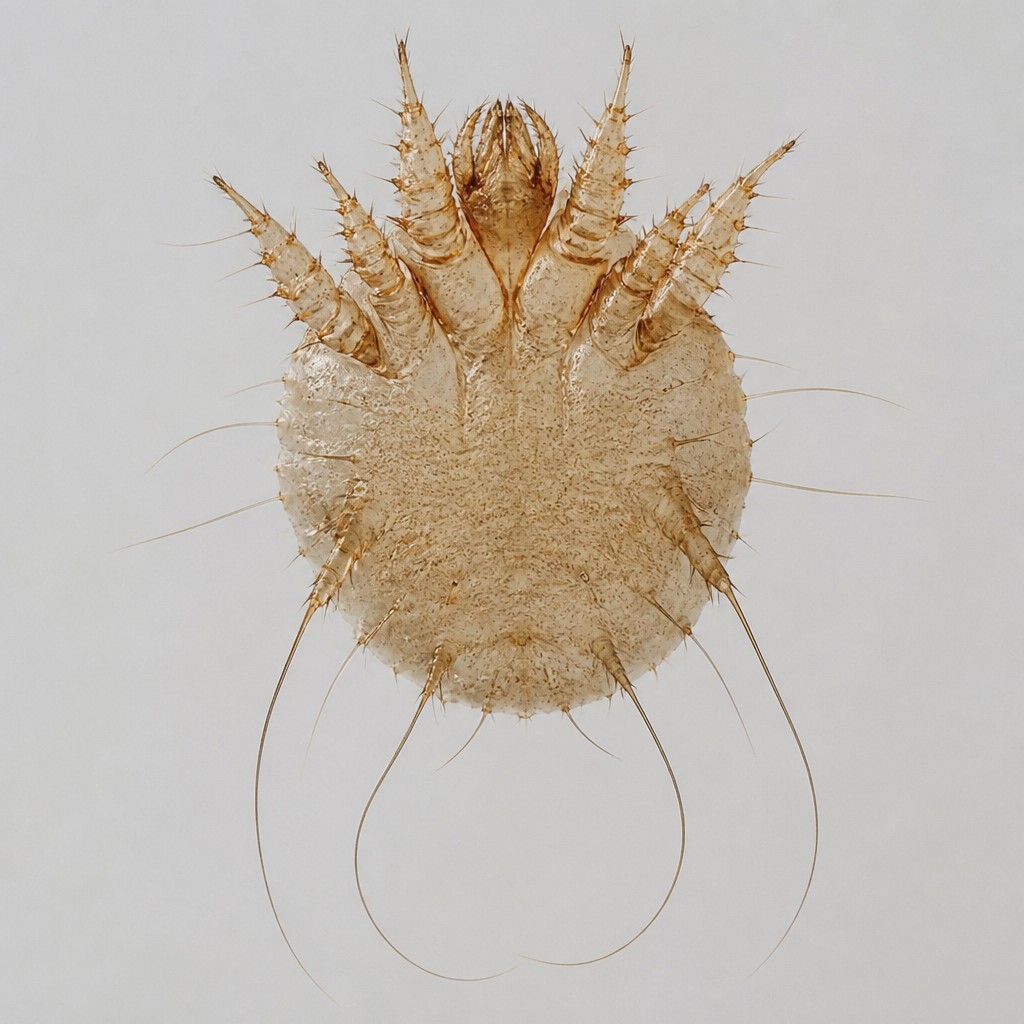
Scabies Mite
A microscopic, eyeless mite that spends its entire life cycle burrowed within the outer layer of a mammal's skin, among the smallest arachnids known to science. Unlike free-living mites, it has no independent existence away from a host and is studied primarily through microscopic examination rather than direct observation.
arachnid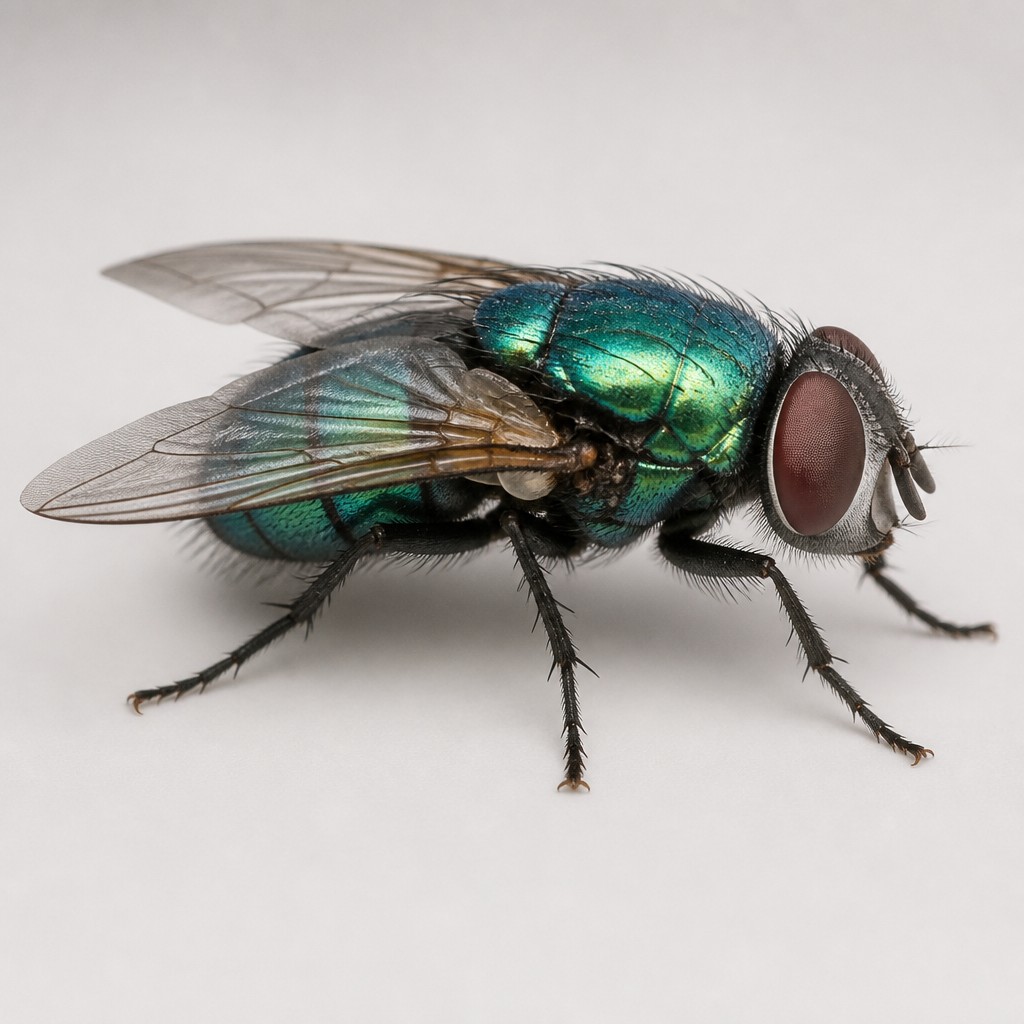
Screwworm Fly
A metallic blue-green blowfly whose larvae are unusual among maggots for feeding on living tissue rather than carrion, drawn to even small open wounds on warm-blooded animals. The species has been the target of one of the most successful large-scale insect eradication campaigns in history across much of North America.
fly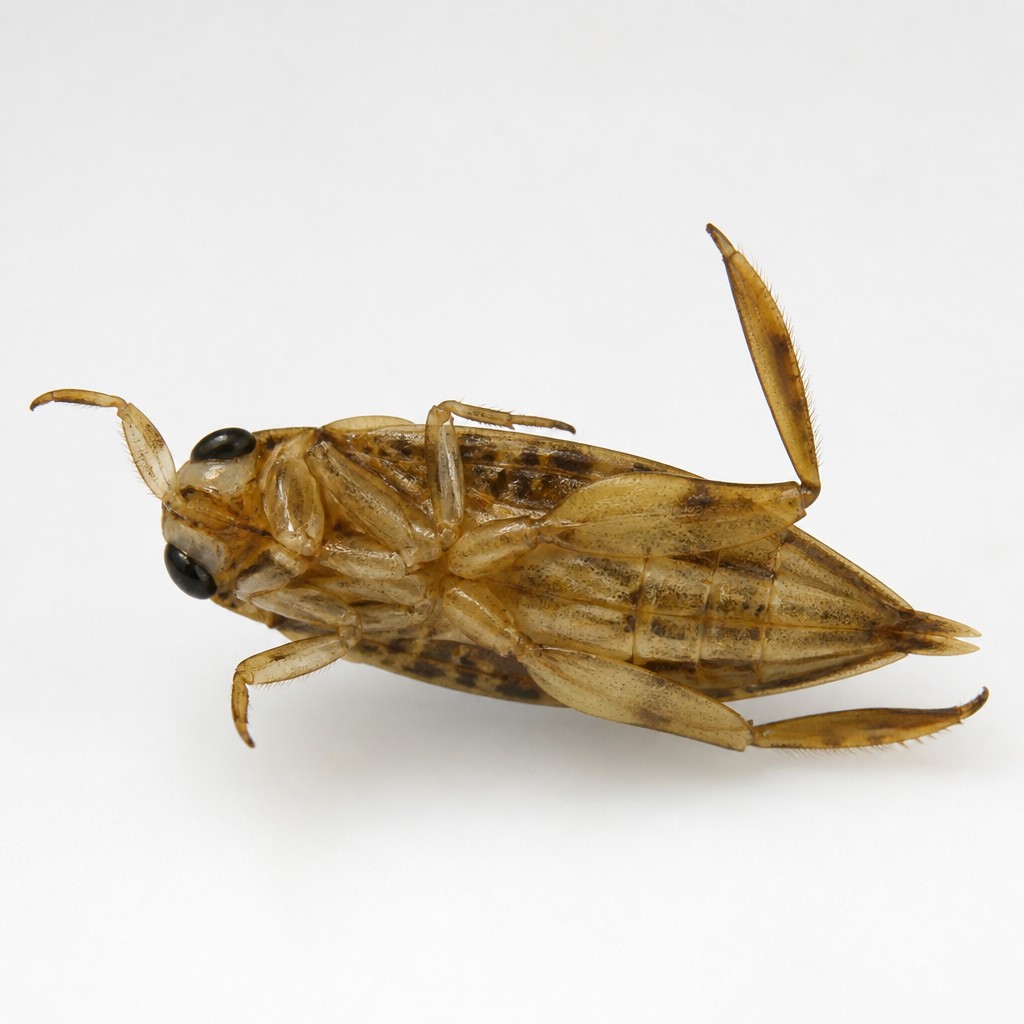
Backswimmer
A boat-shaped aquatic true bug that swims upside down using oar-like hind legs, patrolling pond water in search of small prey.
aquatic-insect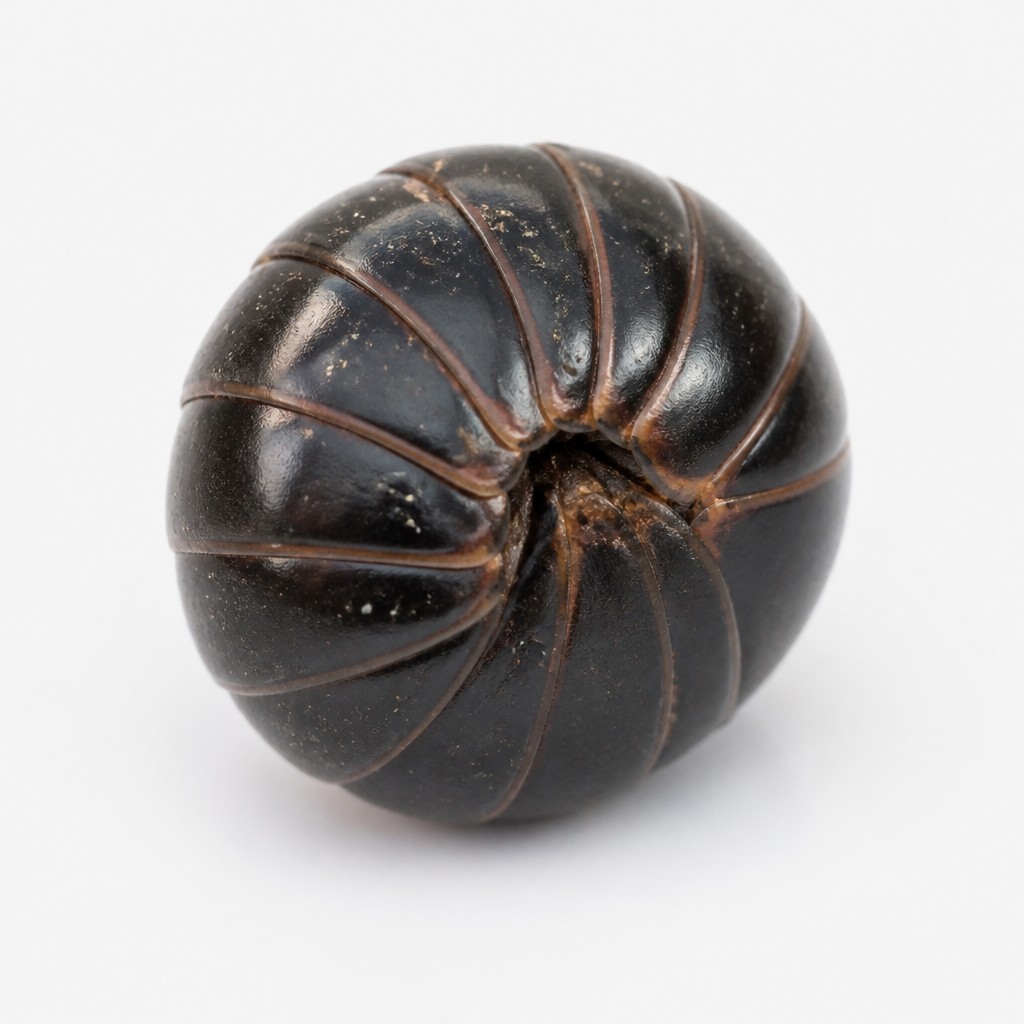
Pill Millipede
A short, heavily armored millipede that rolls into a tight, perfect ball when disturbed, closely resembling a pill bug but built from far fewer, broader body segments.
myriapod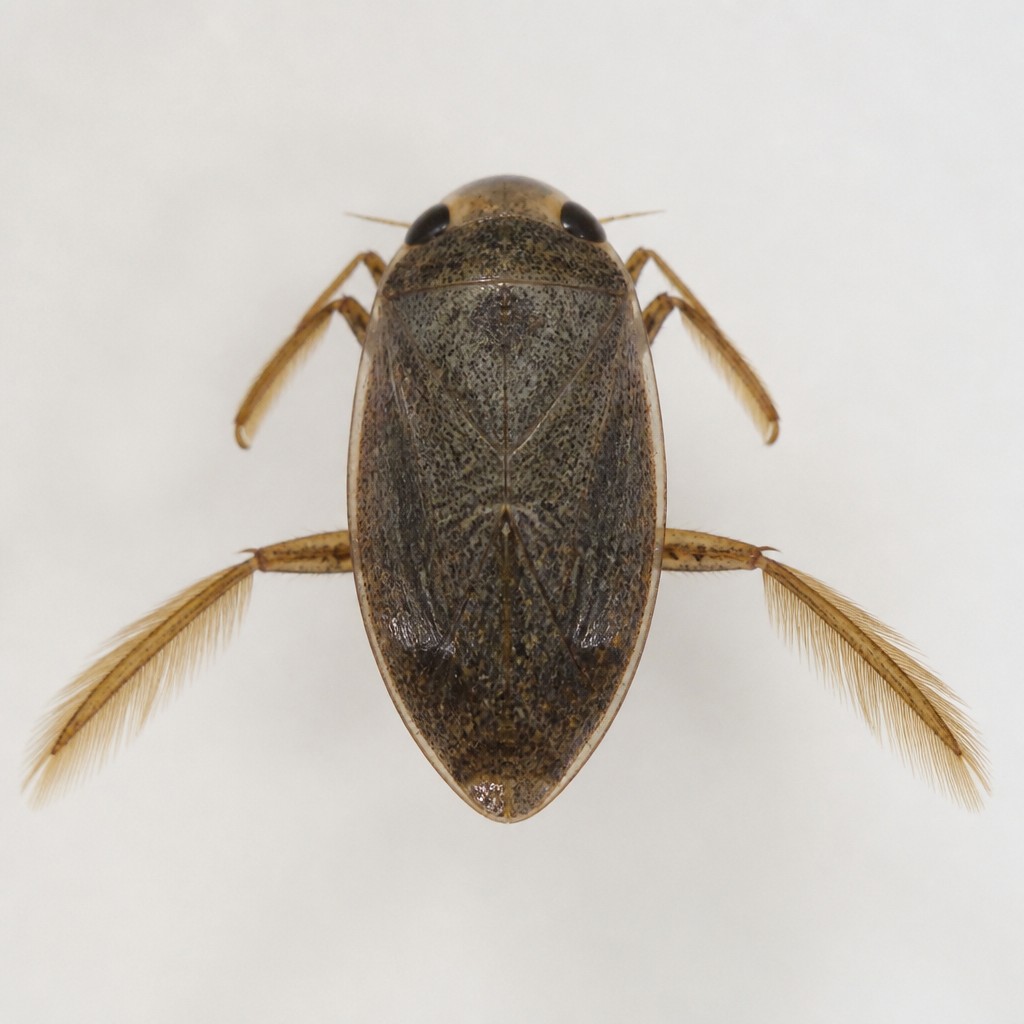
Lesser Water Boatman
A flat-backed, oar-legged true bug that rows through pond water with fringed hind legs, surfacing periodically to trap a silvery bubble of air against its body.
true-bug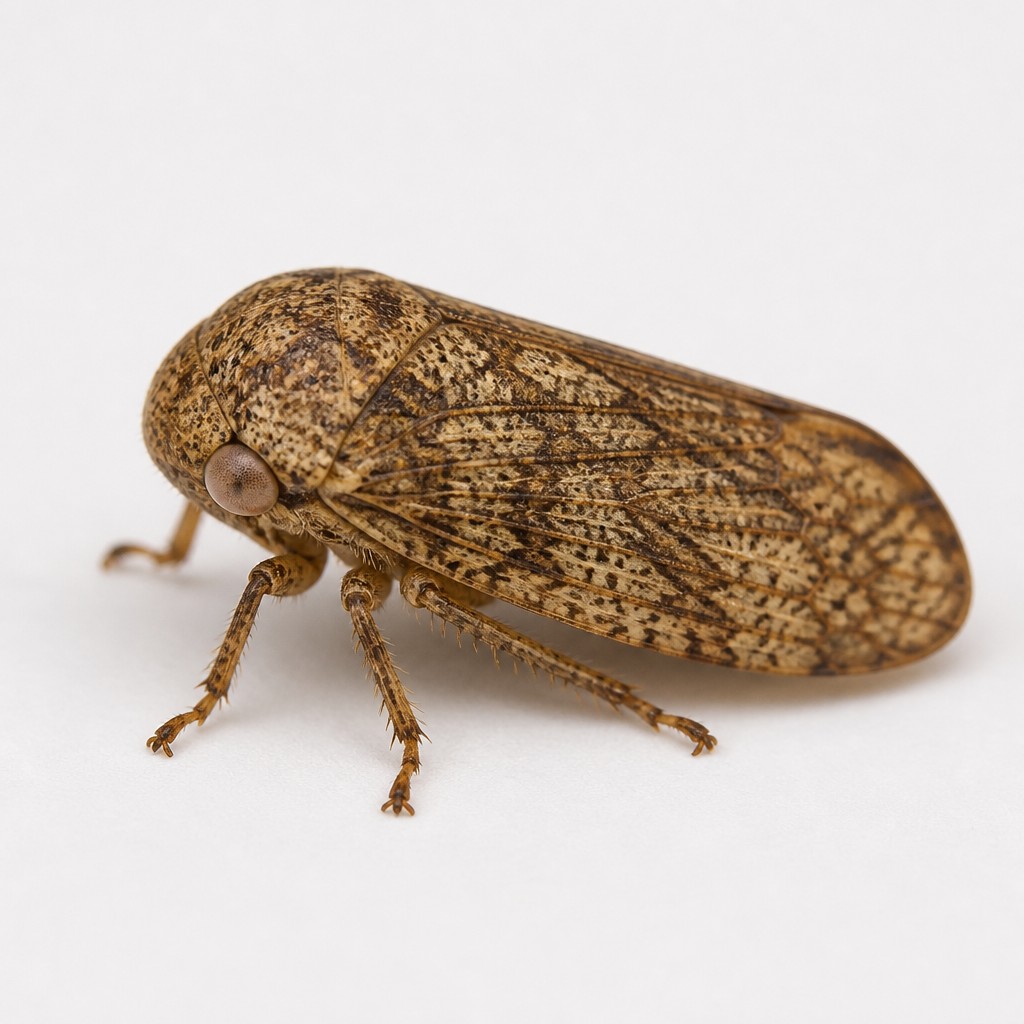
Meadow Spittlebug
A small, mottled hopping true bug whose immature nymphs are far more often noticed than the adults, hidden inside frothy blobs of white foam known as cuckoo spit on plant stems.
true-bug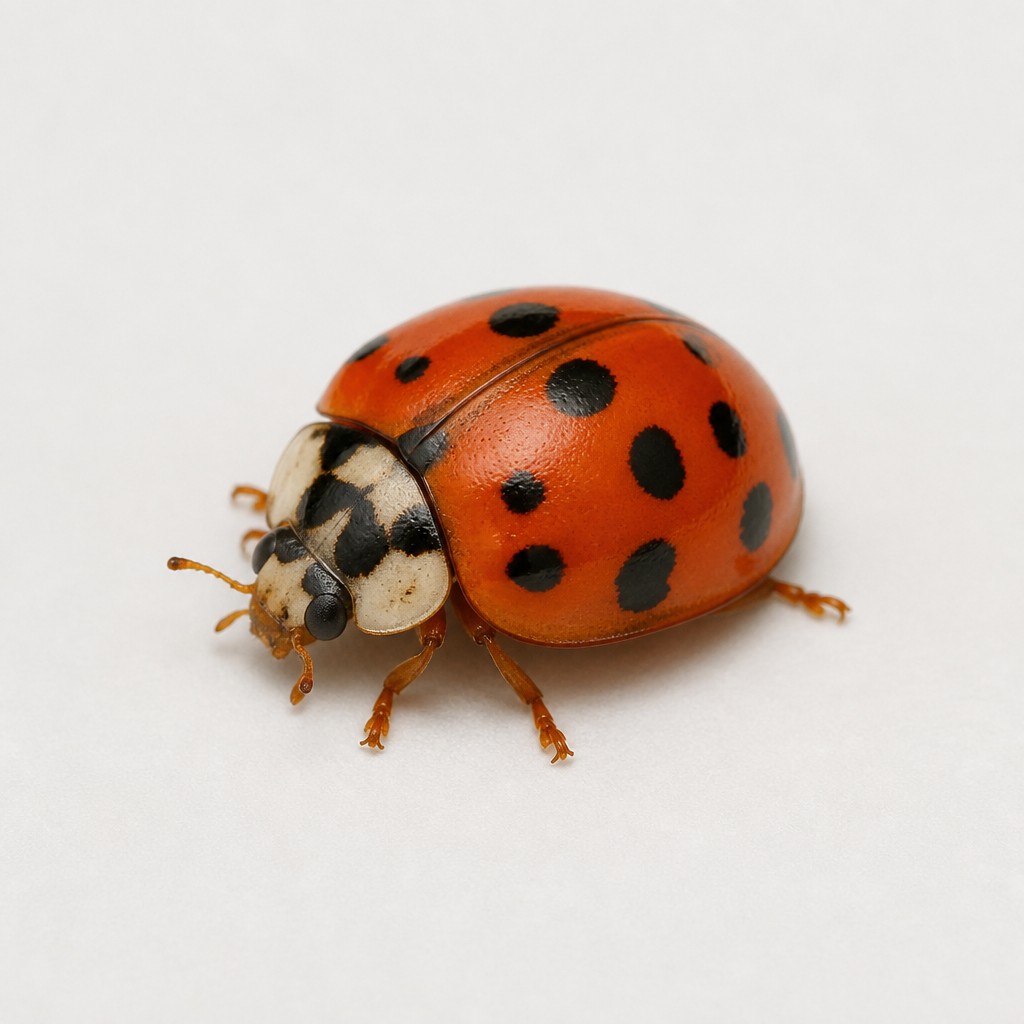
Asian Lady Beetle
A highly variable orange-to-red ladybird beetle, often bearing many black spots or none at all, famous for swarming into homes in large numbers during autumn.
beetle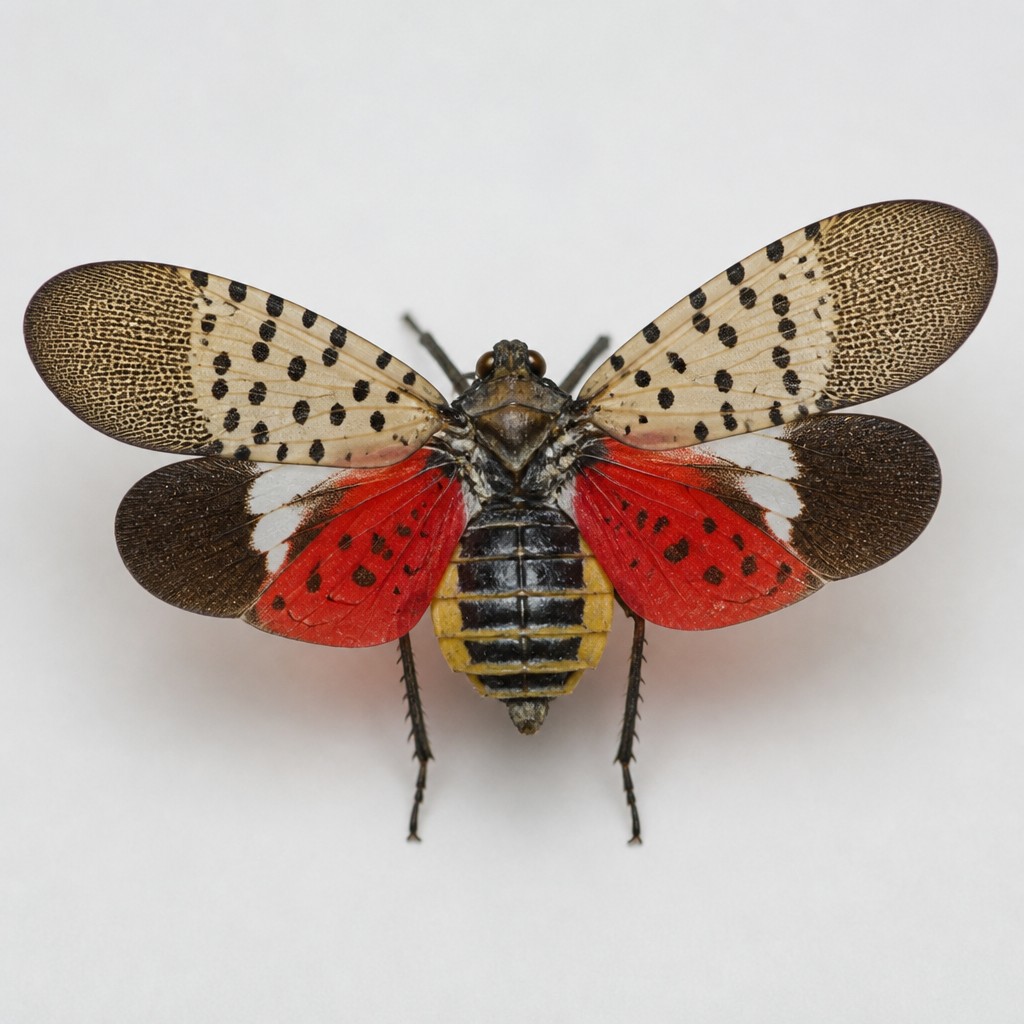
Lanternfly (Spotted Lanternfly)
A strikingly patterned planthopper with grey, spotted forewings that flash to reveal crimson hindwings when it leaps, now notorious as an invasive agricultural pest far from its native range.
true-bug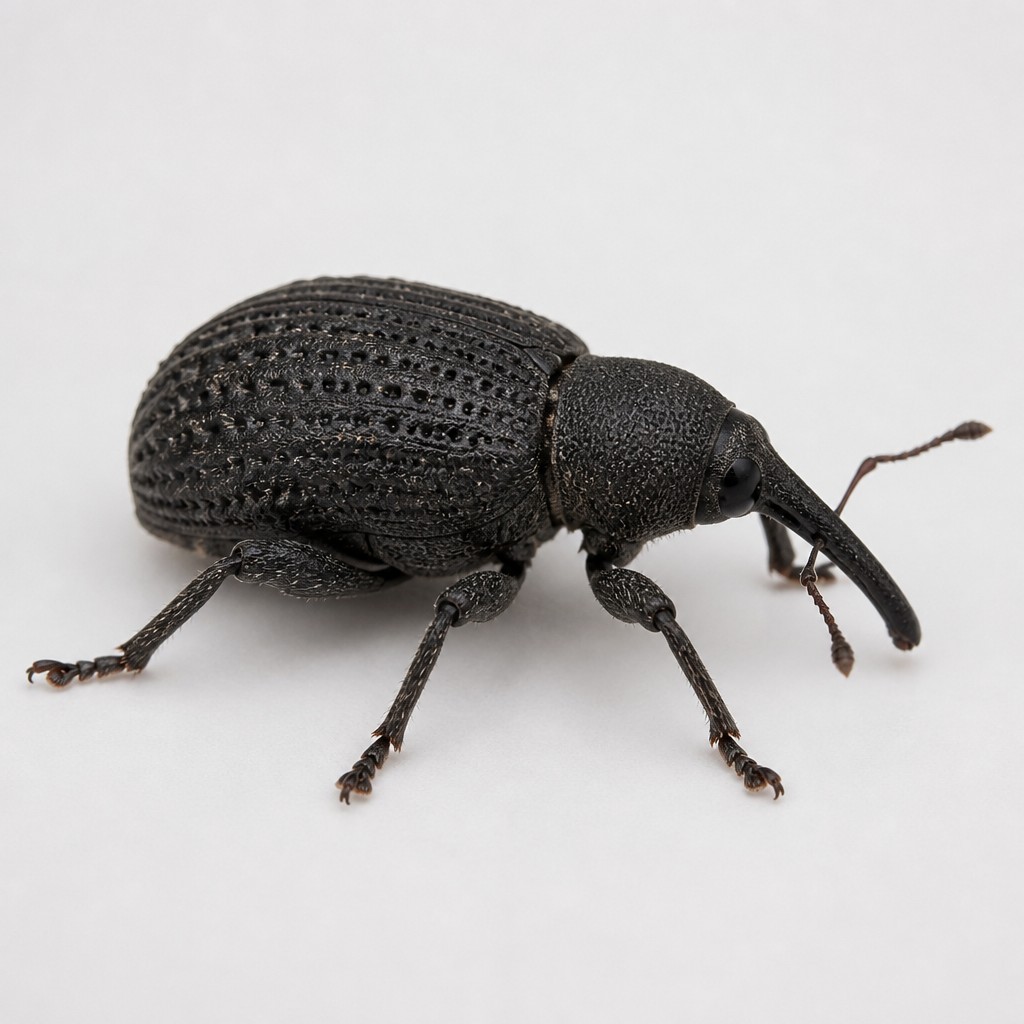
Vine Weevil
A slow, flightless, matte-black beetle that hides by day and emerges at night to notch neat semicircular bites from the edges of leaves.
beetle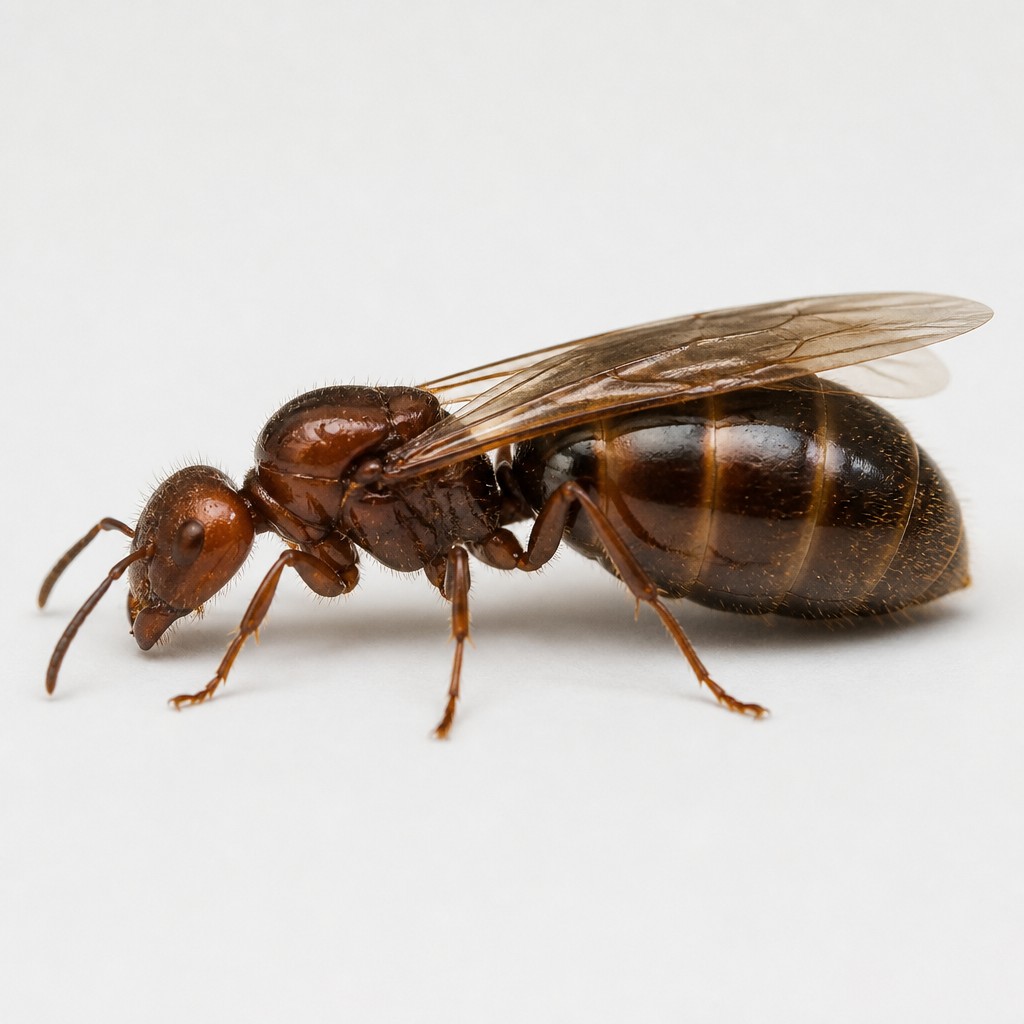
Fire Ant Queen
The reproductive powerhouse of a fire ant colony, noticeably larger than the reddish worker ants and equipped with wings before she sheds them to found a new nest.
ant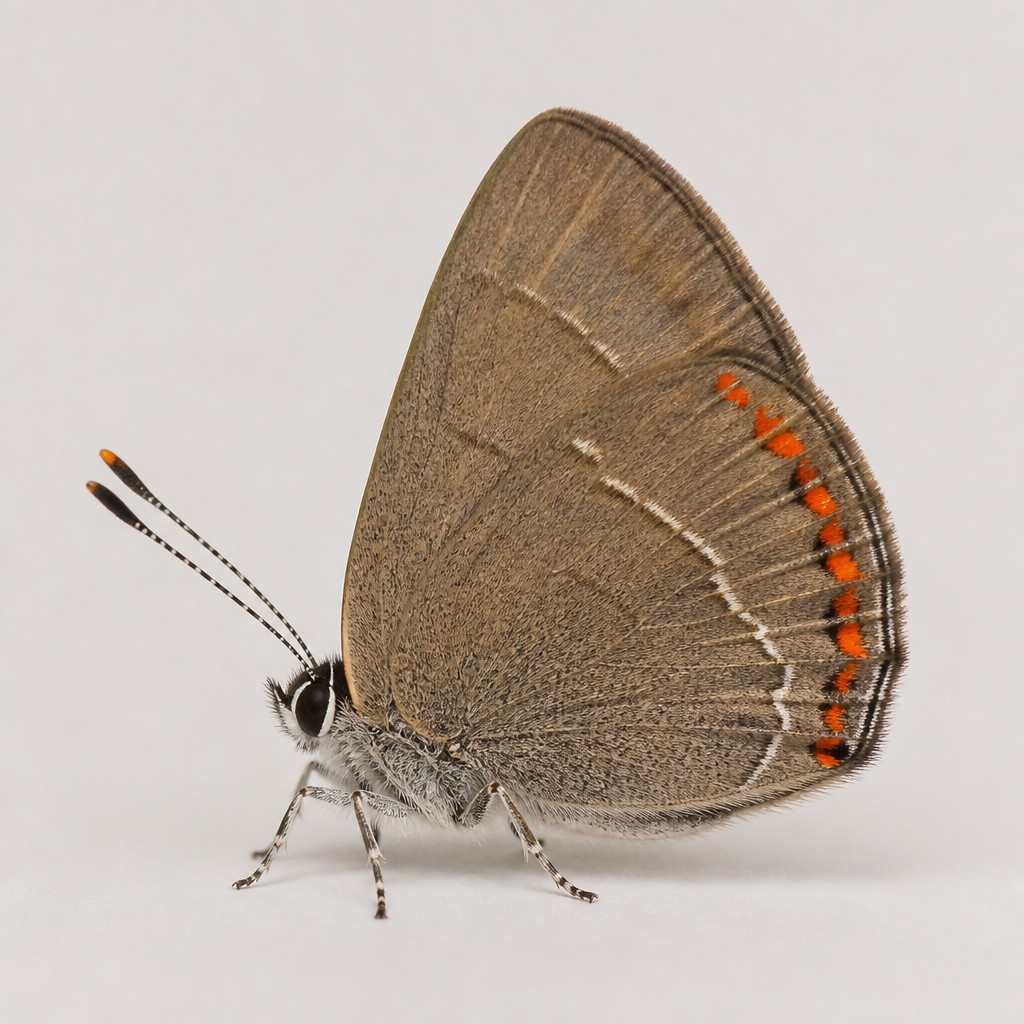
Coral Hairstreak
A tailless hairstreak identified by a bright row of coral-red spots lining the outer margin of the hindwing underside, often seen nectaring in numbers on milkweed and butterfly weed in midsummer meadows.
butterfly