
Bug Encyclopedia
Search and identify bugs & insects — beetles, butterflies, moths, ants, bees, spiders and more — with size, habitat, danger, behavior, and how to tell them apart.
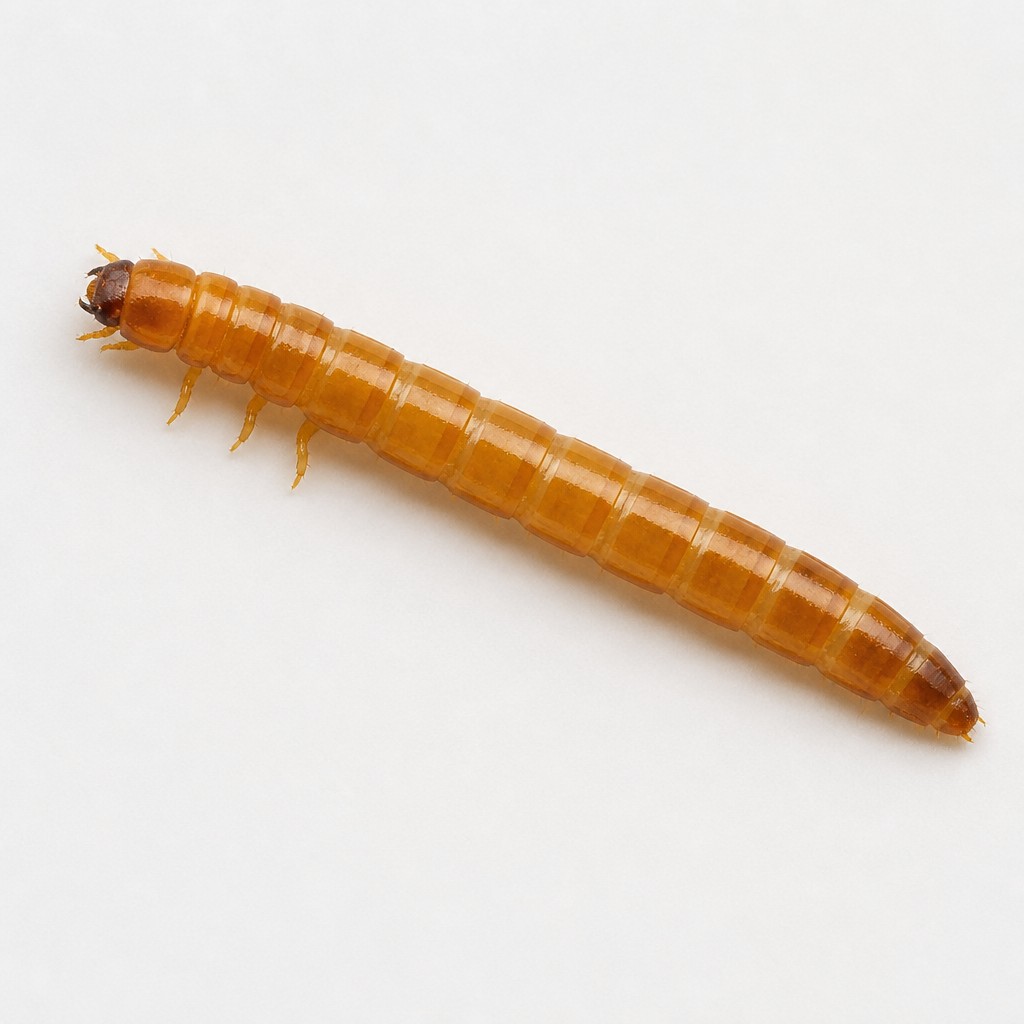
Wireworm
Slender, shiny, and armor-hard, the wireworm is the long-lived soil-dwelling larva of a click beetle, spending years underground feeding on seeds, roots, and tubers before ever taking beetle form.
beetle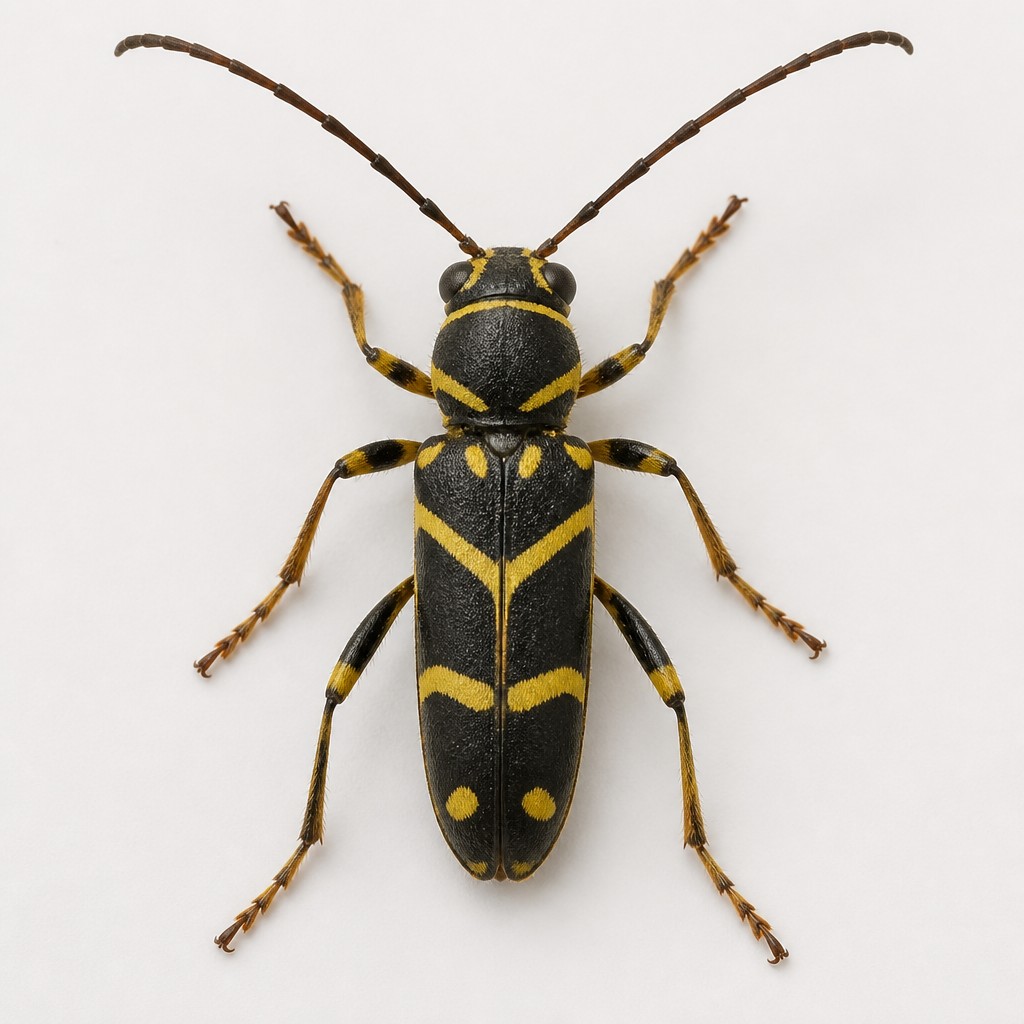
Locust Borer
A slender black longhorn beetle boldly striped with yellow, closely resembling a wasp, commonly seen visiting goldenrod flowers in autumn near black locust trees.
beetle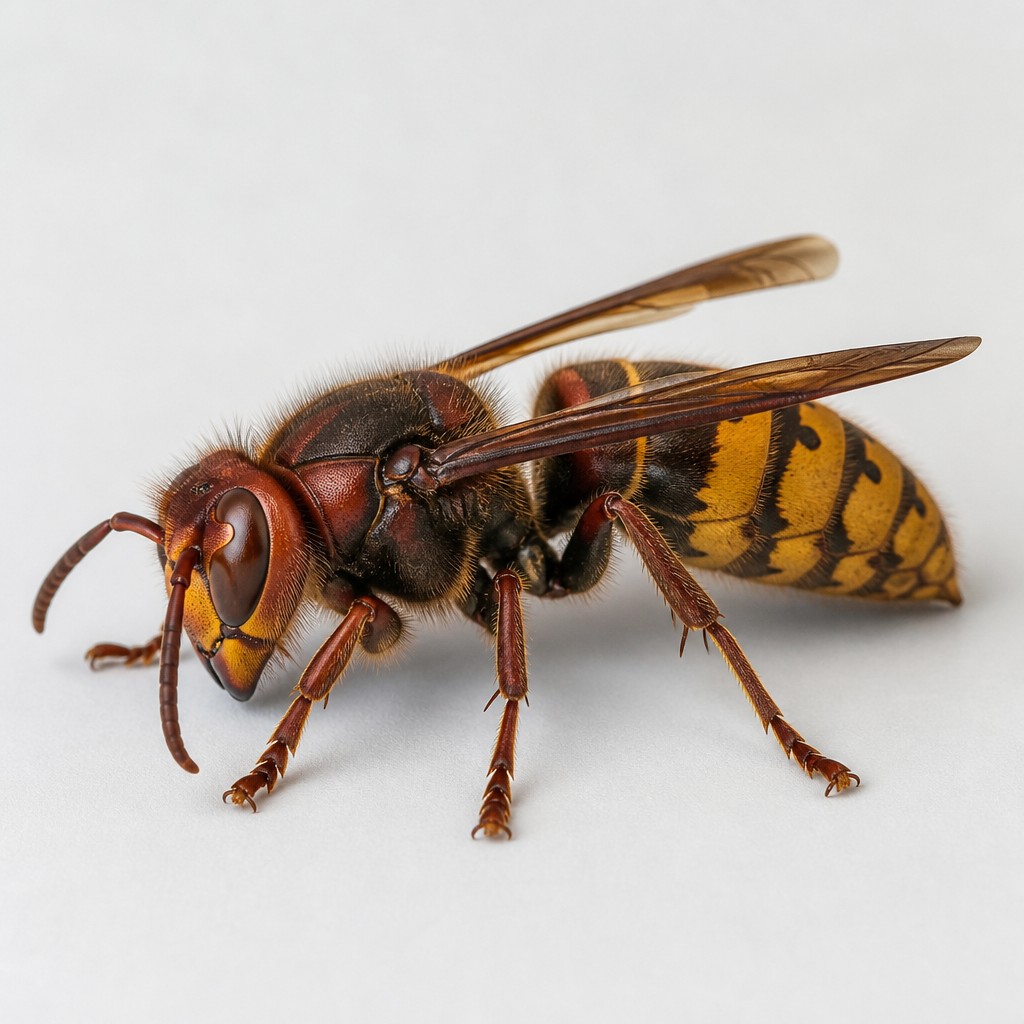
European Hornet
A large, robust wasp with a reddish-brown thorax, yellow-and-brown striped abdomen, and a distinctive habit of nesting in hollow trees, making it the largest true hornet native to Europe and introduced to eastern North America.
wasp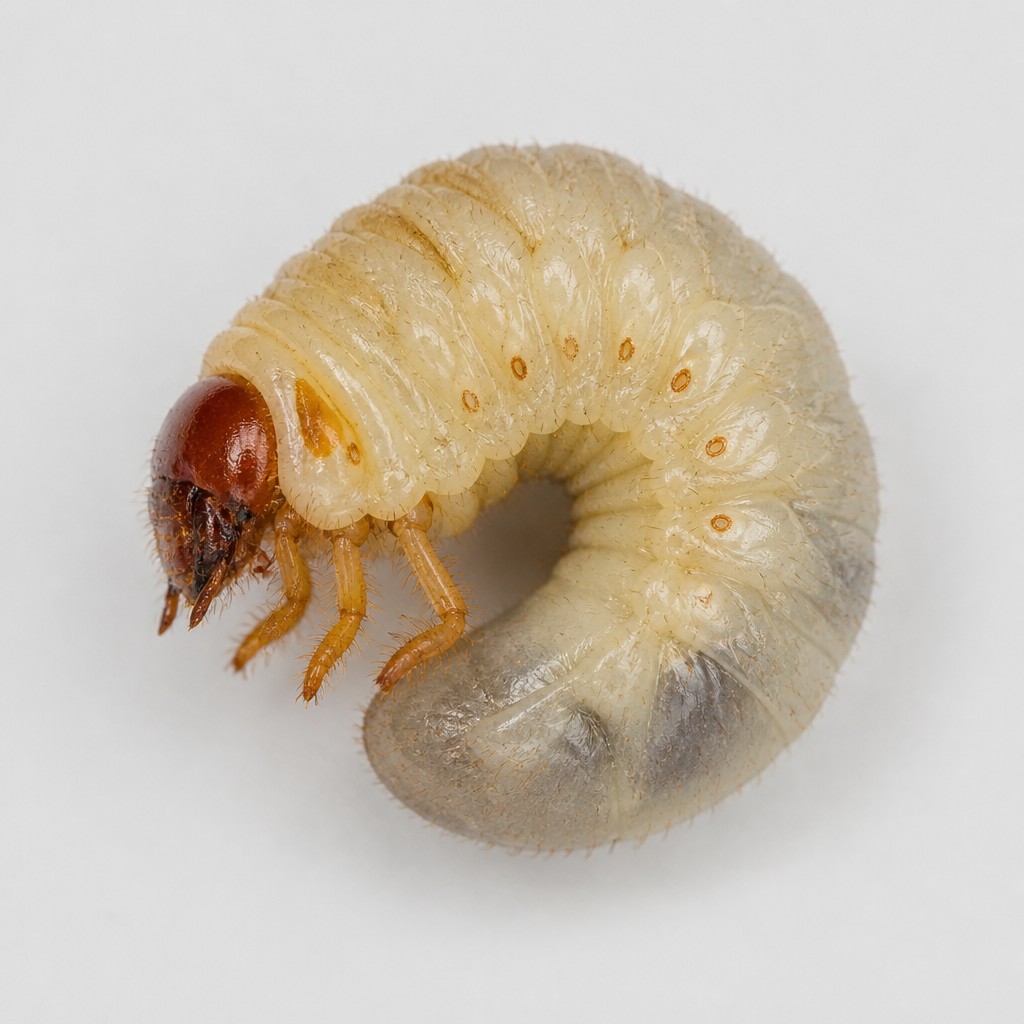
Grub Worm
A plump, C-shaped, creamy-white larva with a distinct brown head, living underground where it feeds on grass and plant roots before eventually maturing into a scarab beetle.
beetle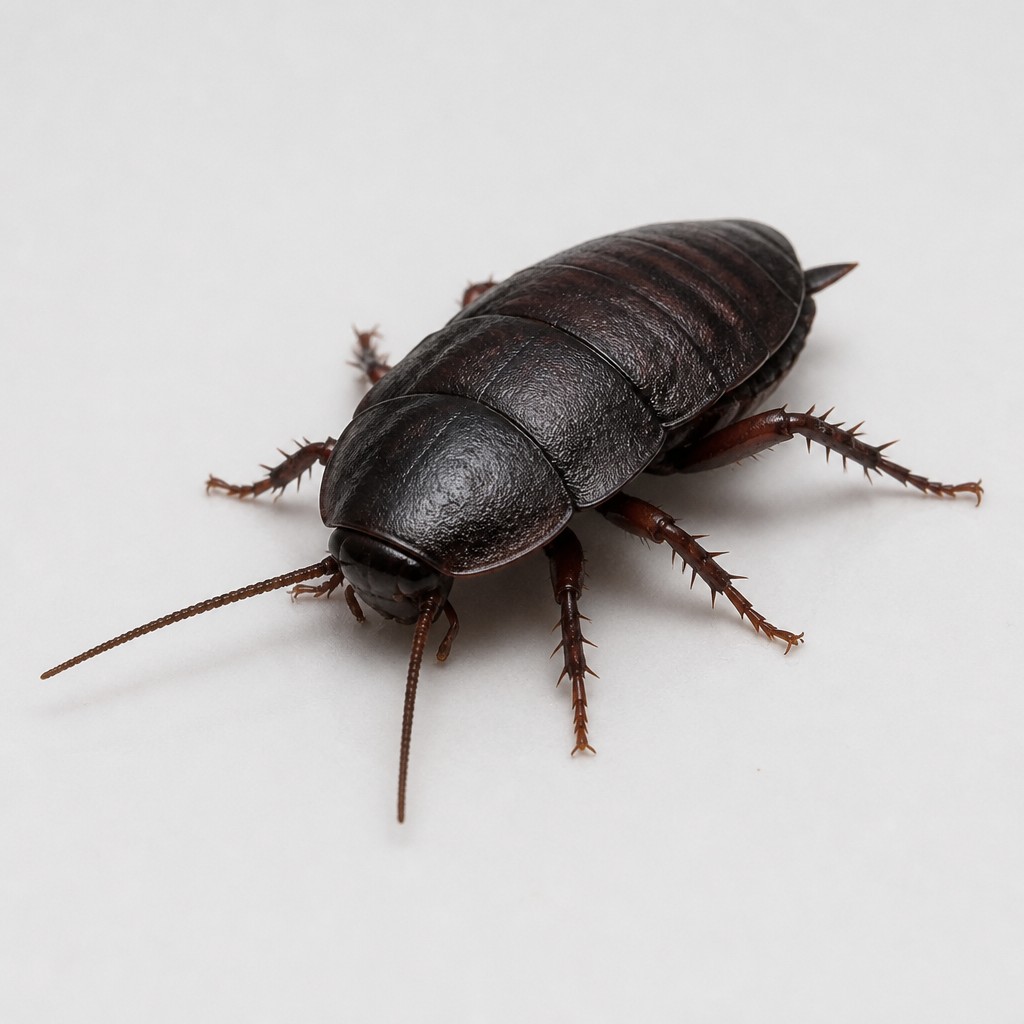
Oriental Cockroach
A dark, matte blackish-brown cockroach with short wings that do not cover the abdomen, especially in females, and a preference for cooler, damper hiding spots than most other common cockroaches.
other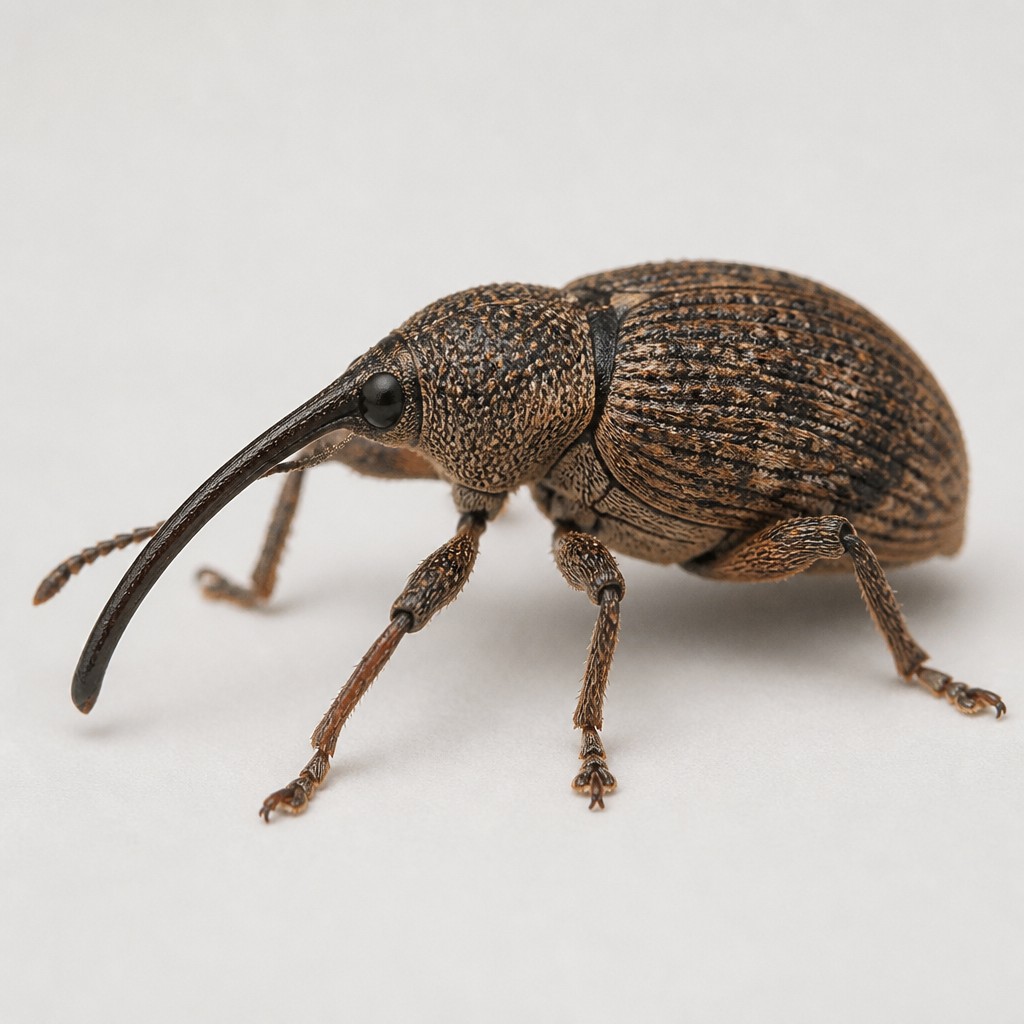
Weevil
A beetle instantly recognizable by its elongated, downward-curving snout tipped with tiny chewing mouthparts, used to bore into seeds, nuts, grain, and plant stems.
beetle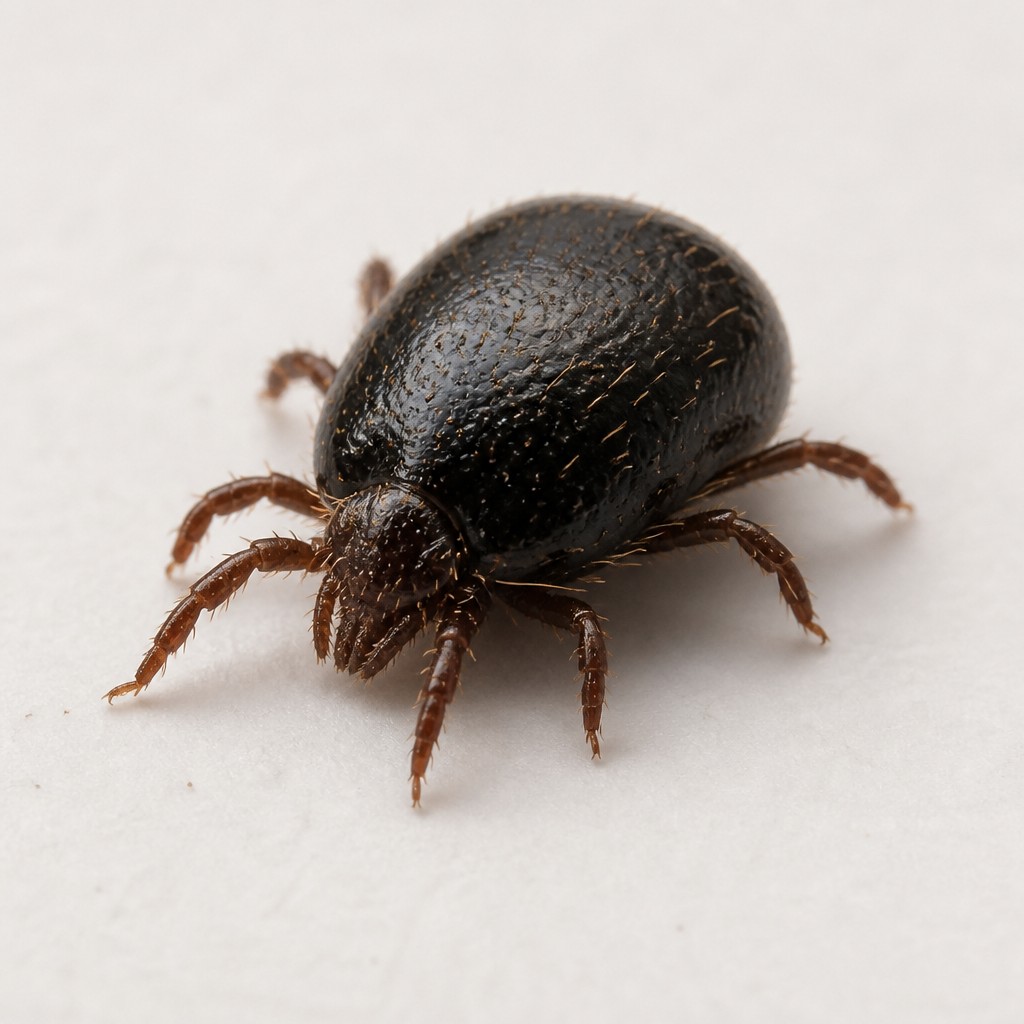
Soil Mite
A microscopic, heavily armored mite found by the millions in a single handful of soil, quietly breaking down leaf litter and helping build the fertile ground beneath forests and fields.
arachnid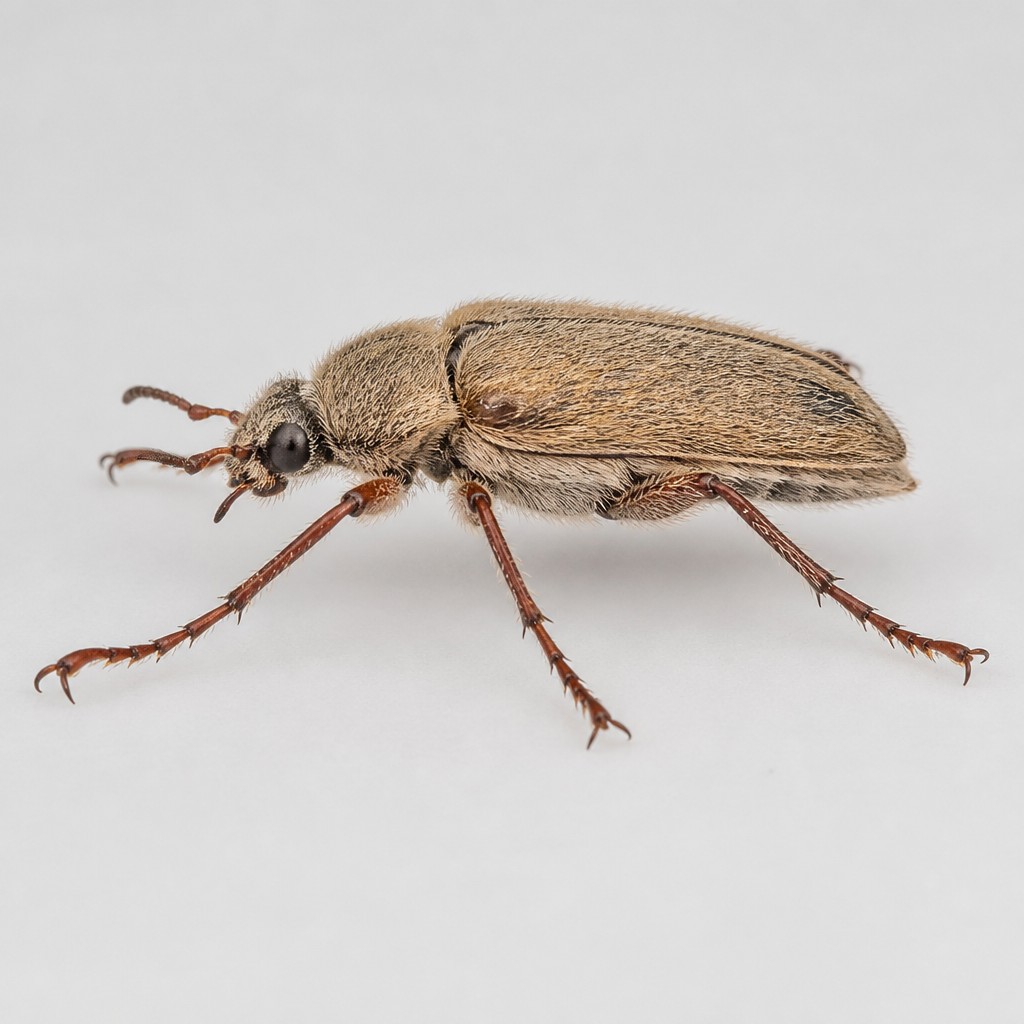
Rose Chafer
A slender, tan, long-legged scarab beetle that gathers in swarms on rose blossoms and other flowers in late spring, chewing petals and foliage into a lacy, skeletonized pattern.
beetle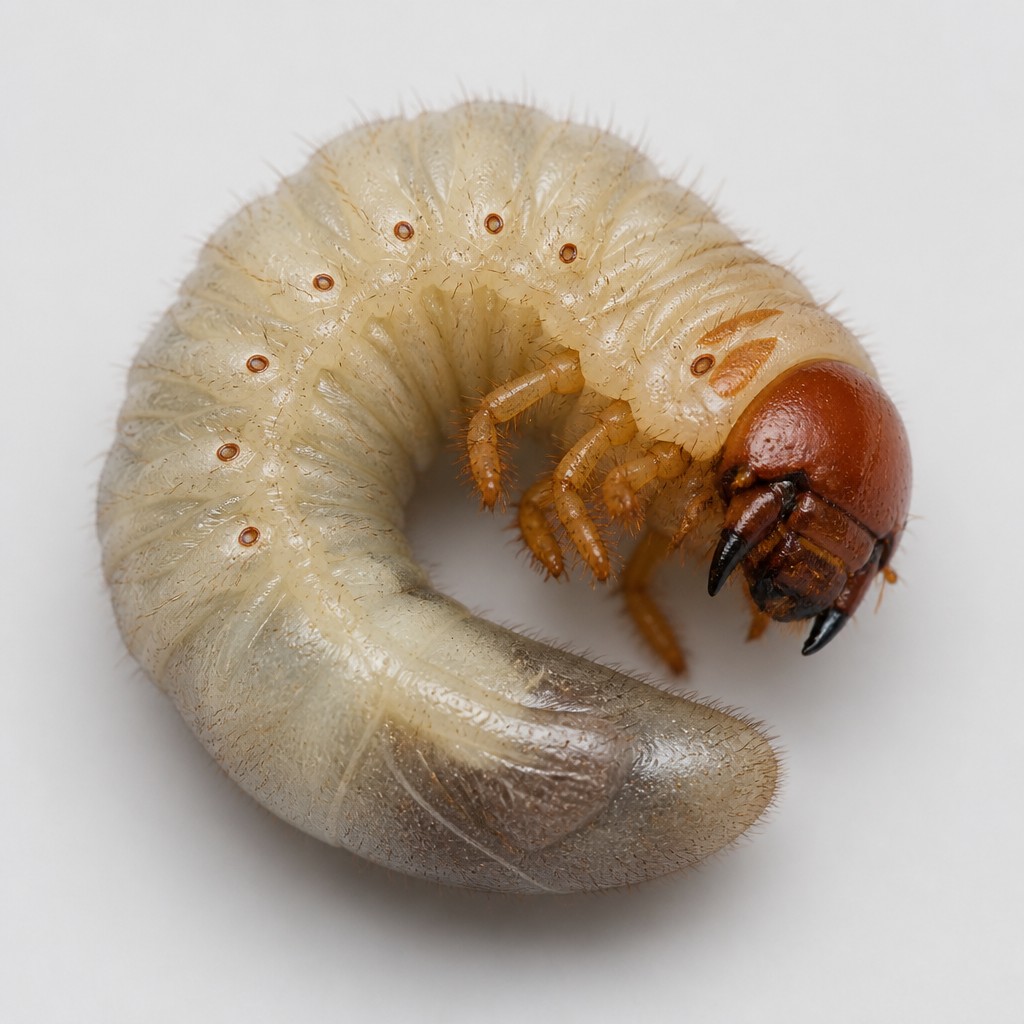
White Grub
A pale, C-shaped larva with a brown head capsule and six stubby legs, spending its entire early life hidden underground feeding on roots before emerging as a stout May or June beetle.
beetle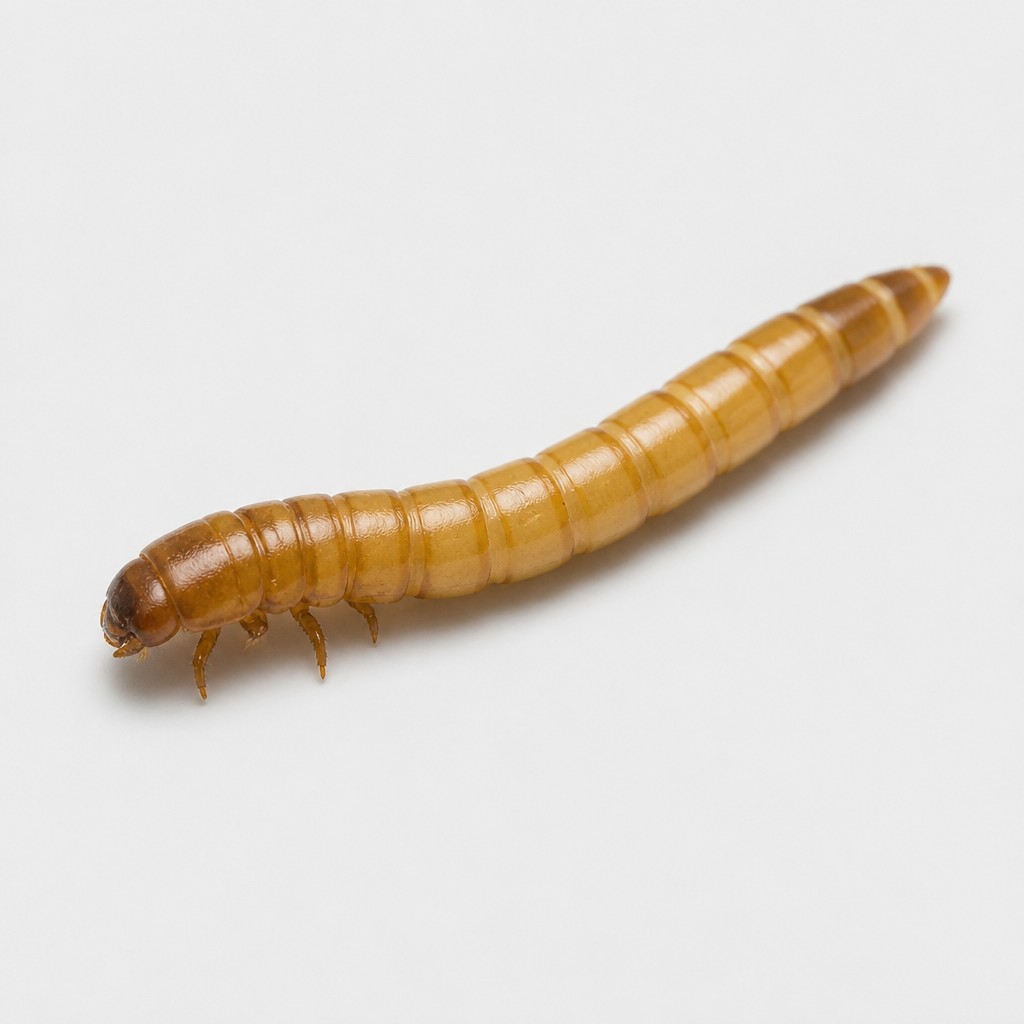
Mealworm
A tan, segmented larva with a shiny hard exoskeleton that tunnels through stored grain and flour before transforming into a darkling beetle.
caterpillar-larva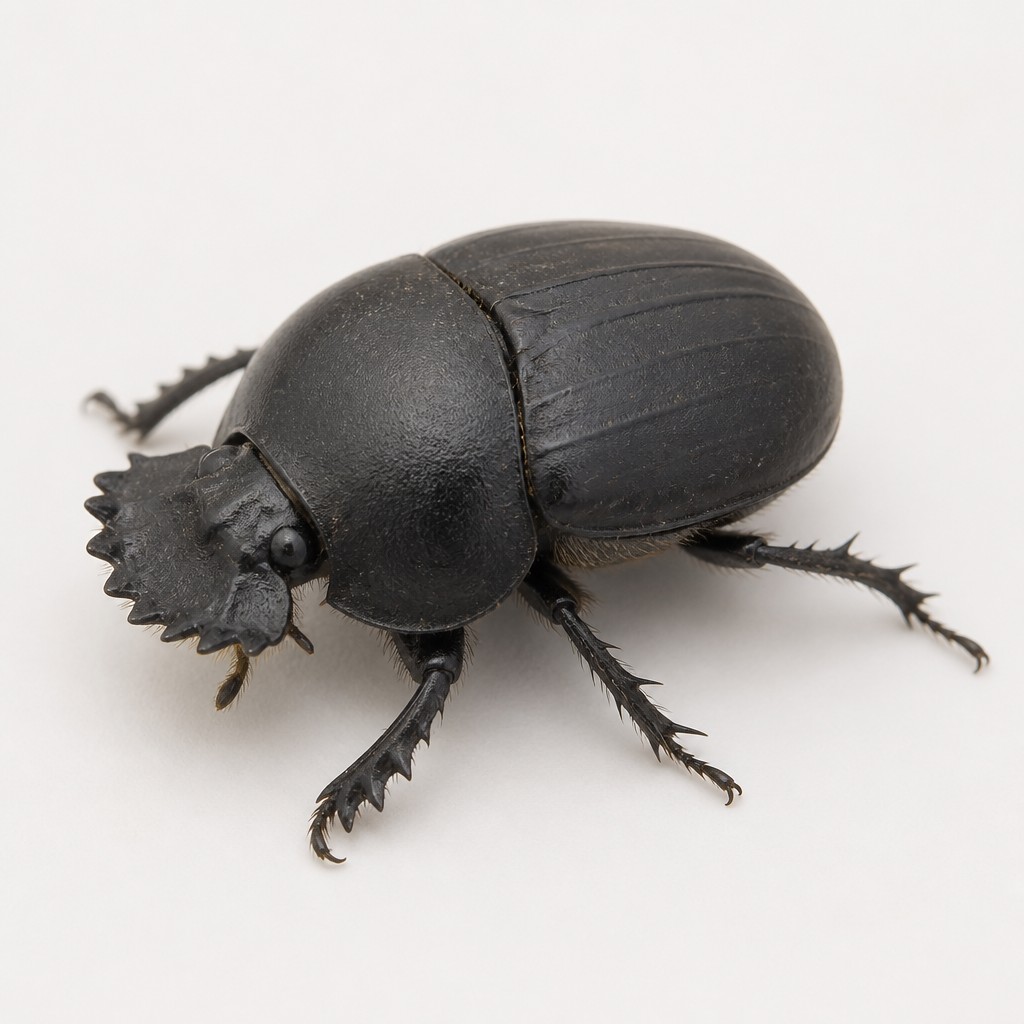
Sacred Scarab
A stout, matte-black dung beetle famous for rolling balls of dung across the ground with its hind legs, and revered in Ancient Egypt as a symbol of the sun and renewal.
beetle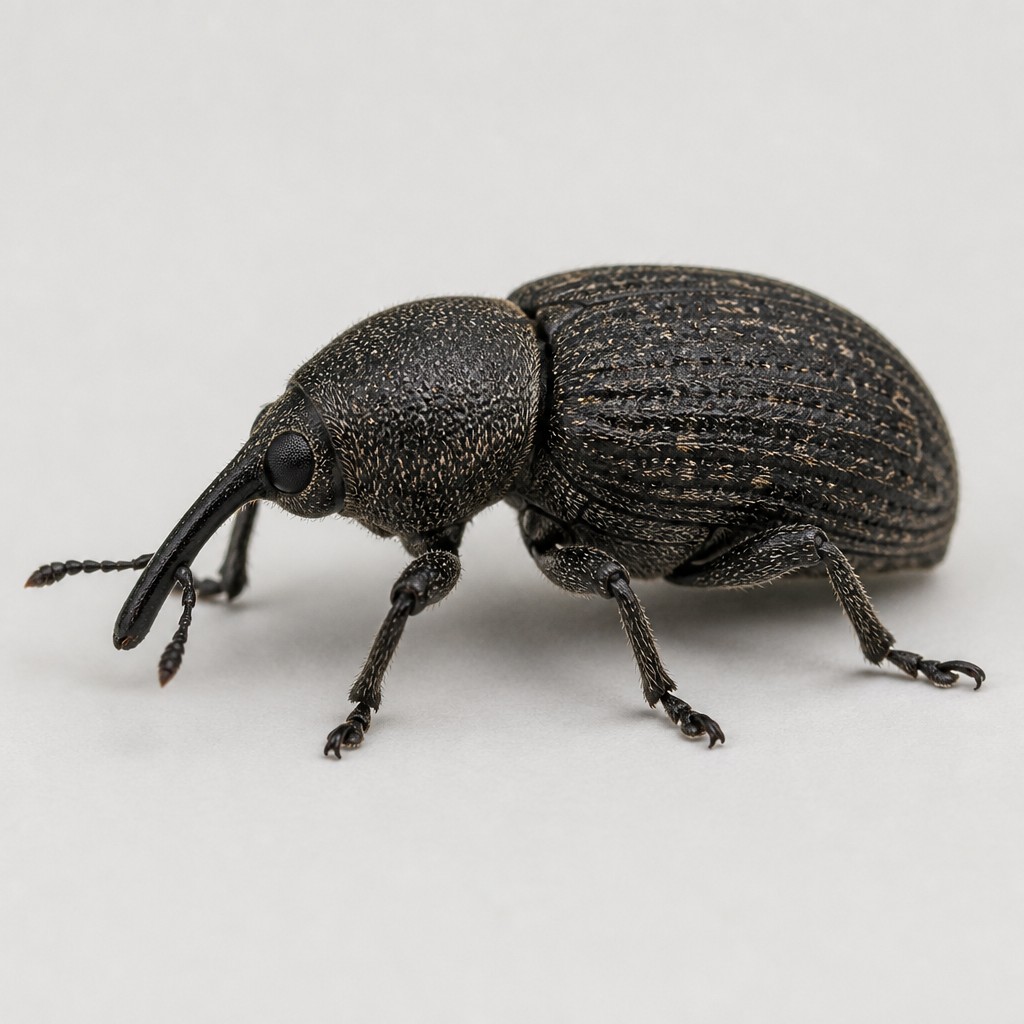
Black Vine Weevil
A flightless, all-black snout beetle notorious for notching the edges of leaves at night while its underground larvae feed on plant roots and crowns.
beetle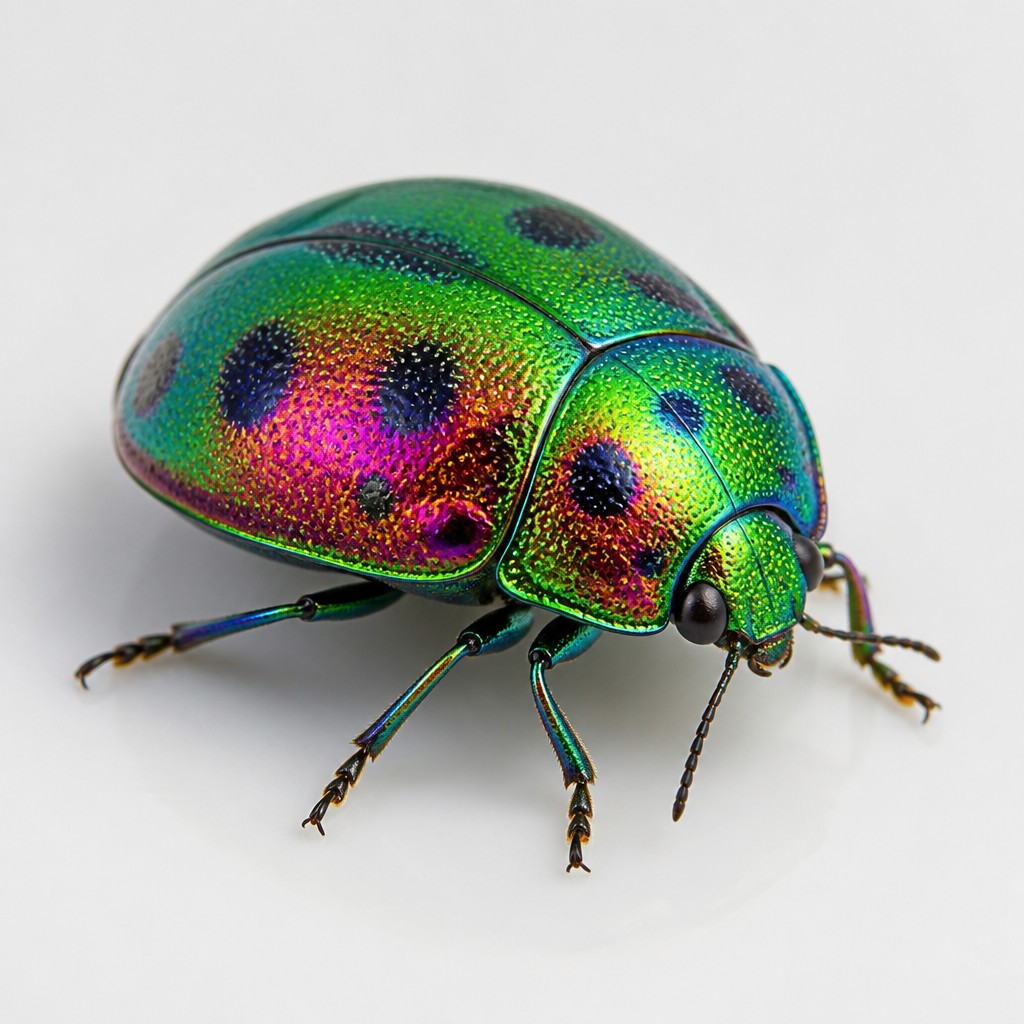
Jewel Bug
A living gemstone of the insect world, the jewel bug shimmers in dazzling metallic greens, blues, reds, and golds. Its enlarged shield-like back covers the entire body, making it look like a polished piece of enamelware.
true-bug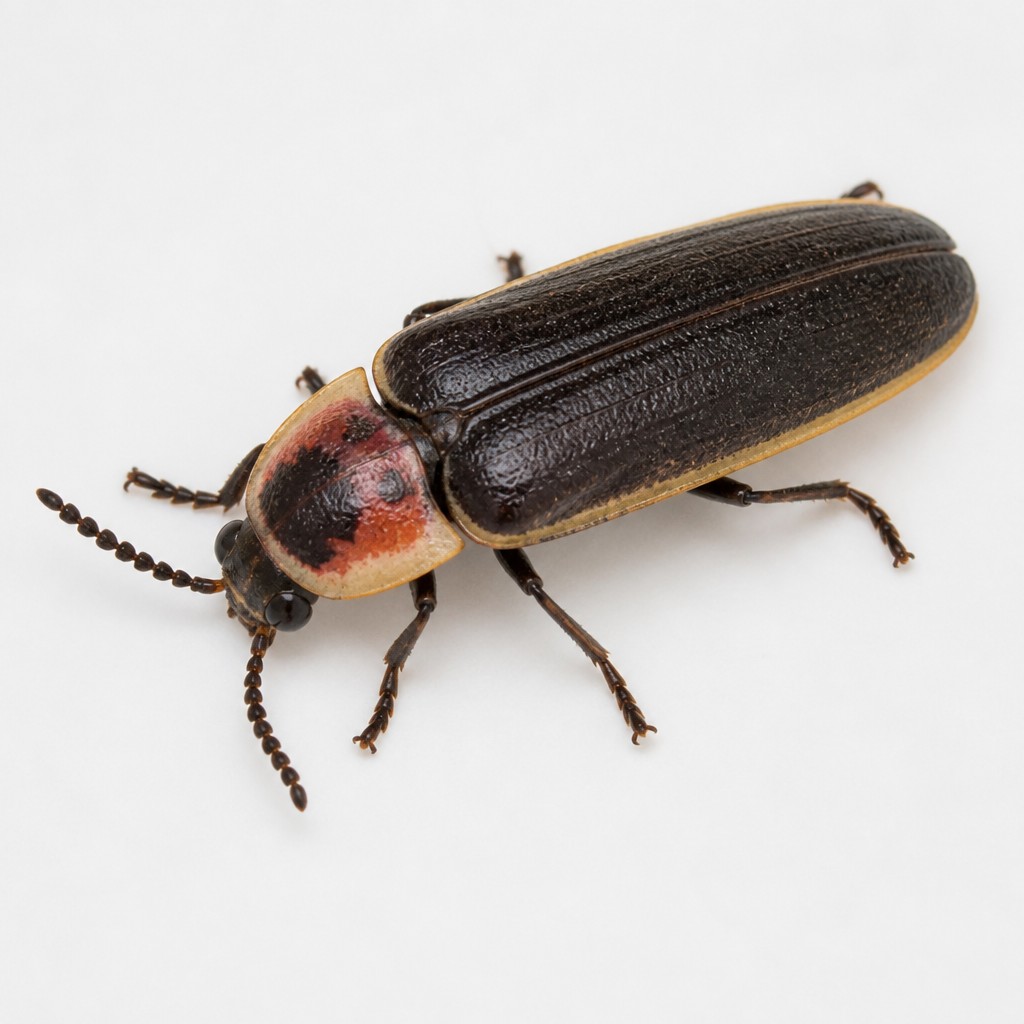
Fireflies
A soft-bodied beetle famous for producing rhythmic, glowing flashes of light from its abdomen at dusk, used to signal and attract mates across meadows and gardens on warm summer evenings.
beetle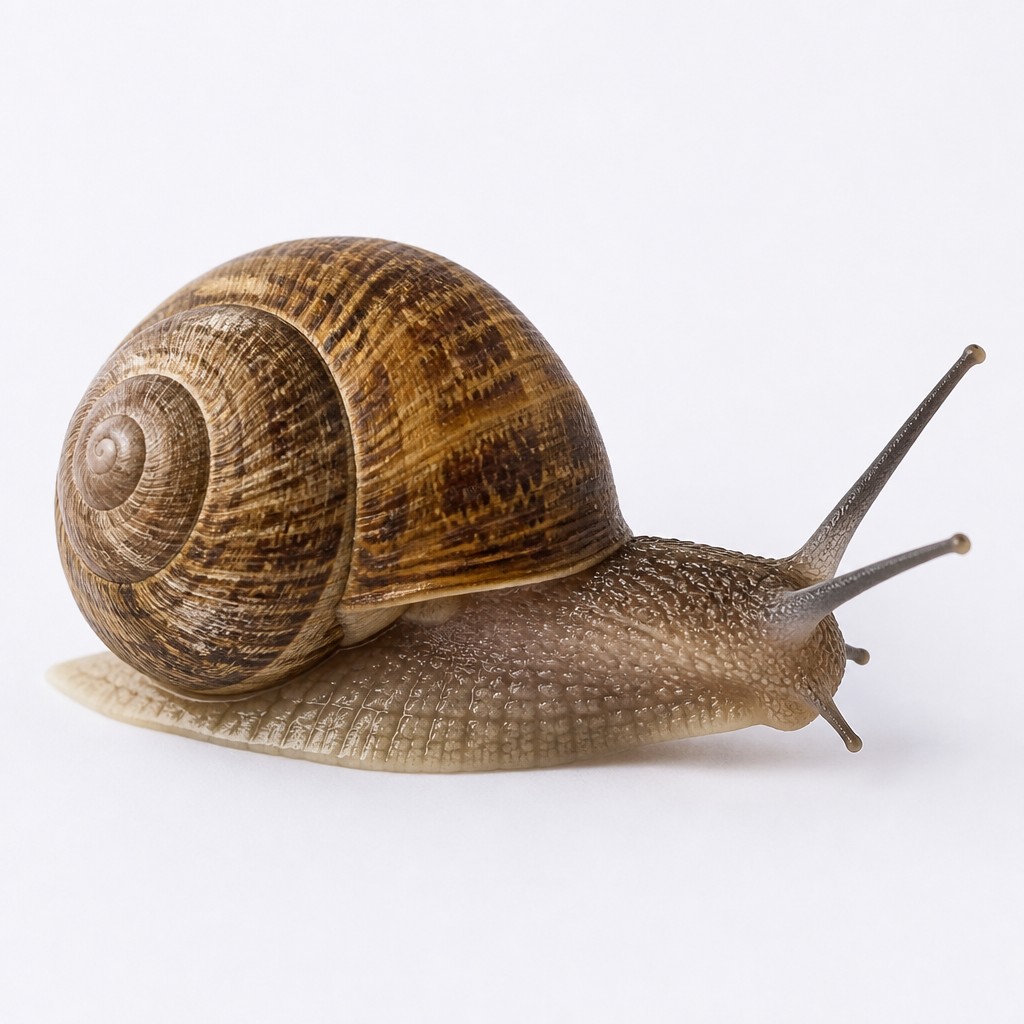
Snail
A shelled land mollusk that carries a coiled, calcium-carbonate shell on its back and glides slowly across damp gardens and vegetation on a slime-lubricated foot.
other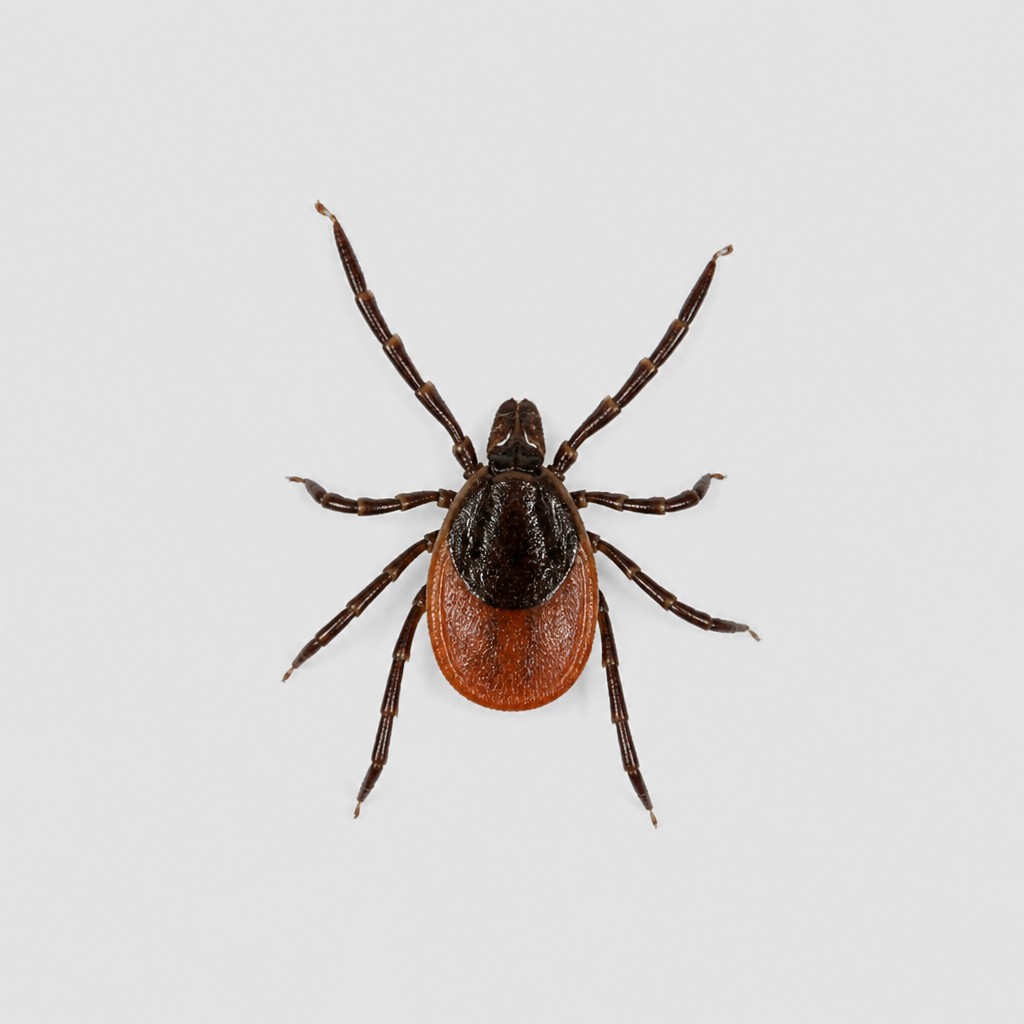
Blacklegged Tick
A tiny, teardrop-shaped tick with dark legs and a reddish-brown abdomen that lurks in leaf litter along woodland trails.
arachnid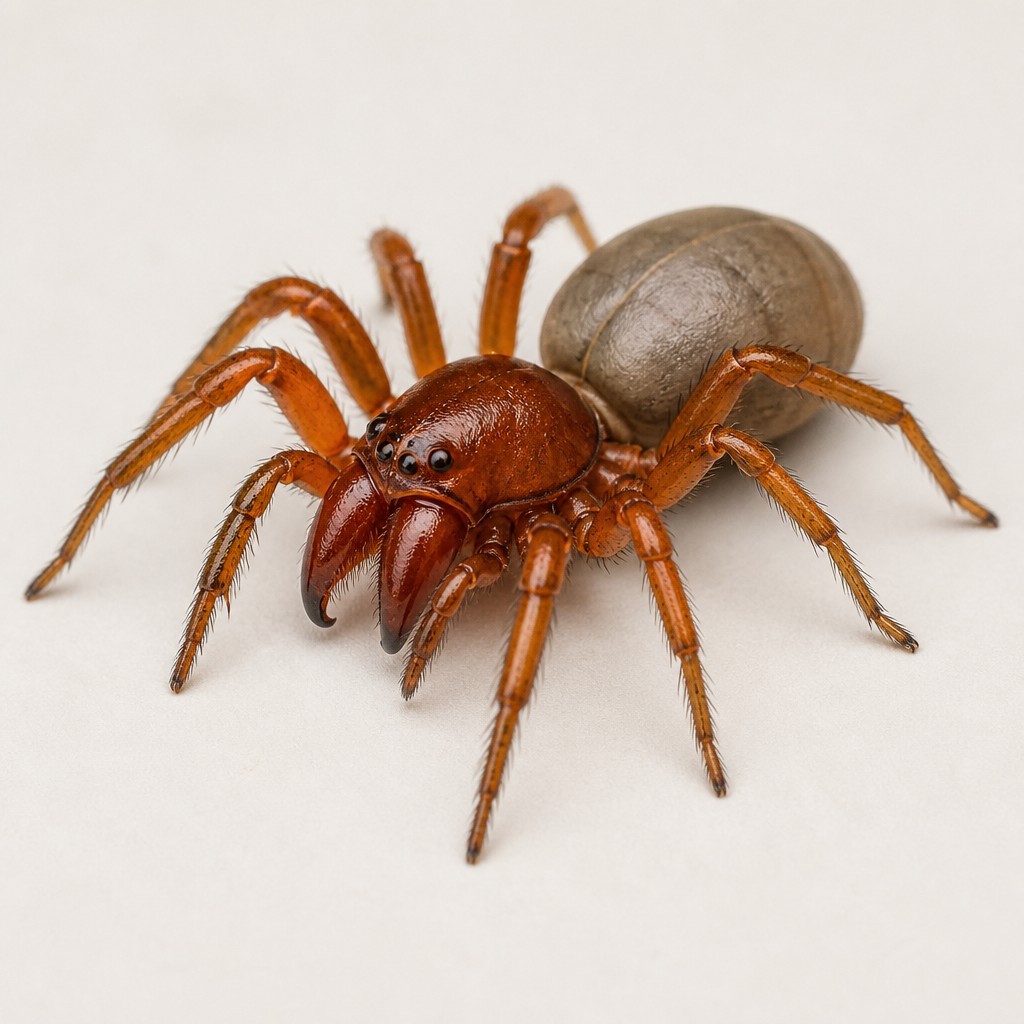
Woodlouse Spider
A reddish-brown spider with oversized forward-pointing jaws specialized for piercing the armored shells of woodlice, often found lurking under damp stones and mulch.
spider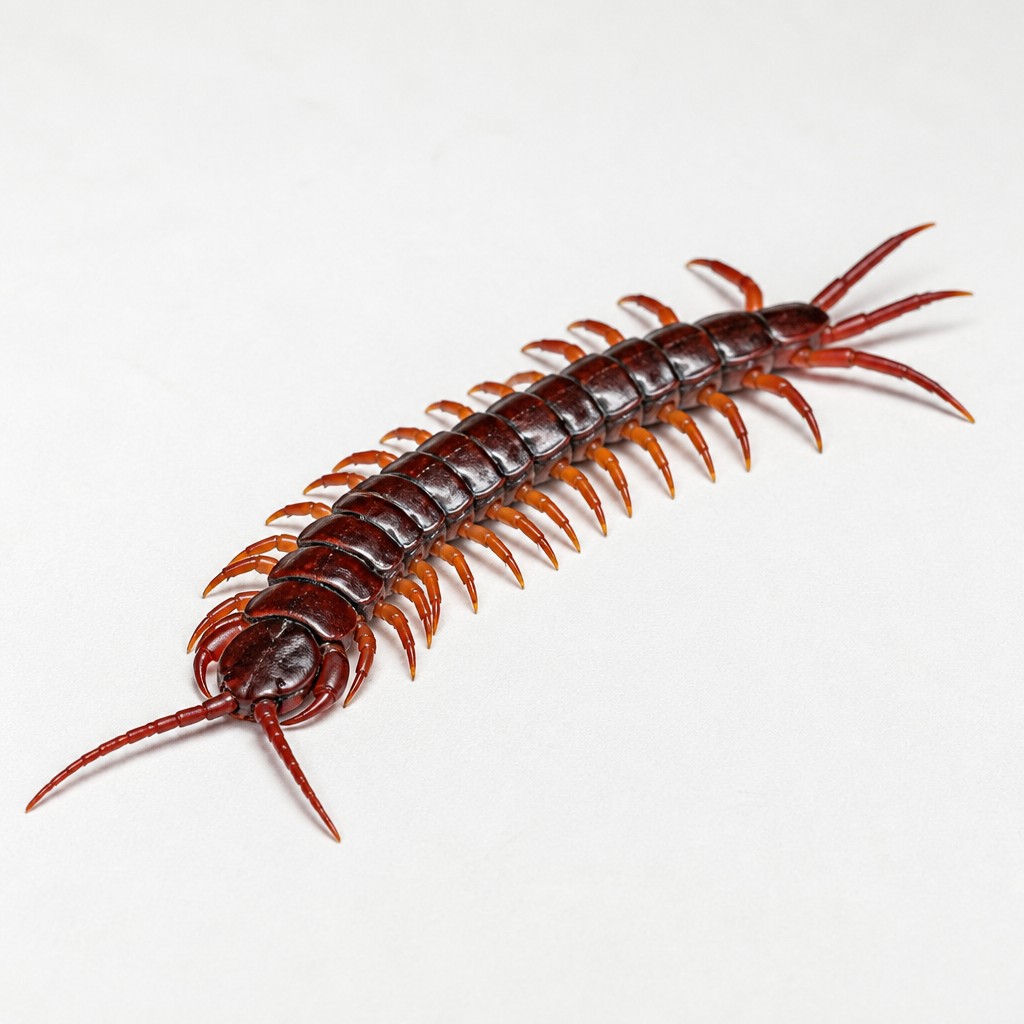
Amazonian Giant Centipede
The largest centipede on the planet, a formidable dark reddish-brown predator from South American rainforests capable of capturing prey as large as bats and small reptiles.
myriapod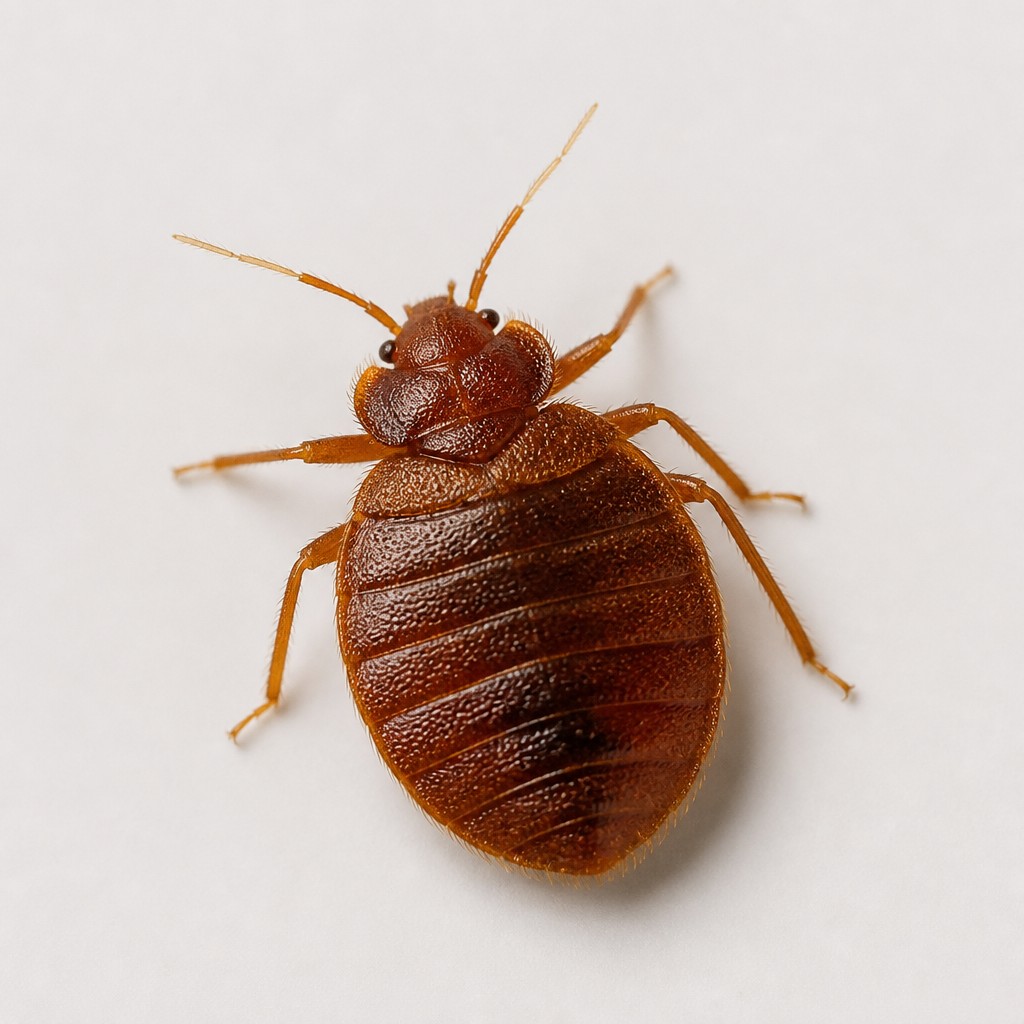
Bed Bug
A small, flat, reddish-brown, wingless insect shaped like an apple seed that hides in mattress seams and bed frames by day and emerges at night to feed.
true-bug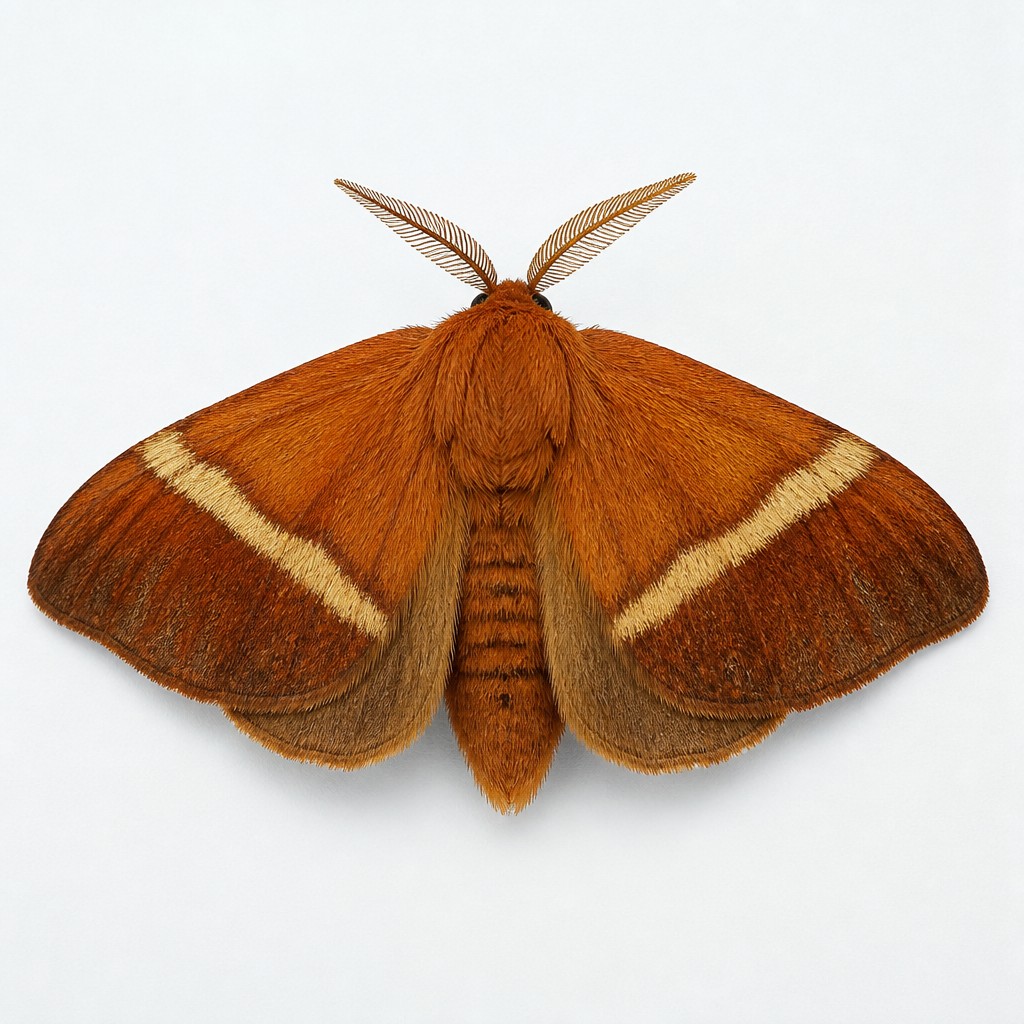
Fox Moth
A stout, reddish-brown moth with a pale diagonal band across each forewing, closely resembling a fox in color, most often noticed as its large, densely furred dark caterpillar basking on open ground in spring.
moth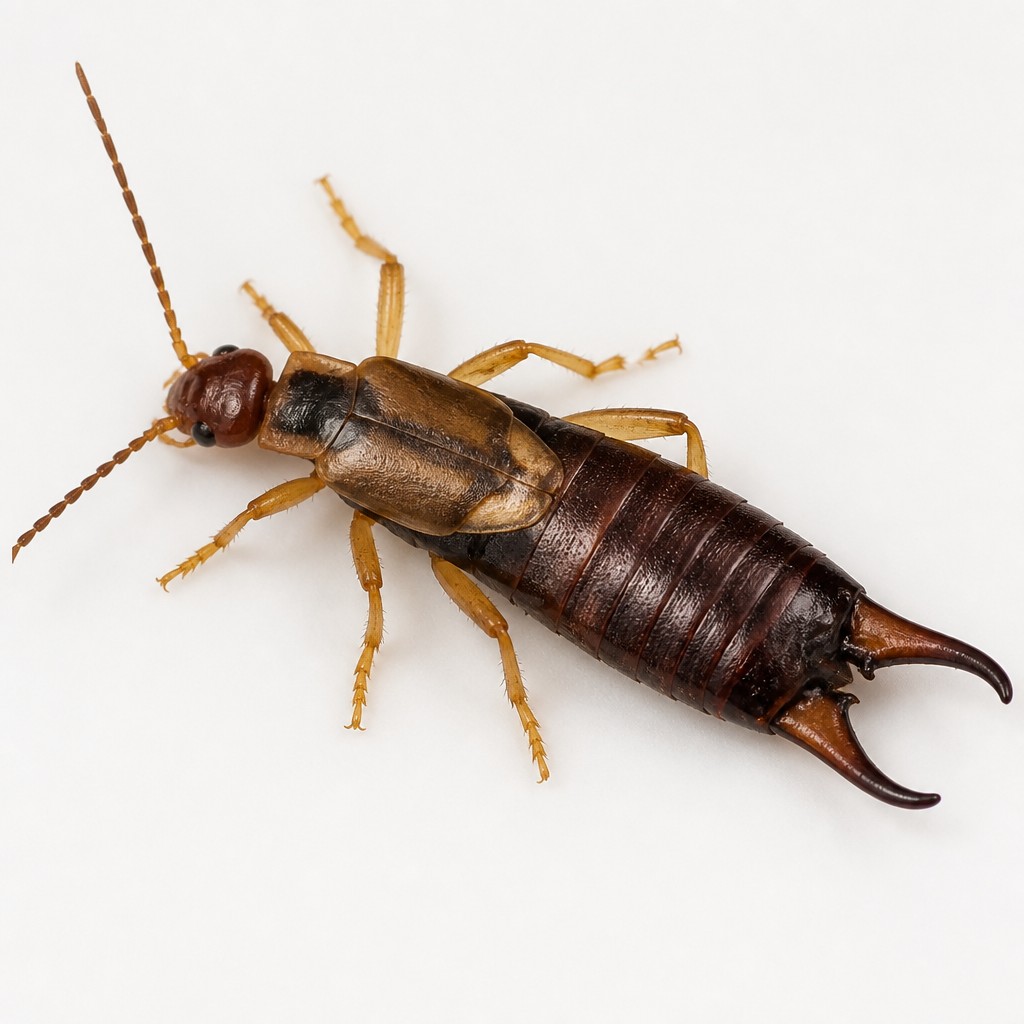
Common Earwig
A flattened, reddish-brown insect instantly recognizable by the pair of pincer-like forceps at the tip of its abdomen, which it uses for defense and to help fold its wings.
other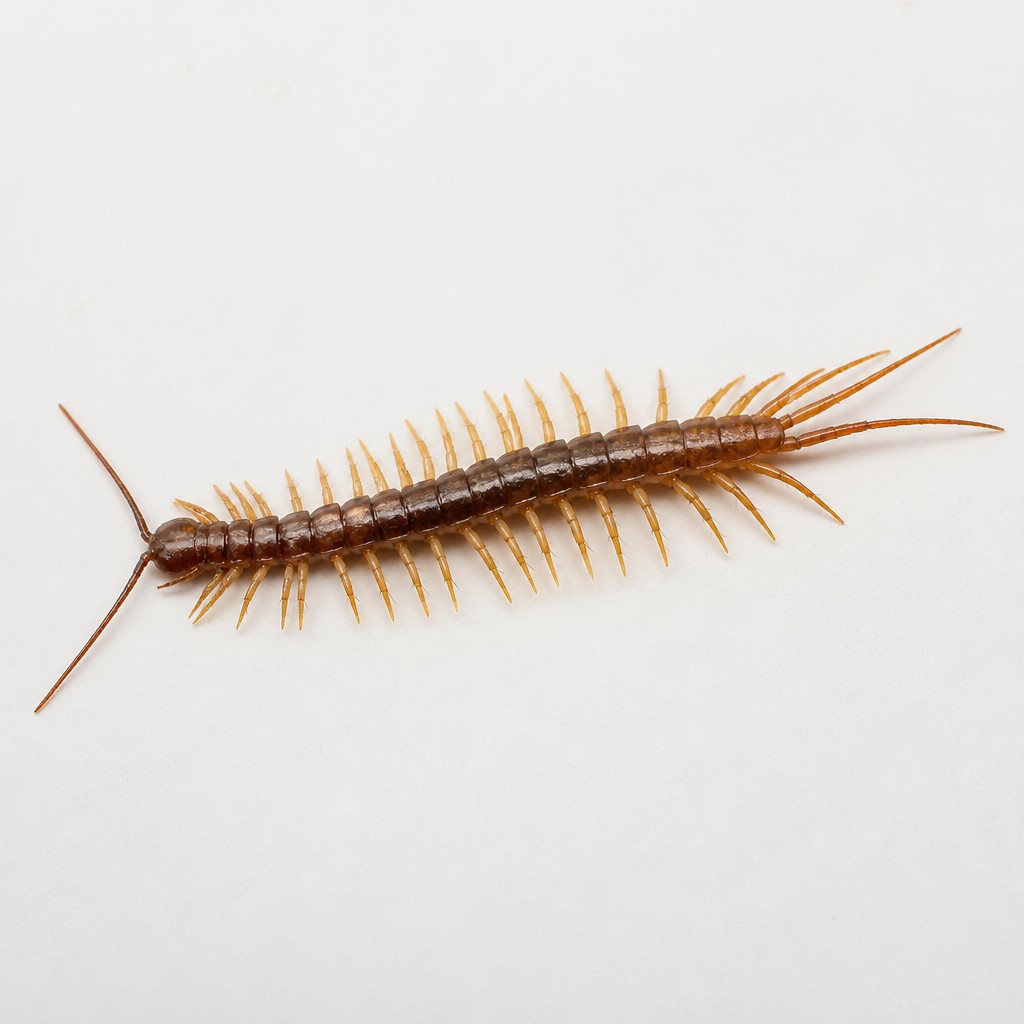
Stone Centipede
A quick, flattened, reddish-brown centipede that darts for cover the instant its stone or log shelter is lifted, one of the most commonly seen centipedes in temperate gardens.
myriapod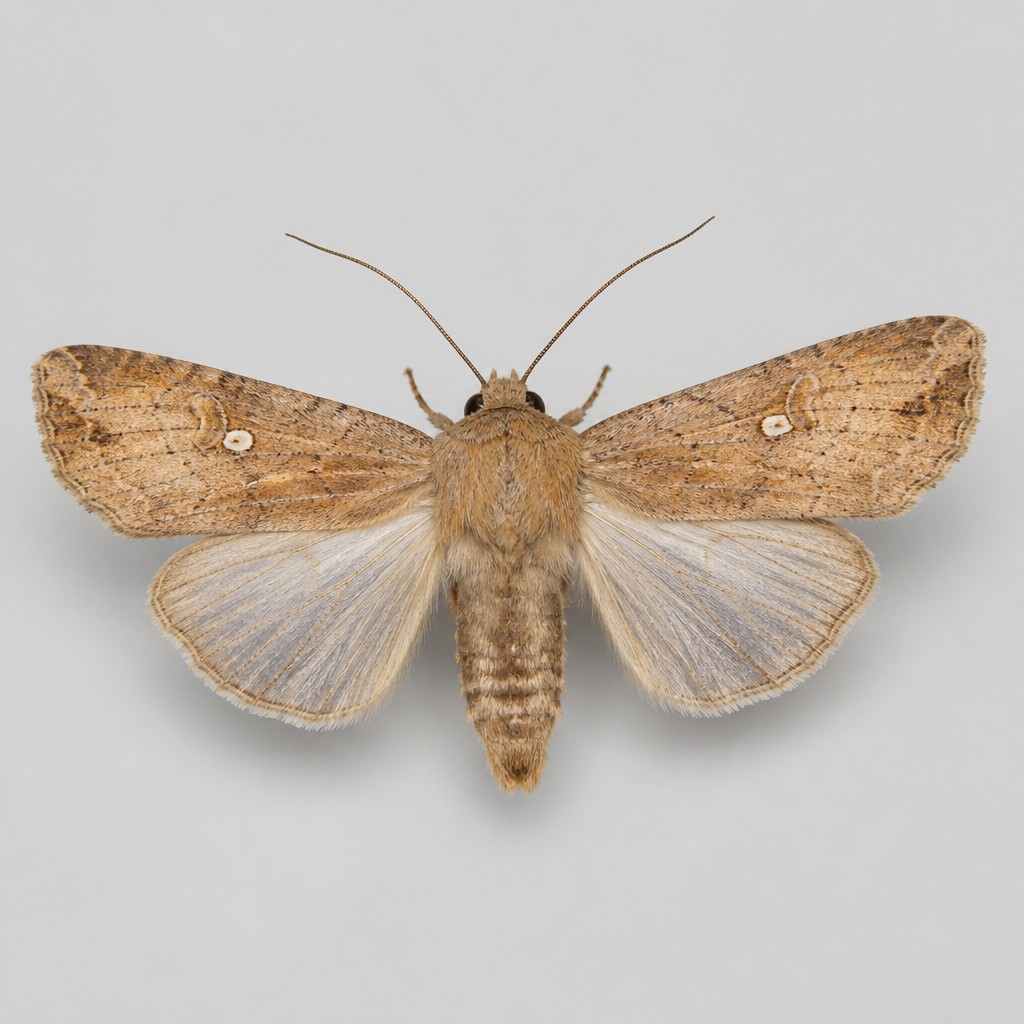
Armyworm Moth
A plain tan to reddish-brown moth whose caterpillars are famous for marching in large groups across fields, stripping grasses and grain crops as they move.
moth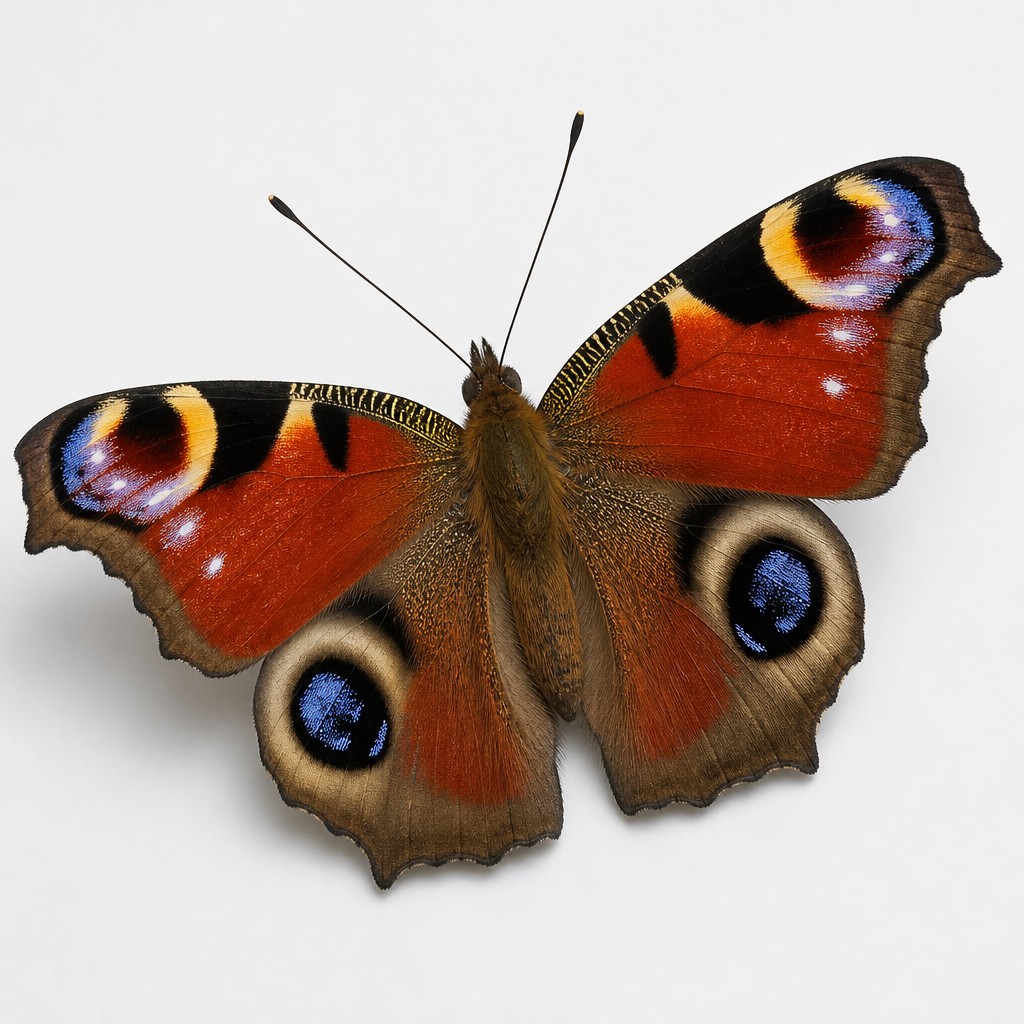
Peacock Butterfly
A richly colored reddish-brown European butterfly named for the four large blue-black eyespots on its wings, which resemble the eye-like markings on a peacock's tail feathers.
butterfly