
Bug Encyclopedia
Search and identify bugs & insects — beetles, butterflies, moths, ants, bees, spiders and more — with size, habitat, danger, behavior, and how to tell them apart.
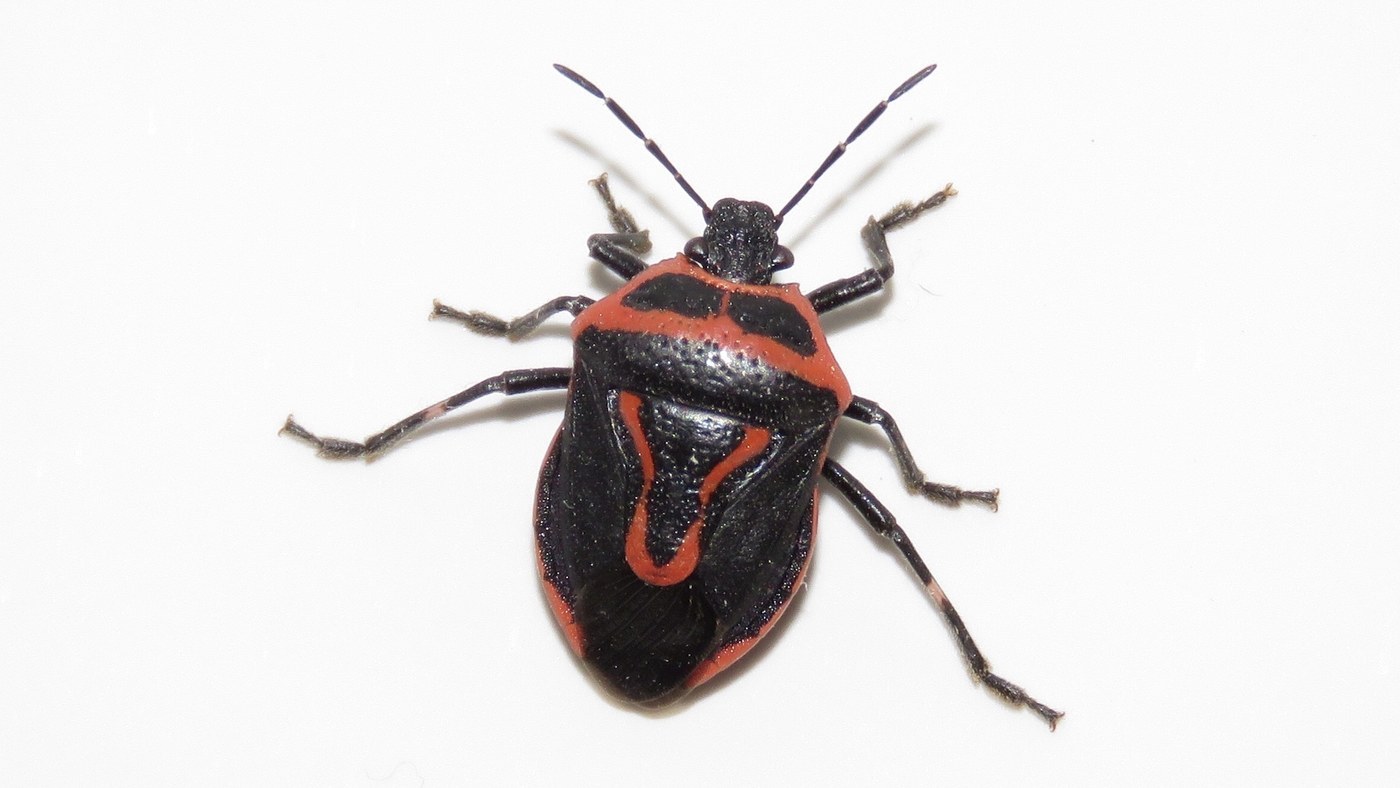
Two-Spotted Stink Bug
A boldly patterned black-and-orange predatory stink bug named for the pair of dark spots on its back, best known for hunting Colorado potato beetle larvae in gardens and fields.
true-bugGall Wasp
A minuscule, rarely seen wasp whose larvae trigger plants, especially oaks, to grow distinctive round or spiky growths called galls that serve as both shelter and food supply.
wasp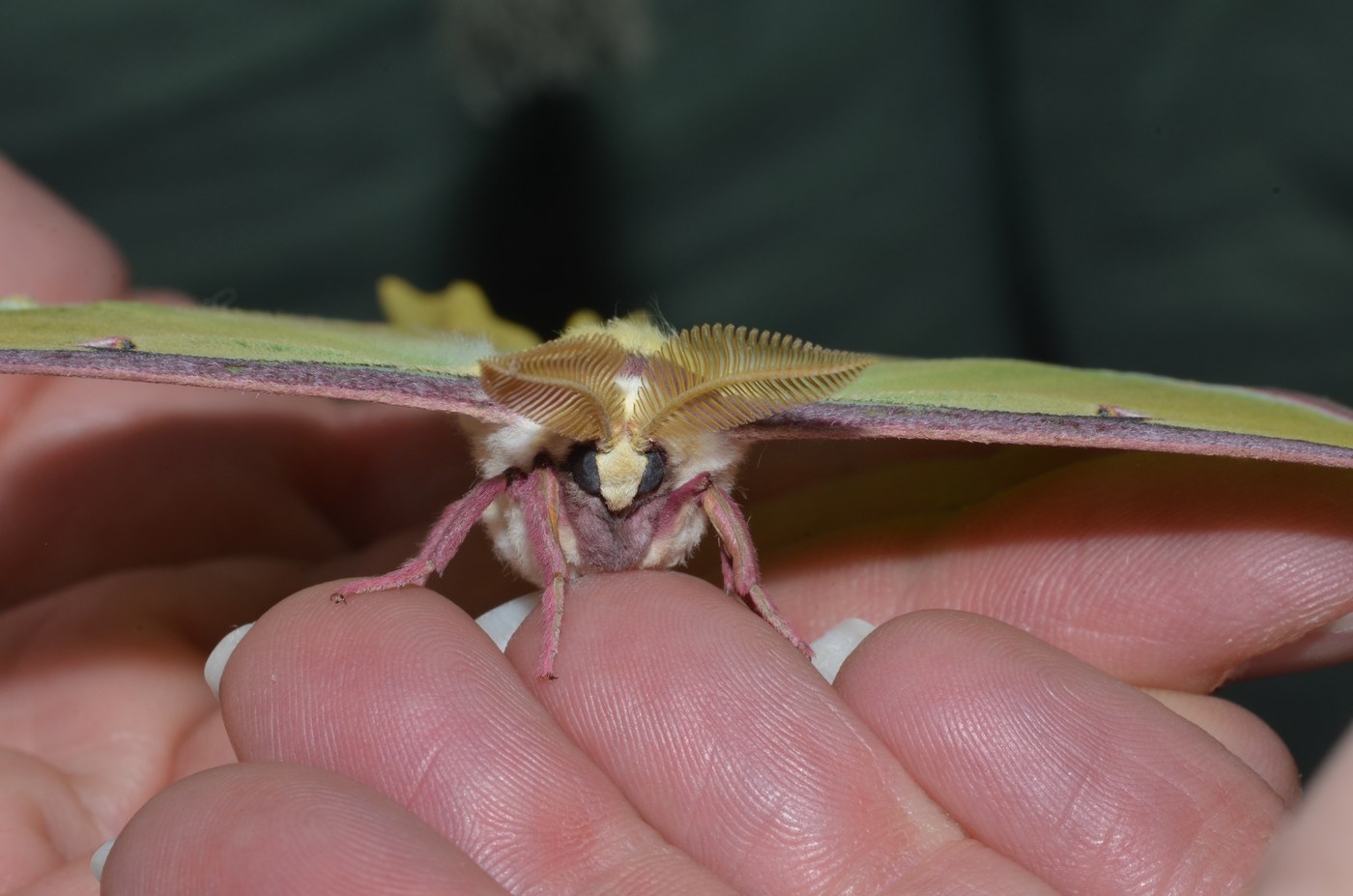
Luna Moth Caterpillar
A large, plump, apple-green caterpillar with faint yellow side stripes and rows of small red-orange tubercles, the larval form of one of North America's most beautiful giant silk moths.
caterpillar-larvaIchneumon Wasp
A slender, long-antennaed parasitoid wasp, often mistaken for a giant mosquito or a stinging insect, that is best known for the extraordinarily long ovipositor some species use to drill into wood and lay eggs on hidden larvae.
wasp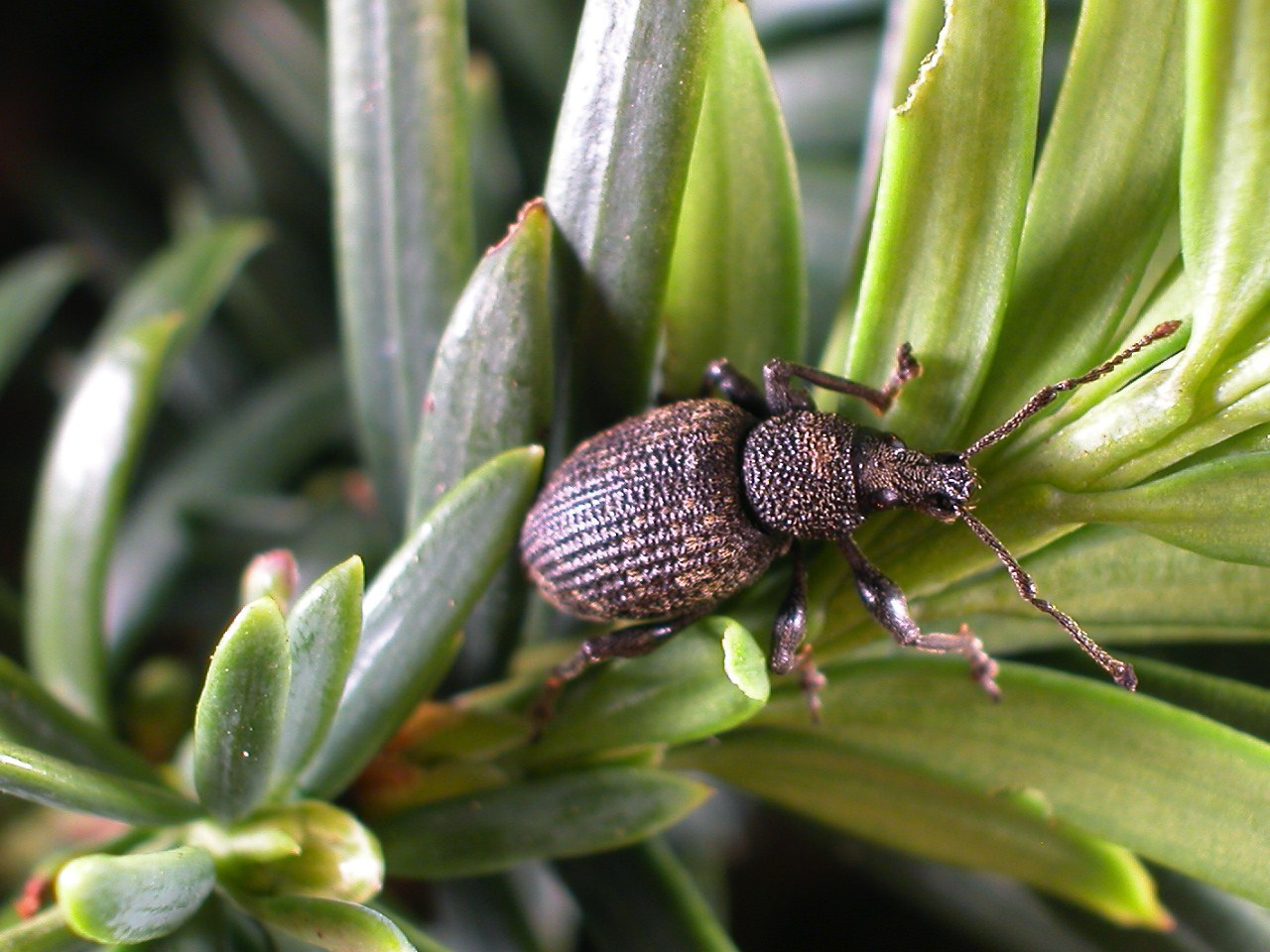
Black Vine Weevil
A flightless, all-black snout beetle notorious for notching the edges of leaves at night while its underground larvae feed on plant roots and crowns.
beetle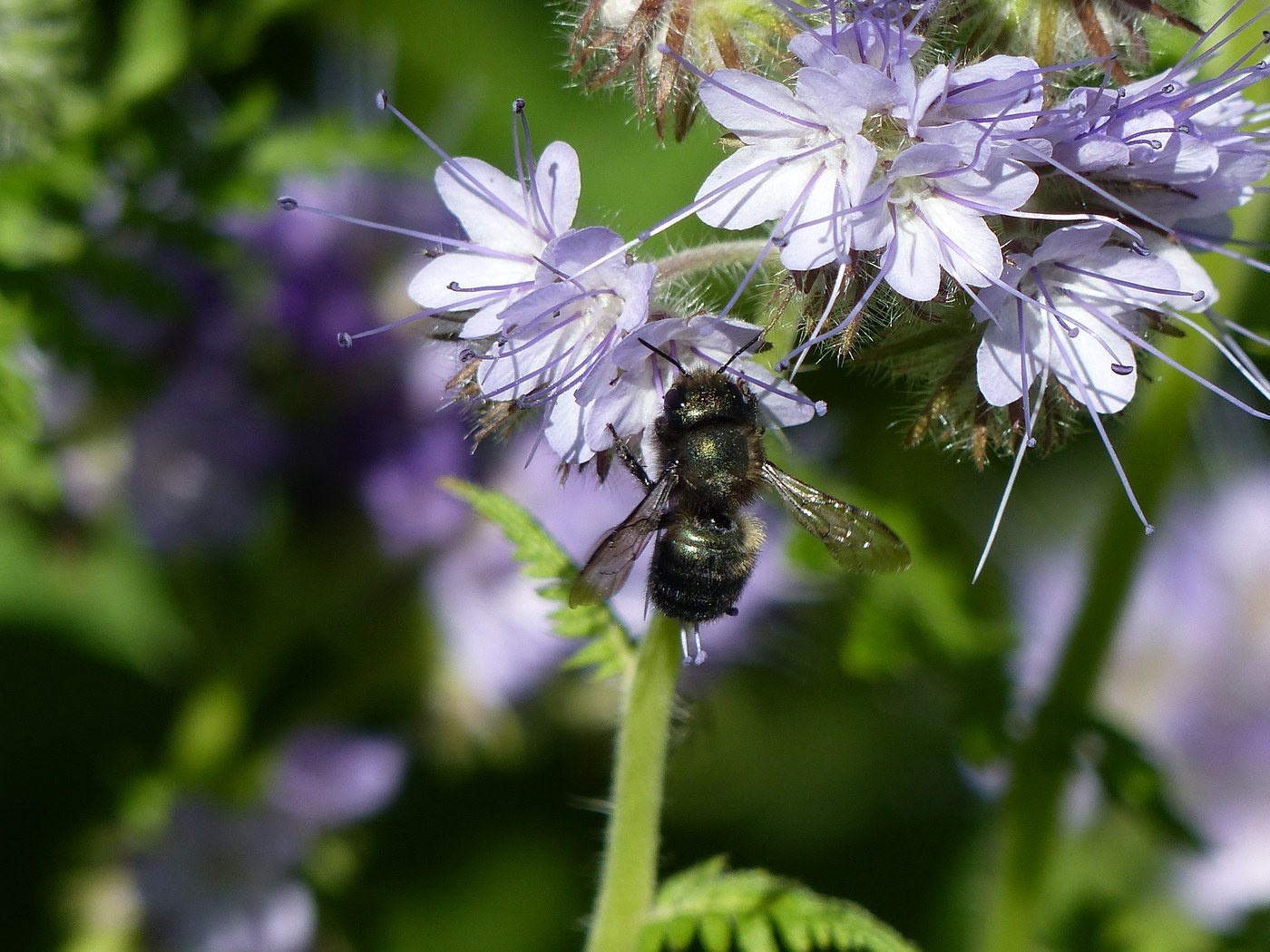
Mason Bee
A compact, metallic blue-black bee that nests in existing narrow cavities and seals its brood cells with mud, prized as one of the most efficient early-spring pollinators of fruit trees.
beeOnion Fly
A slender gray fly closely related to houseflies whose white legless larvae bore into onion bulbs, feeding in clusters within a single rotting bulb.
fly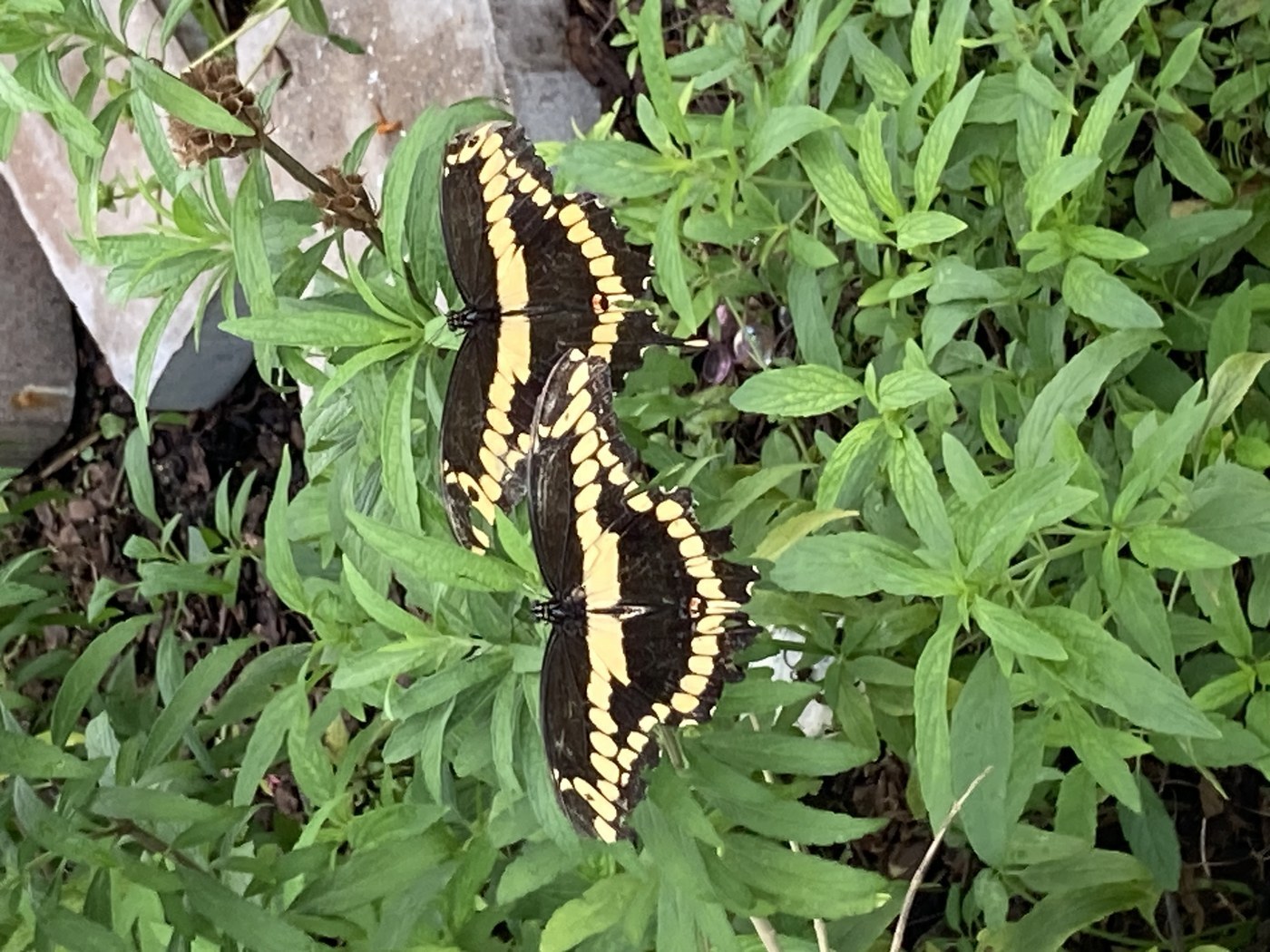
Giant Swallowtail
The largest butterfly in North America, a dark brown giant marked with a bold diagonal yellow band and yellow spotting that forms an X-like pattern when the wings are spread.
butterfly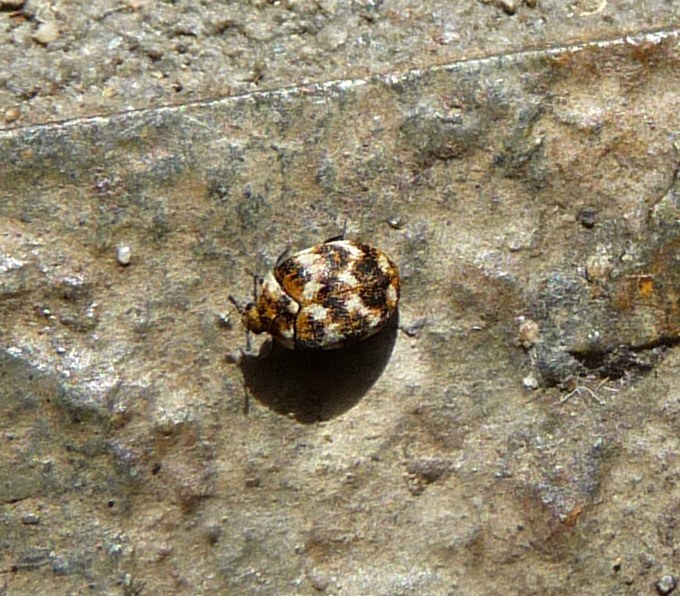
Carpet Beetle
A tiny, rounded beetle with a mottled scale pattern of white, brown, and yellow, whose bristly larvae are known for feeding on wool, fur, and other dried animal fibers indoors.
beetle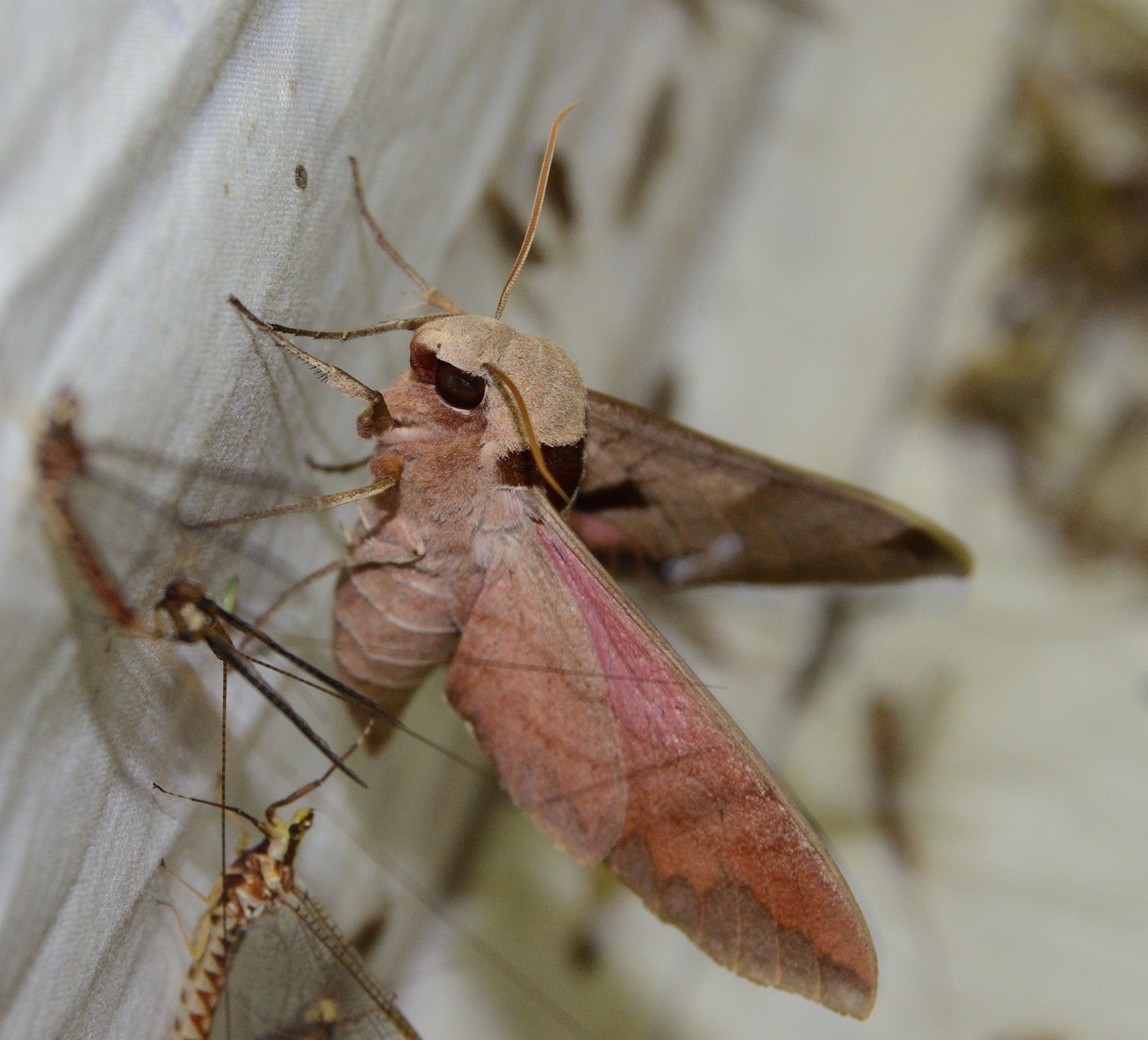
Achemon Sphinx Moth
A large, streamlined sphinx moth with pinkish-brown forewings marked by darker scalloped patches and rosy pink hindwings edged in black, closely tied to grapevines as a larval host.
moth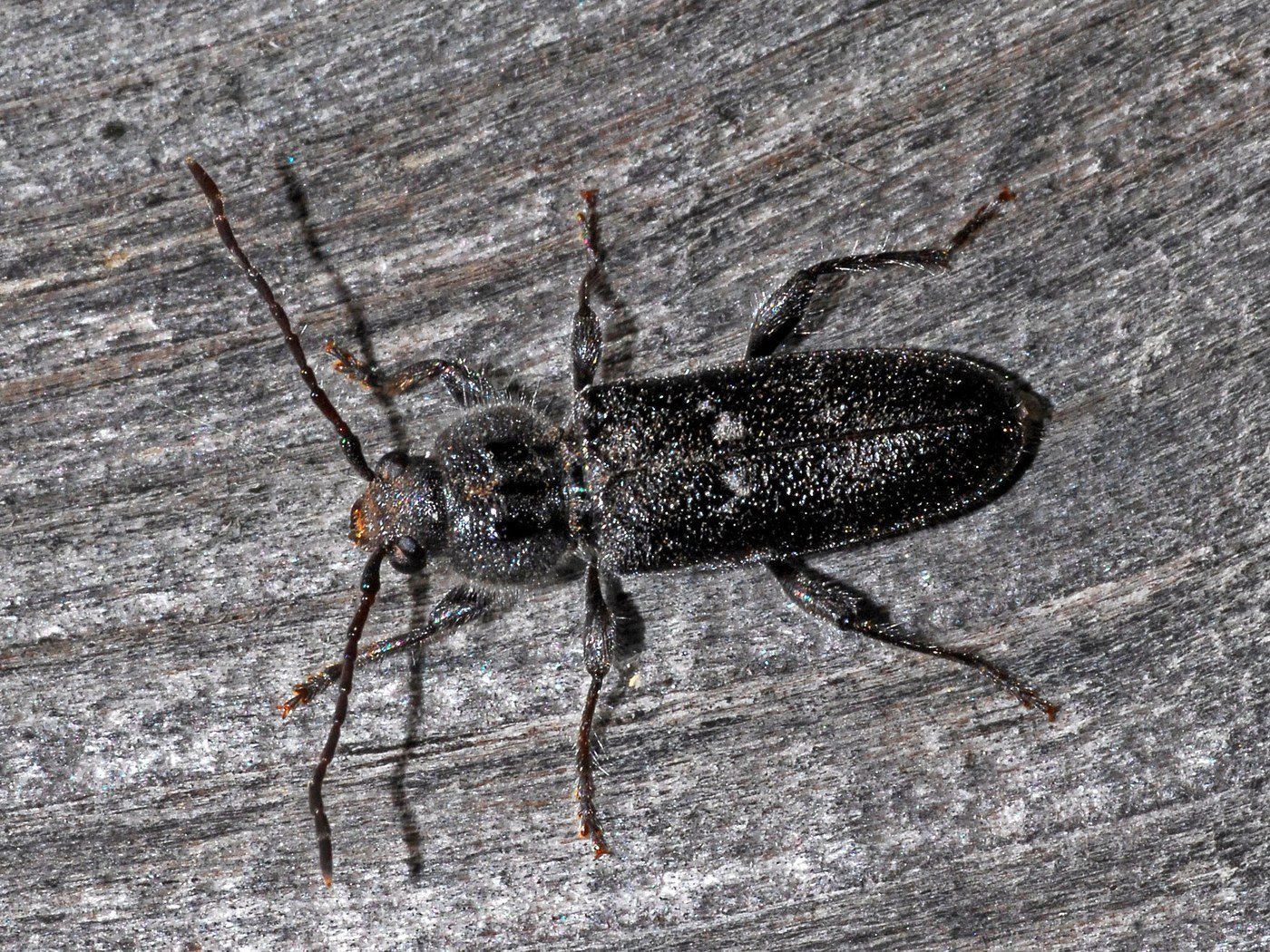
Old House Borer
A grayish-brown to nearly black longhorn beetle whose larvae bore extensively through structural softwood, capable of causing large galleries hidden beneath the wood surface.
beetleGreen Lacewing
With delicate pale green wings and glittering golden eyes, the Green Lacewing is a familiar garden insect whose larvae are voracious predators of aphids and other soft-bodied pests.
other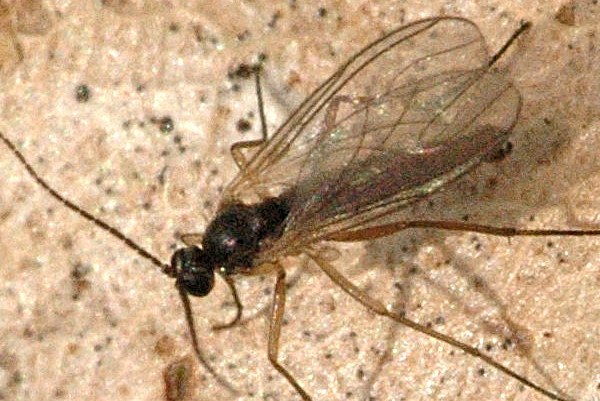
Aphid Midge
A delicate, long-legged midge whose orange larvae are voracious aphid hunters. The aphid midge is a prized natural enemy of aphids in gardens and greenhouses.
flySoldier Fly
A wasp-mimicking fly with a flattened, often metallic body that spends its larval life quietly breaking down decaying plant matter or aquatic debris.
flyTussock Moth Caterpillar
A boldly tufted caterpillar bristling with dense brush-like hair tussocks and long dark pencil plumes that give it an almost punk-rock silhouette.
caterpillar-larva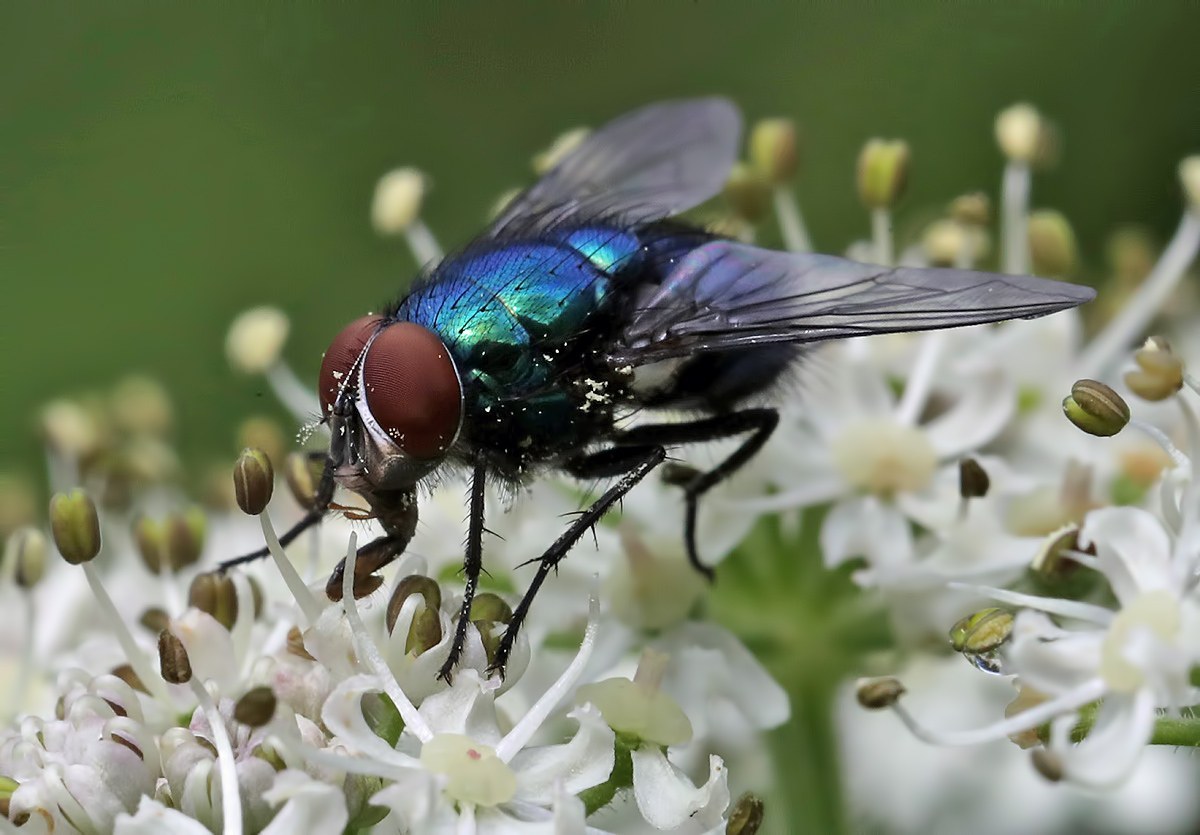
Blue Bottle Fly
A robust fly with a glossy, metallic blue-black body and a loud buzzing flight, commonly seen around outdoor waste and occasionally indoors, easily recognized by its shiny coloring and bristly frame.
flyMeadow Katydid
Small, slender, and beautifully camouflaged among grass blades, meadow katydids fill open fields and marsh edges with a soft, buzzy, insect-like ticking that blends into the summer evening background.
grasshopper-cricketBurying Beetle
A black beetle marked with bold orange-red bands, notable for locating small dead animals, burying them underground, and cooperatively raising larvae with a partner over the buried carcass.
beetleSawfly
A wasp relative that never stings, best known for its caterpillar-like larvae that strip leaves from roses, pines, and other garden plants in tidy rows.
waspSoil Mite
A microscopic, heavily armored mite found by the millions in a single handful of soil, quietly breaking down leaf litter and helping build the fertile ground beneath forests and fields.
arachnid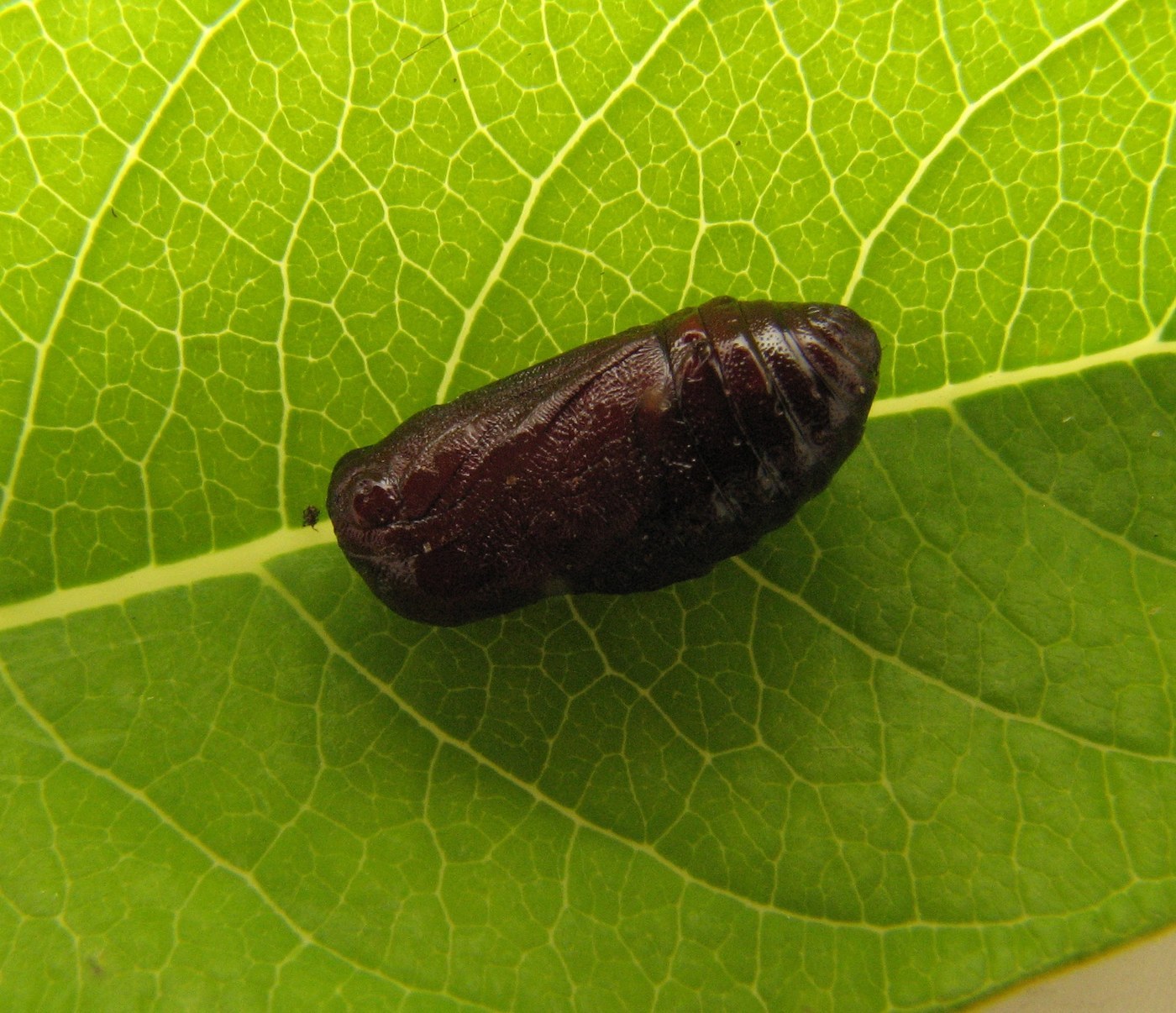
Milkweed Tussock Caterpillar
Rows of dense orange, black, and white hair tufts run down the back of this milkweed specialist, whose young larvae feed in tight groups that skeletonize milkweed leaves before dispersing to feed alone.
caterpillar-larvaCave Spider
A long-legged orb weaver adapted to the twilight zone of caves, spinning large webs across cavern mouths and dangling its egg sacs from silk threads deep within the darkness.
spider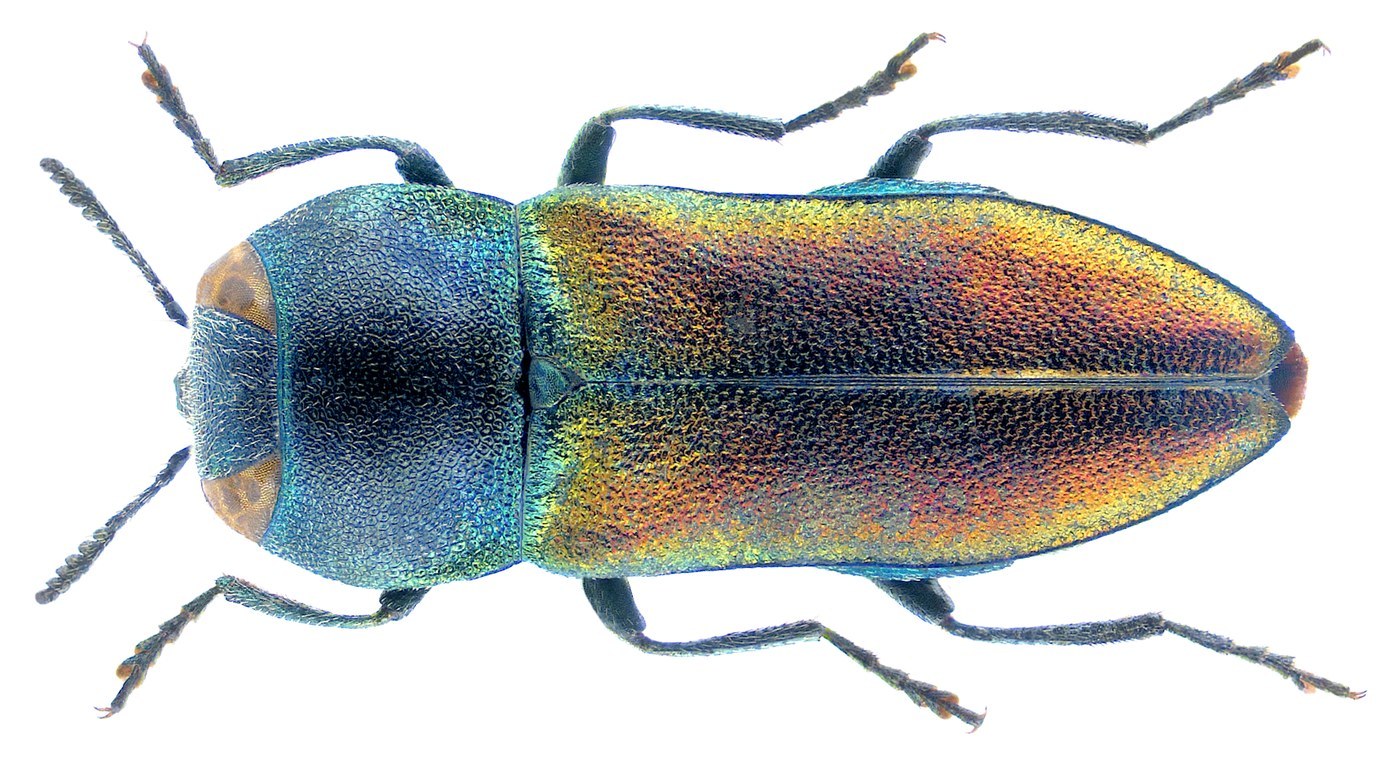
Metallic Wood-boring Beetle
The North American common name for jewel beetles, emphasizing the wood-tunneling habits of their larvae, which leave telltale flattened, D-shaped exit holes in bark of stressed or dying trees.
beetleRootworm
Working unseen below ground, rootworm larvae chew tunnels through the root systems of corn and other crops, the underground counterpart to the small, often striped or spotted beetles seen on leaves and flowers above.
beetle