
Bug Encyclopedia
Search and identify bugs & insects — beetles, butterflies, moths, ants, bees, spiders and more — with size, habitat, danger, behavior, and how to tell them apart.
Mayfly Nymph
A short-lived aquatic grazer with feathery gills along its abdomen, living for months underwater before a brief, spectacular mass emergence as a winged adult.
aquatic-insectStonefly Nymph
A flattened, armored aquatic nymph that clings tightly to rocks in swift, cold streams, serving as one of the most reliable signs of pristine water quality.
aquatic-insect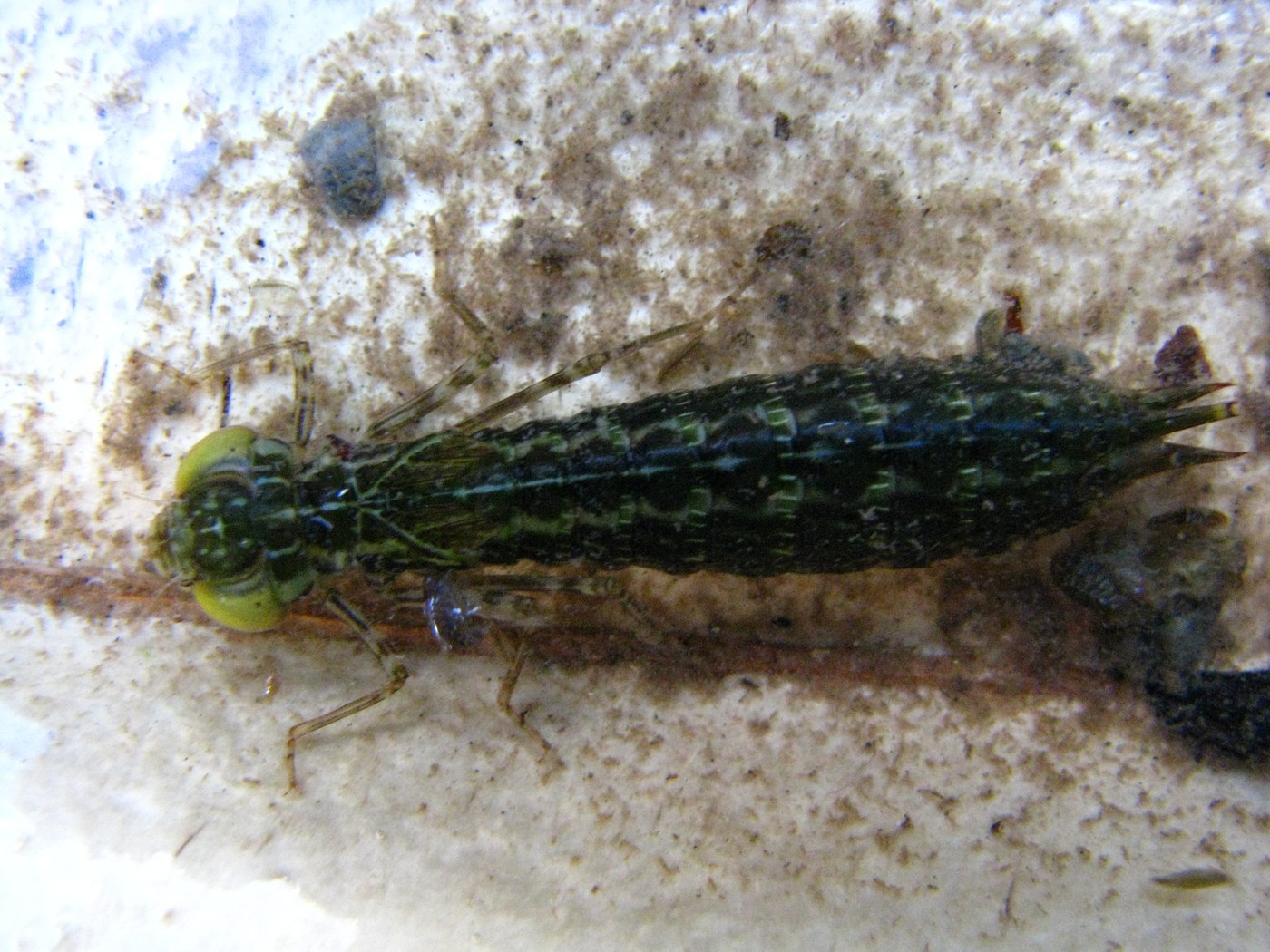
Dragonfly Nymph
A stocky, camouflaged underwater predator that spends months or years stalking prey along the pond bottom before transforming into an aerial dragonfly.
aquatic-insectDamselfly Nymph
A slender aquatic predator with three feathery tail gills, patiently stalking small prey among pond plants before emerging as a delicate flying damselfly.
aquatic-insect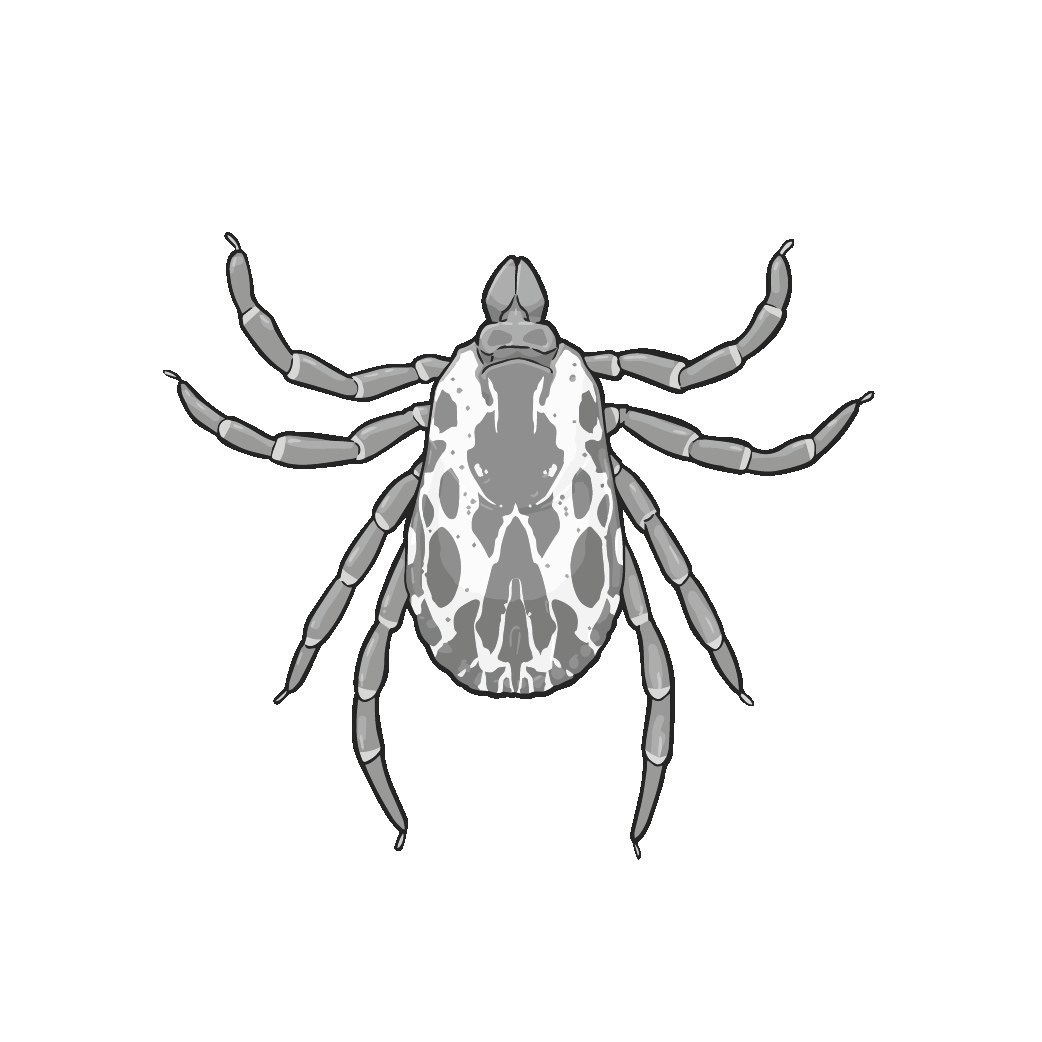
Tick
A small, flattened, oval arachnid with a hard shield-like plate on its back that waits on vegetation and attaches to passing hosts to feed on blood, swelling considerably once fed.
arachnidSoft Tick
A wrinkled, leathery, bean-shaped tick that hides by day in nests and cracks, emerging briefly at night to feed and then vanish again.
arachnid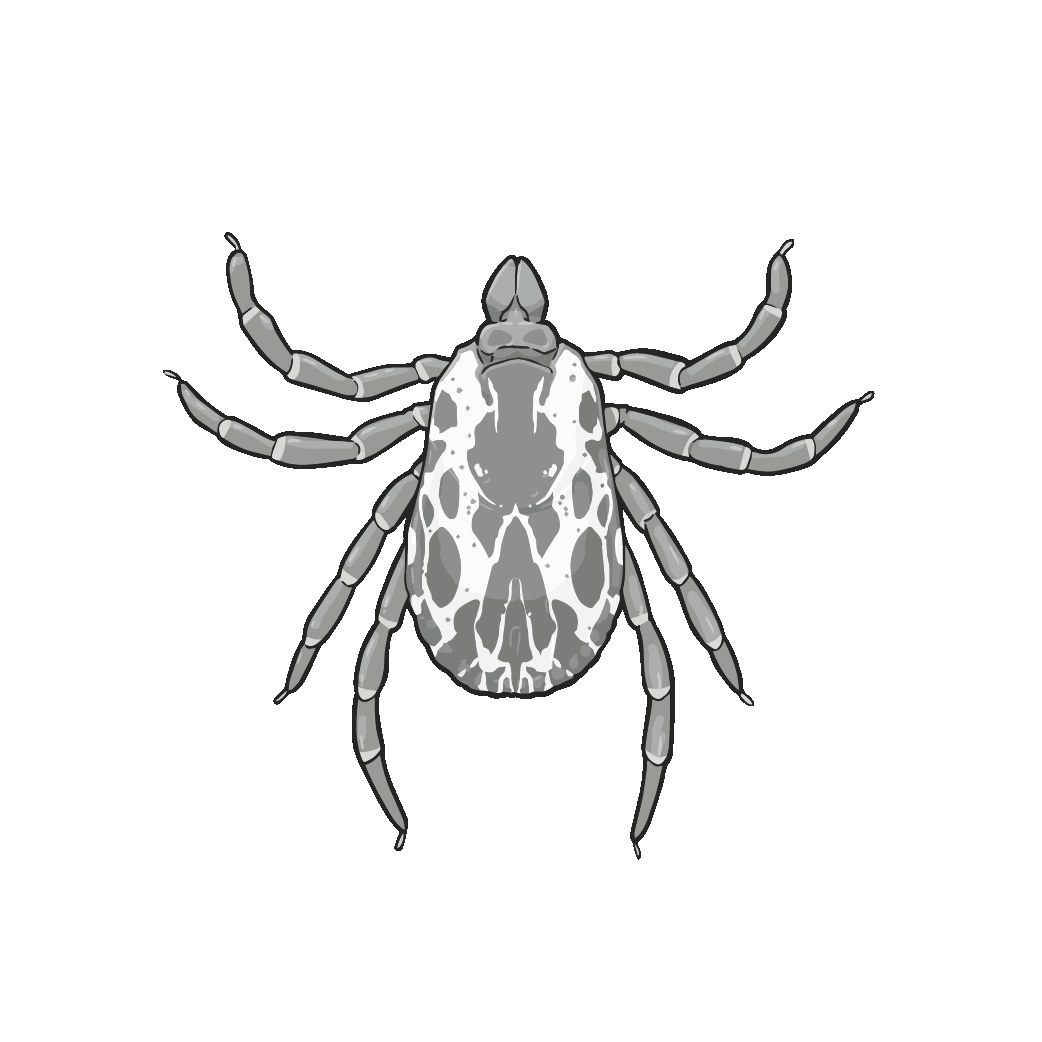
Dog Tick
A flattened, oval arachnid with mottled silvery markings that waits on grass tips and low brush for a passing host to climb aboard and attach.
arachnid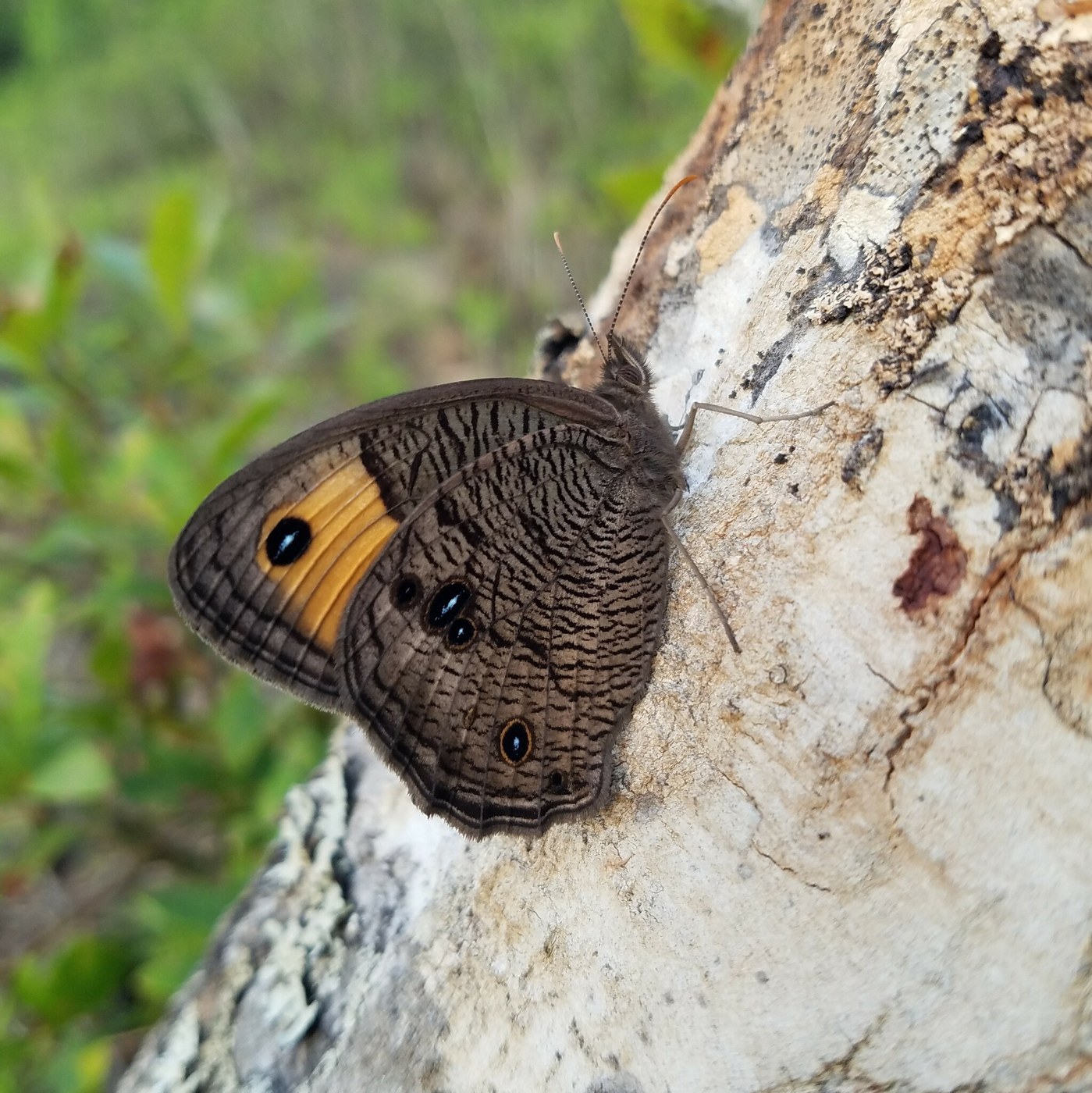
Common Wood-Nymph
A large brown grassland butterfly with a bold yellow patch and one or two prominent black eyespots on the forewing, known for its bouncing, low-to-the-ground flight.
butterflyFishfly Larva
A flattened, armor-plated predator of stream bottoms, the fishfly larva spends one to three years underwater seizing prey with sickle-shaped jaws before briefly taking wing as a short-lived winged adult.
aquatic-insect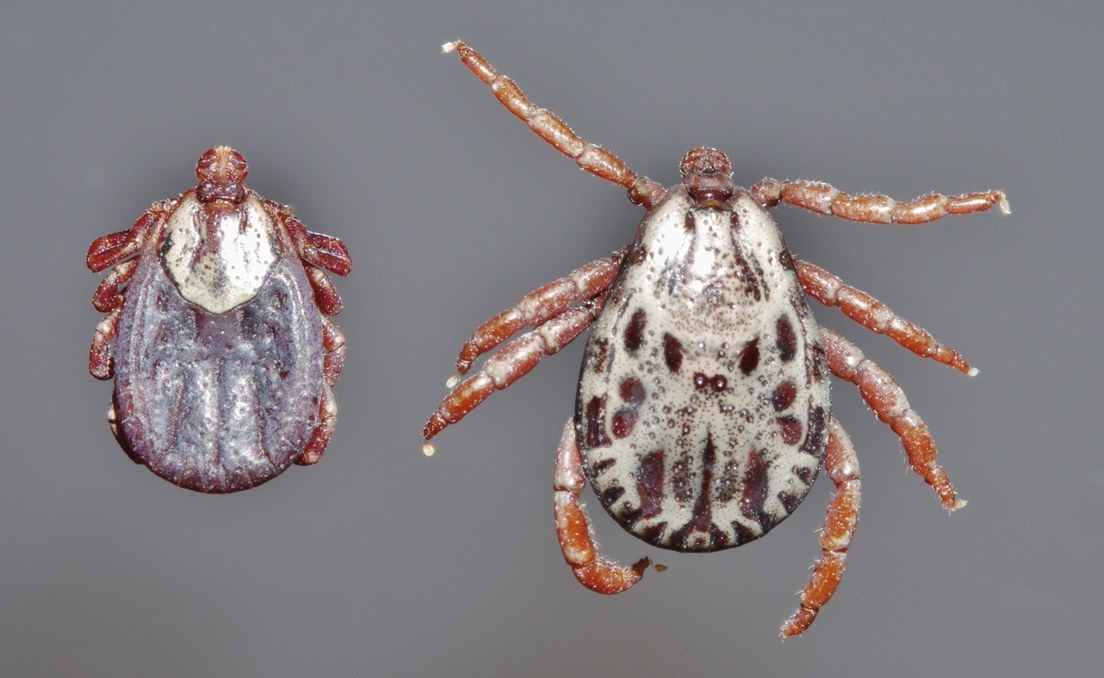
Wood Tick
A flattened, ornately patterned tick that waits on low brush in the Rocky Mountain foothills, ready to grab onto large mammals passing within reach. Its mottled, shield-marked back makes it one of the more distinctive North American ticks to identify.
arachnid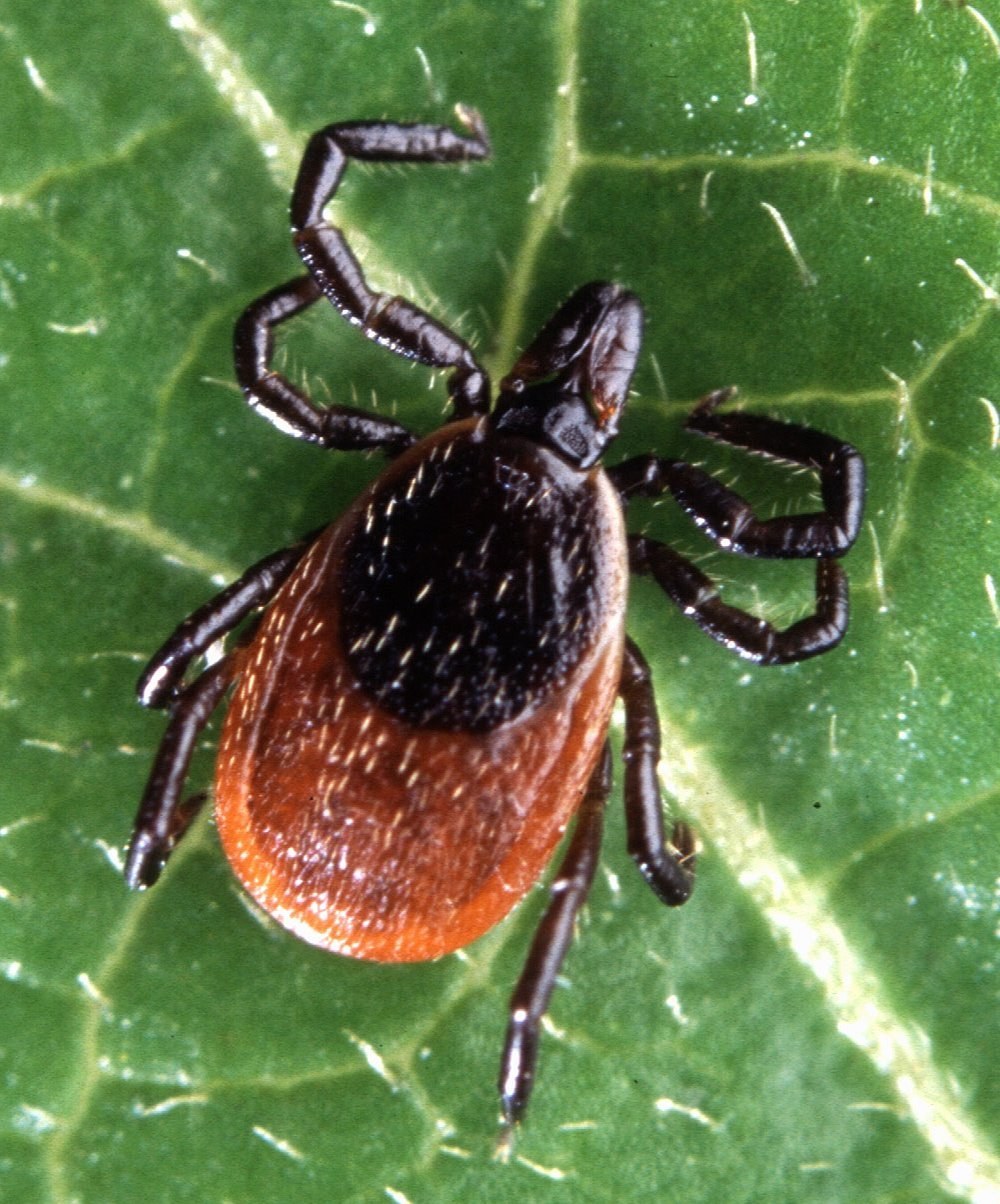
Deer Tick
A small, dark-legged tick with a reddish-brown, teardrop-shaped body, noticeably smaller than many other common tick species and often found questing in wooded or grassy edge habitats.
arachnid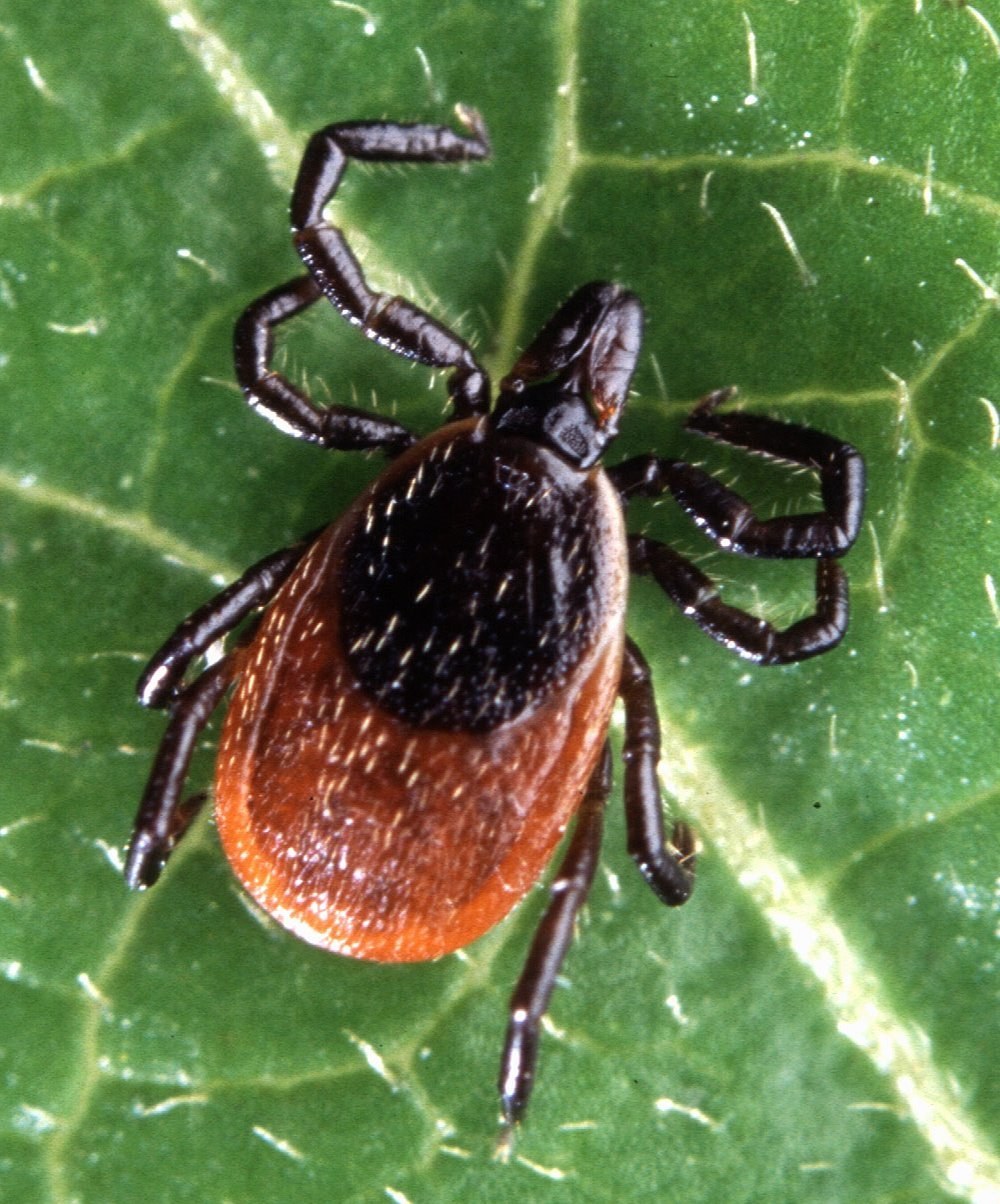
Blacklegged Tick
A tiny, teardrop-shaped tick with dark legs and a reddish-brown abdomen that lurks in leaf litter along woodland trails.
arachnid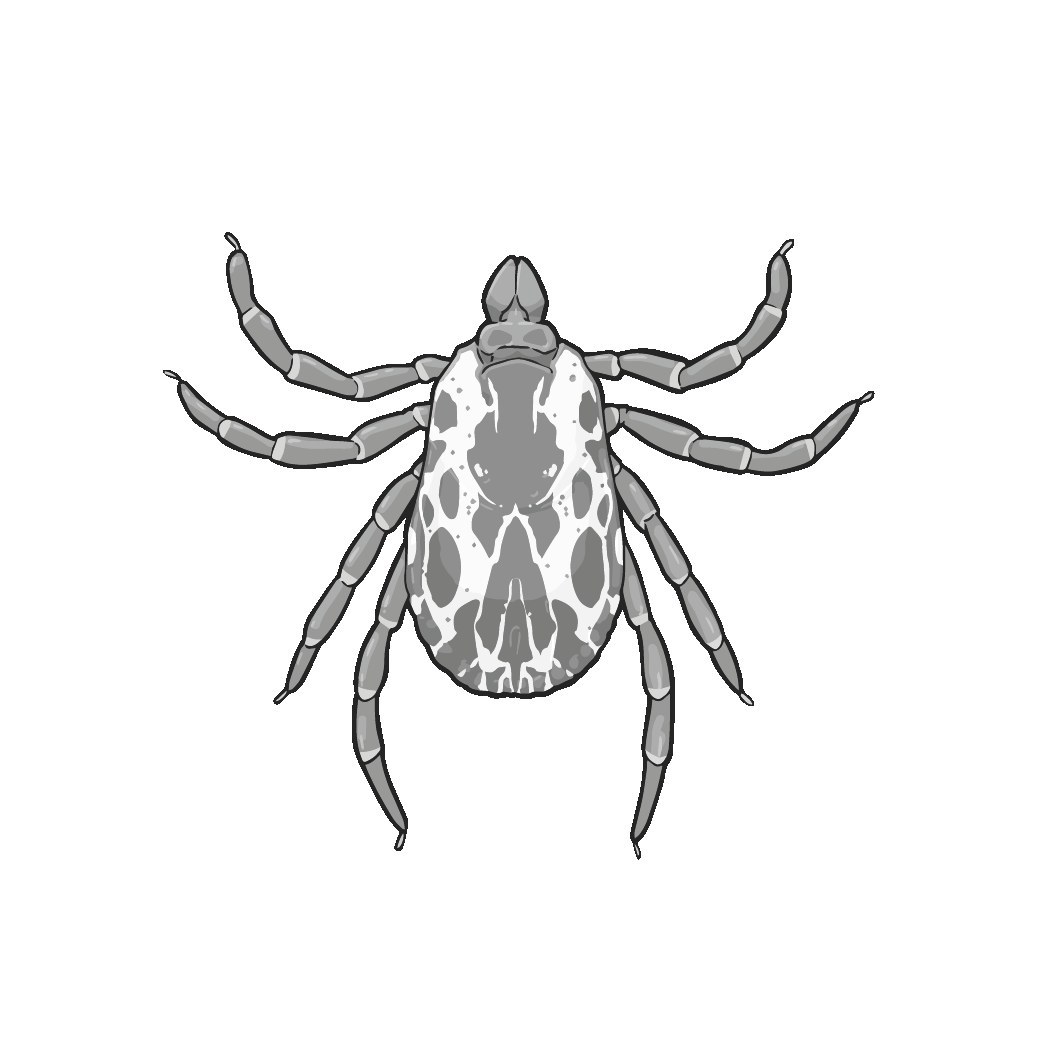
American Dog Tick
A stout, mottled brown-and-silver tick that waits on grass blades with its front legs outstretched, ready to latch onto a passing host.
arachnidCaddisfly Larva
A soft-bodied aquatic larva famous for building a portable protective case from sand, gravel, or plant debris bound together with silk.
aquatic-insect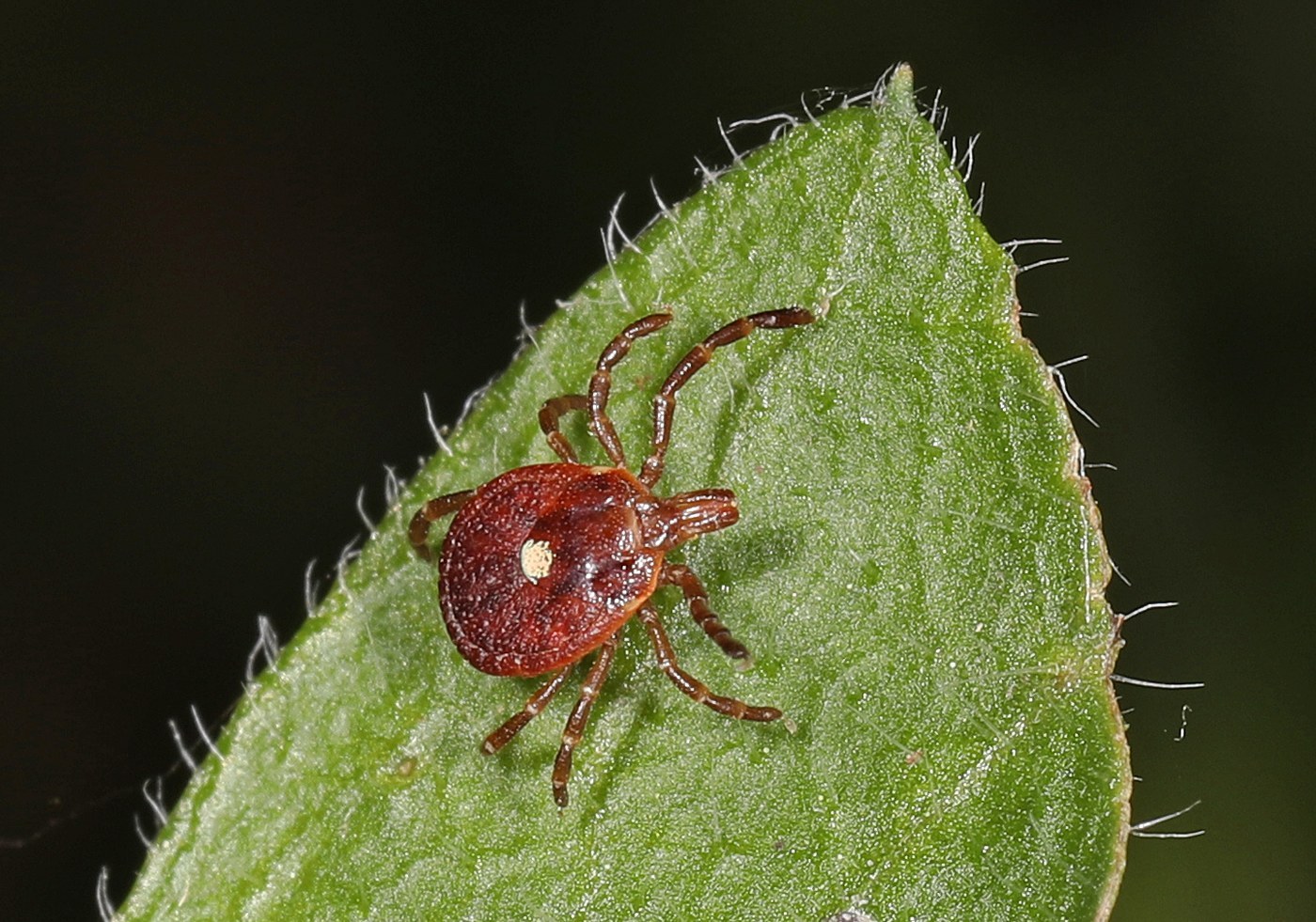
Lone Star Tick
Named for the single silvery-white spot on the back of the adult female, the lone star tick is unusually active for a tick, moving toward hosts rather than simply waiting for them to pass. Its reddish-brown, ornamented body makes it one of the easier North American ticks to identify at a glance.
arachnid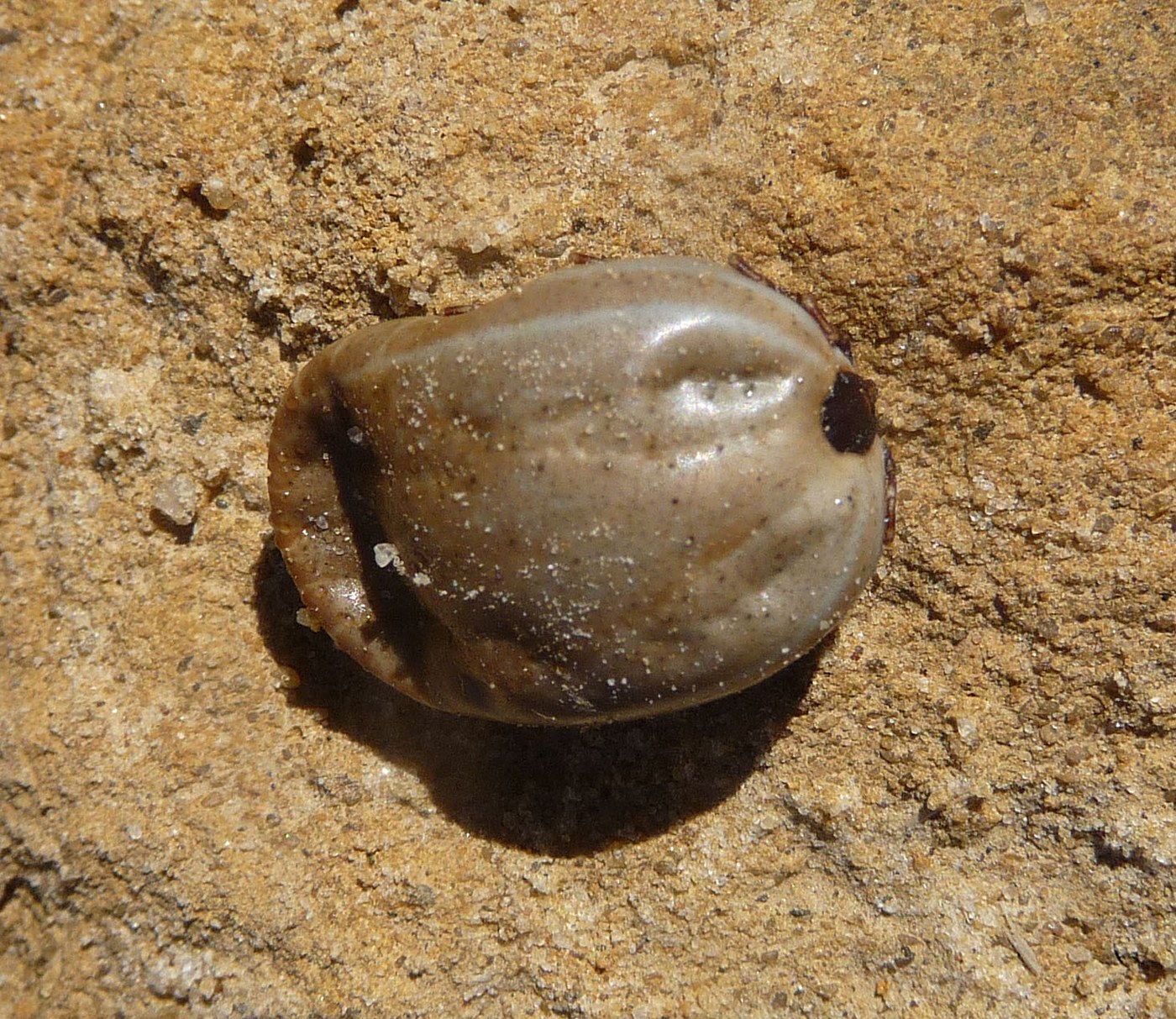
Brown Dog Tick
A uniformly reddish-brown tick with an elongated body, the brown dog tick is unusual among ticks for being able to complete its entire life cycle indoors around wherever dogs rest. It has spread to warm regions worldwide largely by traveling with its preferred host.
arachnidCodling Moth Larva
The classic 'worm in the apple,' this pinkish-white caterpillar tunnels straight to the core of apples and pears, leaving a telltale frass-plugged entry hole behind.
caterpillar-larvaMosquito Larva
A wriggling, comma-shaped aquatic larva that hangs from the water's surface to breathe before transforming into a flying adult mosquito.
aquatic-insectAlderfly Larva
Fringed with feathery gill filaments along its sides, the alderfly larva crawls through soft pond and stream sediments hunting smaller invertebrates before eventually leaving the water entirely to pupate on land.
aquatic-insect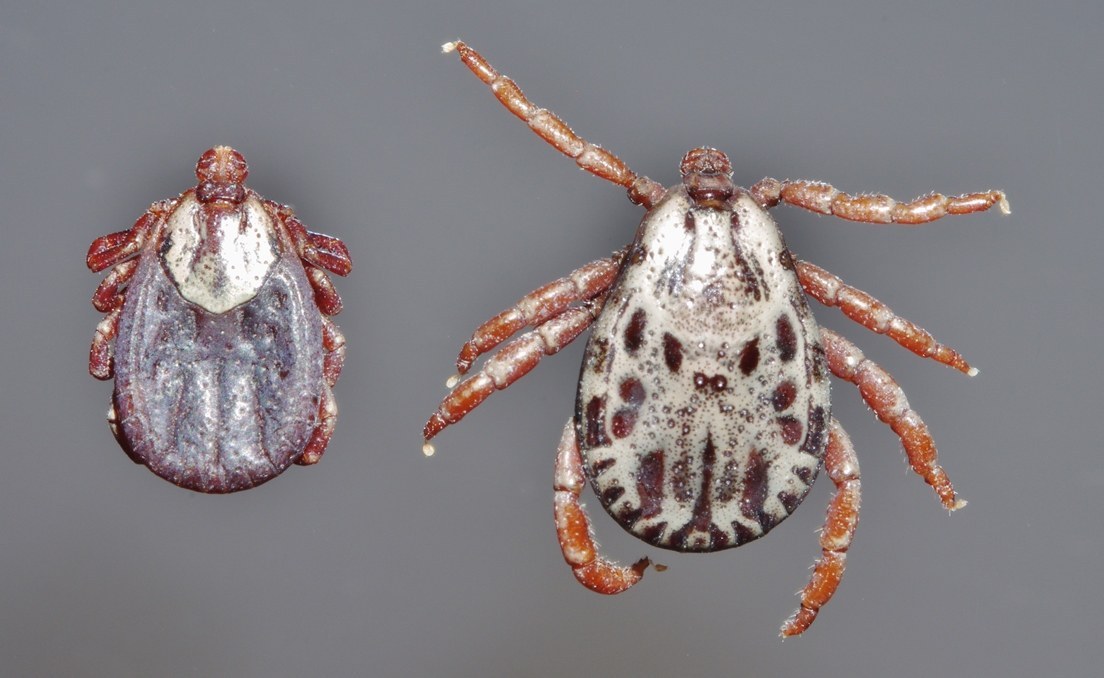
Rocky Mountain Wood Tick
A robust, ornately patterned tick of the western mountains that clings to shrubs and grasses waiting to grab a passing mammal.
arachnidSoldier Fly Larva
Flattened, leathery, and tapered at both ends, the soldier fly larva drifts just beneath the surface film of ponds and marshes, filtering algae and organic debris while breathing through a fringe of water-repellent hairs at its tail.
aquatic-insectPhantom Midge Larva
Almost invisible in open water, the phantom midge larva is a slender, transparent predator that drifts through the water column, using a pair of internal gas-filled sacs to hover at precise depths while hunting tiny prey.
aquatic-insectHorse Fly Larva
Hidden in the wet mud along pond and stream margins, the horse fly larva is a tapered, tough-skinned predator that hunts other small soil and mud-dwelling invertebrates before eventually transforming into the familiar biting fly.
aquatic-insectDobsonfly Larva (Hellgrammite)
A large, fierce-looking aquatic larva with strong pinching jaws and fringed side gills, spending years hunting under stream rocks before becoming a giant winged dobsonfly.
aquatic-insect