
Bug Encyclopedia
Search and identify bugs & insects — beetles, butterflies, moths, ants, bees, spiders and more — with size, habitat, danger, behavior, and how to tell them apart.
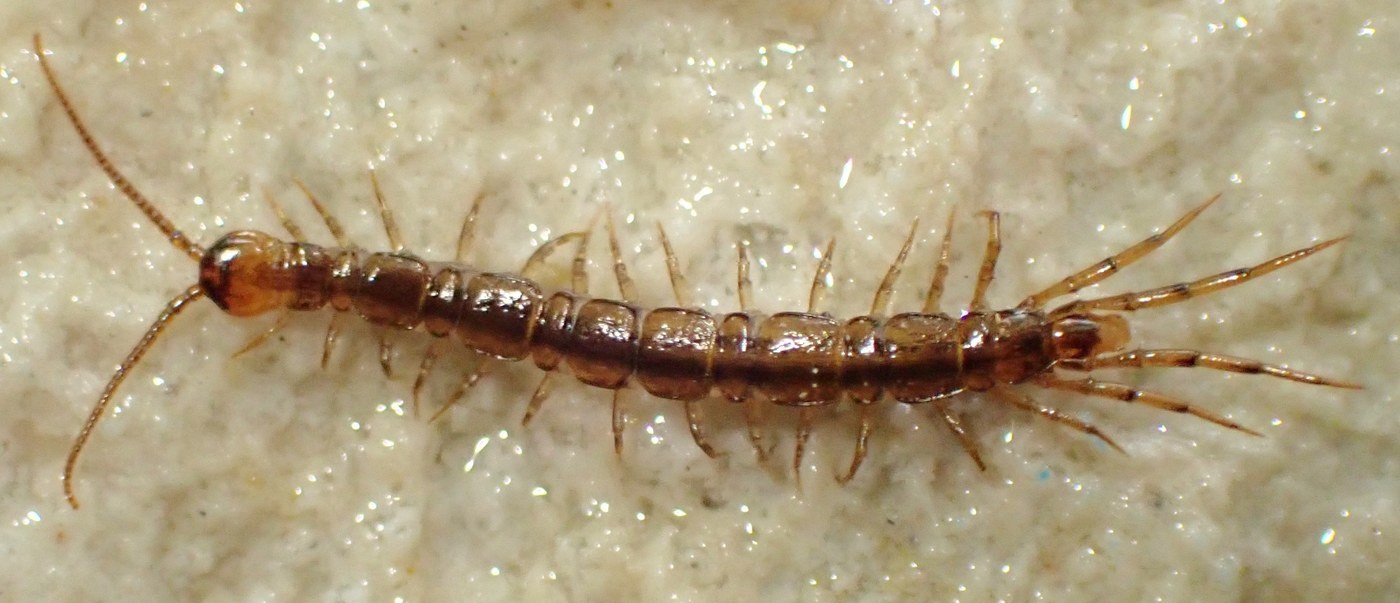
Stone Centipede
A quick, flattened, reddish-brown centipede that darts for cover the instant its stone or log shelter is lifted, one of the most commonly seen centipedes in temperate gardens.
myriapod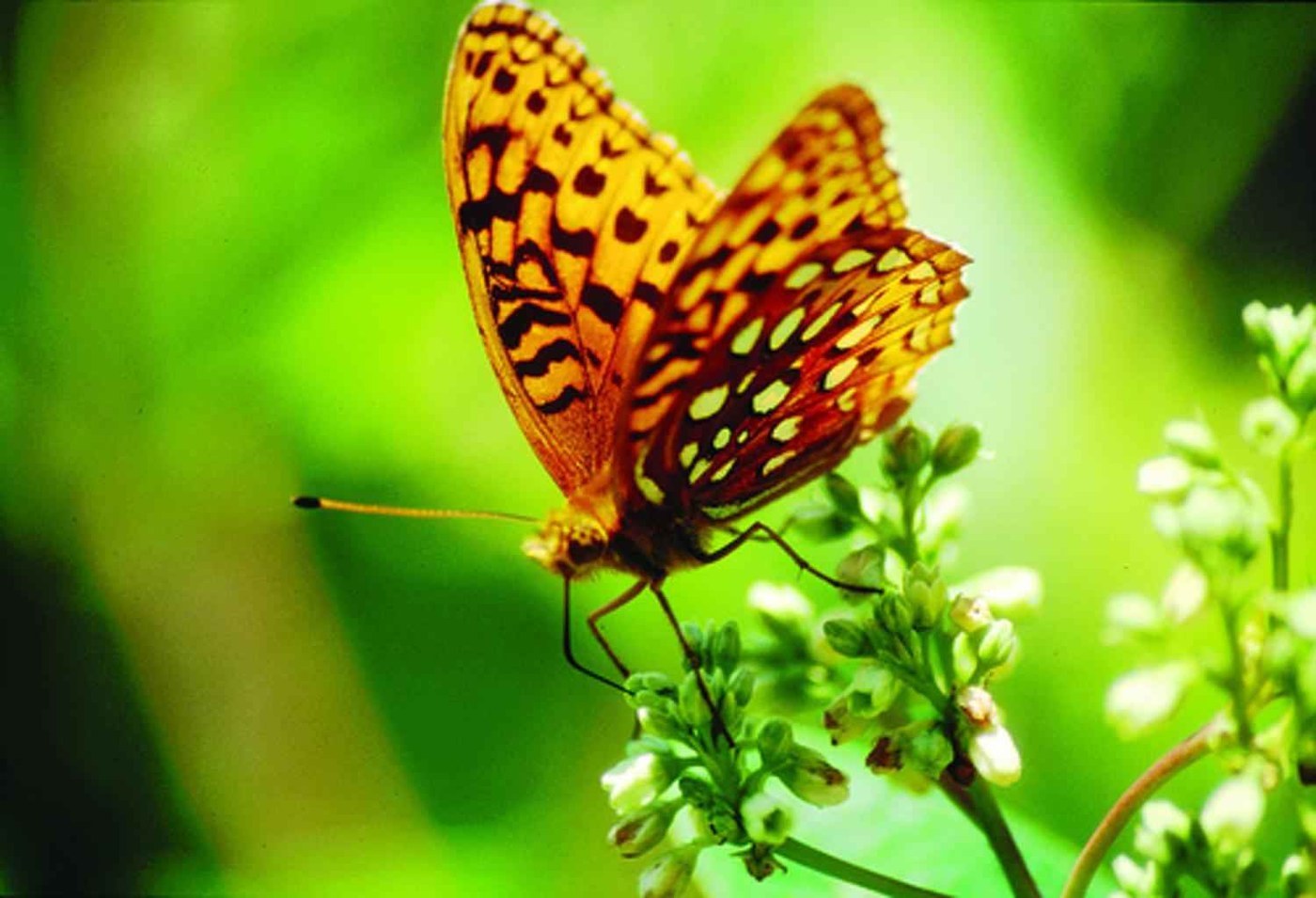
Great Spangled Fritillary
A large, robust orange butterfly with bold black markings above and a striking array of large silvery spangles on a tawny-brown underside, closely tied to woodland violets.
butterfly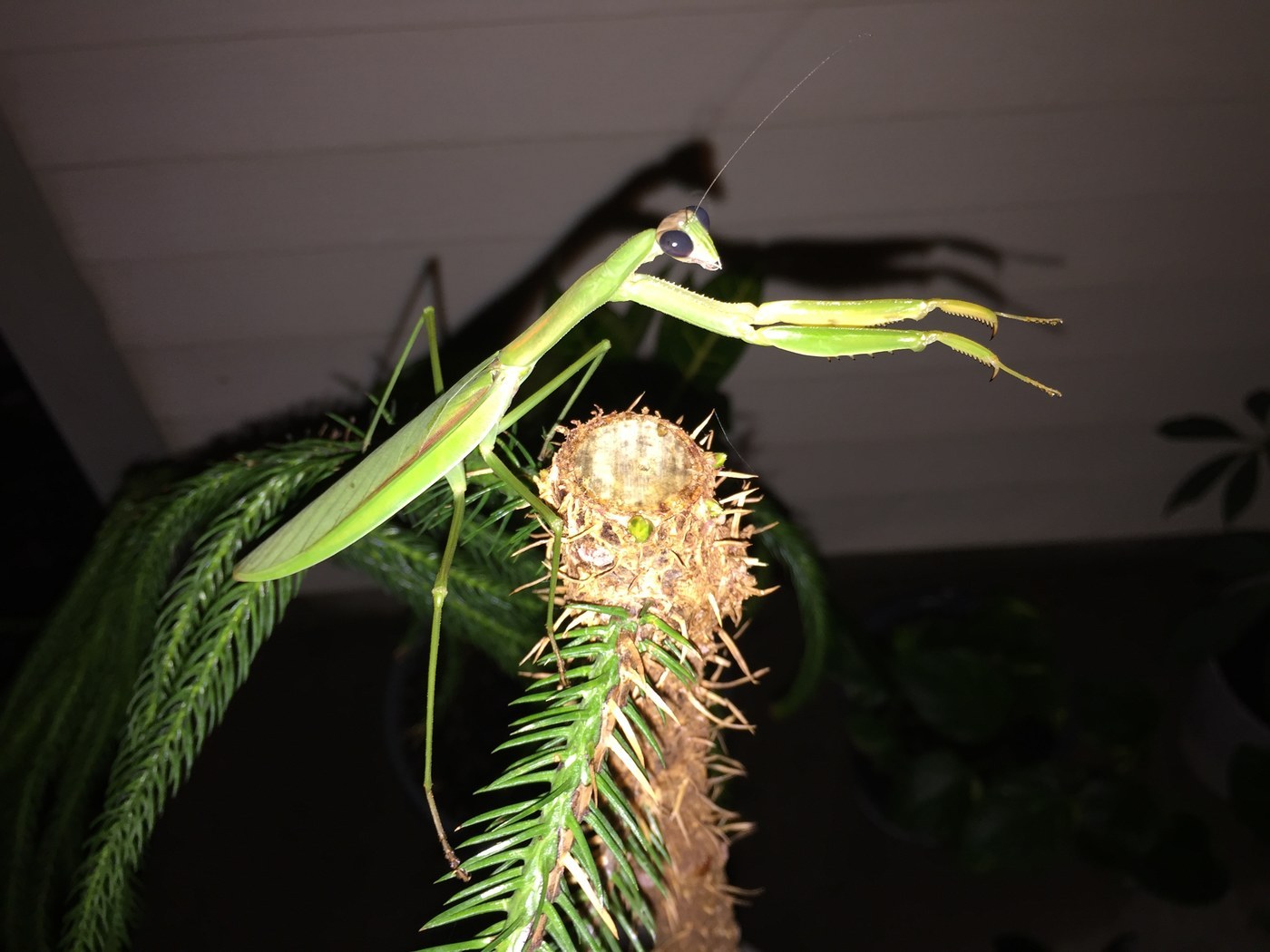
Chinese Mantis
One of the largest praying mantises found in North America, an introduced species with a lean brown-and-green body and grasping spined forelegs built for ambushing insect prey.
mantis-stick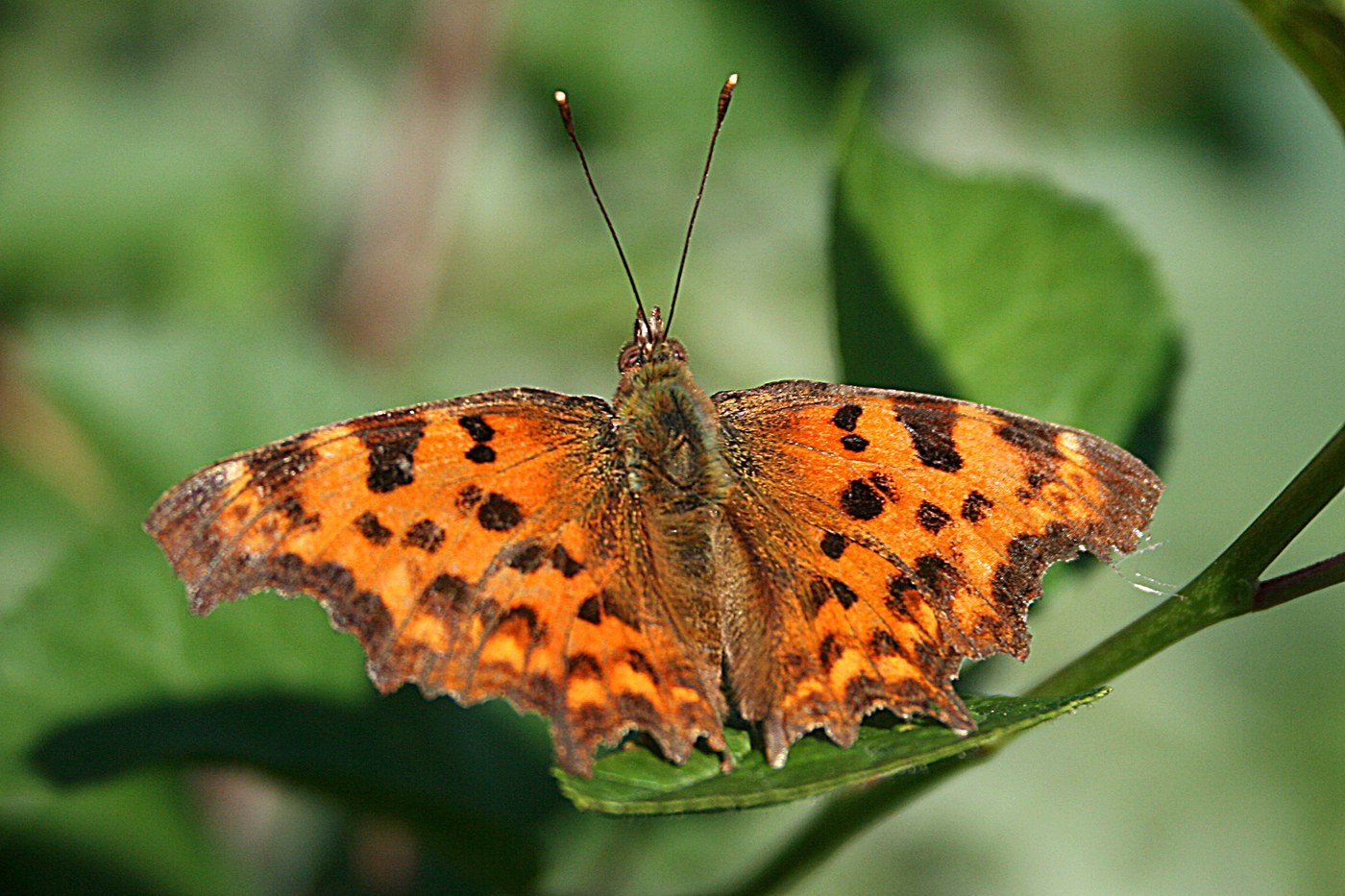
Comma Butterfly
An orange-brown butterfly with distinctively ragged, scalloped wing edges and a small white comma-shaped mark on the underside of the hindwing, resembling a dead leaf when at rest.
butterfly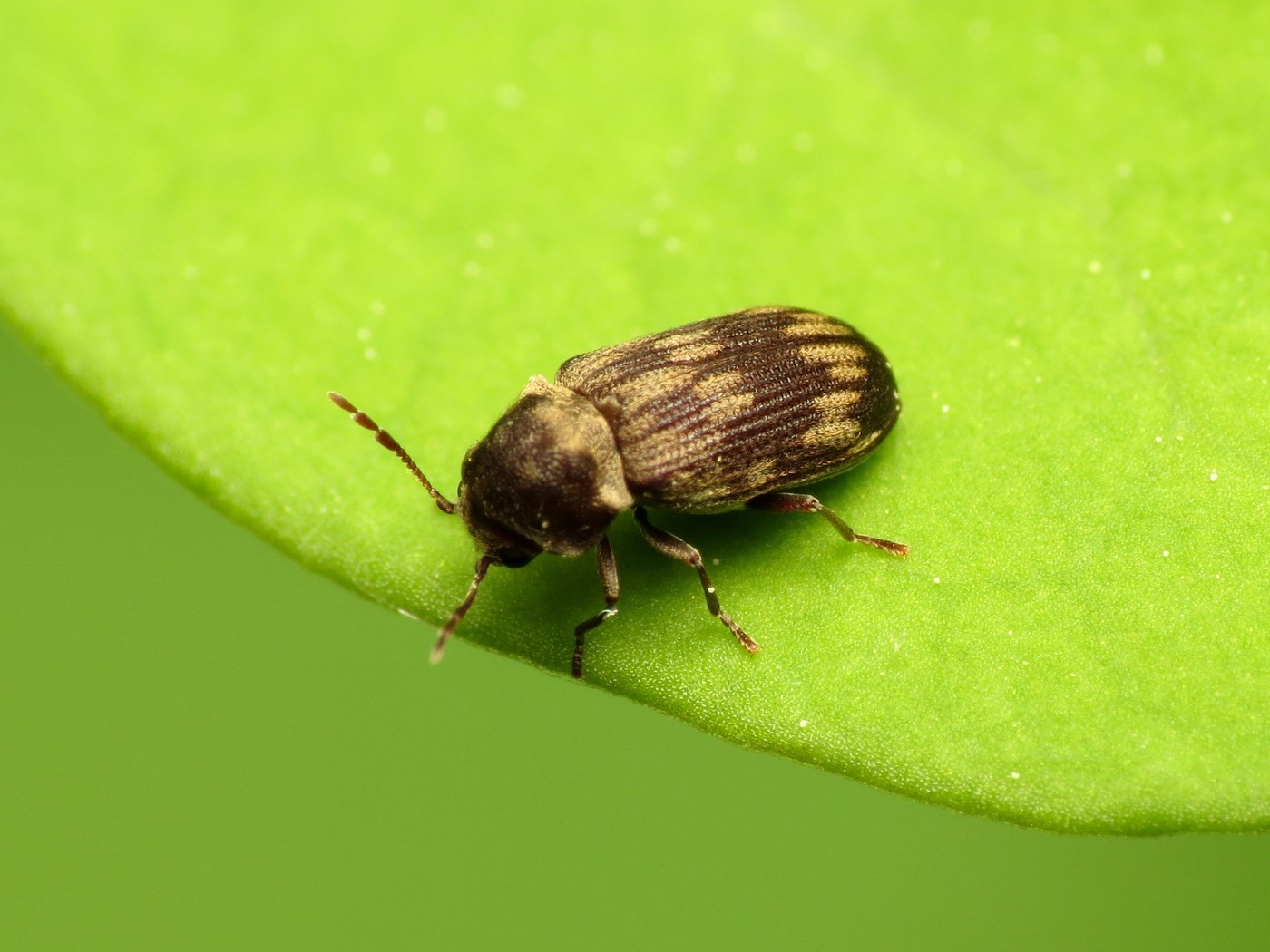
Death Watch Beetle
A mottled brown wood-boring beetle famous for the faint ticking sound it taps out inside old timbers, once thought by superstitious listeners to be an omen of death.
beetle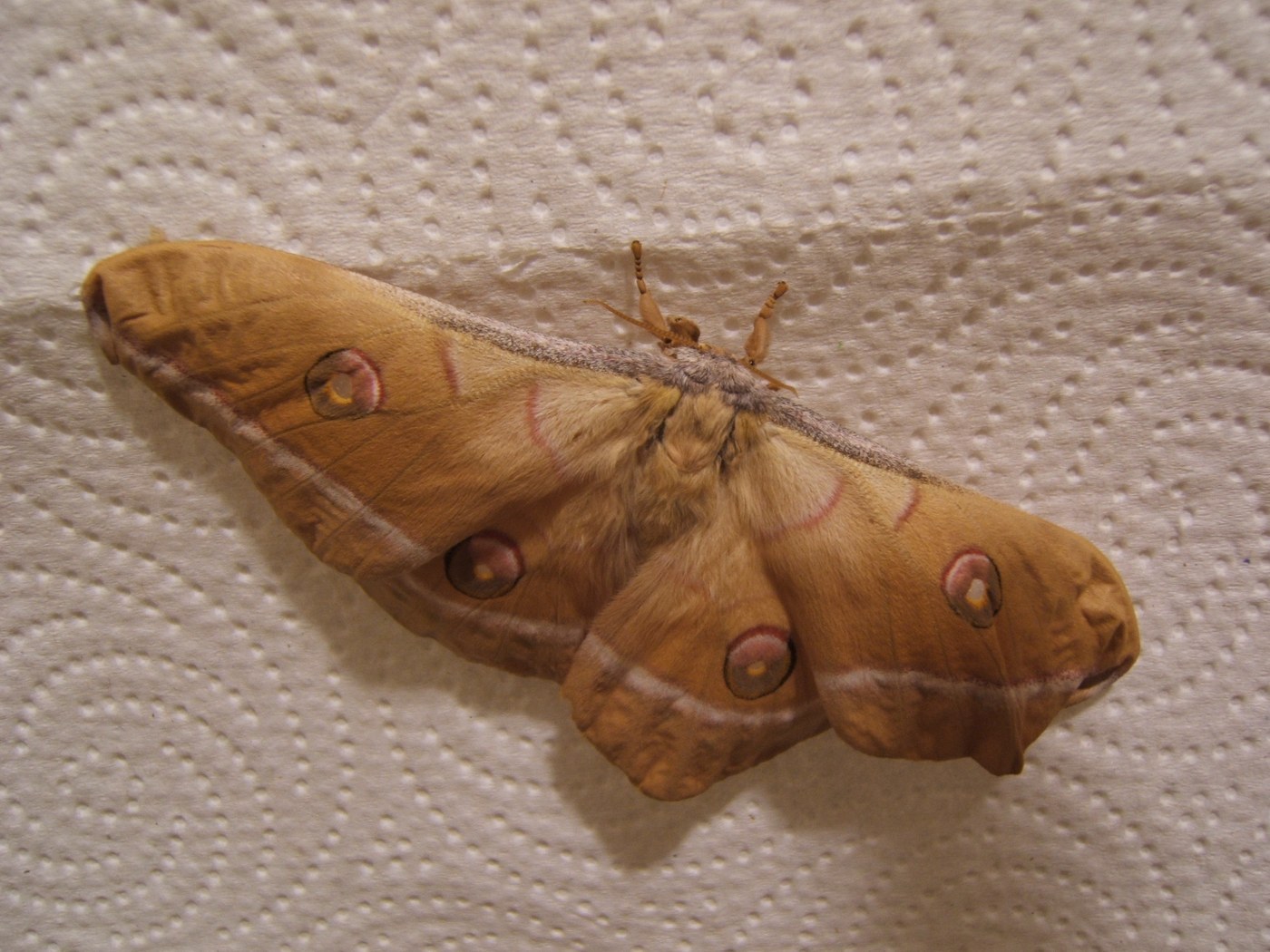
Chinese Oak Silkmoth
A large, rust-brown silkmoth with prominent transparent eyespots on all four wings, native to oak forests of China and long cultivated there for coarse tussah silk production.
moth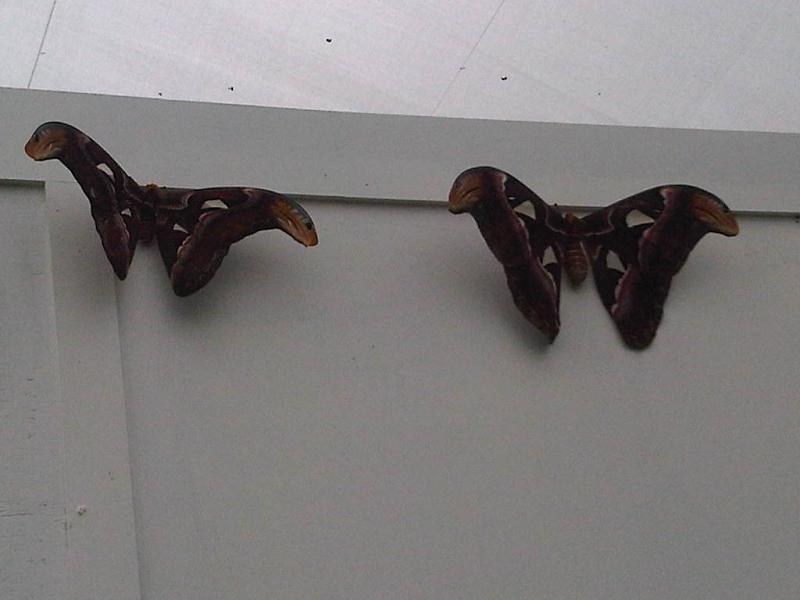
Atlas Moth
One of the largest moths in the world by wing surface area, the Atlas Moth is a giant reddish-brown silkmoth with striking triangular wingtip patches that resemble the heads of snakes.
moth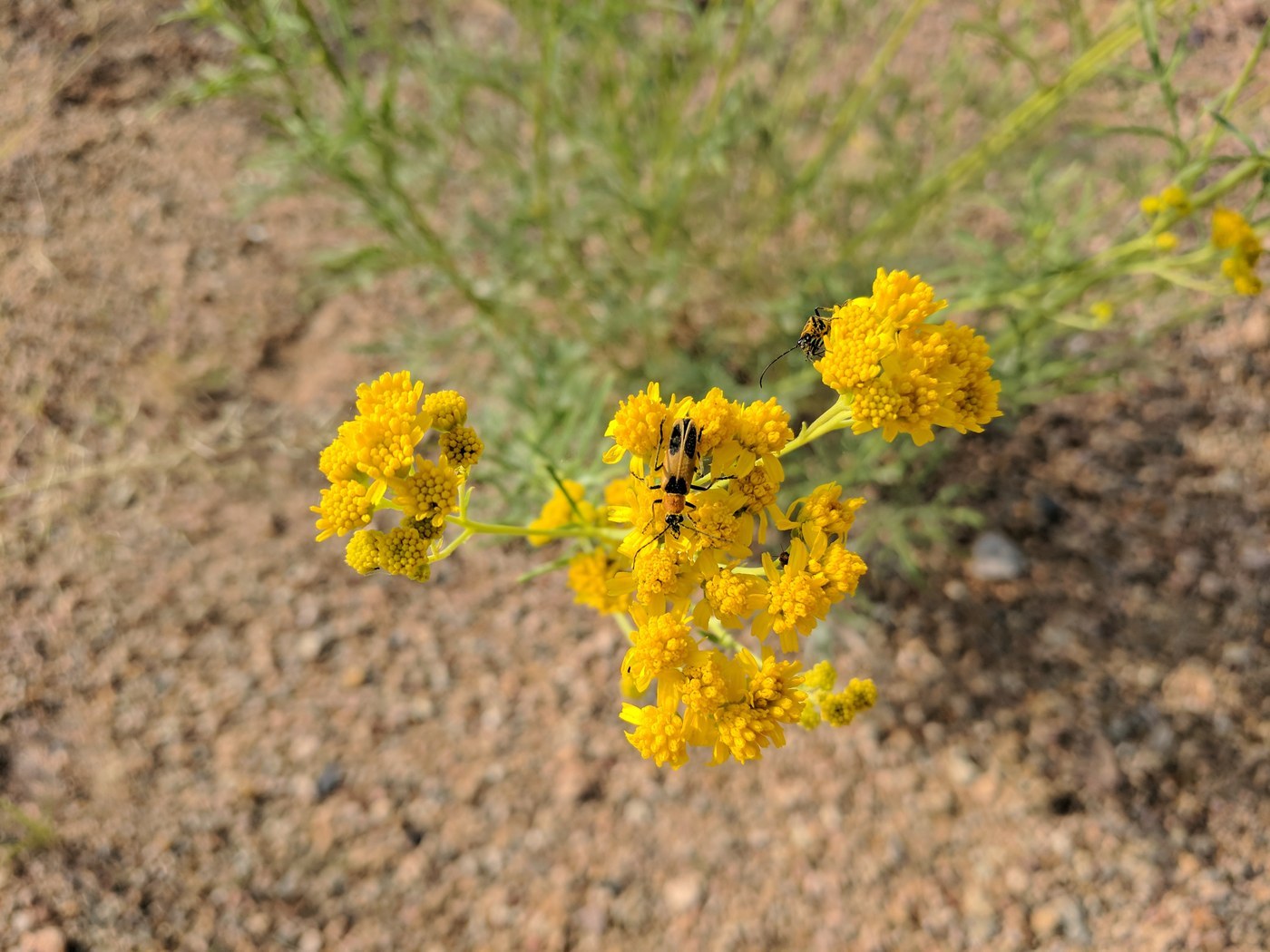
Soldier Beetle
A slender, soft-bodied beetle in orange and black or yellow and brown, often seen clustered on late-summer flowers where it feeds on pollen, nectar, and small insects.
beetle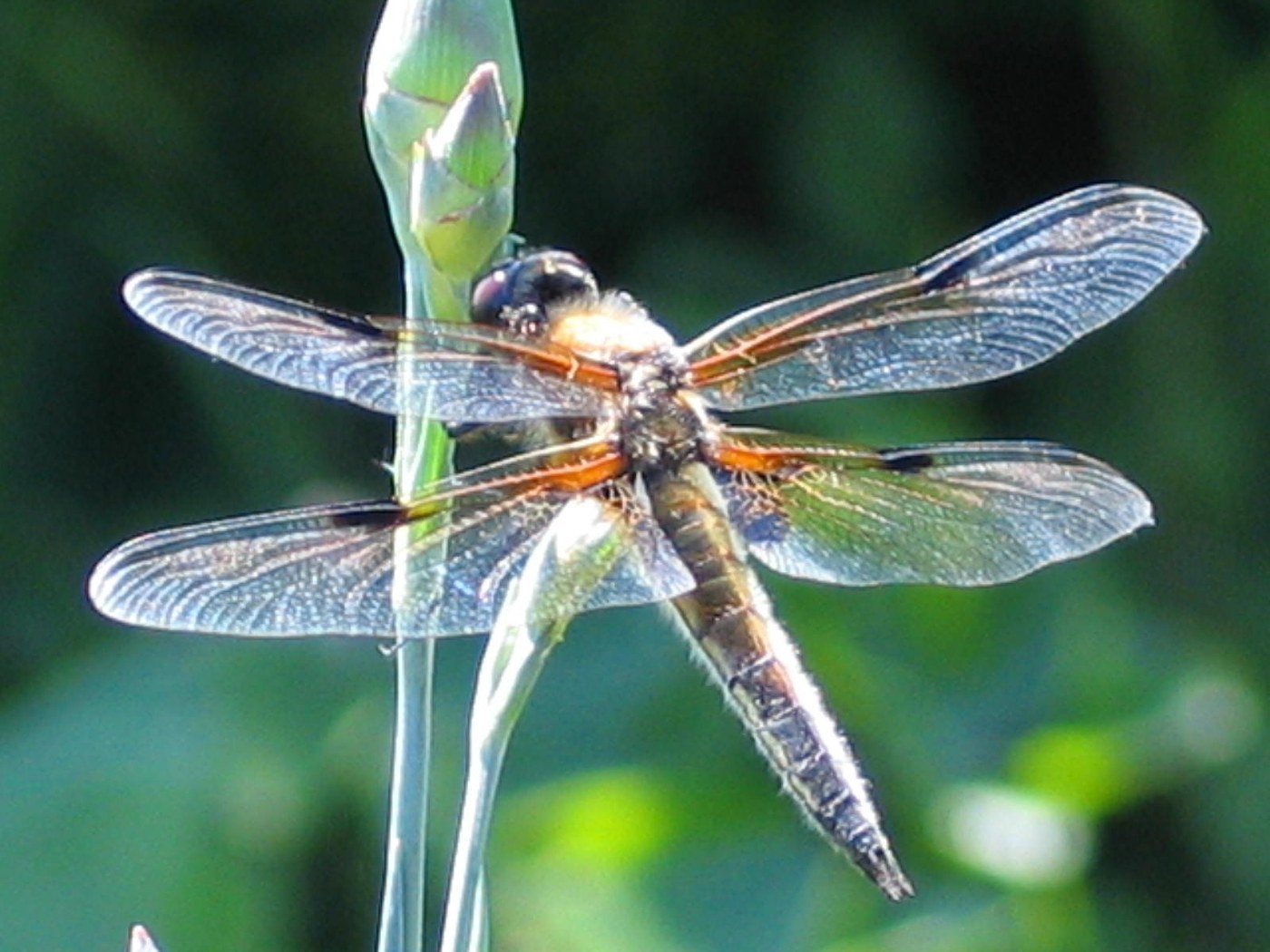
Four-spotted Skimmer
A brown, sturdily built dragonfly marked with a single dark spot on each wing, this holarctic species is famous for occasional mass emergences and long-distance swarming flights.
dragonflyCutworm
A plump, dull gray-brown caterpillar that hides in soil by day and emerges at night to sever young seedlings at the base, curling tightly into a C-shape when disturbed.
caterpillar-larva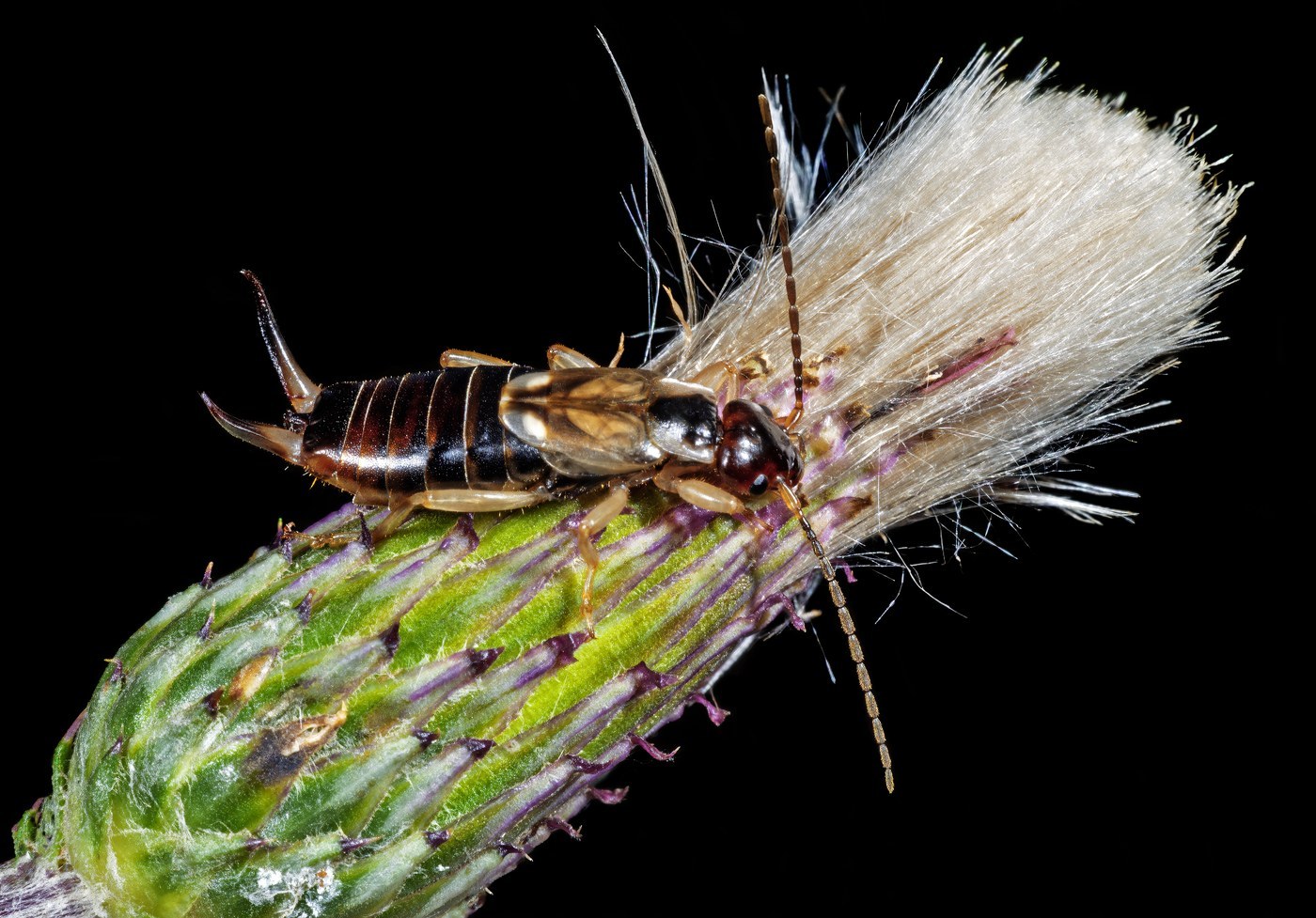
Earwig
A slender, reddish-brown insect easily identified by the pair of curved, forceps-like pincers at the tip of its abdomen, often found hiding under mulch, bark, or garden debris by day.
otherRough Stink Bug
A gray-brown, textured stink bug with an irregular, jagged-edged outline that blends seamlessly against tree bark, making it one of the best-camouflaged members of its family.
true-bug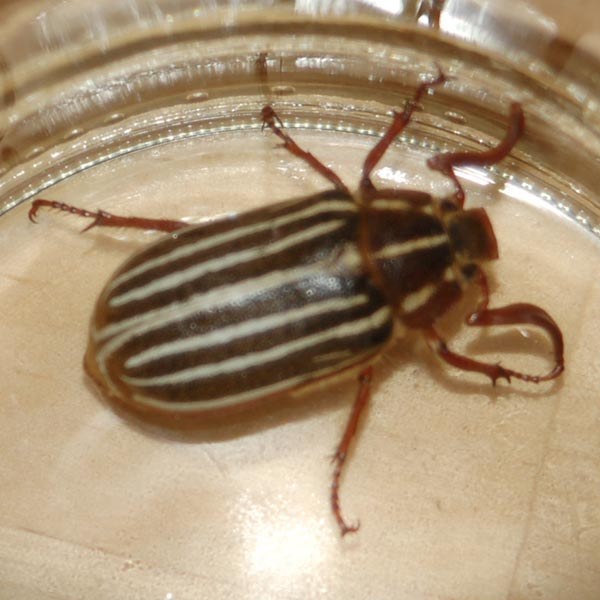
Ten-lined June Beetle
A large, brown scarab beetle marked with bold white racing stripes down its wing covers, known for its loud buzzing flight and hissing defensive squeak.
beetleTsetse Fly
A stout grayish-brown fly of African woodlands whose rigid, forward-jutting proboscis and scissor-folded wings set it apart from any ordinary house fly.
fly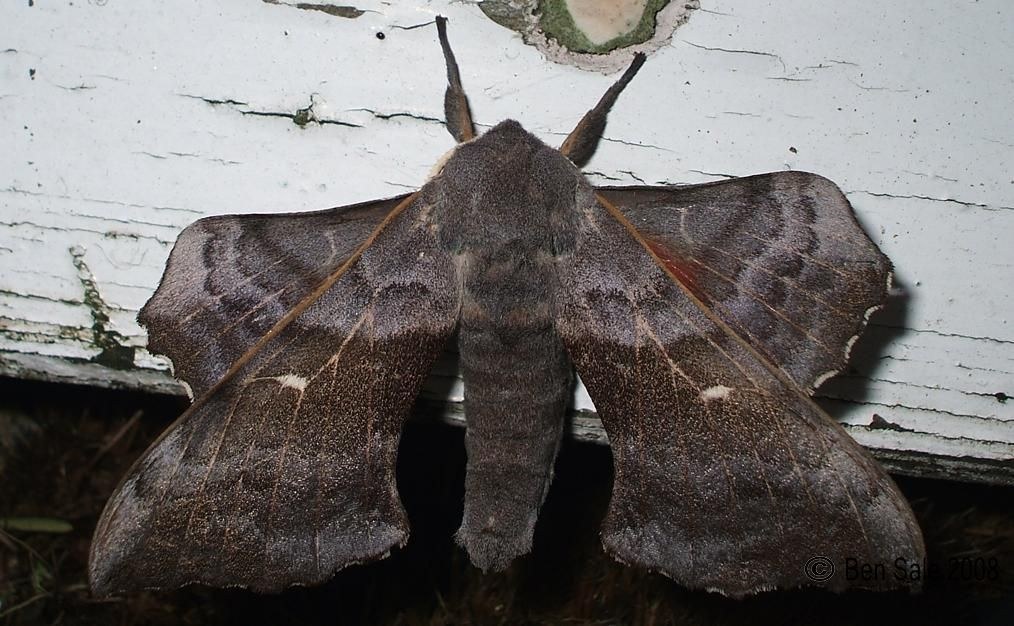
Poplar Hawk-Moth
A large, grayish-brown hawk-moth with an unusual resting posture in which the hindwings project forward past the forewings, revealing a hidden rust-red patch when disturbed.
moth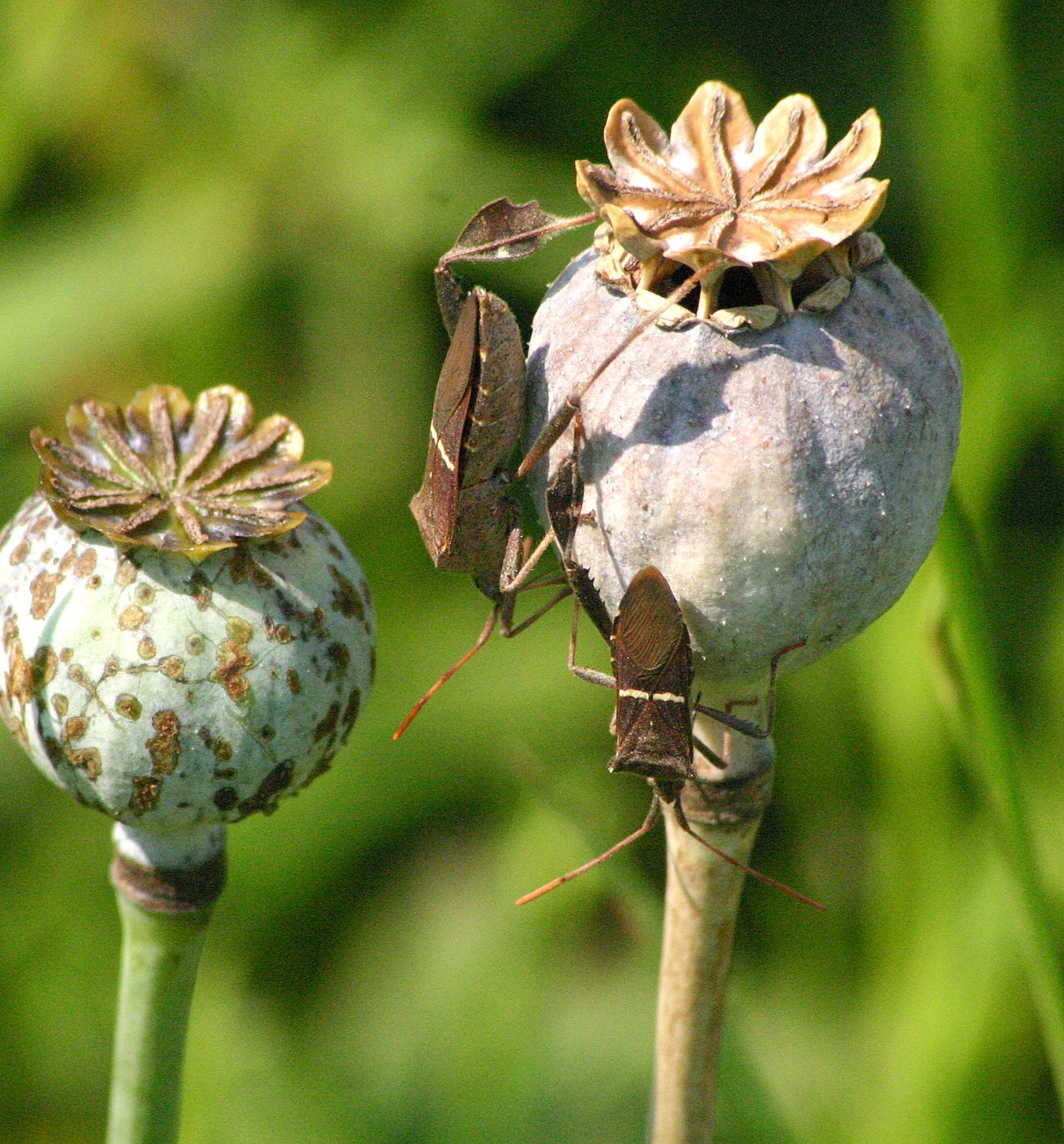
Leaf-Footed Bug
A large, elongated brown true bug named for the flattened, leaf-shaped expansions on its hind legs, often found feeding on fruits, seeds, and vegetables in gardens and orchards.
true-bug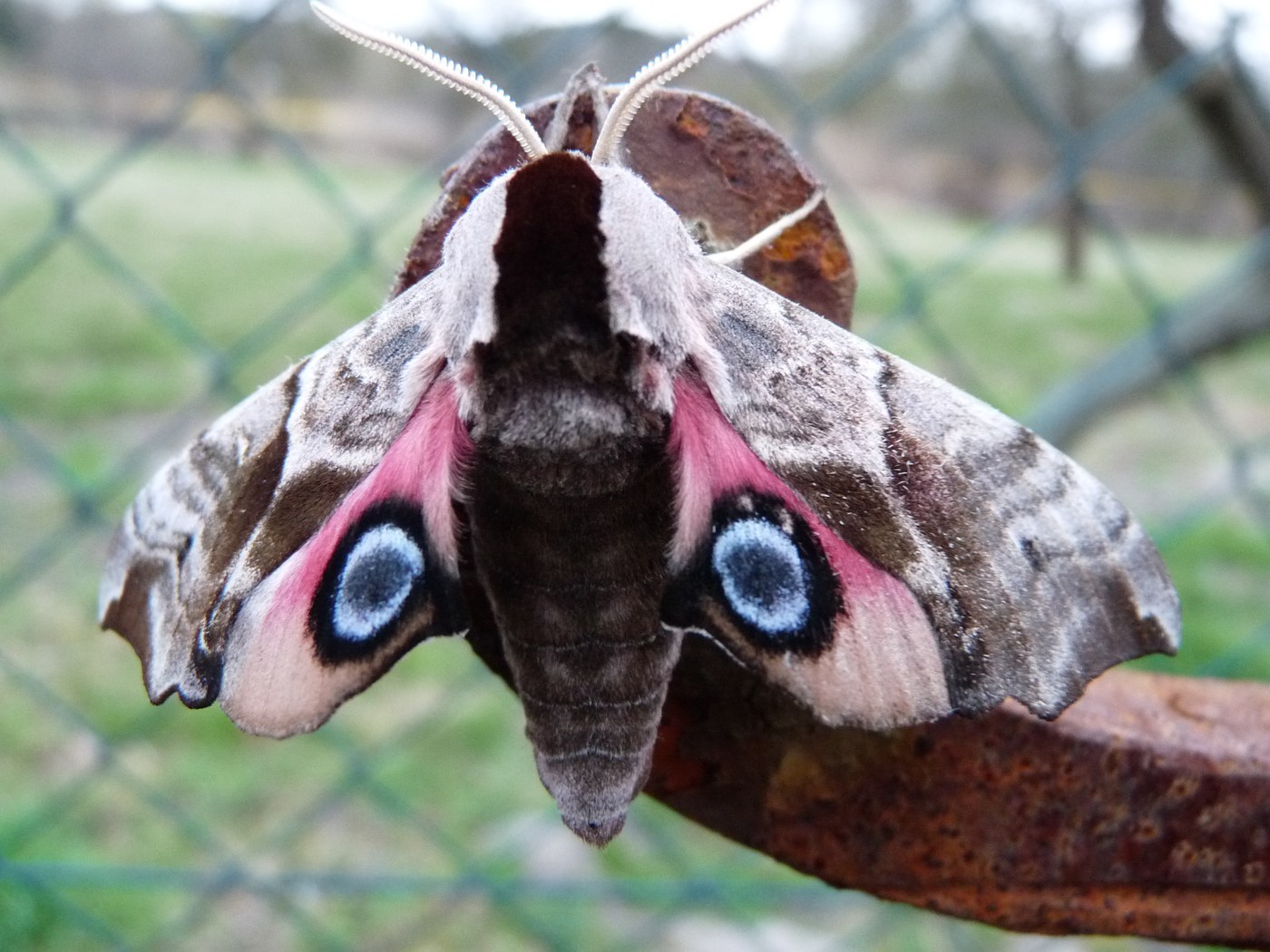
Eyed Hawk-Moth
A pinkish-brown hawk-moth that reveals a pair of large, blue-and-black eyespots on its hindwings when threatened, using the sudden flash of "eyes" to startle would-be predators.
moth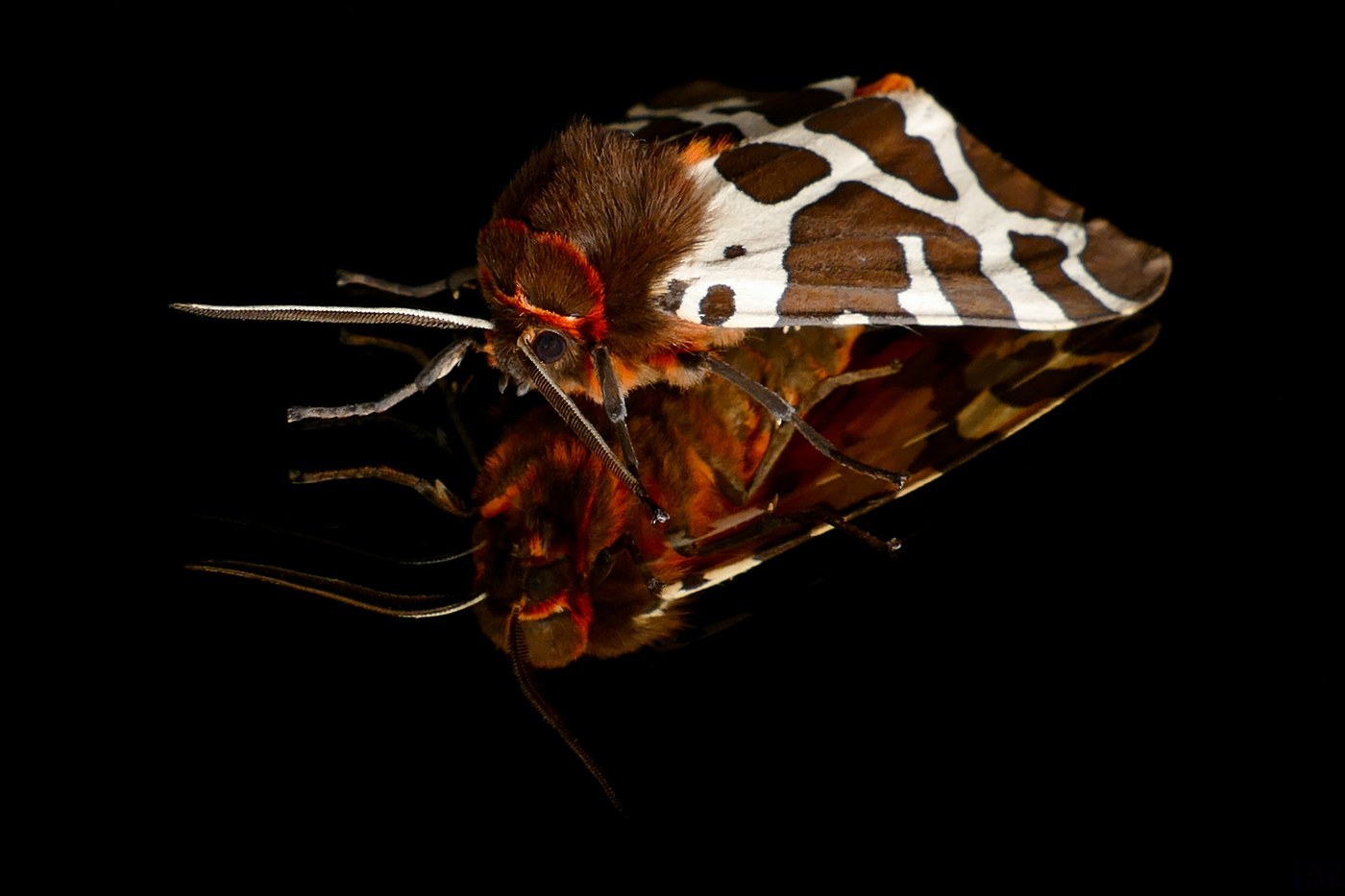
Garden Tiger Moth
A boldly patterned tiger moth with chocolate-brown, cream-marbled forewings that flash to reveal vivid orange hindwings dotted with blue-black spots when the moth is disturbed.
moth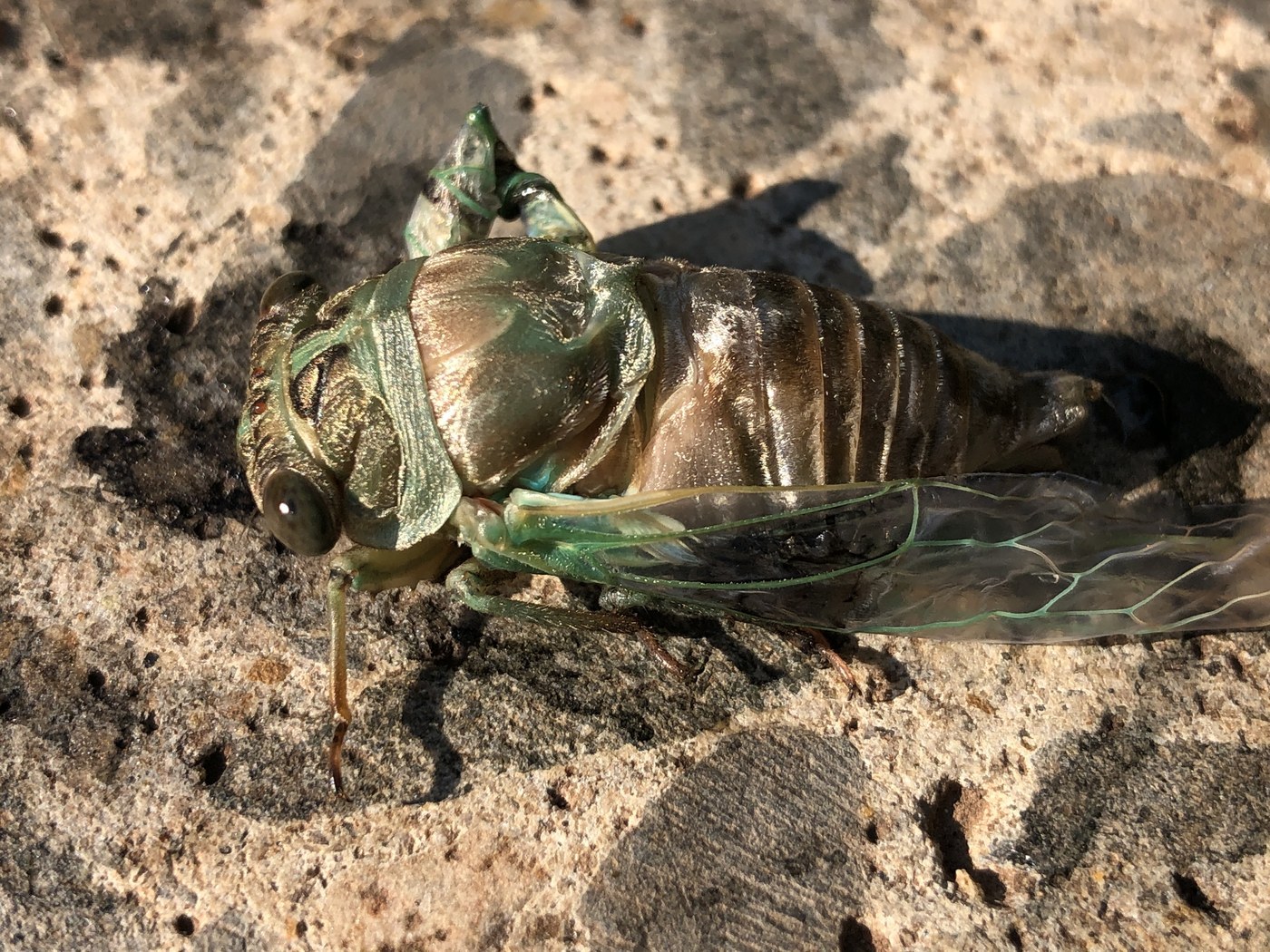
Dog-Day Cicada
A stout, thick-bodied cicada with mottled green and brown camouflage patterning, named for its loud droning calls heard during the hot "dog days" of late summer.
true-bug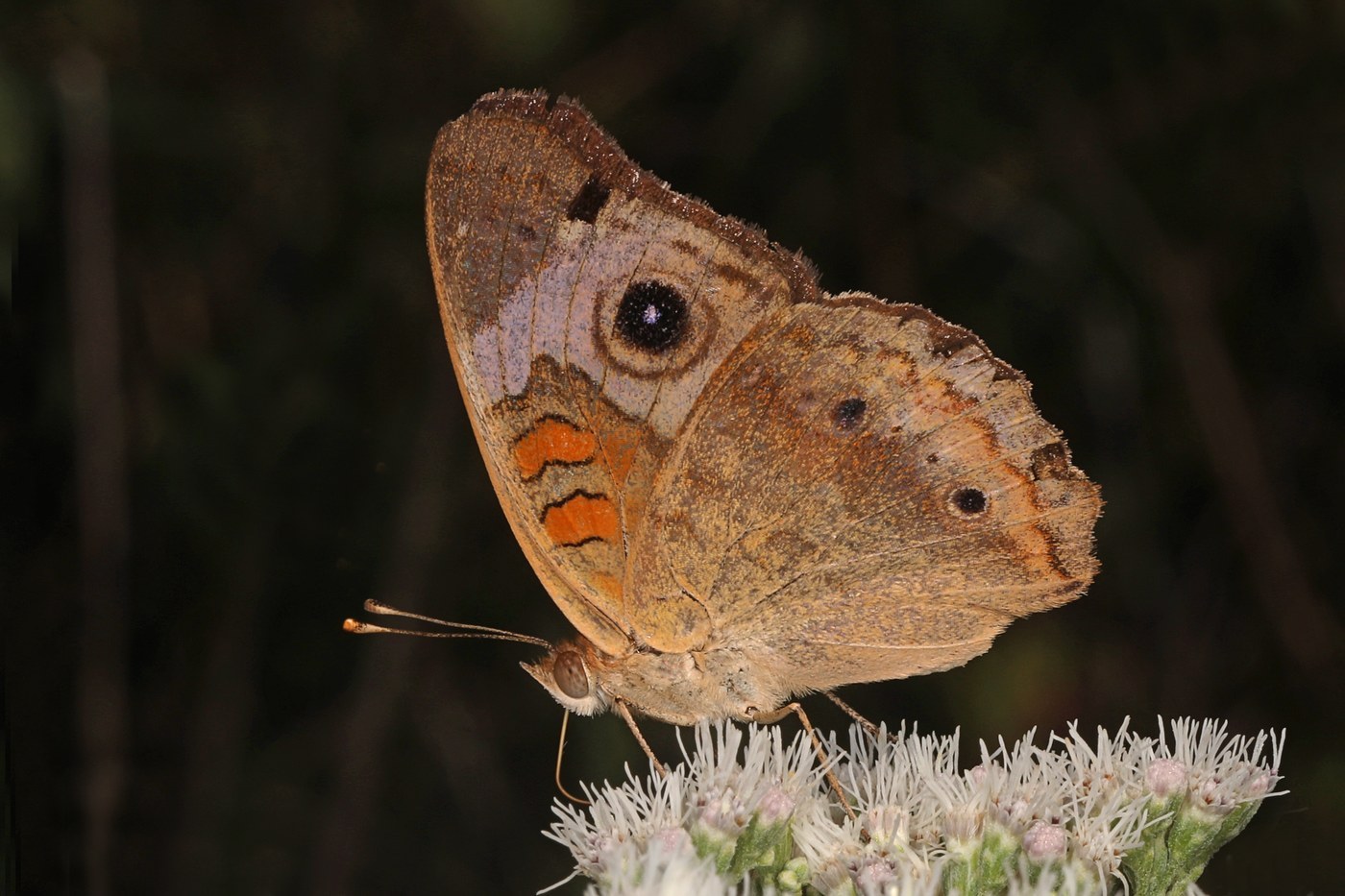
Common Buckeye
A medium-sized brown butterfly instantly recognizable by the large, colorful eyespots ringed in orange and blue on both its forewings and hindwings, thought to startle or deflect the attacks of predators.
butterfly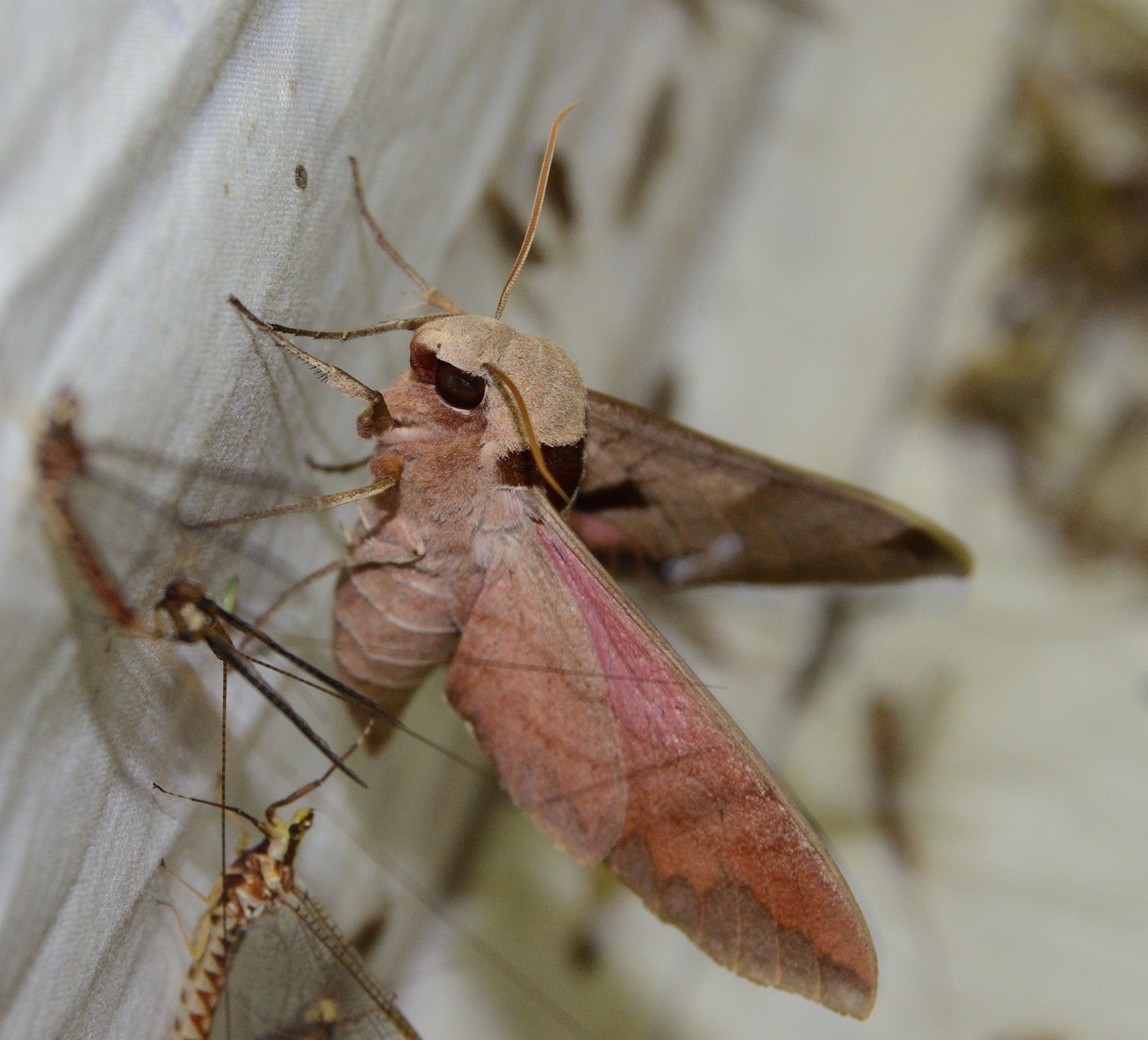
Achemon Sphinx Moth
A large, streamlined sphinx moth with pinkish-brown forewings marked by darker scalloped patches and rosy pink hindwings edged in black, closely tied to grapevines as a larval host.
moth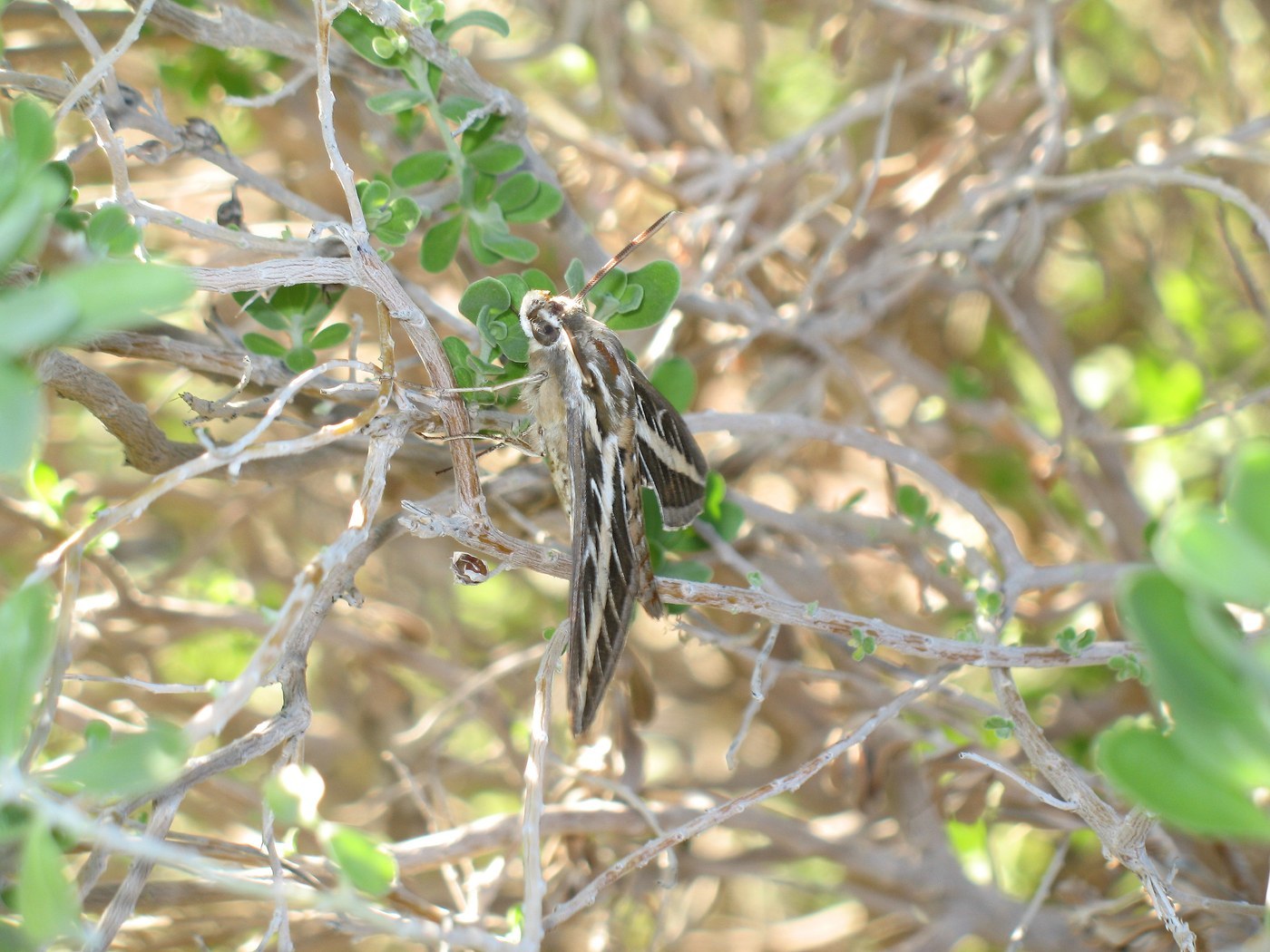
White-lined Sphinx Moth
A fast, hovering moth often mistaken for a hummingbird as it darts between flowers at dusk, identifiable by the bold cream-colored stripe running across each streamlined brown forewing.
moth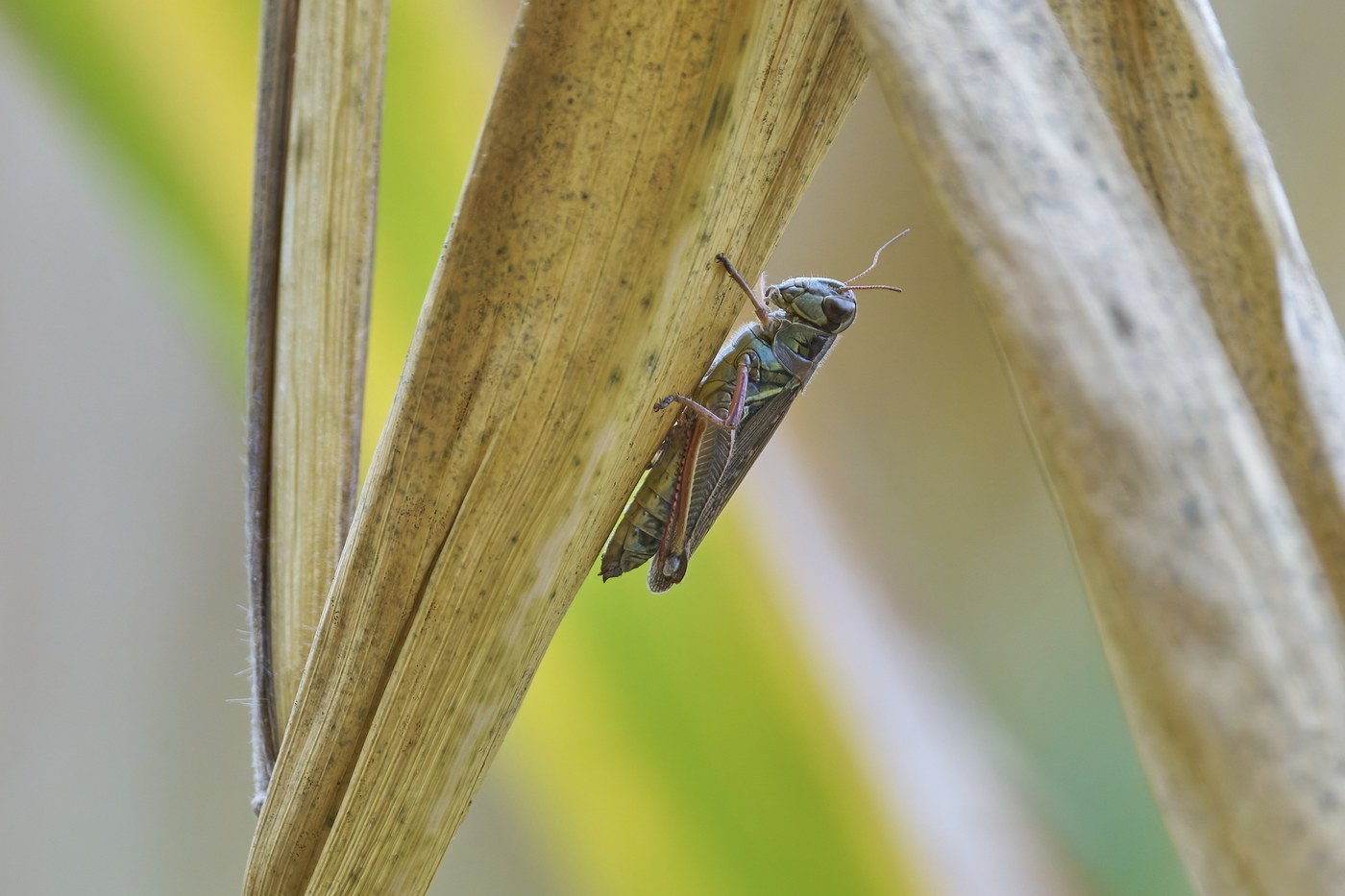
Red-legged Grasshopper
One of the most abundant and widespread grasshoppers in North America, the red-legged grasshopper is easily spotted by its reddish hind shins flashing amid a brown, mottled body.
grasshopper-cricket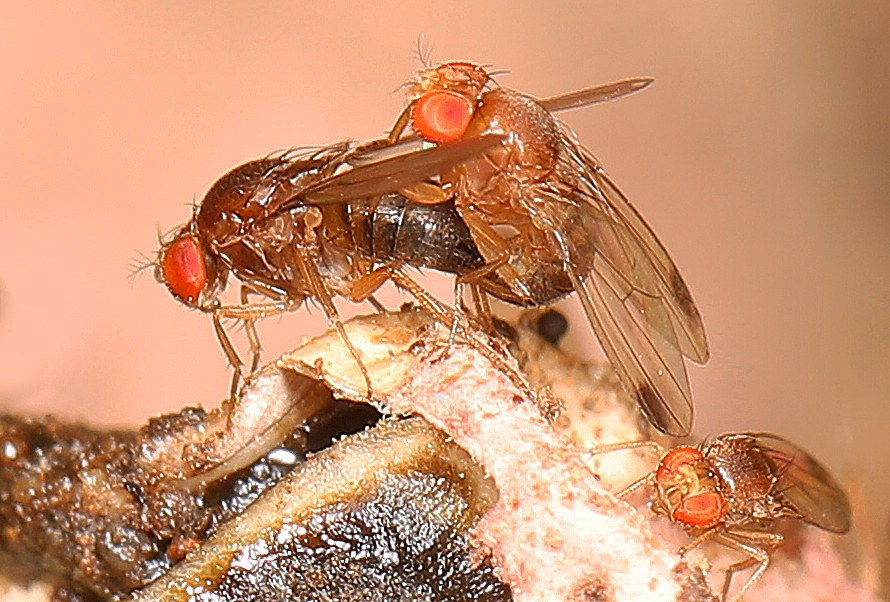
Spotted Wing Drosophila
A tiny reddish-brown fruit fly, each male marked with a single dark spot near the wingtip, notable for laying eggs in ripening rather than overripe fruit.
fly