
Bug Encyclopedia
Search and identify bugs & insects — beetles, butterflies, moths, ants, bees, spiders and more — with size, habitat, danger, behavior, and how to tell them apart.
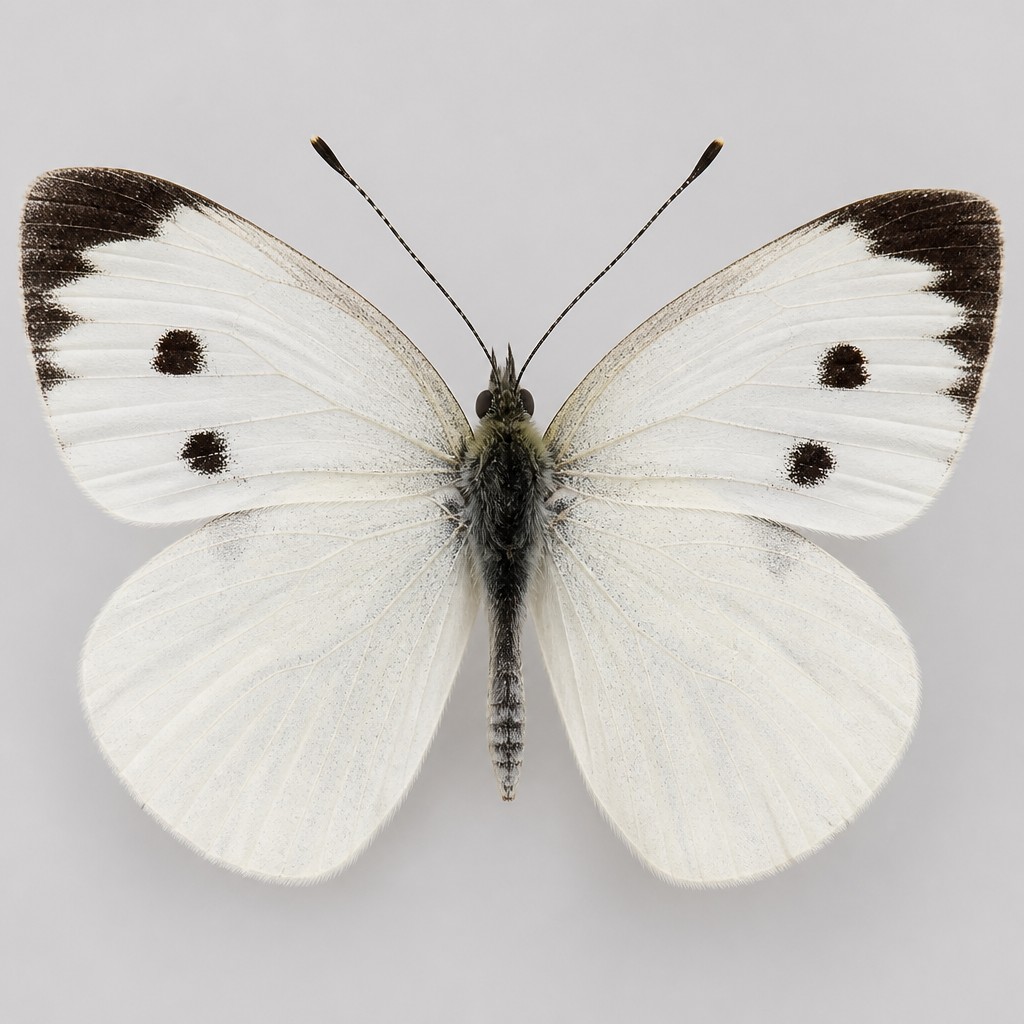
Cabbage White Butterfly
A small, plain white butterfly with one or two black spots on each forewing and dark wingtips, one of the most common and widespread garden butterflies in the world.
butterfly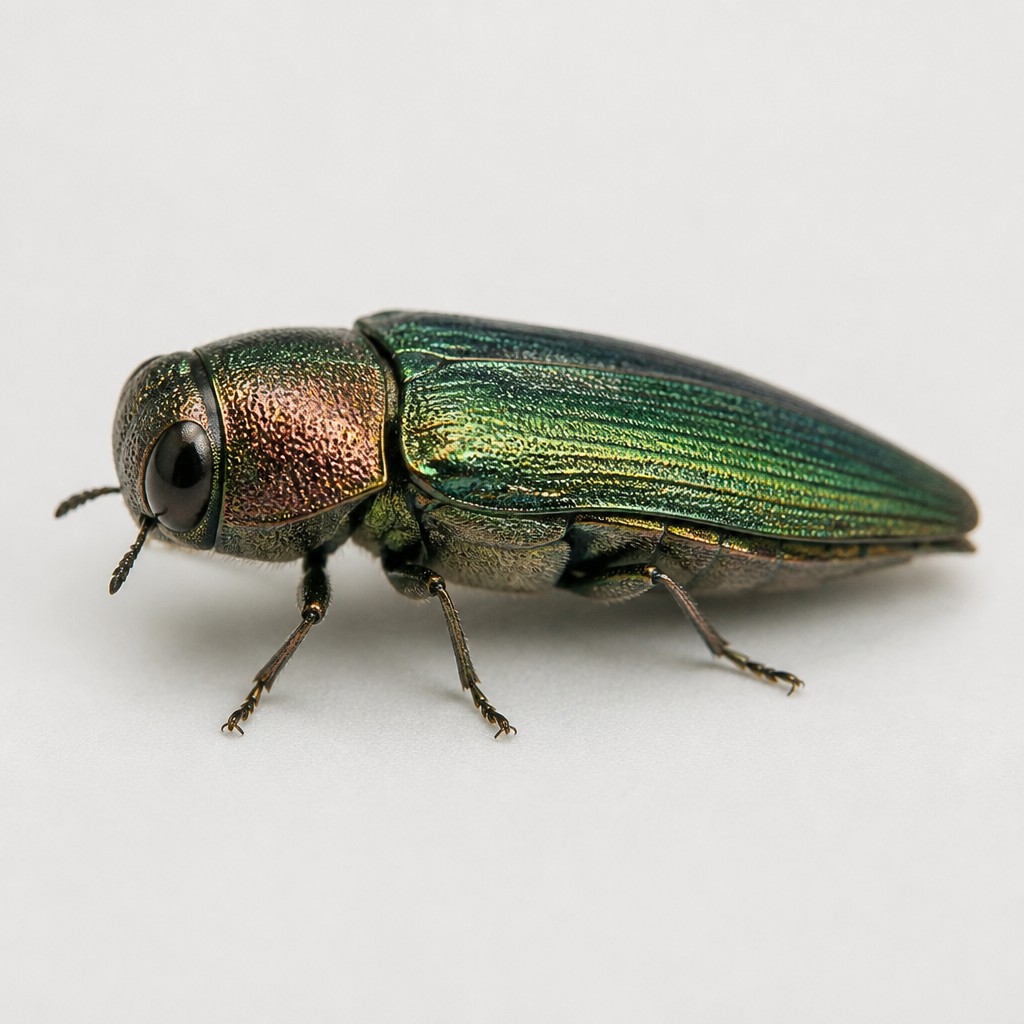
Metallic Wood-boring Beetle
The North American common name for jewel beetles, emphasizing the wood-tunneling habits of their larvae, which leave telltale flattened, D-shaped exit holes in bark of stressed or dying trees.
beetle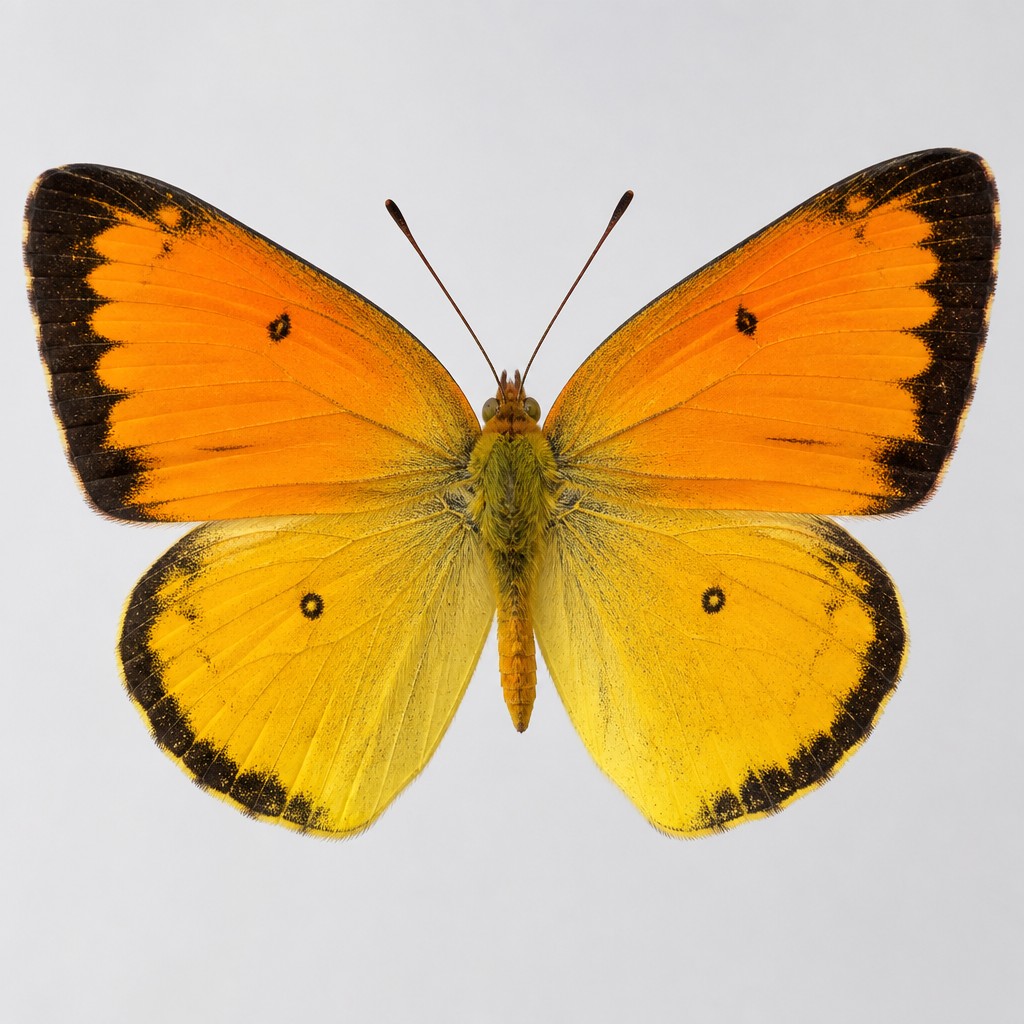
Orange Sulphur
A vivid orange-and-yellow butterfly with sharp black wing borders, one of the most common butterflies over open fields and alfalfa crops throughout North America.
butterfly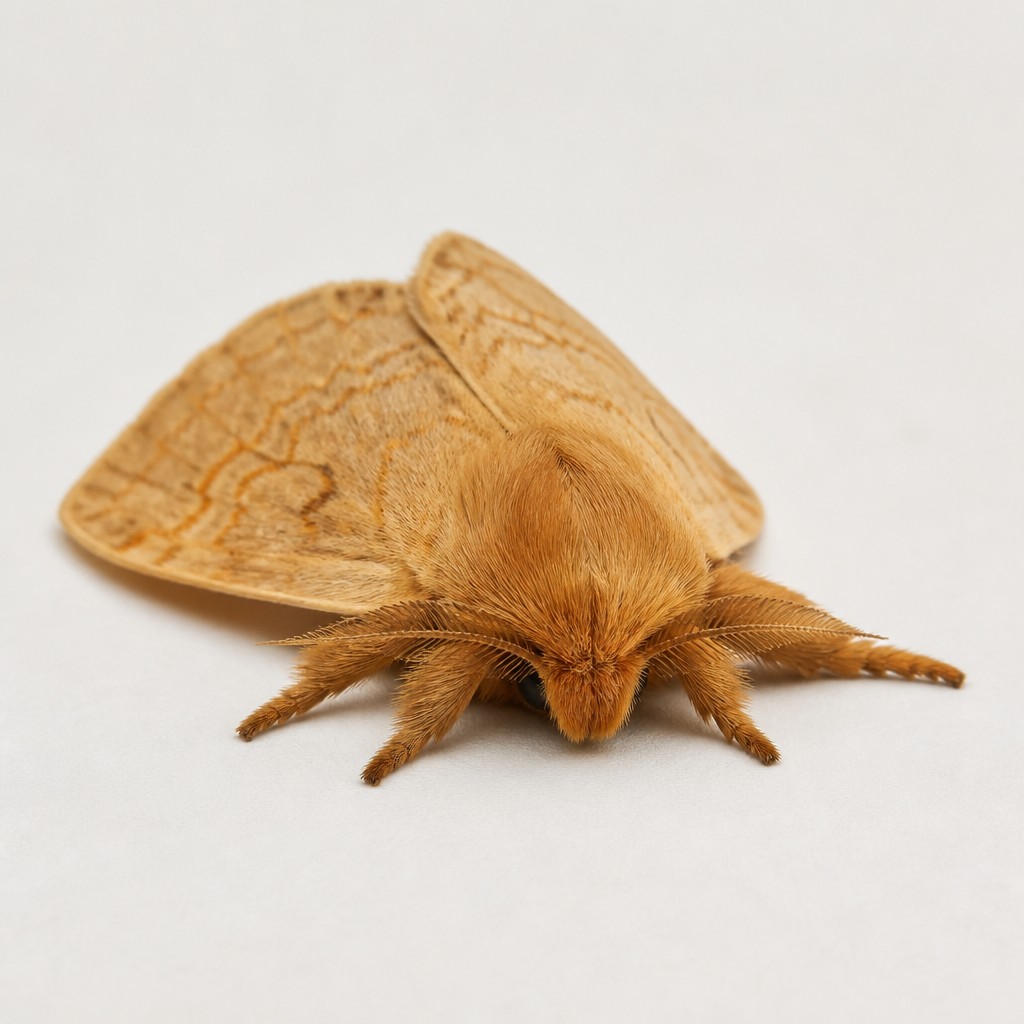
Southern Flannel Moth (Puss Caterpillar Moth)
A small, densely furred tan-to-orange moth best known for its unusual larva, a soft-looking, cat-tailed caterpillar whose fluffy coat hides rows of venomous spines.
moth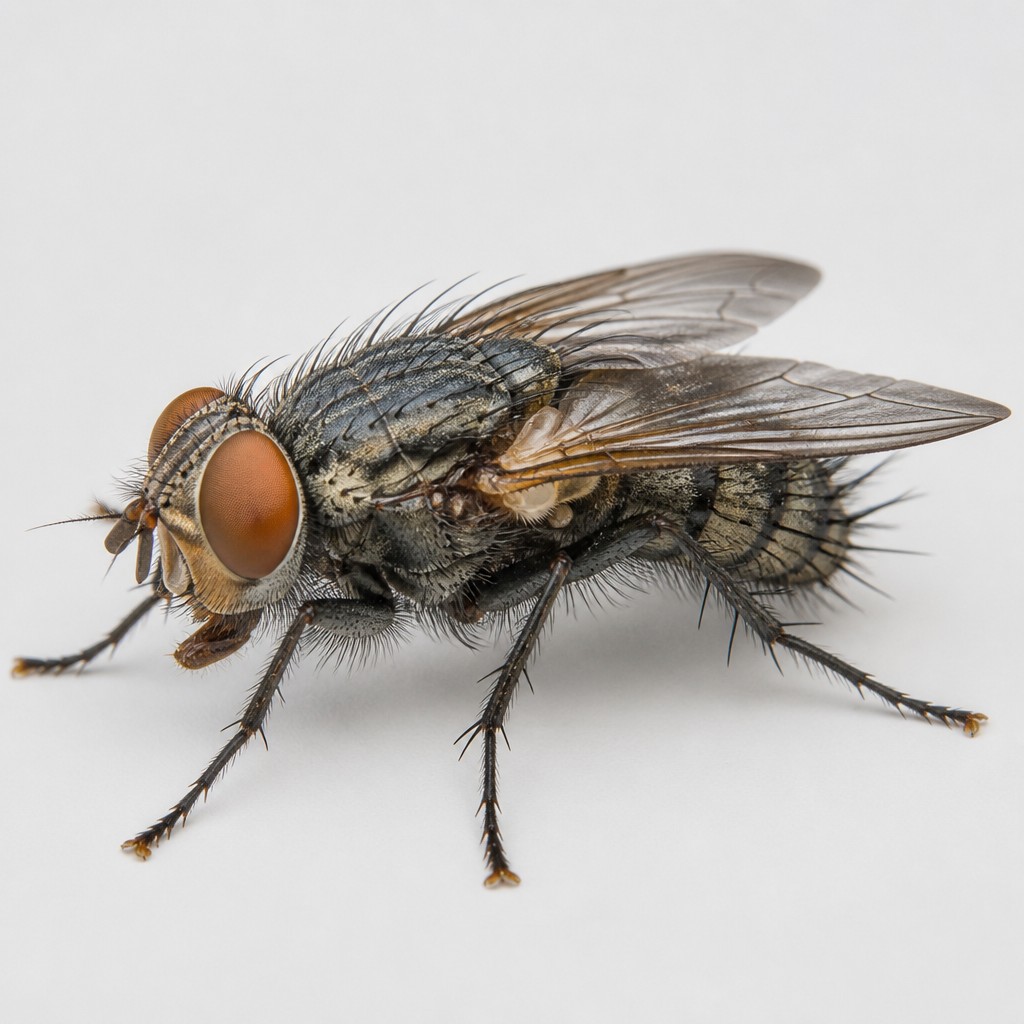
Tachinid Fly
A bristly, house-fly-like insect that looks unremarkable at a glance but hides one of the most important ecological roles among flies: its larvae develop as internal parasites of caterpillars, beetles, and other insects, quietly regulating populations across the landscape. Gardeners often welcome tachinid flies as natural allies against crop-damaging pests.
fly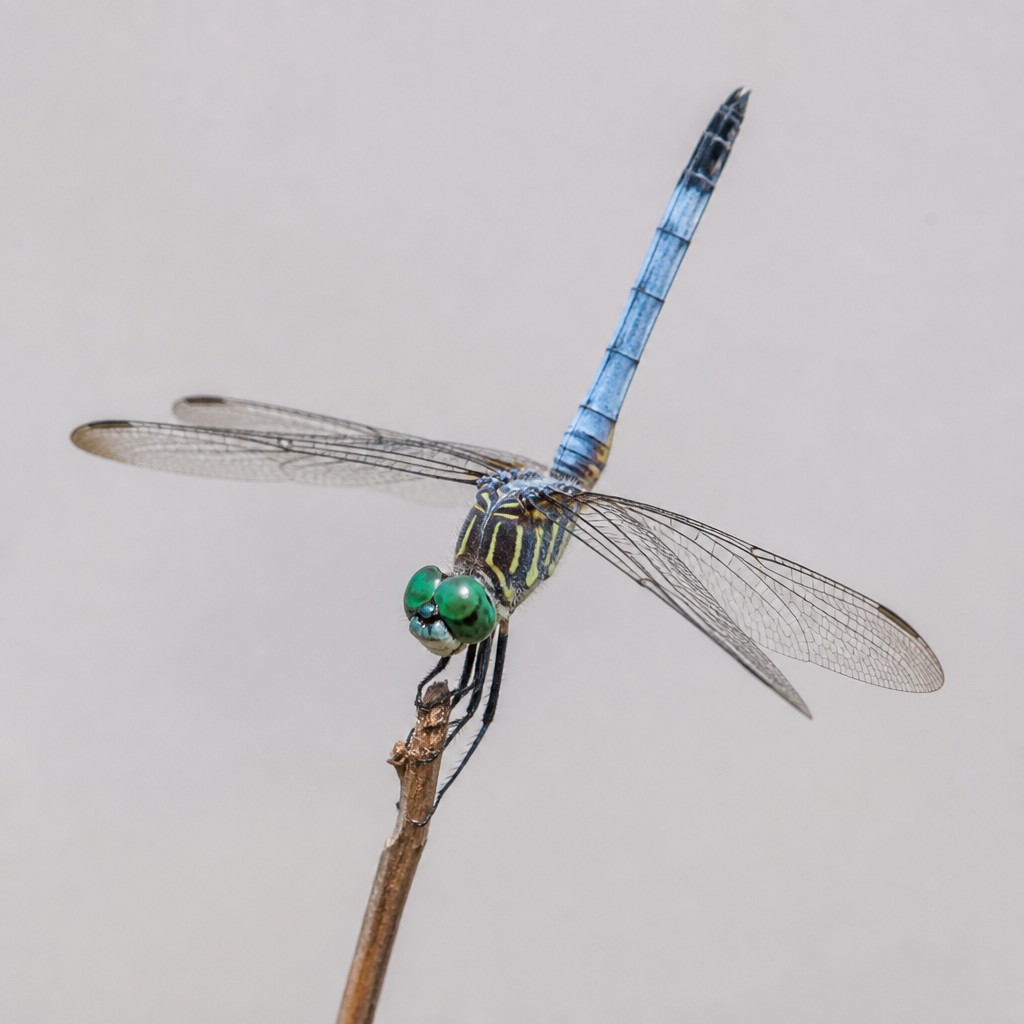
Blue Dasher Dragonfly
A small, common dragonfly whose mature males combine a powdery blue abdomen with brilliant green eyes, often seen perched horizontally with its tail raised skyward.
dragonfly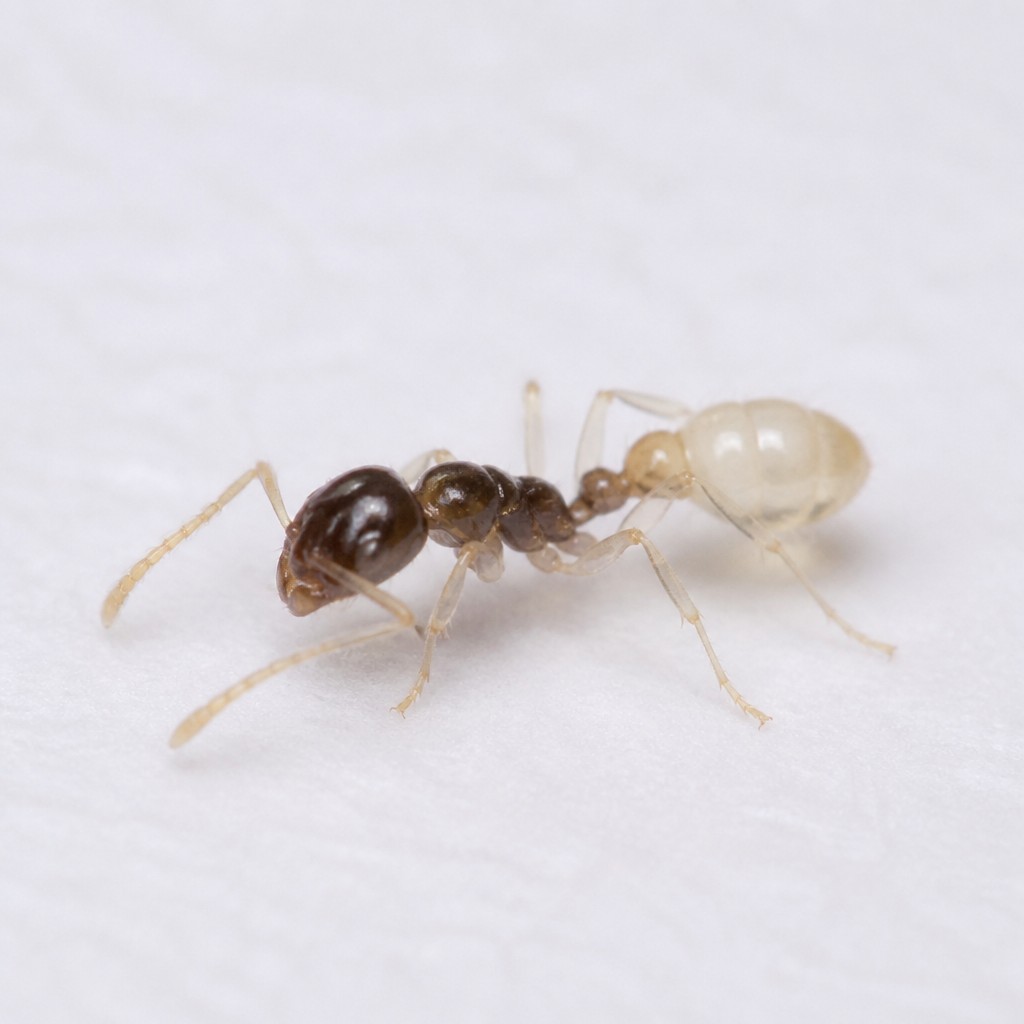
Ghost Ant
A minuscule ant with a dark head and pale, nearly translucent legs and abdomen that seem to vanish against light-colored surfaces, giving the species its ghostly common name.
ant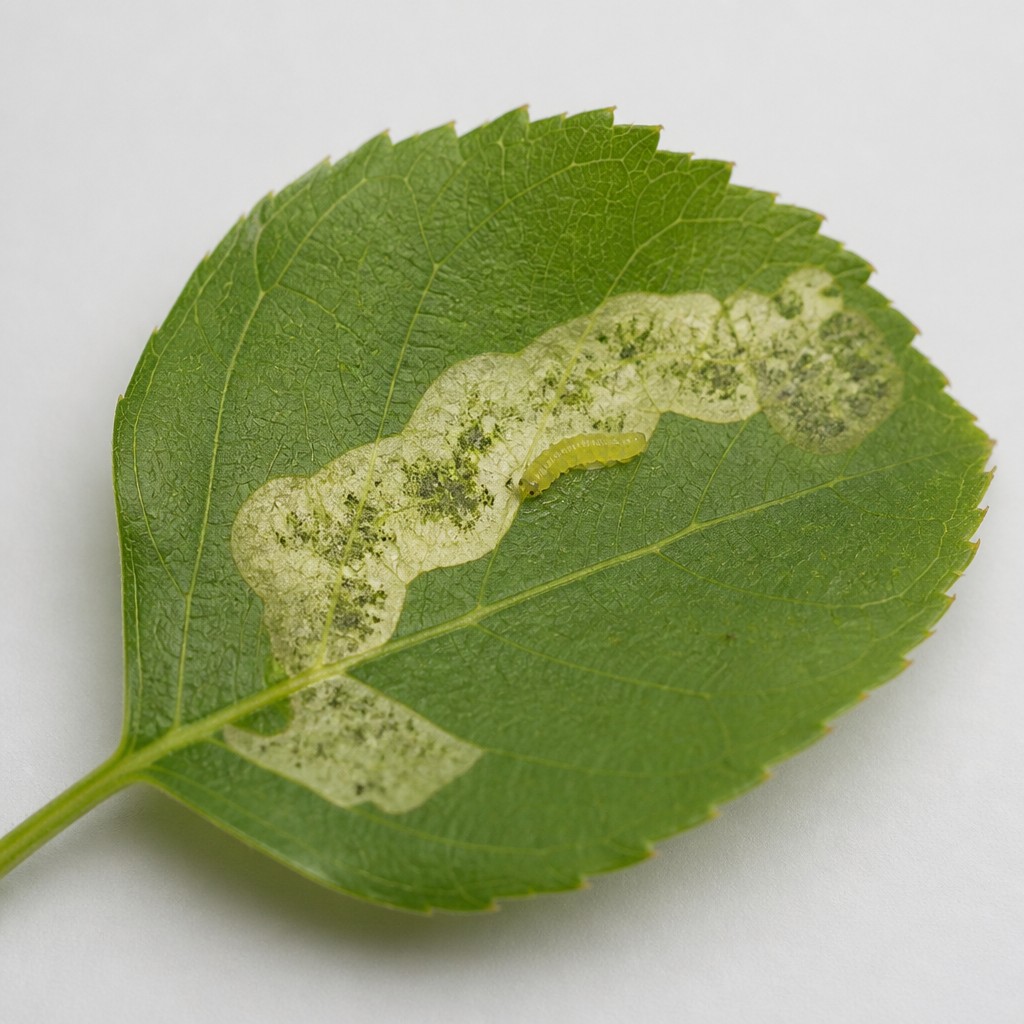
Leaf Miner
Rather than chewing from the outside, a leaf miner larva tunnels between the upper and lower surfaces of a leaf, leaving behind pale, winding trails or blotches that trace its path as it feeds.
fly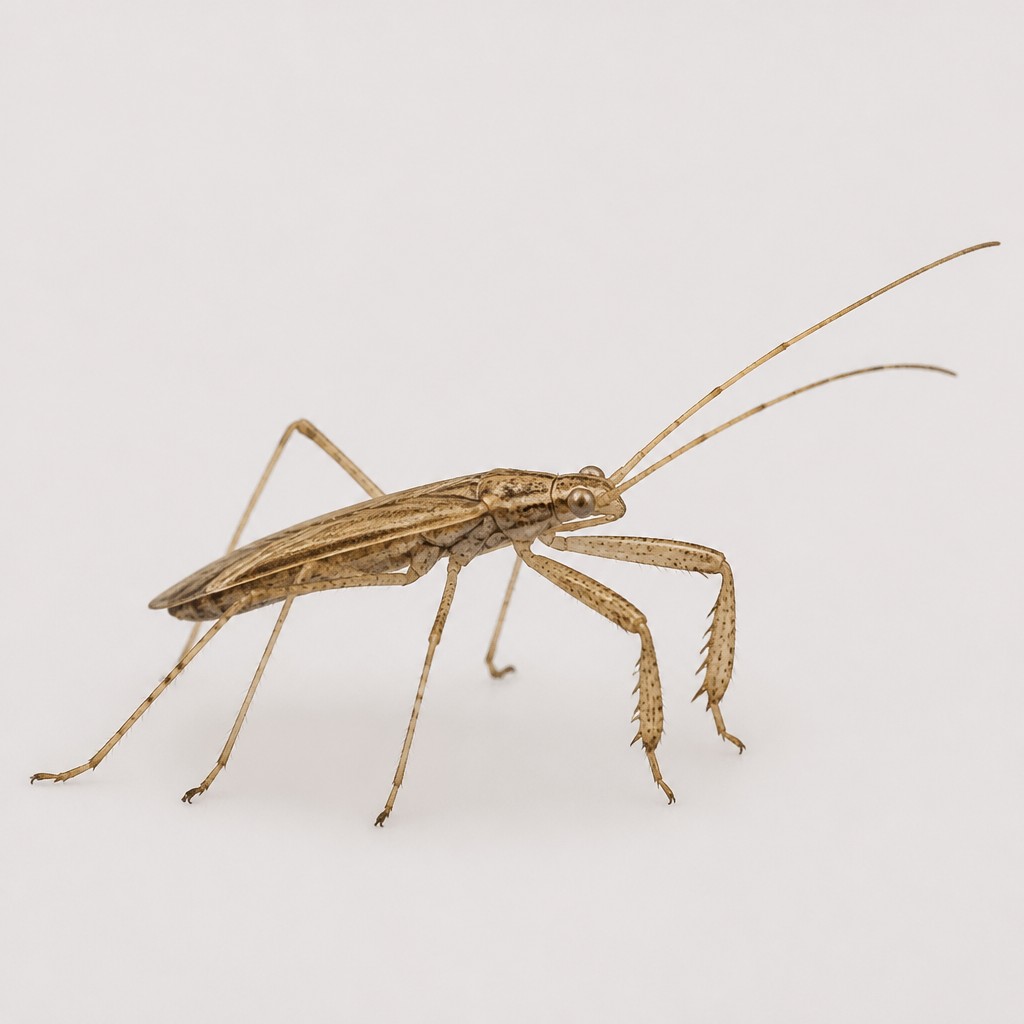
Damsel Bug
A slender, tan to brown true bug with a narrow head and elongated front legs adapted for grasping, the damsel bug is a common predator patrolling foliage for soft-bodied insects.
true-bug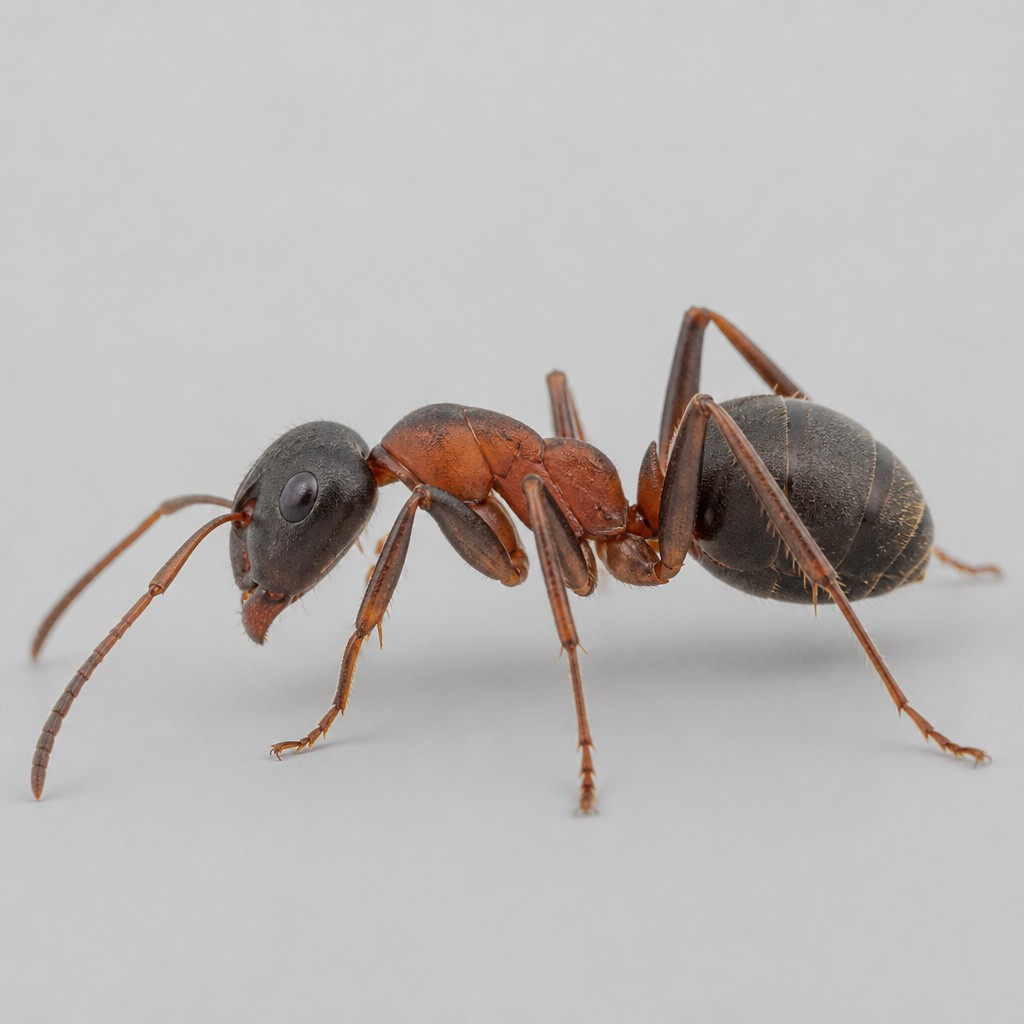
Field Ant
A large, common outdoor ant that builds conspicuous mound nests of soil and plant debris in sunny open ground and defends itself by spraying formic acid rather than stinging.
ant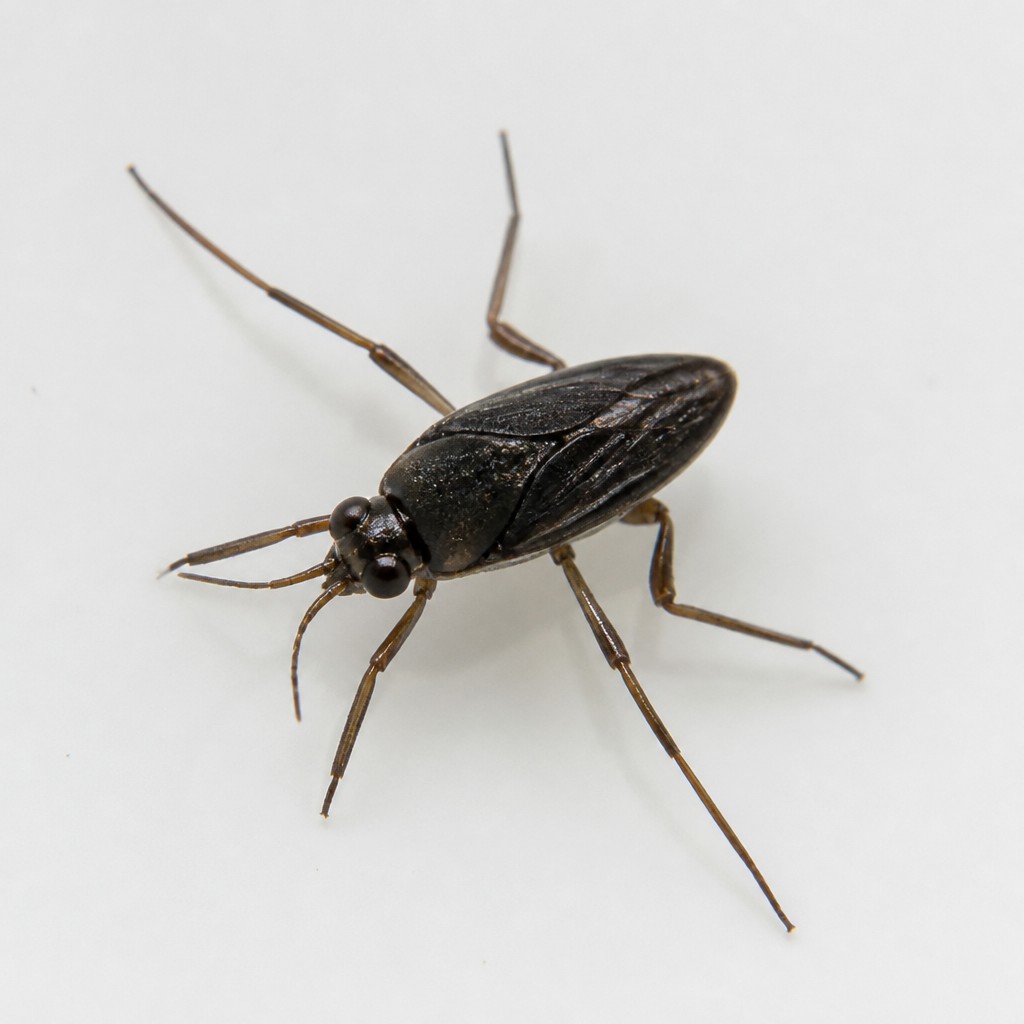
Ripple Bug
A tiny, dark true bug that skates across the surface film of calm water, producing the faint ripples that give it its common name as it hunts for small prey trapped at the surface.
aquatic-insect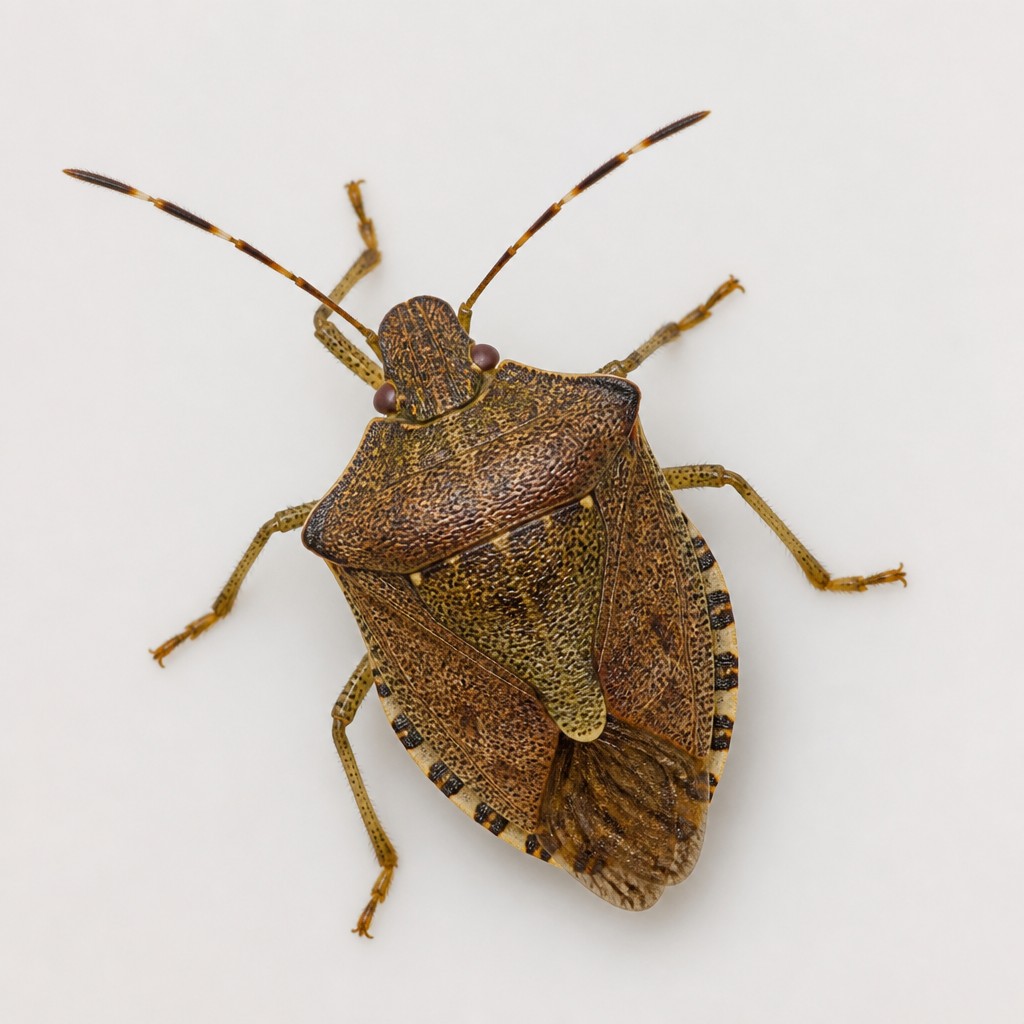
Shield Bug (Stink Bug)
A broad, shield-shaped true bug that releases a sharp, pungent odour from glands on its body when disturbed, a defence that gives the whole family its common name.
true-bug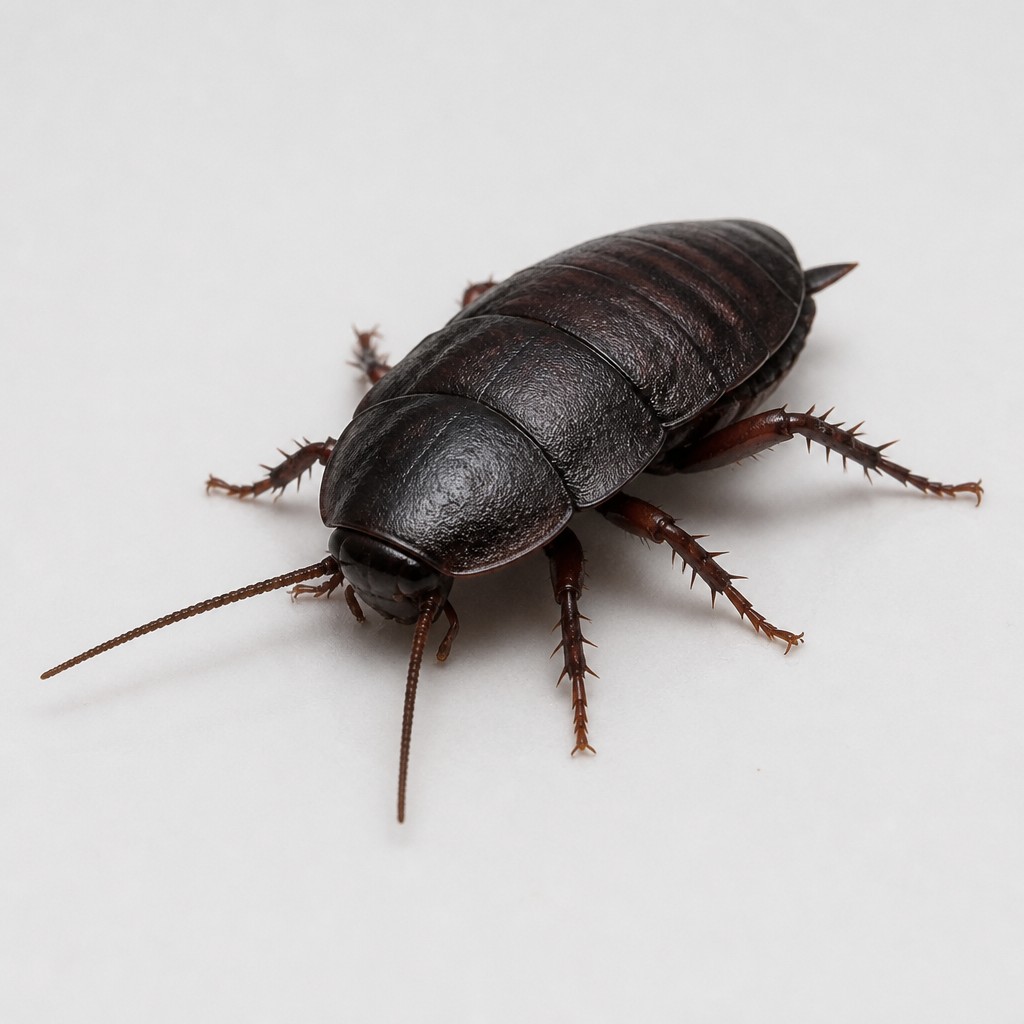
Oriental Cockroach
A dark, matte blackish-brown cockroach with short wings that do not cover the abdomen, especially in females, and a preference for cooler, damper hiding spots than most other common cockroaches.
other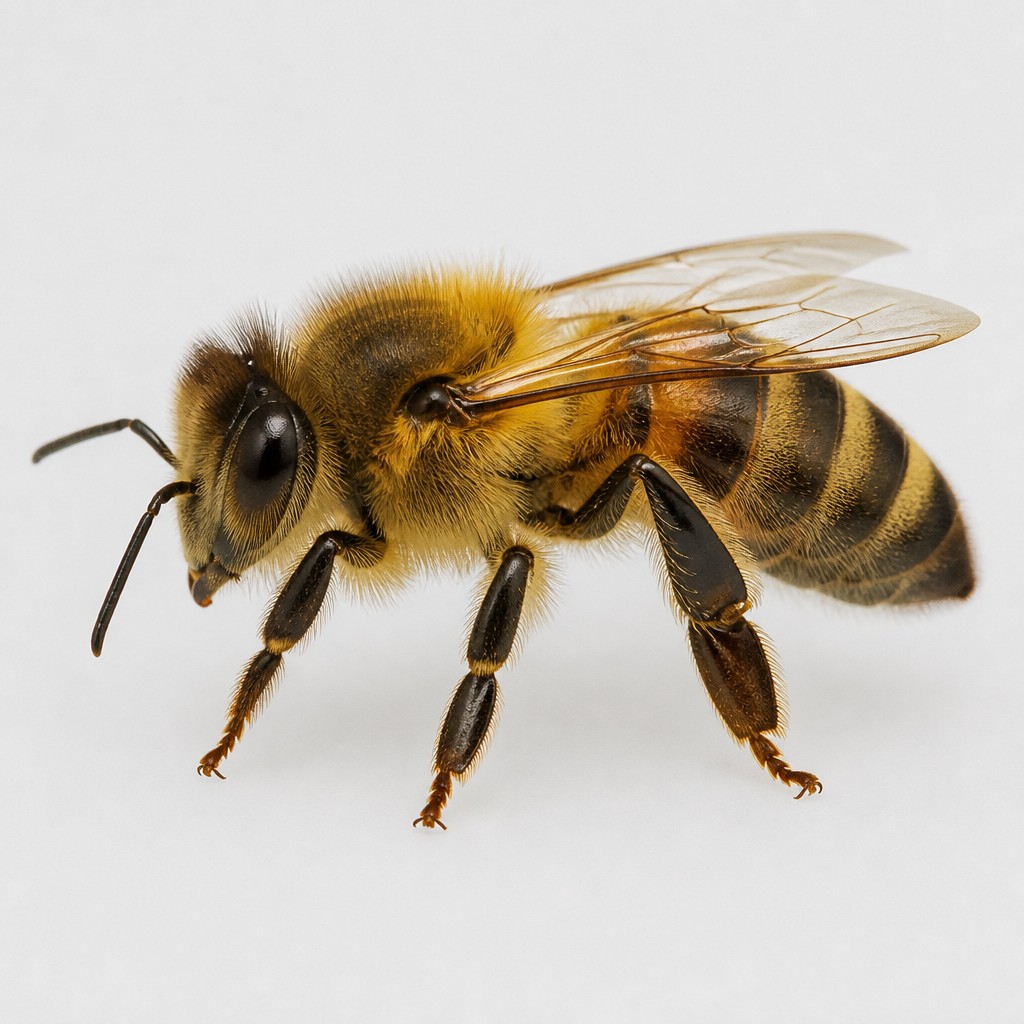
Africanized Honeybee (Killer Bee)
A hybrid strain of the western honey bee, nearly identical in appearance to common honey bees but known for more easily triggered, faster, and more numerous defensive responses when a colony is disturbed.
bee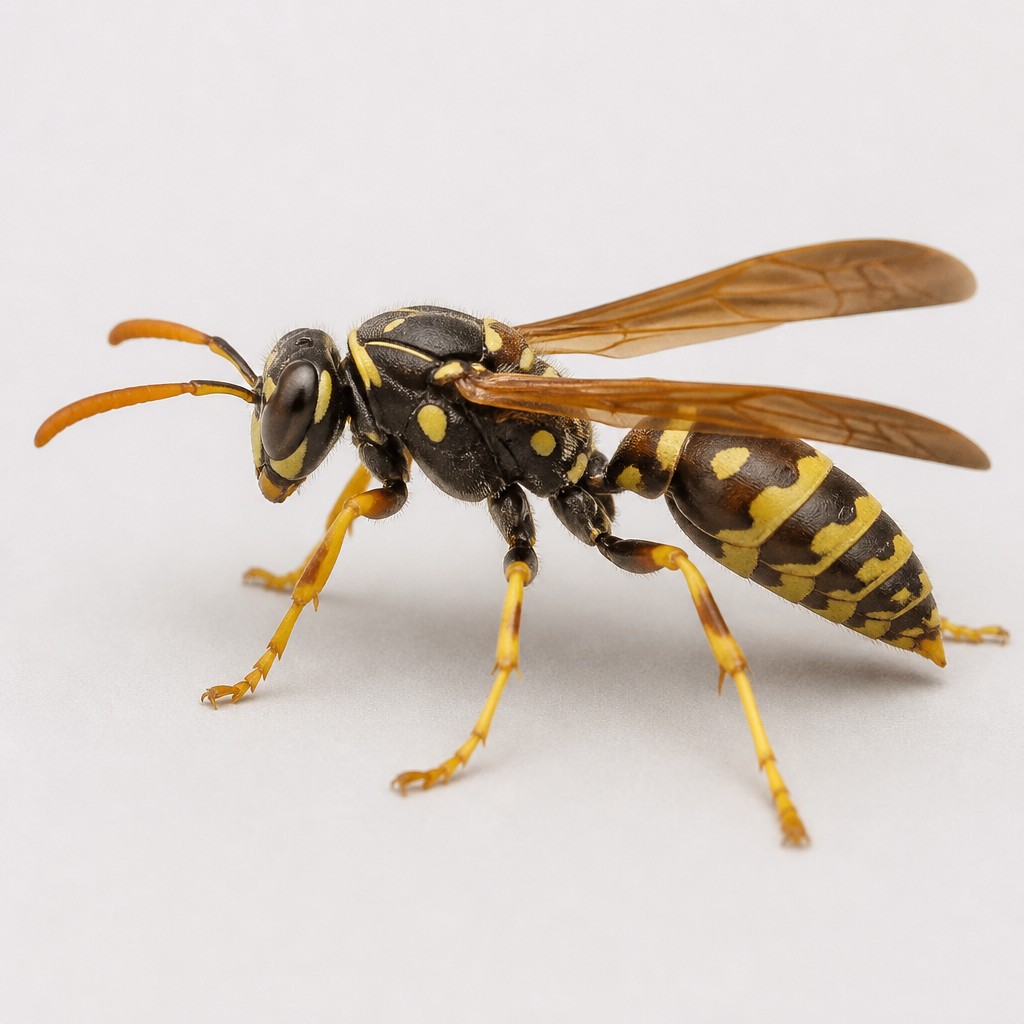
European Paper Wasp
A slender, orange-antennaed social wasp that builds small, open umbrella-shaped paper combs under eaves and ledges, now common well beyond its native European range.
wasp
Codling Moth
A small, inconspicuous grey-brown moth best known through the work of its larva, the classic apple 'worm' that tunnels into fruit, making this tiny moth one of the most economically significant insects in orchards worldwide.
moth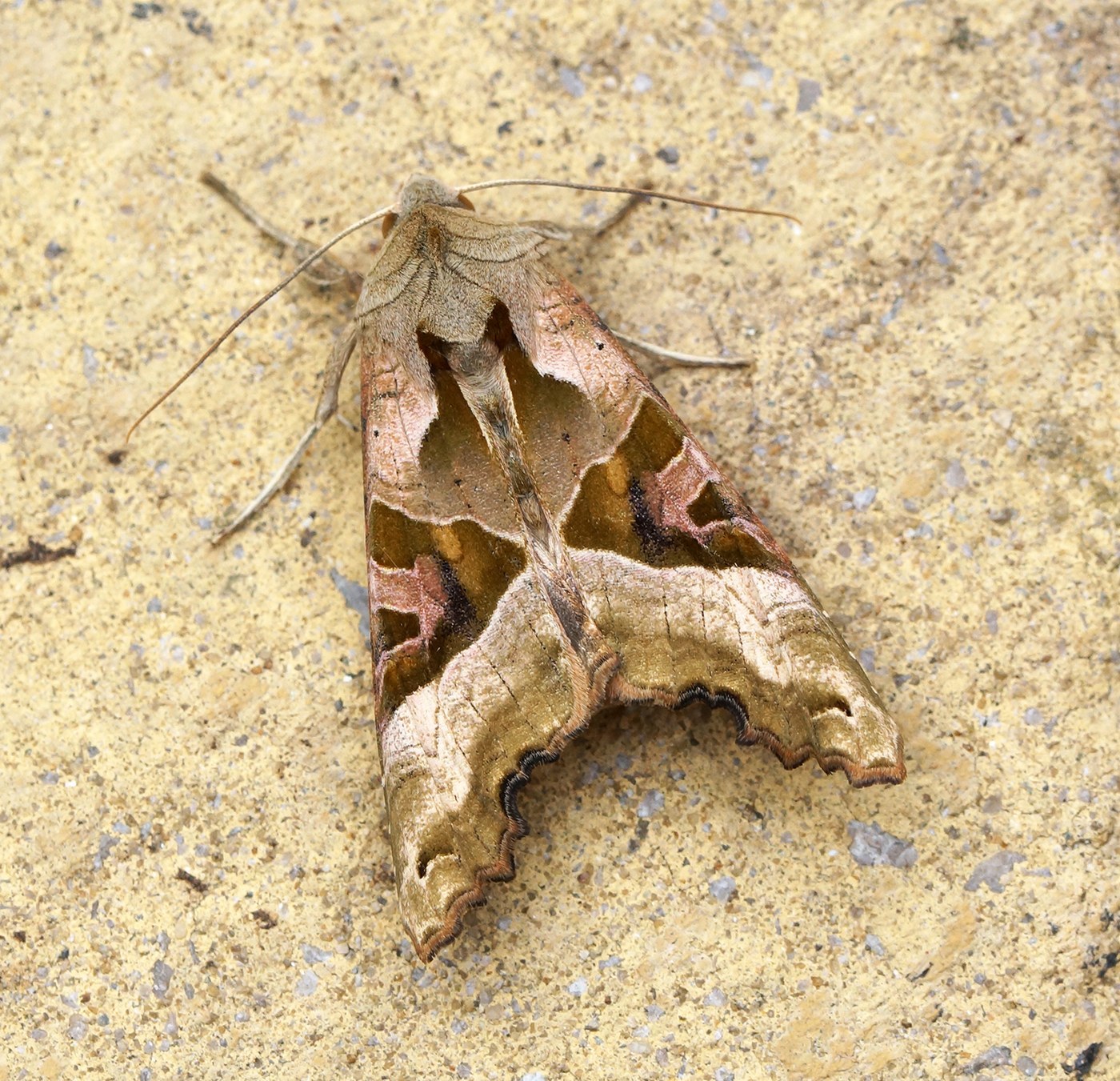
Angle Shades Moth
A common night-flying moth whose forewings fold into a crumpled, tent-like shape that mimics a withered or damaged leaf, marked with bold olive-green and pinkish-brown zigzag bands.
moth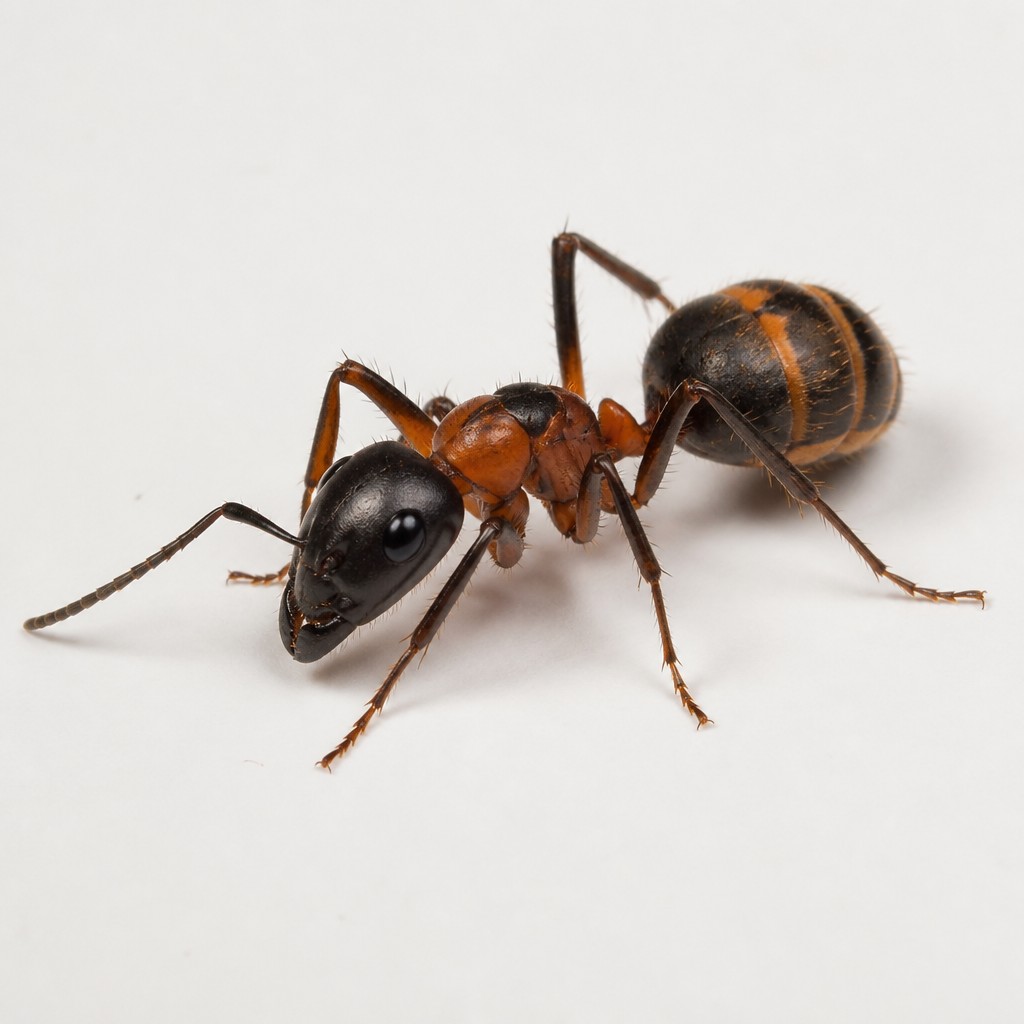
Sugar Ant
A common name for several large, sugar-loving ants, most famously the black-and-orange banded sugar ant of Australia, known for its persistent nighttime foraging around kitchens and picnics.
ant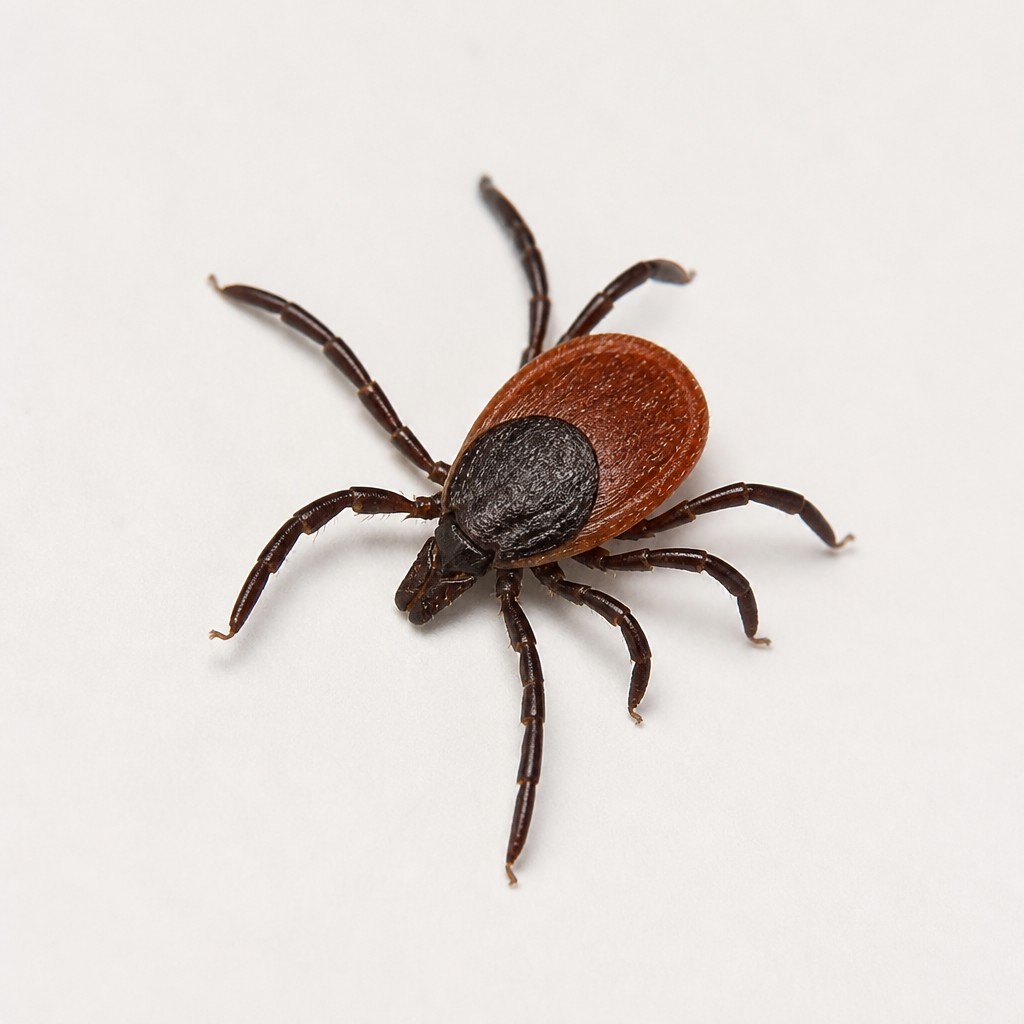
Deer Tick
A small, dark-legged tick with a reddish-brown, teardrop-shaped body, noticeably smaller than many other common tick species and often found questing in wooded or grassy edge habitats.
arachnid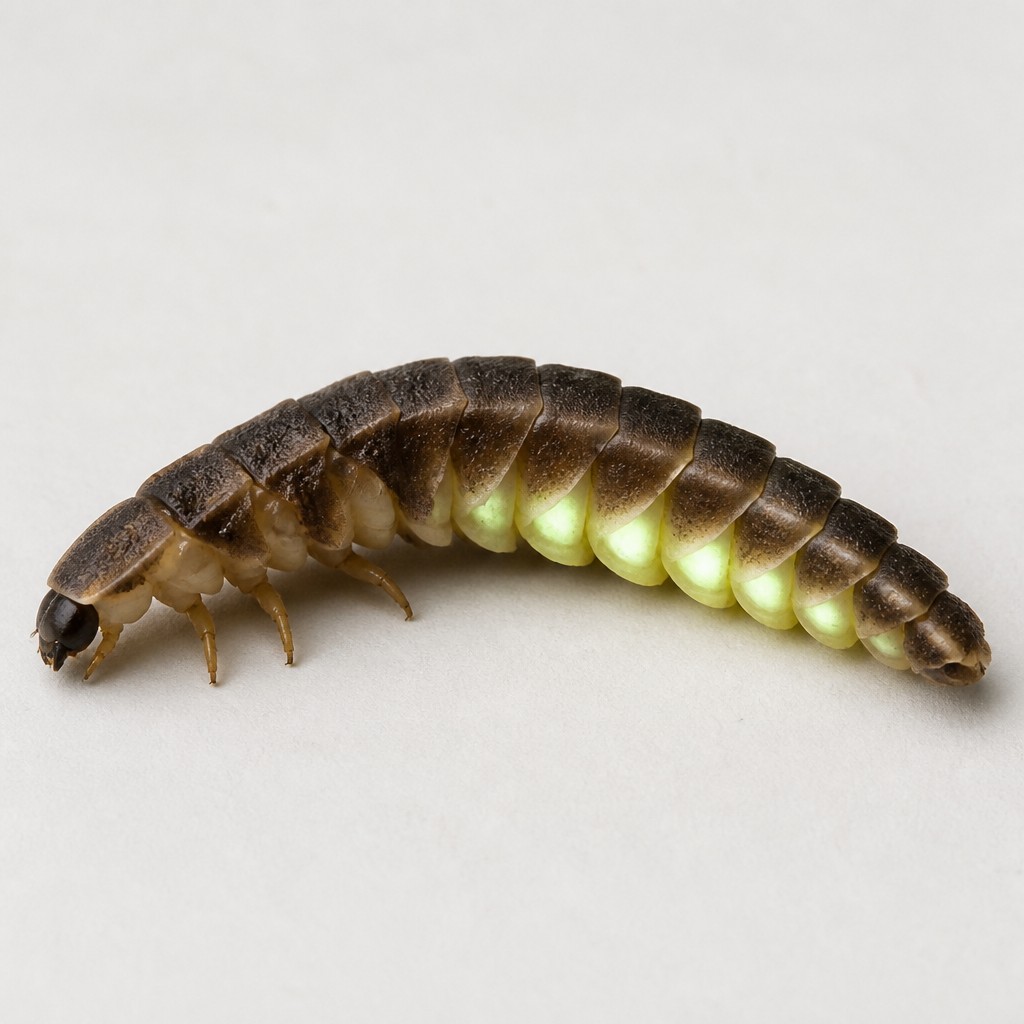
Glowworm Beetle
A beetle whose females remain larva-like and glowing for their entire lives, producing rows of soft greenish light along their segmented, worm-like bodies, while males develop into small, feathery-antennaed flying beetles.
beetle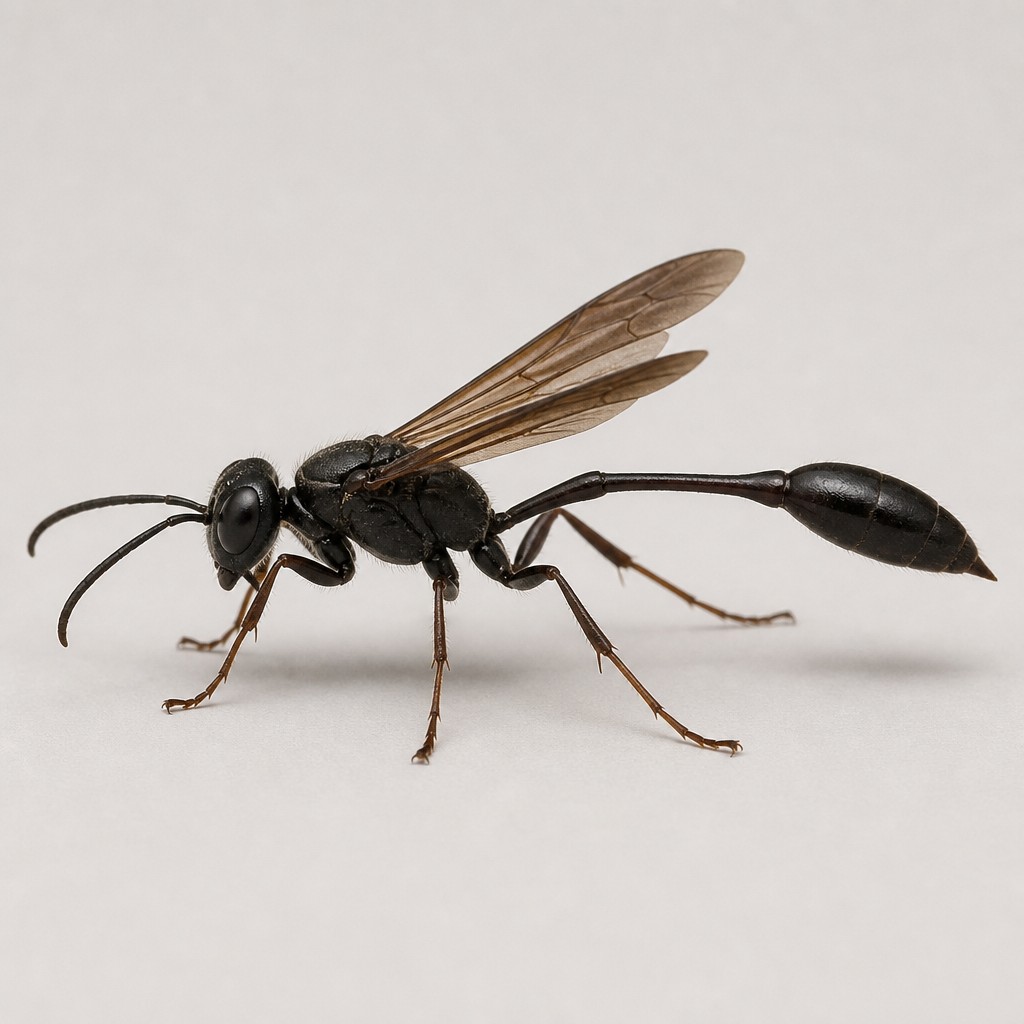
Mud Dauber Wasp
Slender, long-waisted wasps that build distinctive nests from mud, mud daubers stock their cells with paralyzed spiders. Their tube or urn-shaped mud nests are common under eaves and bridges.
wasp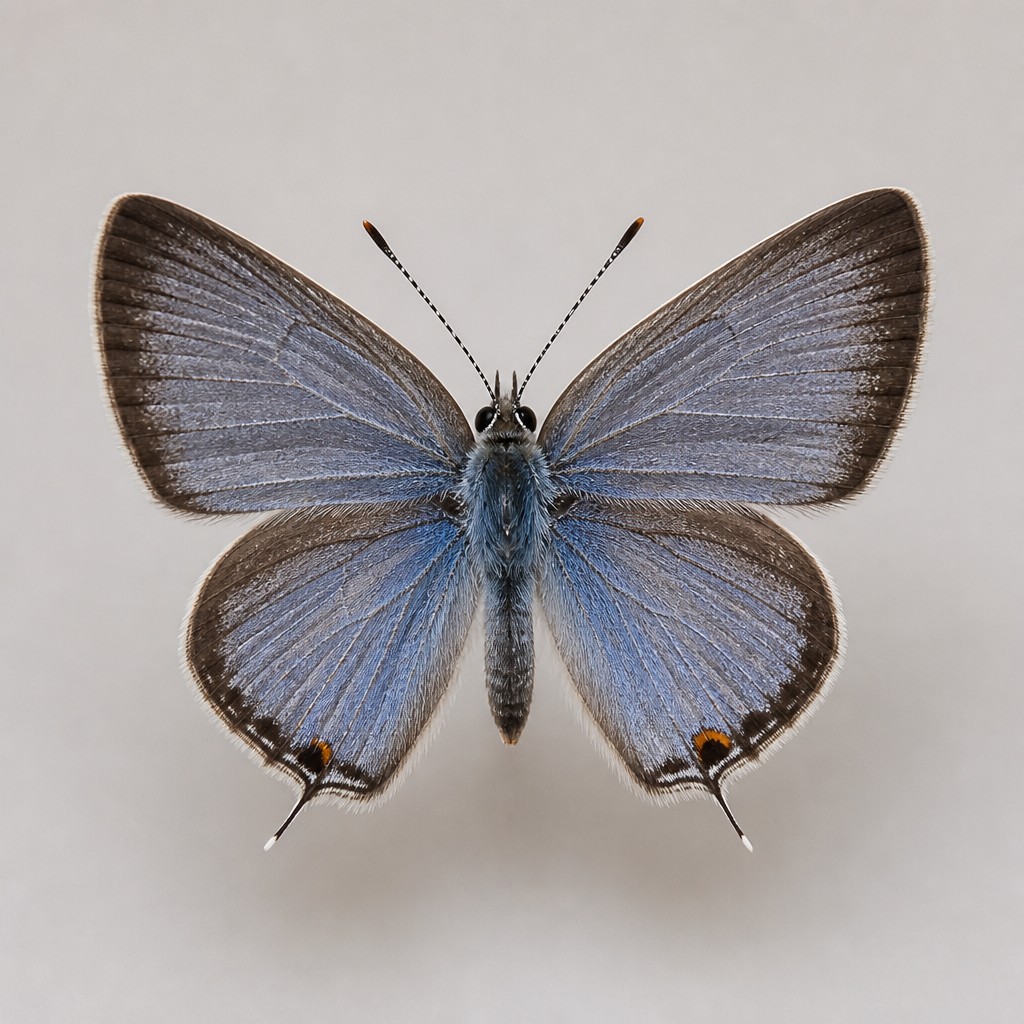
Eastern Tailed-Blue
A tiny gossamer-wing butterfly with a delicate thread-like tail on each hindwing and a small orange spot near the tail base, common in open weedy habitats throughout the eastern half of North America.
butterfly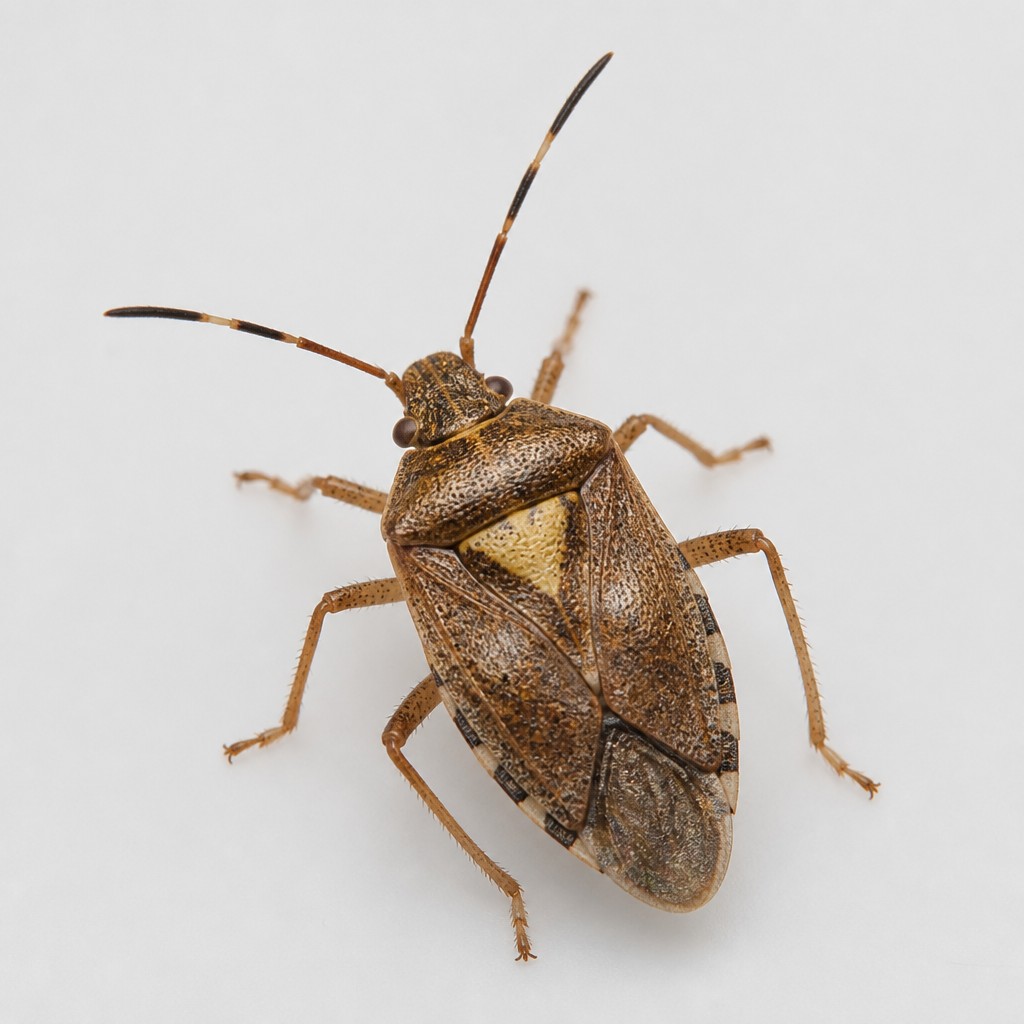
Plant Bug (Tarnished Plant Bug)
A small, oval, mottled brownish true bug with a distinctive yellow triangular marking behind the head, the tarnished plant bug is a fast-moving plant feeder common across gardens, fields, and weedy edges.
true-bug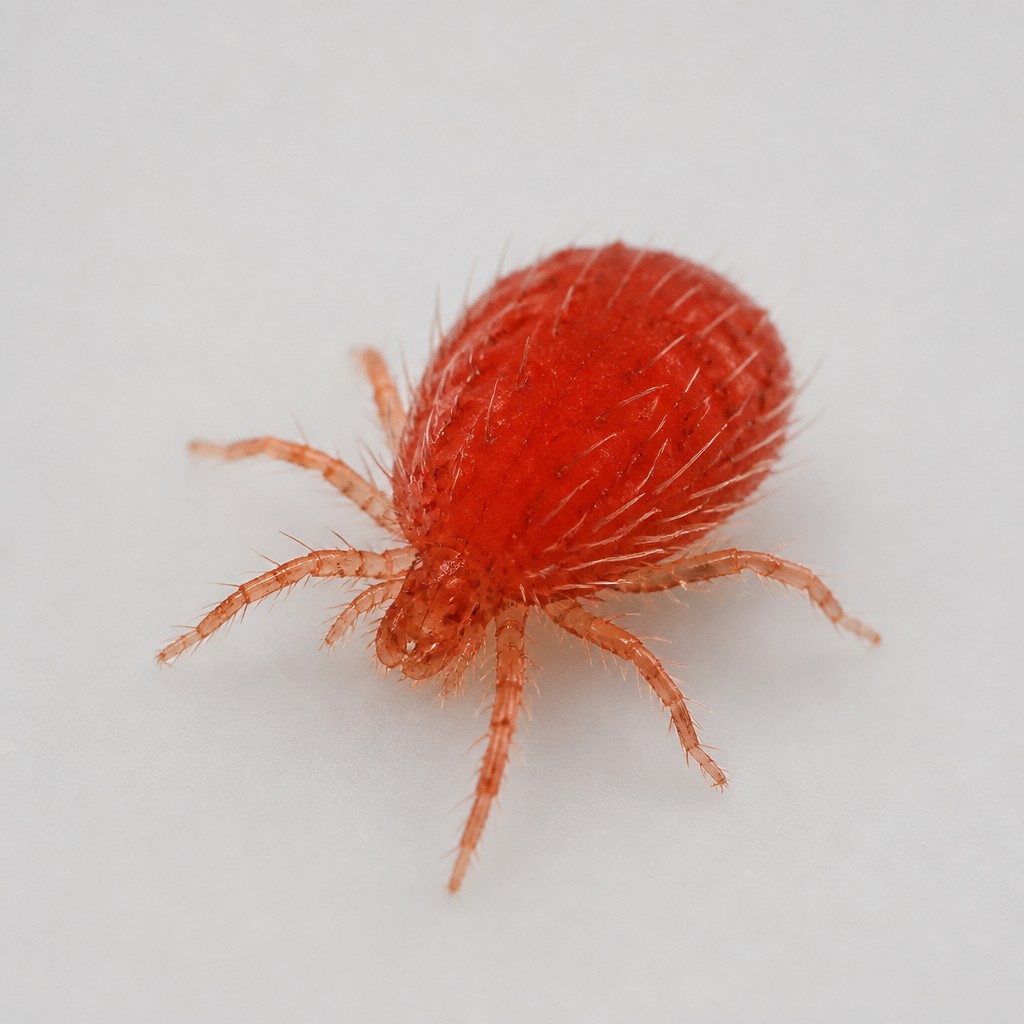
Chigger
A nearly microscopic mite larva that waits in clusters on grass tips for a passing host, taking a single brief meal before dropping away unseen. Only this larval stage is parasitic; the free-living adult spends its life hunting tiny prey in the soil.
arachnid