
Bug Encyclopedia
Search and identify bugs & insects — beetles, butterflies, moths, ants, bees, spiders and more — with size, habitat, danger, behavior, and how to tell them apart.
Asian Longhorned Beetle
A large, glossy black longhorn beetle patterned with irregular white spots and boldly banded blue-white antennae, notable as one of the largest and most eye-catching wood-boring beetles seen in temperate hardwood trees.
beetle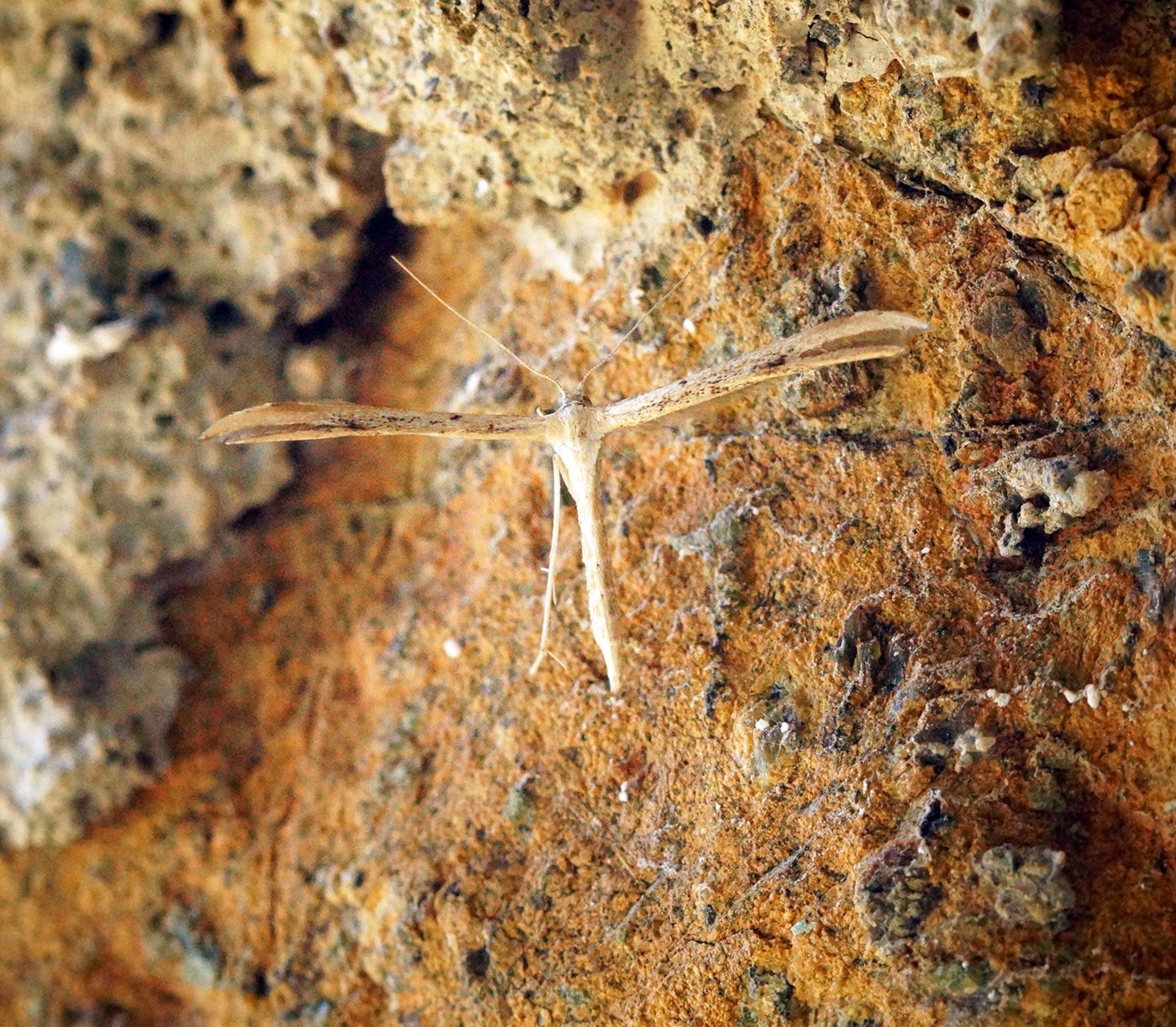
Plume Moth
A slender, long-legged moth that rests with its wings rolled tightly and held out at right angles to its body, forming a distinctive letter-T silhouette.
moth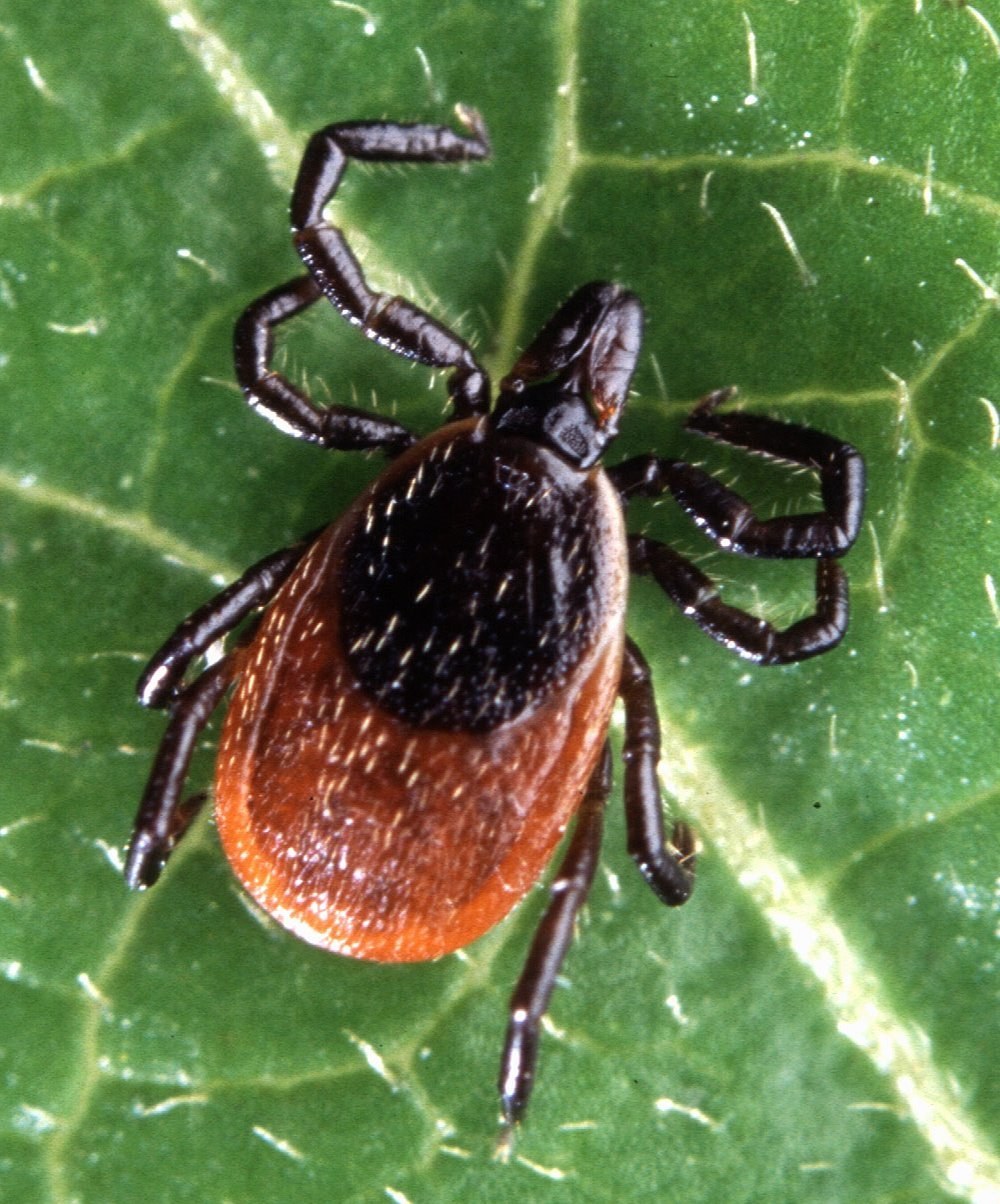
Blacklegged Tick
A tiny, teardrop-shaped tick with dark legs and a reddish-brown abdomen that lurks in leaf litter along woodland trails.
arachnid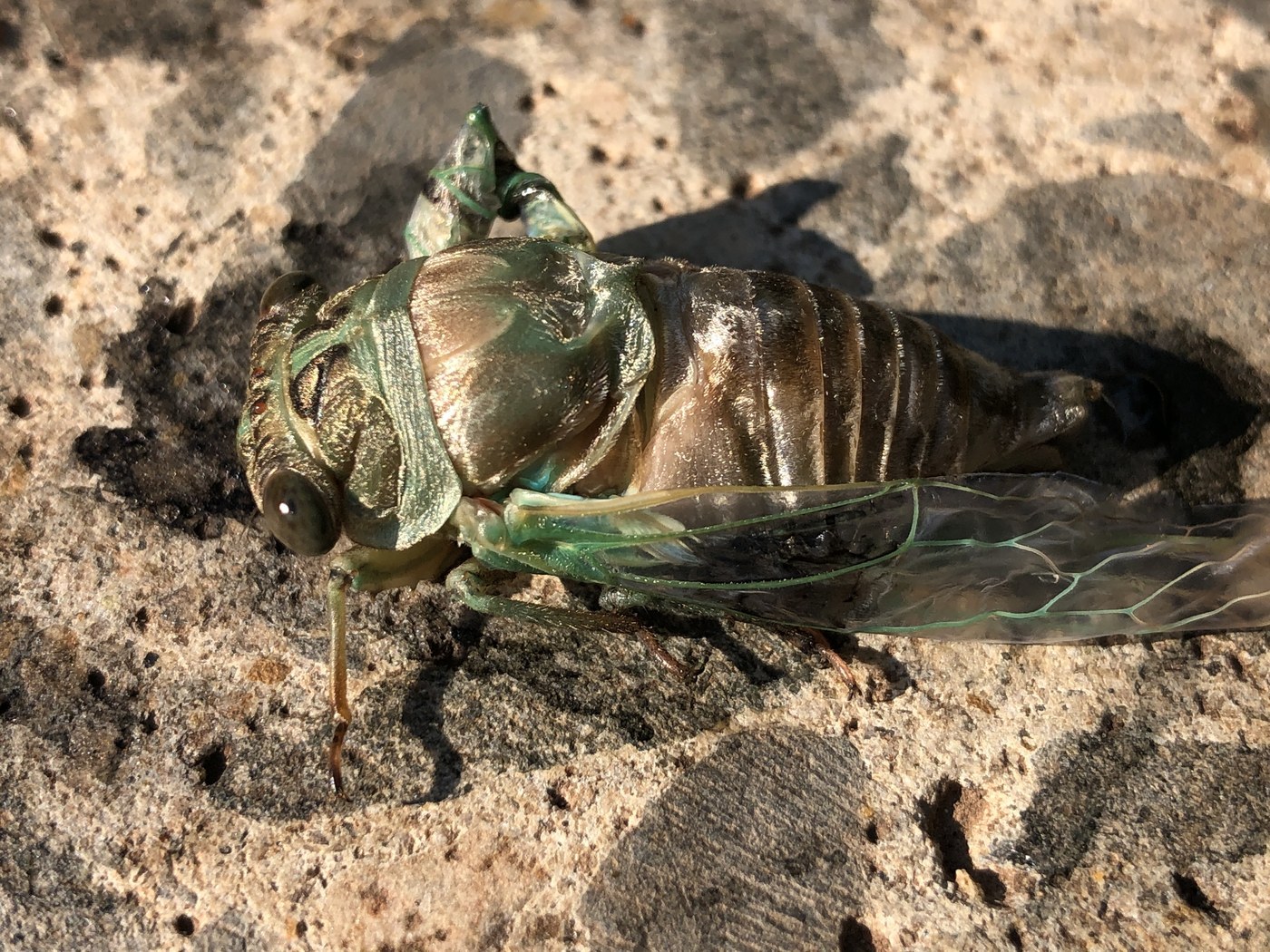
Dog-Day Cicada
A stout, thick-bodied cicada with mottled green and brown camouflage patterning, named for its loud droning calls heard during the hot "dog days" of late summer.
true-bug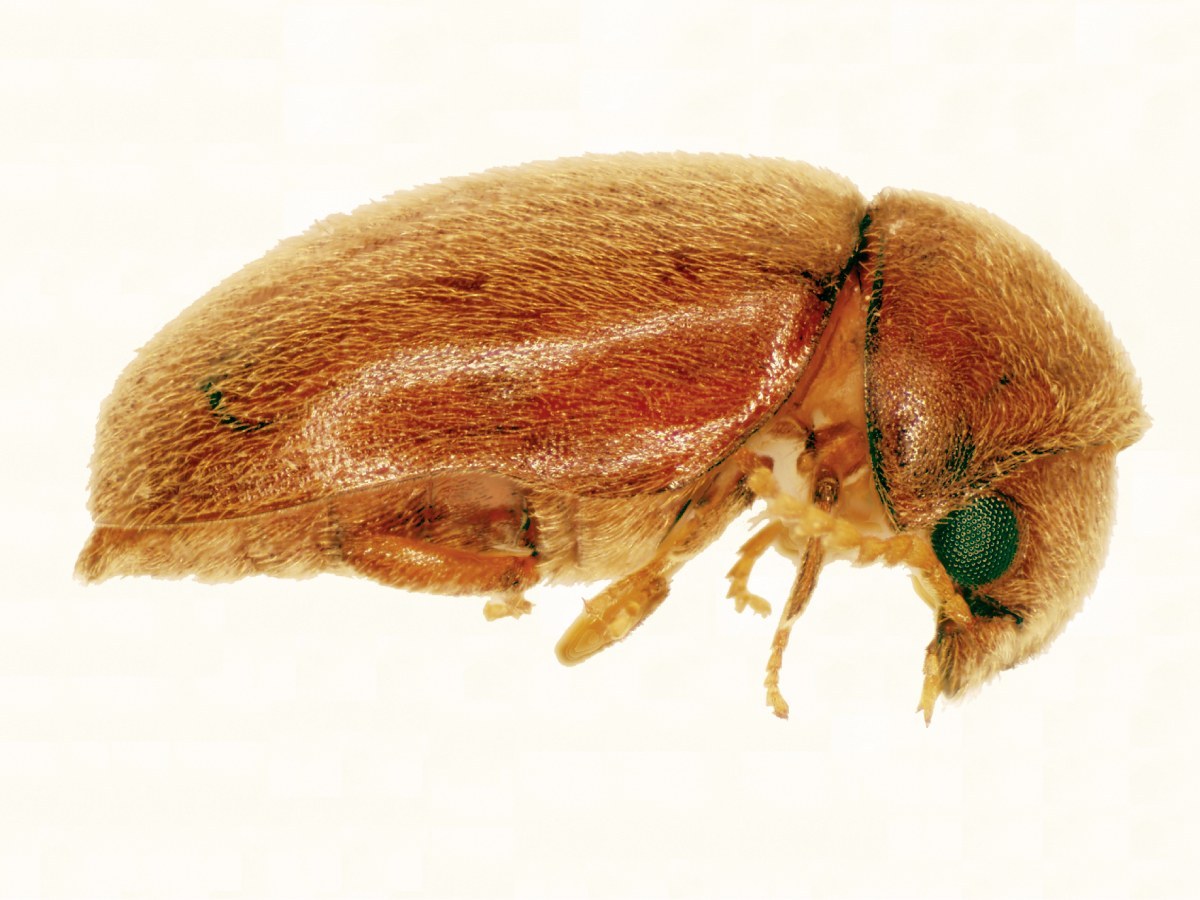
Cigarette Beetle
A tiny, reddish-brown, humpbacked beetle that rides along in stored dried herbs, spices, and tobacco wherever it hitches a ride.
beetle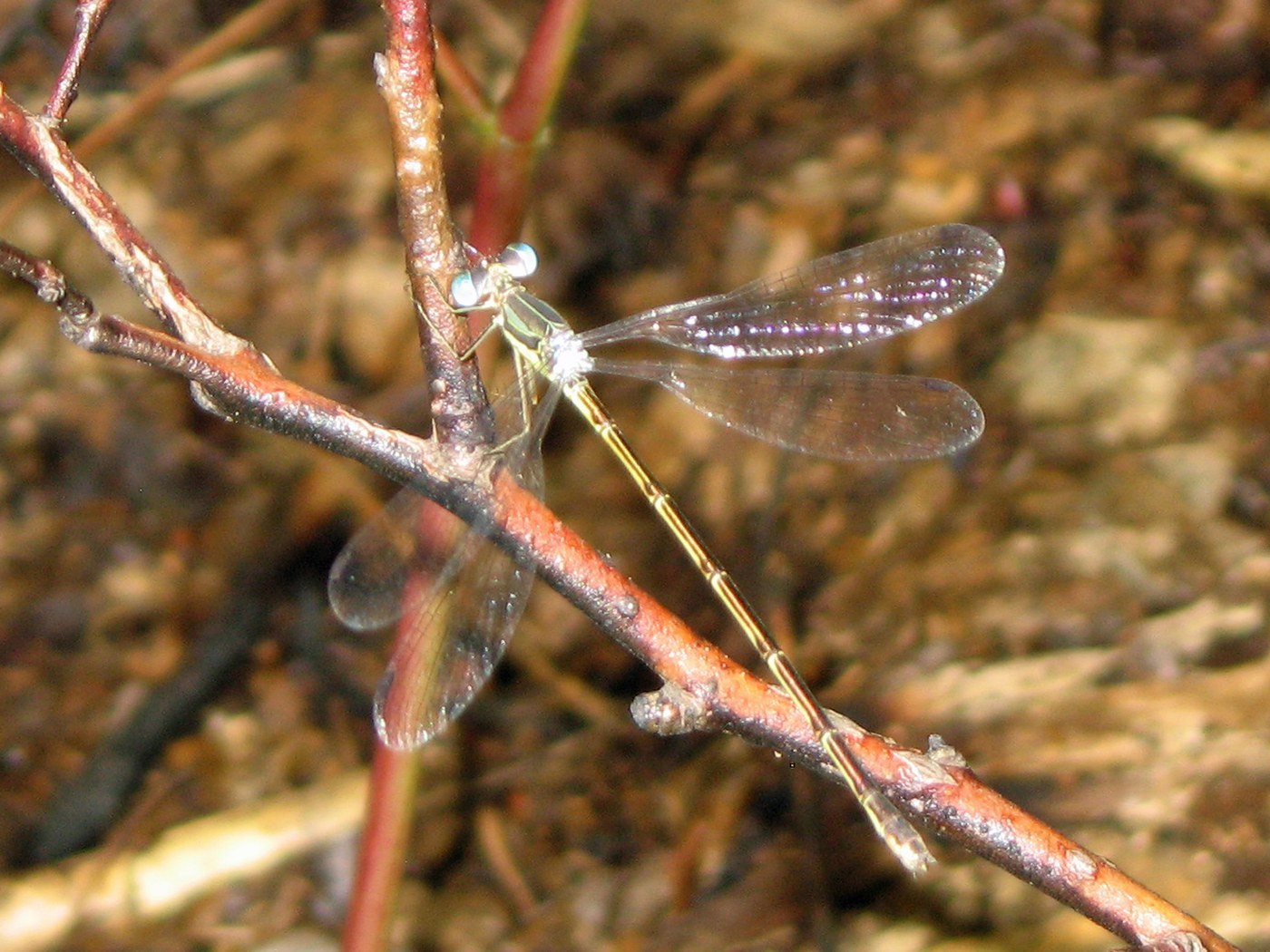
Common Spreadwing
True to its family name, the Common Spreadwing perches with its wings held out at an angle rather than folded together, setting it apart from most other damselflies.
dragonfly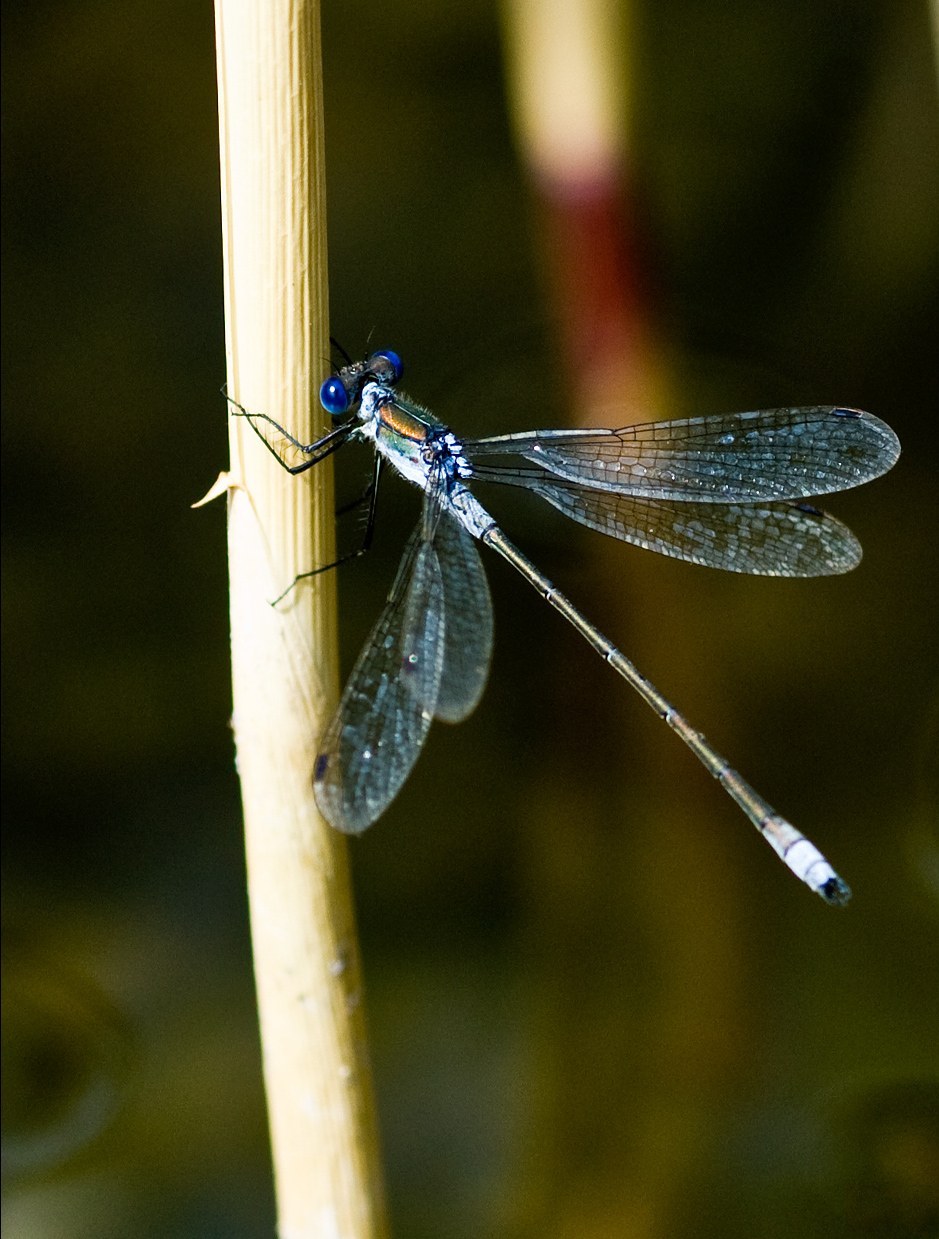
Emerald Spreadwing
A robust, metallic green damselfly of northern wetlands, the Emerald Spreadwing rests with its wings held open in the characteristic spreadwing posture and thrives in shallow, seasonal ponds.
dragonfly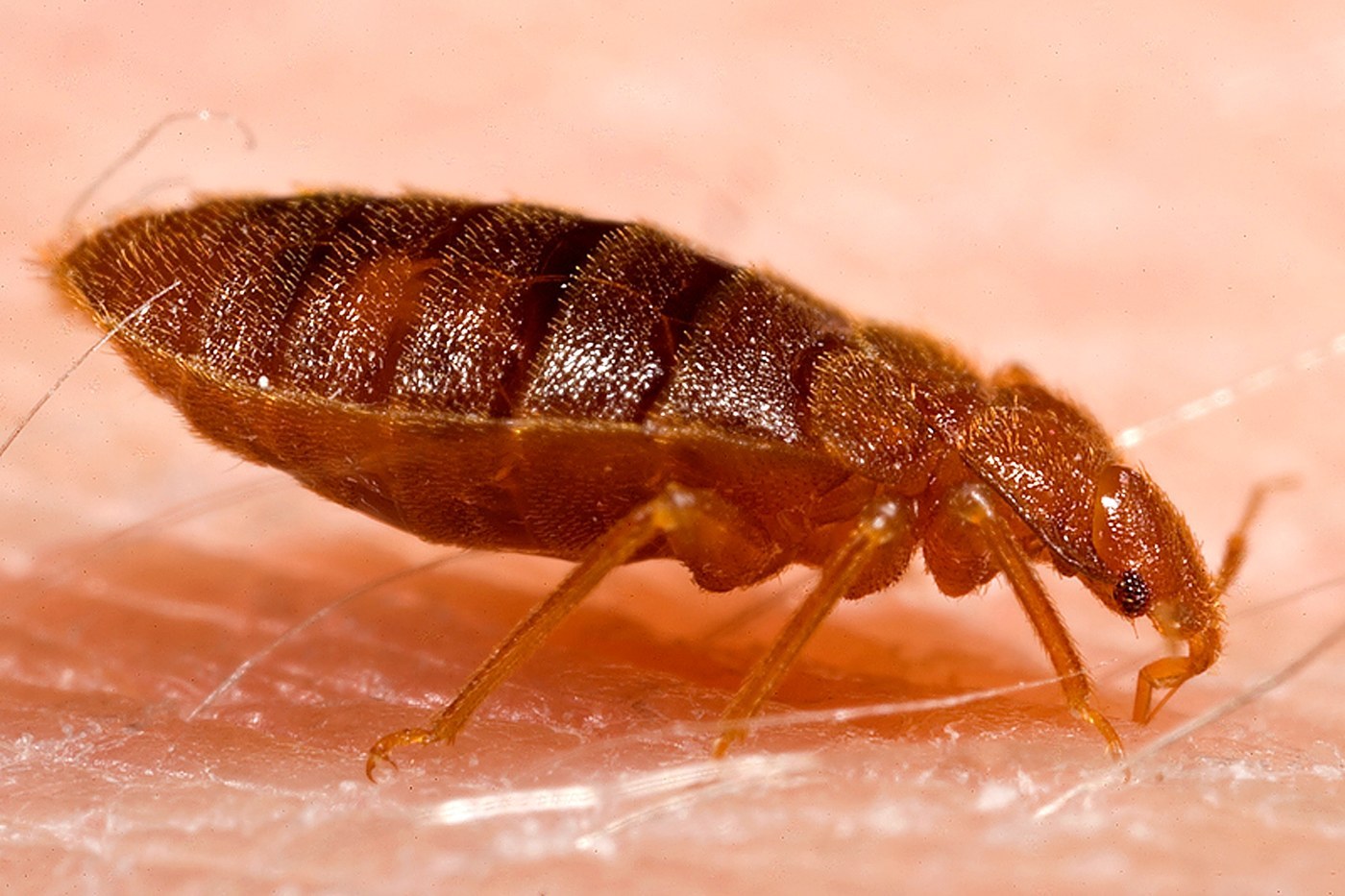
Bed Bug
A small, flat, reddish-brown, wingless insect shaped like an apple seed that hides in mattress seams and bed frames by day and emerges at night to feed.
true-bug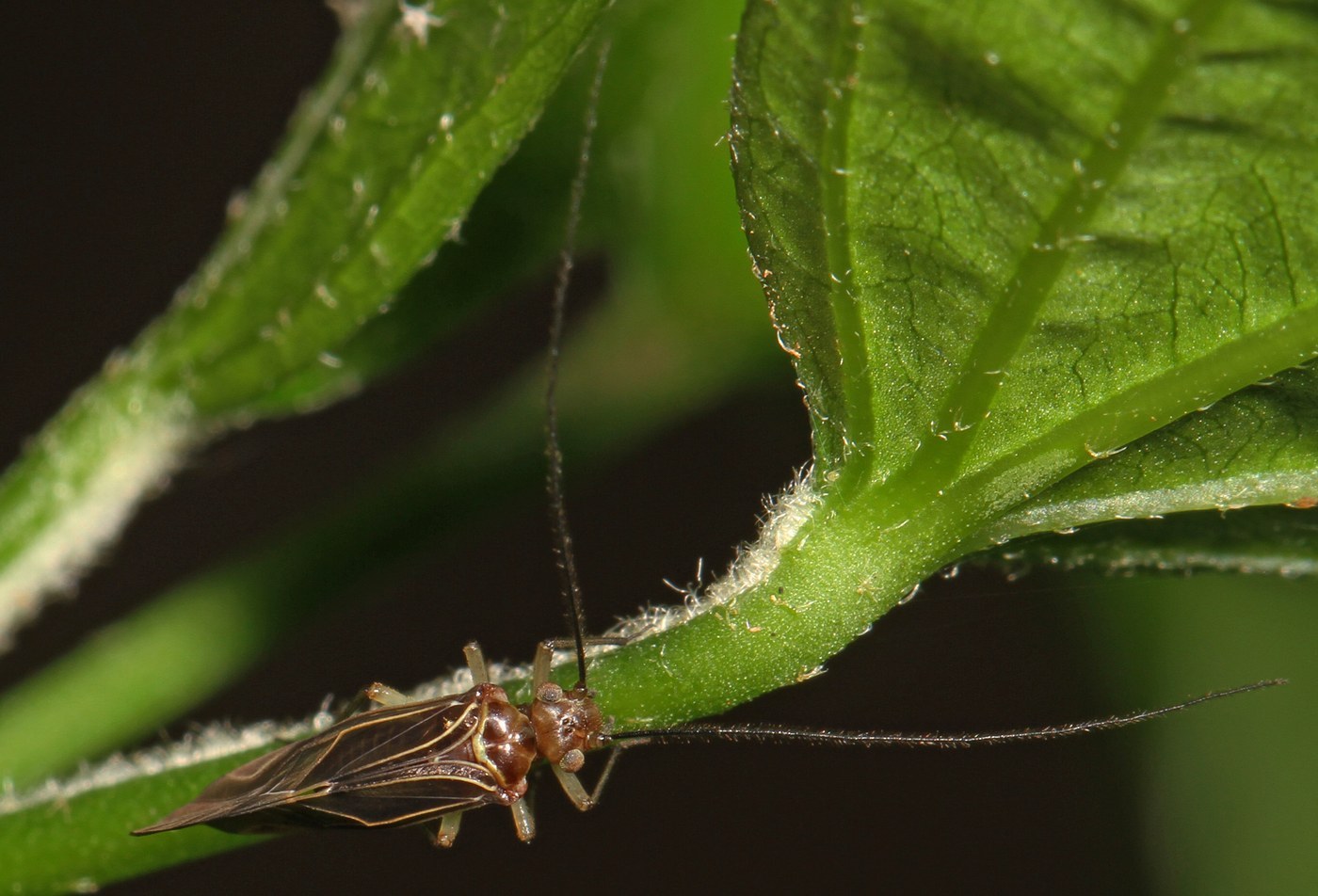
Bark Louse
A small, soft-bodied insect often seen in dense, moving herds on tree trunks, the bark louse grazes on algae, lichen, and fungal residue coating bark surfaces.
other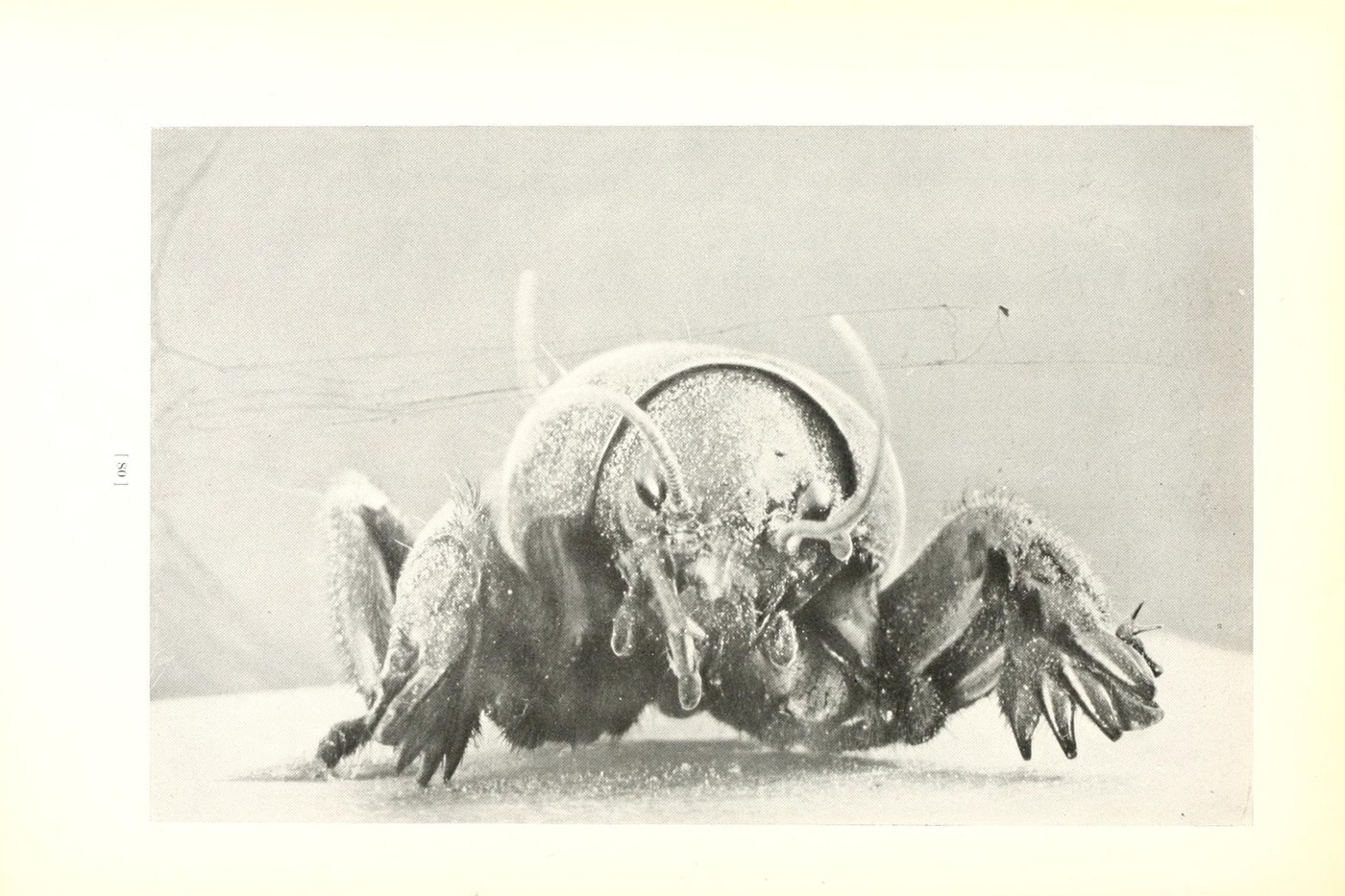
Northern Mole Cricket
A stout, velvety brown cricket with shovel-like front legs built for tunneling through damp soil, more often heard as a low buzzing trill at night than seen above ground.
grasshopper-cricket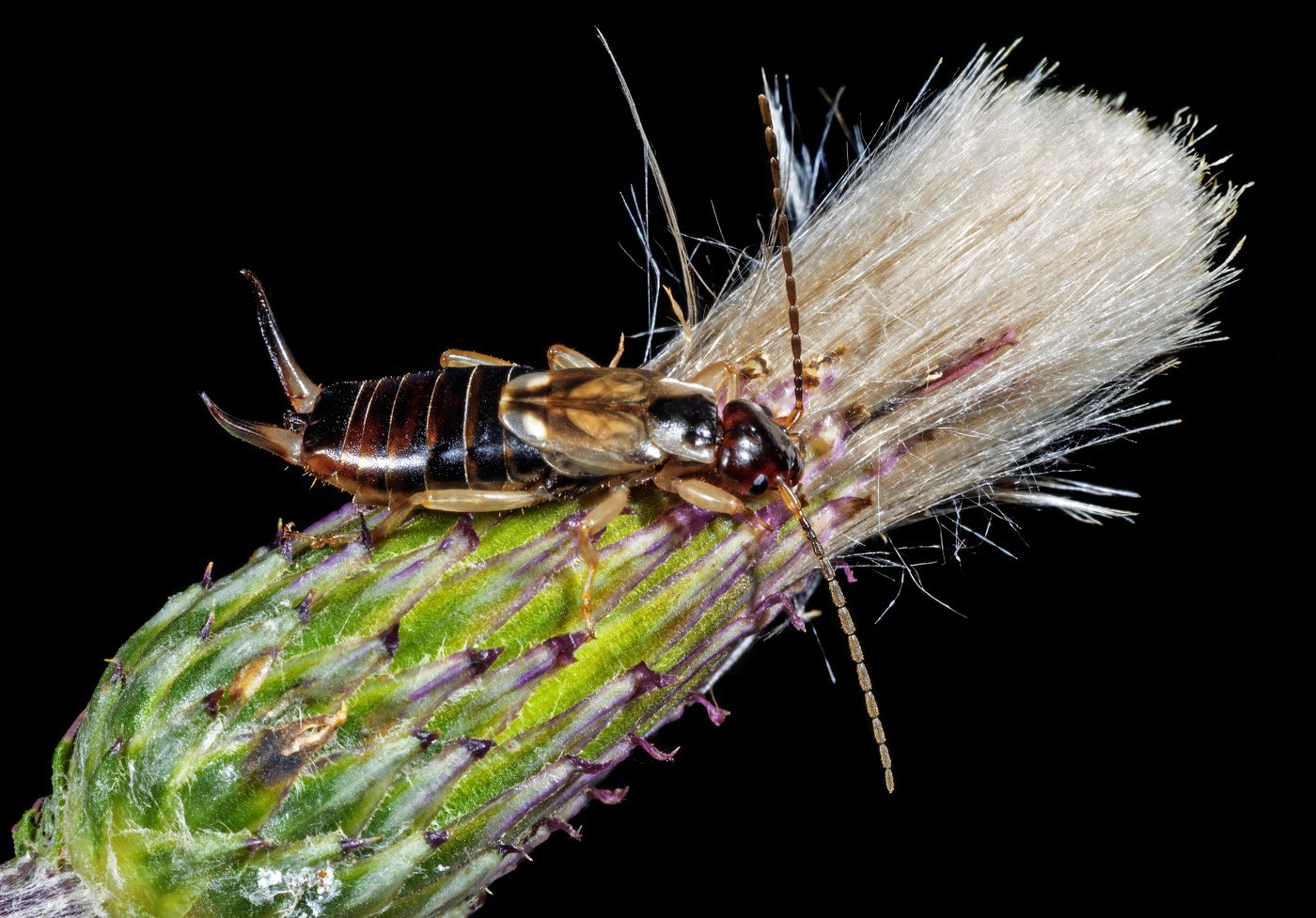
Common Earwig
A flattened, reddish-brown insect instantly recognizable by the pair of pincer-like forceps at the tip of its abdomen, which it uses for defense and to help fold its wings.
other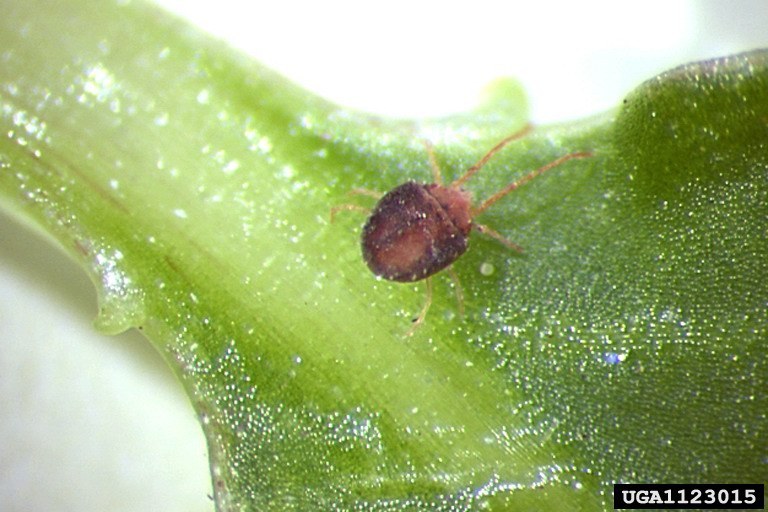
Clover Mite
A speck-sized reddish mite that streaks a rust-colored stain if crushed and invades homes by the hundreds when lawns dry out or turn cold.
arachnid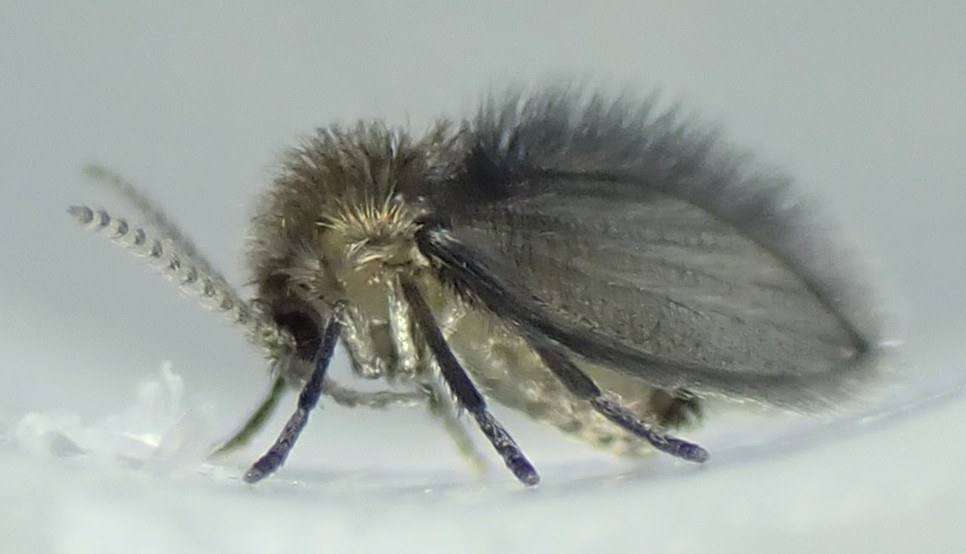
Drain Fly
A tiny, fuzzy gray-tan fly with broad, moth-like wings held tent-fashion over its body, often seen resting motionless on bathroom walls near drains.
fly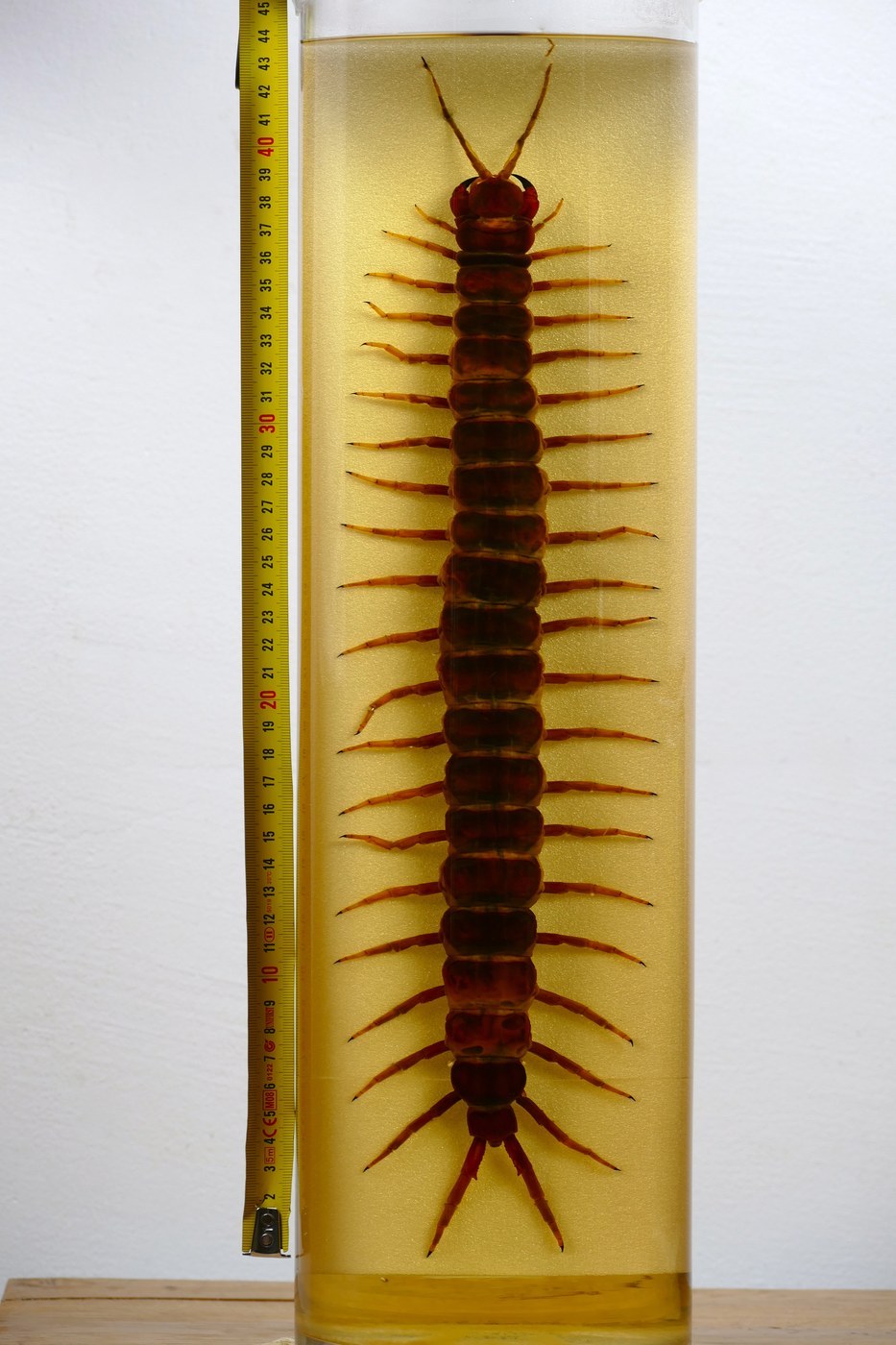
Amazonian Giant Centipede
The largest centipede on the planet, a formidable dark reddish-brown predator from South American rainforests capable of capturing prey as large as bats and small reptiles.
myriapod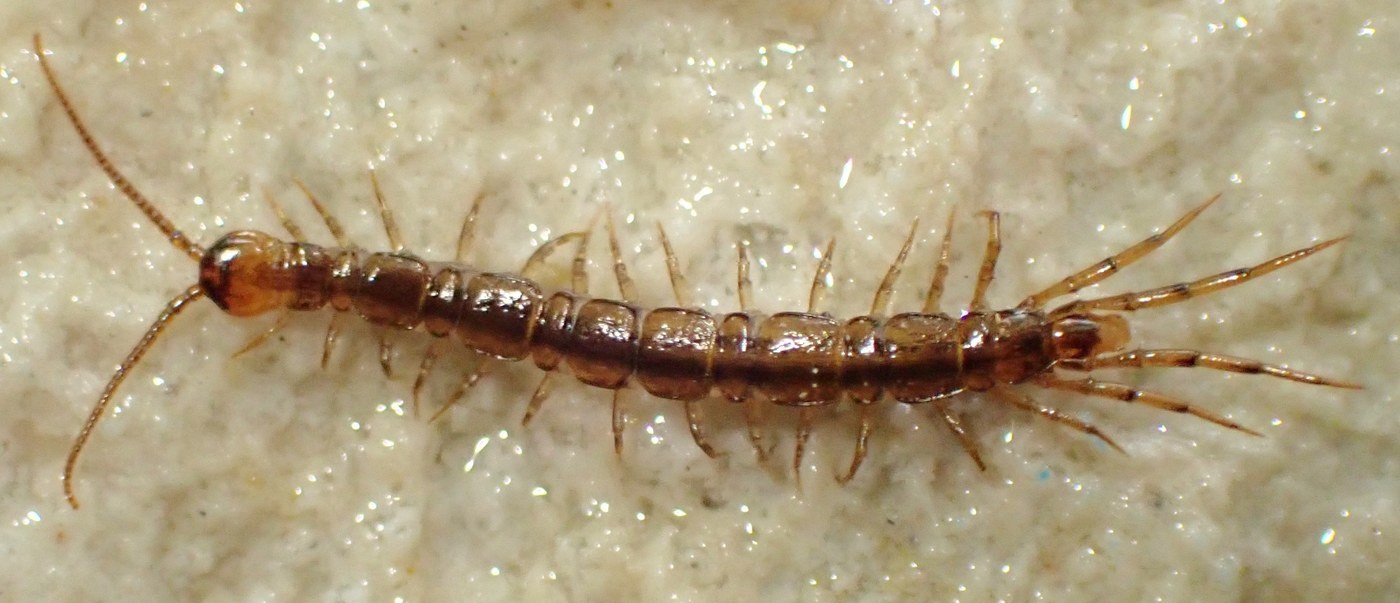
Stone Centipede
A quick, flattened, reddish-brown centipede that darts for cover the instant its stone or log shelter is lifted, one of the most commonly seen centipedes in temperate gardens.
myriapodSnake Millipede
A slender, glossy, pale millipede that curls into a tight spiral when disturbed and often shows a faint row of reddish spots along its sides.
myriapod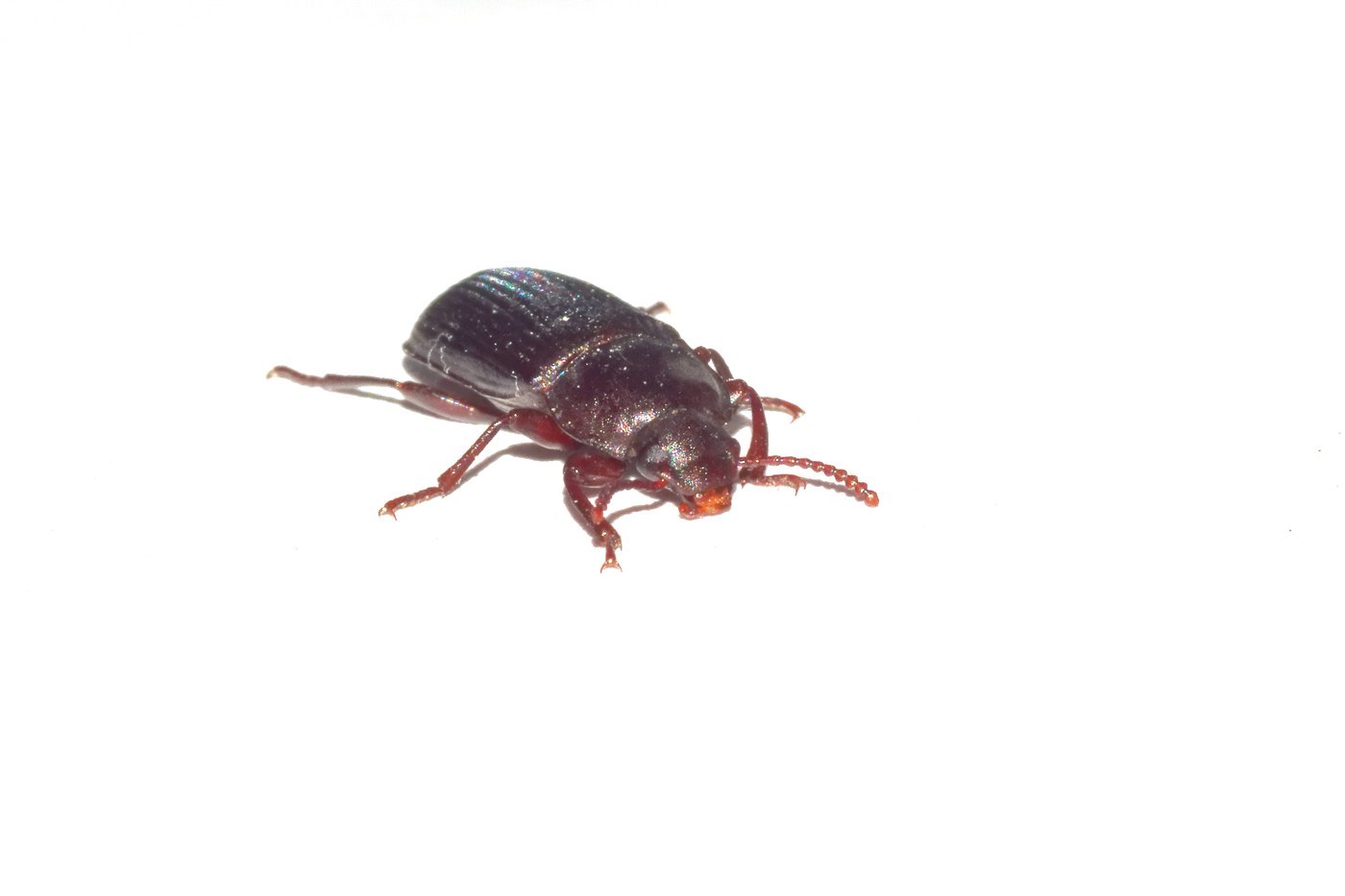
Mealworm Beetle
A shiny, oval, dark reddish-brown to nearly black beetle whose larva, the familiar 'mealworm,' is a common sight in stored grain products.
beetle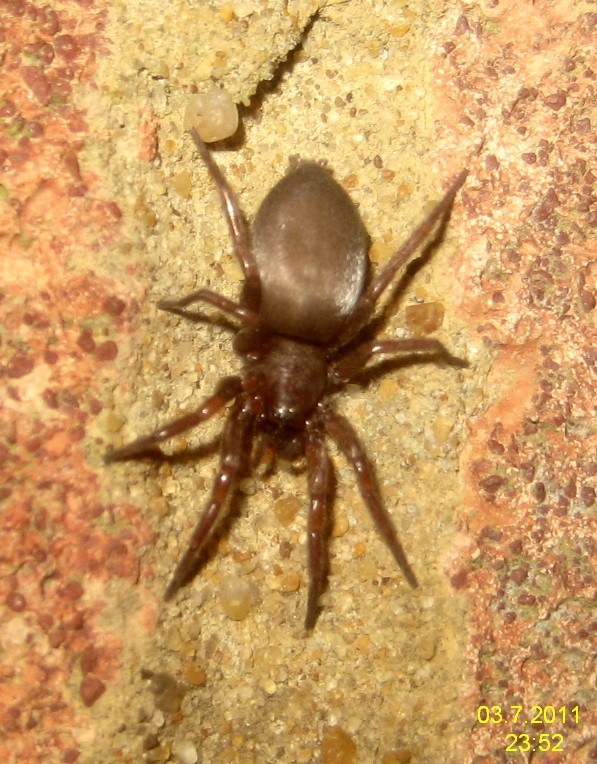
Woodlouse Spider
A reddish-brown spider with oversized forward-pointing jaws specialized for piercing the armored shells of woodlice, often found lurking under damp stones and mulch.
spider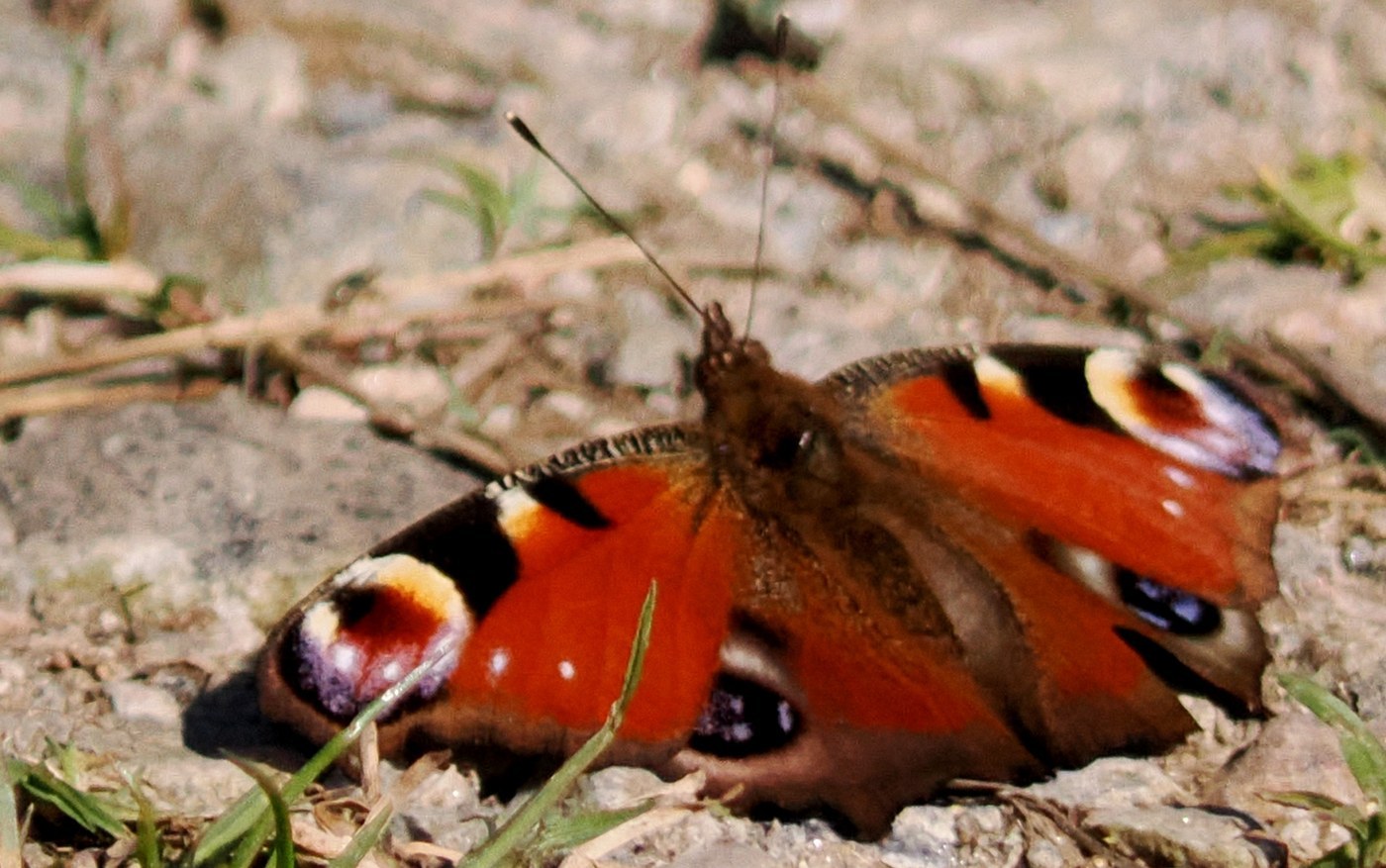
Peacock Butterfly
A richly colored reddish-brown European butterfly named for the four large blue-black eyespots on its wings, which resemble the eye-like markings on a peacock's tail feathers.
butterfly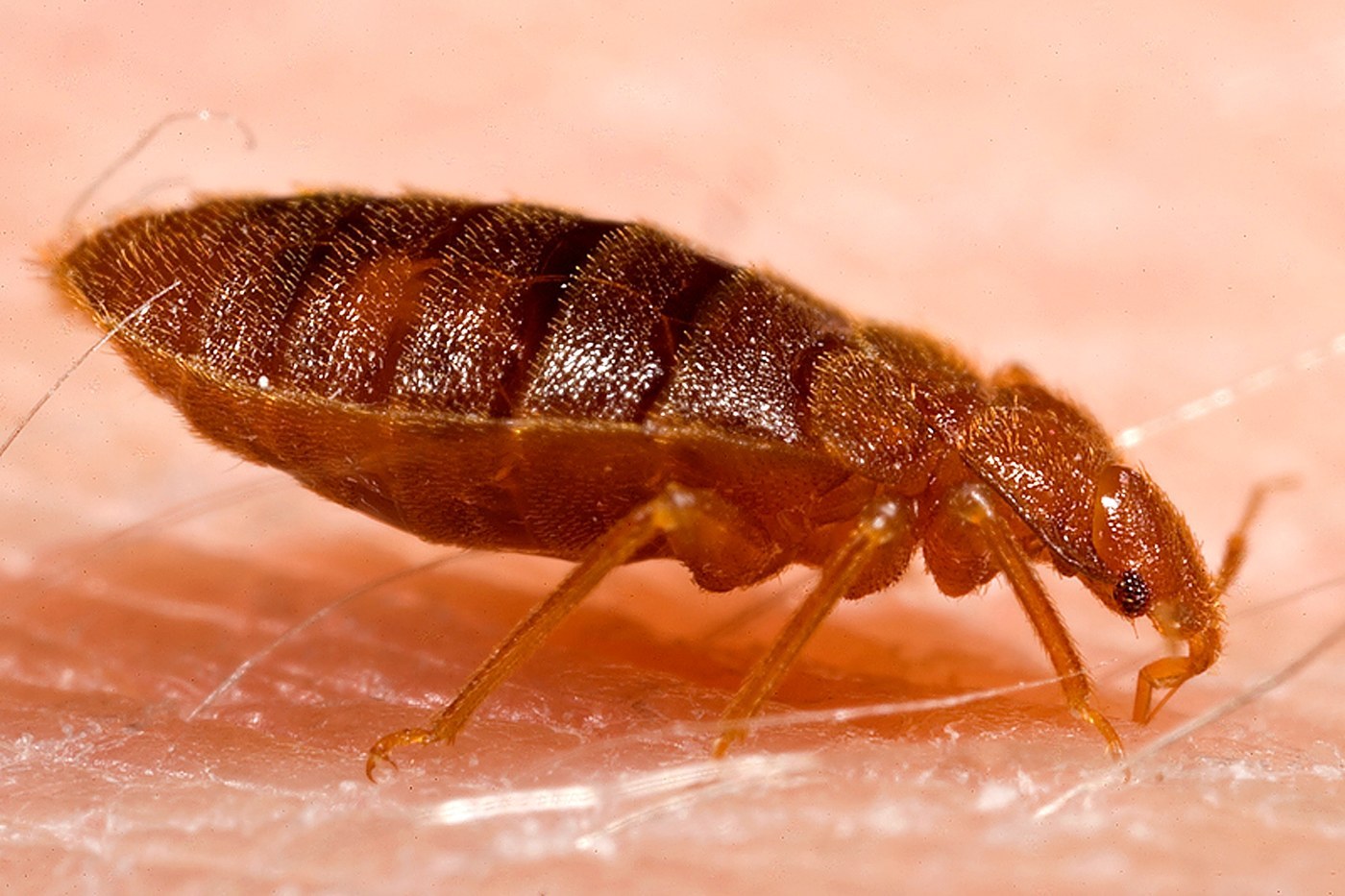
Bed Bug (Bat Bug)
A small, flat, reddish-brown, wingless true bug that hides in tight seams and crevices by day and feeds on blood at night, closely related to the bat bug, which occupies a similar niche in bat roosts.
true-bug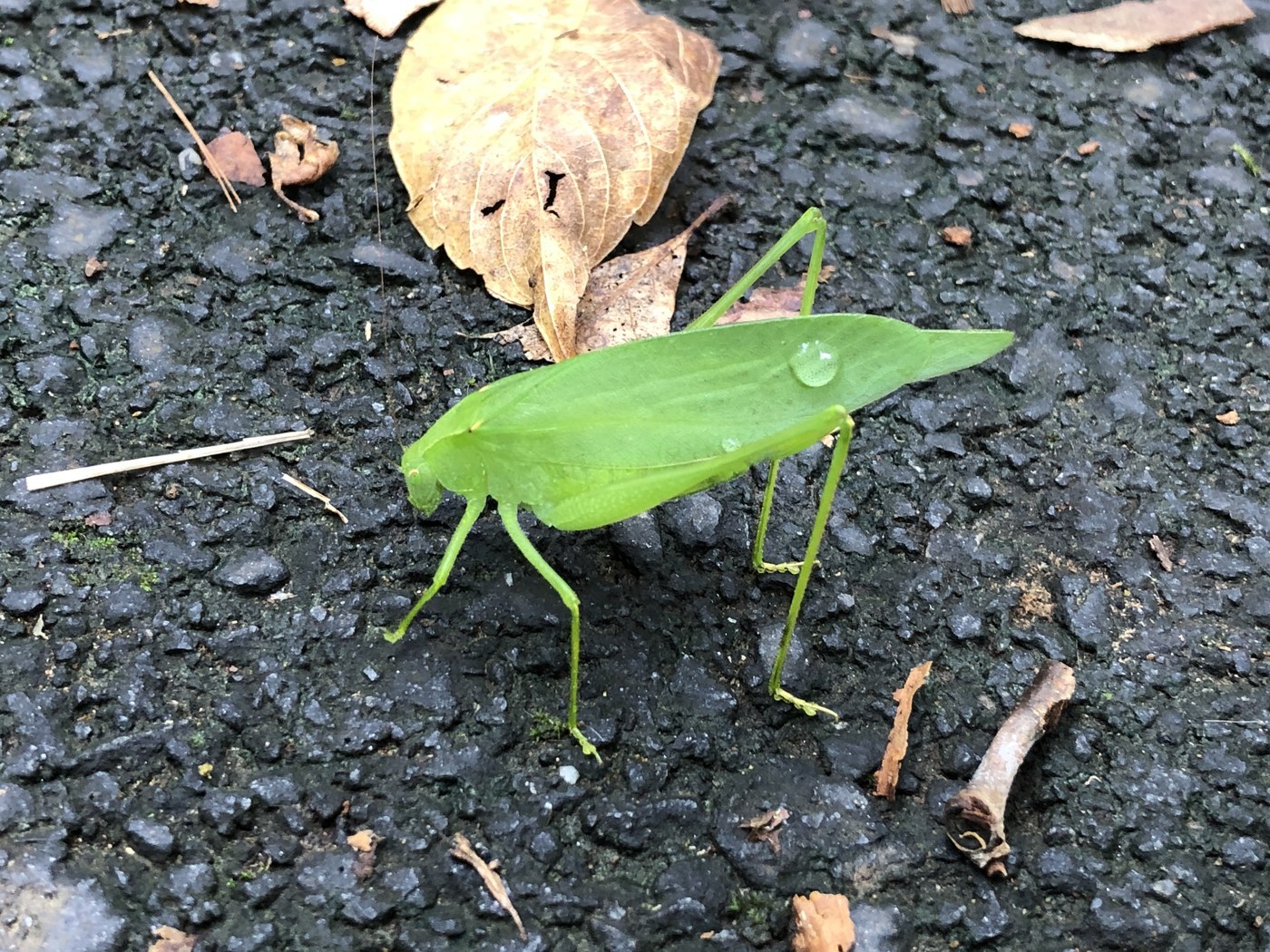
Common True Katydid
A living leaf that spends its life high in the treetops, the common true katydid is far more often heard than seen, producing the loud, rasping "katy-did, katy-didn't" chorus that fills eastern summer nights.
grasshopper-cricket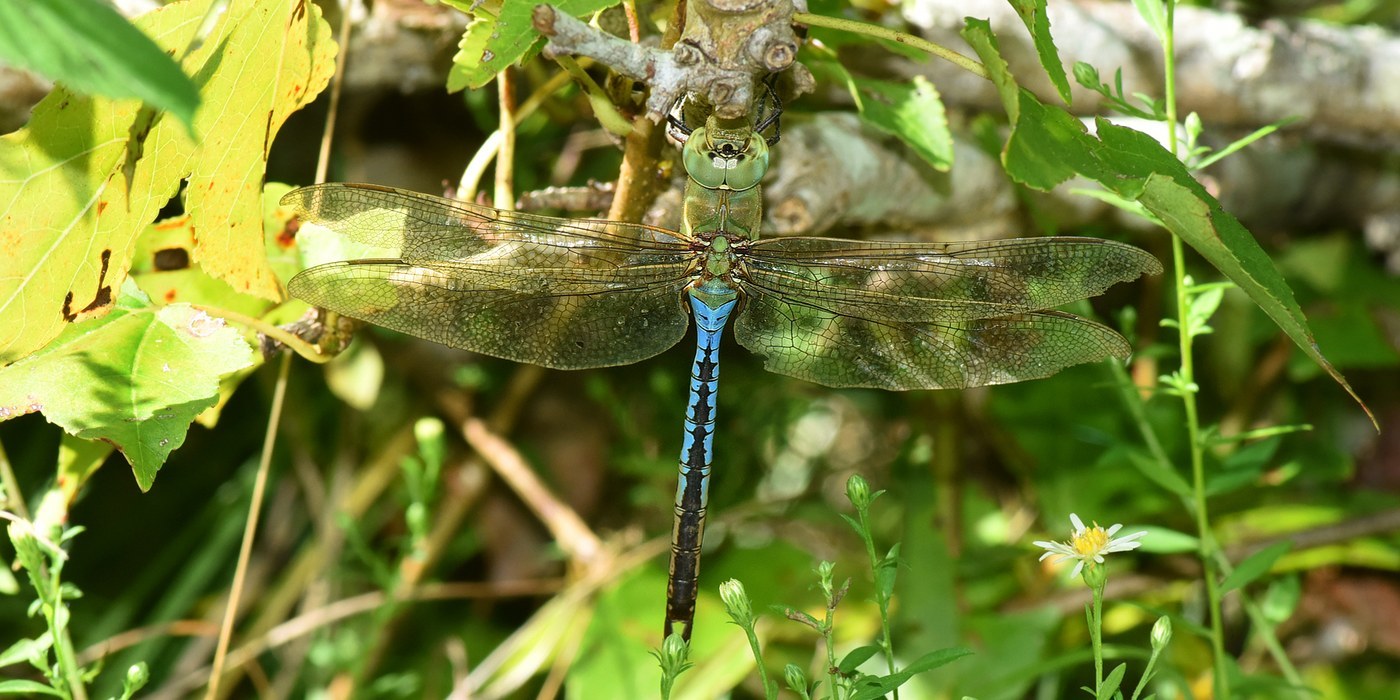
Dragonfly
A large, agile aerial predator with an elongated body, enormous compound eyes, and two pairs of strong wings held straight out to the sides at rest, often seen patrolling over water in search of prey.
dragonfly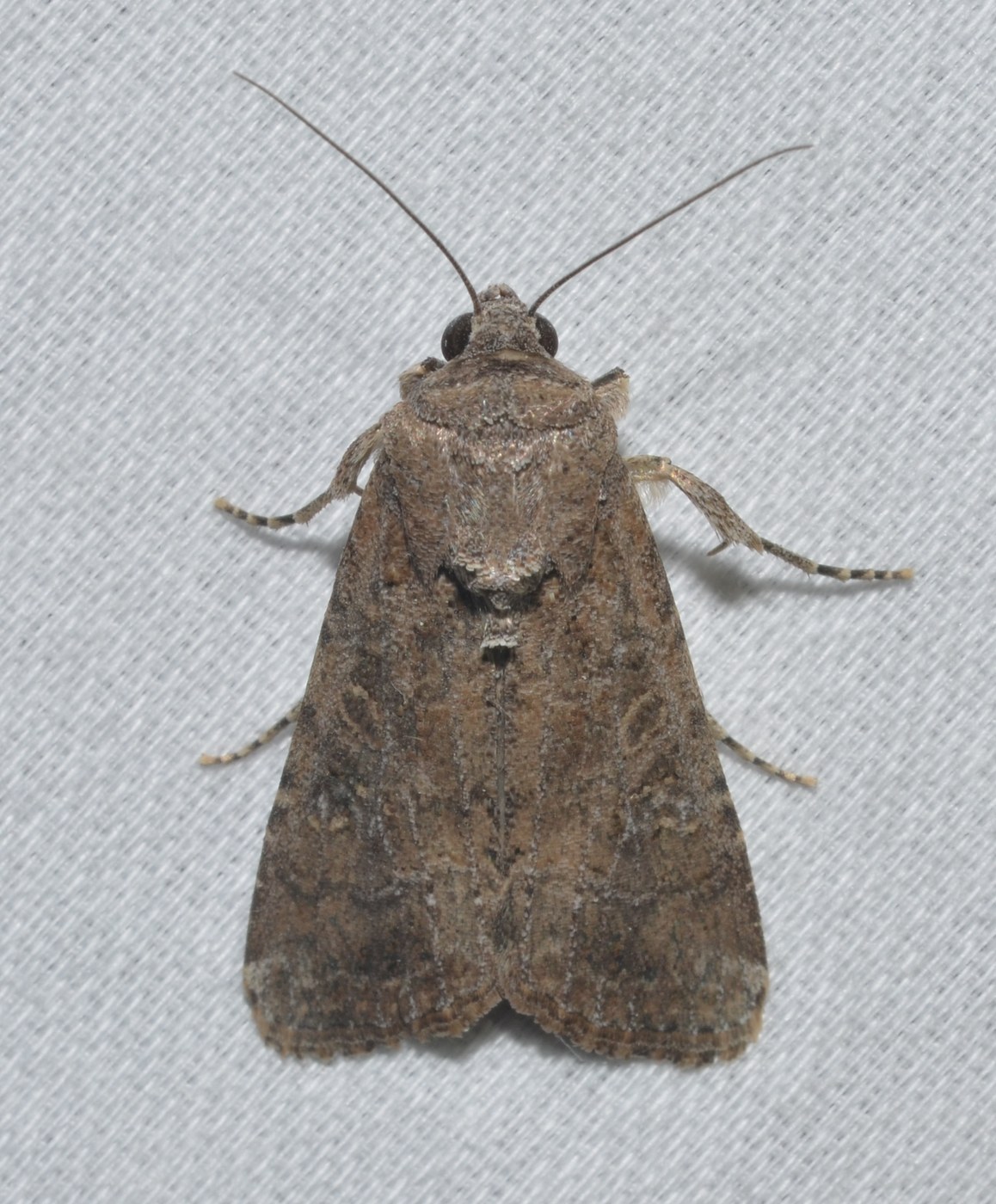
Armyworm Moth
A plain tan to reddish-brown moth whose caterpillars are famous for marching in large groups across fields, stripping grasses and grain crops as they move.
moth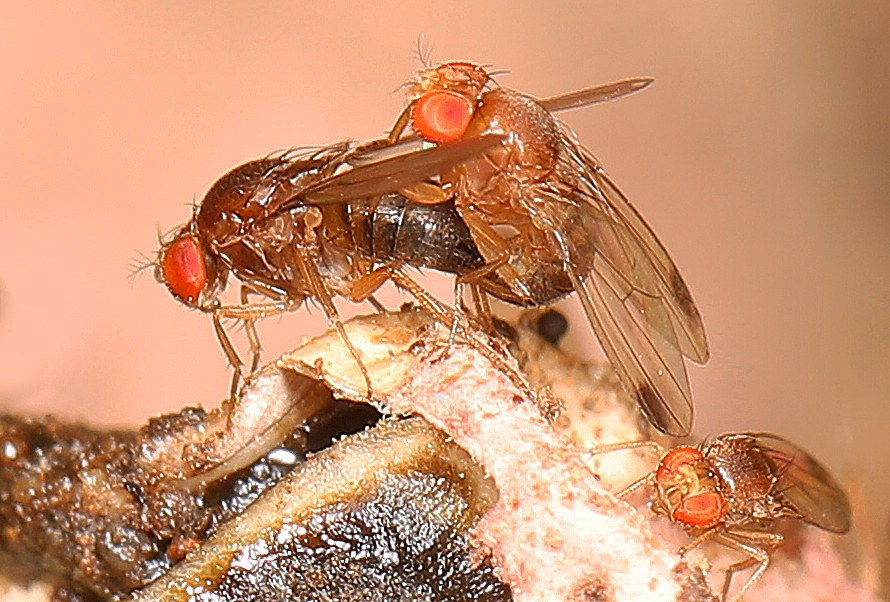
Spotted Wing Drosophila
A tiny reddish-brown fruit fly, each male marked with a single dark spot near the wingtip, notable for laying eggs in ripening rather than overripe fruit.
fly