
Bug Encyclopedia
Search and identify bugs & insects — beetles, butterflies, moths, ants, bees, spiders and more — with size, habitat, danger, behavior, and how to tell them apart.
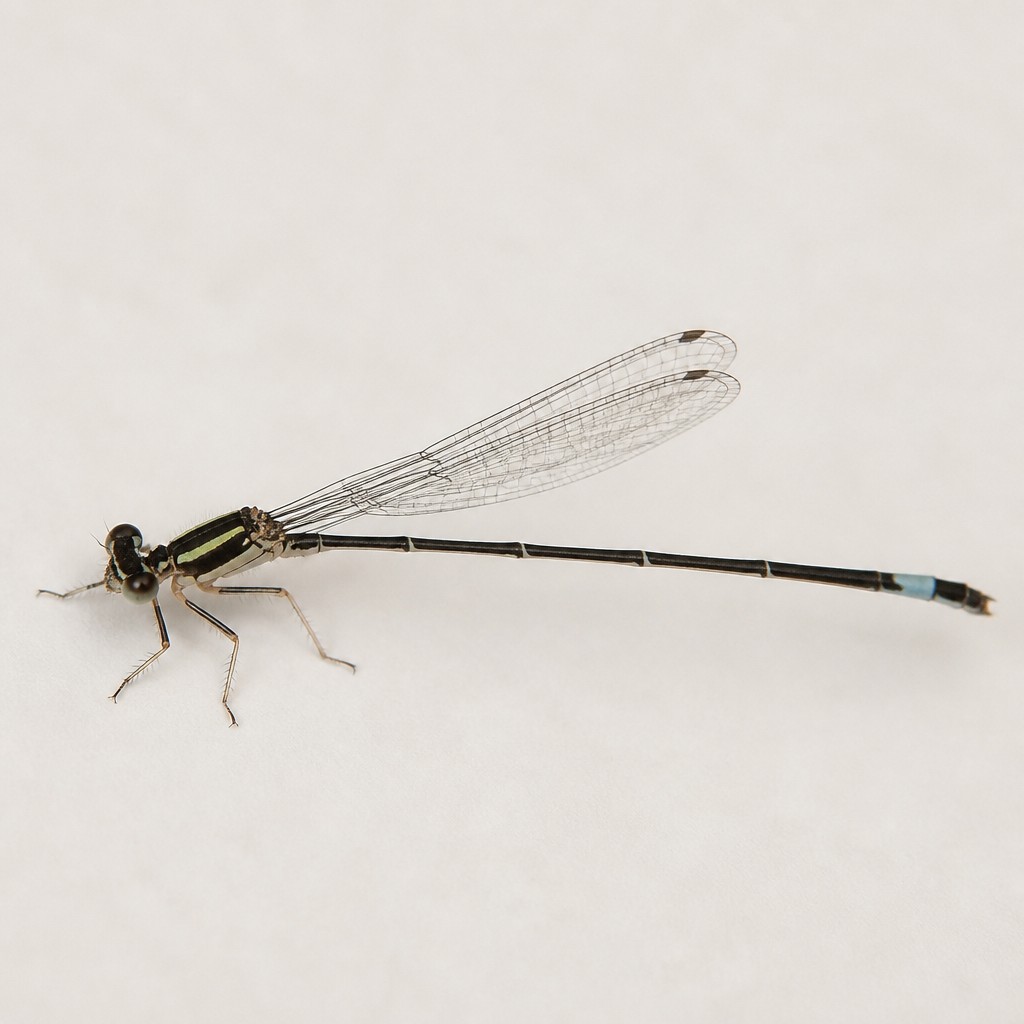
Fragile Forktail
One of North America's smallest and most delicate damselflies, the Fragile Forktail is best known for the pale green exclamation-point mark on top of its thorax.
dragonfly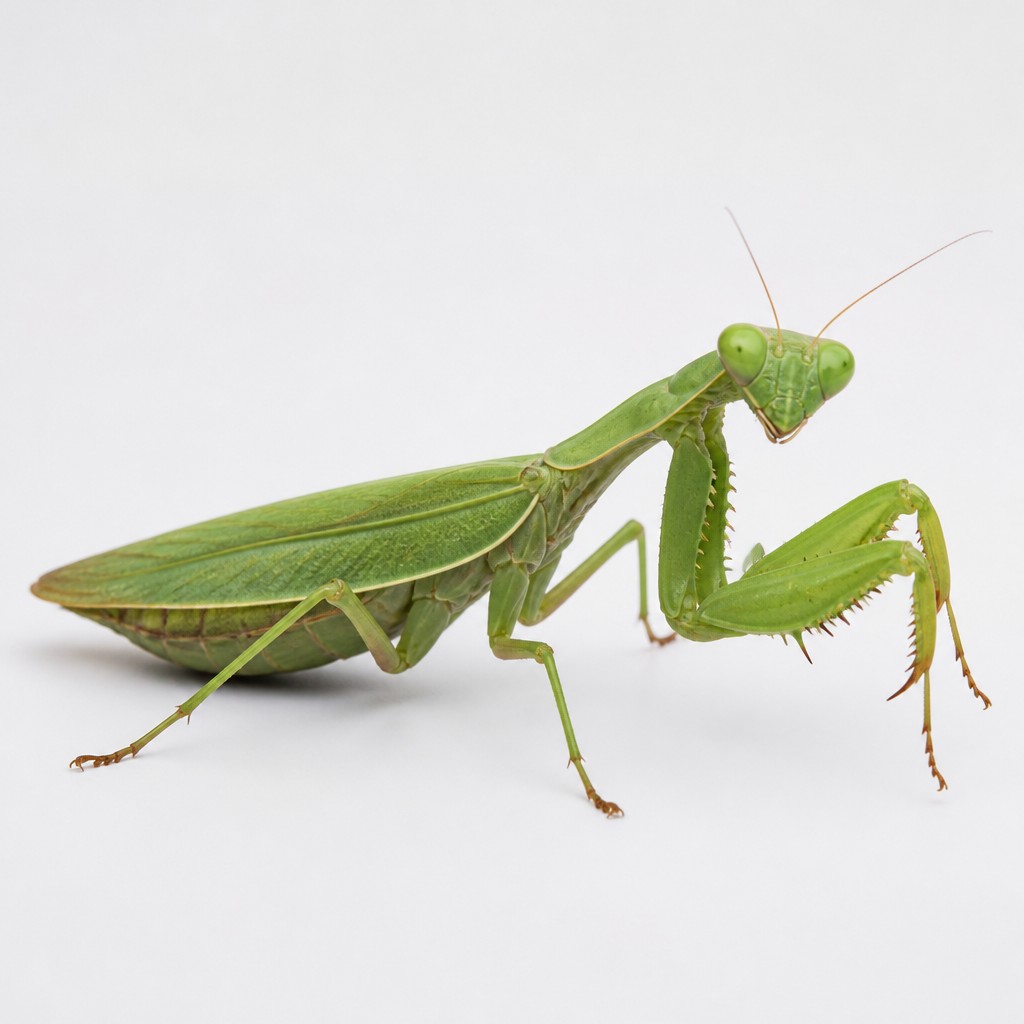
African Mantis
A large, sturdy green or brown mantis frequently found perched on garden shrubs, patiently scanning for insect prey with its sharply angled triangular head.
mantis-stick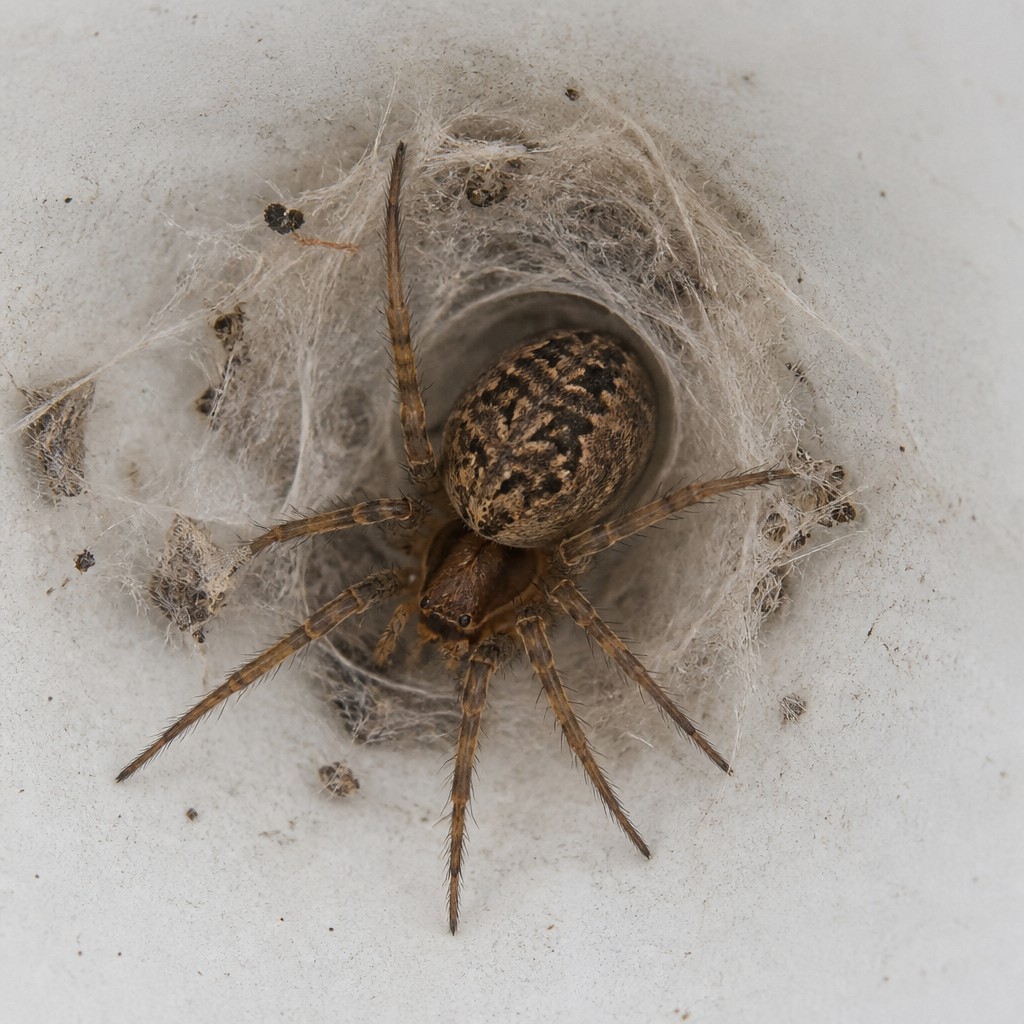
Common House Spider
Tucked into a messy tangle of silk in a quiet corner, the common house spider is one of the most familiar indoor spiders, quietly picking off flies and other small insects that blunder into its web.
spider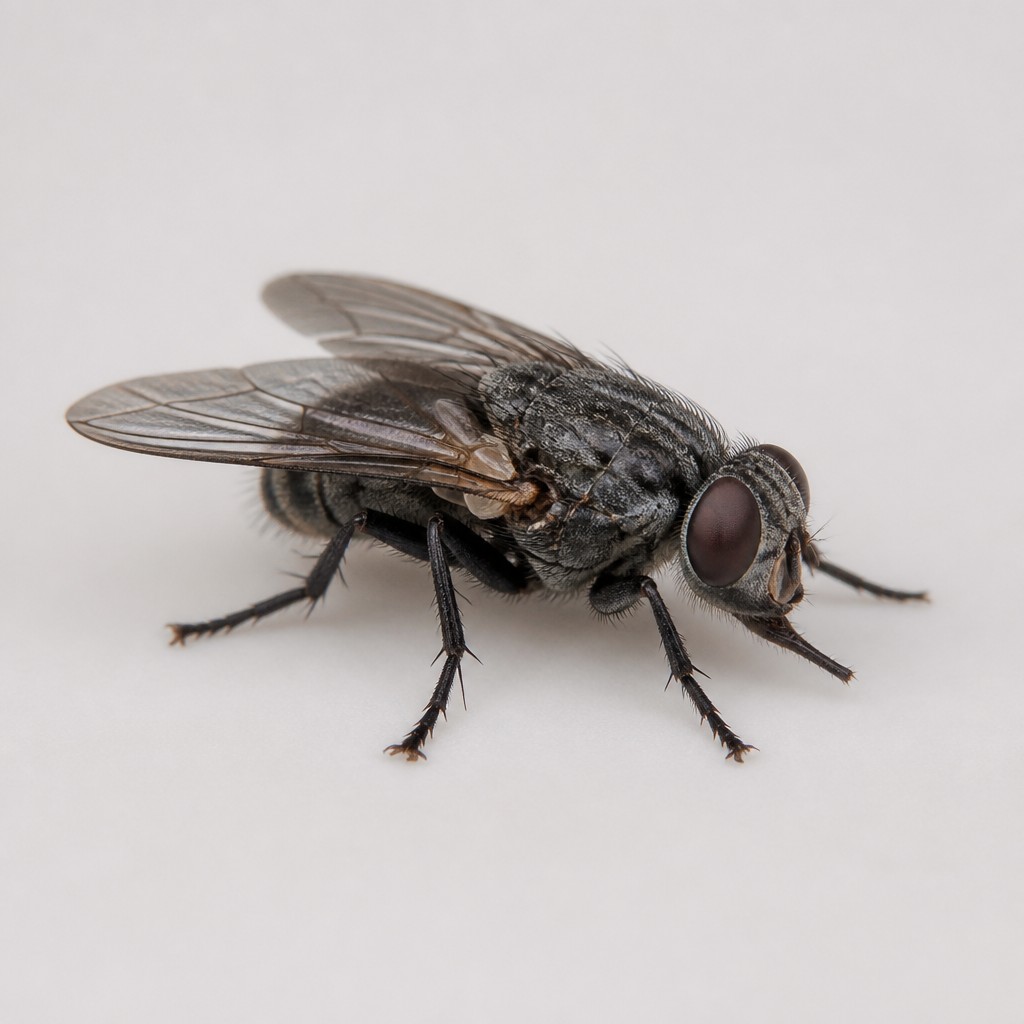
Horn Fly
A tiny, dark fly that clusters in dense patches on the backs and shoulders of grazing cattle, using piercing mouthparts to take frequent small blood meals.
fly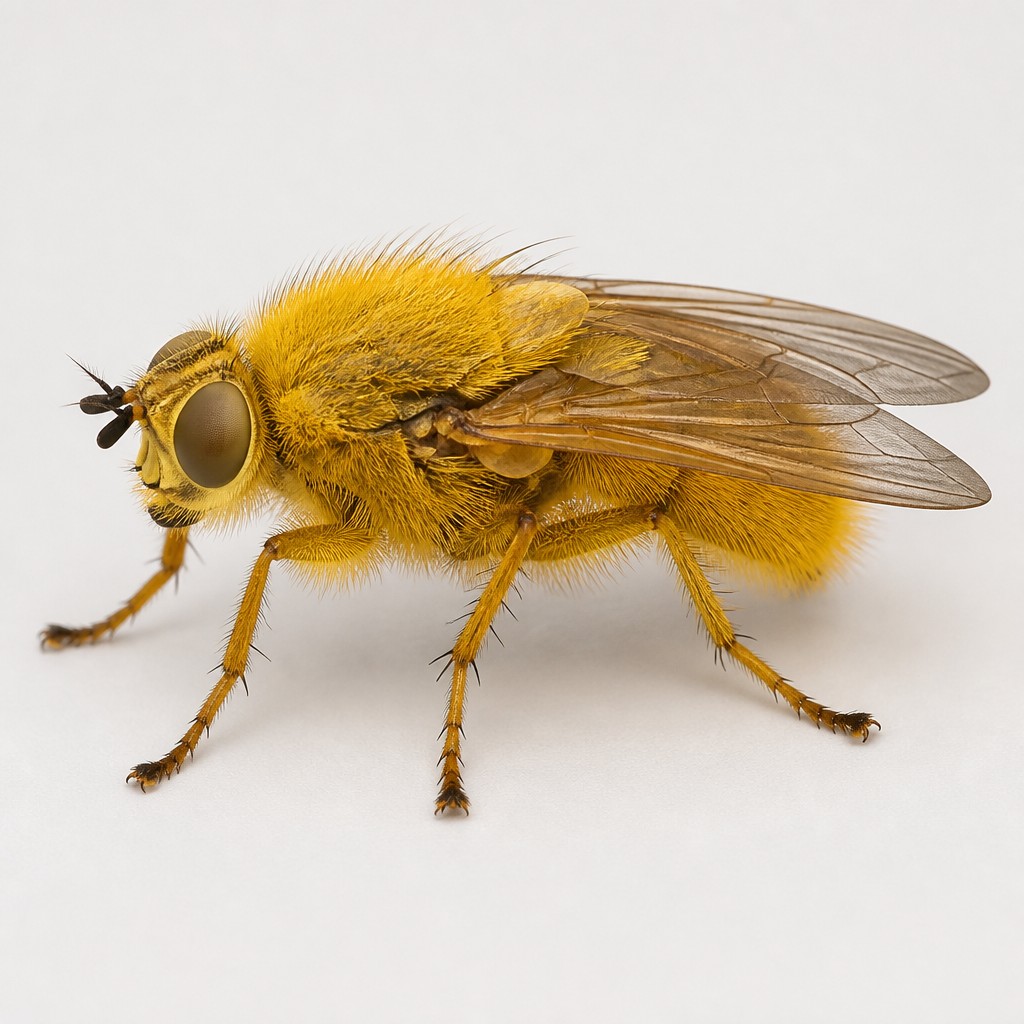
Yellow Dung Fly
A golden, densely furred fly whose bright males cluster on fresh cow pats in pastures, competing for mates while ambushing smaller insects drawn to the same spot.
fly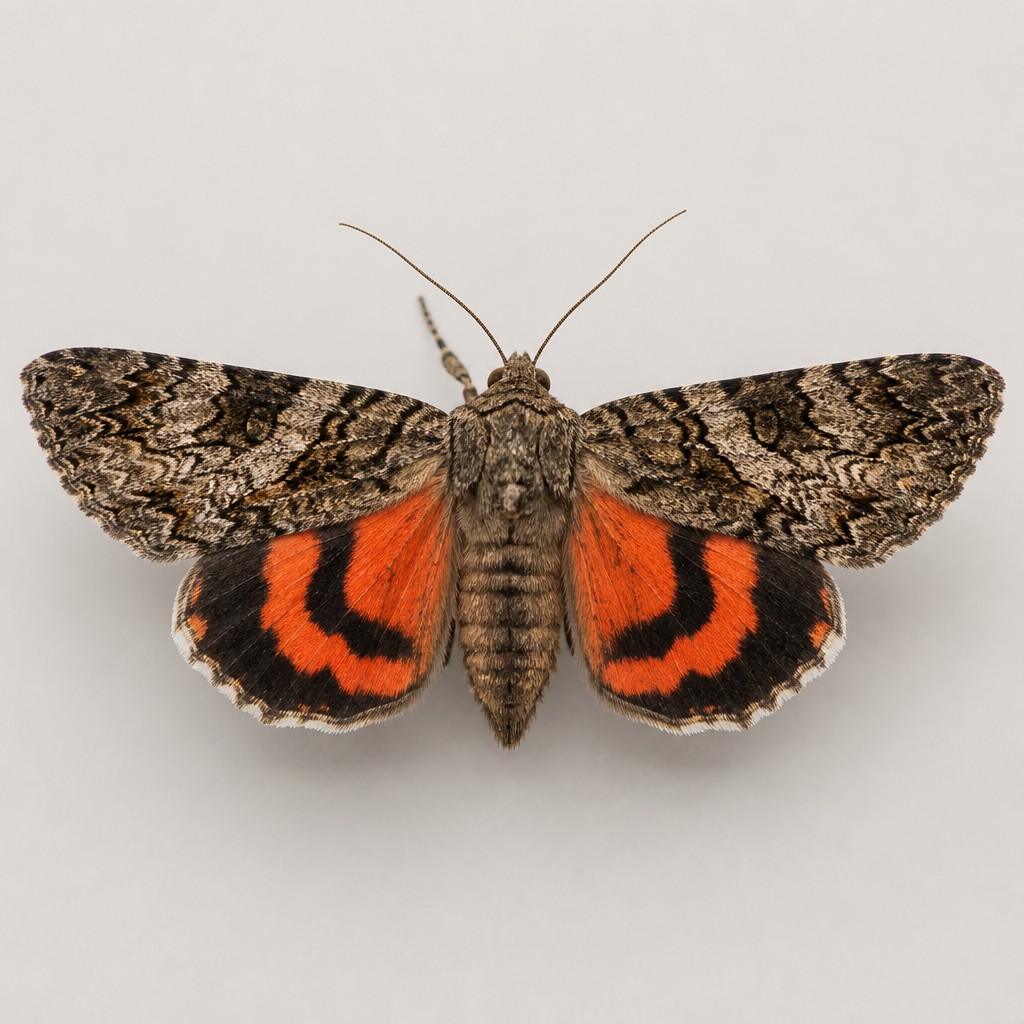
Underwing Moth
A master of camouflage whose bark-patterned forewings hide brightly colored, banded hindwings that flash into view only when the moth is disturbed in flight.
moth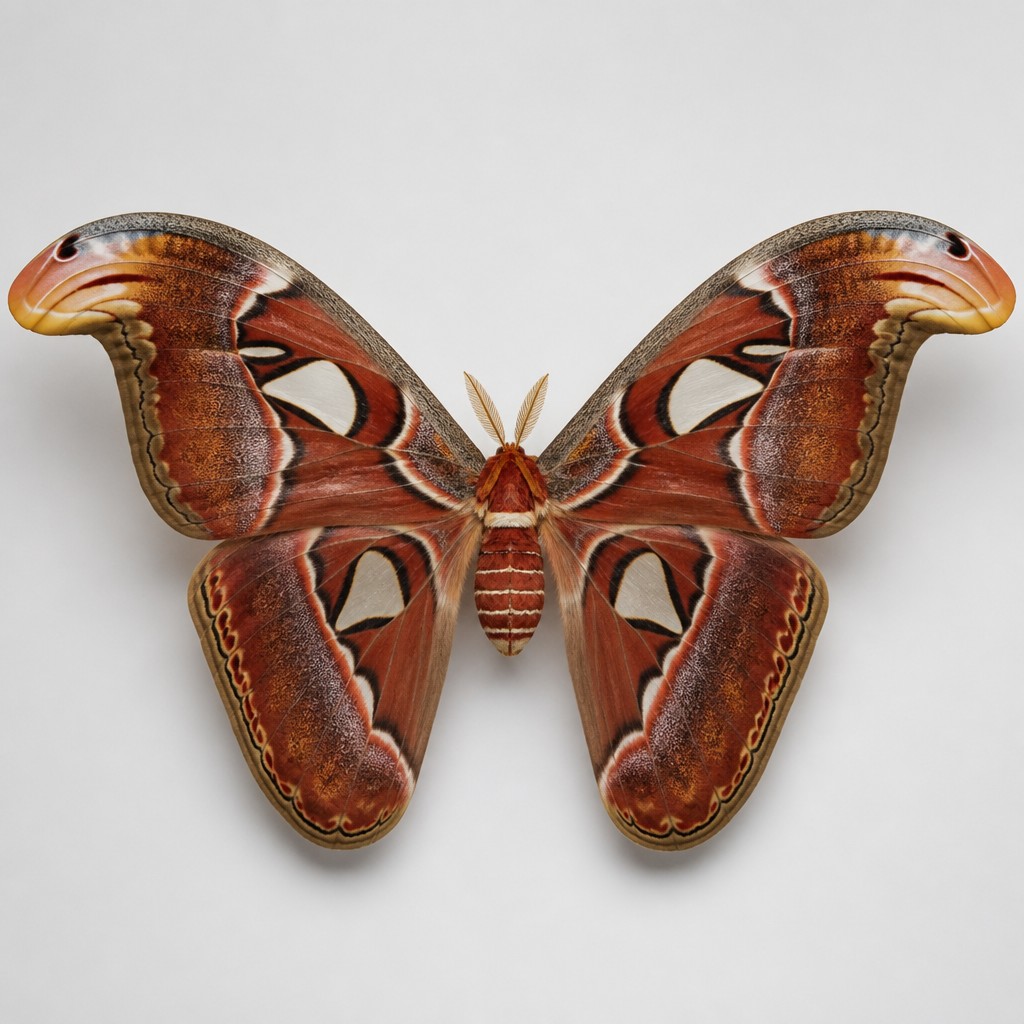
Atlas Moth
One of the largest moths in the world by wing surface area, the Atlas Moth is a giant reddish-brown silkmoth with striking triangular wingtip patches that resemble the heads of snakes.
moth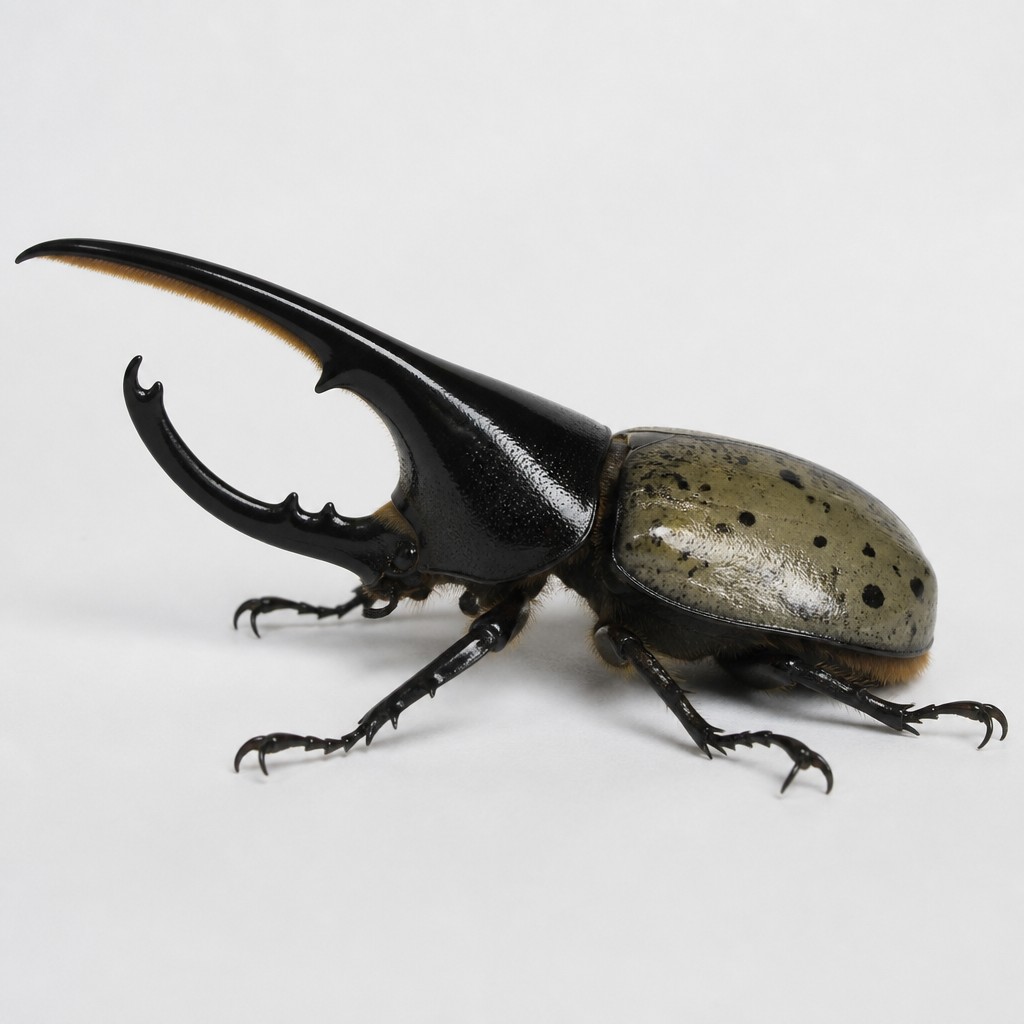
Eastern Hercules Beetle
One of the largest beetles in North America, a massive rhinoceros beetle in which males bear an enormous forked horn used to wrestle rivals off of favored tree sap sites.
beetle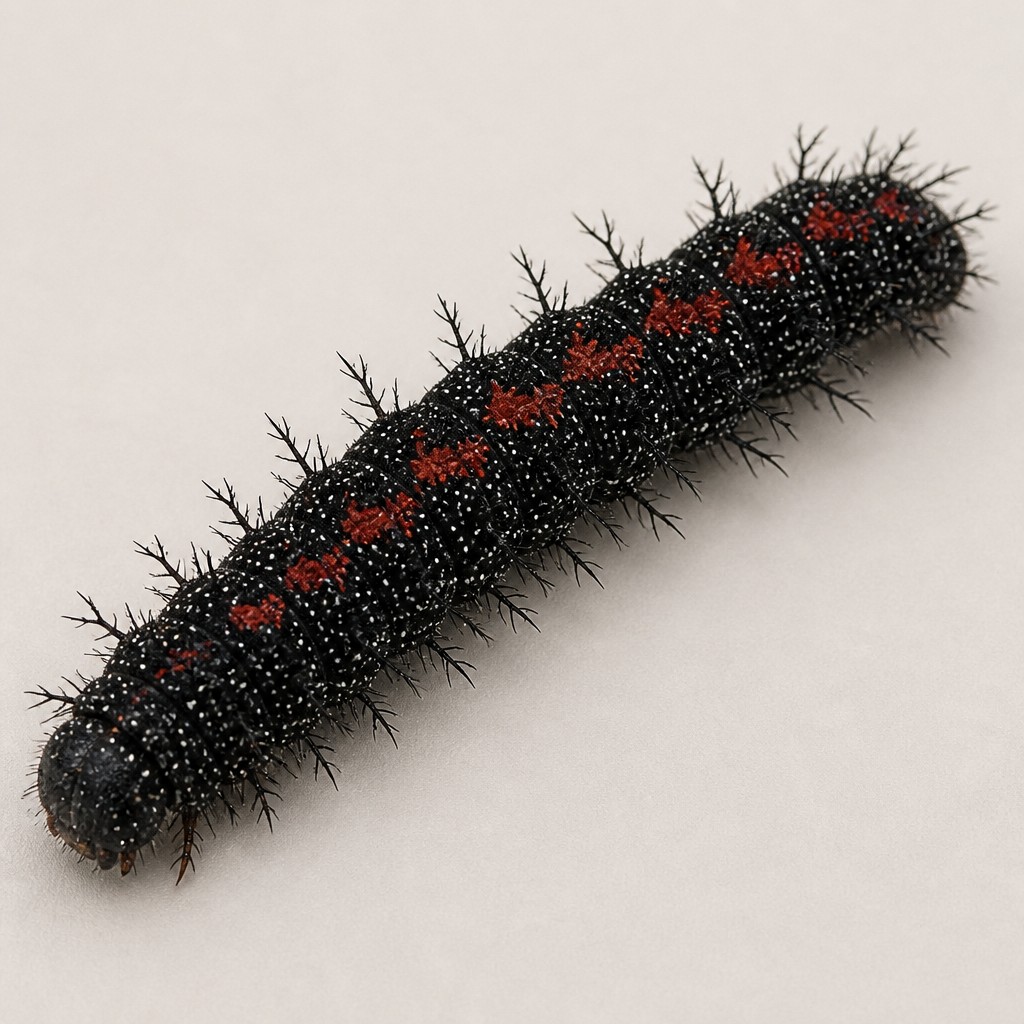
Mourning Cloak Caterpillar
A gregarious, velvety black caterpillar speckled with white dots and a striking row of brick-red spots down its back, often seen feeding in clusters on willow branches.
caterpillar-larva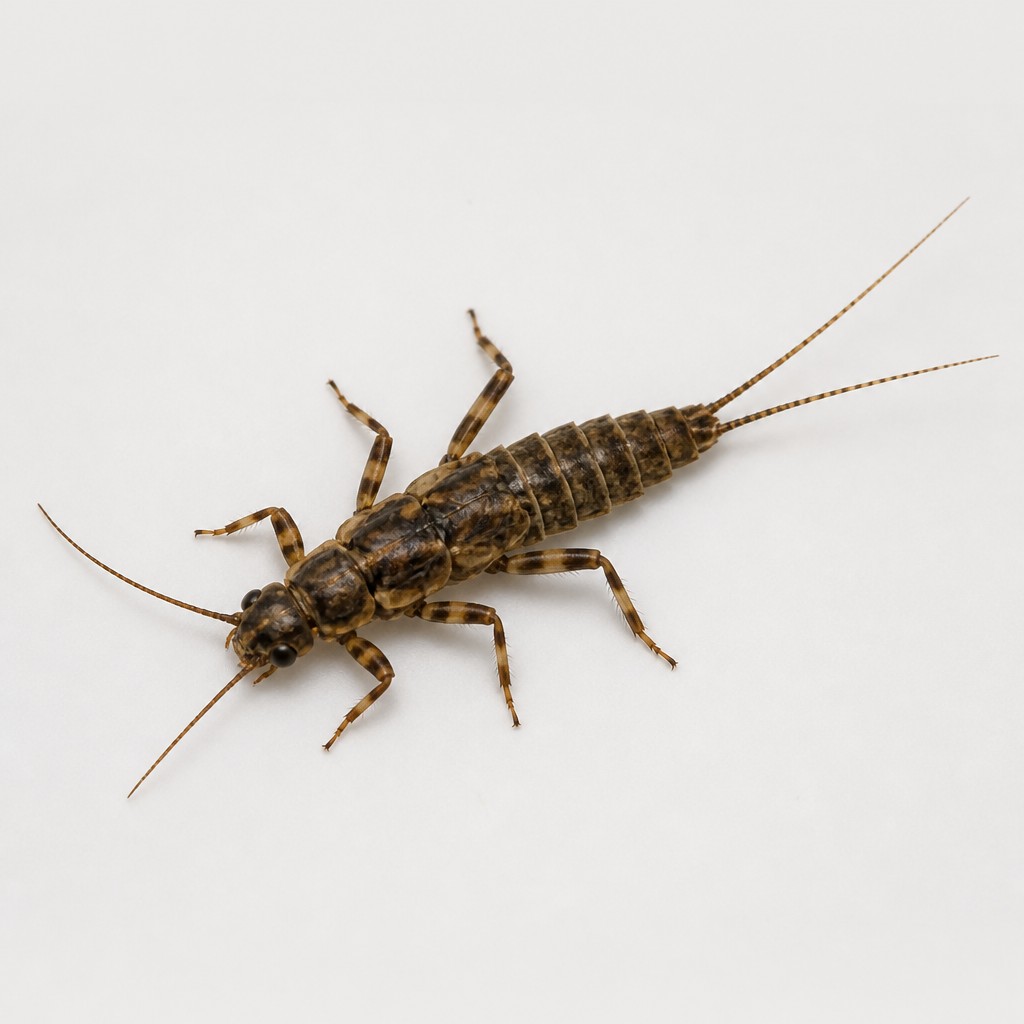
Stonefly Nymph
A flattened, armored aquatic nymph that clings tightly to rocks in swift, cold streams, serving as one of the most reliable signs of pristine water quality.
aquatic-insect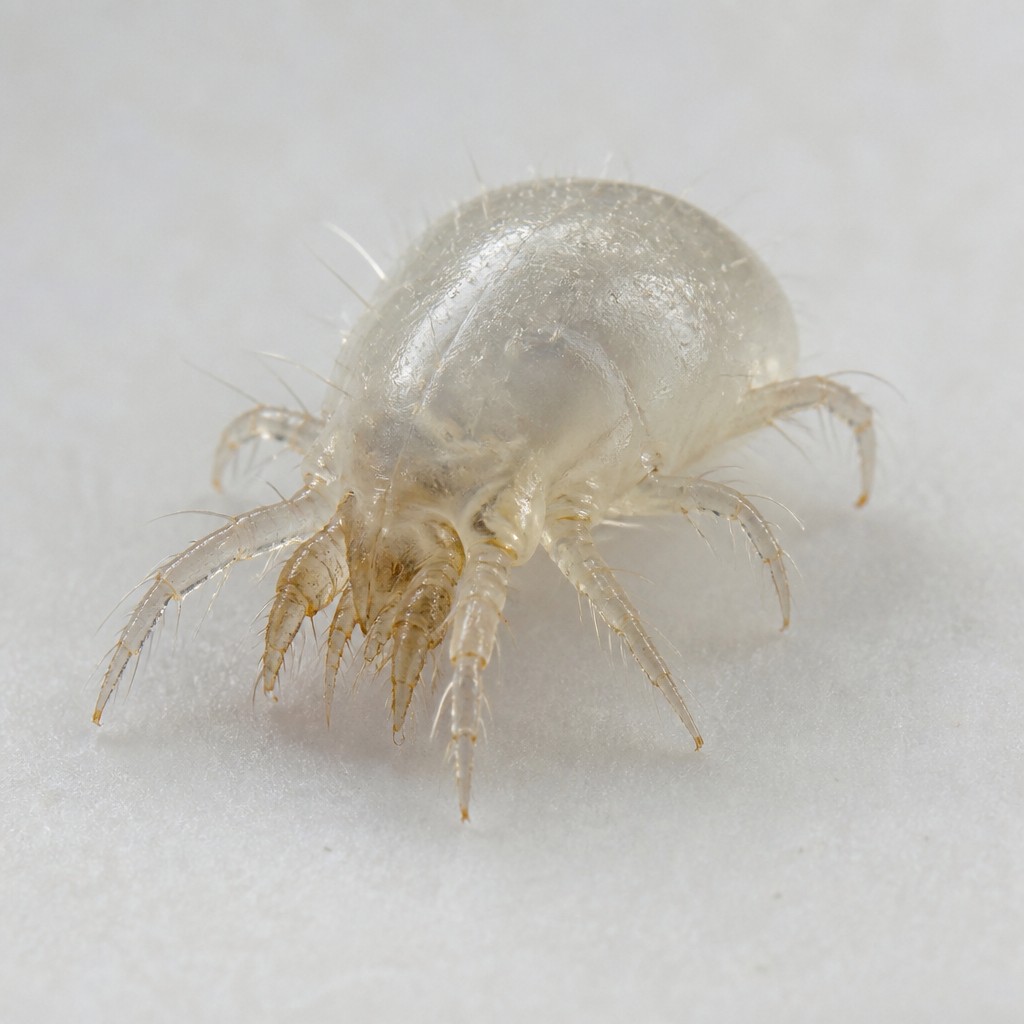
Dust Mite
A microscopic, translucent arachnid that lives unseen in household dust, feeding quietly on shed skin flakes within mattresses, carpets, and furniture.
arachnid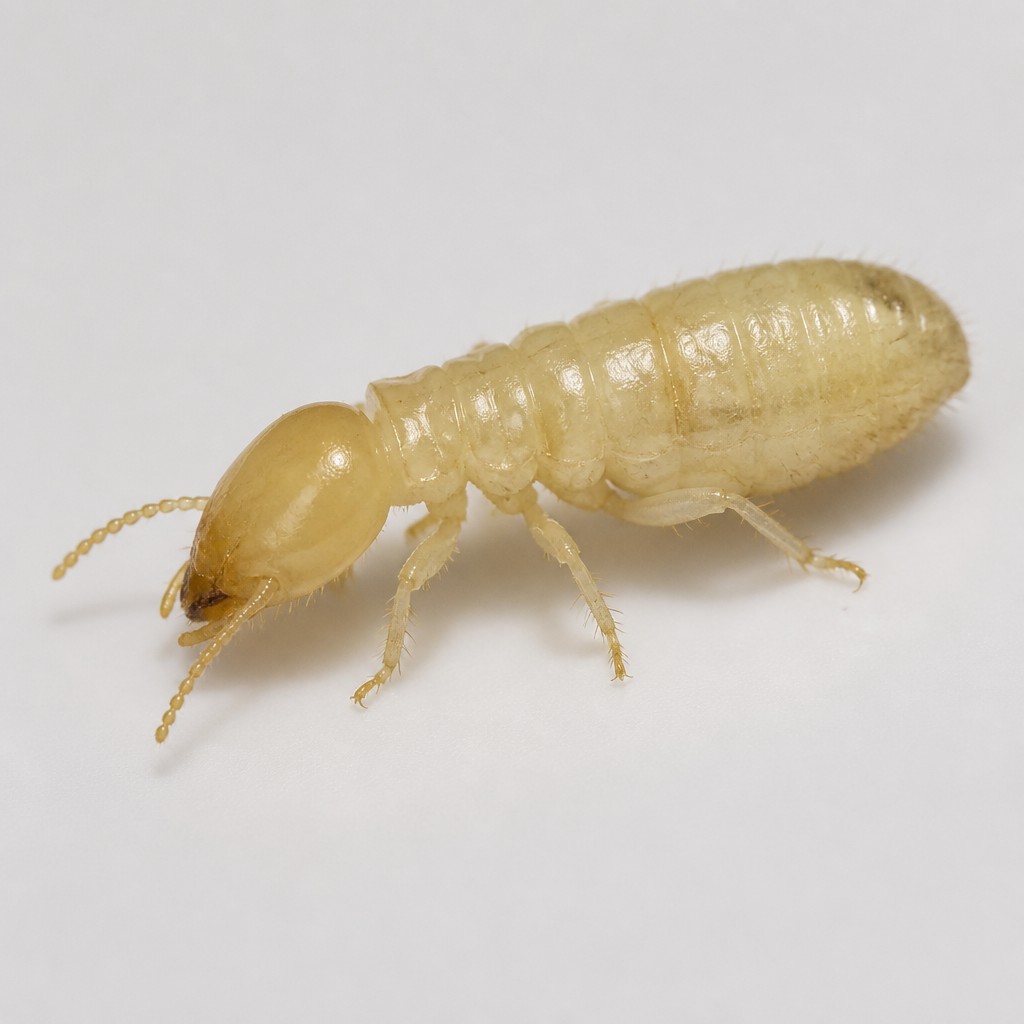
Eastern Subterranean Termite
A pale, soft-bodied social insect that lives in vast underground colonies and builds mud tubes to reach and feed on wood cellulose, including structural timber.
other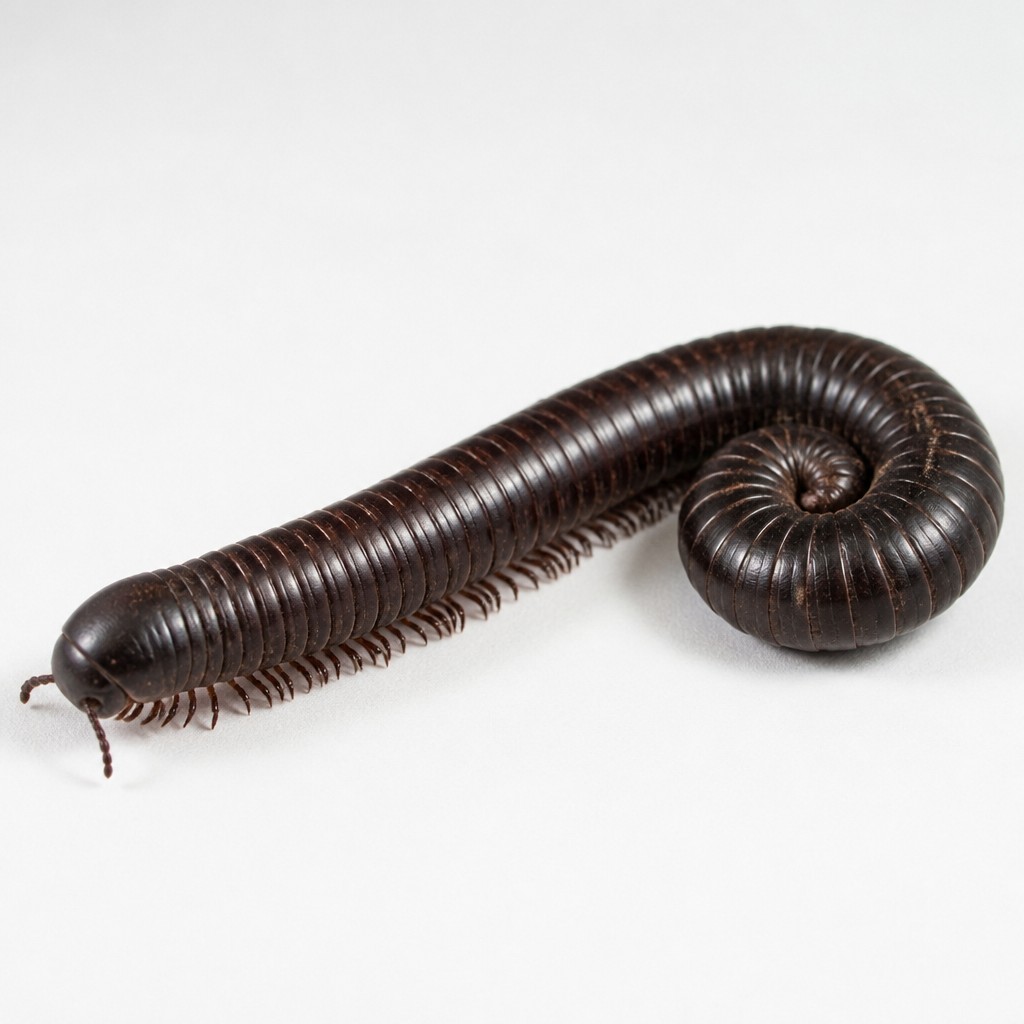
Giant African Millipede
One of the largest millipedes in the world, a slow-moving, cylindrical detritivore covered in hundreds of tiny legs that curls into a tight defensive coil when disturbed.
myriapod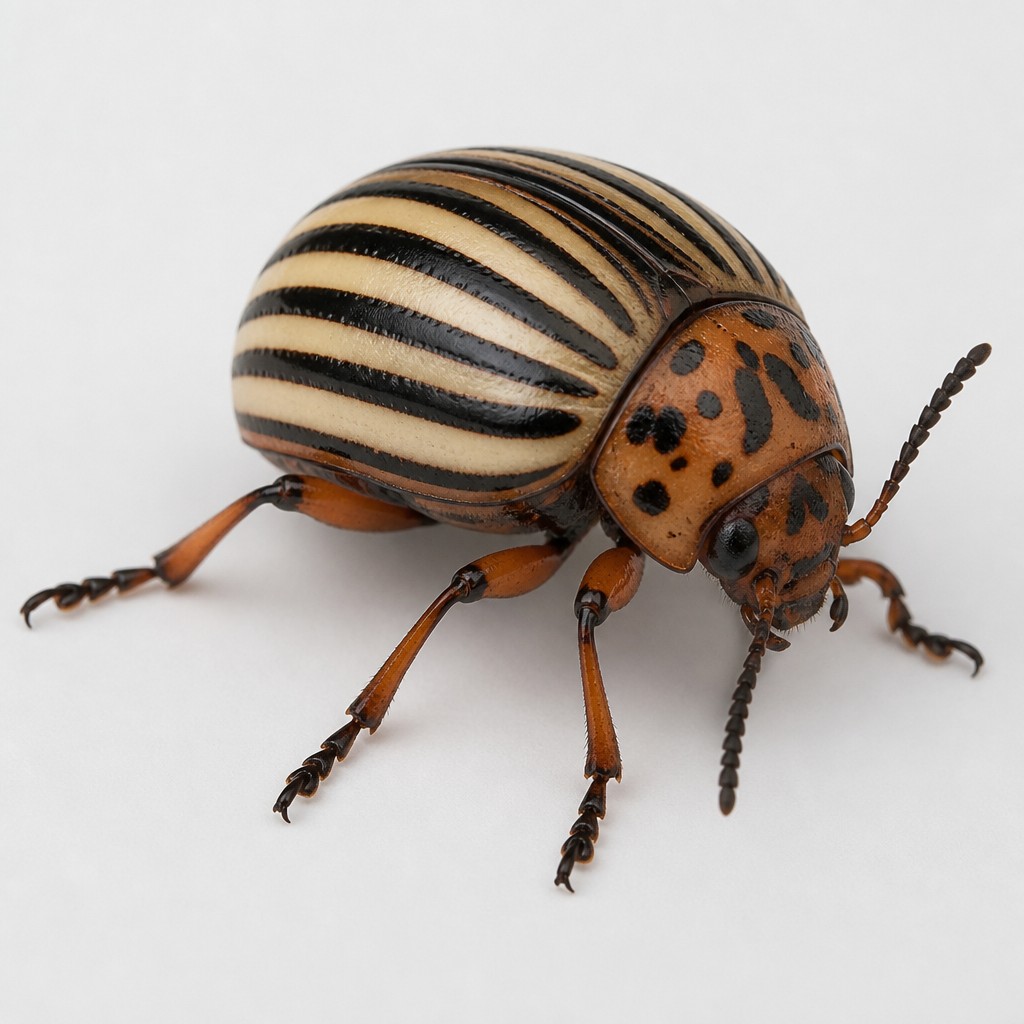
Potato Bug
A rounded, boldly striped beetle in cream and black that feeds on potato and other nightshade foliage, easily recognized by the ten black stripes running down its wing covers.
beetle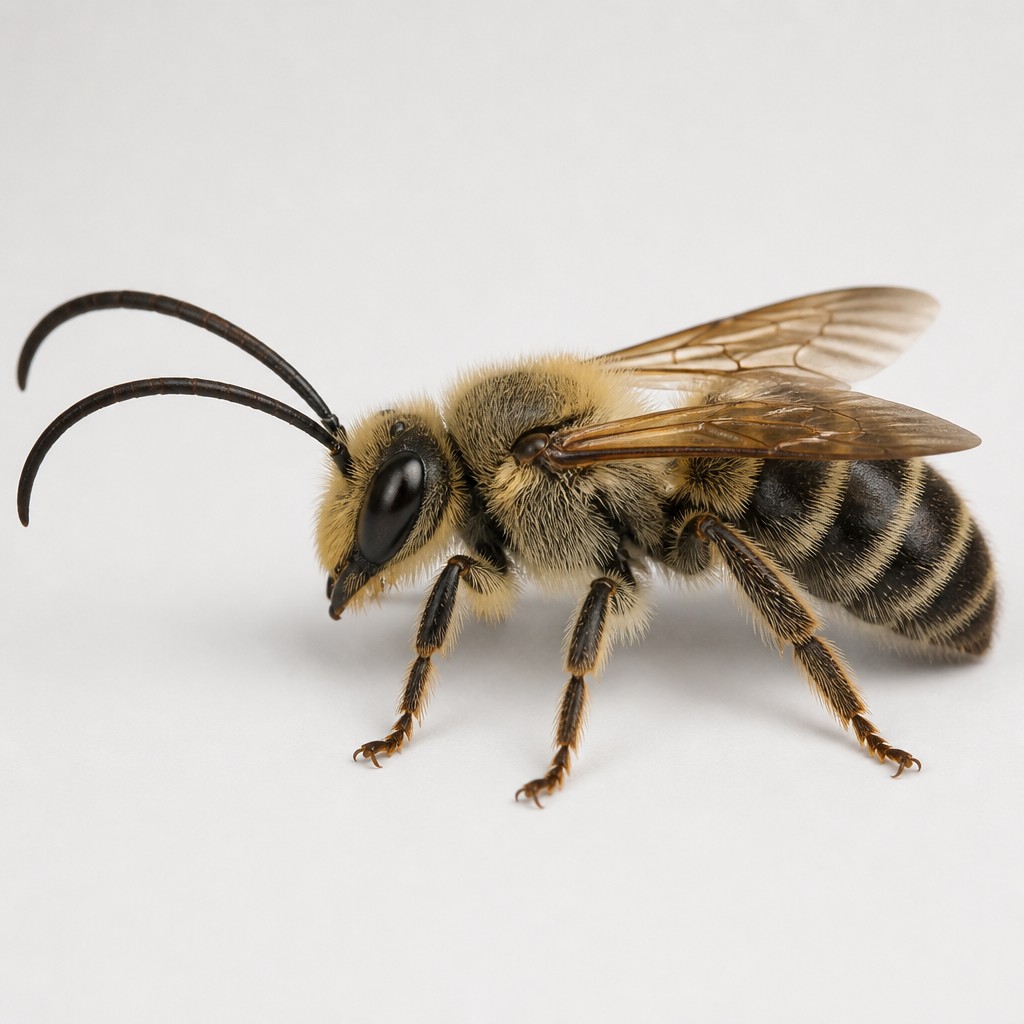
Longhorn Bee
A fuzzy, medium-sized solitary bee named for the males' notably long, curved antennae, commonly seen foraging on sunflowers, asters, and other late-summer composite flowers.
bee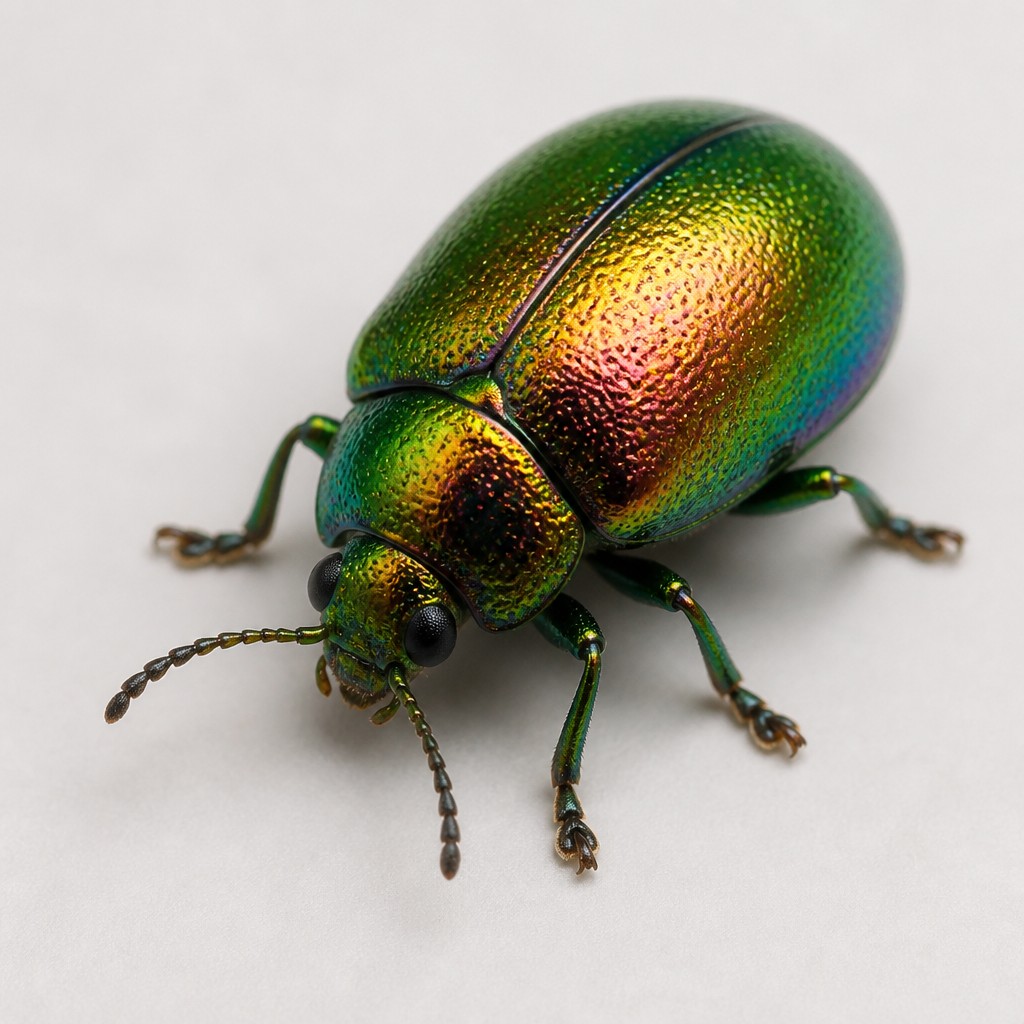
Dogbane Beetle
A small, brilliantly iridescent leaf beetle that shifts between shades of green, gold, blue, and copper depending on the viewing angle, always found on dogbane plants.
beetle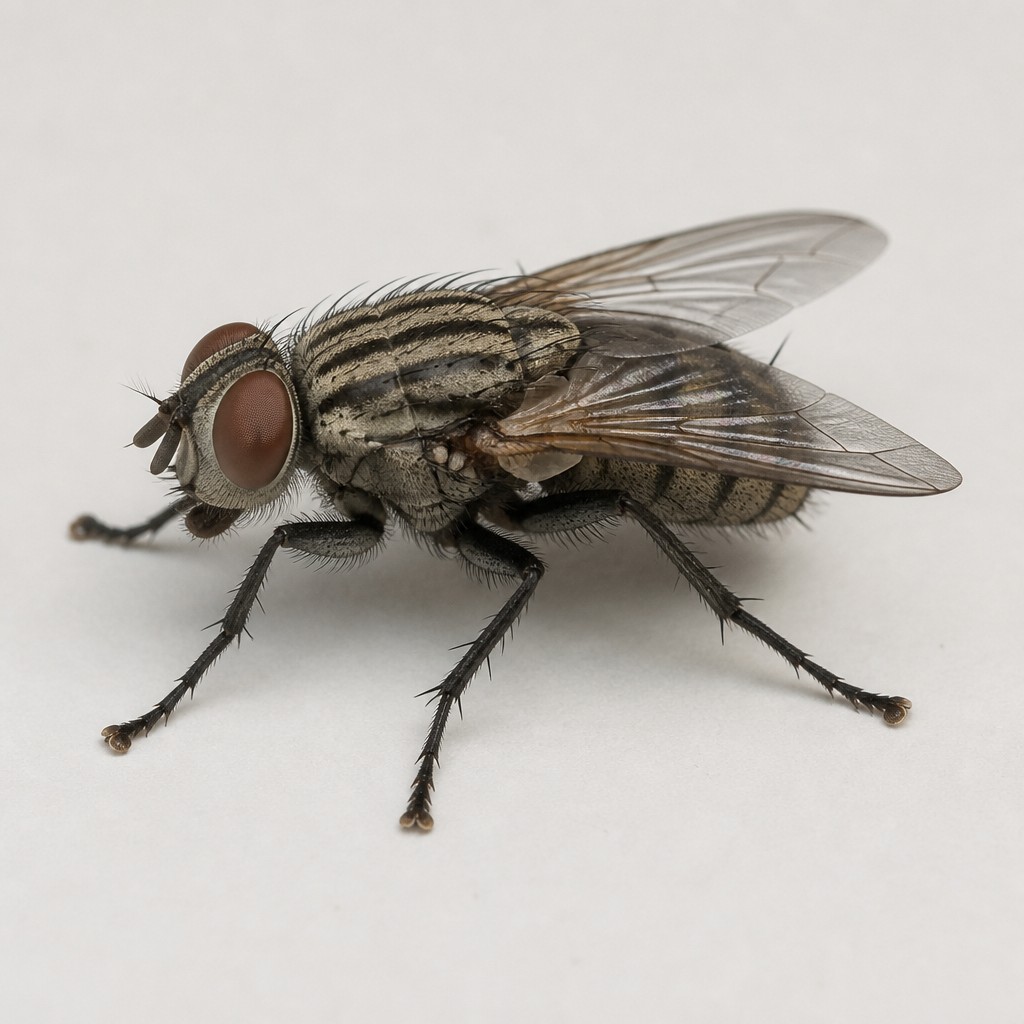
Common Housefly
A dull gray fly with four dark stripes on its thorax and large reddish eyes, one of the most widespread insects on Earth thanks to its close association with human food and waste.
fly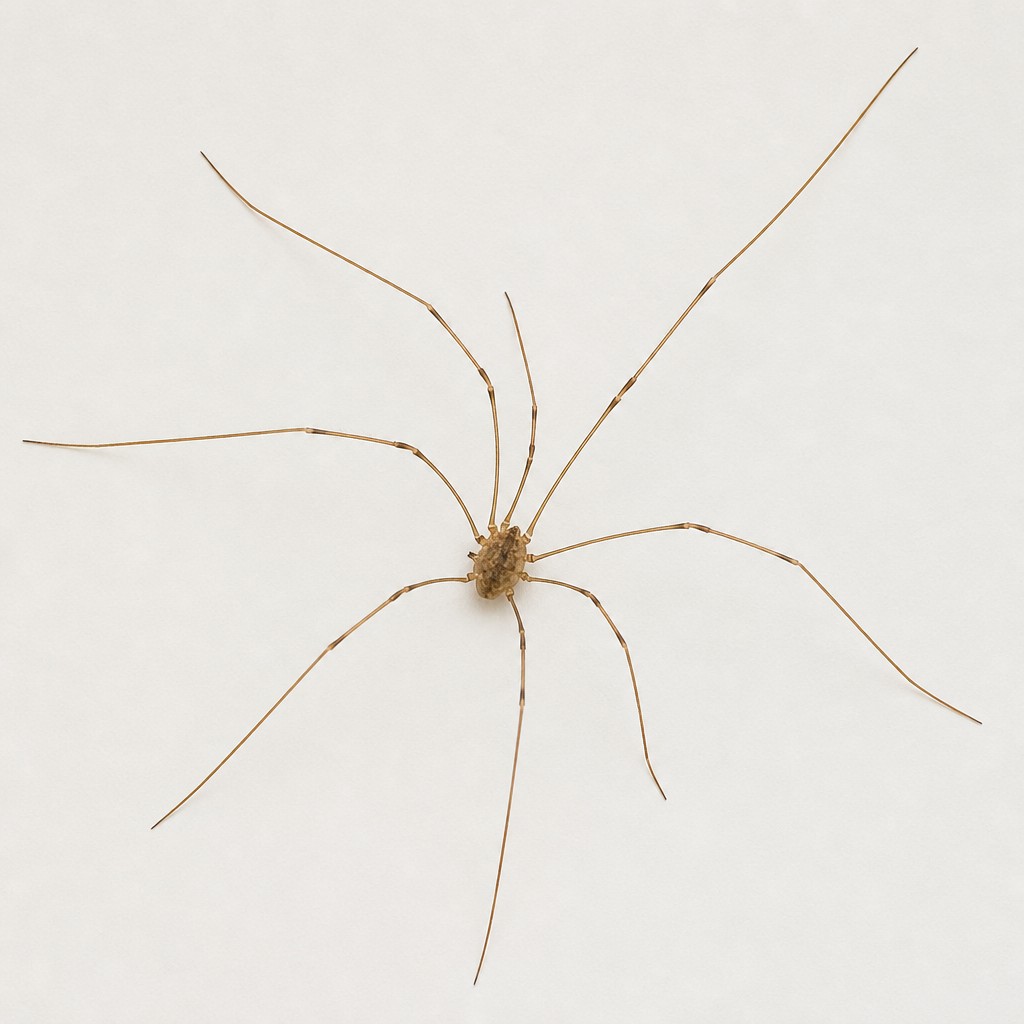
Daddy Longlegs
A small, oval-bodied arachnid carried on extremely long, thread-like legs, distinct from true spiders in having a one-piece fused body and no silk glands or web.
arachnid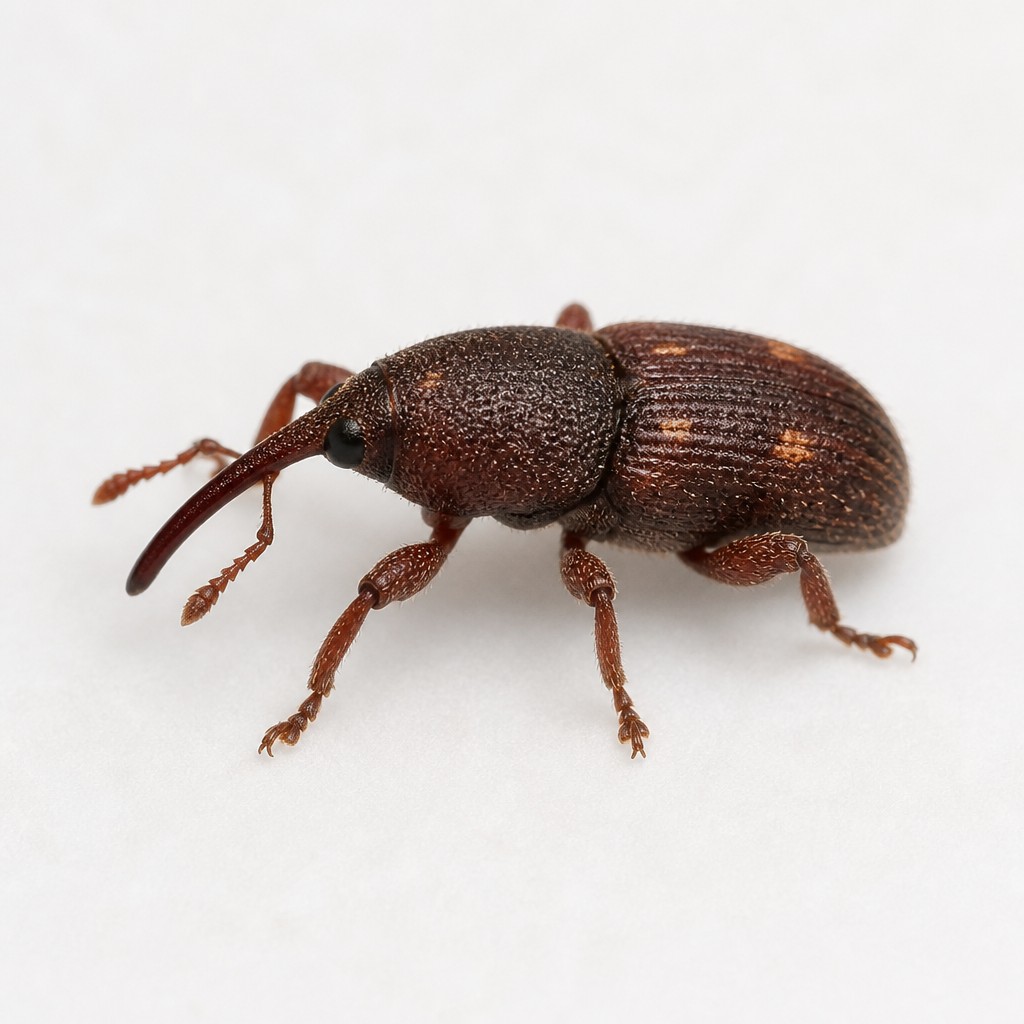
Rice Weevil
A tiny reddish-brown weevil with a long curved snout and four faint pale spots on its wing covers, commonly found infesting stored rice, wheat, and other grain products.
beetle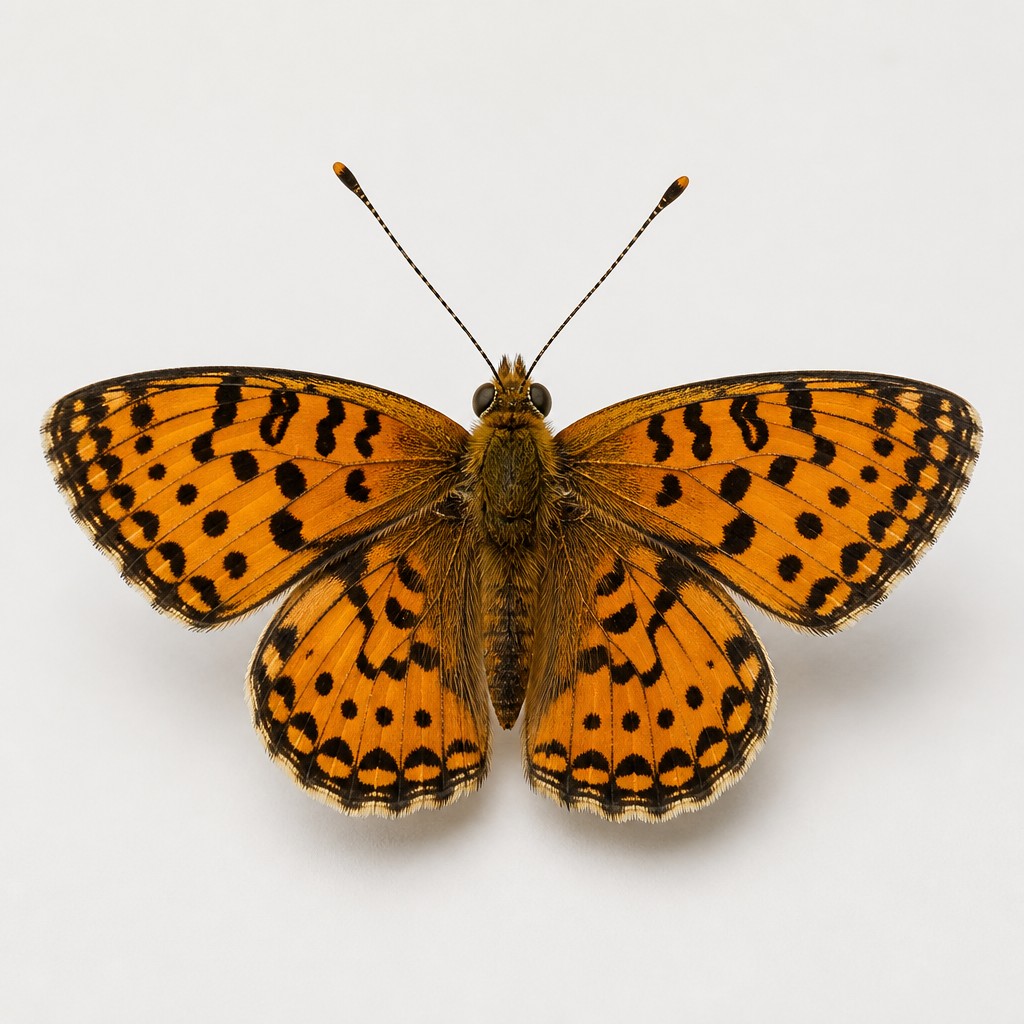
Meadow Fritillary
A small, fast-flying orange-and-black fritillary of open grassy fields, easily told from its larger cousins by its lack of silvery spots on the underside of the hindwing.
butterfly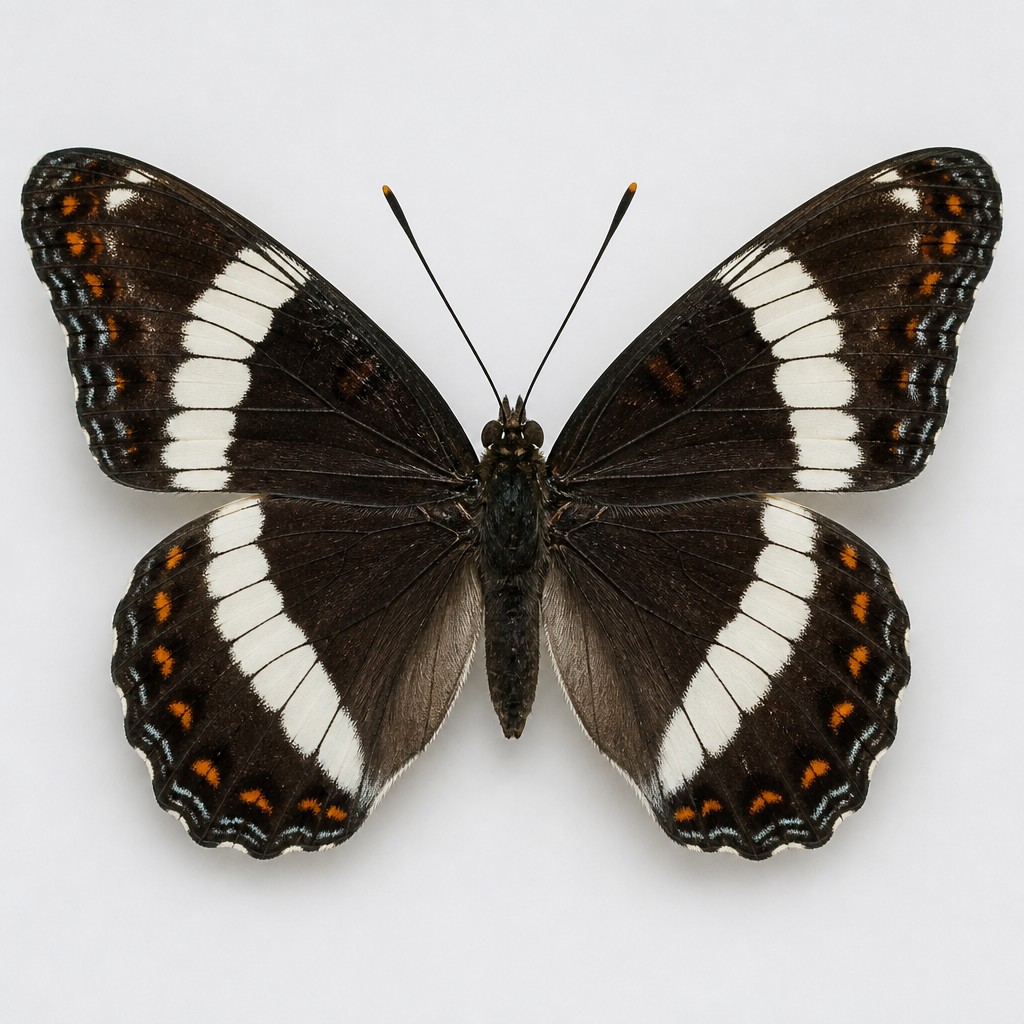
White Admiral
A large, dark butterfly crossed by a bold white band on both wings, the northern form of the same species that produces the iridescent blue Red-spotted Purple farther south.
butterfly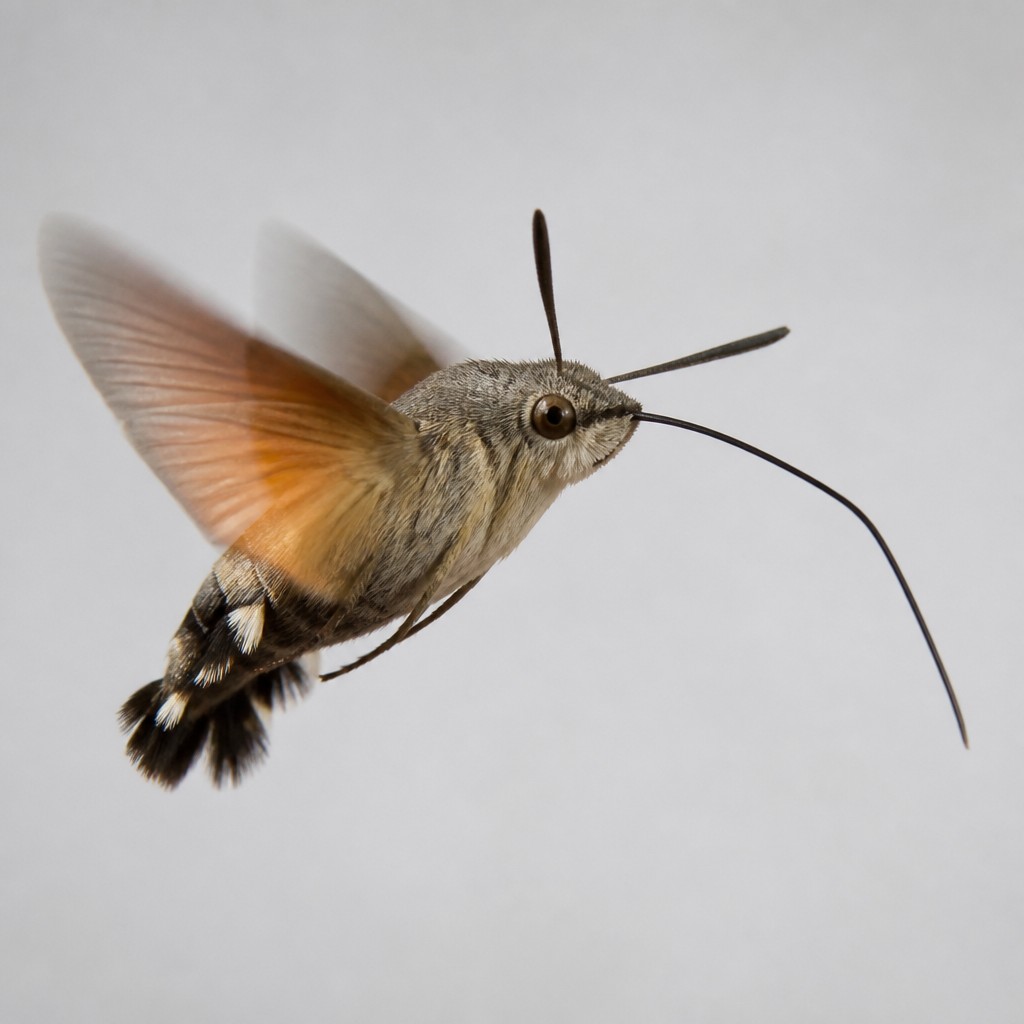
Hummingbird Moth
Hovering at flowers with a blur of wings and a long uncoiling tongue, the hummingbird moth is easily mistaken for a tiny hummingbird. These plump, fast-flying hawk moths feed on nectar in broad daylight.
moth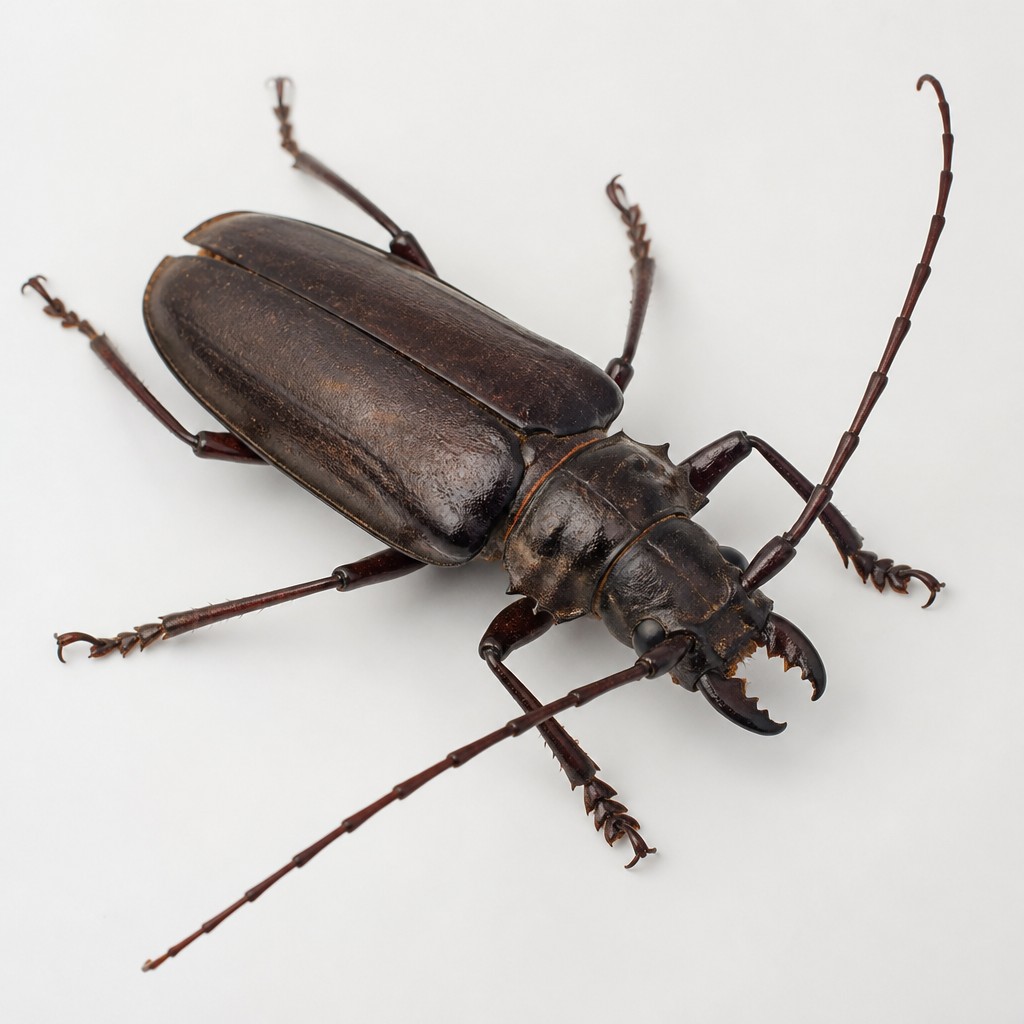
Titan Beetle
One of the largest insects on Earth, the titan beetle is a colossal longhorn from the Amazon whose body can exceed 16 cm. Its powerful jaws and loud hiss make it an imposing rainforest giant.
beetle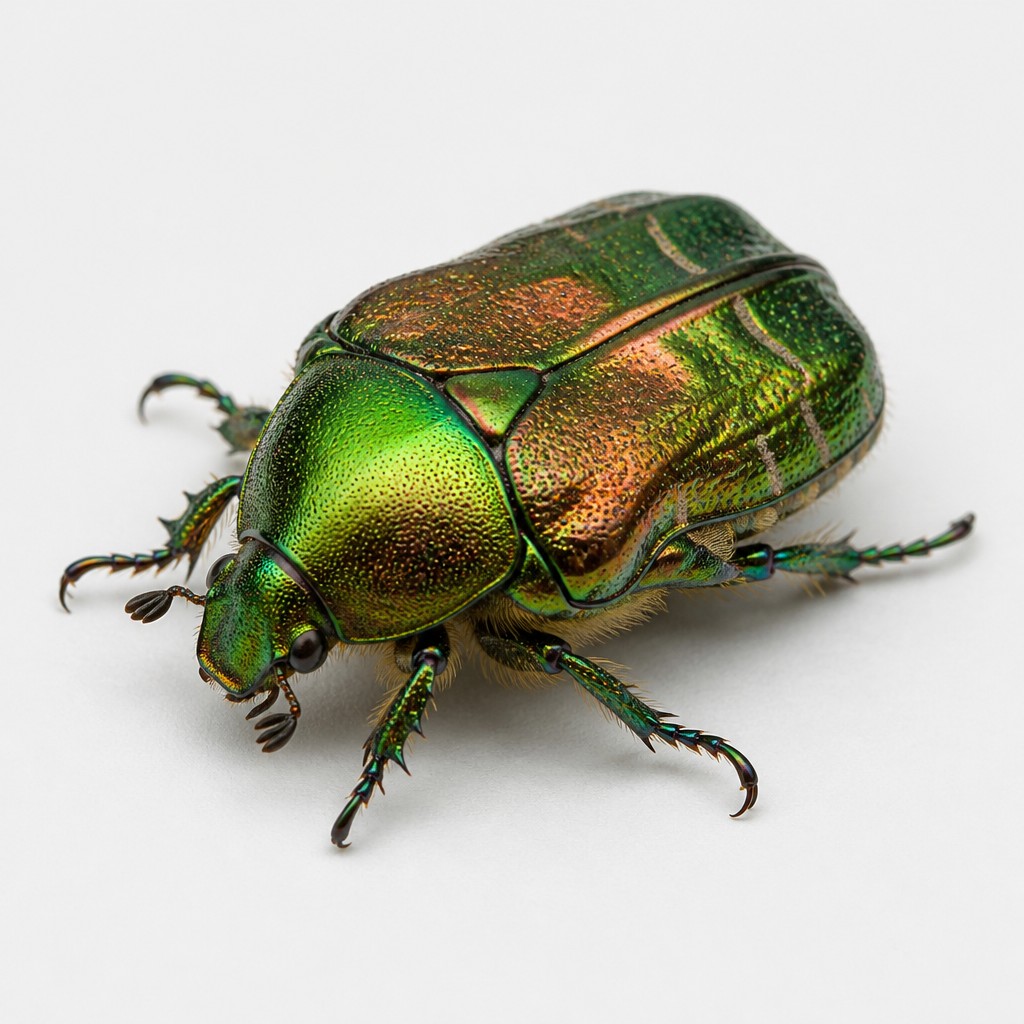
Flower Chafer Beetle
Often clad in brilliant metallic greens, golds, and bronzes, flower chafers are day-flying scarab beetles that feed on flowers. Many buzz loudly in flight and keep their wing covers closed as they take off.
beetle