
Bug Encyclopedia
Search and identify bugs & insects — beetles, butterflies, moths, ants, bees, spiders and more — with size, habitat, danger, behavior, and how to tell them apart.
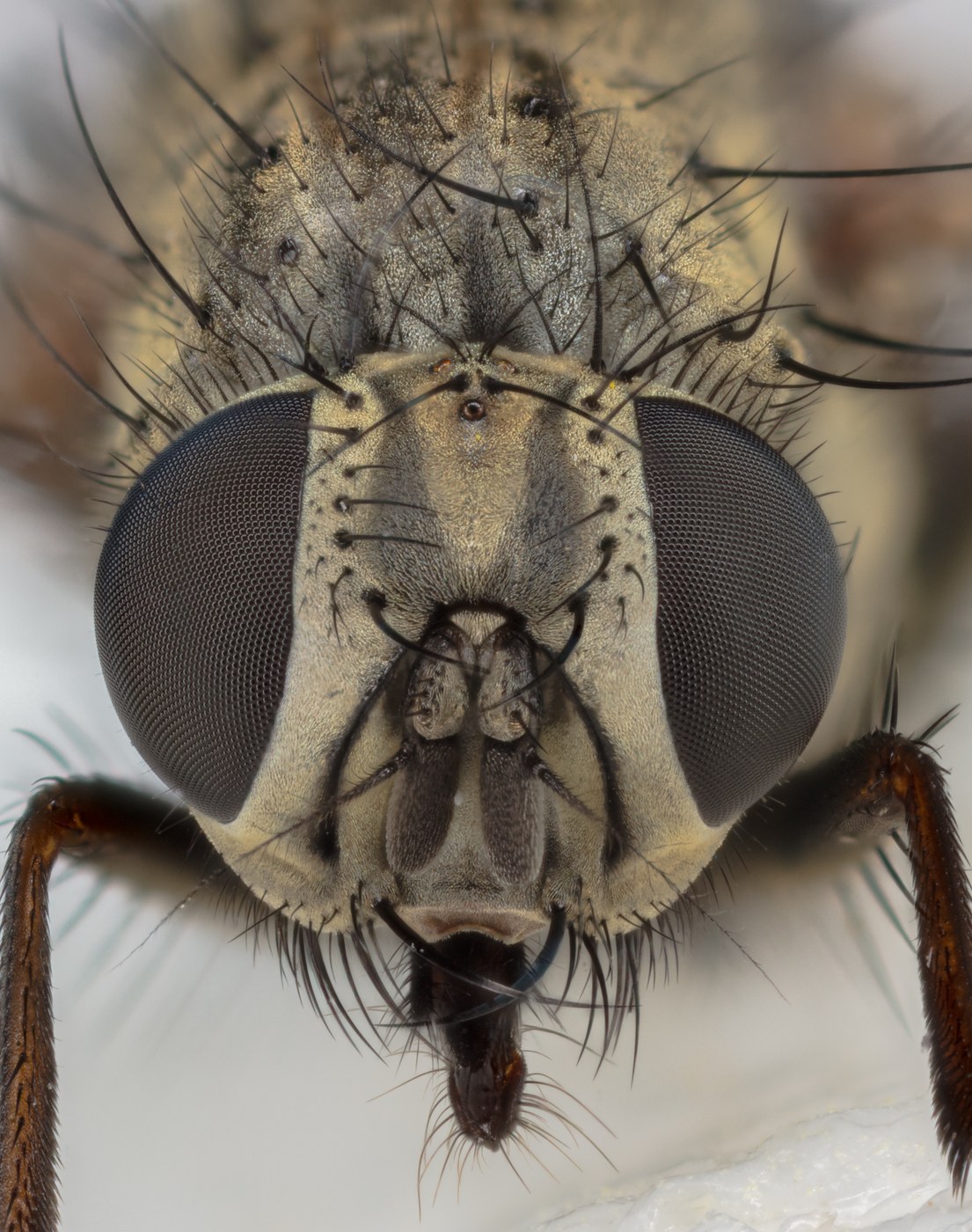
House Fly
A gray, fuzzy-bodied fly with four dark stripes on its thorax and large reddish compound eyes, famous for its erratic buzzing flight and tendency to land repeatedly on food and surfaces.
fly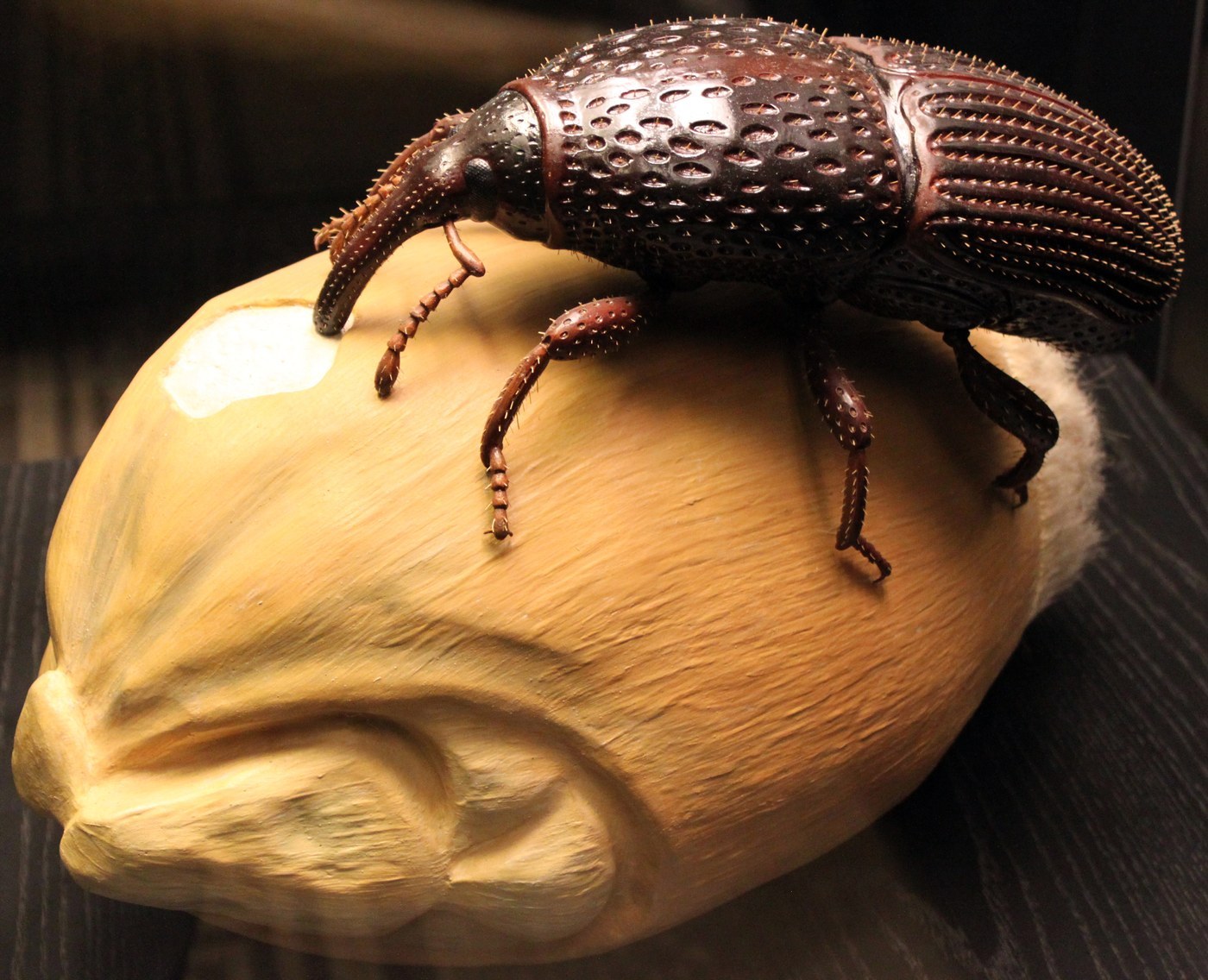
Granary Weevil
A small, shiny, dark reddish-brown to black weevil with a long curved snout that is unable to fly, spending its entire life cycle within stores of wheat and other cereal grains.
beetleBombardier Beetle
A dark, quick-moving ground beetle famous for firing a hot, audible chemical spray from its abdomen when disturbed, using two-tone coloring of a reddish head and thorax against blue-black wing covers as a warning signal.
beetle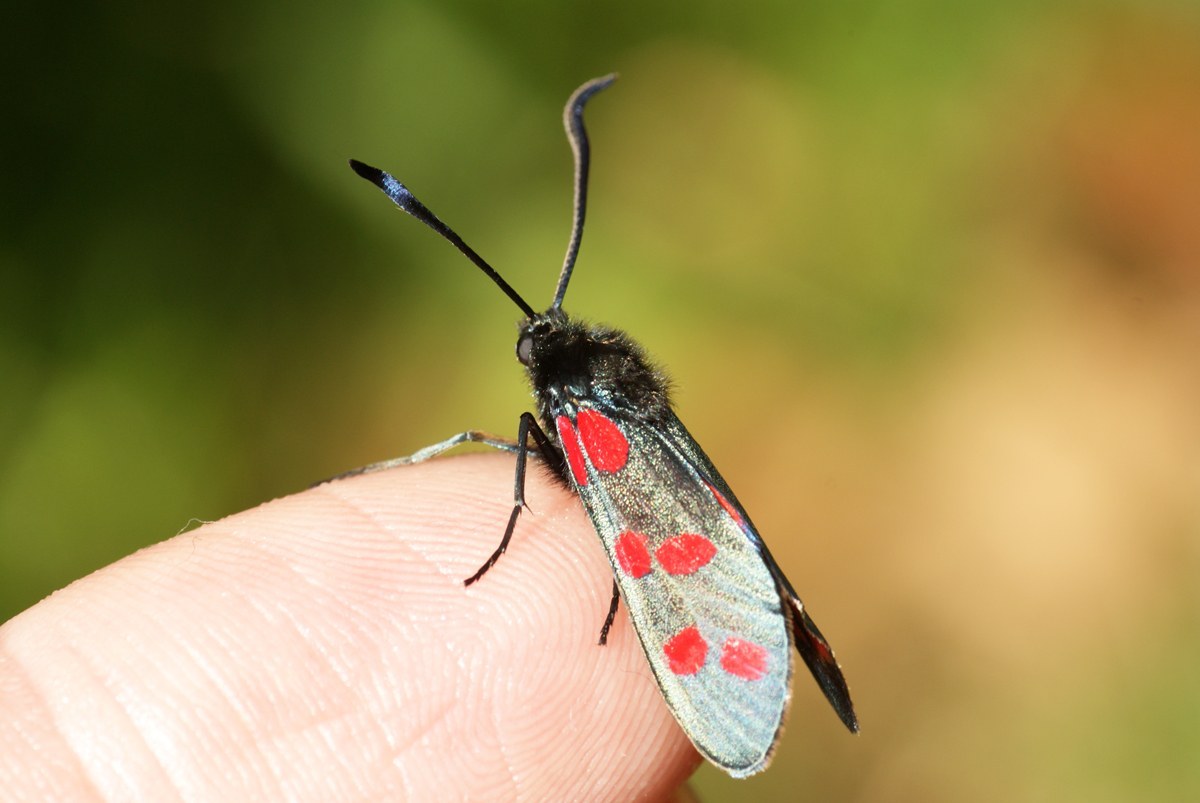
Six-spot Burnet Moth
A day-flying moth with glossy black-green forewings marked by six bold red spots and vivid crimson hindwings, a striking warning-colored insect often mistaken for a butterfly as it visits summer wildflowers.
moth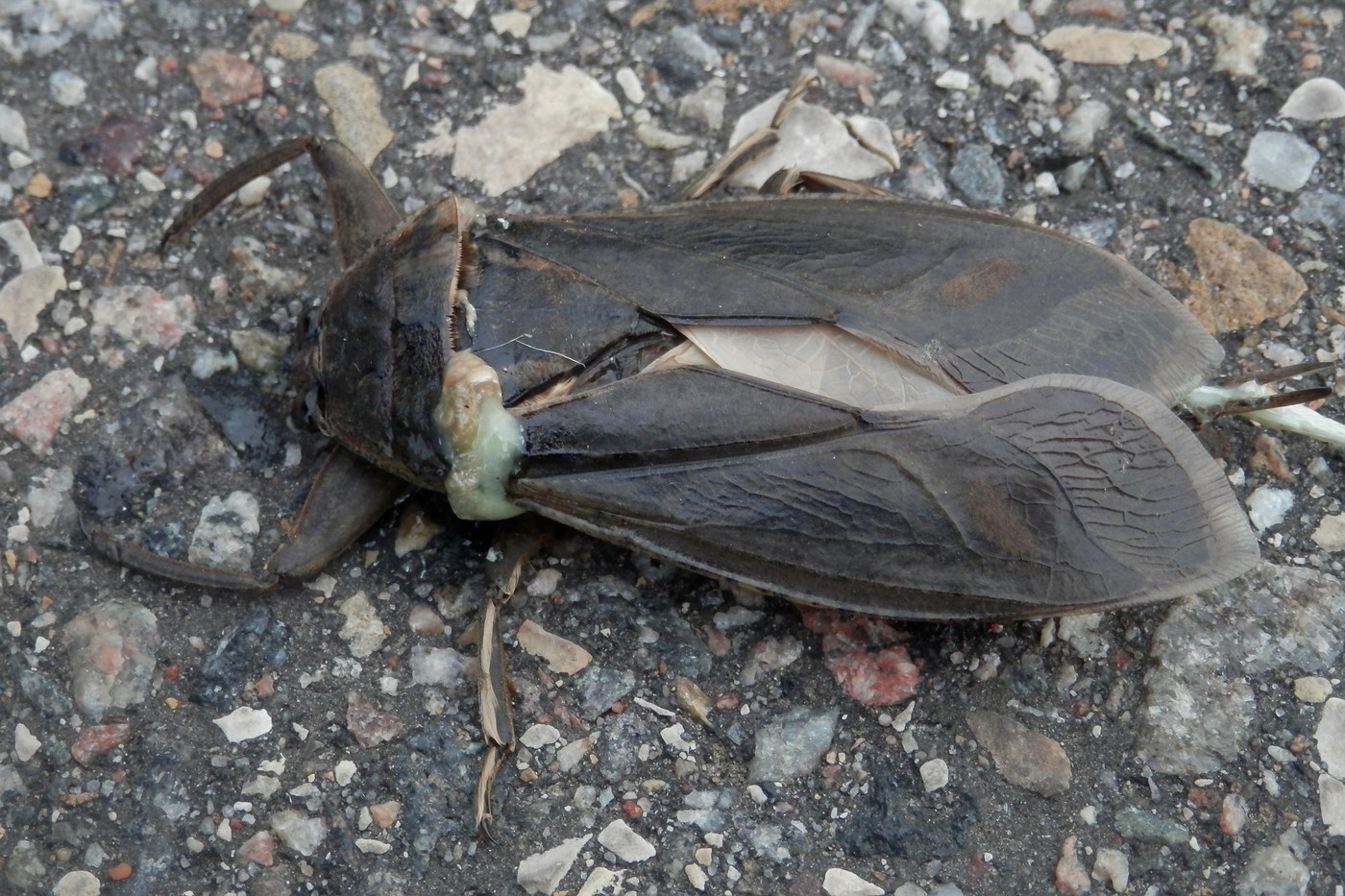
Giant Water Bug
A massive, flattened oval true bug with powerful grasping front legs, the giant water bug is North America's largest aquatic insect and an ambush predator lurking just below the surface of still water.
aquatic-insect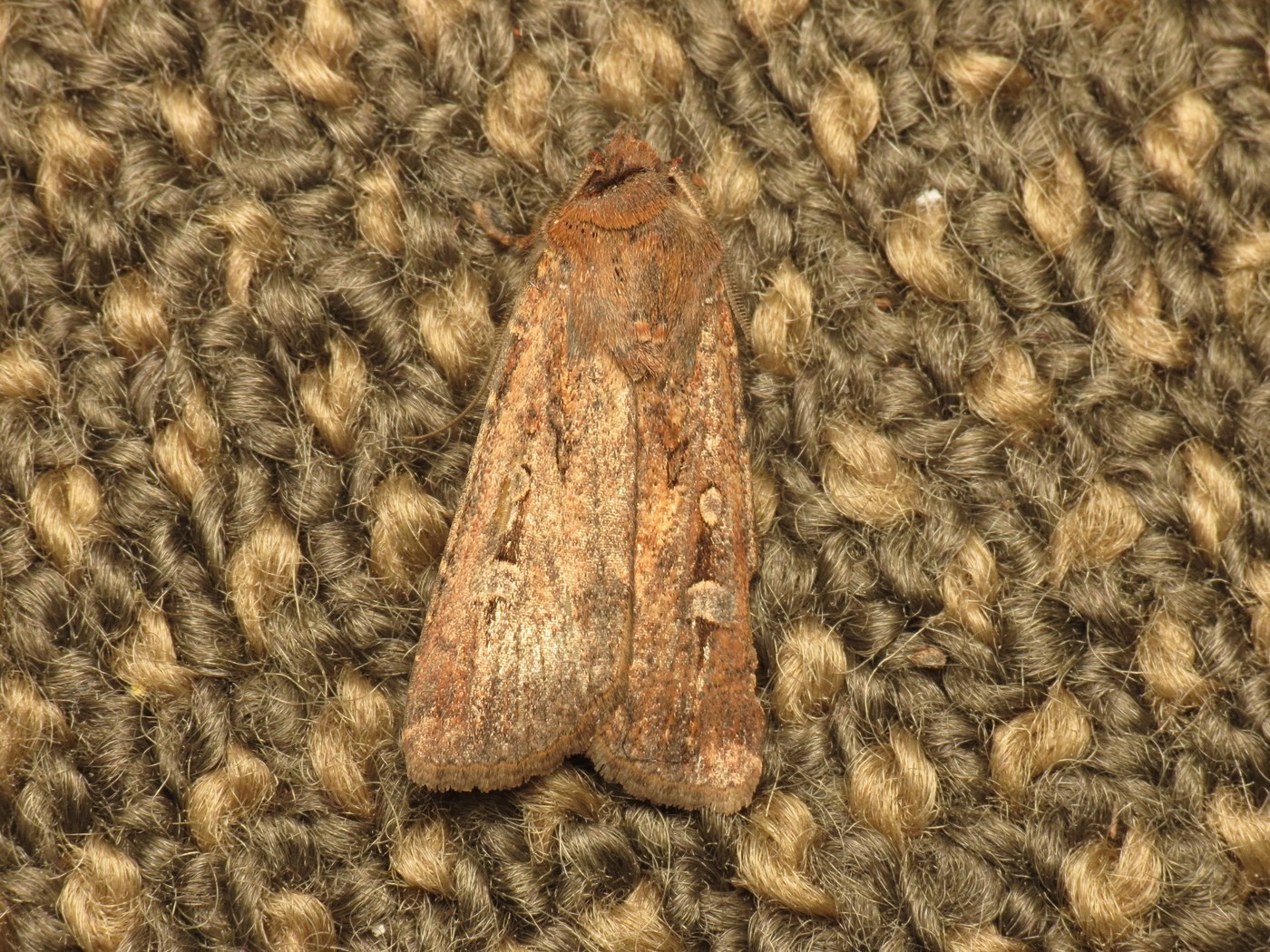
Bogong Moth
A modest brown, mottled moth famous for its extraordinary mass seasonal migration across thousands of kilometers to cool alpine caves in the Australian mountains, forming one of the largest known insect migrations by biomass.
moth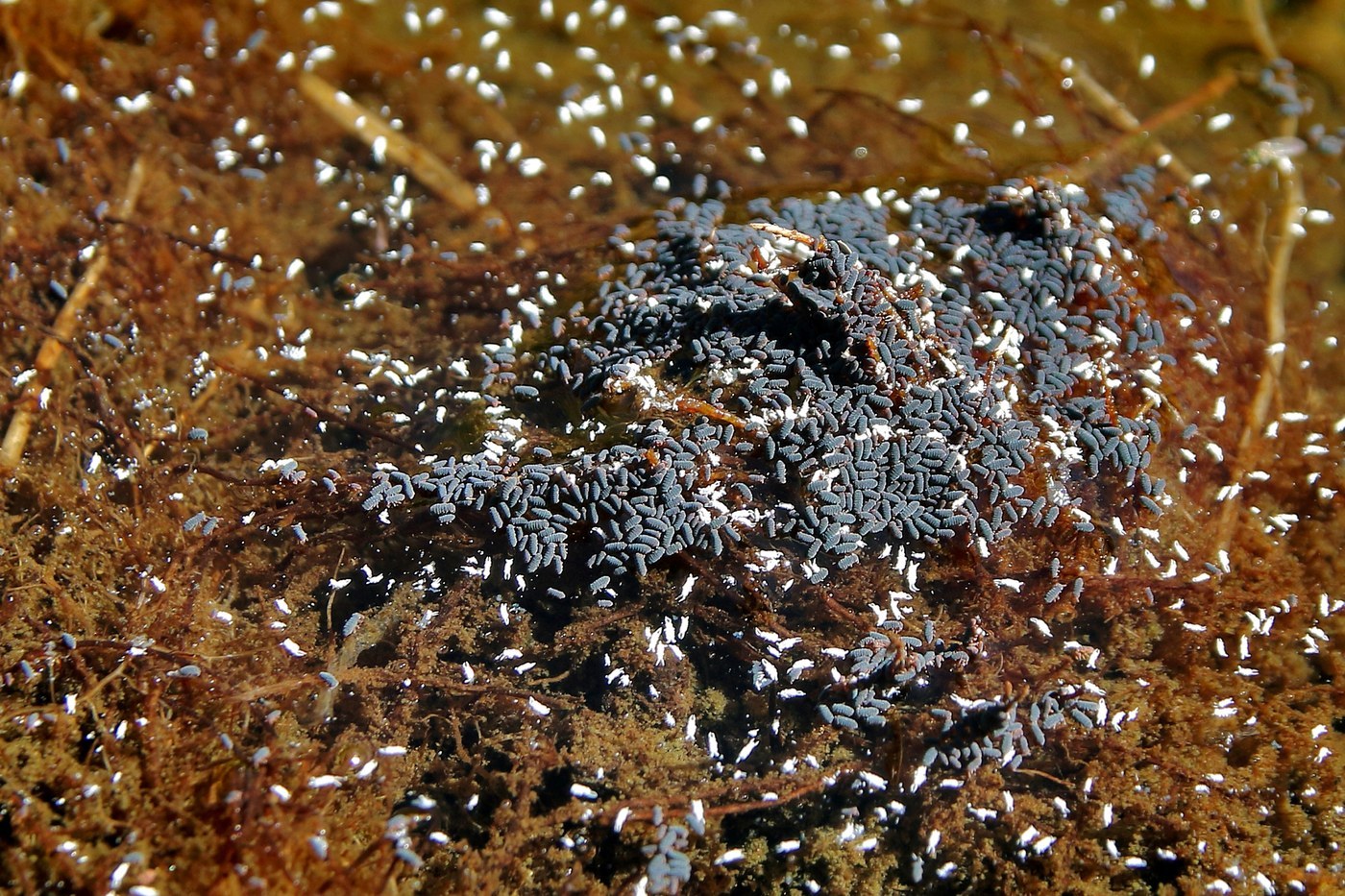
Water Springtail
Barely visible to the naked eye, the water springtail skates across the surface film of still water in dense dark clusters, flicking itself into the air with a spring-loaded tail whenever danger approaches.
other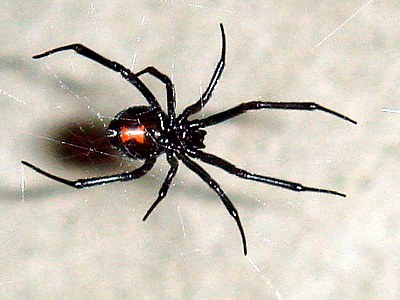
Western Black Widow
A glossy, jet-black spider with a bold red hourglass mark on the underside of her round abdomen, the western black widow builds a tangled, irregular web in dark, undisturbed corners of the American West.
spider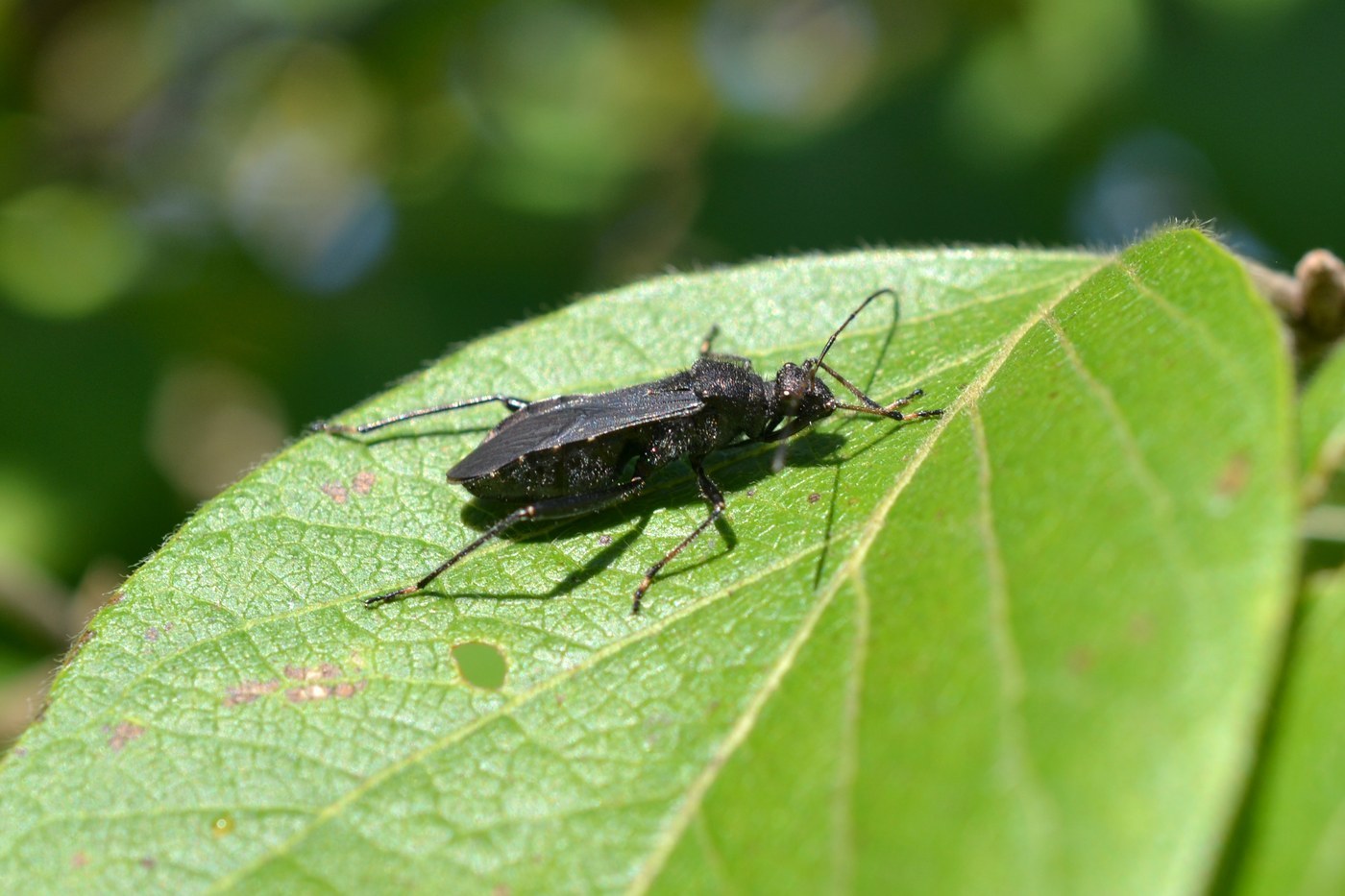
Broad-Headed Bug
A slender, dark true bug with a notably wide head, whose nymphs are remarkable ant mimics that scurry among leaf litter before maturing into fliers that resemble small leaf-footed bugs.
true-bug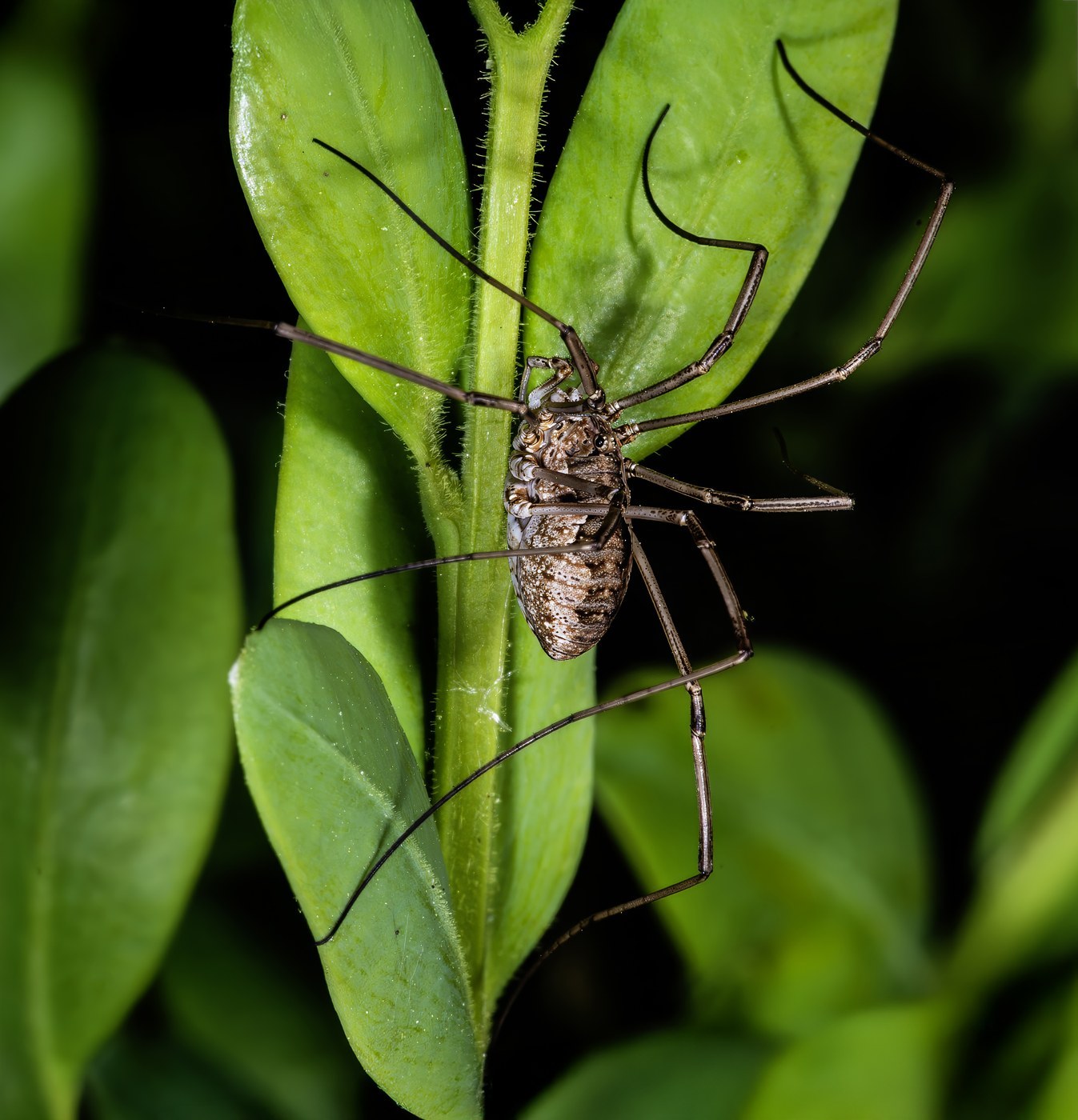
Harvestman
An arachnid built almost entirely of legs, with a single compact, oval body segment and no waist separating it into two parts like a true spider. Common in gardens and forests worldwide, it scuttles along on impossibly long, thin legs scavenging for food after dark.
arachnid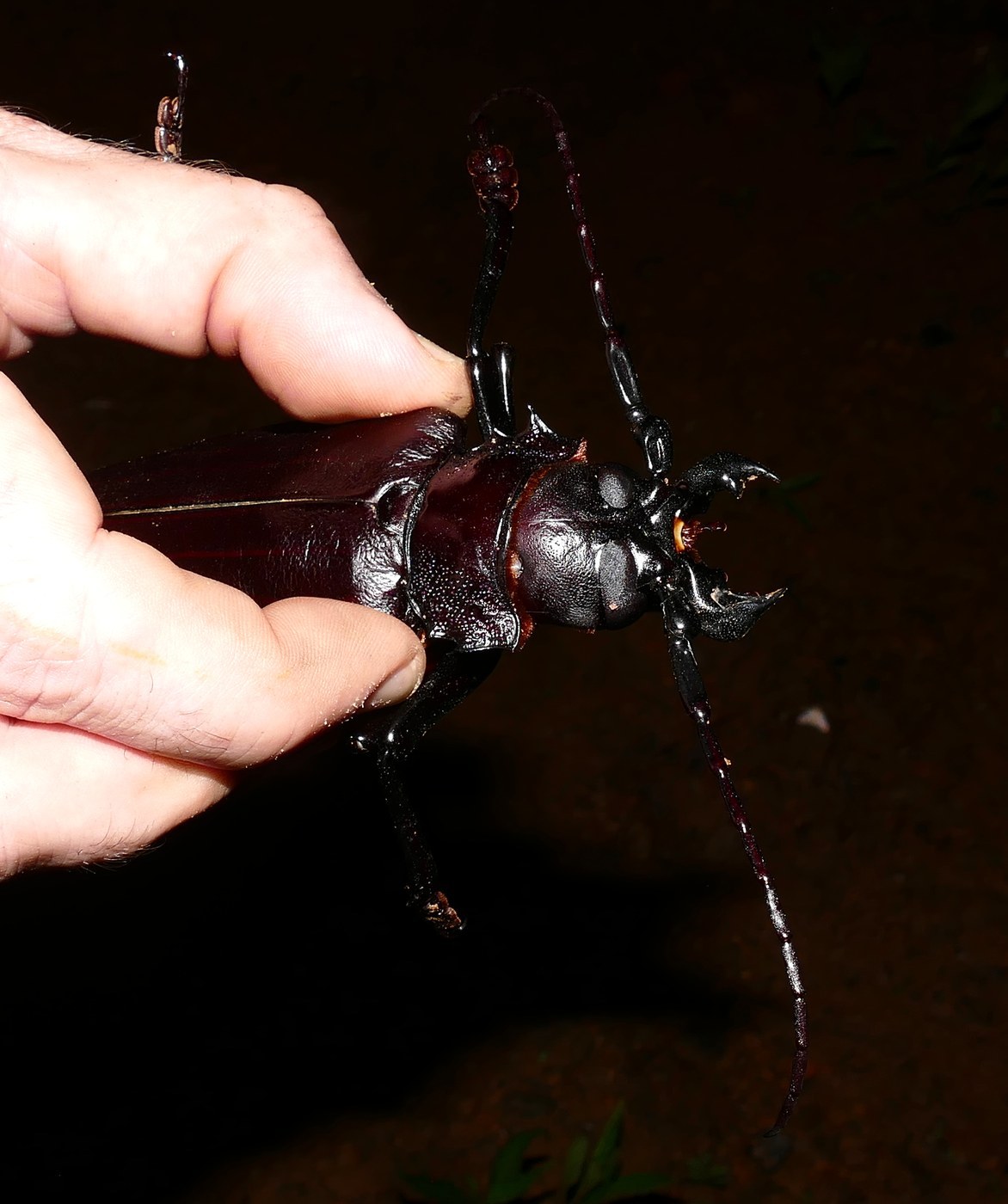
Titan Beetle
One of the largest insects on Earth, the titan beetle is a colossal longhorn from the Amazon whose body can exceed 16 cm. Its powerful jaws and loud hiss make it an imposing rainforest giant.
beetle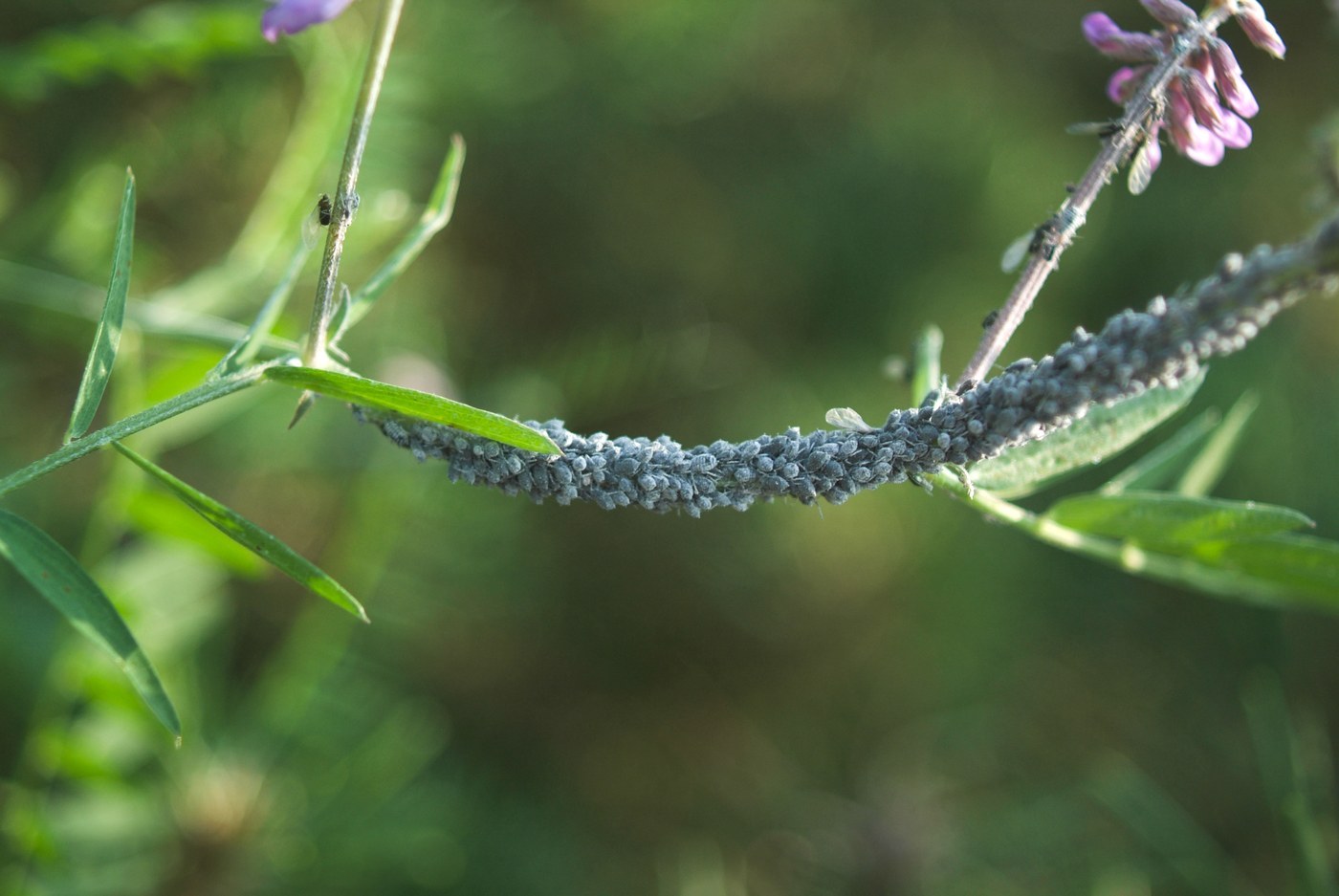
Rosy Apple Aphid
A small, dusty pink to purplish-gray aphid that clusters on apple foliage in spring, causing distinctive curled, reddened leaves that make its presence easy to spot even before the insects themselves are seen.
true-bugRat-Tailed Maggot
Named for its long, thin, telescoping breathing tube, the rat-tailed maggot is the aquatic larva of the drone fly, thriving in stagnant, low-oxygen water where few other insects can survive.
aquatic-insectBush Cricket
Known by its long, thread-like antennae and evening chorus of chirps, this leaf-colored insect spends its life hidden among grass and foliage, often heard far more often than seen.
grasshopper-cricket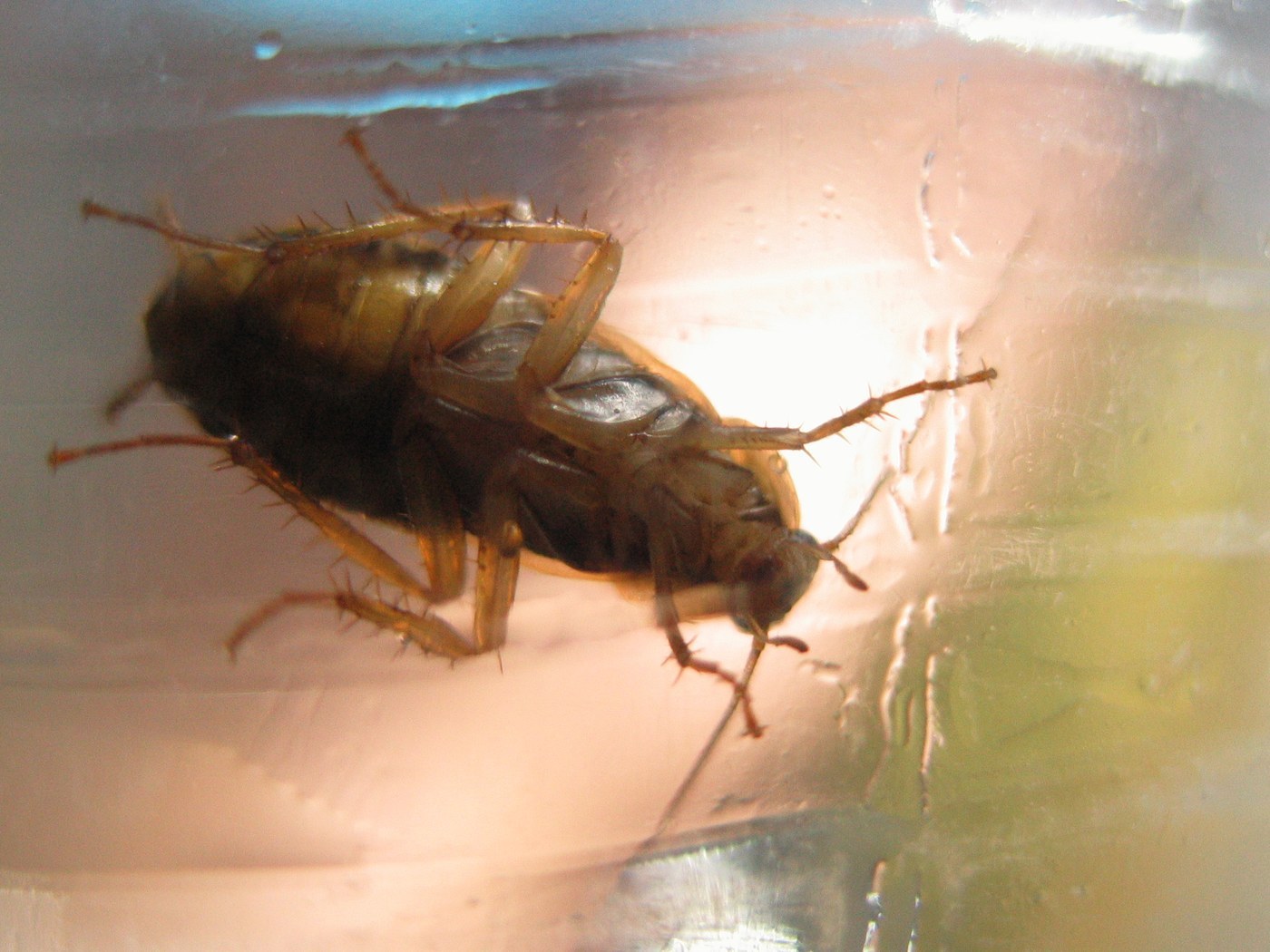
German Cockroach
A small, fast-moving light brown to tan roach marked with two dark parallel stripes running down its pronotum, most often seen scurrying for cover in warm, moist indoor areas.
other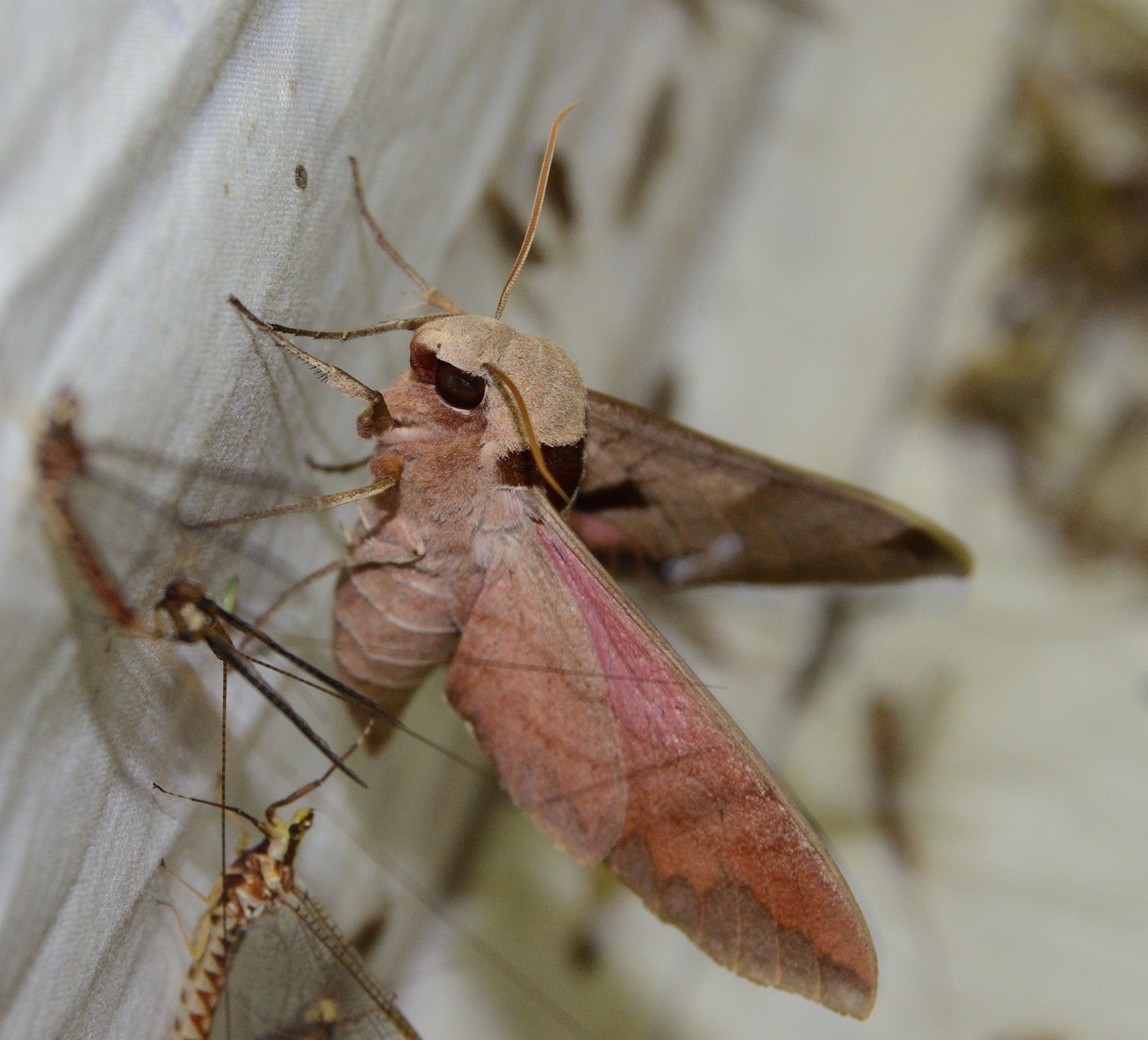
Achemon Sphinx Moth
A large, streamlined sphinx moth with pinkish-brown forewings marked by darker scalloped patches and rosy pink hindwings edged in black, closely tied to grapevines as a larval host.
moth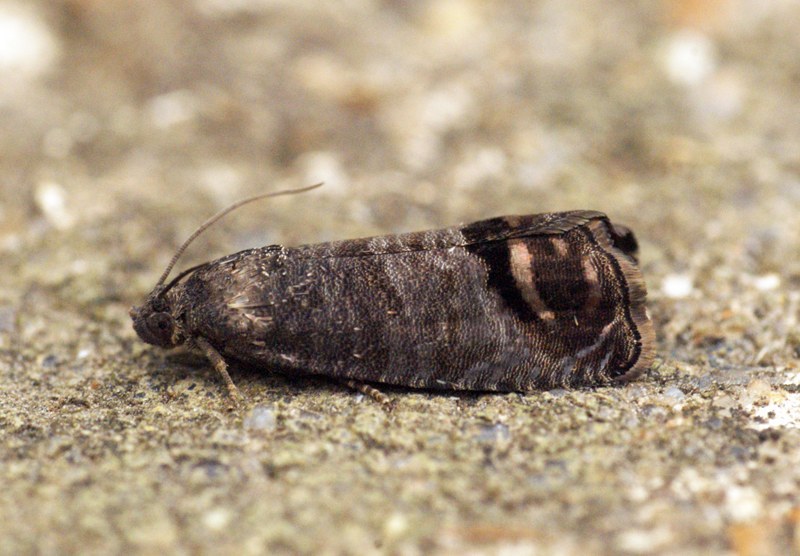
Codling Moth
A small, inconspicuous grey-brown moth best known through the work of its larva, the classic apple 'worm' that tunnels into fruit, making this tiny moth one of the most economically significant insects in orchards worldwide.
moth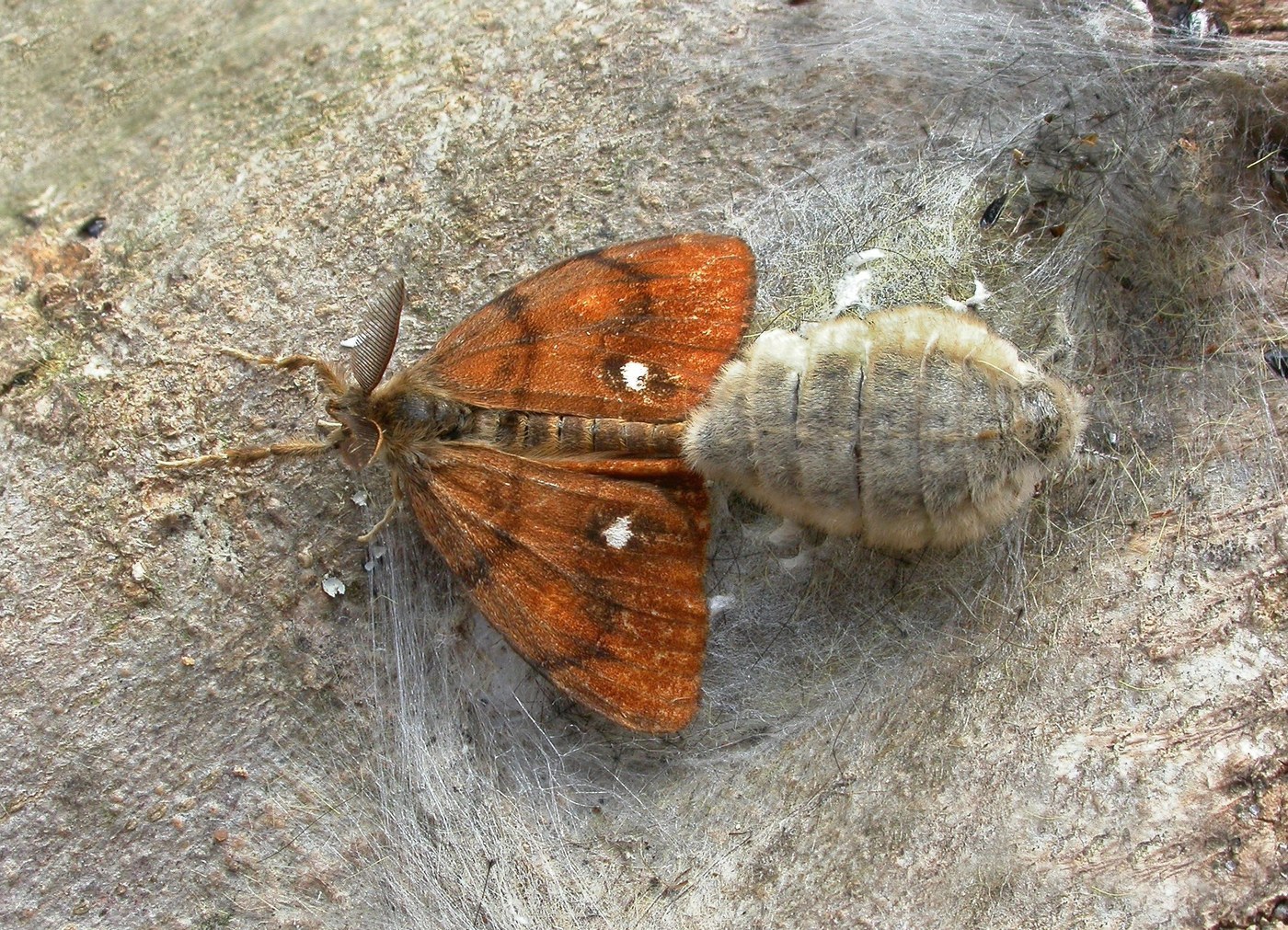
Vaporer Moth
A tussock moth with dramatic sexual differences: the male is a small rusty-brown day-flying moth with a white wing spot, while the female is a flightless, wingless gray sac-like insect that never leaves her cocoon.
moth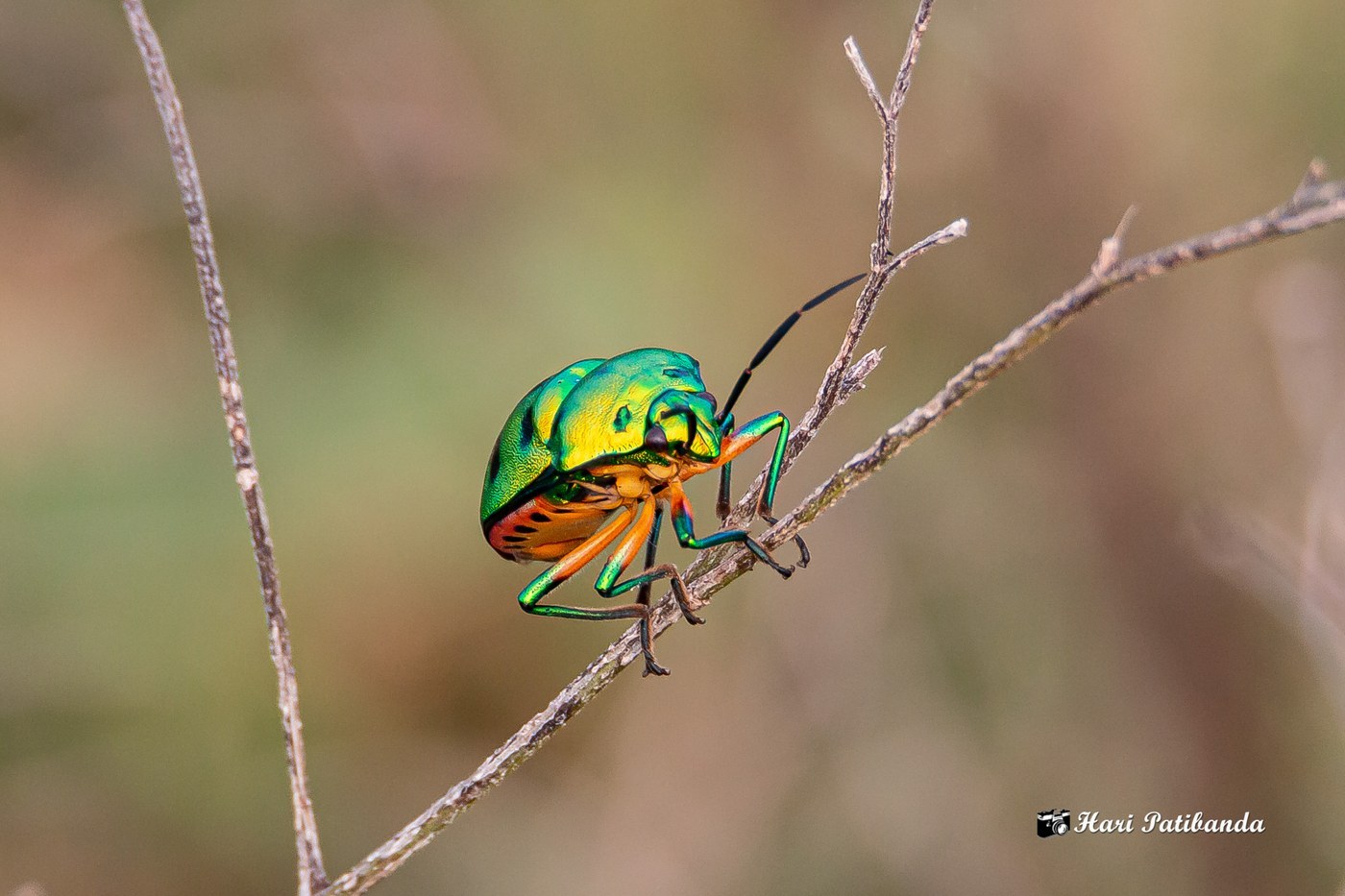
Jewel Bug
A living gemstone of the insect world, the jewel bug shimmers in dazzling metallic greens, blues, reds, and golds. Its enlarged shield-like back covers the entire body, making it look like a polished piece of enamelware.
true-bug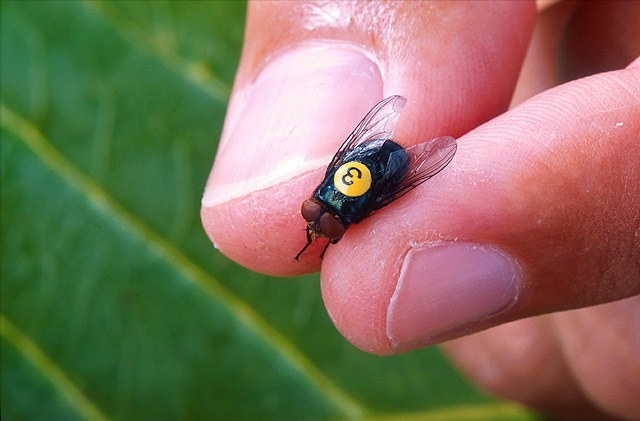
Screwworm Fly
A metallic blue-green blowfly whose larvae are unusual among maggots for feeding on living tissue rather than carrion, drawn to even small open wounds on warm-blooded animals. The species has been the target of one of the most successful large-scale insect eradication campaigns in history across much of North America.
fly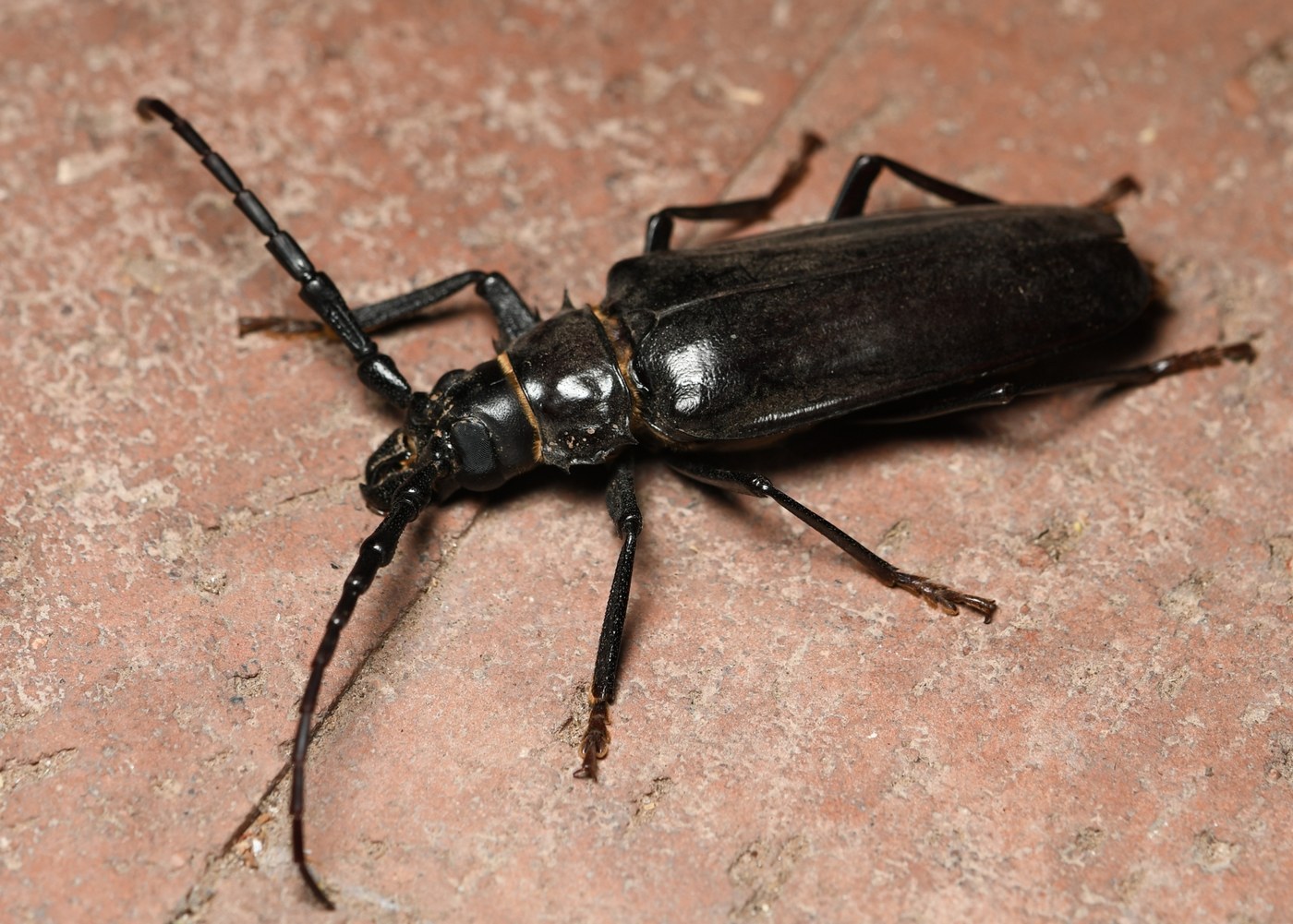
Palo Verde Beetle
One of the largest beetles in North America, a heavy, dark reddish-brown longhorn beetle with long spiny antennae and a loud, buzzing flight that emerges from the desert soil around palo verde and mesquite trees in summer.
beetle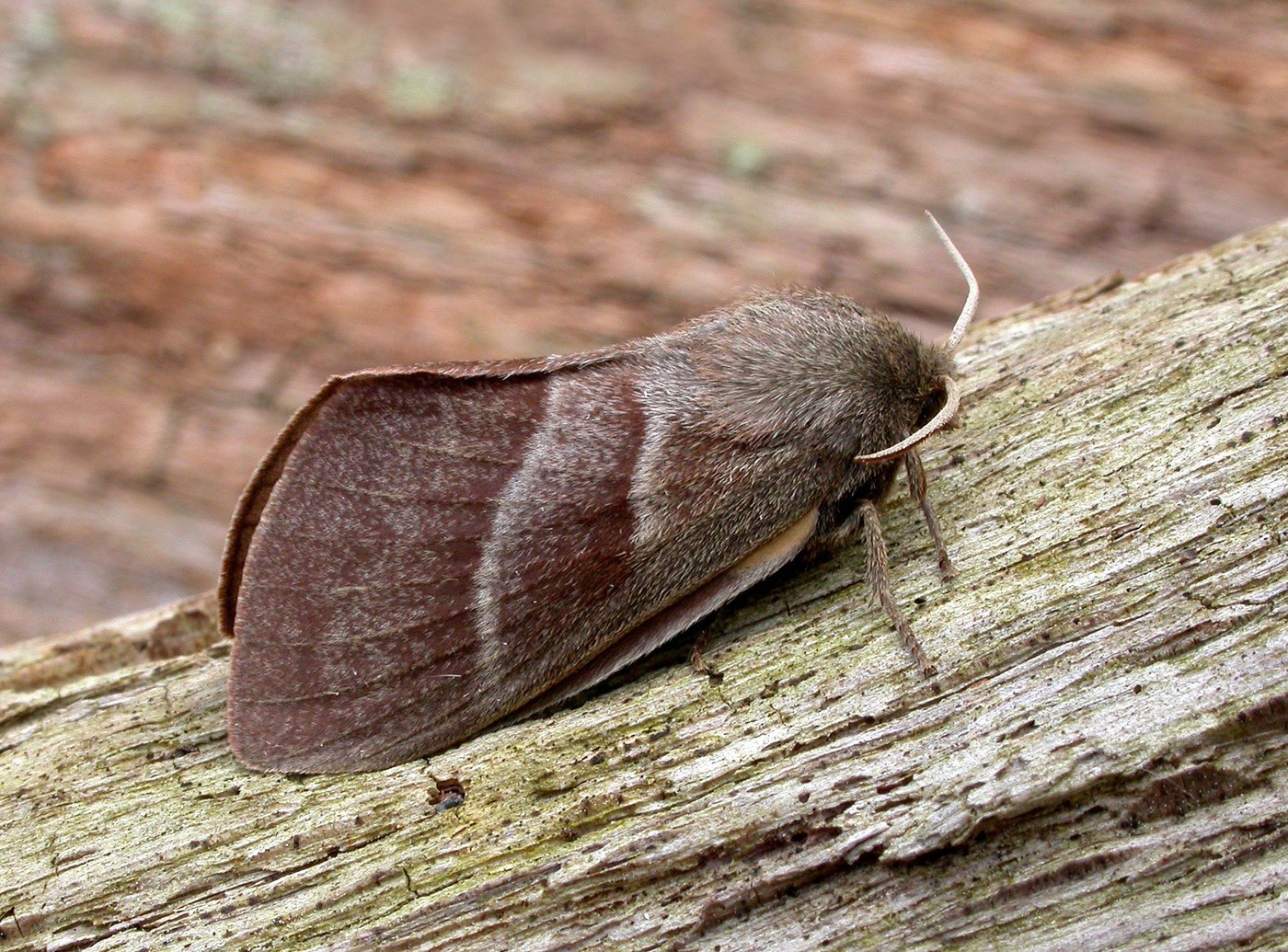
Fox Moth
A stout, reddish-brown moth with a pale diagonal band across each forewing, closely resembling a fox in color, most often noticed as its large, densely furred dark caterpillar basking on open ground in spring.
mothTailless Whip Scorpion
A flattened, spider-like arachnid with no stinger and no fangs, instead using a pair of long whip-like sensory legs and grasping spiny arms to feel out and seize prey in total darkness.
arachnidCave Spider
A long-legged orb weaver adapted to the twilight zone of caves, spinning large webs across cavern mouths and dangling its egg sacs from silk threads deep within the darkness.
spider