
Bug Encyclopedia
Search and identify bugs & insects — beetles, butterflies, moths, ants, bees, spiders and more — with size, habitat, danger, behavior, and how to tell them apart.
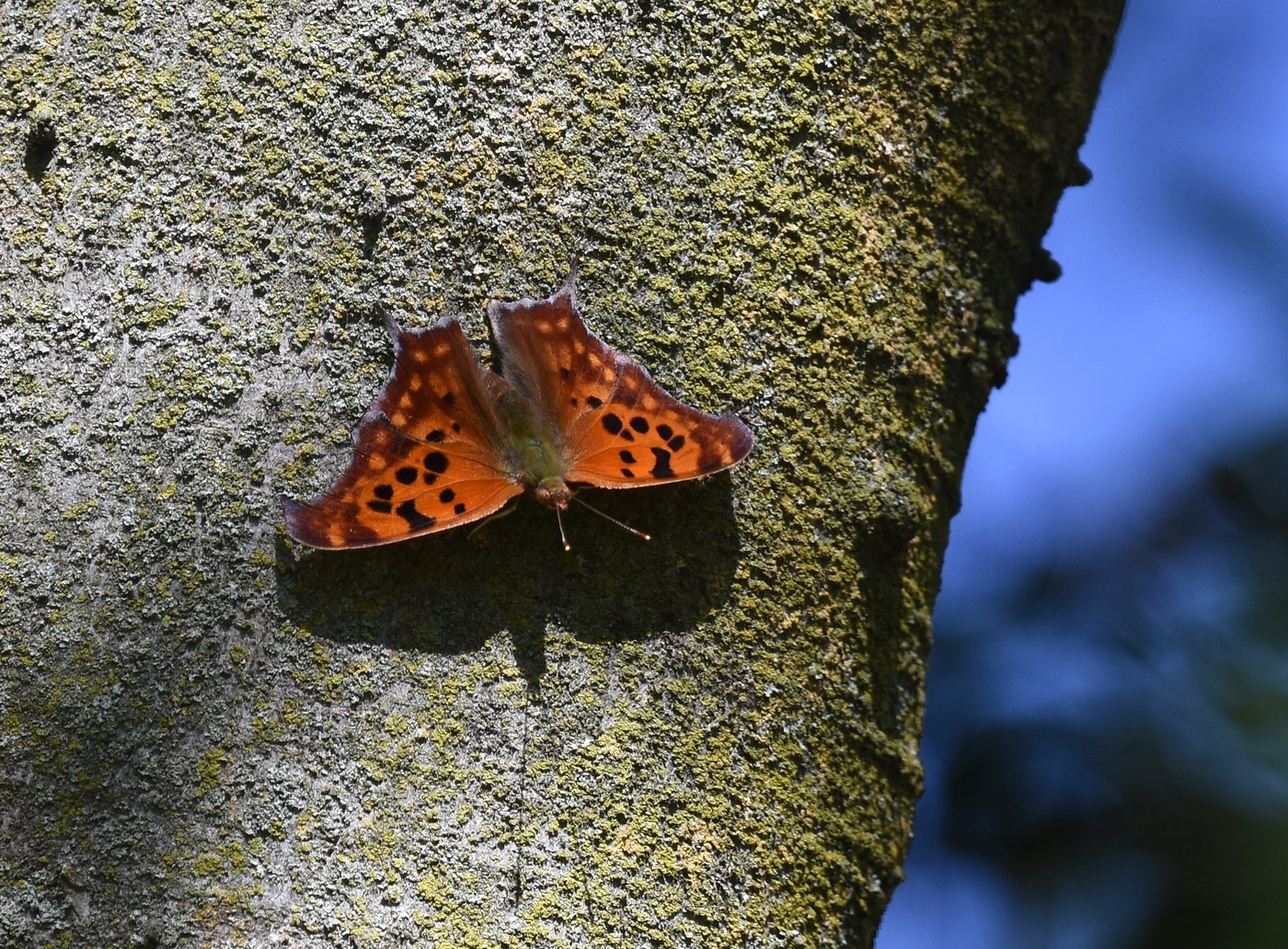
Question Mark Butterfly
A ragged-edged anglewing butterfly named for the tiny silver question-mark squiggle on its mottled brown underside, with tawny-orange upperwings dotted in black.
butterfly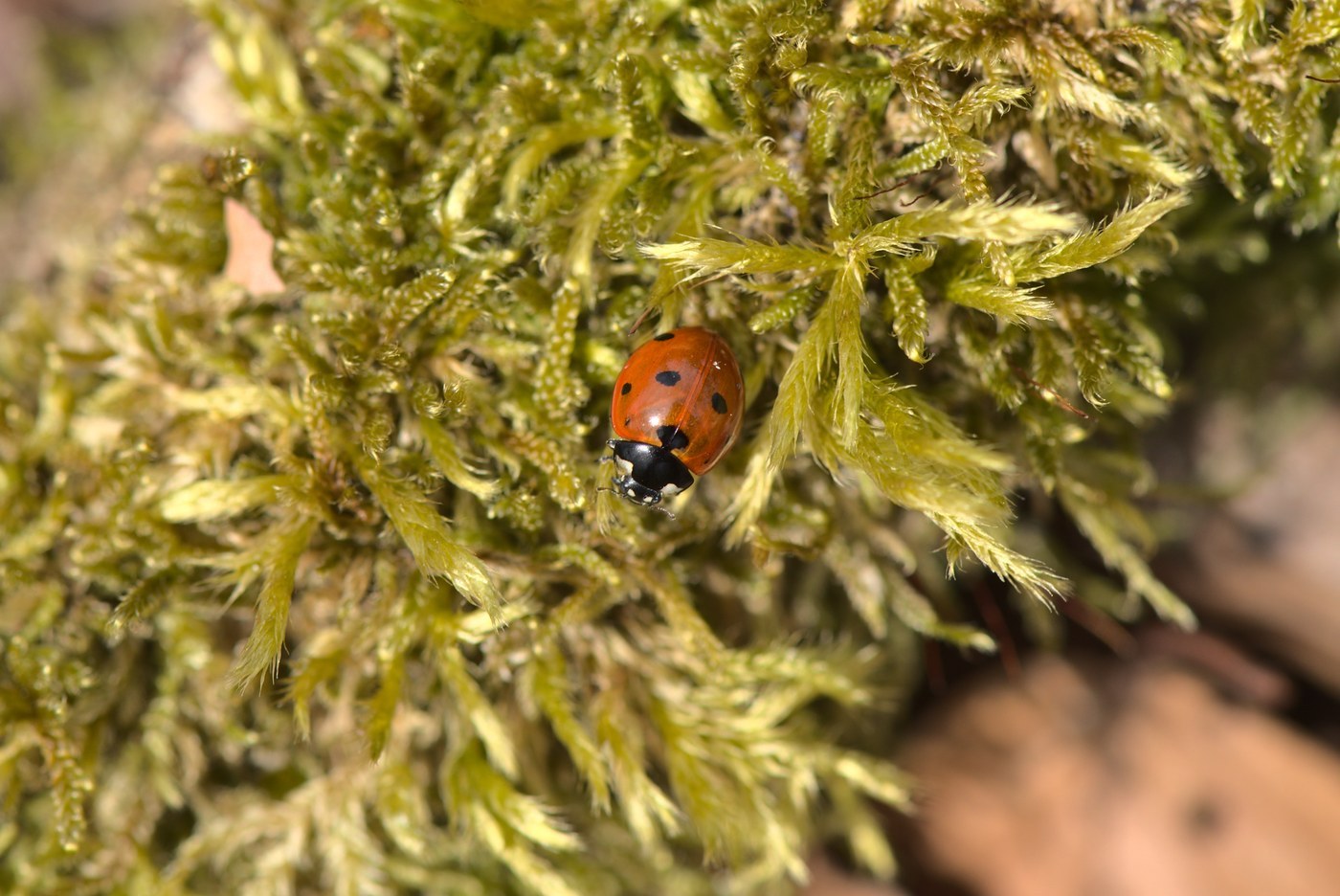
Ladybug
A small, round, brightly colored beetle with a domed, shiny shell typically red or orange with black spots, one of the most recognizable and beloved beetles found in gardens worldwide.
beetle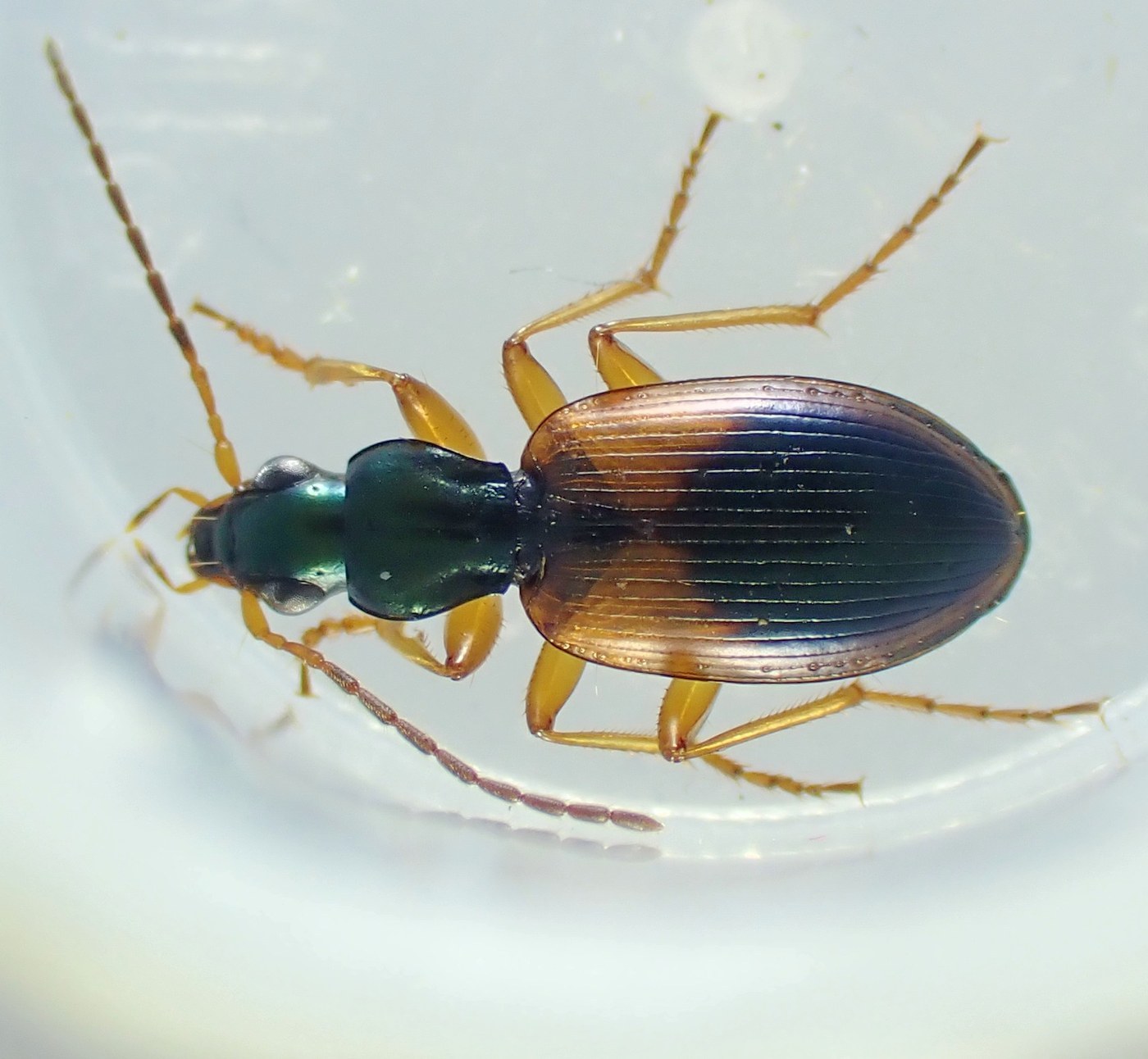
Ground Beetle
A fast-moving, shiny black or metallic beetle with long legs and prominent jaws, usually found scurrying under rocks and debris where it hunts other small invertebrates.
beetle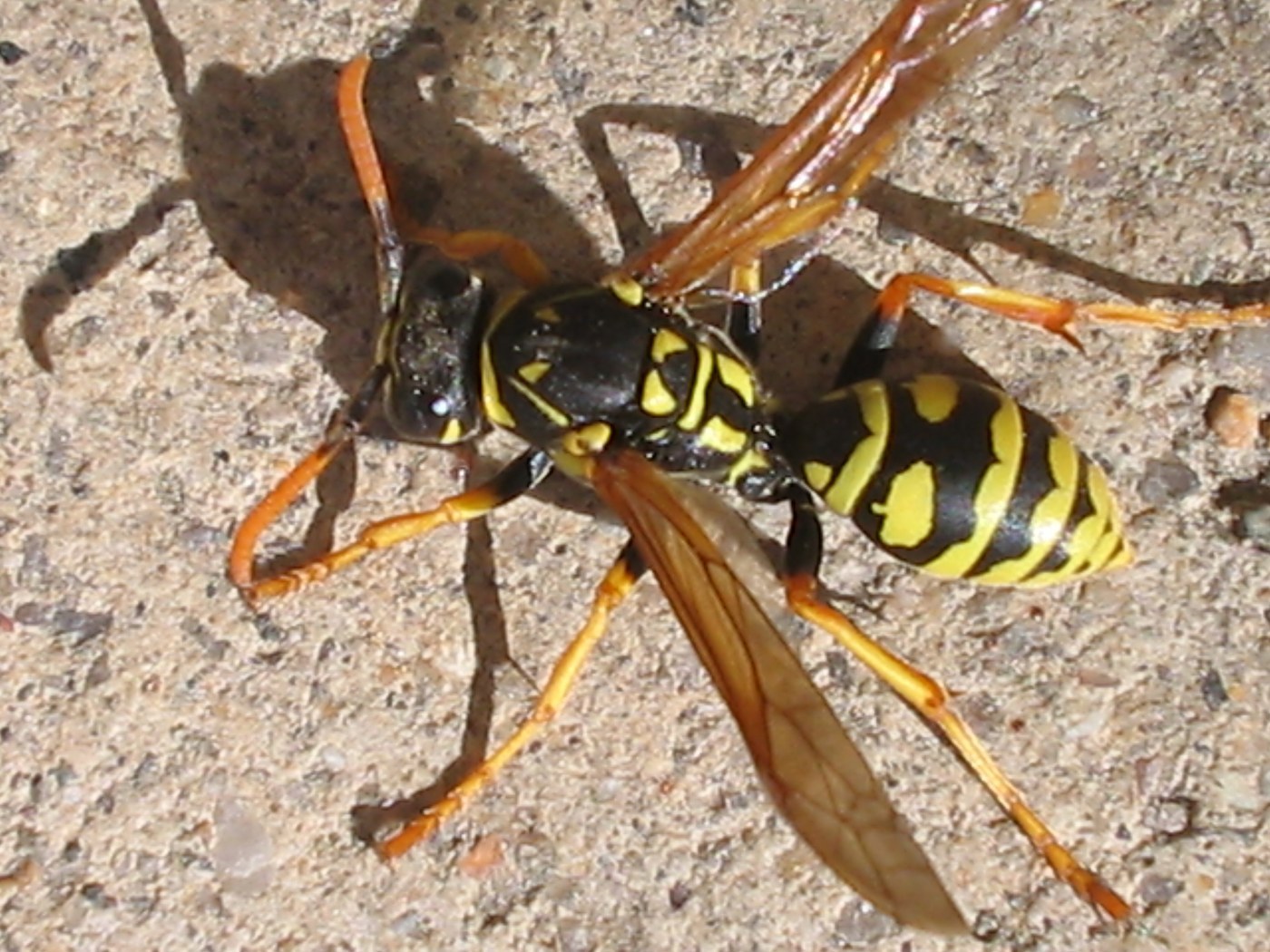
European Paper Wasp
A slender, orange-antennaed social wasp that builds small, open umbrella-shaped paper combs under eaves and ledges, now common well beyond its native European range.
waspLeaf Miner
Rather than chewing from the outside, a leaf miner larva tunnels between the upper and lower surfaces of a leaf, leaving behind pale, winding trails or blotches that trace its path as it feeds.
fly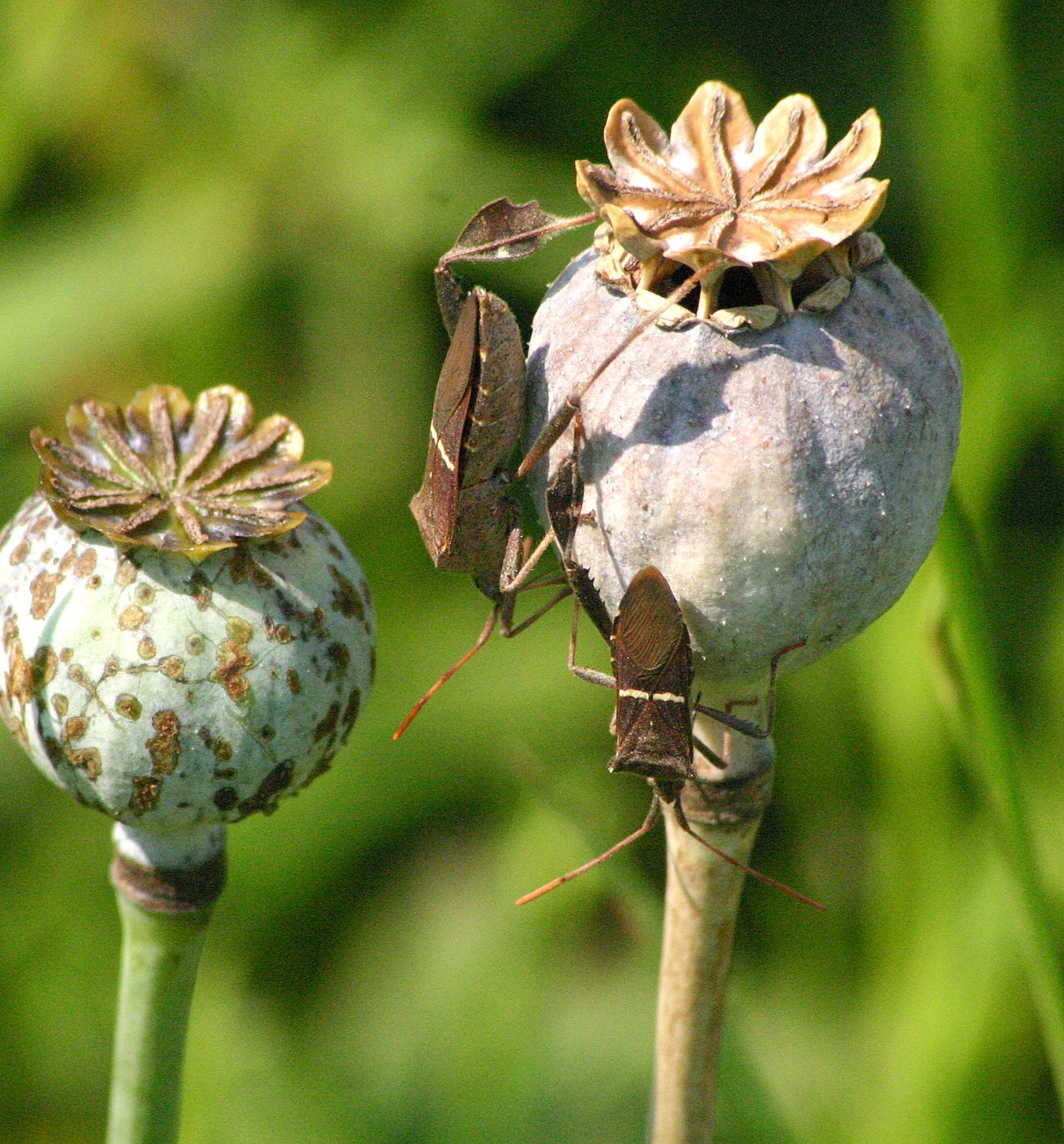
Leaf-Footed Bug
A large, elongated brown true bug named for the flattened, leaf-shaped expansions on its hind legs, often found feeding on fruits, seeds, and vegetables in gardens and orchards.
true-bug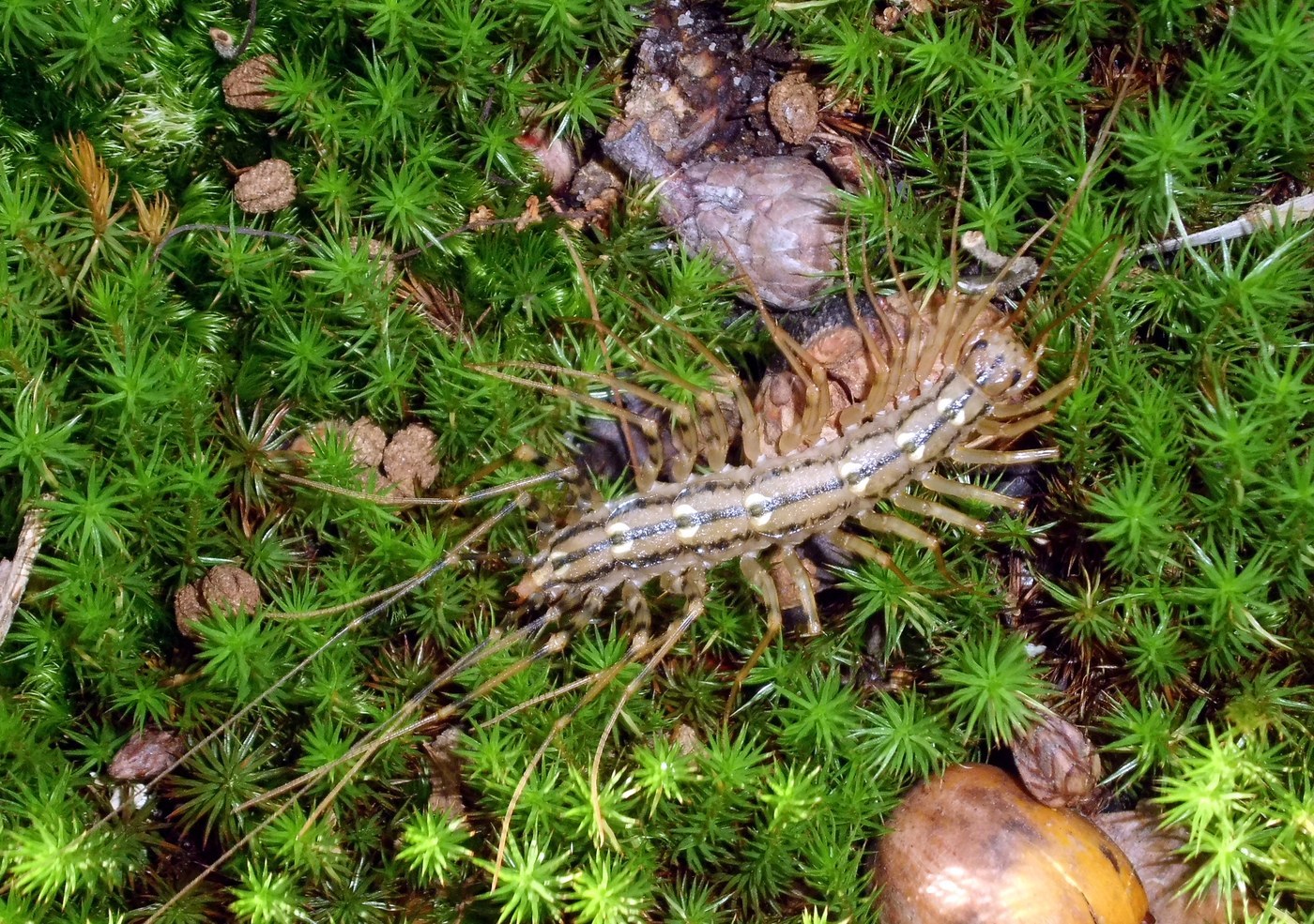
House Centipede
A fast, wiry arthropod with 15 pairs of extremely long, banded legs that make it look far bigger than its actual body size, often seen darting across bathroom or basement floors at night.
myriapod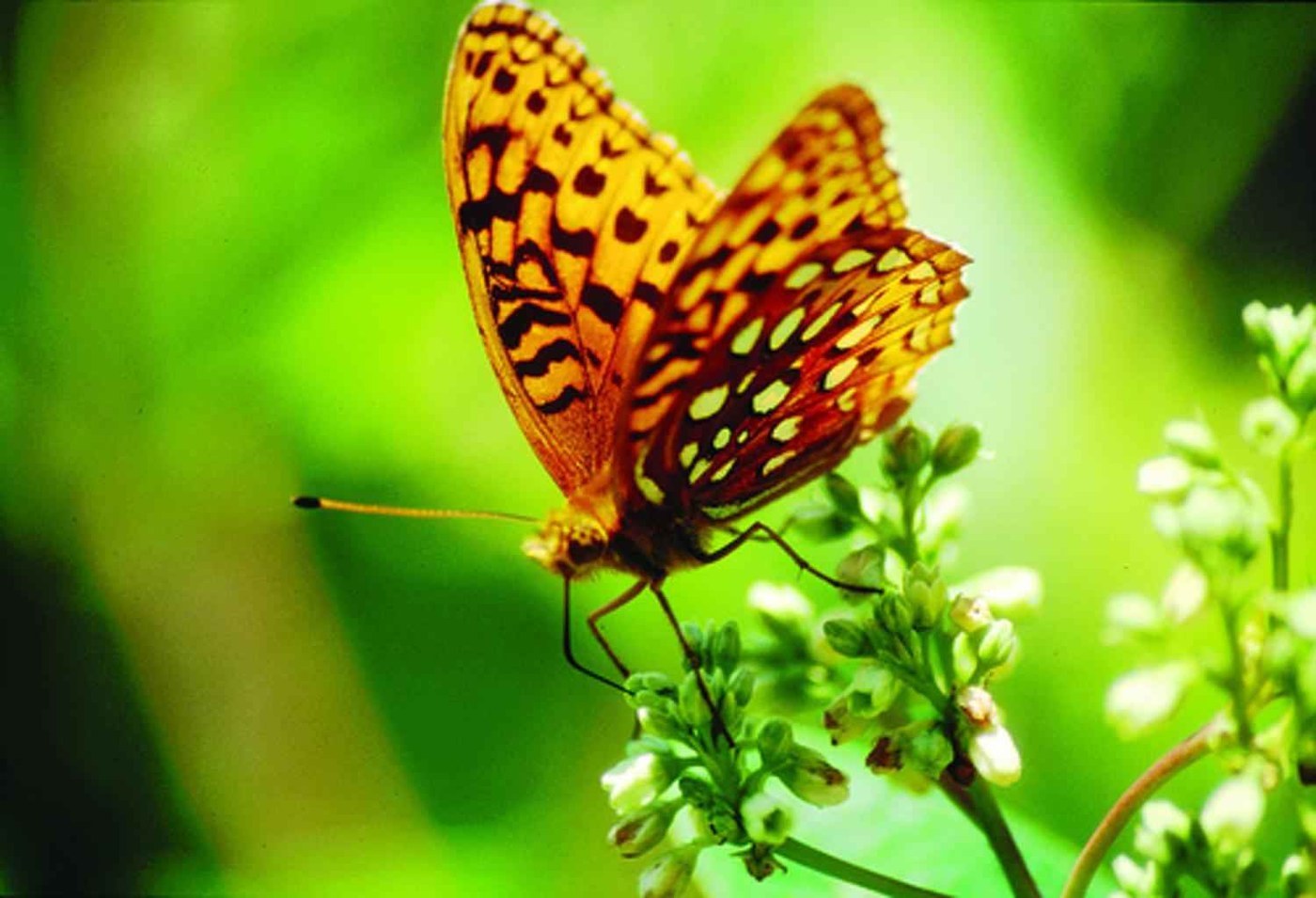
Great Spangled Fritillary
A large, robust orange butterfly with bold black markings above and a striking array of large silvery spangles on a tawny-brown underside, closely tied to woodland violets.
butterfly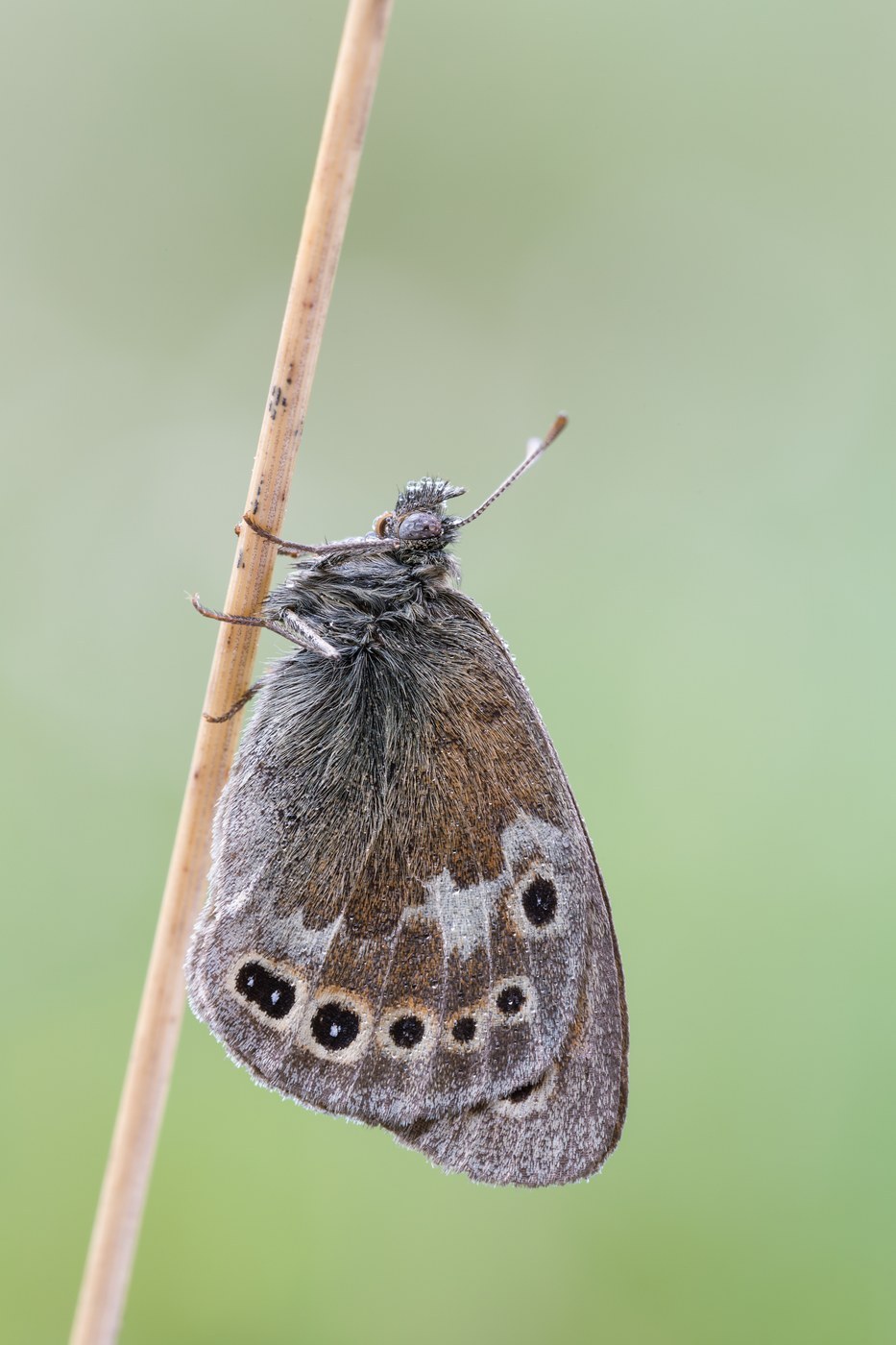
Common Ringlet
A small, plain buff-orange satyr butterfly of open grassy places, notable for its understated coloring and Holarctic distribution spanning North America, Europe, and Asia.
butterflyBrown Lacewing
Smaller and less conspicuous than its green relatives, the Brown Lacewing is a subtle but effective predator of aphids and other tiny insects in gardens, forests, and orchards.
other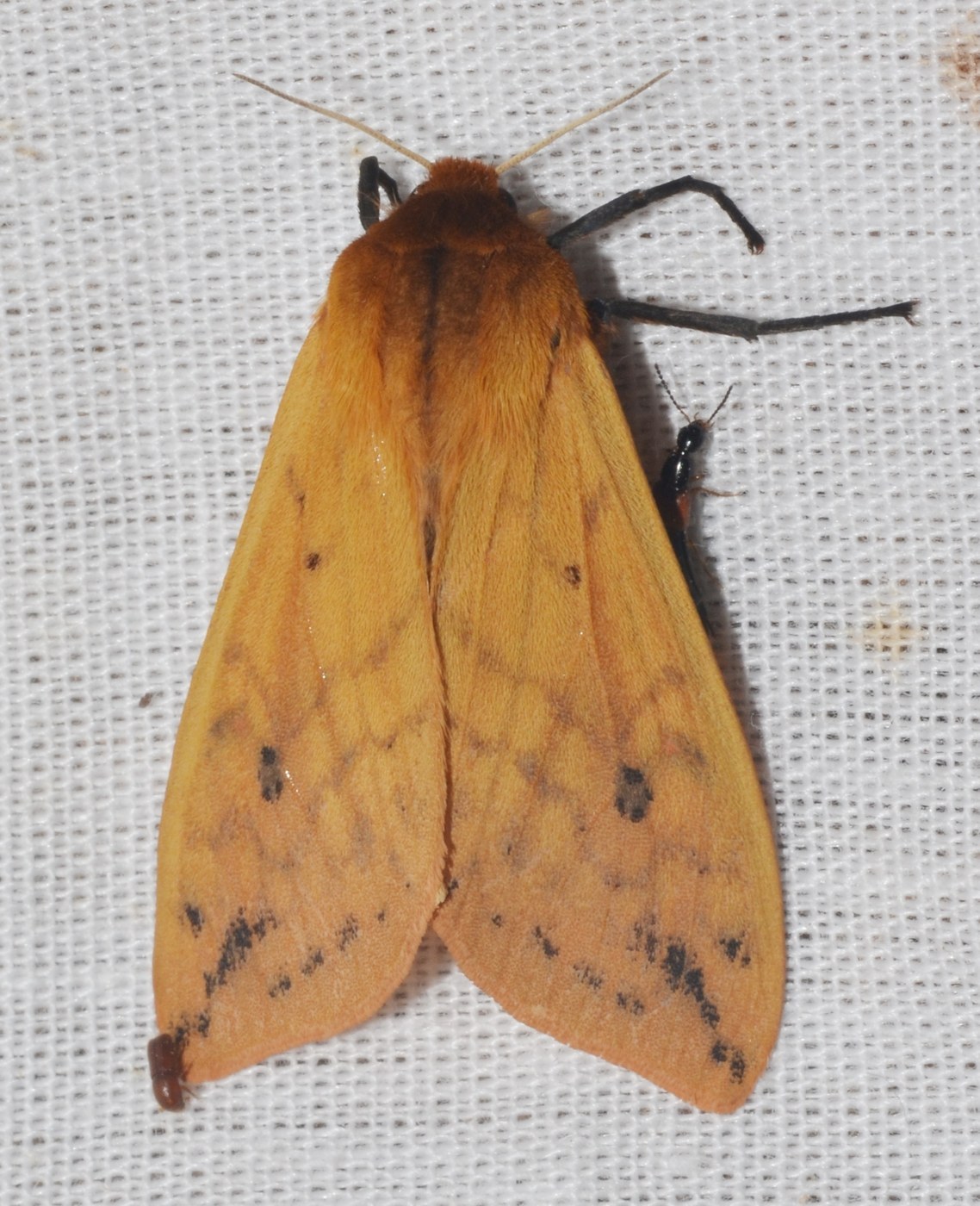
Banded Woolly Bear Moth
Best known as the black-and-rust-banded fuzzy caterpillar that famously curls into a ball when disturbed, this species matures into a plain golden-orange to tan tiger moth.
moth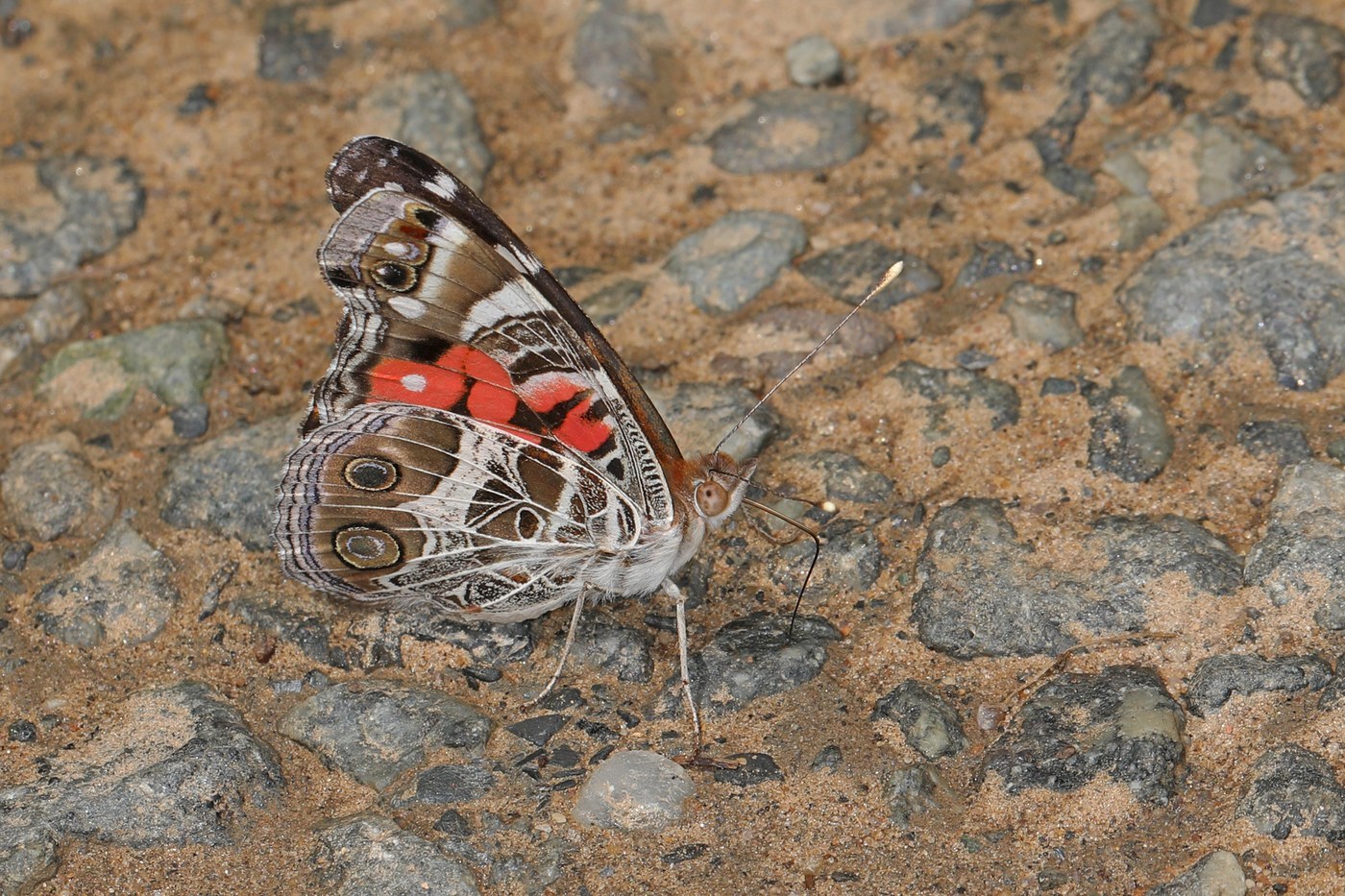
American Lady
A boldly patterned orange-and-black brushfoot butterfly best identified by two large eyespots on its underside hindwing and a distinctive small white spot within the orange field of its forewing.
butterfly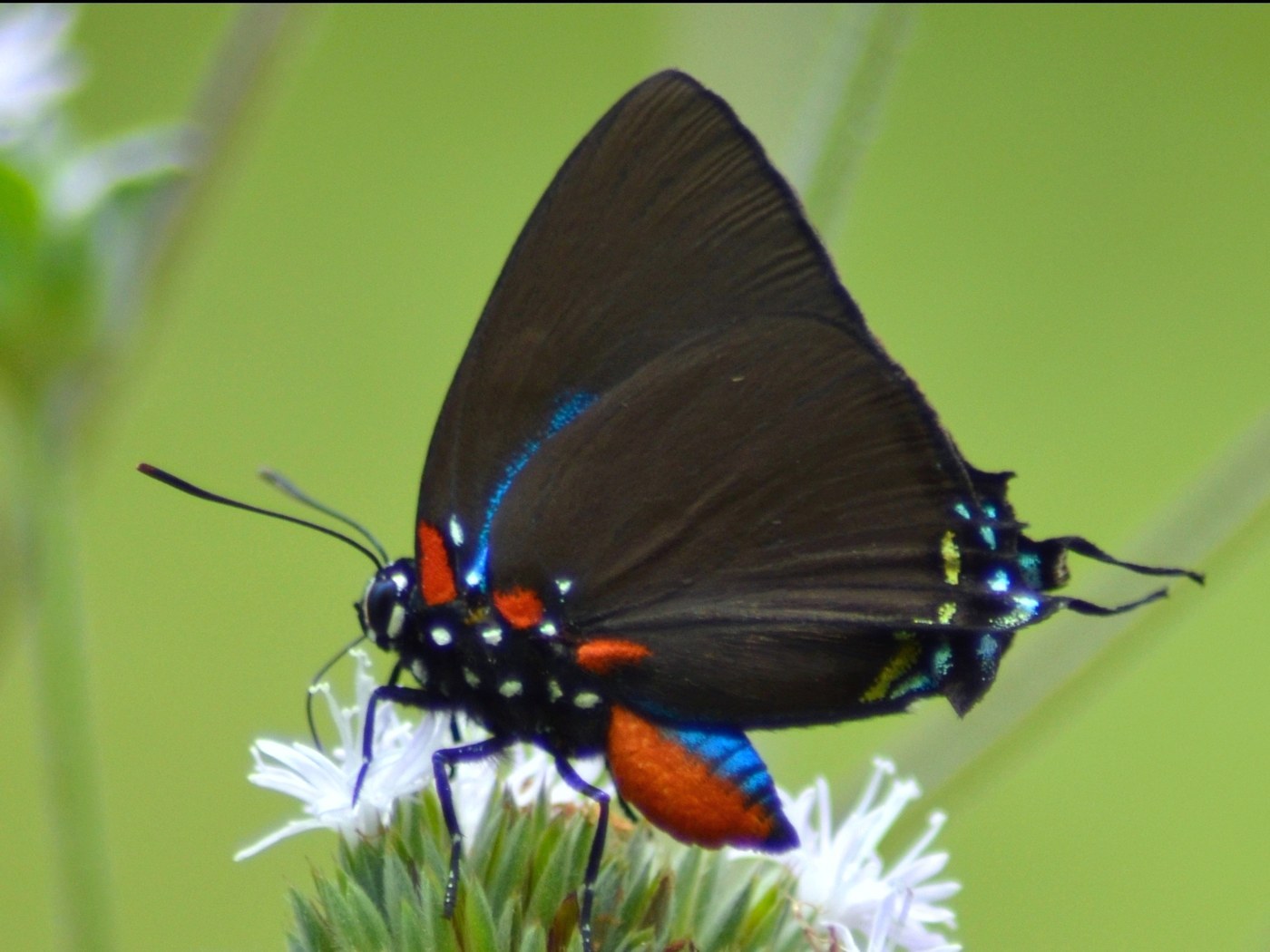
Great Purple Hairstreak
The largest and most iridescent hairstreak in North America, with brilliant blue-green upperwings, red-orange spots on the body and wing base, and long twin tails, its caterpillars feeding on parasitic mistletoe clumps in host trees.
butterfly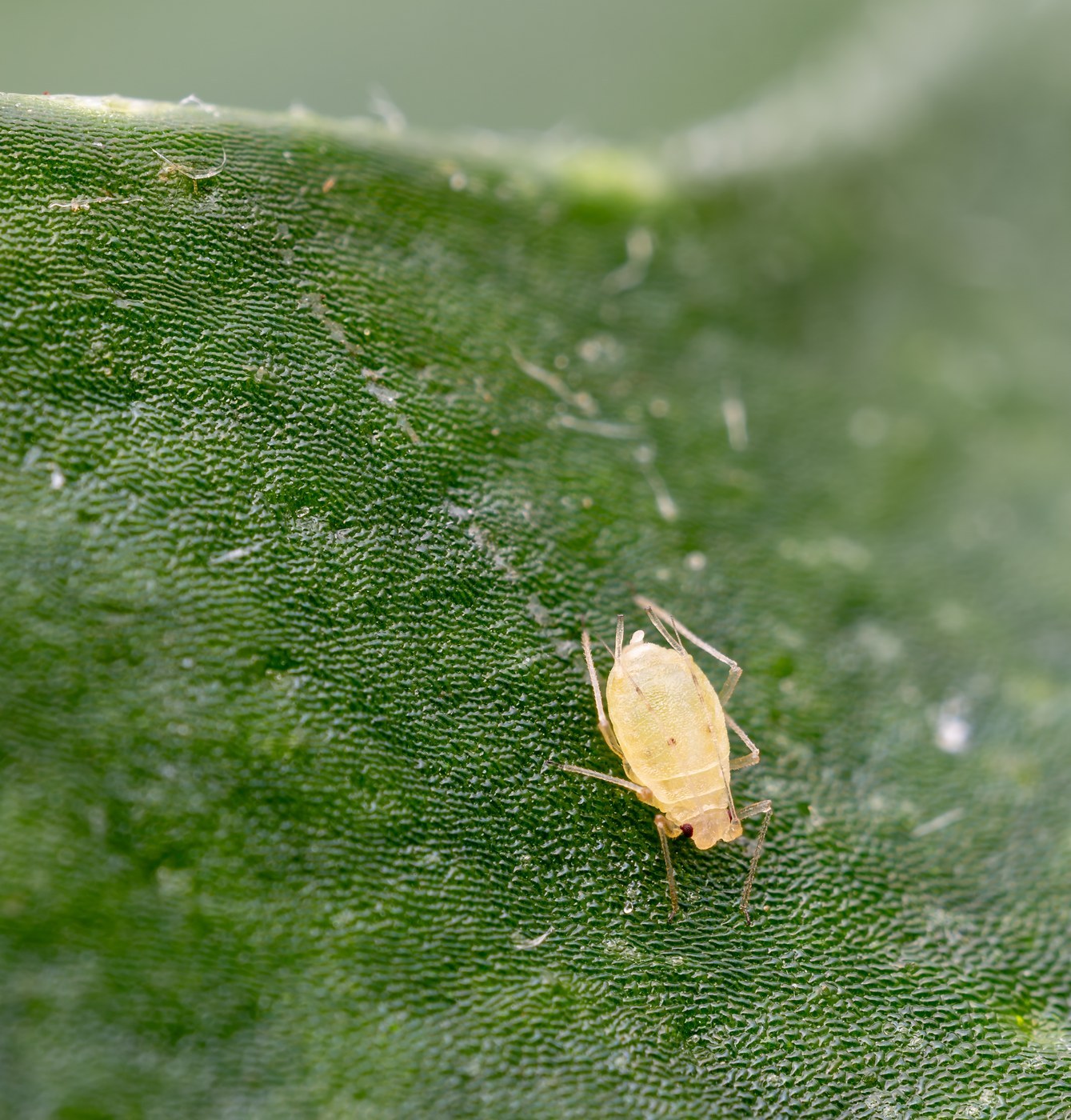
Green Peach Aphid
A small, pale yellow-green aphid with an exceptionally broad host range, recognized as one of the most widespread and adaptable aphid species found on garden vegetables, ornamentals, and stone fruit trees.
true-bug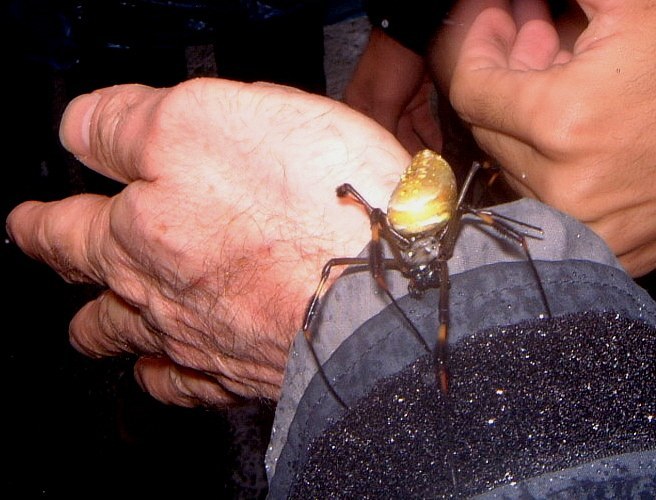
Banana Spider
"Banana spider" is a folk name applied inconsistently across the Americas, but in the southeastern United States it most often refers to the large, golden-silked orb weaver commonly seen spanning gaps between trees along shaded trails.
spider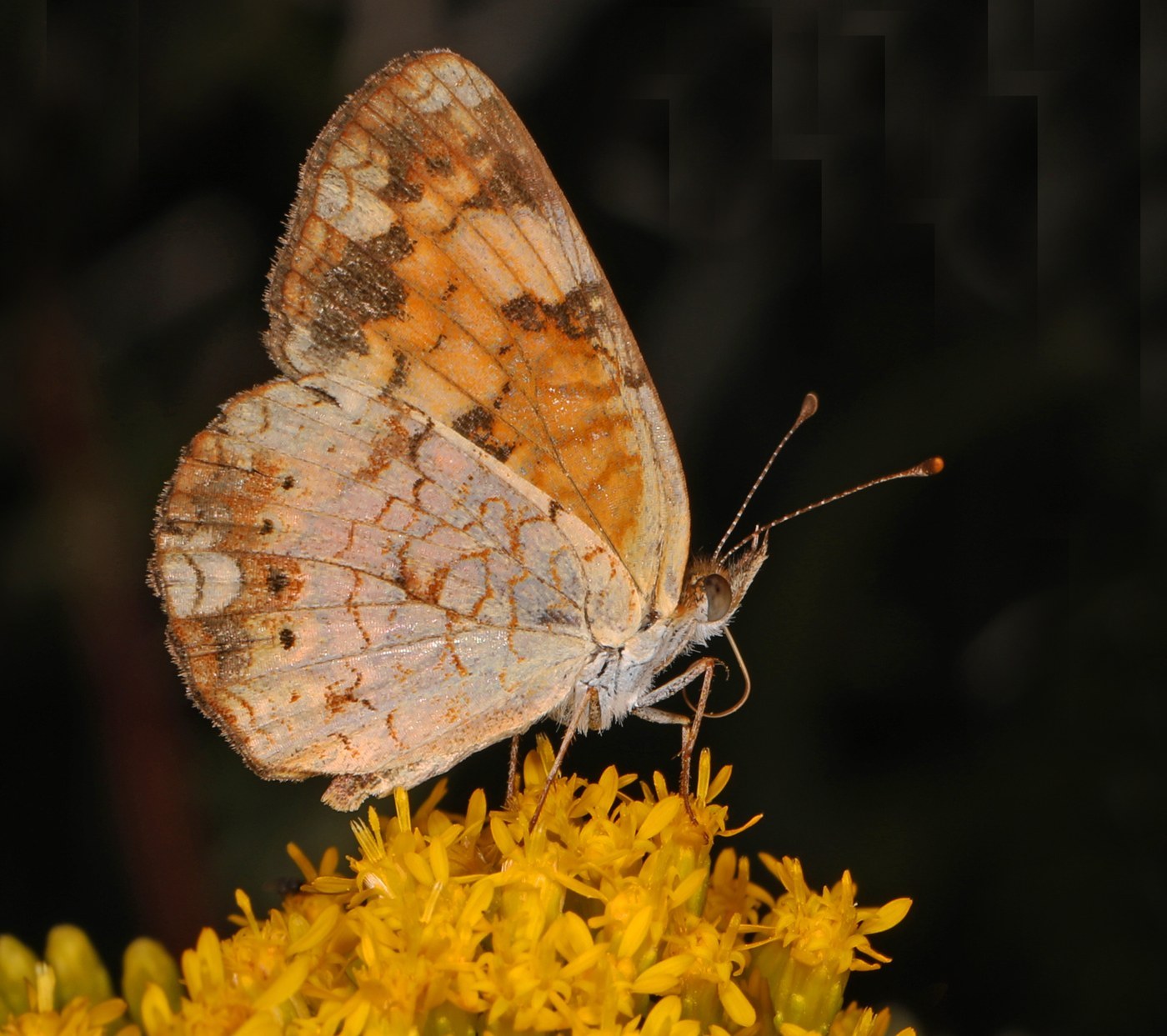
Pearl Crescent
A small, orange-and-black checkered butterfly that is one of the most abundant and widespread species in open fields across the continent, easily recognized by its crescent-shaped pale marking on the hindwing underside.
butterfly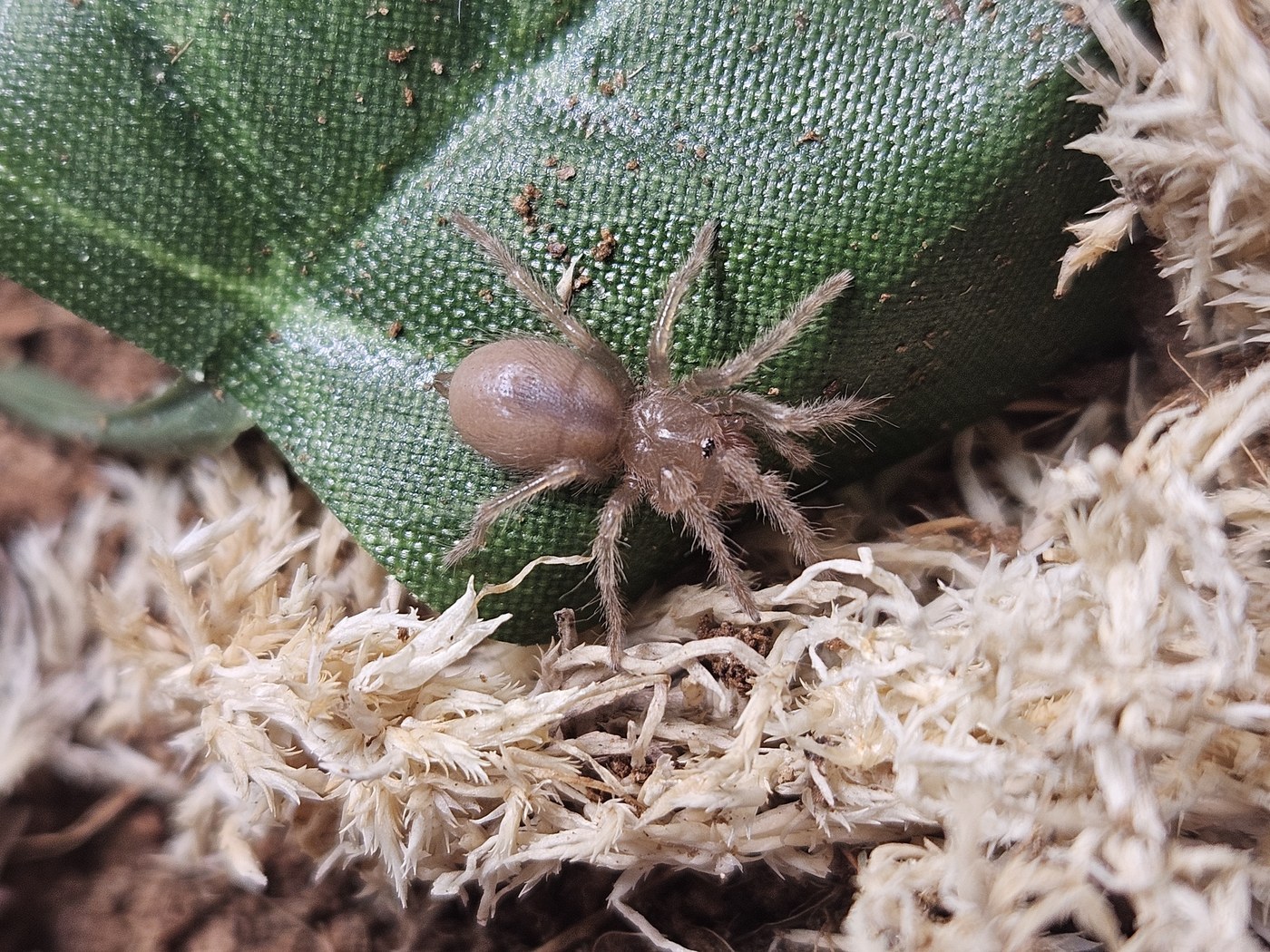
Mexican Redknee Tarantula
One of the most recognizable tarantulas in the world, this heavy-bodied spider has jet-black legs banded with vivid orange-red at each joint, and defends itself by kicking a cloud of irritating hairs from its abdomen rather than attacking.
spider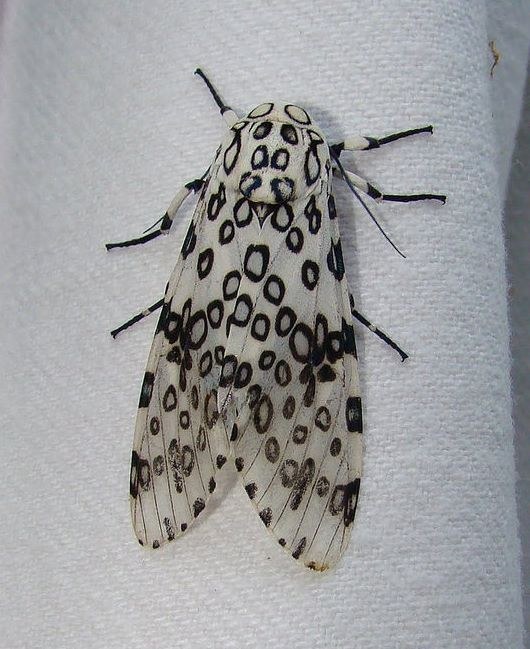
Giant Leopard Moth
A striking white moth patterned with bold, hollow black rings and dots resembling leopard spots, revealing an iridescent blue-black abdomen marked with orange when its wings part, making it one of the most eye-catching tiger moths in North America.
mothIchneumon Wasp
A slender, long-antennaed parasitoid wasp, often mistaken for a giant mosquito or a stinging insect, that is best known for the extraordinarily long ovipositor some species use to drill into wood and lay eggs on hidden larvae.
wasp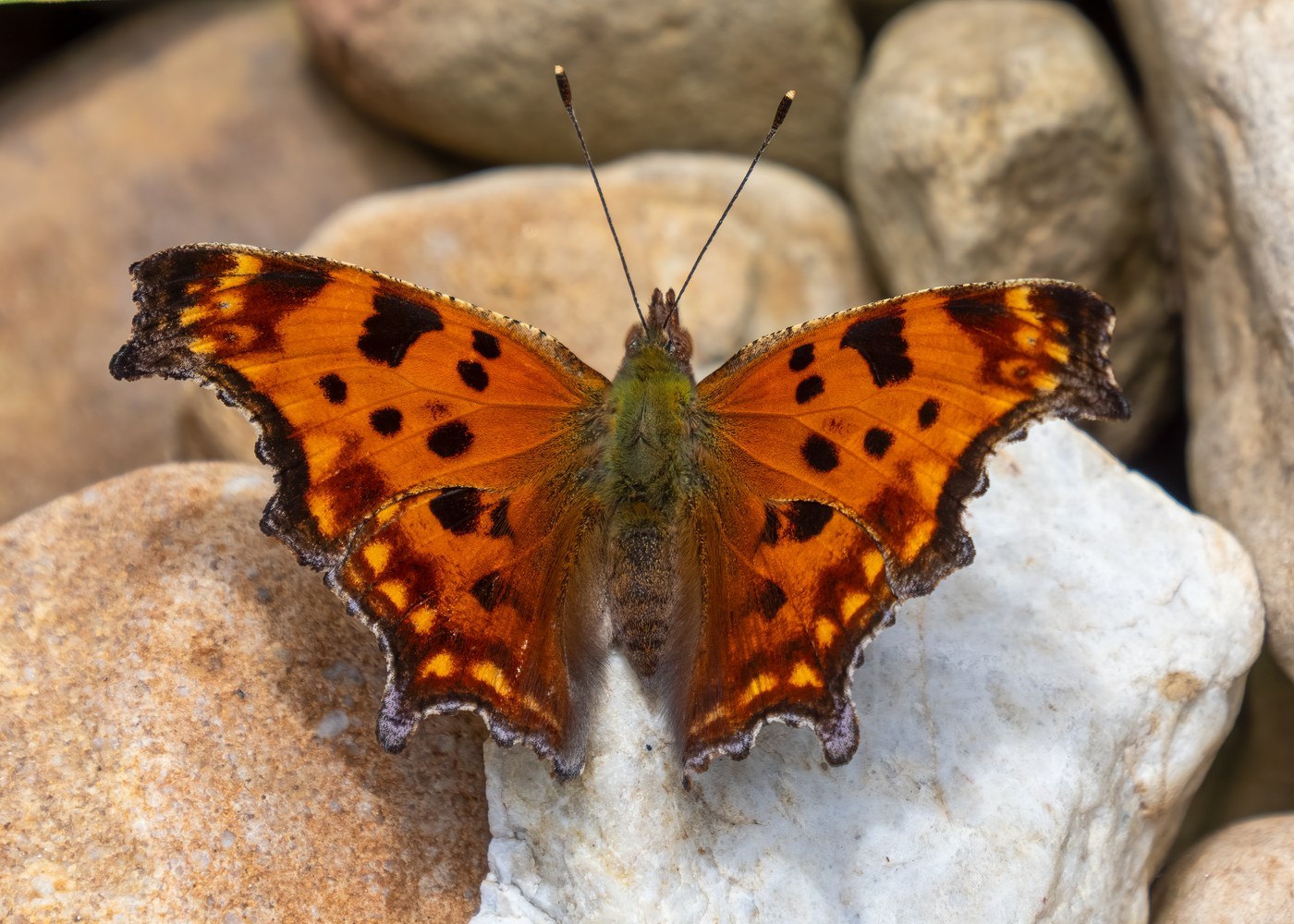
Eastern Comma
A ragged-edged orange-and-brown woodland butterfly named for the small, silvery comma-shaped mark on the underside of its hindwing, with a cryptic dead-leaf pattern that camouflages it perfectly when its wings are closed.
butterfly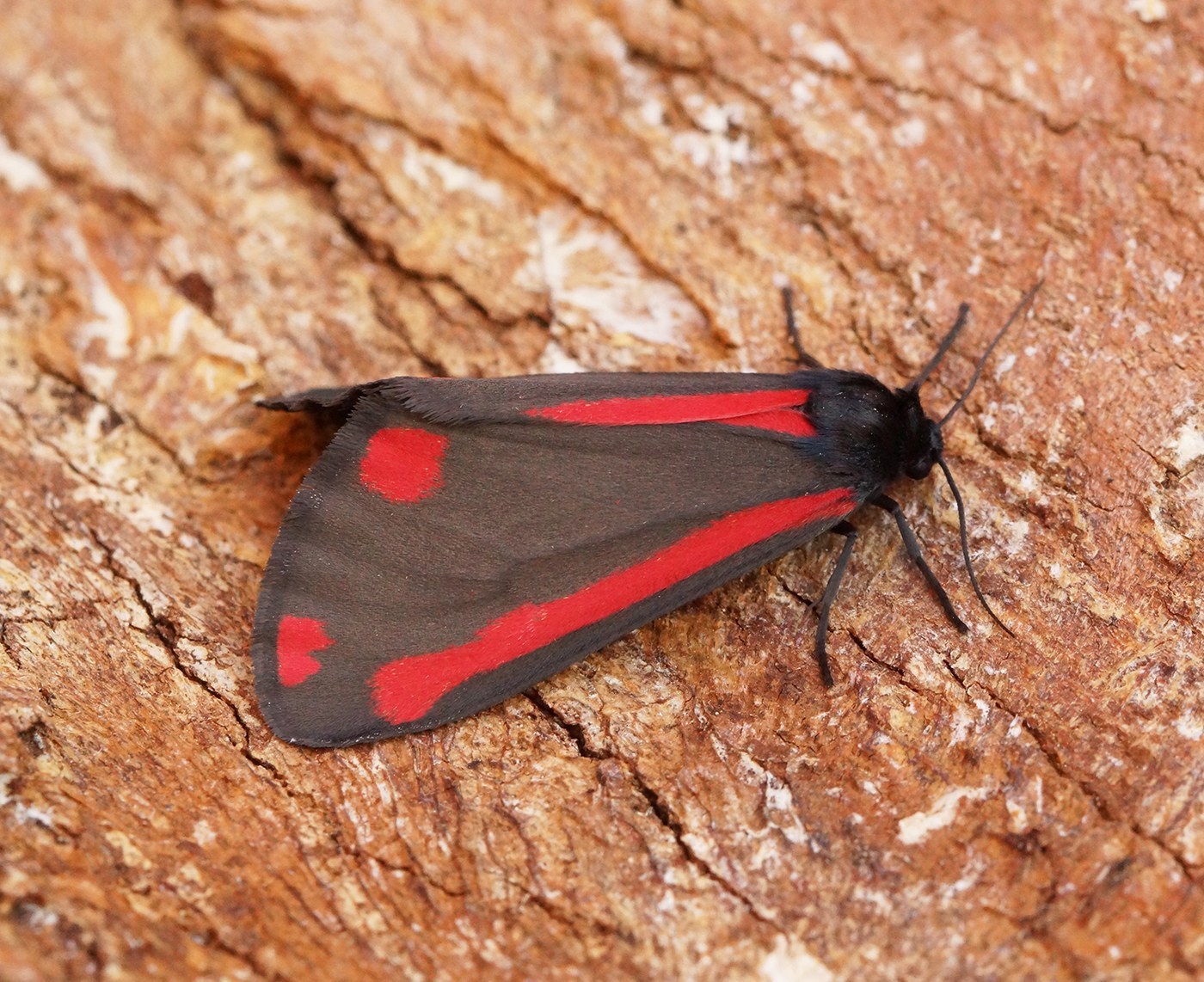
Cinnabar Moth
A striking black-and-red day-flying moth whose boldly banded orange-and-black caterpillars feed conspicuously on ragwort, sequestering plant compounds as a chemical defense advertised by their vivid warning colors.
moth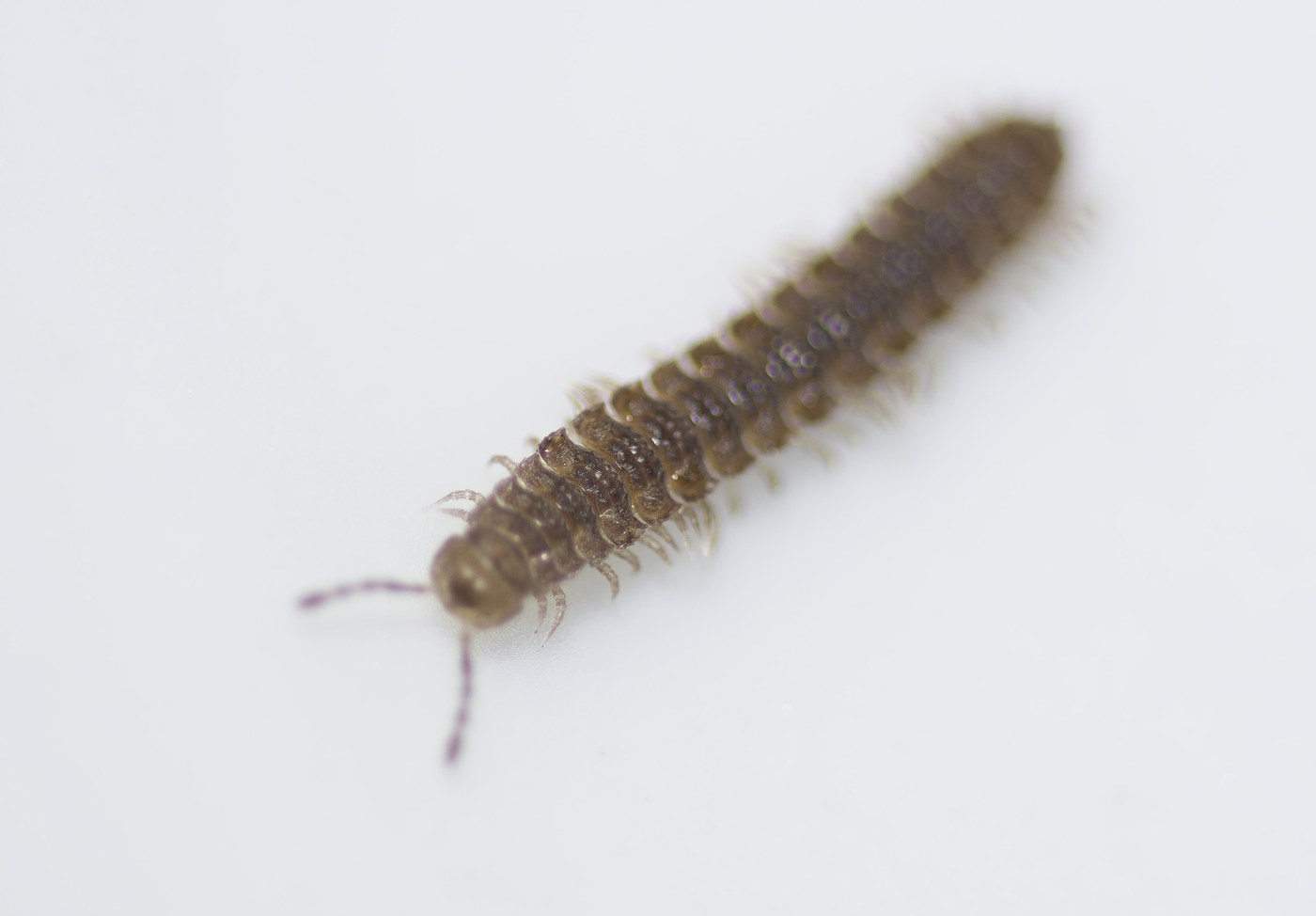
Flat-backed Millipede
A slow, armor-plated decomposer whose body segments flare into flat, wing-like keels, giving it a distinctly ribbed, tank-like silhouette compared to rounder millipedes.
myriapod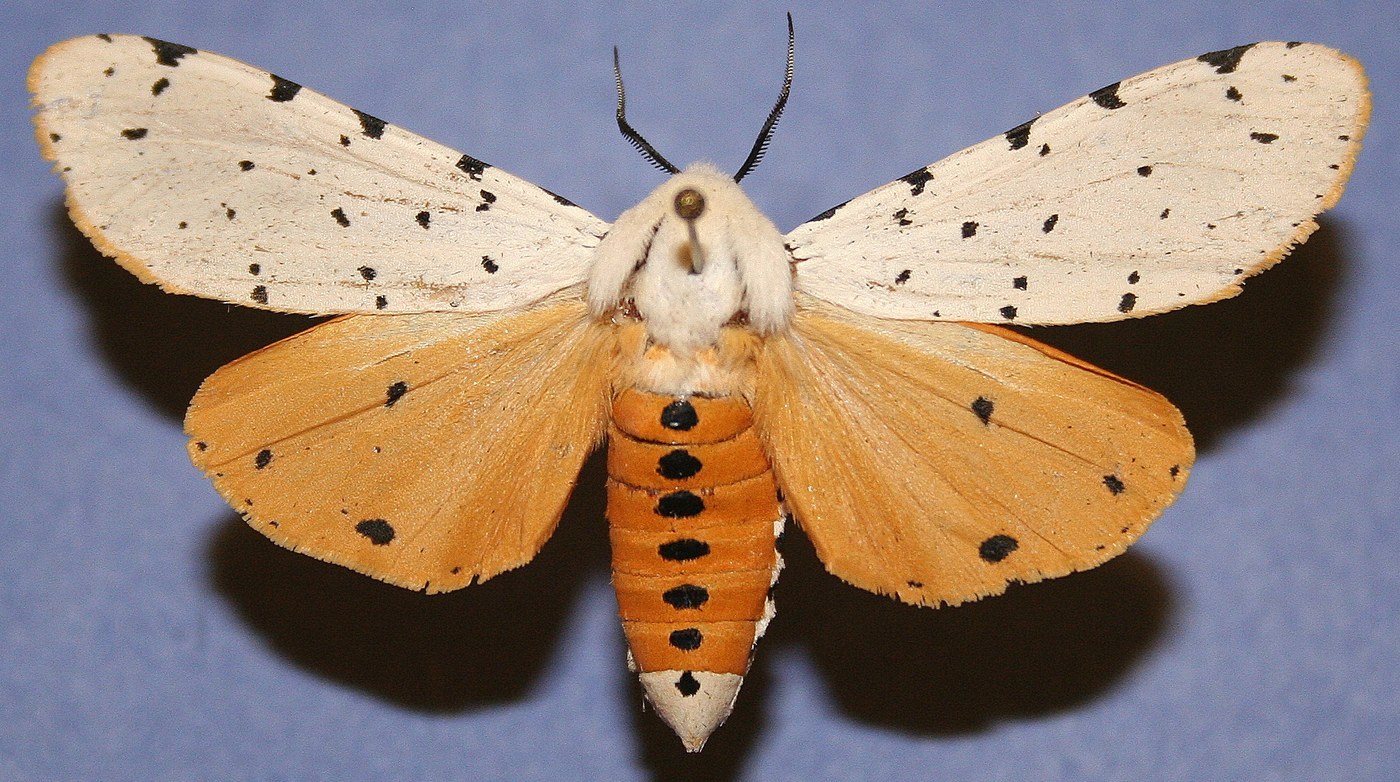
Salt Marsh Moth
A fluffy white tiger moth with black-speckled forewings and an orange-and-black abdomen, best known through its fast-moving, densely bristled caterpillar that wanders widely in late summer.
moth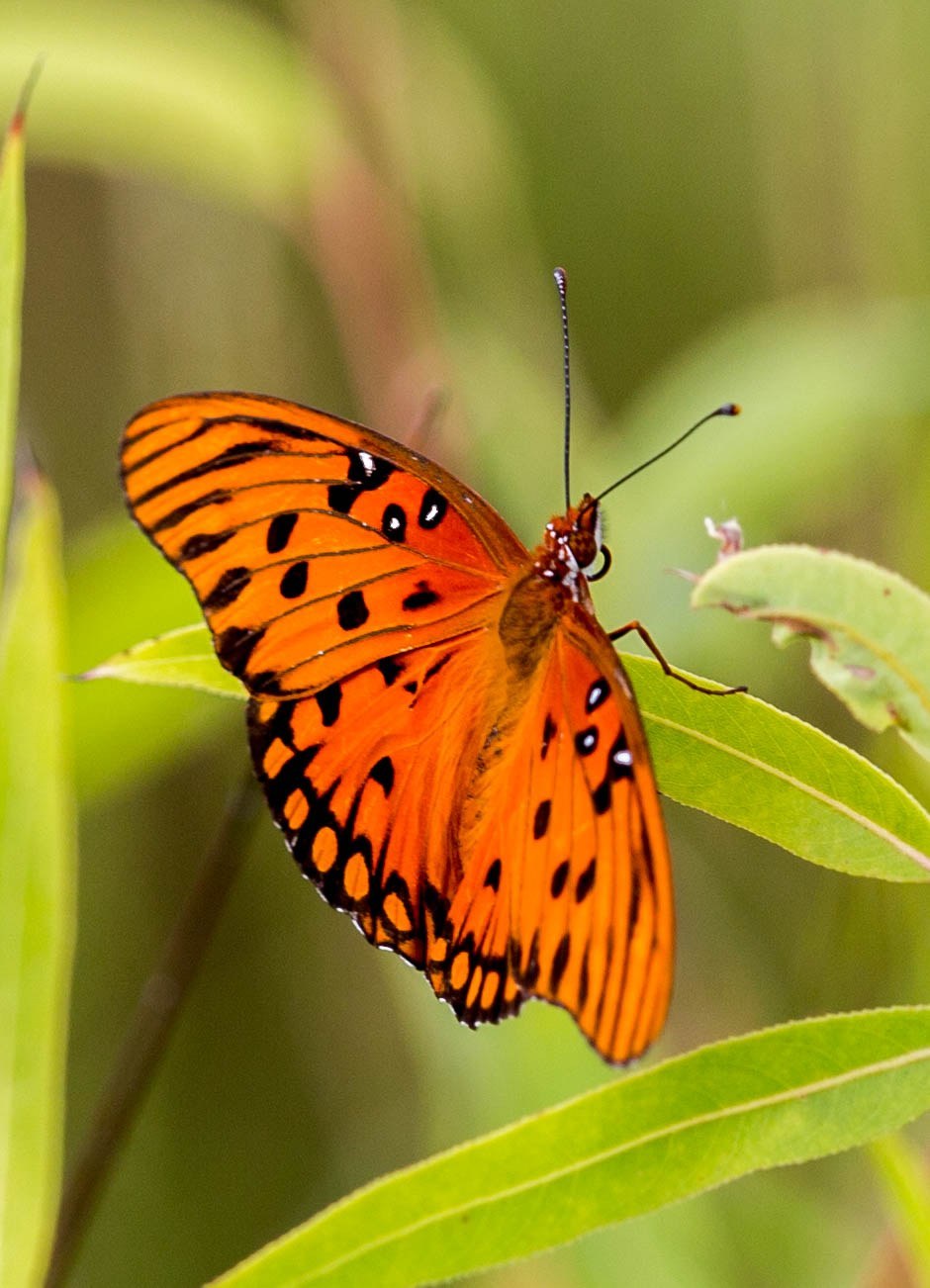
Gulf Fritillary
A vivid orange, long-winged butterfly whose underside gleams with brilliant metallic silver spangles, closely tied to passionflower vines throughout the warmer parts of the Americas.
butterfly