
Bug Encyclopedia
Search and identify bugs & insects — beetles, butterflies, moths, ants, bees, spiders and more — with size, habitat, danger, behavior, and how to tell them apart.
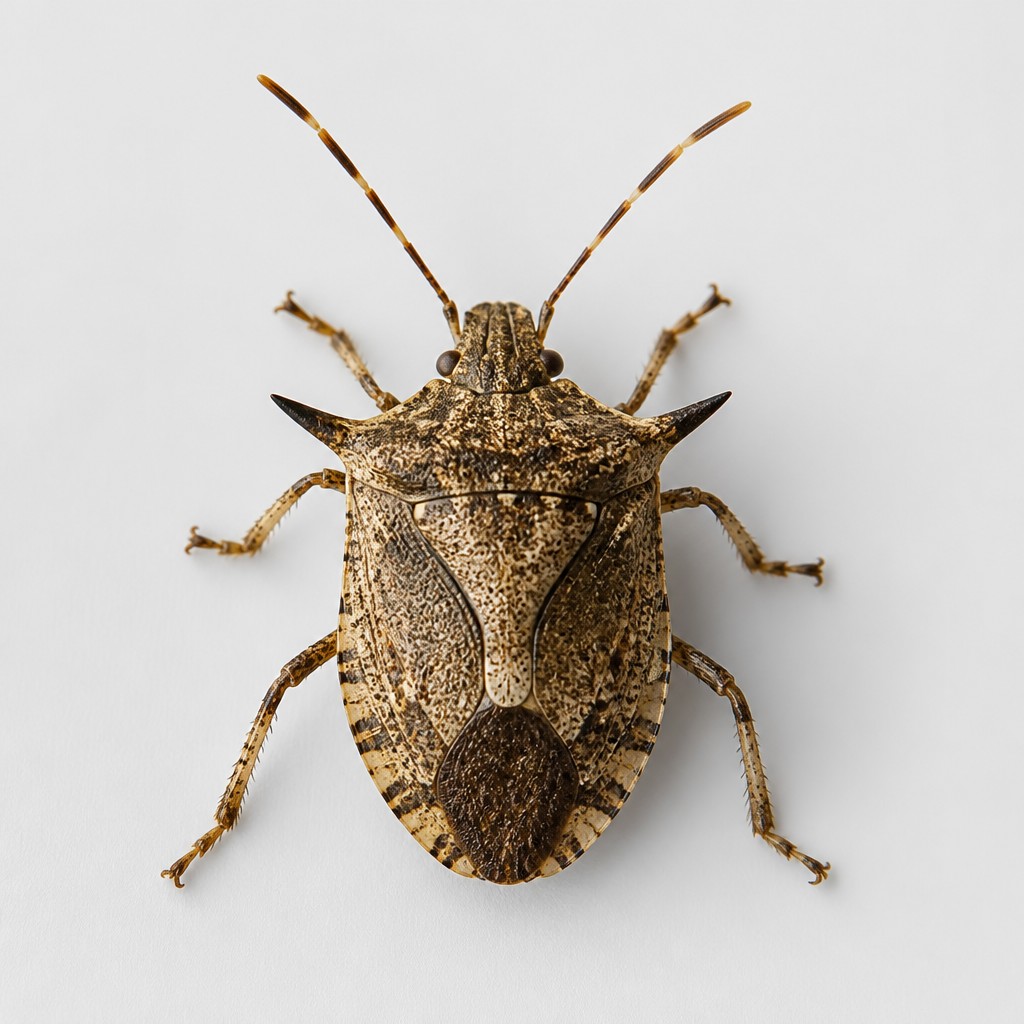
Spined Soldier Bug
A predatory stink bug identified by the sharp, pointed spines projecting from its shoulders, valued in gardens and farm fields for hunting caterpillars, beetle larvae, and other pest insects.
true-bug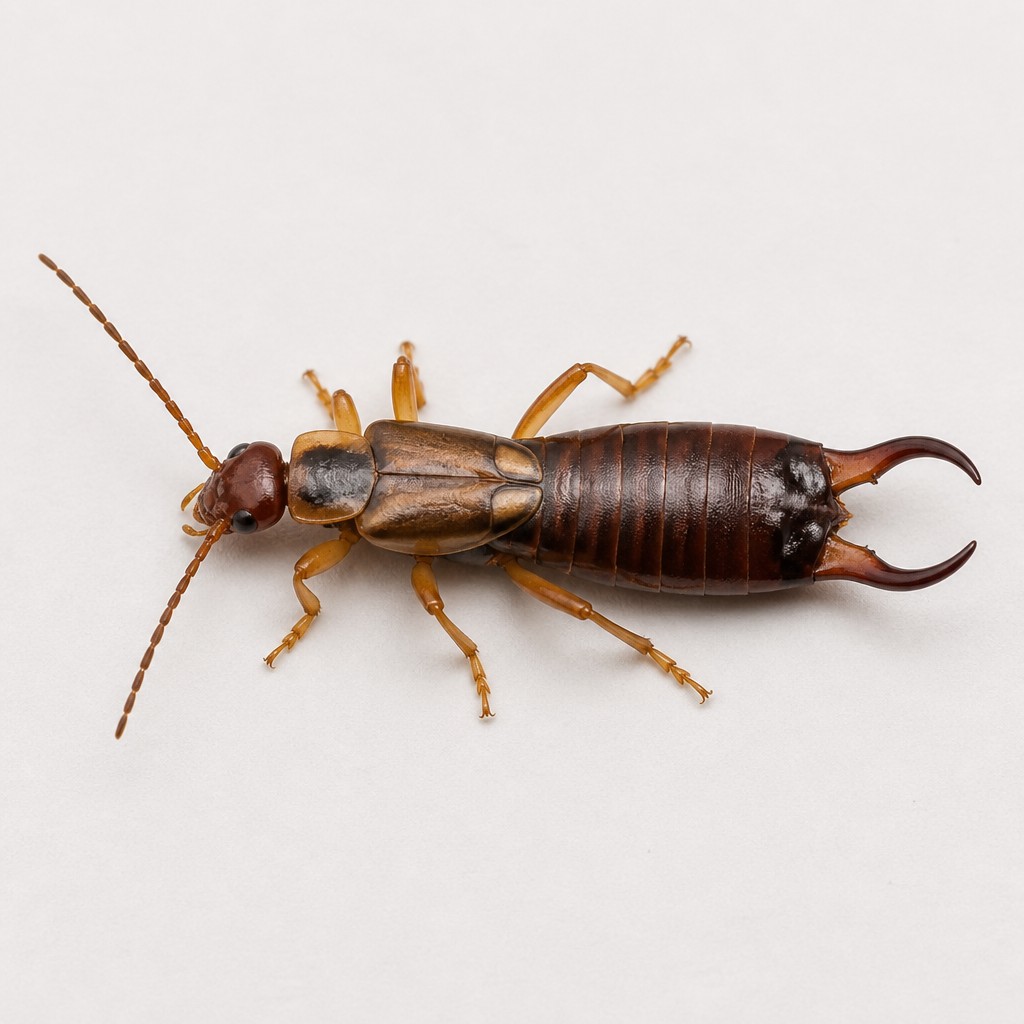
Earwig
A slender, reddish-brown insect easily identified by the pair of curved, forceps-like pincers at the tip of its abdomen, often found hiding under mulch, bark, or garden debris by day.
other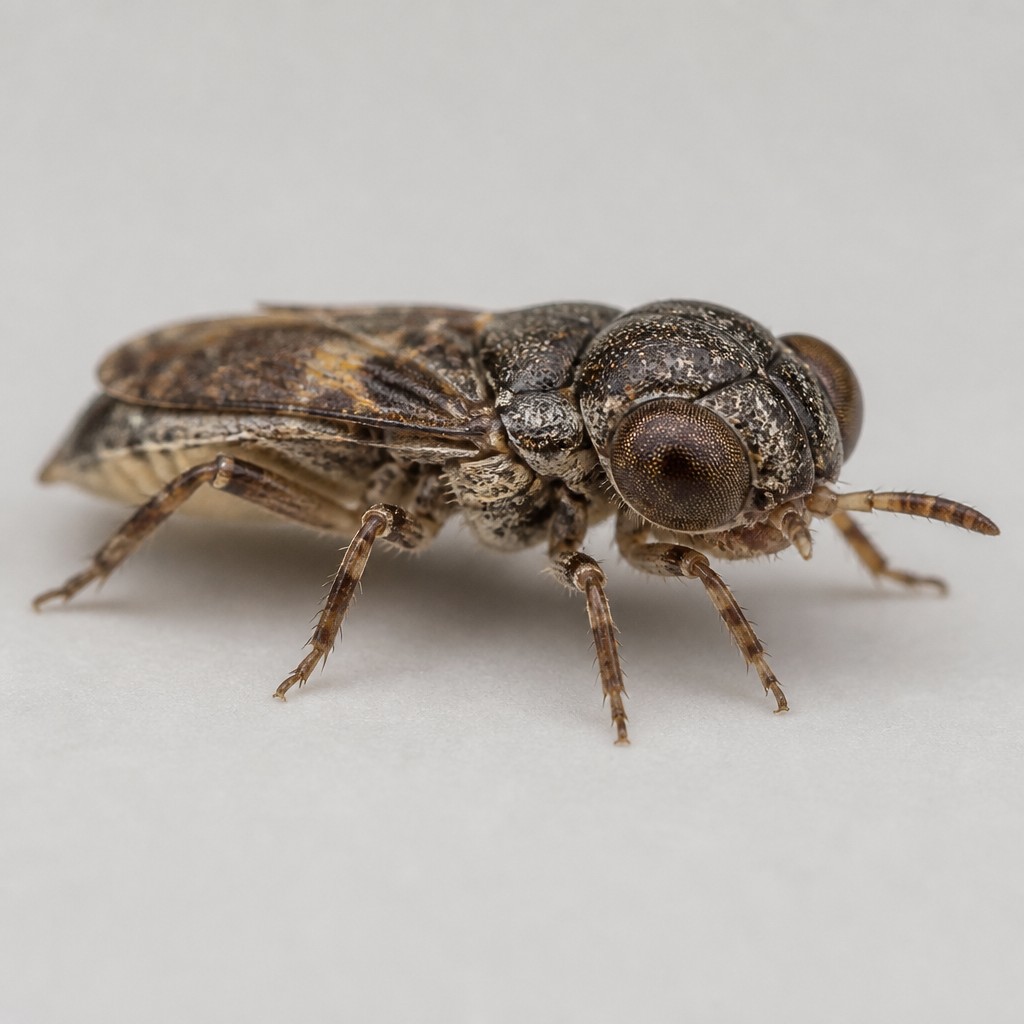
Big-Eyed Bug
A small, broad-headed true bug named for its noticeably large, bulging compound eyes, the big-eyed bug is a beneficial predator that patrols low vegetation and soil surfaces for small pest insects.
true-bug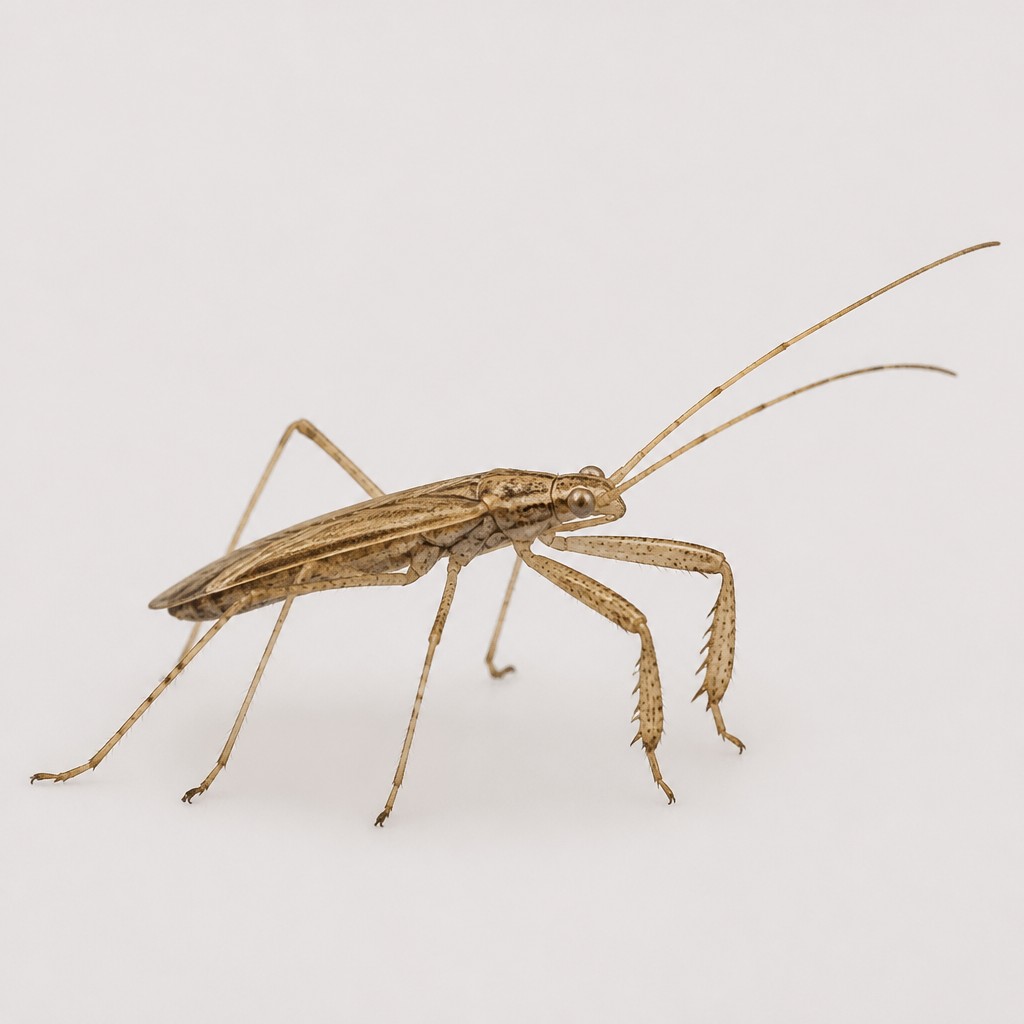
Damsel Bug
A slender, tan to brown true bug with a narrow head and elongated front legs adapted for grasping, the damsel bug is a common predator patrolling foliage for soft-bodied insects.
true-bug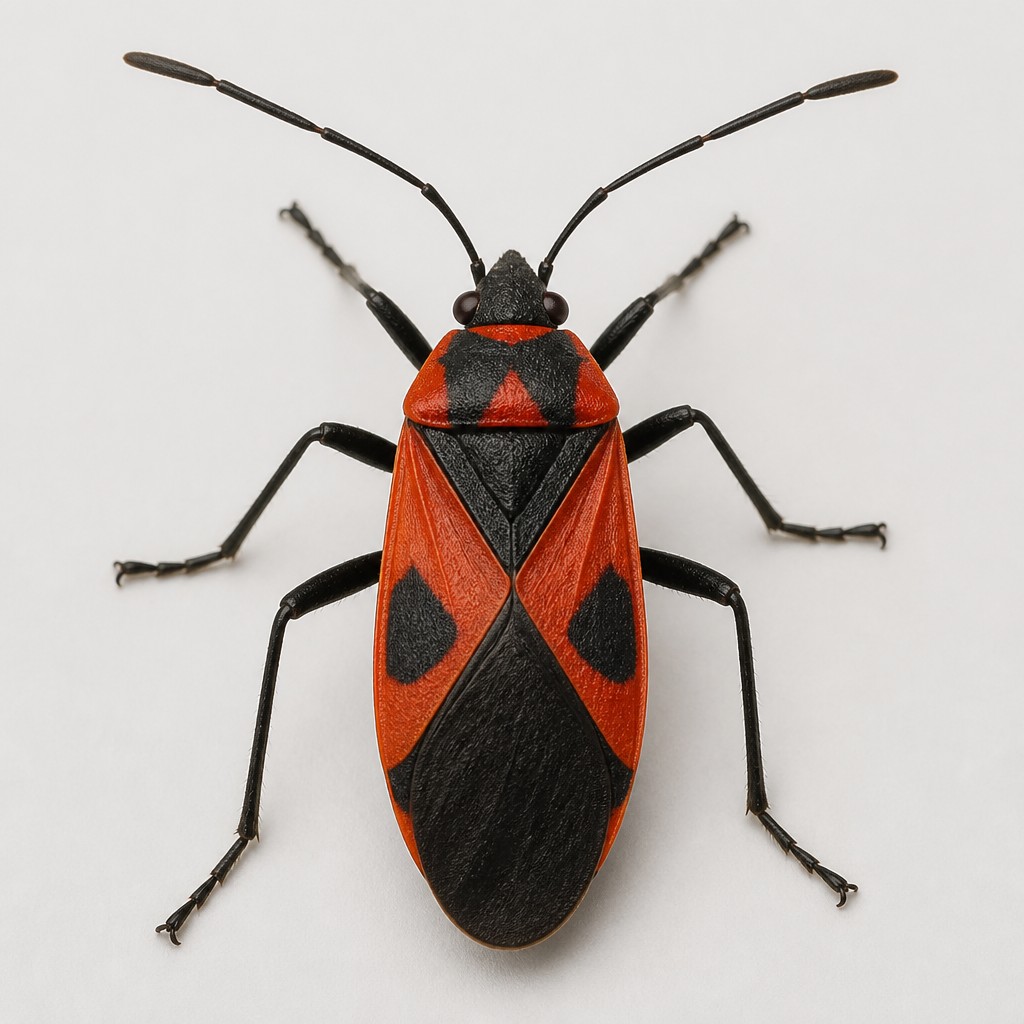
Milkweed Bug
A bold orange-and-black true bug that clusters conspicuously on milkweed seed pods, its warning colours advertising the plant toxins it safely stores from its host.
true-bug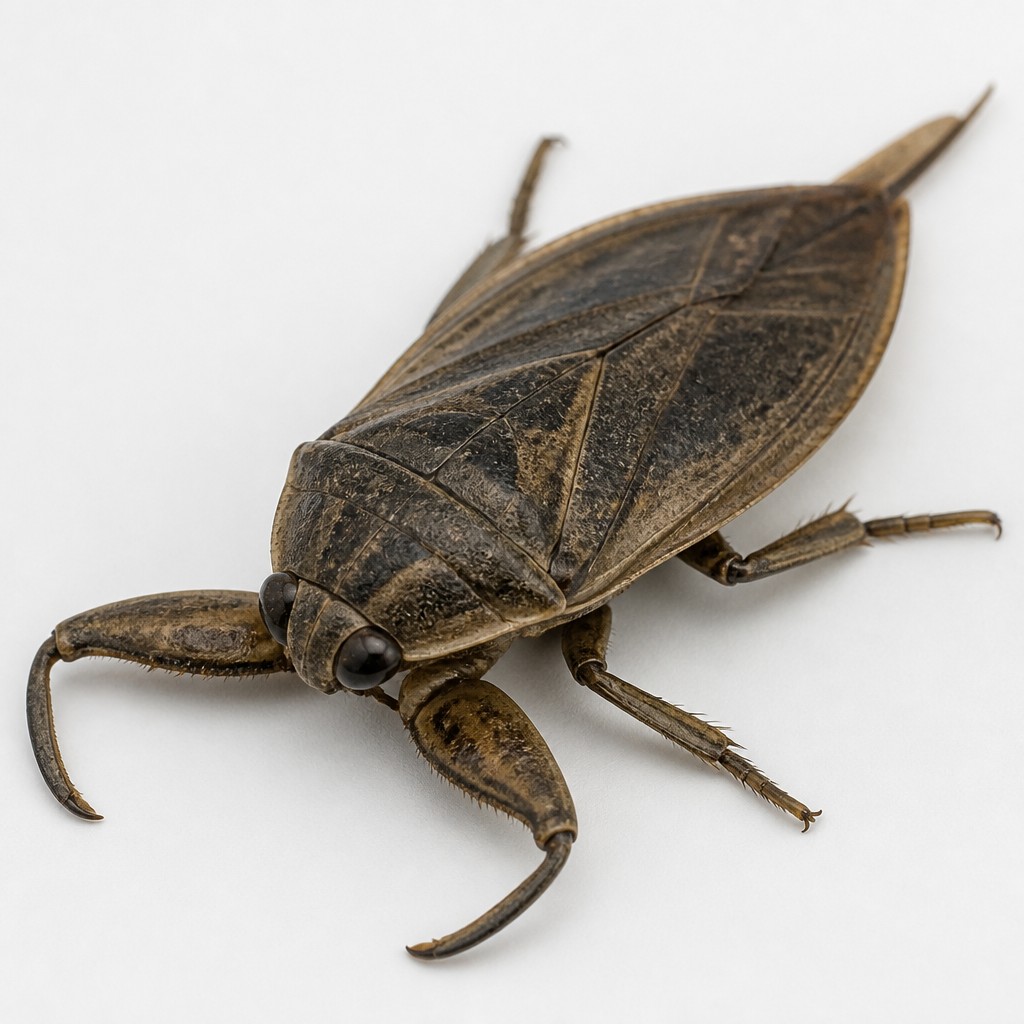
Giant Water Bug
A massive, flattened oval true bug with powerful grasping front legs, the giant water bug is North America's largest aquatic insect and an ambush predator lurking just below the surface of still water.
aquatic-insect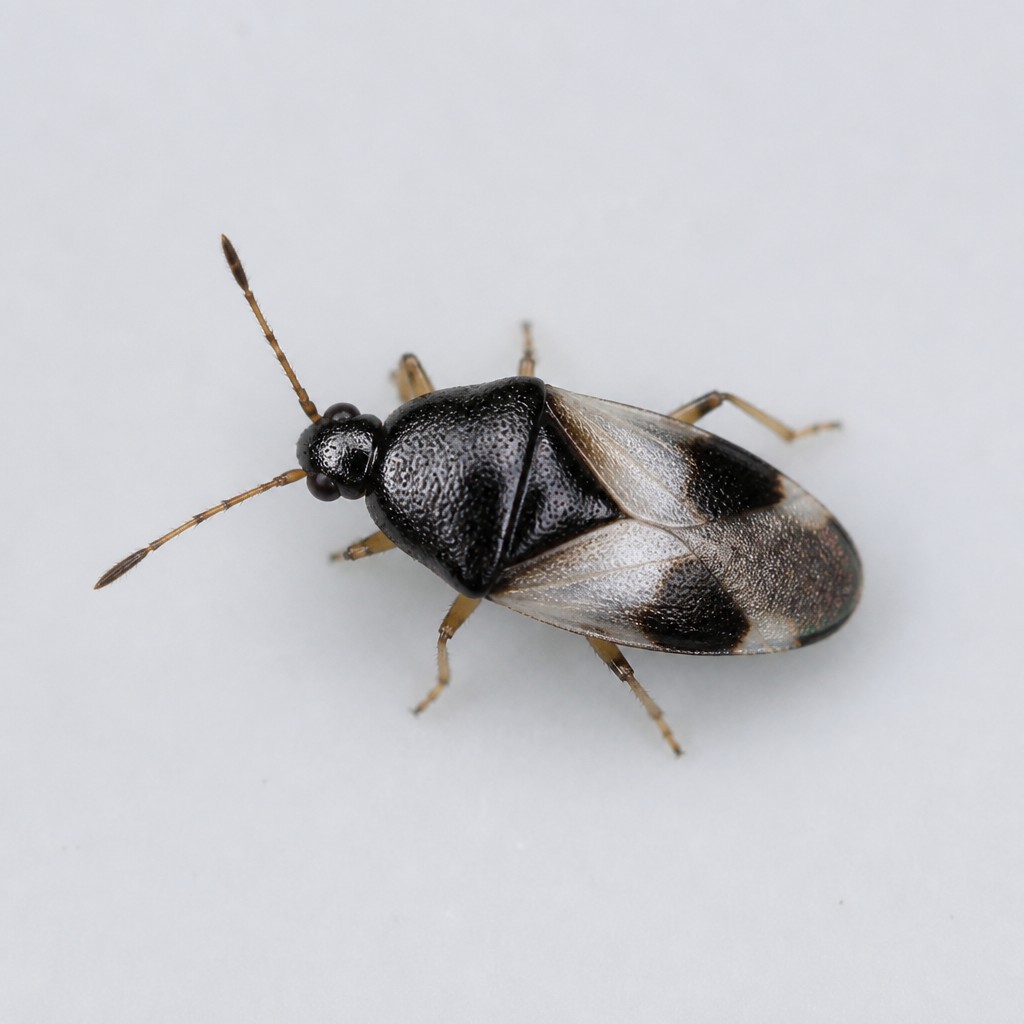
Minute Pirate Bug
A tiny, black-and-white patterned true bug barely visible without close inspection, the minute pirate bug is a voracious predator of thrips, mites, and insect eggs on flowers and foliage.
true-bug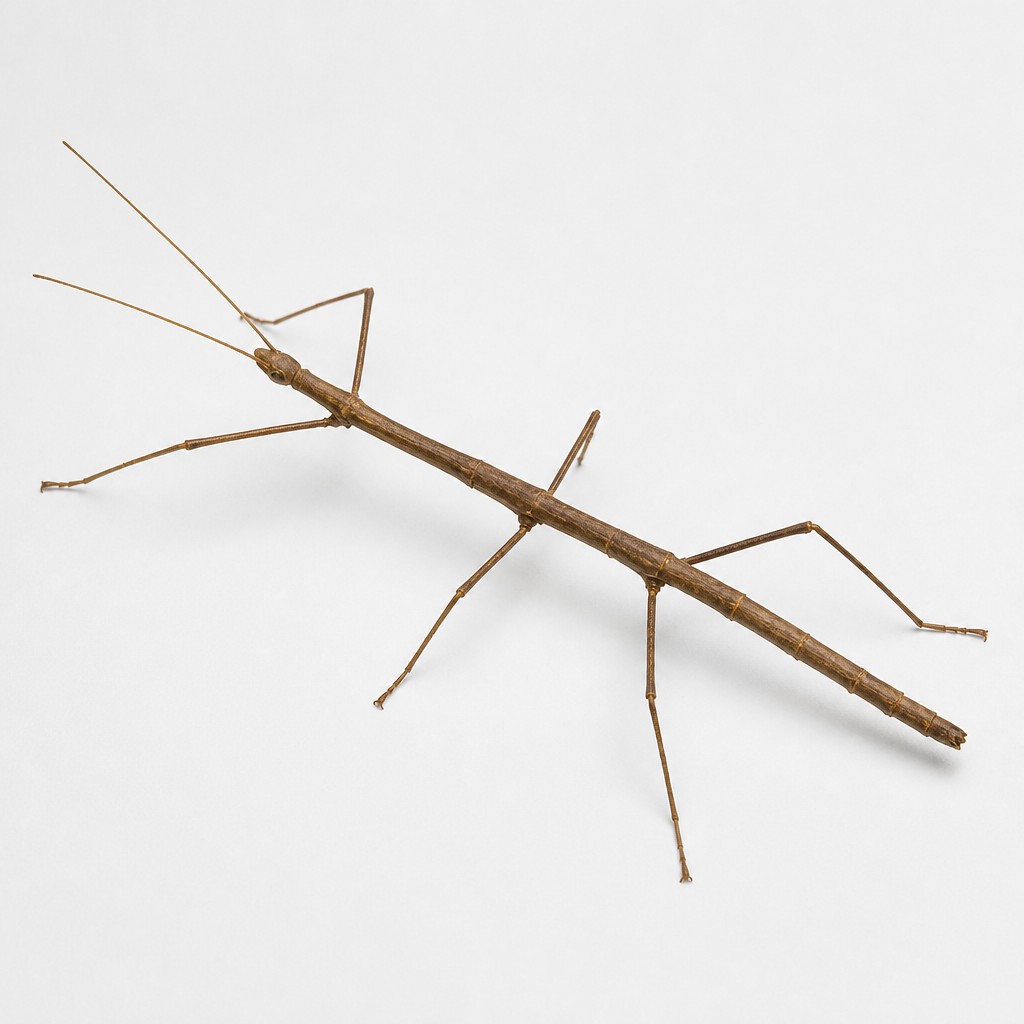
Walking Stick Insect
A master of disguise that has evolved to look almost exactly like a twig, bark or leaf, remaining motionless for hours to avoid the notice of hungry birds and lizards.
mantis-stick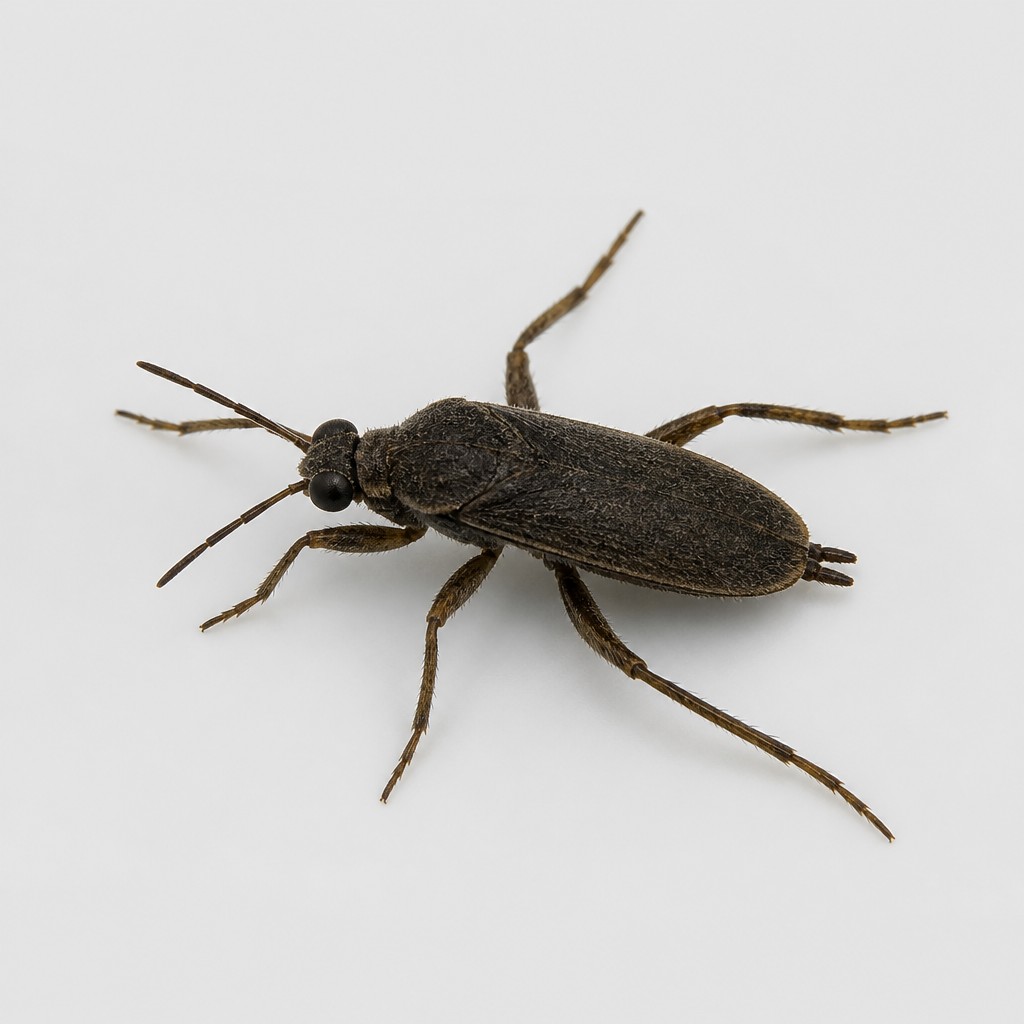
Water Cricket
Despite its name, the water cricket is not a cricket at all but a compact, velvety true bug that skates over the swirling surfaces of streams and riffles in search of trapped prey.
true-bug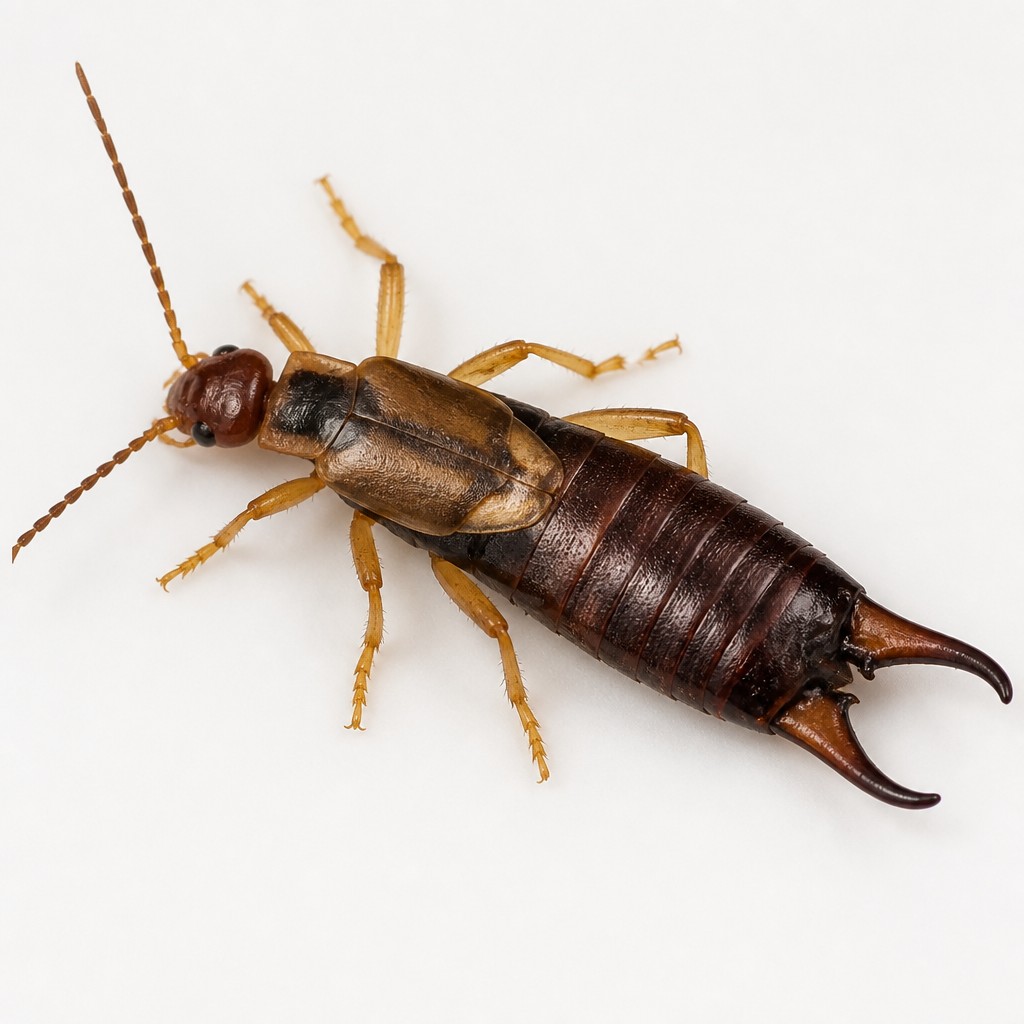
Common Earwig
A flattened, reddish-brown insect instantly recognizable by the pair of pincer-like forceps at the tip of its abdomen, which it uses for defense and to help fold its wings.
other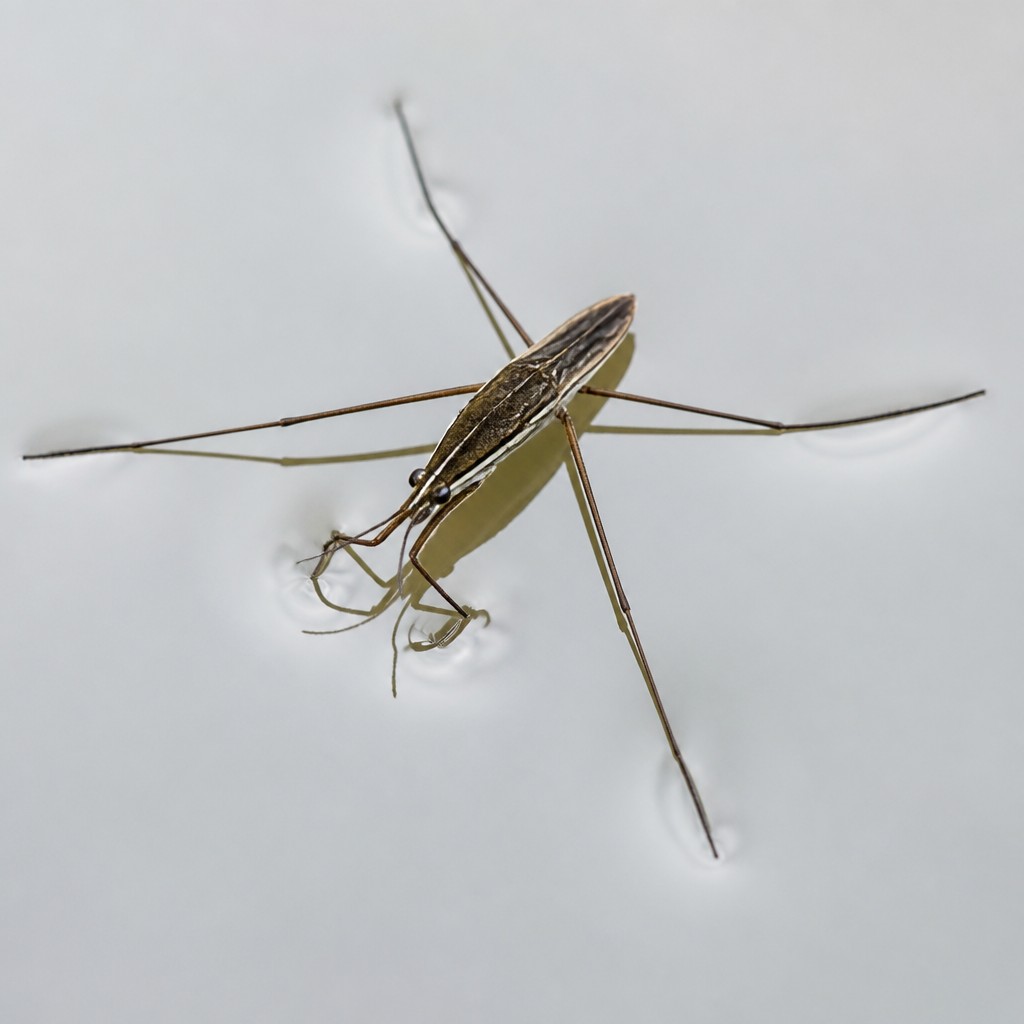
Pond Skater
Skimming effortlessly across the surface of still water on long, spindly legs, the pond skater uses ripples to detect struggling insects, which it seizes and pierces with needle-like mouthparts.
true-bug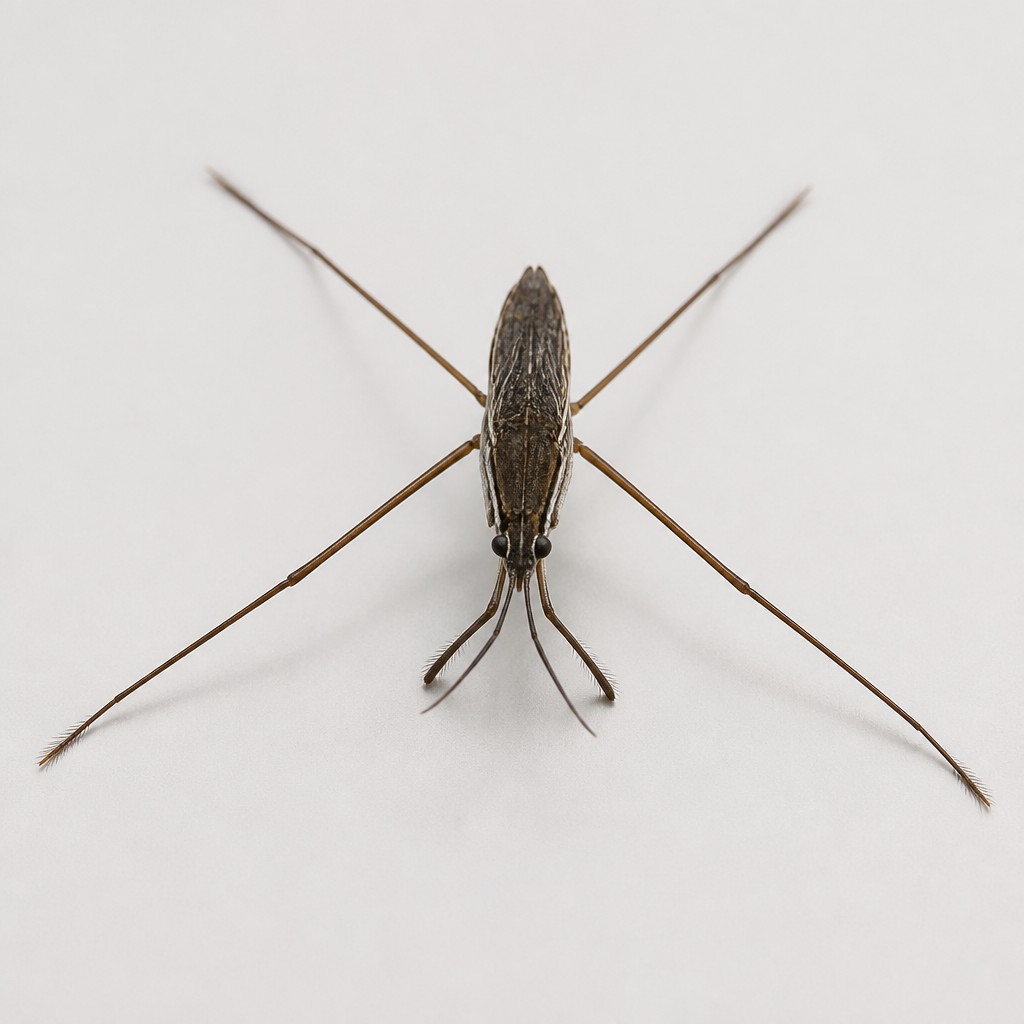
Common Water Strider
Skating effortlessly across the surface film of ponds and slow streams, the common water strider rows itself along on hair-fringed legs to ambush insects trapped in the surface tension.
true-bug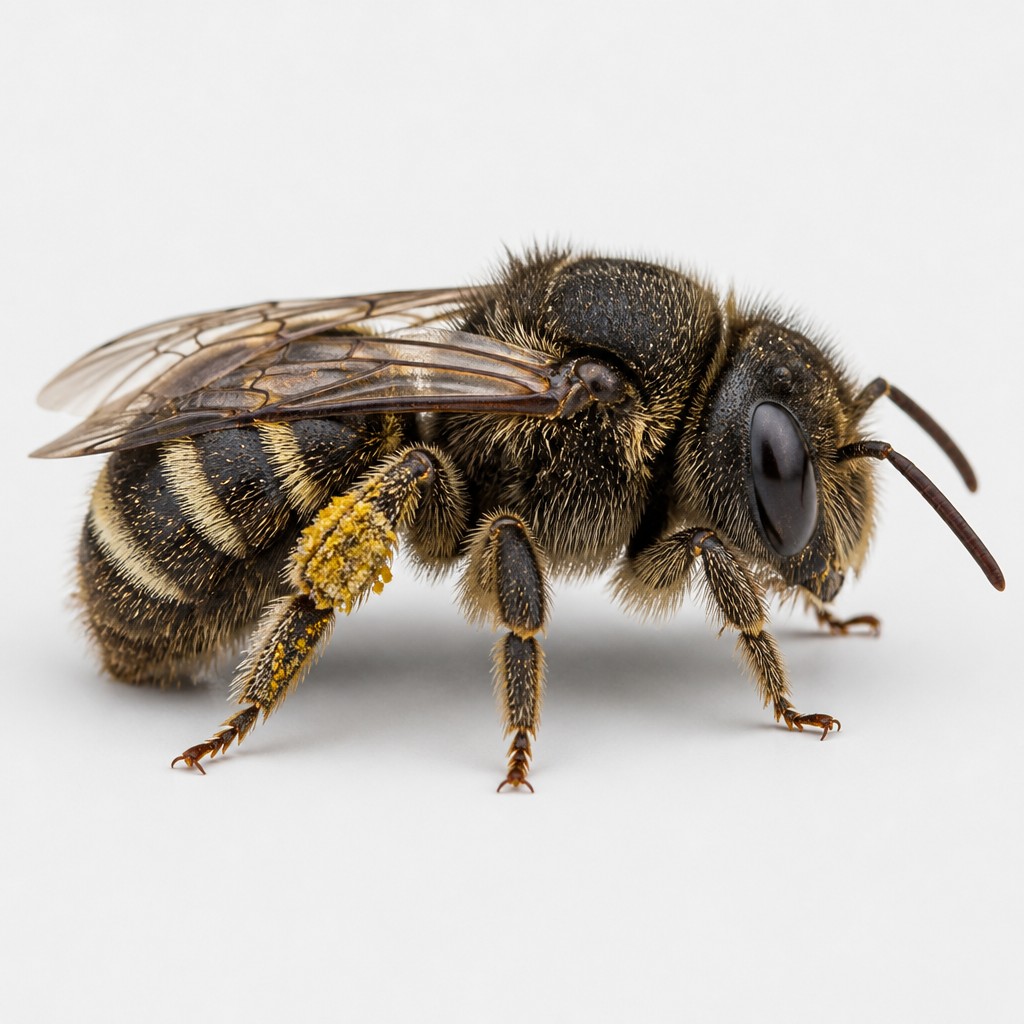
Leafcutter Bee
A stout, dark-bodied bee best known not for how it looks but for the neat, circular or oval notches it cuts from leaves, which it uses to line and seal its nest cells.
bee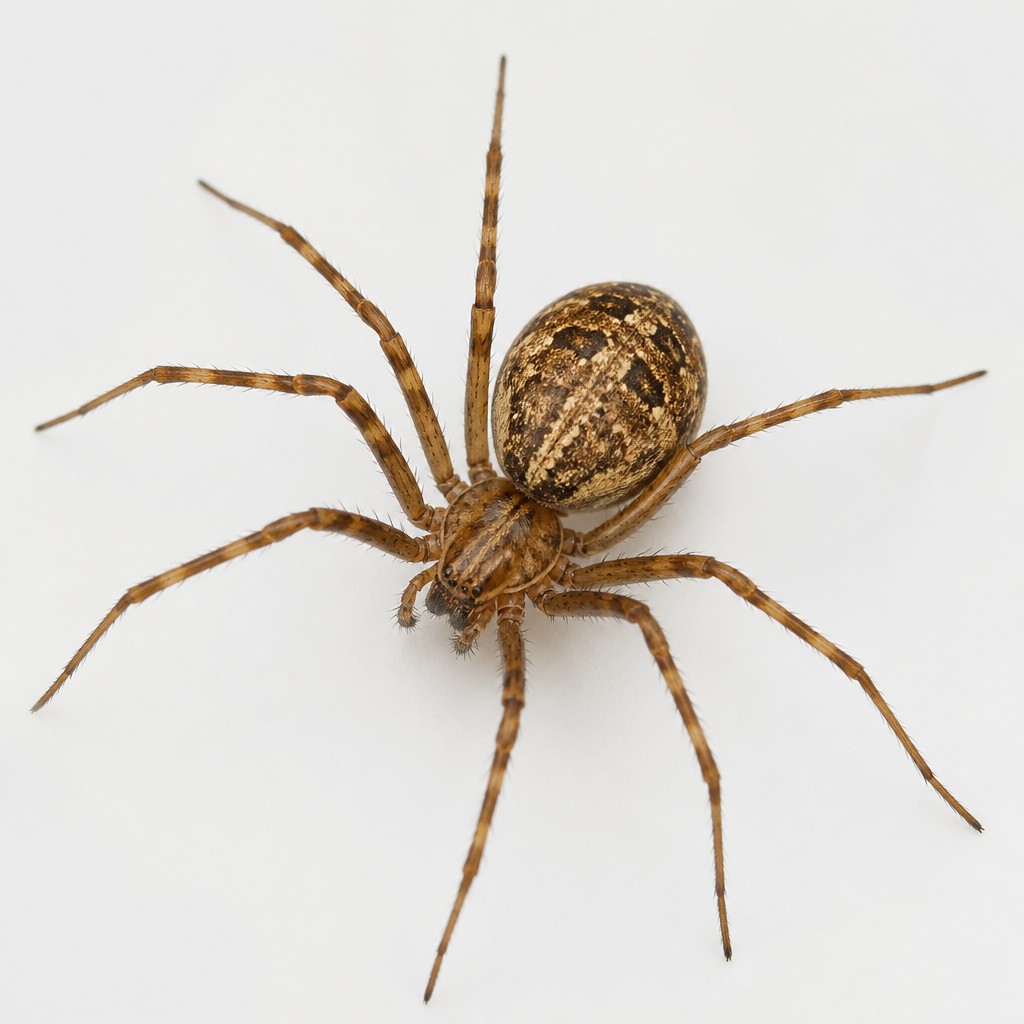
Cave Spider
A long-legged orb weaver adapted to the twilight zone of caves, spinning large webs across cavern mouths and dangling its egg sacs from silk threads deep within the darkness.
spider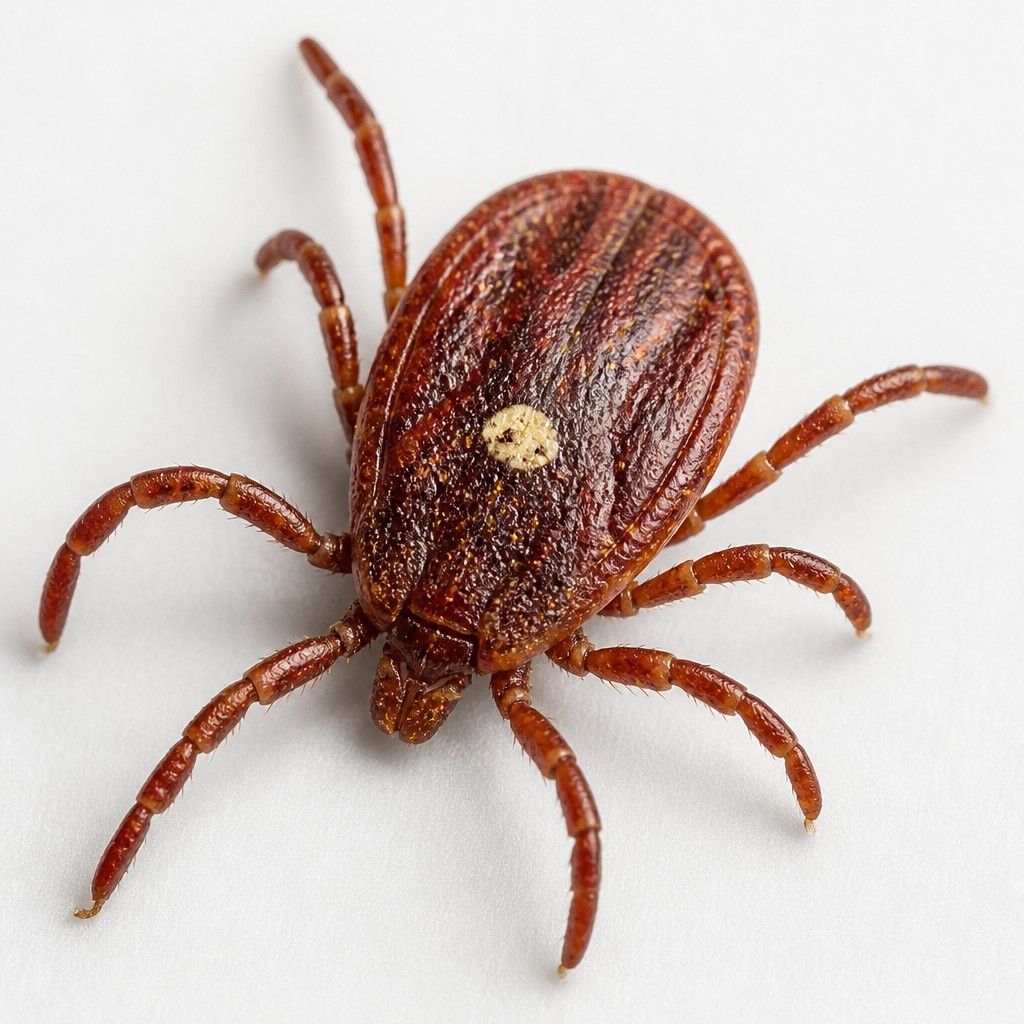
Lone Star Tick
Named for the single silvery-white spot on the back of the adult female, the lone star tick is unusually active for a tick, moving toward hosts rather than simply waiting for them to pass. Its reddish-brown, ornamented body makes it one of the easier North American ticks to identify at a glance.
arachnid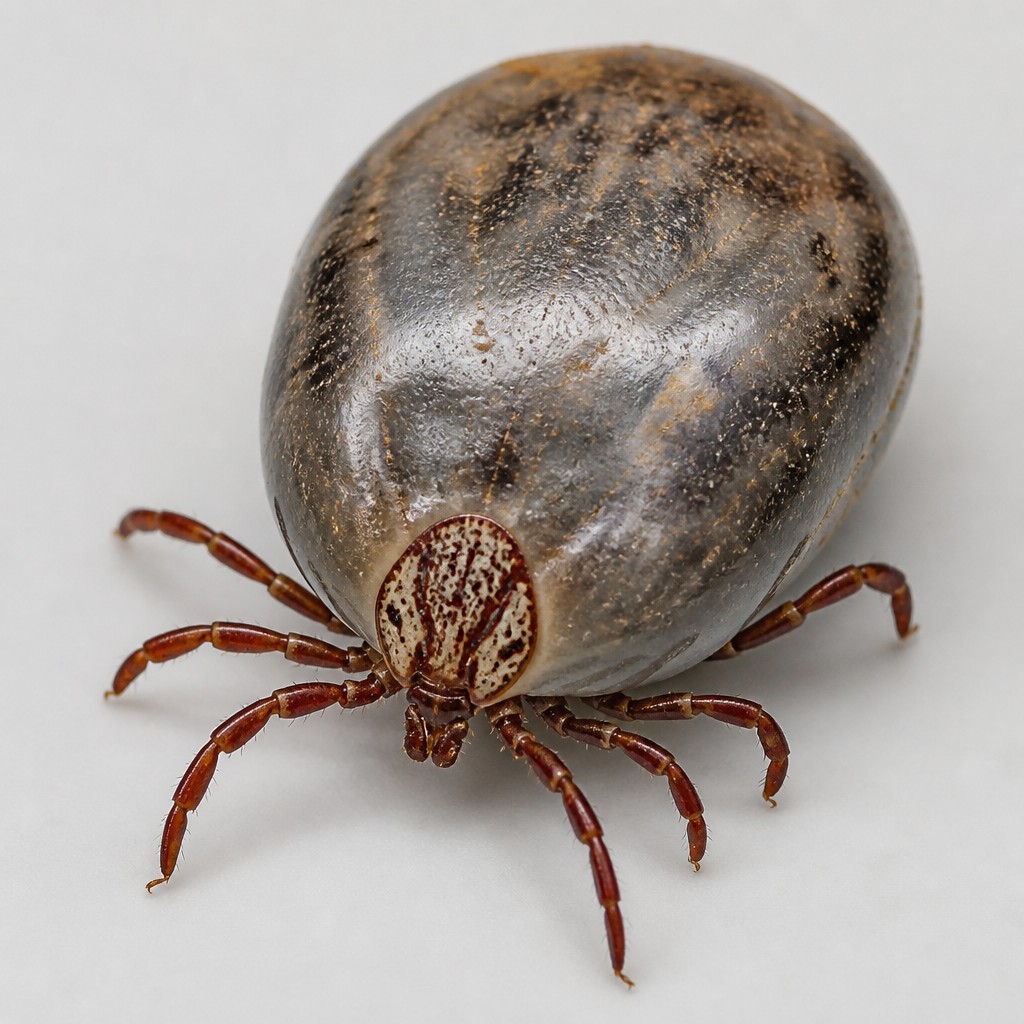
Wood Tick
A flattened, ornately patterned tick that waits on low brush in the Rocky Mountain foothills, ready to grab onto large mammals passing within reach. Its mottled, shield-marked back makes it one of the more distinctive North American ticks to identify.
arachnid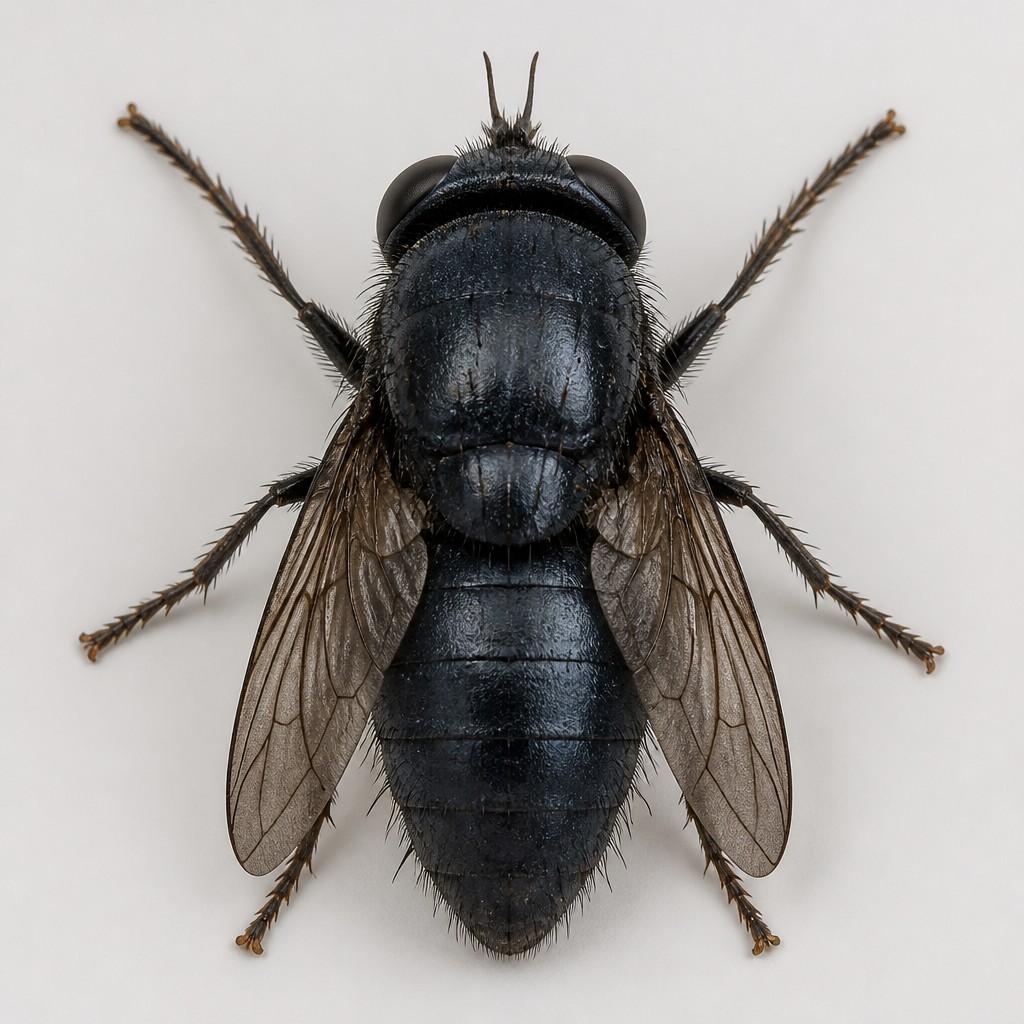
Human Bot Fly
A stout, dark-bodied fly from the American tropics famous for an unusual reproductive trick: it captures a blood-feeding mosquito mid-flight and glues its own eggs to the mosquito's body before releasing it to carry them to a future host. The adult itself is rarely seen, spending most of its short life in shaded forest understory.
fly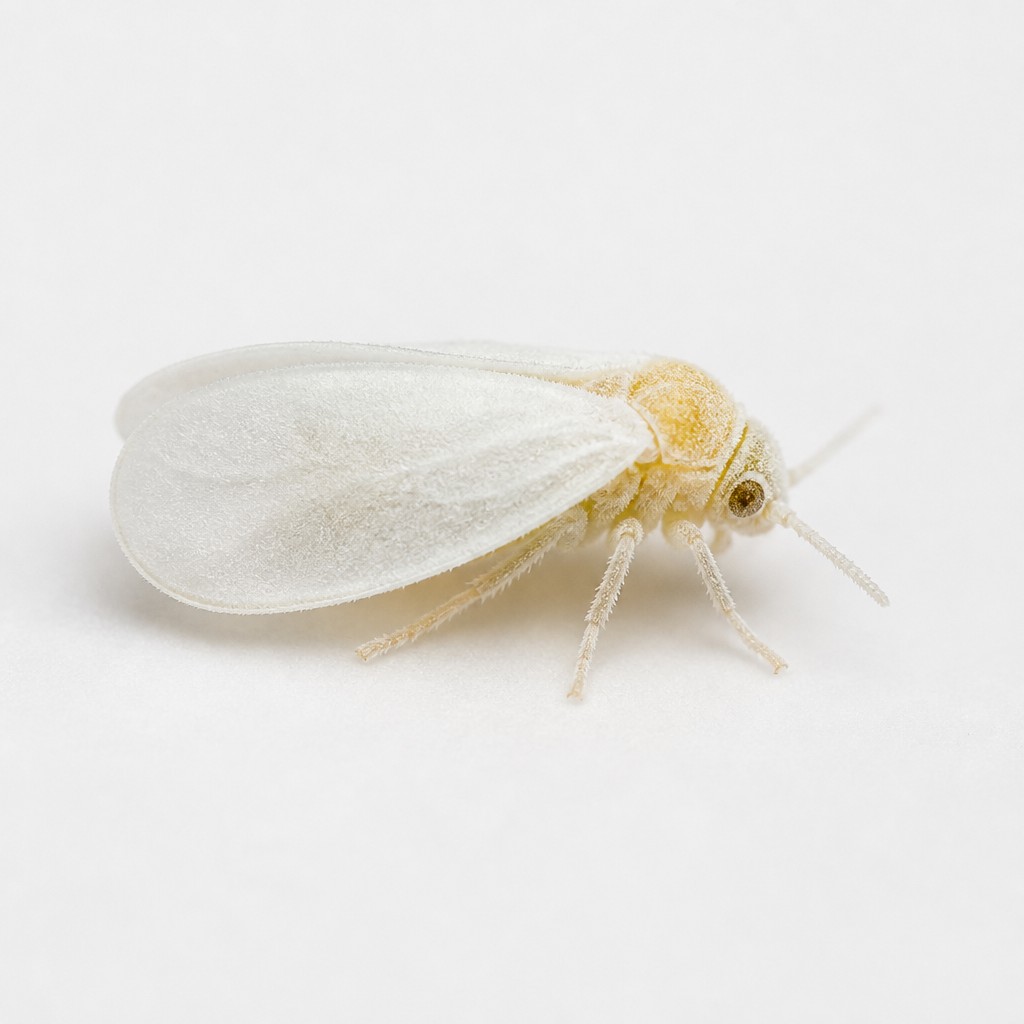
Whitefly
A tiny, moth-like white insect that clusters on the undersides of leaves and bursts into a snowy cloud when the plant is disturbed. Despite the name, it is not a true fly but a sap-feeding relative of aphids and scale insects.
true-bug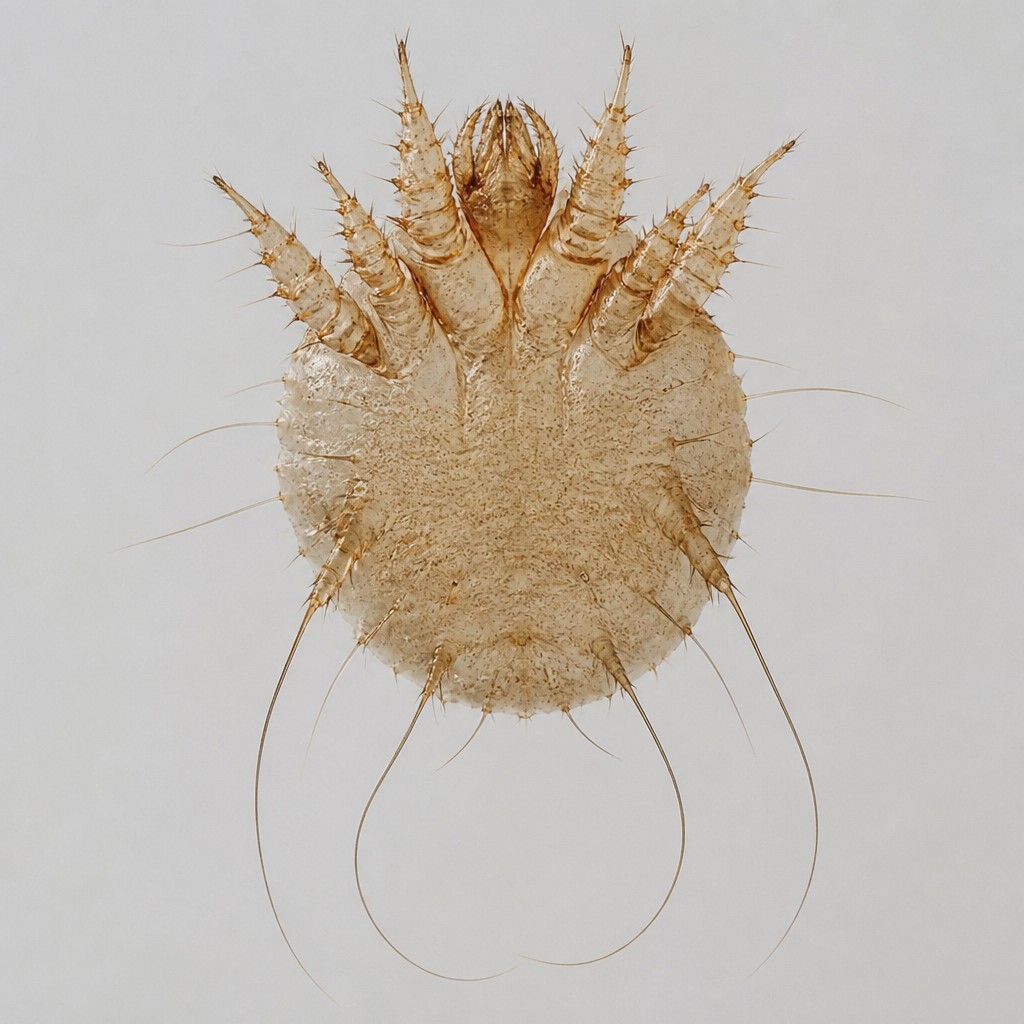
Scabies Mite
A microscopic, eyeless mite that spends its entire life cycle burrowed within the outer layer of a mammal's skin, among the smallest arachnids known to science. Unlike free-living mites, it has no independent existence away from a host and is studied primarily through microscopic examination rather than direct observation.
arachnid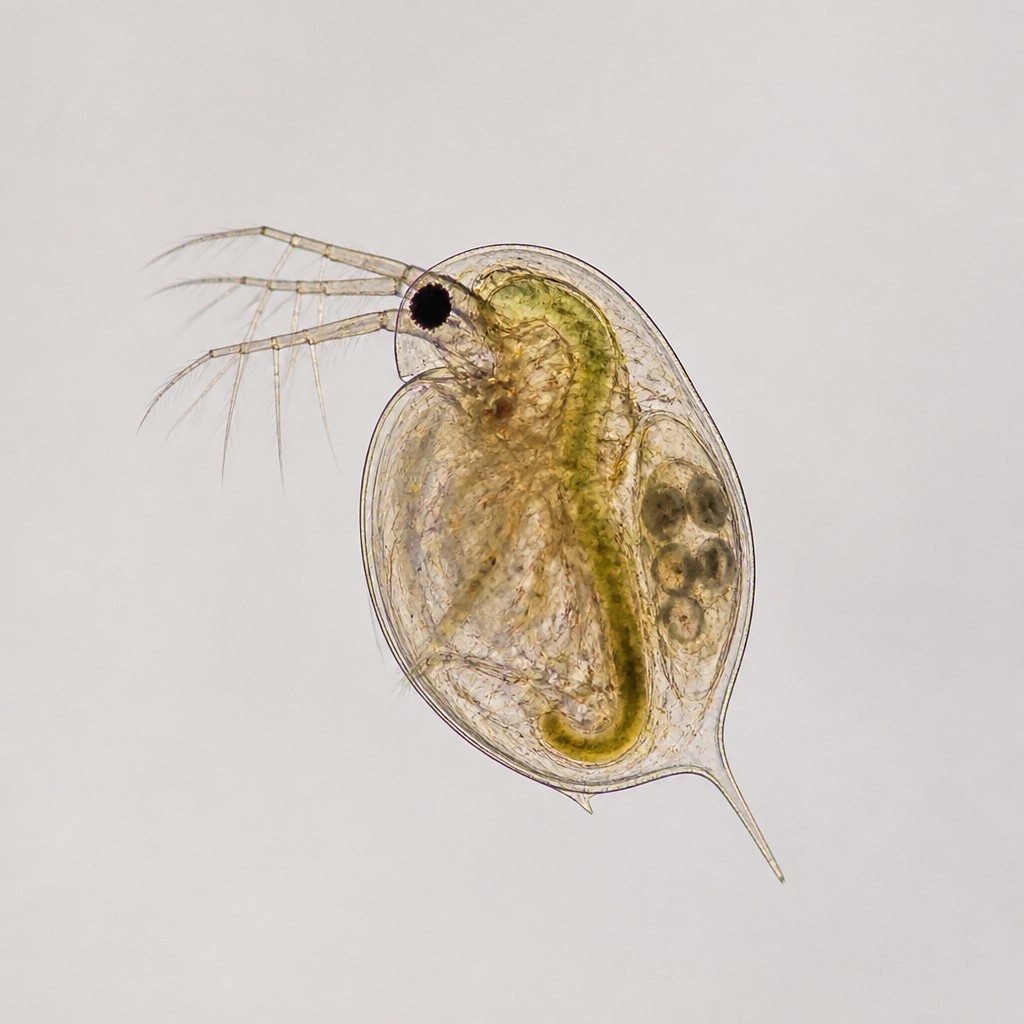
Water Flea
Despite the name, the water flea is not an insect at all but a tiny, jerky-swimming crustacean whose transparent body and single dark eye make it one of the most recognizable members of freshwater plankton.
other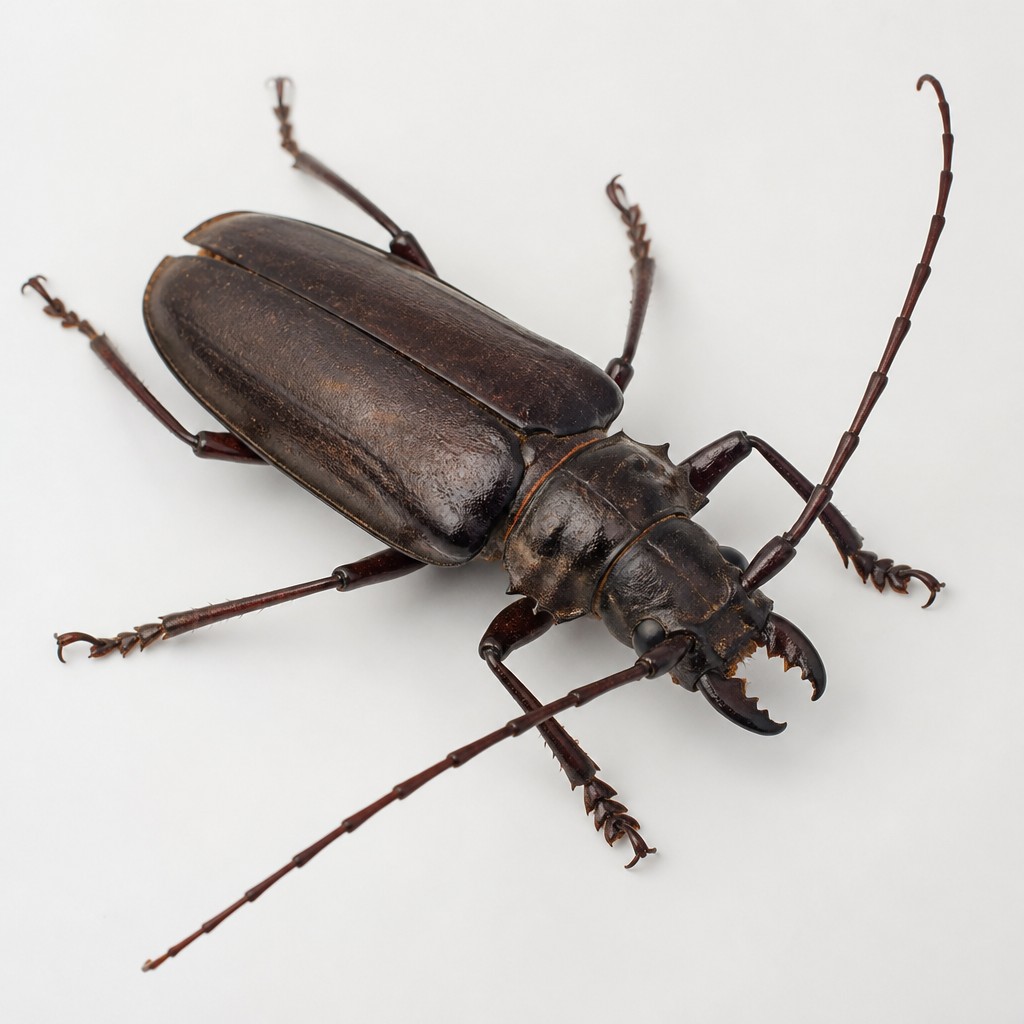
Titan Beetle
One of the largest insects on Earth, the titan beetle is a colossal longhorn from the Amazon whose body can exceed 16 cm. Its powerful jaws and loud hiss make it an imposing rainforest giant.
beetle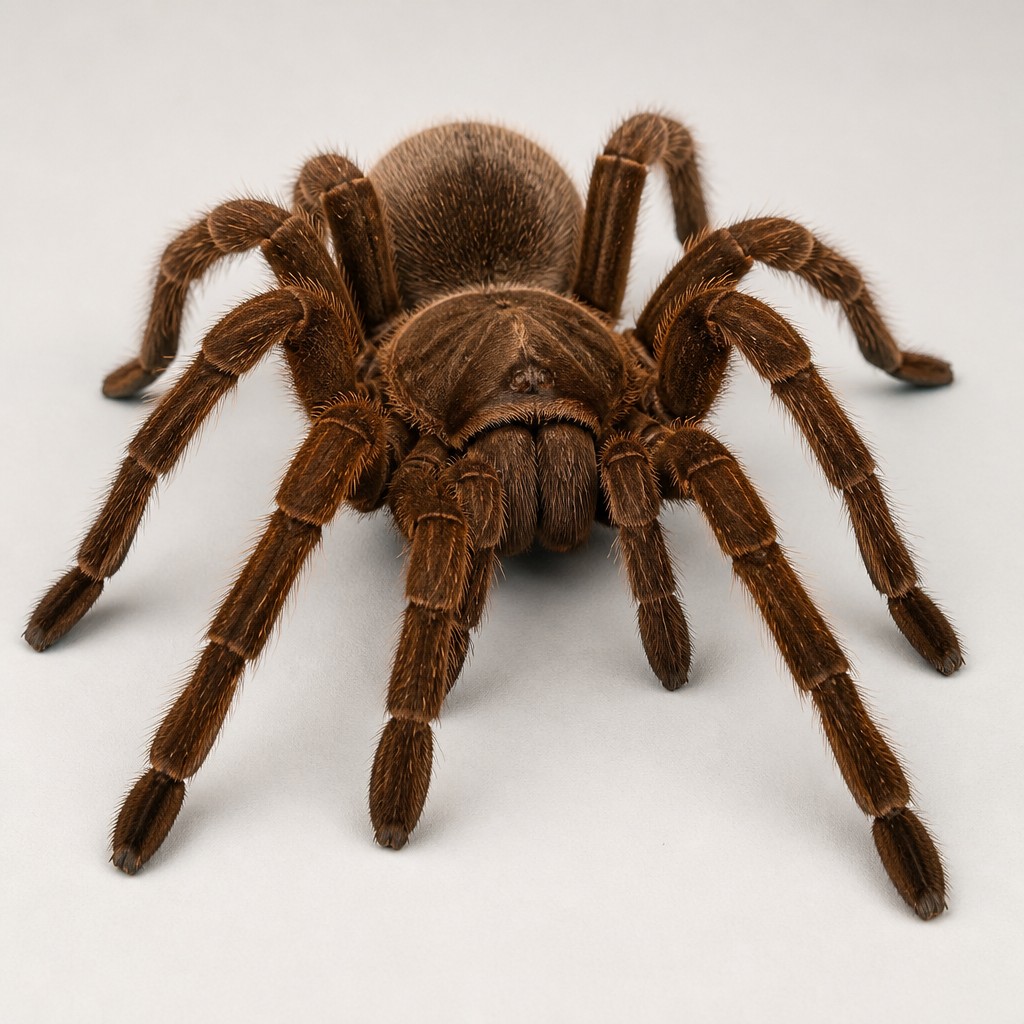
Goliath Birdeater
The heaviest spider in the world, the Goliath birdeater is a massive, hairy tarantula from the South American rainforest whose leg span can rival a dinner plate, though despite its name it primarily hunts insects and other invertebrates rather than birds.
spider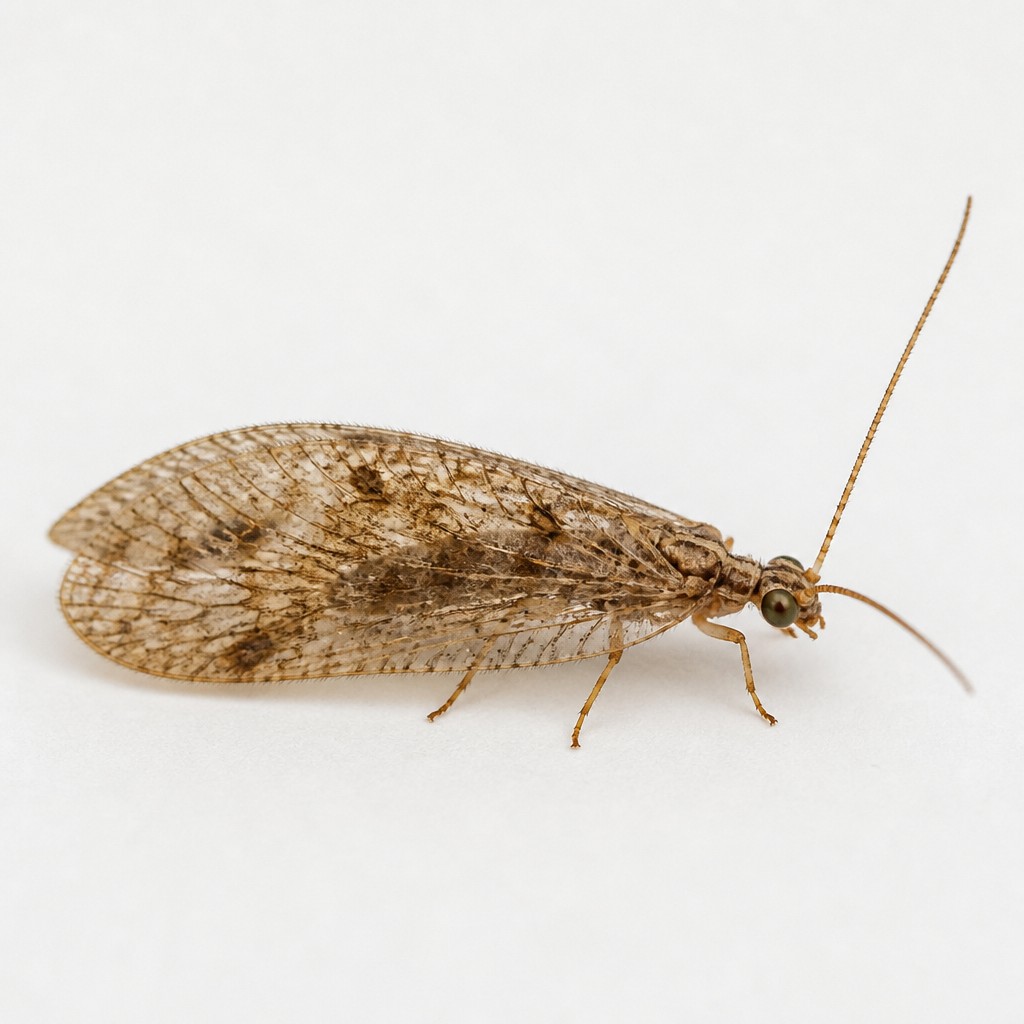
Brown Lacewing
Smaller and less conspicuous than its green relatives, the Brown Lacewing is a subtle but effective predator of aphids and other tiny insects in gardens, forests, and orchards.
other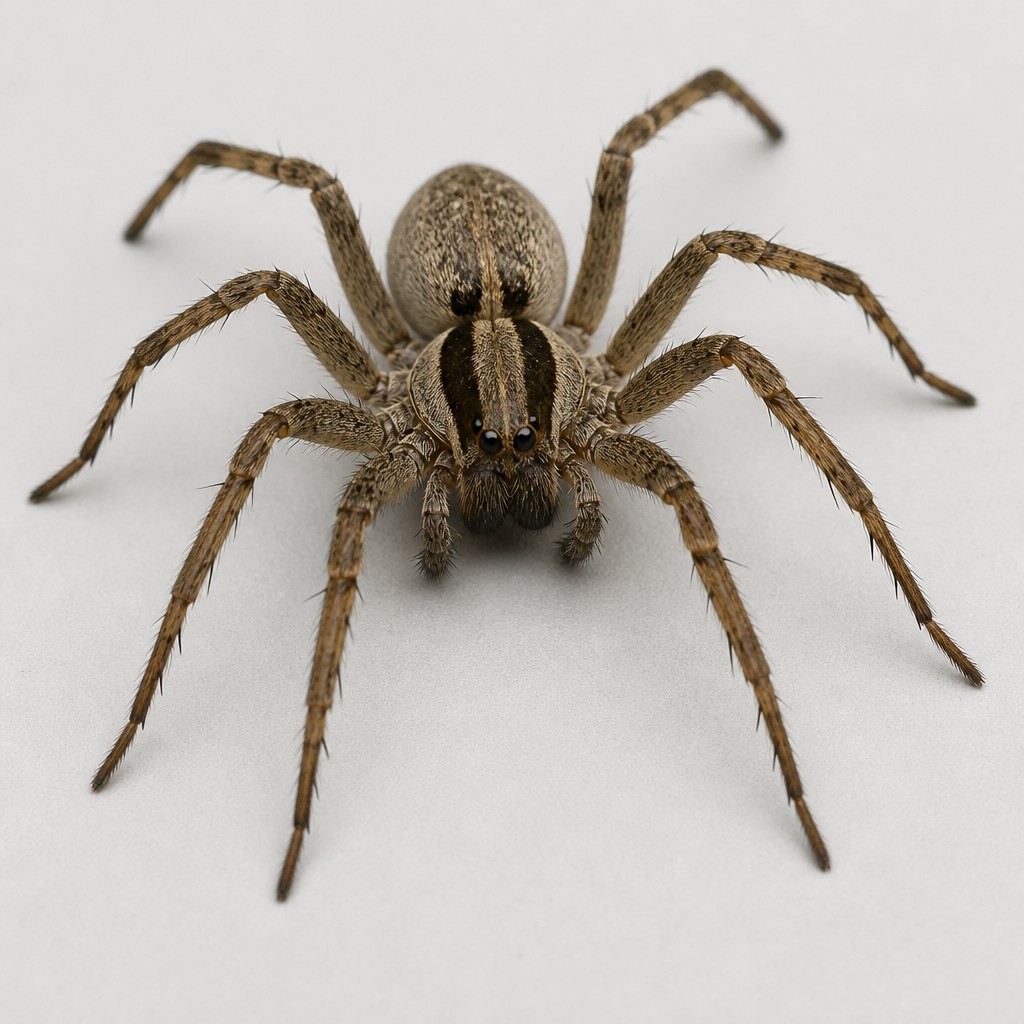
Funnel Weaver Spider
Nearly invisible until dew or morning frost outlines it in silver, the funnel weaver's sheet-and-tunnel web is a familiar sight across lawns and gardens, with its owner watching from the safety of a silken tube.
spider