
Bug Encyclopedia
Search and identify bugs & insects — beetles, butterflies, moths, ants, bees, spiders and more — with size, habitat, danger, behavior, and how to tell them apart.
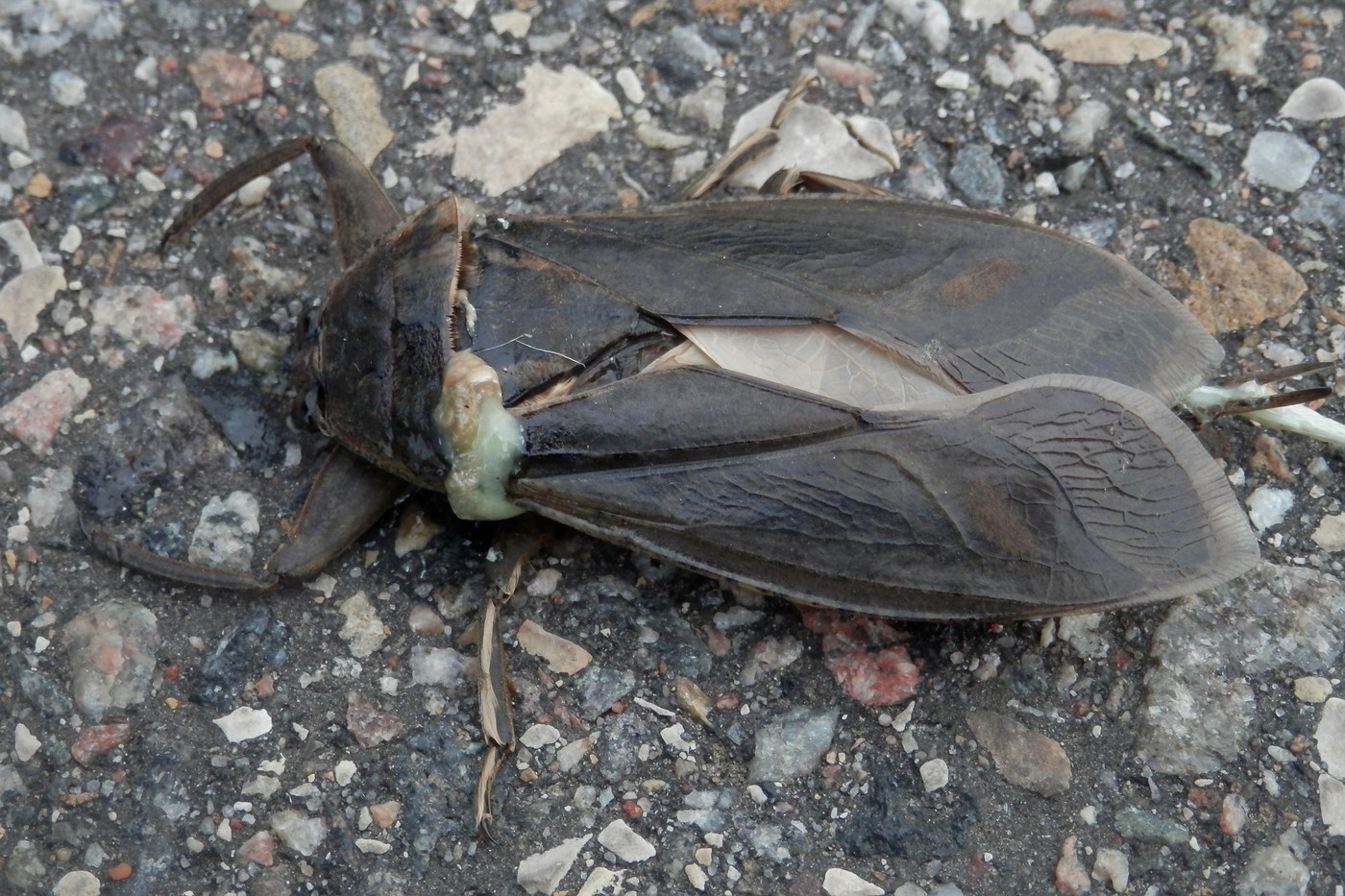
Giant Water Bug
A massive, flattened oval true bug with powerful grasping front legs, the giant water bug is North America's largest aquatic insect and an ambush predator lurking just below the surface of still water.
aquatic-insect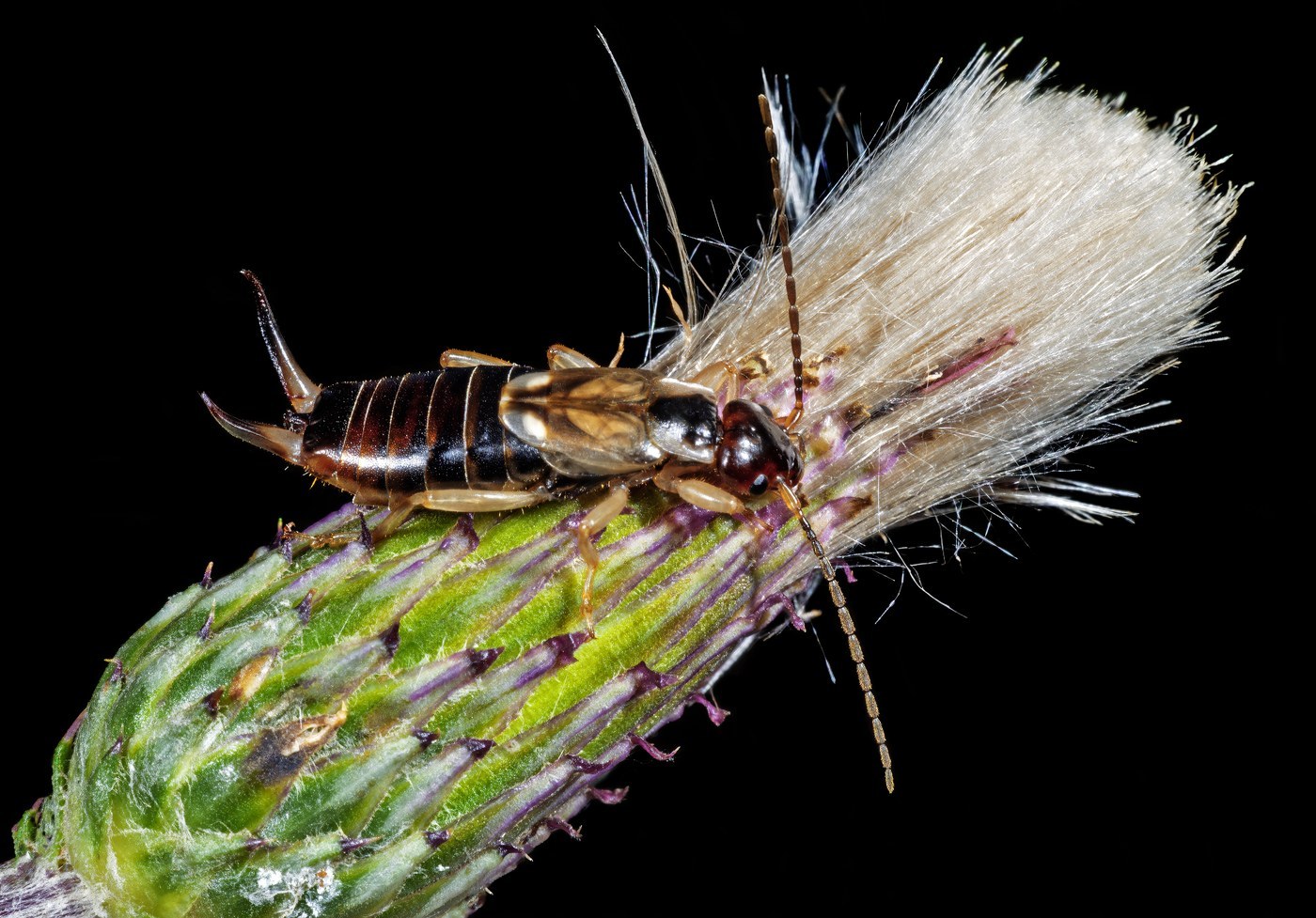
Earwig
A slender, reddish-brown insect easily identified by the pair of curved, forceps-like pincers at the tip of its abdomen, often found hiding under mulch, bark, or garden debris by day.
other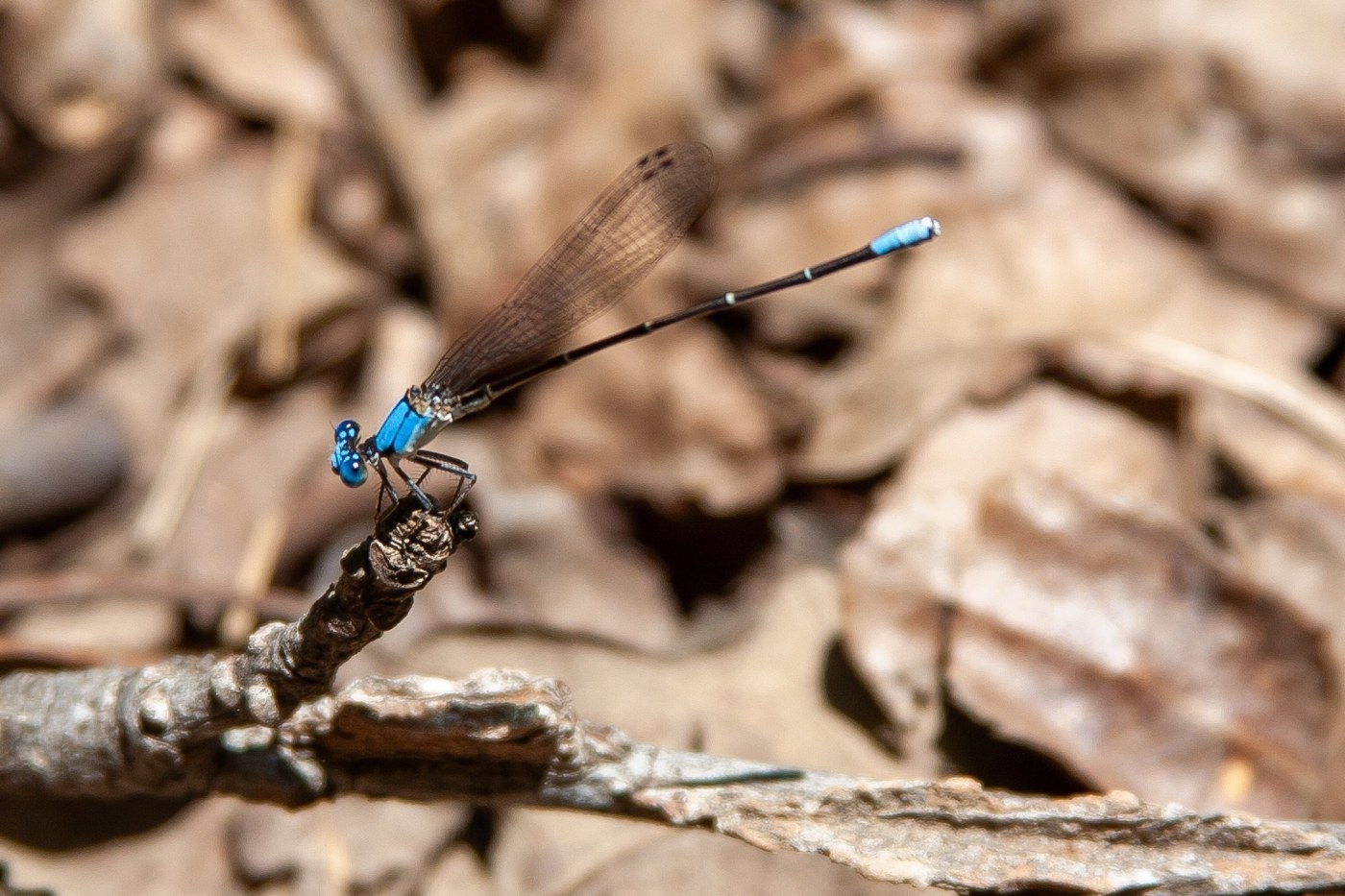
Blue-fronted Dancer
A bright blue head and thorax paired with a dark, blue-tipped abdomen give the Blue-fronted Dancer its name, as it hops and flutters along sunny riverbanks in loose groups.
other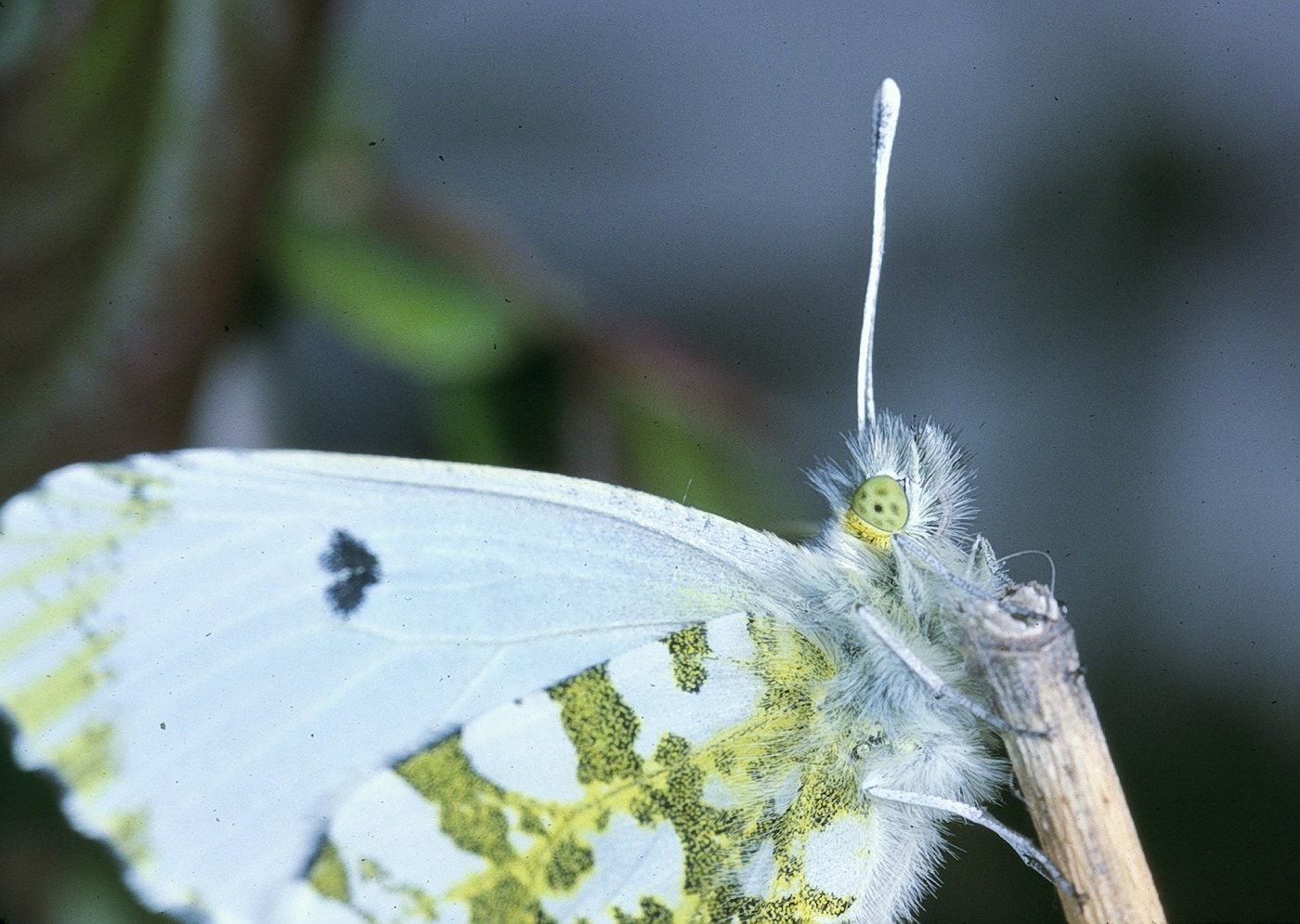
Orange Tip
A dainty white butterfly whose males flash vivid orange wingtip patches, while both sexes show a beautifully marbled green-and-white pattern on the underwings.
butterfly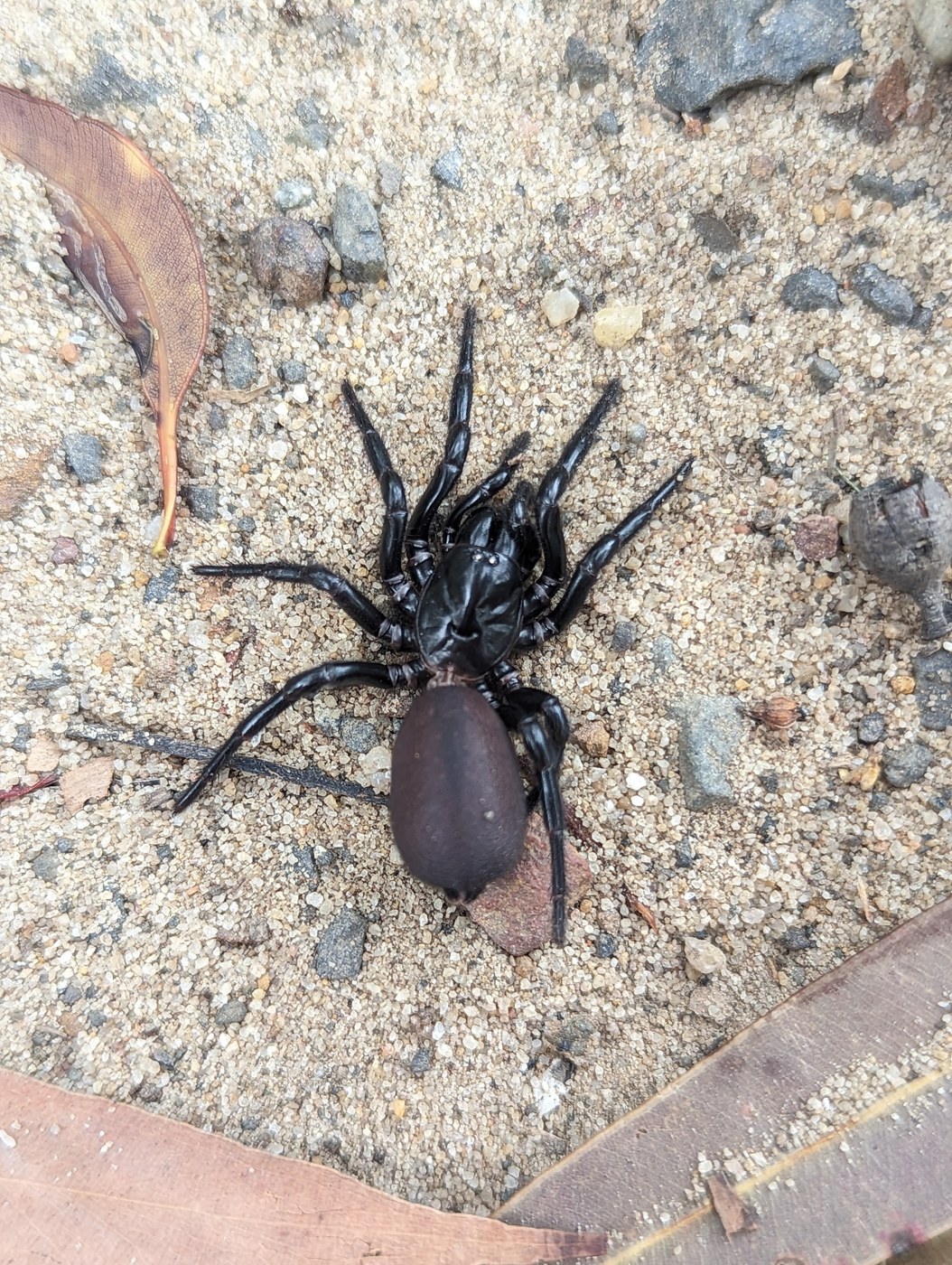
Sydney Funnel-web Spider
Glossy black and heavily built, with large fangs held ready in front of its face, the Sydney funnel-web spider shelters in a silk-lined burrow in moist, shaded ground across the Sydney region, one of Australia's most distinctive ground-dwelling spiders.
spider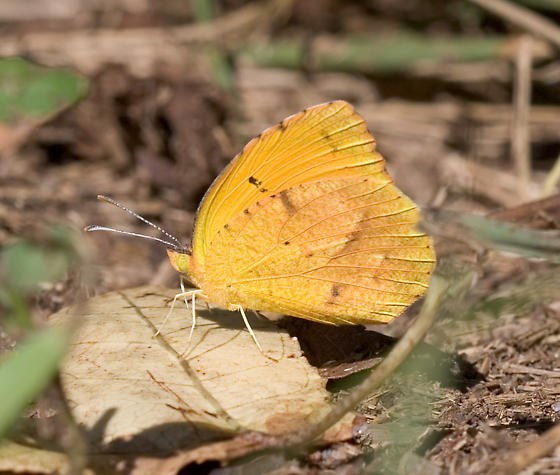
Sleepy Orange
A small, deep orange sulphur butterfly with dark wing borders and a low, wandering flight, named for a faint dark mark that suggests a half-closed, sleepy eye.
butterfly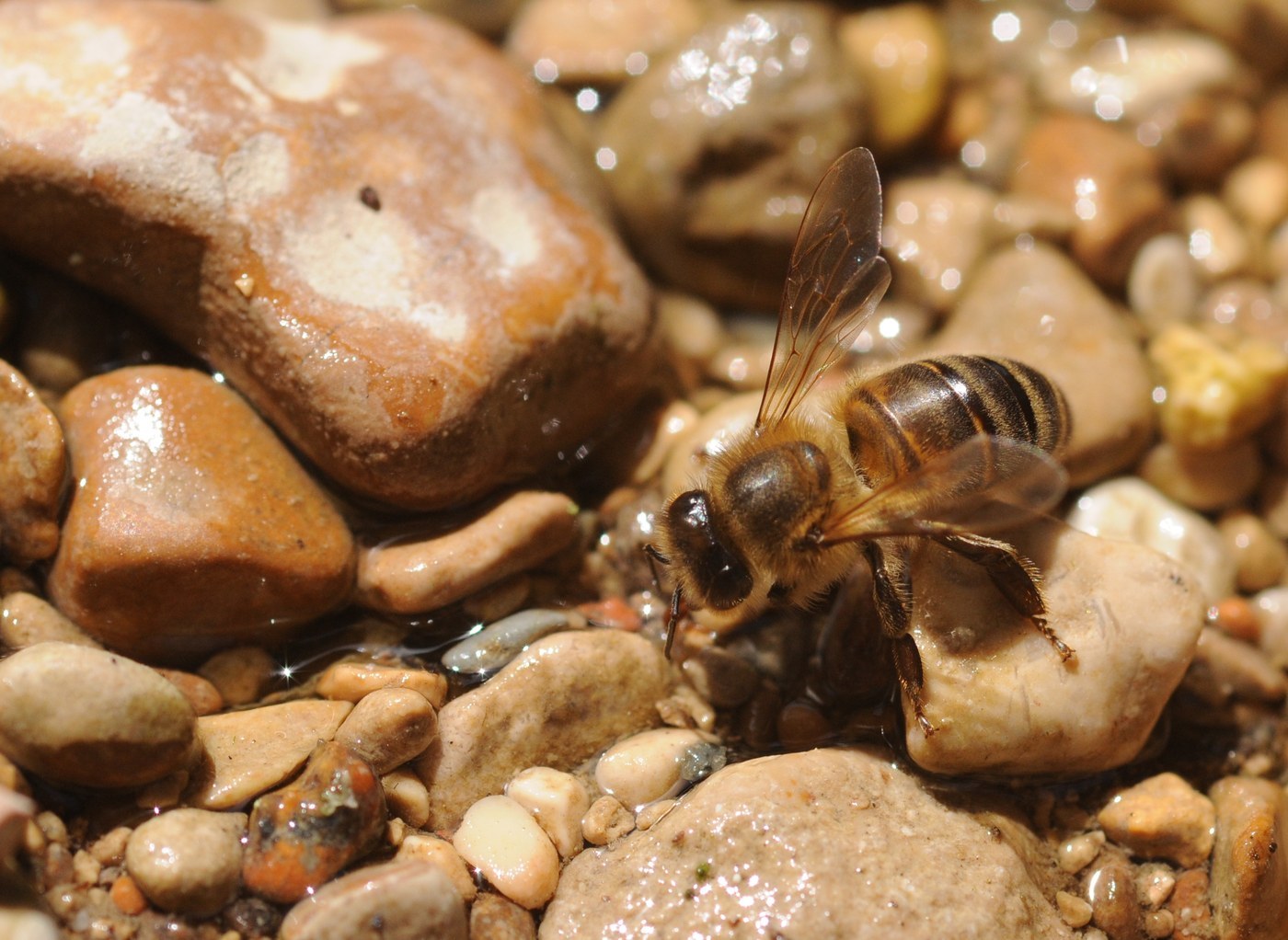
Honey Bee
A fuzzy, golden-brown and black-banded bee that lives in large, highly organized colonies, best known for its role in pollination and its production of wax comb and honey.
bee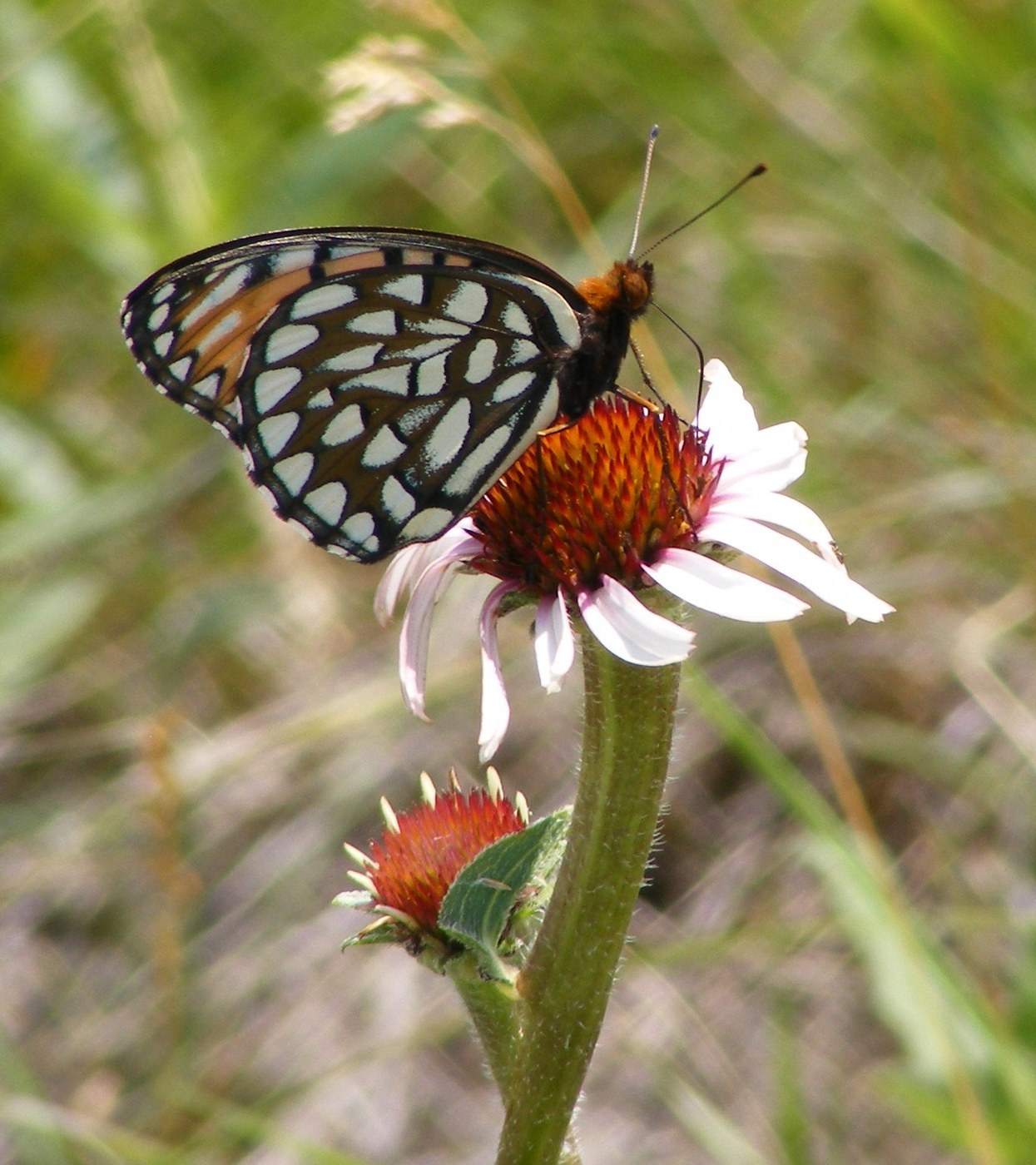
Regal Fritillary
A large, showy prairie butterfly with bright orange forewings and dramatically contrasting black hindwings dotted with rows of white and cream spots.
butterfly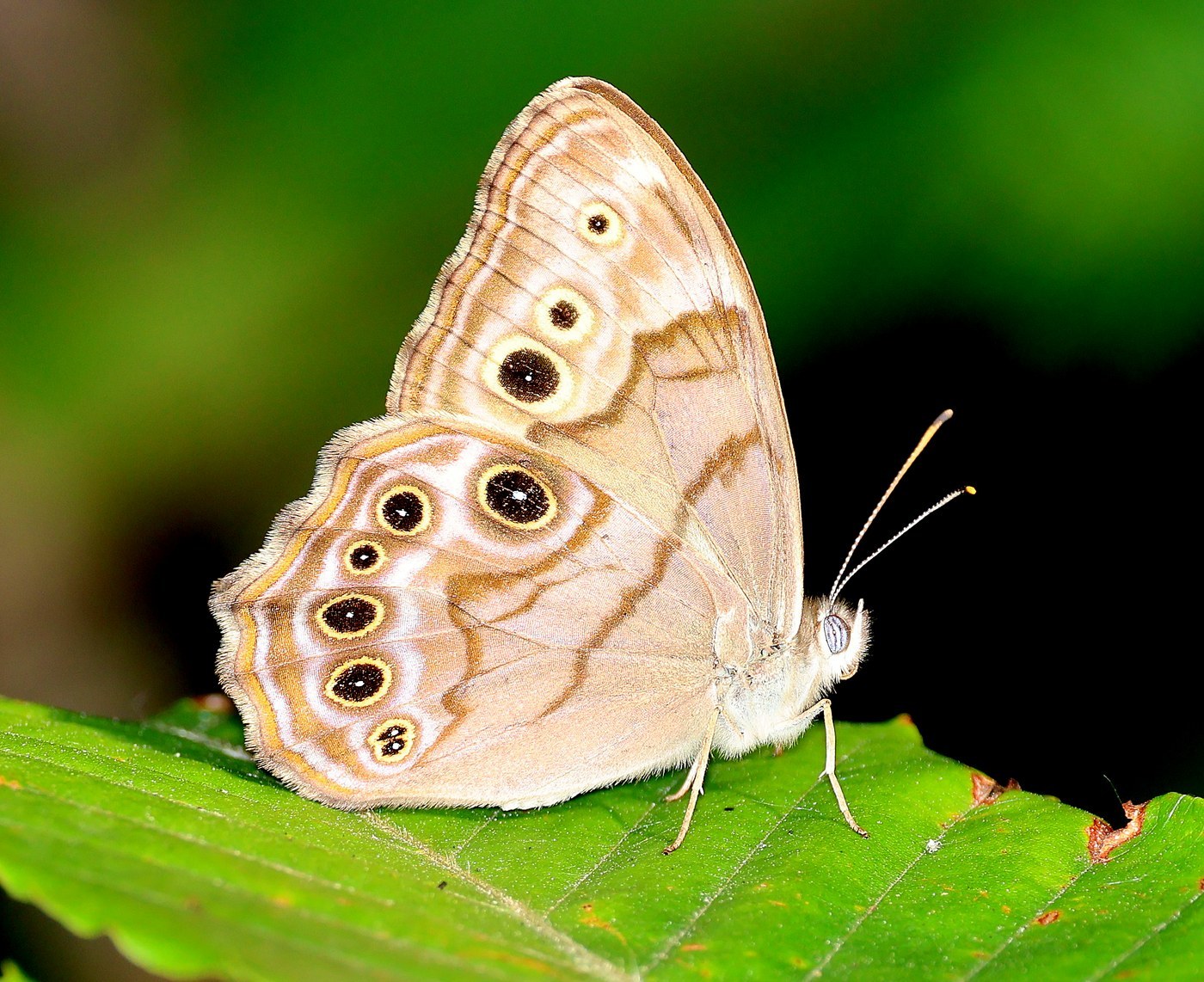
Northern Pearly-eye
A shade-loving brown woodland butterfly with rows of dark, pale-ringed eyespots, more often seen resting on tree trunks in forest gaps than flying in open sun.
butterflyGrass Spider
Best known for the shimmering, dew-covered funnel webs that appear across lawns on autumn mornings, grass spiders are swift, striped runners that dash into a silken tunnel the instant prey - or a threat - approaches.
spider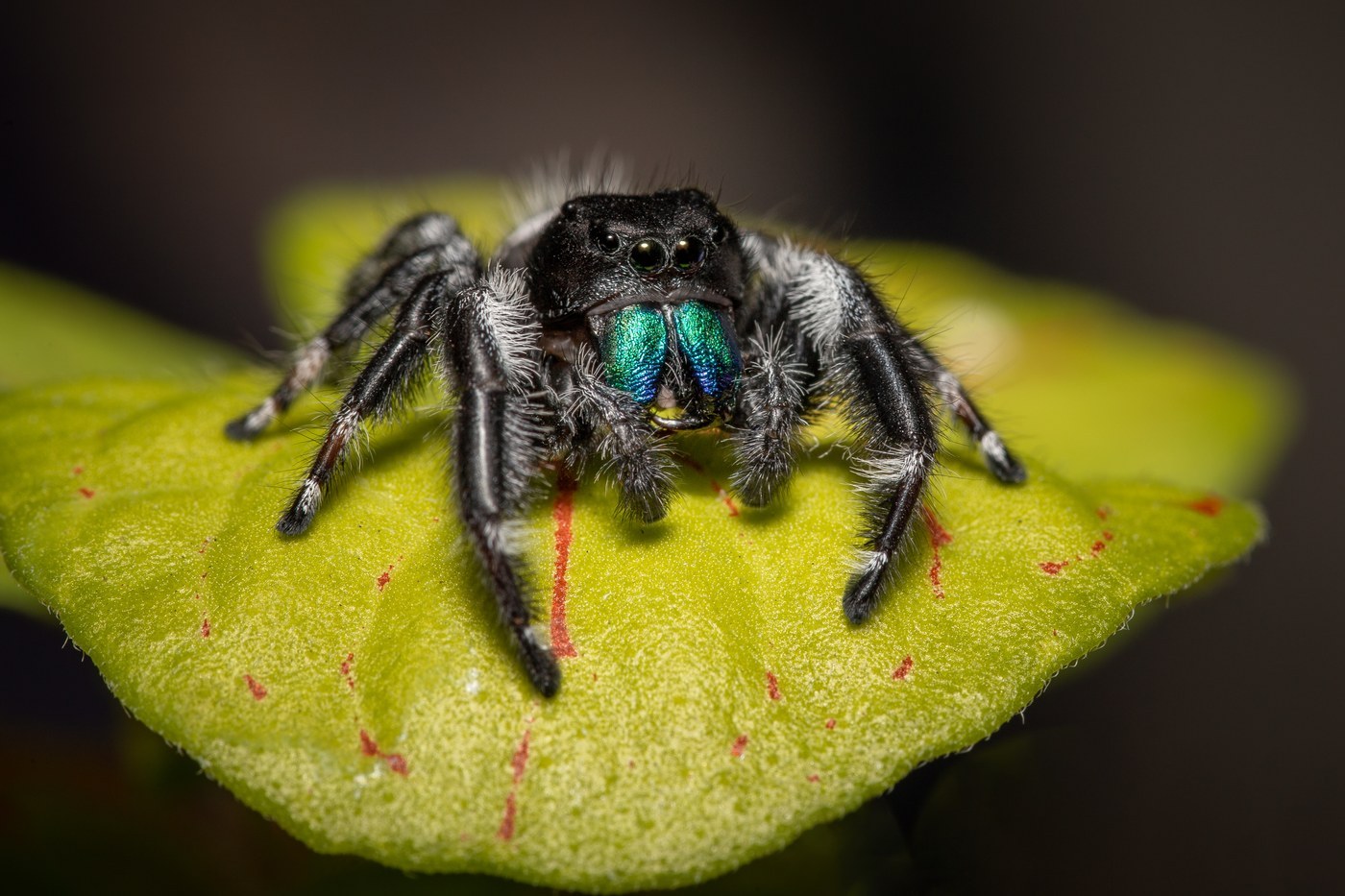
Jumping Spider
A compact, often furry, day-active spider with unusually large forward-facing eyes that give it an alert, curious look, known for stalking prey and pouncing in a sudden leap.
spider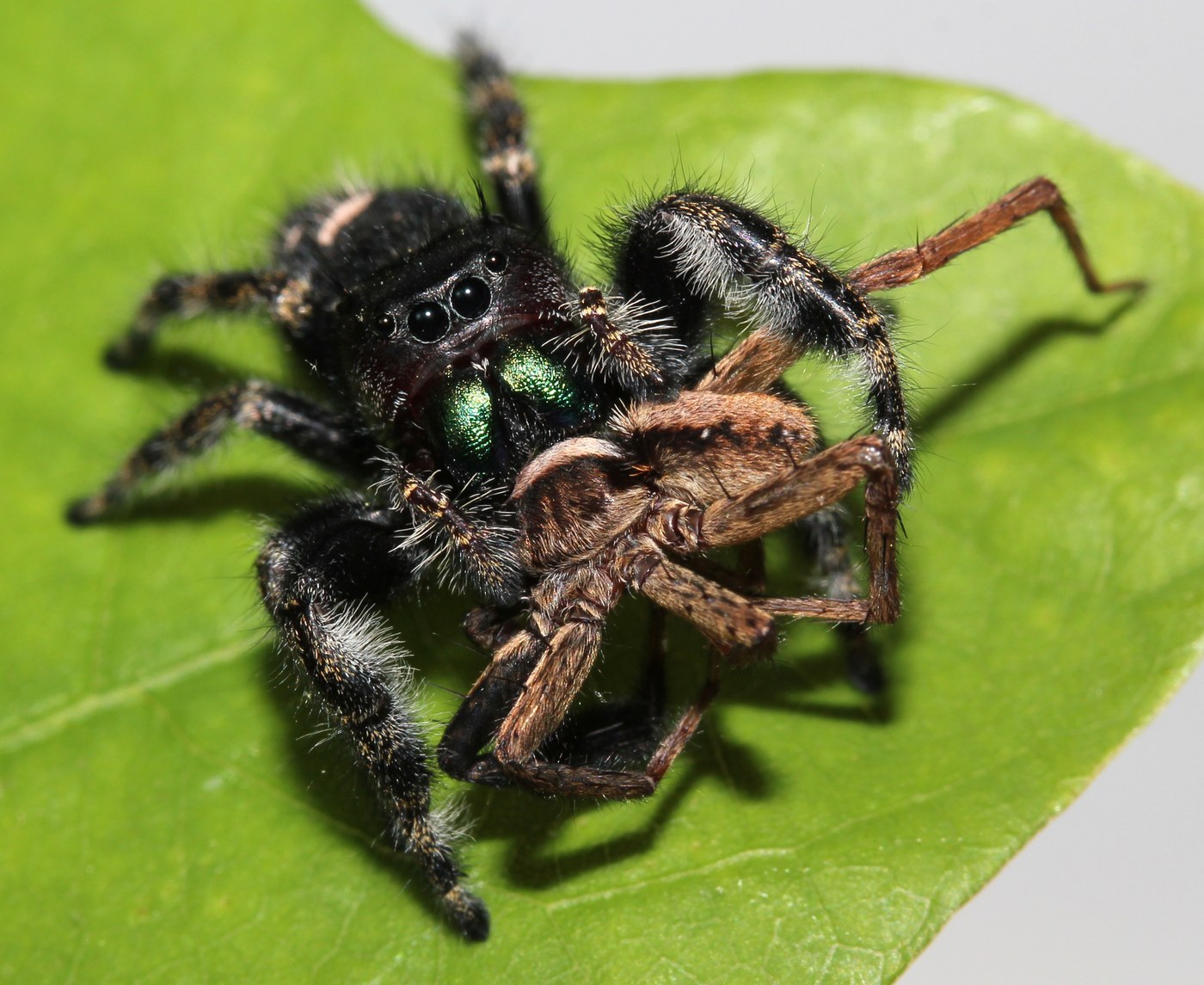
Bold Jumping Spider
A stocky, fuzzy black spider with iridescent green or blue mouthparts and a bold white or orange spot on its abdomen, the bold jumper is known for its excellent eyesight, curious behavior, and ability to leap many times its own body length.
spider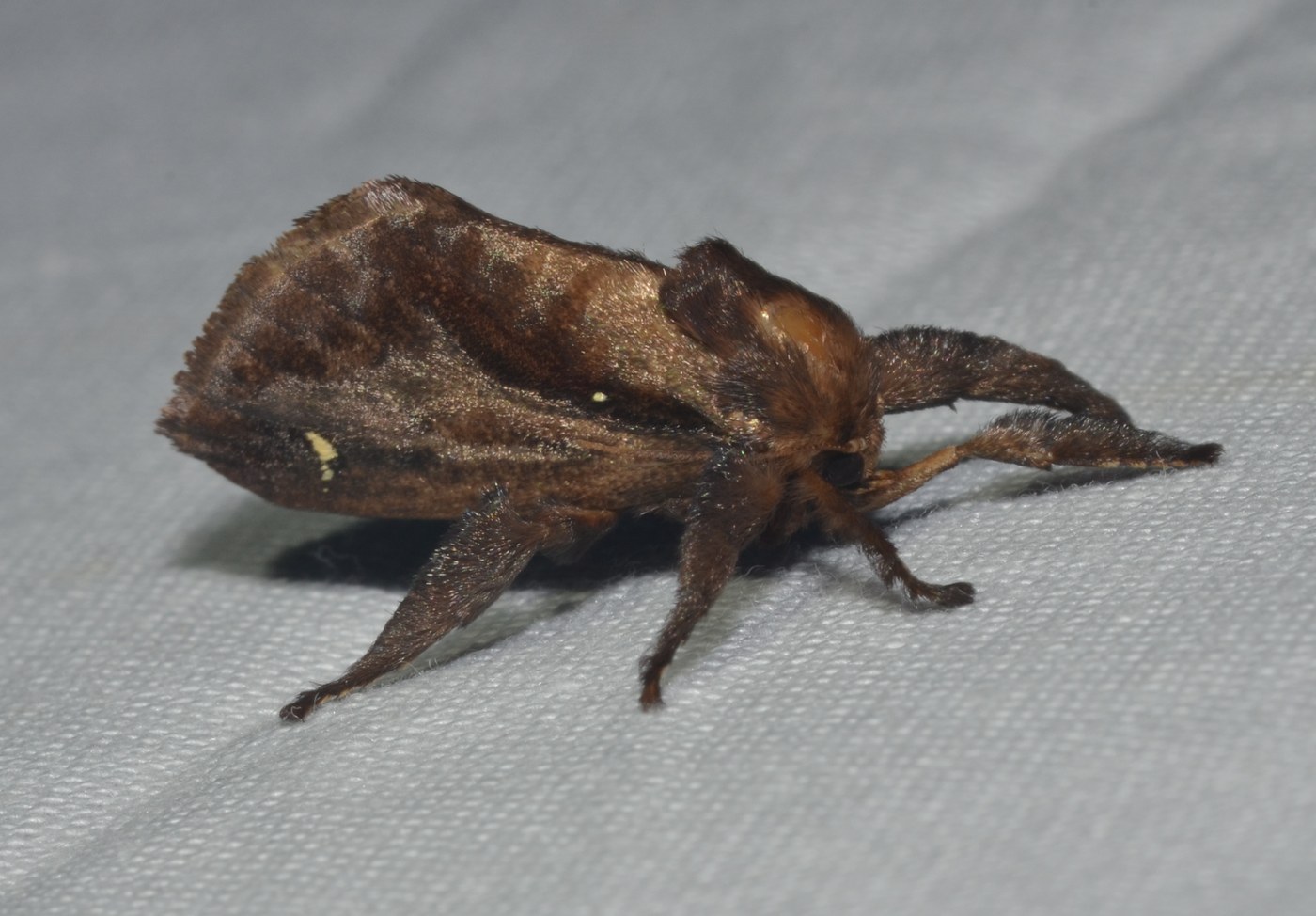
Saddleback Caterpillar
An unmistakable stout caterpillar with a bright green saddle-shaped patch on a brown back, bristling with clusters of spines along its stocky body.
caterpillar-larva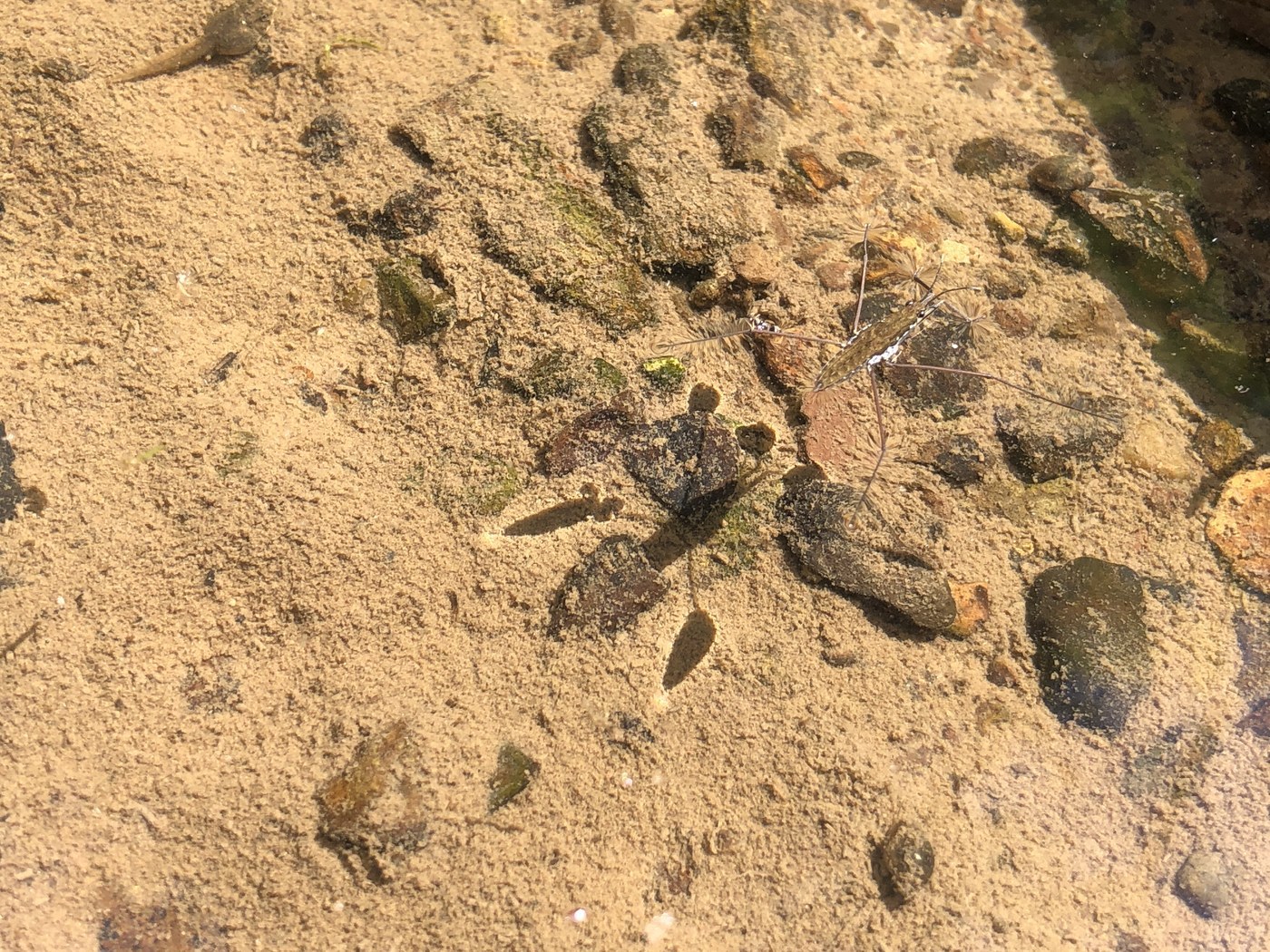
Common Water Strider
Skating effortlessly across the surface film of ponds and slow streams, the common water strider rows itself along on hair-fringed legs to ambush insects trapped in the surface tension.
true-bug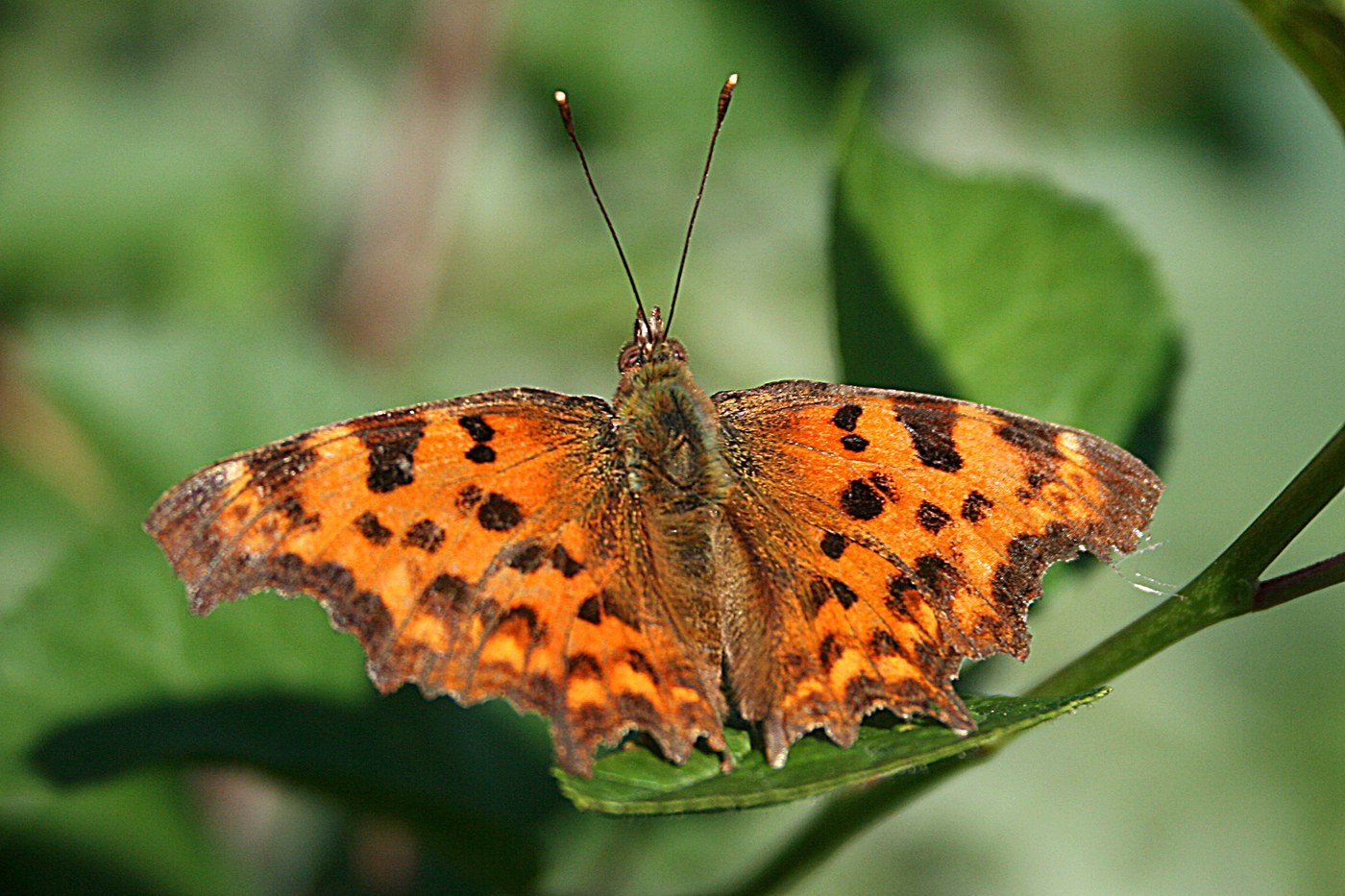
Comma Butterfly
An orange-brown butterfly with distinctively ragged, scalloped wing edges and a small white comma-shaped mark on the underside of the hindwing, resembling a dead leaf when at rest.
butterfly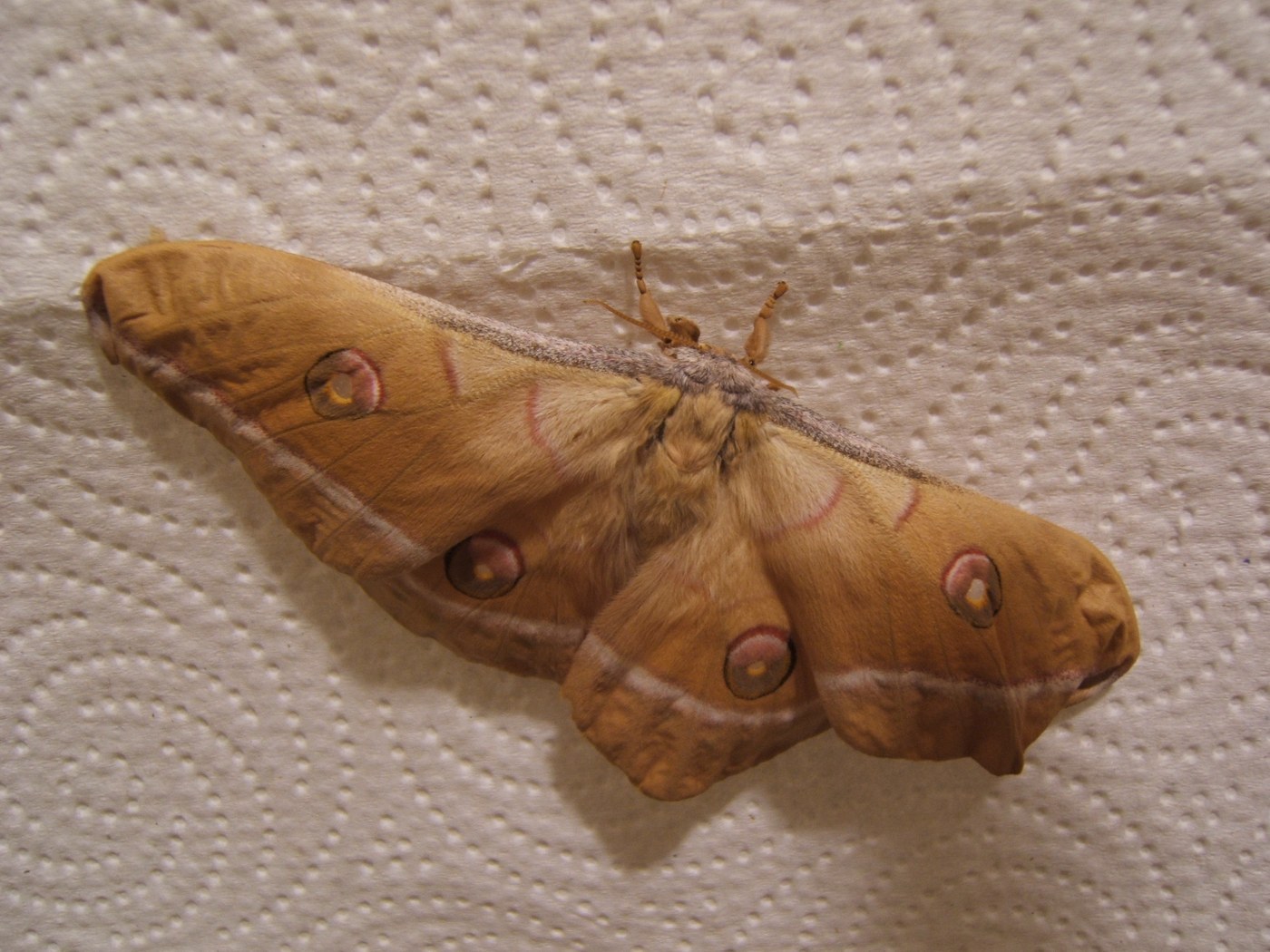
Chinese Oak Silkmoth
A large, rust-brown silkmoth with prominent transparent eyespots on all four wings, native to oak forests of China and long cultivated there for coarse tussah silk production.
moth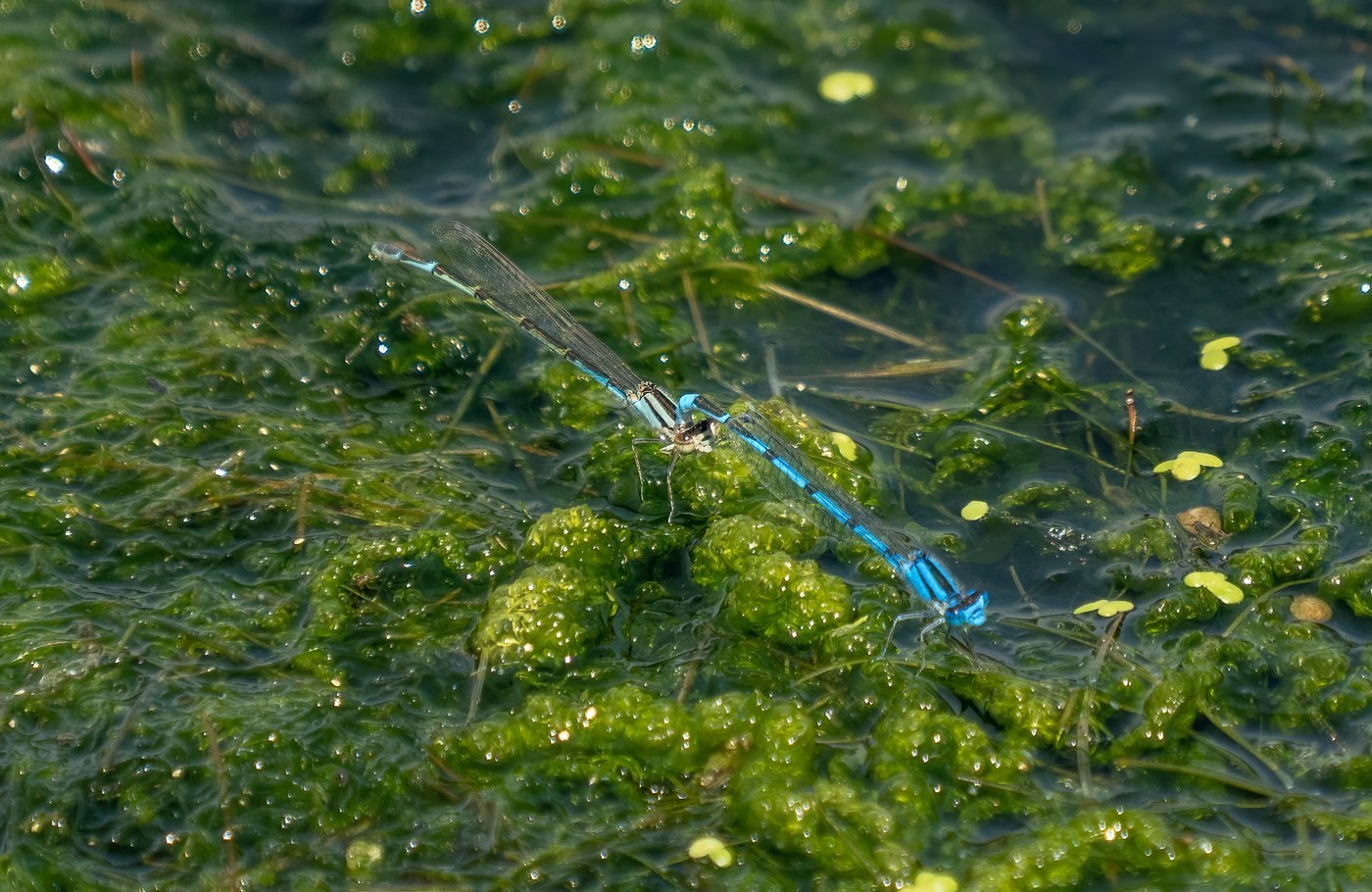
Northern Bluet
A hardy blue damselfly of northern ponds and lakes, the Northern Bluet ranges farther north than most of its relatives and is often the dominant bluet at cooler, higher-latitude waters.
dragonfly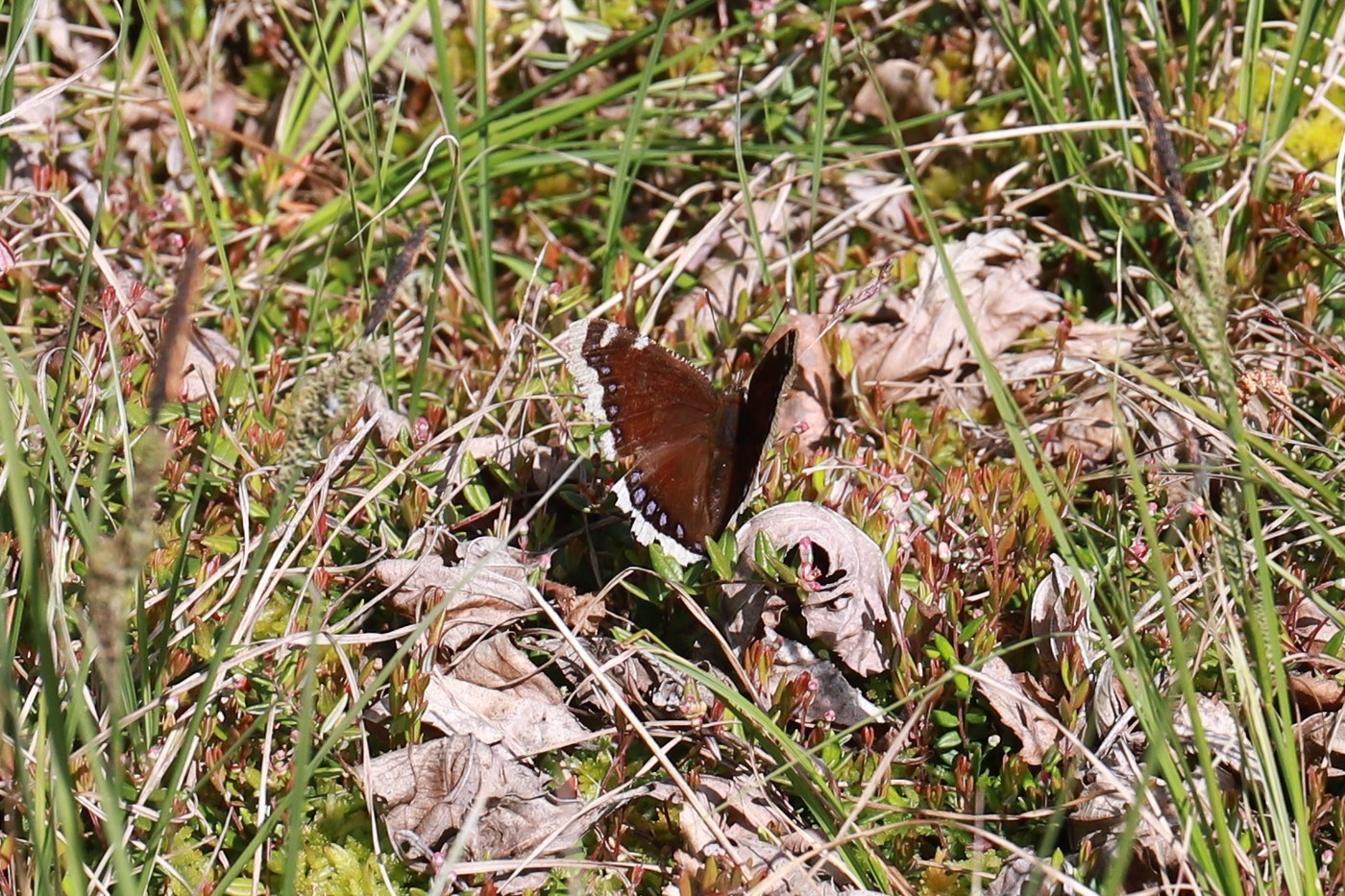
Mourning Cloak
A dark, velvety maroon-brown butterfly edged with a ragged cream-yellow border and a row of iridescent blue spots, notable for overwintering as an adult and often being one of the very first butterflies seen flying in early spring.
butterfly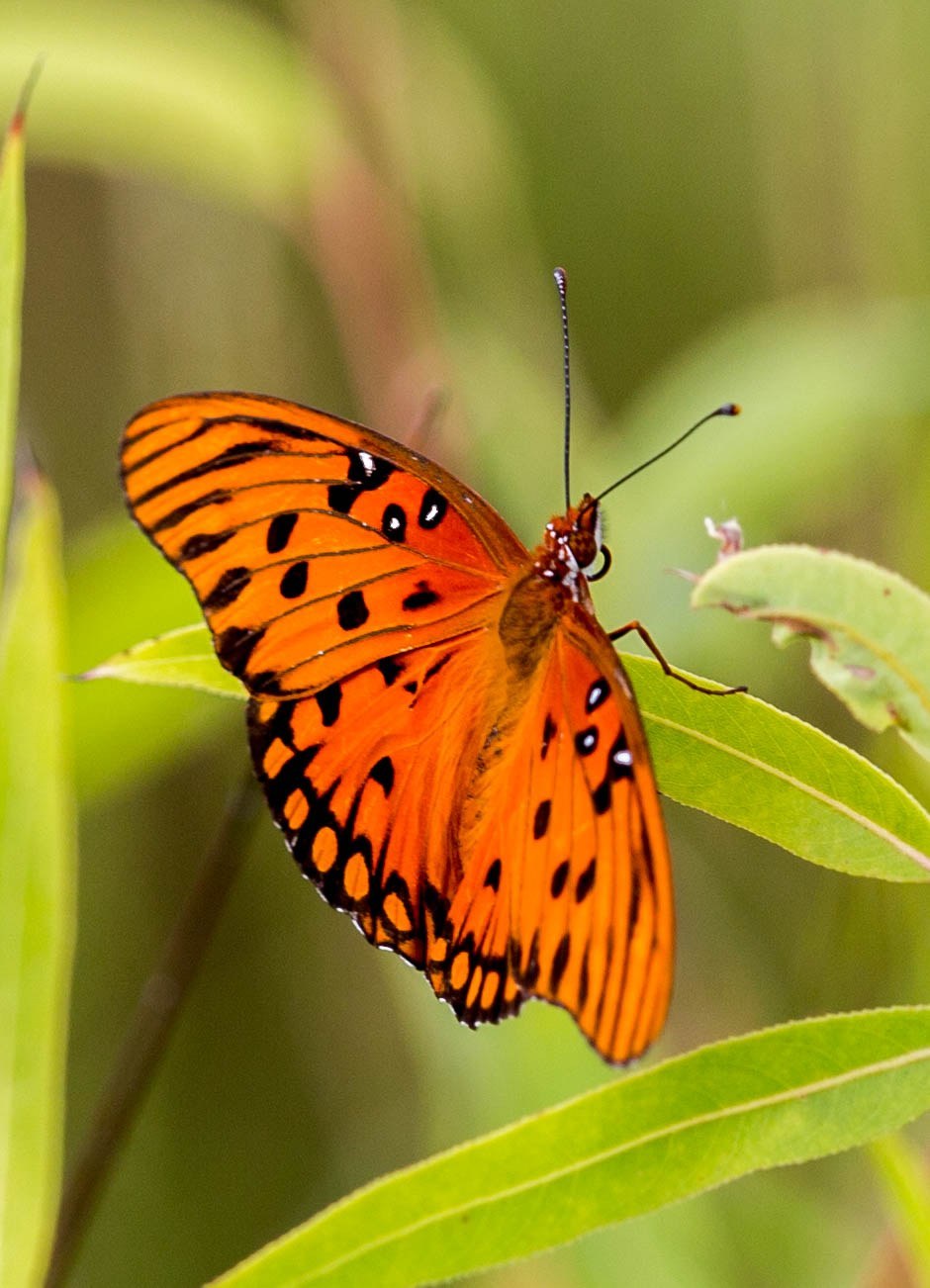
Gulf Fritillary
A vivid orange, long-winged butterfly whose underside gleams with brilliant metallic silver spangles, closely tied to passionflower vines throughout the warmer parts of the Americas.
butterfly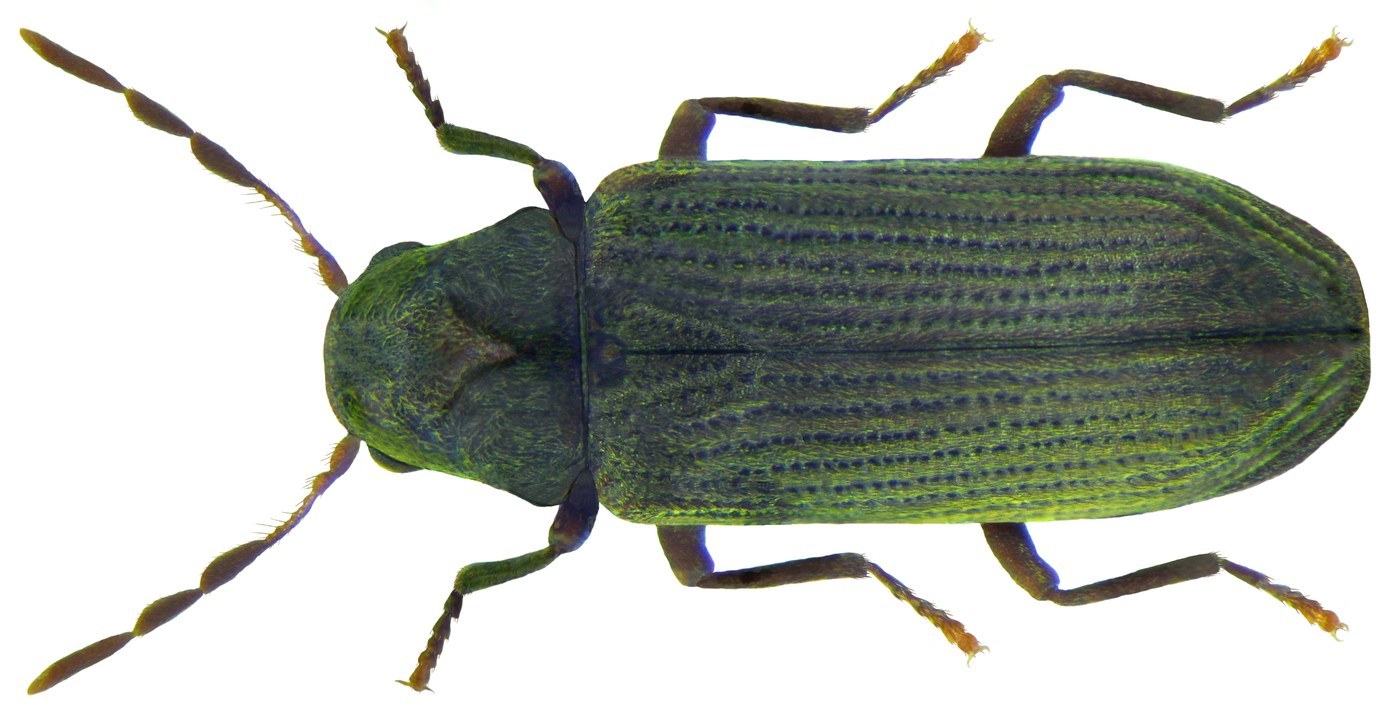
Furniture Beetle
A tiny, reddish-brown to dark brown cylindrical beetle whose larvae, commonly called 'woodworm,' bore small round tunnels through seasoned furniture and timber.
beetle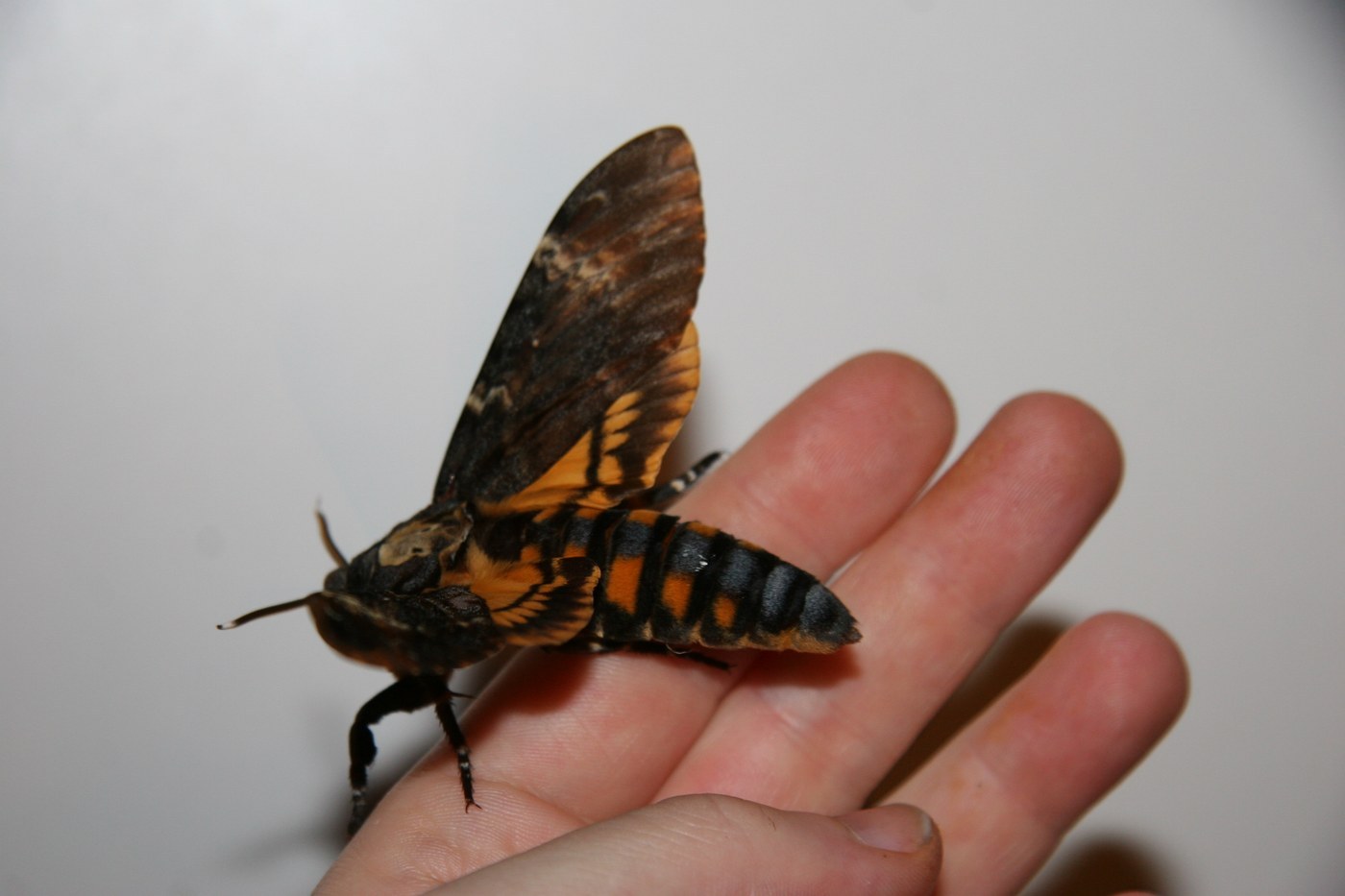
Death's-head Hawkmoth
A large, thick-bodied hawkmoth instantly recognized by the pale, skull-and-crossbones marking on its furry thorax, famous for entering beehives and letting out a shrill squeak when disturbed.
moth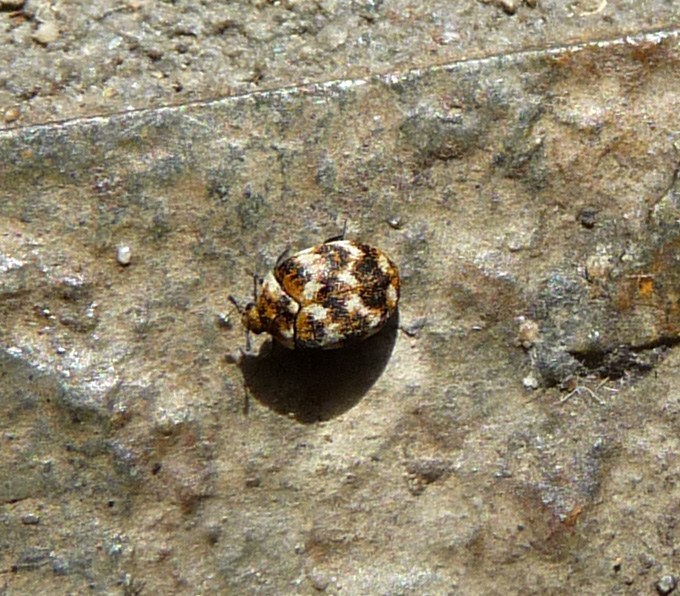
Varied Carpet Beetle
A tiny beetle mottled with white, brown, and yellow scales that, as a fuzzy larva, quietly grazes on natural fibers tucked away in closets and attics.
beetle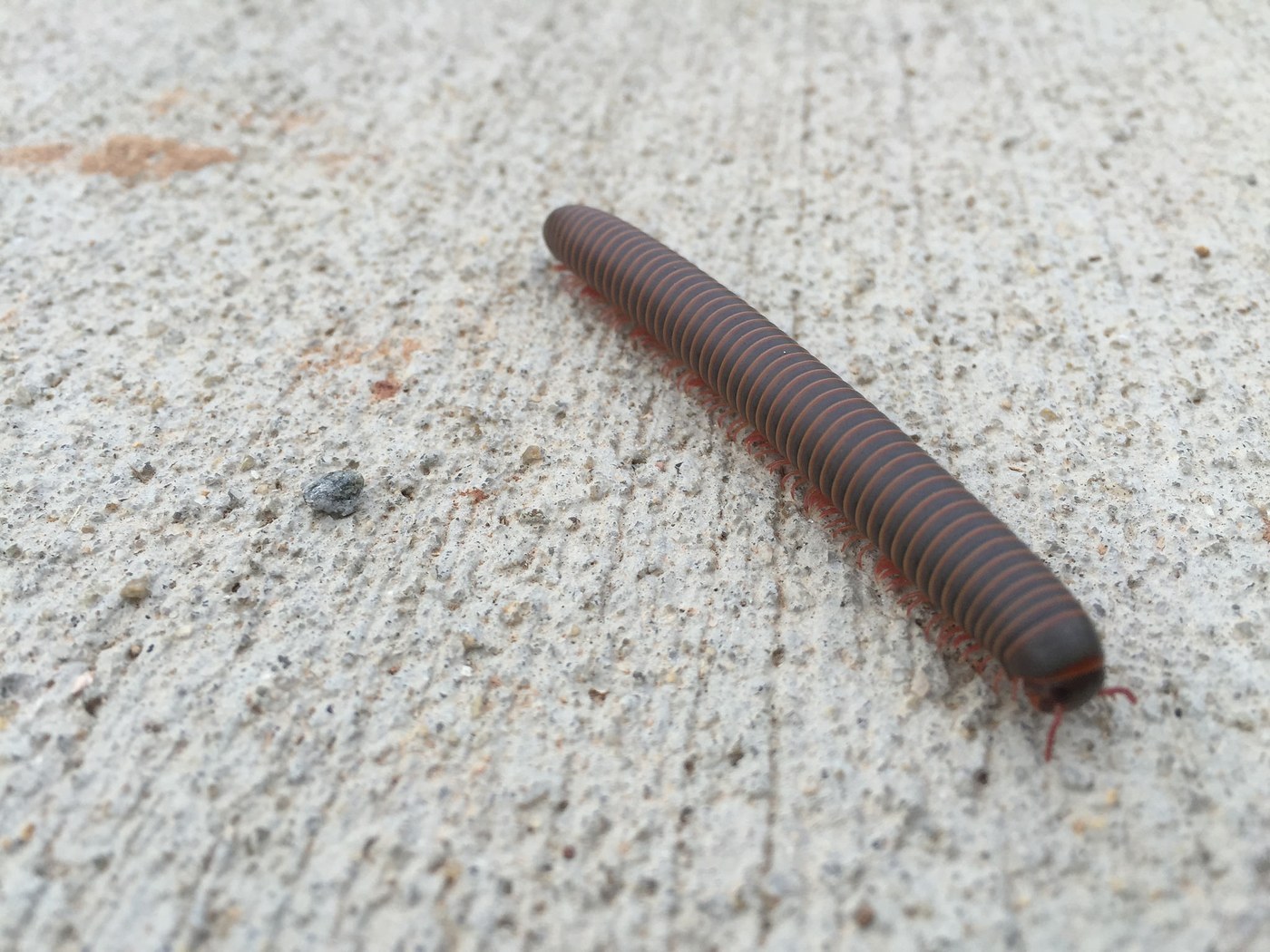
Millipede
A slow-moving, cylindrical, many-legged detritivore with two pairs of legs per body segment, often seen curling into a tight spiral when disturbed.
myriapod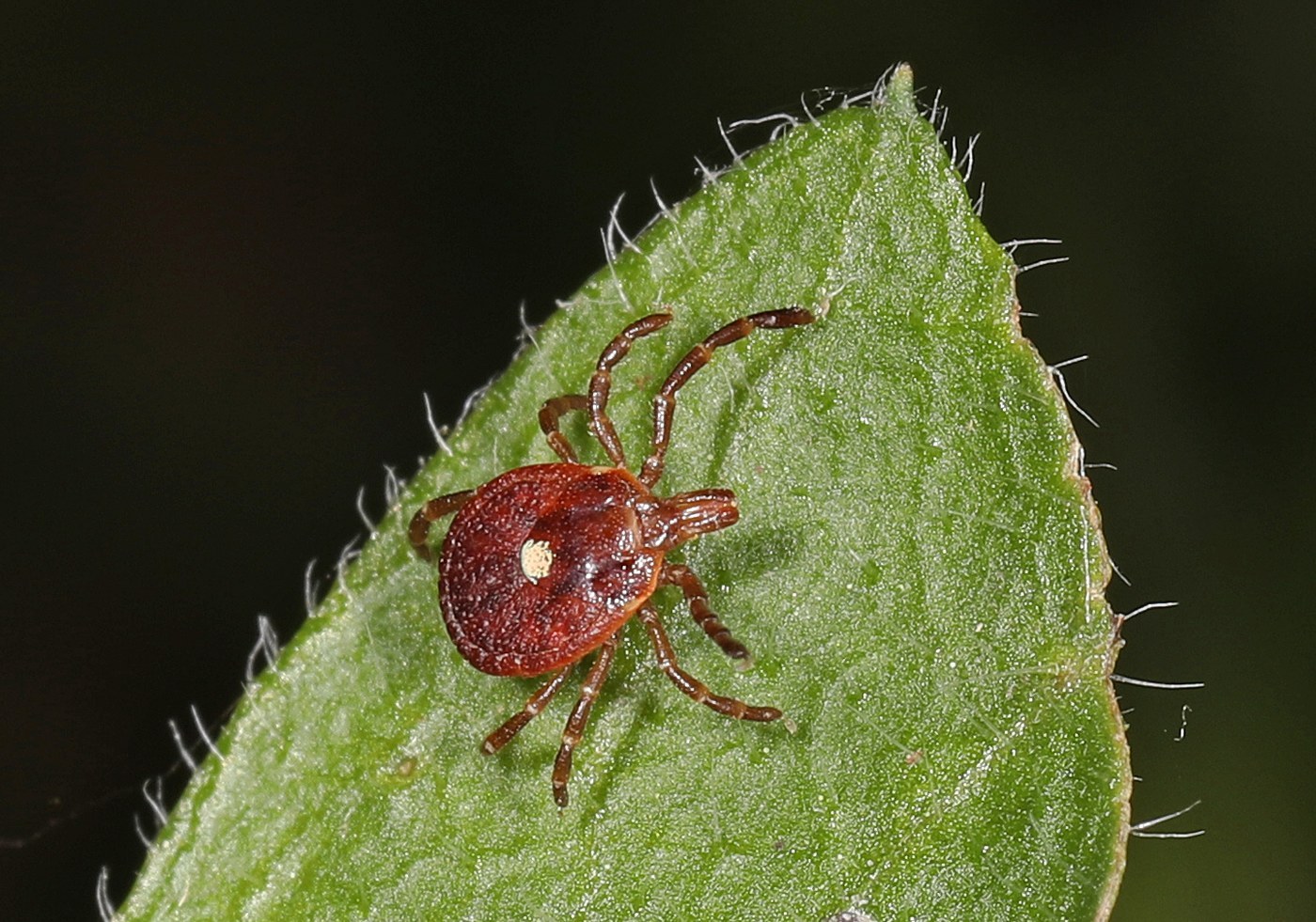
Lone Star Tick
Named for the single silvery-white spot on the back of the adult female, the lone star tick is unusually active for a tick, moving toward hosts rather than simply waiting for them to pass. Its reddish-brown, ornamented body makes it one of the easier North American ticks to identify at a glance.
arachnid