
Bug Encyclopedia
Search and identify bugs & insects — beetles, butterflies, moths, ants, bees, spiders and more — with size, habitat, danger, behavior, and how to tell them apart.
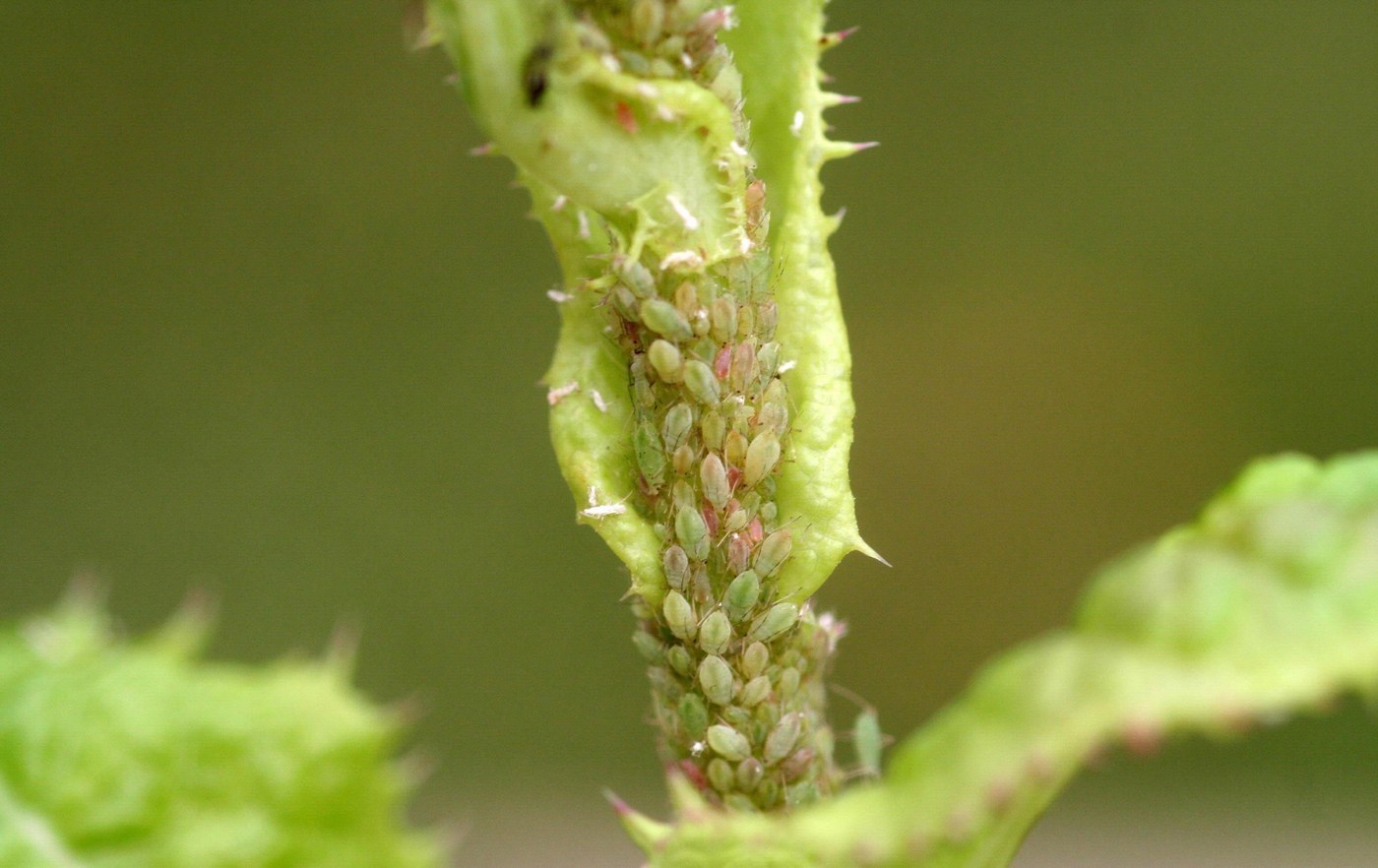
Aphid
A tiny, soft-bodied, pear-shaped insect that clusters in dense colonies on plant stems and leaf undersides, feeding on sap through needle-like mouthparts and often coated in sweet honeydew.
true-bug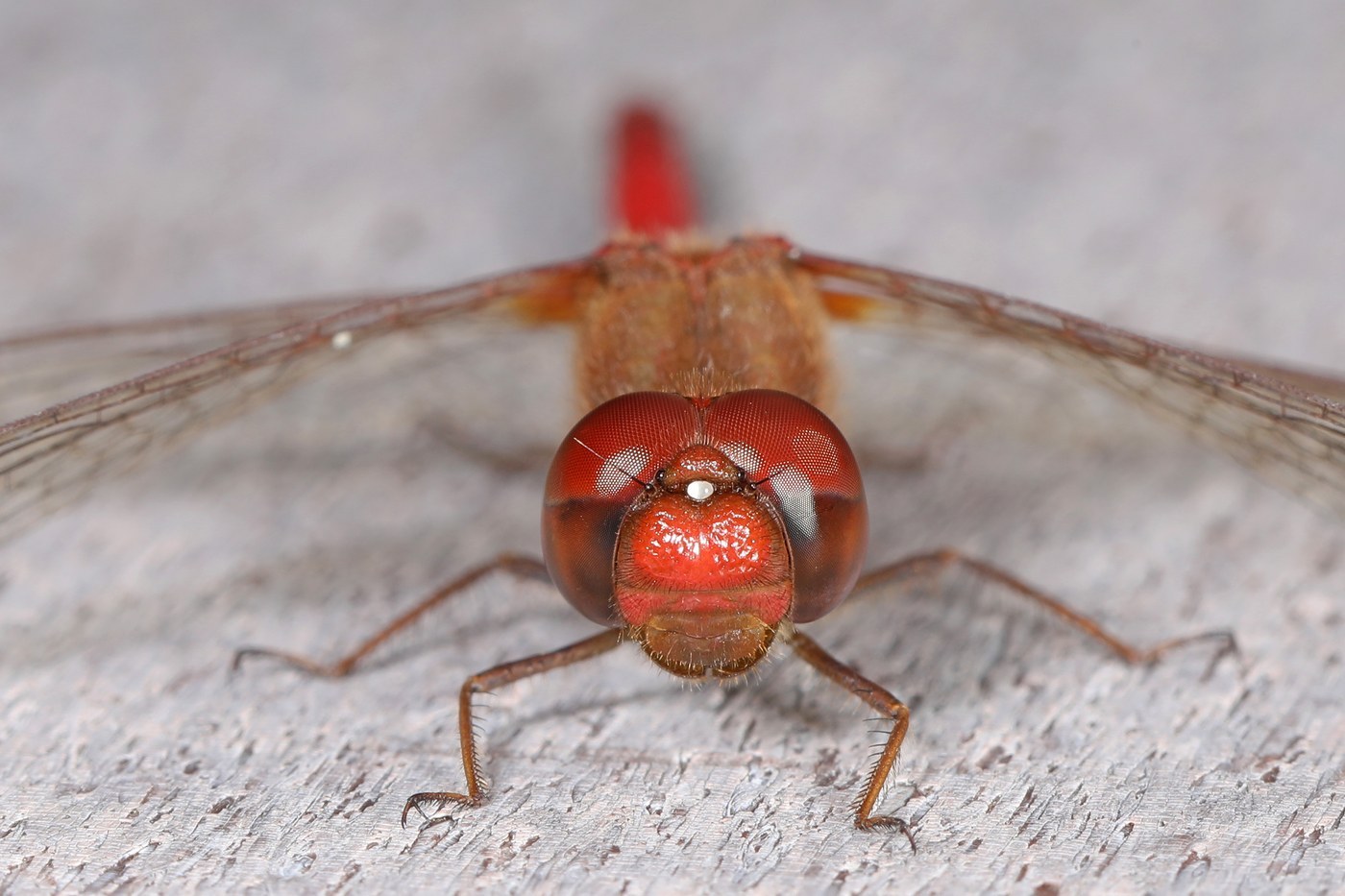
Autumn Meadowhawk
One of the last dragonflies still flying as autumn cools, this small pale-legged meadowhawk can be found sunning on trails and pond banks well into November in many areas.
dragonfly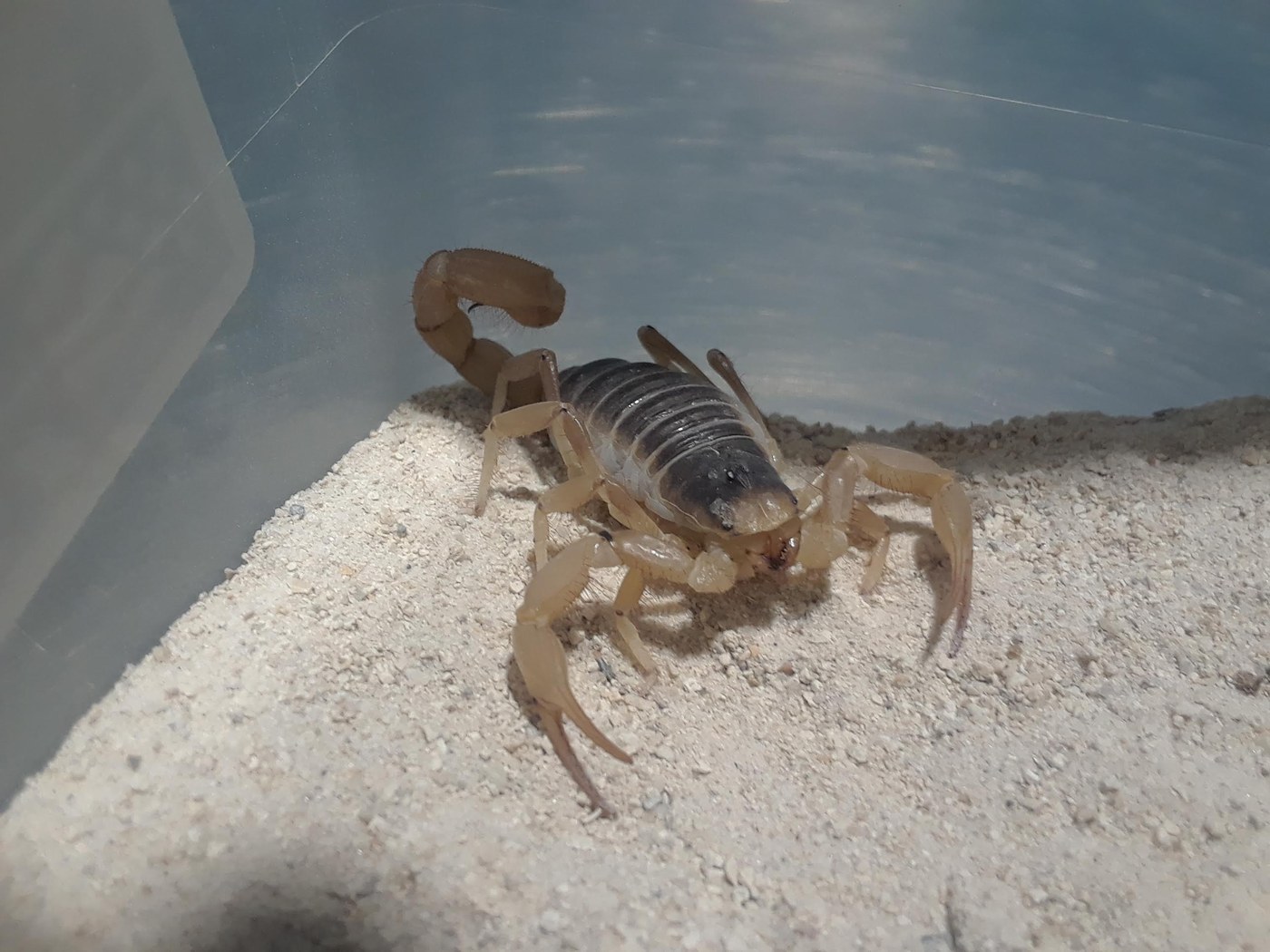
Giant Desert Hairy Scorpion
The largest scorpion in North America, a robust golden-brown giant covered in fine bristles that digs deep burrows in the desert sand and hunts after dark.
arachnid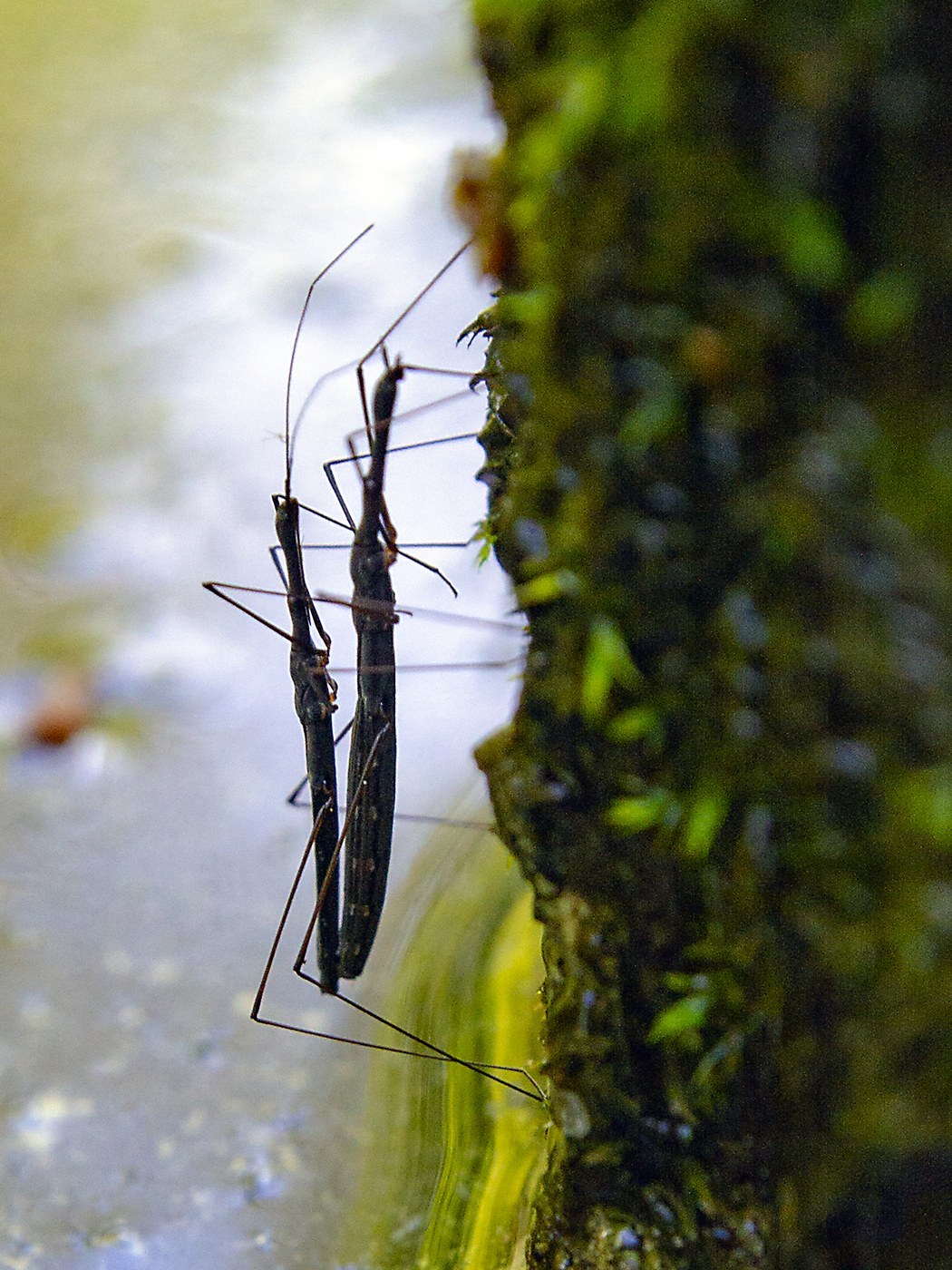
Water Measurer
Thin as a splinter and slow-stepping across the surface film, the water measurer creeps along pond edges spearing tiny prey with its needle-like snout.
true-bug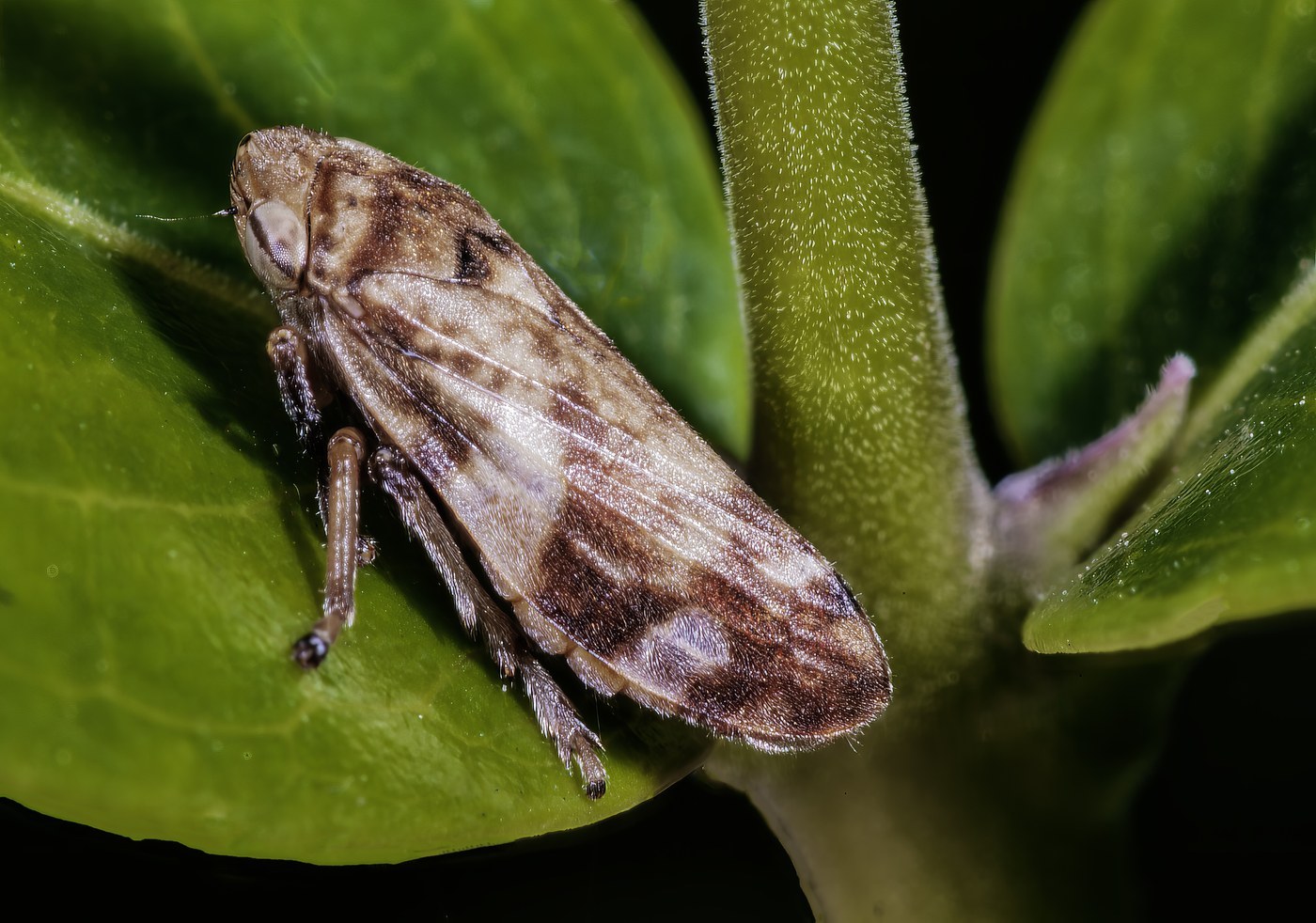
Spittlebug
A small hopping true bug best known in its nymph stage, which surrounds itself in a frothy mass of white foam on plant stems, commonly called cuckoo spit.
true-bug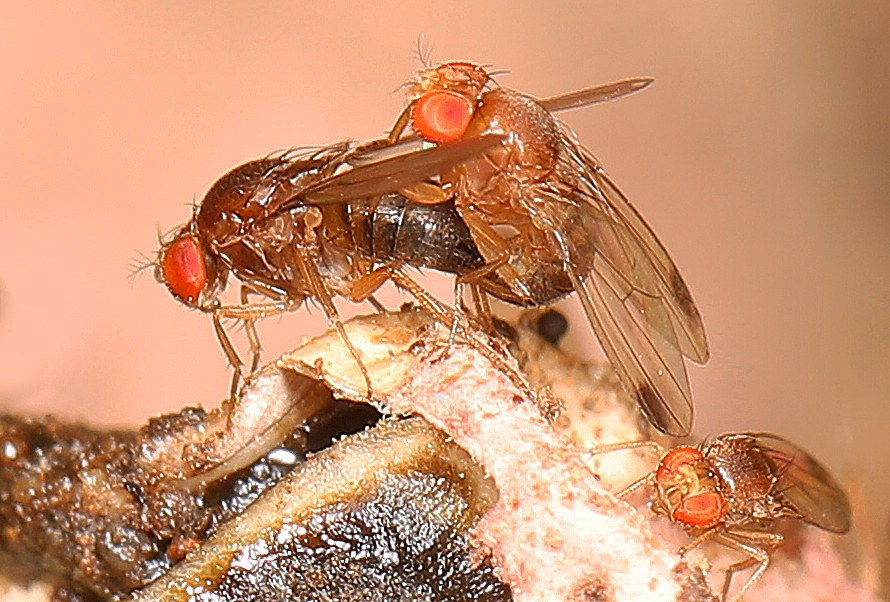
Spotted Wing Drosophila
A tiny reddish-brown fruit fly, each male marked with a single dark spot near the wingtip, notable for laying eggs in ripening rather than overripe fruit.
fly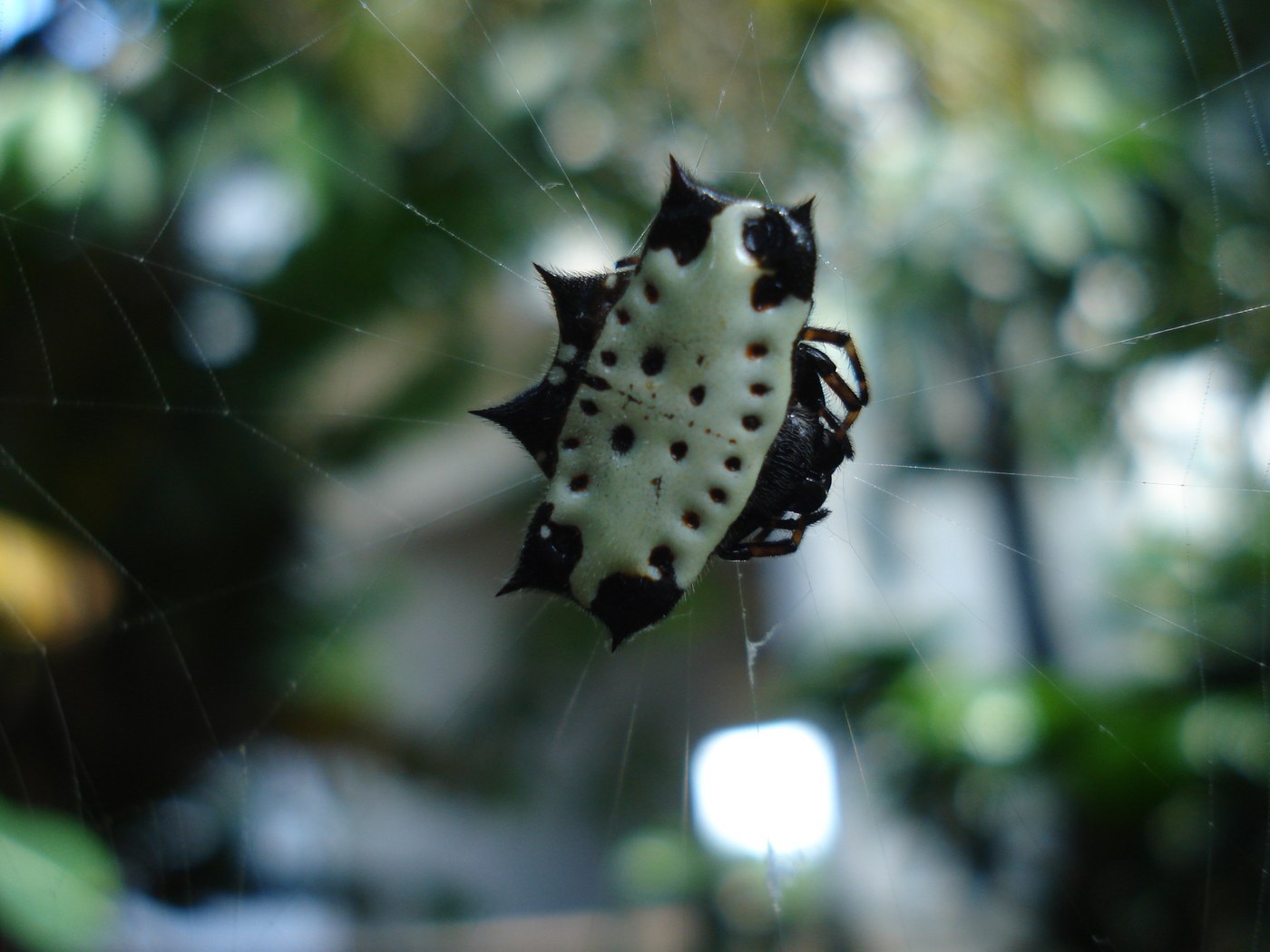
Spiny Orb Weaver
A small, hard-shelled orb weaver shaped like a tiny crab, with six sharp spines projecting from a brightly colored abdomen suspended in a neat wheel-shaped web.
spider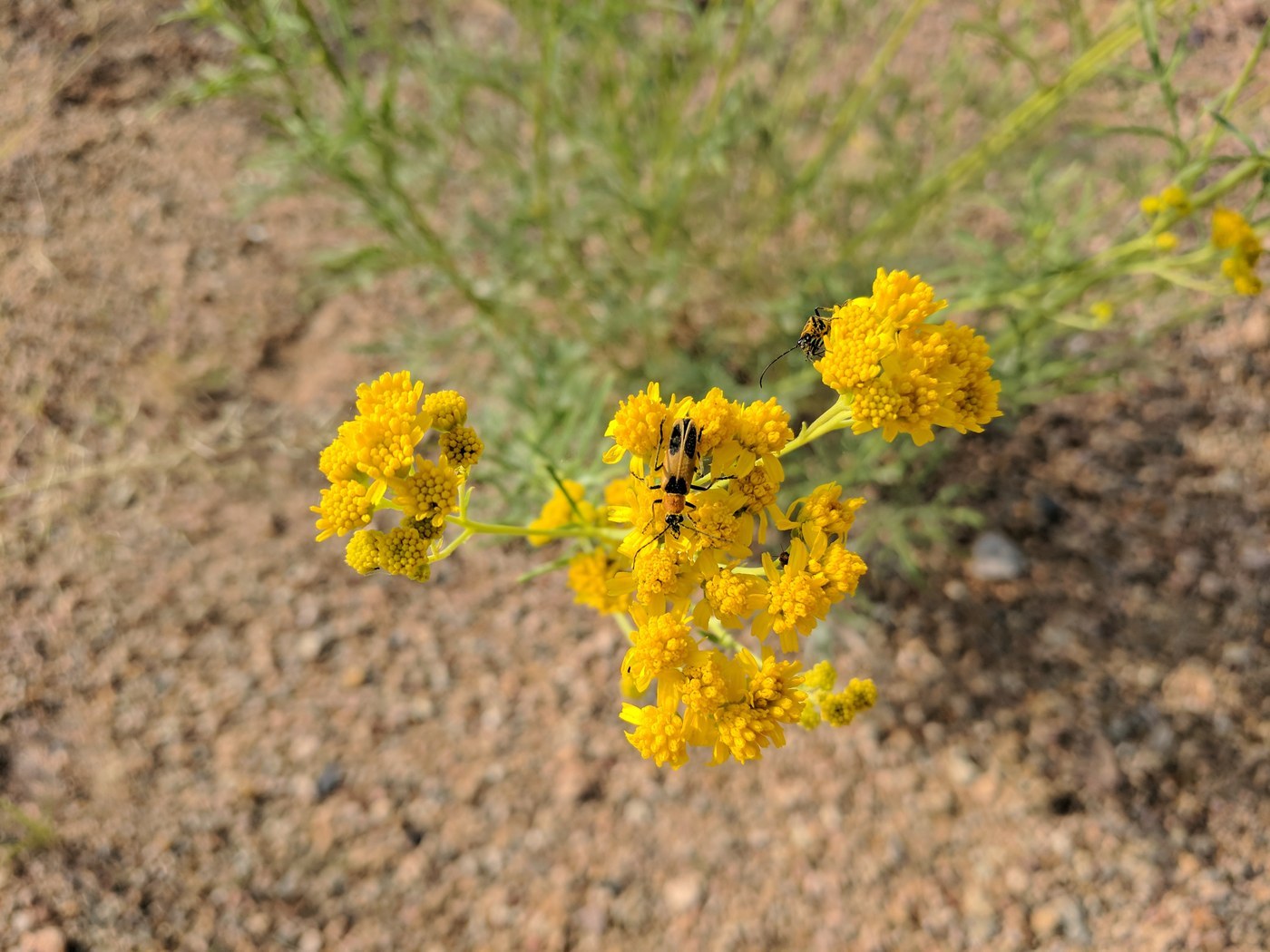
Soldier Beetle
A slender, soft-bodied beetle in orange and black or yellow and brown, often seen clustered on late-summer flowers where it feeds on pollen, nectar, and small insects.
beetle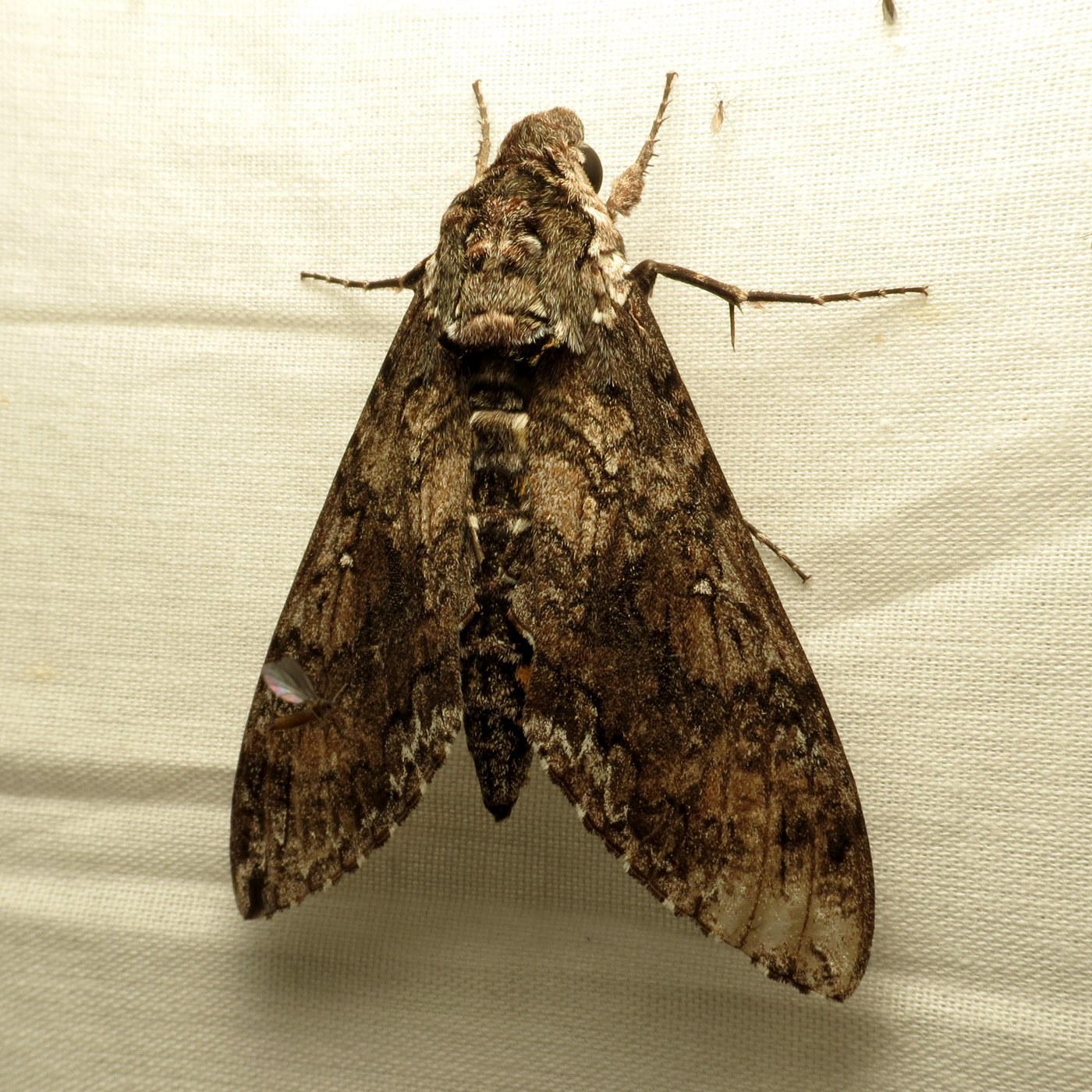
Sphinx Moth
A large, streamlined, fast-flying moth with narrow triangular wings and a robust, tapering body, famous for hovering at flowers at dusk like a hummingbird.
mothShield Bug (Stink Bug)
A broad, shield-shaped true bug that releases a sharp, pungent odour from glands on its body when disturbed, a defence that gives the whole family its common name.
true-bug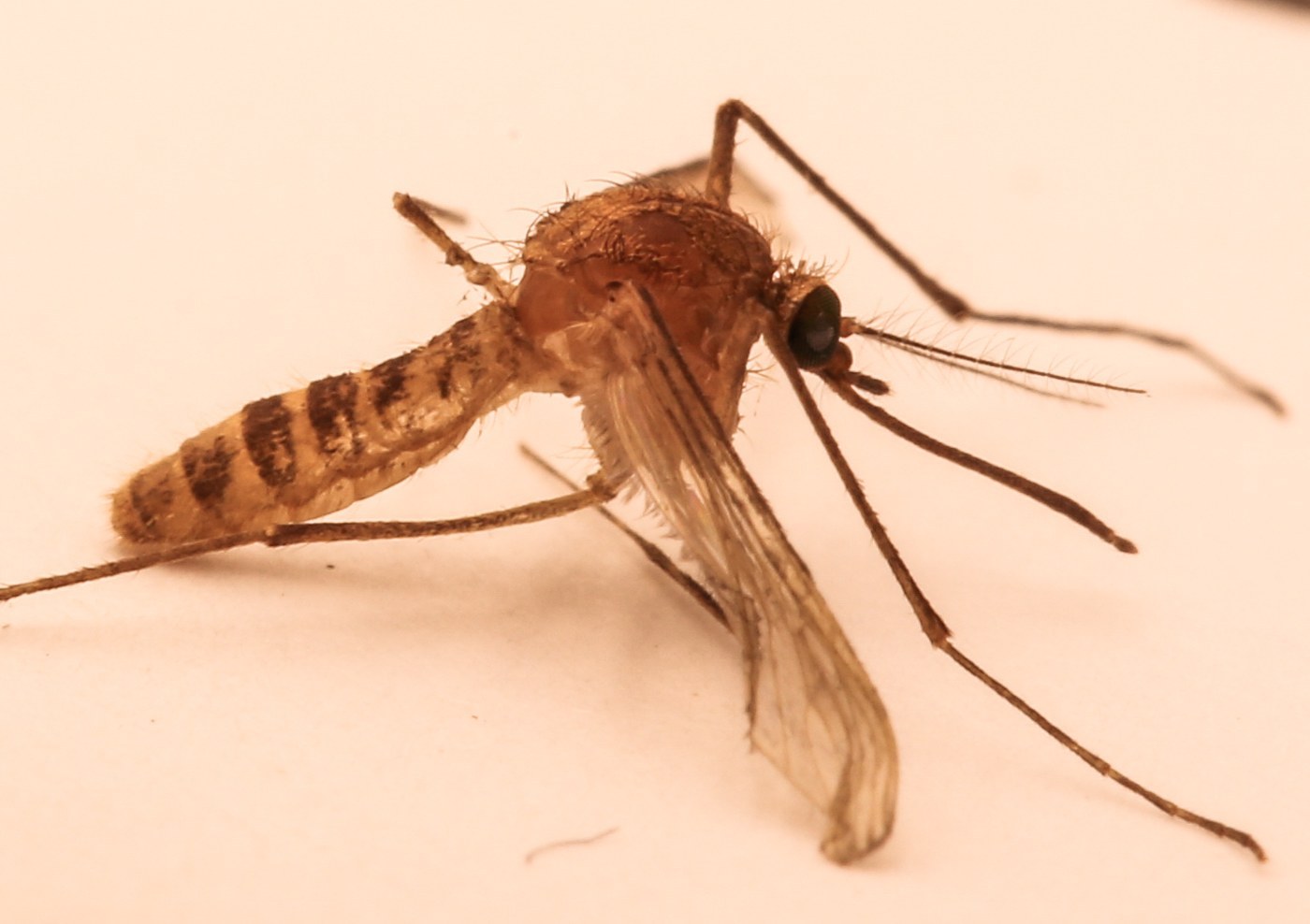
Mosquito
A slender, long-legged fly with a needle-like proboscis, narrow wings, and a distinctive high-pitched wing hum, most active around dawn, dusk, and in shaded, humid areas.
fly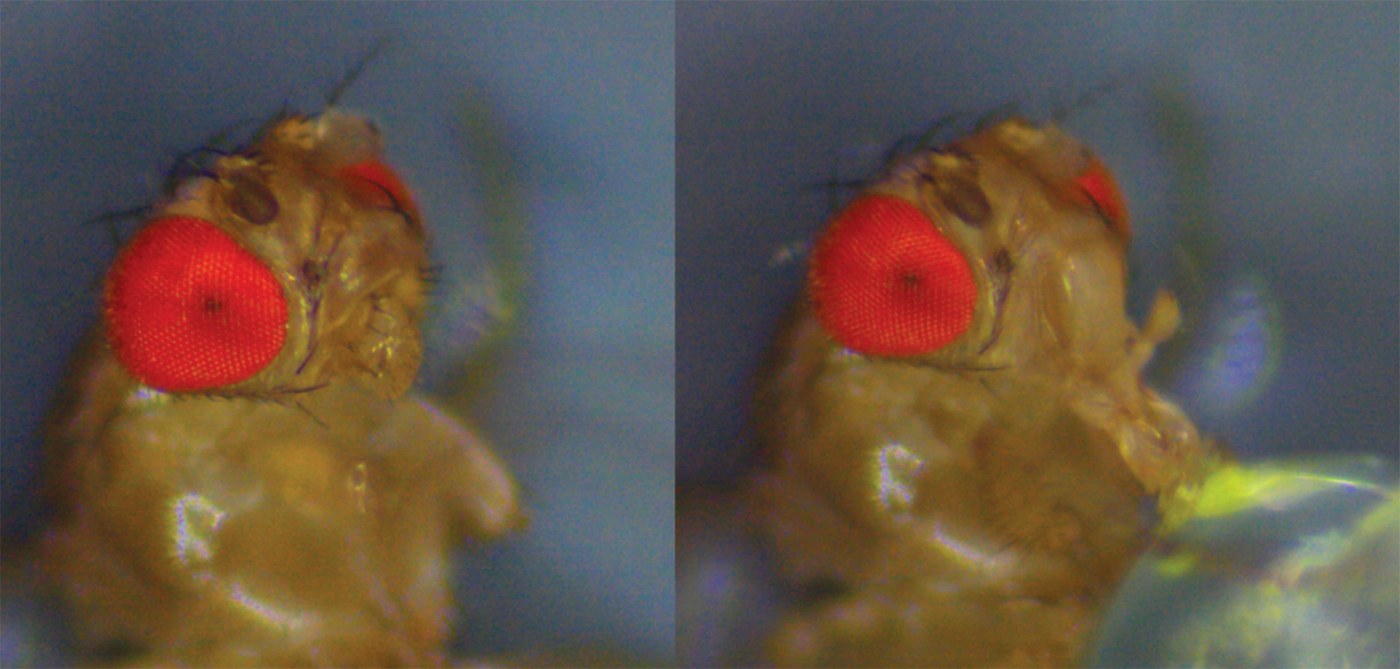
Fruit Fly (Vinegar Fly)
A tiny tan fly with bright red eyes that seems to appear from nowhere the moment a piece of fruit begins to overripen or a splash of wine is left uncovered.
fly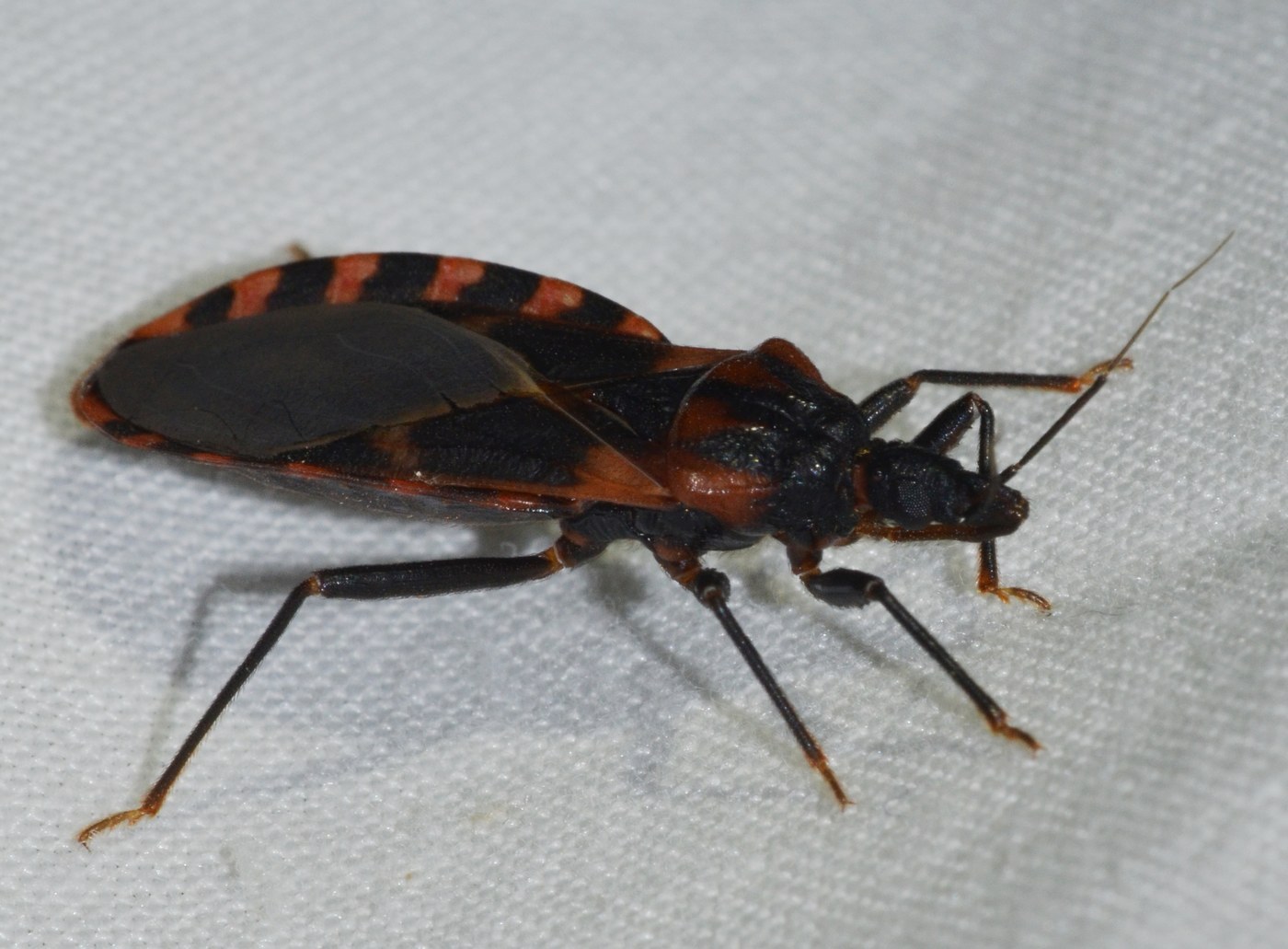
Kissing Bug
A dark, elongated true bug with a narrow, cone-shaped head and distinctive orange or red markings along the edges of its abdomen, most active at night.
true-bugJune Bug
A chunky, reddish-brown to nearly black scarab beetle that bumbles noisily around porch lights on warm late-spring and early-summer evenings.
beetle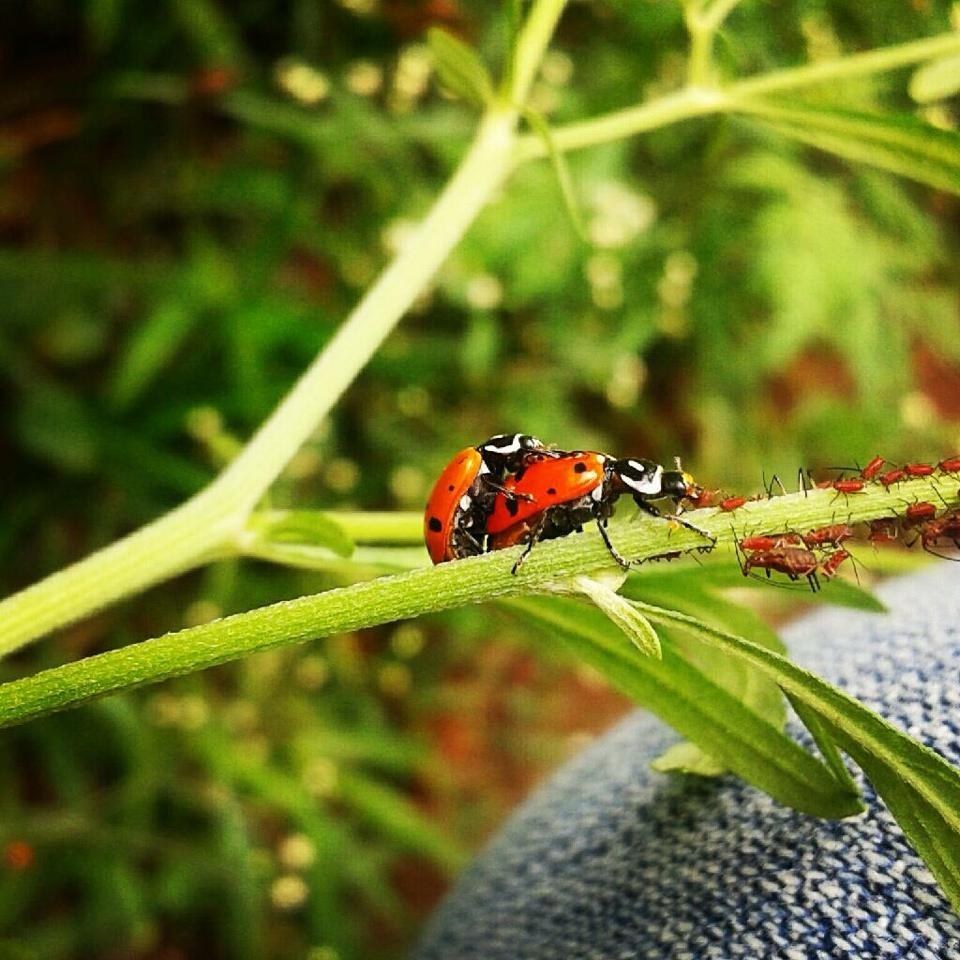
Convergent Ladybird Beetle
A common orange-red ladybird with black spots and two distinctive converging white lines on its thorax, widely valued as a natural aphid predator.
beetle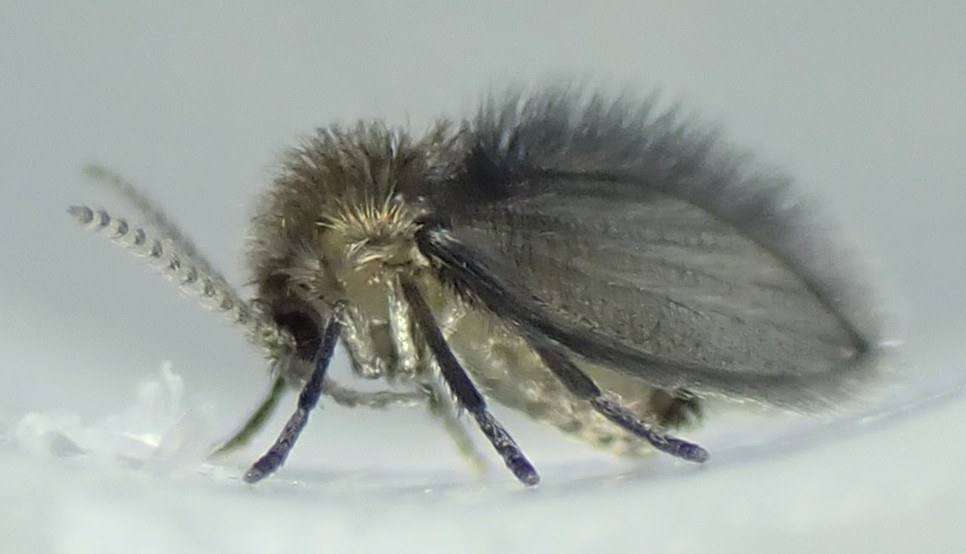
Drain Fly
A tiny, fuzzy gray-tan fly with broad, moth-like wings held tent-fashion over its body, often seen resting motionless on bathroom walls near drains.
fly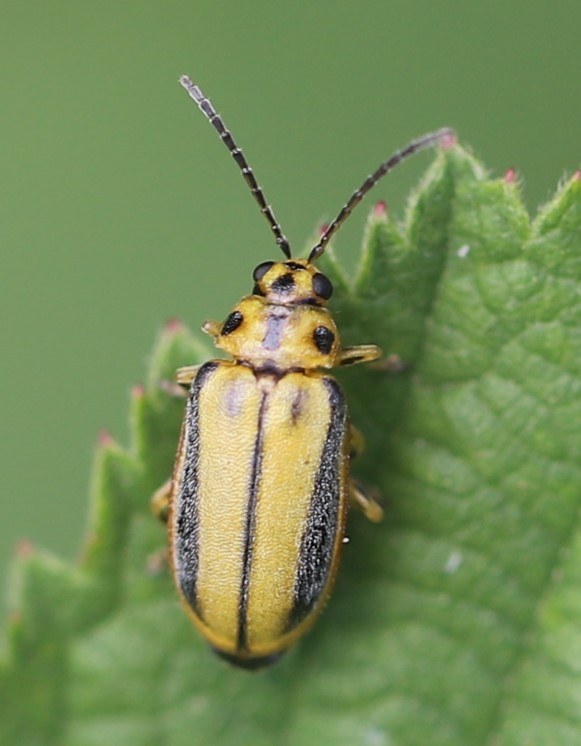
Elm Leaf Beetle
A yellow-green leaf beetle with dark side stripes that skeletonizes elm foliage and gathers in large numbers to overwinter in buildings.
beetle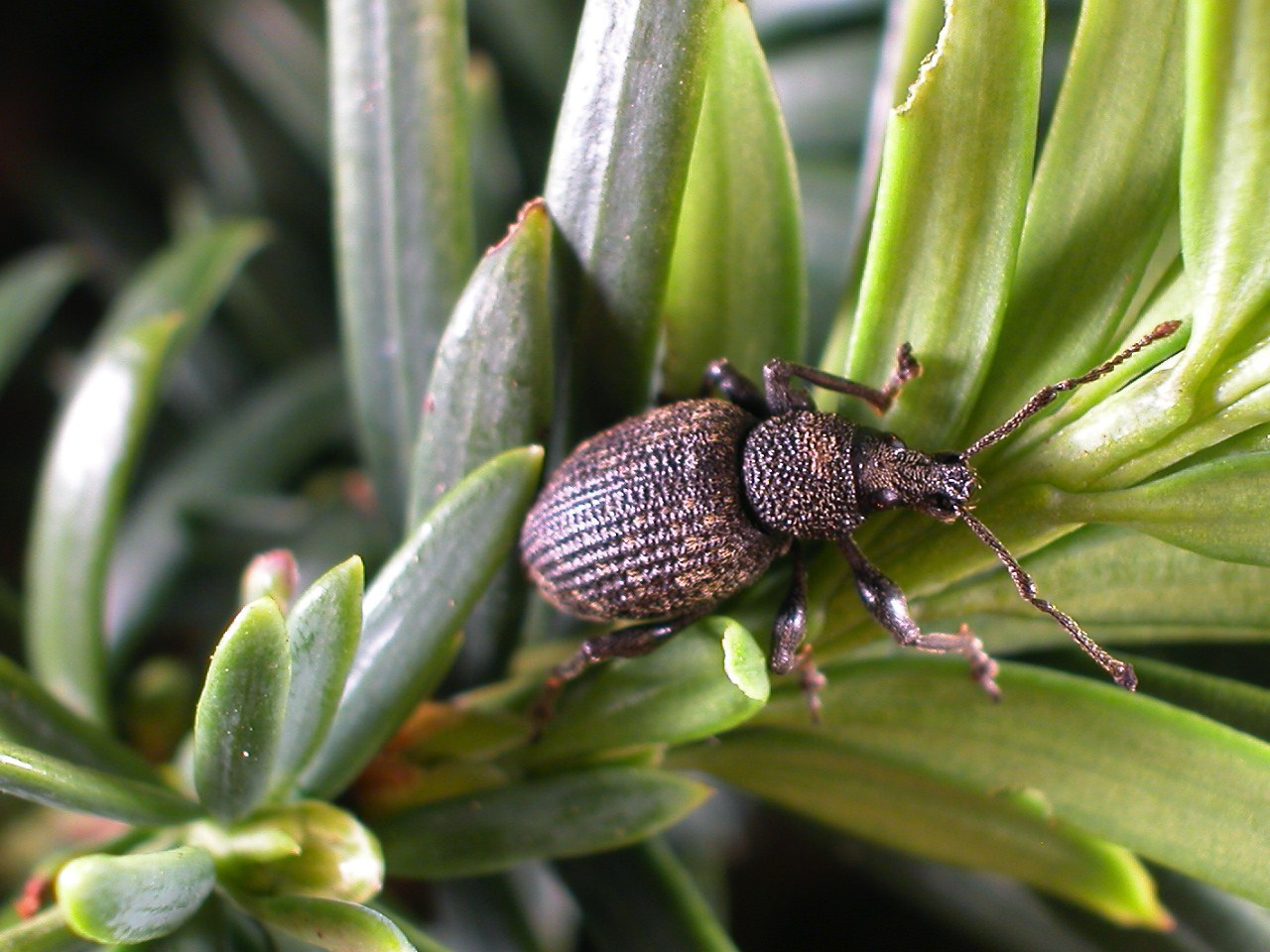
Black Vine Weevil
A flightless, all-black snout beetle notorious for notching the edges of leaves at night while its underground larvae feed on plant roots and crowns.
beetleArmy Ant
A nomadic predator that never builds a permanent nest, instead forming temporary living bivouacs from its own linked bodies and sweeping through the forest floor in massive predatory raids.
ant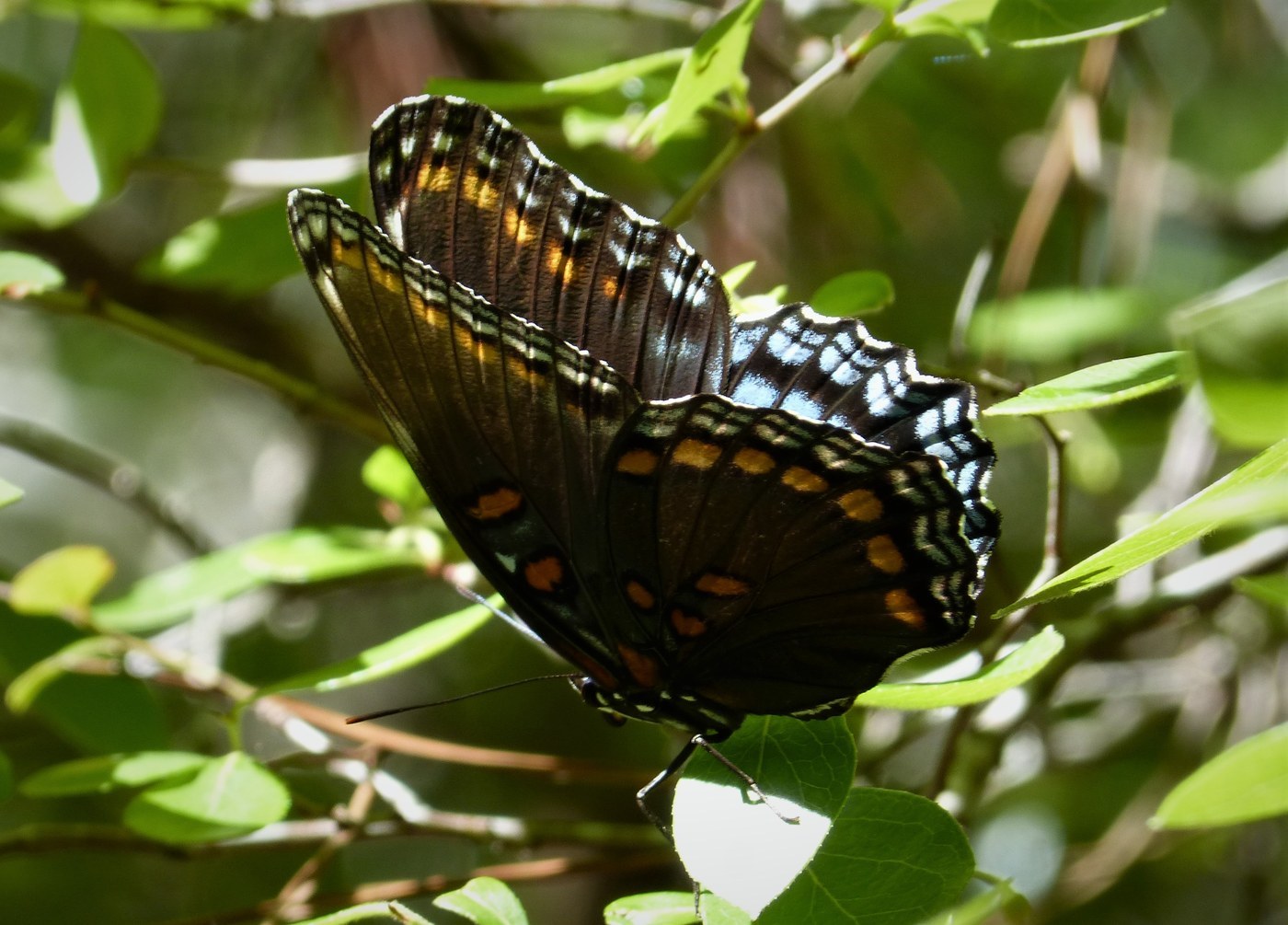
Red-spotted Purple
A large, iridescent blue-black butterfly lacking tails, notable for closely mimicking the unpalatable Pipevine Swallowtail, with rows of red-orange spots visible along the underside wing margins.
butterfly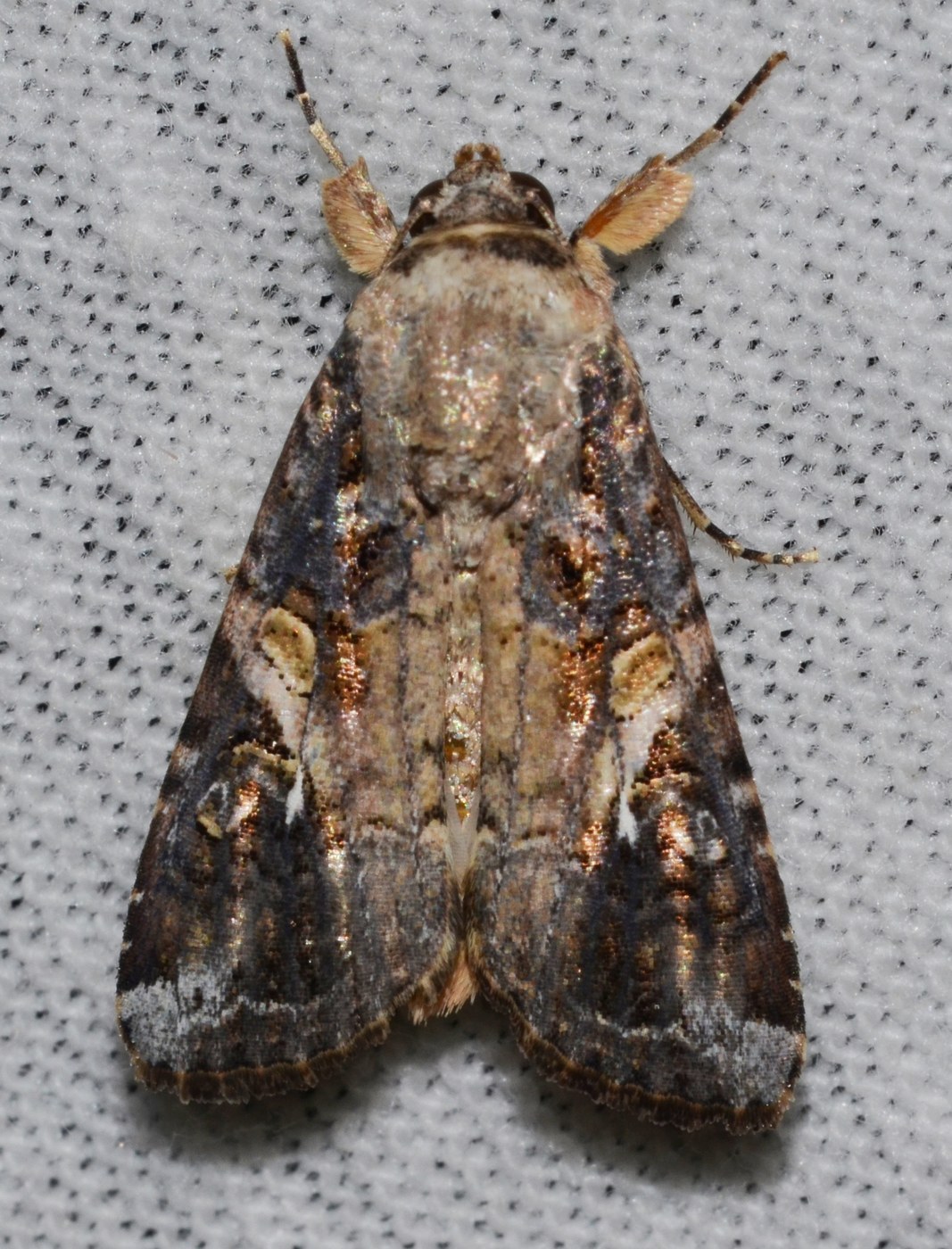
Fall Armyworm
A brownish-green caterpillar marked with a pale inverted "Y" on its head, notorious for rapid, large-scale outbreaks that devastate corn and other grass crops across the globe.
caterpillar-larva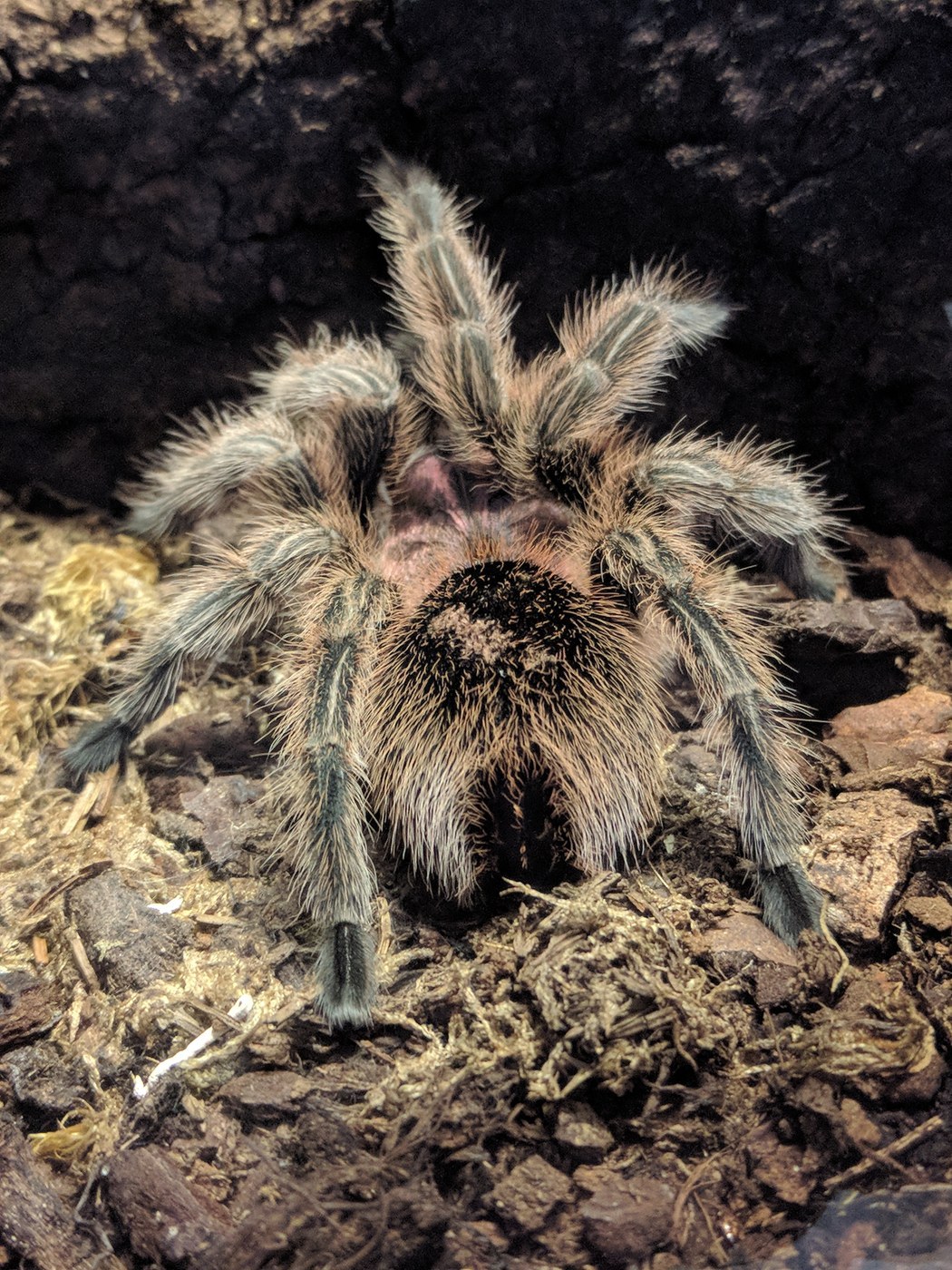
Rose Hair Tarantula
A calm, ground-dwelling tarantula from the deserts of Chile, the rose hair is named for the pinkish sheen its bristly hairs can take on in certain light, and is known for its slow, deliberate movements and generally placid temperament.
spiderPine Processionary Moth
An unremarkable grey-brown moth known almost entirely through its larvae, which build large silken nests in pine trees and travel to feed in long, head-to-tail processions covered in fine defensive hairs.
mothMonarch Caterpillar
A boldly banded caterpillar in white, yellow, and black stripes, unmistakable as it munches its way through milkweed leaves before transforming into North America's most famous migratory butterfly.
caterpillar-larva