
Bug Encyclopedia
Search and identify bugs & insects — beetles, butterflies, moths, ants, bees, spiders and more — with size, habitat, danger, behavior, and how to tell them apart.
Cone-headed Katydid
A large, grass-colored katydid named for its sharply pointed, cone-shaped head, best known for producing some of the loudest, most sustained buzzing calls of any North American insect.
grasshopper-cricket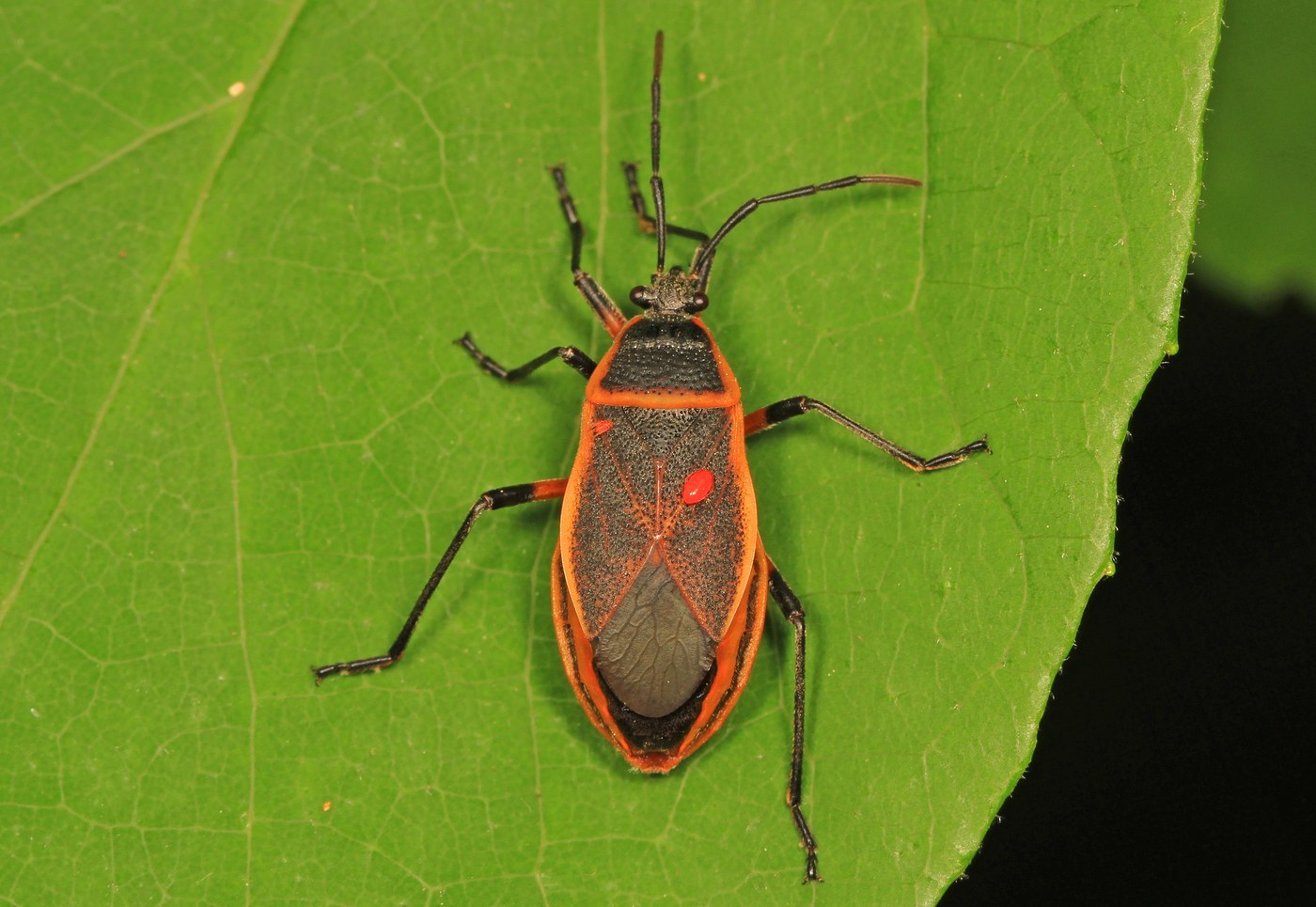
Bordered Plant Bug
A dark, oval-bodied true bug with a distinct pale margin around its wing edges, often mistaken for a large ant or beetle when its nymphs cluster together in tight groups.
true-bug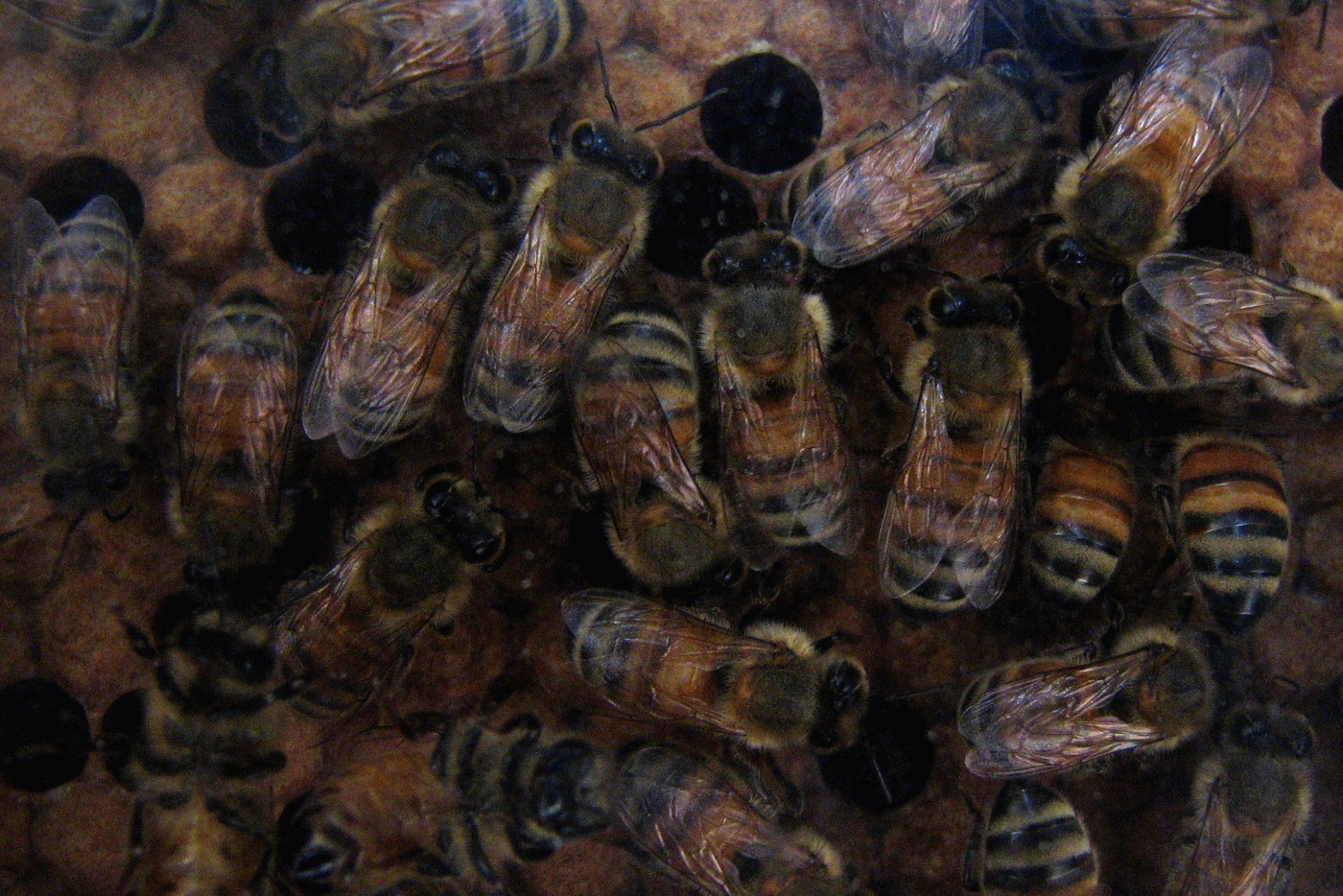
Western Honey Bee
The familiar golden-brown, fuzzy-banded honey bee kept worldwide for honey production and crop pollination, living in large perennial colonies built around wax comb and a single egg-laying queen.
bee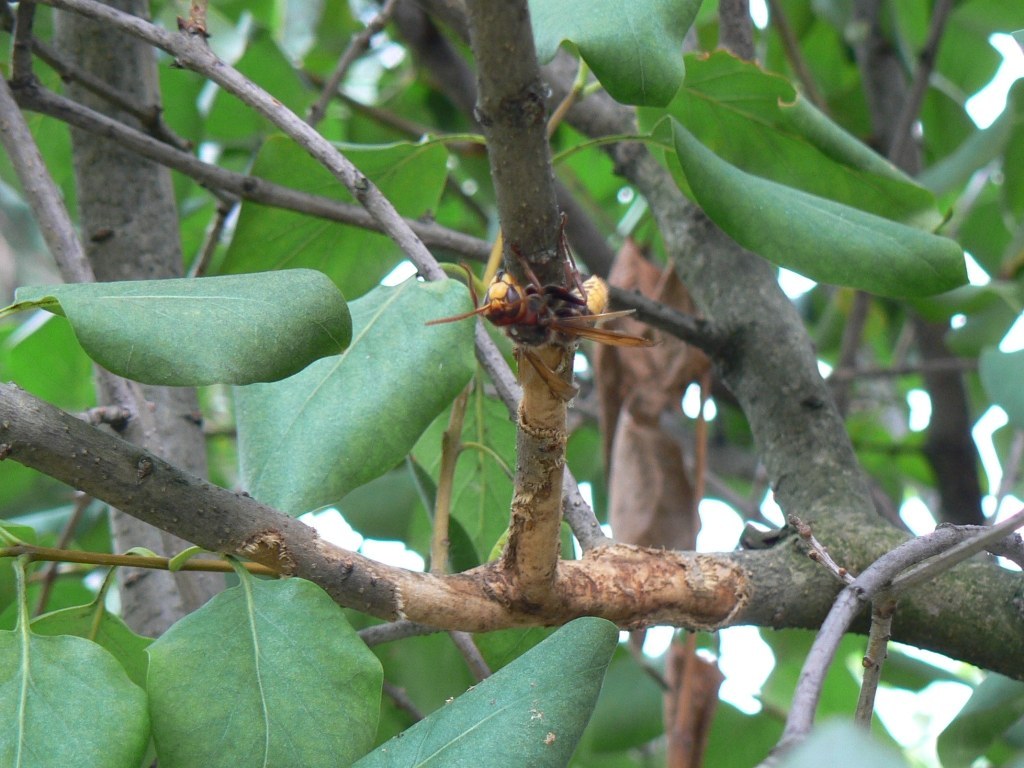
European Hornet
A large, robust wasp with a reddish-brown thorax, yellow-and-brown striped abdomen, and a distinctive habit of nesting in hollow trees, making it the largest true hornet native to Europe and introduced to eastern North America.
wasp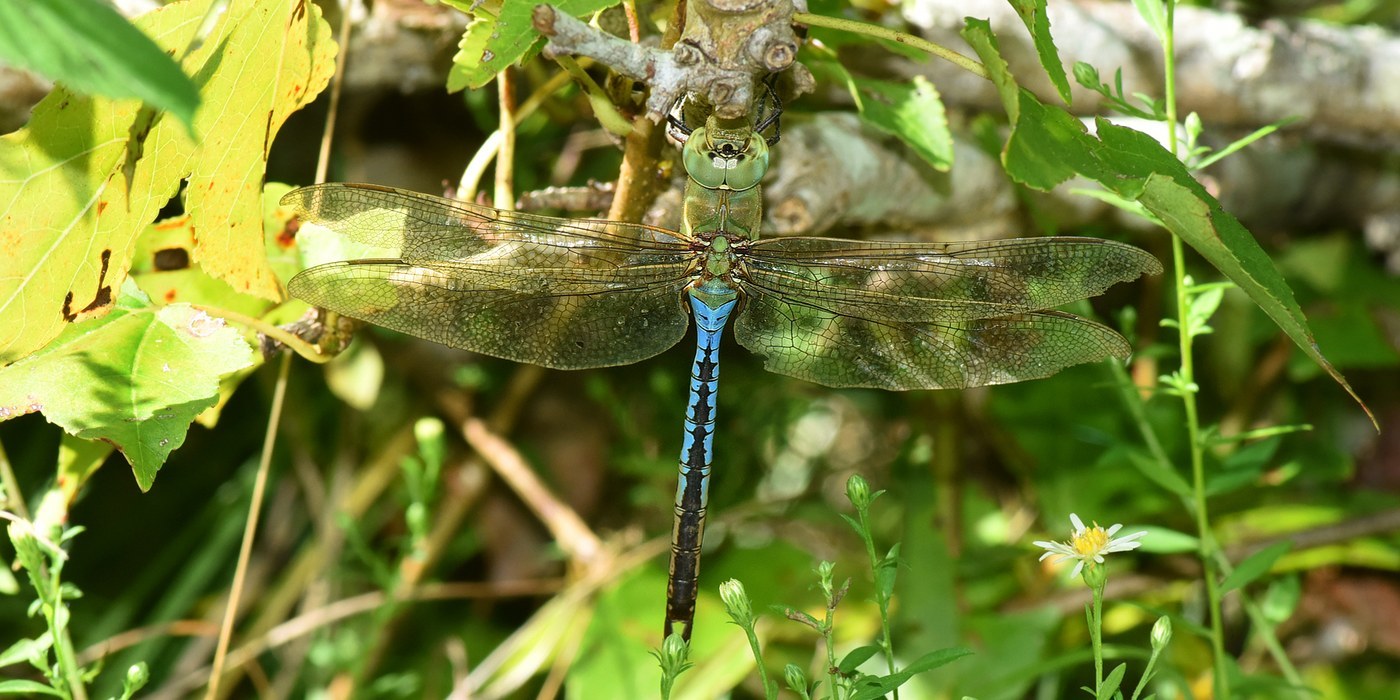
Dragonfly
A large, agile aerial predator with an elongated body, enormous compound eyes, and two pairs of strong wings held straight out to the sides at rest, often seen patrolling over water in search of prey.
dragonflyBig-Eyed Bug
A small, broad-headed true bug named for its noticeably large, bulging compound eyes, the big-eyed bug is a beneficial predator that patrols low vegetation and soil surfaces for small pest insects.
true-bug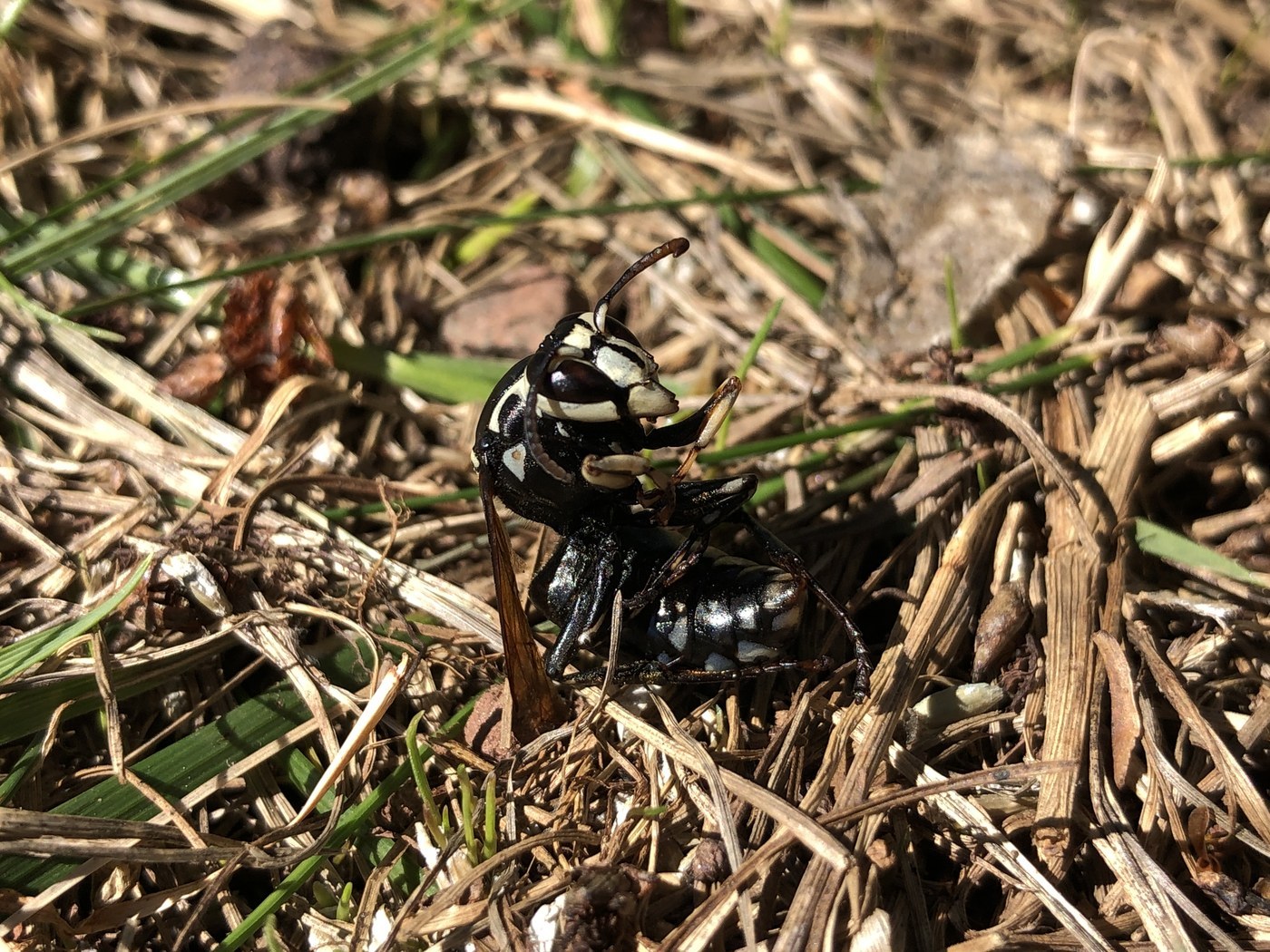
Bald-faced Hornet
A black-and-white social wasp, actually a type of yellowjacket rather than a true hornet, best known for building large, football-shaped gray paper nests suspended from tree branches or eaves.
wasp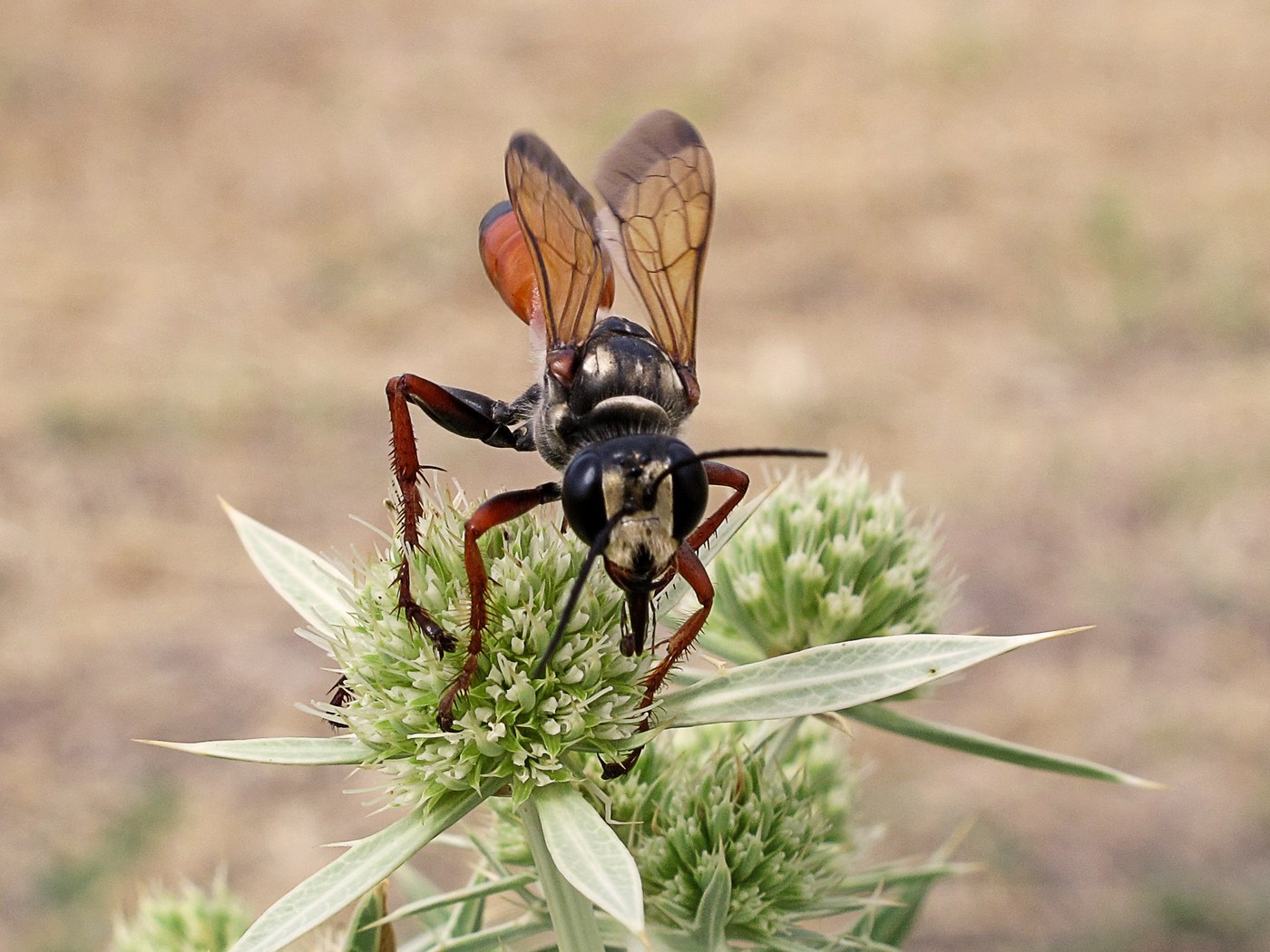
Great Golden Digger Wasp
A large, strikingly two-toned solitary wasp with a golden-haired thorax, reddish-orange midsection, and black-tipped abdomen, often seen digging burrows in bare soil to stock with paralyzed katydids and crickets.
wasp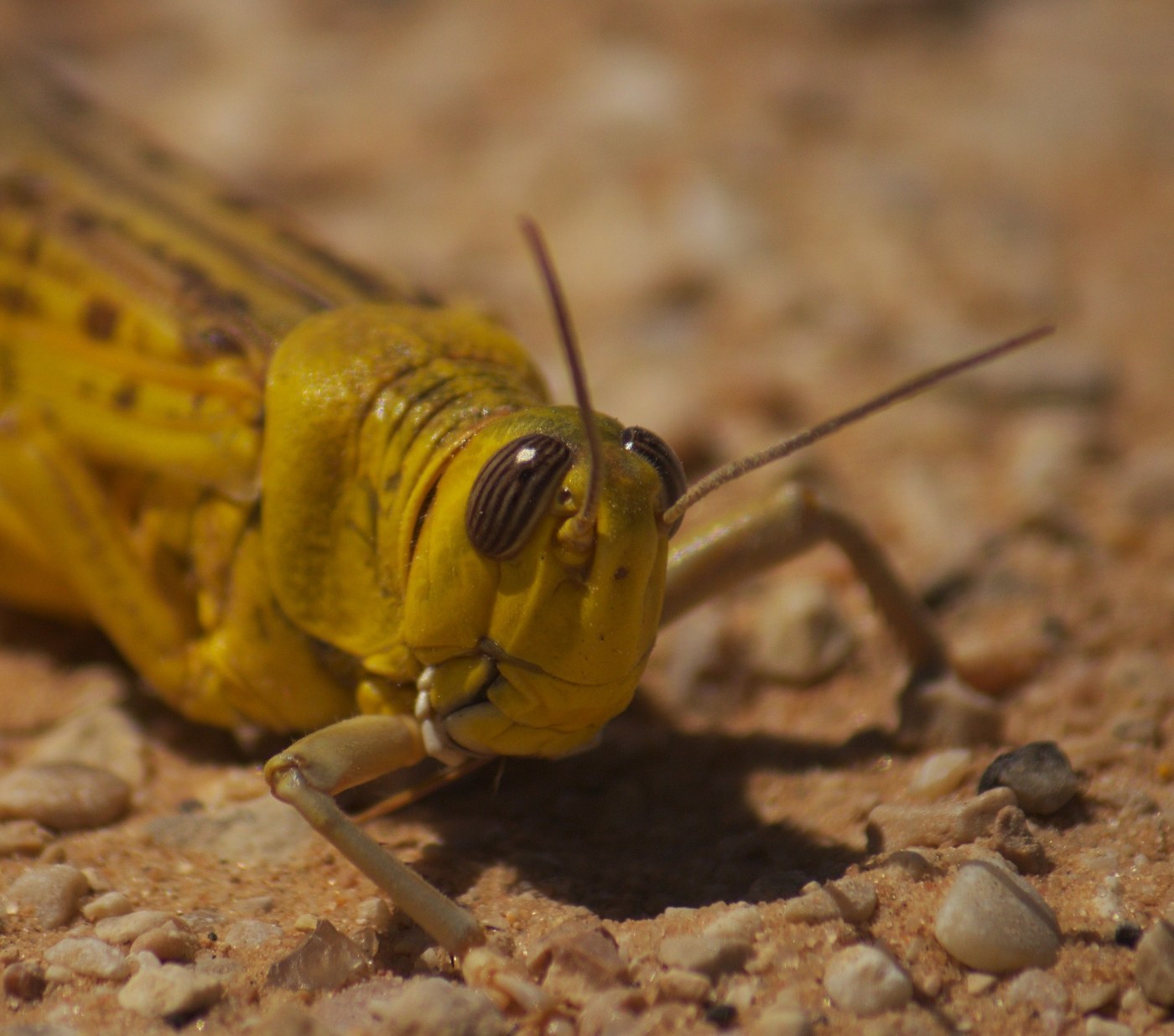
Desert Locust
A large, powerful grasshopper capable of forming some of the most extensive and historically devastating insect swarms on Earth, transforming from a solitary desert dweller into a densely packed migrating horde under the right conditions.
grasshopper-cricket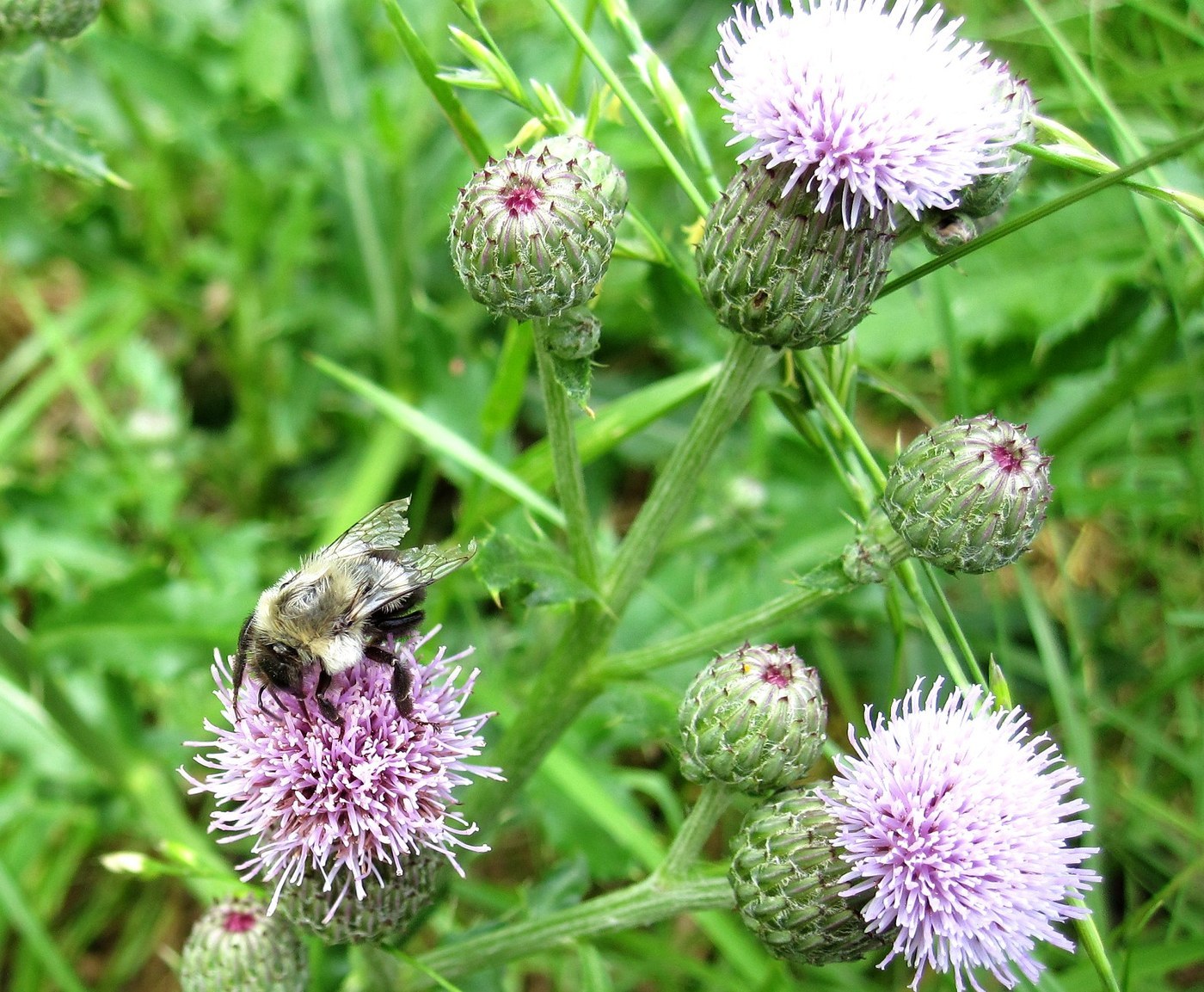
Bumblebee
A large, round, densely furry bee with bold black-and-yellow banding, known for its loud, low-pitched buzz and its ability to fly and forage in cooler temperatures than most other bees.
beeGolden Silk Orb-Weaver Spider
Famous for spinning enormous webs of shimmering golden silk, the golden silk orb-weaver is a large, long-legged spider of warm climates. Females dwarf the tiny males and hang head-down in their sprawling snares.
spiderBirdwing Butterfly
Among the largest butterflies on Earth, birdwings soar through rainforest canopies on angular, bird-like wings. Males dazzle with iridescent greens, golds, and blues, while the larger females wear more subdued browns.
butterfly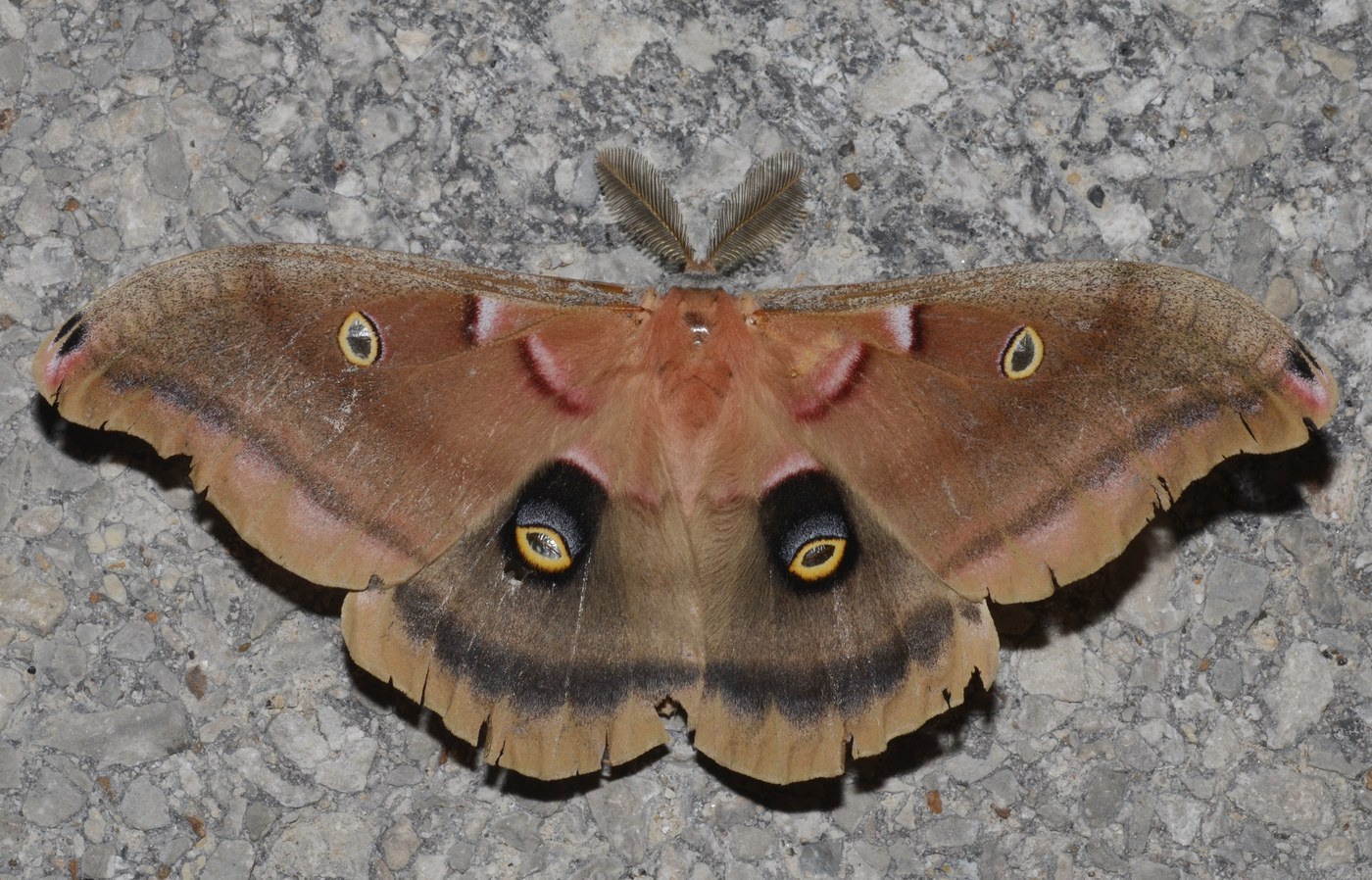
Antheraea Silkmoth
A large, robust silkmoth in the genus Antheraea with broad reddish-brown to tan wings, each marked with a prominent transparent, eye-like spot, representing a group of giant moths long valued for producing wild silk.
moth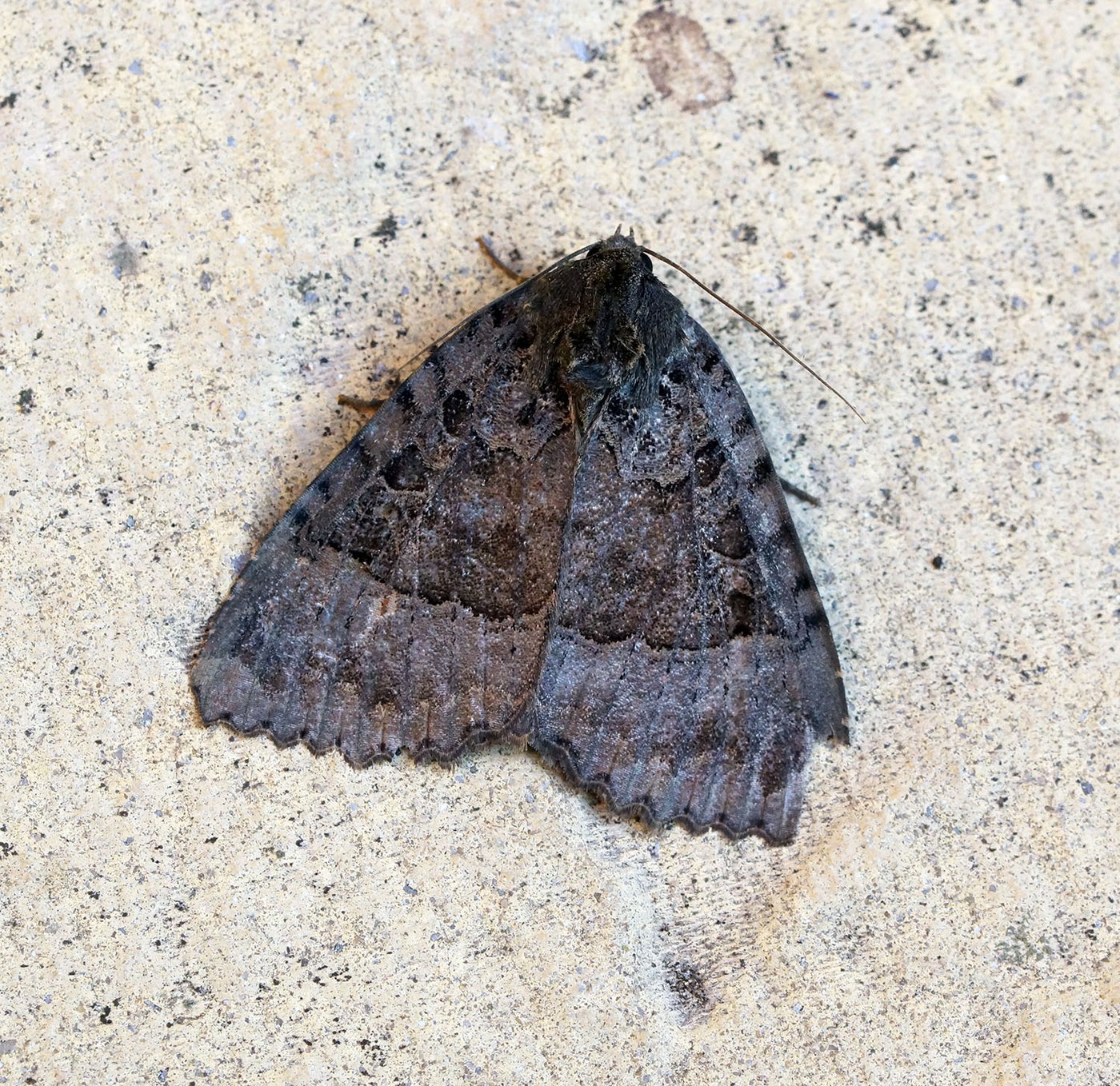
Old Lady Moth
A large, dusky brown noctuid moth with an intricate, wood-grain-like pattern of dark streaks and pale flecks across broad wings, often found resting motionless in sheds and against tree bark by day.
moth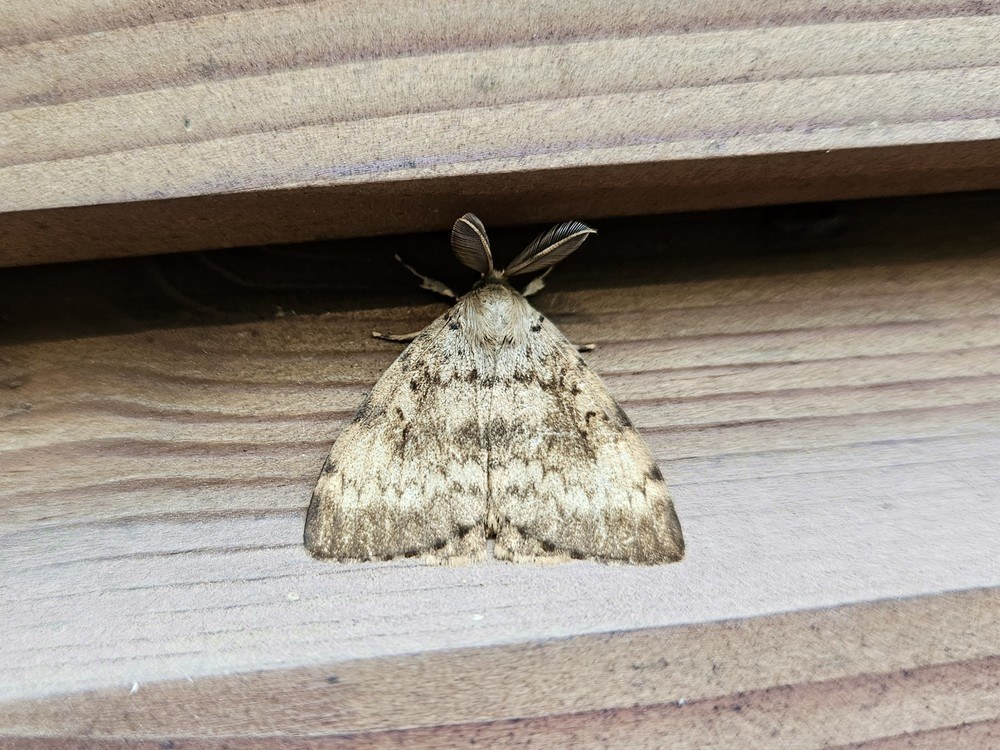
Gypsy Moth (Spongy Moth)
A strongly sexually dimorphic moth, recently renamed the Spongy Moth for its distinctive spongy, tan egg masses, whose caterpillars are known for periodically defoliating oak and other hardwood trees in large outbreak years.
moth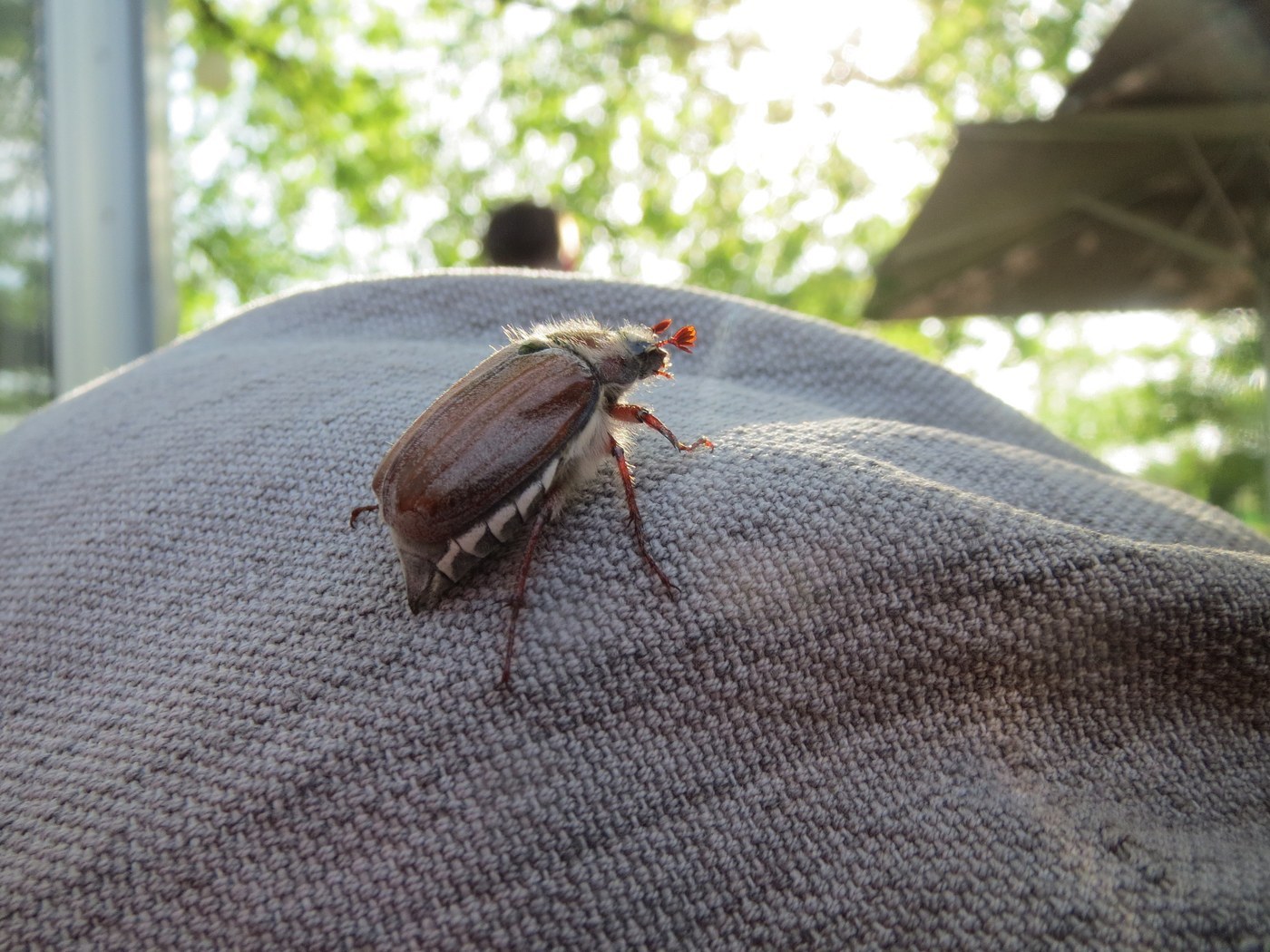
Cockchafer
A large, reddish-brown scarab beetle with distinctive fan-shaped antennae, famous for its noisy, clumsy evening flights around trees in late spring, giving rise to its alternate name, the May bug.
beetleBumble Bee Queen
The large, robust foundress of a bumble bee colony, noticeably bigger and fuzzier than her worker offspring, seen alone in early spring searching for a nesting cavity before her colony's first workers emerge.
beeNursery Web Spider
Named for the silken nursery tent females weave to guard their hatching young, this slender, long-legged spider carries her large egg sac beneath her body in her fangs until the eggs are ready to hatch.
spider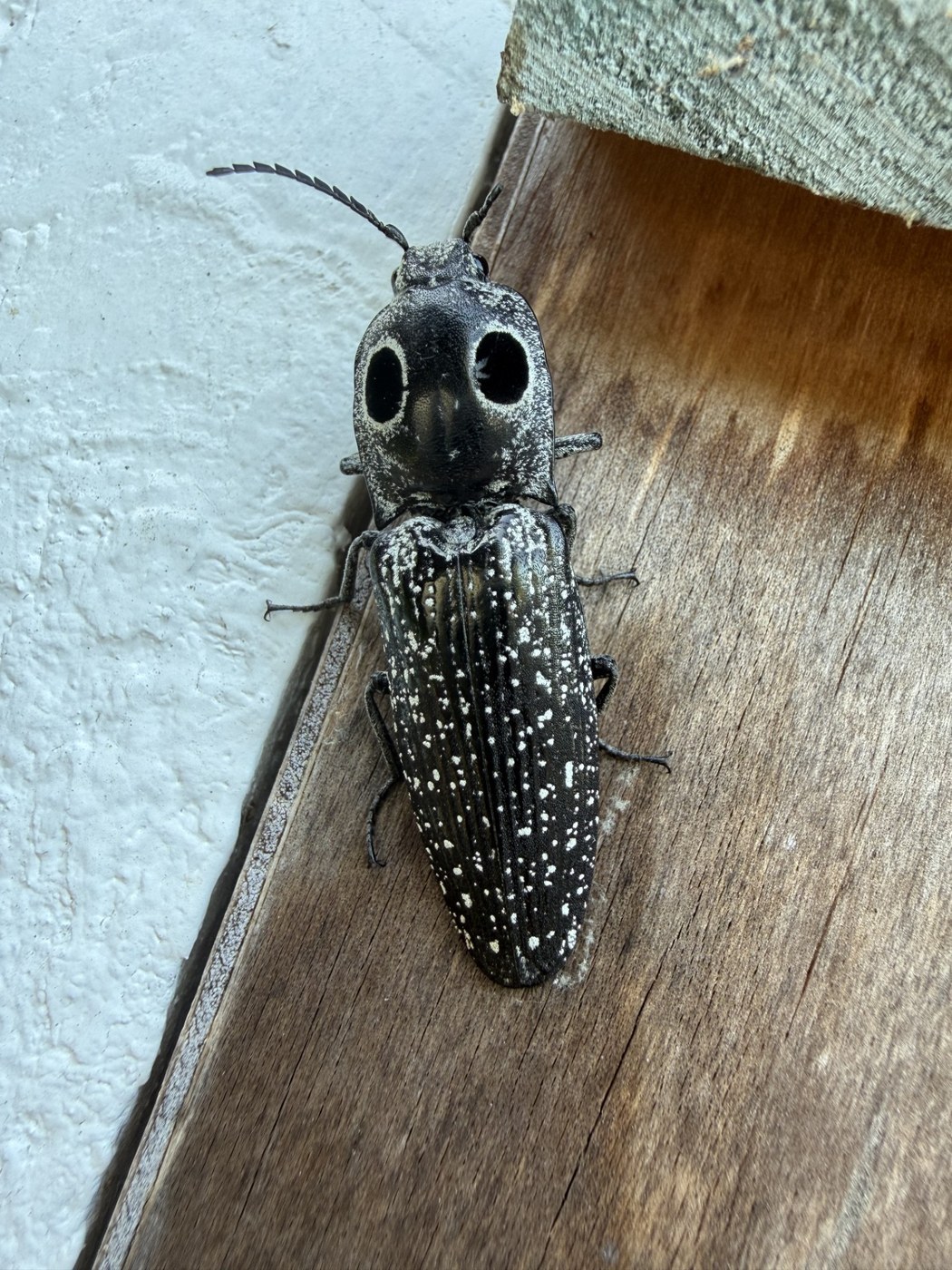
Eyed Click Beetle
A large, mottled black-and-white beetle marked with two prominent false eyespots on its thorax, well known for its ability to snap its body into the air with an audible click when flipped onto its back.
beetleAsian Longhorned Beetle
A large, glossy black longhorn beetle patterned with irregular white spots and boldly banded blue-white antennae, notable as one of the largest and most eye-catching wood-boring beetles seen in temperate hardwood trees.
beetleGerman Yellowjacket
A black-and-yellow social wasp closely resembling the common wasp, distinguished by three black facial dots, that builds large paper nests in wall voids and roof cavities and is widespread in both its native and introduced ranges.
wasp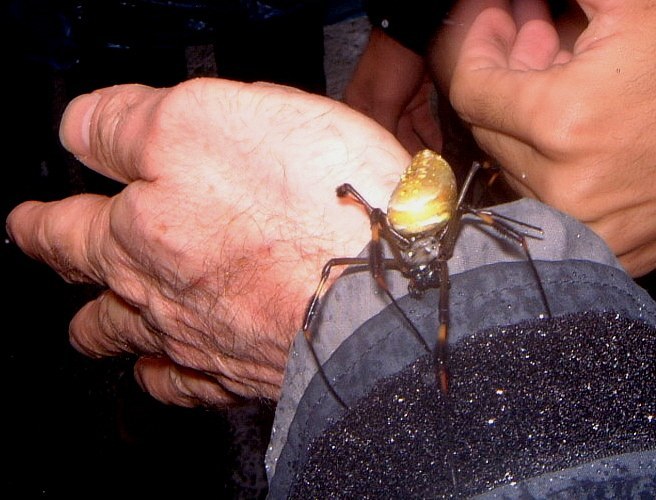
Banana Spider
"Banana spider" is a folk name applied inconsistently across the Americas, but in the southeastern United States it most often refers to the large, golden-silked orb weaver commonly seen spanning gaps between trees along shaded trails.
spider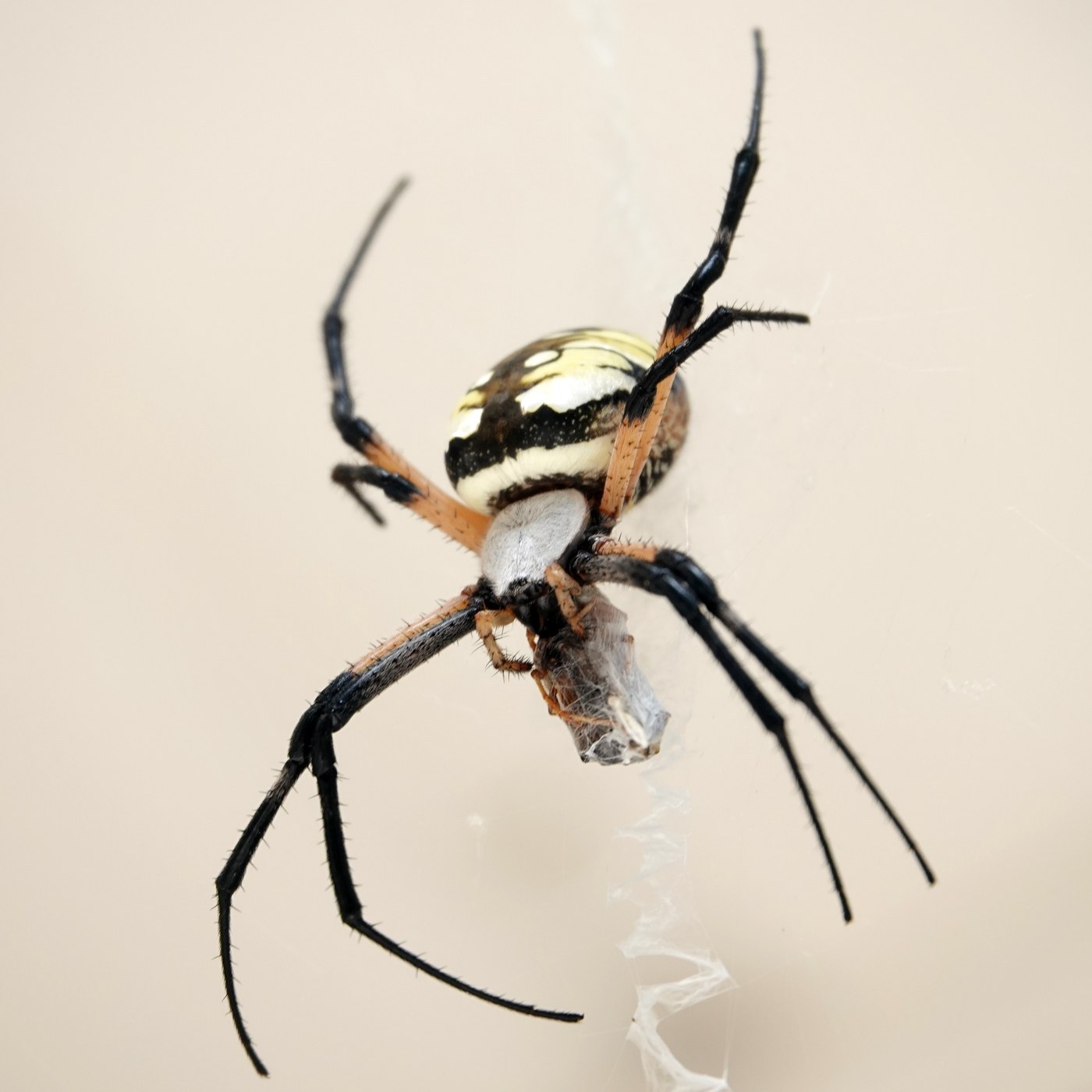
Yellow Garden Spider
Bold black and yellow markings, a large orb web anchored with a bright zigzag of silk, and a habit of sitting in plain view make the yellow garden spider one of the most eye-catching and recognizable spiders in North American backyards.
spider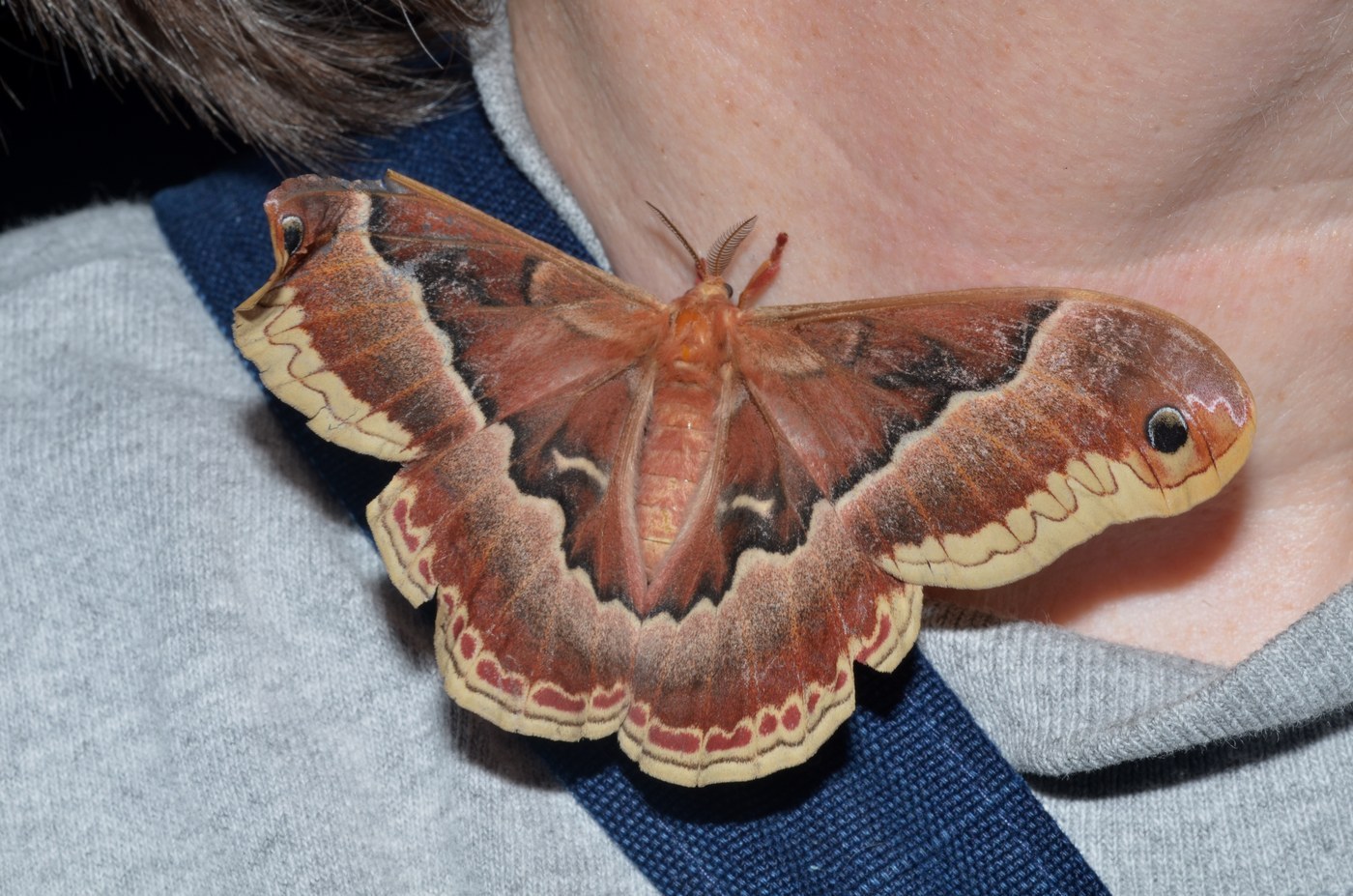
Promethea Moth
A medium-sized silk moth showing striking differences between the sexes, with dark, blackish-maroon males that mimic a distasteful swallowtail butterfly in flight and larger, more colorful reddish-brown females marked with pale borders and eyespots.
moth