Bug Encyclopedia
Search and identify bugs & insects — beetles, butterflies, moths, ants, bees, spiders and more — with size, habitat, danger, behavior, and how to tell them apart.
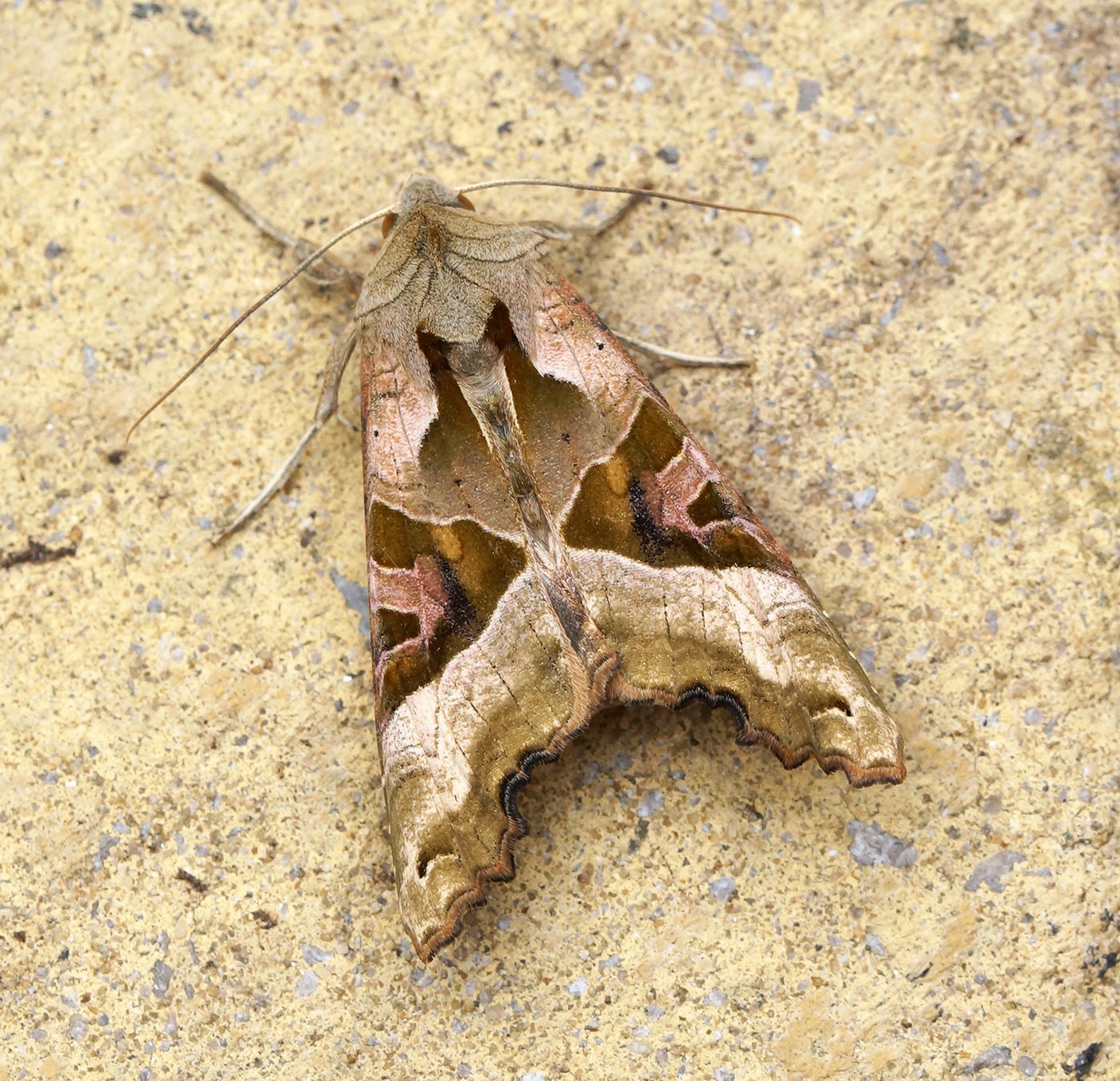
Angle Shades Moth
A common night-flying moth whose forewings fold into a crumpled, tent-like shape that mimics a withered or damaged leaf, marked with bold olive-green and pinkish-brown zigzag bands.
moth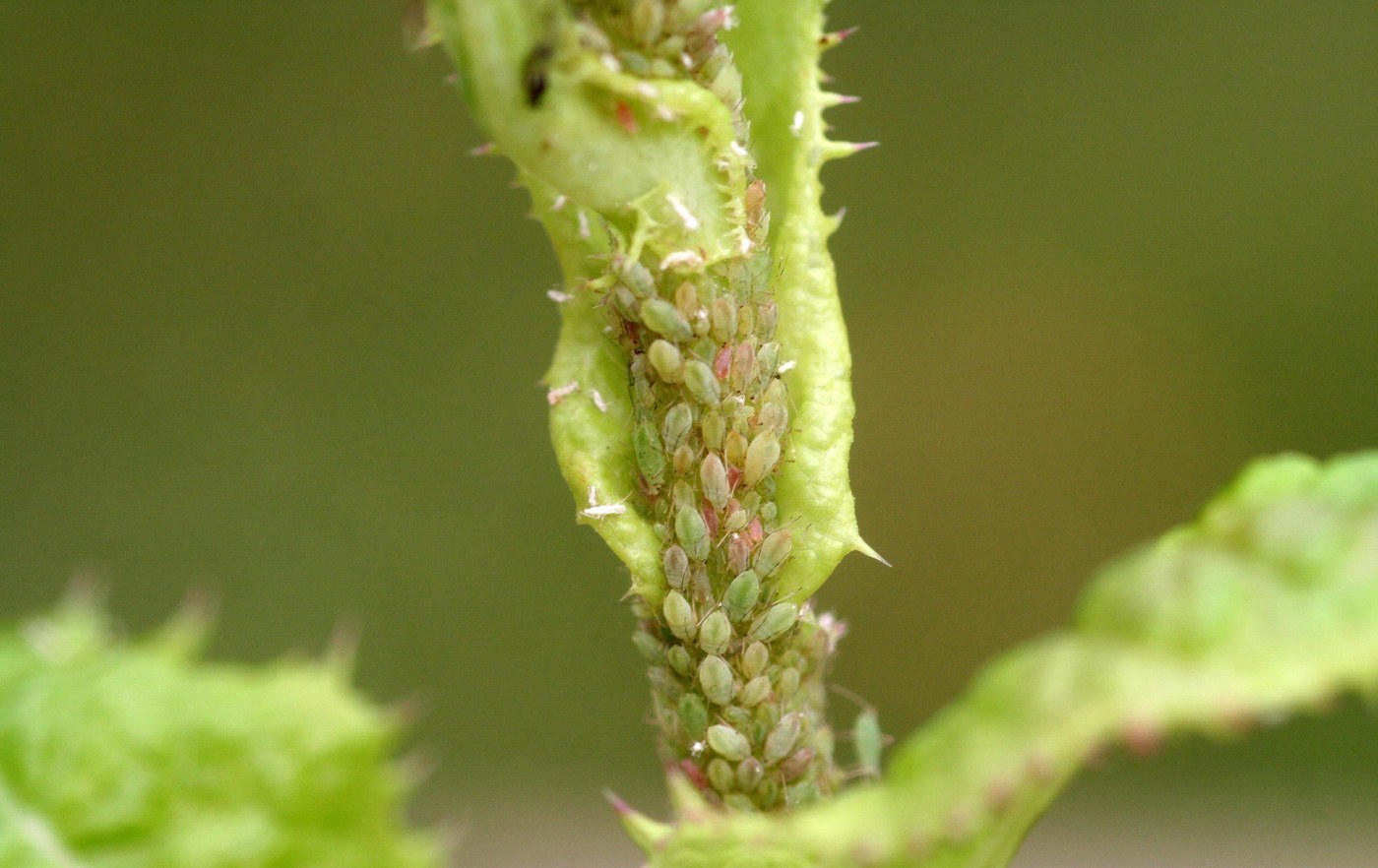
Aphid
A tiny, soft-bodied, pear-shaped insect that clusters in dense colonies on plant stems and leaf undersides, feeding on sap through needle-like mouthparts and often coated in sweet honeydew.
true-bug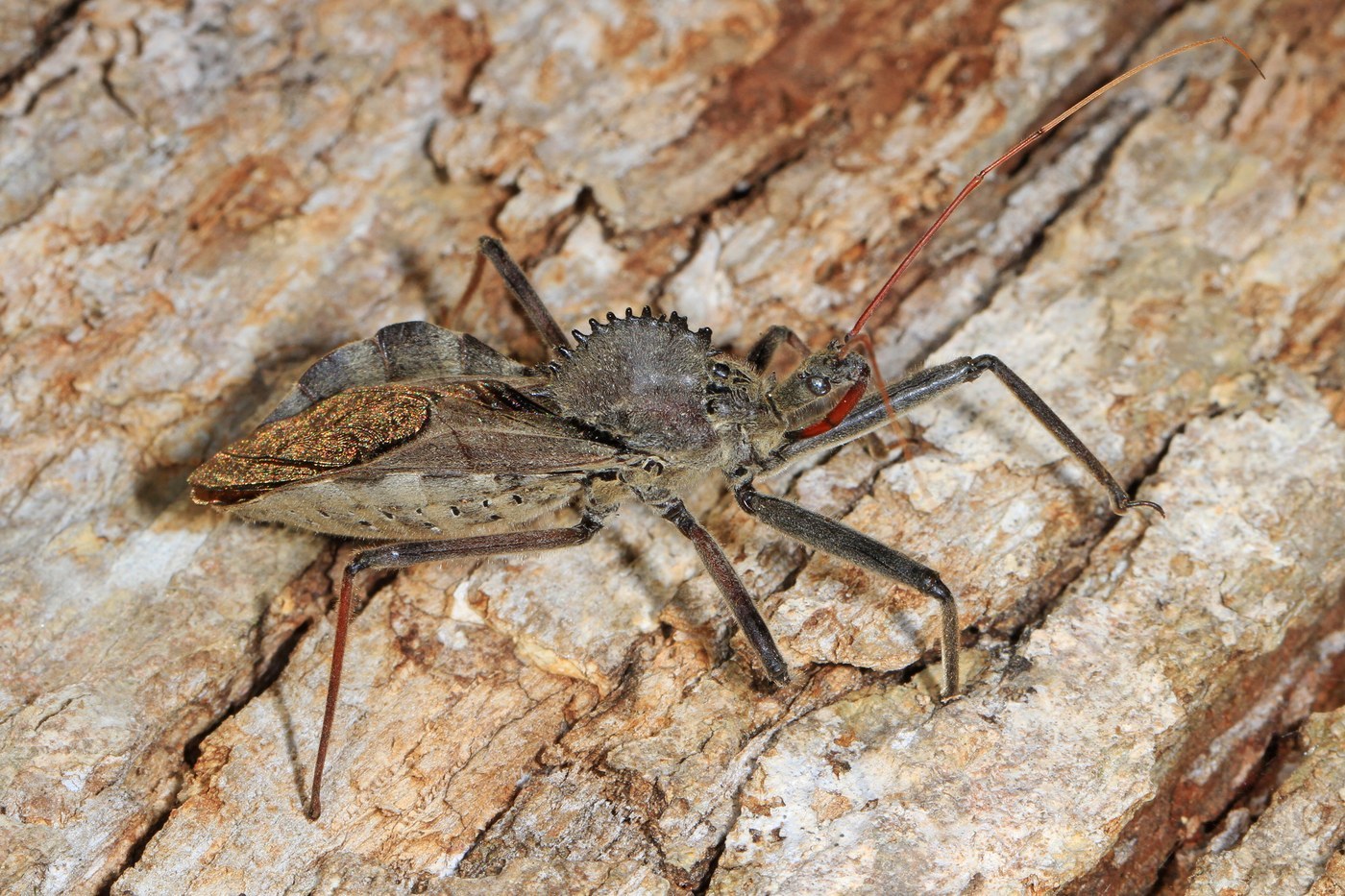
Wheel Bug
A large, gray, armored-looking true bug named for the distinctive cog-like crest rising from its back, one of the biggest and most unmistakable assassin bugs in North America.
true-bugTreehopper
A small, oddly shaped sap-feeding bug best known for an enlarged, often bizarre pronotum extending backward over its body, sometimes shaped like a thorn, leaf, or spike.
true-bug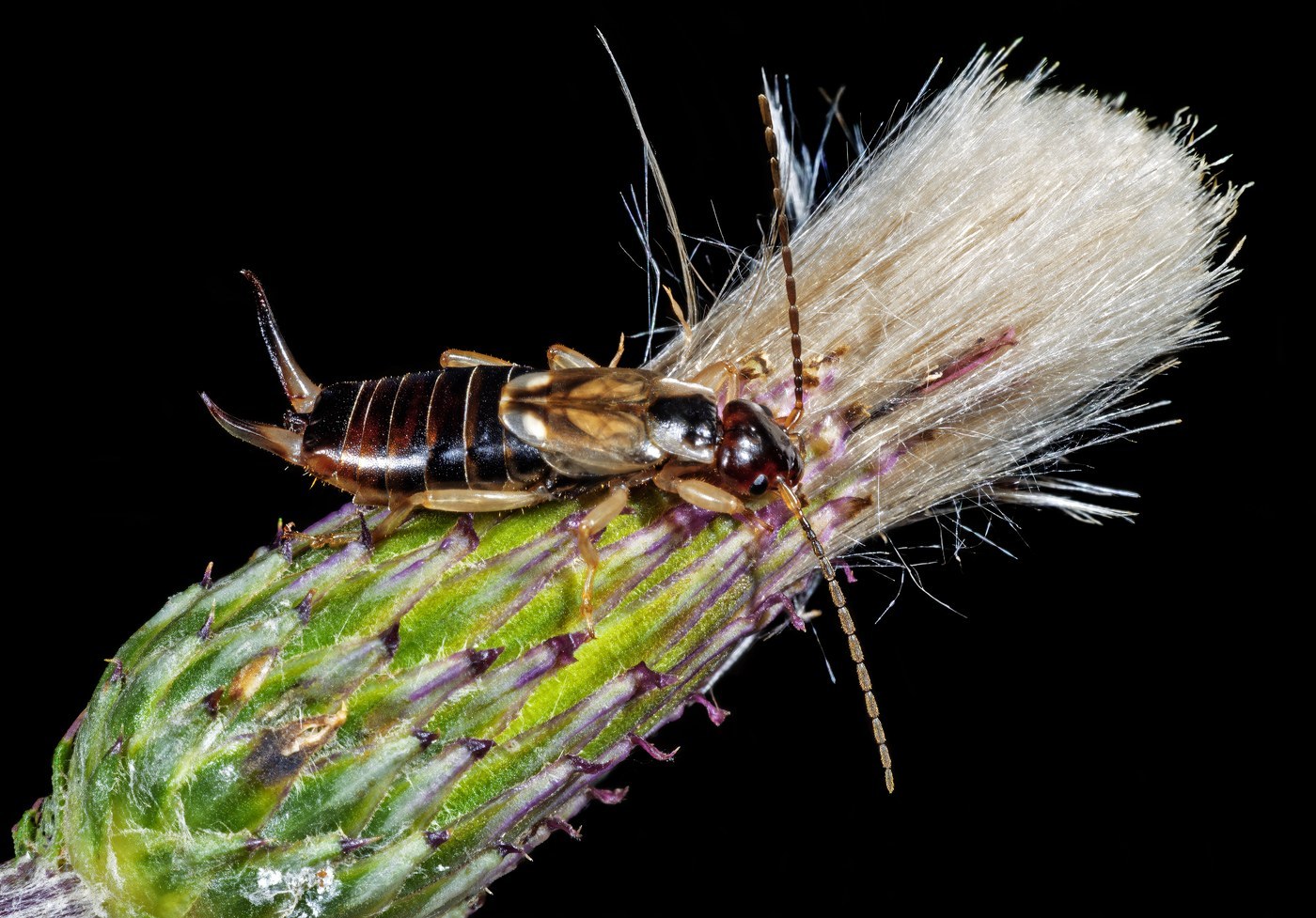
Earwig
A slender, reddish-brown insect easily identified by the pair of curved, forceps-like pincers at the tip of its abdomen, often found hiding under mulch, bark, or garden debris by day.
other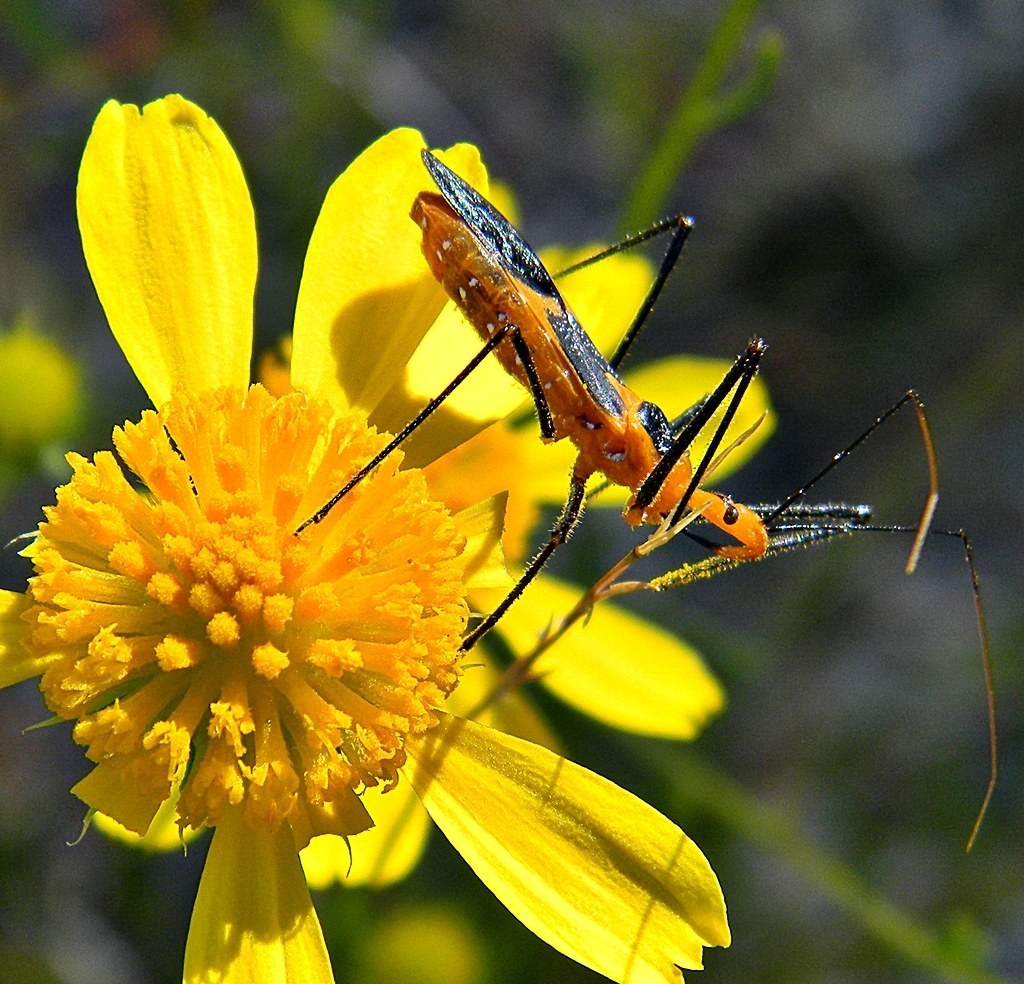
Assassin Bug
A slender, long-legged predatory true bug with a curved, needle-like beak used to ambush and pierce other insects, often patterned in bold orange, black, or red warning colors.
true-bug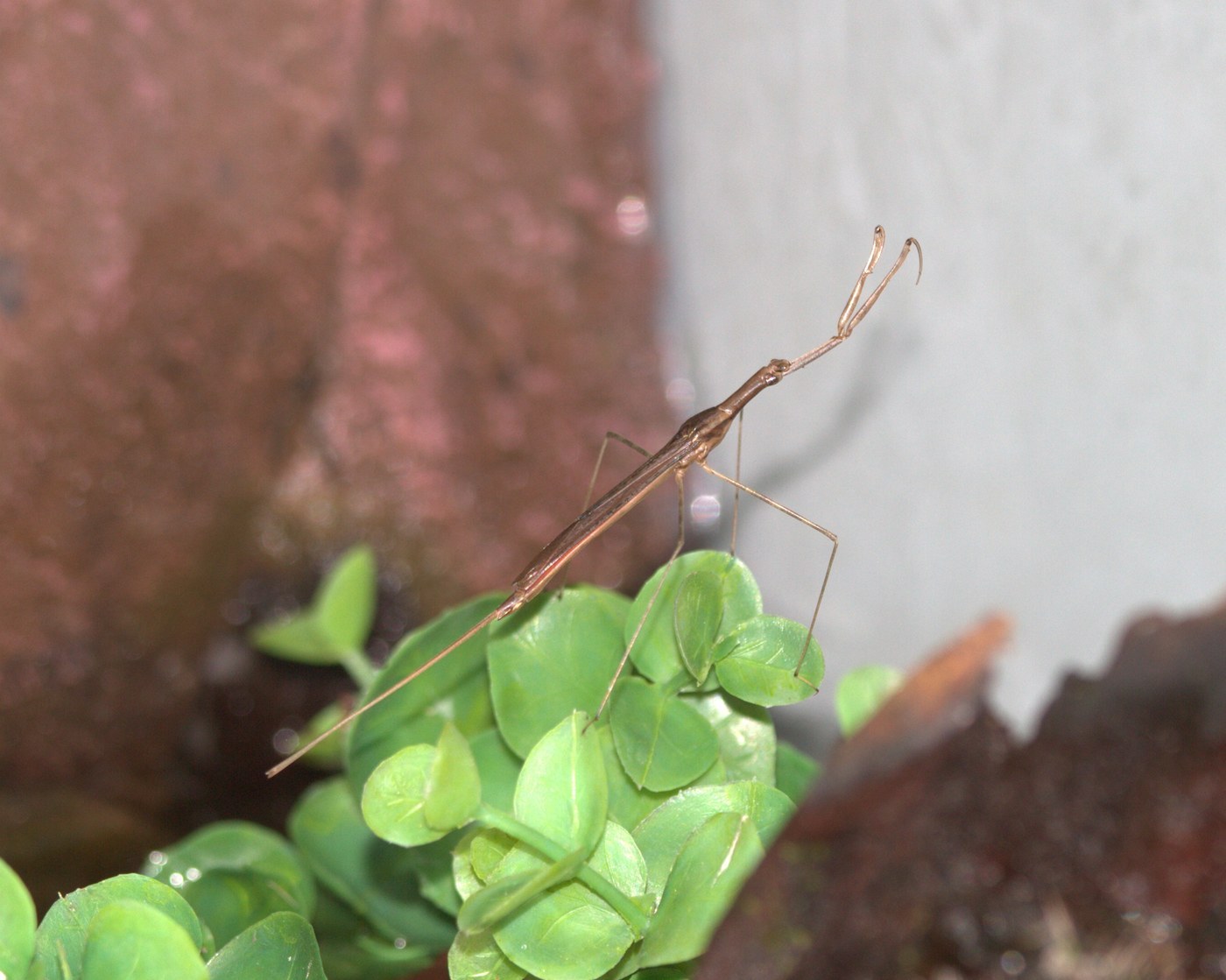
Water Scorpion
An elongated, twig-like aquatic true bug with grasping raptorial forelegs and a long, thin breathing tube at the tail end, resembling a slender scorpion as it lies in ambush among submerged plants.
aquatic-insect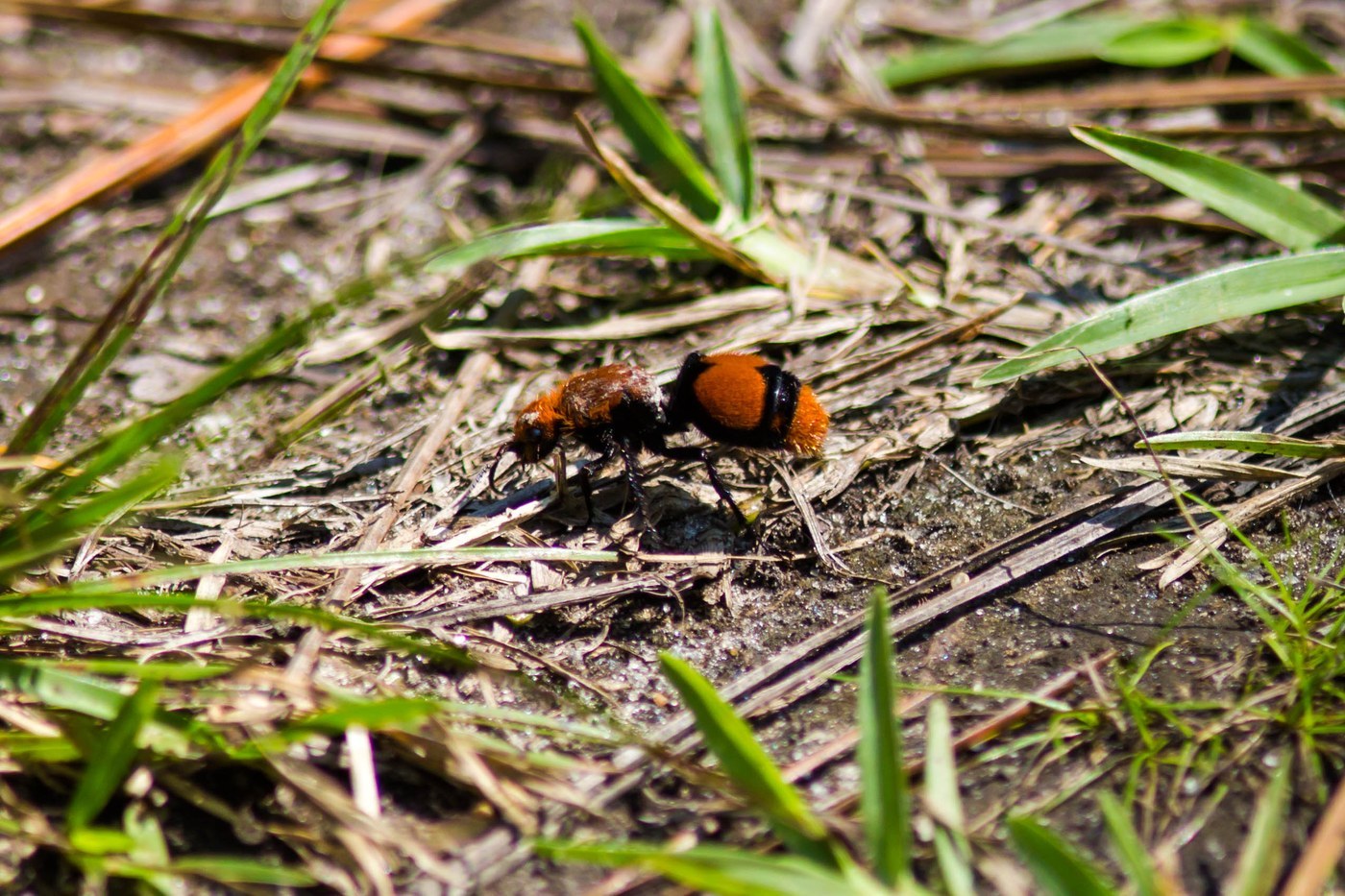
Velvet Ant
A densely fuzzy, brightly colored insect that looks like an oversized ant but is actually a wingless female wasp, instantly recognizable by its thick coat of red, orange, black, or white hair.
waspSpicebush Swallowtail Caterpillar
A bulging-eyed green caterpillar that lives folded inside its own silk-stitched leaf tent, looking every bit like a miniature snake peering out from cover.
caterpillar-larvaGall Midge
A delicate, mosquito-like fly whose larvae trigger plants to grow strange, often colorful swellings called galls, each species usually tied to one particular host plant.
fly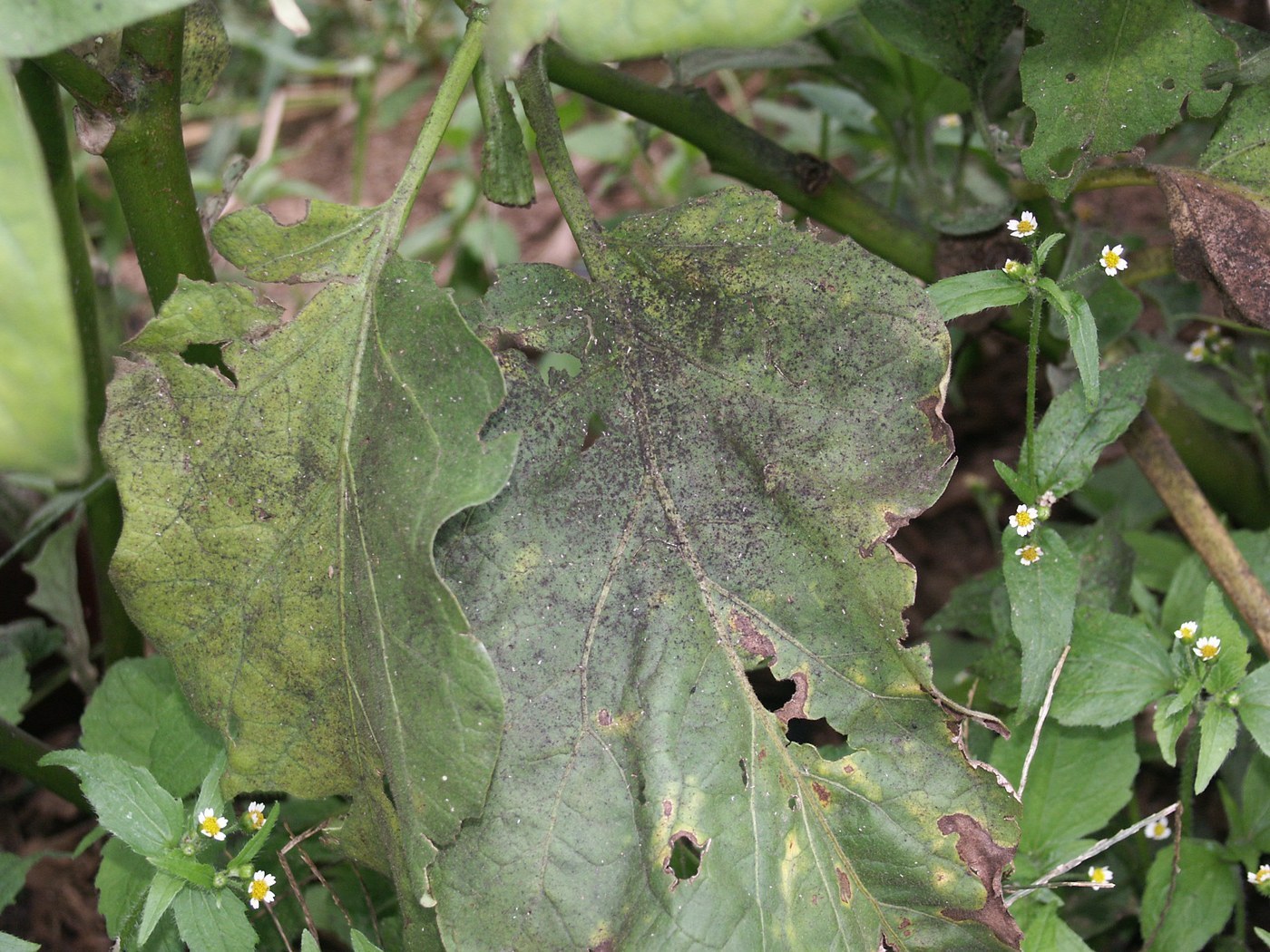
Whitefly
A tiny, moth-like white insect that clusters on the undersides of leaves and bursts into a snowy cloud when the plant is disturbed. Despite the name, it is not a true fly but a sap-feeding relative of aphids and scale insects.
true-bug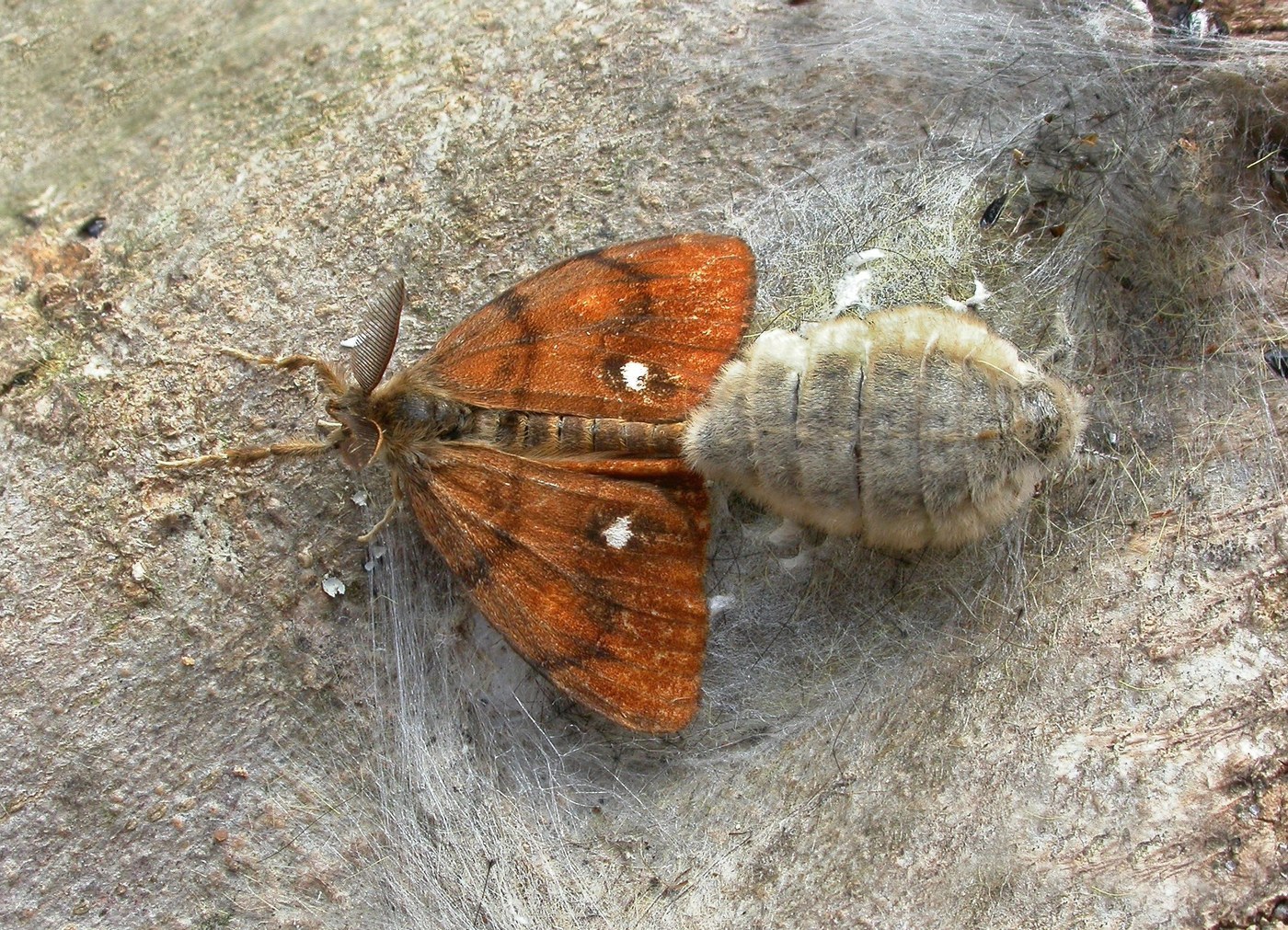
Vapourer Moth
A small tussock moth with striking sexual dimorphism: rusty-orange, day-flying males with feathery antennae contrast with flightless, grub-like grey females that never leave their cocoon to lay eggs.
mothWater Scavenger Beetle
Rounded and glossy, water scavenger beetles paddle through weedy ponds gathering air with a short antenna rather than a snorkel-like tube, feeding mostly on decaying plant matter and algae.
beetleFollicle Mite
An elongated, microscopic mite shaped almost like a tiny worm, living deep within hair follicles and oil glands of mammal skin where it spends its entire life largely unnoticed.
arachnid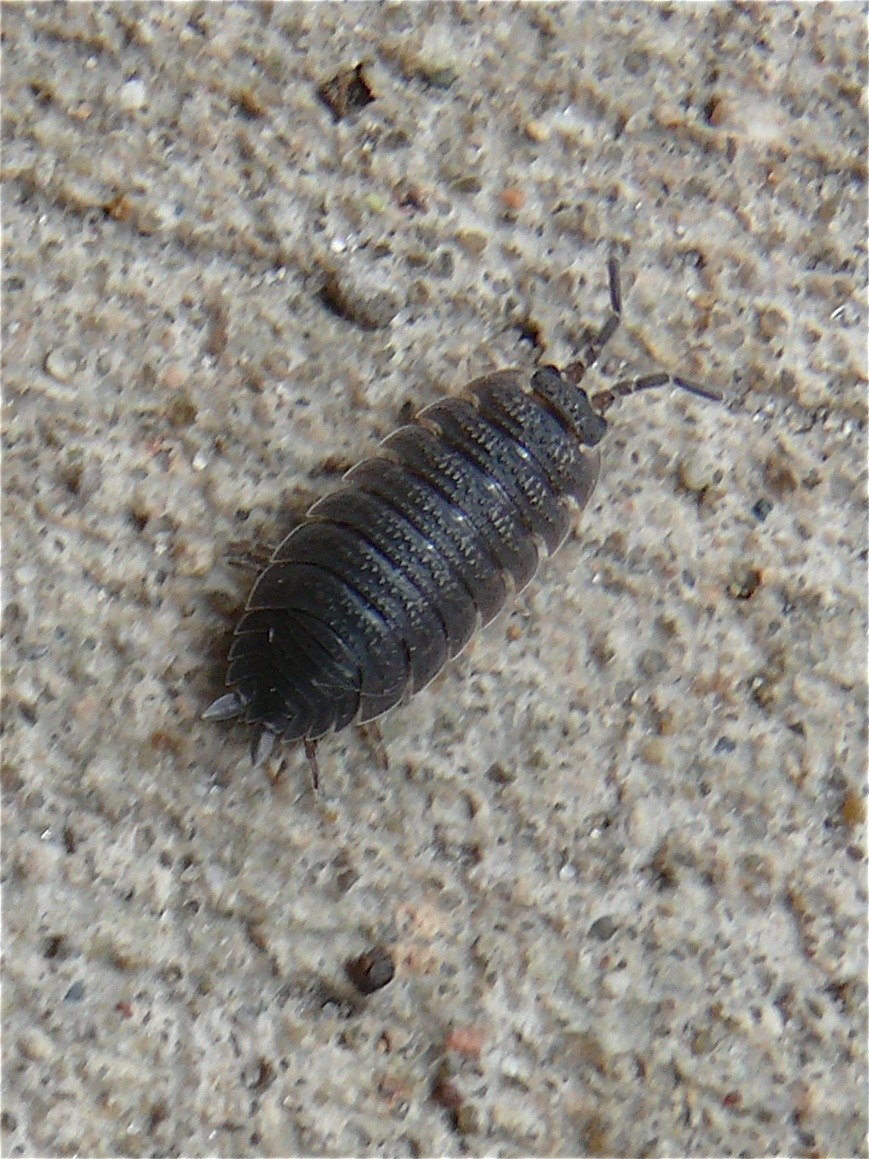
Sowbug
A slate-gray, oval, armor-plated crustacean that shuffles through damp leaf litter on seven pairs of legs, recognizable by its overlapping segmented shell and pair of trailing tail-like appendages.
other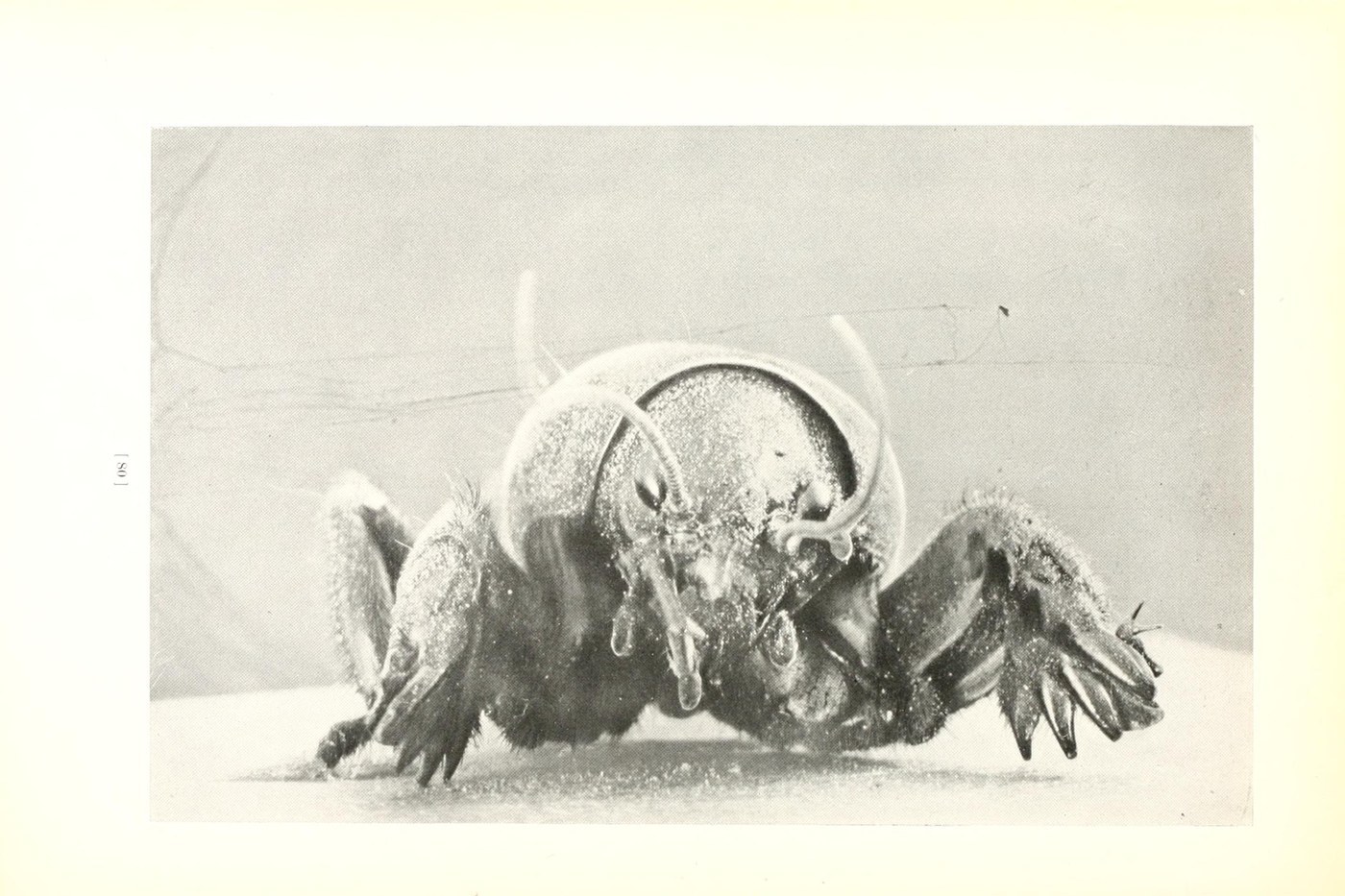
Northern Mole Cricket
A stout, velvety brown cricket with shovel-like front legs built for tunneling through damp soil, more often heard as a low buzzing trill at night than seen above ground.
grasshopper-cricket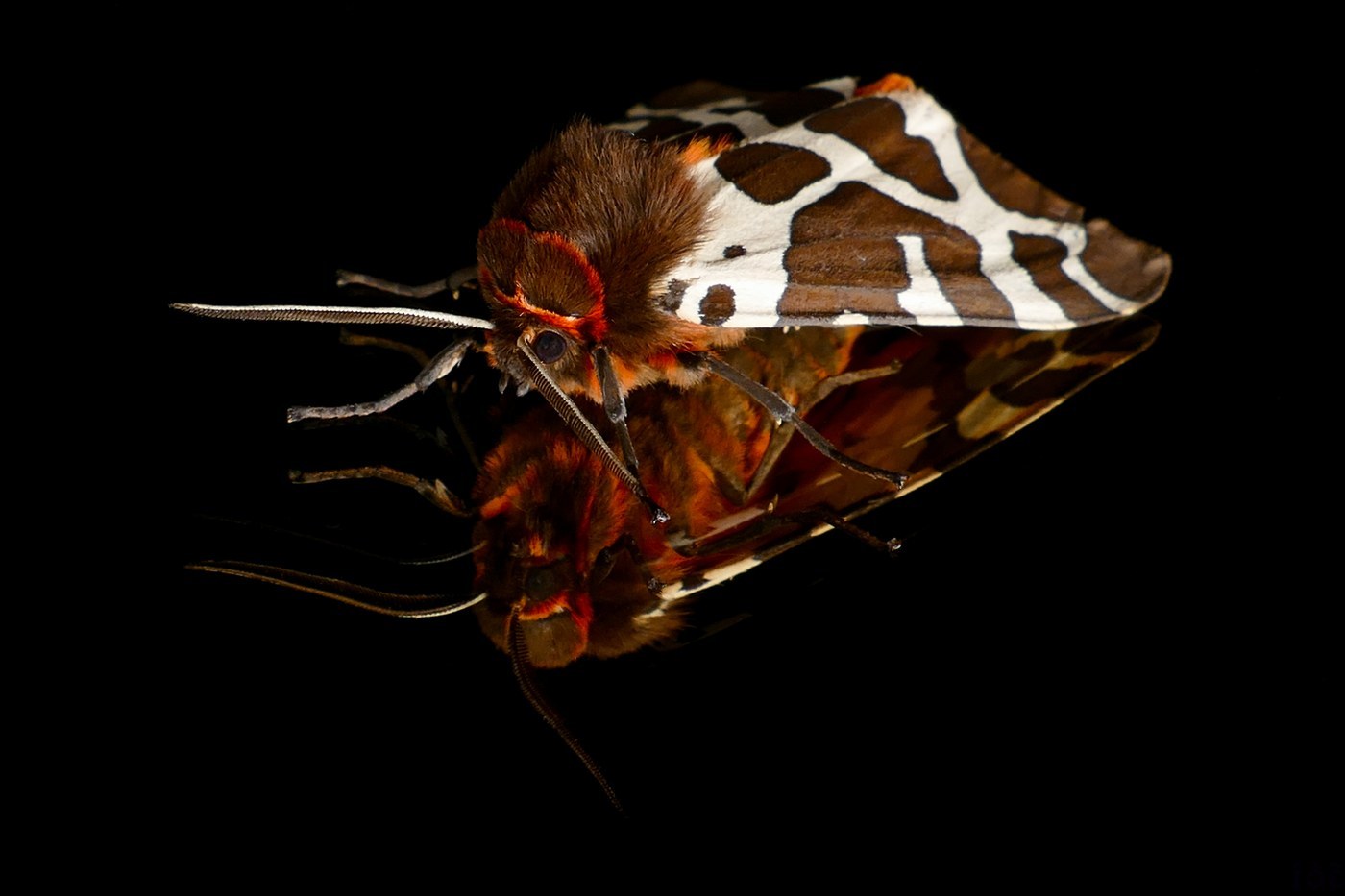
Great Tiger Moth
A boldly patterned tiger moth with chocolate-brown and cream lace-like markings on the forewings and vivid orange hindwings spotted with blue-black, one of the most visually striking moths in temperate gardens.
mothCrane Fly Larva
Thick-skinned and worm-like, the crane fly larva, often called a leatherjacket, burrows through wet mud and decaying vegetation at the edges of ponds and streams, breaking down plant material as it grows.
aquatic-insect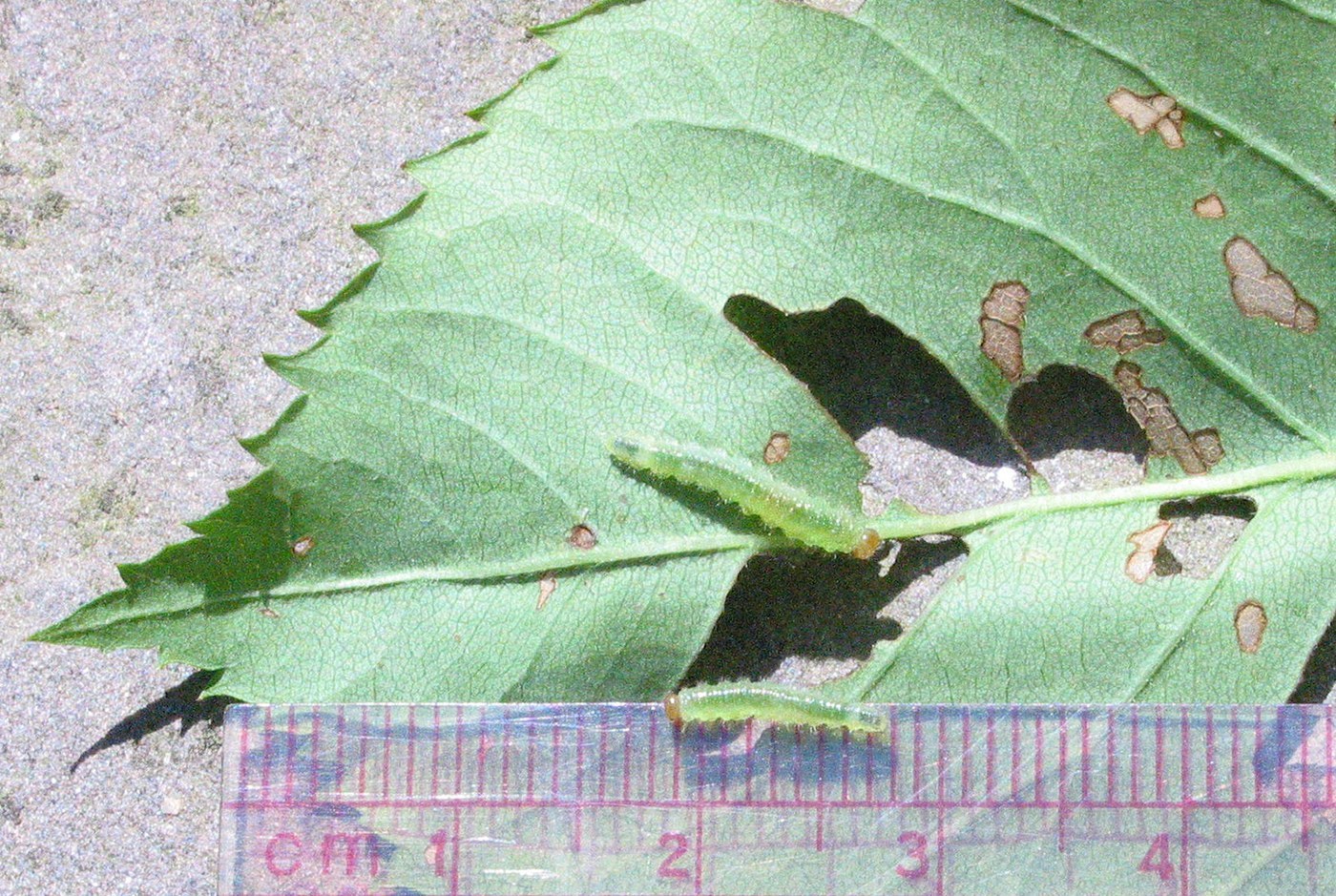
Bristly Rose Slug
Despite its caterpillar-like, slug-shaped body covered in fine bristles, this pale green larva is actually the offspring of a small sawfly and feeds on rose leaves by skeletonizing them from the underside.
caterpillar-larvaSilverfish Firebrat
Two closely related, wingless, silvery or mottled insects with fish-like darting movements and three long tail bristles, one favoring damp basements and the other thriving near warm ovens and furnaces.
otherDrywood Termite
A termite that lives entirely within the dry wood it feeds on, needing no soil contact at all, and revealing itself mainly through small piles of pellet-like frass pushed from tiny exit holes.
otherSpringtail
A minuscule, wingless hexapod best known for its spring-loaded tail-like structure that flicks it into sudden, erratic hops when disturbed, often found in huge numbers in damp soil and leaf litter.
other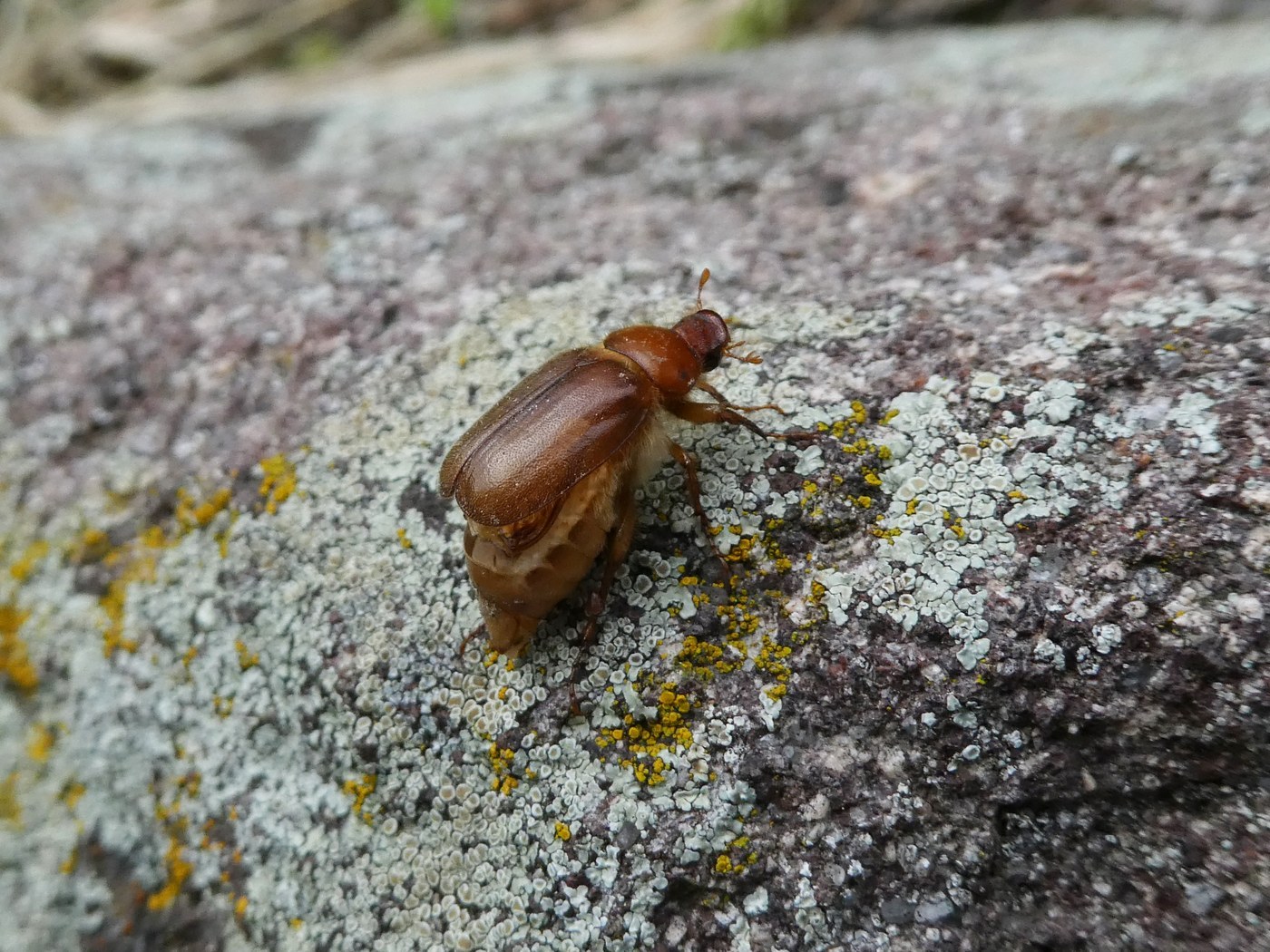
Scarab Beetle
A broad, often glossy beetle family recognized by its distinctive fan-like clubbed antennae, ranging from tiny dung-rollers to massive horned giants, found on every continent except Antarctica.
beetleGarden Orb Weaver Spider
The classic maker of the round, wheel-shaped web, the garden orb weaver hangs head-down at the center of its silken snare. Many sport a cross-like pattern of pale spots on a rounded abdomen.
spider