
Bug Encyclopedia
Search and identify bugs & insects — beetles, butterflies, moths, ants, bees, spiders and more — with size, habitat, danger, behavior, and how to tell them apart.
Six-eyed Sand Spider
A flattened, sand-colored spider that buries itself just beneath the desert surface, ambushing prey while remaining almost invisible against the dunes.
spiderHarvester Ant
A large, industrious desert ant that clears a bare, sunburned disk of ground around its nest entrance while collecting and storing seeds by the thousands.
ant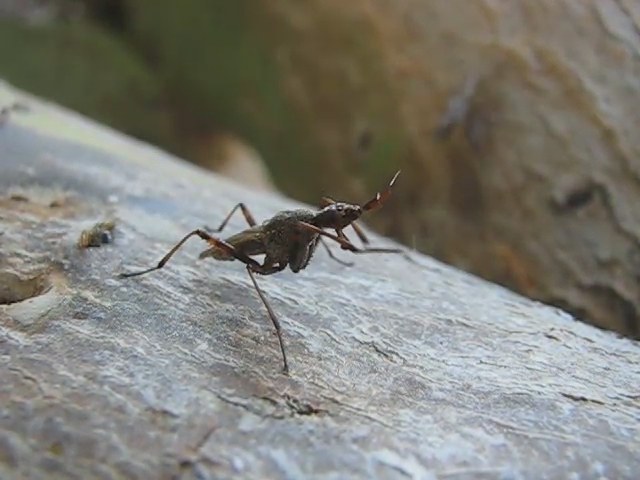
Cactus Fly
A slender, long-legged desert fly that specializes in breeding within the soft, fermenting tissue of decaying cactus, particularly saguaro and other columnar cacti.
flyOwlfly
An acrobatic, dragonfly-mimicking predator instantly given away by its long, clubbed antennae, a feature no true dragonfly ever has.
other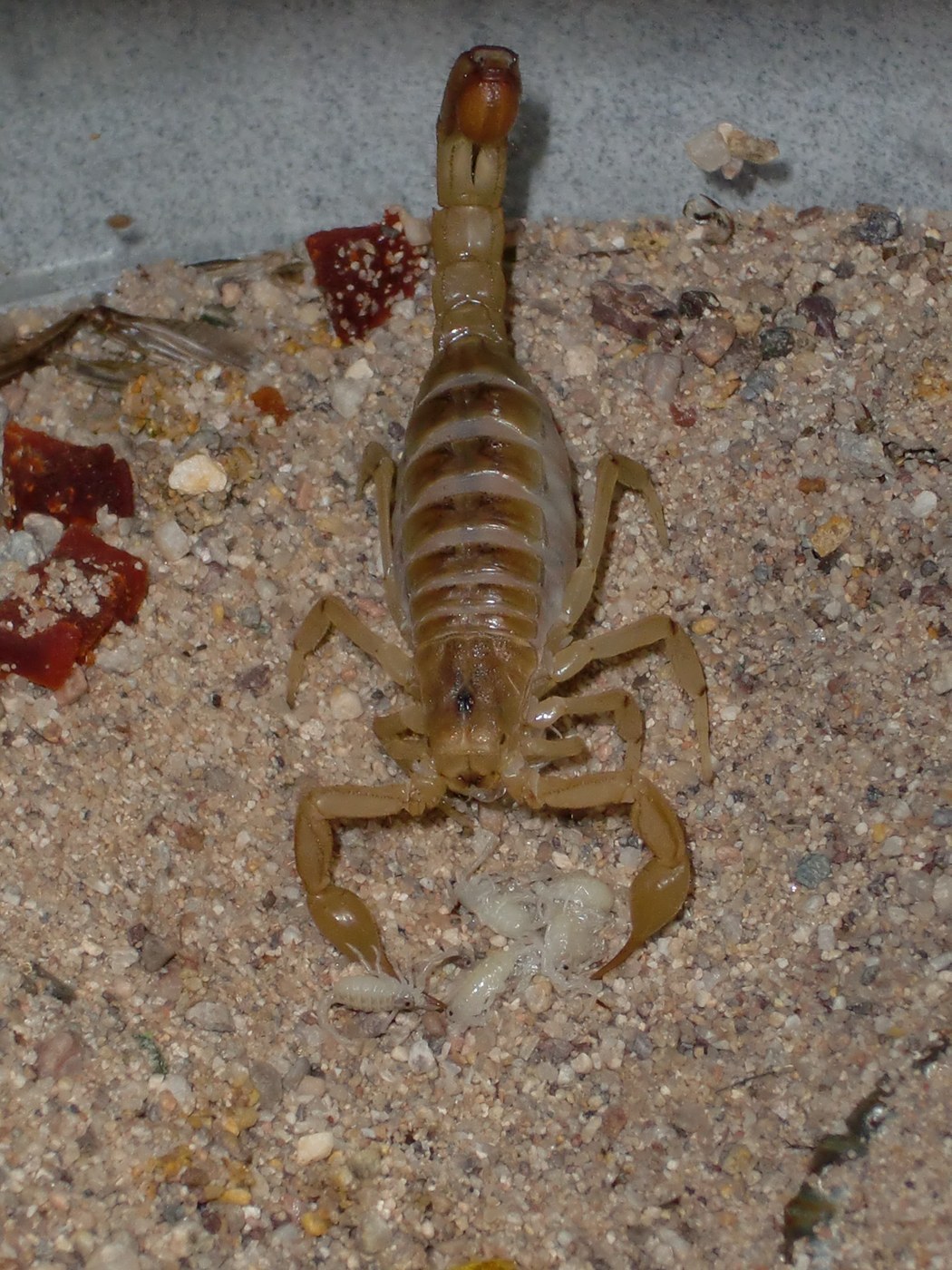
Arizona Bark Scorpion
A slim, pale tan scorpion of the Sonoran Desert that climbs trees, walls, and even ceilings with equal ease thanks to its excellent grip.
arachnid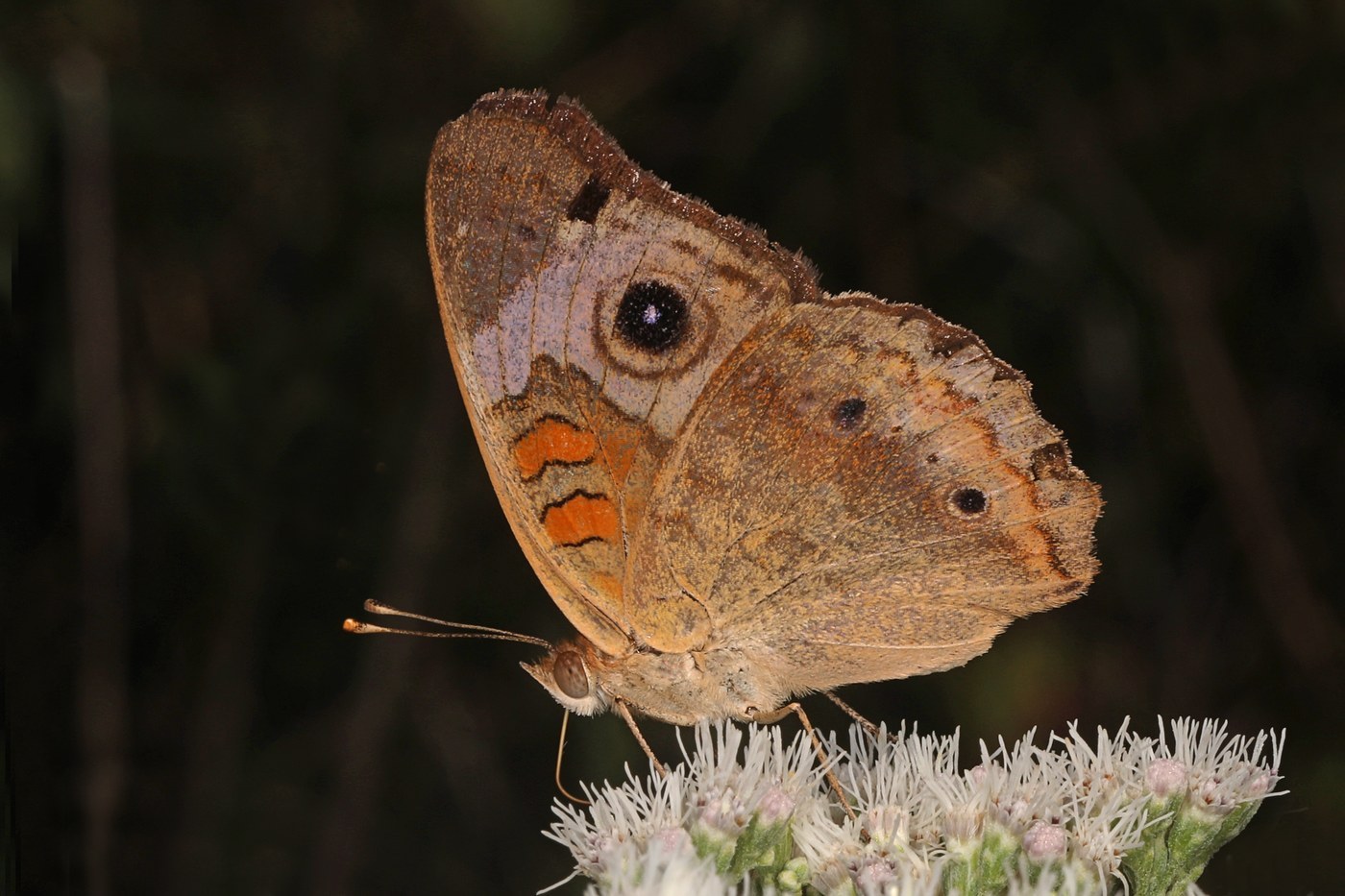
Common Buckeye
A medium-sized brown butterfly instantly recognizable by the large, colorful eyespots ringed in orange and blue on both its forewings and hindwings, thought to startle or deflect the attacks of predators.
butterflySun Spider
A fast-running, fiercely built desert arachnid with oversized jaws, often mistaken for a giant spider despite belonging to an entirely different arachnid order.
arachnid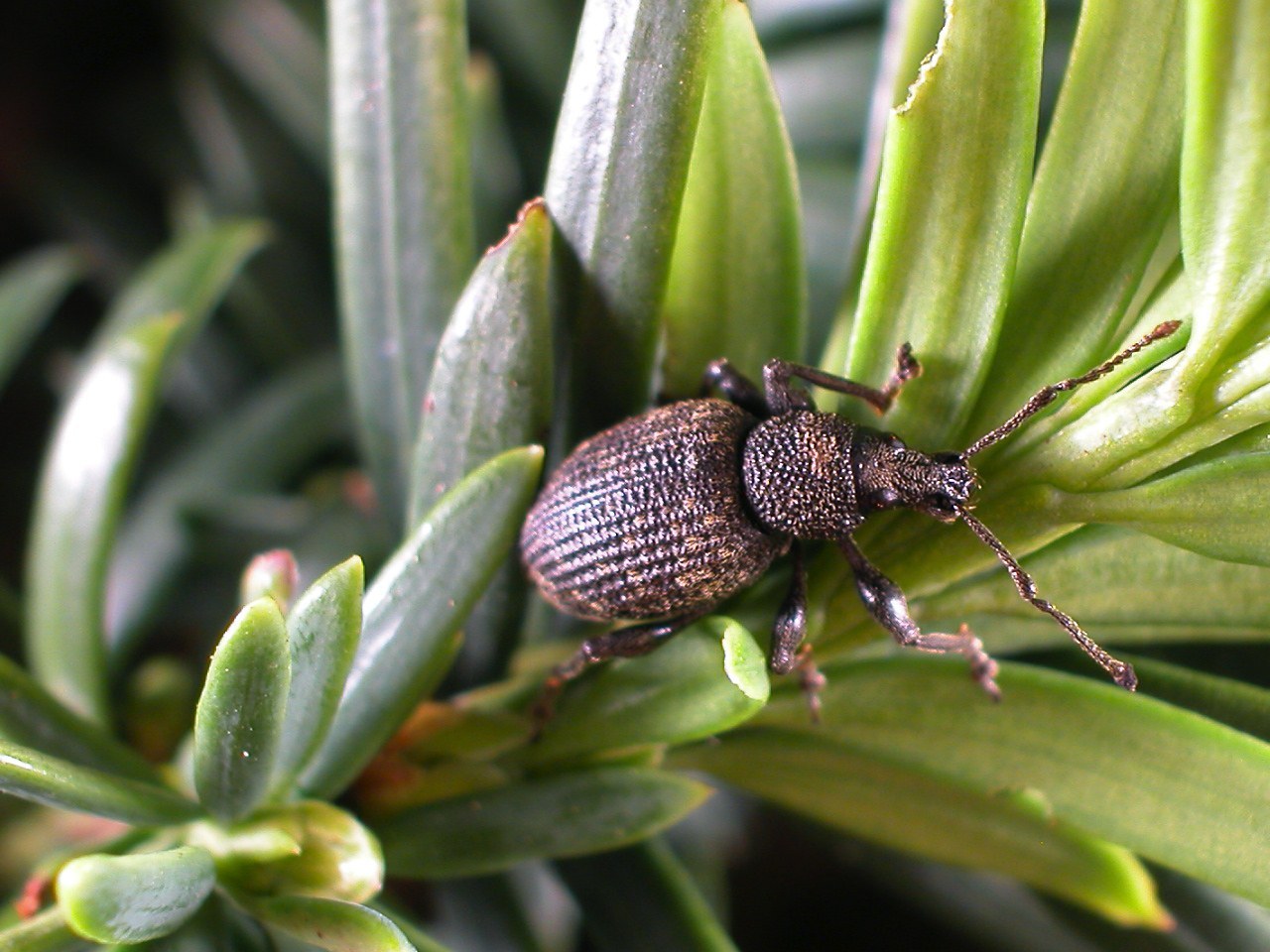
Vine Weevil
A slow, flightless, matte-black beetle that hides by day and emerges at night to notch neat semicircular bites from the edges of leaves.
beetle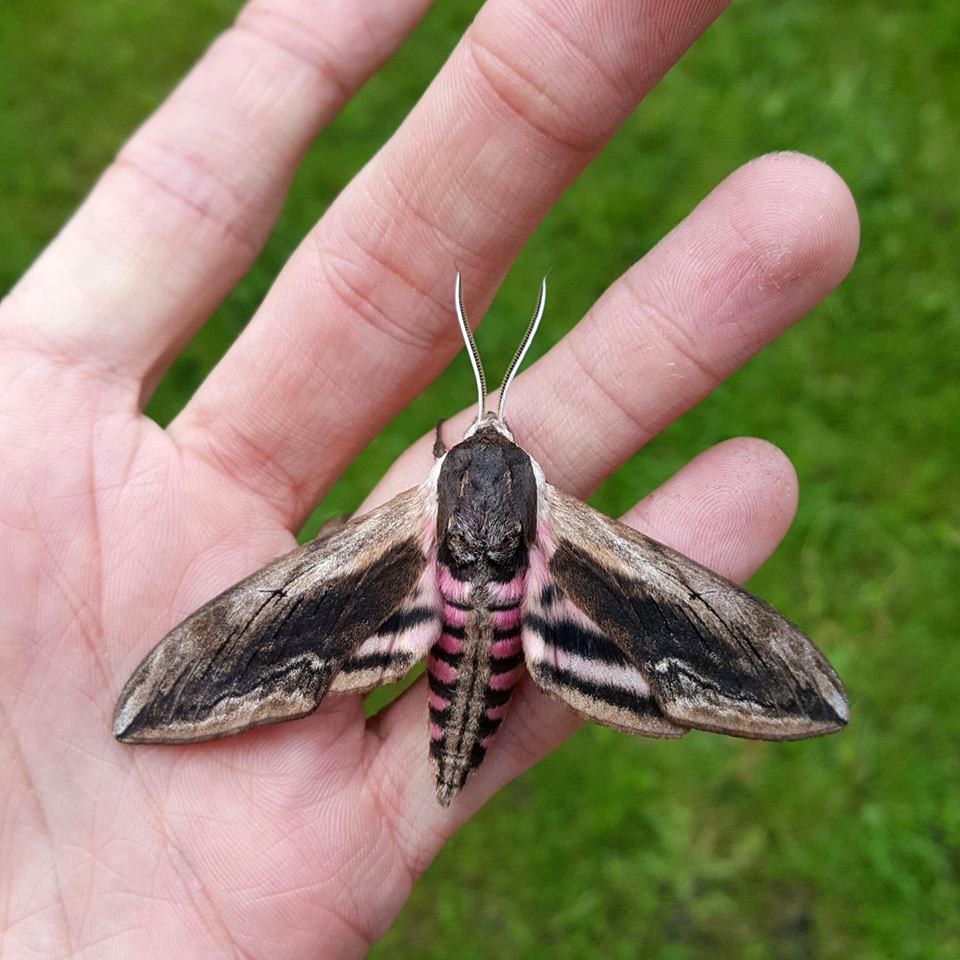
Privet Hawk-Moth
The largest resident hawk-moth in much of northern Europe, with streaked brown forewings and a striking abdomen banded in pink and black stripes.
moth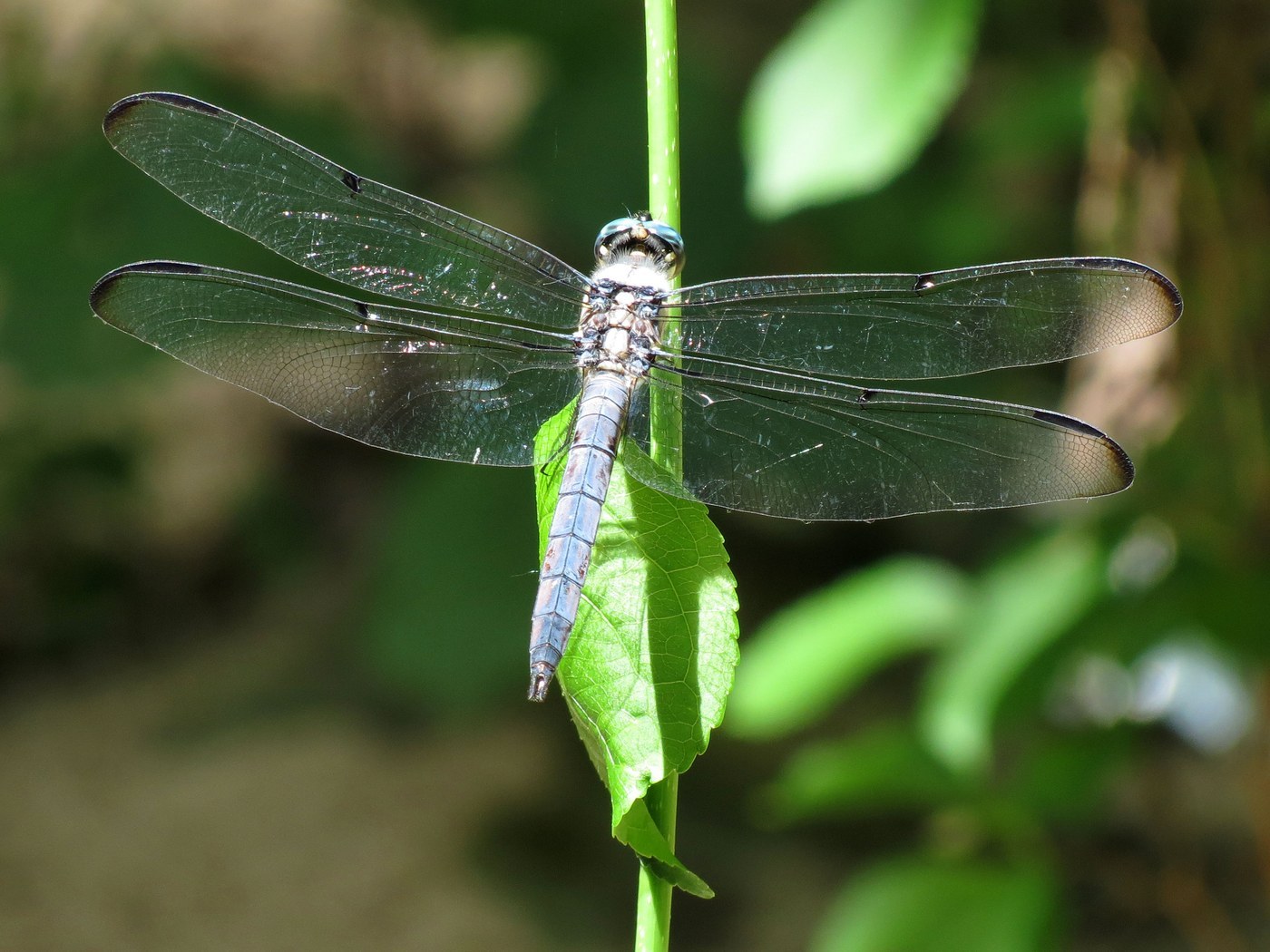
Great Blue Skimmer
One of North America's largest skimmers, the Great Blue Skimmer's powdery sky-blue body and pale green eyes make it stand out as it cruises woodland pond edges.
dragonflyFire Ant Queen
The reproductive powerhouse of a fire ant colony, noticeably larger than the reddish worker ants and equipped with wings before she sheds them to found a new nest.
ant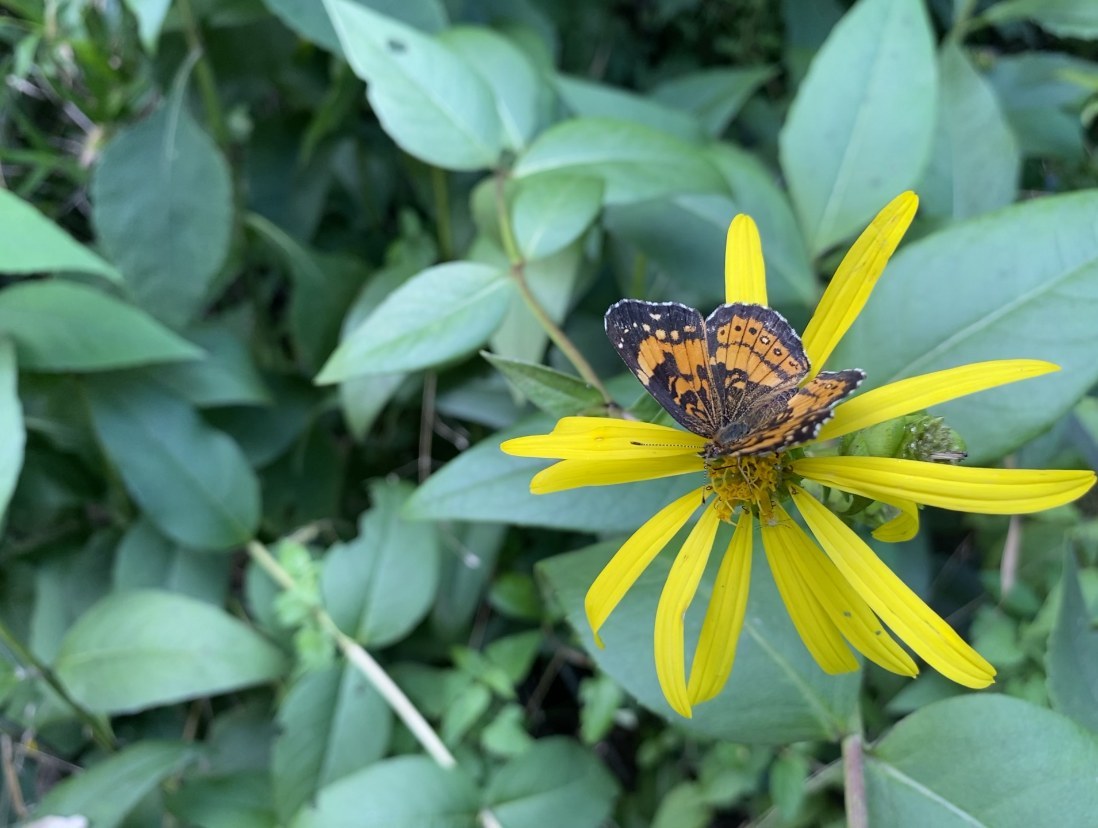
Silvery Checkerspot
An orange-brown checkered butterfly named for the row of small silvery-white crescent spots along the underside hindwing margin, commonly seen nectaring at composite flowers in open habitats.
butterflyWhip Spider
A flattened, spider-like arachnid with no venom and no silk, using a pair of extremely long, whip-like front legs as sensitive feelers to navigate the dark.
arachnid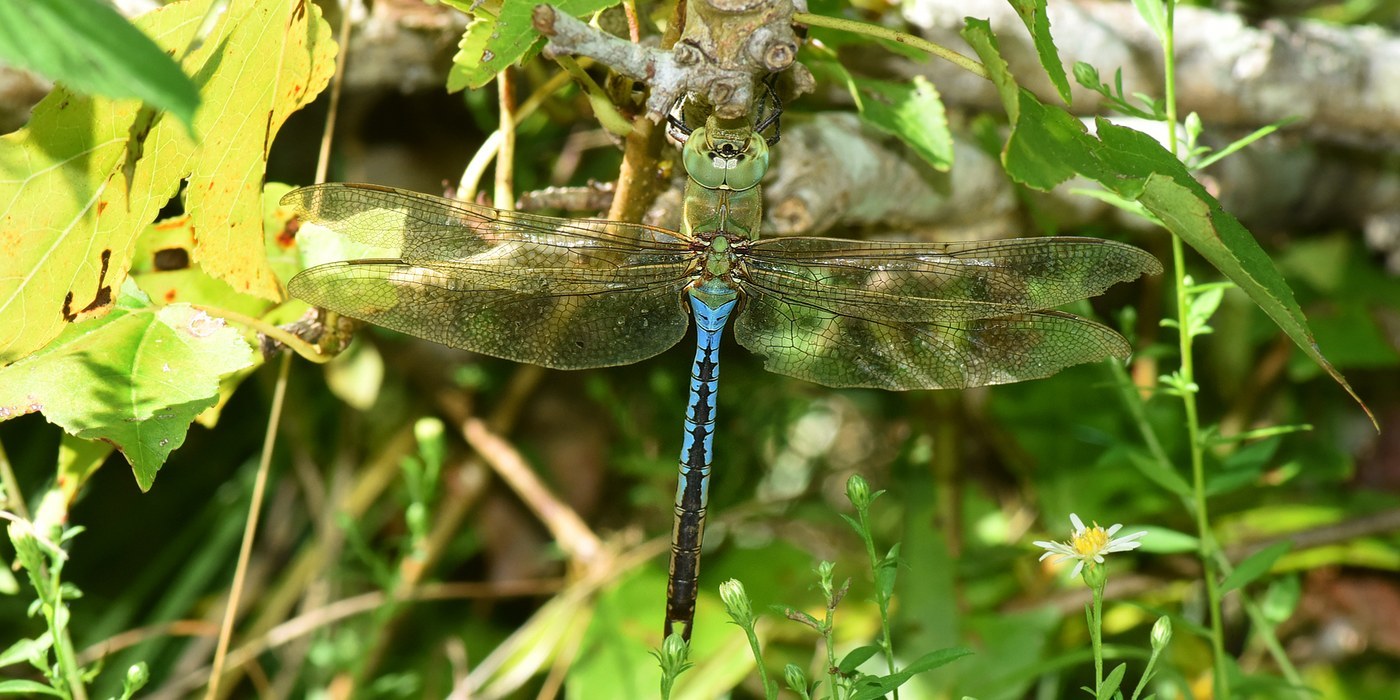
Green Darner Dragonfly
One of the largest and most widespread dragonflies in North America, its green thorax and target-marked face make it unmistakable as it patrols open water on powerful wings.
dragonfly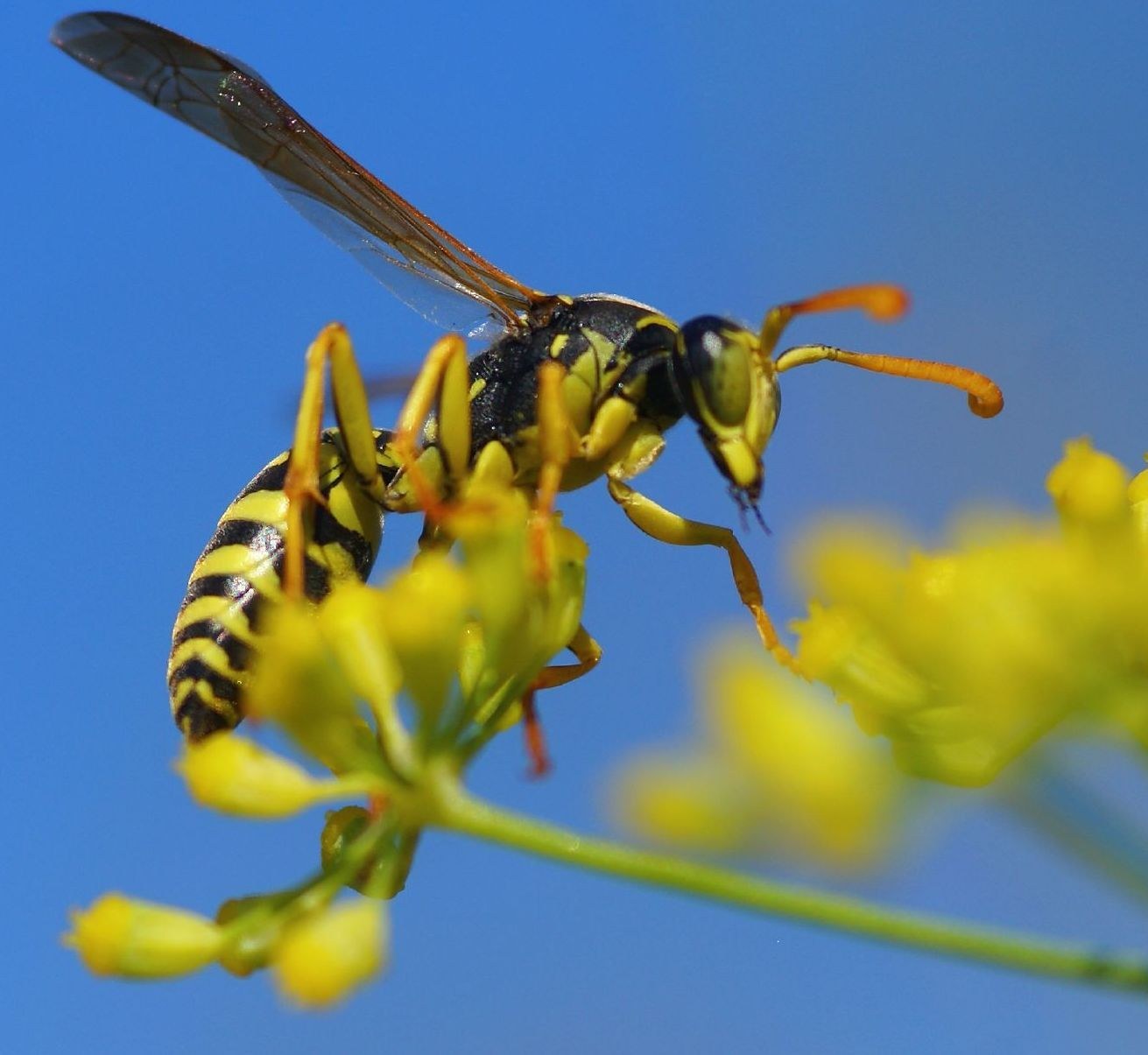
Yellowjacket
A boldly striped black-and-yellow social wasp with a smooth, shiny body and a fast, darting flight, often noticed hovering around food and sugary drinks in late summer.
wasp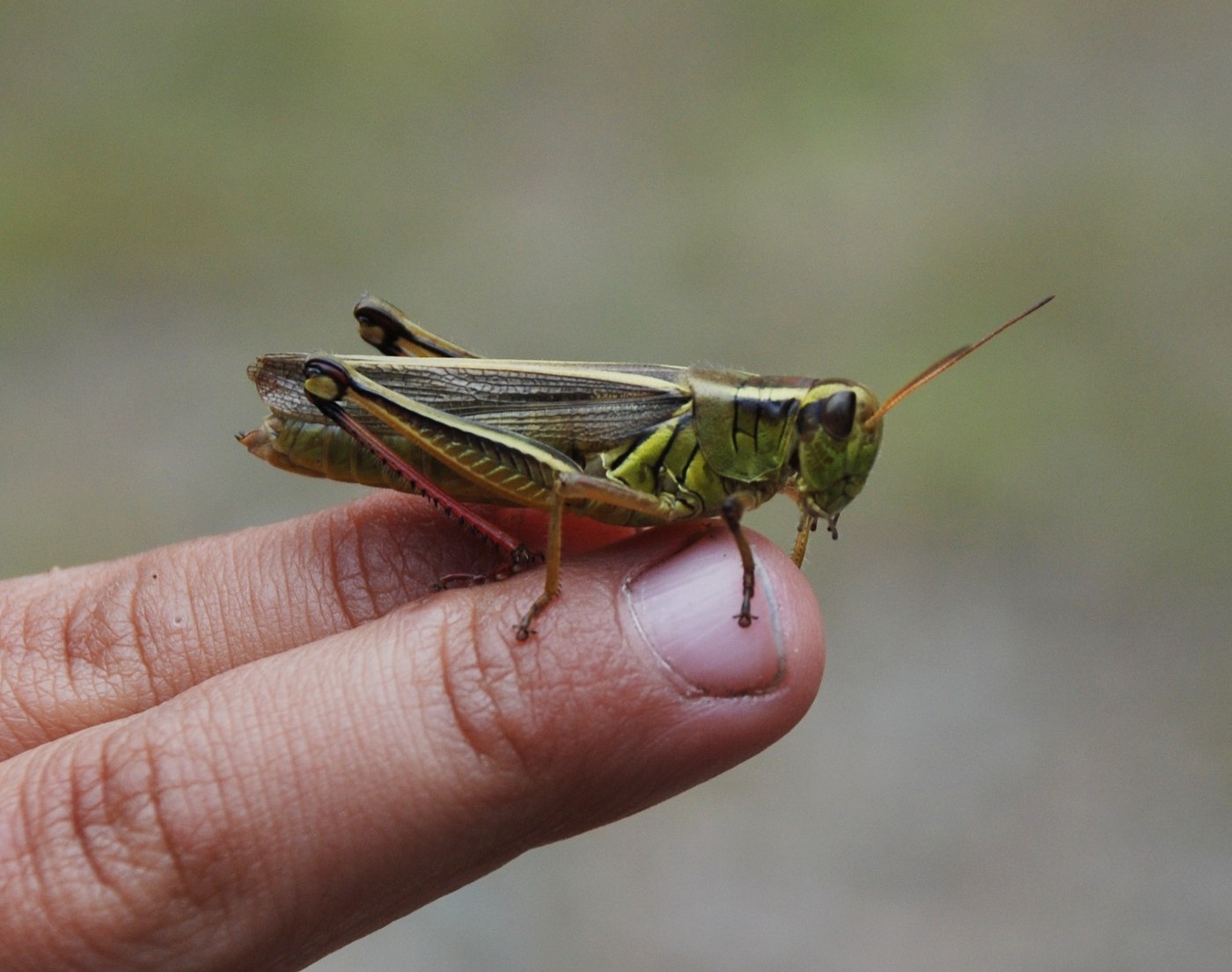
Two-striped Grasshopper
Easily spotted by the pair of pale cream stripes running the length of its body, the two-striped grasshopper is one of the largest and most economically important grasshoppers in North America.
grasshopper-cricketSpur-throated Grasshopper
One of the most familiar grasshopper groups in North America, named for the small spine on its throat and known for including some of the continent's most abundant rangeland species.
grasshopper-cricket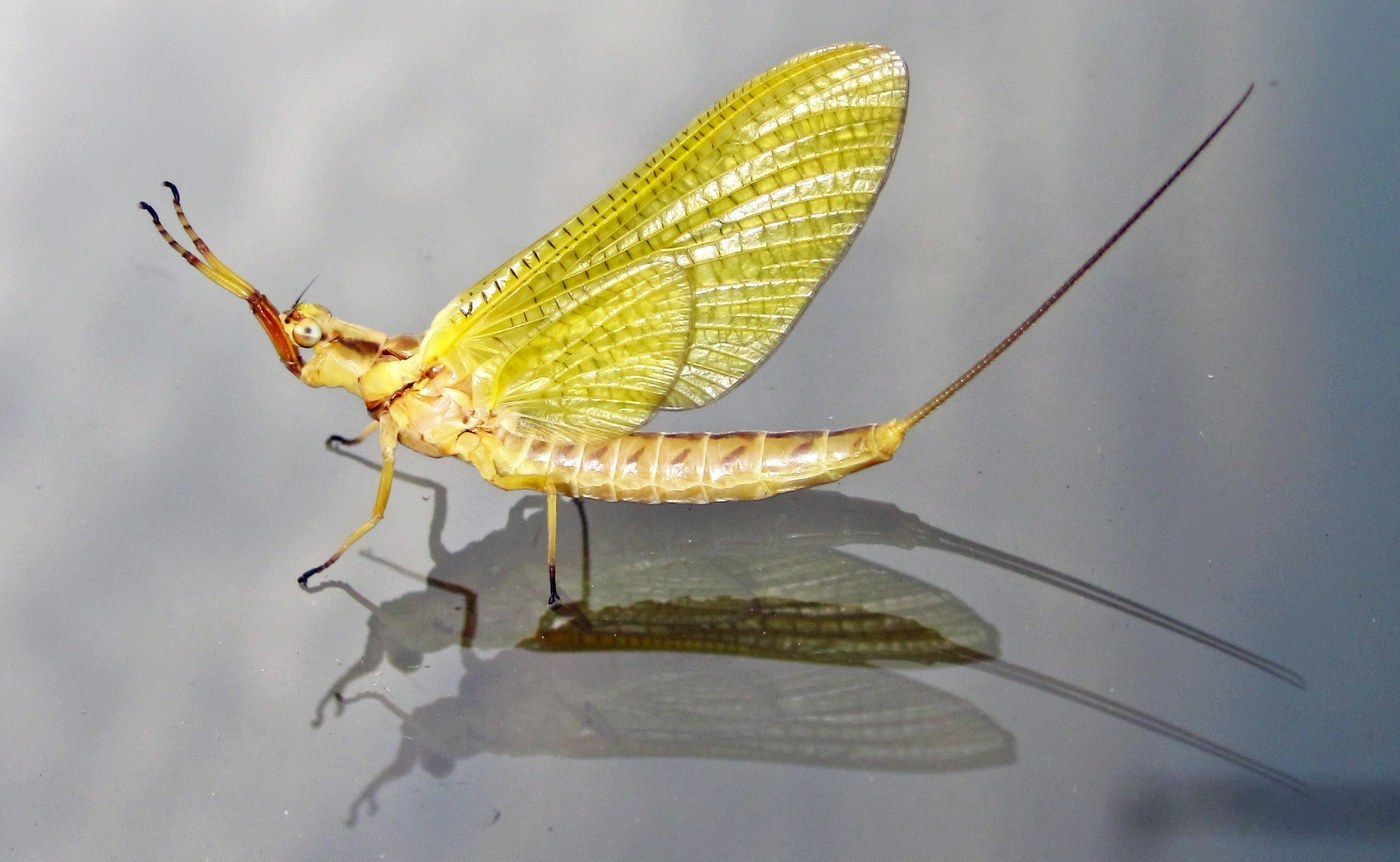
Giant Mayfly
Known for emerging by the billions in summer swarms so dense they can show up on weather radar, the Giant Mayfly is one of the largest and most abundant mayflies in North America.
aquatic-insect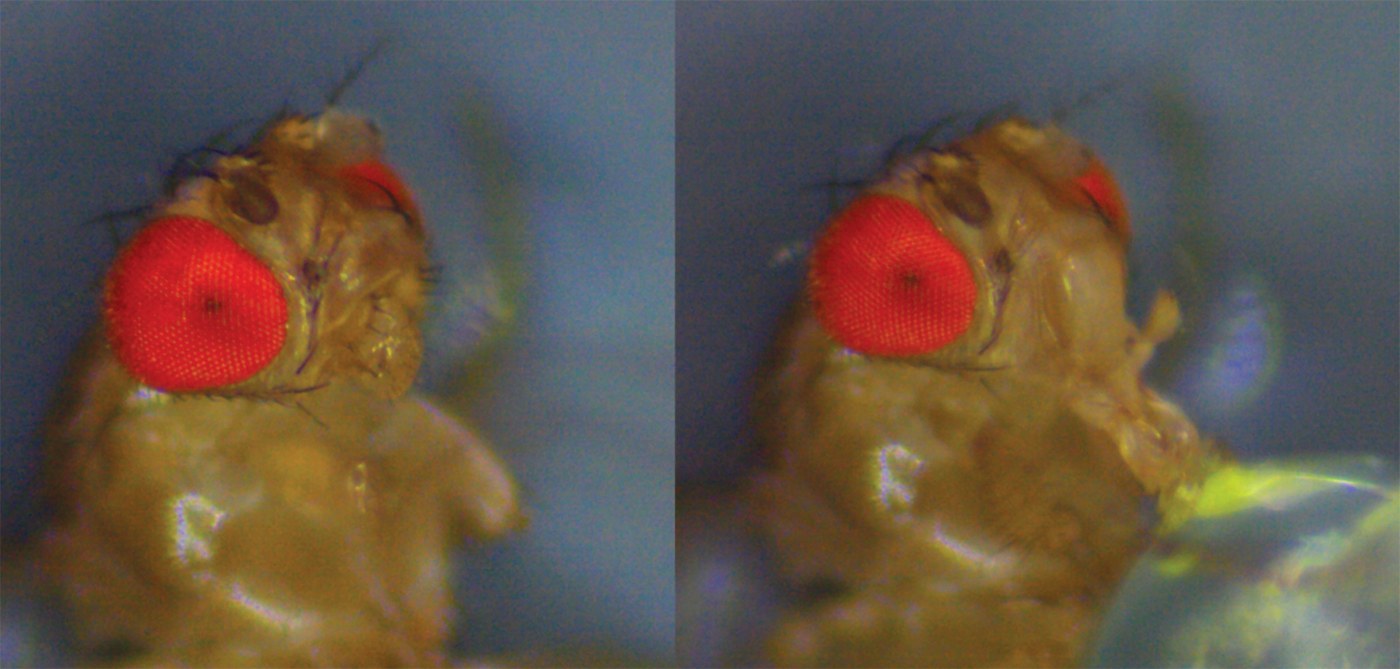
Fruit Fly
A tiny tan fly with prominent red eyes that swarms around overripe fruit, wine, and vinegar, appearing seemingly out of nowhere thanks to an extremely fast life cycle.
fly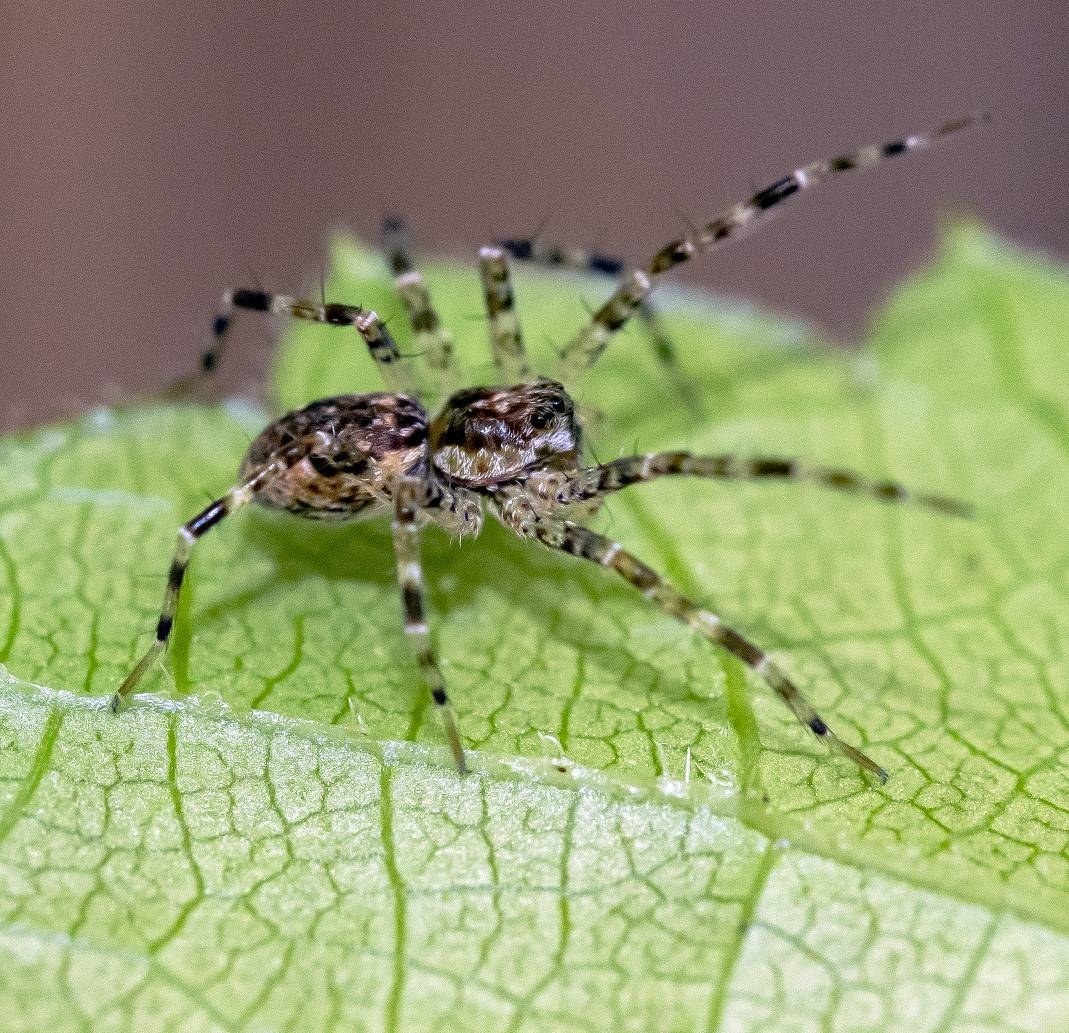
Fishing Spider
One of the largest spiders in North America, the fishing spider can walk on water, dive beneath the surface to escape danger, and ambush small fish and tadpoles with its front legs from the water's edge.
spider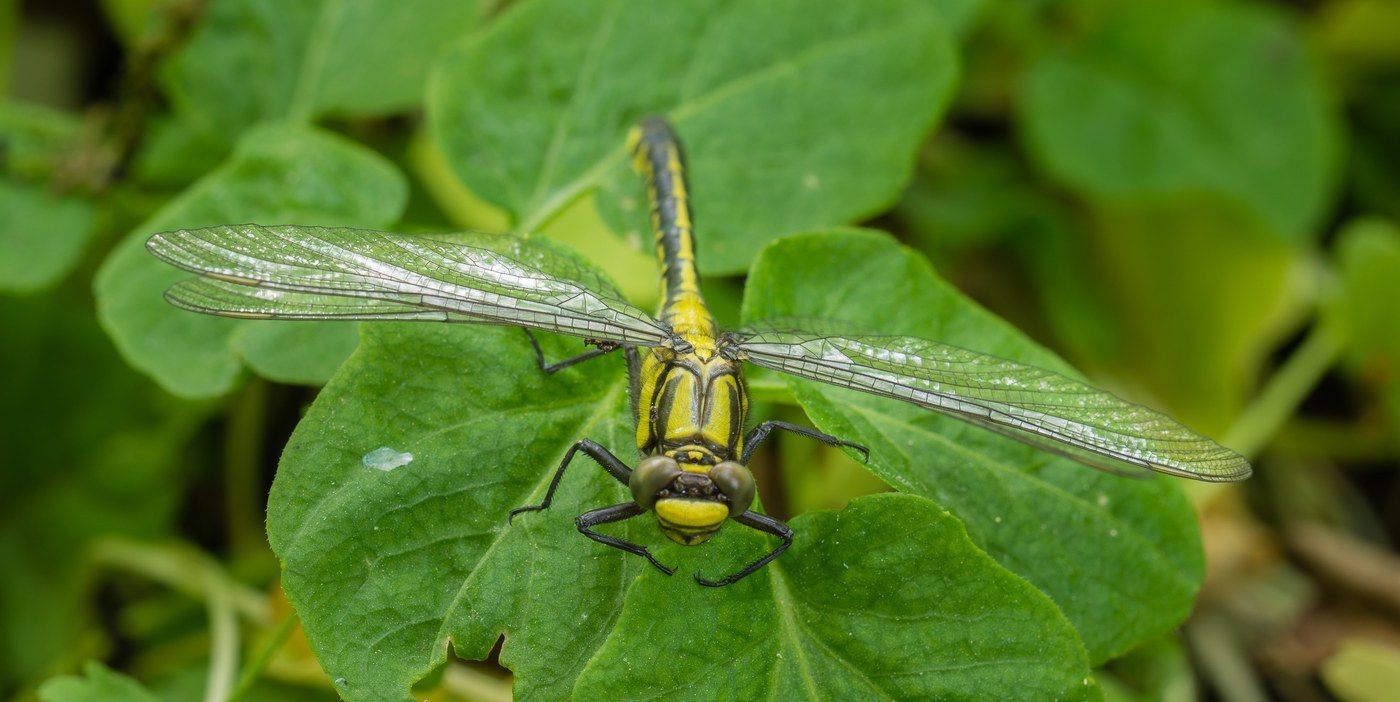
Common Clubtail
This river-loving dragonfly gets its name from the noticeably widened, club-shaped tip of its abdomen, which it displays as it rests on sunlit waterside vegetation.
dragonfly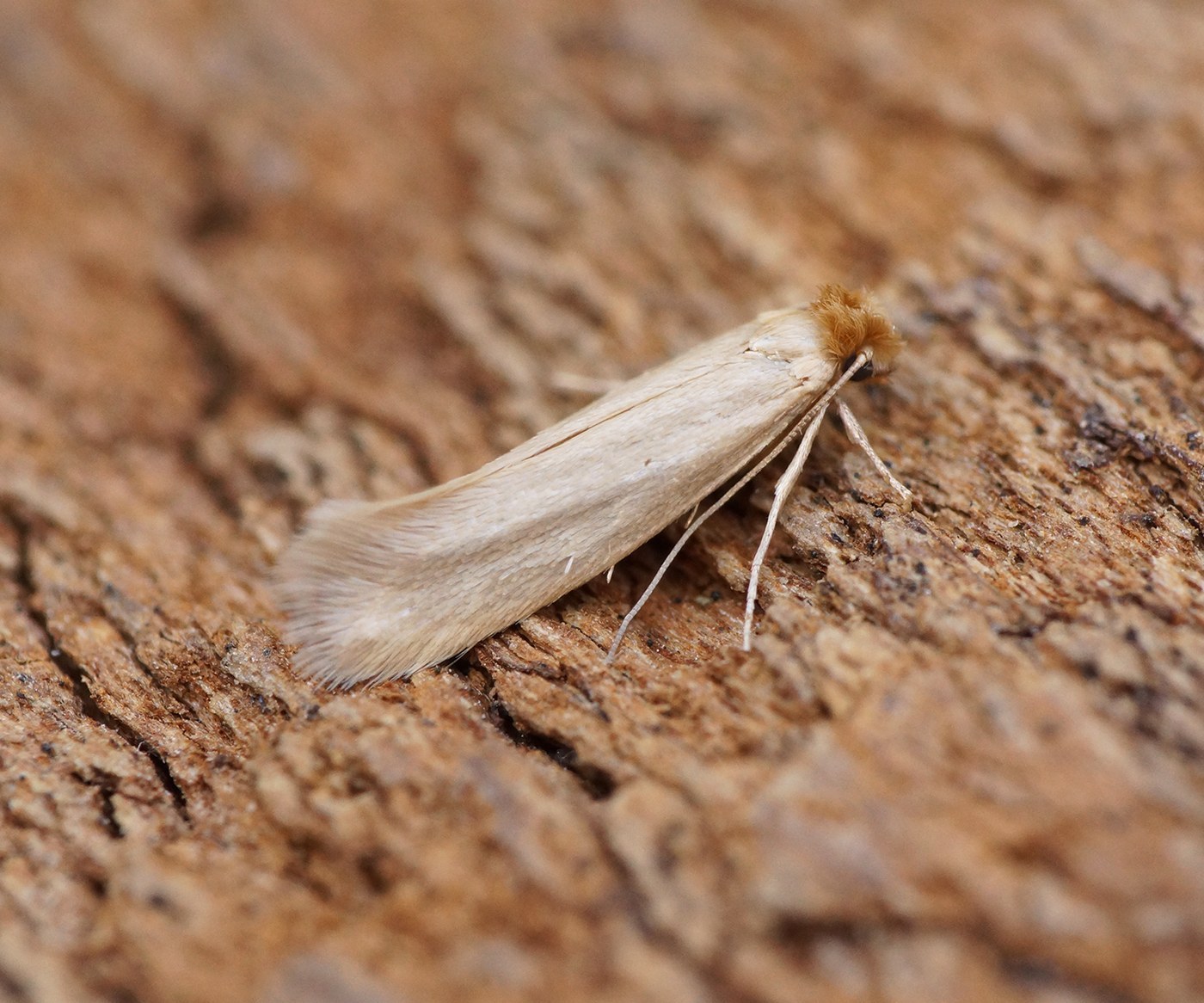
Clothes Moth
A tiny, pale golden moth that avoids light and flutters weakly from dark closets, more often noticed by the damage its larvae leave in stored fabrics than by the moth itself.
moth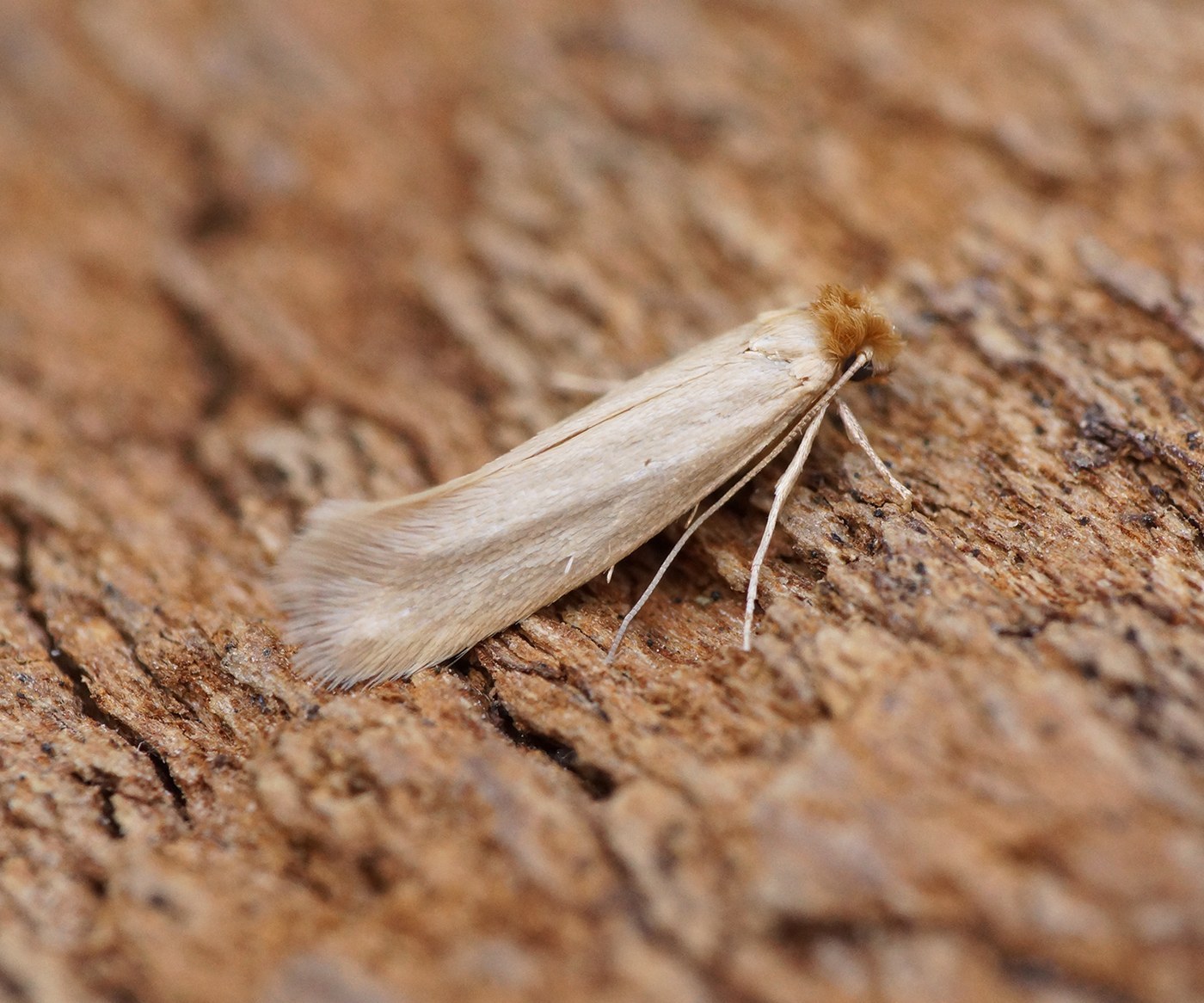
Common Clothes Moth
A tiny, plain golden-buff moth that rarely flies far into open light, best known not for its adult form but for its silk-spinning larvae that chew holes in wool, fur, and feathers.
moth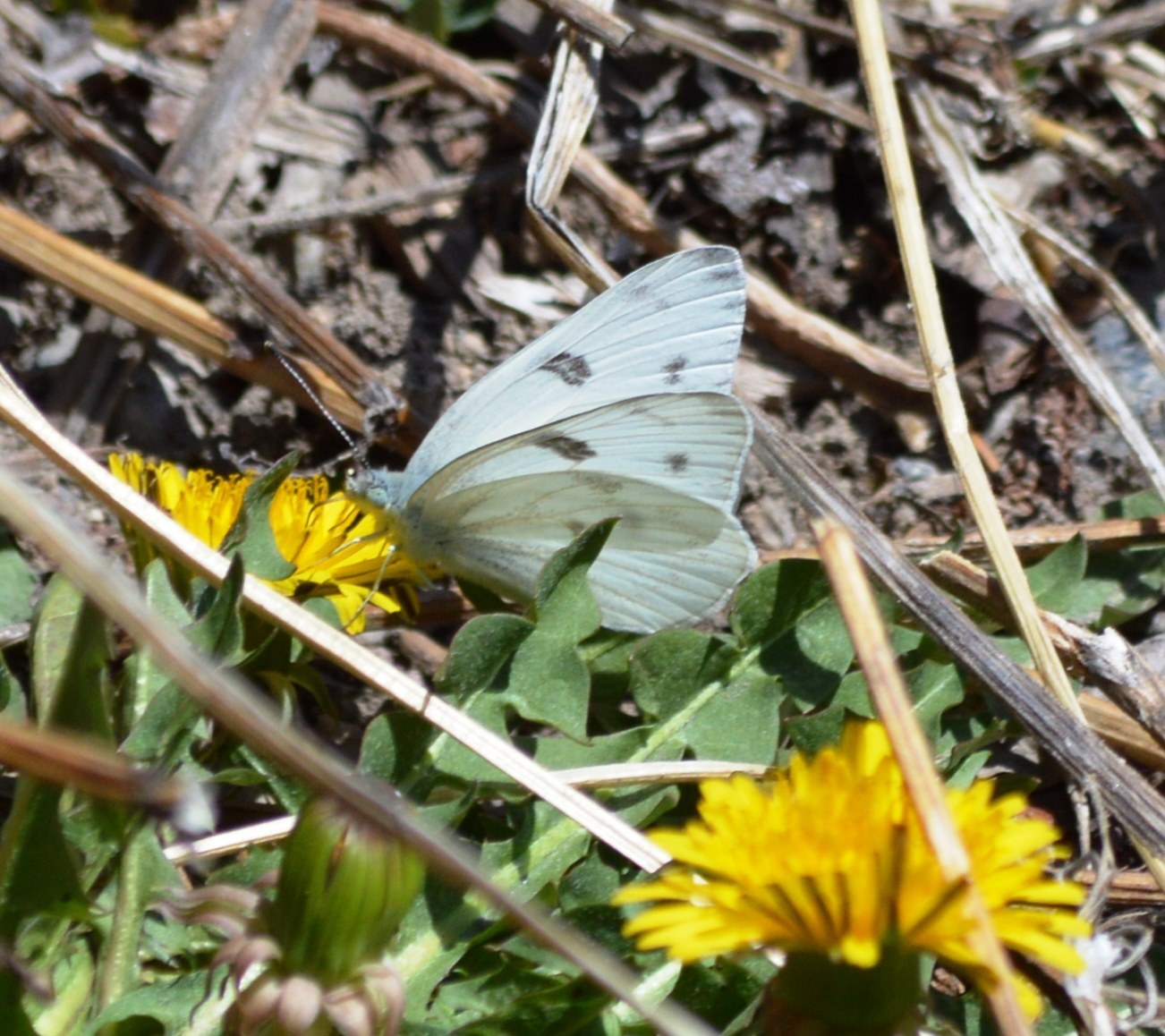
Checkered White
A white butterfly patterned with irregular gray-black checkered spots, commonly fluttering low over open, sunny, weedy fields across much of North America.
butterfly