
Bug Encyclopedia
Search and identify bugs & insects — beetles, butterflies, moths, ants, bees, spiders and more — with size, habitat, danger, behavior, and how to tell them apart.
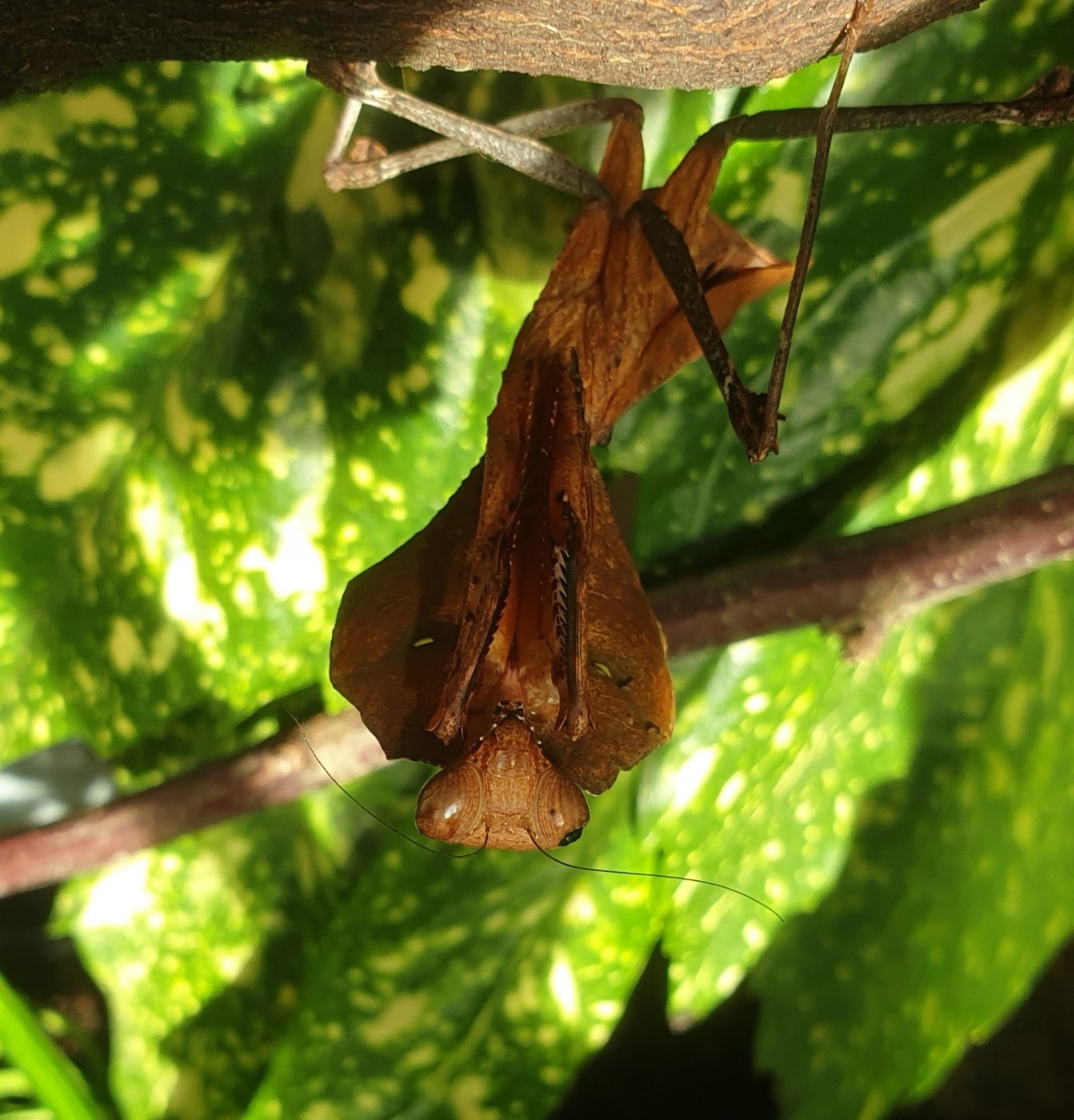
Dead Leaf Mantis
A master of disguise whose broad, curled, vein-textured body is nearly indistinguishable from a curled, decaying leaf lying on the forest floor.
mantis-stick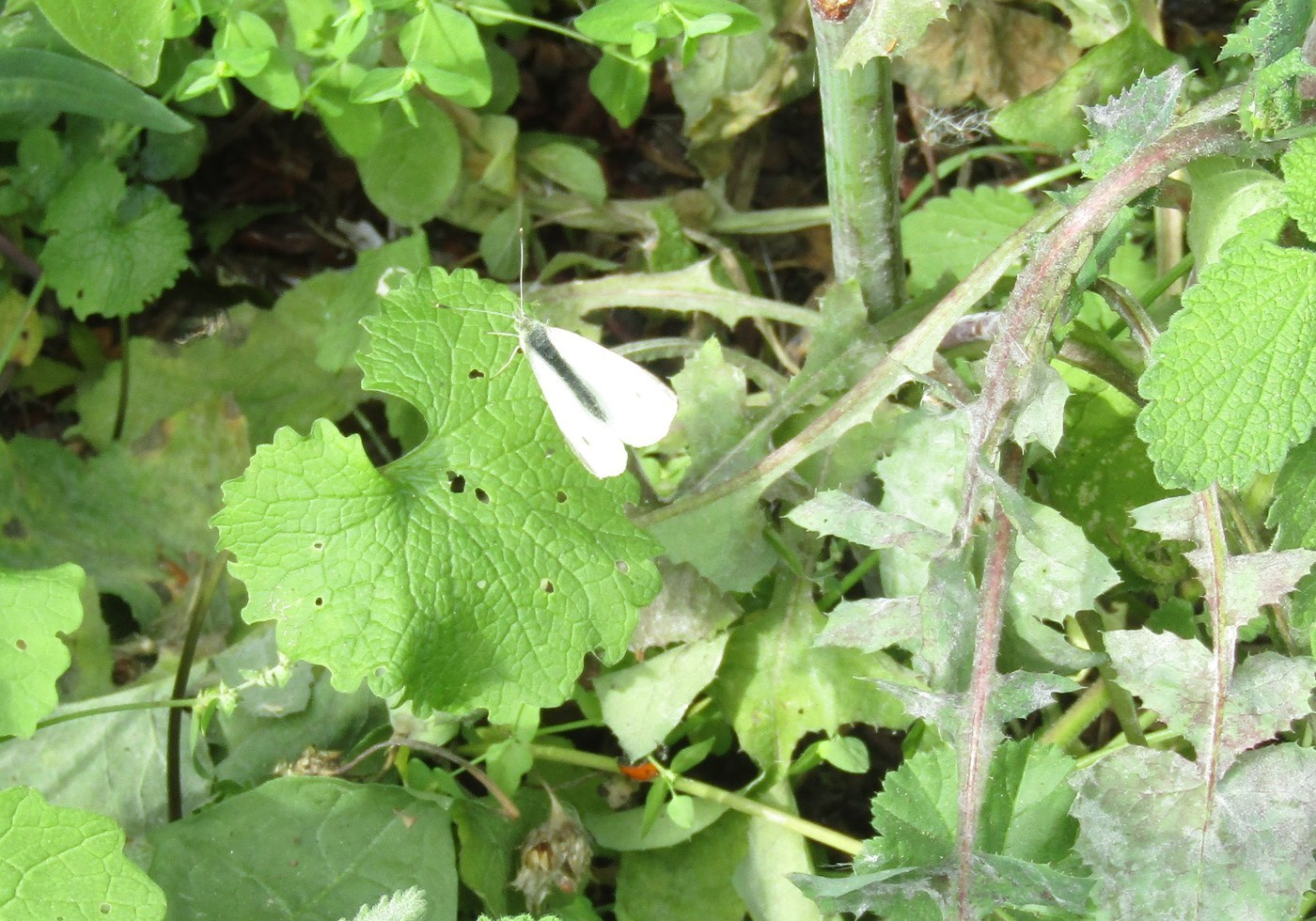
Cabbage White Butterfly
A small, plain white butterfly with one or two black spots on each forewing and dark wingtips, one of the most common and widespread garden butterflies in the world.
butterflyCobweb Spider
A common household spider that spins a messy, three-dimensional tangle of silk in dark corners and drags entangled insects up into the maze to feed.
spider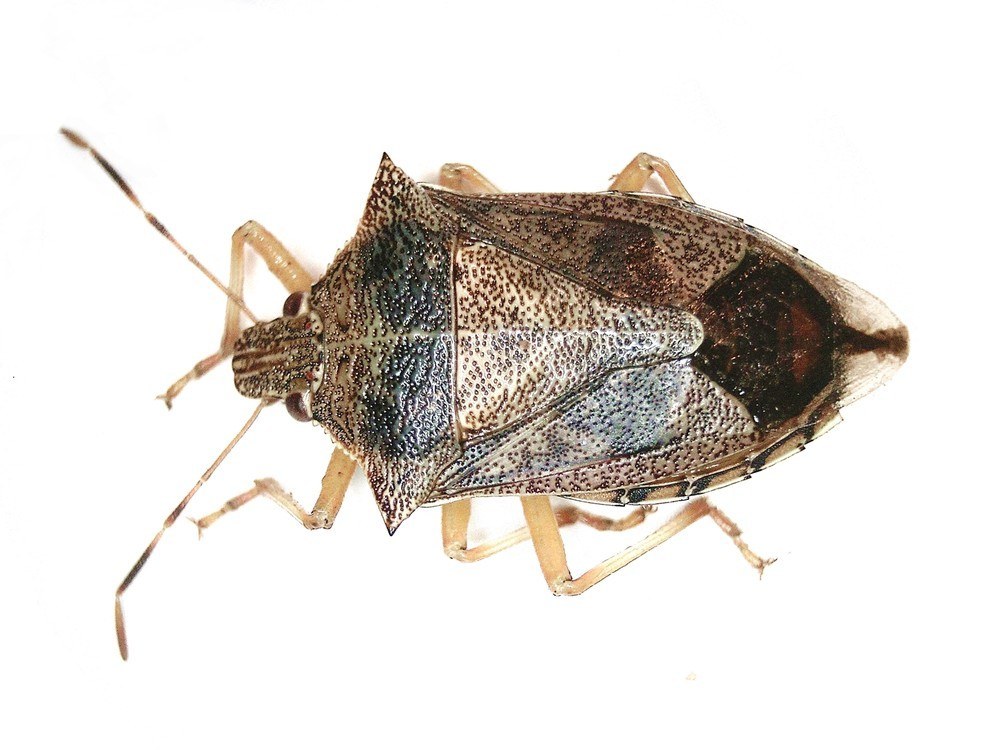
Spined Soldier Bug
A predatory stink bug identified by the sharp, pointed spines projecting from its shoulders, valued in gardens and farm fields for hunting caterpillars, beetle larvae, and other pest insects.
true-bug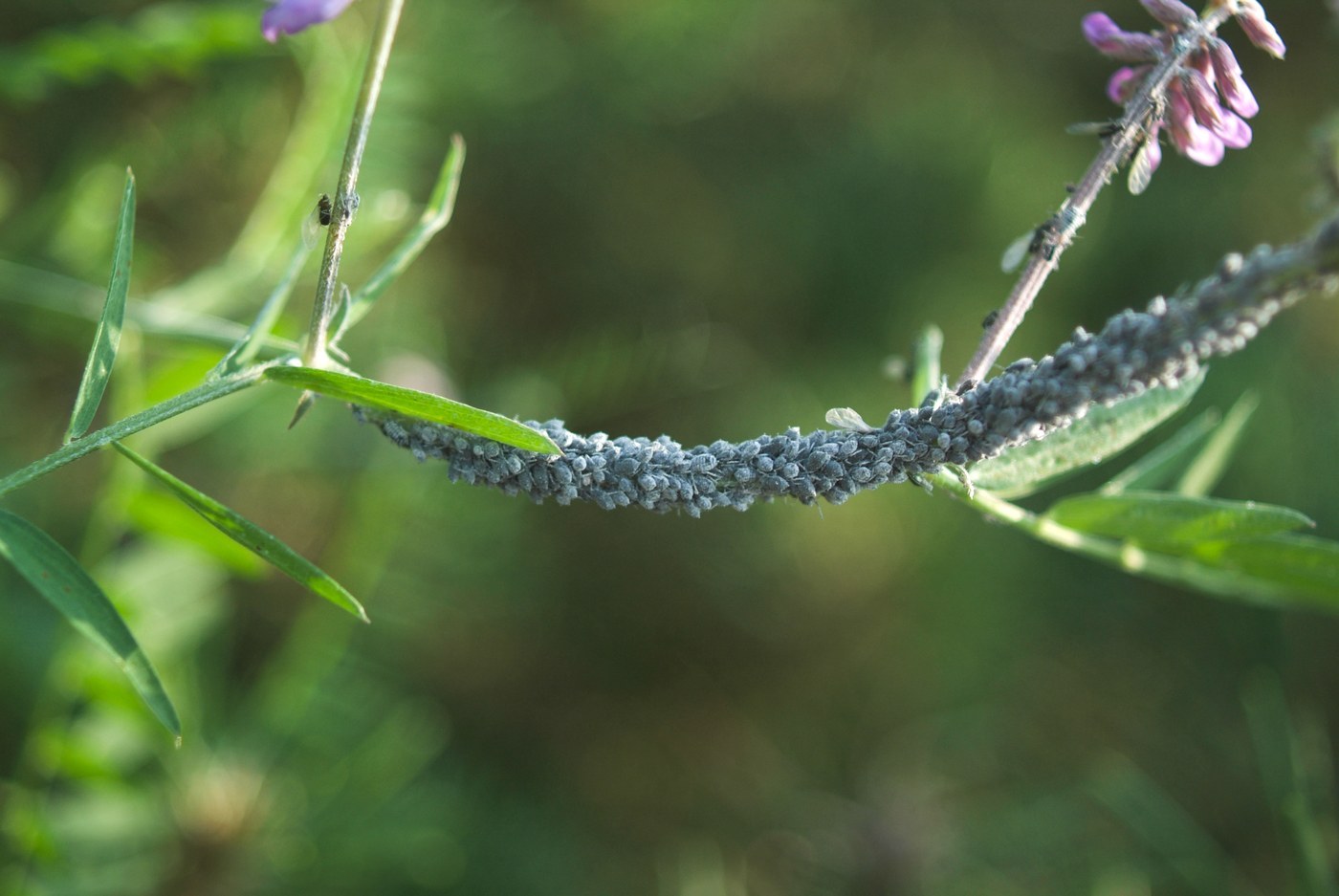
Rosy Apple Aphid
A small, dusty pink to purplish-gray aphid that clusters on apple foliage in spring, causing distinctive curled, reddened leaves that make its presence easy to spot even before the insects themselves are seen.
true-bug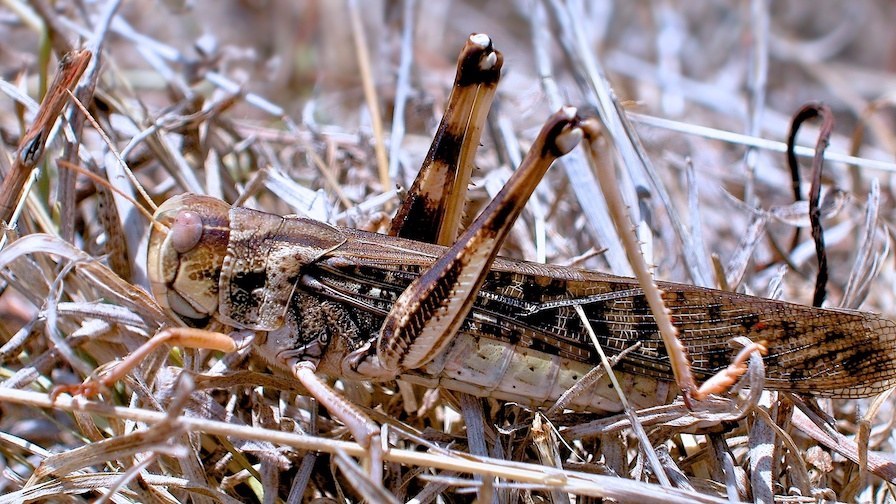
Migratory Locust
A grasshopper with a split personality, the migratory locust can switch from a quiet, solitary green insect into a boldly marked swarming form that travels in enormous, crop-devouring bands.
grasshopper-cricket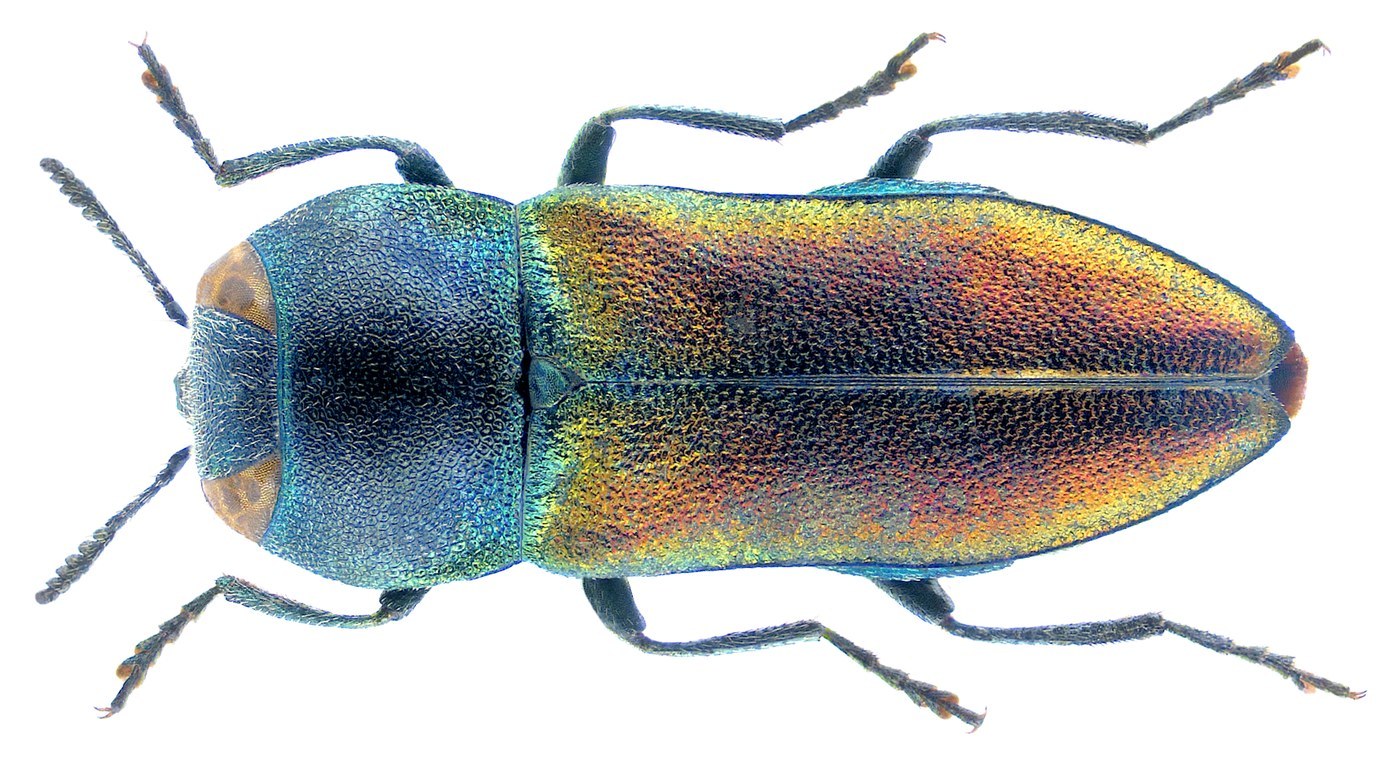
Metallic Wood-boring Beetle
The North American common name for jewel beetles, emphasizing the wood-tunneling habits of their larvae, which leave telltale flattened, D-shaped exit holes in bark of stressed or dying trees.
beetle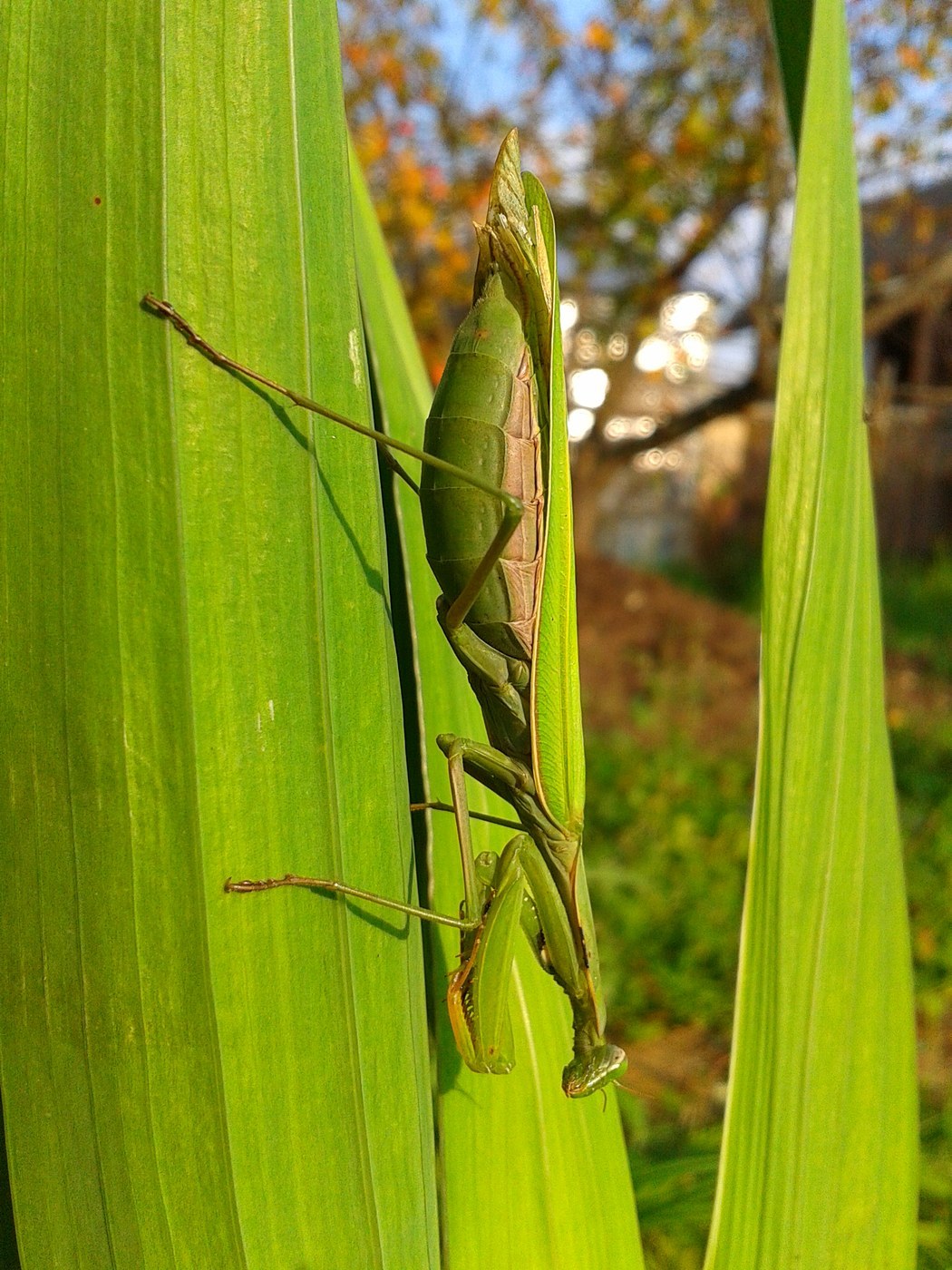
European Mantis
A slender, typically bright green mantis native to Europe, Africa, and Asia, now widely established in North America, easily recognized by a small dark bullseye mark on the inside of its front legs.
mantis-stickDung Beetle
A stout, often glossy black or metallic beetle famous for rolling, burying, or tunneling into animal dung, an unglamorous but ecologically vital habit that recycles nutrients back into the soil.
beetle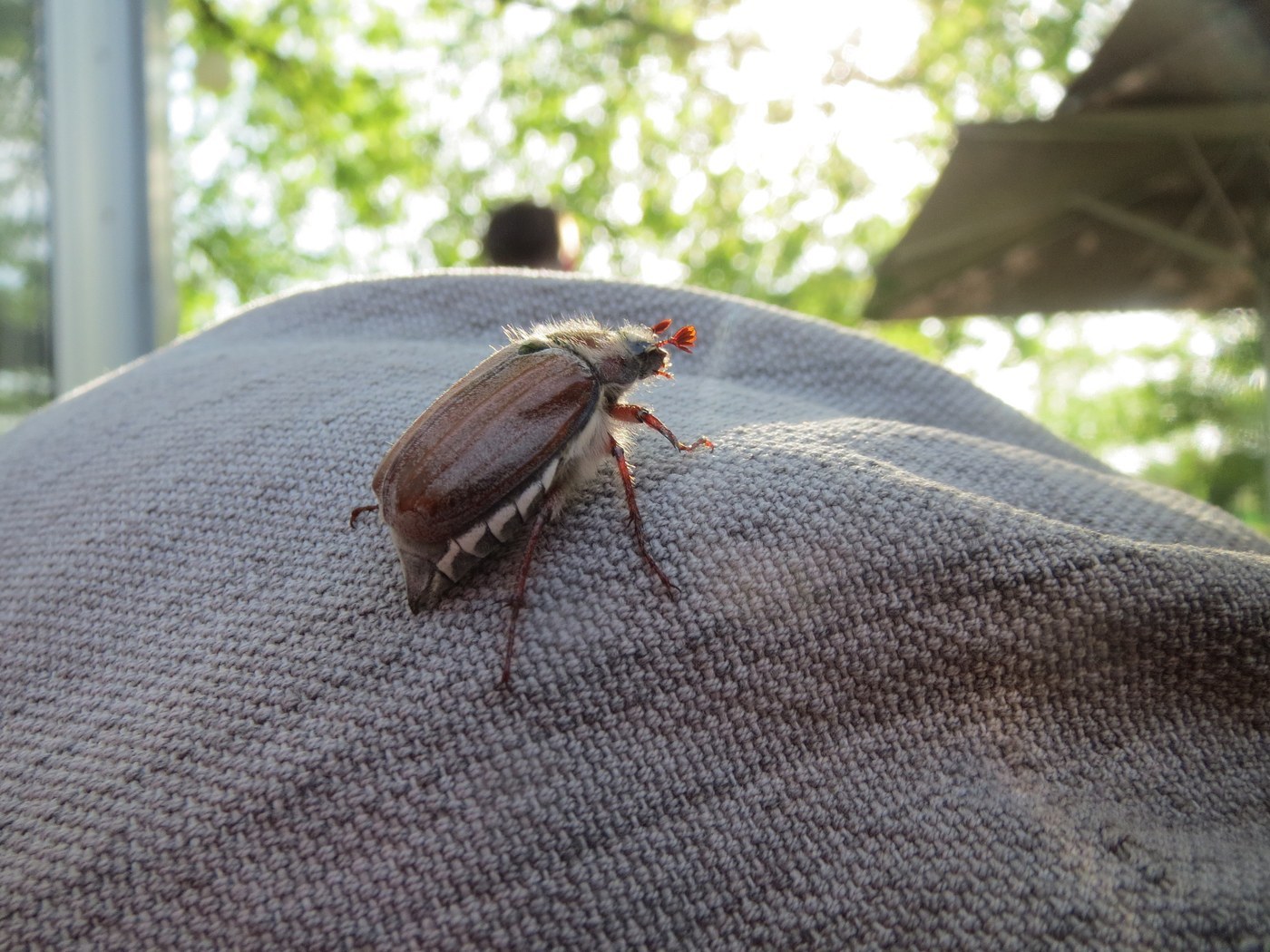
Cockchafer
A large, reddish-brown scarab beetle with distinctive fan-shaped antennae, famous for its noisy, clumsy evening flights around trees in late spring, giving rise to its alternate name, the May bug.
beetleBumble Bee Queen
The large, robust foundress of a bumble bee colony, noticeably bigger and fuzzier than her worker offspring, seen alone in early spring searching for a nesting cavity before her colony's first workers emerge.
bee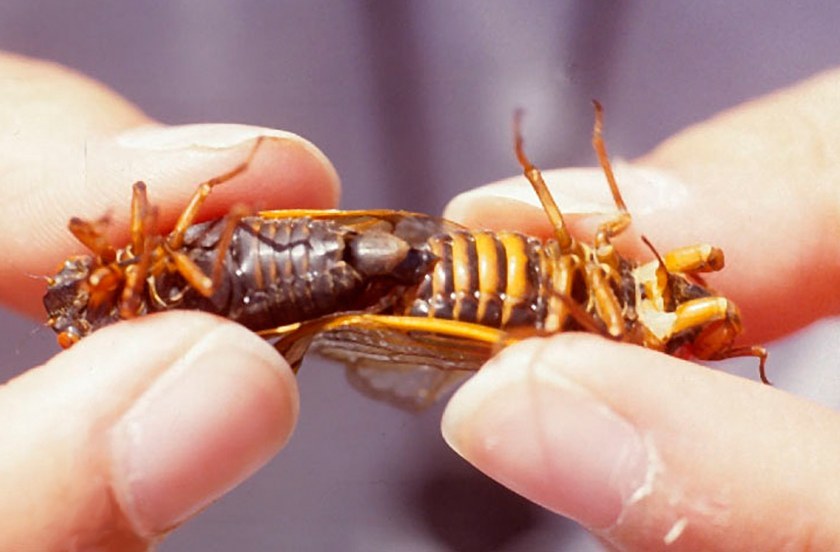
Cicada
A stout, big-eyed insect best known for the loud, buzzing chorus of song produced by males, and for periodical species that emerge from the ground by the millions after living underground for over a decade.
true-bugAfricanized Honeybee (Killer Bee)
A hybrid strain of the western honey bee, nearly identical in appearance to common honey bees but known for more easily triggered, faster, and more numerous defensive responses when a colony is disturbed.
bee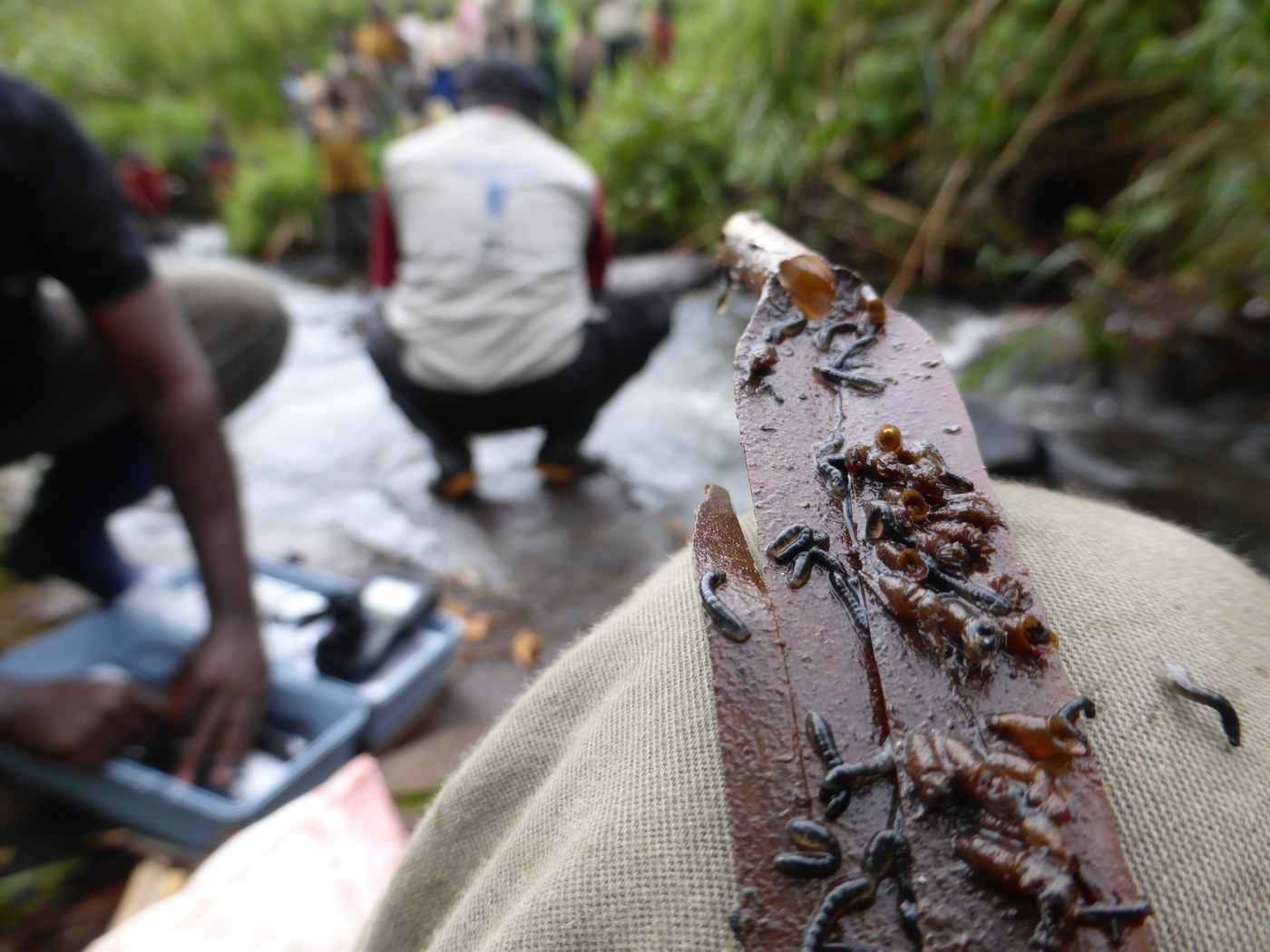
Black Fly Larva
Anchored to submerged rocks in fast-flowing streams by a silken thread, the black fly larva bends into the current and combs the water for drifting particles with a pair of delicate, fan-shaped feeding brushes.
aquatic-insectSnipe Fly
A slender, long-legged fly often seen perched head-down on a sunny tree trunk or fence post, patiently watching for smaller insects to ambush. Its tapered, wasp-like abdomen and habit of resting motionless with legs splayed give it a distinctive, almost sentry-like posture in woodland clearings.
fly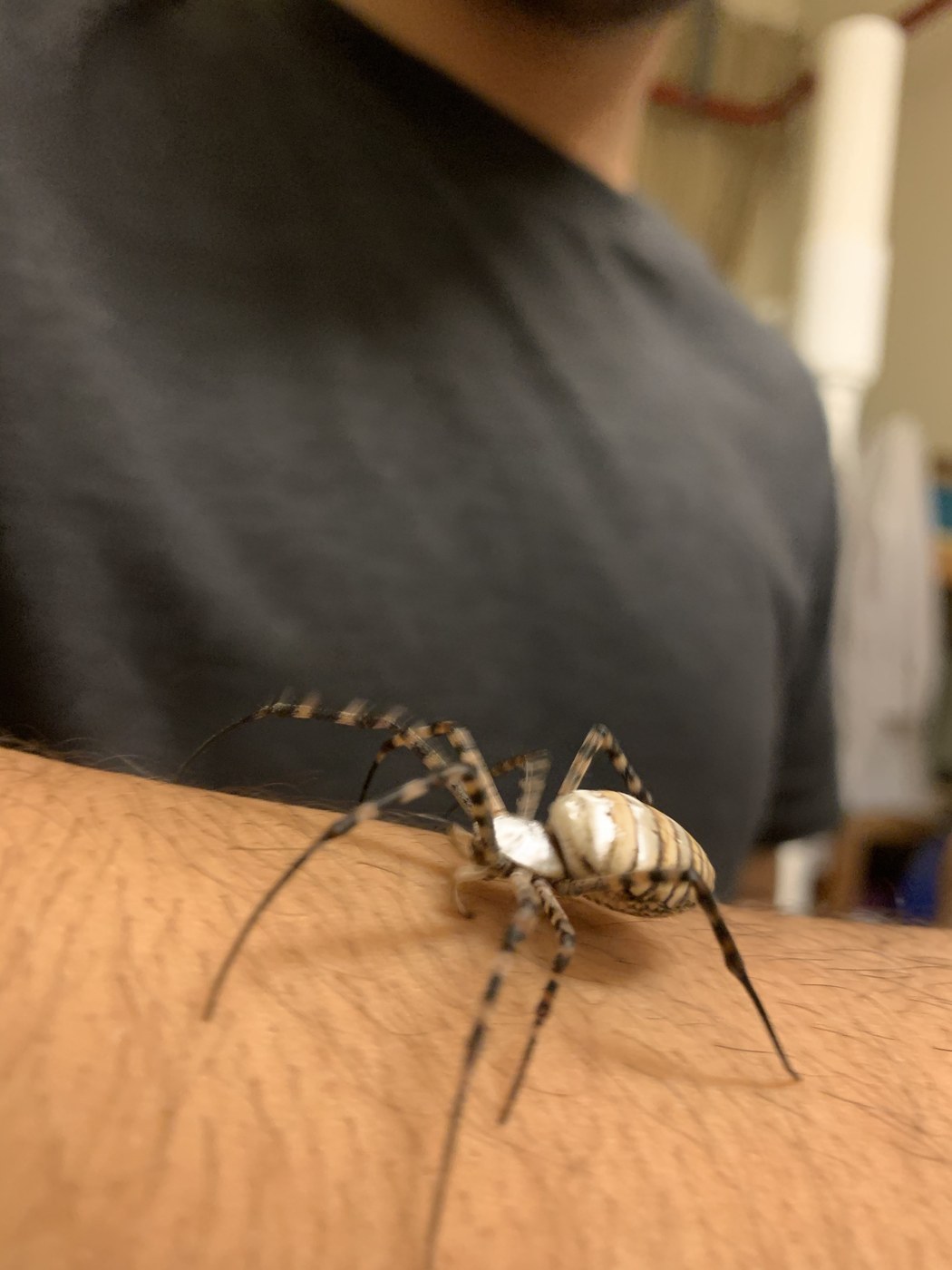
Banded Garden Spider
A large orb weaver with a silvery, banded abdomen striped in yellow and black, spinning a distinctive zigzag stabilimentum through the center of its web.
spider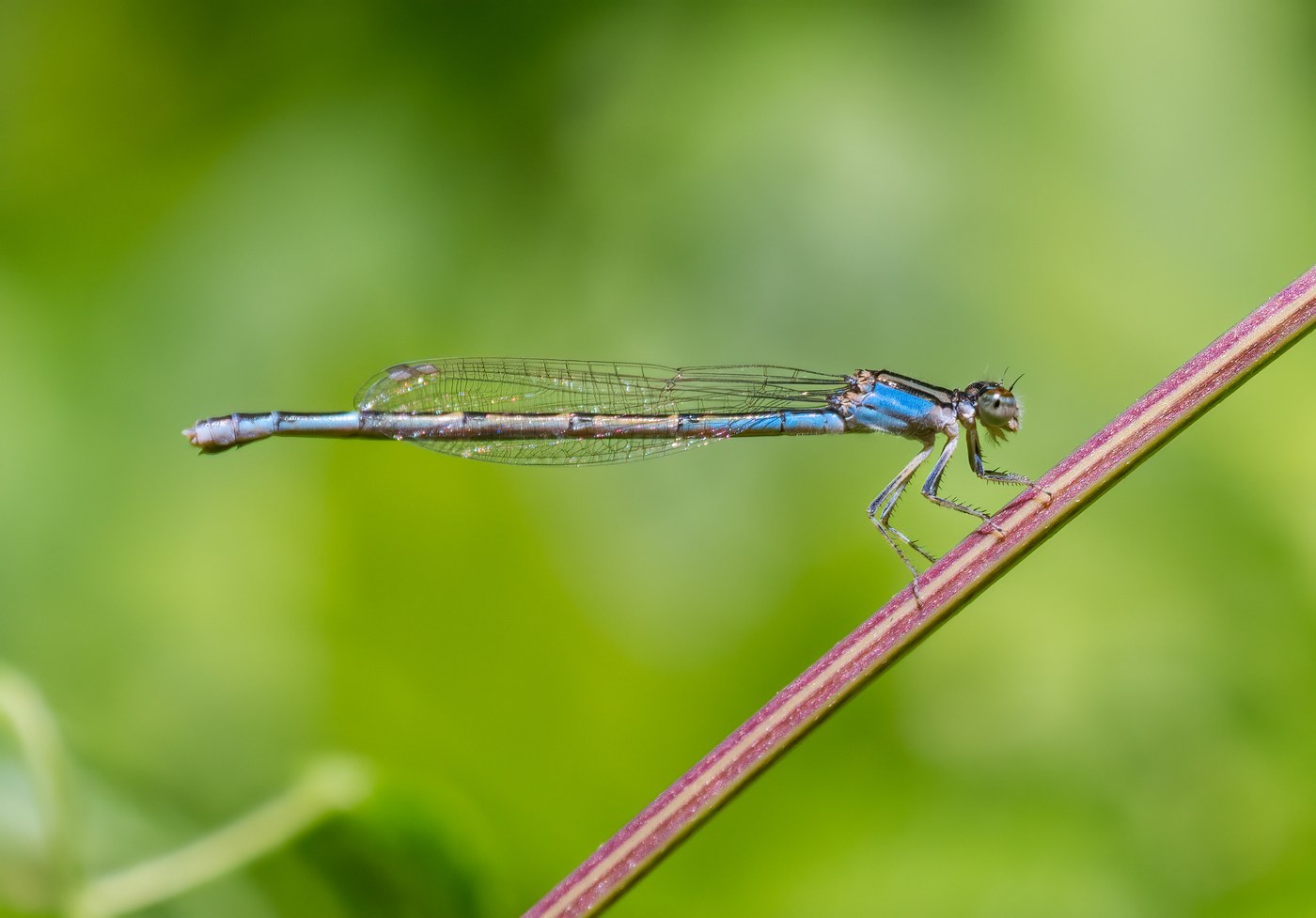
Azure Bluet
A sky-blue damselfly of quiet ponds, the Azure Bluet is named for its vivid blue coloration and is often seen resting in loose swarms over floating vegetation.
dragonfly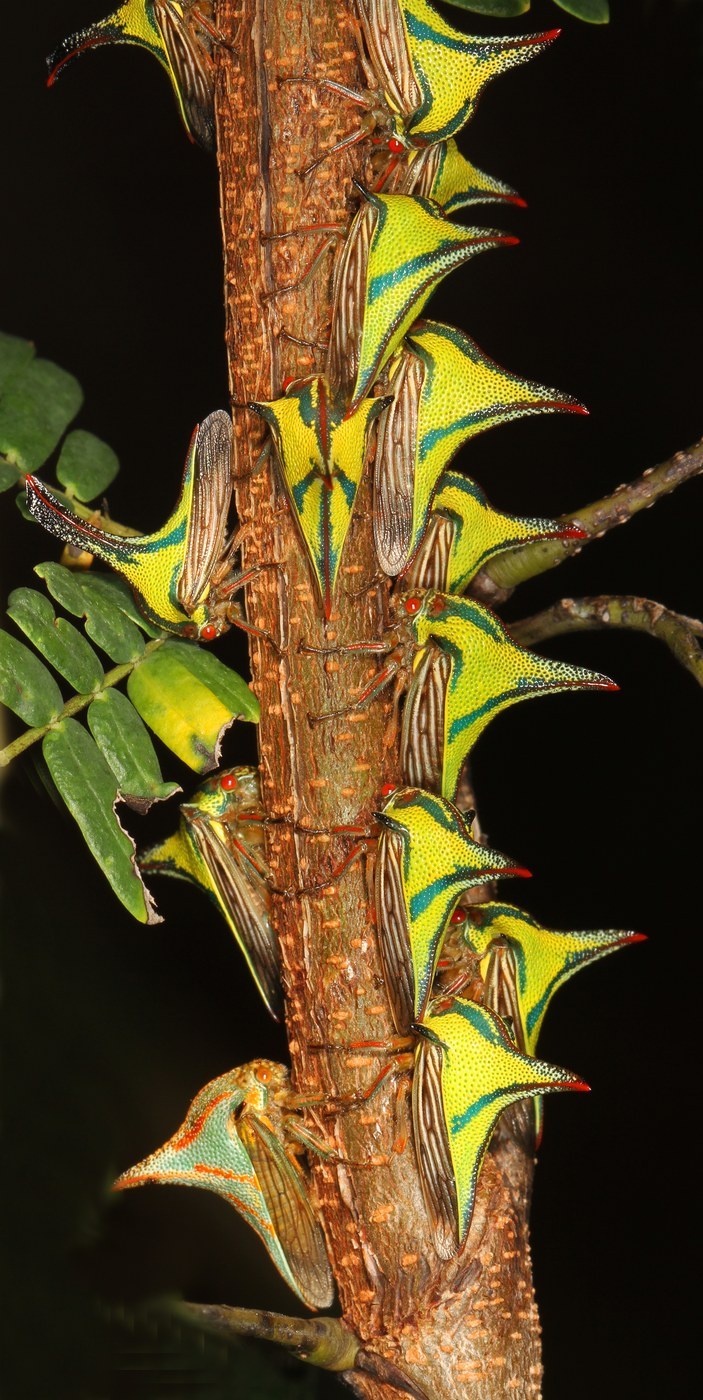
Thorn Bug
A tiny treehopper whose greatly enlarged, thorn-shaped pronotum lets it disappear in plain sight among the real thorns of the branches it clusters on.
true-bug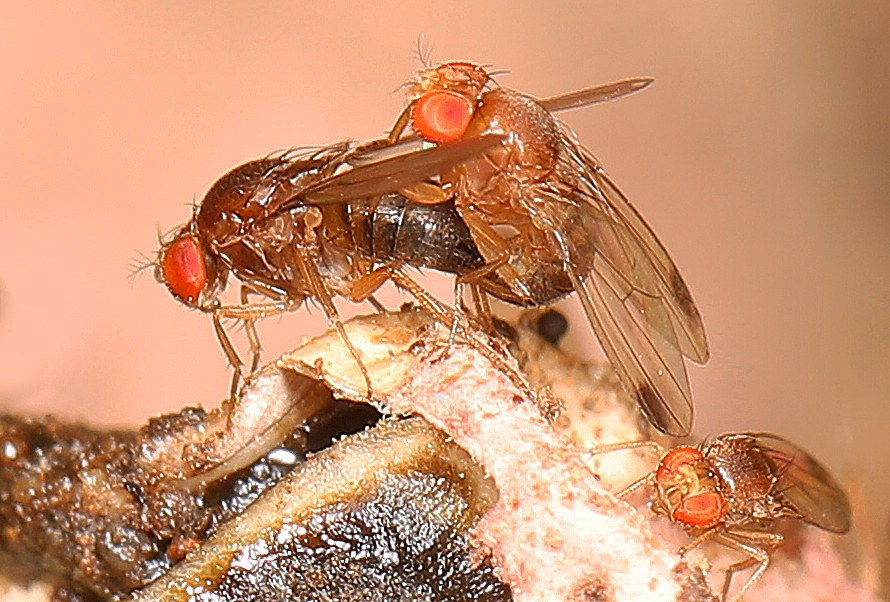
Spotted Wing Drosophila
A tiny reddish-brown fruit fly, each male marked with a single dark spot near the wingtip, notable for laying eggs in ripening rather than overripe fruit.
fly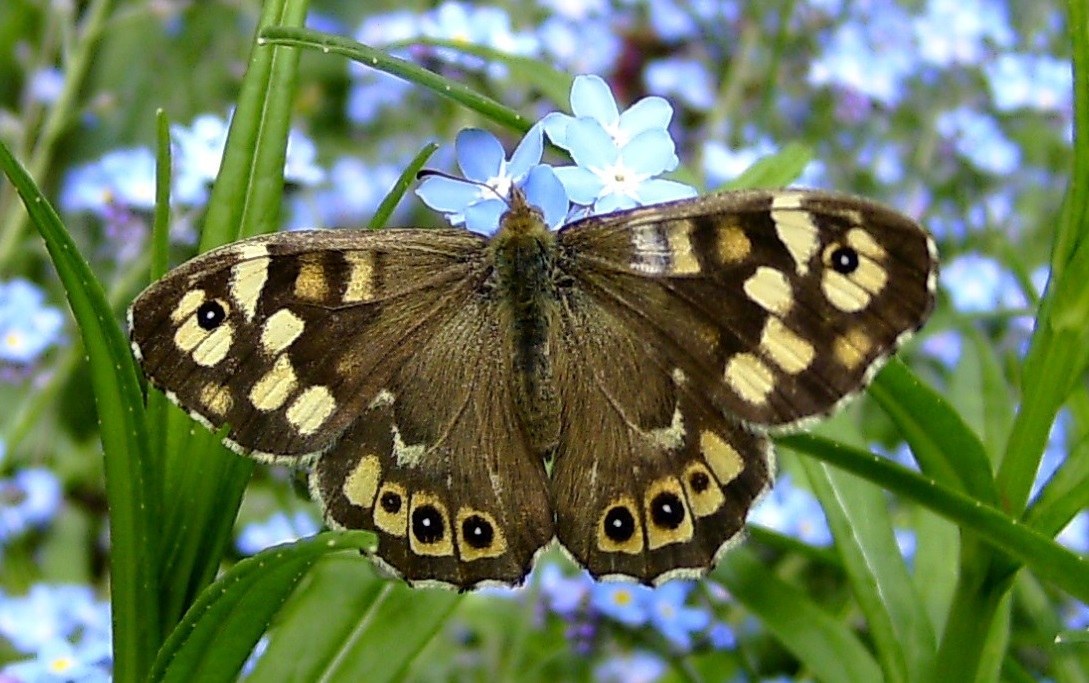
Speckled Wood
A dappled brown-and-cream butterfly that thrives in the sun-flecked shade of woodland edges, where it perches on sunlit leaves to defend its territory.
butterfly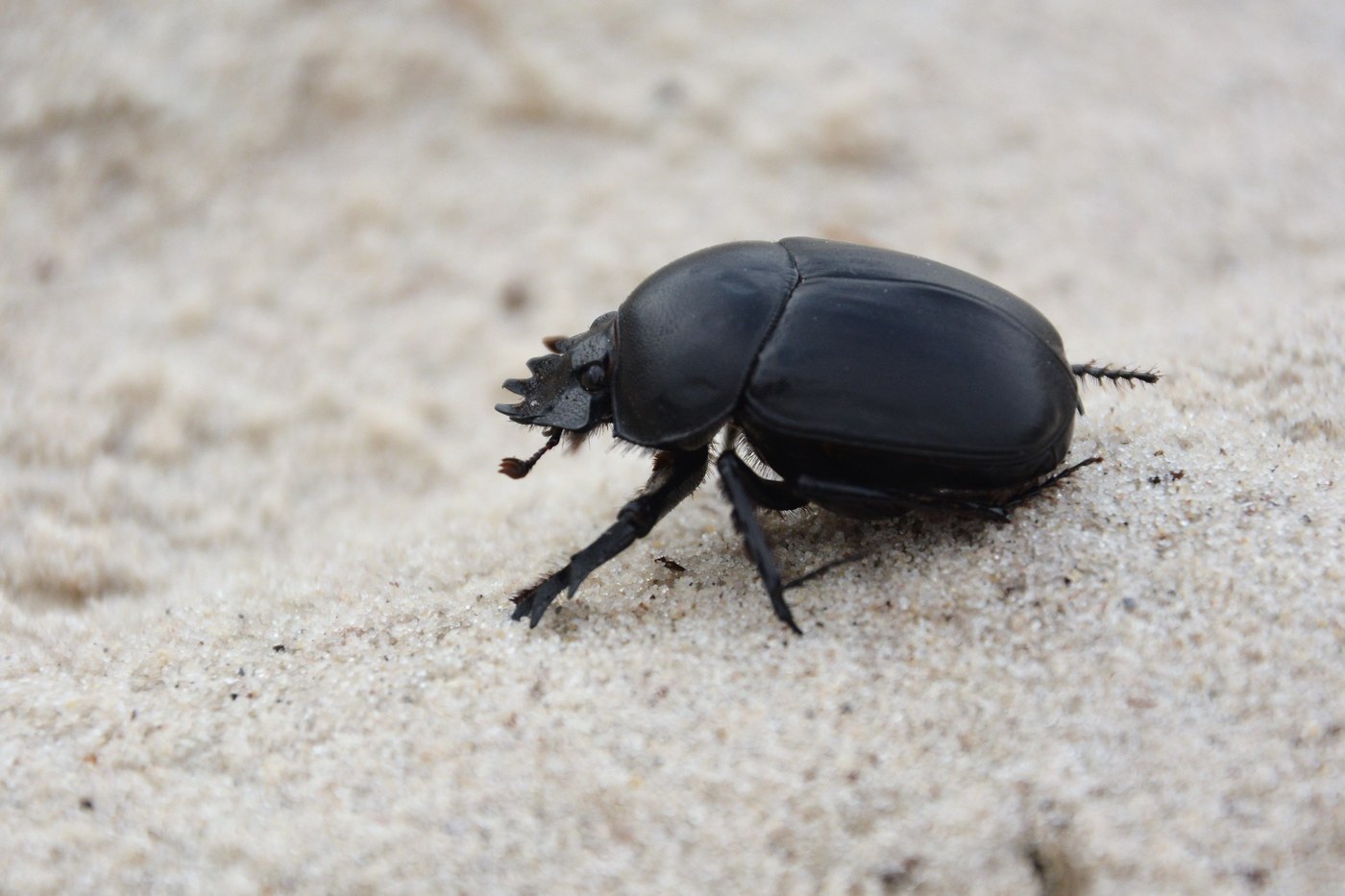
Sacred Scarab
A stout, matte-black dung beetle famous for rolling balls of dung across the ground with its hind legs, and revered in Ancient Egypt as a symbol of the sun and renewal.
beetleSilver-spotted Skipper
A large, chunky brown skipper instantly identified by the bold, translucent silvery-white patch splashed across the underside of each hindwing.
butterfly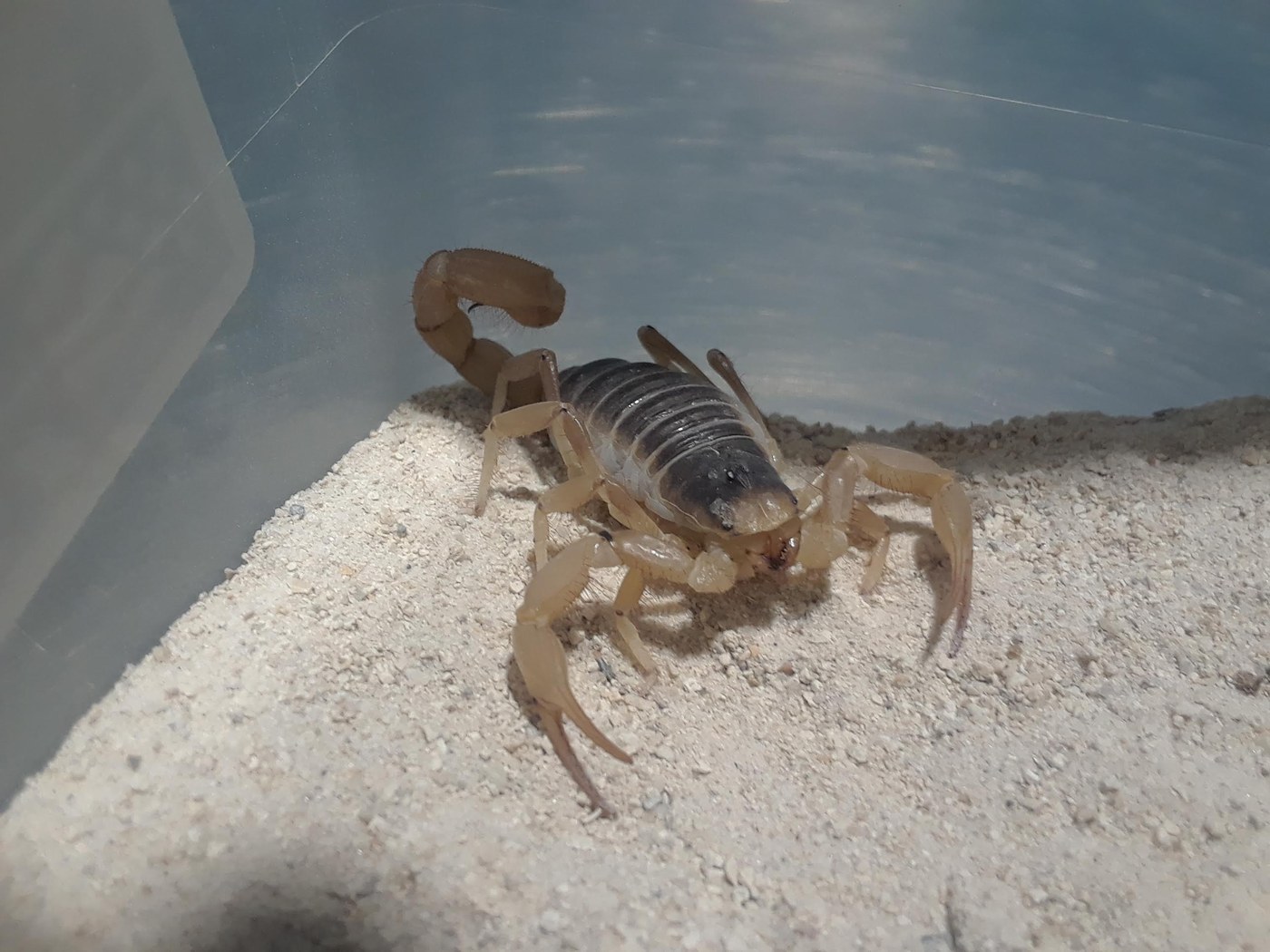
Giant Desert Hairy Scorpion
The largest scorpion in North America, a robust golden-brown giant covered in fine bristles that digs deep burrows in the desert sand and hunts after dark.
arachnid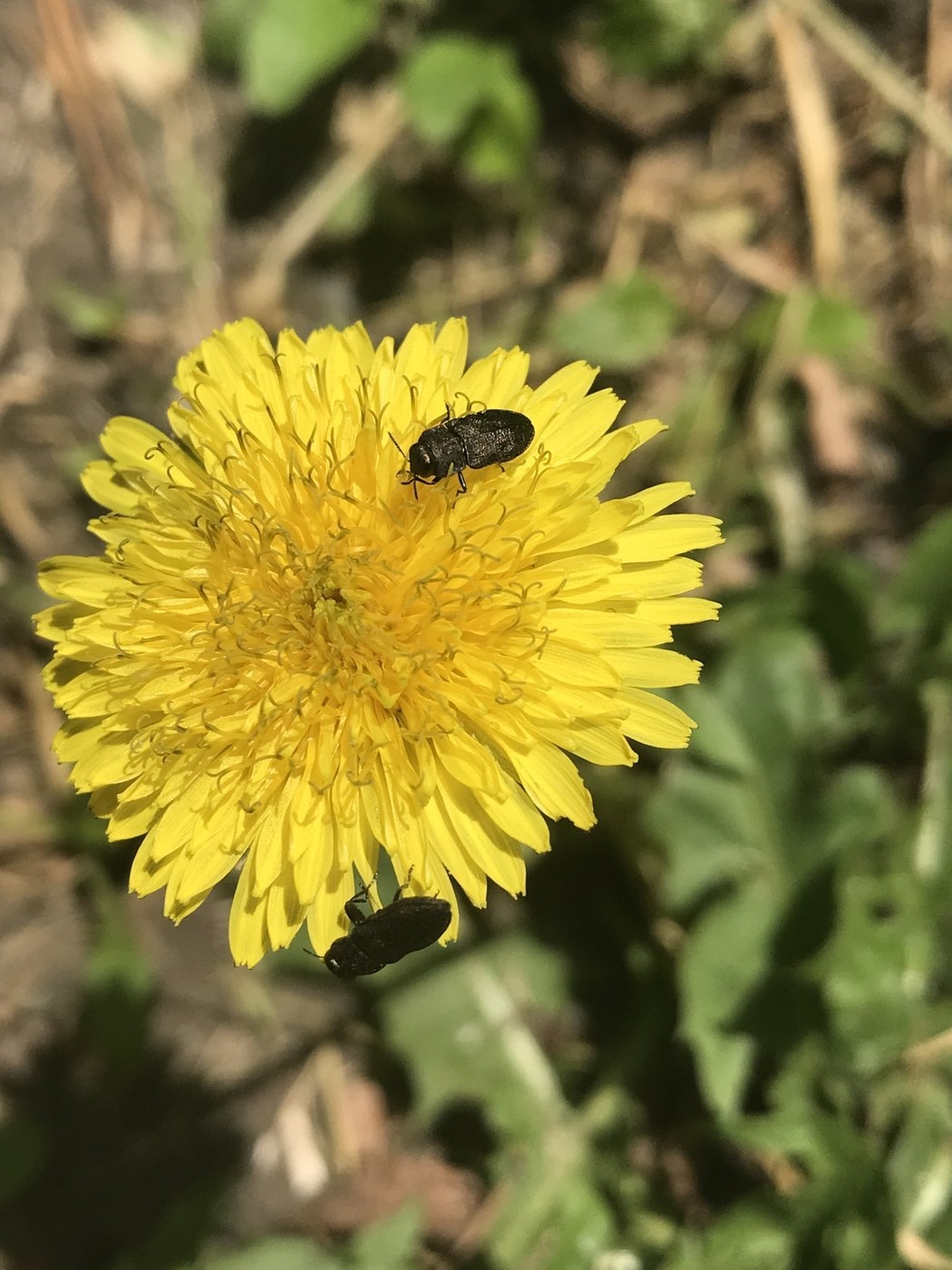
Jewel Beetle
A sleek, bullet-shaped beetle wrapped in brilliant iridescent metallic colors — green, copper, blue, or gold — that seem to shift with the angle of light.
beetle