
Bug Encyclopedia
Search and identify bugs & insects — beetles, butterflies, moths, ants, bees, spiders and more — with size, habitat, danger, behavior, and how to tell them apart.
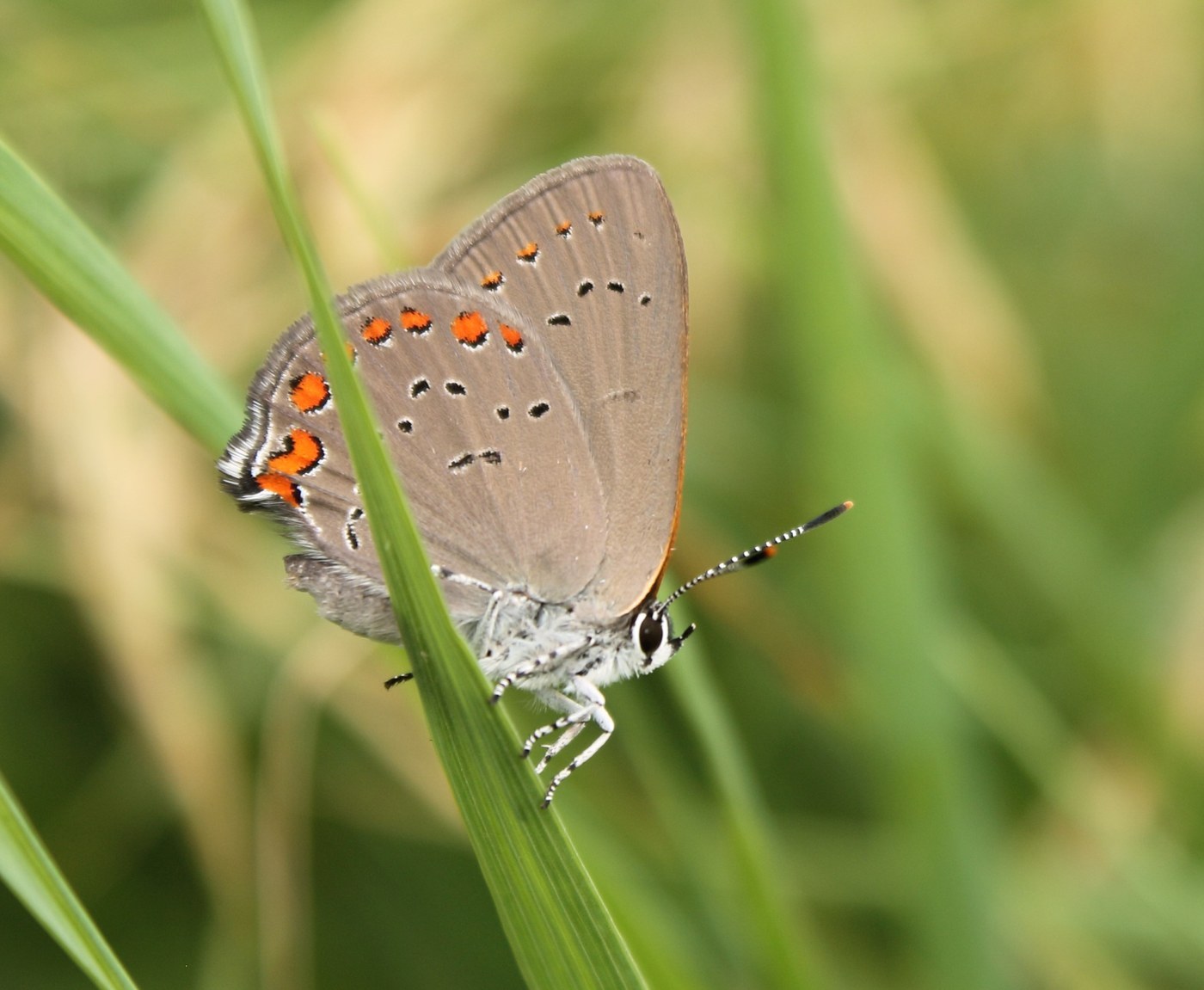
Coral Hairstreak
A tailless hairstreak identified by a bright row of coral-red spots lining the outer margin of the hindwing underside, often seen nectaring in numbers on milkweed and butterfly weed in midsummer meadows.
butterfly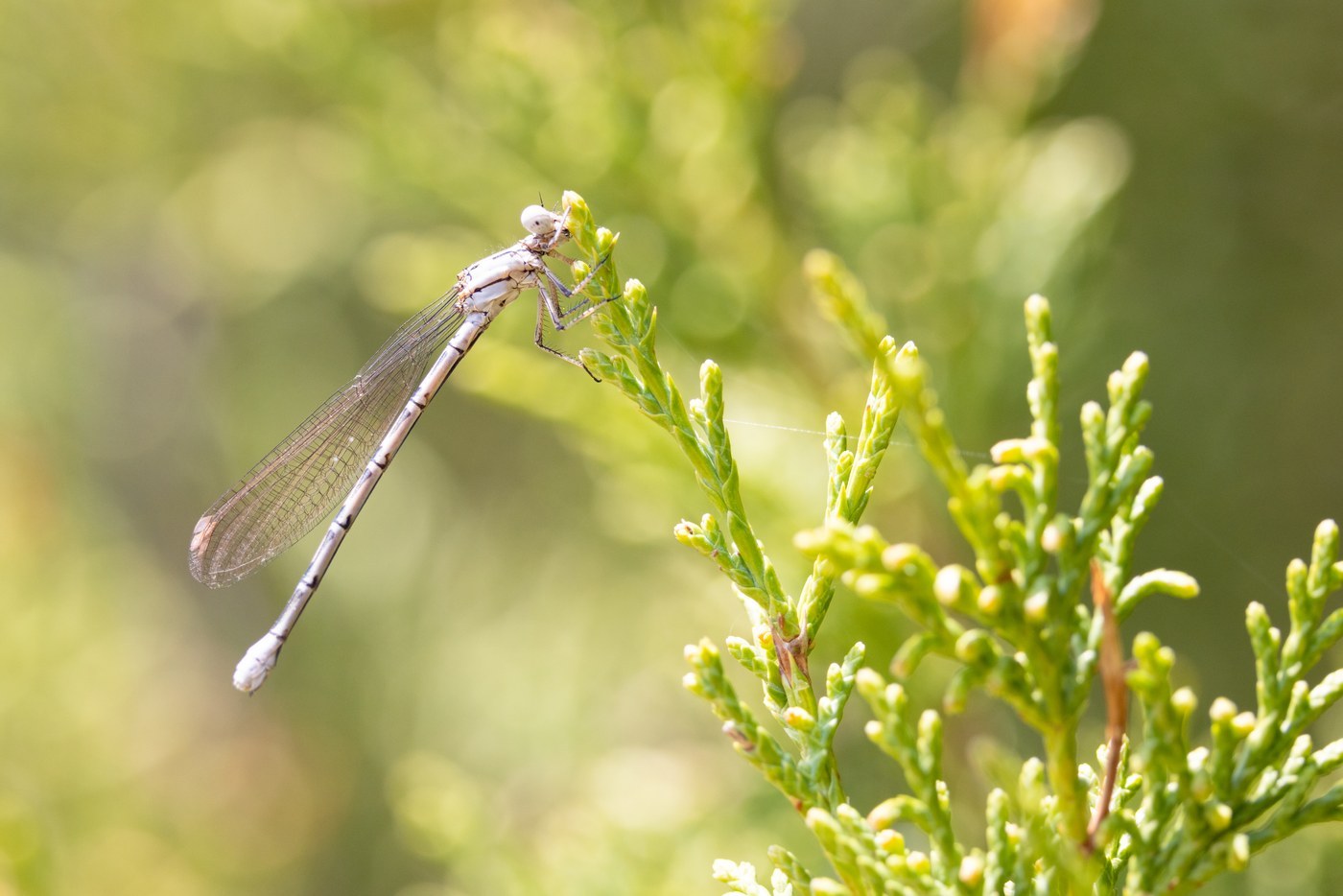
Bluet Damselfly
Small and delicate, bluet damselflies flash brilliant blue and black along the vegetated edges of ponds and lakes, forming mating pairs that fly in tandem while laying eggs directly into plant stems underwater.
dragonfly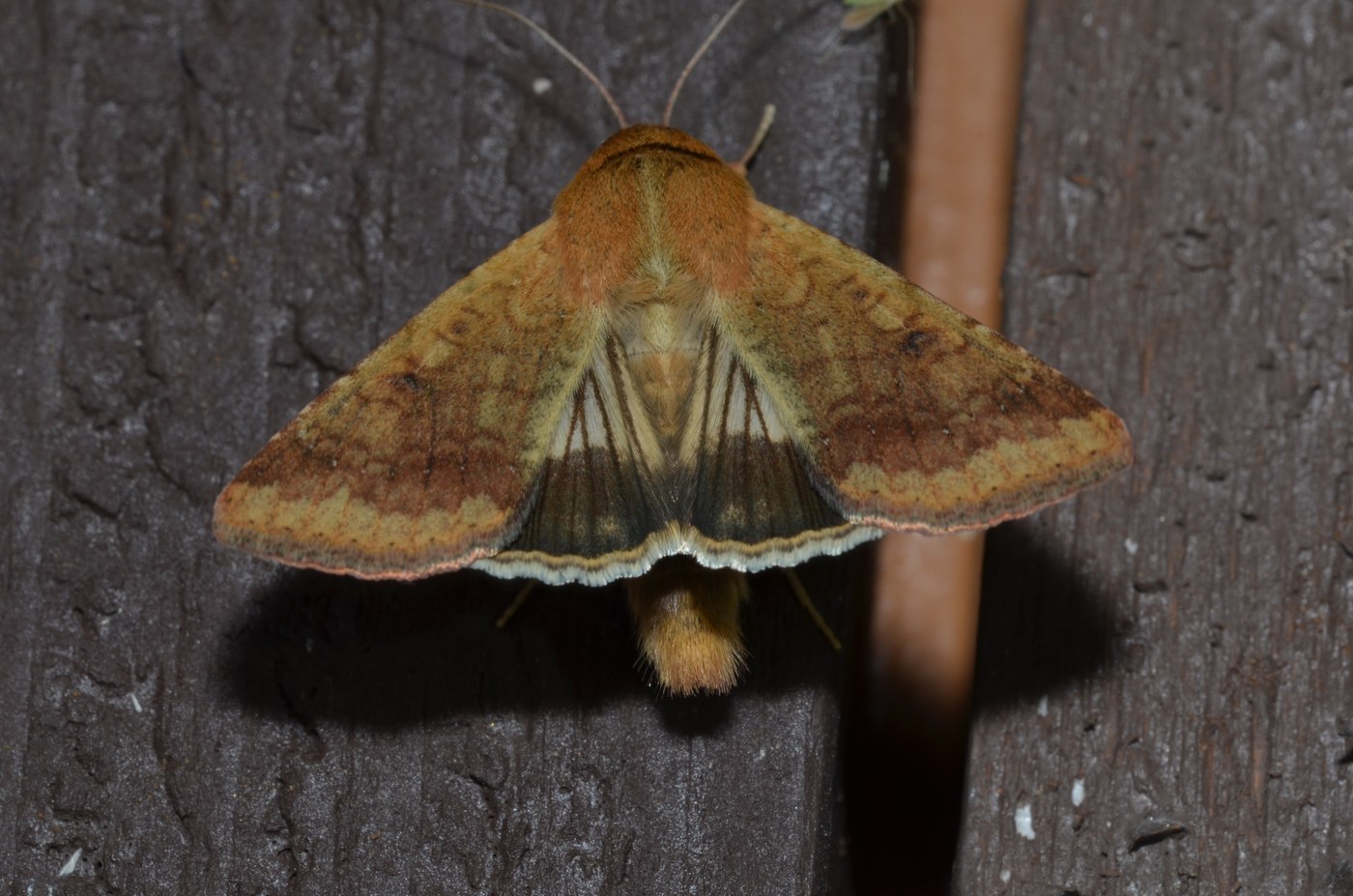
Bollworm
One of the most economically significant caterpillars in North American agriculture, the bollworm changes color from green to brown to pink across its life and bores into cotton bolls, corn ears, and tomato fruit alike.
caterpillar-larva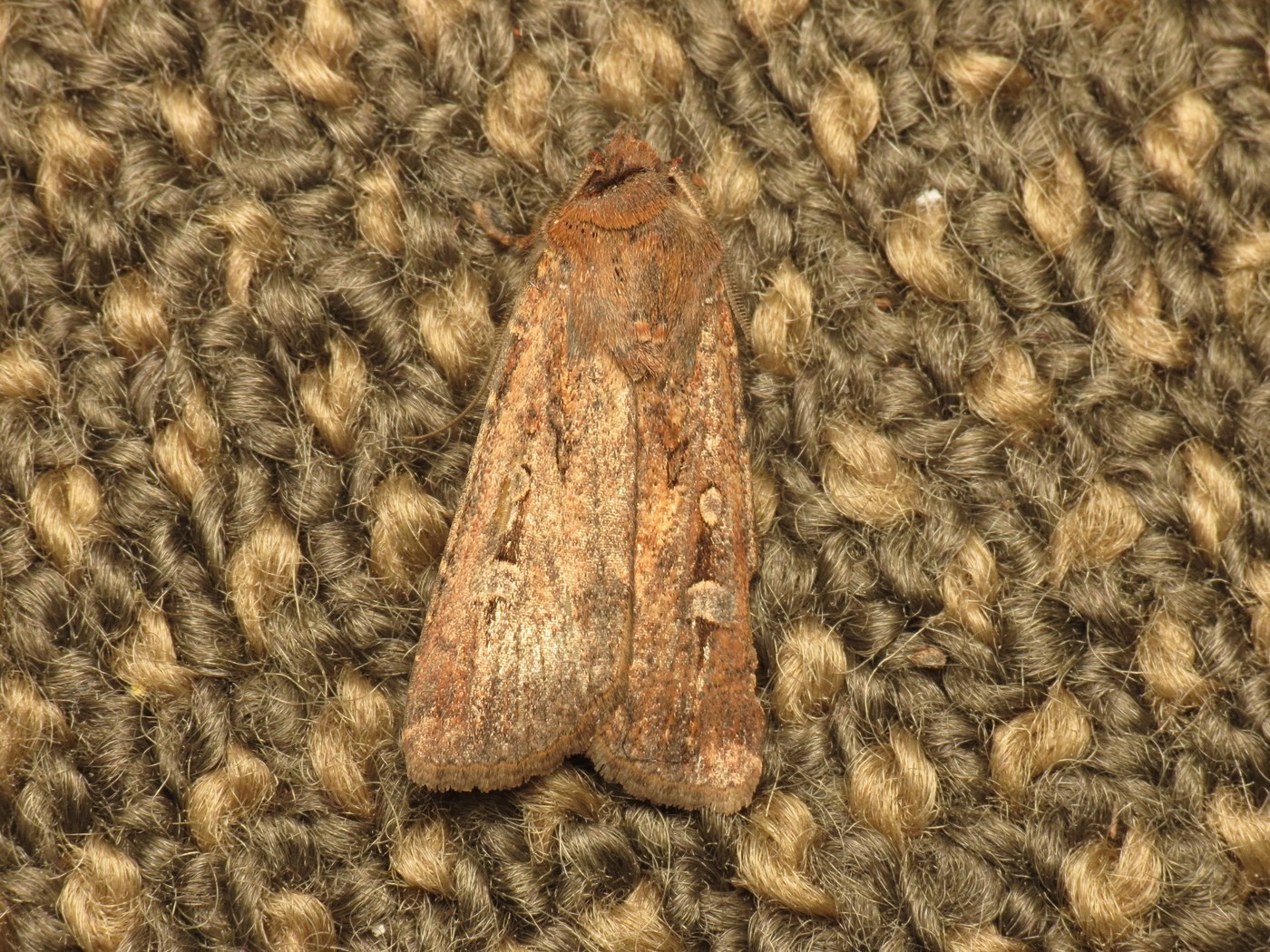
Bogong Moth
A modest brown, mottled moth famous for its extraordinary mass seasonal migration across thousands of kilometers to cool alpine caves in the Australian mountains, forming one of the largest known insect migrations by biomass.
mothAsian Longhorned Beetle
A large, glossy black longhorn beetle patterned with irregular white spots and boldly banded blue-white antennae, notable as one of the largest and most eye-catching wood-boring beetles seen in temperate hardwood trees.
beetle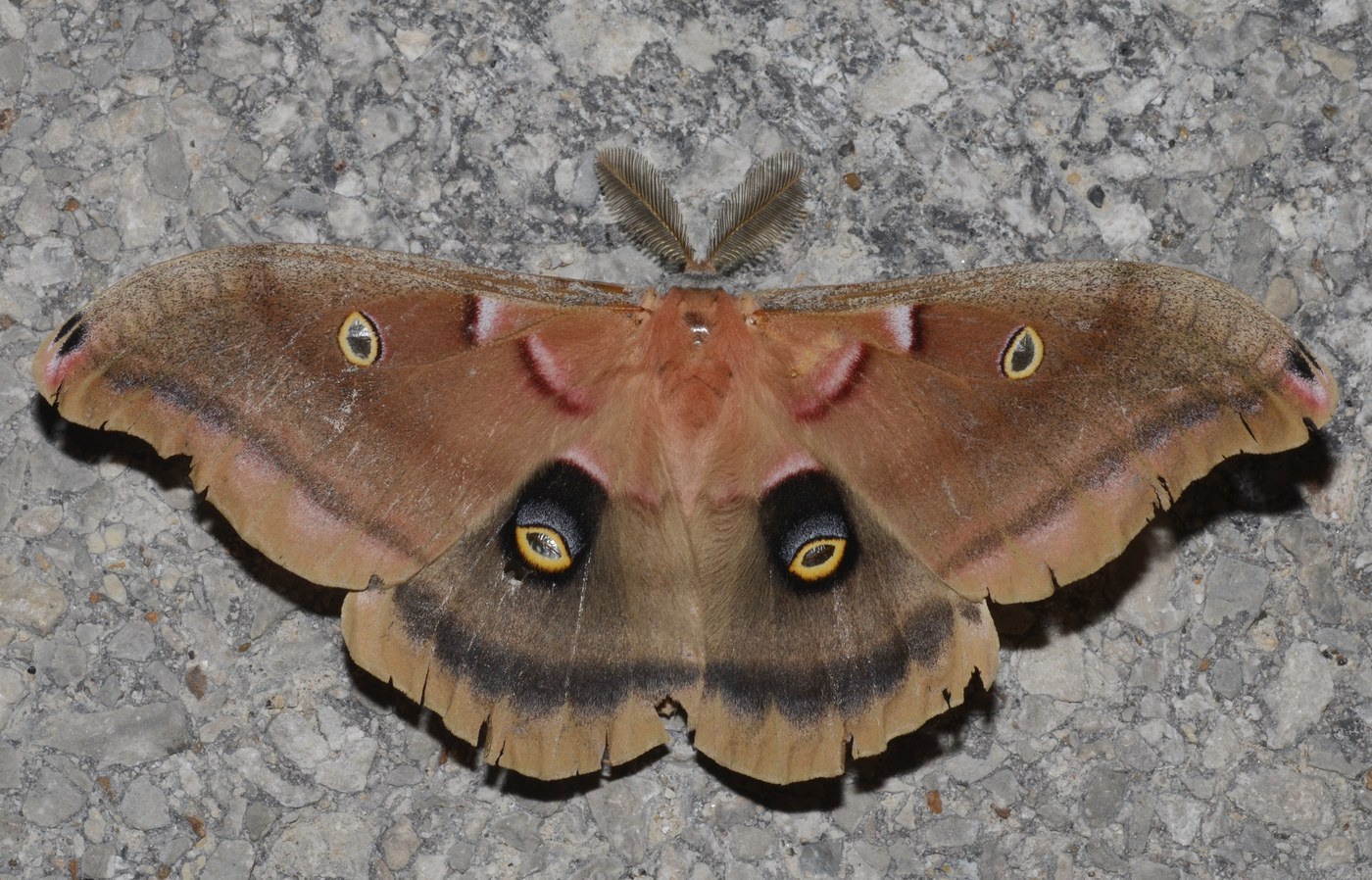
Antheraea Silkmoth
A large, robust silkmoth in the genus Antheraea with broad reddish-brown to tan wings, each marked with a prominent transparent, eye-like spot, representing a group of giant moths long valued for producing wild silk.
moth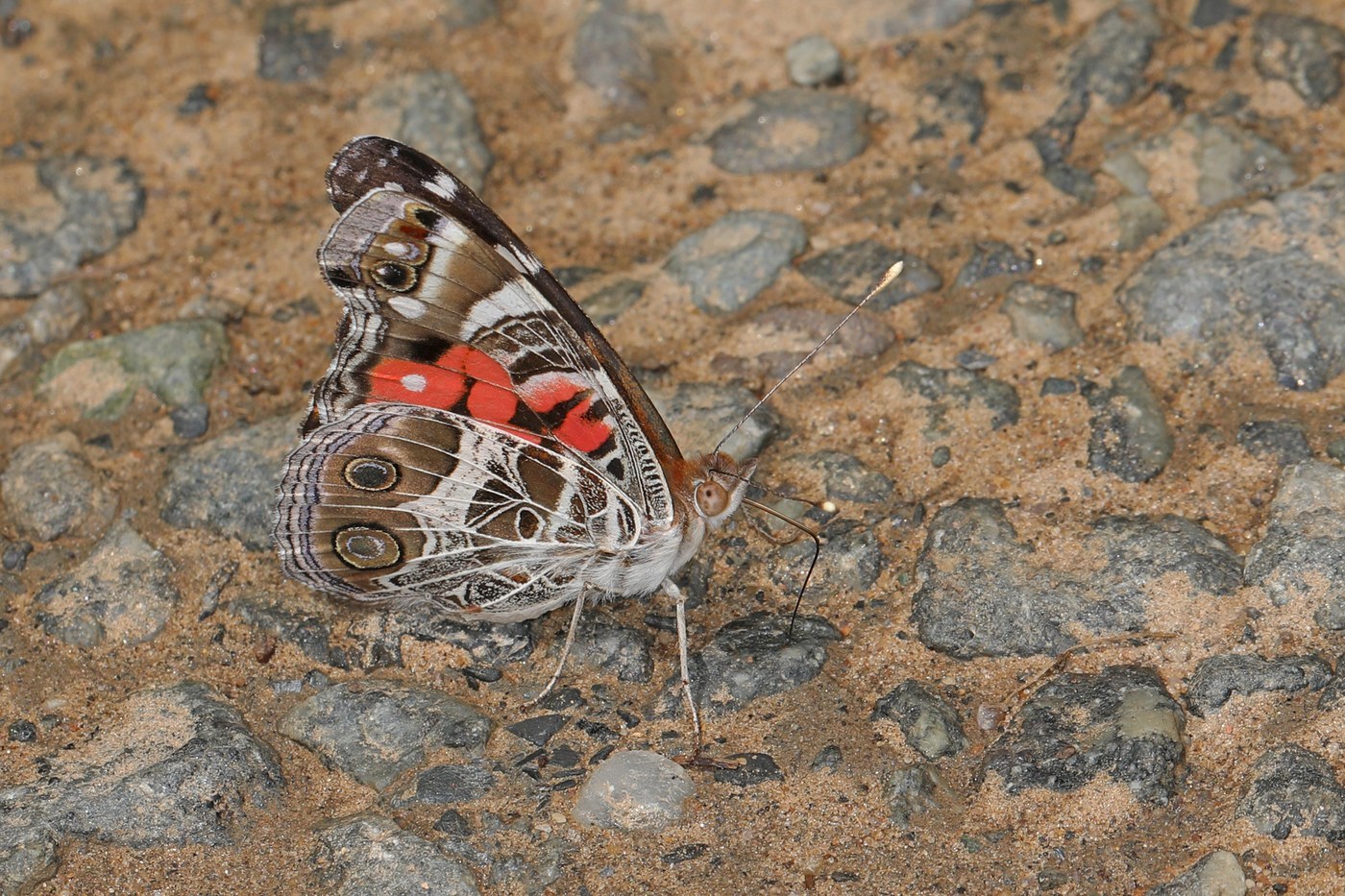
American Lady
A boldly patterned orange-and-black brushfoot butterfly best identified by two large eyespots on its underside hindwing and a distinctive small white spot within the orange field of its forewing.
butterfly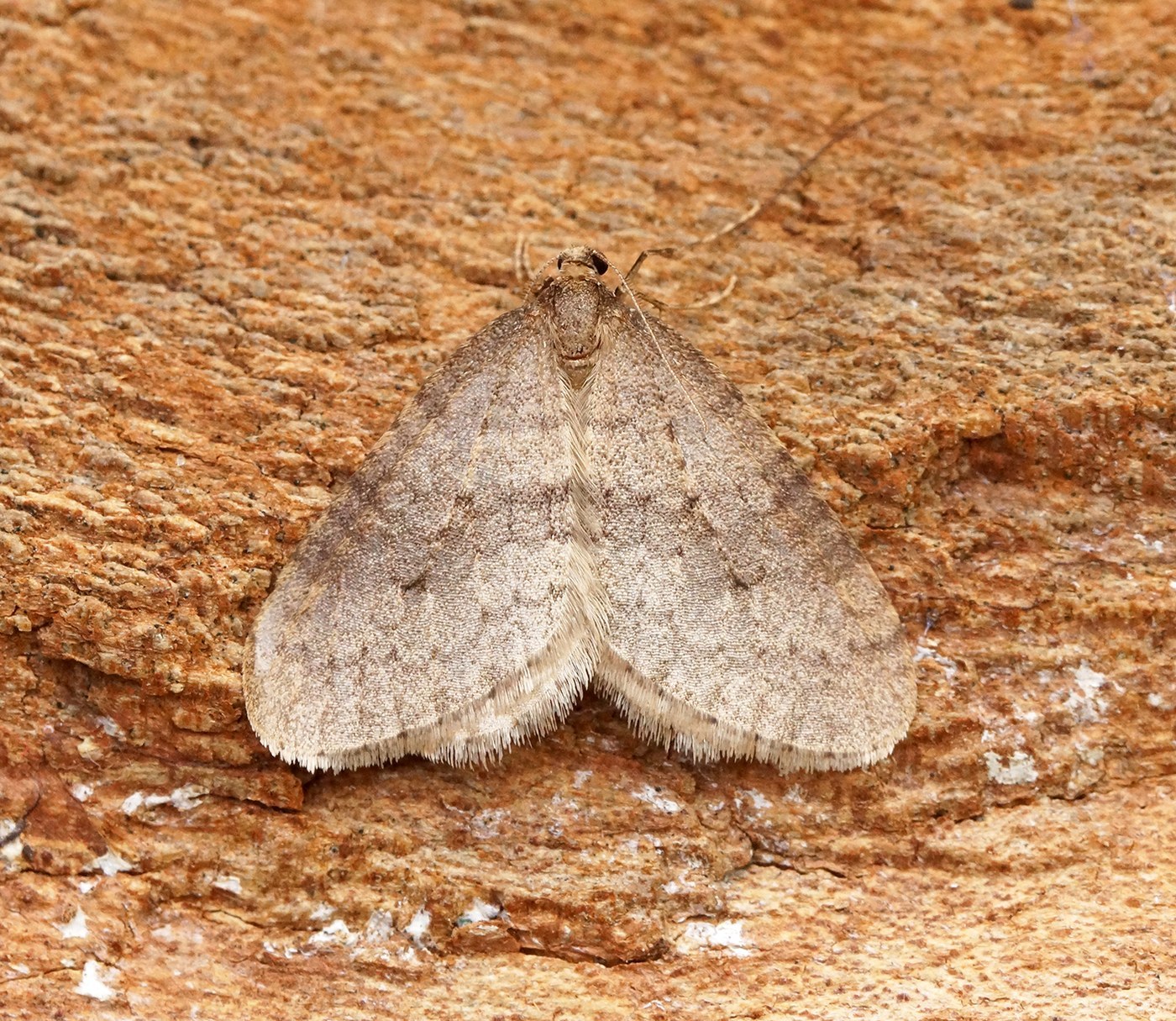
Winter Moth
A small tan-brown moth unusual for flying in the cold of late autumn and early winter, with strongly dimorphic sexes: fully winged males and flightless, near-wingless females that climb tree trunks to lay eggs.
moth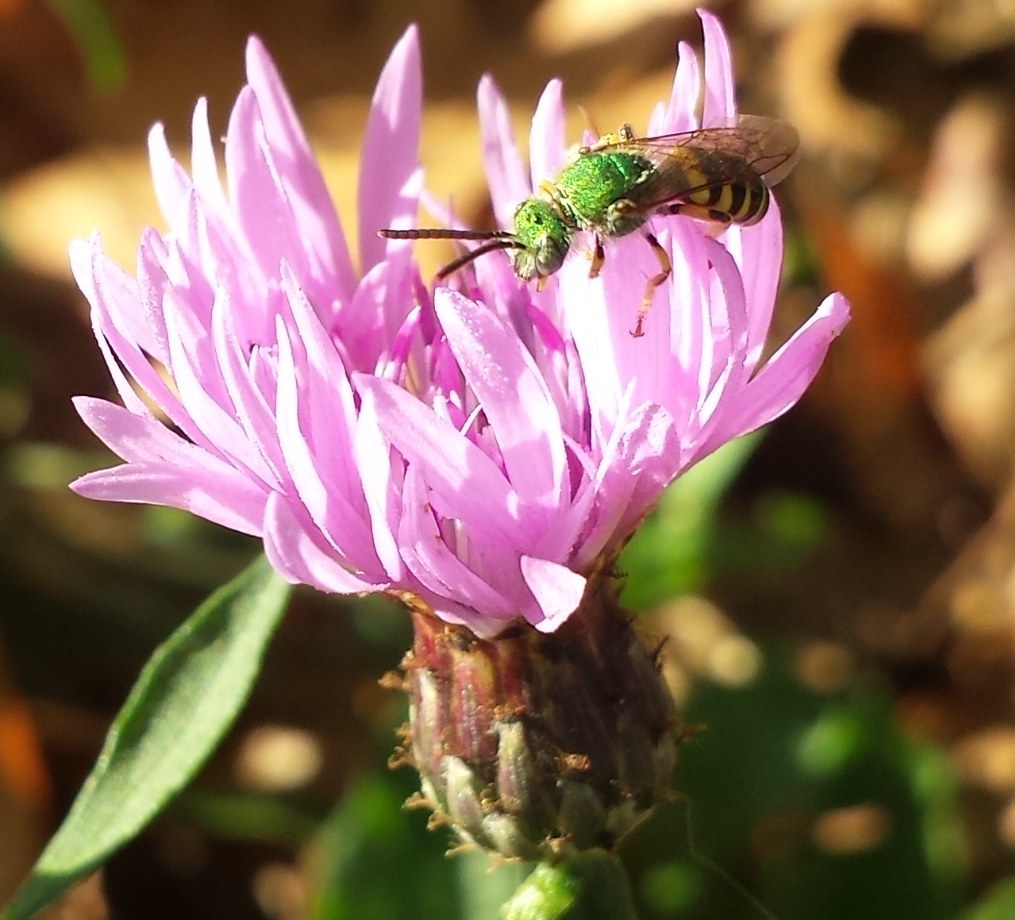
Sweat Bee
A small, often metallic green or bronze bee in the family Halictidae, named for its habit of landing on skin to sip perspiration, and an important generalist pollinator of wildflowers and crops.
bee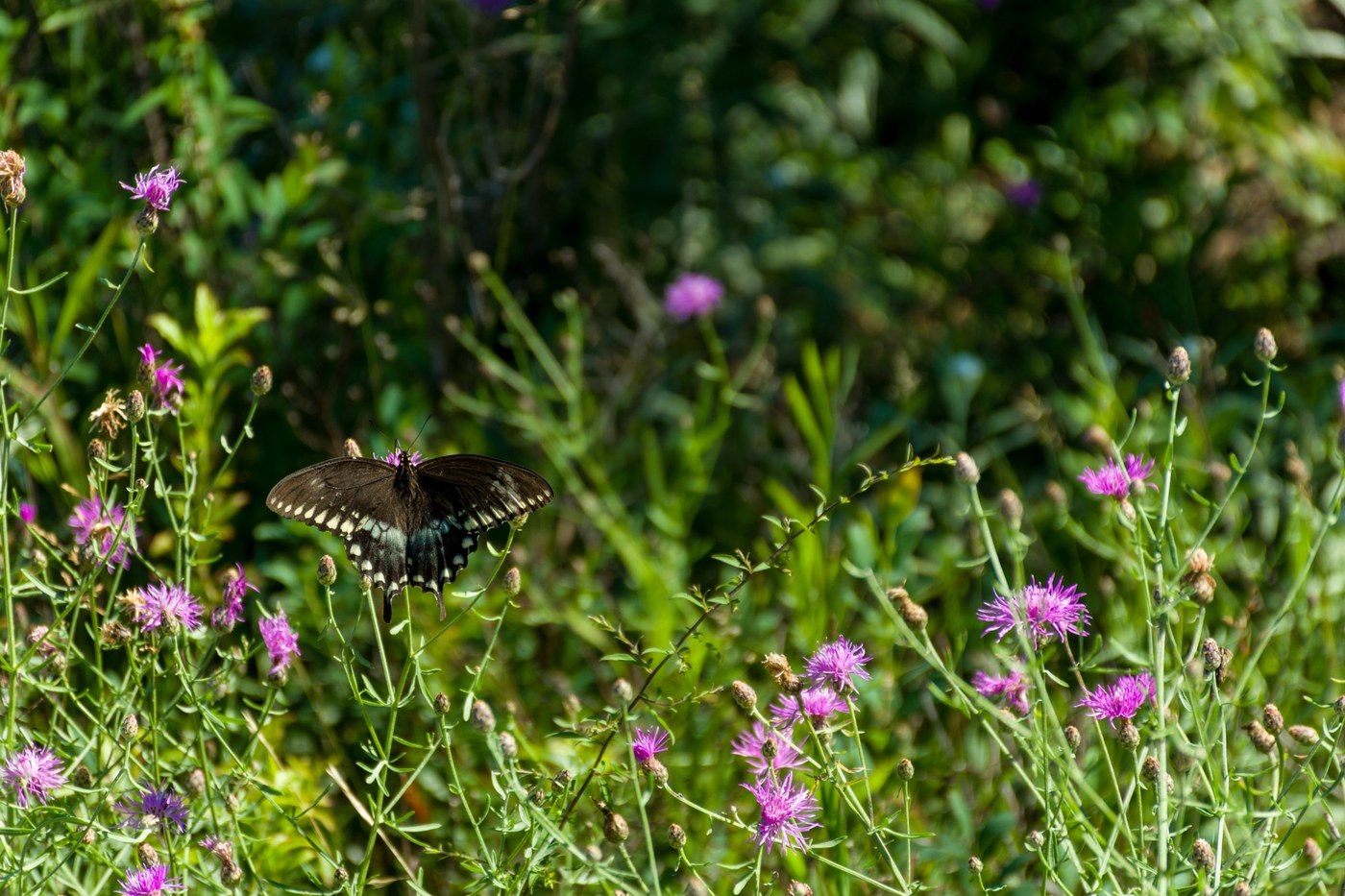
Spicebush Swallowtail
A black swallowtail with a blue-green wash across the hindwings and a row of pale spots along the forewing margin, whose caterpillars have famous large false eyespots and mimic the Pipevine Swallowtail as adults.
butterflyRootworm
Working unseen below ground, rootworm larvae chew tunnels through the root systems of corn and other crops, the underground counterpart to the small, often striped or spotted beetles seen on leaves and flowers above.
beetle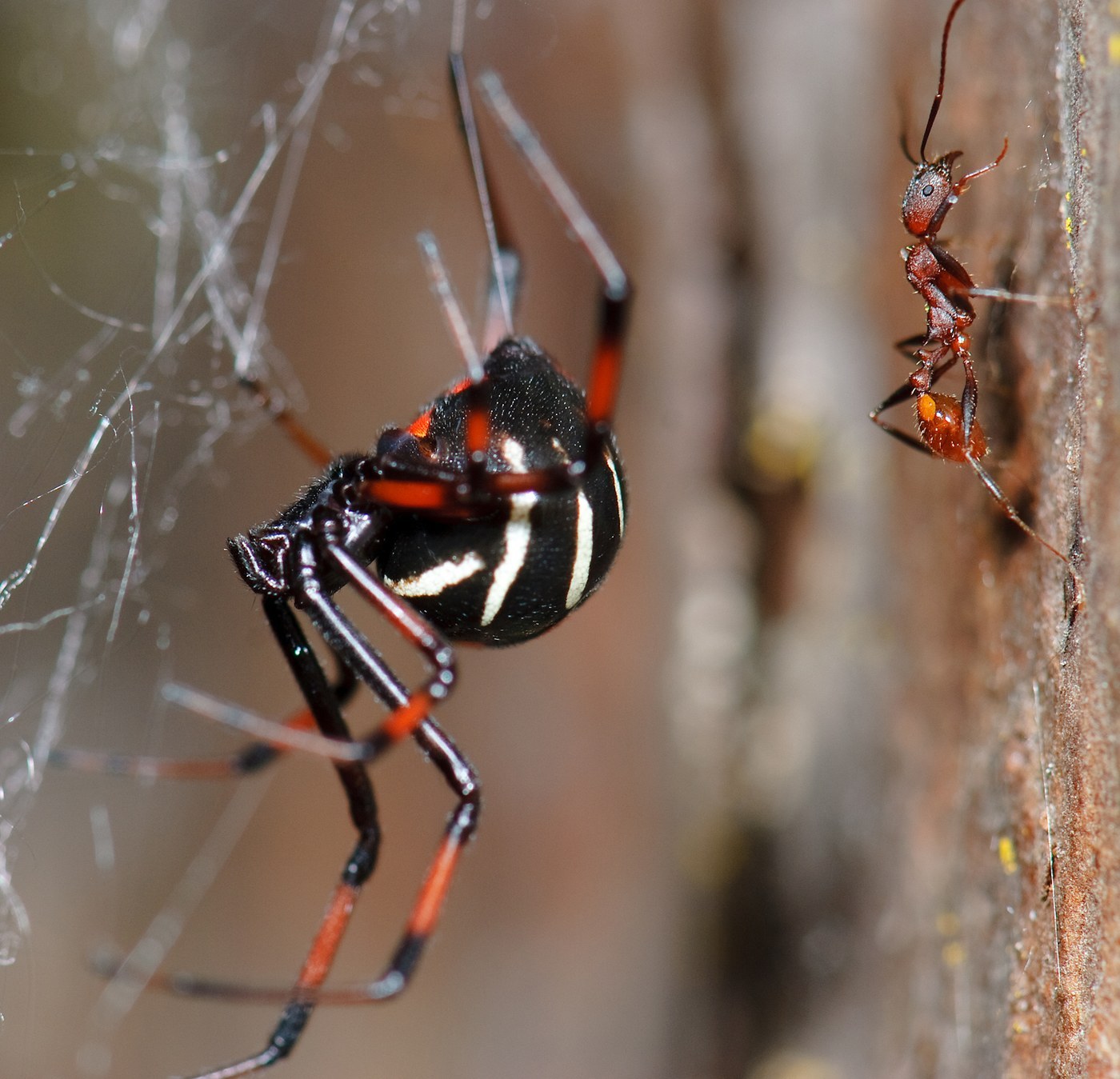
Northern Black Widow
Slightly more elusive than its southern cousin, the northern black widow shows a row of red spots down its back and a broken, hourglass marking on its belly, and prefers wilder, brushier habitats over buildings.
spider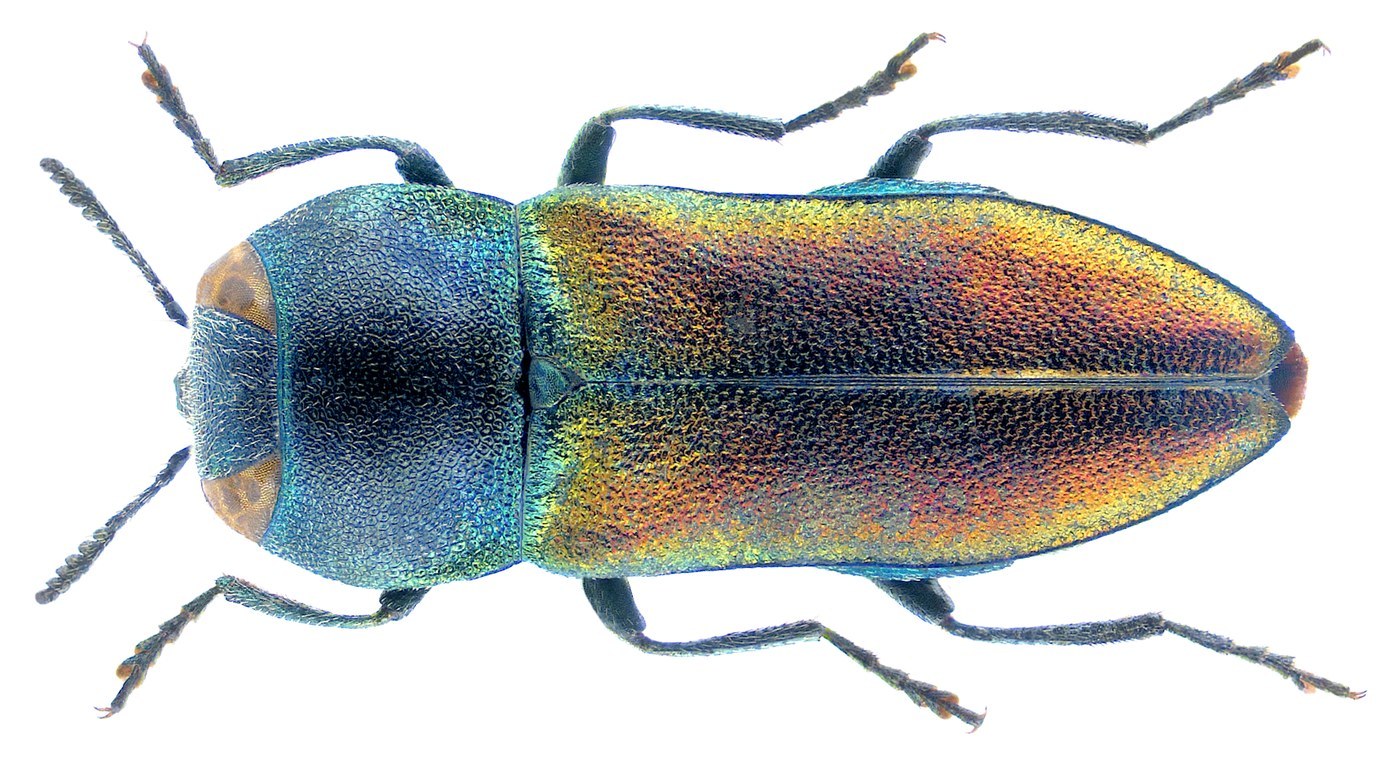
Metallic Wood-boring Beetle
The North American common name for jewel beetles, emphasizing the wood-tunneling habits of their larvae, which leave telltale flattened, D-shaped exit holes in bark of stressed or dying trees.
beetle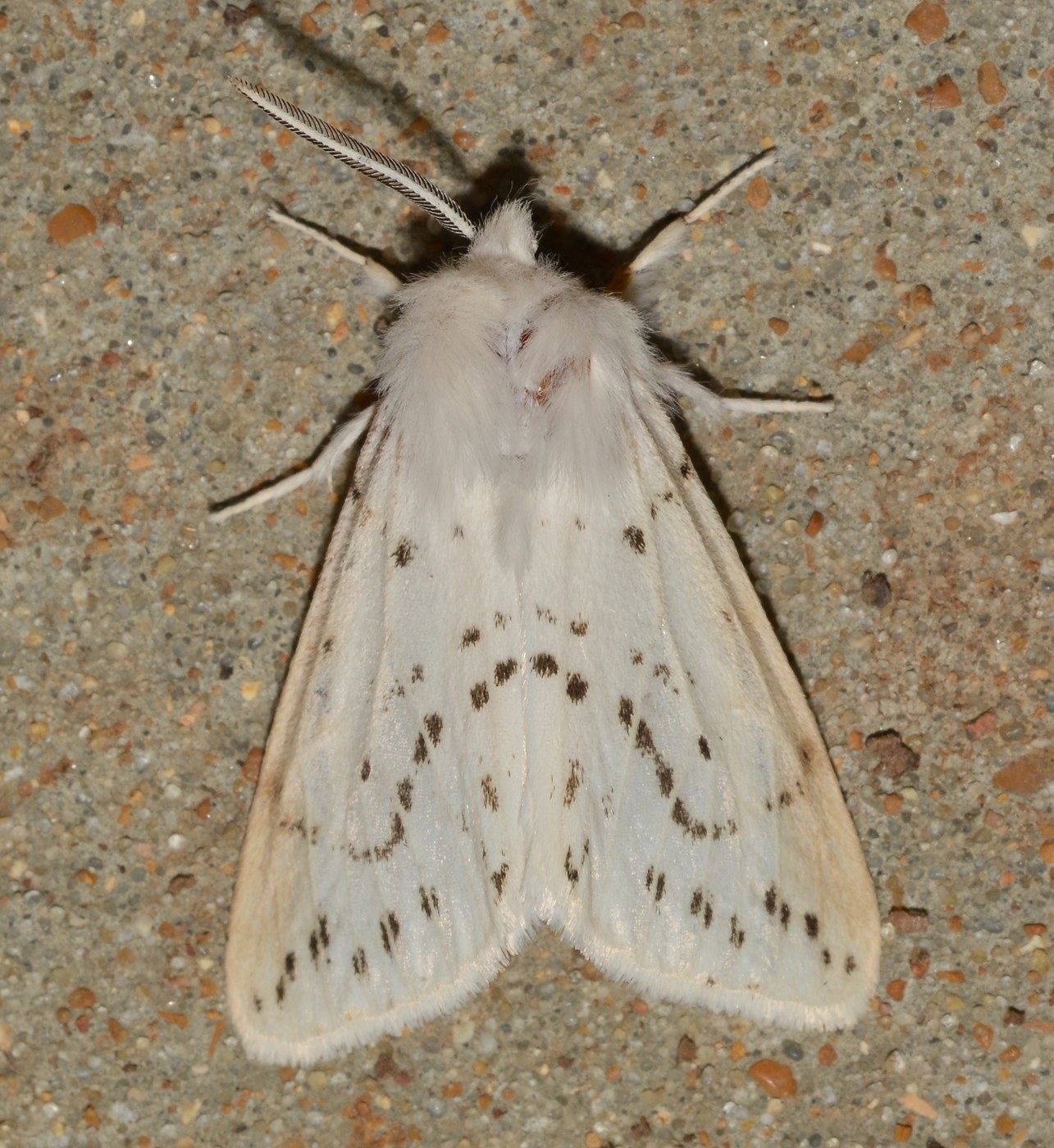
Fall Webworm Moth
A plain white (sometimes lightly speckled) moth whose caterpillars are far more familiar than the adult, spinning large communal silk webs over the ends of tree branches in late summer and early autumn.
moth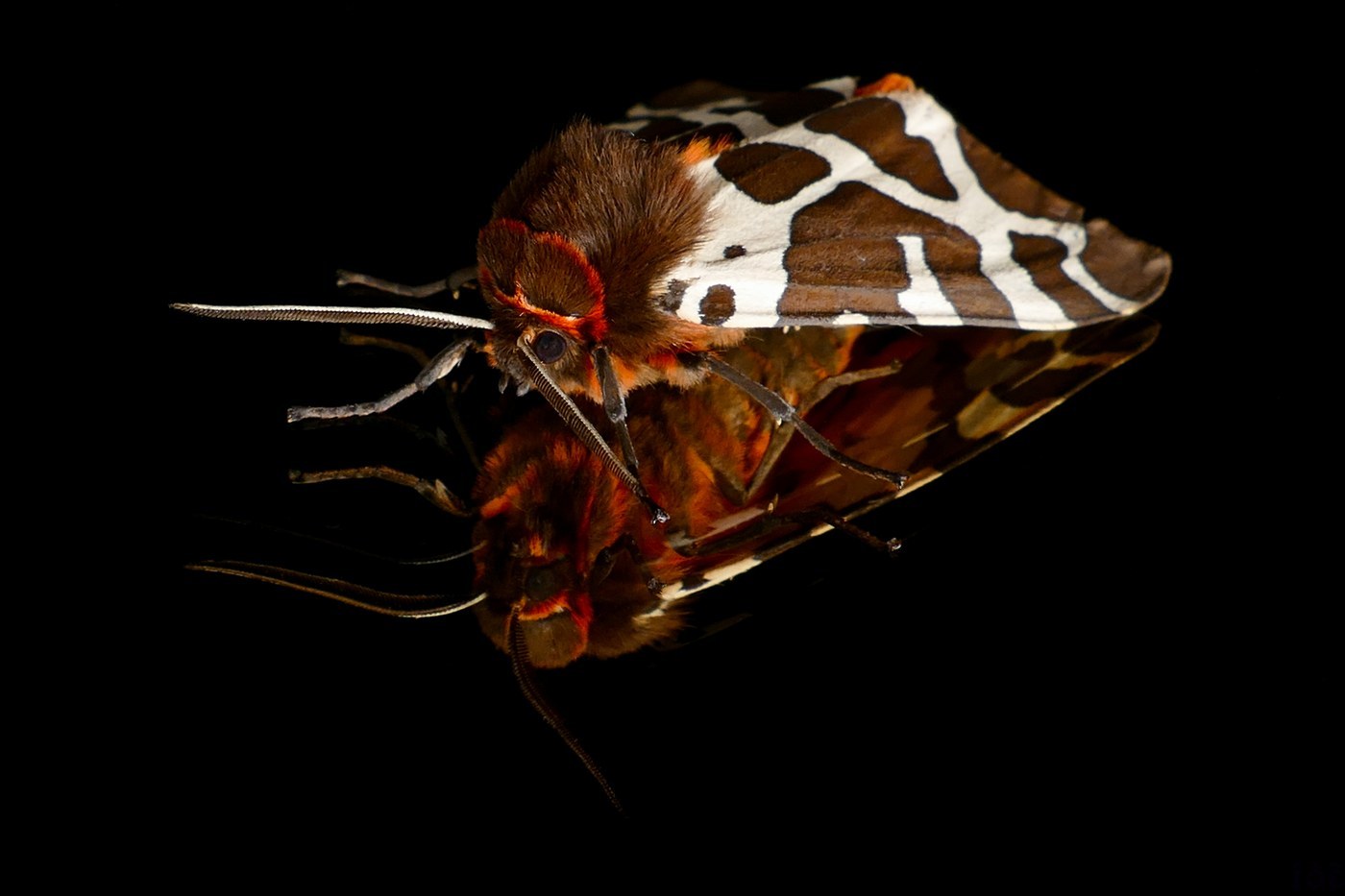
Great Tiger Moth
A boldly patterned tiger moth with chocolate-brown and cream lace-like markings on the forewings and vivid orange hindwings spotted with blue-black, one of the most visually striking moths in temperate gardens.
moth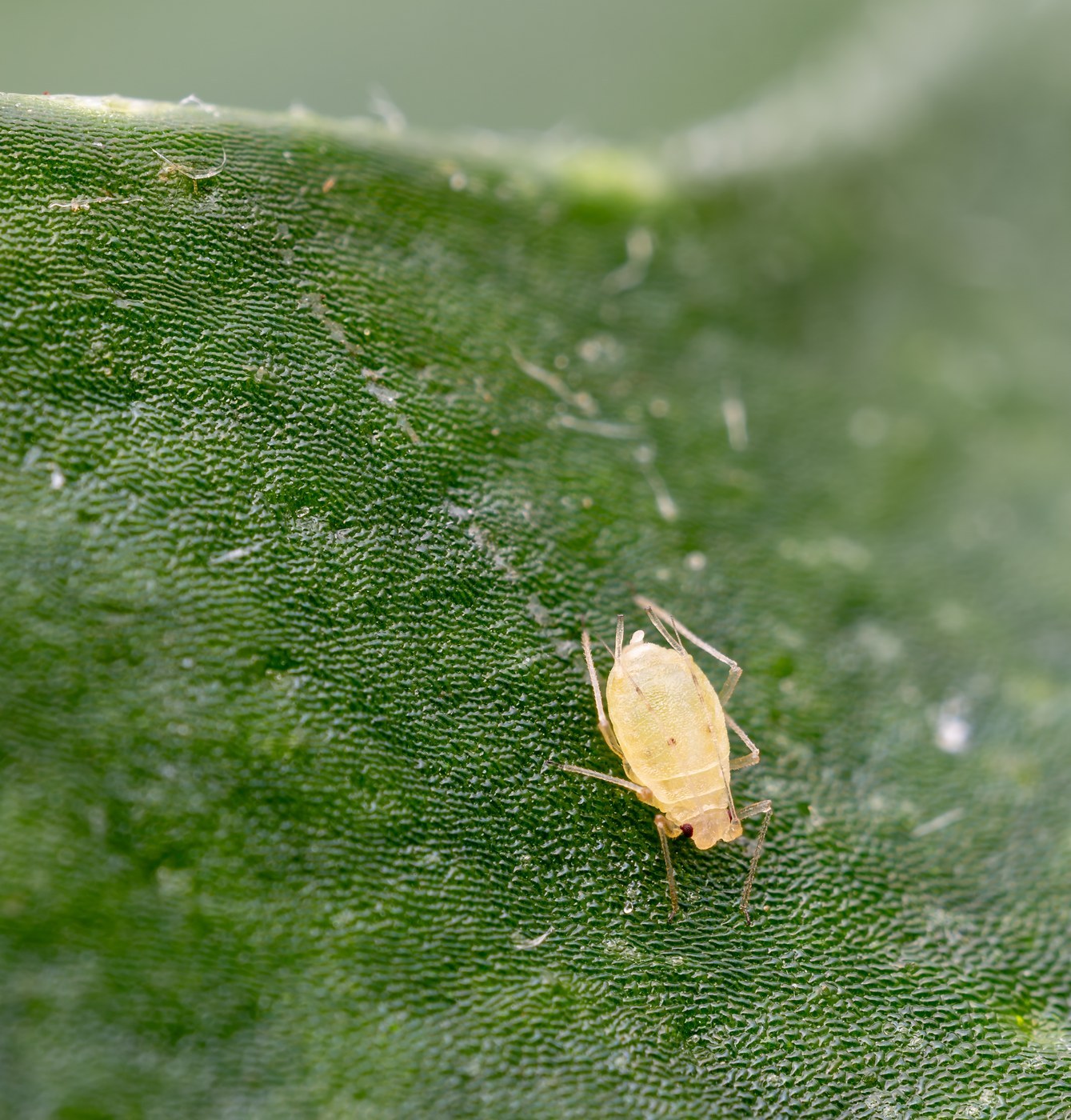
Green Peach Aphid
A small, pale yellow-green aphid with an exceptionally broad host range, recognized as one of the most widespread and adaptable aphid species found on garden vegetables, ornamentals, and stone fruit trees.
true-bug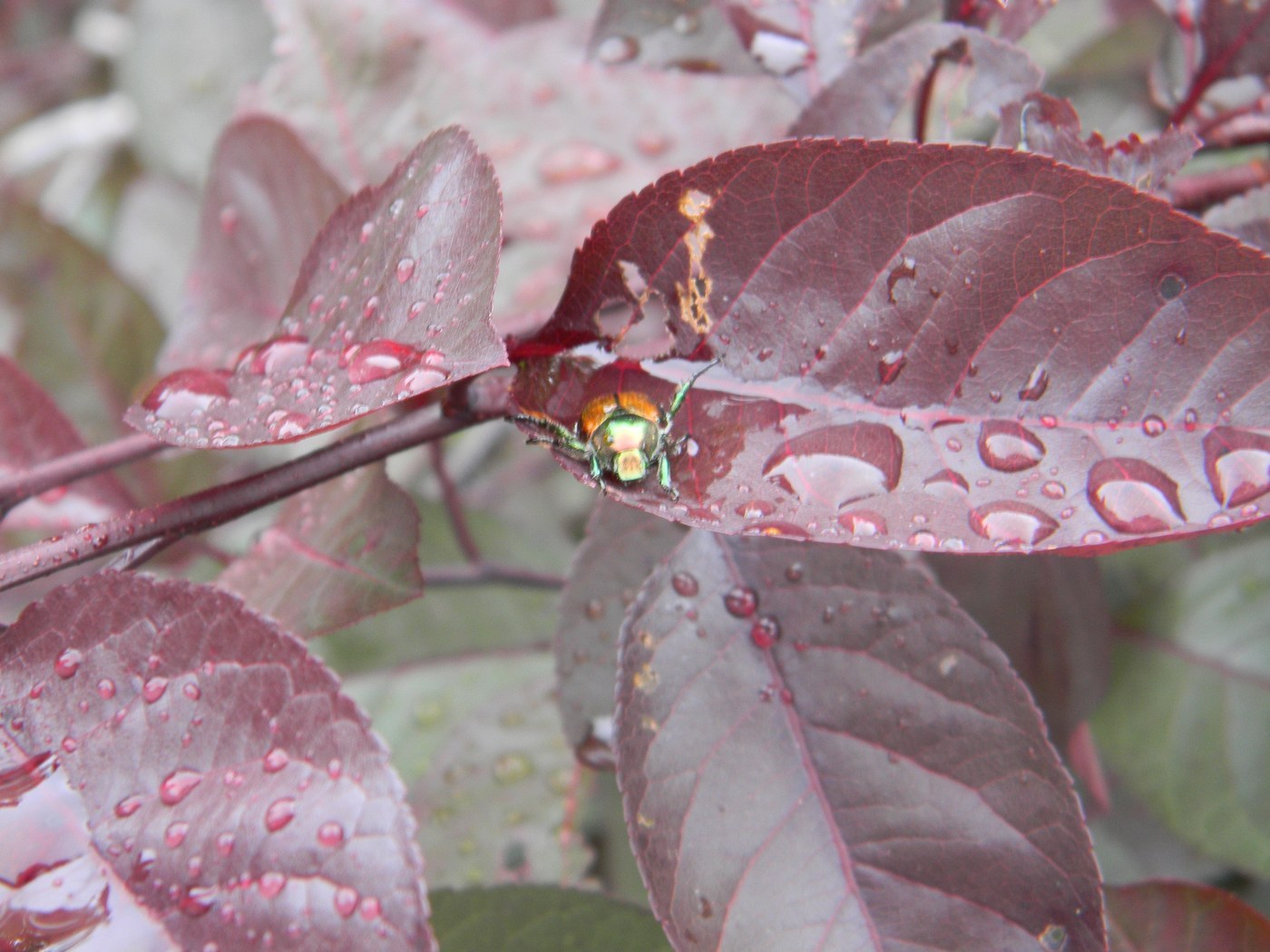
Japanese Beetle
A small, iridescent beetle with a metallic green head and thorax and coppery-bronze wing covers, notorious for skeletonizing the leaves of roses, grapevines, and hundreds of other garden plants.
beetle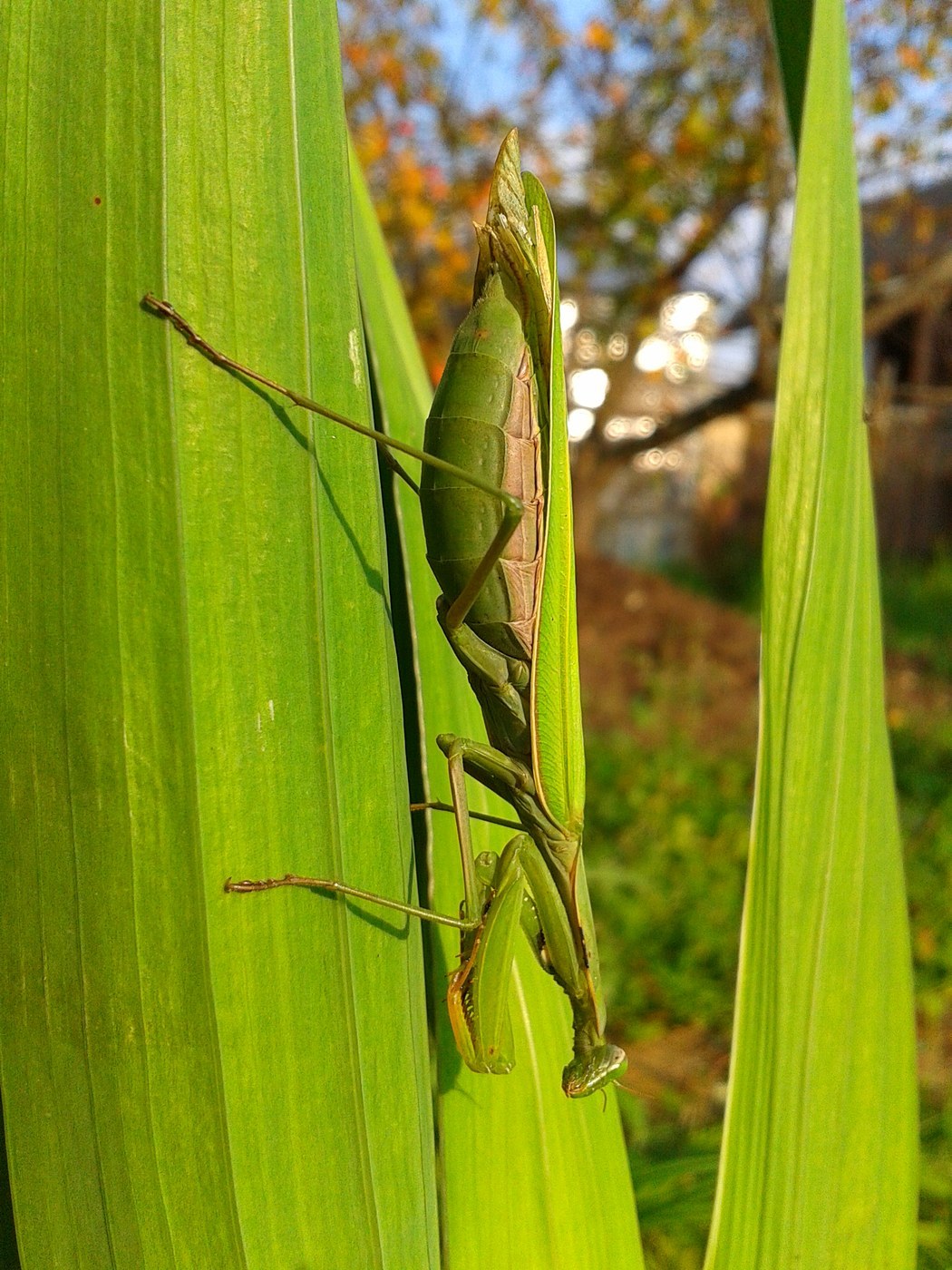
European Mantis
A slender, typically bright green mantis native to Europe, Africa, and Asia, now widely established in North America, easily recognized by a small dark bullseye mark on the inside of its front legs.
mantis-stickDung Beetle
A stout, often glossy black or metallic beetle famous for rolling, burying, or tunneling into animal dung, an unglamorous but ecologically vital habit that recycles nutrients back into the soil.
beetle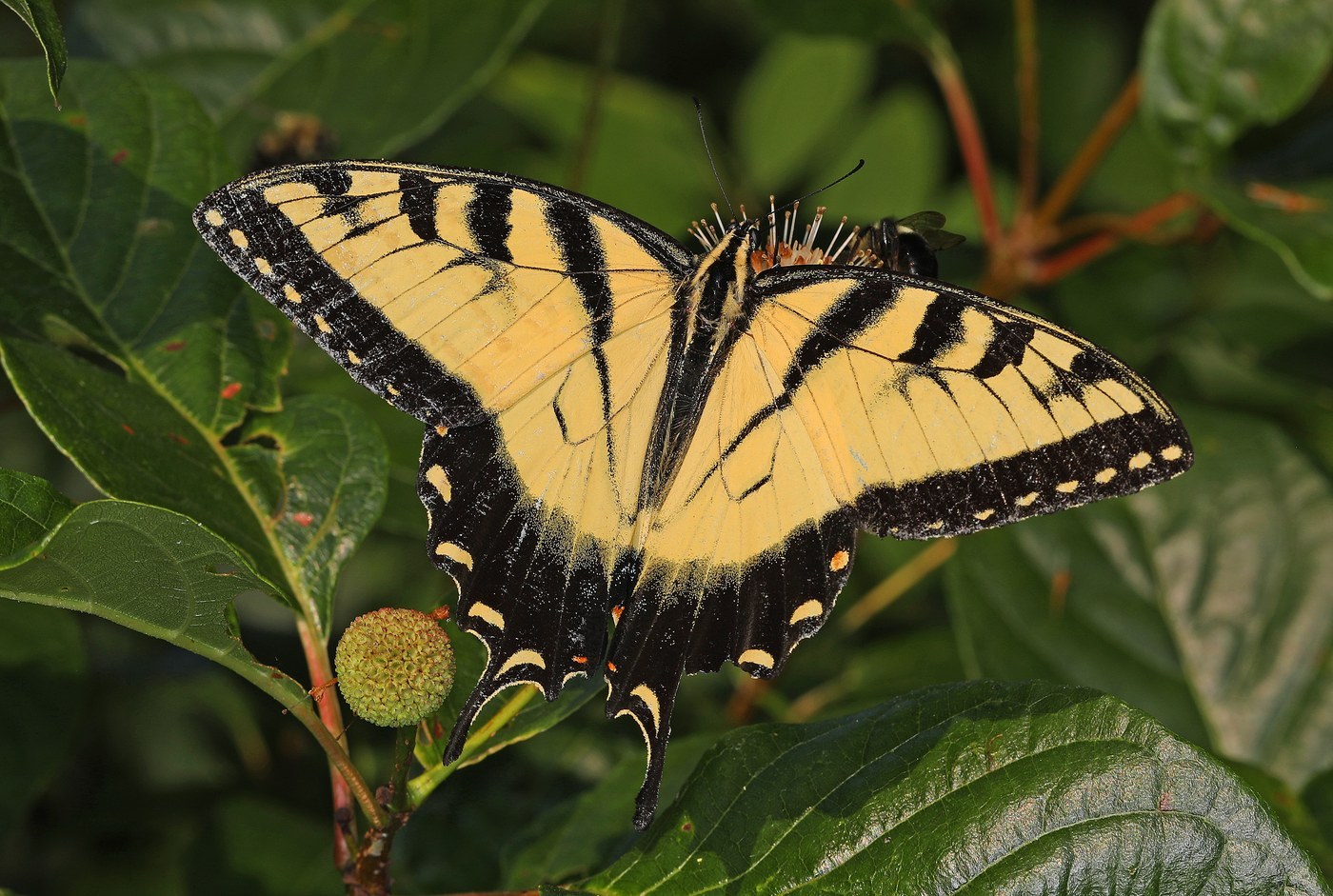
Eastern Tiger Swallowtail
A large, showy yellow-and-black striped swallowtail with elegant tail extensions on the hindwings, one of the most recognizable butterflies of eastern North American woodlands and gardens.
butterfly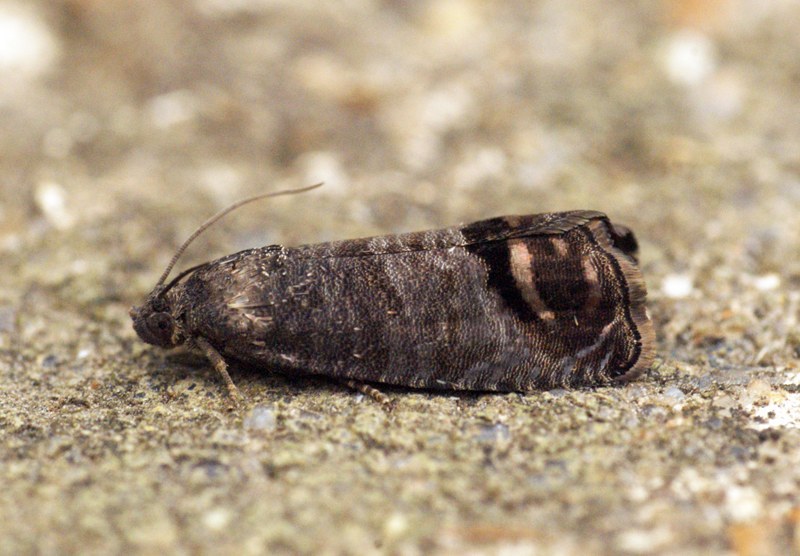
Codling Moth
A small, inconspicuous grey-brown moth best known through the work of its larva, the classic apple 'worm' that tunnels into fruit, making this tiny moth one of the most economically significant insects in orchards worldwide.
mothCrane Fly Larva
Thick-skinned and worm-like, the crane fly larva, often called a leatherjacket, burrows through wet mud and decaying vegetation at the edges of ponds and streams, breaking down plant material as it grows.
aquatic-insect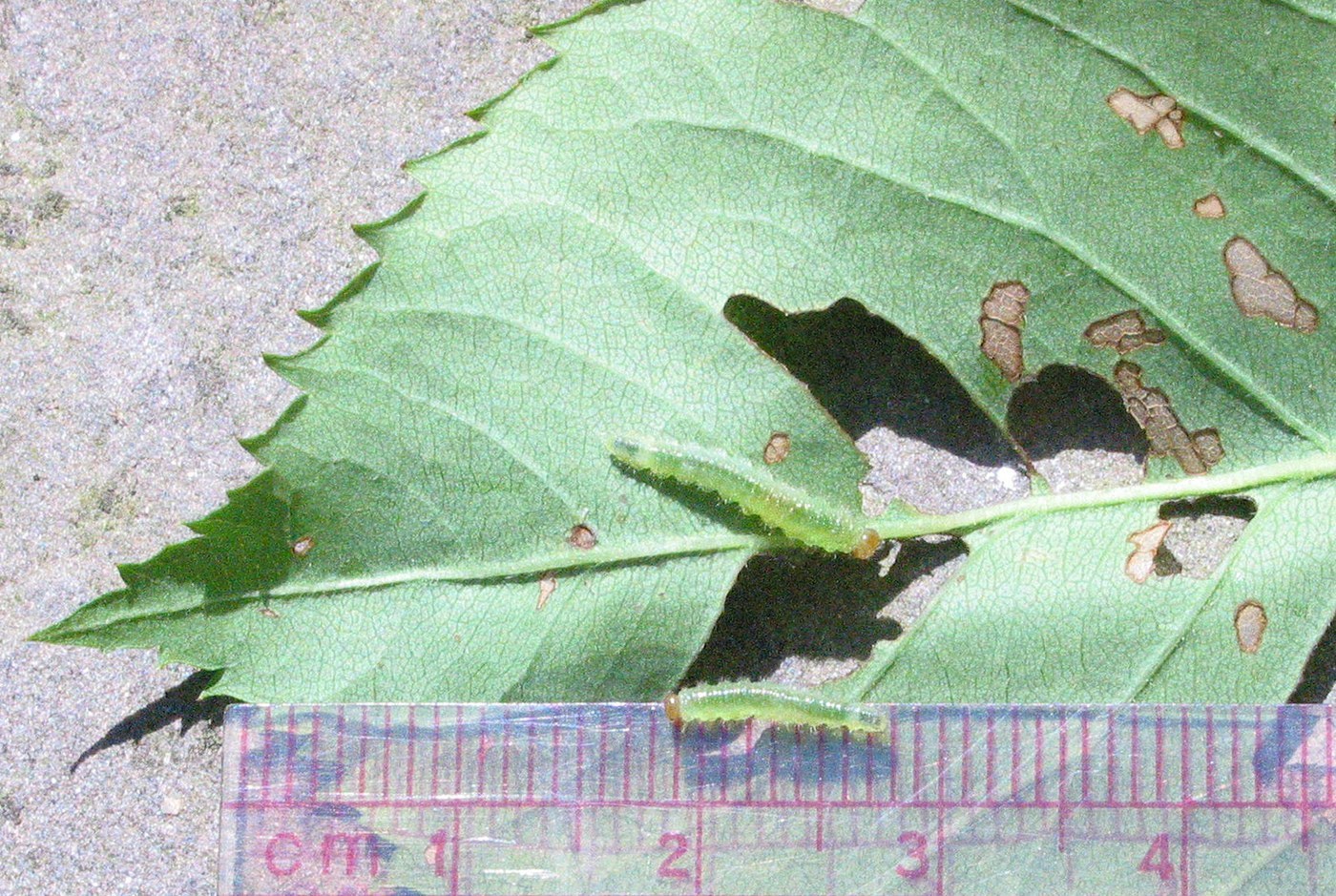
Bristly Rose Slug
Despite its caterpillar-like, slug-shaped body covered in fine bristles, this pale green larva is actually the offspring of a small sawfly and feeds on rose leaves by skeletonizing them from the underside.
caterpillar-larvaBumble Bee Queen
The large, robust foundress of a bumble bee colony, noticeably bigger and fuzzier than her worker offspring, seen alone in early spring searching for a nesting cavity before her colony's first workers emerge.
bee