
Bug Encyclopedia
Search and identify bugs & insects — beetles, butterflies, moths, ants, bees, spiders and more — with size, habitat, danger, behavior, and how to tell them apart.
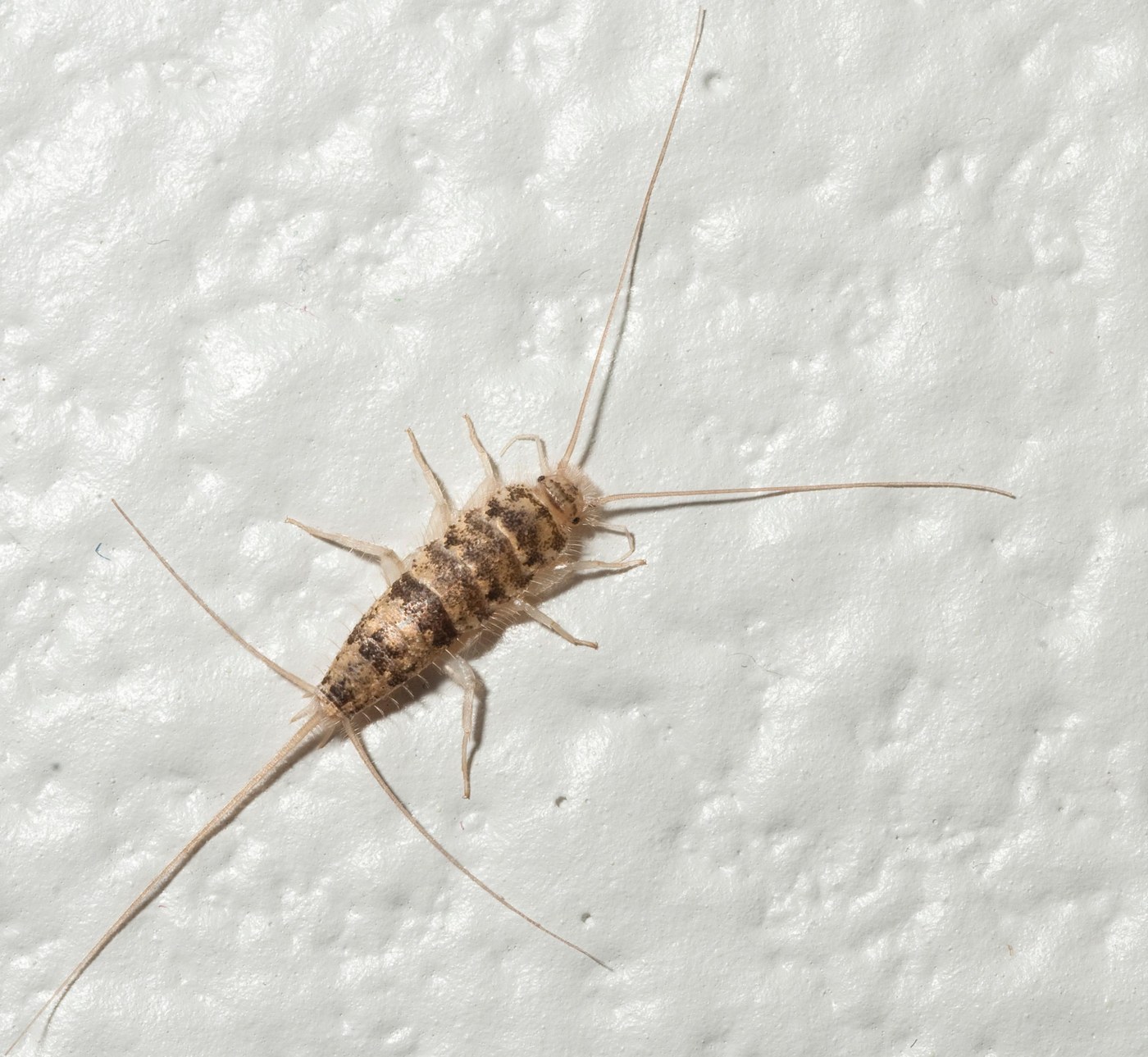
Firebrat
A fast, wingless, mottled gray-brown insect with long antennae and tail bristles that thrives in the warm, humid corners near ovens, boilers, and pipes.
other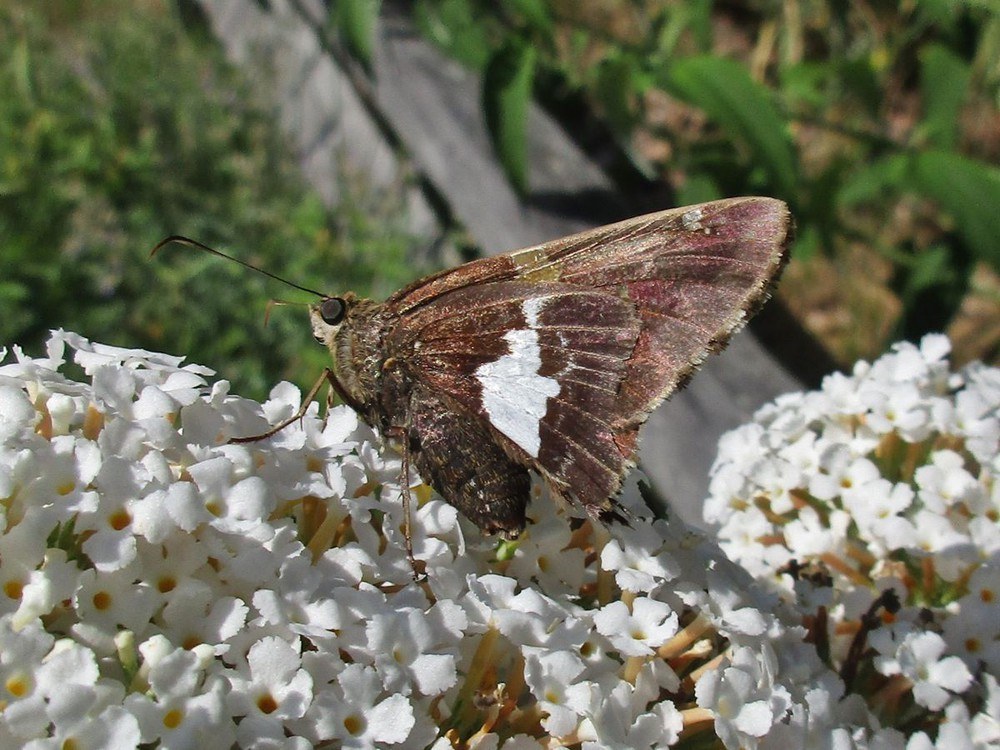
Skipper Butterfly
A stocky, fast-darting butterfly with a large head, hooked antennae tips, and thick furry body, intermediate in appearance between butterflies and moths, named for its quick, skipping flight.
butterflyCave Cricket
Humpbacked and wingless with absurdly long legs and antennae, this pale, silent insect thrives in the total darkness of caves, basements, and damp crawl spaces.
grasshopper-cricket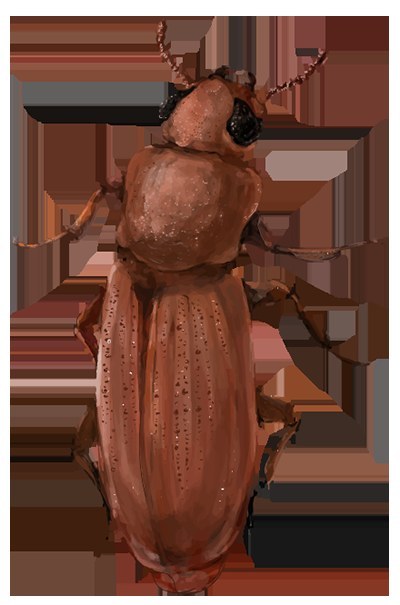
Red Flour Beetle
A tiny, flattened, rust-red beetle found in stored flour and grain worldwide, capable of flight and closely resembling the confused flour beetle apart from the shape of its antennal club.
beetleGrasshopper
A robust, strong-jumping insect with short antennae and powerful hind legs, commonly seen springing away through grass and low vegetation on warm sunny days.
grasshopper-cricket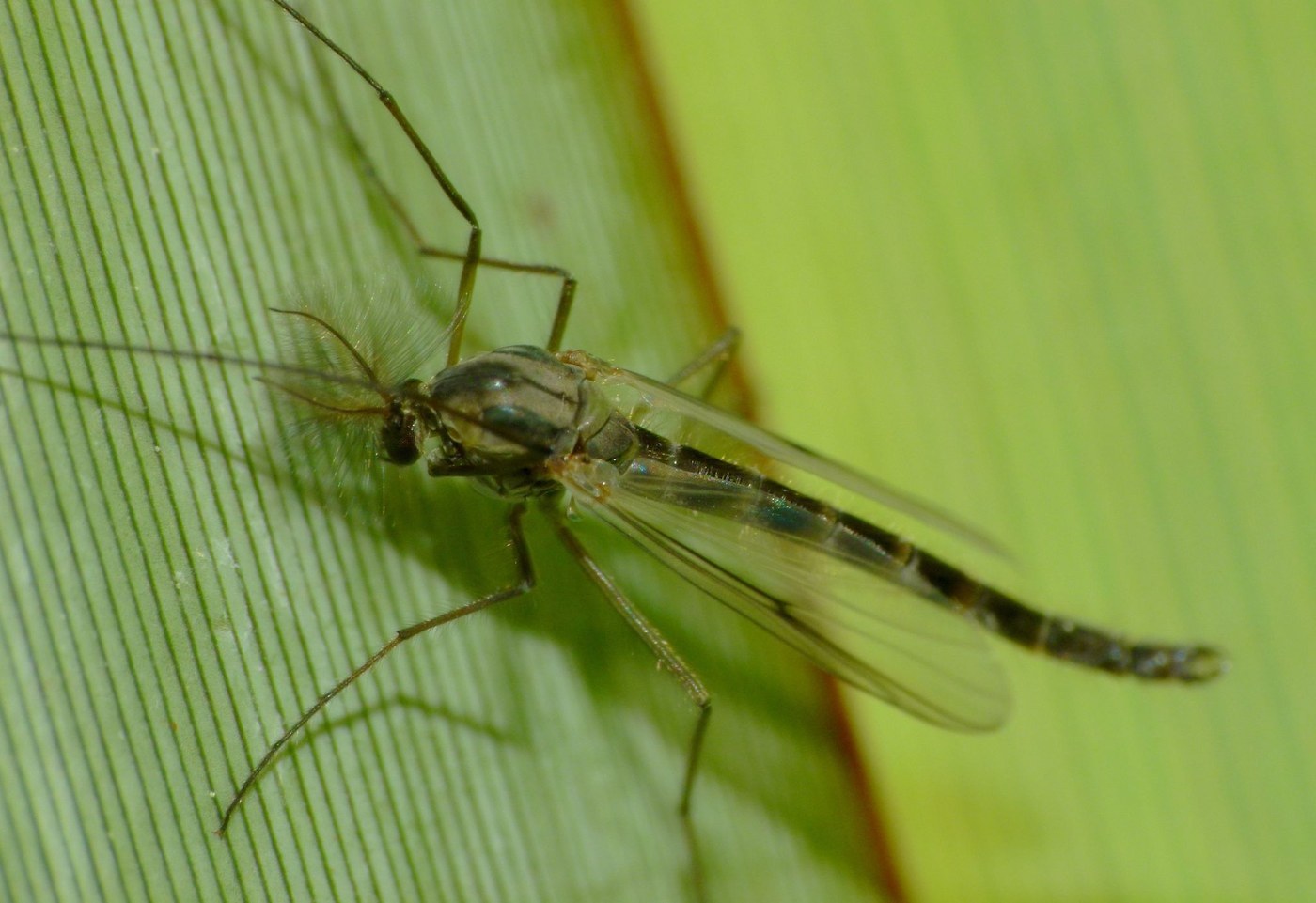
Non-Biting Midge
A mosquito look-alike that gathers by the thousands in swirling mating swarms near lakes and ponds, despite lacking any ability to bite.
fly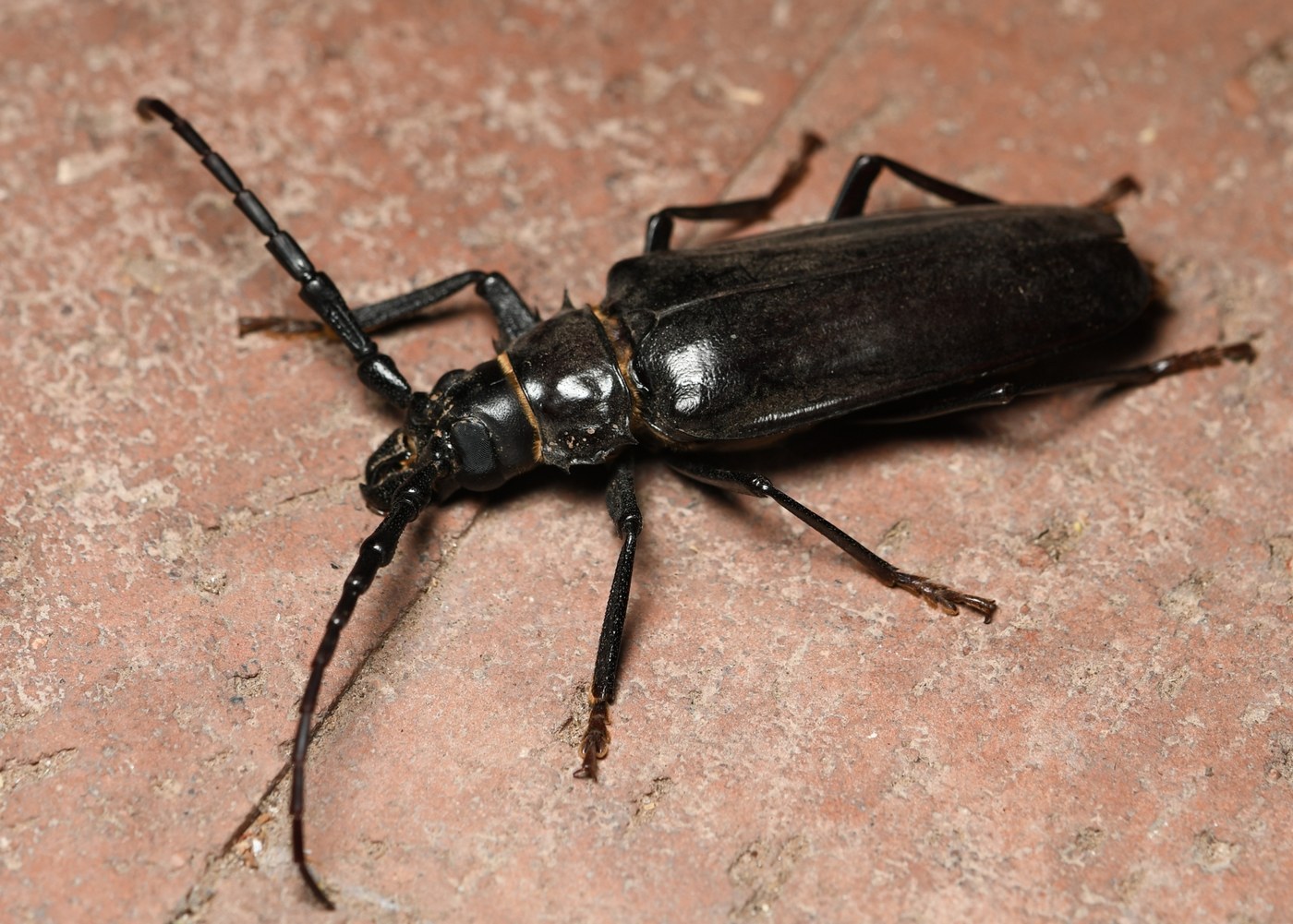
Palo Verde Beetle
One of the largest beetles in North America, a heavy, dark reddish-brown longhorn beetle with long spiny antennae and a loud, buzzing flight that emerges from the desert soil around palo verde and mesquite trees in summer.
beetleIchneumon Wasp
A slender, long-antennaed parasitoid wasp, often mistaken for a giant mosquito or a stinging insect, that is best known for the extraordinarily long ovipositor some species use to drill into wood and lay eggs on hidden larvae.
wasp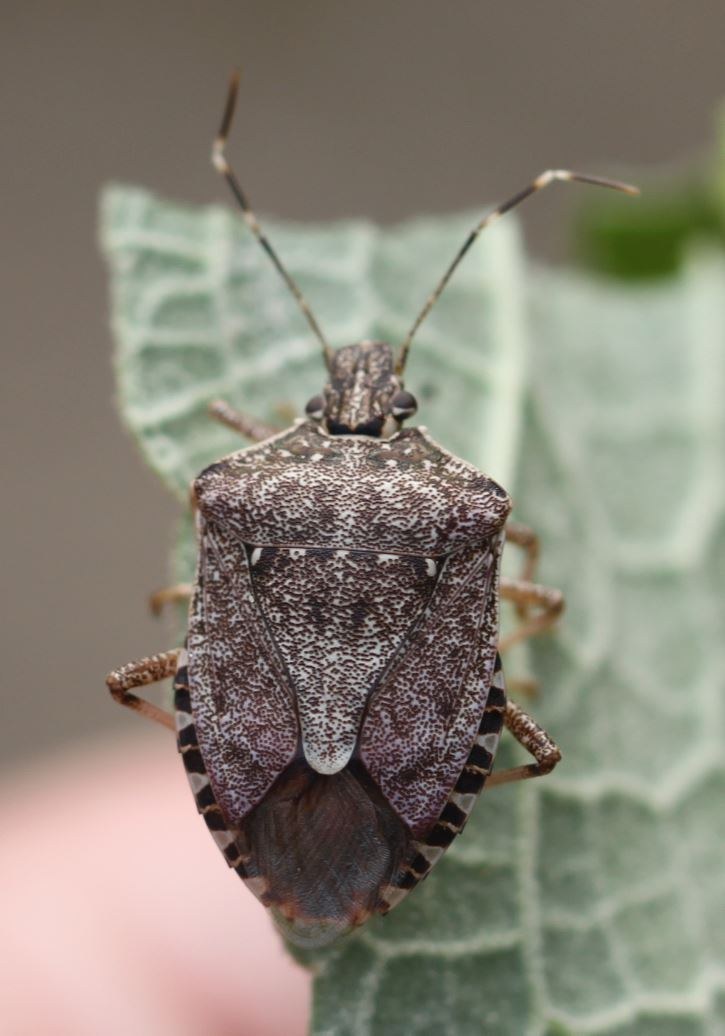
Brown Marmorated Stink Bug
An invasive, mottled brown stink bug identified by alternating light and dark bands on its antennae and abdomen edges, well known for gathering in large numbers on and inside buildings each fall.
true-bug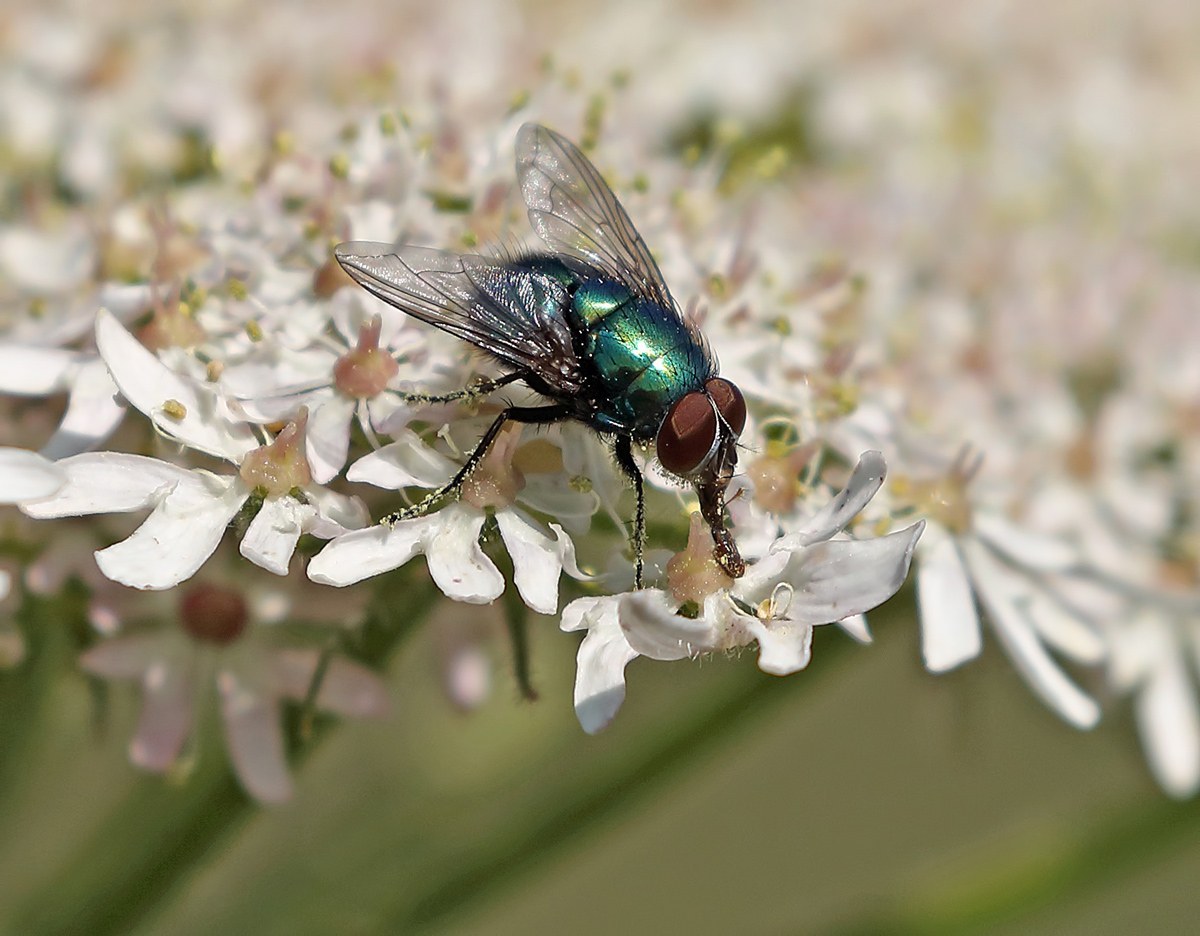
Blow Fly
A brilliant, metallic green fly that gleams like a jewel in sunlight, quickly locating decaying material with an acute sense of smell.
fly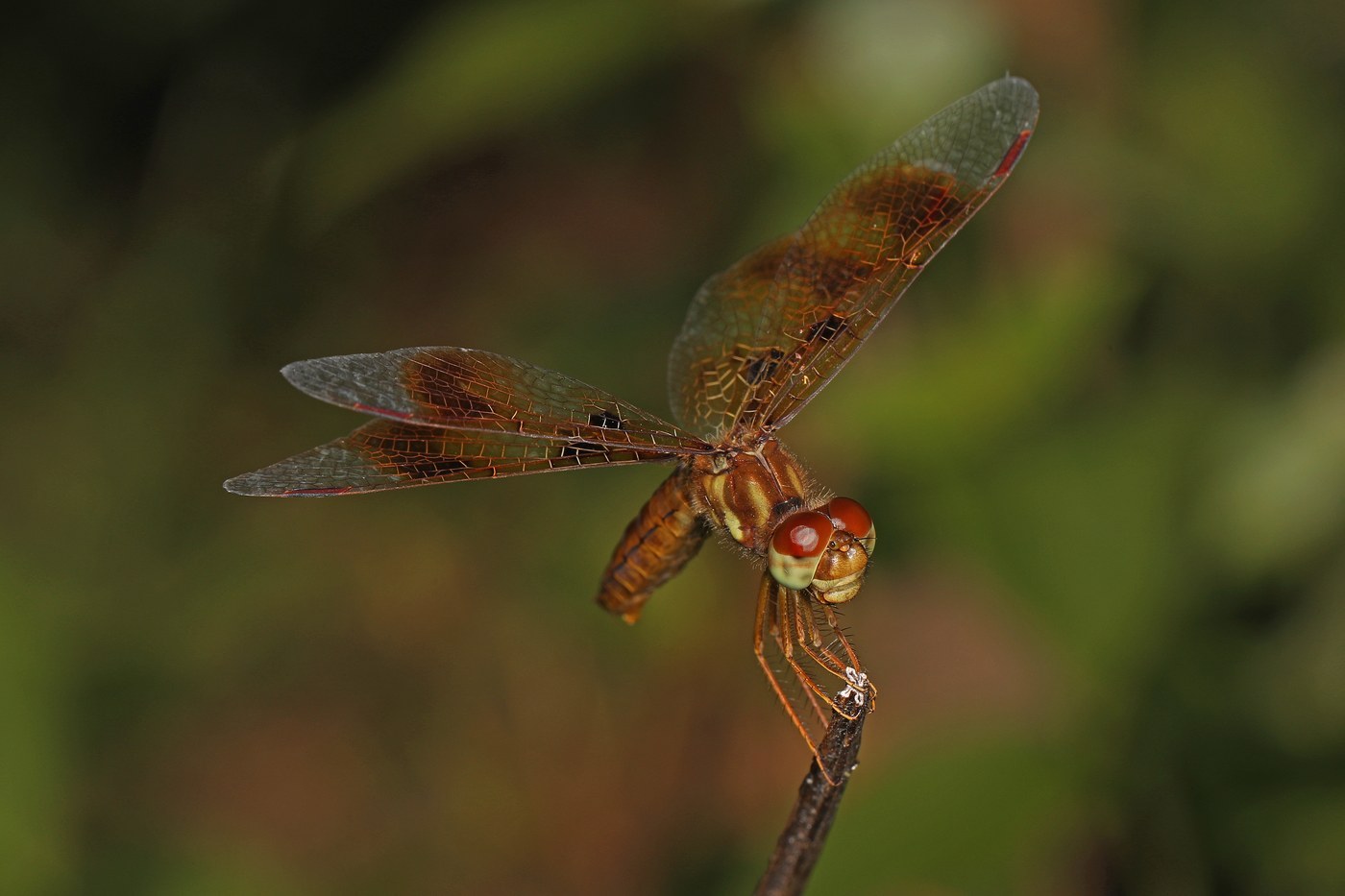
Eastern Amberwing
One of North America's smallest dragonflies, the male Eastern Amberwing glows with solid amber-orange wings and often wags its abdomen in a wasp-like display over floating algae.
dragonfly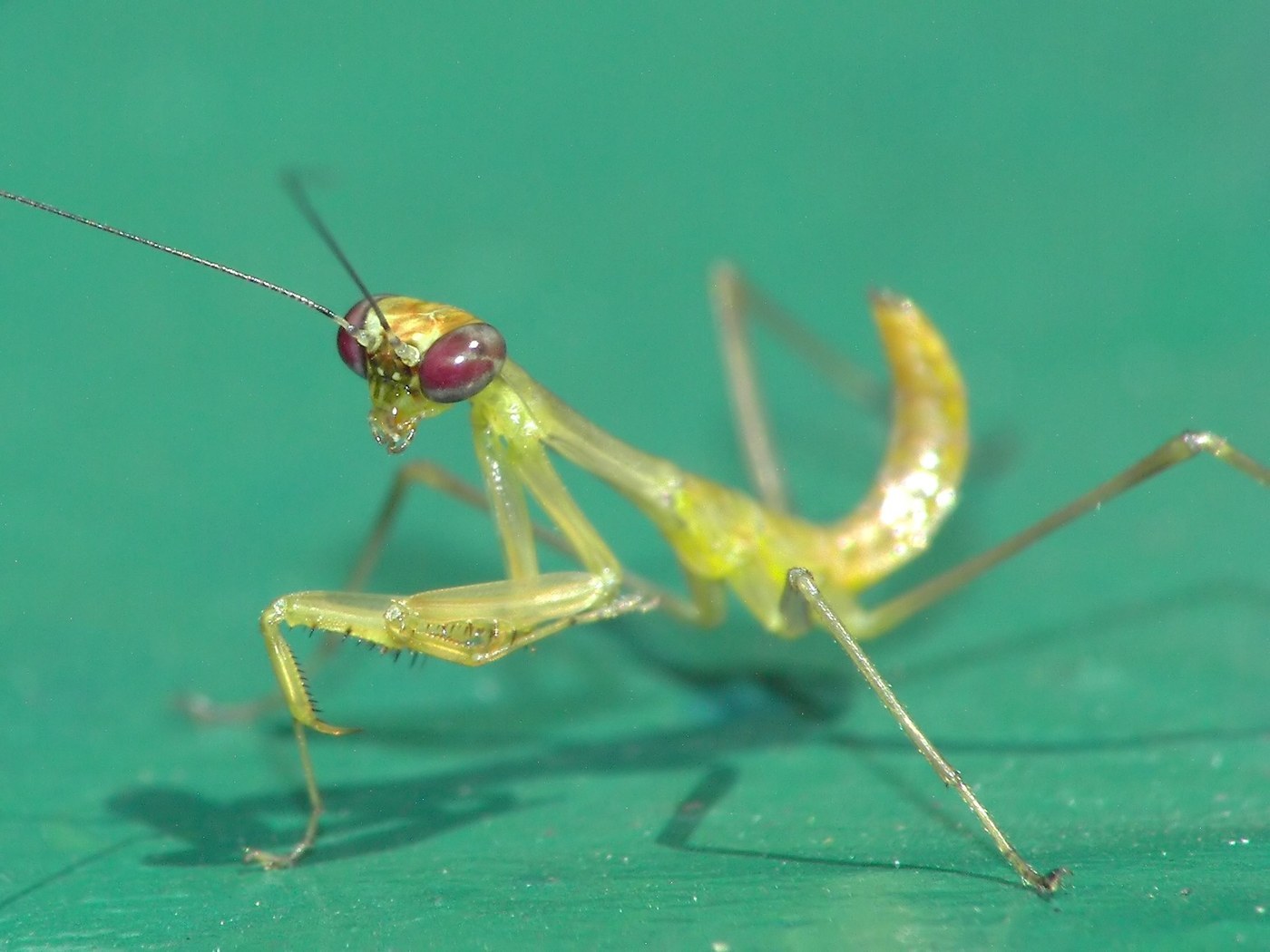
Giant Asian Mantis
A bulky, leaf-green predator that sits patiently among foliage, its powerful spined forelegs poised to snatch any insect that strays too close.
mantis-stick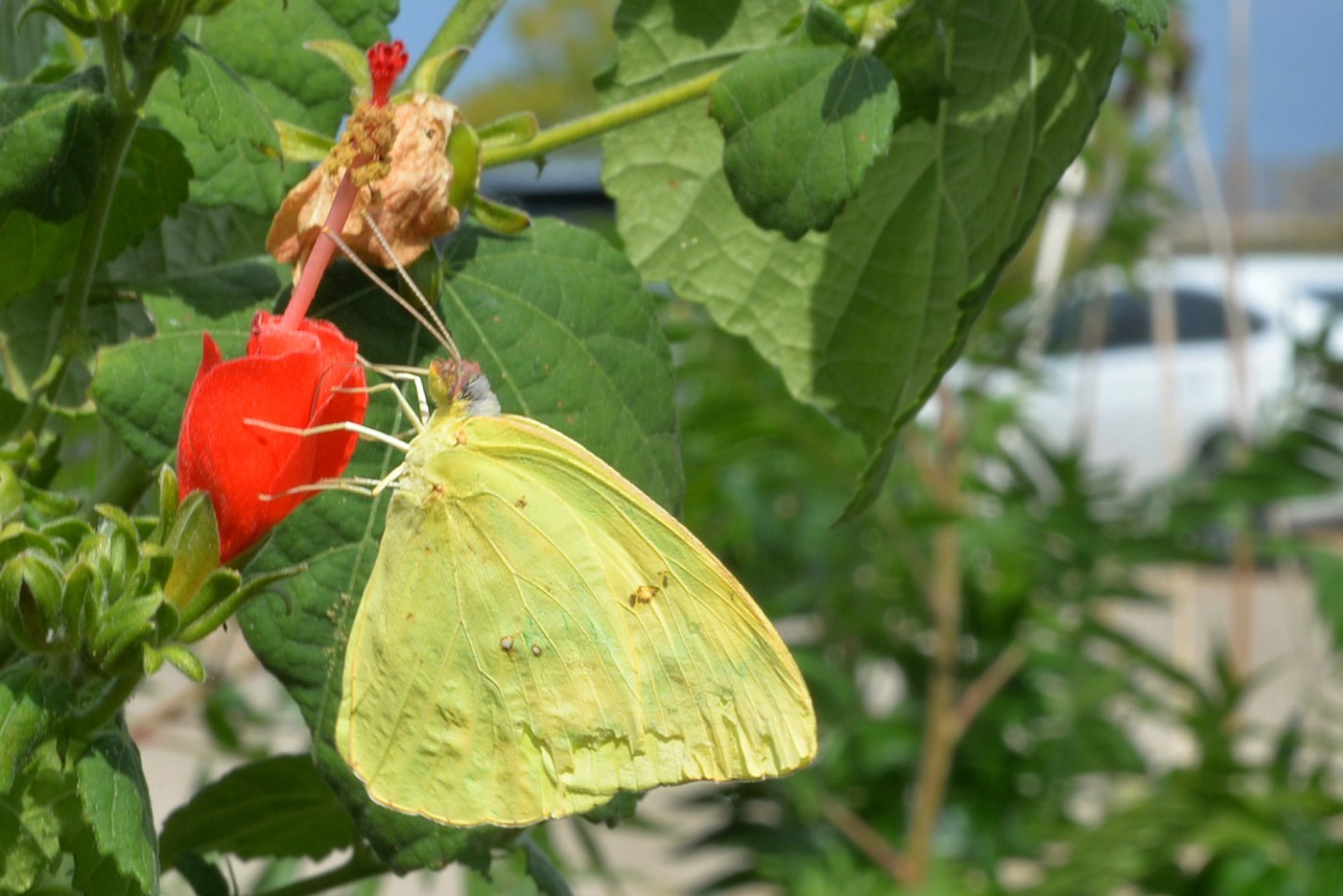
Cloudless Sulphur
A large, bright lemon-yellow butterfly that flies with strong, direct wingbeats and rarely shows any dark markings, giving it an almost uniformly 'cloudless' appearance.
butterfly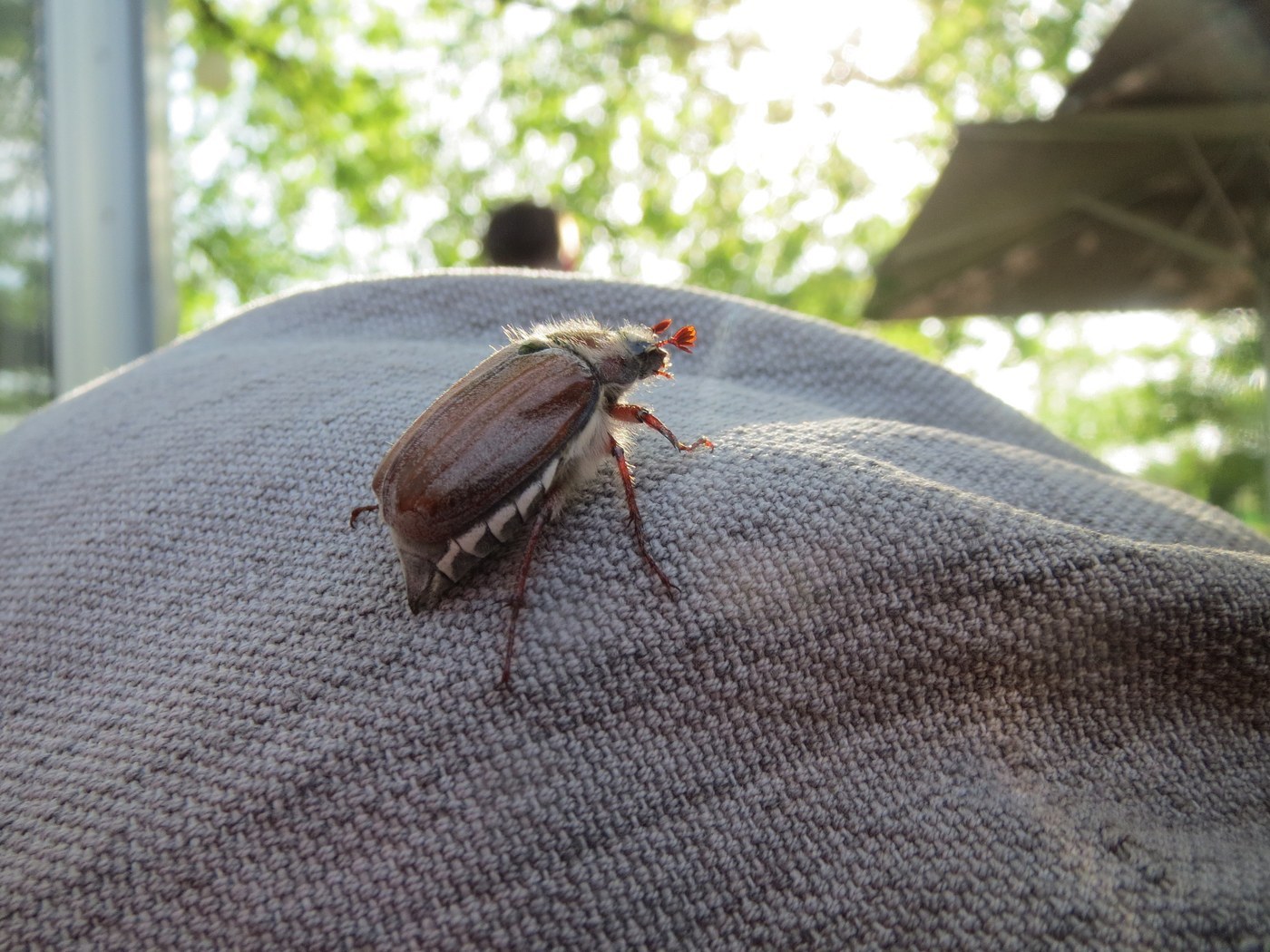
Cockchafer
A large, reddish-brown scarab beetle with distinctive fan-shaped antennae, famous for its noisy, clumsy evening flights around trees in late spring, giving rise to its alternate name, the May bug.
beetle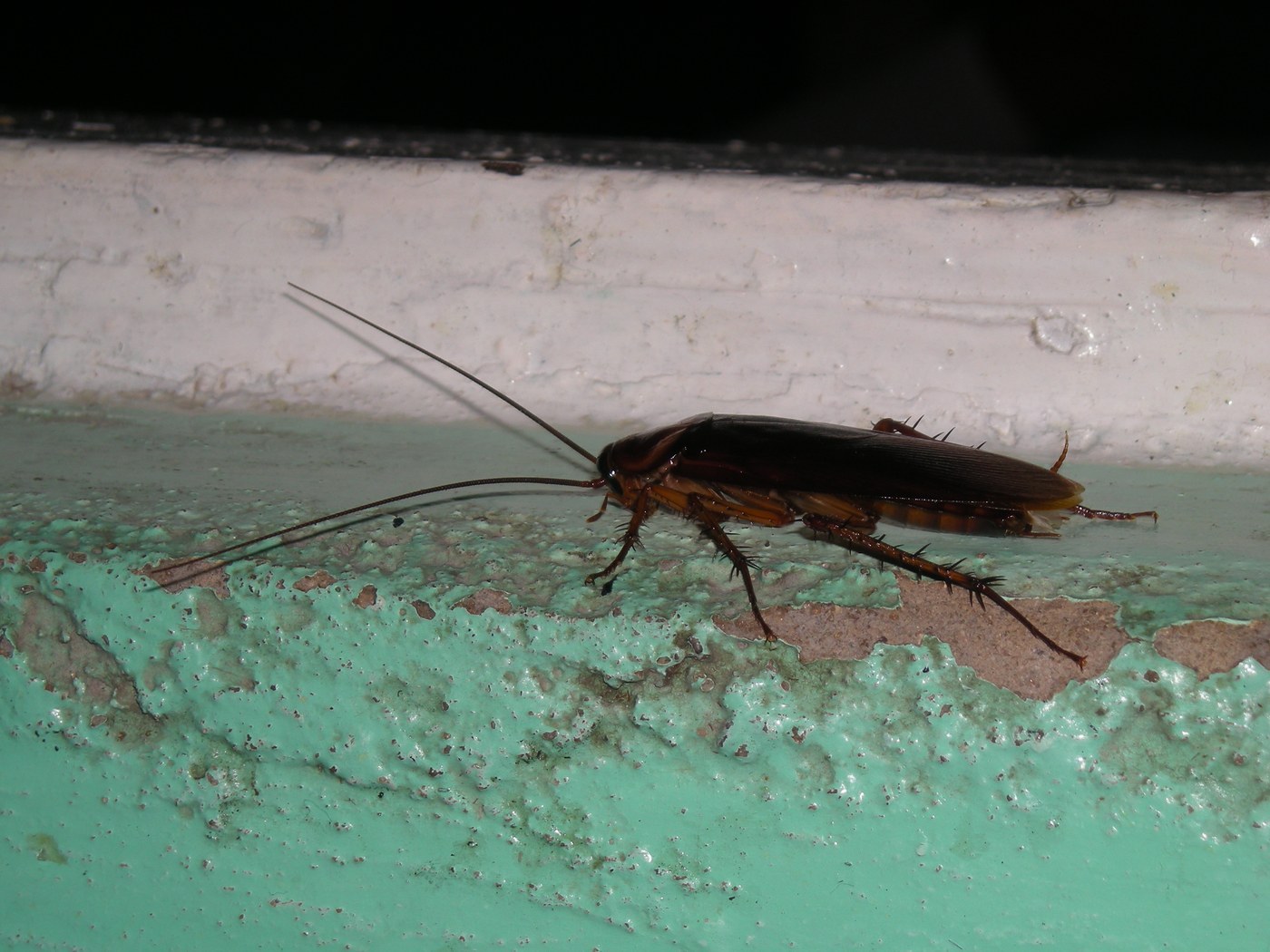
American Cockroach
The largest common house-infesting cockroach, a reddish-brown, glossy insect with long antennae and a pale yellowish band edging the shield behind its head, capable of both fast running and short bursts of flight.
other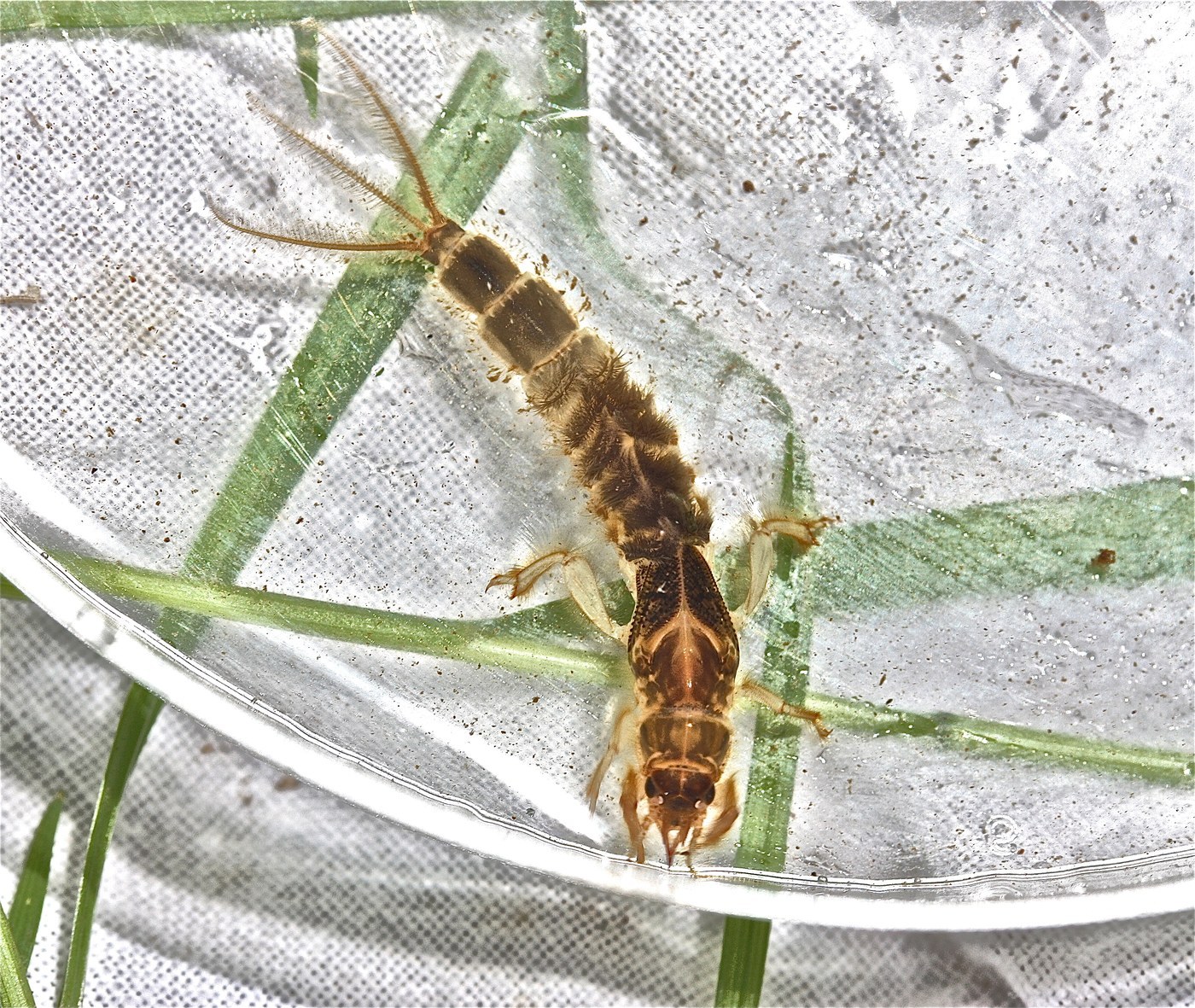
Green Drake Mayfly
Famous among anglers for triggering explosive trout feeding frenzies, the Green Drake Mayfly is a large, striking insect whose brief springtime emergence is one of the most anticipated events on many rivers.
aquatic-insectIronclad Beetle
A slow-moving, mottled gray beetle famed for having one of the hardest, most crush-resistant exoskeletons of any insect, often found clinging motionless to dead wood or tree bark.
beetleTsetse Fly
A stout grayish-brown fly of African woodlands whose rigid, forward-jutting proboscis and scissor-folded wings set it apart from any ordinary house fly.
flyCone-headed Katydid
A large, grass-colored katydid named for its sharply pointed, cone-shaped head, best known for producing some of the loudest, most sustained buzzing calls of any North American insect.
grasshopper-cricket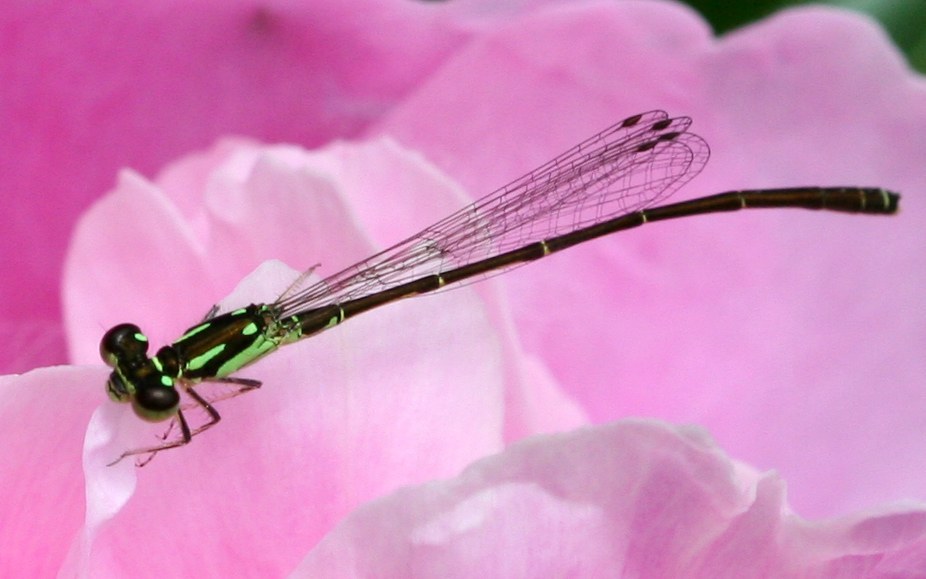
Fragile Forktail
One of North America's smallest and most delicate damselflies, the Fragile Forktail is best known for the pale green exclamation-point mark on top of its thorax.
dragonflyScabies Mite
A microscopic, eyeless mite that spends its entire life cycle burrowed within the outer layer of a mammal's skin, among the smallest arachnids known to science. Unlike free-living mites, it has no independent existence away from a host and is studied primarily through microscopic examination rather than direct observation.
arachnidWhip Spider
A flattened, spider-like arachnid with no venom and no silk, using a pair of extremely long, whip-like front legs as sensitive feelers to navigate the dark.
arachnid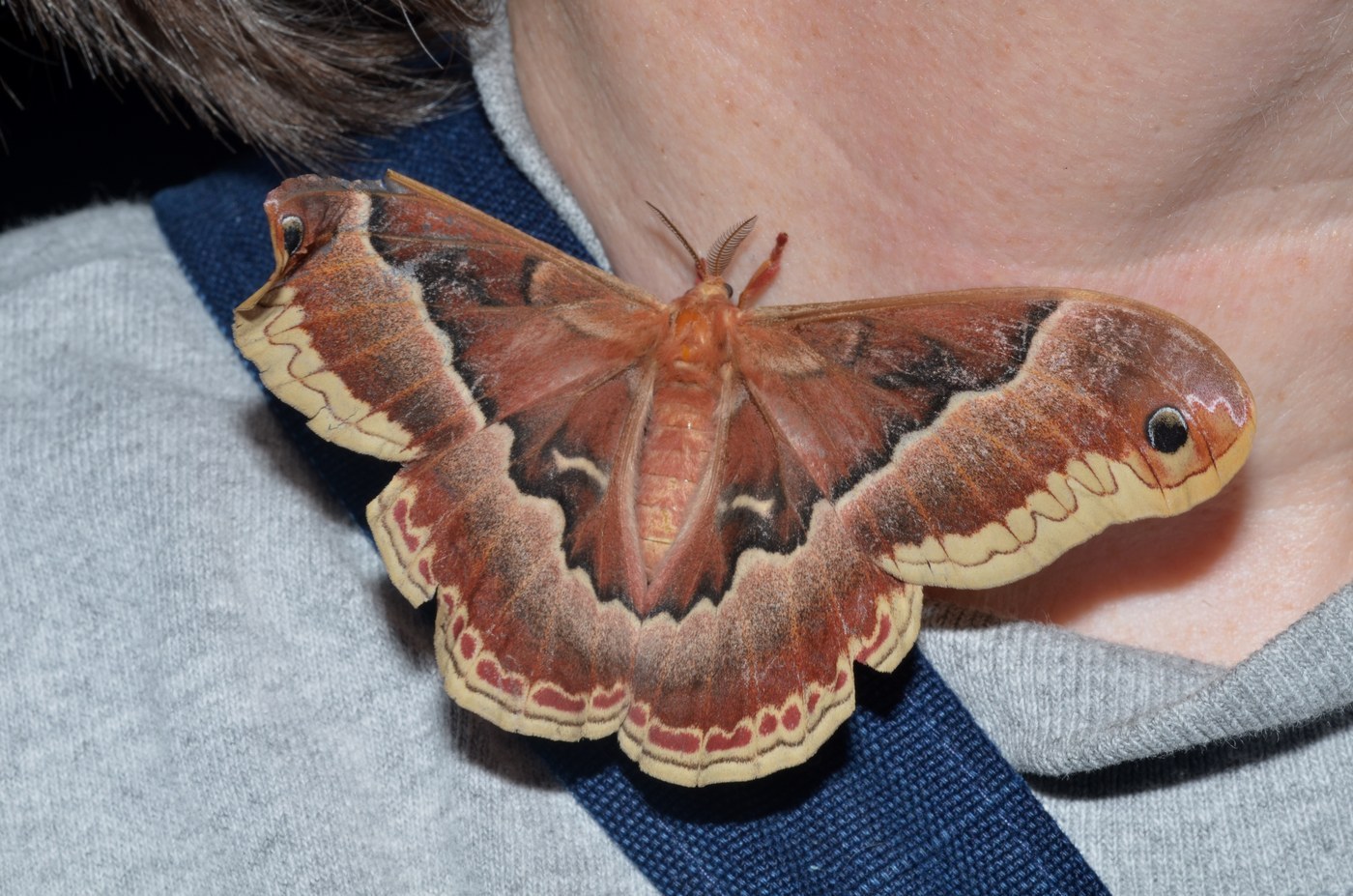
Promethea Moth
A medium-sized silk moth showing striking differences between the sexes, with dark, blackish-maroon males that mimic a distasteful swallowtail butterfly in flight and larger, more colorful reddish-brown females marked with pale borders and eyespots.
moth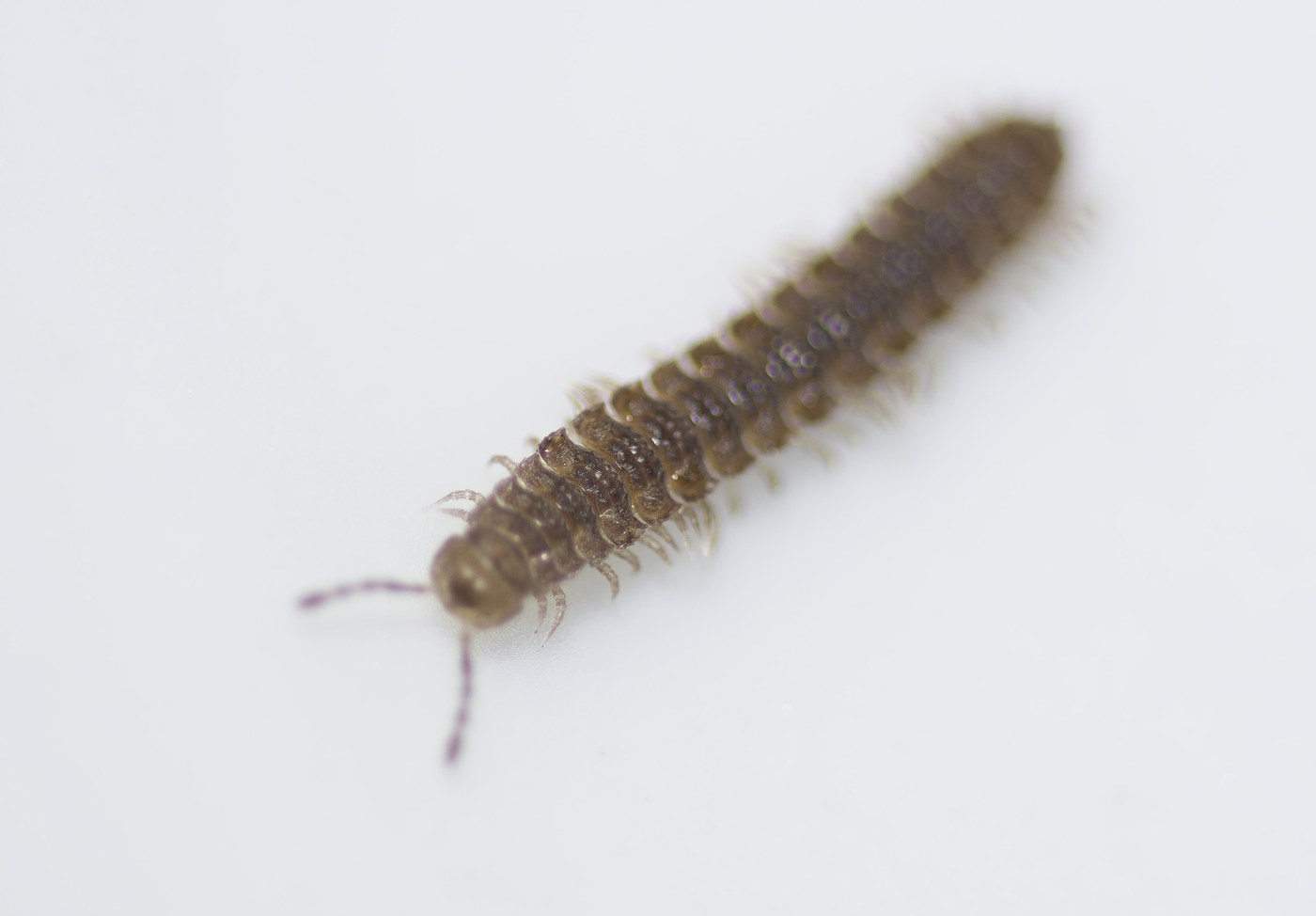
Flat-backed Millipede
A slow, armor-plated decomposer whose body segments flare into flat, wing-like keels, giving it a distinctly ribbed, tank-like silhouette compared to rounder millipedes.
myriapod