
Bug Encyclopedia
Search and identify bugs & insects — beetles, butterflies, moths, ants, bees, spiders and more — with size, habitat, danger, behavior, and how to tell them apart.
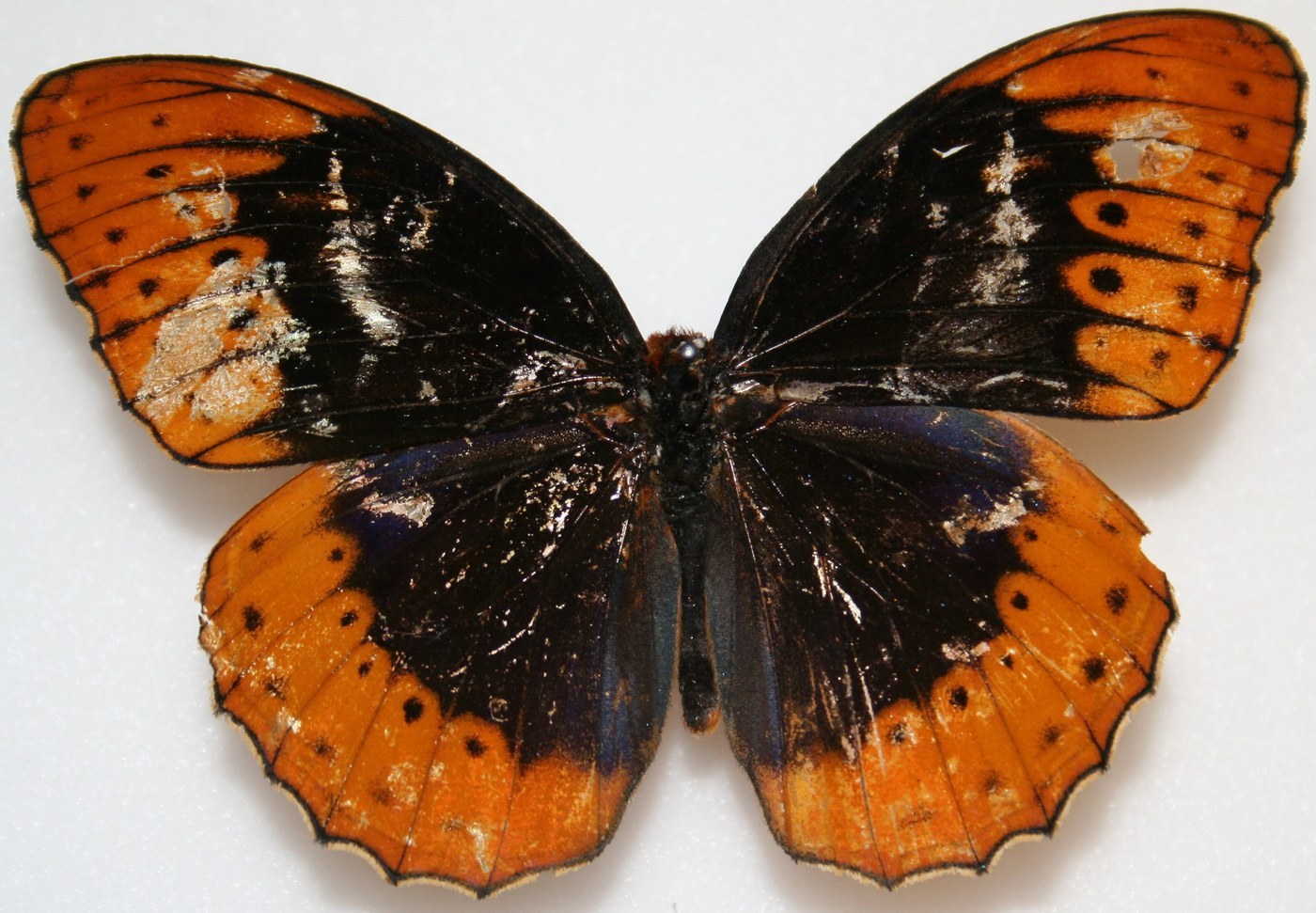
Diana Fritillary
A large southern Appalachian fritillary famous for extreme sexual dimorphism — males are burnt-orange and black while females are an iridescent blue-black that mimics a distasteful swallowtail.
butterfly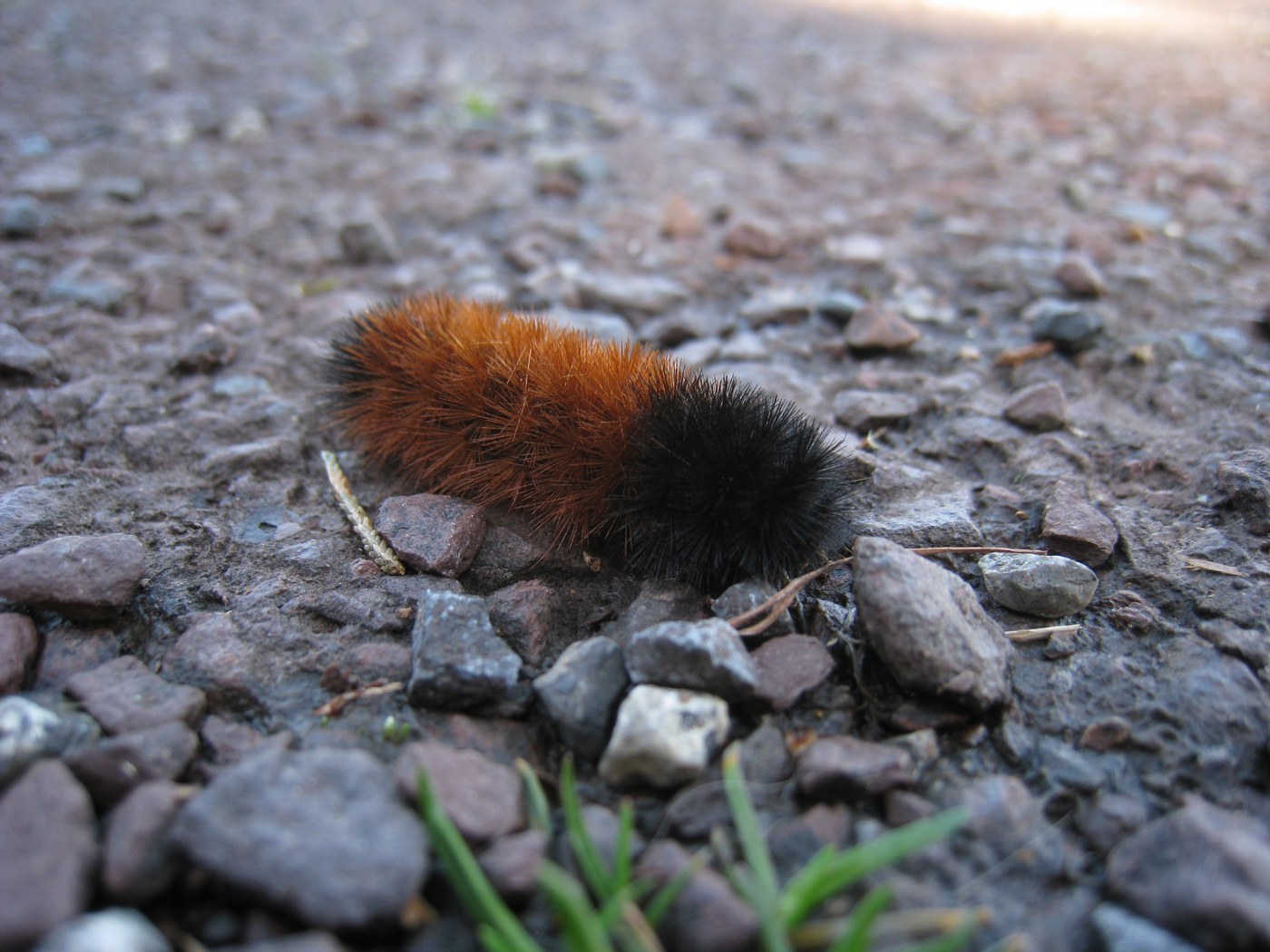
Woolly Bear Caterpillar
A densely bristled caterpillar banded in black at both ends with a rusty-orange middle section, famous in folklore for supposedly predicting winter severity and for rolling into a tight ball when touched.
caterpillar-larva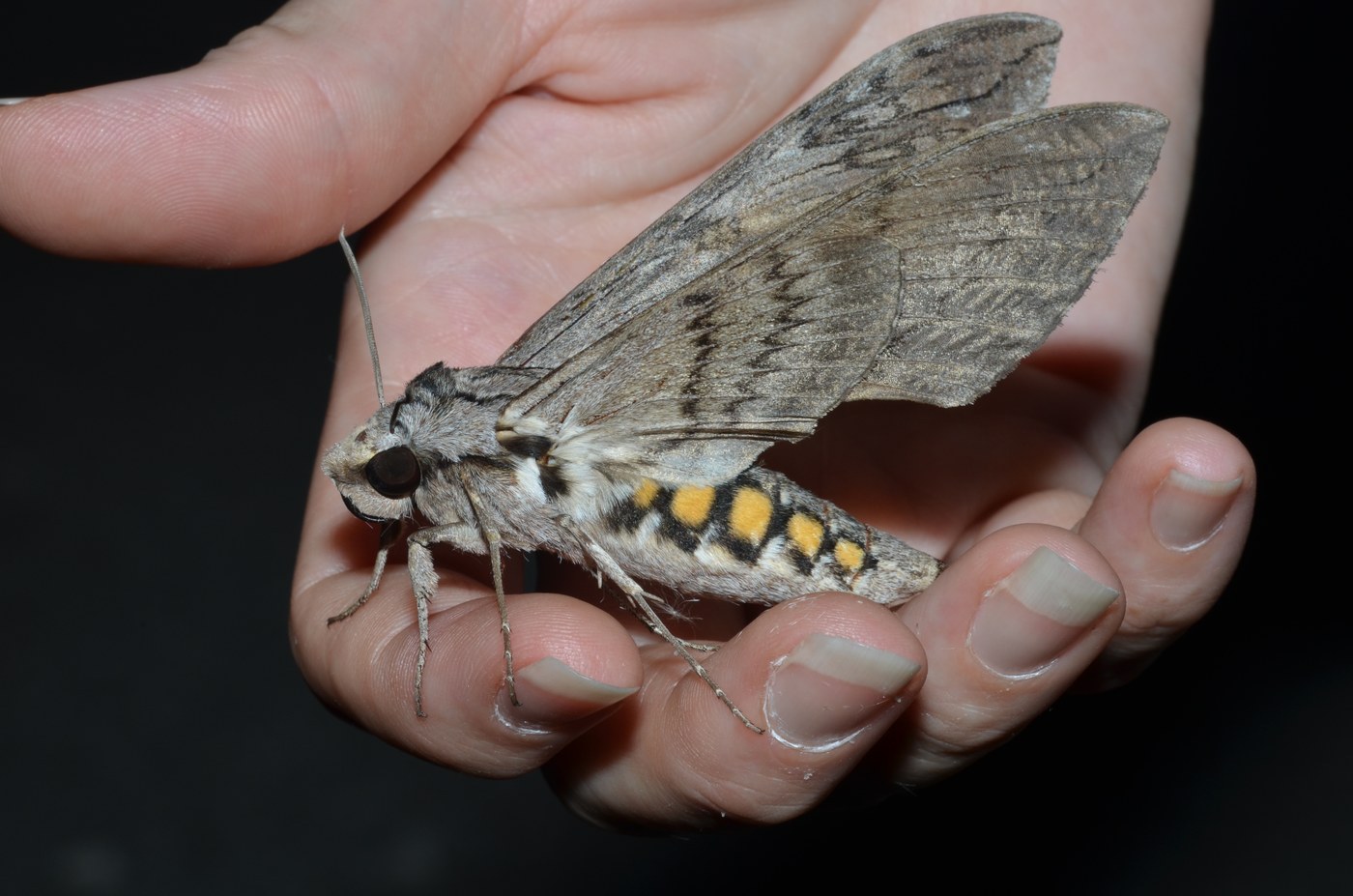
Tomato Hornworm Moth (Five-spotted Hawkmoth)
A large, robust grey-brown sphinx moth named for the five pairs of yellow-orange spots along its abdomen, best known as the adult form of the large green tomato hornworm caterpillar familiar to home gardeners.
moth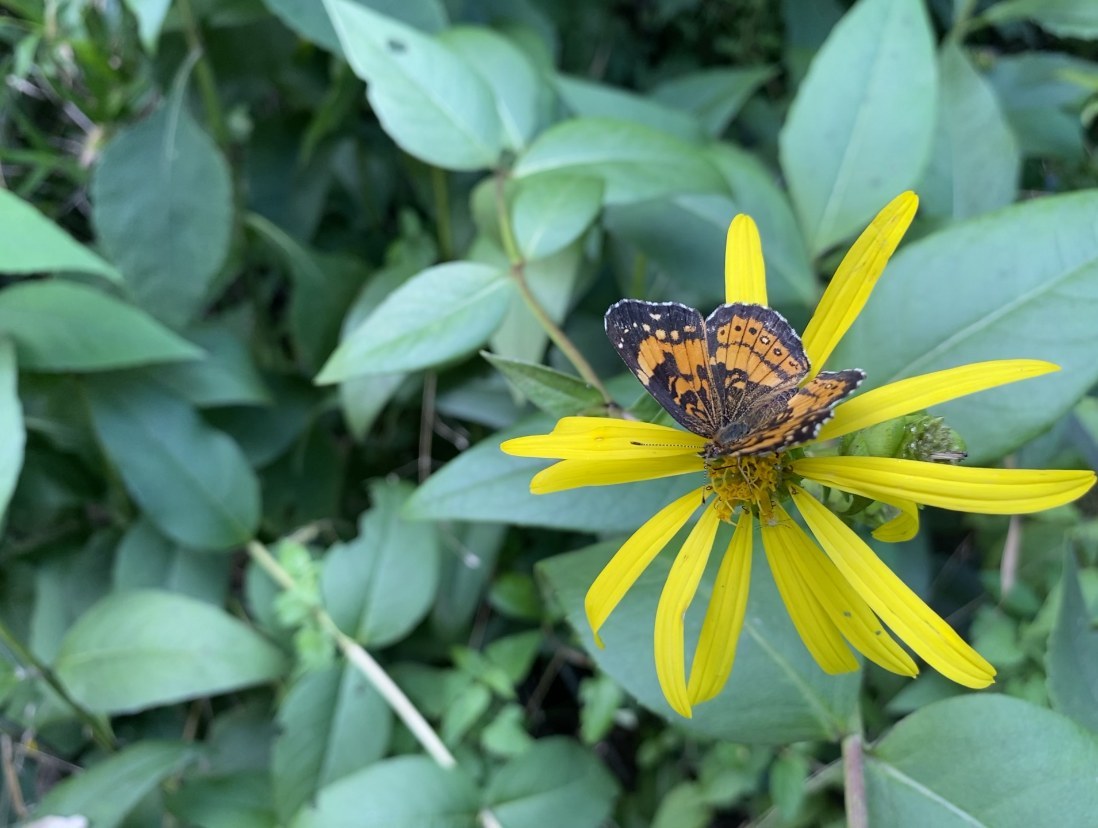
Silvery Checkerspot
An orange-brown checkered butterfly named for the row of small silvery-white crescent spots along the underside hindwing margin, commonly seen nectaring at composite flowers in open habitats.
butterfly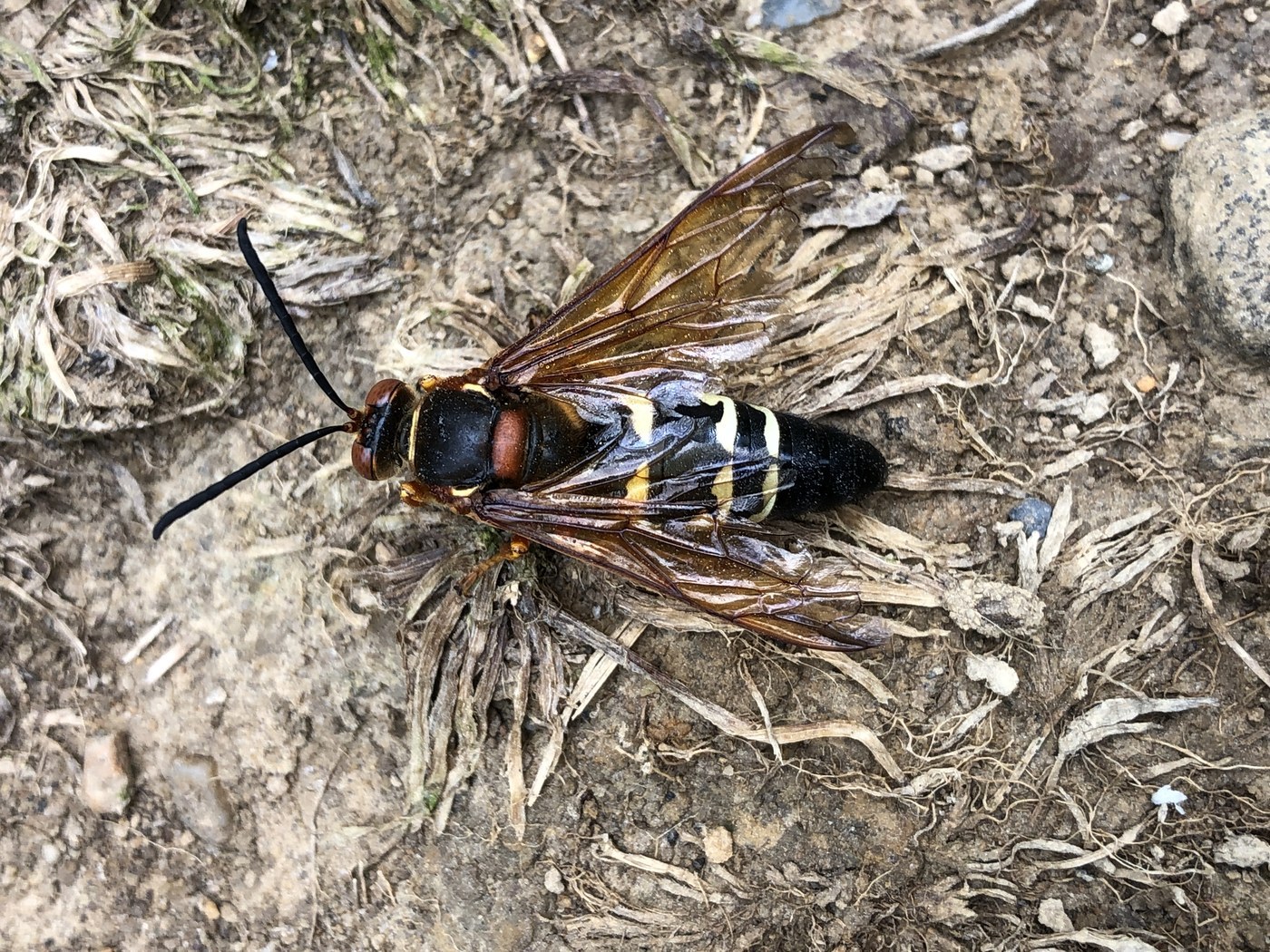
Cicada Killer Wasp
One of the largest wasps in North America, a robust rust-and-black or yellow-marked digger wasp that excavates burrows in bare soil and specializes in hunting cicadas to provision its underground nest.
wasp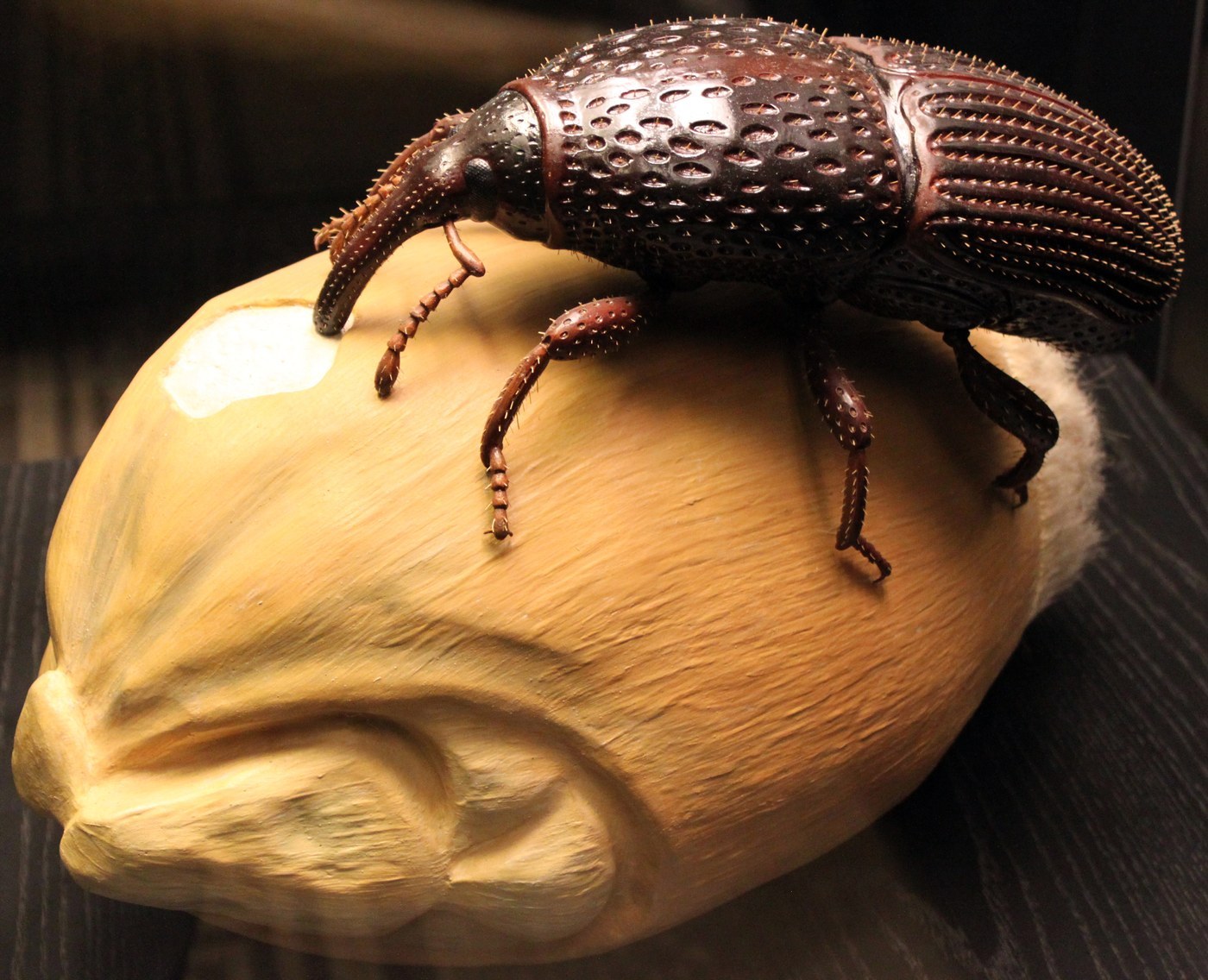
Granary Weevil
A small, shiny, dark reddish-brown to black weevil with a long curved snout that is unable to fly, spending its entire life cycle within stores of wheat and other cereal grains.
beetle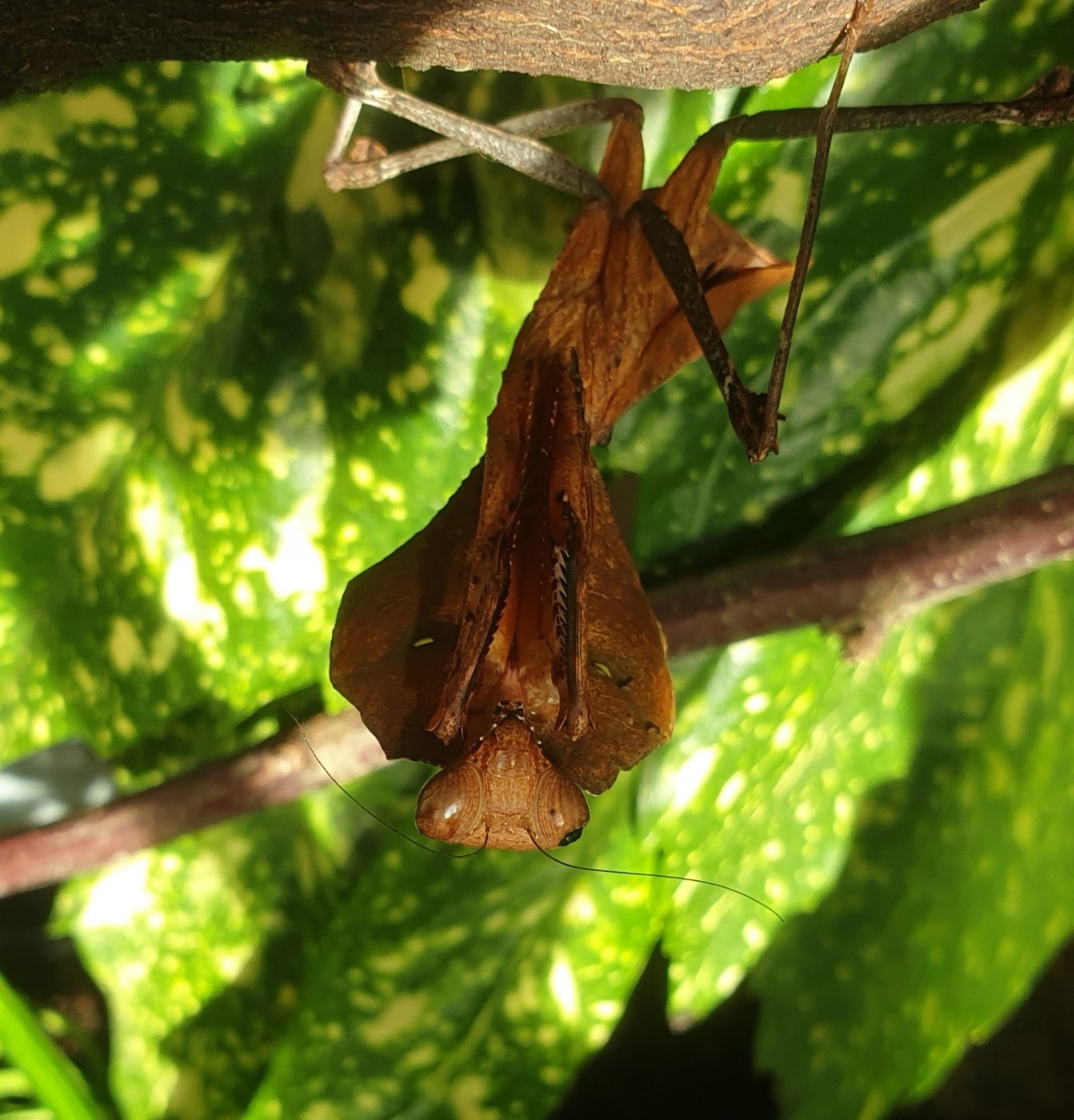
Dead Leaf Mantis
A master of disguise whose broad, curled, vein-textured body is nearly indistinguishable from a curled, decaying leaf lying on the forest floor.
mantis-stick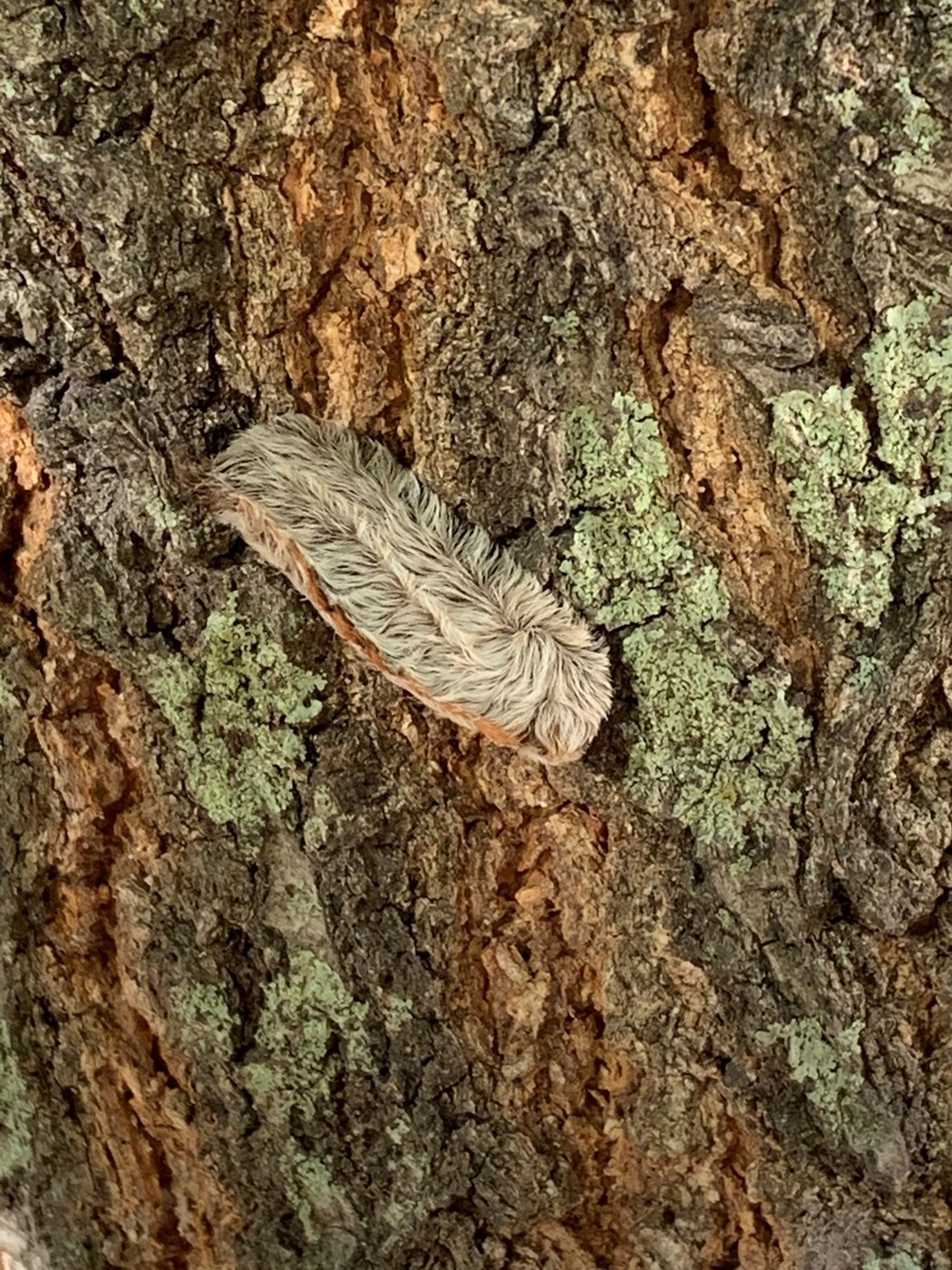
Southern Flannel Moth (Puss Caterpillar Moth)
A small, densely furred tan-to-orange moth best known for its unusual larva, a soft-looking, cat-tailed caterpillar whose fluffy coat hides rows of venomous spines.
moth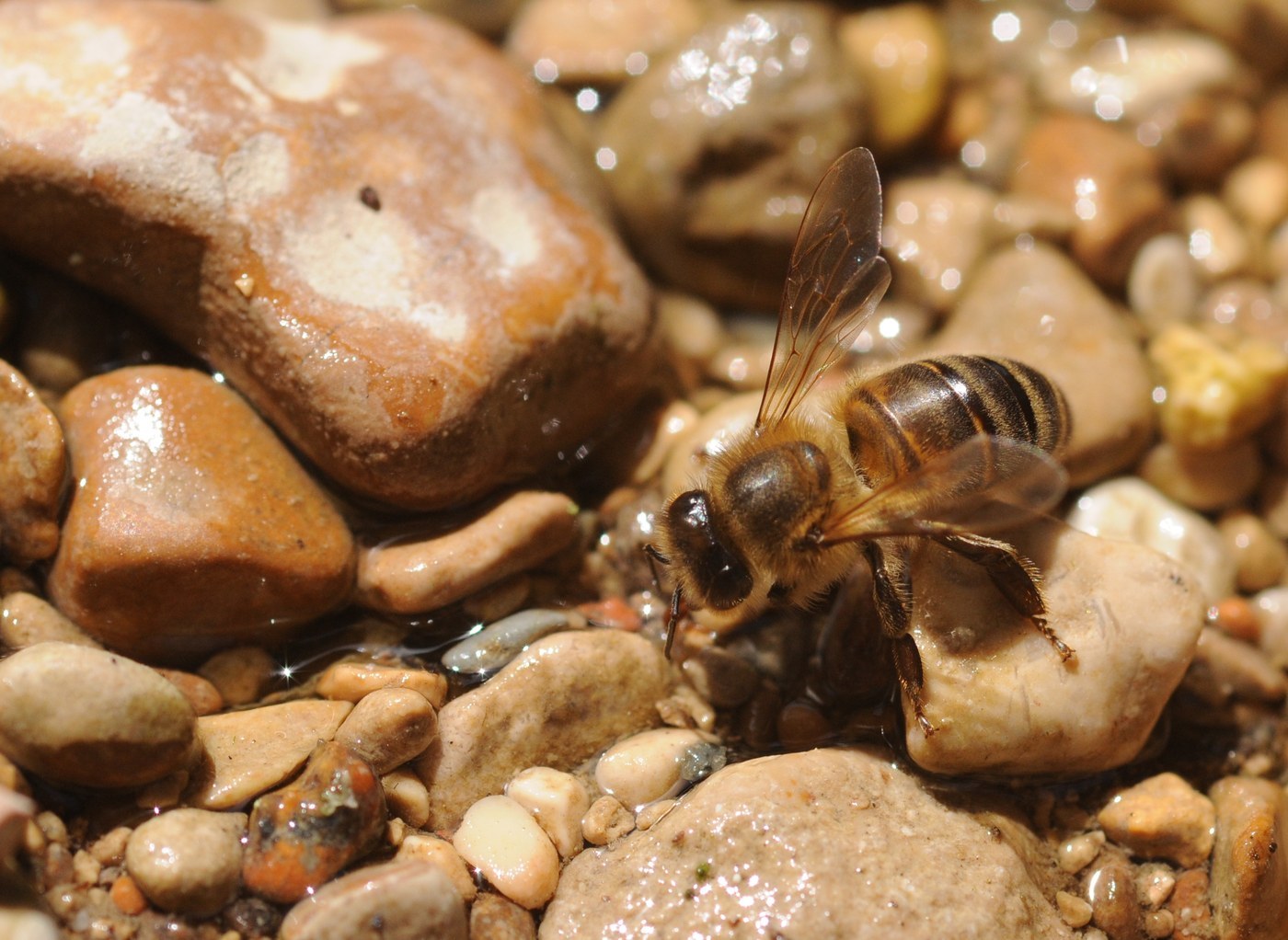
Honey Bee
A fuzzy, golden-brown and black-banded bee that lives in large, highly organized colonies, best known for its role in pollination and its production of wax comb and honey.
bee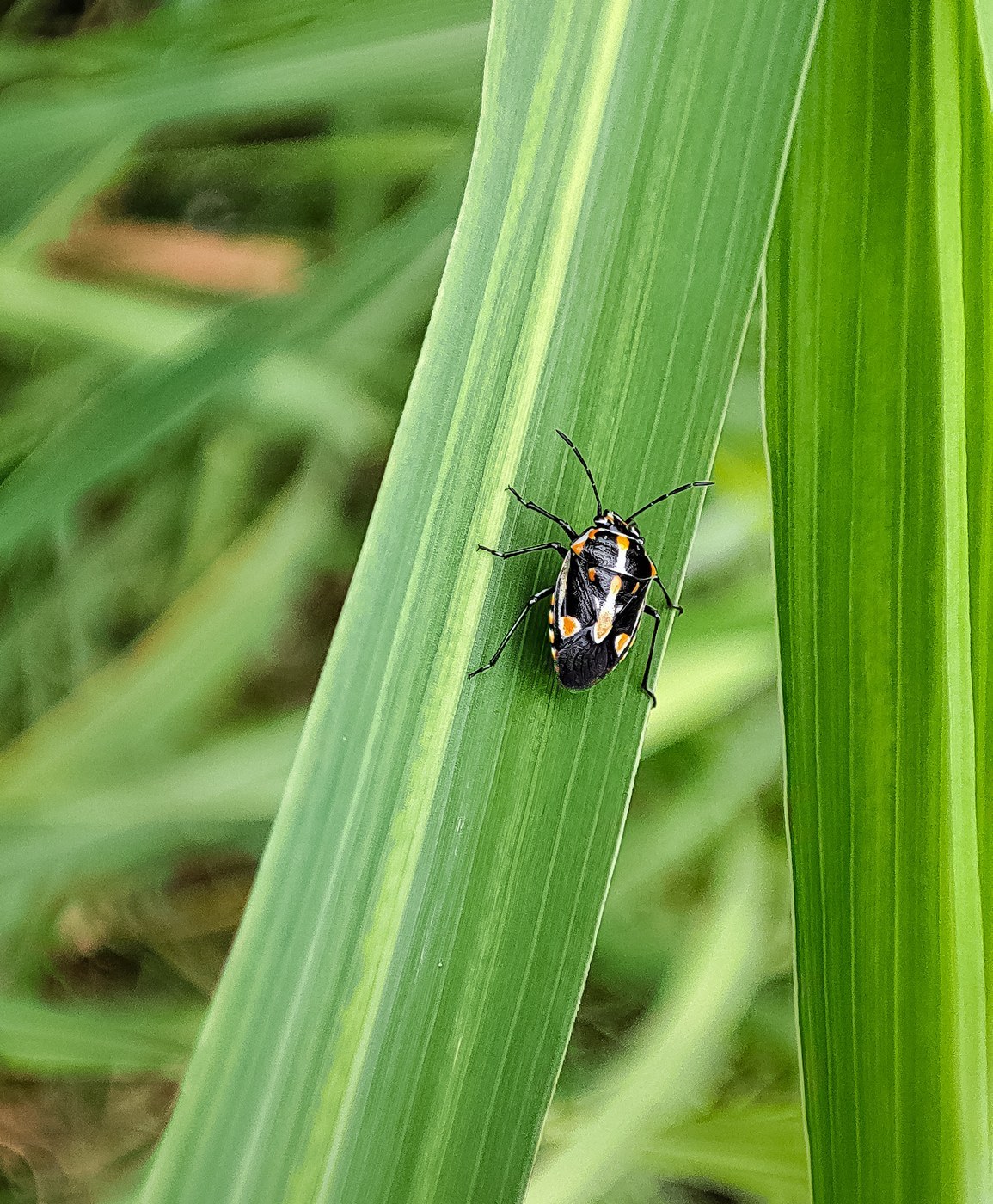
Bagrada Bug
A tiny, orange-and-black stink bug with an intricate mottled pattern, notable as a small-bodied specialist pest of cabbage-family plants in warm, dry climates.
true-bug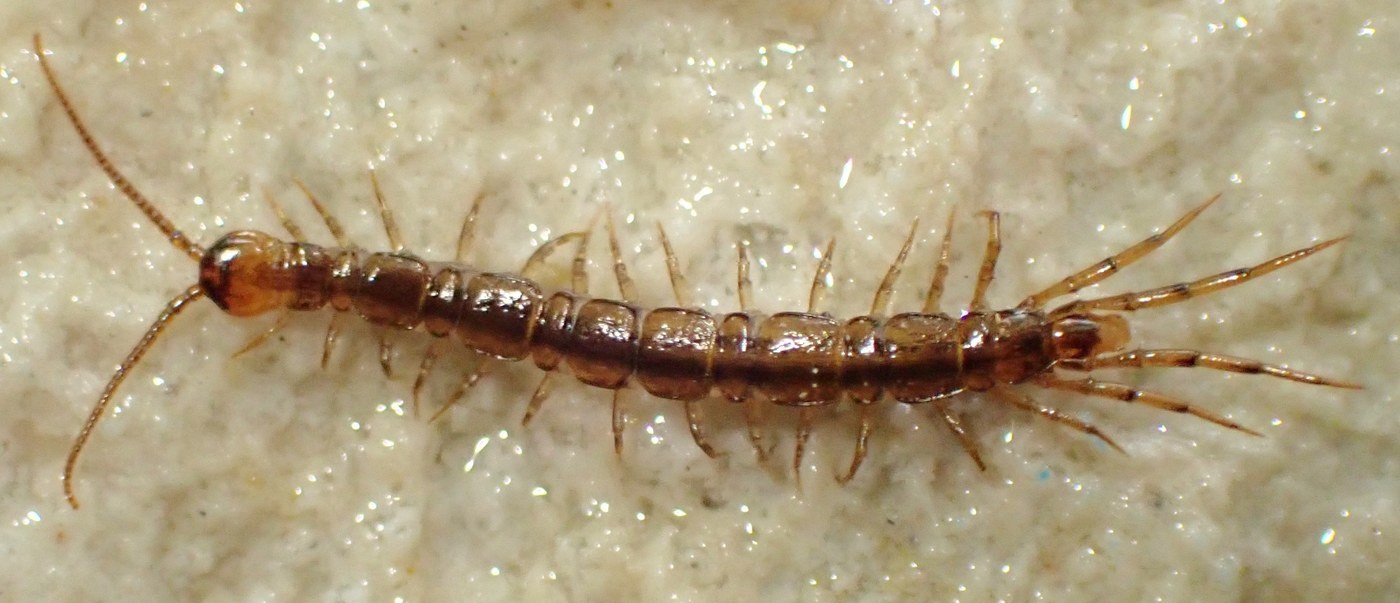
Stone Centipede
A quick, flattened, reddish-brown centipede that darts for cover the instant its stone or log shelter is lifted, one of the most commonly seen centipedes in temperate gardens.
myriapod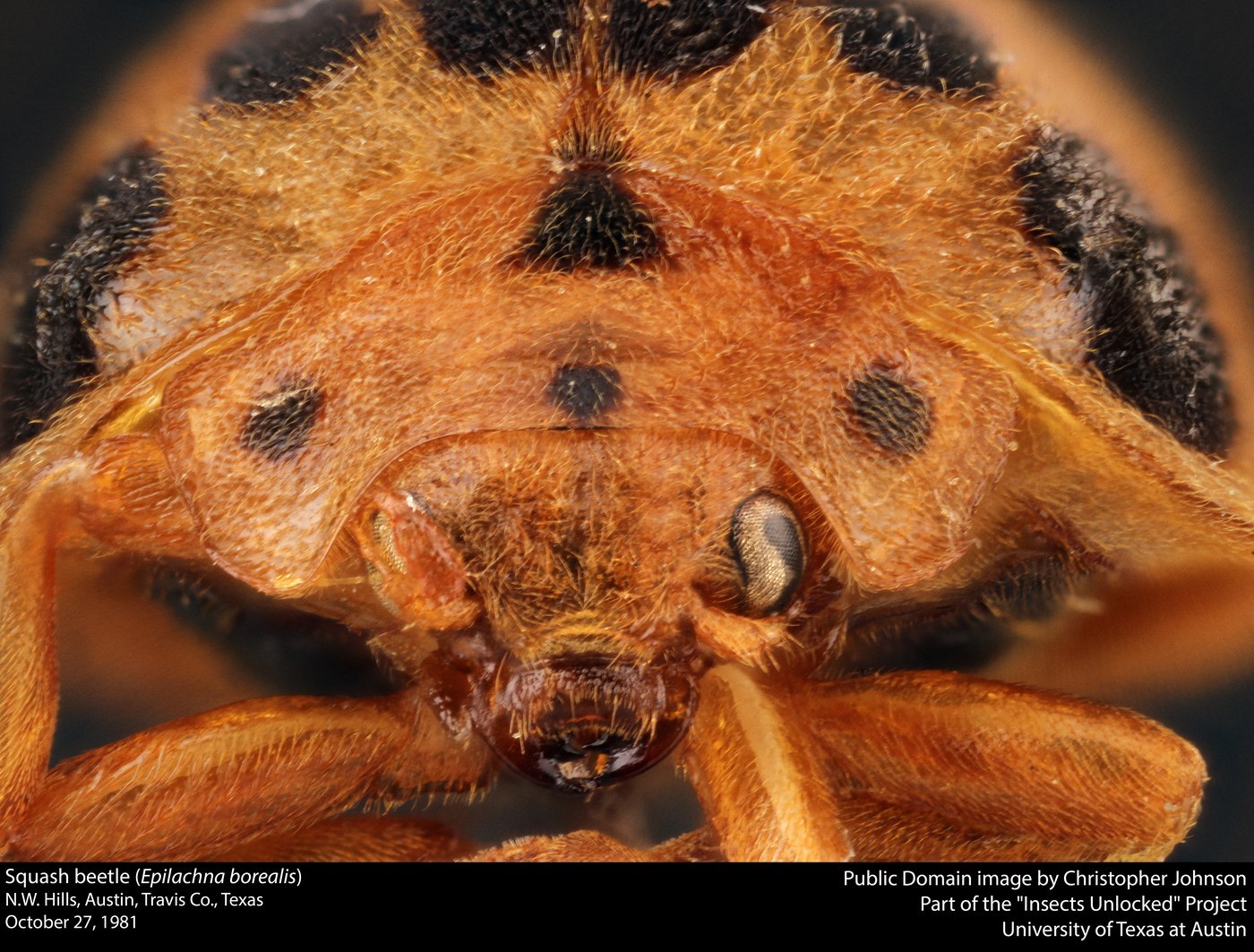
Squash Beetle
A large, coppery-orange, spotted beetle that resembles an oversized ladybird but, unlike most of its relatives, feeds on squash and pumpkin leaves rather than aphids.
beetle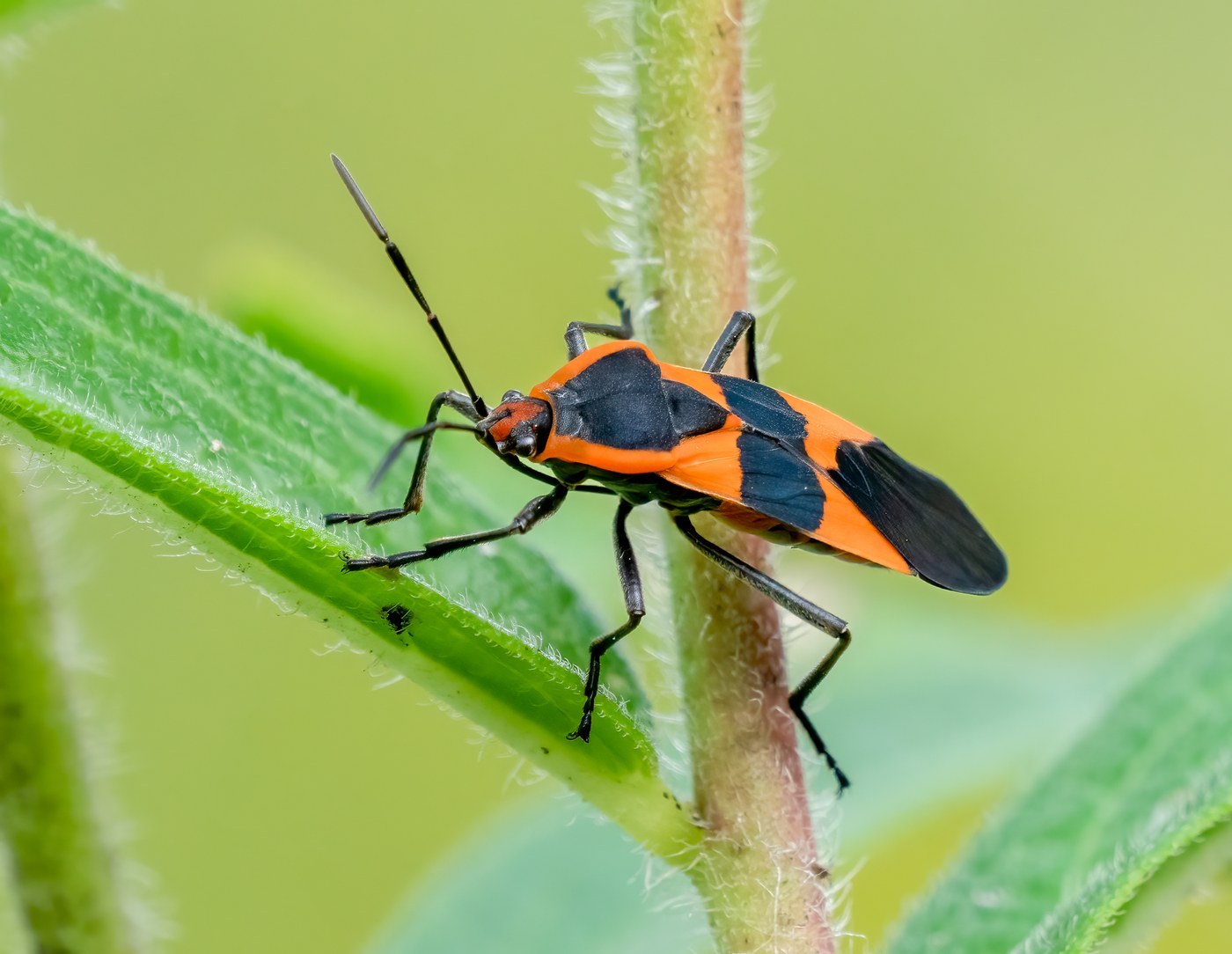
Monarch's Milkweed
A boldly orange-and-black true bug that shares milkweed plants with Monarch butterfly caterpillars, often clustering in large groups on seed pods and stems.
true-bug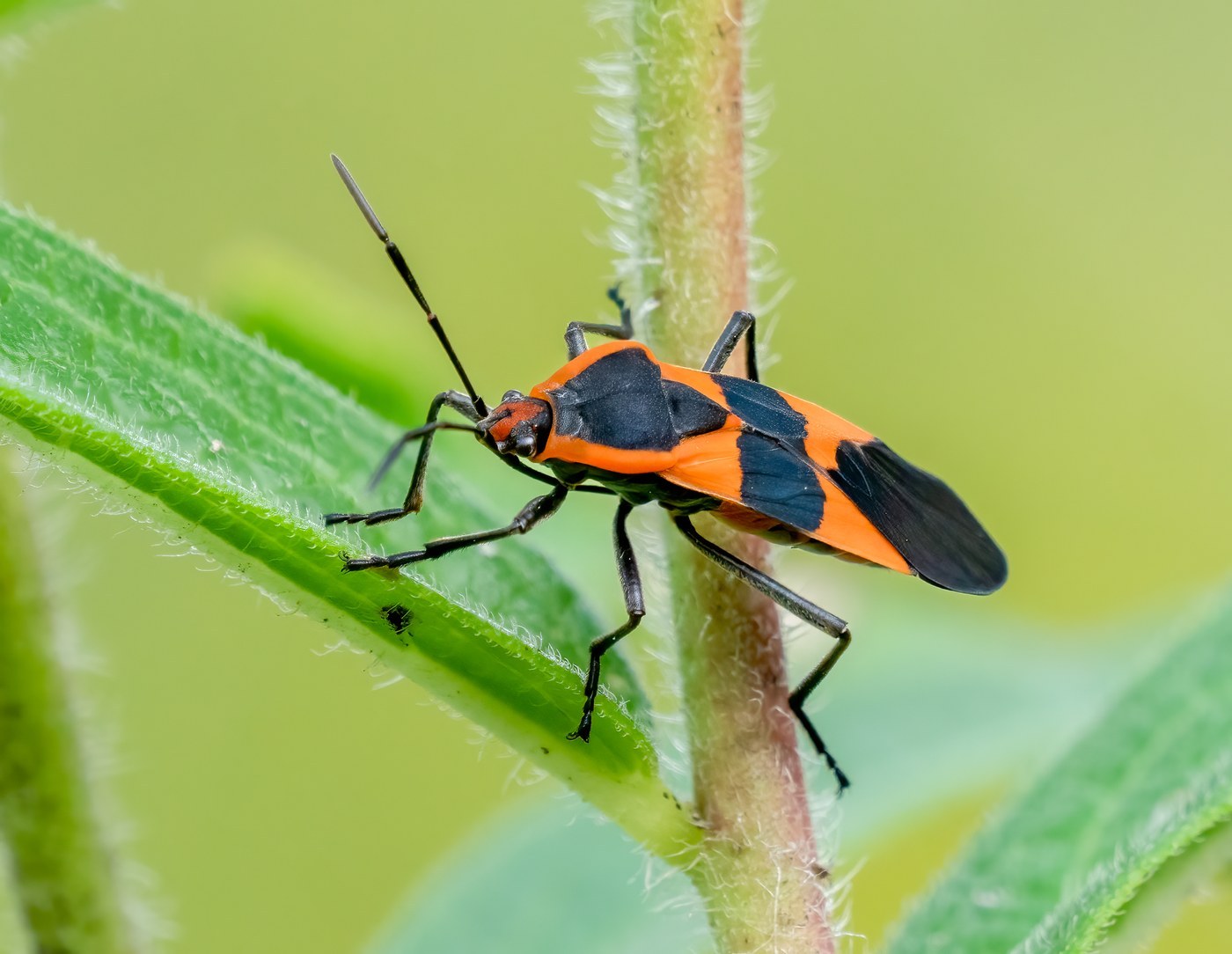
Milkweed Bug
A bold orange-and-black true bug that clusters conspicuously on milkweed seed pods, its warning colours advertising the plant toxins it safely stores from its host.
true-bug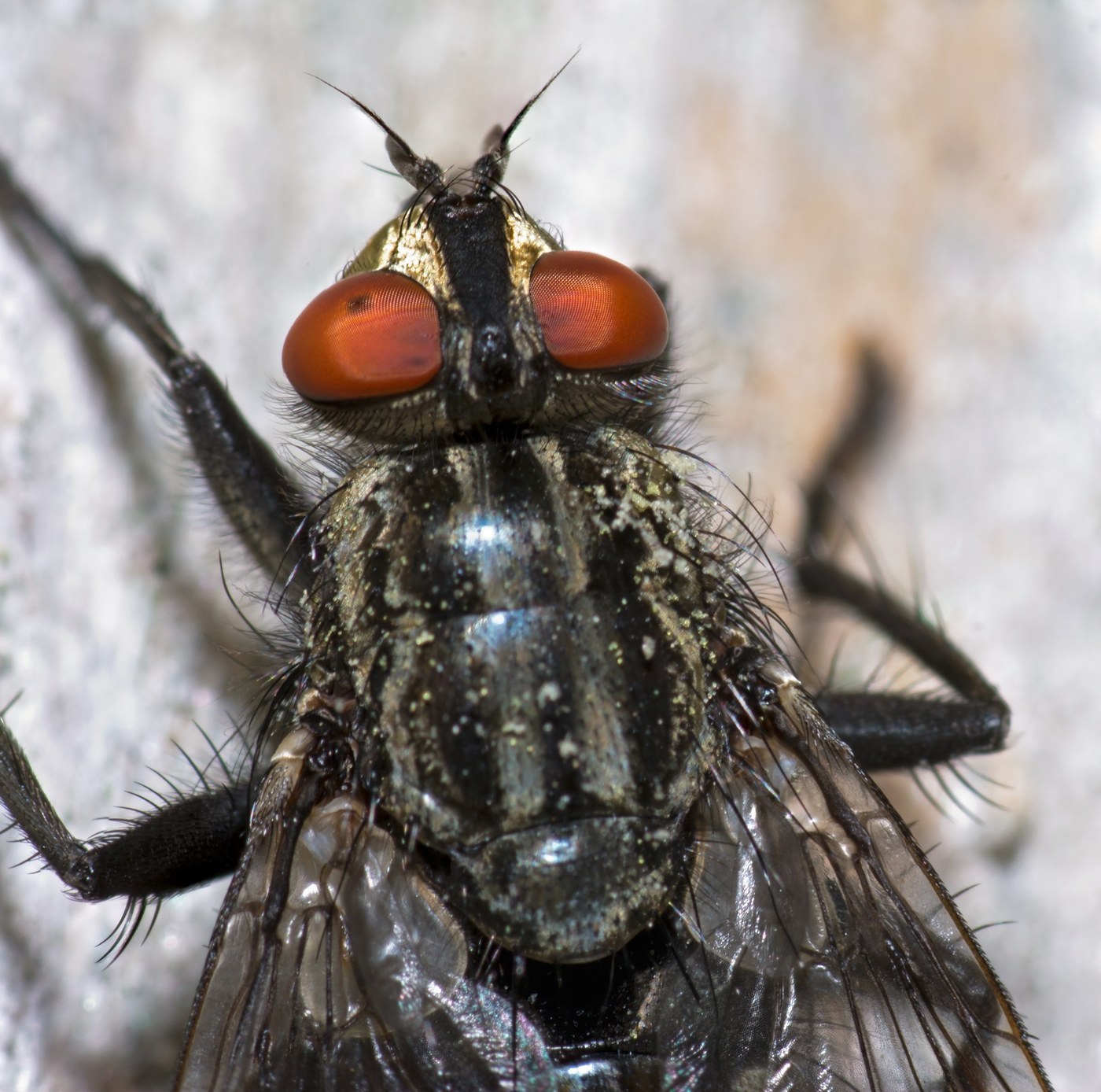
Flesh Fly
A bristly gray fly marked with three dark thoracic stripes and a checkerboard-patterned abdomen, often spotted hovering near carrion or garbage.
fly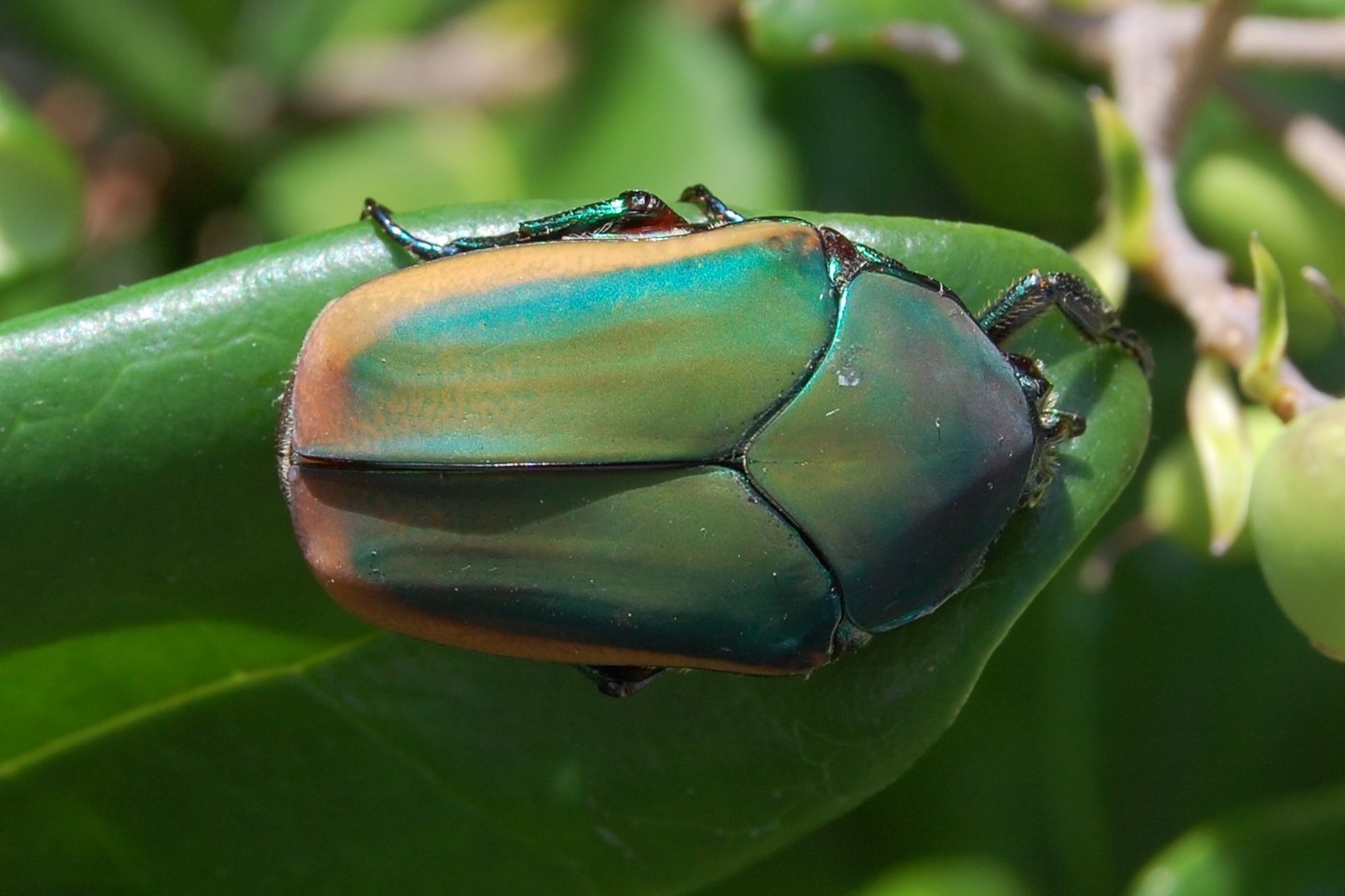
Fig Beetle
A large, dull metallic-green scarab beetle with a loud, buzzing flight, often seen crash-landing near ripe or overripe fruit and compost piles on warm summer days.
beetle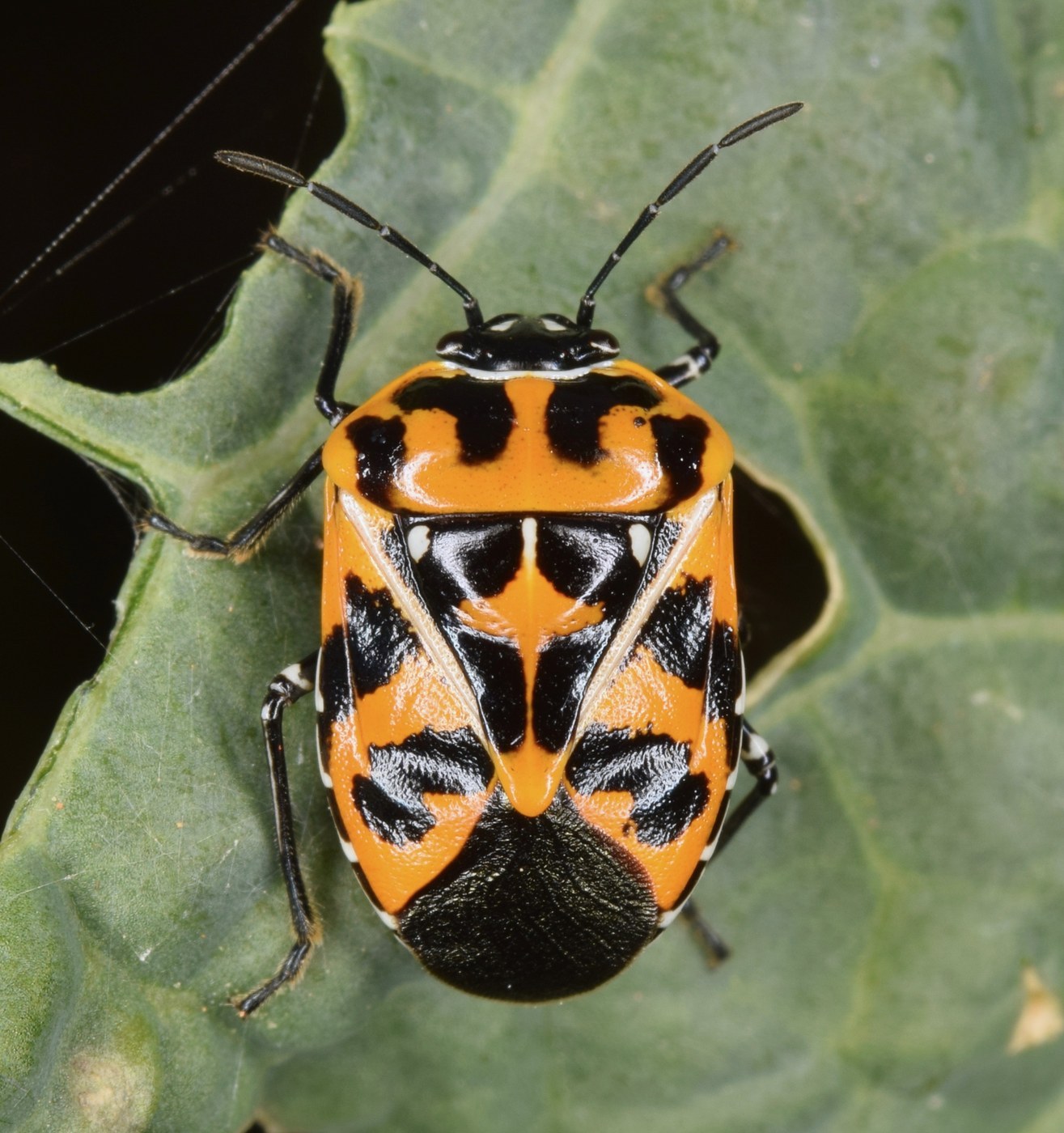
Harlequin Bug
A shield-shaped stink bug painted in bold black-and-orange (or red-and-yellow) blotches, making it one of the most colorful and easily recognized true bugs on cabbage and other cole crops.
true-bug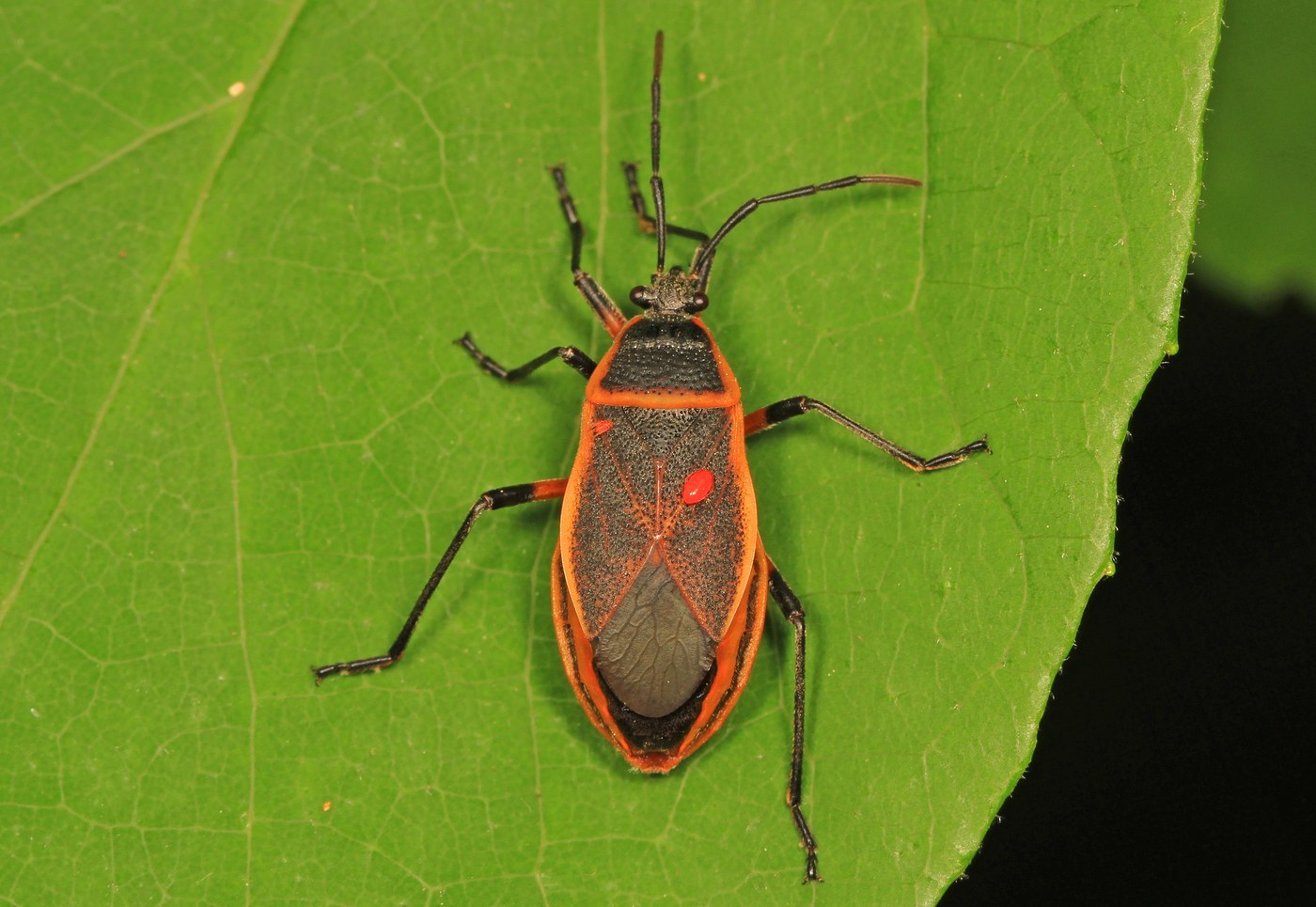
Bordered Plant Bug
A dark, oval-bodied true bug with a distinct pale margin around its wing edges, often mistaken for a large ant or beetle when its nymphs cluster together in tight groups.
true-bug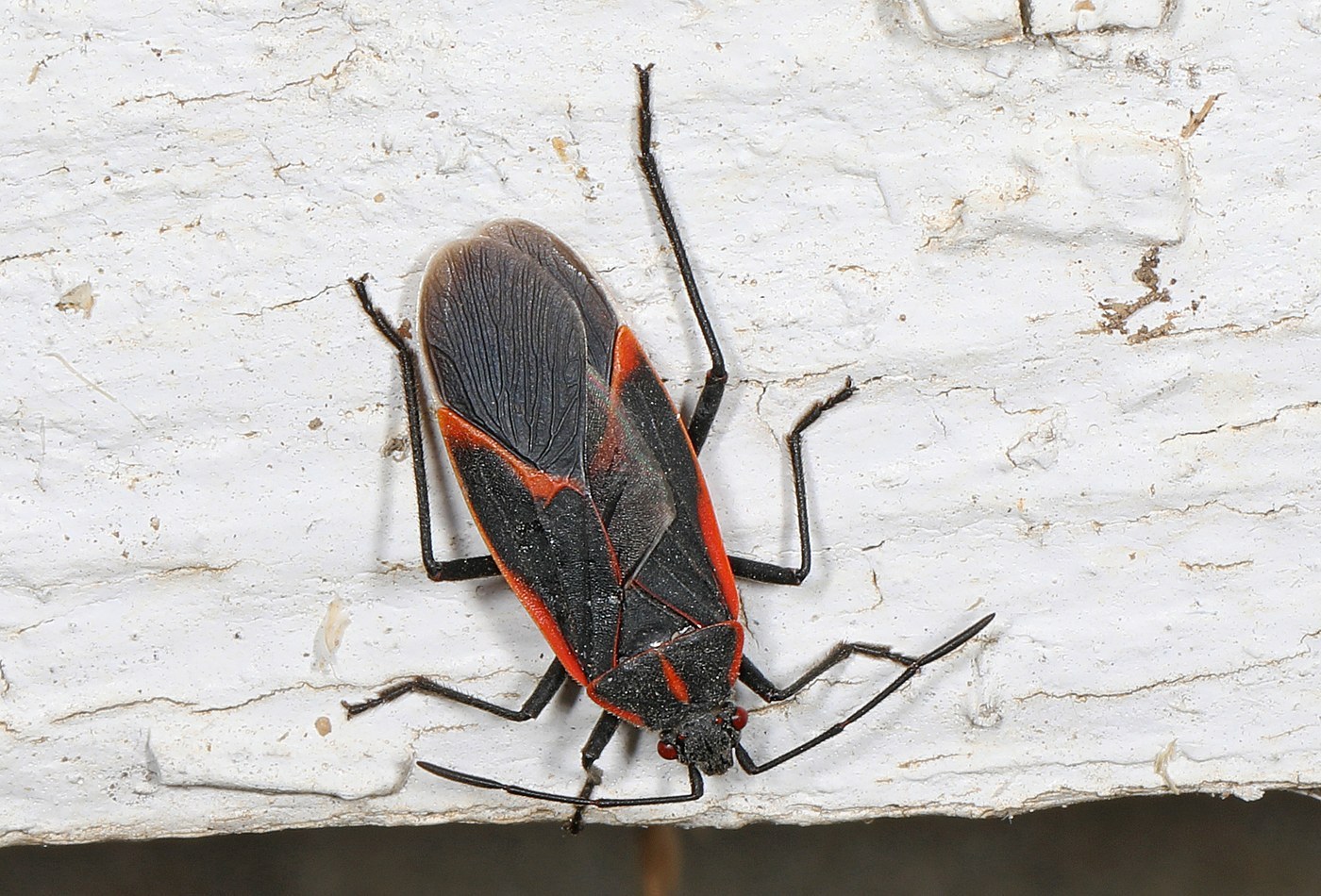
Boxelder Bug
A slender black true bug marked with three bold red-orange stripes on its thorax and red wing veins, famous for massing by the hundreds on tree trunks and sun-warmed walls in autumn.
true-bug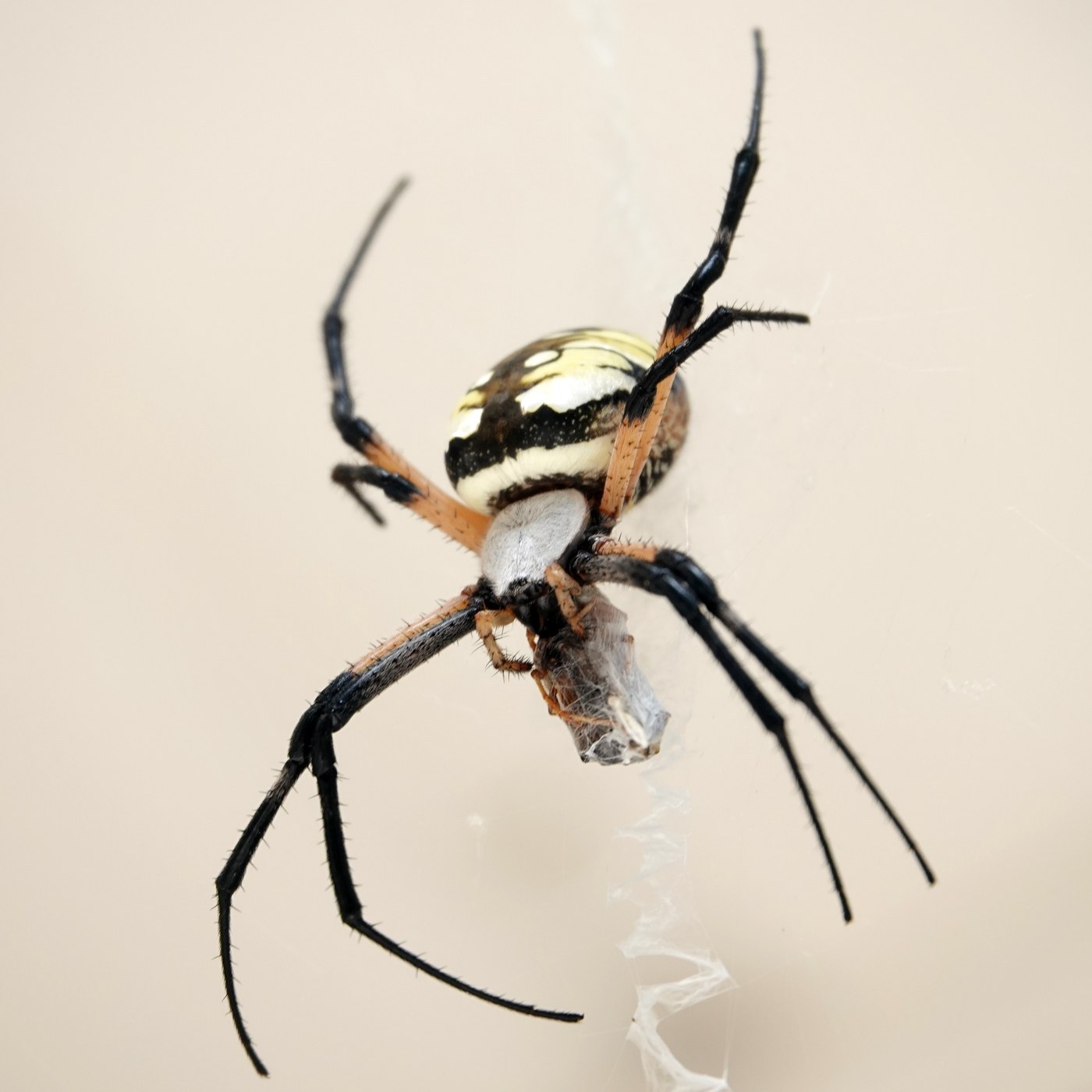
Yellow Garden Spider
Bold black and yellow markings, a large orb web anchored with a bright zigzag of silk, and a habit of sitting in plain view make the yellow garden spider one of the most eye-catching and recognizable spiders in North American backyards.
spiderForest Tent Caterpillar
Named for the silk mats rather than tents it spins, this blue-gray caterpillar sports a row of pale keyhole- or footprint-shaped spots down its back and can appear in outbreak numbers that strip entire stands of trees bare.
caterpillar-larva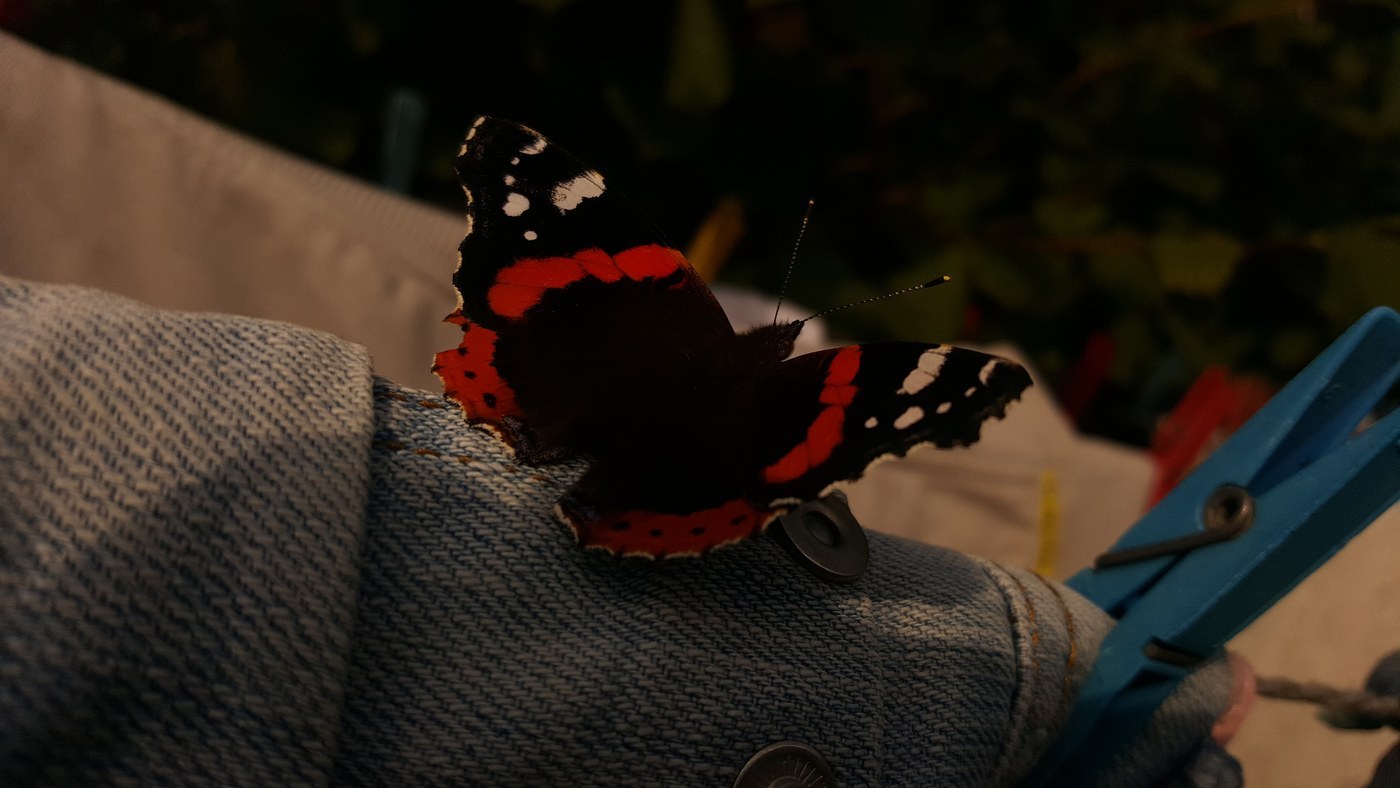
Red Admiral
A fast-flying, strikingly patterned butterfly with velvety black wings crossed by a bold orange-red band and white-spotted tips, often seen basking on tree trunks or sipping from fallen fruit.
butterfly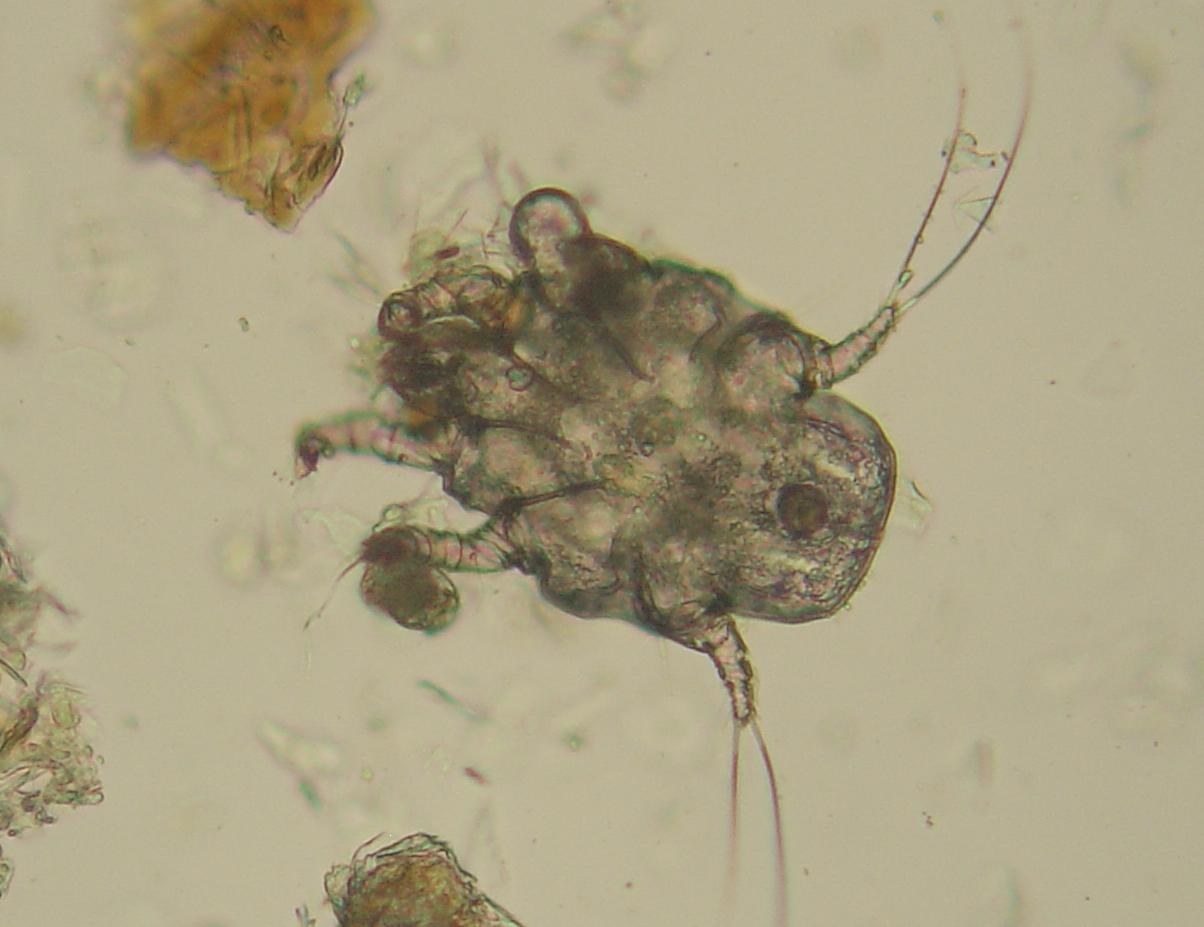
Ear Mite
A microscopic, pale mite that lives out its entire life cycle within the ear canal of its host, completing egg to adult development in a warm, sheltered environment without ever leaving.
arachnidWireworm
Slender, shiny, and armor-hard, the wireworm is the long-lived soil-dwelling larva of a click beetle, spending years underground feeding on seeds, roots, and tubers before ever taking beetle form.
beetle