
Bug Encyclopedia
Search and identify bugs & insects — beetles, butterflies, moths, ants, bees, spiders and more — with size, habitat, danger, behavior, and how to tell them apart.
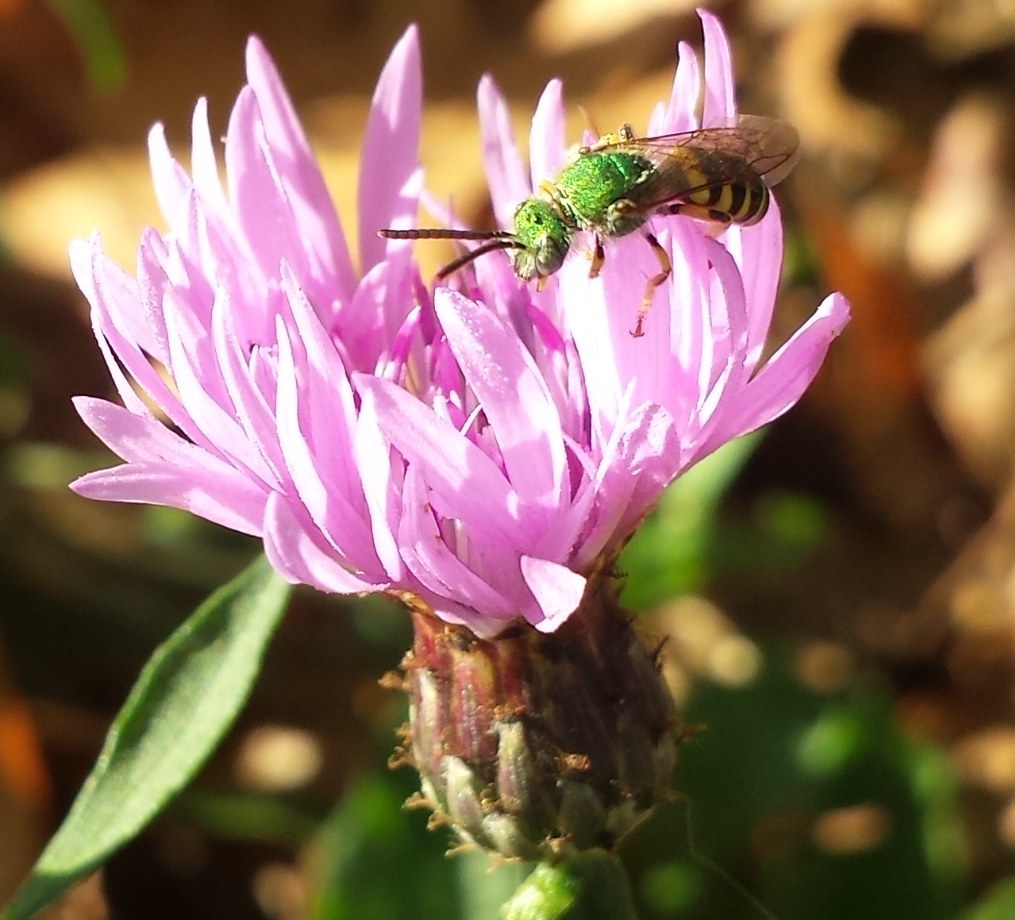
Sweat Bee
A small, often metallic green or bronze bee in the family Halictidae, named for its habit of landing on skin to sip perspiration, and an important generalist pollinator of wildflowers and crops.
bee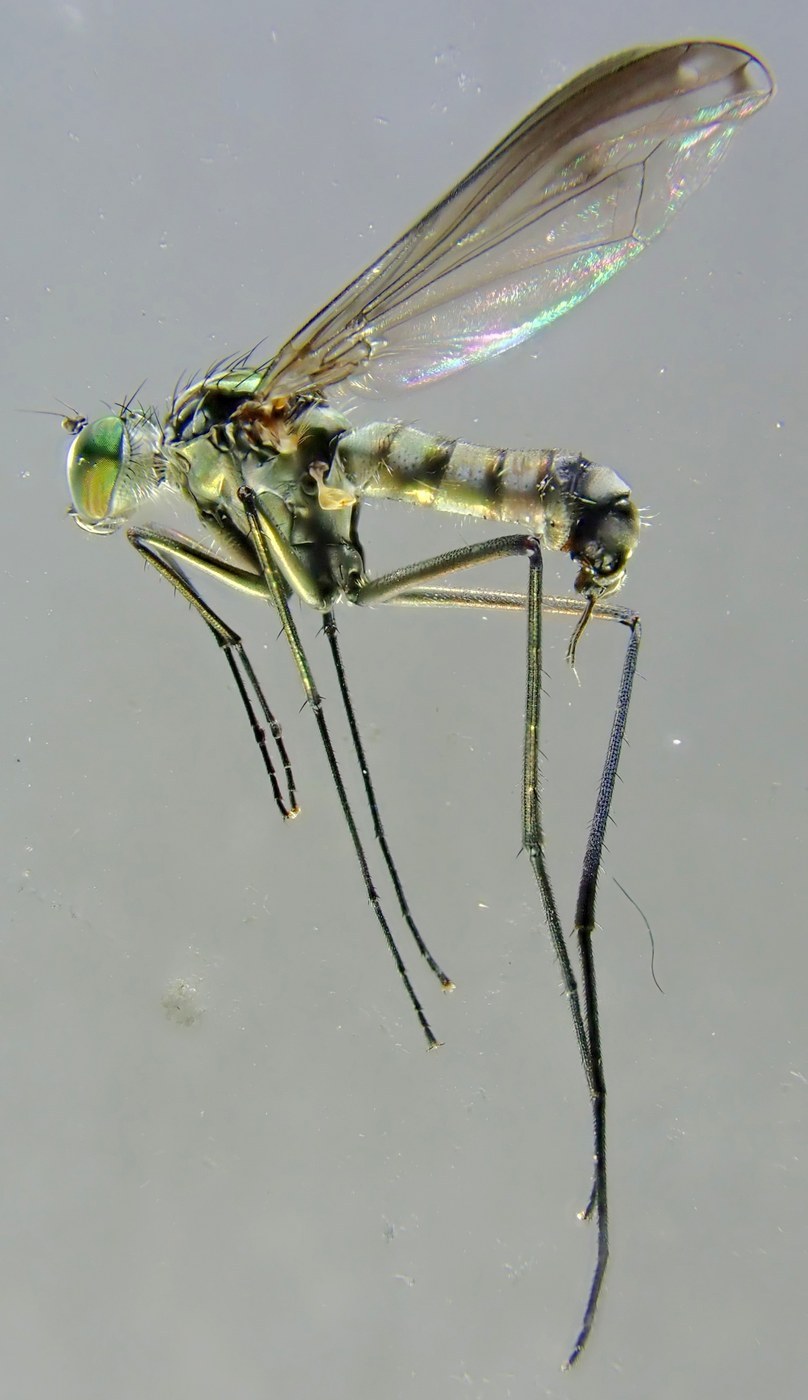
Long-Legged Fly
A jewel-bright little fly that flashes metallic green, blue, or bronze in the sunlight as it darts across leaves on comically long, stilt-like legs, pausing to perform quick territorial displays. Both adults and larvae are active hunters of even smaller insects, making this tiny fly a useful predator in gardens and wetlands alike.
fly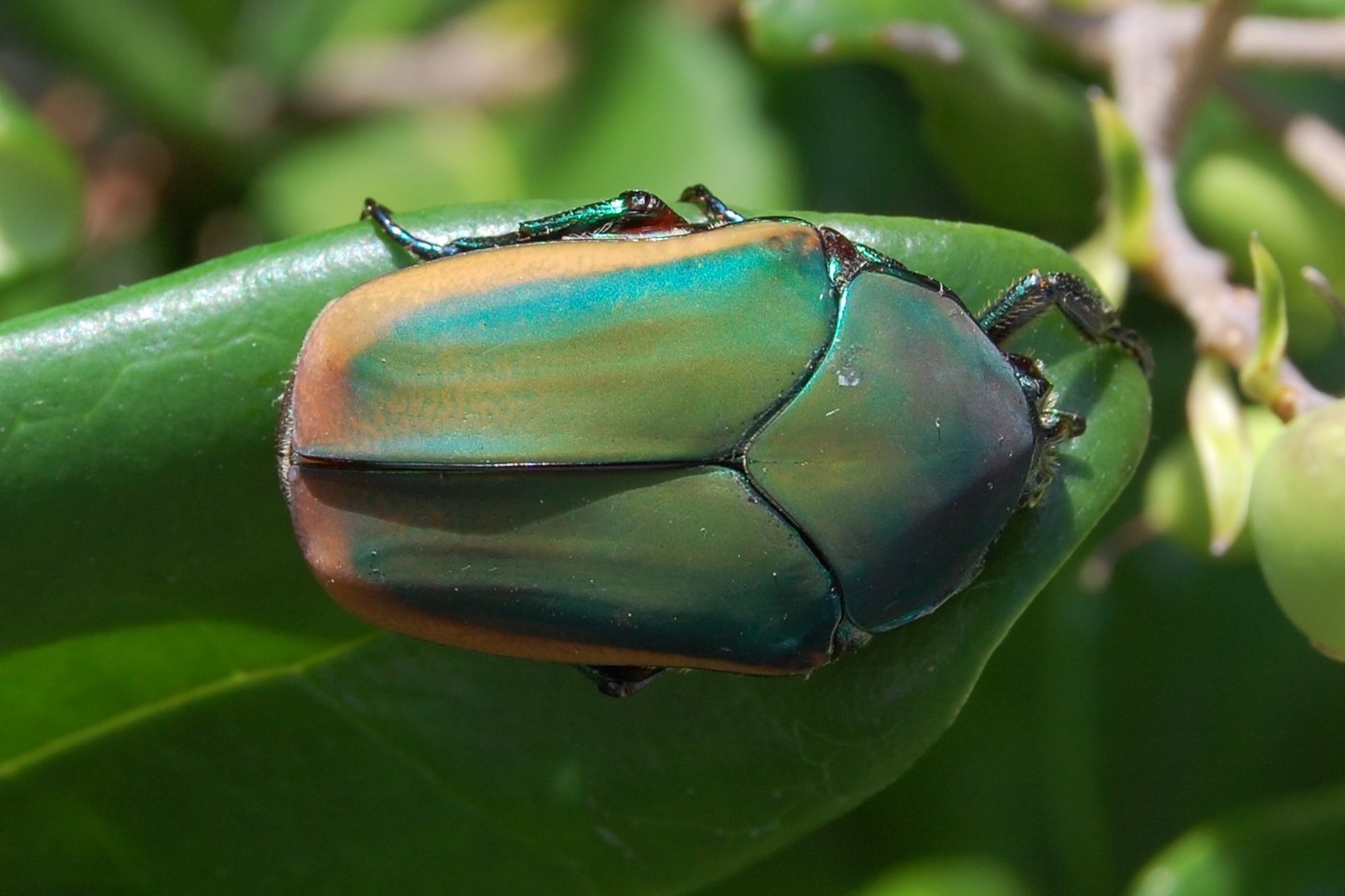
Fig Beetle
A large, dull metallic-green scarab beetle with a loud, buzzing flight, often seen crash-landing near ripe or overripe fruit and compost piles on warm summer days.
beetle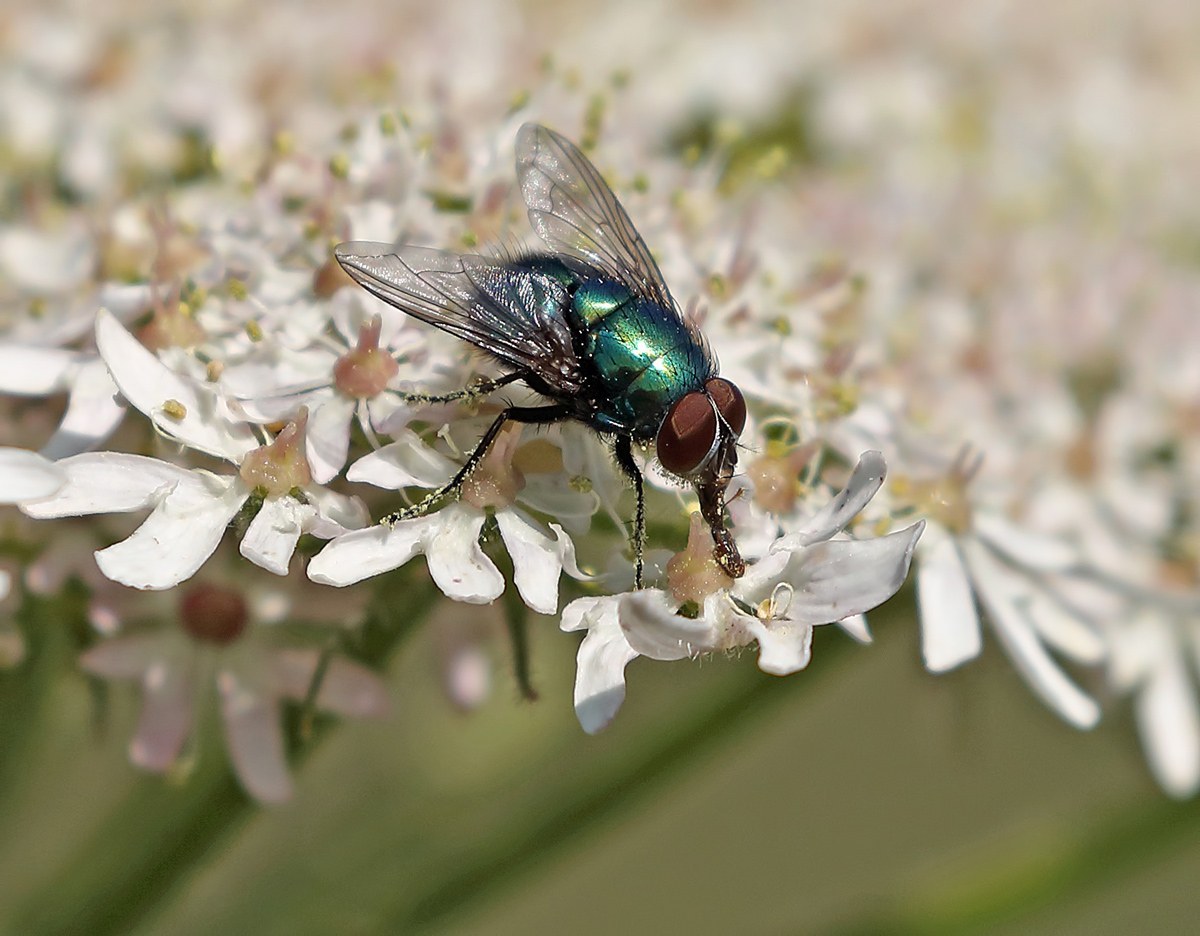
Blow Fly
A brilliant, metallic green fly that gleams like a jewel in sunlight, quickly locating decaying material with an acute sense of smell.
fly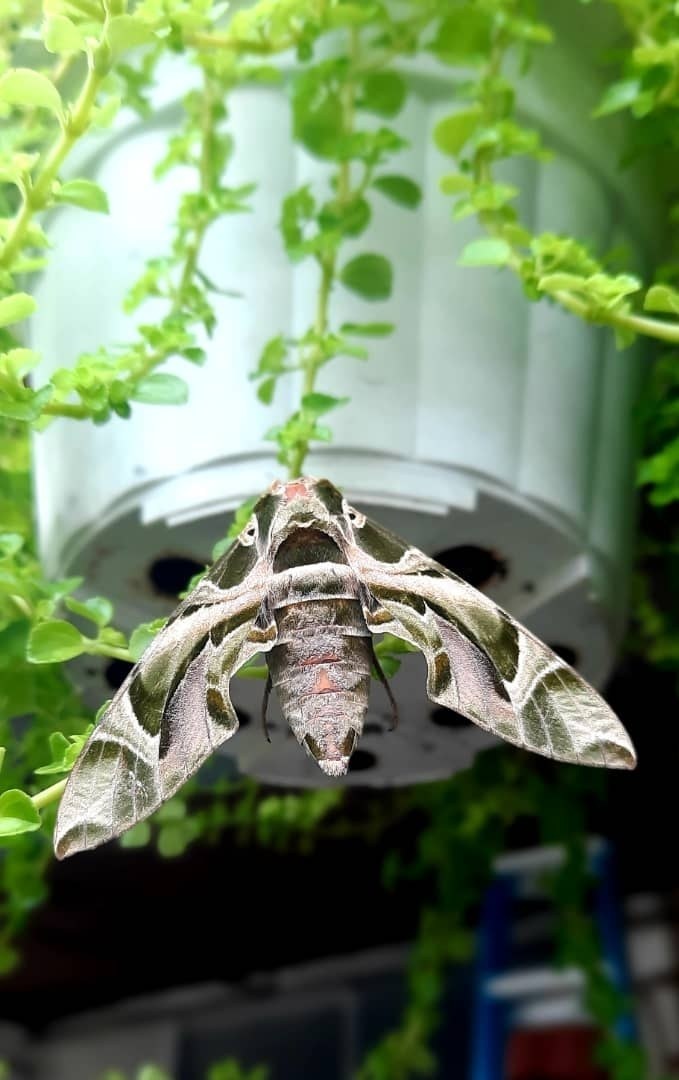
Oleander Hawk-Moth
A large, strikingly camouflaged hawk-moth patterned in swirling olive-green, pink, and cream stripes that resemble oleander foliage, with a streamlined, torpedo-shaped body built for fast, hovering flight.
moth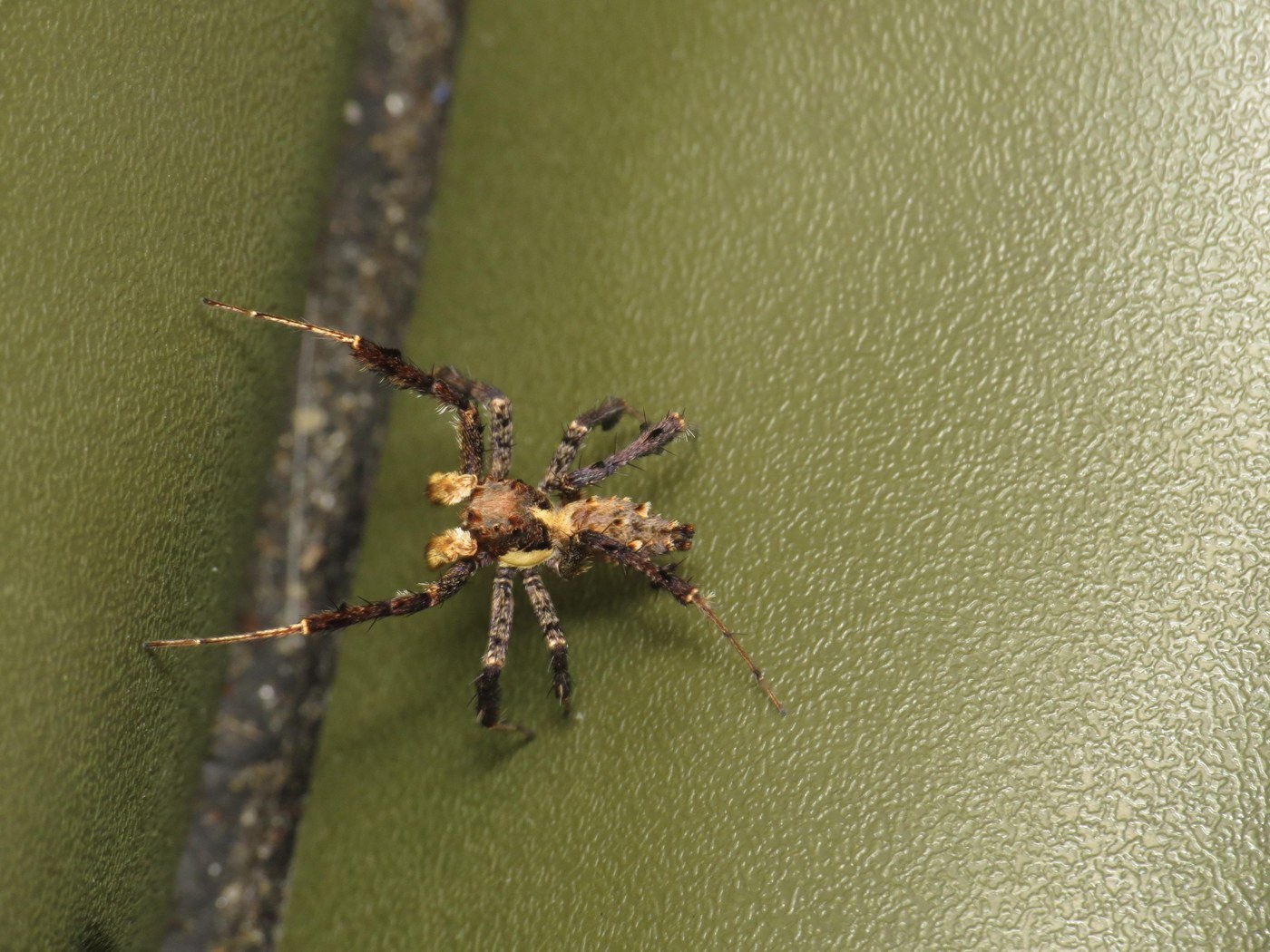
Portia Spider
A small jumping spider with an outsized reputation for intelligence, famous for stalking and outwitting other spiders using deceptive tactics and apparent problem-solving.
spider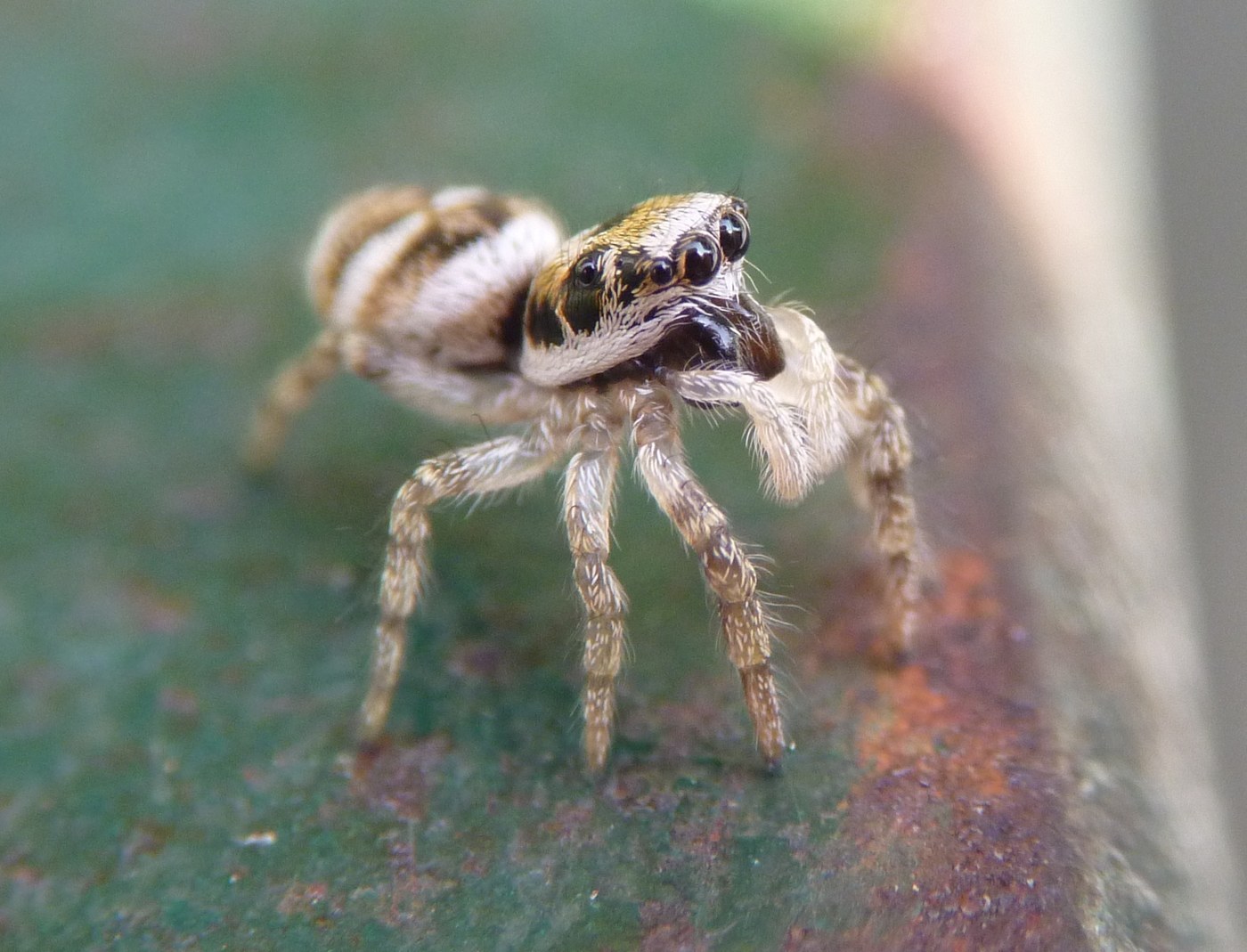
Zebra Jumping Spider
A compact black-and-white striped jumping spider that stalks prey in short, precise leaps across sun-warmed walls and fences.
spider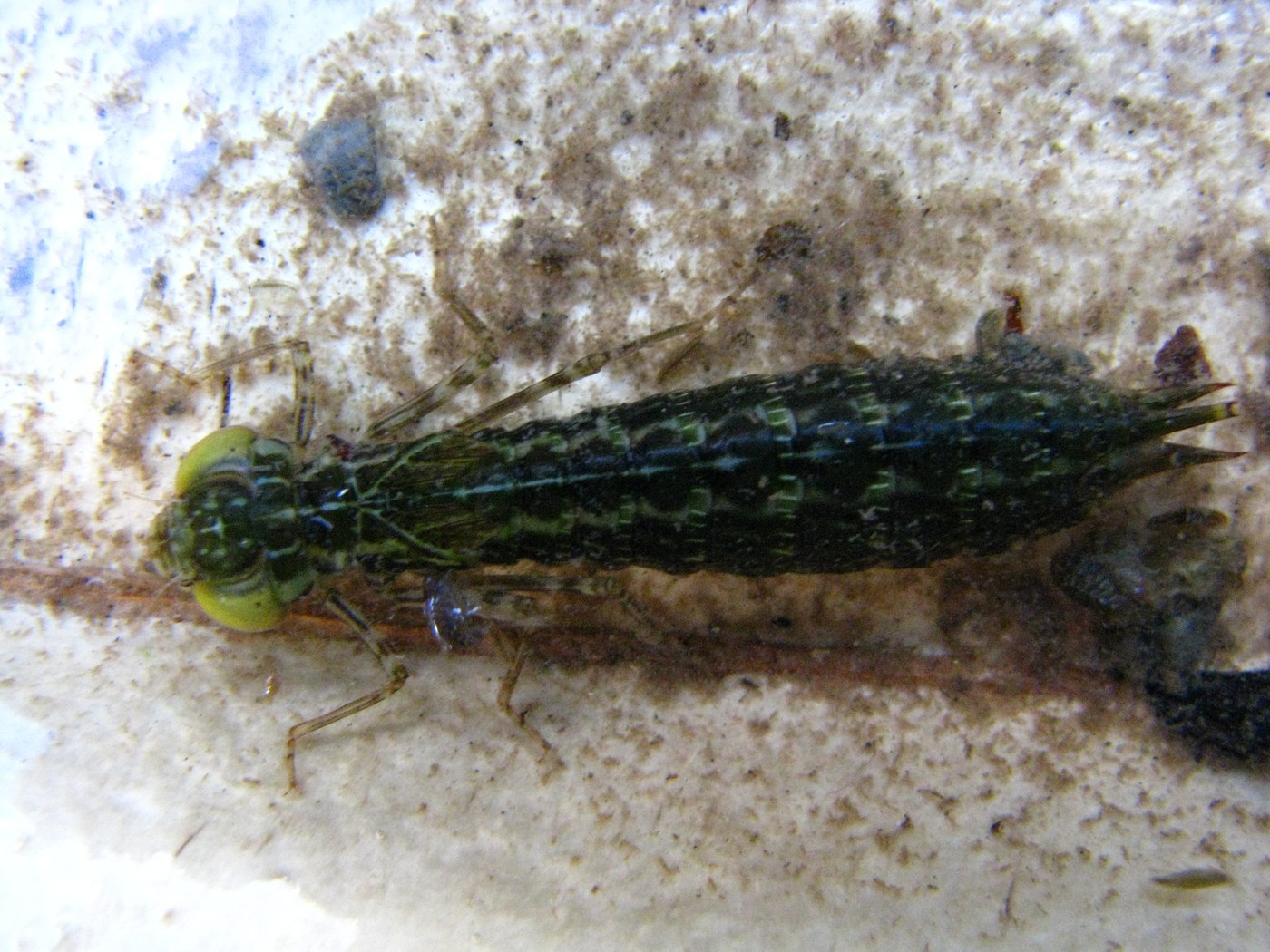
Dragonfly Nymph
A stocky, camouflaged underwater predator that spends months or years stalking prey along the pond bottom before transforming into an aerial dragonfly.
aquatic-insectDiving Beetle Larva (Water Tiger)
Nicknamed the water tiger, the larva of a predaceous diving beetle is an elongated, sickle-jawed hunter that stalks the shallows and seizes prey many times its own size.
beetle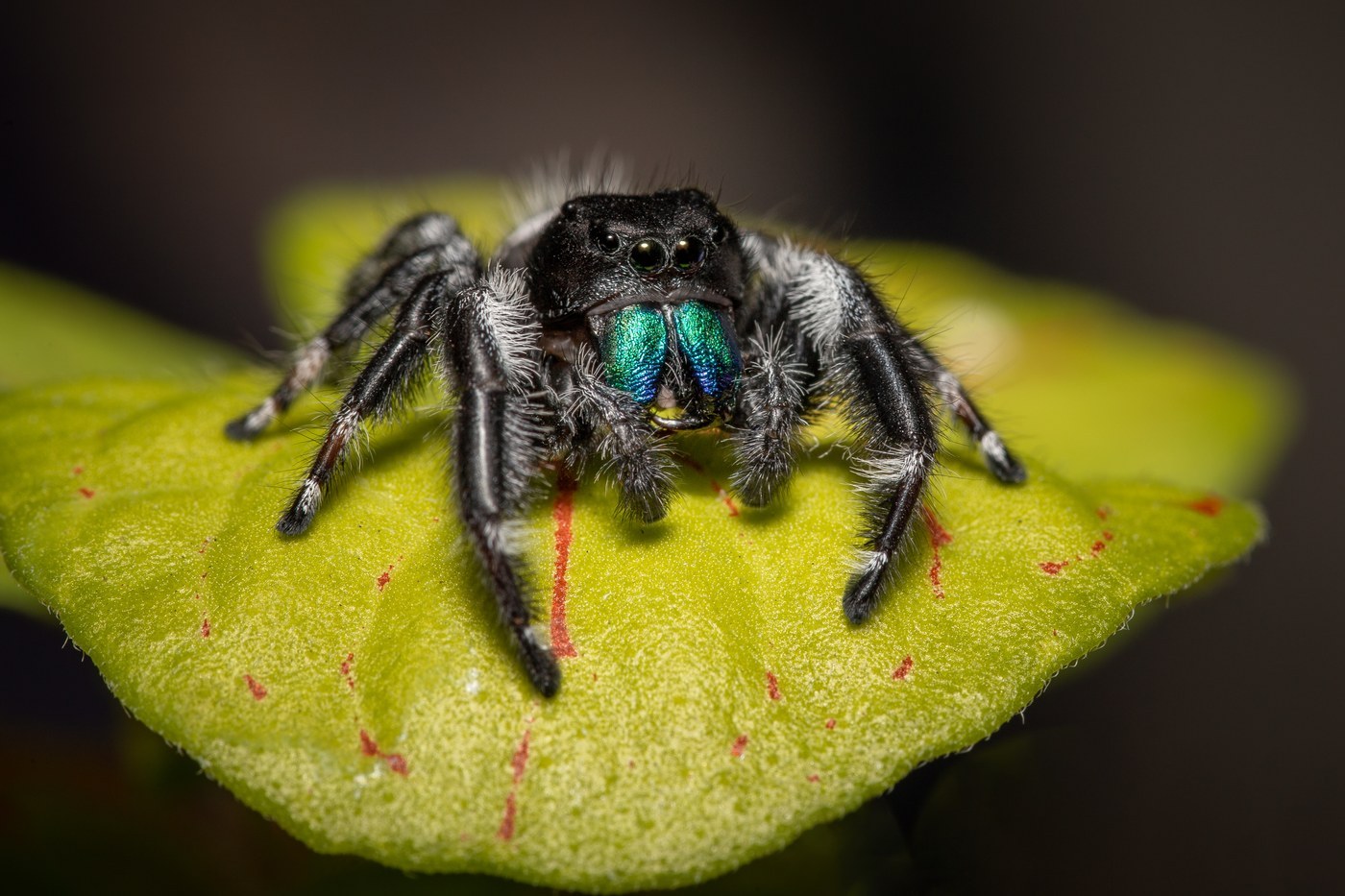
Jumping Spider
A compact, often furry, day-active spider with unusually large forward-facing eyes that give it an alert, curious look, known for stalking prey and pouncing in a sudden leap.
spiderDamselfly Nymph
A slender aquatic predator with three feathery tail gills, patiently stalking small prey among pond plants before emerging as a delicate flying damselfly.
aquatic-insectWolf Spider
A robust, hairy, ground-dwelling spider with excellent night vision and a habit of chasing down prey rather than trapping it in a web; females are often seen carrying an egg sac or a back full of spiderlings.
spider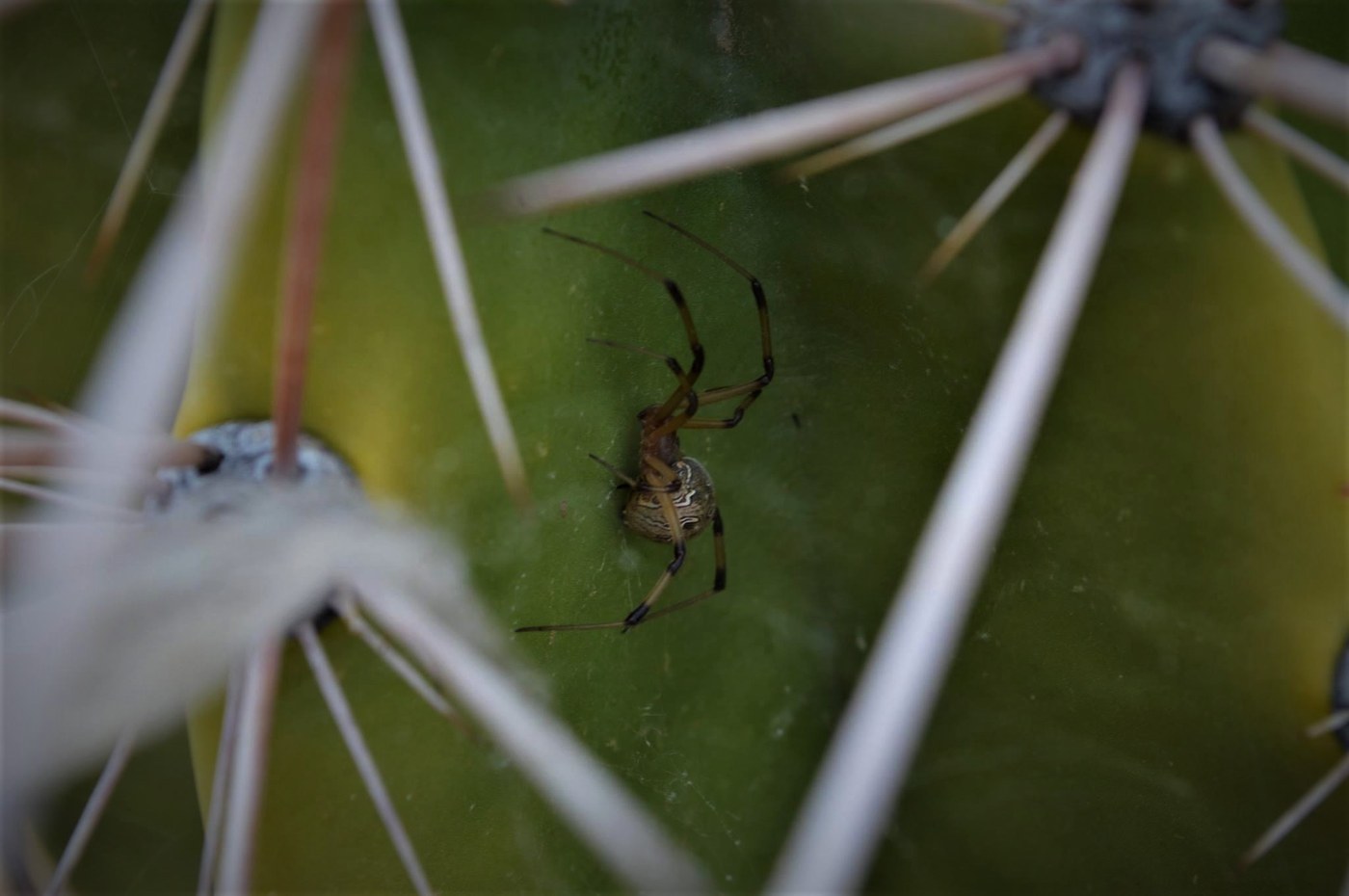
Brown Widow Spider
Named for its mottled tan-and-brown coloring rather than glossy black, the brown widow is easily recognized by its distinctive spiky, off-white egg sacs and an orange hourglass on its underside.
spider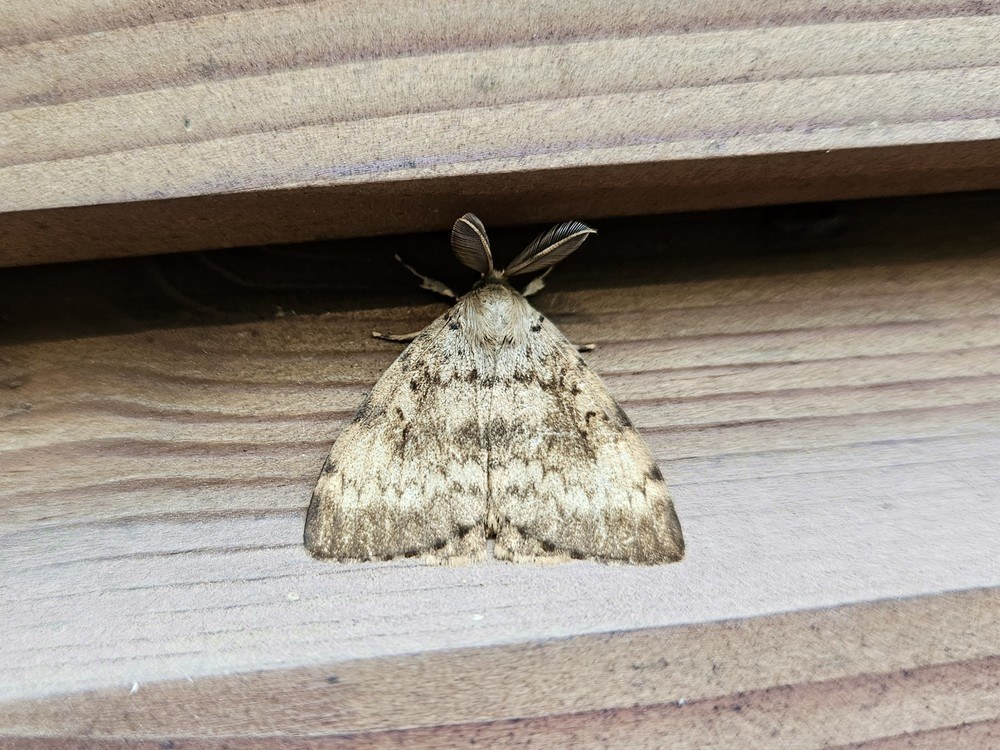
Gypsy Moth (Spongy Moth)
A strongly sexually dimorphic moth, recently renamed the Spongy Moth for its distinctive spongy, tan egg masses, whose caterpillars are known for periodically defoliating oak and other hardwood trees in large outbreak years.
moth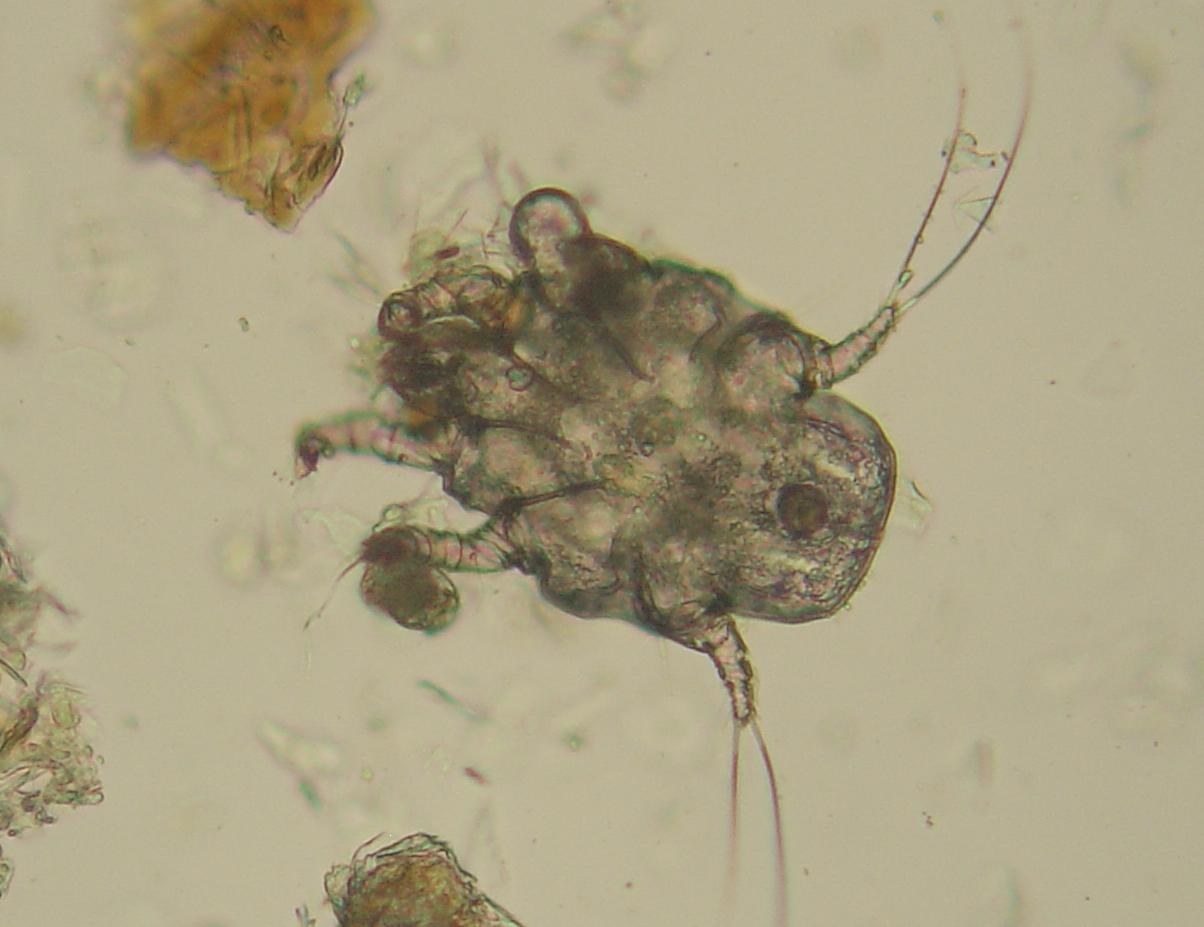
Ear Mite
A microscopic, pale mite that lives out its entire life cycle within the ear canal of its host, completing egg to adult development in a warm, sheltered environment without ever leaving.
arachnidCave Spider
A long-legged orb weaver adapted to the twilight zone of caves, spinning large webs across cavern mouths and dangling its egg sacs from silk threads deep within the darkness.
spider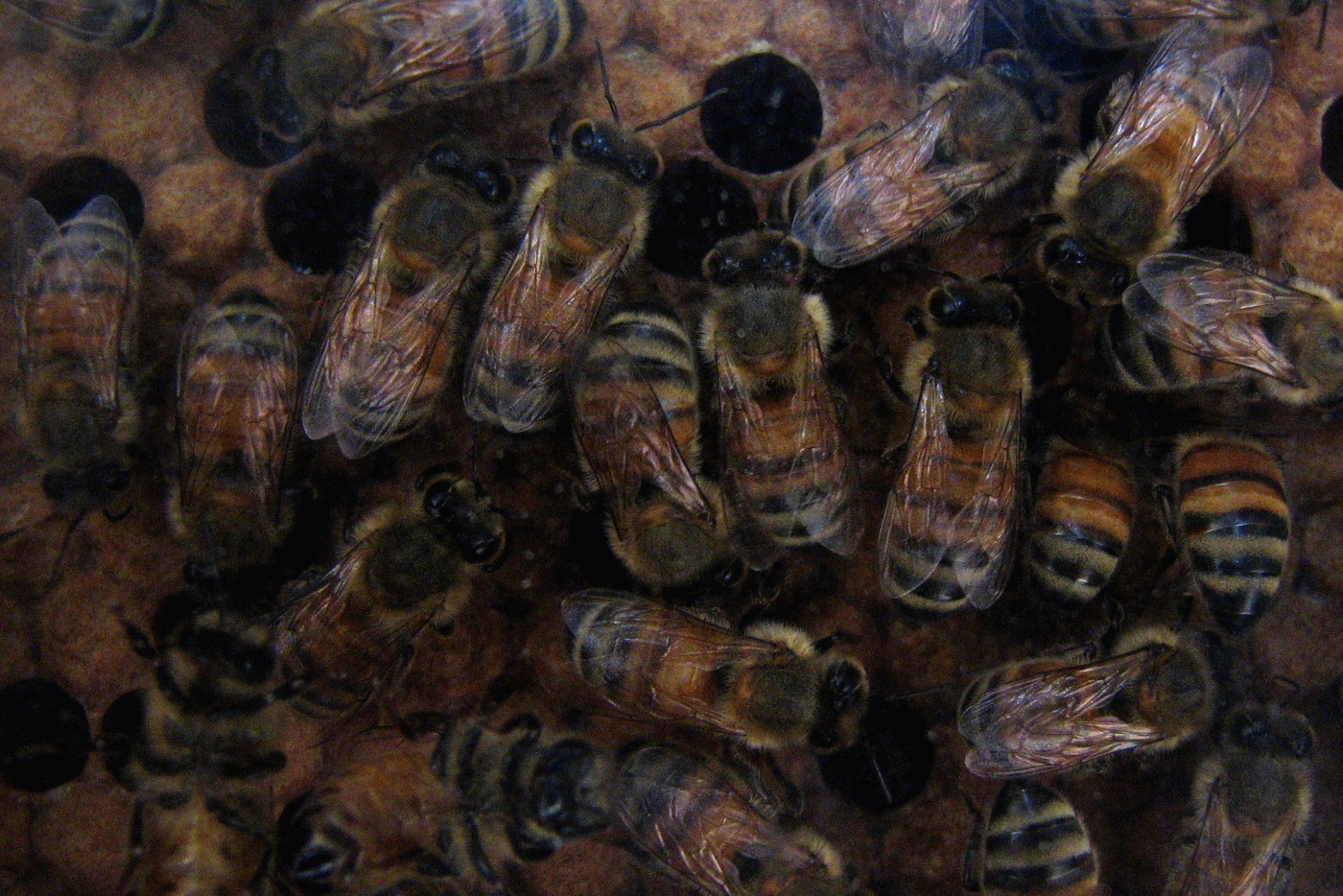
Western Honey Bee
The familiar golden-brown, fuzzy-banded honey bee kept worldwide for honey production and crop pollination, living in large perennial colonies built around wax comb and a single egg-laying queen.
beeNursery Web Spider
Named for the silken nursery tent females weave to guard their hatching young, this slender, long-legged spider carries her large egg sac beneath her body in her fangs until the eggs are ready to hatch.
spider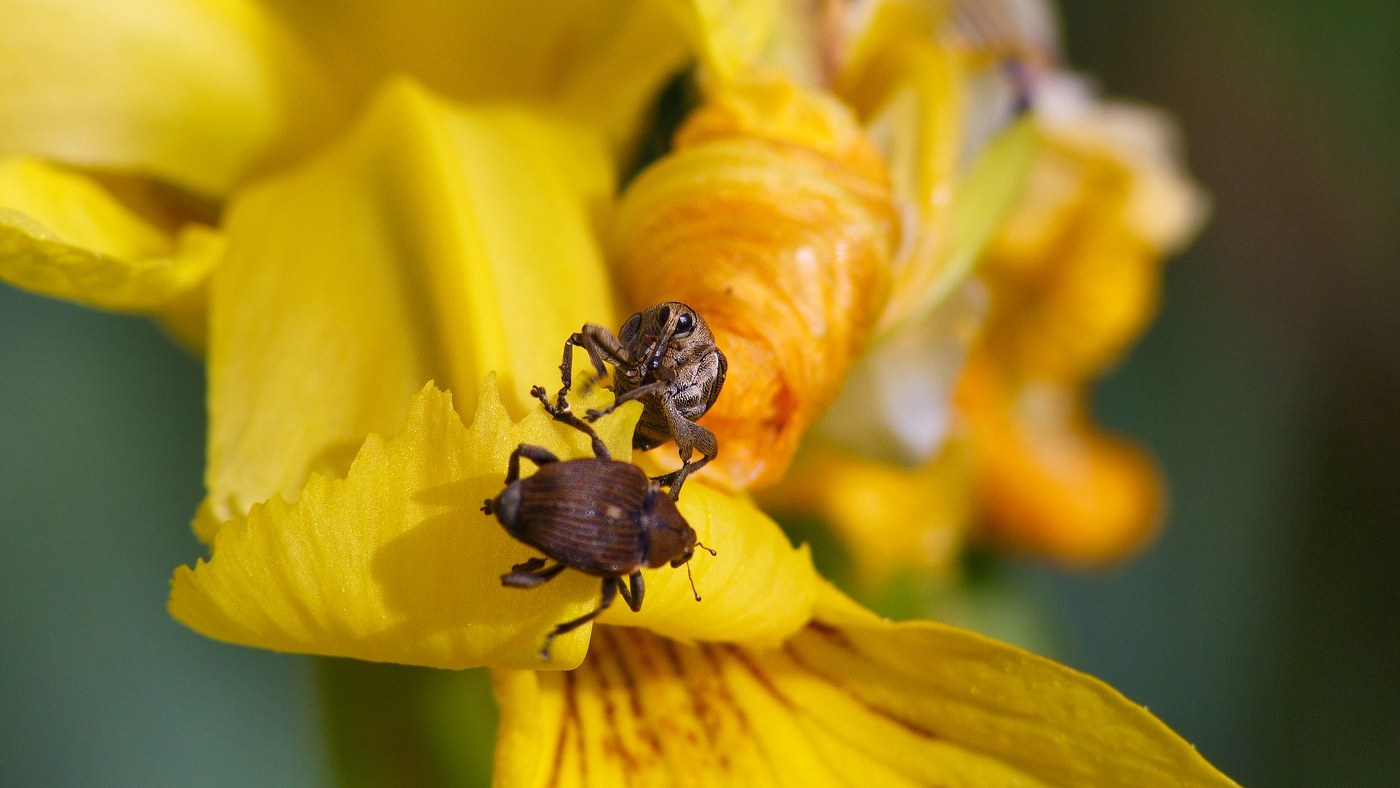
Acorn Weevil
A small brown weevil with an extraordinarily long, thread-thin snout, often longer than its own body, which it uses to drill into developing acorns before laying its eggs inside.
beetle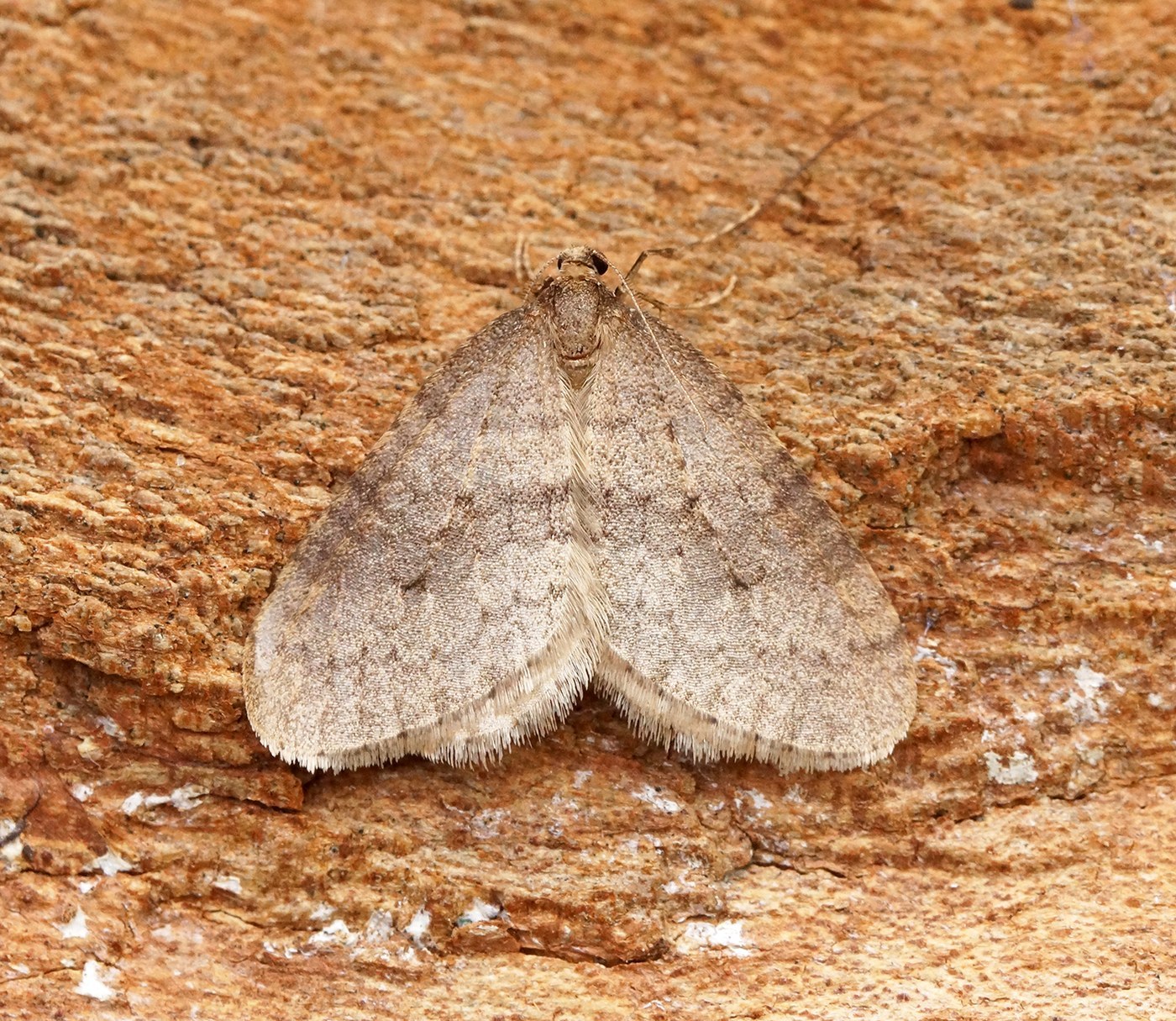
Winter Moth
A small tan-brown moth unusual for flying in the cold of late autumn and early winter, with strongly dimorphic sexes: fully winged males and flightless, near-wingless females that climb tree trunks to lay eggs.
moth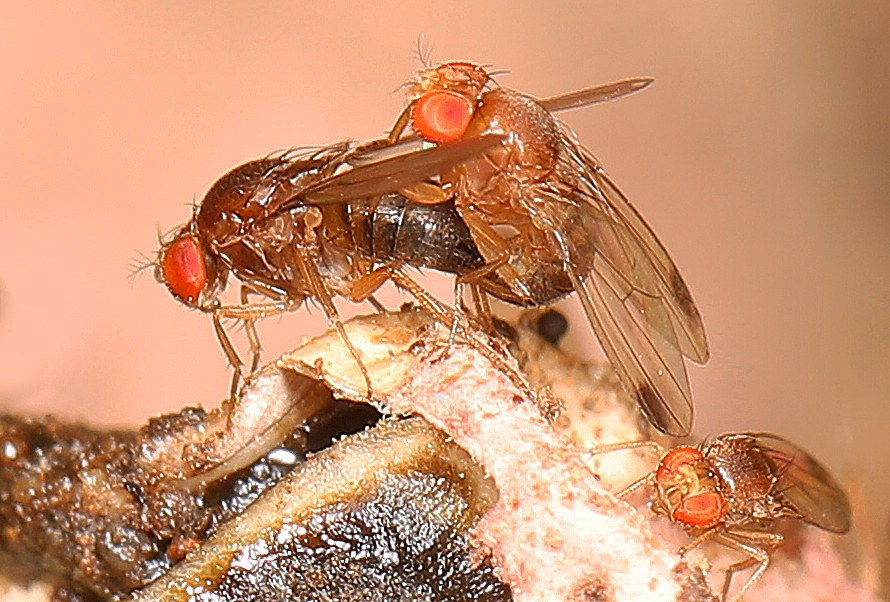
Spotted Wing Drosophila
A tiny reddish-brown fruit fly, each male marked with a single dark spot near the wingtip, notable for laying eggs in ripening rather than overripe fruit.
fly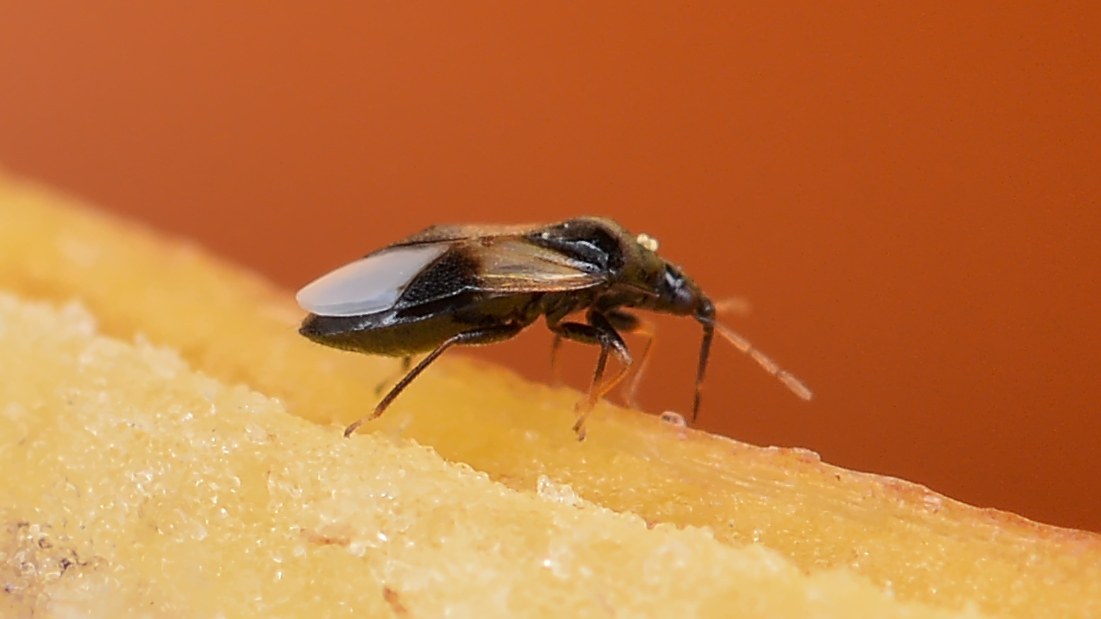
Minute Pirate Bug
A tiny, black-and-white patterned true bug barely visible without close inspection, the minute pirate bug is a voracious predator of thrips, mites, and insect eggs on flowers and foliage.
true-bugBraconid Wasp
A tiny, often overlooked parasitoid wasp best known for laying eggs inside caterpillars and other insect hosts, sometimes leaving telltale clusters of small white cocoons on a host's back.
waspBot Fly
A stocky, bumblebee-mimicking fly whose adults never feed and live only long enough to mate and locate a rodent or rabbit burrow for their eggs. Despite their harmless, buzzing adult stage, bot flies are best known through the larvae that develop as internal parasites of small mammals.
fly