
Bug Encyclopedia
Search and identify bugs & insects — beetles, butterflies, moths, ants, bees, spiders and more — with size, habitat, danger, behavior, and how to tell them apart.
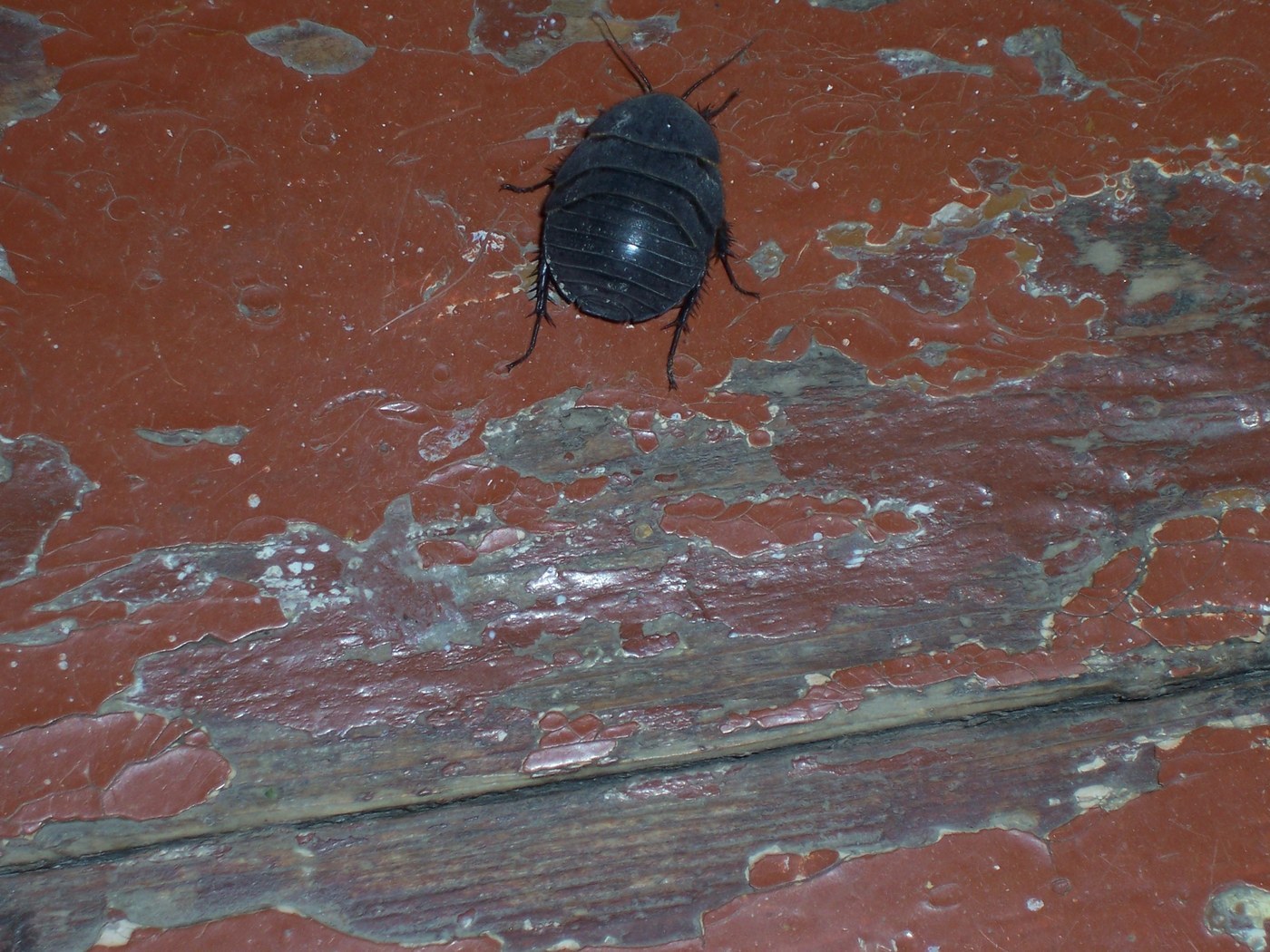
Oriental Cockroach
A dark, matte blackish-brown cockroach with short wings that do not cover the abdomen, especially in females, and a preference for cooler, damper hiding spots than most other common cockroaches.
otherIronclad Beetle
A slow-moving, mottled gray beetle famed for having one of the hardest, most crush-resistant exoskeletons of any insect, often found clinging motionless to dead wood or tree bark.
beetle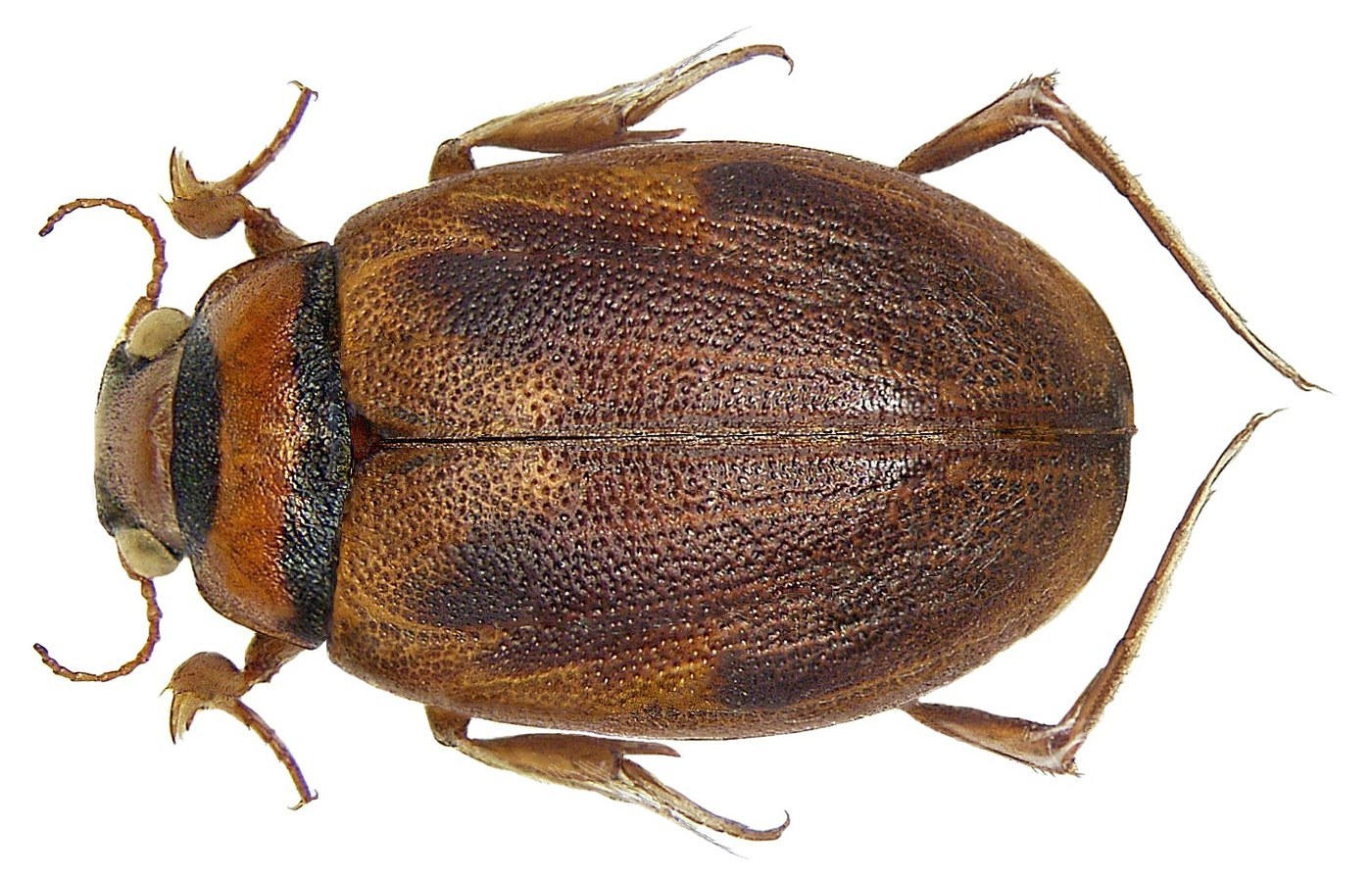
Screech Beetle
This small, oval water beetle earns its name from the loud squeak it produces when picked up, a sound made by rubbing internal body parts together rather than by any vocal organ.
beetleBurying Beetle
A black beetle marked with bold orange-red bands, notable for locating small dead animals, burying them underground, and cooperatively raising larvae with a partner over the buried carcass.
beetle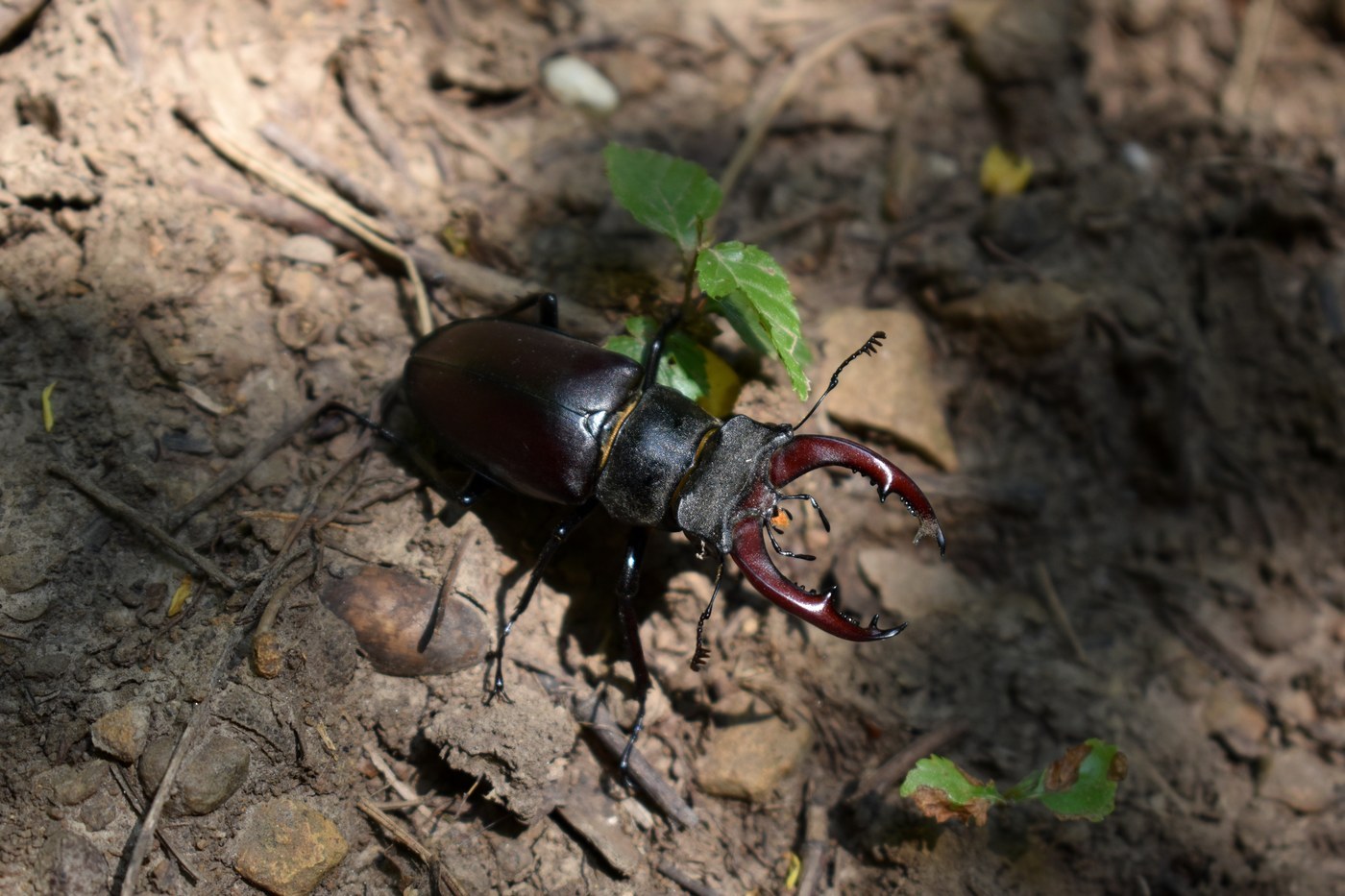
European Stag Beetle
Europe's largest beetle, a glossy dark brown insect in which males carry oversized antler-like mandibles used to wrestle rivals, resembling the antlers of a stag.
beetle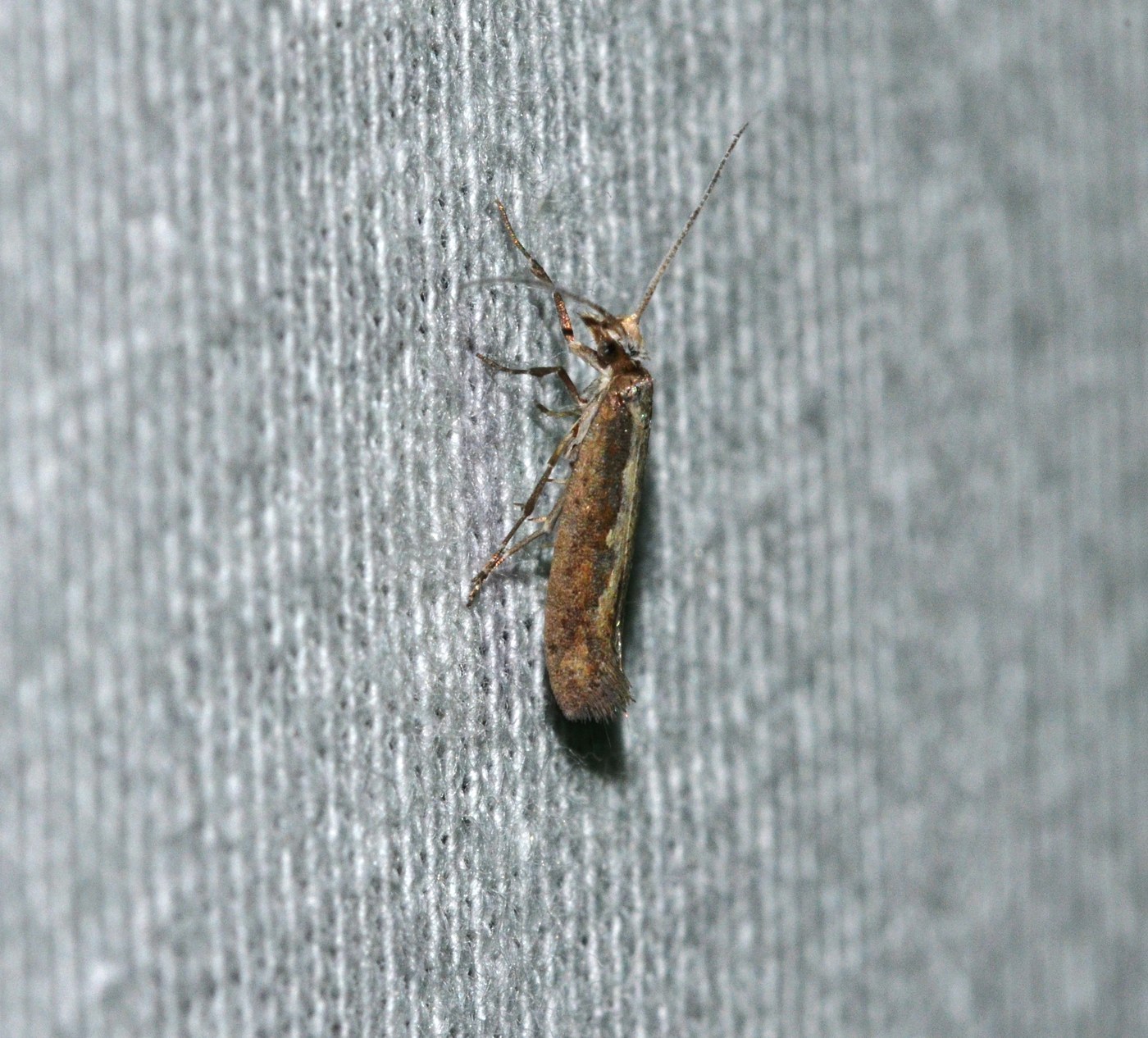
Diamondback Moth
A small, slender grey-brown moth named for the pale, diamond-shaped pattern that appears down its back when the wings are folded, best known as a widespread pest of cabbage and other brassica crops.
moth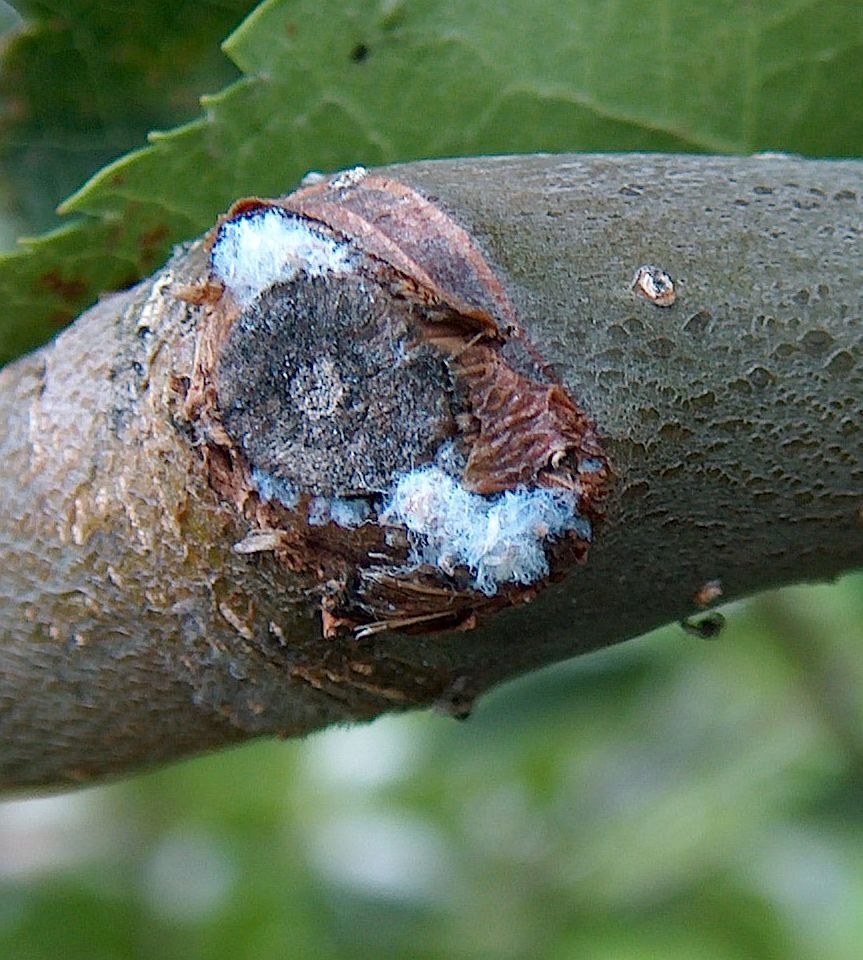
Woolly Aphid
A tiny, soft-bodied aphid that hides beneath a dense coat of white, cottony wax filaments, often appearing as fuzzy white patches clustered on bark or twigs rather than as recognizable insects.
true-bug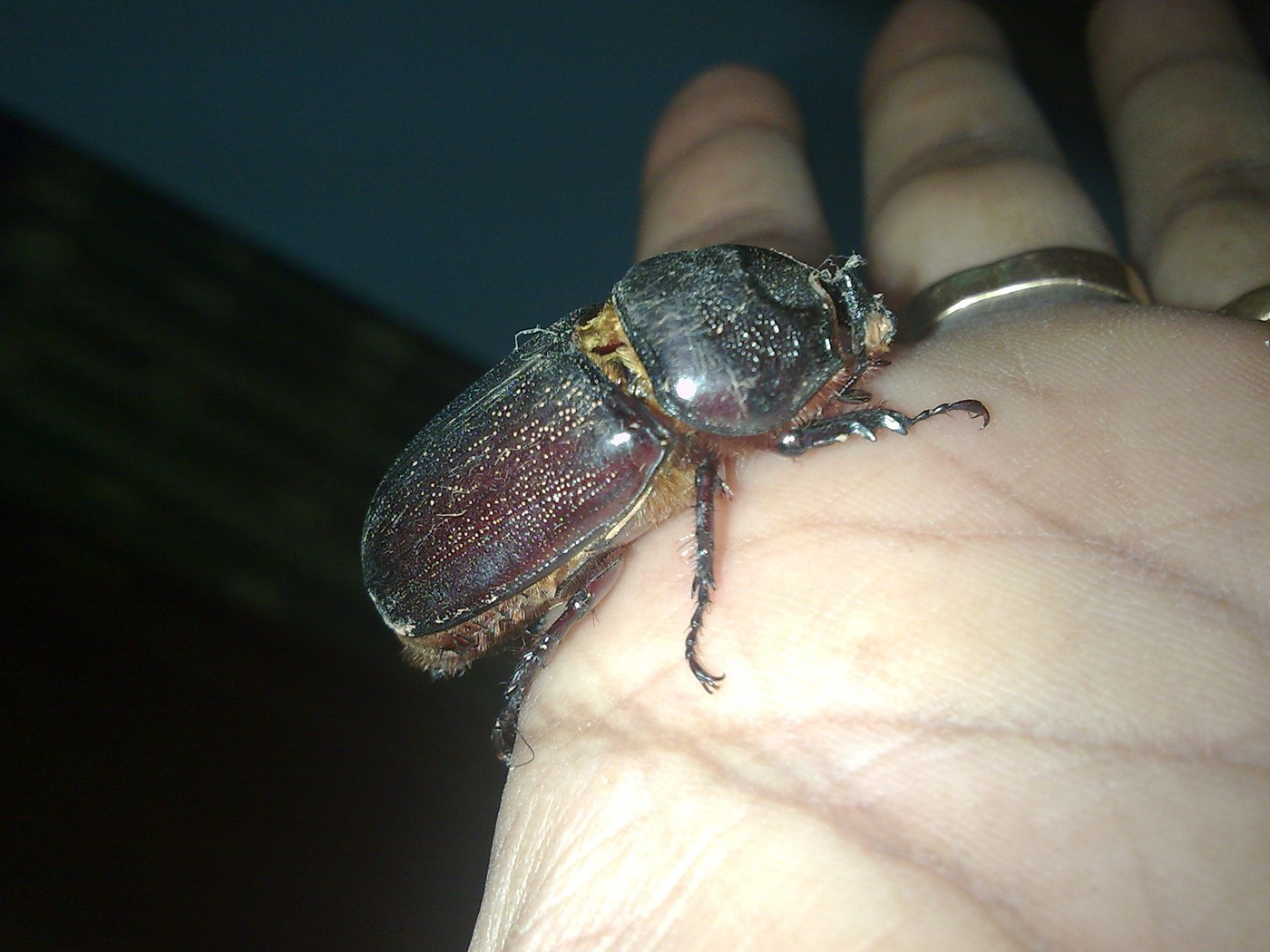
Rhinoceros Beetle
A massive, heavily armored beetle whose males sport a single large, curved horn projecting forward from the head, used to shove and flip rival males in contests of strength.
beetlePine Sawyer Beetle
A large, long-antennaed longhorn beetle of pine and spruce forests, mottled gray-brown to black, that produces a rasping sound when handled and whose larvae tunnel deep into dead or dying conifer wood.
beetle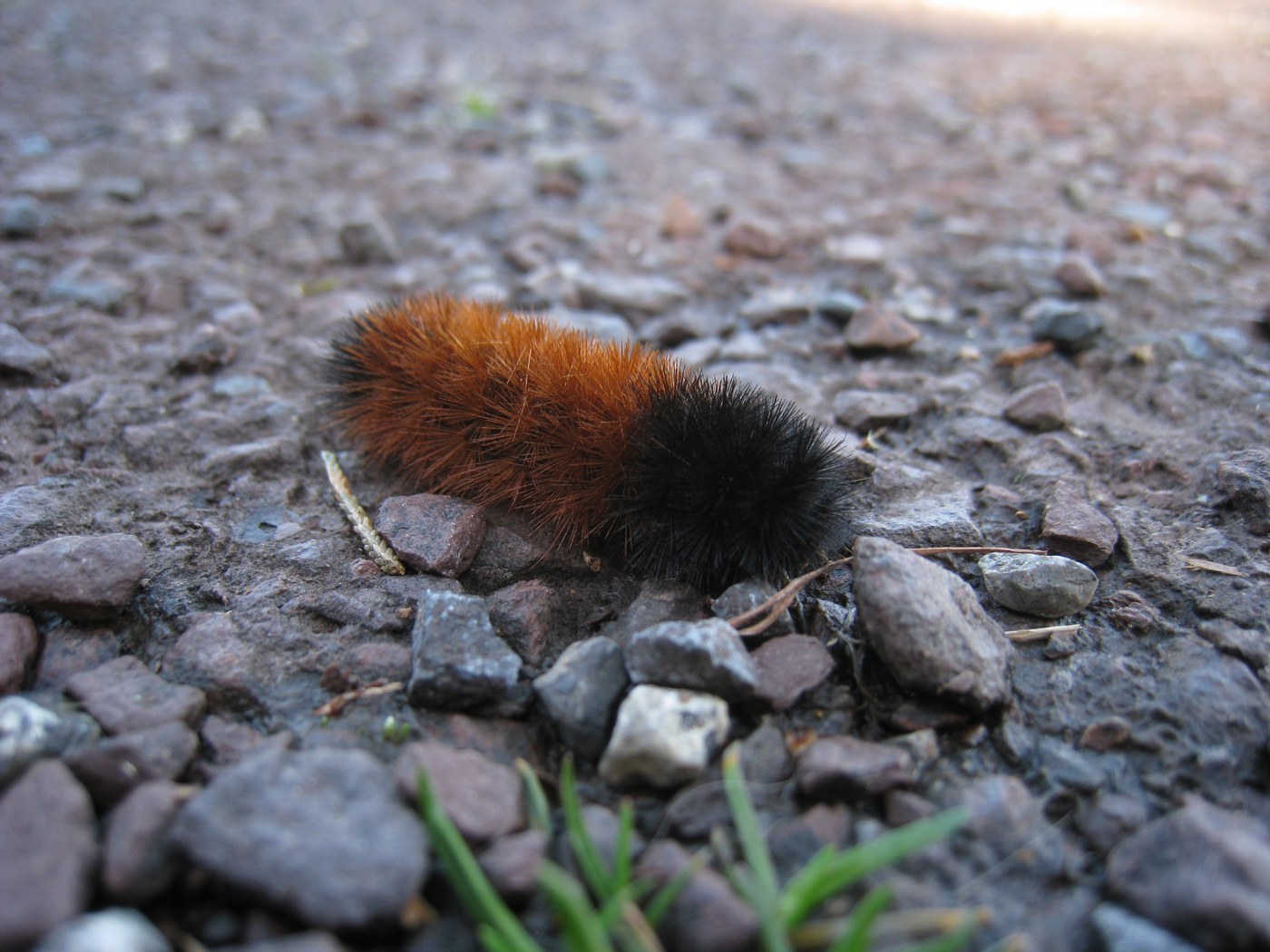
Woolly Bear Caterpillar
A densely bristled caterpillar banded in black at both ends with a rusty-orange middle section, famous in folklore for supposedly predicting winter severity and for rolling into a tight ball when touched.
caterpillar-larva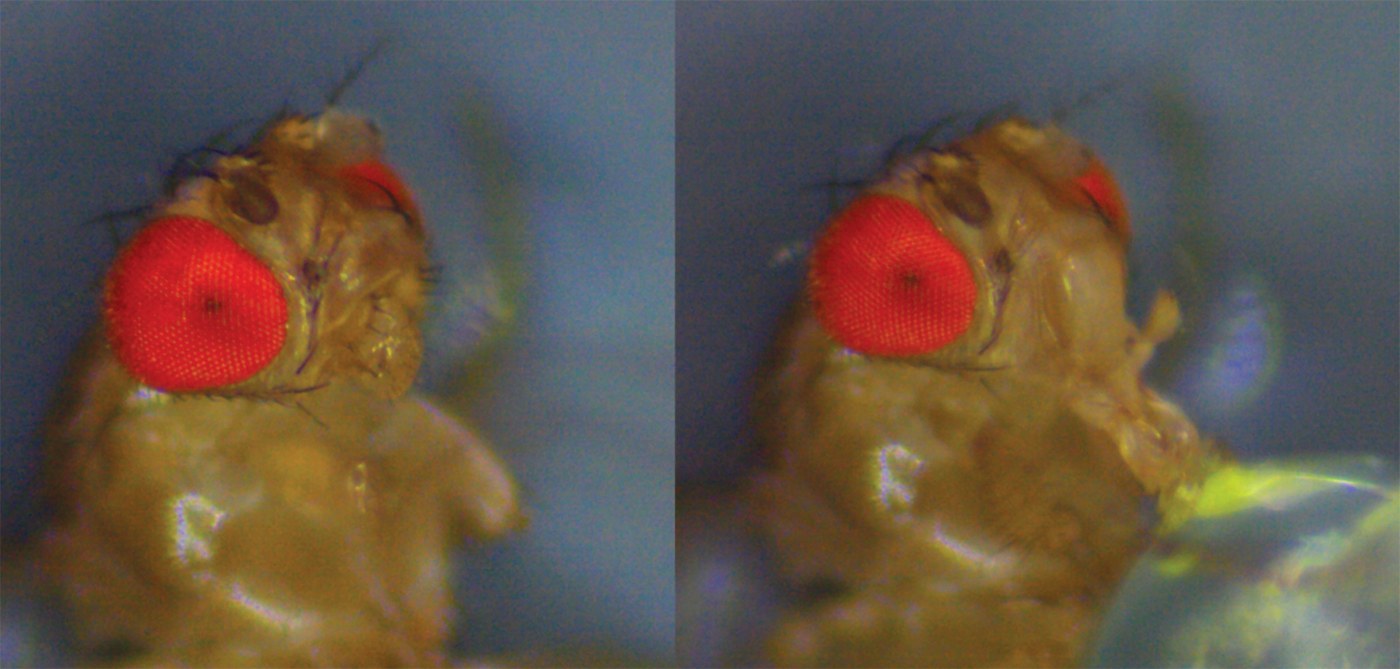
Fruit Fly
A tiny tan fly with prominent red eyes that swarms around overripe fruit, wine, and vinegar, appearing seemingly out of nowhere thanks to an extremely fast life cycle.
fly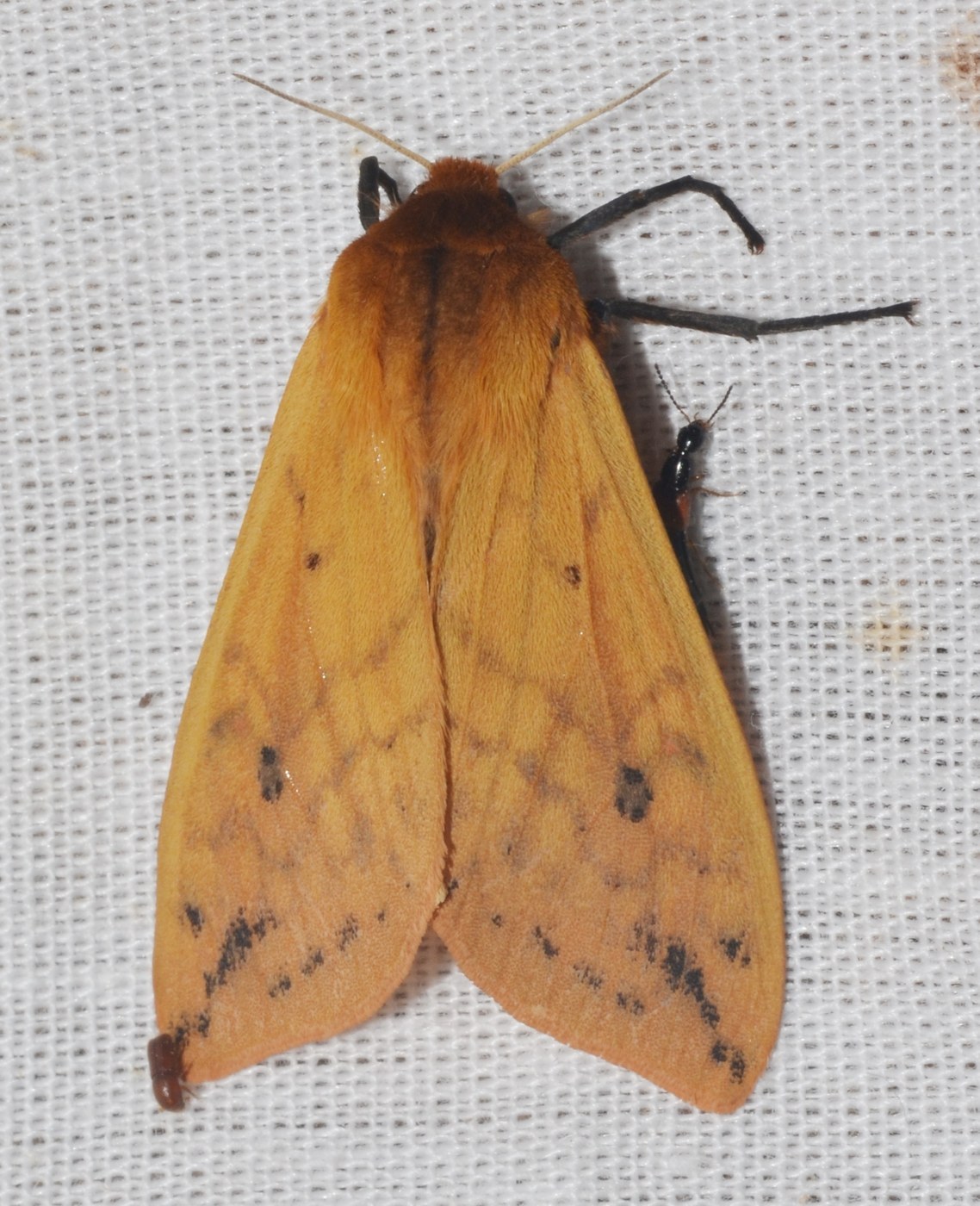
Banded Woolly Bear Moth
Best known as the black-and-rust-banded fuzzy caterpillar that famously curls into a ball when disturbed, this species matures into a plain golden-orange to tan tiger moth.
mothGrass Spider
Best known for the shimmering, dew-covered funnel webs that appear across lawns on autumn mornings, grass spiders are swift, striped runners that dash into a silken tunnel the instant prey - or a threat - approaches.
spider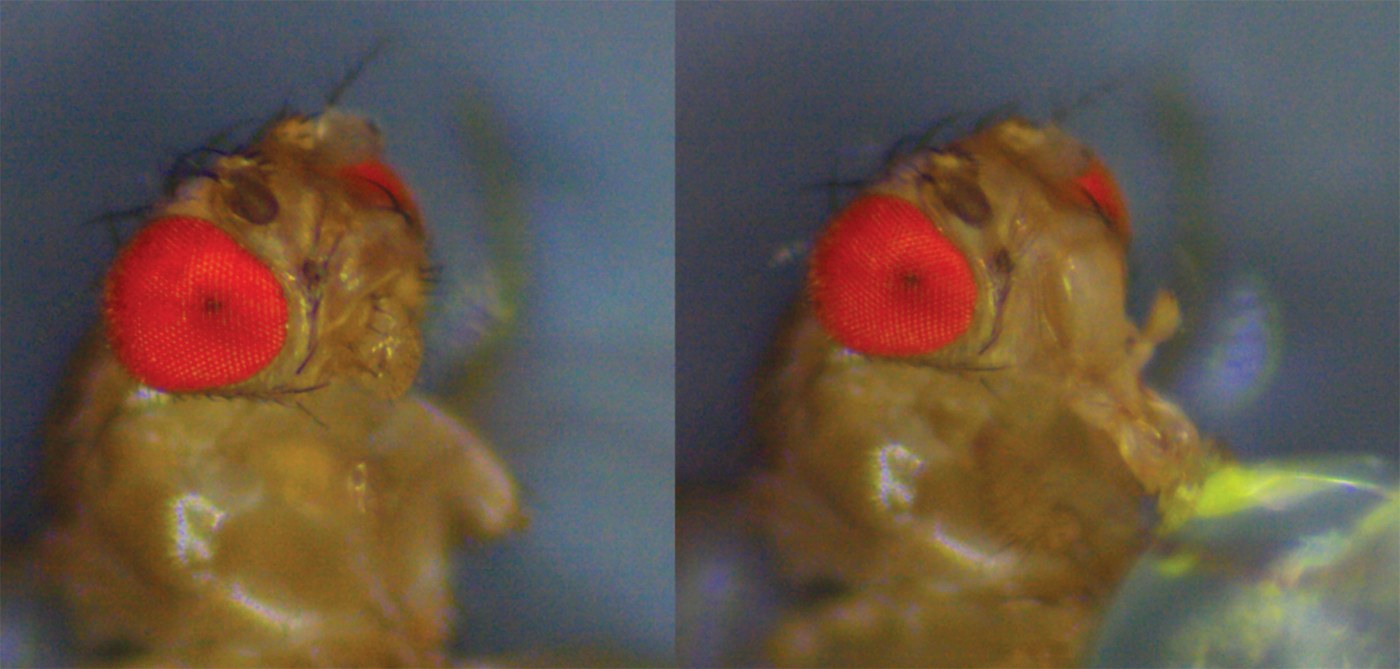
Vinegar Fly
A tiny tan fly with bright red eyes that seems to appear out of nowhere the moment a banana starts to spoil, drawn in by the smell of fermentation rather than the fruit itself. Few insects have contributed more to the science of genetics, making this unassuming kitchen visitor one of the most studied animals on Earth.
fly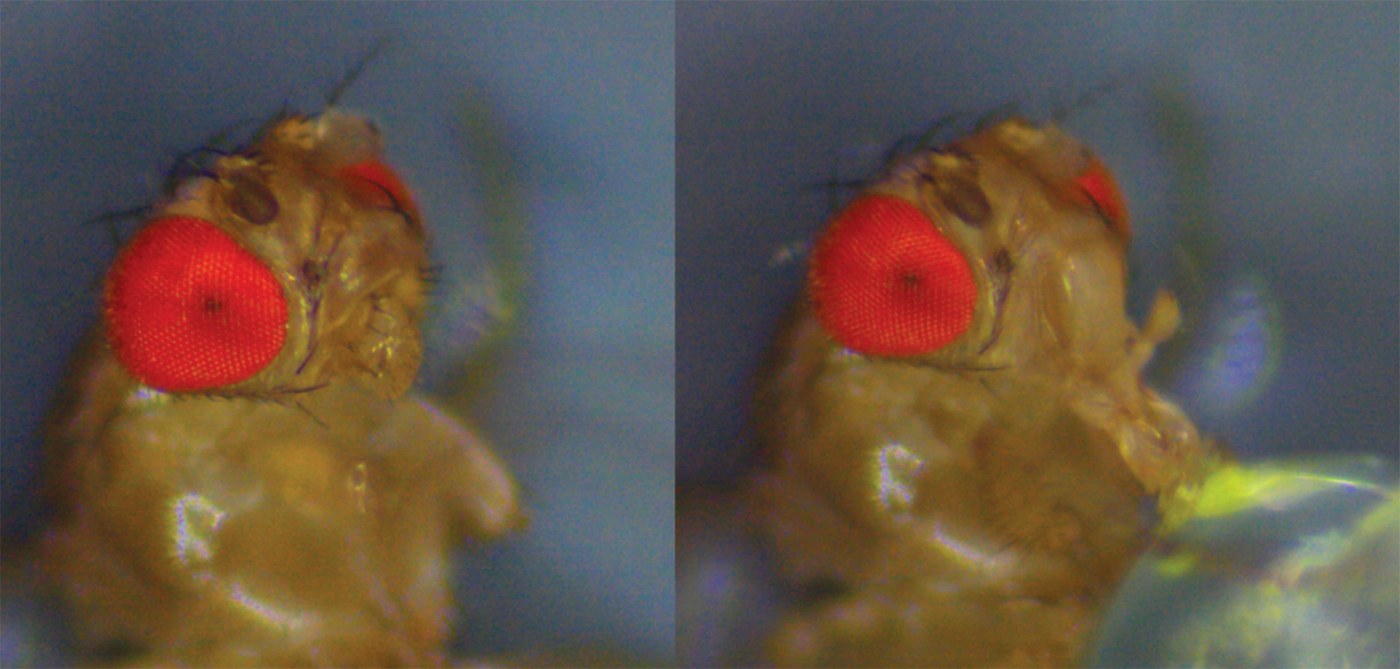
Fruit Fly (Vinegar Fly)
A tiny tan fly with bright red eyes that seems to appear from nowhere the moment a piece of fruit begins to overripen or a splash of wine is left uncovered.
fly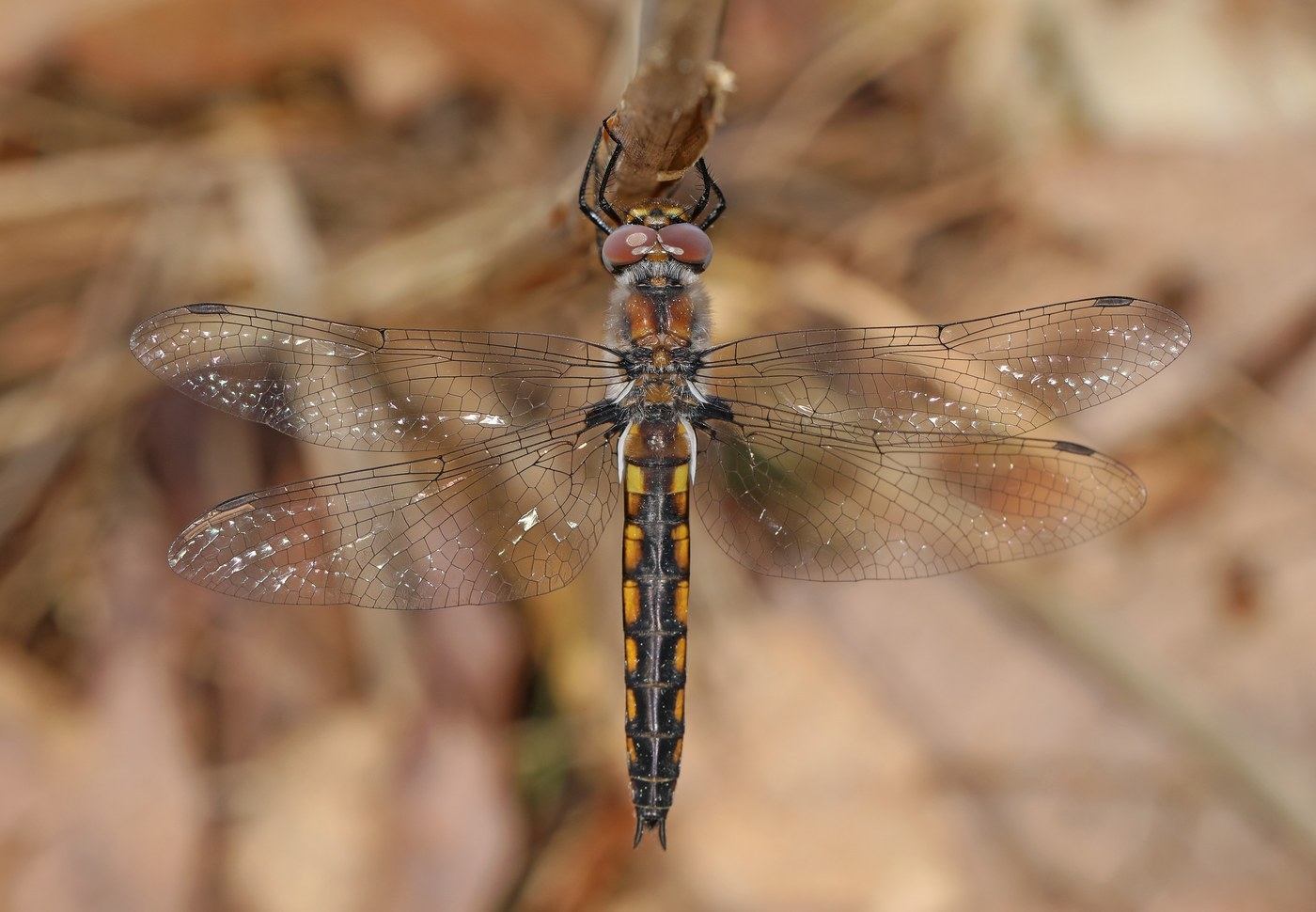
Common Baskettail
One of the earliest dragonflies to appear each spring, this brown, green-eyed skimmer often swarms in numbers over sunny clearings before most other species have emerged.
dragonflyRocky Mountain Locust
Once the most destructive insect in North American history, this swarming grasshopper vanished within a few decades of forming the largest insect swarm ever recorded.
grasshopper-cricket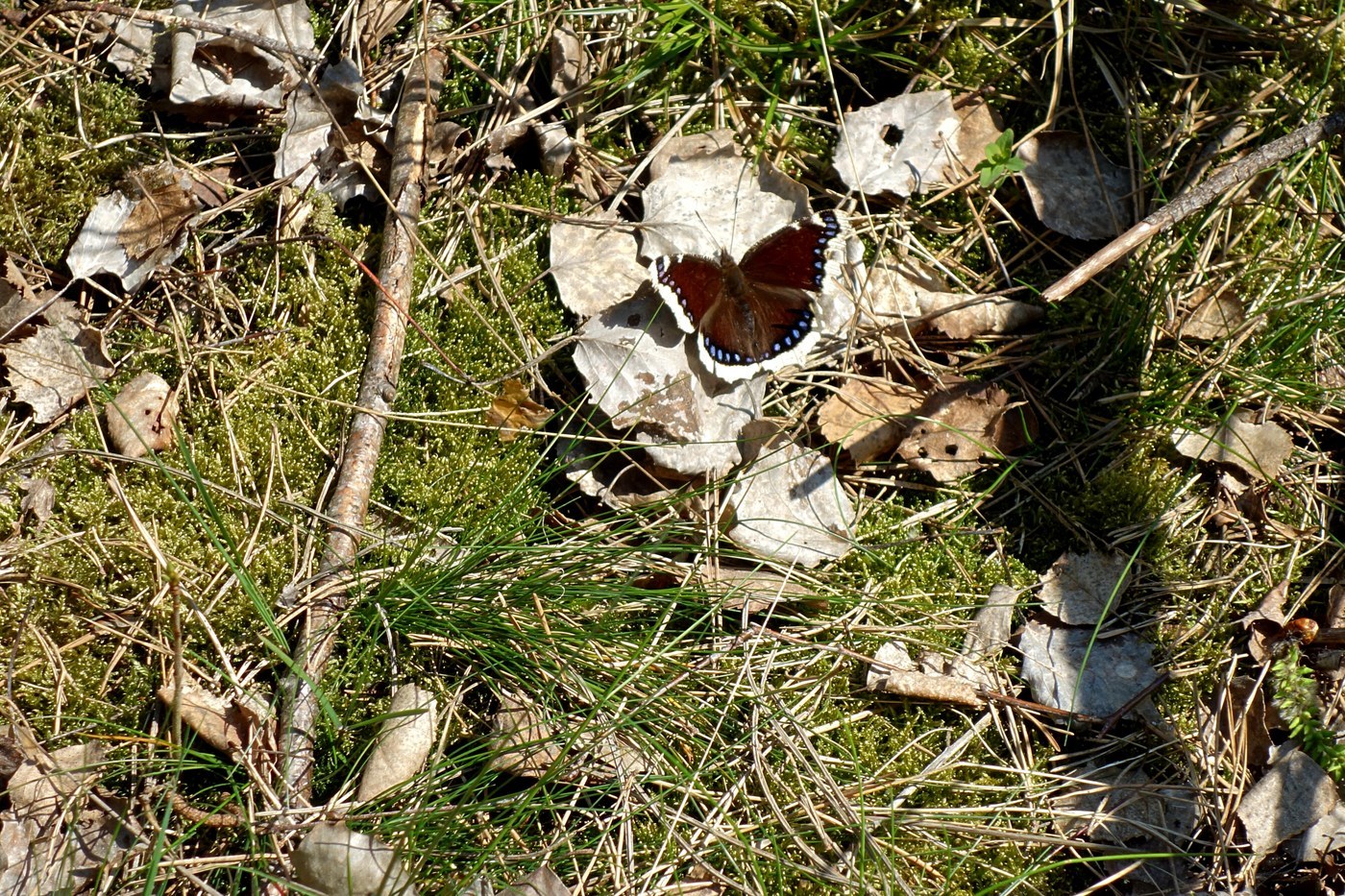
Mourning Cloak Butterfly
A deep maroon-brown butterfly bordered with a cream-yellow band and a row of iridescent blue spots, unusual among butterflies for overwintering as an adult and being one of the first to appear in early spring.
butterfly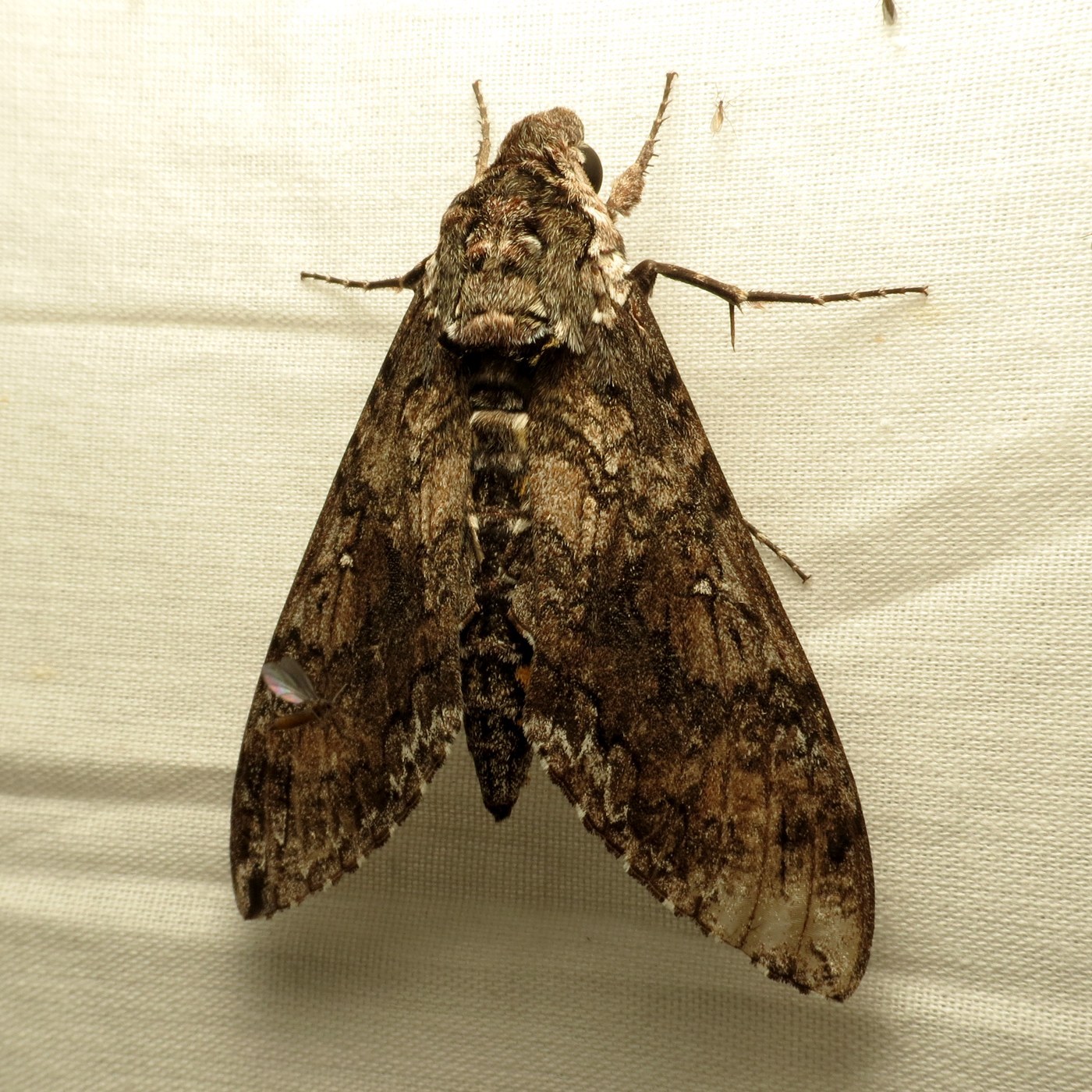
Tobacco Hornworm Moth (Carolina Sphinx)
A large, streamlined gray-brown sphinx moth with six pairs of orange spots along its abdomen, best known as the adult stage of the tobacco hornworm caterpillar that feeds on tomato and tobacco plants.
mothForest Tent Caterpillar
Named for the silk mats rather than tents it spins, this blue-gray caterpillar sports a row of pale keyhole- or footprint-shaped spots down its back and can appear in outbreak numbers that strip entire stands of trees bare.
caterpillar-larvaMarch Fly
A stout, all-black fly that emerges in sudden, dense swarms during the first warm days of spring, often dangling its long hind legs conspicuously in slow, low flight over grass. Its name comes from its habit of appearing reliably around the start of the month, sometimes on cue near a particular saint's feast day in the traditional European calendar.
flyAlderfly
A small, dusky-winged insect that flutters weakly among streamside alders and shrubs, the diminutive relative of the mighty dobsonfly.
aquatic-insect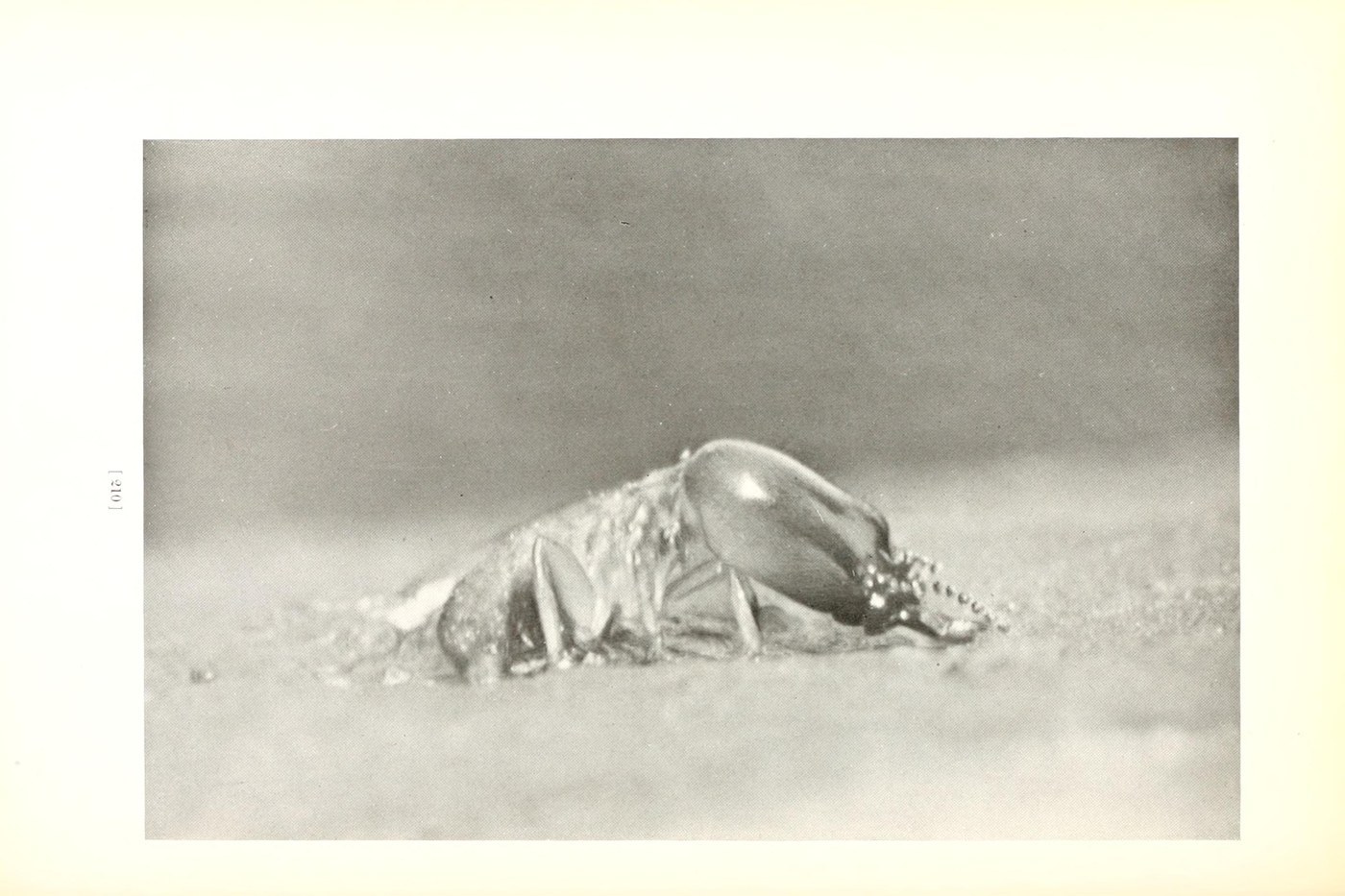
Termite
A pale, soft-bodied social insect that lives in hidden colonies and feeds on cellulose in wood and plant debris, often mistaken for an ant despite belonging to an entirely different insect order.
otherStonefly
A flattened, drab-winged insect whose nymphs are among the most reliable living indicators of pristine, well-oxygenated stream water.
aquatic-insect