
Bug Encyclopedia
Search and identify bugs & insects — beetles, butterflies, moths, ants, bees, spiders and more — with size, habitat, danger, behavior, and how to tell them apart.
Dung Fly
A hairy, often golden-hued fly commonly seen perched on fresh manure in pastures, where it hunts smaller insects as an adult while its larvae develop within the dung itself.
fly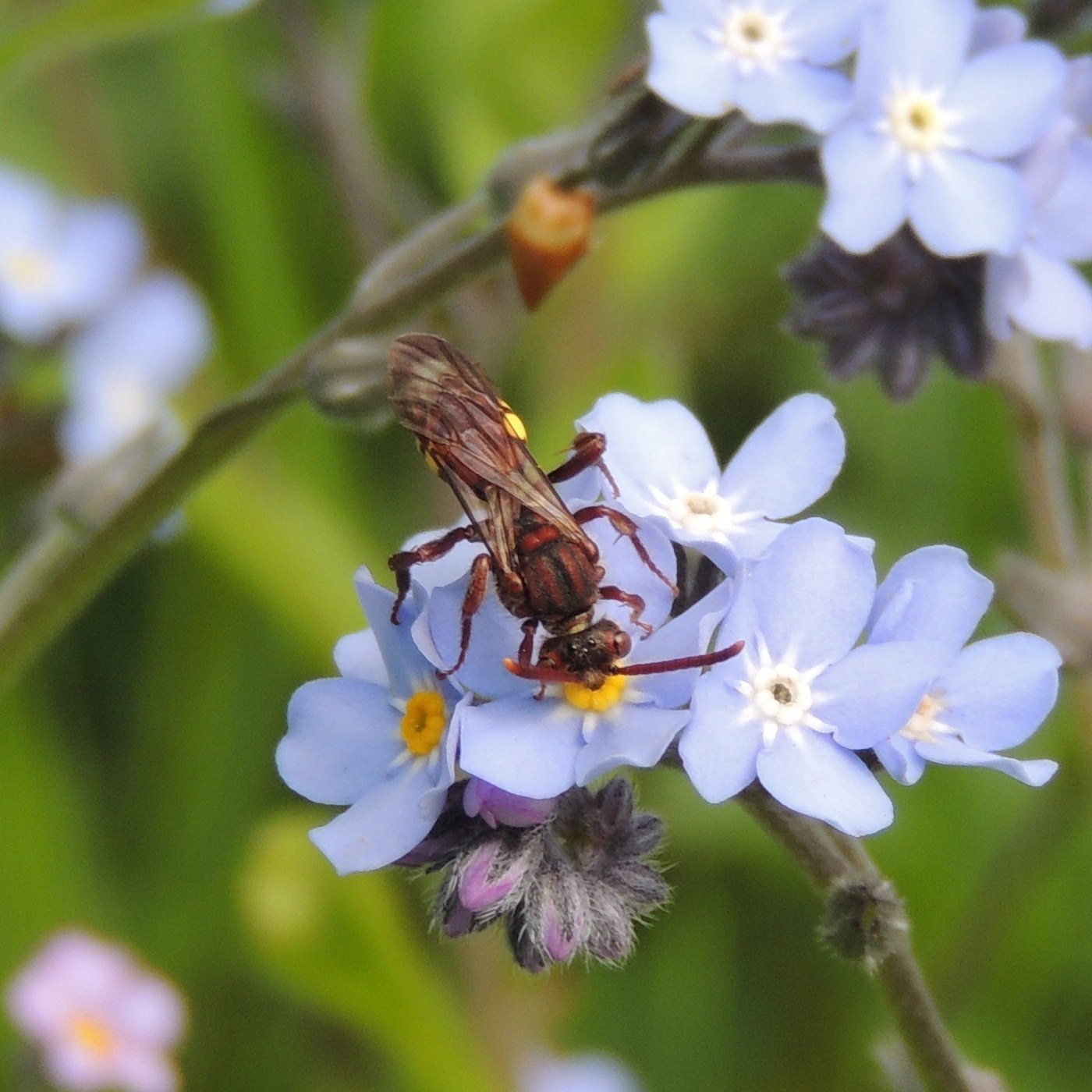
Cuckoo Bee
A slender, wasp-like bee that lacks pollen-carrying hairs because it never gathers its own pollen, instead sneaking into the nests of other solitary bees to lay eggs that hatch and consume the host's food stores.
beeBot Fly
A stocky, bumblebee-mimicking fly whose adults never feed and live only long enough to mate and locate a rodent or rabbit burrow for their eggs. Despite their harmless, buzzing adult stage, bot flies are best known through the larvae that develop as internal parasites of small mammals.
flyPine Processionary Moth
An unremarkable grey-brown moth known almost entirely through its larvae, which build large silken nests in pine trees and travel to feed in long, head-to-tail processions covered in fine defensive hairs.
moth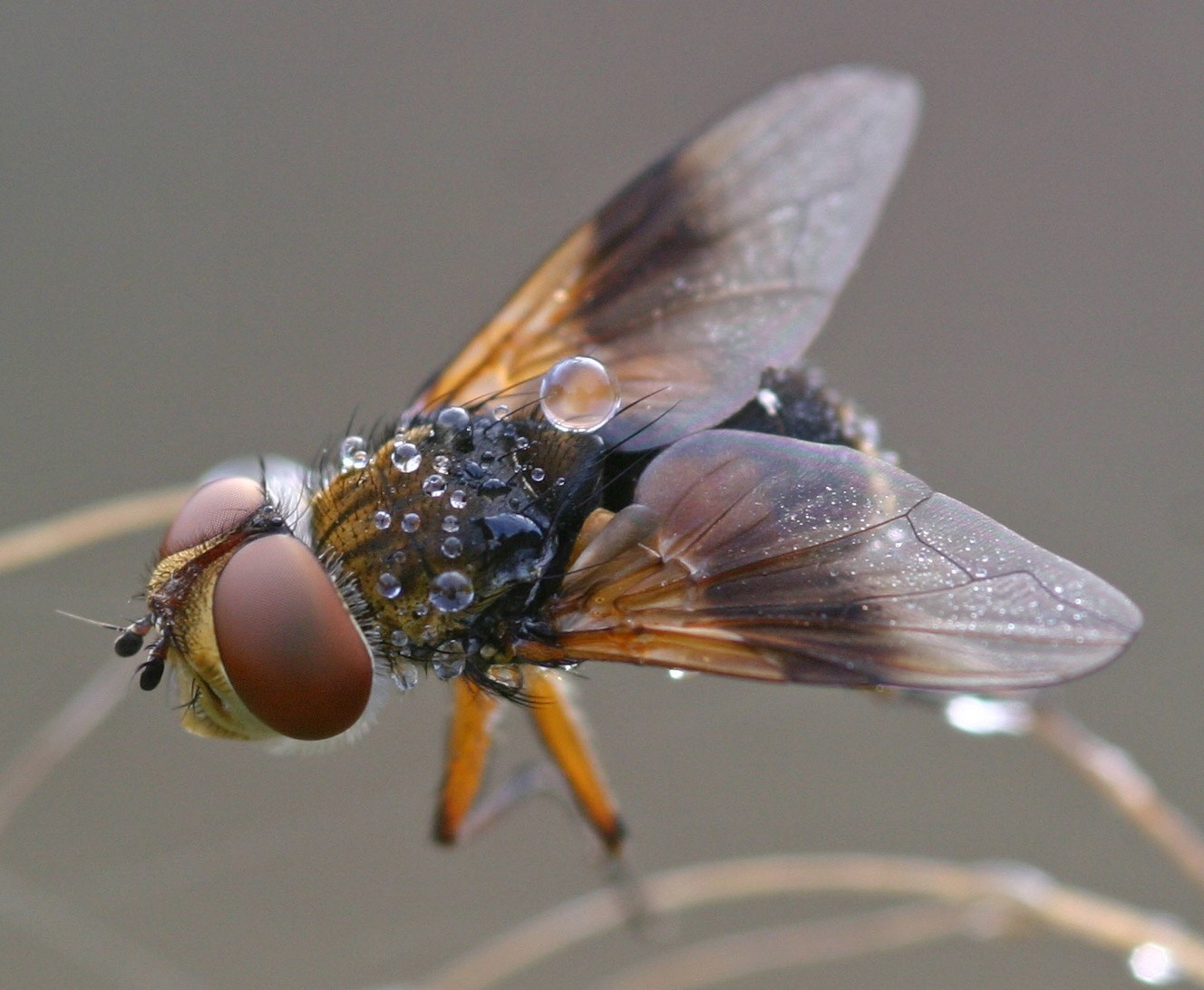
Tachinid Fly
A bristly, house-fly-like insect that looks unremarkable at a glance but hides one of the most important ecological roles among flies: its larvae develop as internal parasites of caterpillars, beetles, and other insects, quietly regulating populations across the landscape. Gardeners often welcome tachinid flies as natural allies against crop-damaging pests.
fly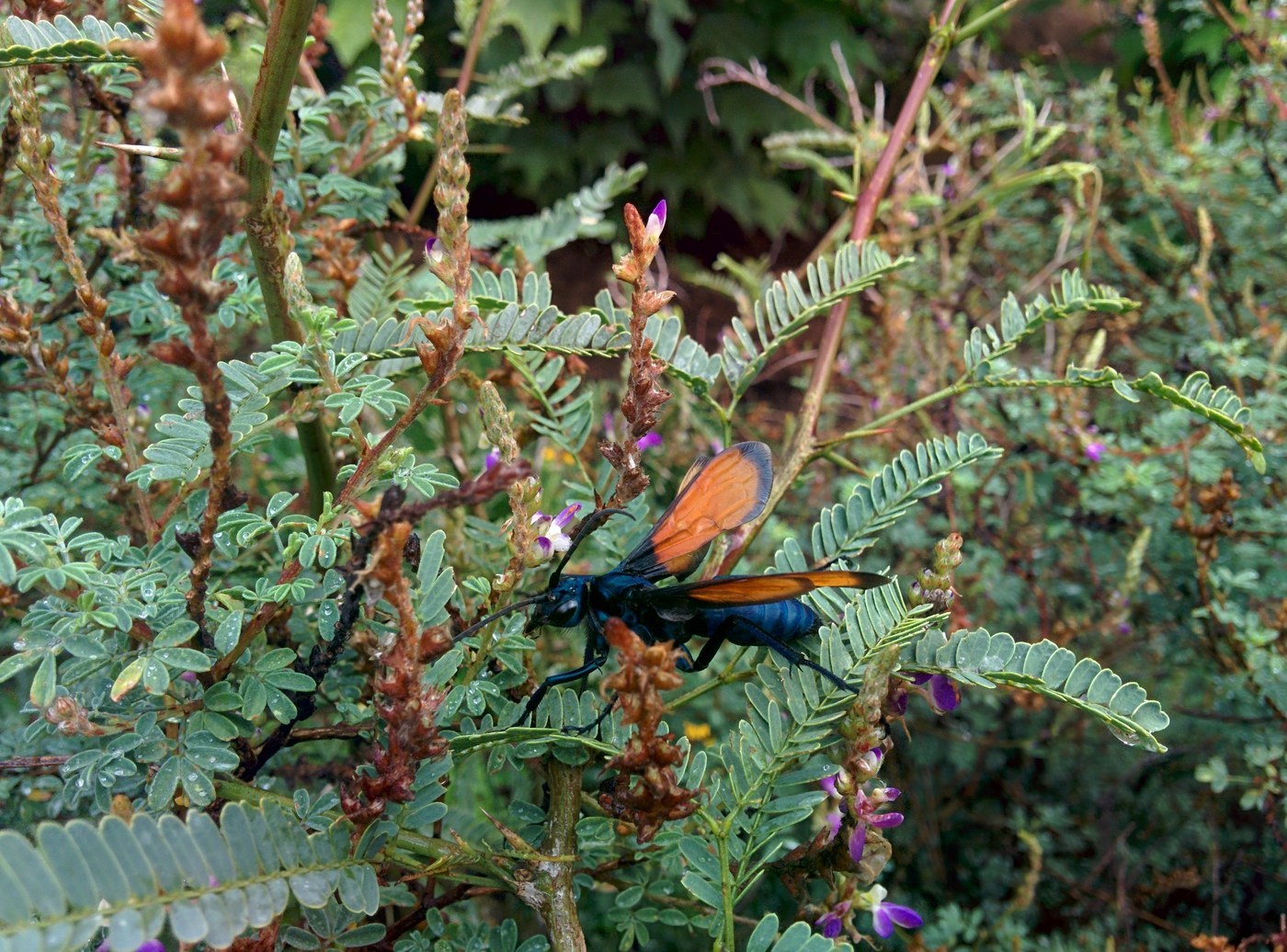
Tarantula Hawk
One of the largest wasps in the world, with a glossy metallic blue-black body and vivid burnt-orange wings, famous for hunting tarantulas to provision a single underground burrow for its larva.
wasp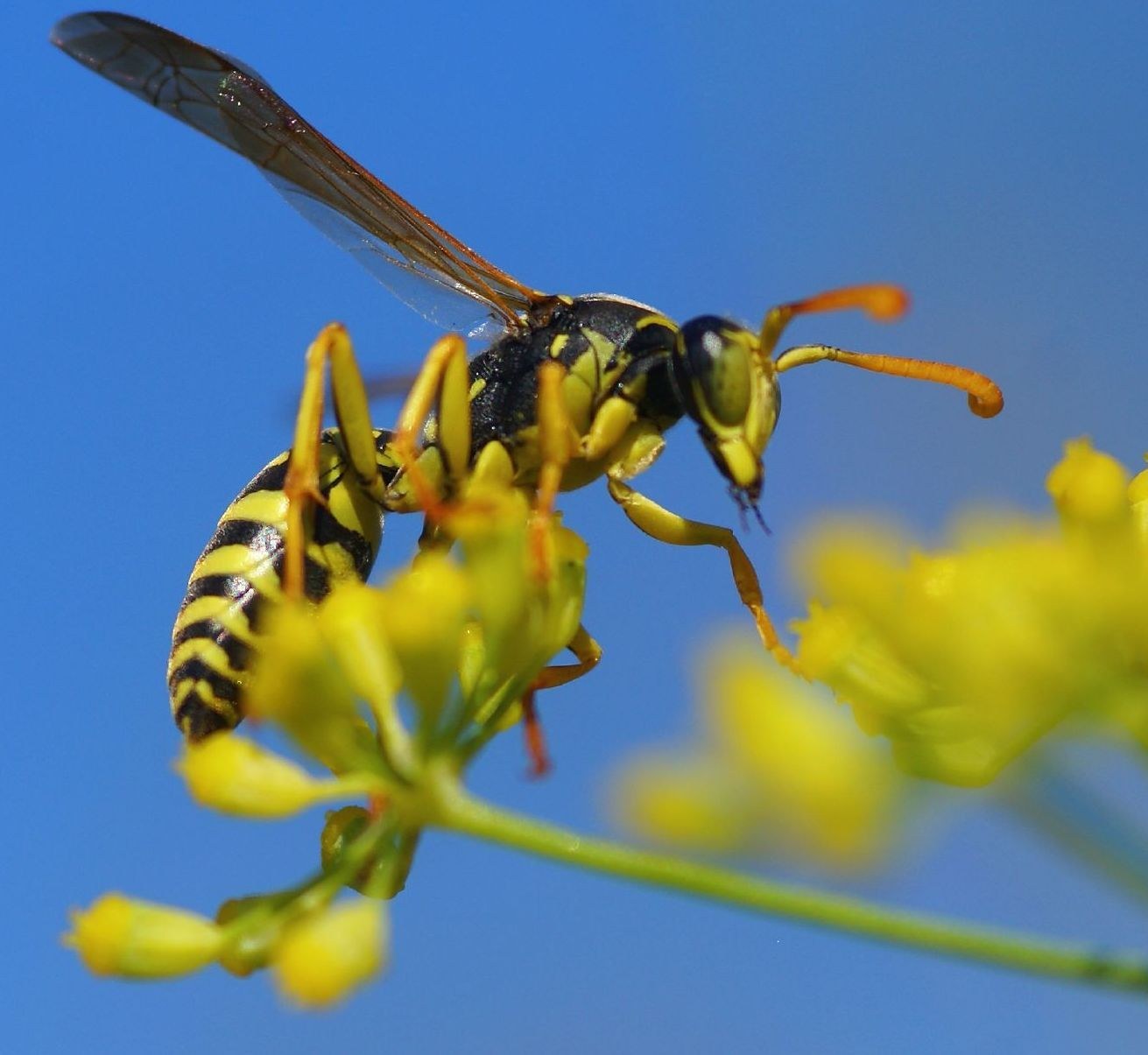
Yellowjacket
A boldly striped black-and-yellow social wasp with a smooth, shiny body and a fast, darting flight, often noticed hovering around food and sugary drinks in late summer.
waspDigger Bee
A robust, fast-flying, densely furry solitary bee that excavates tunnels in bare or sloped soil, often confused with bumble bees due to its bulky, hairy build and loud buzzing flight.
beePolyphemus Moth Caterpillar
A plump, apple-green giant silk moth larva with rows of silvery spots that swells to the size of a large finger before spinning a papery brown cocoon.
caterpillar-larva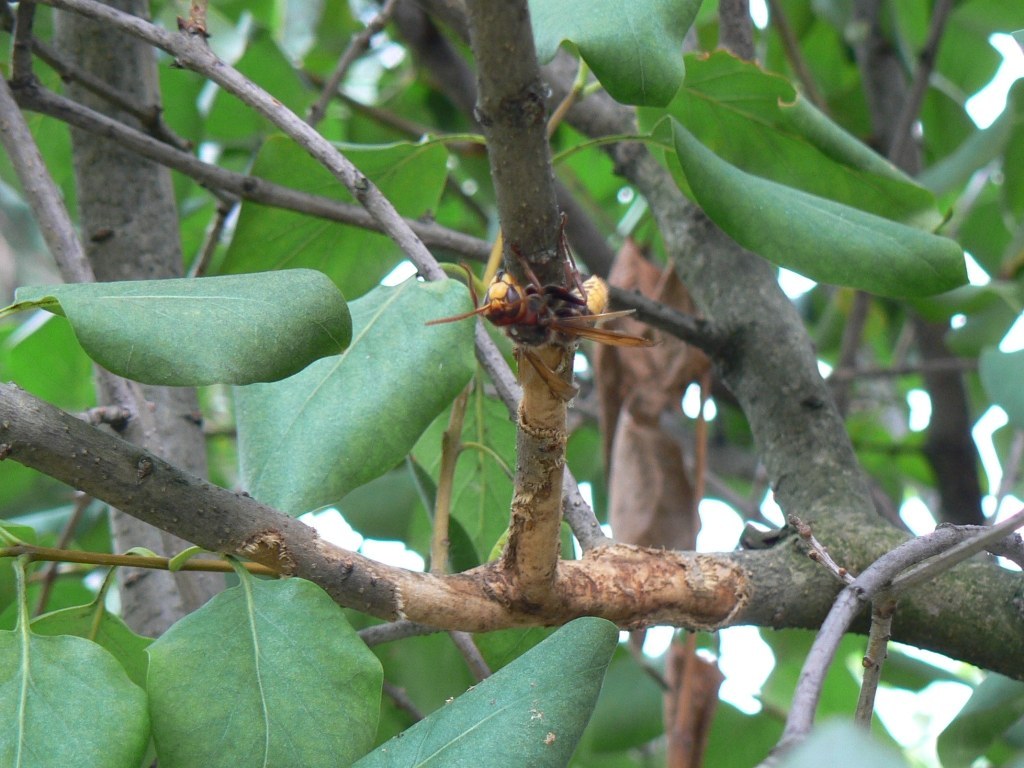
European Hornet
A large, robust wasp with a reddish-brown thorax, yellow-and-brown striped abdomen, and a distinctive habit of nesting in hollow trees, making it the largest true hornet native to Europe and introduced to eastern North America.
wasp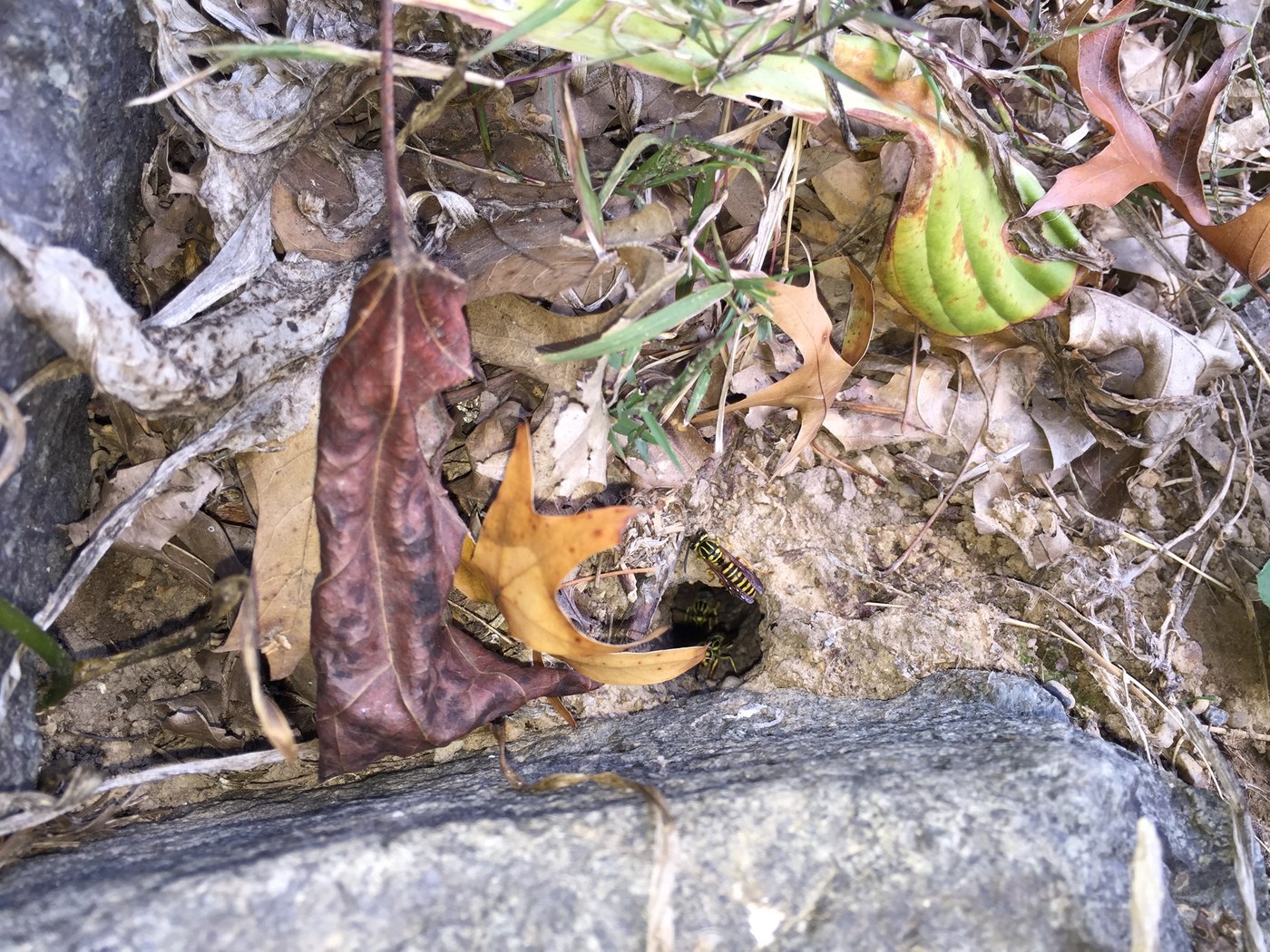
Yellow Jacket
A smooth-bodied, boldly banded black-and-yellow wasp with a narrow waist, often seen hovering aggressively around outdoor food and sugary drinks in late summer.
waspSoldier Fly
A wasp-mimicking fly with a flattened, often metallic body that spends its larval life quietly breaking down decaying plant matter or aquatic debris.
fly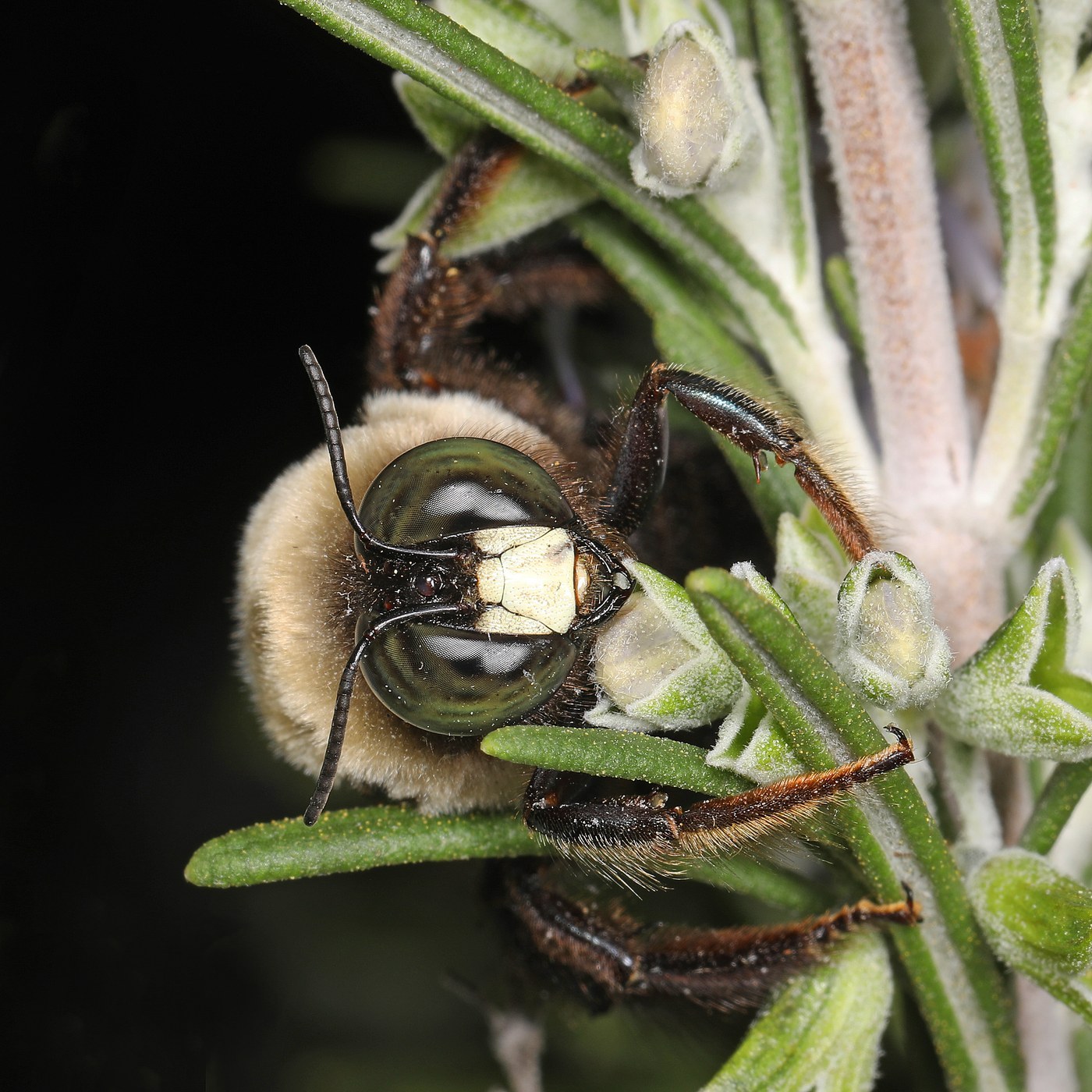
Carpenter Bee
A large, robust bee closely resembling a bumblebee but with a shiny, mostly bald black abdomen, known for excavating tunnel nests into bare, untreated wood.
beeFire Ant Queen
The reproductive powerhouse of a fire ant colony, noticeably larger than the reddish worker ants and equipped with wings before she sheds them to found a new nest.
ant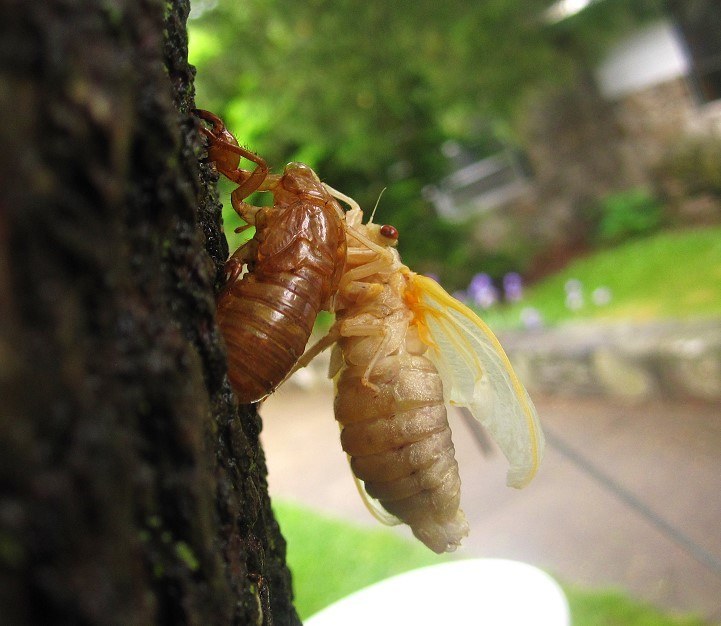
Periodical Cicada
A black-bodied cicada with striking red eyes and orange-veined wings, famous for emerging in massive, synchronized broods after spending 13 or 17 years developing underground.
true-bug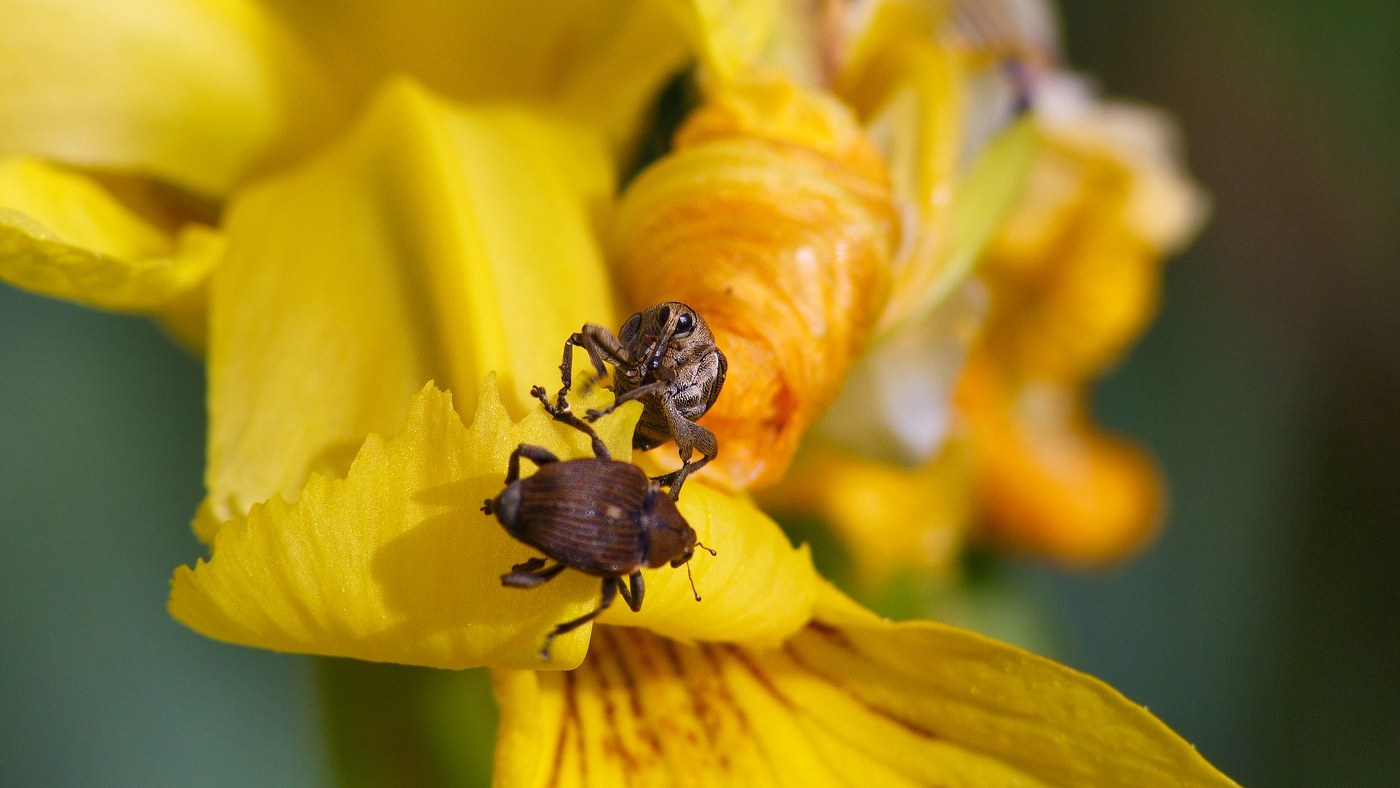
Acorn Weevil
A small brown weevil with an extraordinarily long, thread-thin snout, often longer than its own body, which it uses to drill into developing acorns before laying its eggs inside.
beetleGlowworm Beetle
A beetle whose females remain larva-like and glowing for their entire lives, producing rows of soft greenish light along their segmented, worm-like bodies, while males develop into small, feathery-antennaed flying beetles.
beetleHarvester Ant
A large, industrious desert ant that clears a bare, sunburned disk of ground around its nest entrance while collecting and storing seeds by the thousands.
antOnion Fly
A slender gray fly closely related to houseflies whose white legless larvae bore into onion bulbs, feeding in clusters within a single rotting bulb.
fly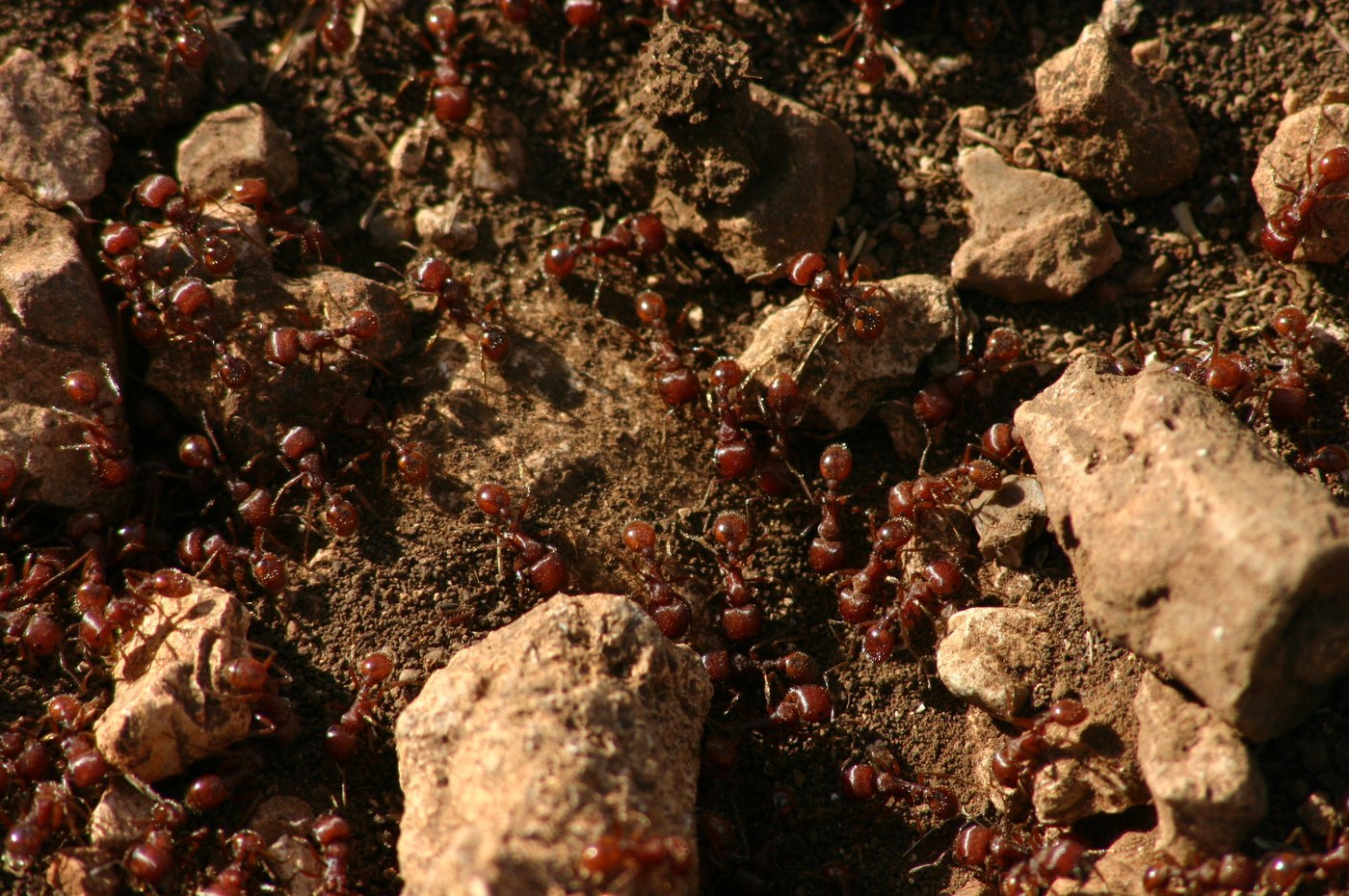
Fire Ant
A small reddish-brown ant that builds loose, crater-less dirt mounds in sunny open turf and mobilizes large numbers of workers rapidly when the nest is disturbed.
ant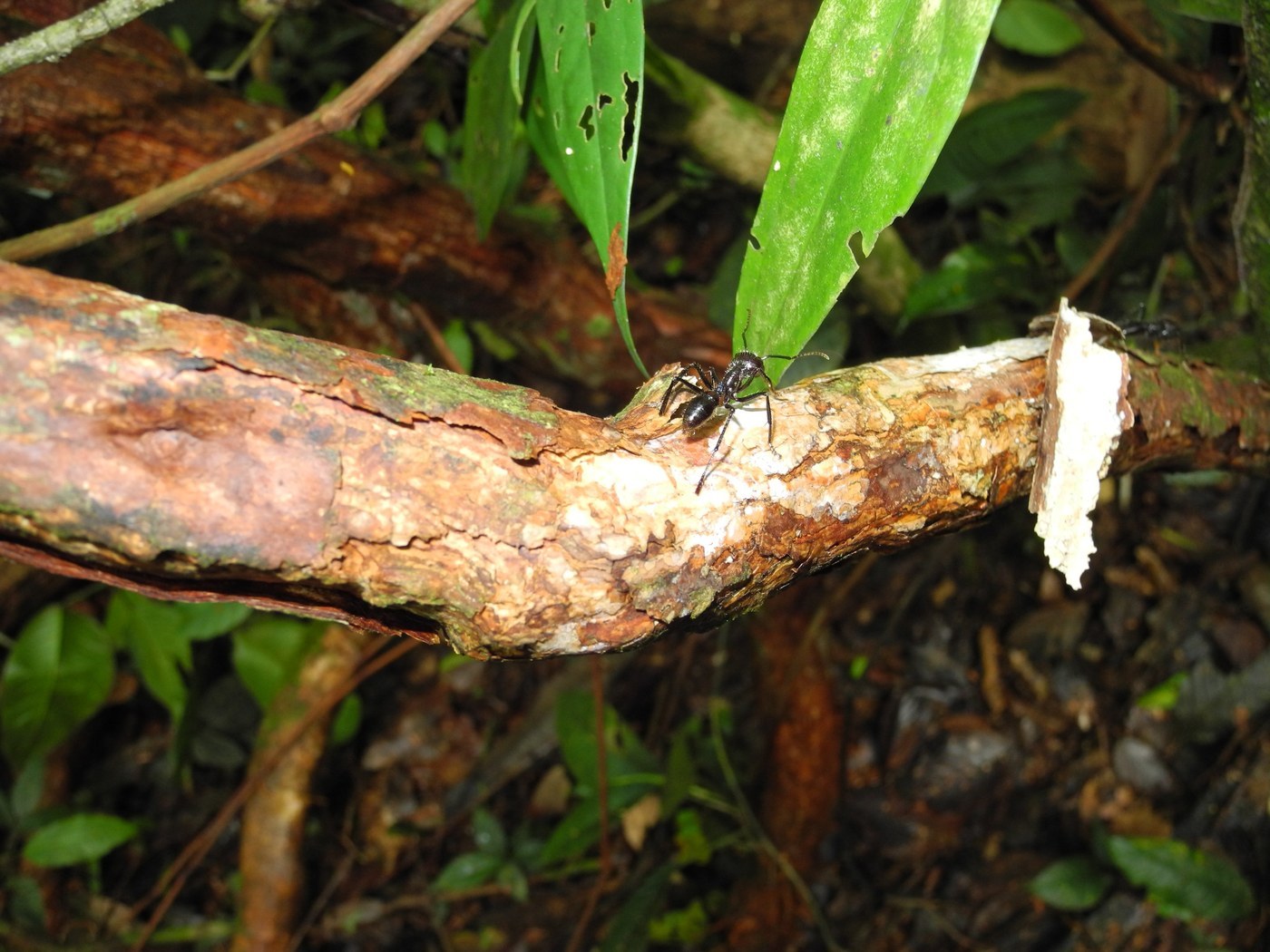
Bullet Ant
A large, glossy reddish-black rainforest ant, among the biggest ants in the world, that nests at the base of trees and forages individually along trunks and branches of the tropical canopy floor.
ant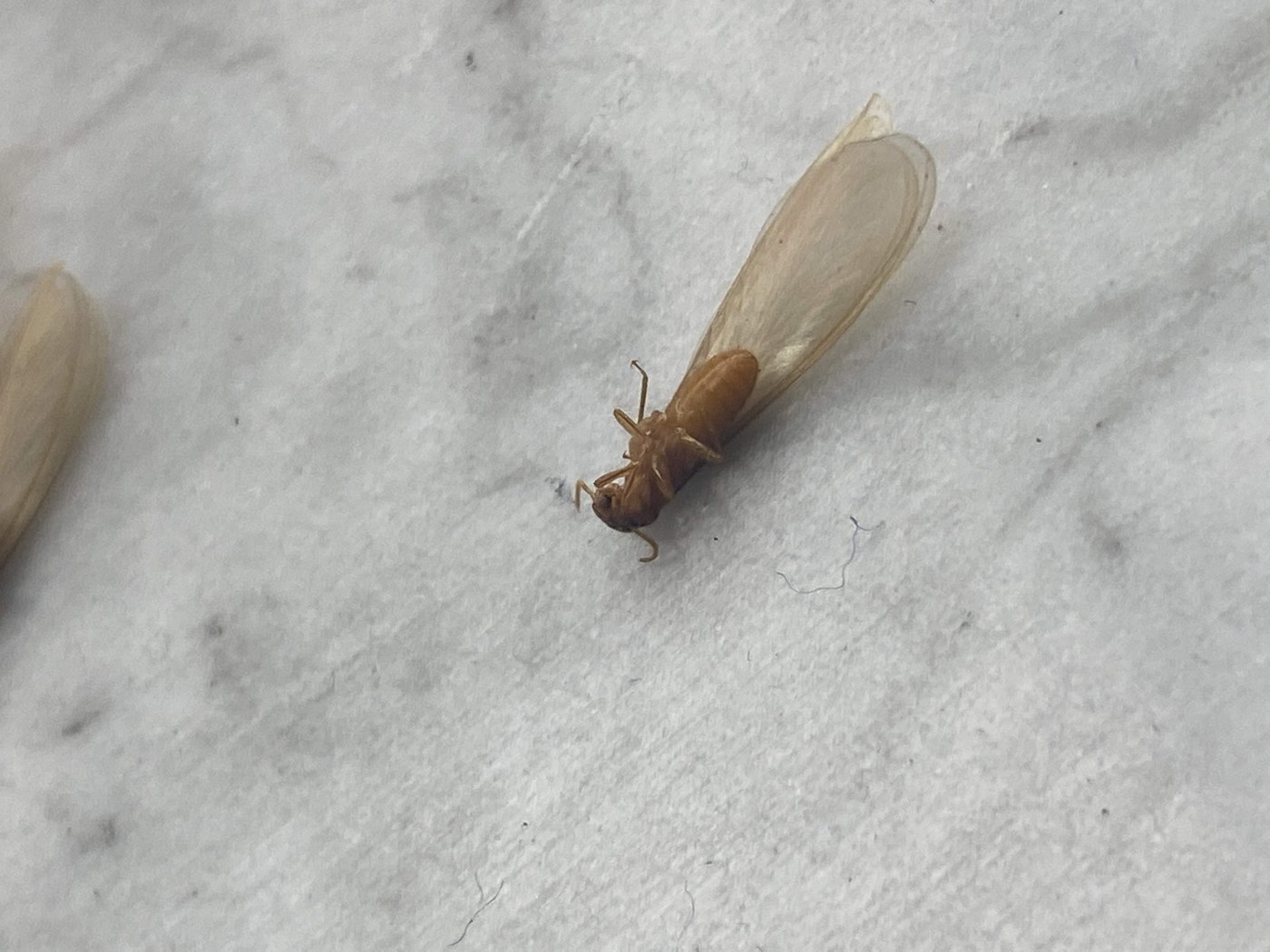
Formosan Subterranean Termite
A pale, aggressive subterranean termite native to East Asia that builds enormous colonies and can construct large above-ground carton nests in trees, walls, and structures.
otherDampwood Termite
A relatively large termite that nests directly inside heavily moistened, decaying wood such as rotting logs and stumps, needing no soil contact but requiring consistently damp timber.
other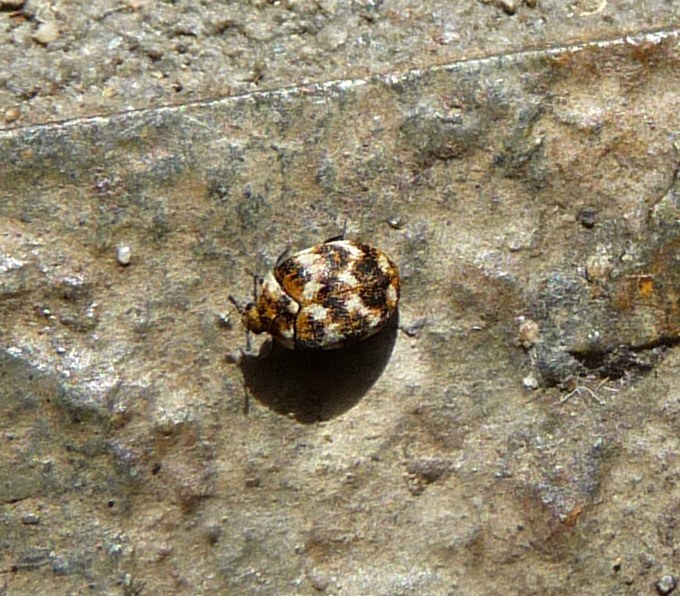
Carpet Beetle
A tiny, rounded beetle with a mottled scale pattern of white, brown, and yellow, whose bristly larvae are known for feeding on wool, fur, and other dried animal fibers indoors.
beetle