
Bug Encyclopedia
Search and identify bugs & insects — beetles, butterflies, moths, ants, bees, spiders and more — with size, habitat, danger, behavior, and how to tell them apart.
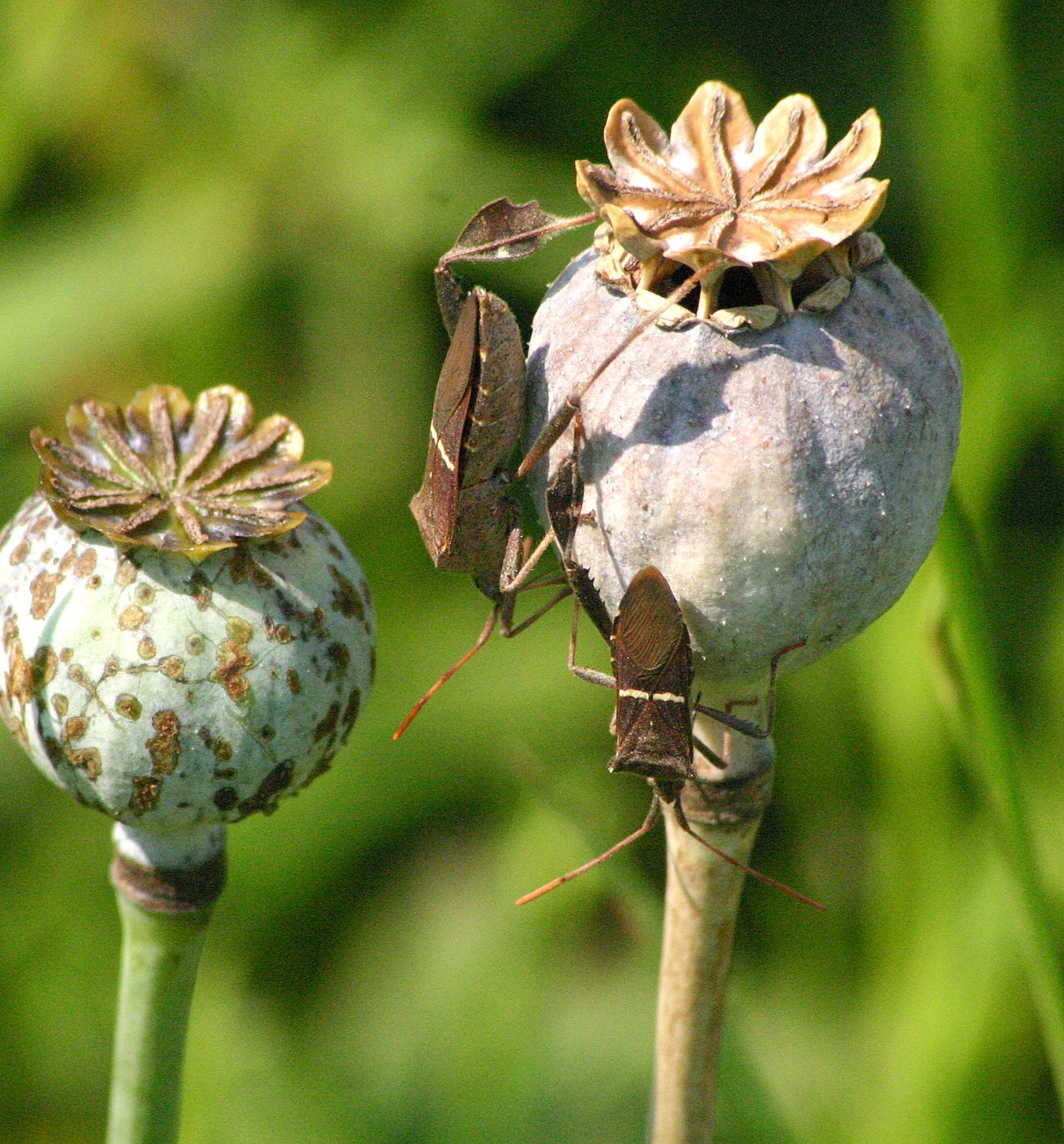
Leaf-Footed Bug
A large, elongated brown true bug named for the flattened, leaf-shaped expansions on its hind legs, often found feeding on fruits, seeds, and vegetables in gardens and orchards.
true-bug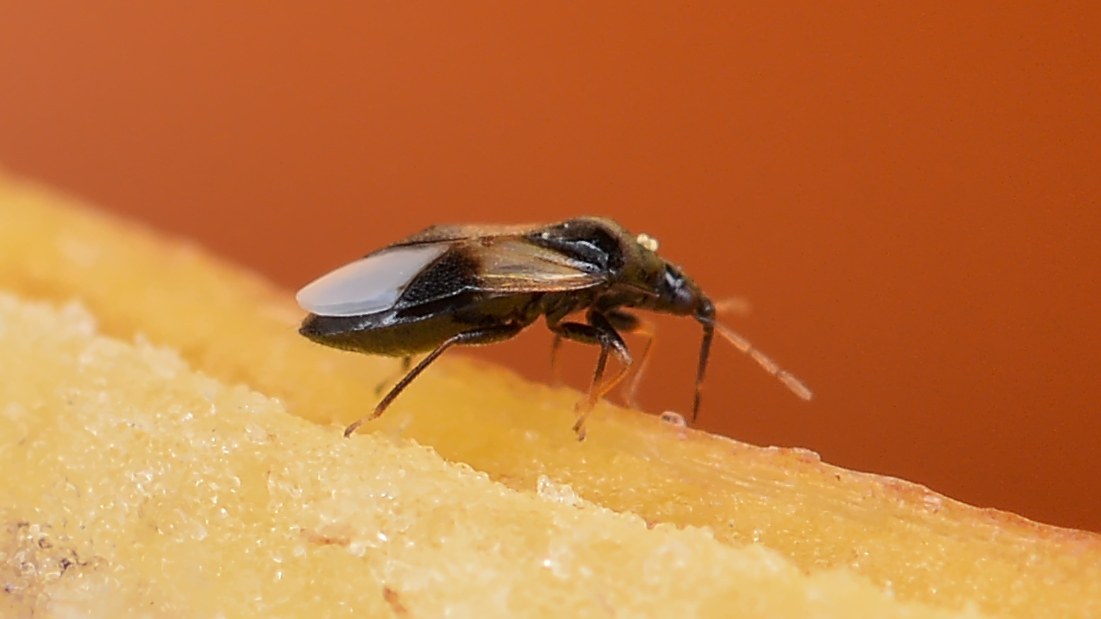
Minute Pirate Bug
A tiny, black-and-white patterned true bug barely visible without close inspection, the minute pirate bug is a voracious predator of thrips, mites, and insect eggs on flowers and foliage.
true-bug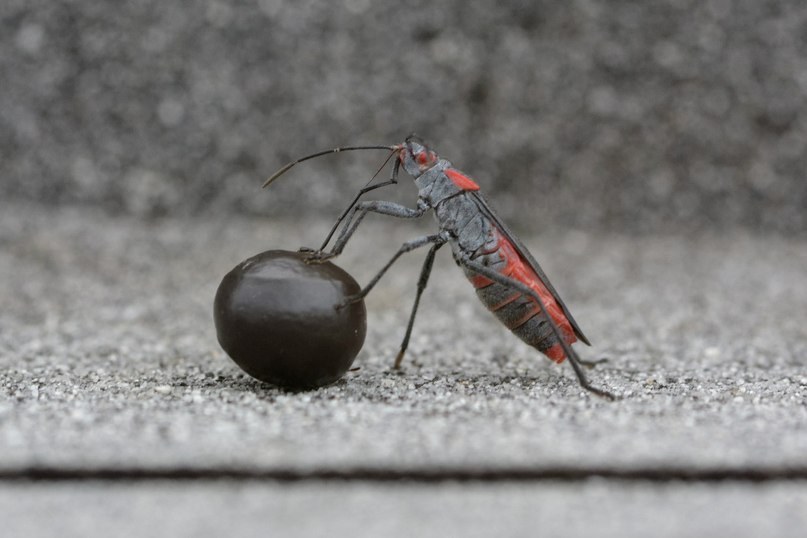
Red-Shouldered Bug
A dark, flattened true bug with a bright red-orange collar across its shoulders, often seen clustering beneath goldenrain trees and other soapberry-family hosts.
true-bug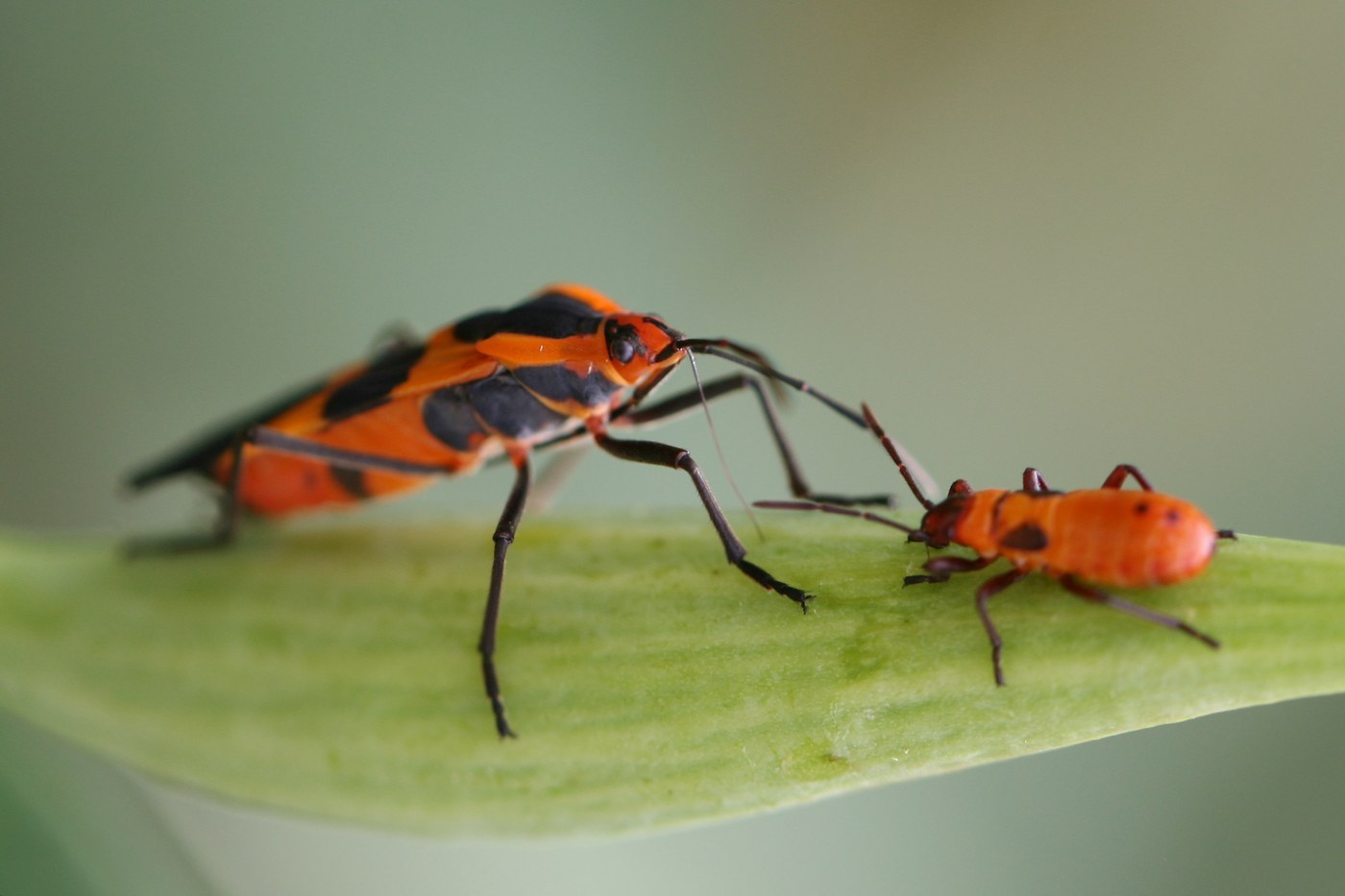
Milkweed Bug (Large Milkweed Bug)
A boldly patterned orange-and-black true bug found clustering on milkweed seed pods, sporting an elongated body with a distinctive black band across the wings.
true-bug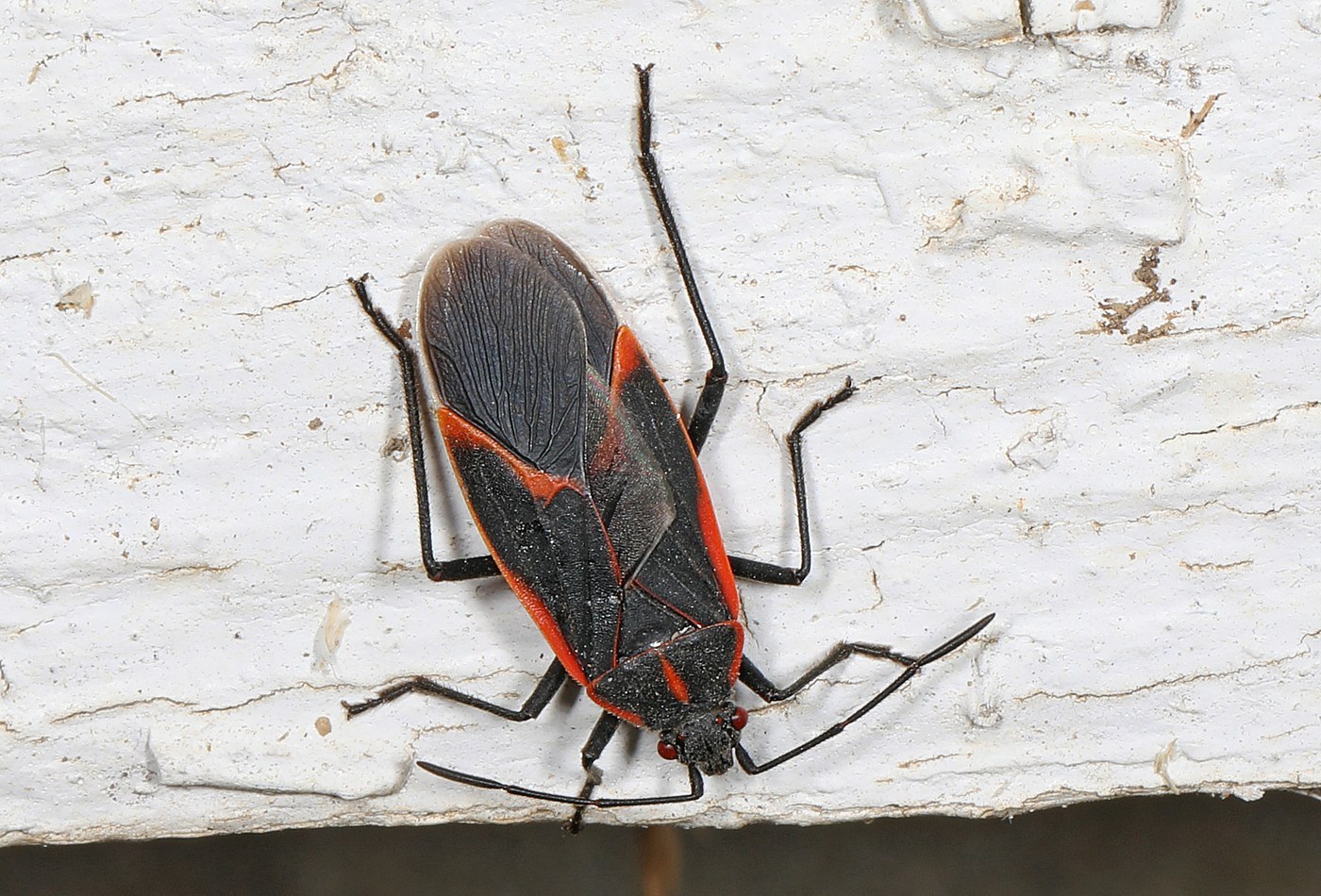
Boxelder Bug (Eastern)
A flat, black true bug boldly trimmed in red-orange lines, famous for massing by the hundreds on sun-warmed walls and tree trunks each autumn.
true-bug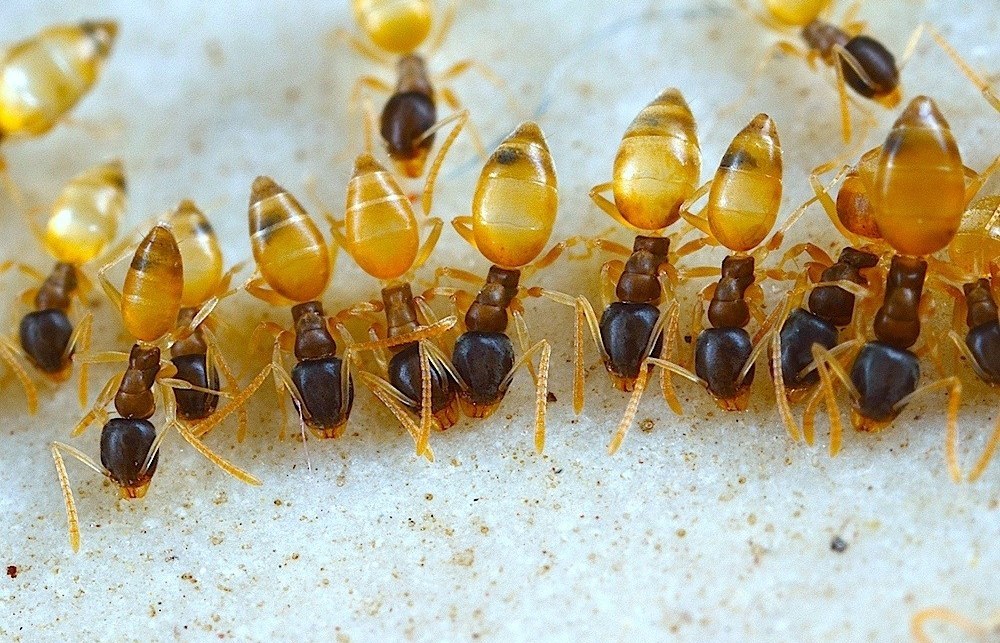
Ghost Ant
A minuscule ant with a dark head and pale, nearly translucent legs and abdomen that seem to vanish against light-colored surfaces, giving the species its ghostly common name.
ant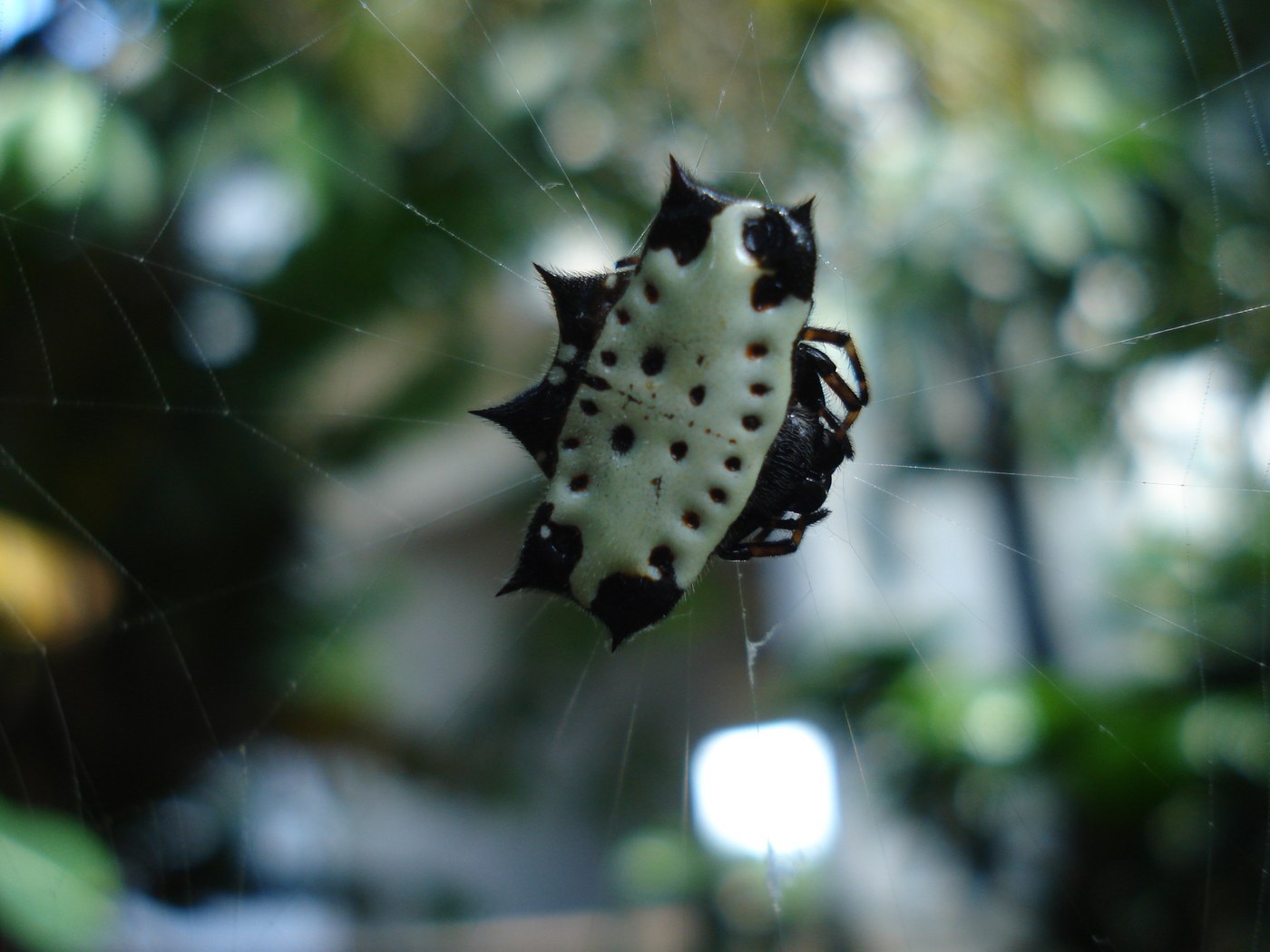
Spiny Orb Weaver
A small, hard-shelled orb weaver shaped like a tiny crab, with six sharp spines projecting from a brightly colored abdomen suspended in a neat wheel-shaped web.
spider
Sleepy Orange
A small, deep orange sulphur butterfly with dark wing borders and a low, wandering flight, named for a faint dark mark that suggests a half-closed, sleepy eye.
butterfly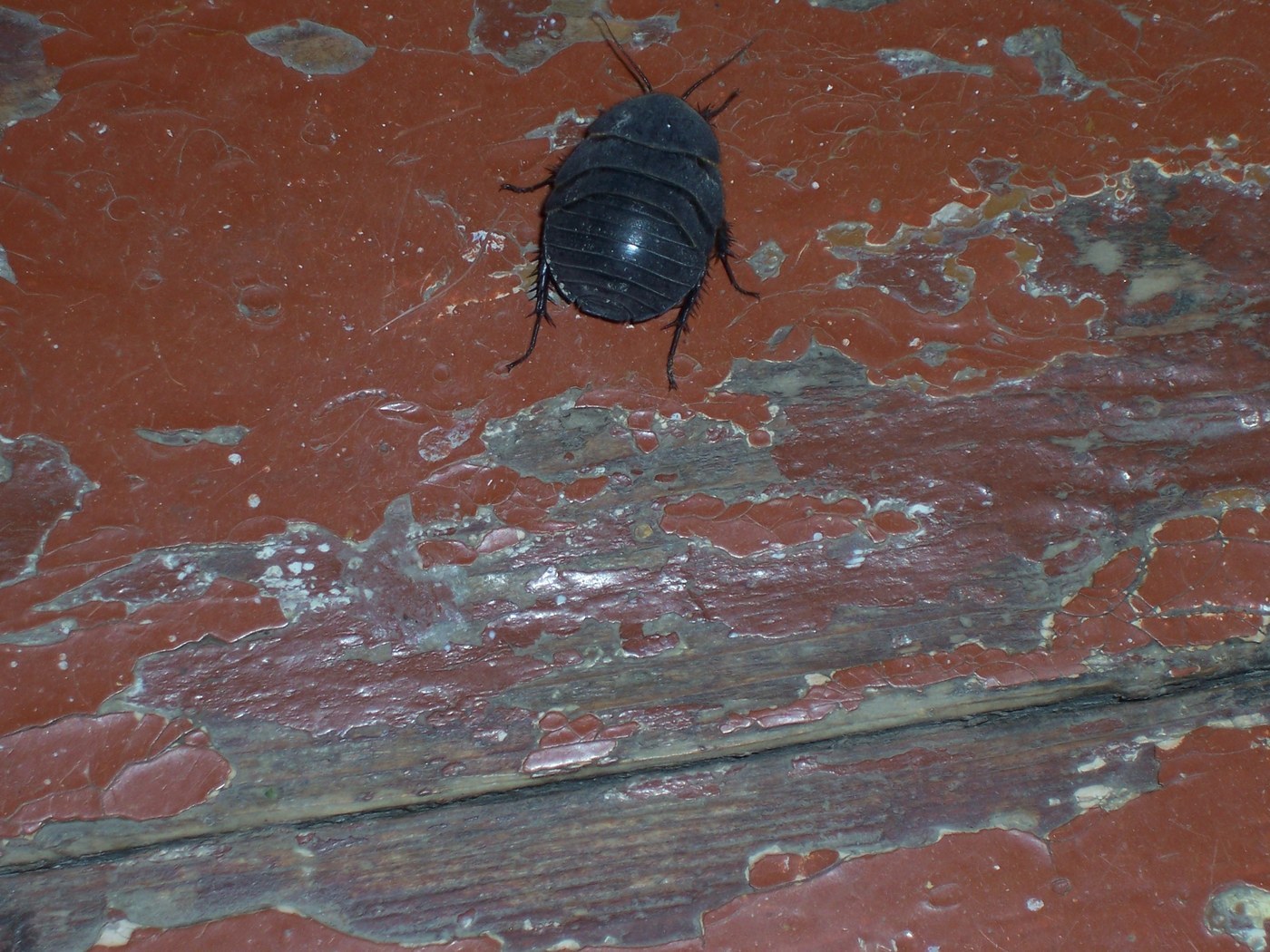
Oriental Cockroach
A dark, matte blackish-brown cockroach with short wings that do not cover the abdomen, especially in females, and a preference for cooler, damper hiding spots than most other common cockroaches.
otherPlanthopper
A varied group of sap-feeding true bugs known for their sideways-held wings, jumping ability, and, in some tropical species, exaggerated head projections used for display.
true-bug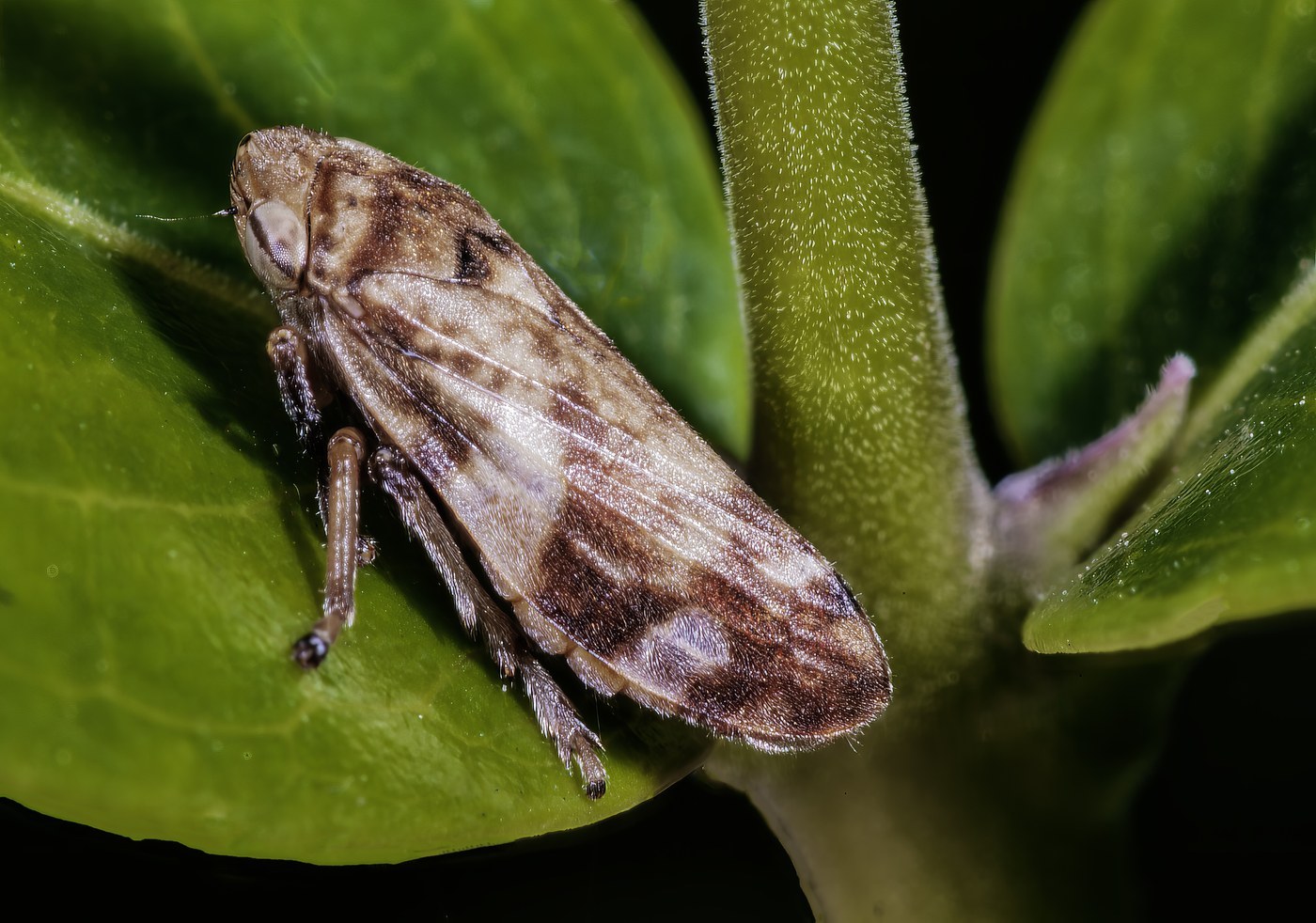
Spittlebug
A small hopping true bug best known in its nymph stage, which surrounds itself in a frothy mass of white foam on plant stems, commonly called cuckoo spit.
true-bug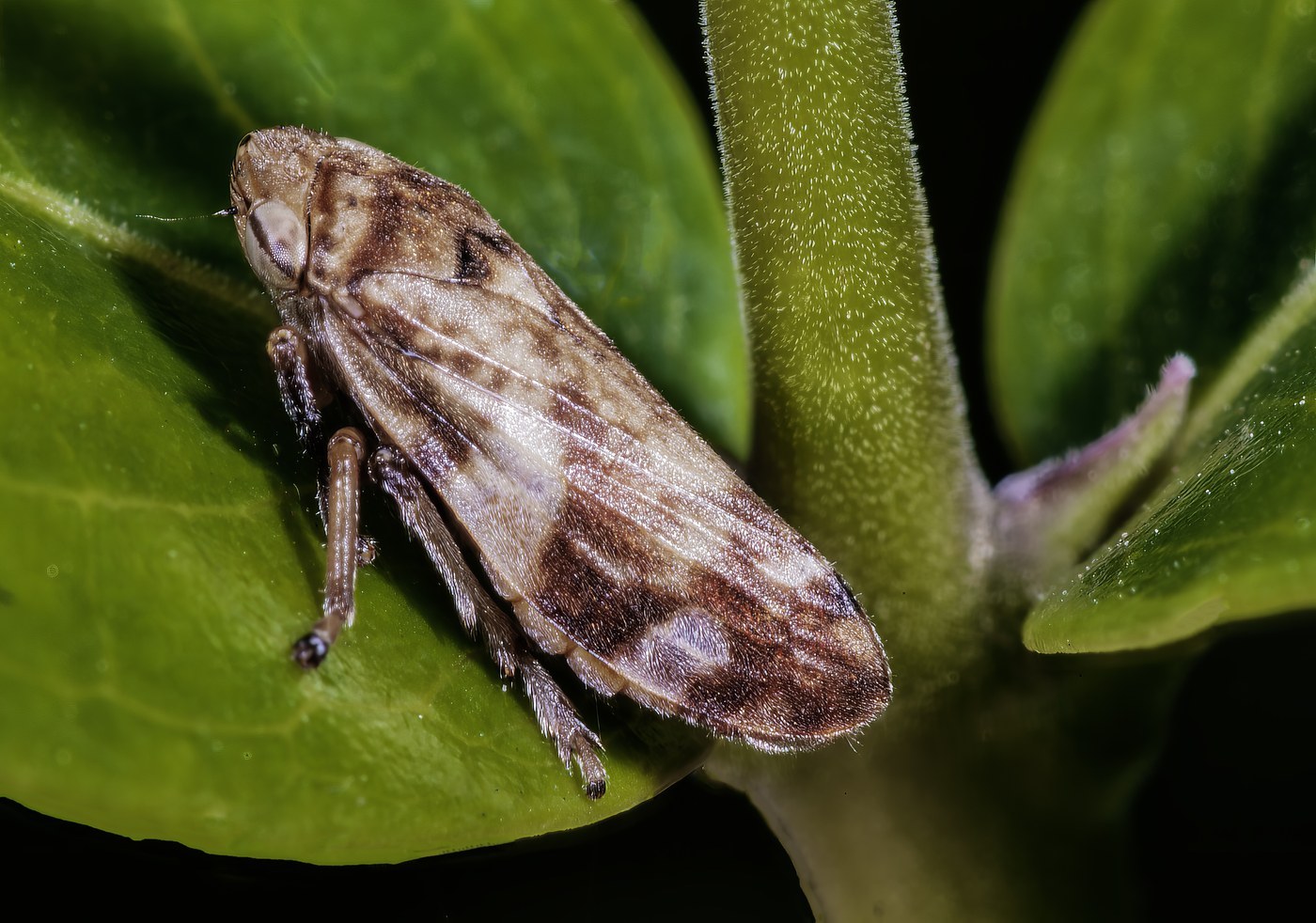
Meadow Spittlebug
A small, mottled hopping true bug whose immature nymphs are far more often noticed than the adults, hidden inside frothy blobs of white foam known as cuckoo spit on plant stems.
true-bugOdorous House Ant
A dark, unassuming ant best known for releasing a smell reminiscent of rotten coconut when a worker is crushed.
ant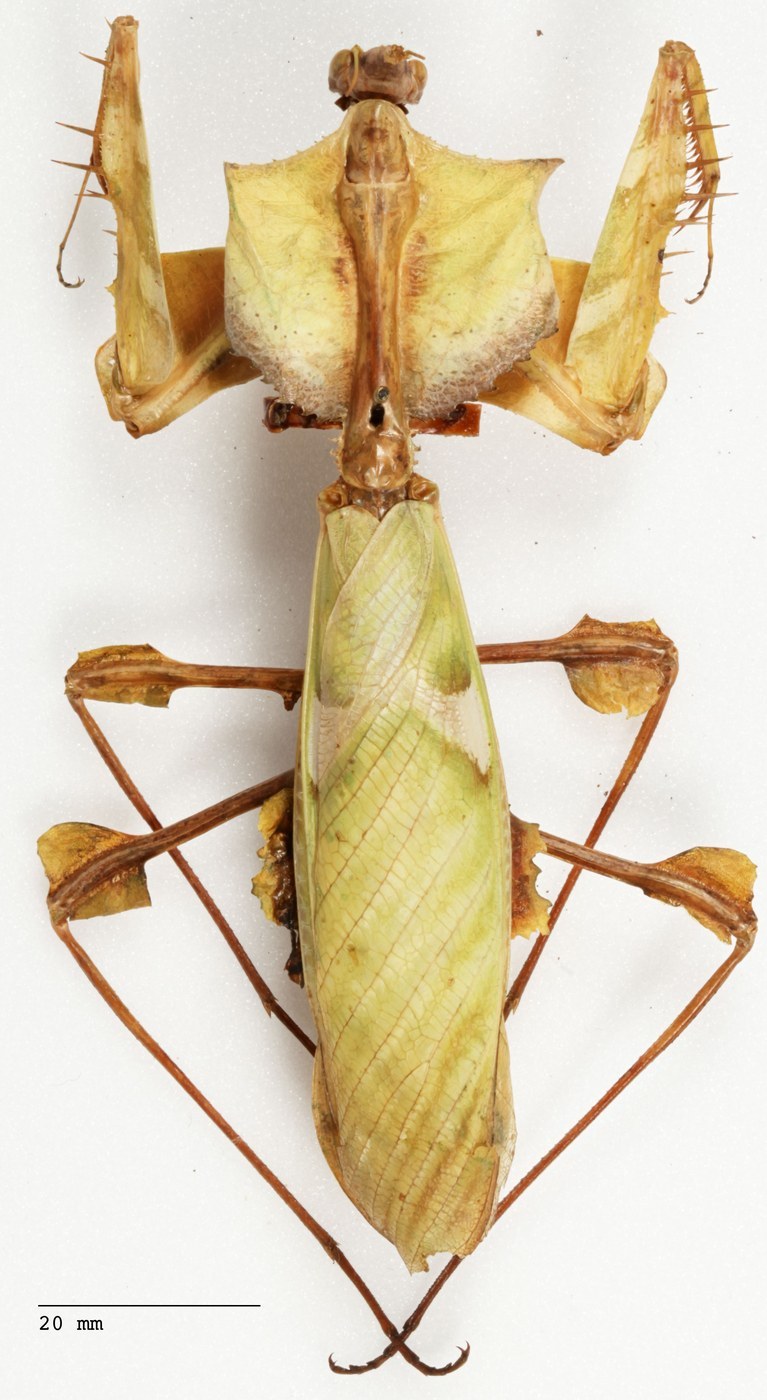
Devil's Flower Mantis
One of the largest mantis species on Earth, this striking insect can suddenly rear up and fan out vividly colored wings and legs into a dramatic, flower-like threat display.
mantis-stick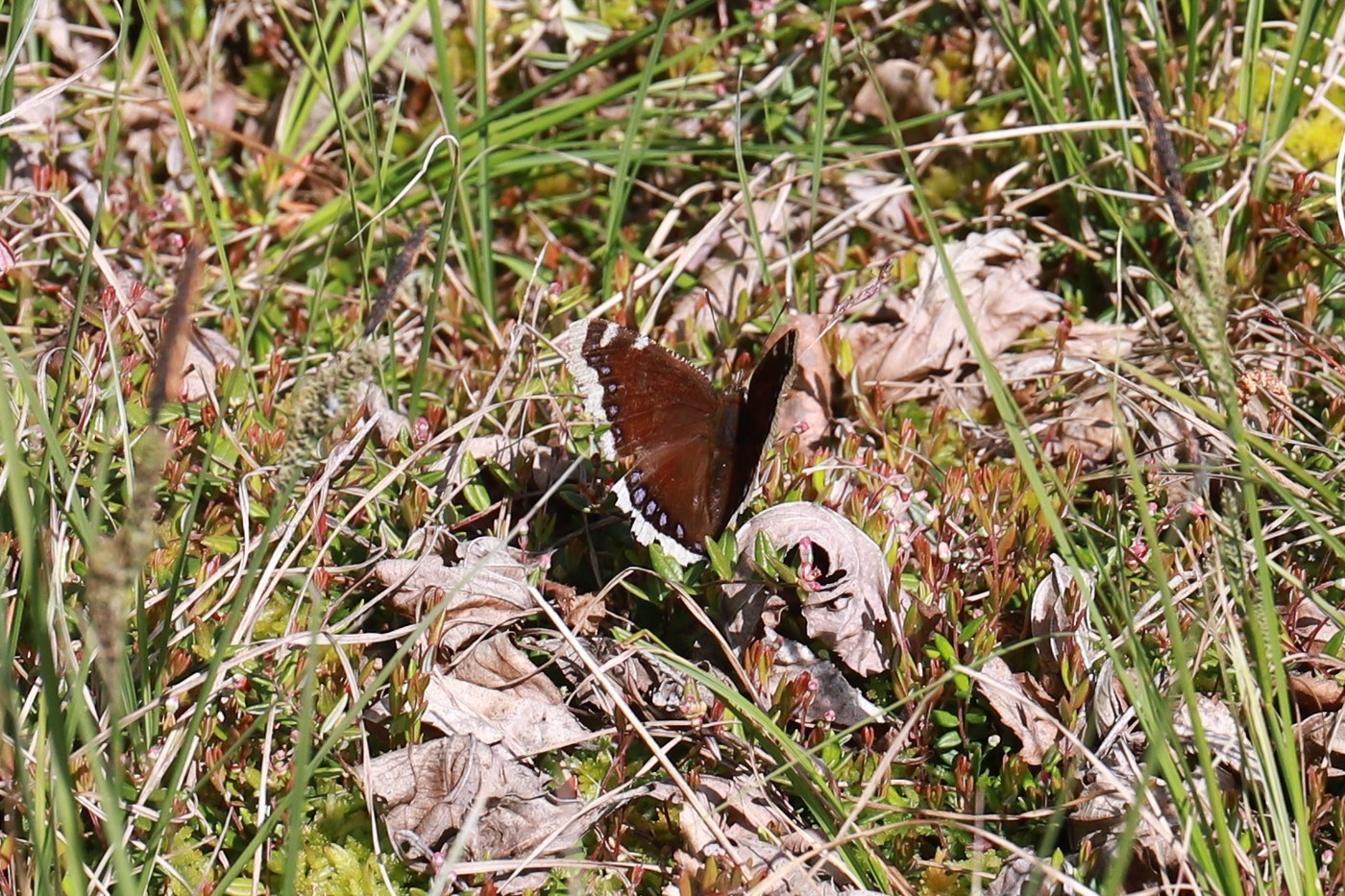
Mourning Cloak
A dark, velvety maroon-brown butterfly edged with a ragged cream-yellow border and a row of iridescent blue spots, notable for overwintering as an adult and often being one of the very first butterflies seen flying in early spring.
butterfly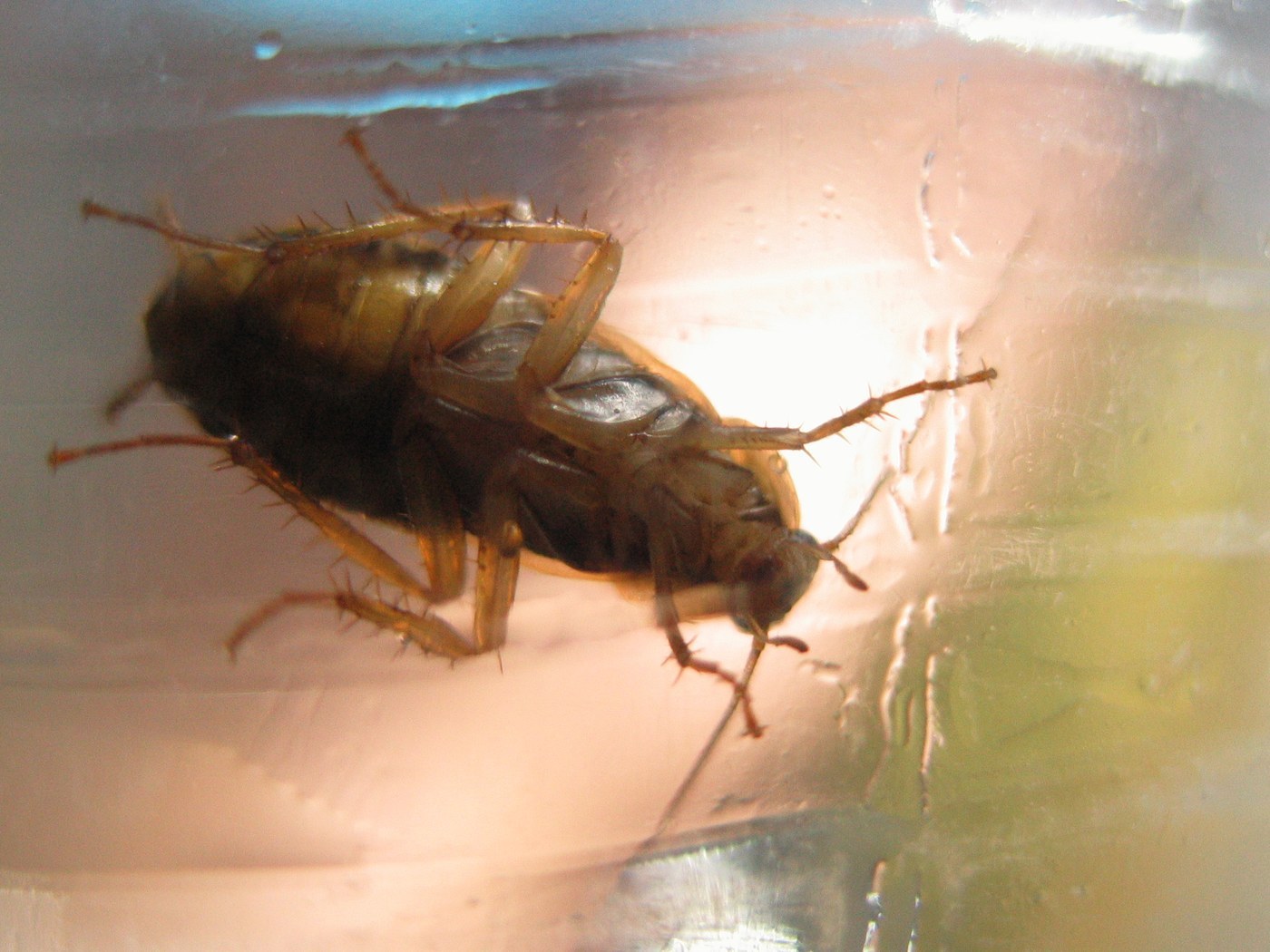
German Cockroach
A small, fast-moving light brown to tan roach marked with two dark parallel stripes running down its pronotum, most often seen scurrying for cover in warm, moist indoor areas.
otherTreehopper
A small, oddly shaped sap-feeding bug best known for an enlarged, often bizarre pronotum extending backward over its body, sometimes shaped like a thorn, leaf, or spike.
true-bug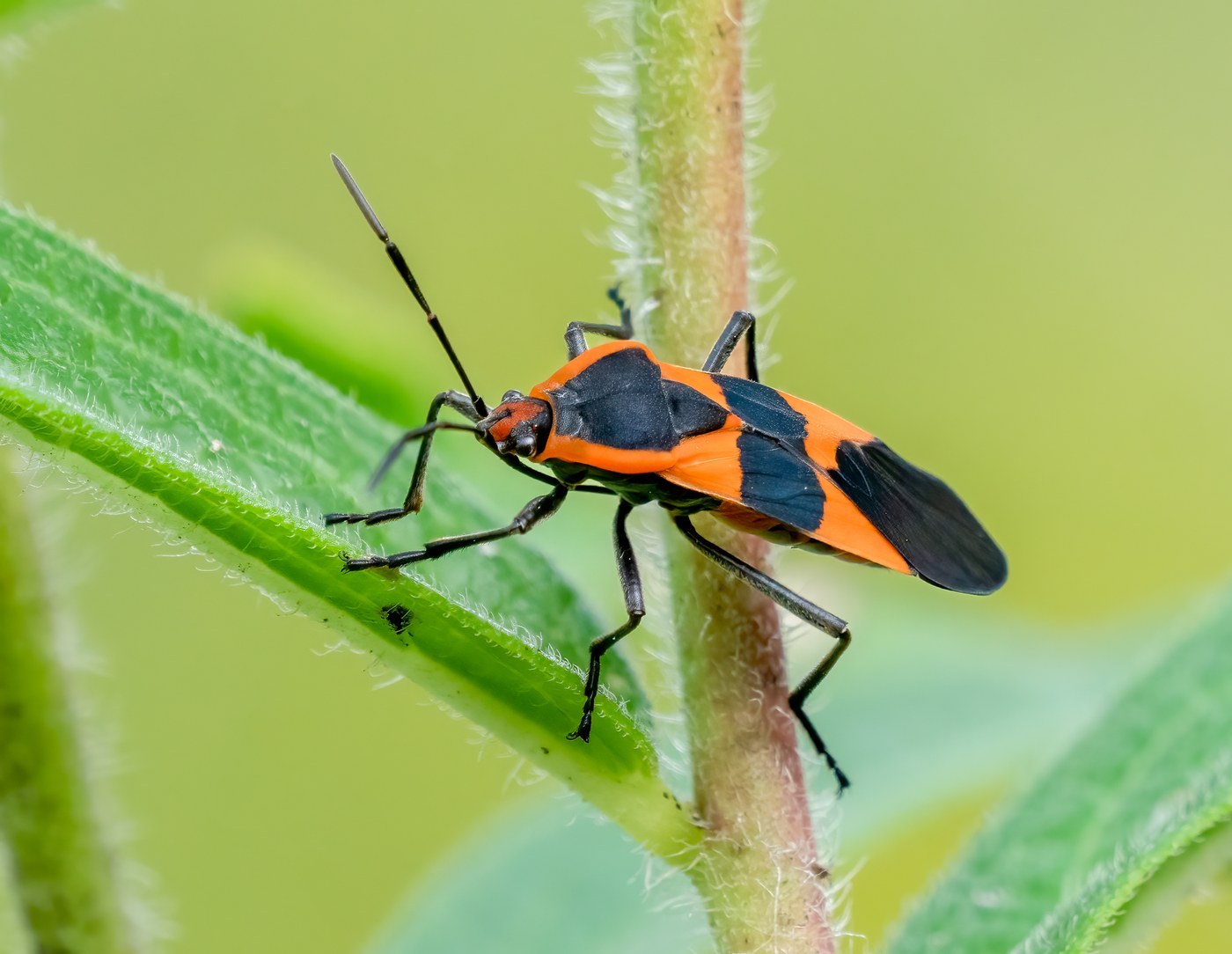
Monarch's Milkweed
A boldly orange-and-black true bug that shares milkweed plants with Monarch butterfly caterpillars, often clustering in large groups on seed pods and stems.
true-bugWhite Grub
A pale, C-shaped larva with a brown head capsule and six stubby legs, spending its entire early life hidden underground feeding on roots before emerging as a stout May or June beetle.
beetle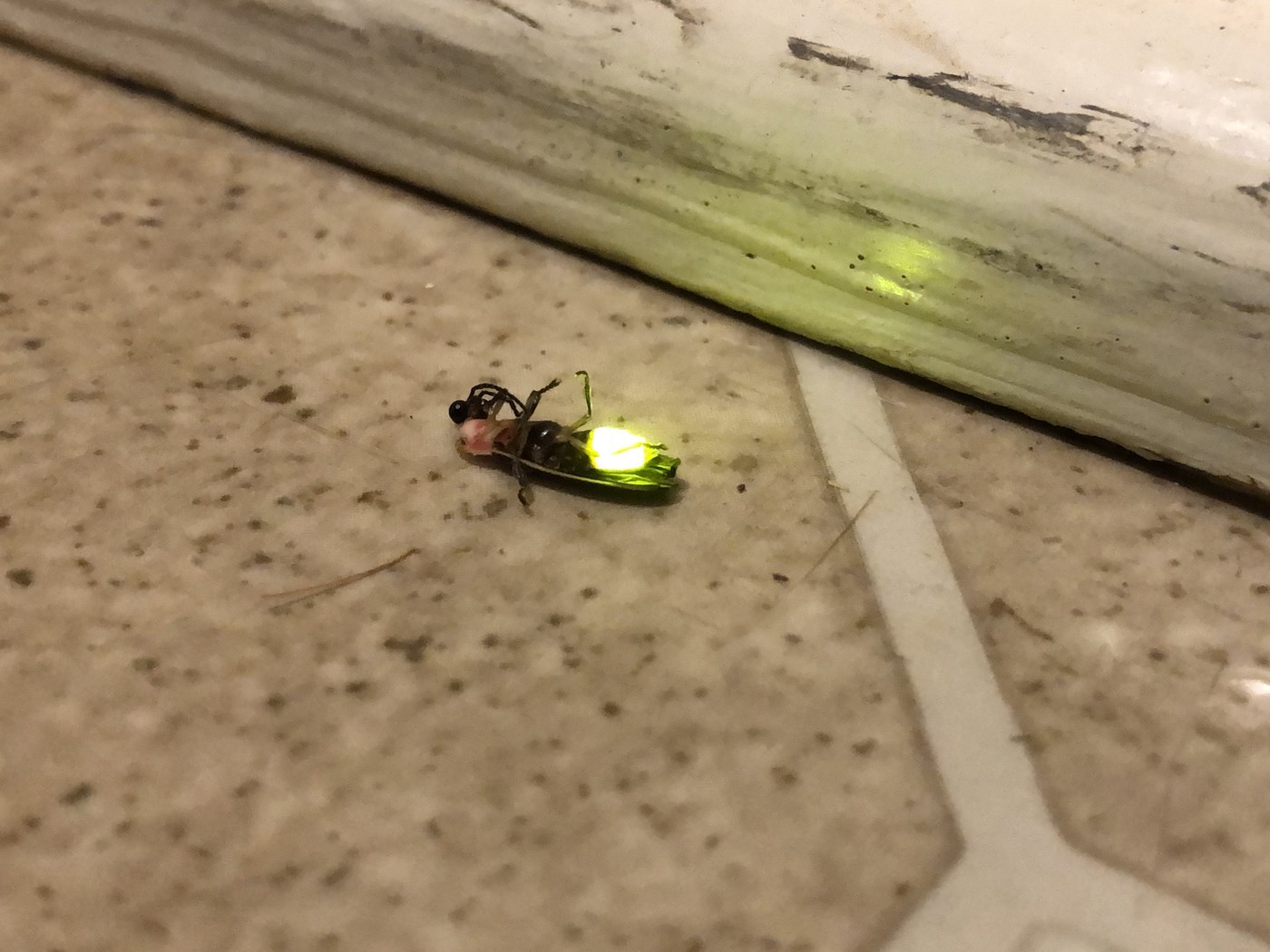
Firefly Beetle
A soft-bodied, dark beetle famous for producing rhythmic flashes of light from its abdomen at dusk, using bioluminescence to attract mates on warm summer evenings.
beetle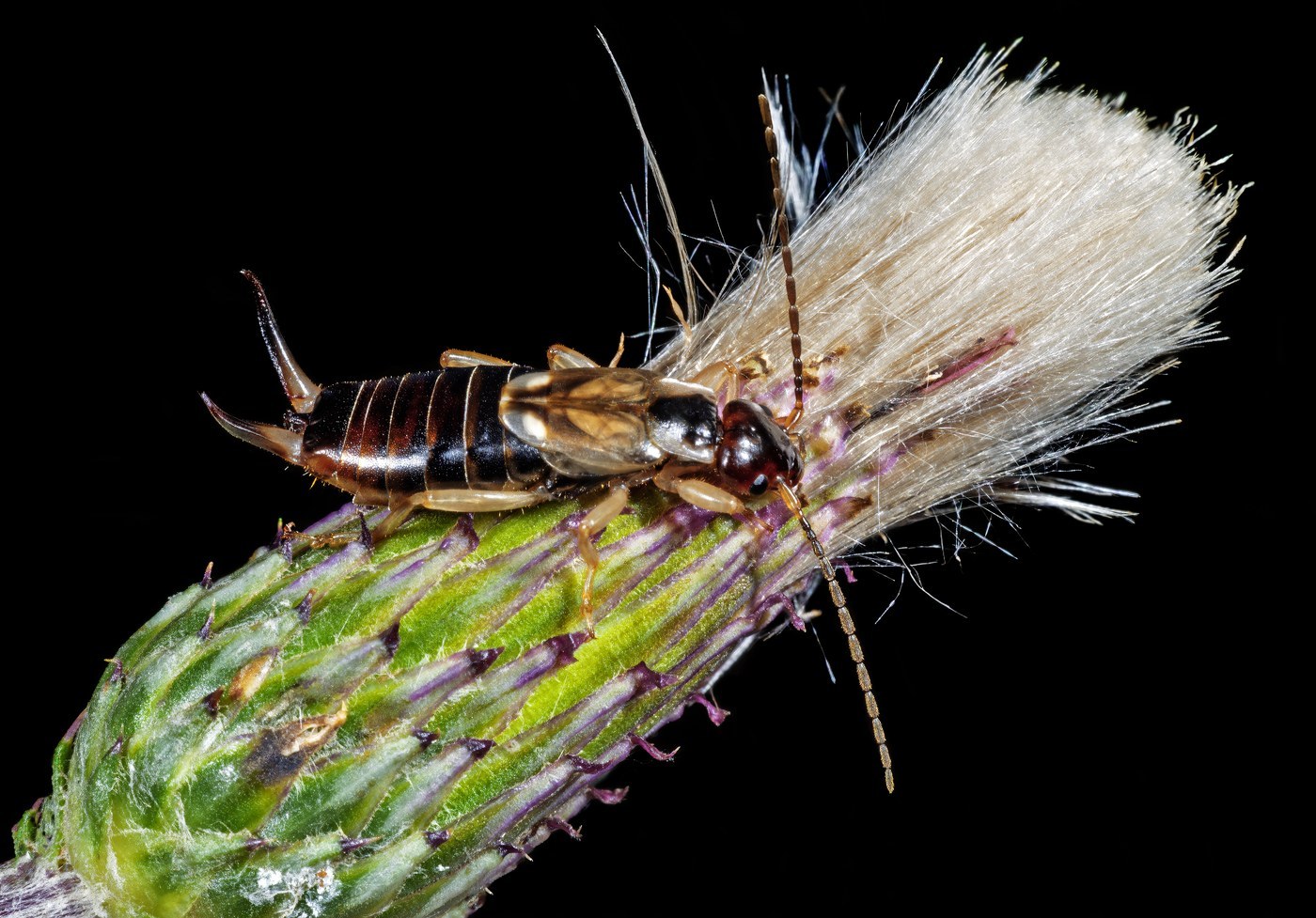
Earwig
A slender, reddish-brown insect easily identified by the pair of curved, forceps-like pincers at the tip of its abdomen, often found hiding under mulch, bark, or garden debris by day.
other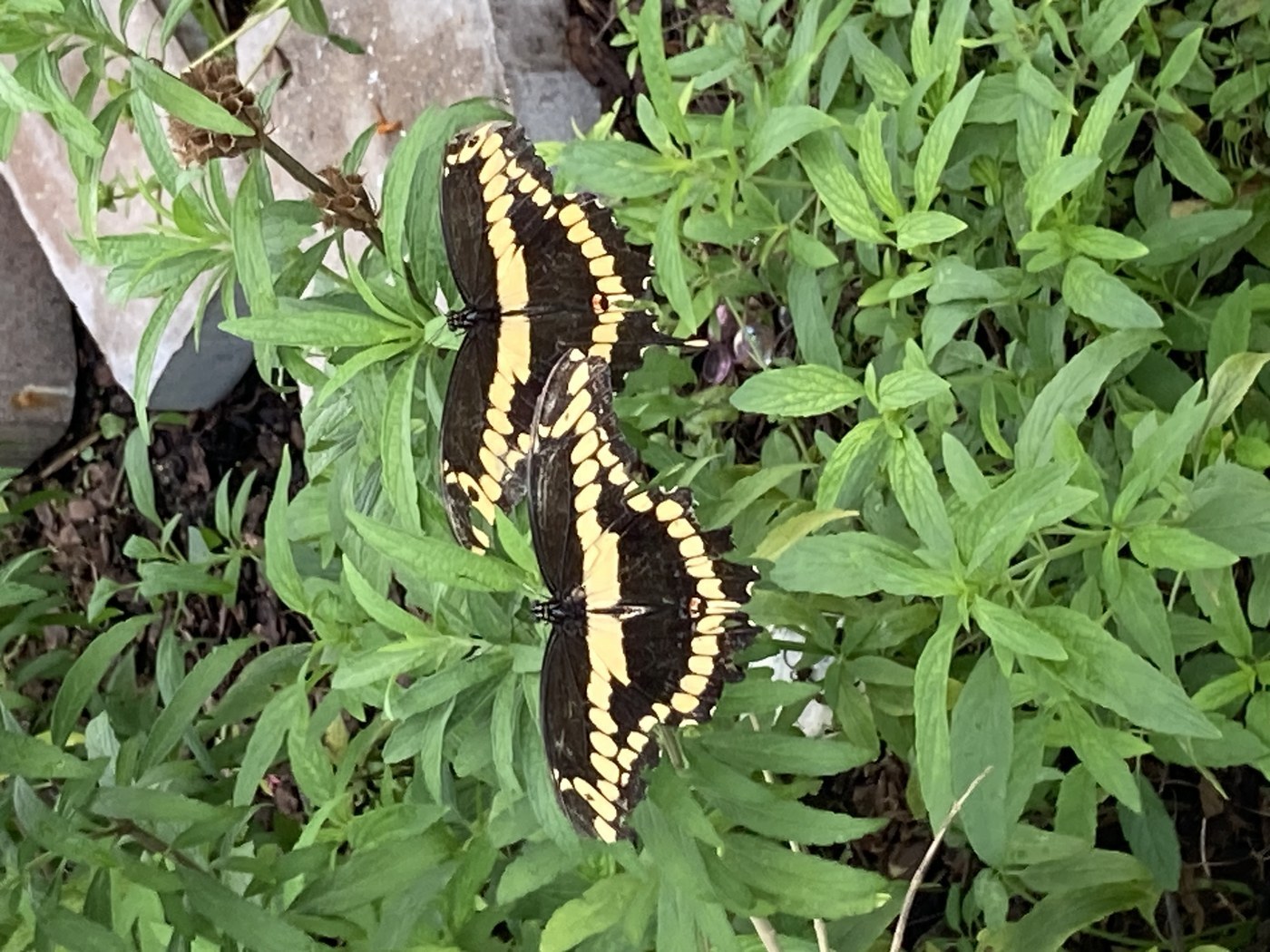
Giant Swallowtail
The largest butterfly in North America, a dark brown giant marked with a bold diagonal yellow band and yellow spotting that forms an X-like pattern when the wings are spread.
butterflyCave Spider
A long-legged orb weaver adapted to the twilight zone of caves, spinning large webs across cavern mouths and dangling its egg sacs from silk threads deep within the darkness.
spider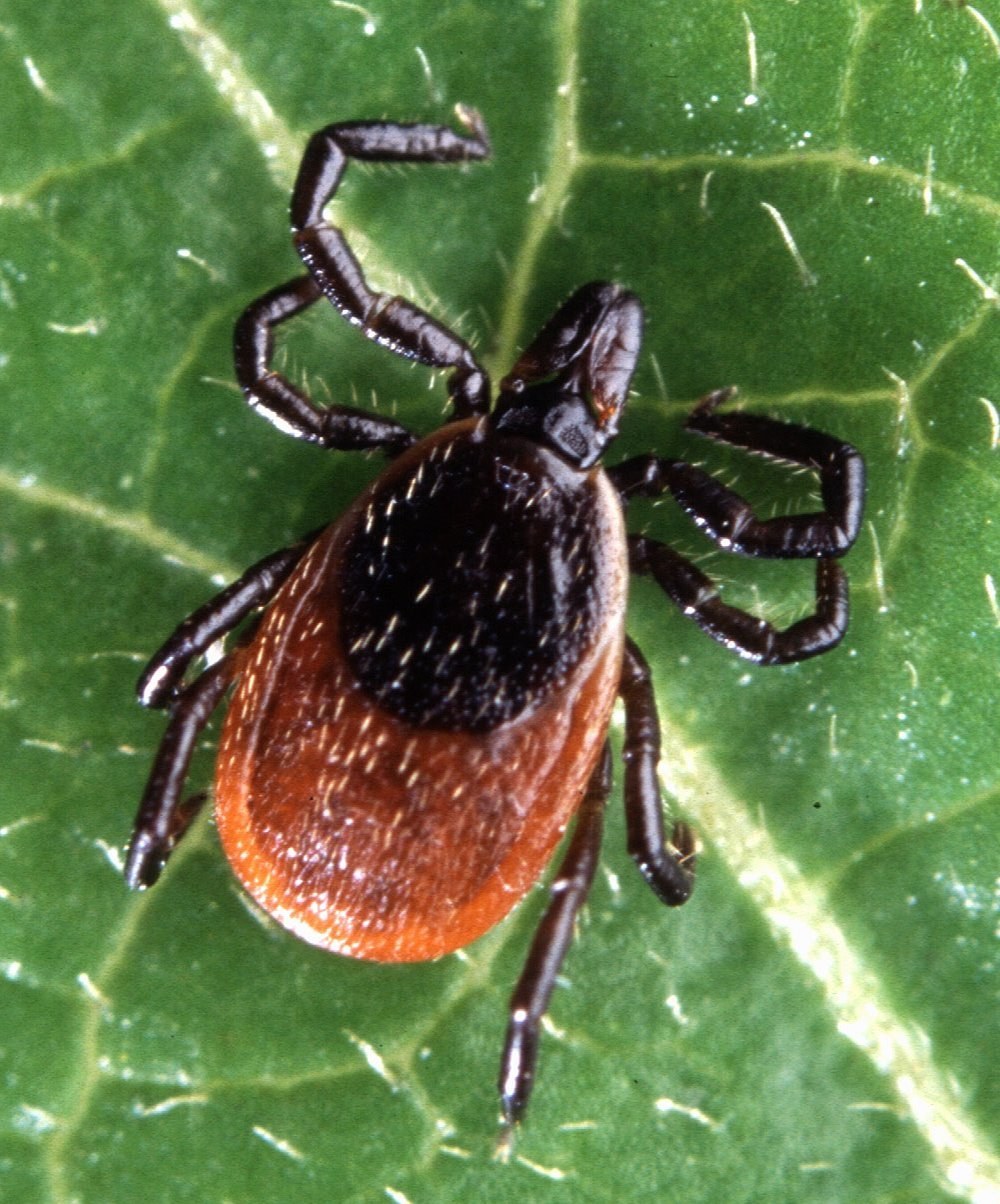
Deer Tick
A small, dark-legged tick with a reddish-brown, teardrop-shaped body, noticeably smaller than many other common tick species and often found questing in wooded or grassy edge habitats.
arachnid