
Bug Encyclopedia
Search and identify bugs & insects — beetles, butterflies, moths, ants, bees, spiders and more — with size, habitat, danger, behavior, and how to tell them apart.
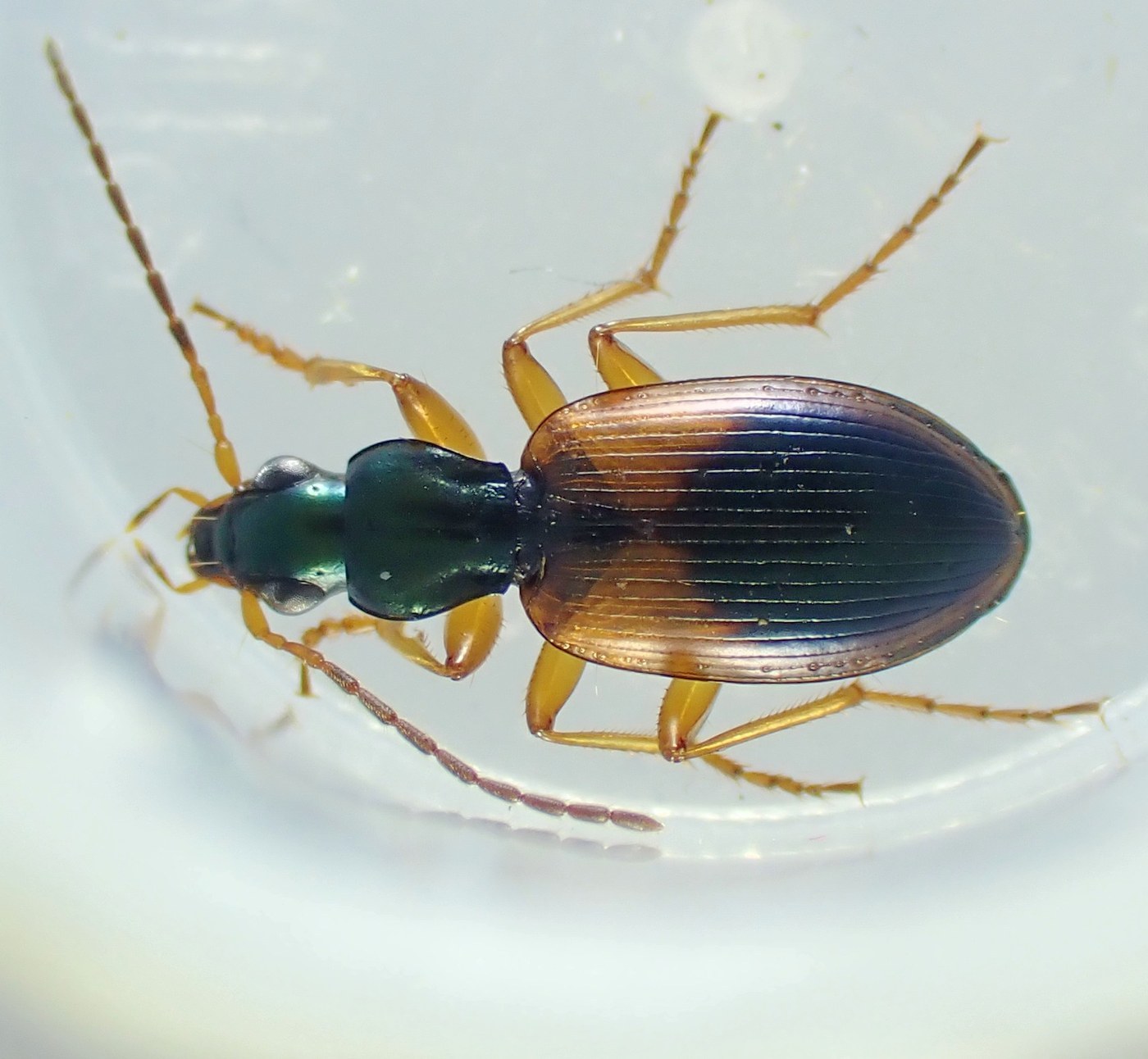
Ground Beetle
A fast-moving, shiny black or metallic beetle with long legs and prominent jaws, usually found scurrying under rocks and debris where it hunts other small invertebrates.
beetleHuntsman Spider
With legs splayed crab-like to either side of a flattened body, the huntsman spider is built for speed, capable of scuttling sideways across walls and tree trunks in pursuit of prey.
spider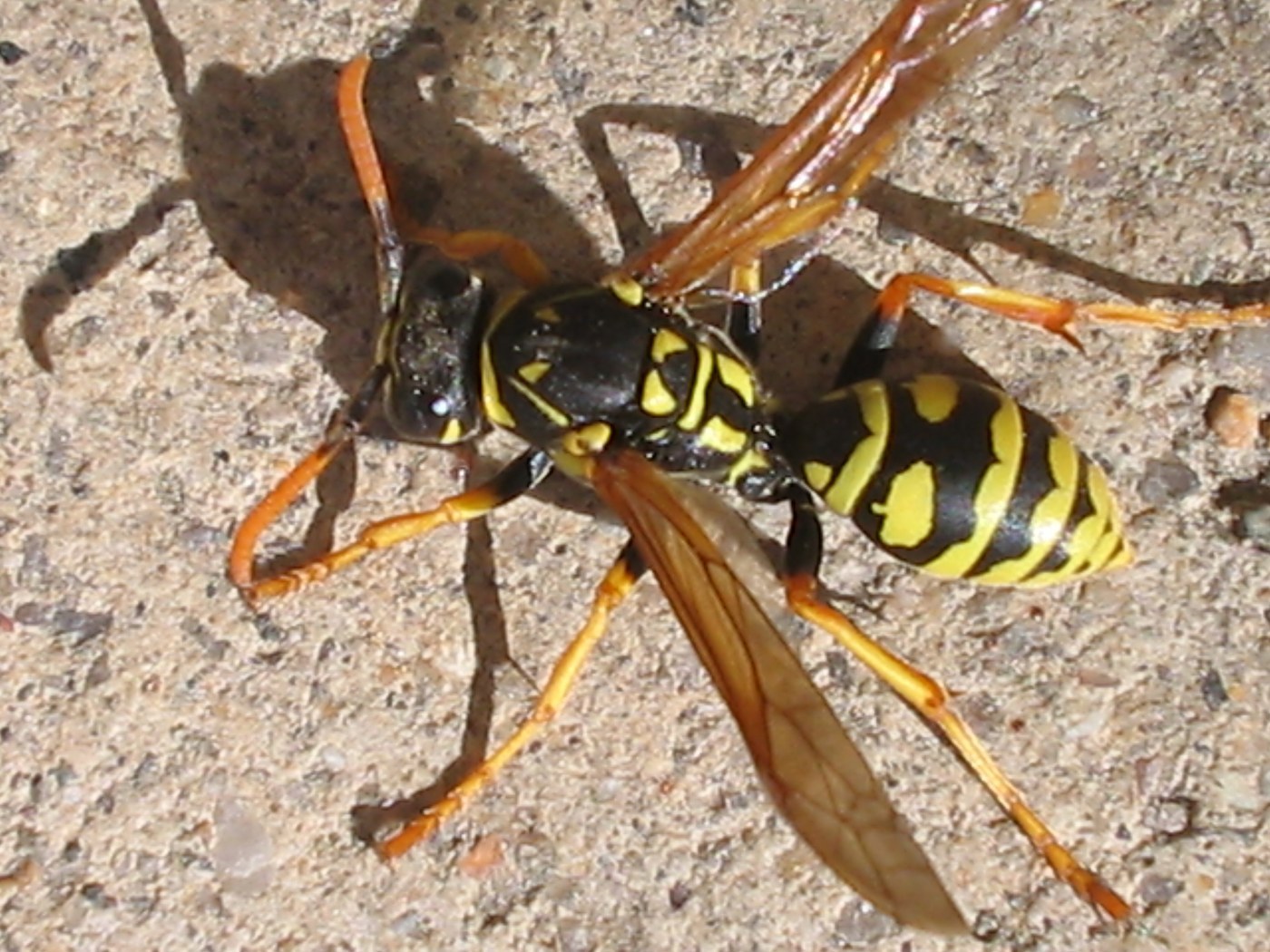
European Paper Wasp
A slender, orange-antennaed social wasp that builds small, open umbrella-shaped paper combs under eaves and ledges, now common well beyond its native European range.
waspLeaf Miner
Rather than chewing from the outside, a leaf miner larva tunnels between the upper and lower surfaces of a leaf, leaving behind pale, winding trails or blotches that trace its path as it feeds.
fly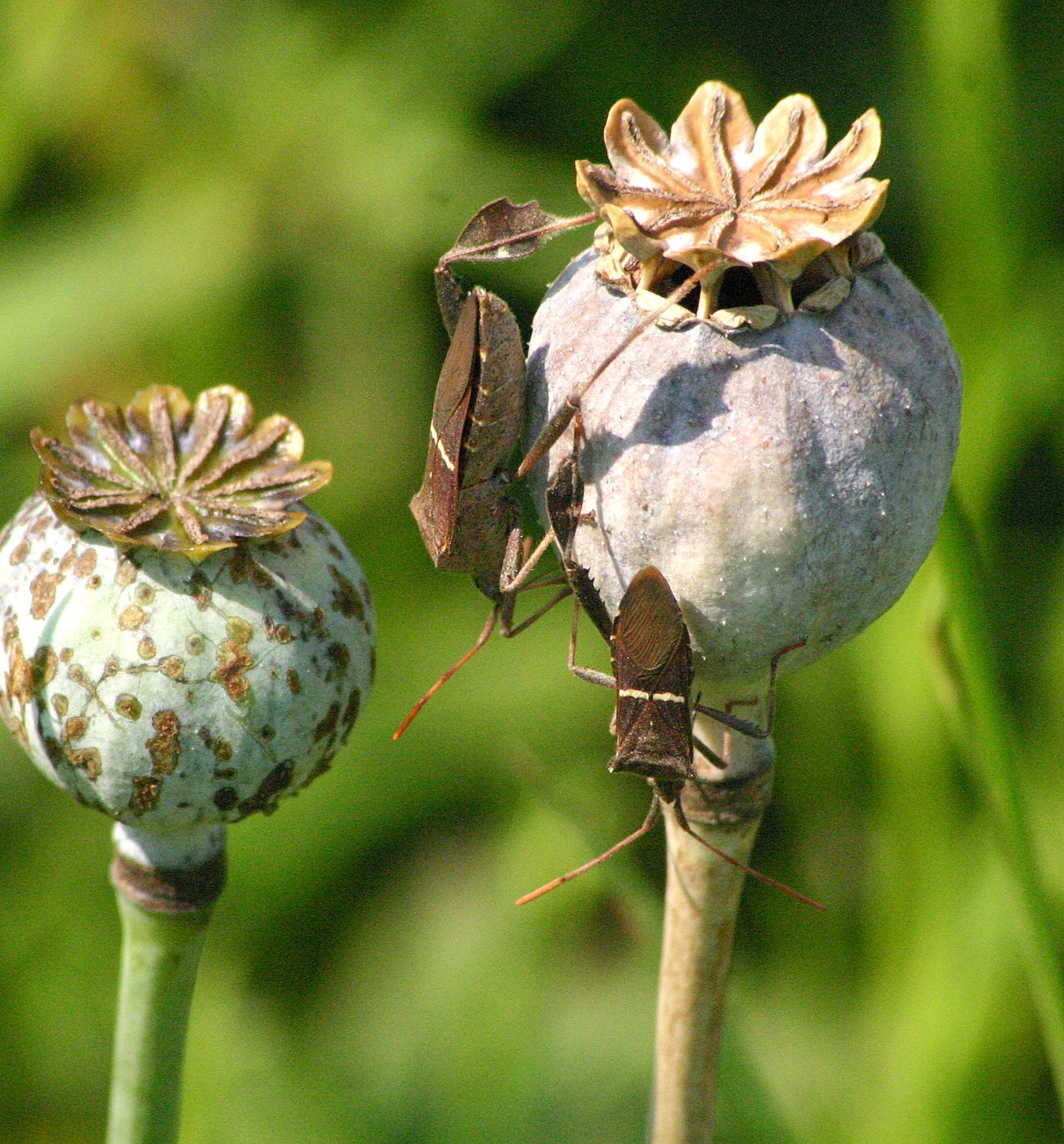
Leaf-Footed Bug
A large, elongated brown true bug named for the flattened, leaf-shaped expansions on its hind legs, often found feeding on fruits, seeds, and vegetables in gardens and orchards.
true-bug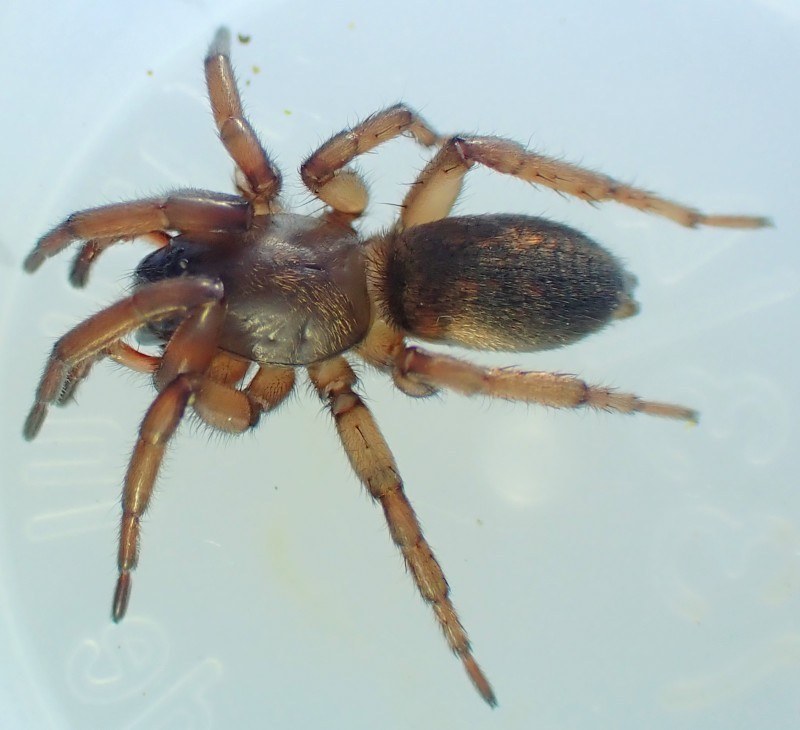
Ground Spider
A dark, fast-moving nocturnal hunter that patrols the ground surface at night, easily recognized by its distinctive pair of forward-projecting silk spinnerets.
spider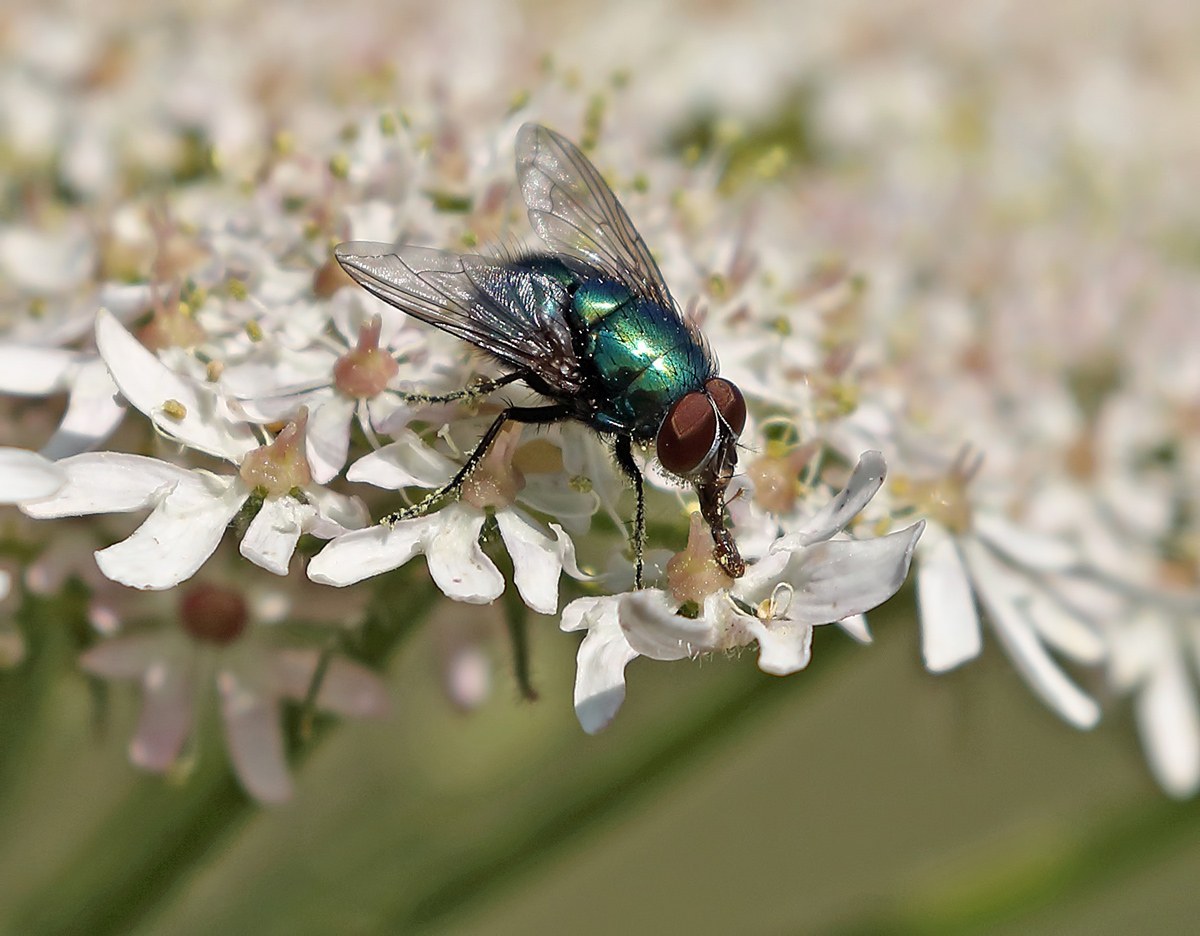
Green Bottle Fly
A brilliantly iridescent, metallic green fly frequently seen basking on sunny surfaces outdoors, easily recognized by its shining emerald body and quick, buzzing flight.
flyField Ant
A large, common outdoor ant that builds conspicuous mound nests of soil and plant debris in sunny open ground and defends itself by spraying formic acid rather than stinging.
ant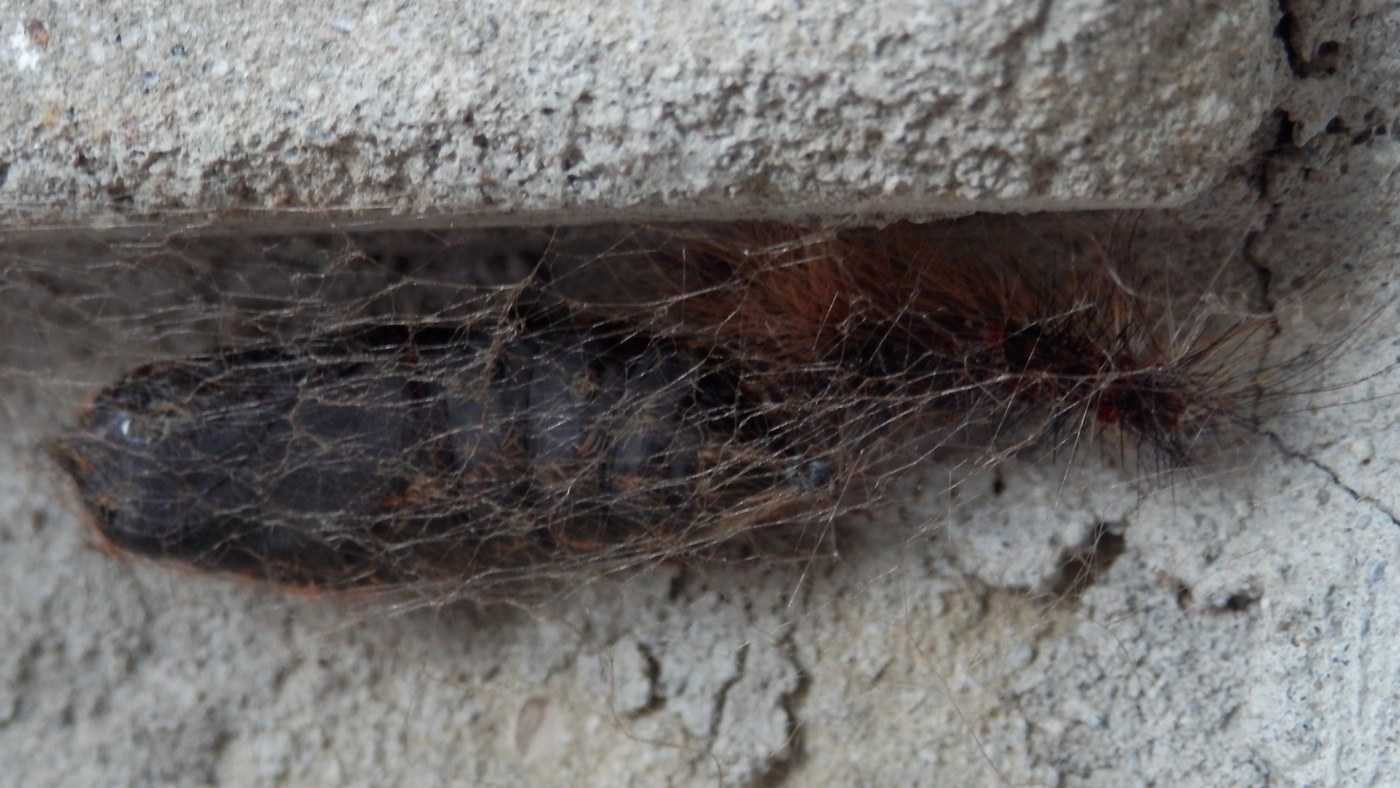
Gypsy Moth Caterpillar
A hairy, mottled gray caterpillar marked with rows of paired blue and red dots down its back, notorious for periodic outbreak years that can strip entire forests bare.
caterpillar-larva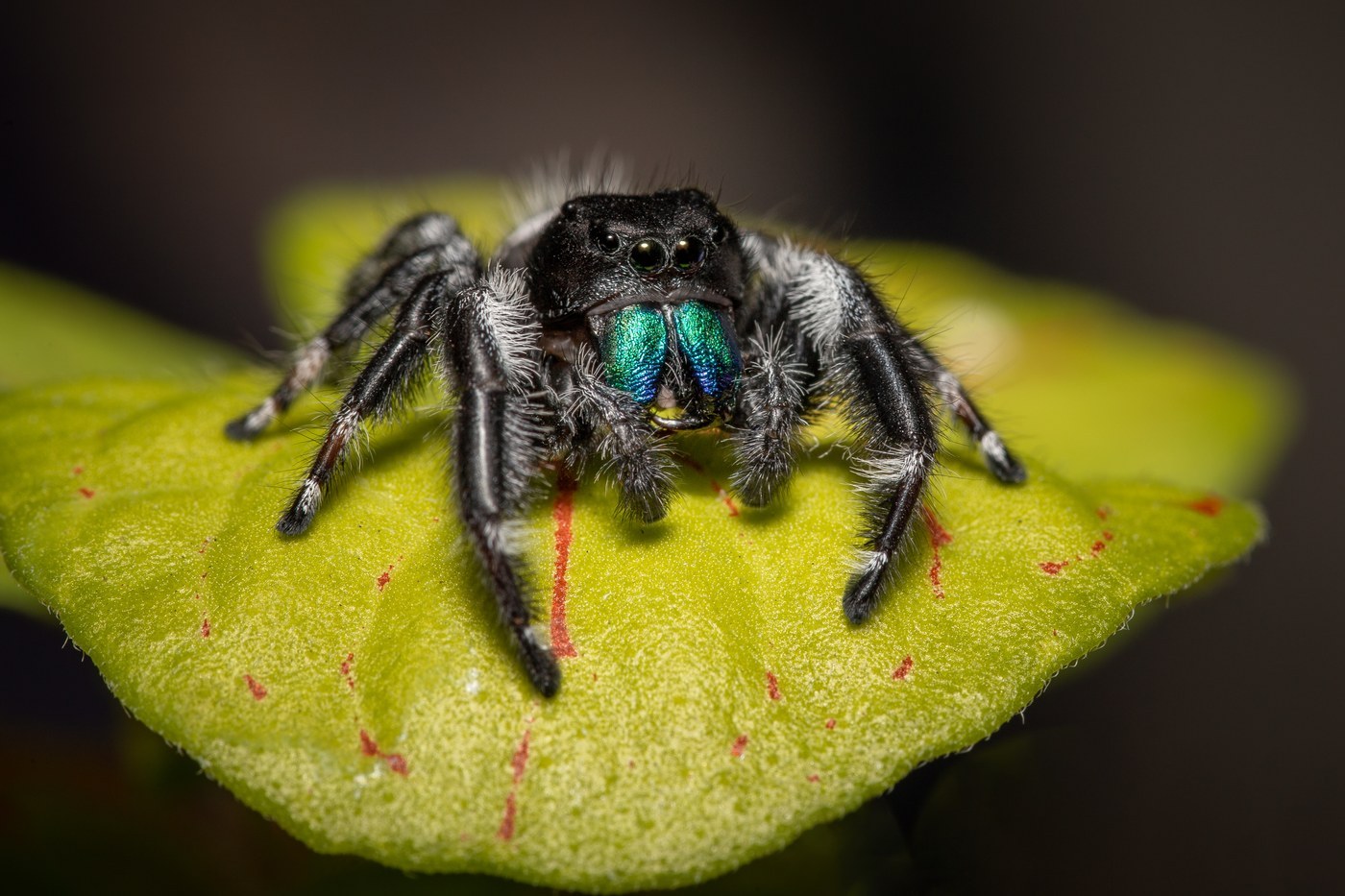
Jumping Spider
A compact, often furry, day-active spider with unusually large forward-facing eyes that give it an alert, curious look, known for stalking prey and pouncing in a sudden leap.
spider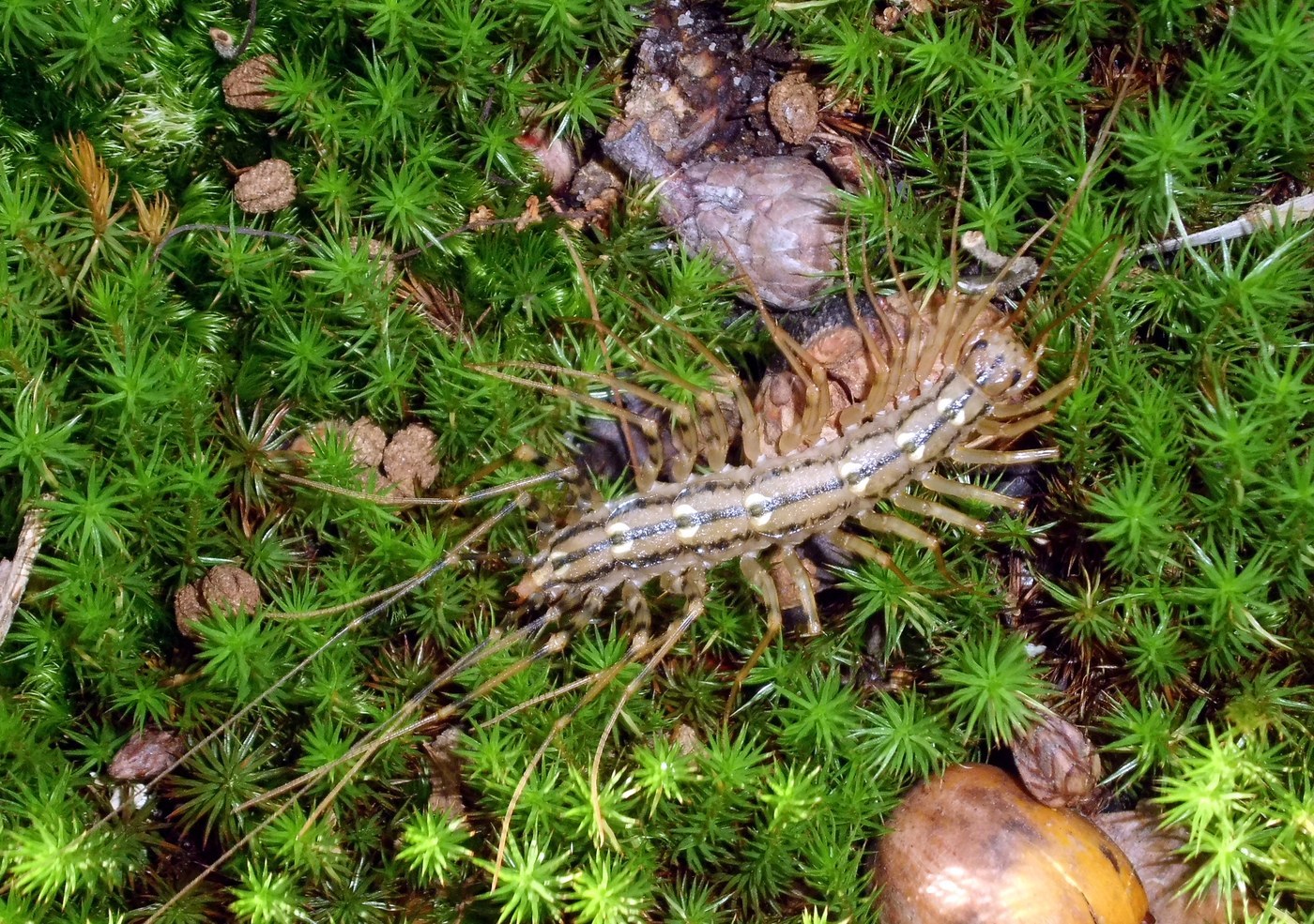
House Centipede
A fast, wiry arthropod with 15 pairs of extremely long, banded legs that make it look far bigger than its actual body size, often seen darting across bathroom or basement floors at night.
myriapod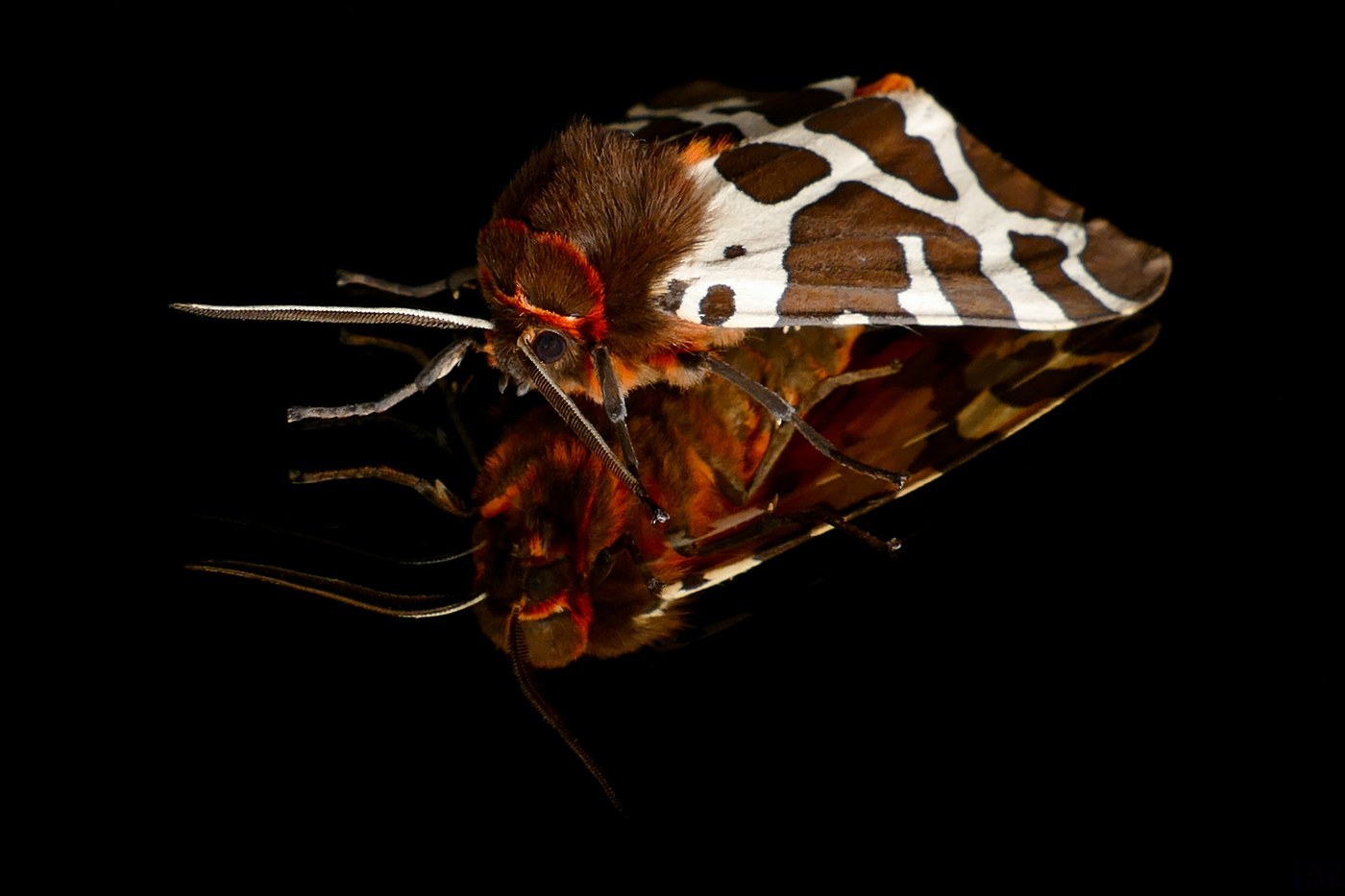
Garden Tiger Moth
A boldly patterned tiger moth with chocolate-brown, cream-marbled forewings that flash to reveal vivid orange hindwings dotted with blue-black spots when the moth is disturbed.
moth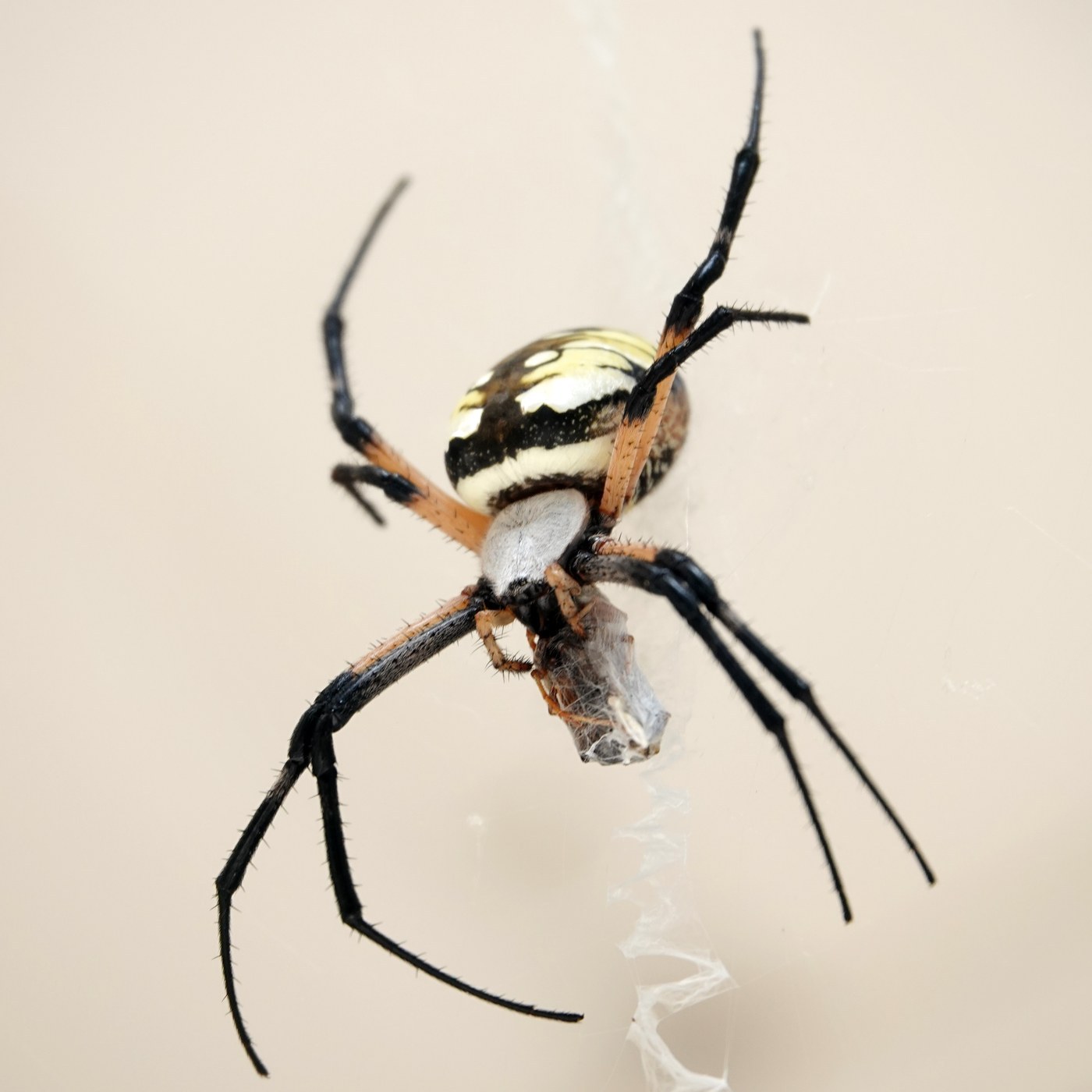
Garden Spider
A large, strikingly patterned orb weaver with a black-and-yellow abdomen and a bold zigzag band of silk woven into the center of its web, making it one of the most recognizable garden spiders.
spider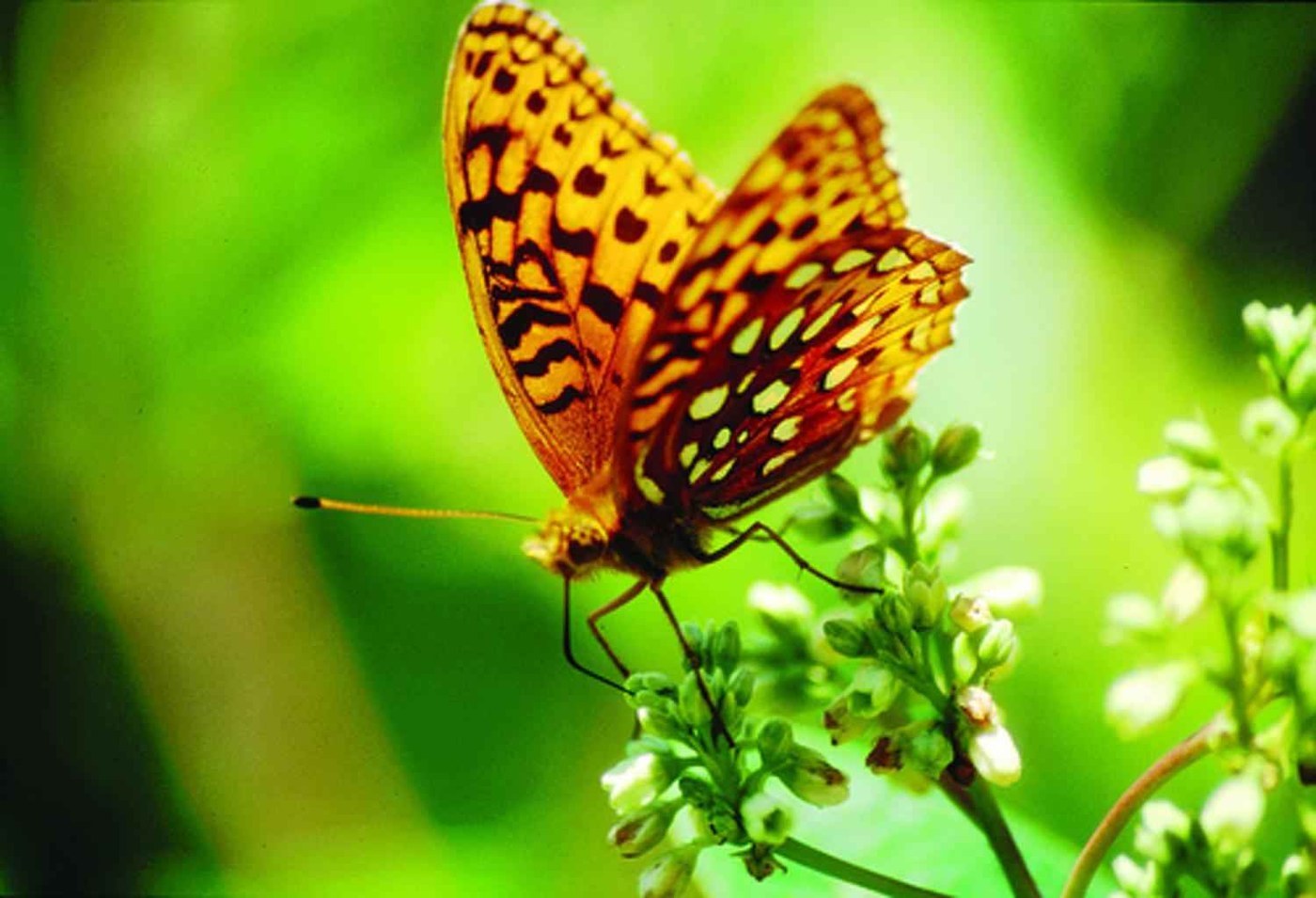
Great Spangled Fritillary
A large, robust orange butterfly with bold black markings above and a striking array of large silvery spangles on a tawny-brown underside, closely tied to woodland violets.
butterfly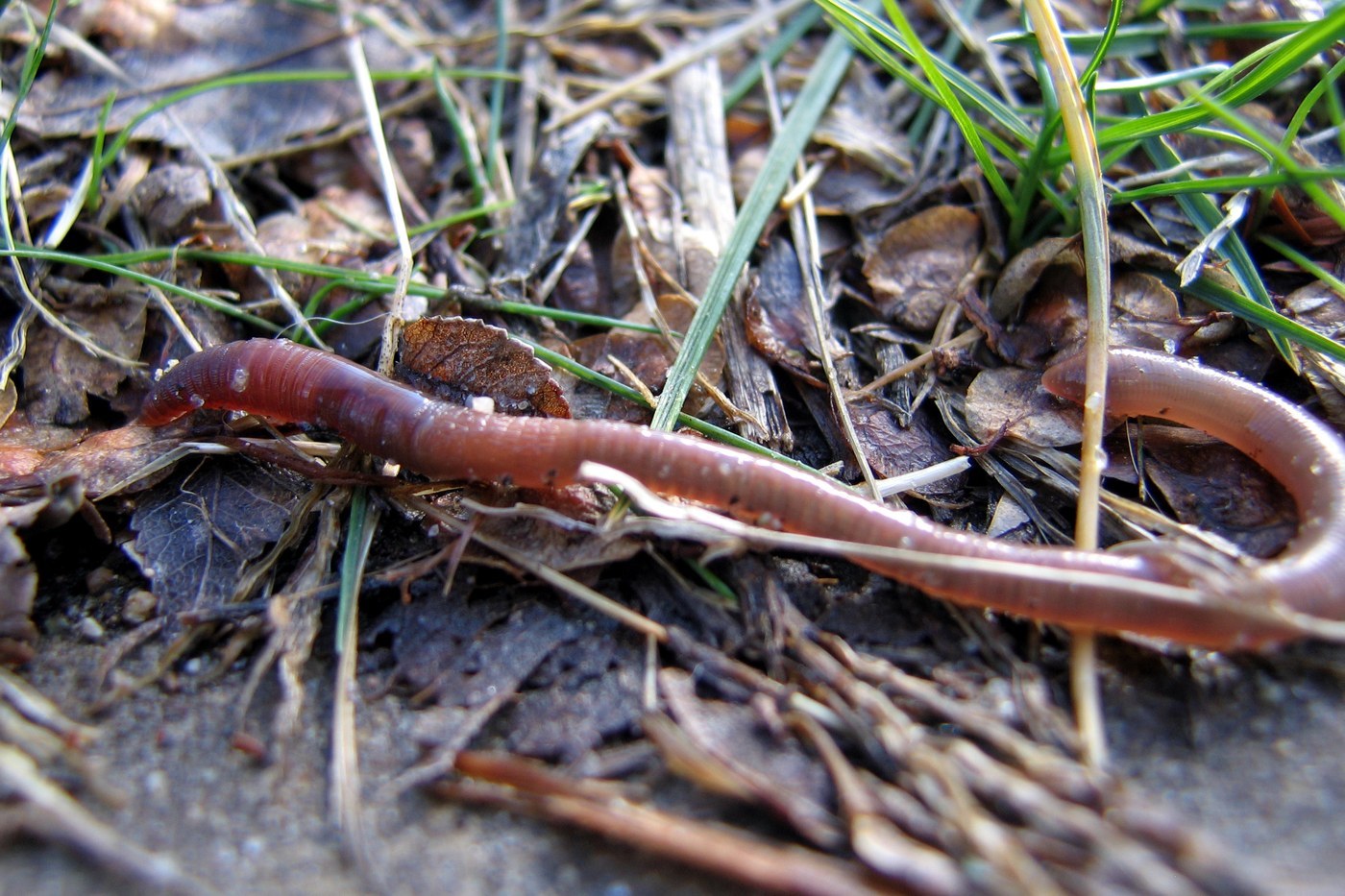
Earthworm
A long, smooth, segmented soil-dweller with no legs, eyes, or shell, best recognized by its ringed body and the pale saddle-like band (clitellum) found on mature individuals.
other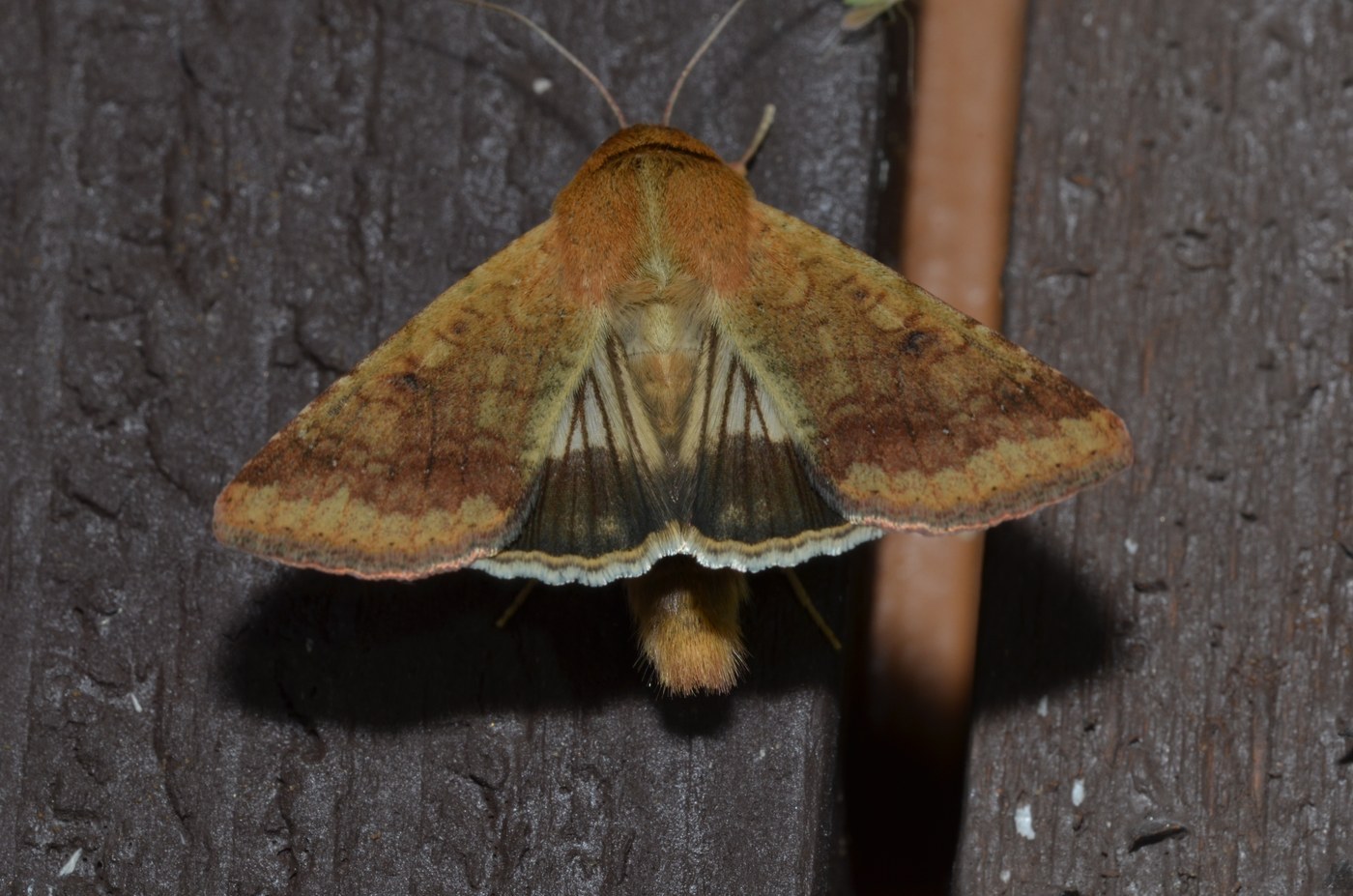
Corn Earworm Moth
A tan to olive-colored moth whose caterpillar, the corn earworm, is one of the most economically significant crop pests in North America, feeding inside corn ears, tomatoes, and cotton bolls.
moth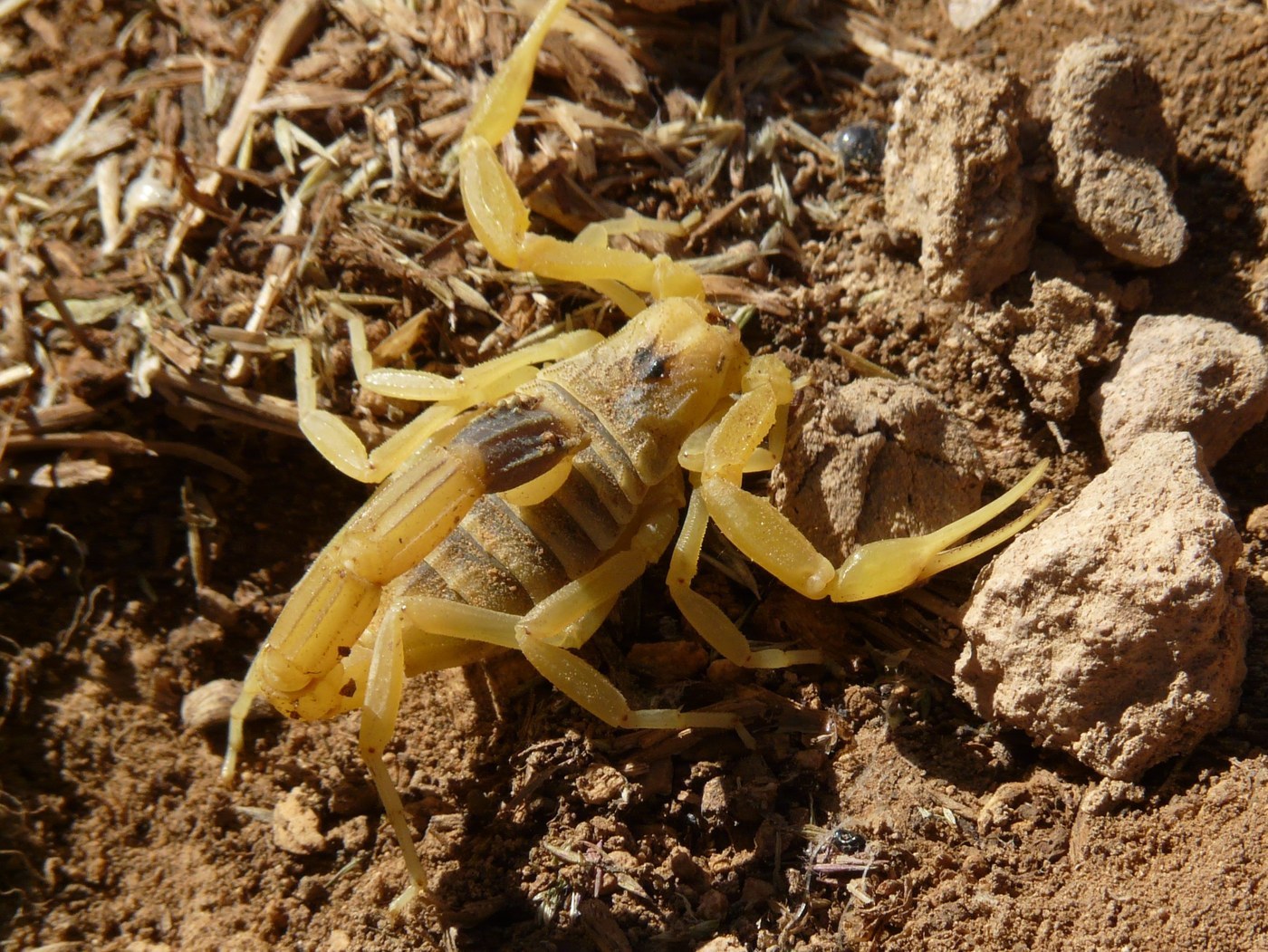
Deathstalker Scorpion
A slender, pale yellow scorpion of Middle Eastern and North African deserts, famed for its striking coloration and status as one of the most studied scorpions in scientific research.
arachnid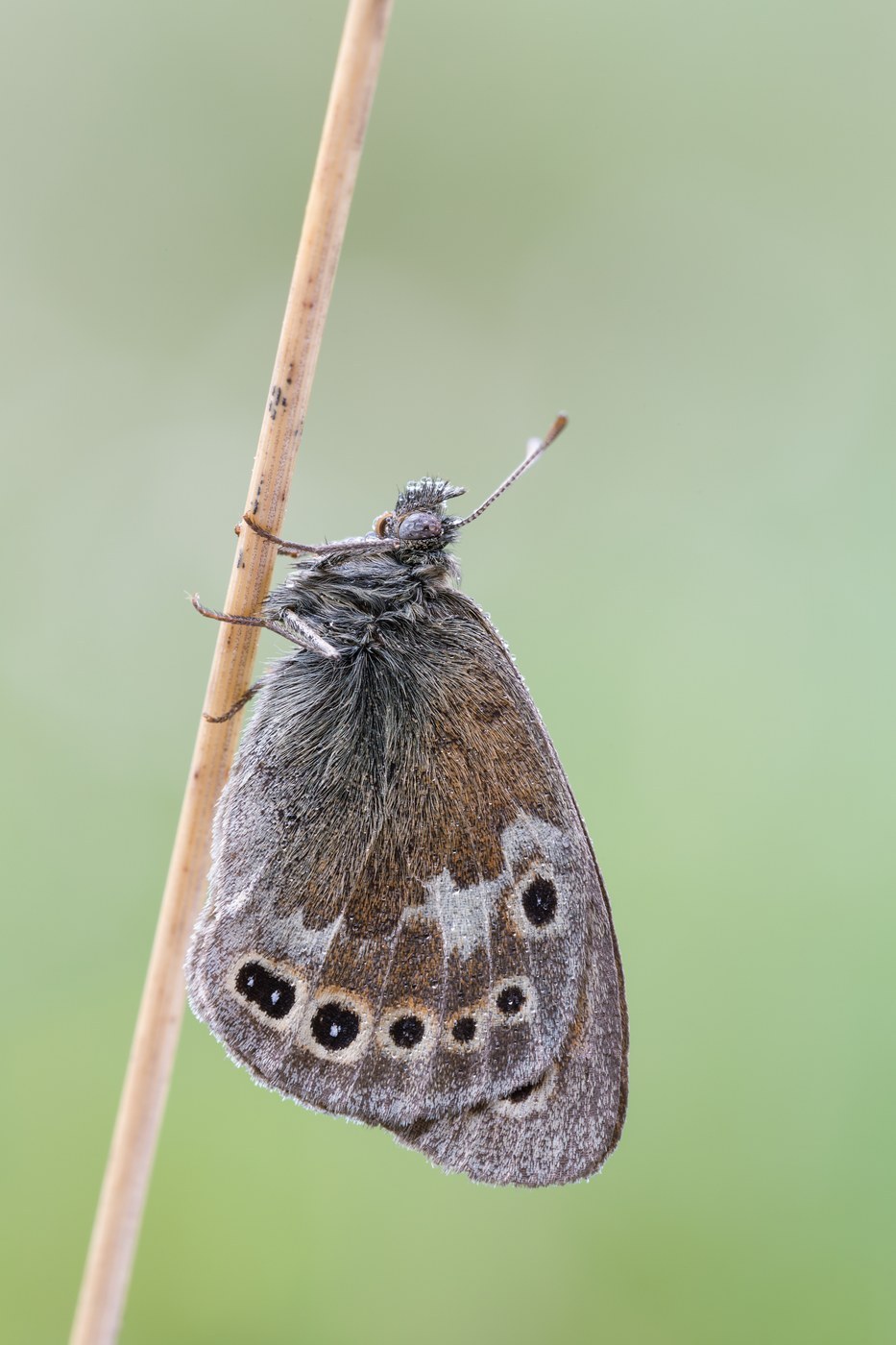
Common Ringlet
A small, plain buff-orange satyr butterfly of open grassy places, notable for its understated coloring and Holarctic distribution spanning North America, Europe, and Asia.
butterfly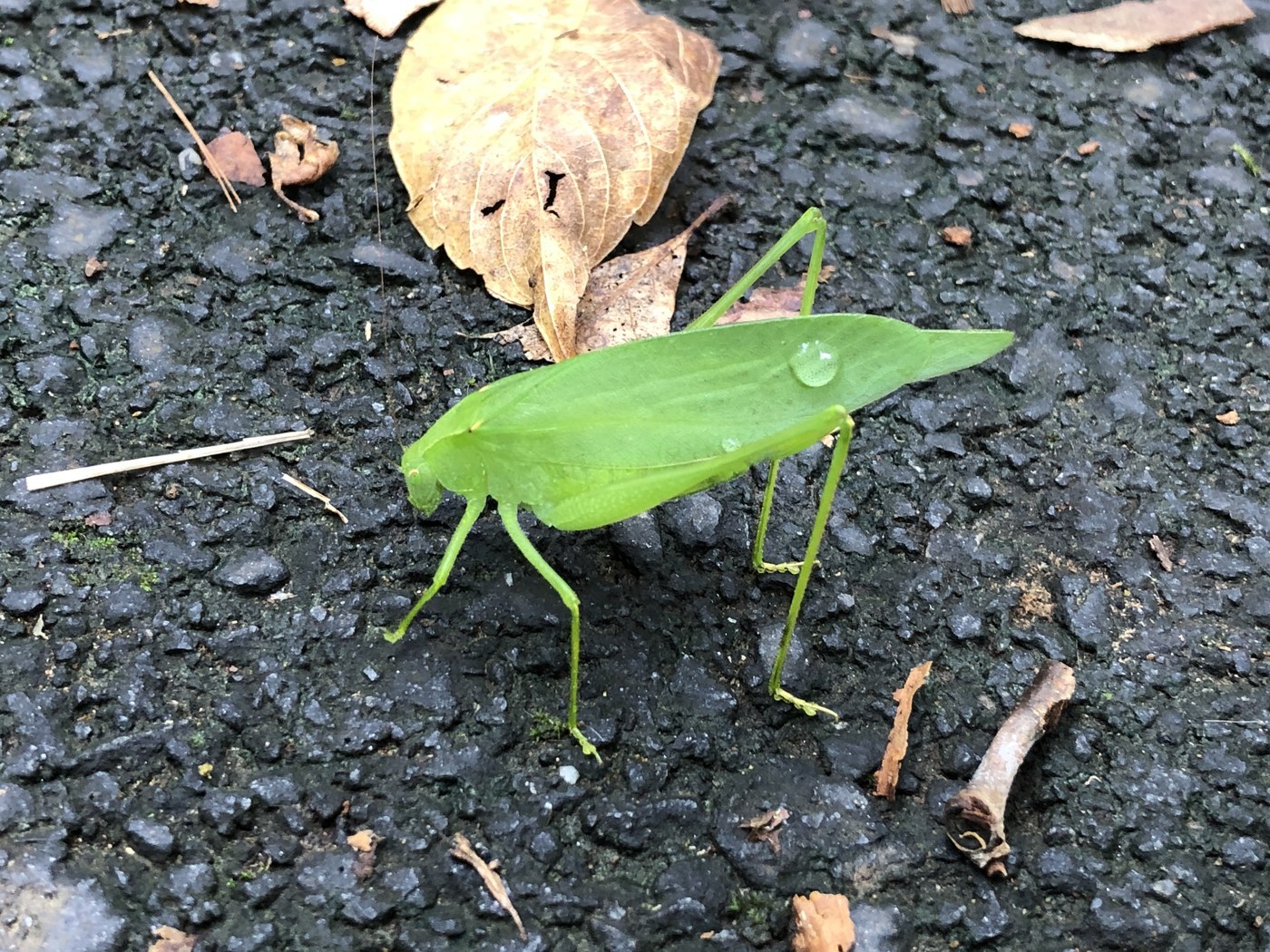
Common True Katydid
A living leaf that spends its life high in the treetops, the common true katydid is far more often heard than seen, producing the loud, rasping "katy-did, katy-didn't" chorus that fills eastern summer nights.
grasshopper-cricket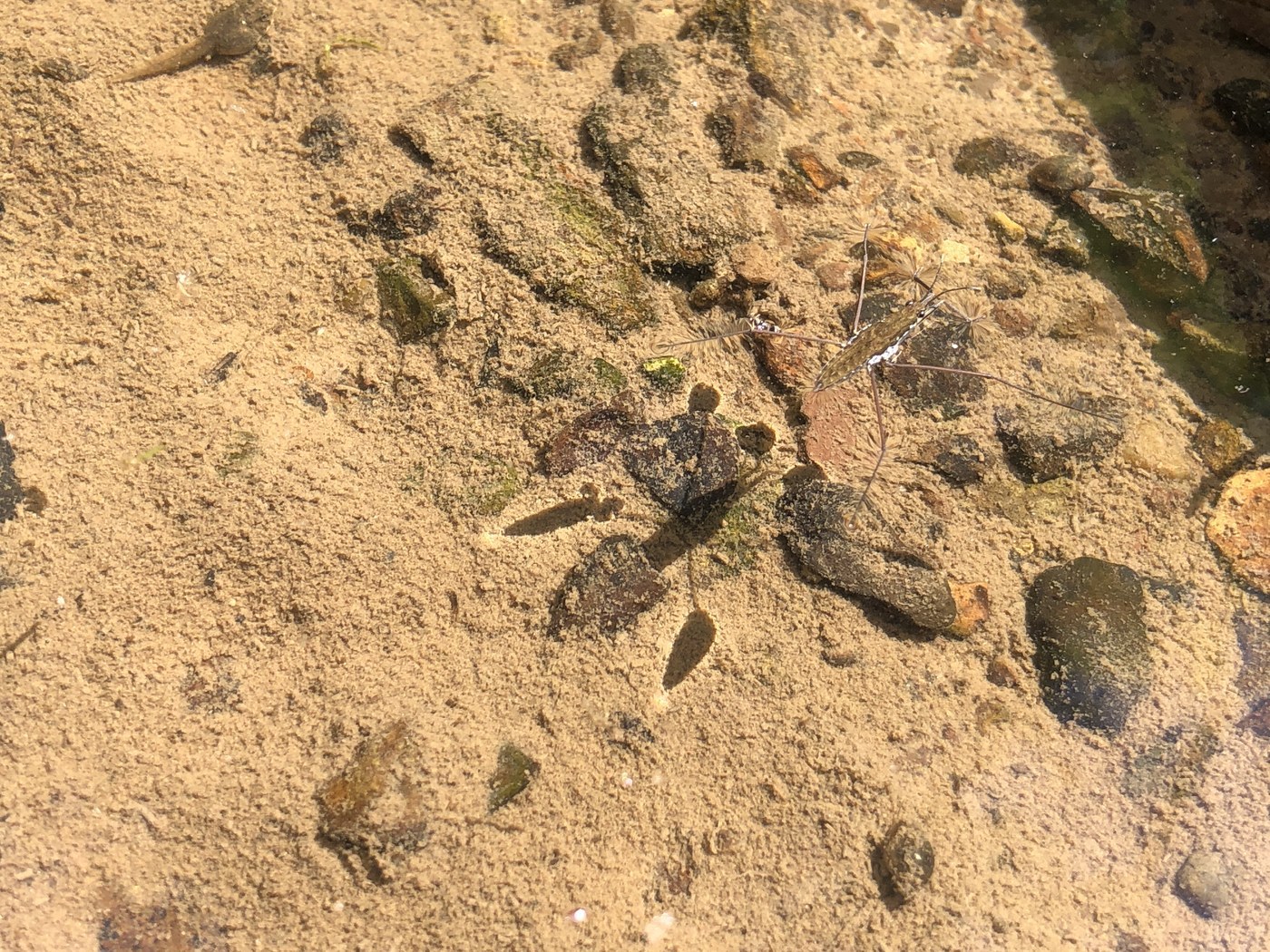
Common Water Strider
Skating effortlessly across the surface film of ponds and slow streams, the common water strider rows itself along on hair-fringed legs to ambush insects trapped in the surface tension.
true-bug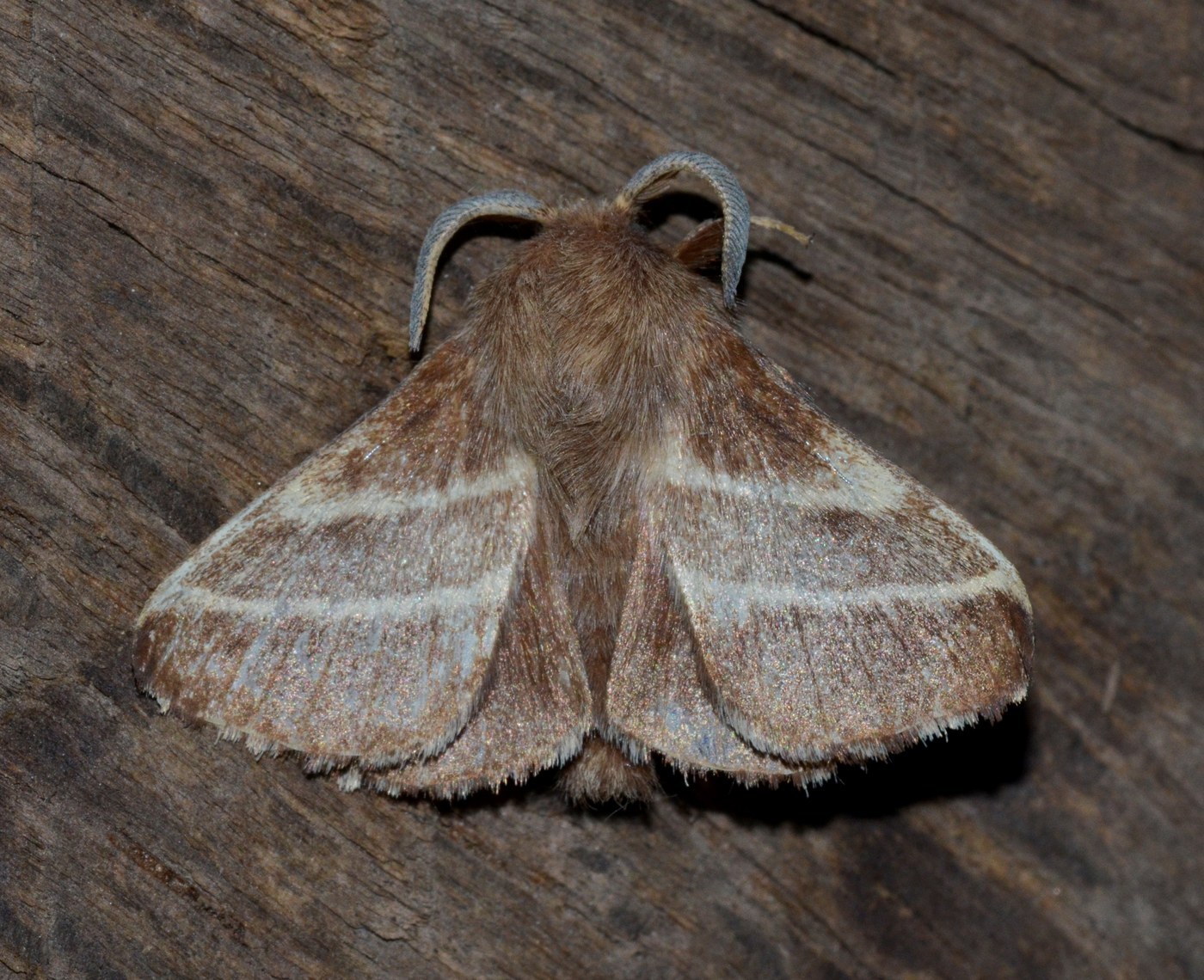
Eastern Tent Caterpillar
A fuzzy, blue-flecked caterpillar with a pale stripe down its back, famous for spinning large communal silk tents in the forked branches of cherry and apple trees each spring.
caterpillar-larvaBrown Lacewing
Smaller and less conspicuous than its green relatives, the Brown Lacewing is a subtle but effective predator of aphids and other tiny insects in gardens, forests, and orchards.
other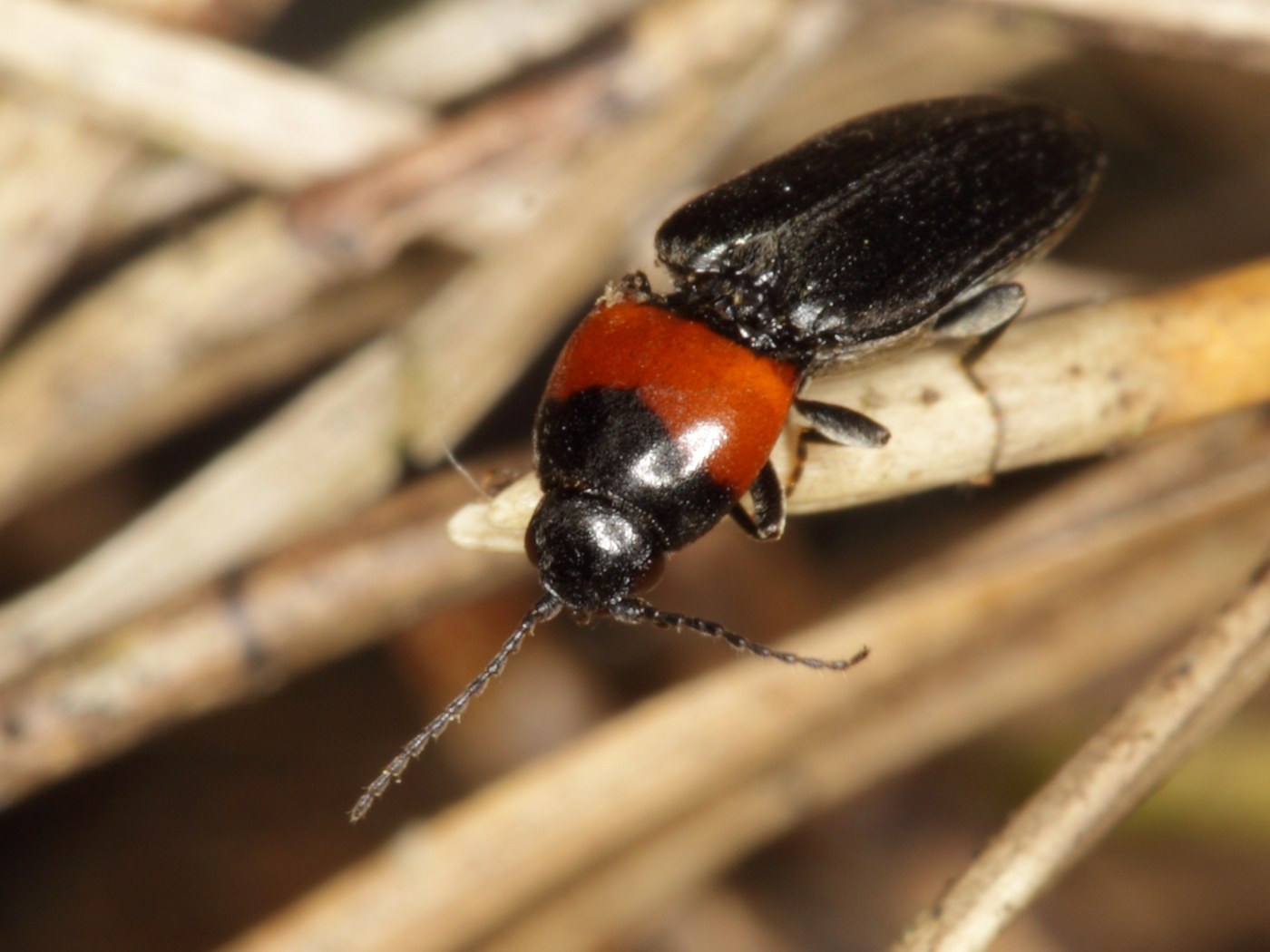
Click Beetle
An elongated, streamlined beetle famous for the audible clicking snap it makes to flip itself upright when placed on its back, a spring-loaded escape mechanism unique to this family.
beetle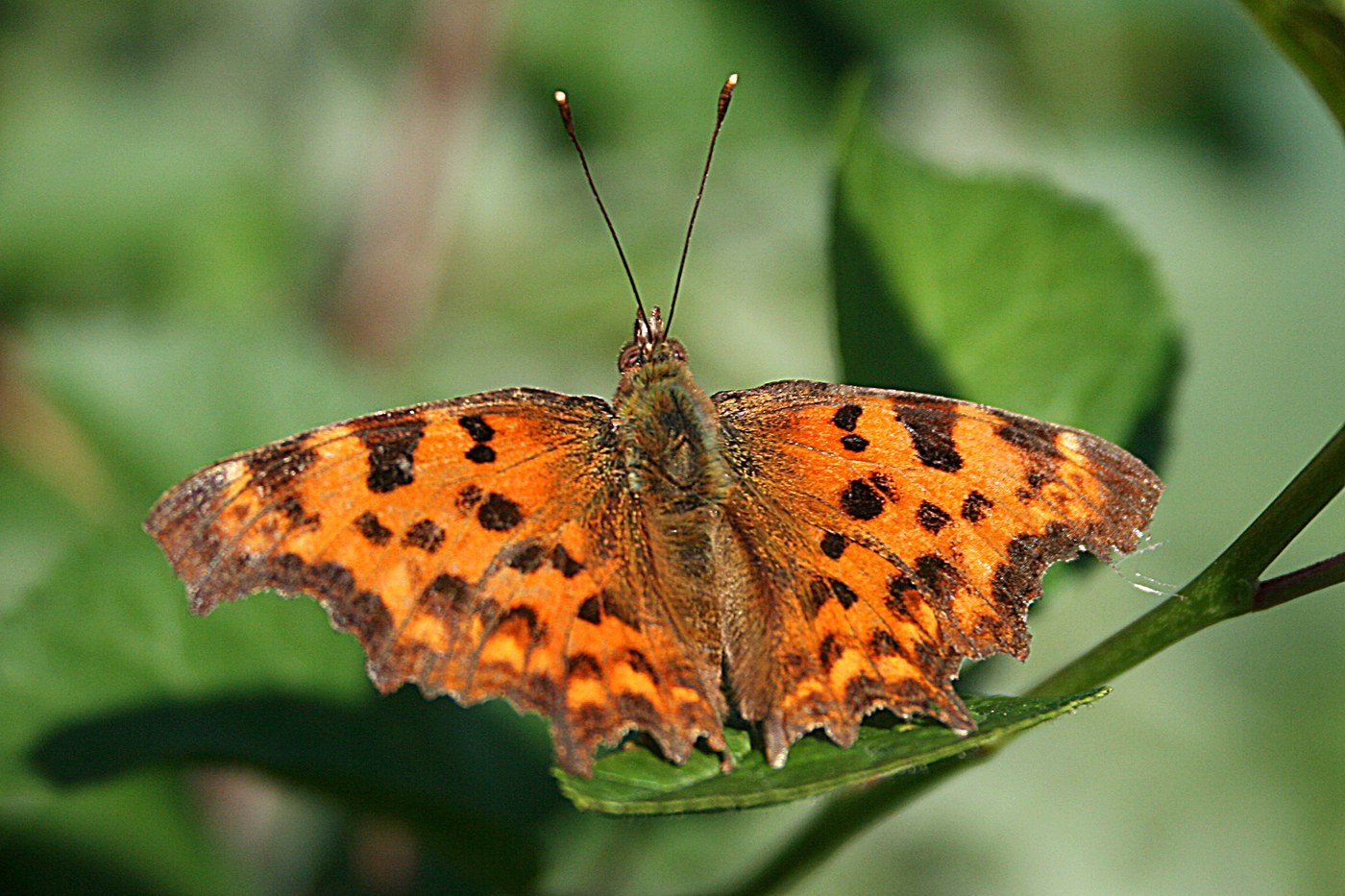
Comma Butterfly
An orange-brown butterfly with distinctively ragged, scalloped wing edges and a small white comma-shaped mark on the underside of the hindwing, resembling a dead leaf when at rest.
butterfly