
Bug Encyclopedia
Search and identify bugs & insects — beetles, butterflies, moths, ants, bees, spiders and more — with size, habitat, danger, behavior, and how to tell them apart.
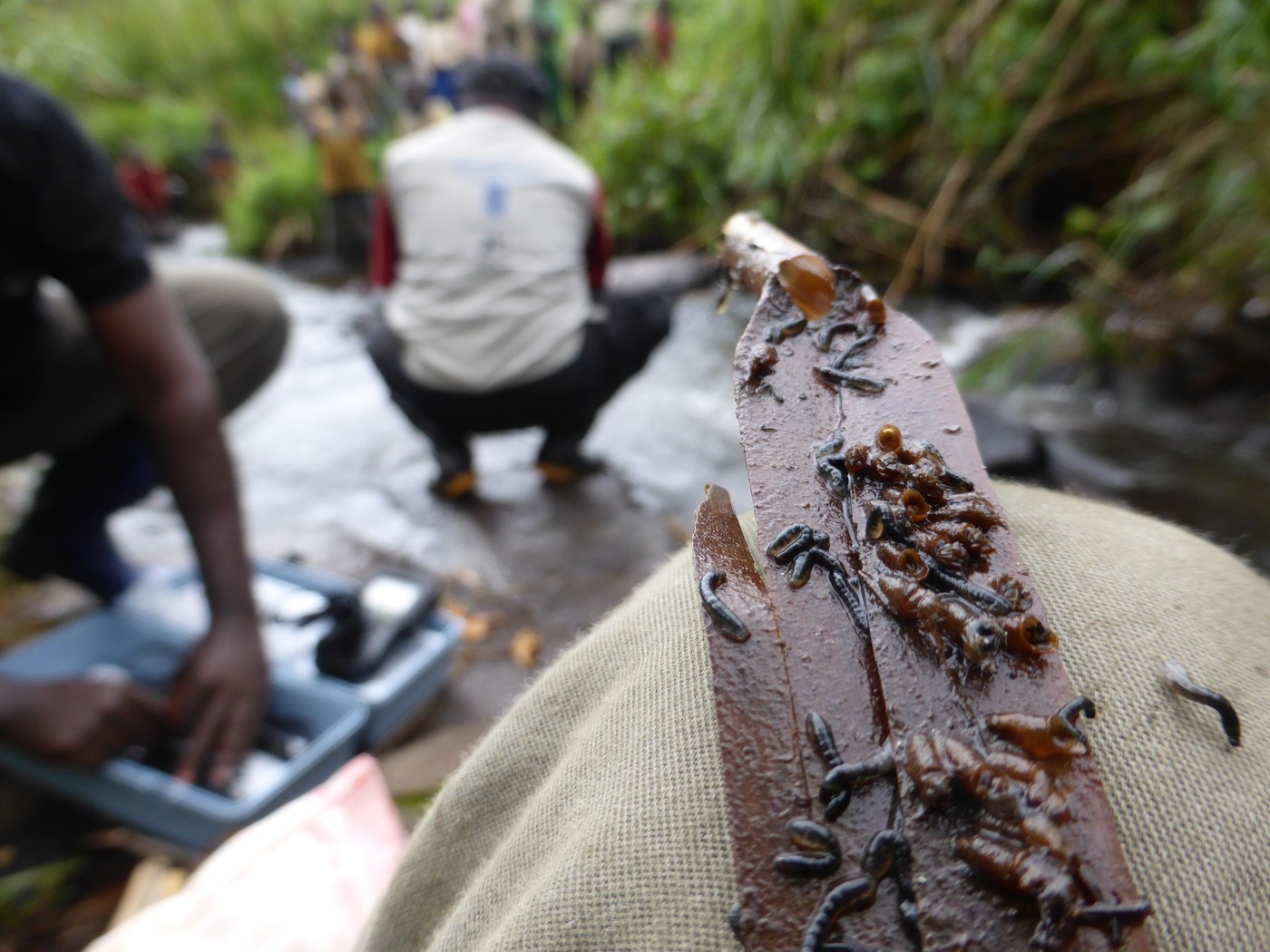
Black Fly
A small, humpbacked black fly with clear wings that gathers in persistent swarms near flowing streams, favoring exposed skin around the head.
fly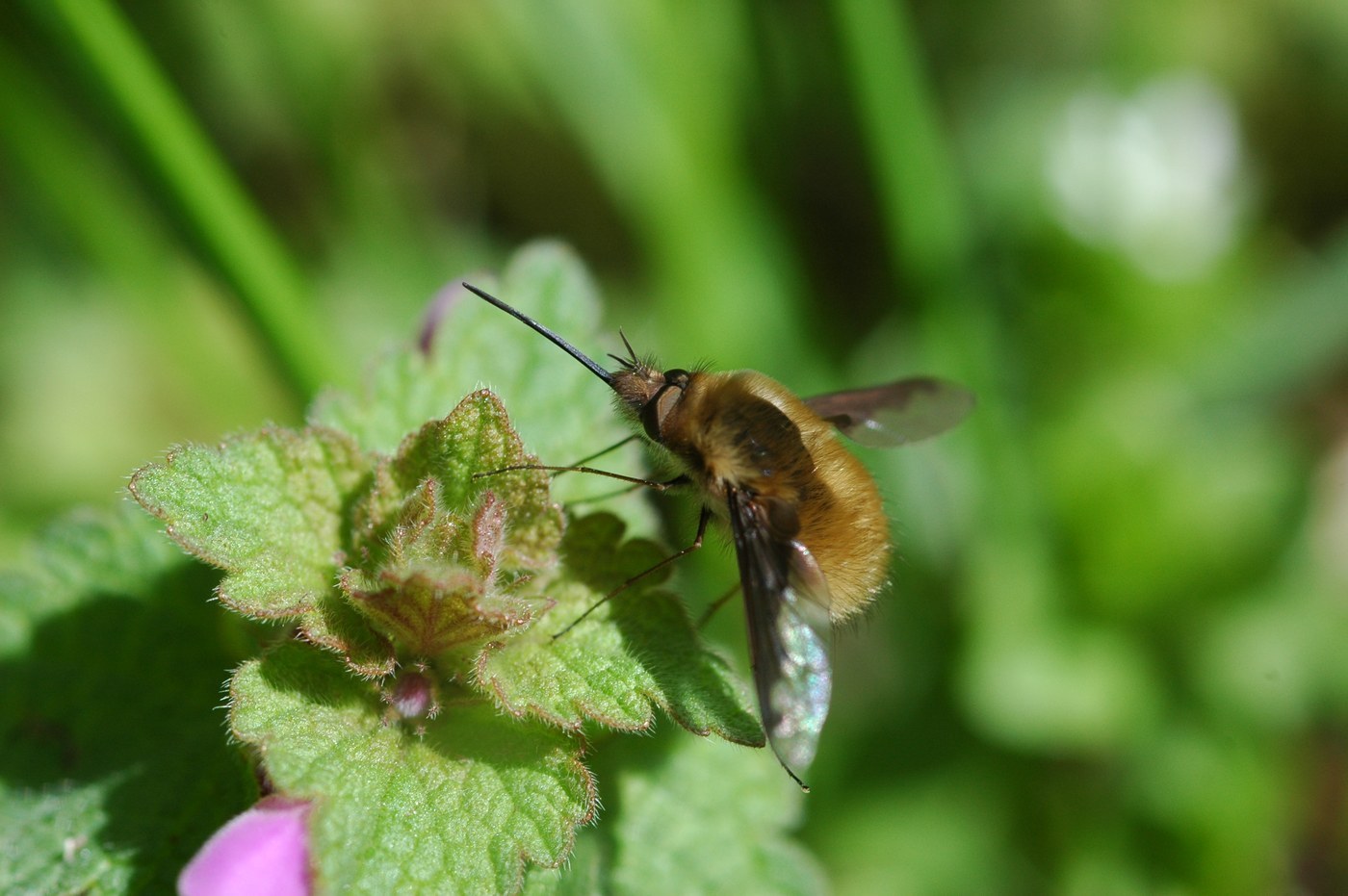
Bee Fly
A fuzzy, bee-mimicking fly with a long, forward-pointing proboscis that hovers motionless in front of spring flowers while sipping nectar.
fly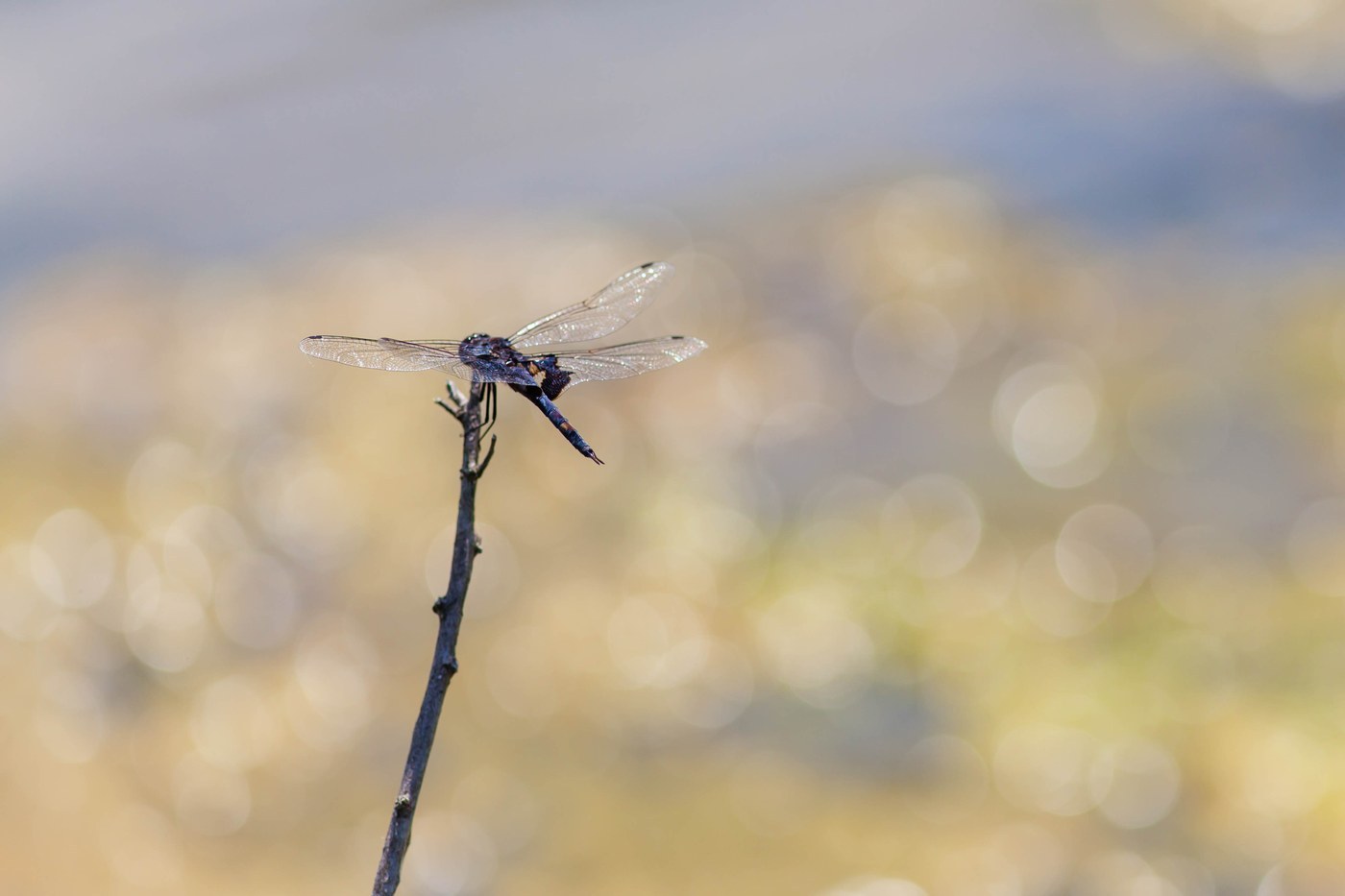
Black Saddlebags
A large, nearly all-black dragonfly with a bold dark patch draped across the base of each hindwing, patrolling high over ponds and open ground like a small kite.
dragonfly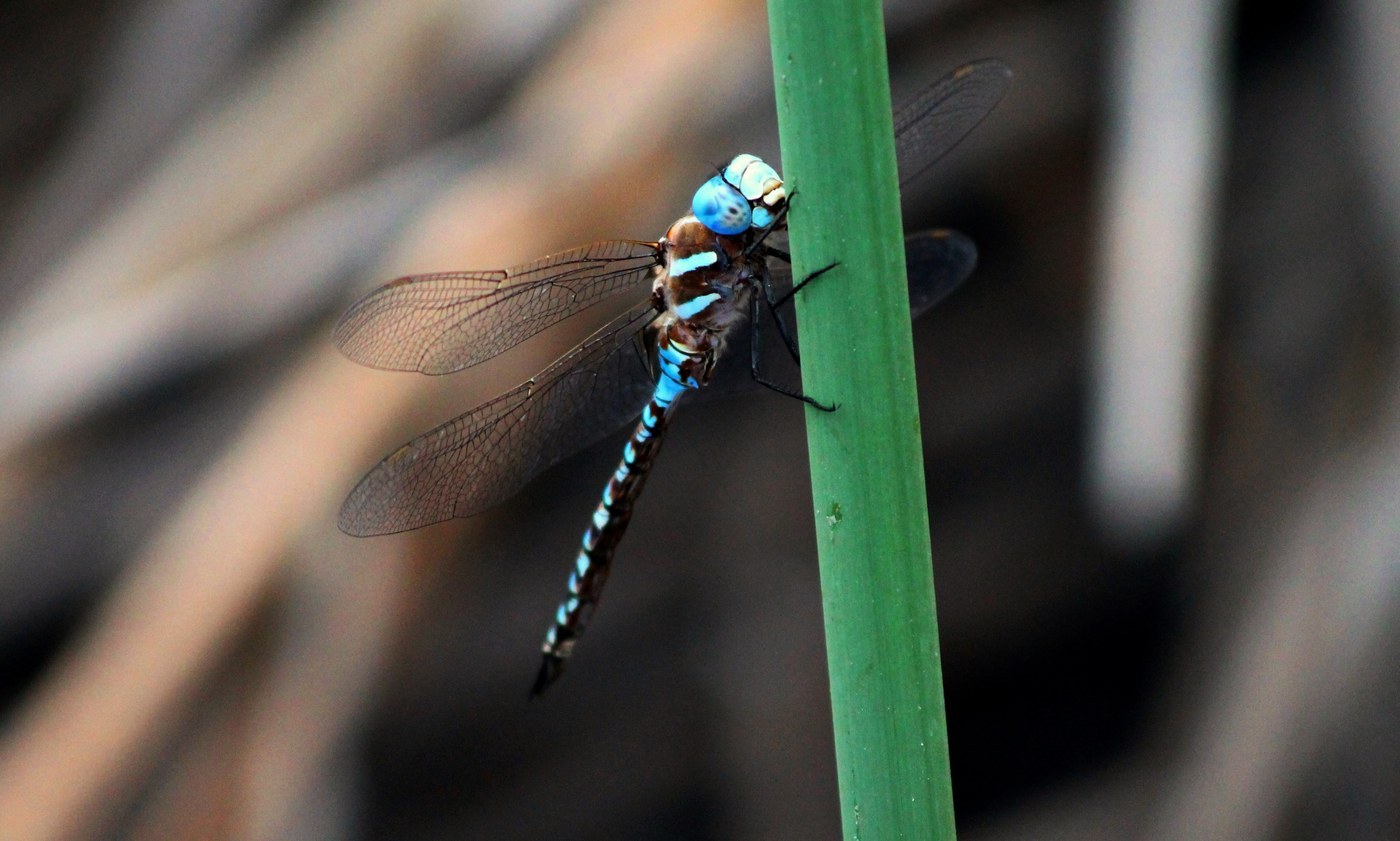
Blue-eyed Darner
A large, fast-flying darner with brilliant sky-blue eyes that meet in a seam across the top of the head, patrolling ponds and open fields well into the evening.
dragonfly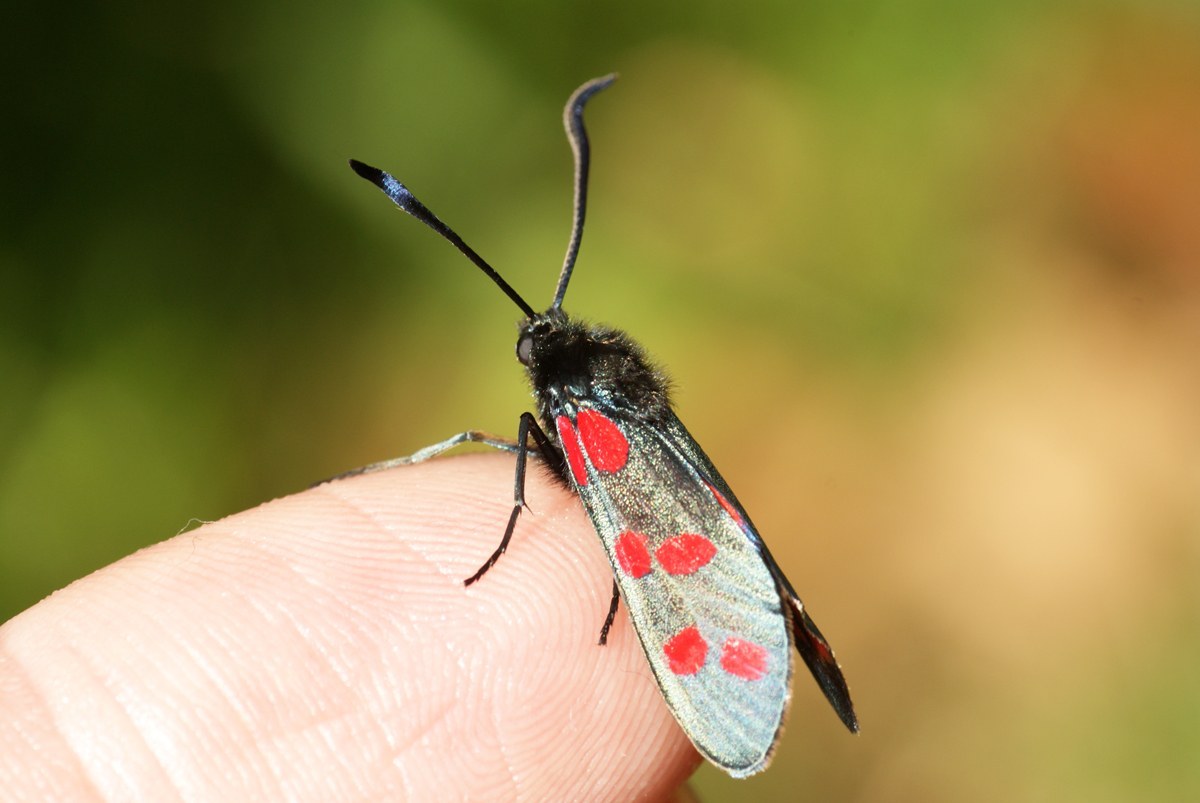
Six-spot Burnet Moth
A day-flying moth with glossy black-green forewings marked by six bold red spots and vivid crimson hindwings, a striking warning-colored insect often mistaken for a butterfly as it visits summer wildflowers.
moth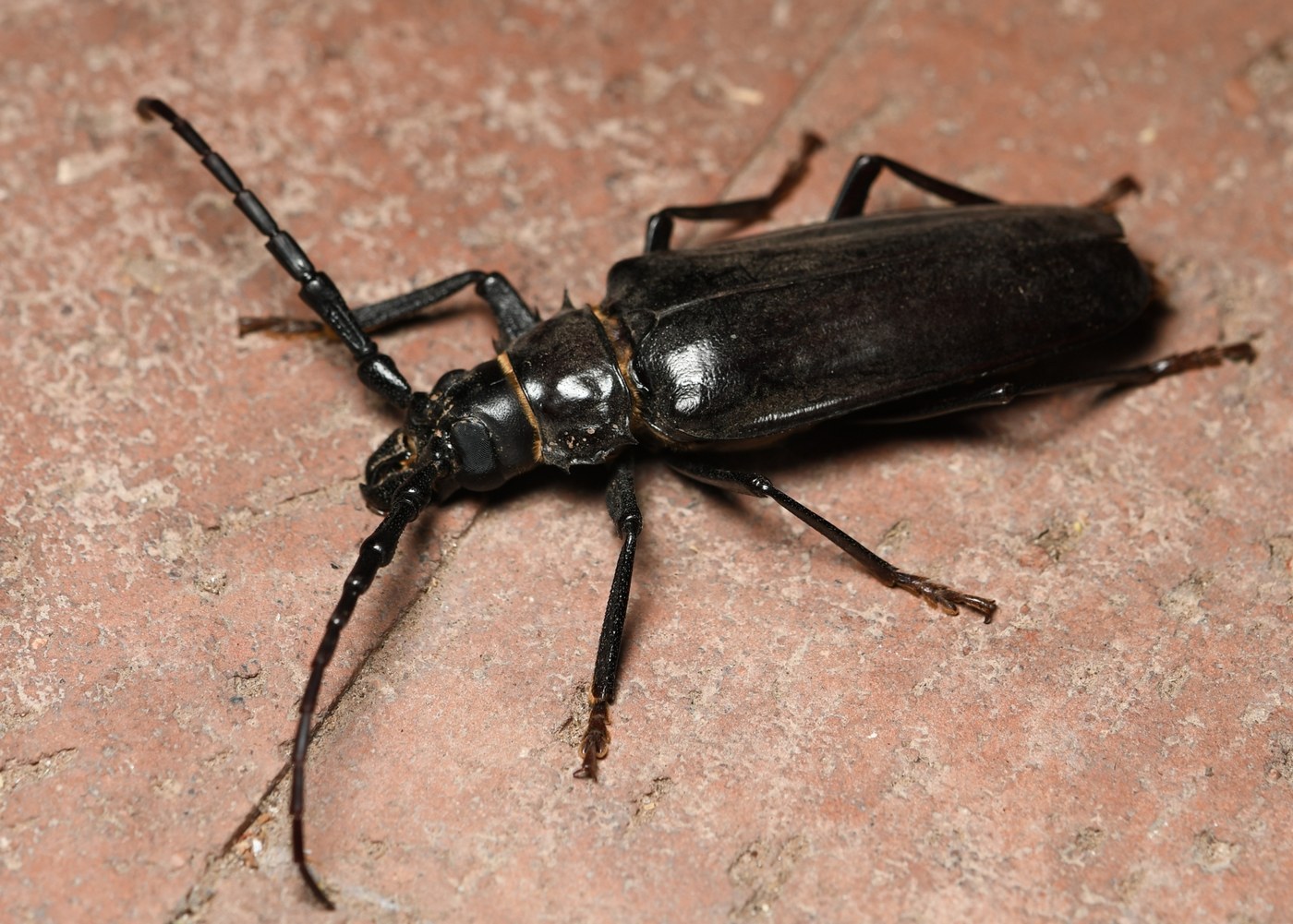
Palo Verde Beetle
One of the largest beetles in North America, a heavy, dark reddish-brown longhorn beetle with long spiny antennae and a loud, buzzing flight that emerges from the desert soil around palo verde and mesquite trees in summer.
beetle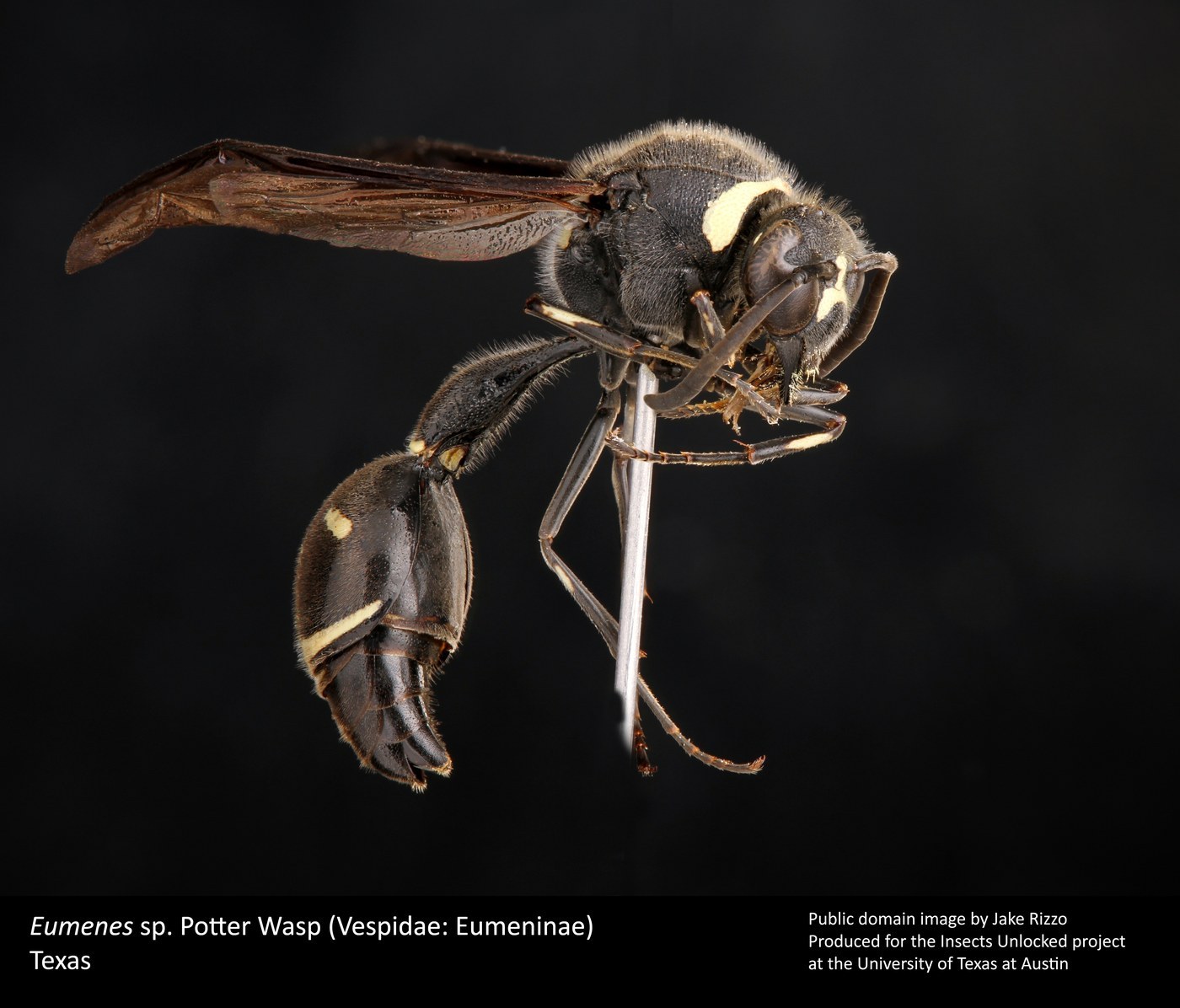
Potter Wasp
A solitary wasp with a pronounced hourglass waist that sculpts tiny, perfectly rounded mud pots resembling miniature clay jugs, each one stocked with paralyzed caterpillars for a single offspring.
wasp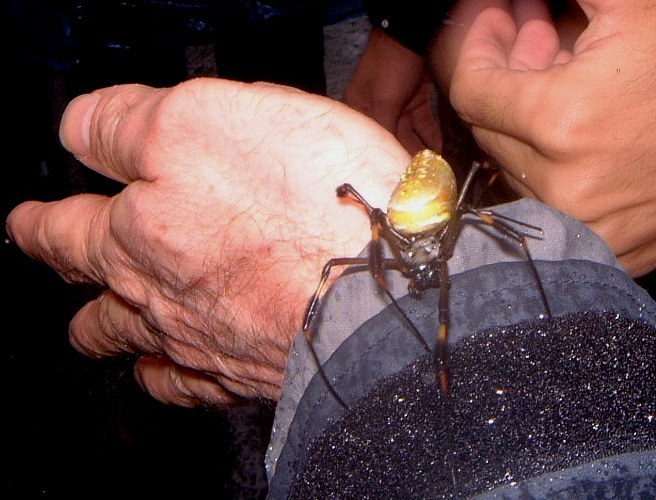
Golden Silk Orb Weaver
Suspended in a massive, glinting web strung between trees along a forest trail, the golden silk orb weaver is one of the largest and most striking web-building spiders in the Americas, spinning silk with a distinctive yellow-gold sheen.
spider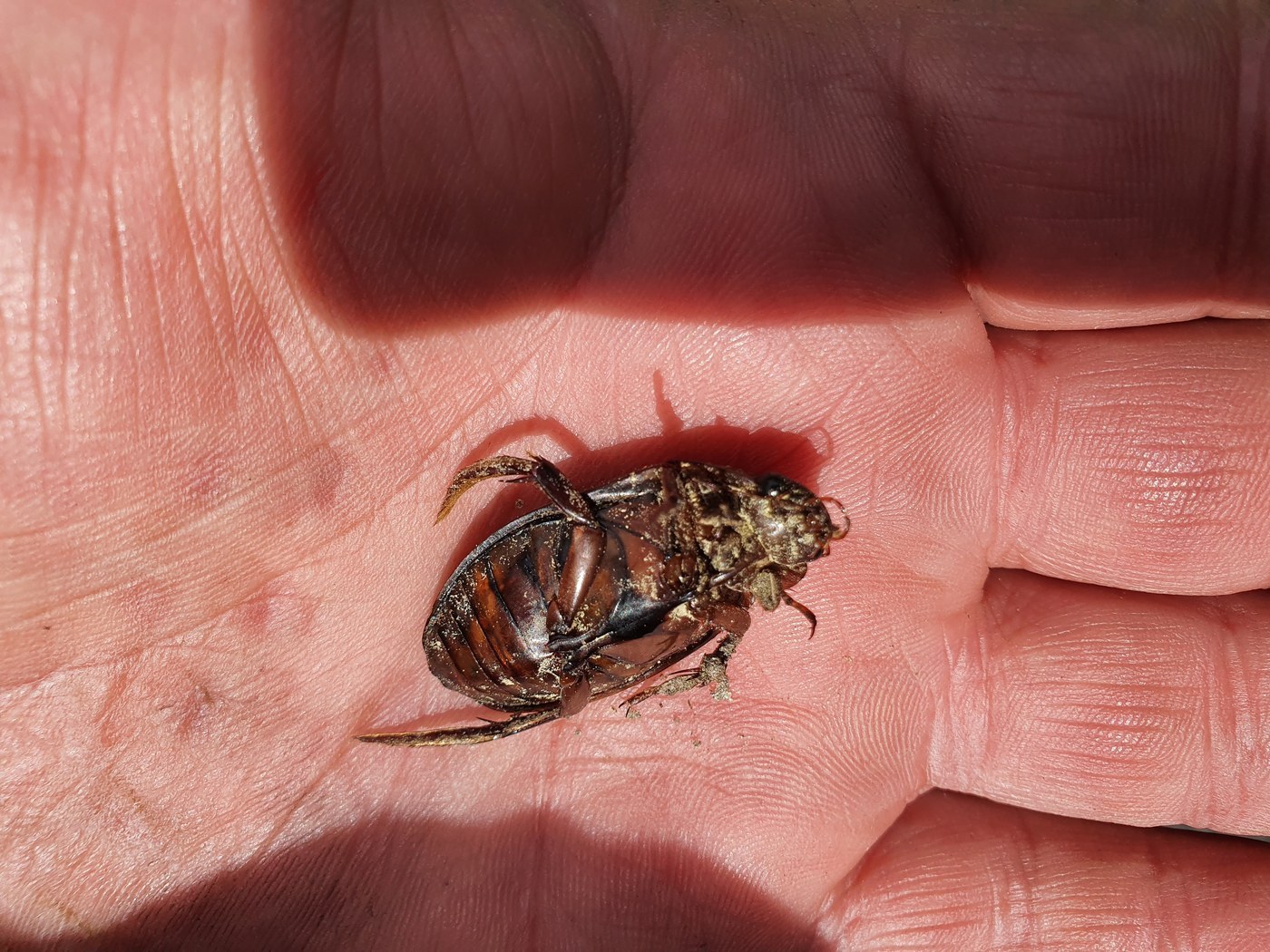
Great Diving Beetle
One of Europe's largest water beetles, the great diving beetle is a streamlined, olive-brown predator that rows through ponds on fringed hind legs, surfacing periodically to trap a bubble of air beneath its wing covers.
beetleGiant Weta
One of the world's heaviest insects, a giant flightless cricket relative endemic to New Zealand that has survived for millions of years by filling the ecological role usually taken by small mammals.
grasshopper-cricketForest Tent Caterpillar
Named for the silk mats rather than tents it spins, this blue-gray caterpillar sports a row of pale keyhole- or footprint-shaped spots down its back and can appear in outbreak numbers that strip entire stands of trees bare.
caterpillar-larva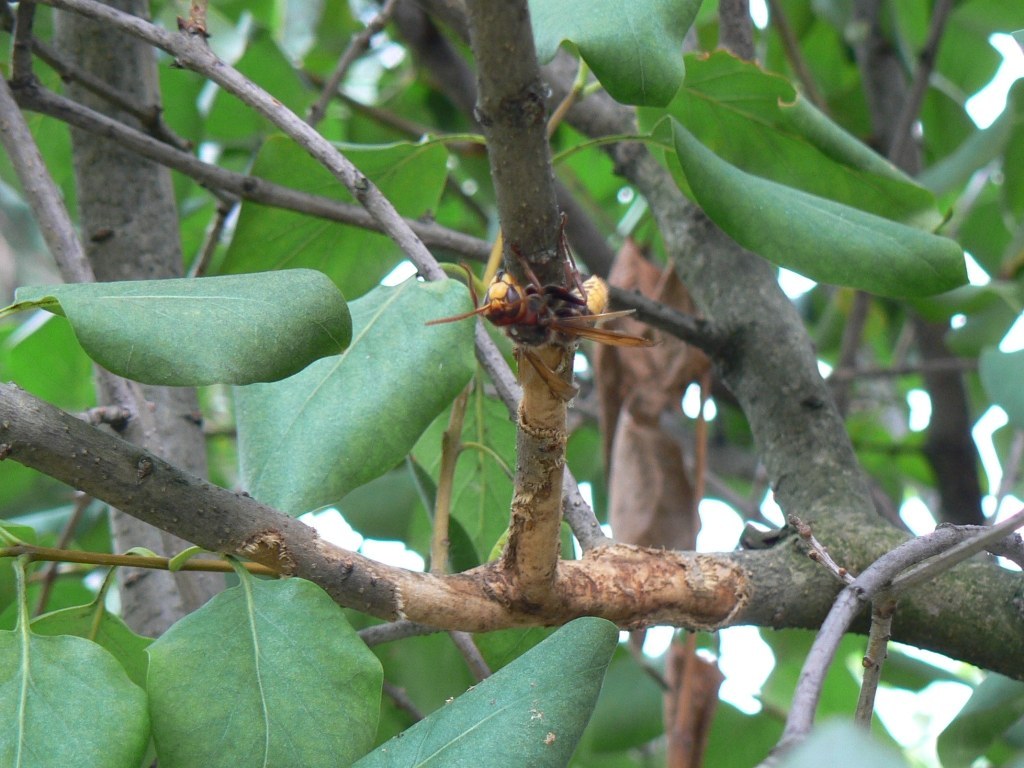
European Hornet
A large, robust wasp with a reddish-brown thorax, yellow-and-brown striped abdomen, and a distinctive habit of nesting in hollow trees, making it the largest true hornet native to Europe and introduced to eastern North America.
wasp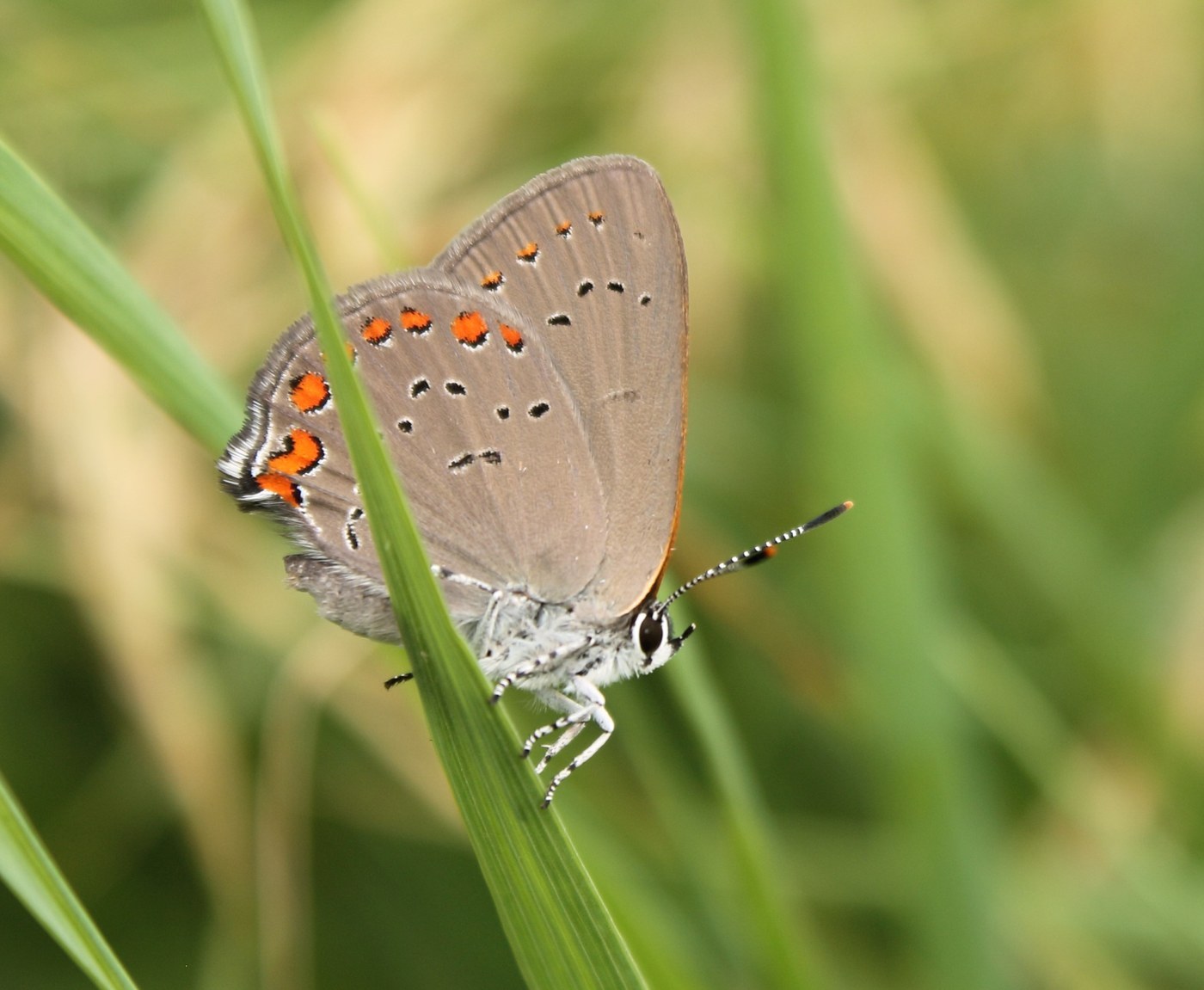
Coral Hairstreak
A tailless hairstreak identified by a bright row of coral-red spots lining the outer margin of the hindwing underside, often seen nectaring in numbers on milkweed and butterfly weed in midsummer meadows.
butterfly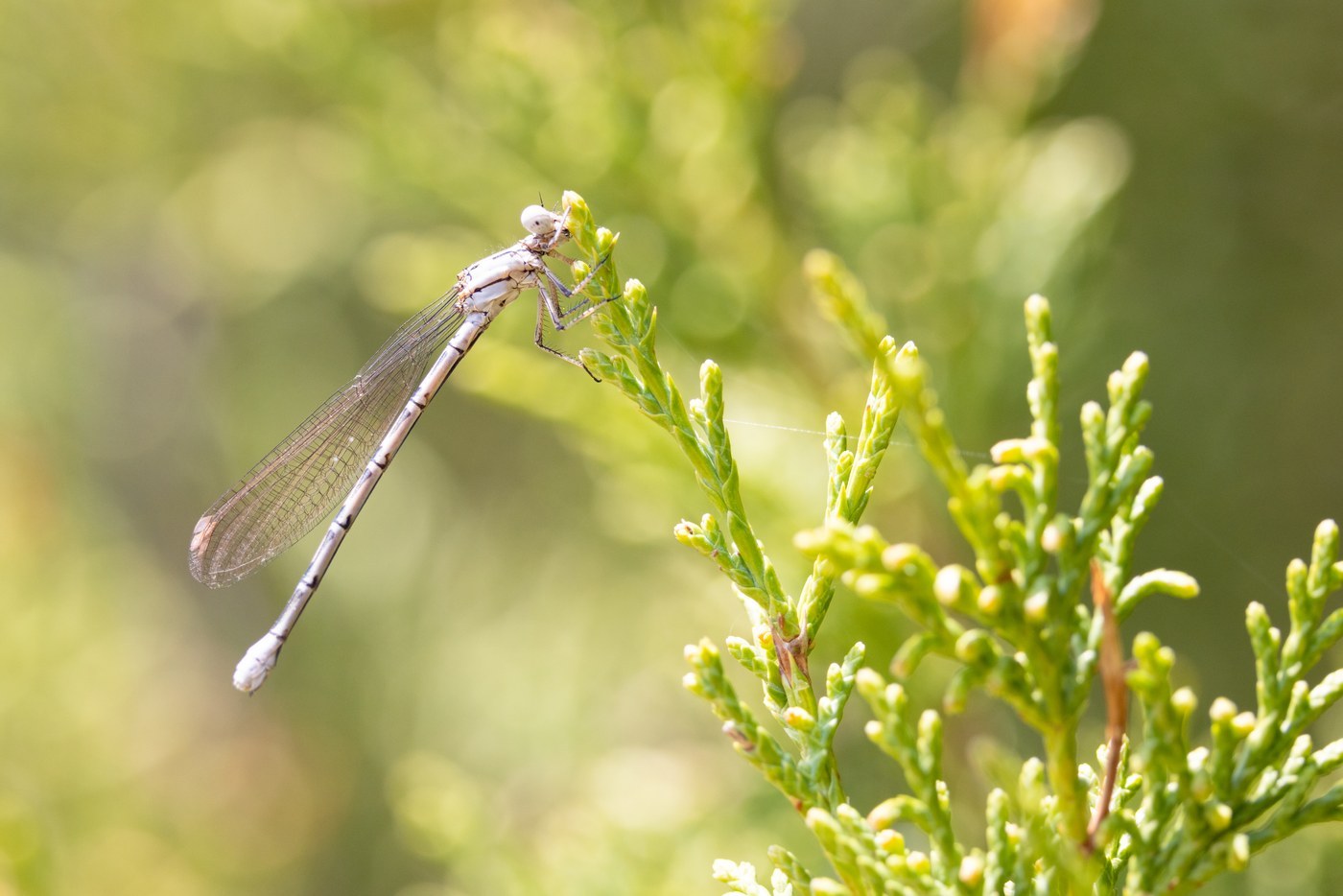
Bluet Damselfly
Small and delicate, bluet damselflies flash brilliant blue and black along the vegetated edges of ponds and lakes, forming mating pairs that fly in tandem while laying eggs directly into plant stems underwater.
dragonfly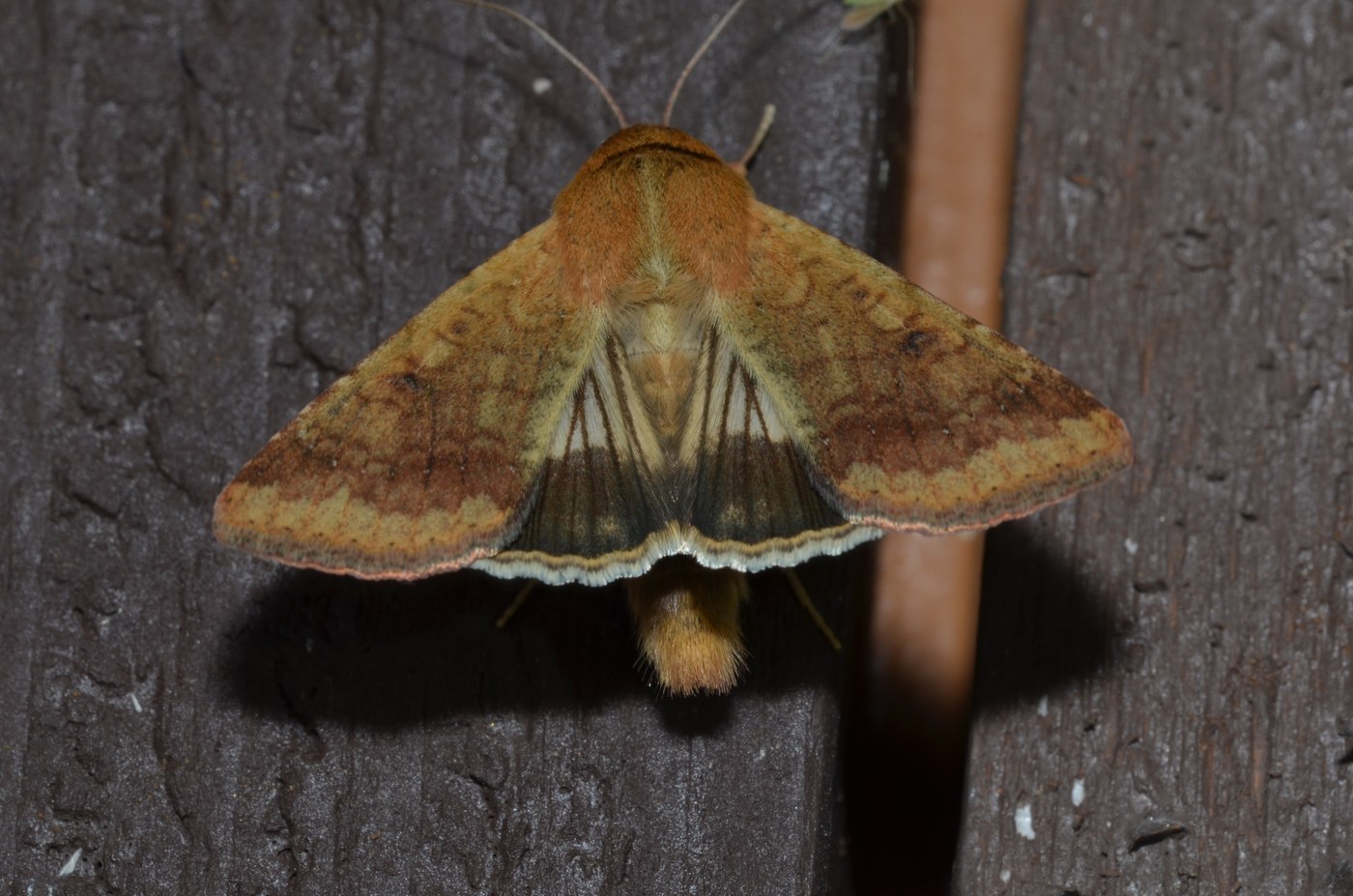
Bollworm
One of the most economically significant caterpillars in North American agriculture, the bollworm changes color from green to brown to pink across its life and bores into cotton bolls, corn ears, and tomato fruit alike.
caterpillar-larvaBirdwing Butterfly
Among the largest butterflies on Earth, birdwings soar through rainforest canopies on angular, bird-like wings. Males dazzle with iridescent greens, golds, and blues, while the larger females wear more subdued browns.
butterfly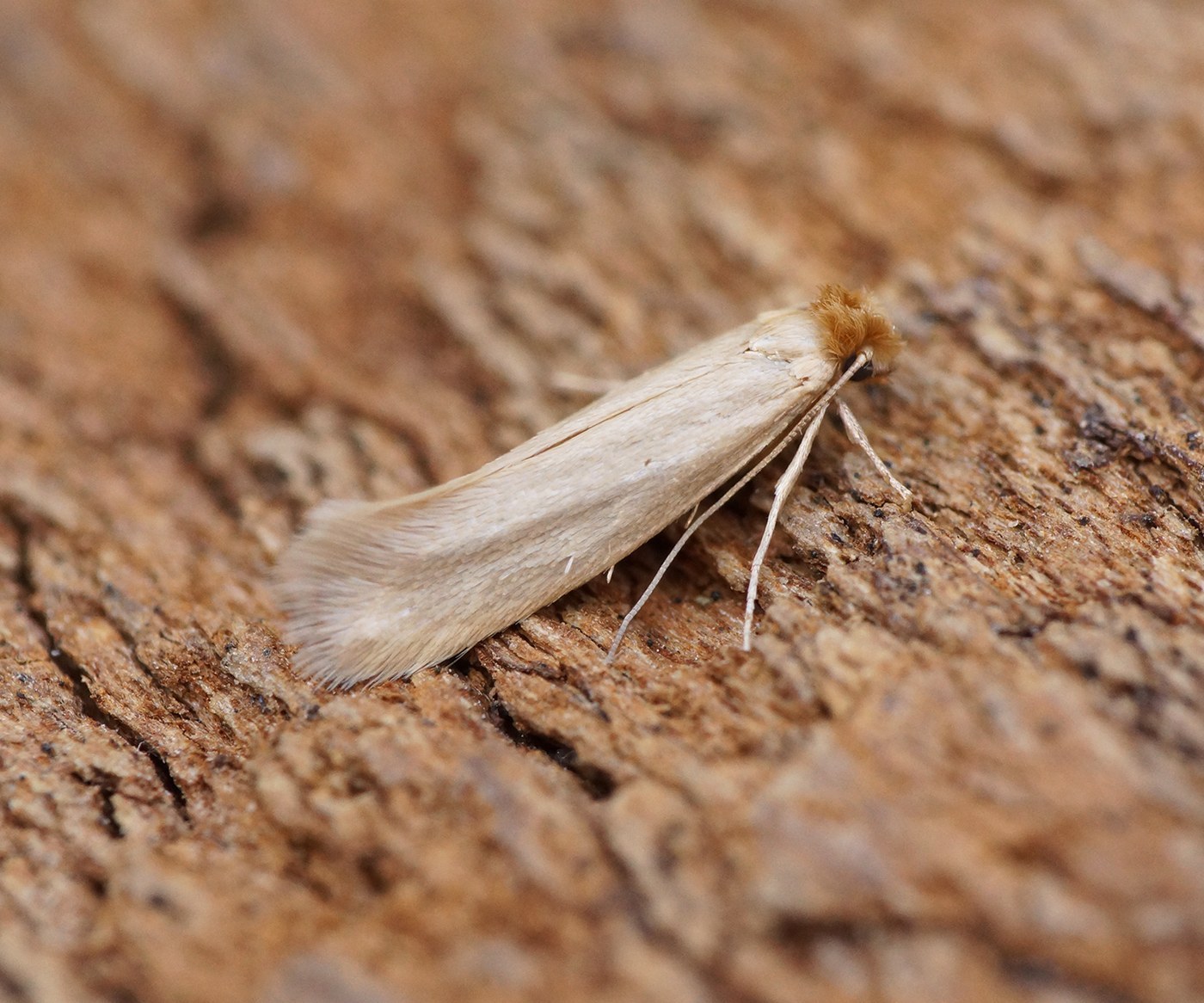
Webbing Clothes Moth
A small, plain golden-buff moth that avoids light and flutters weakly from dark closets, leaving silken webbing where its larvae have grazed on wool and fur.
moth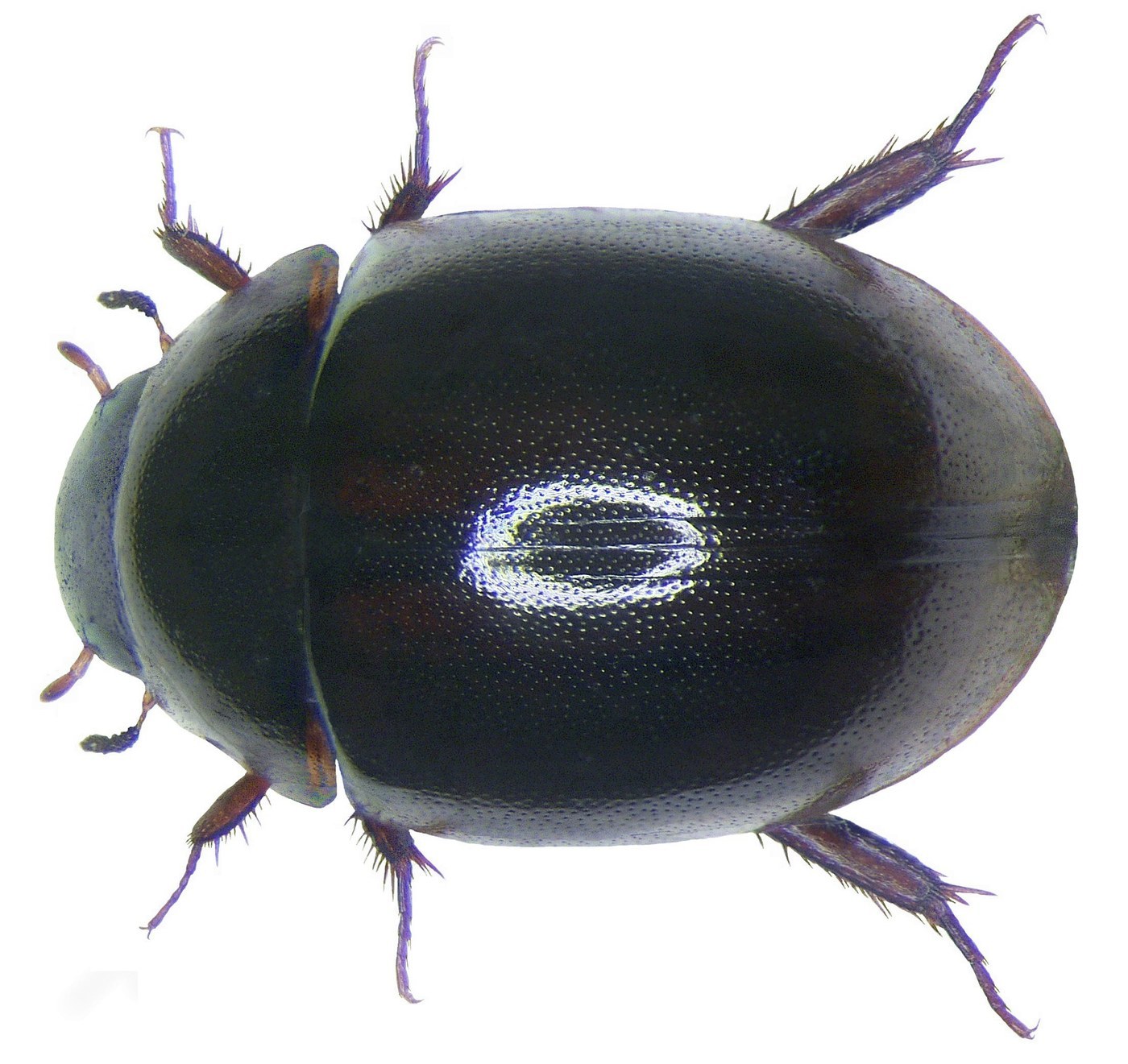
Water Beetle
A smooth, dark, oval-bodied beetle adapted for swimming, commonly found paddling through ponds and marshes and periodically surfacing to renew a carried air supply.
aquatic-insectWax Moth
A plain grey-brown moth whose larvae tunnel through beeswax honeycomb, spinning silk webbing as they feed, making it a well-known pest of beekeeping operations.
moth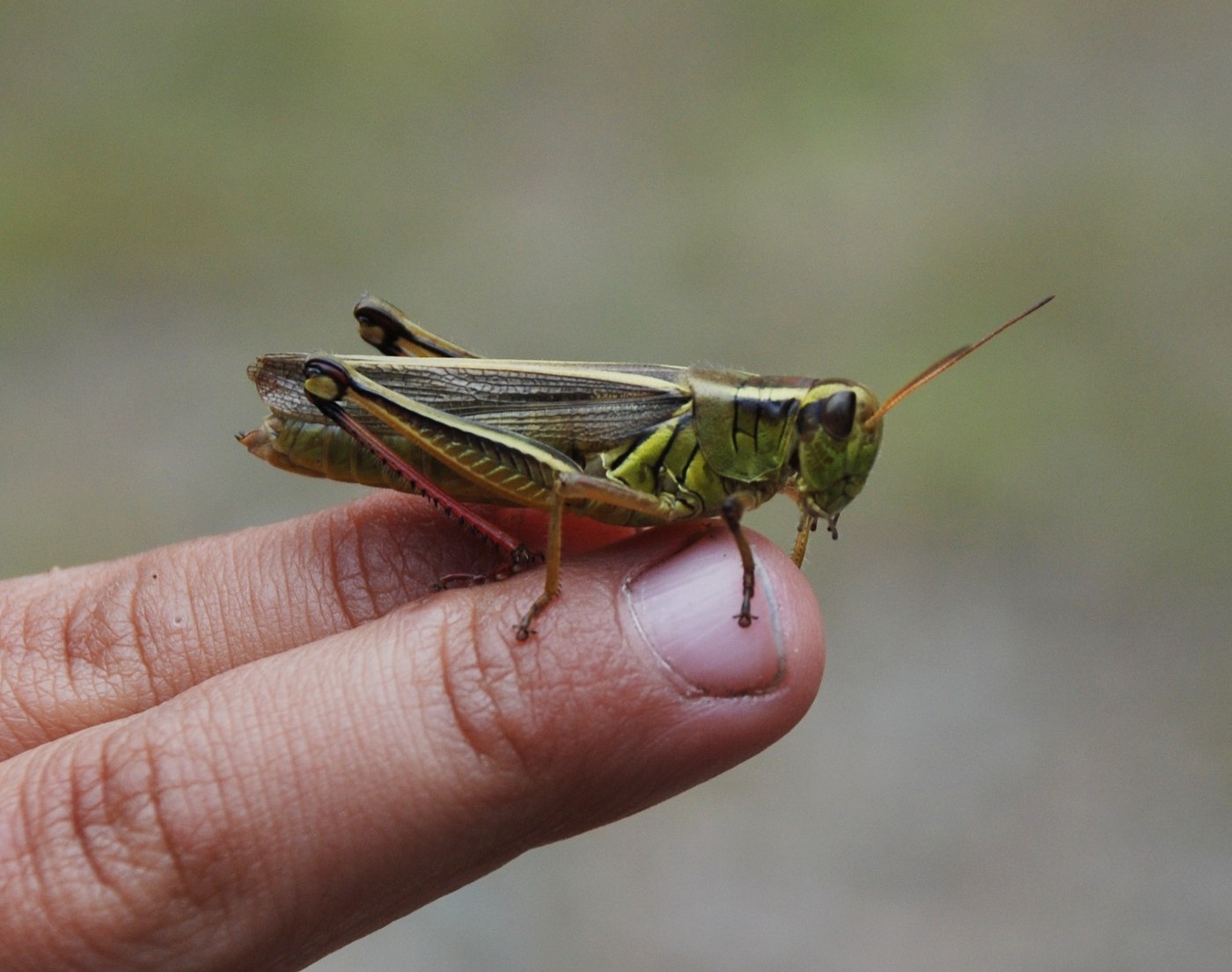
Two-striped Grasshopper
Easily spotted by the pair of pale cream stripes running the length of its body, the two-striped grasshopper is one of the largest and most economically important grasshoppers in North America.
grasshopper-cricket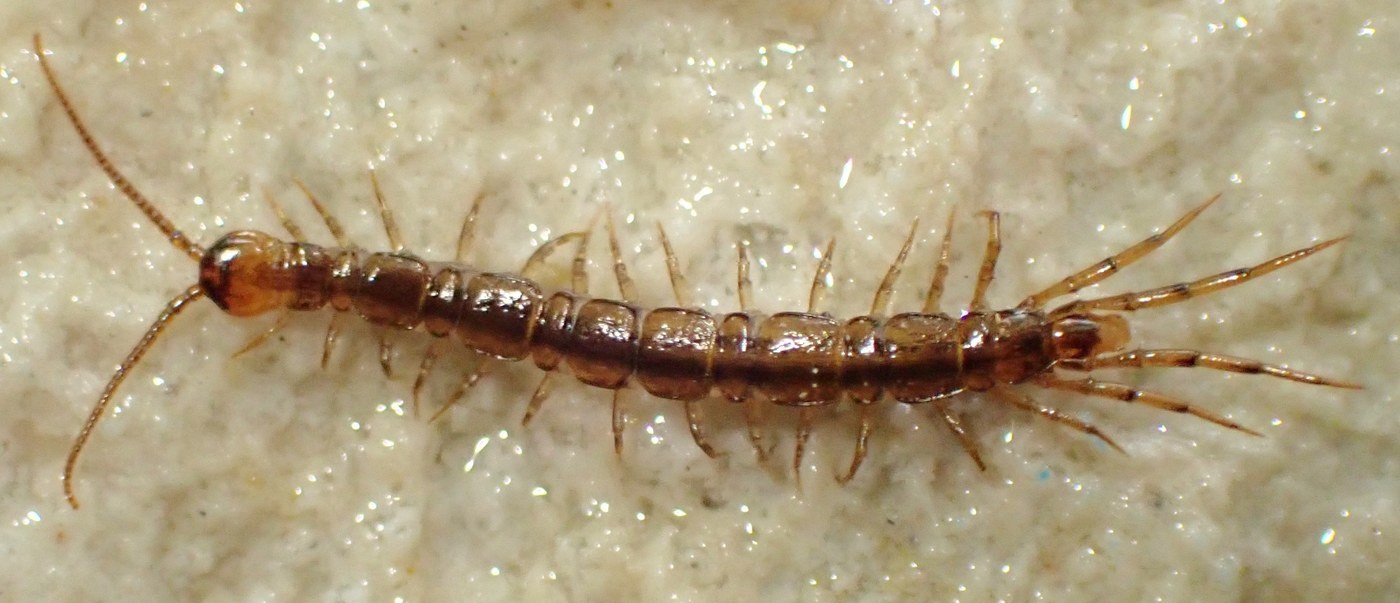
Stone Centipede
A quick, flattened, reddish-brown centipede that darts for cover the instant its stone or log shelter is lifted, one of the most commonly seen centipedes in temperate gardens.
myriapod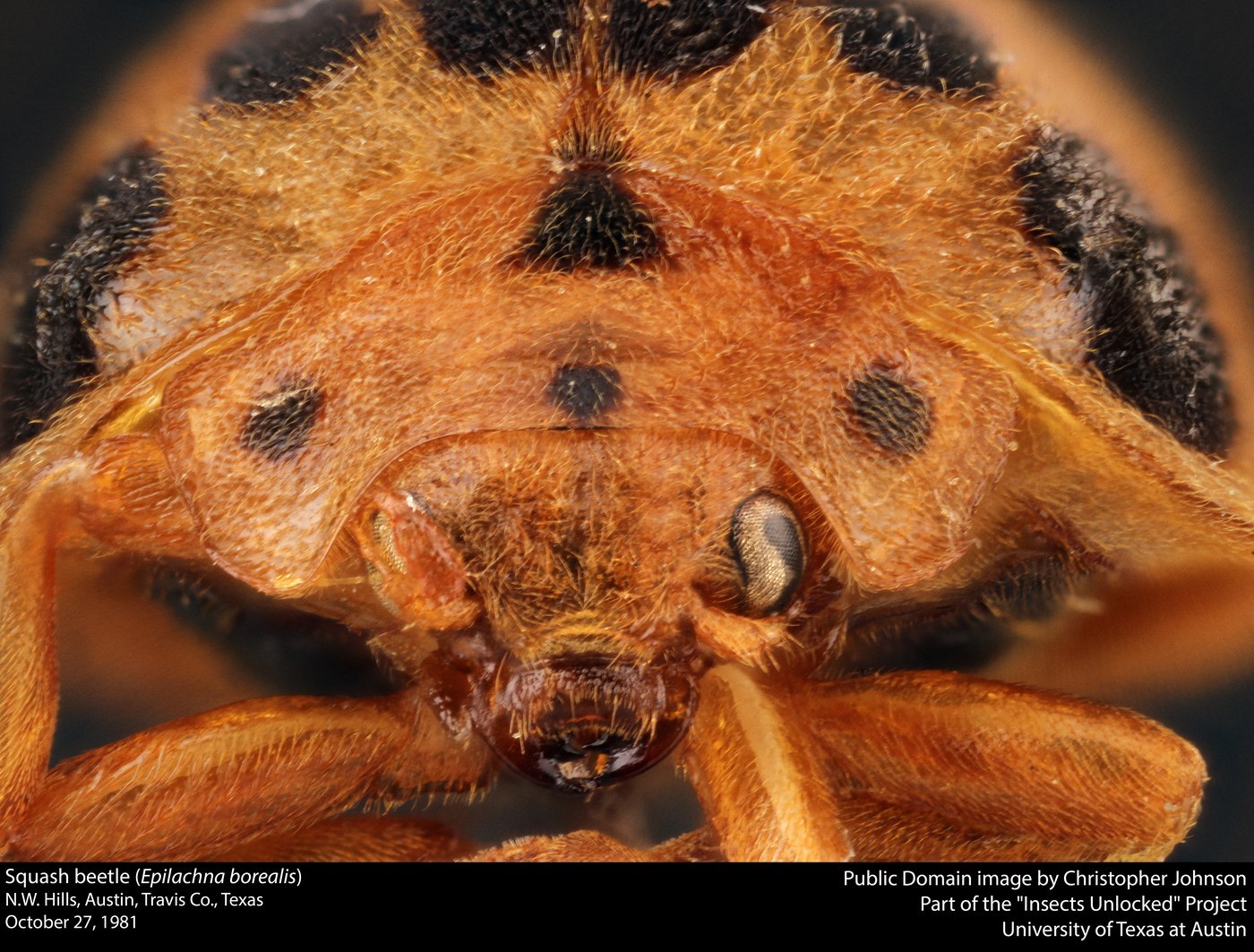
Squash Beetle
A large, coppery-orange, spotted beetle that resembles an oversized ladybird but, unlike most of its relatives, feeds on squash and pumpkin leaves rather than aphids.
beetle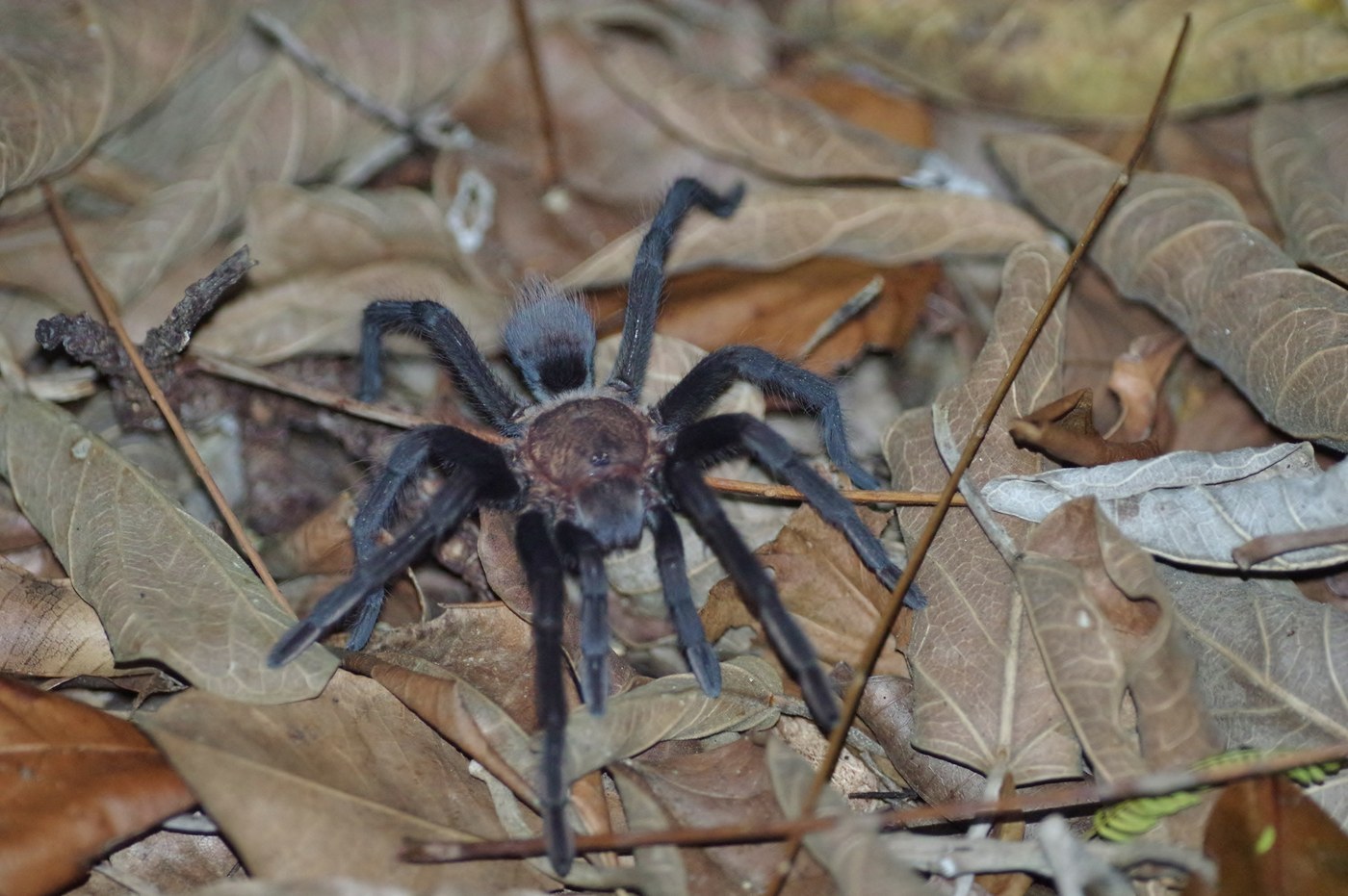
Tarantula
The tarantula is the heavyweight of the spider world, a densely furred, ground-hugging hunter that spends most of its long life waiting in a silk-lined burrow for prey to wander past.
spider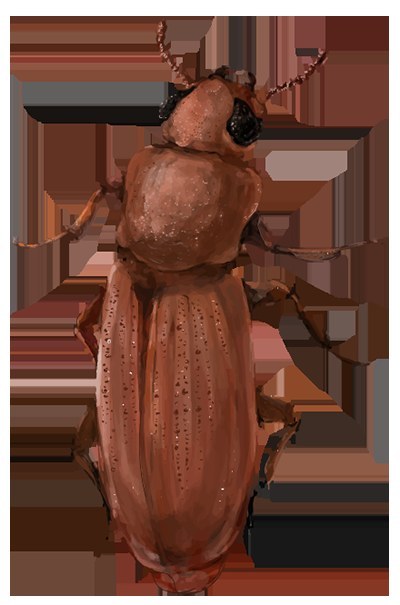
Red Flour Beetle
A tiny, flattened, rust-red beetle found in stored flour and grain worldwide, capable of flight and closely resembling the confused flour beetle apart from the shape of its antennal club.
beetle