
Bug Encyclopedia
Search and identify bugs & insects — beetles, butterflies, moths, ants, bees, spiders and more — with size, habitat, danger, behavior, and how to tell them apart.
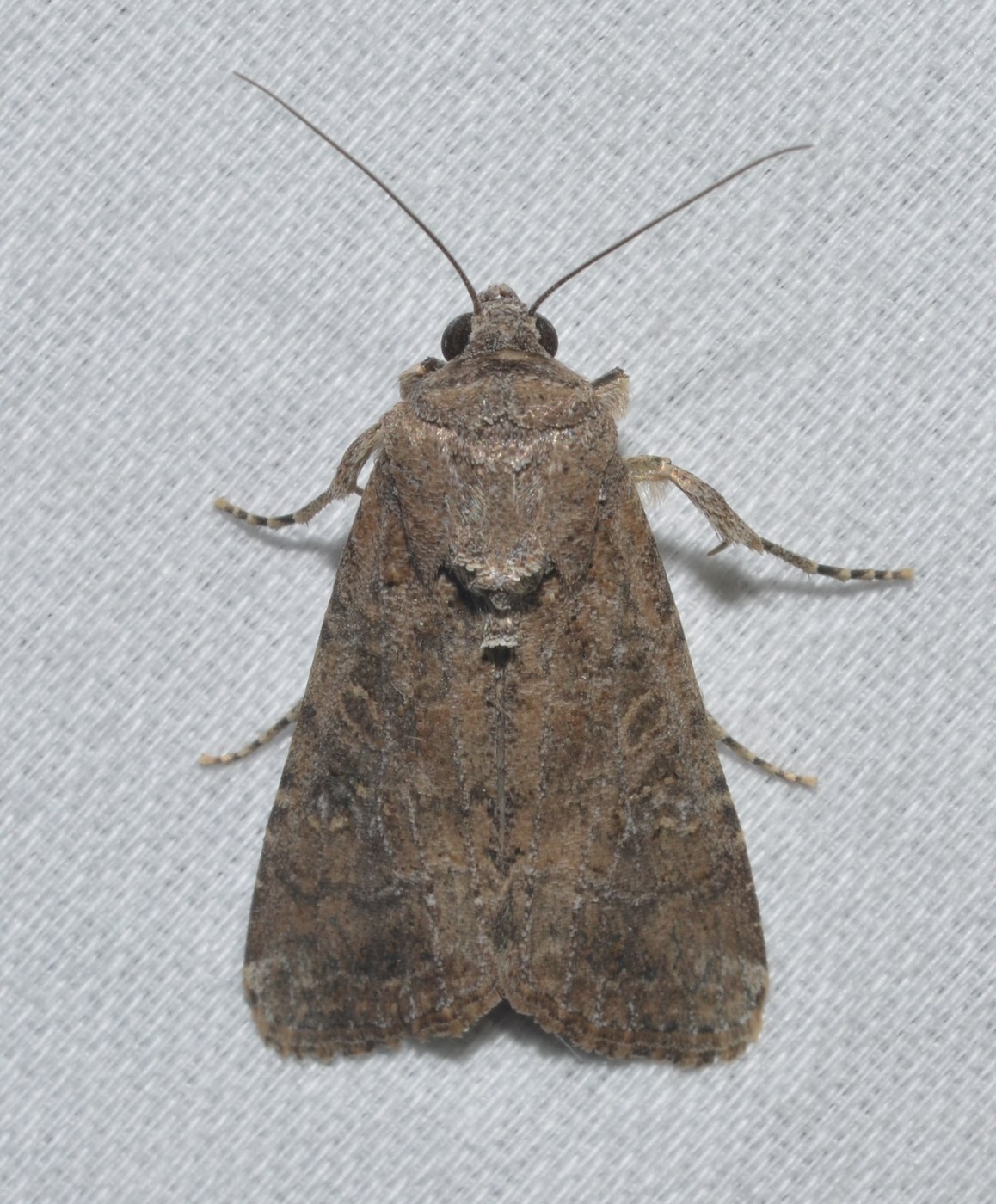
Armyworm
A striped, greenish-brown caterpillar that gets its name from its habit of migrating in dense, destructive groups across grass and grain fields.
caterpillar-larvaMosquito Larva
A wriggling, comma-shaped aquatic larva that hangs from the water's surface to breathe before transforming into a flying adult mosquito.
aquatic-insect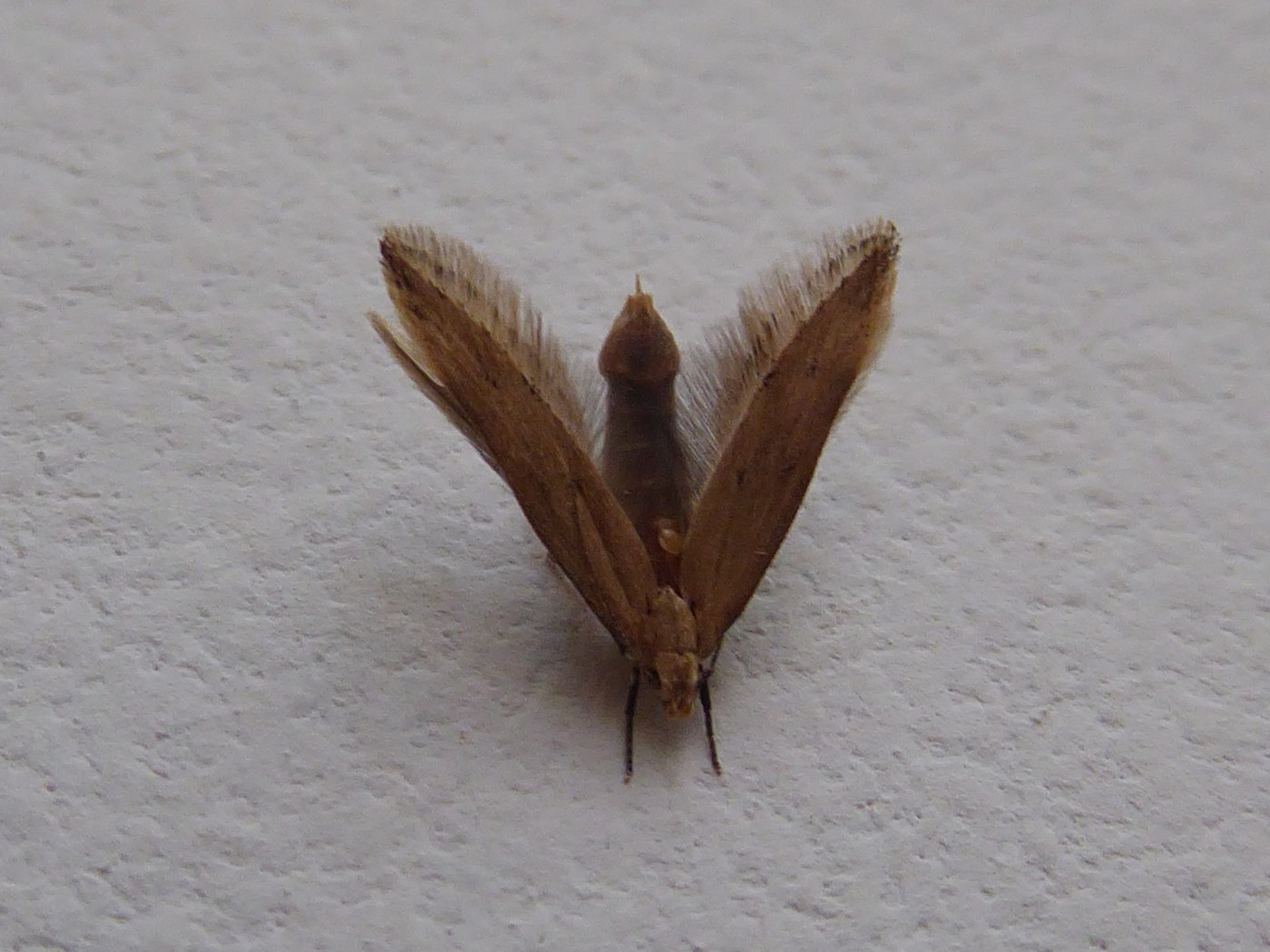
Grain Moth
A tiny buff-colored moth whose larvae tunnel invisibly inside individual kernels of stored grain, hollowing them out from within.
moth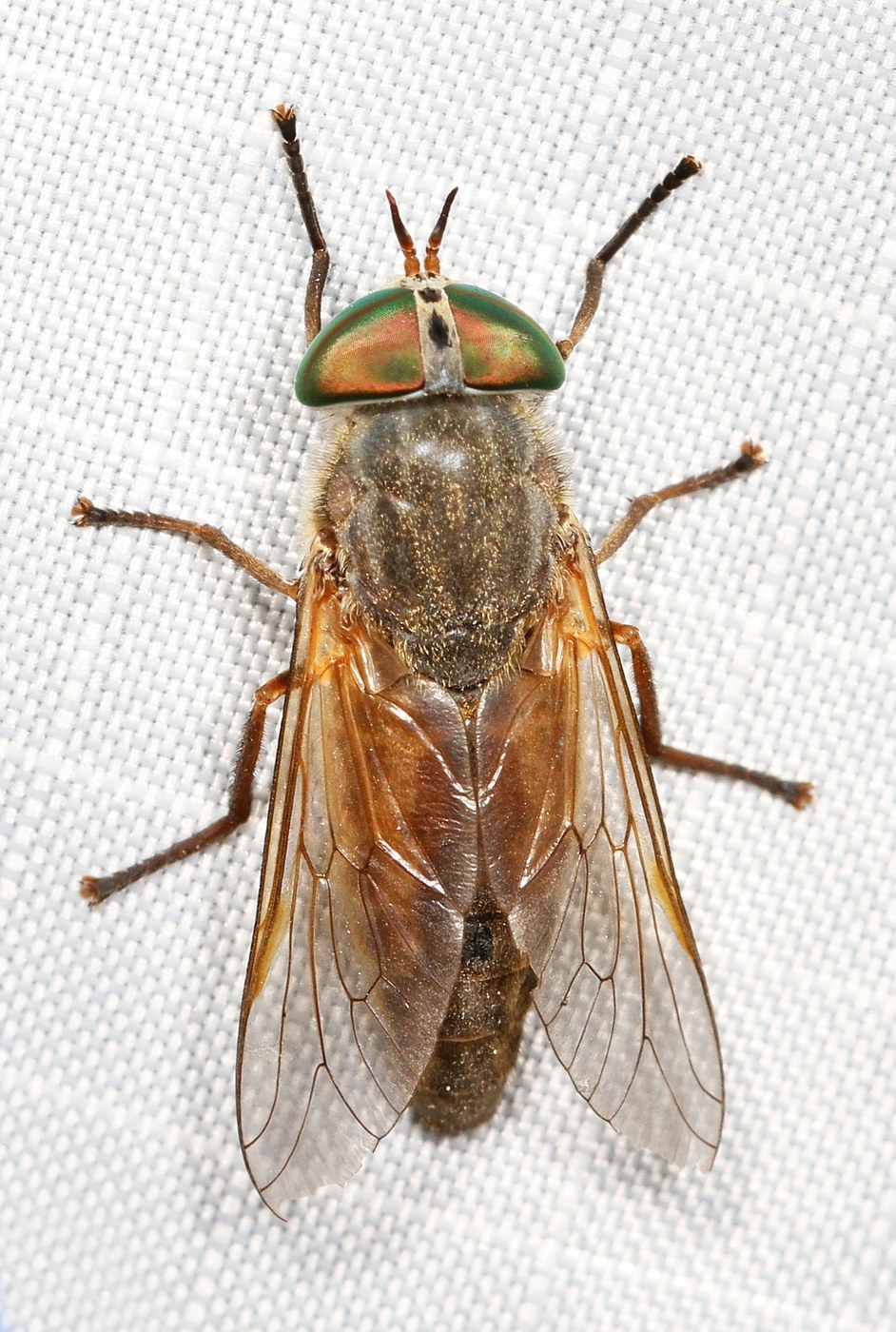
Greenhead Fly
A stout, strikingly green-eyed horse fly that emerges from Atlantic salt marshes in midsummer swarms, where the females bite to feed on blood.
fly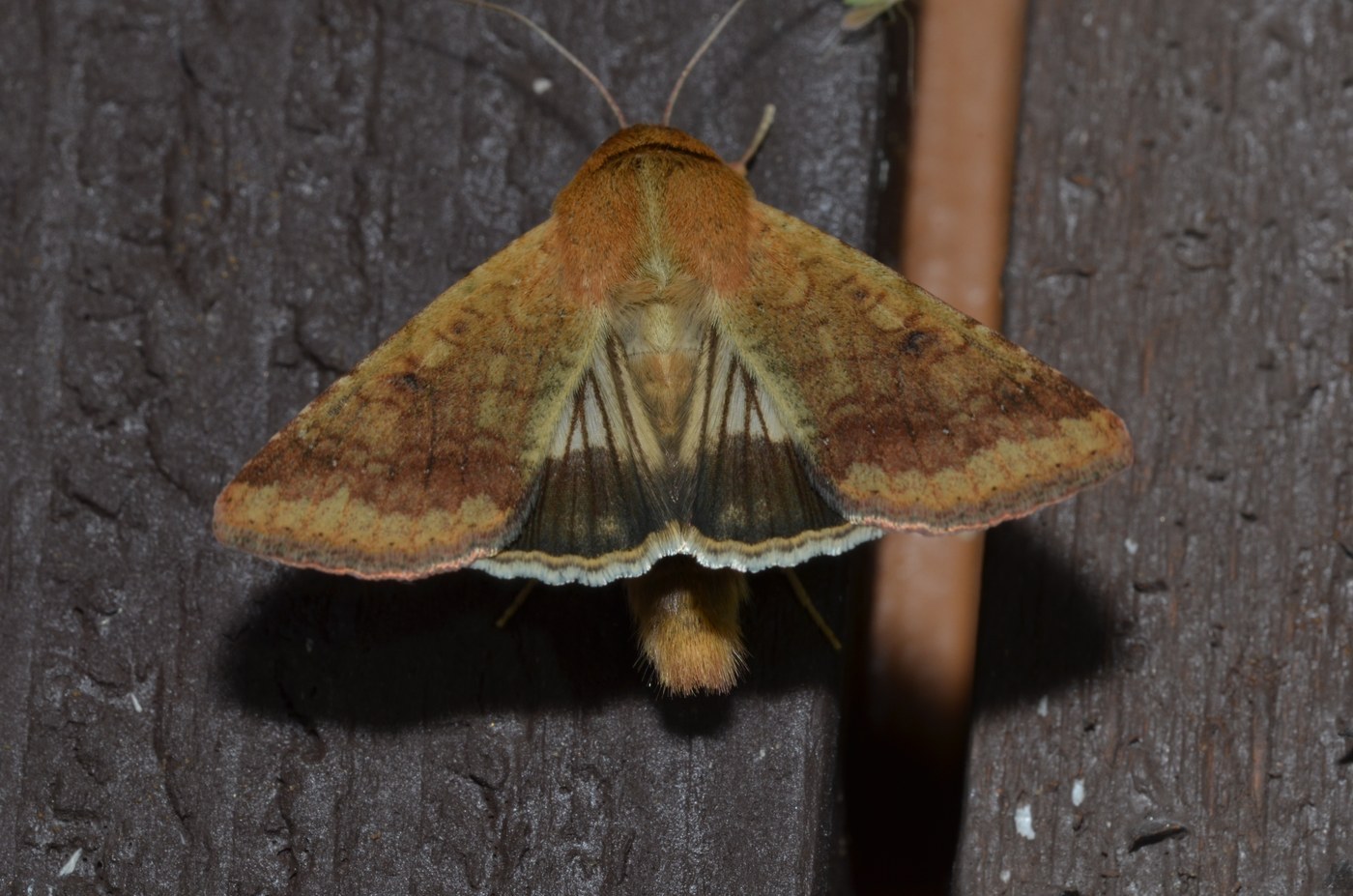
Corn Earworm
A color-variable caterpillar, ranging from pale green to reddish-brown, that burrows headfirst into corn ears and is one of the most economically significant crop pests in North America.
caterpillar-larvaBlister Beetle
An elongated, soft-bodied beetle with a distinctly narrow neck, often seen feeding in small groups on flowers, and known for releasing a defensive chemical from its leg joints when disturbed.
beetleTsetse Fly
A stout grayish-brown fly of African woodlands whose rigid, forward-jutting proboscis and scissor-folded wings set it apart from any ordinary house fly.
flySawfly
A wasp relative that never stings, best known for its caterpillar-like larvae that strip leaves from roses, pines, and other garden plants in tidy rows.
wasp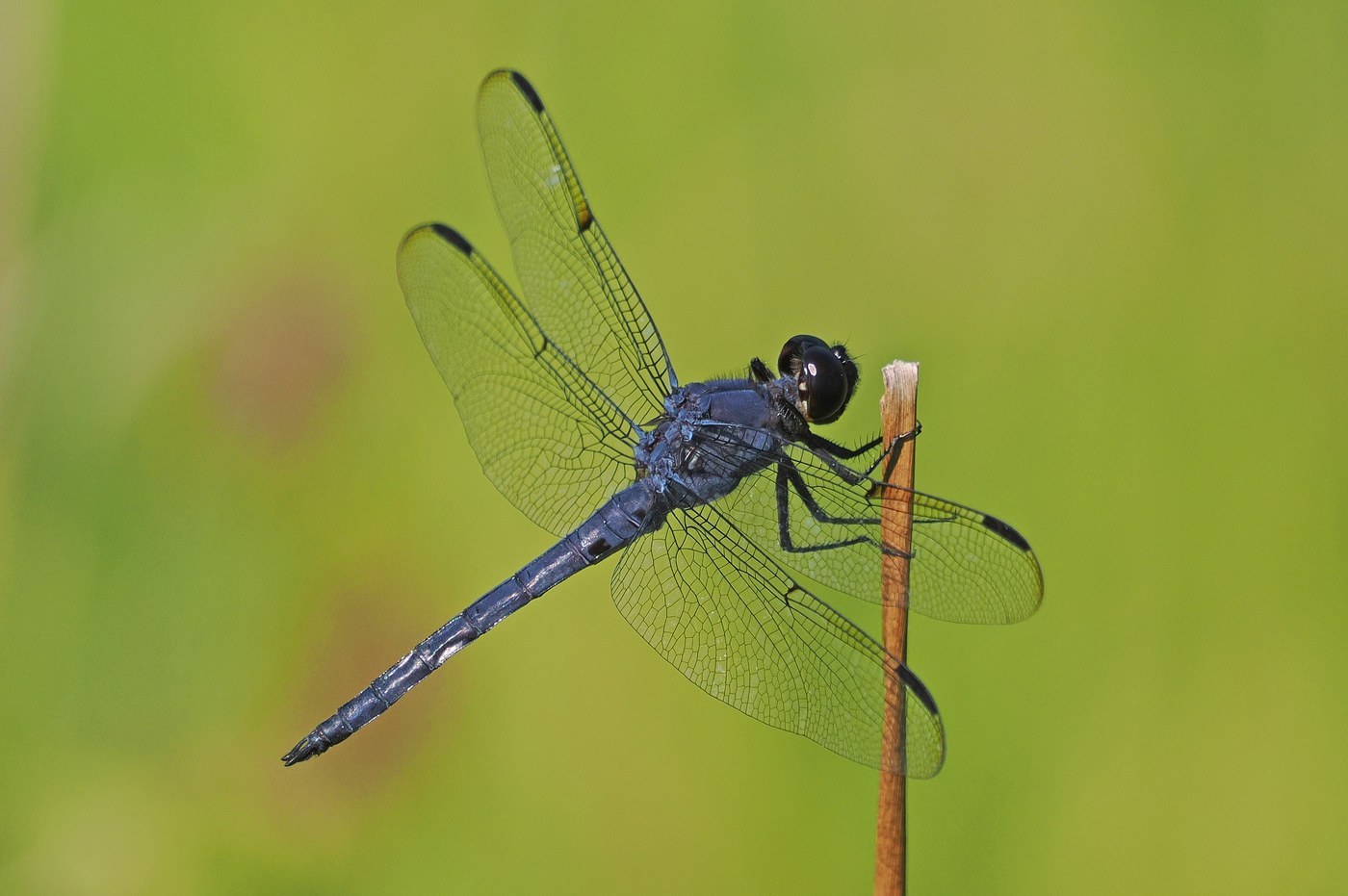
Slaty Skimmer
A mature male Slaty Skimmer is powder-blue-gray from head to tail with jet-black wing tips, giving it a slate-colored, almost monochrome look as it patrols pond edges.
dragonfly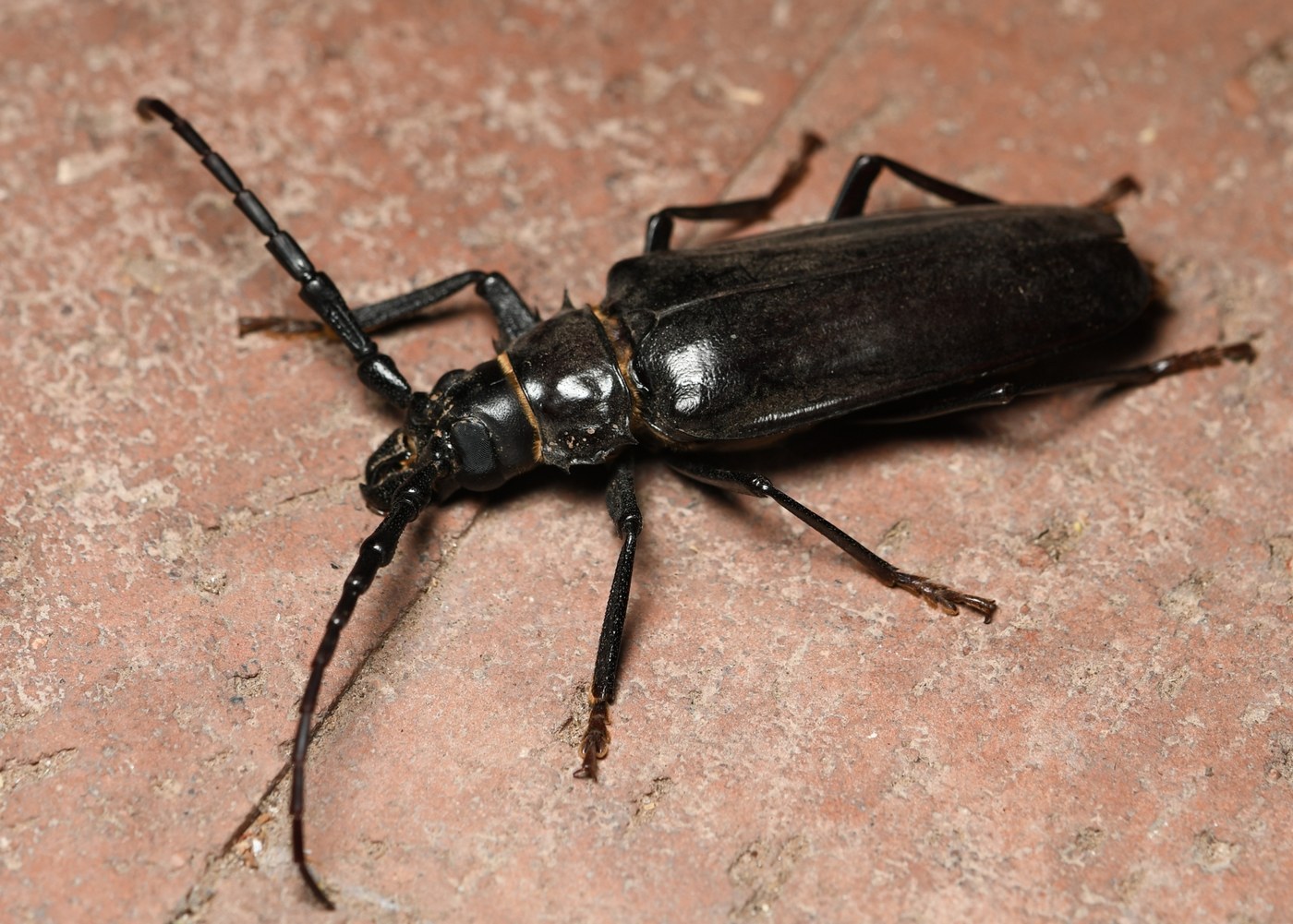
Palo Verde Beetle
One of the largest beetles in North America, a heavy, dark reddish-brown longhorn beetle with long spiny antennae and a loud, buzzing flight that emerges from the desert soil around palo verde and mesquite trees in summer.
beetle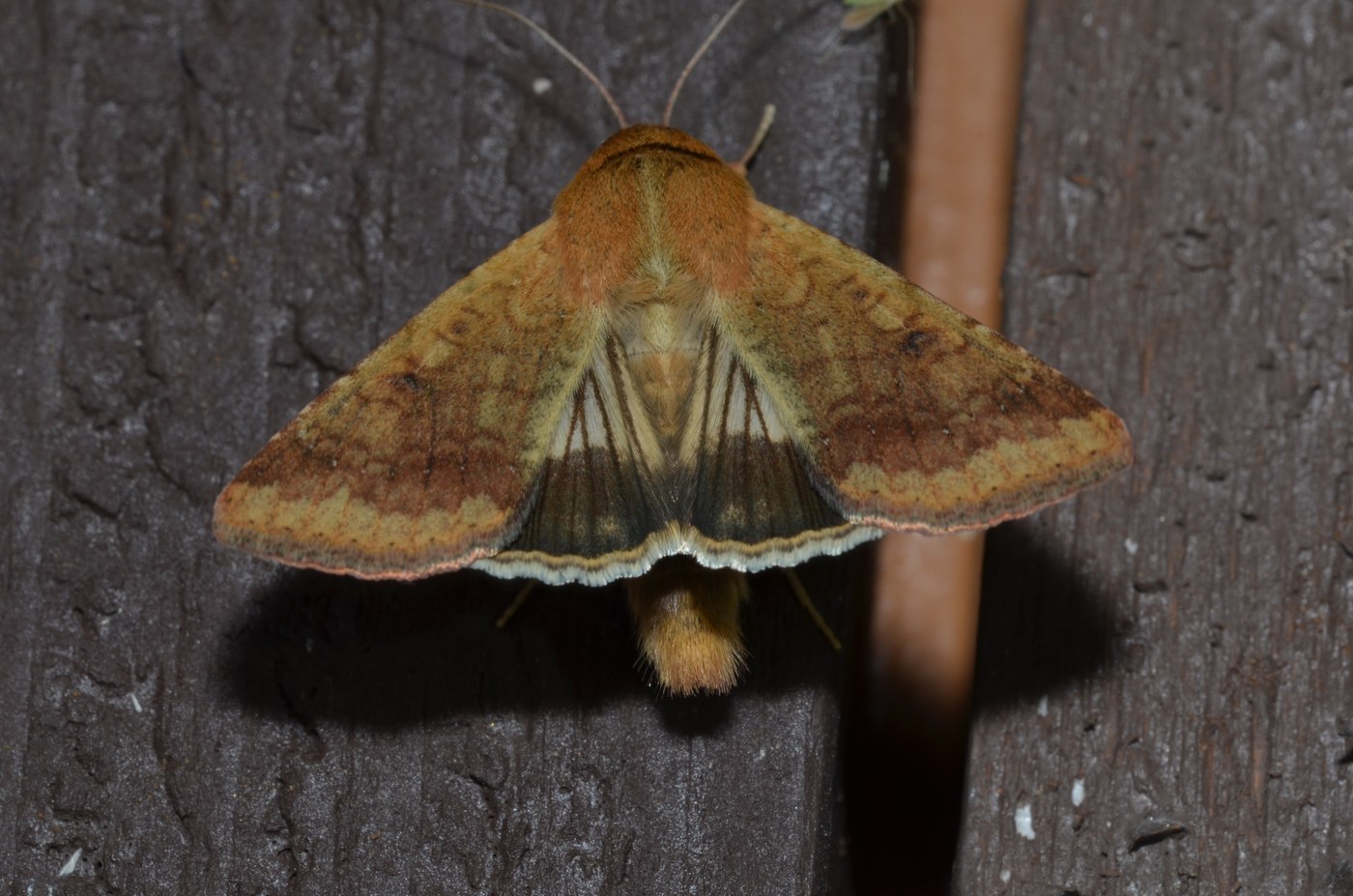
Bollworm
One of the most economically significant caterpillars in North American agriculture, the bollworm changes color from green to brown to pink across its life and bores into cotton bolls, corn ears, and tomato fruit alike.
caterpillar-larva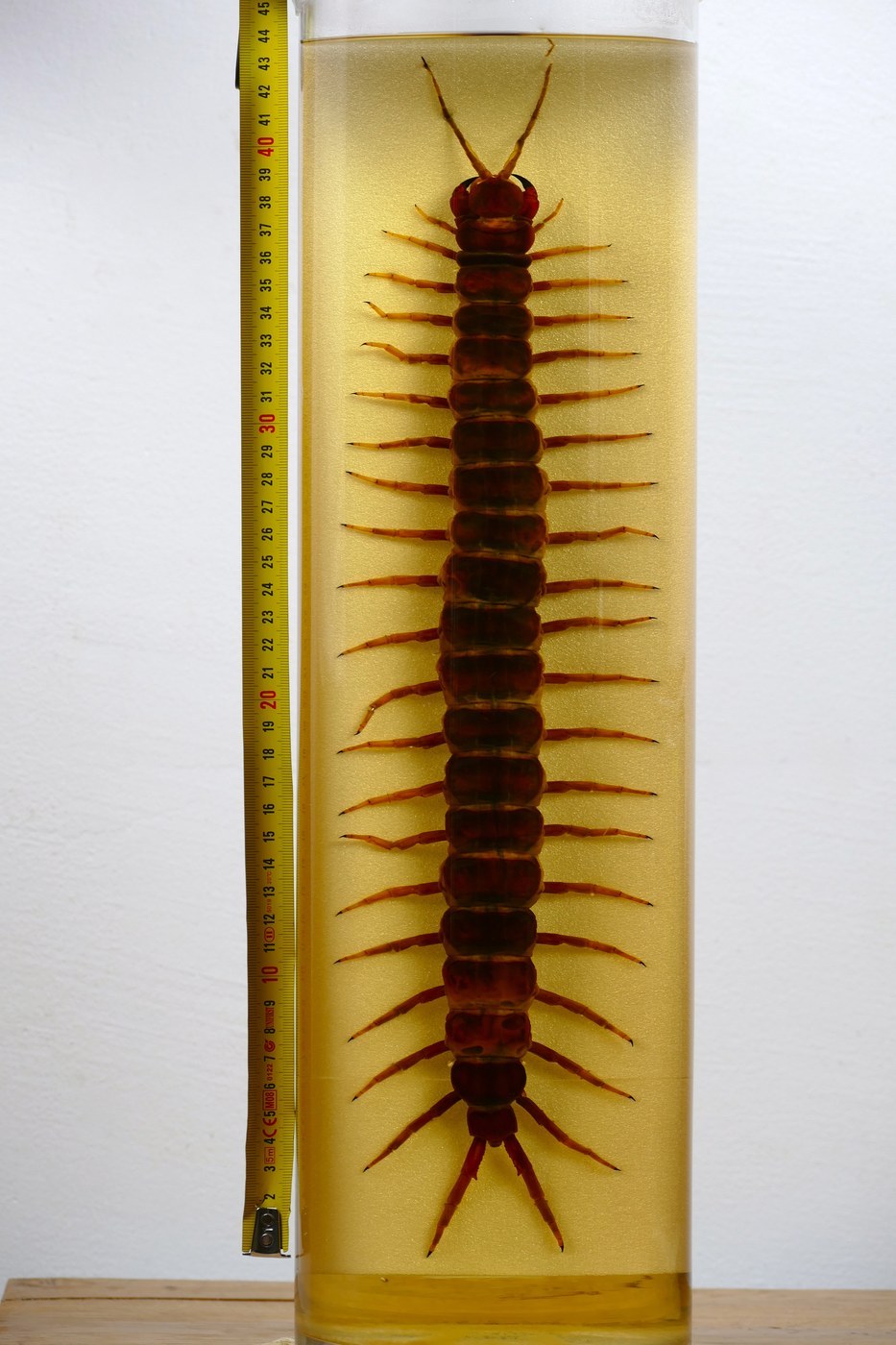
Amazonian Giant Centipede
The largest centipede on the planet, a formidable dark reddish-brown predator from South American rainforests capable of capturing prey as large as bats and small reptiles.
myriapod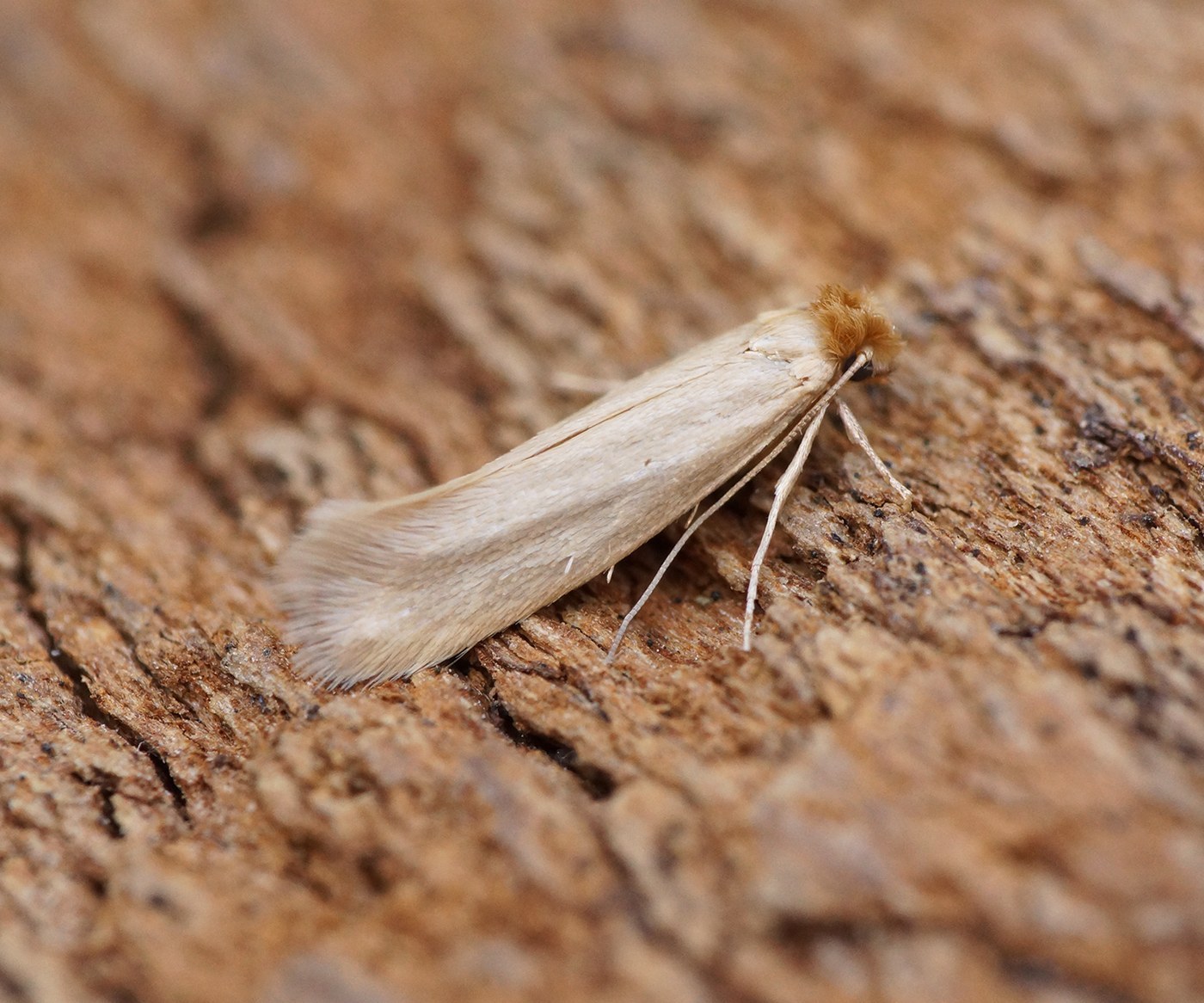
Webbing Clothes Moth
A small, plain golden-buff moth that avoids light and flutters weakly from dark closets, leaving silken webbing where its larvae have grazed on wool and fur.
moth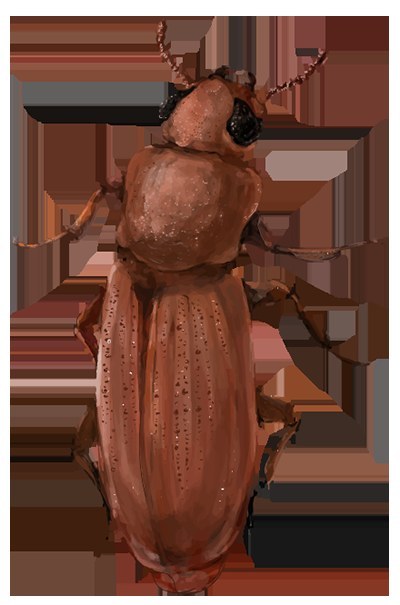
Red Flour Beetle
A tiny, flattened, rust-red beetle found in stored flour and grain worldwide, capable of flight and closely resembling the confused flour beetle apart from the shape of its antennal club.
beetleSpicebush Swallowtail Caterpillar
A bulging-eyed green caterpillar that lives folded inside its own silk-stitched leaf tent, looking every bit like a miniature snake peering out from cover.
caterpillar-larva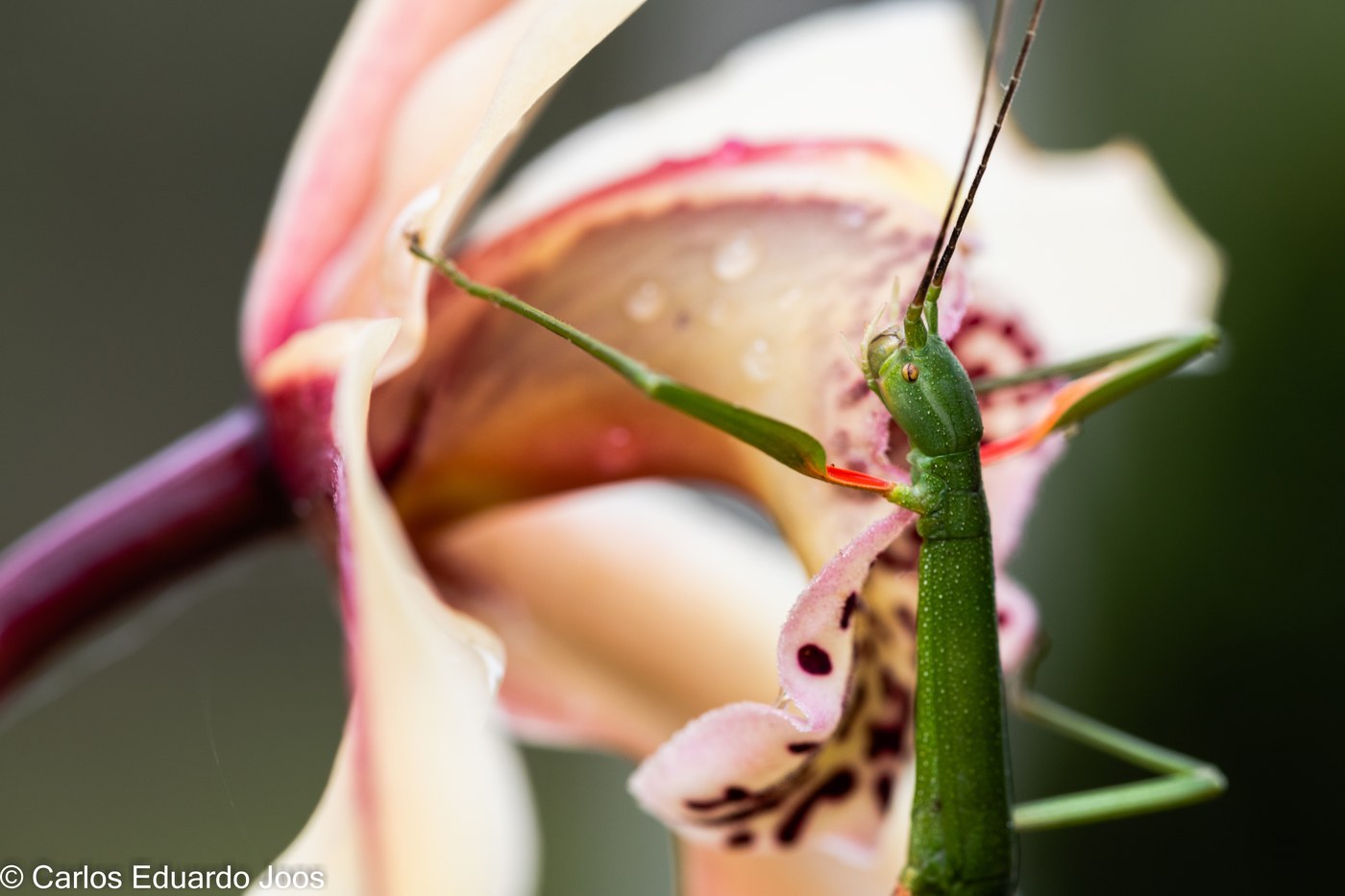
Northern Walkingstick
A slender, wingless insect so convincingly shaped like a twig that it can rest motionless on a branch just inches from view and go completely unnoticed.
mantis-stick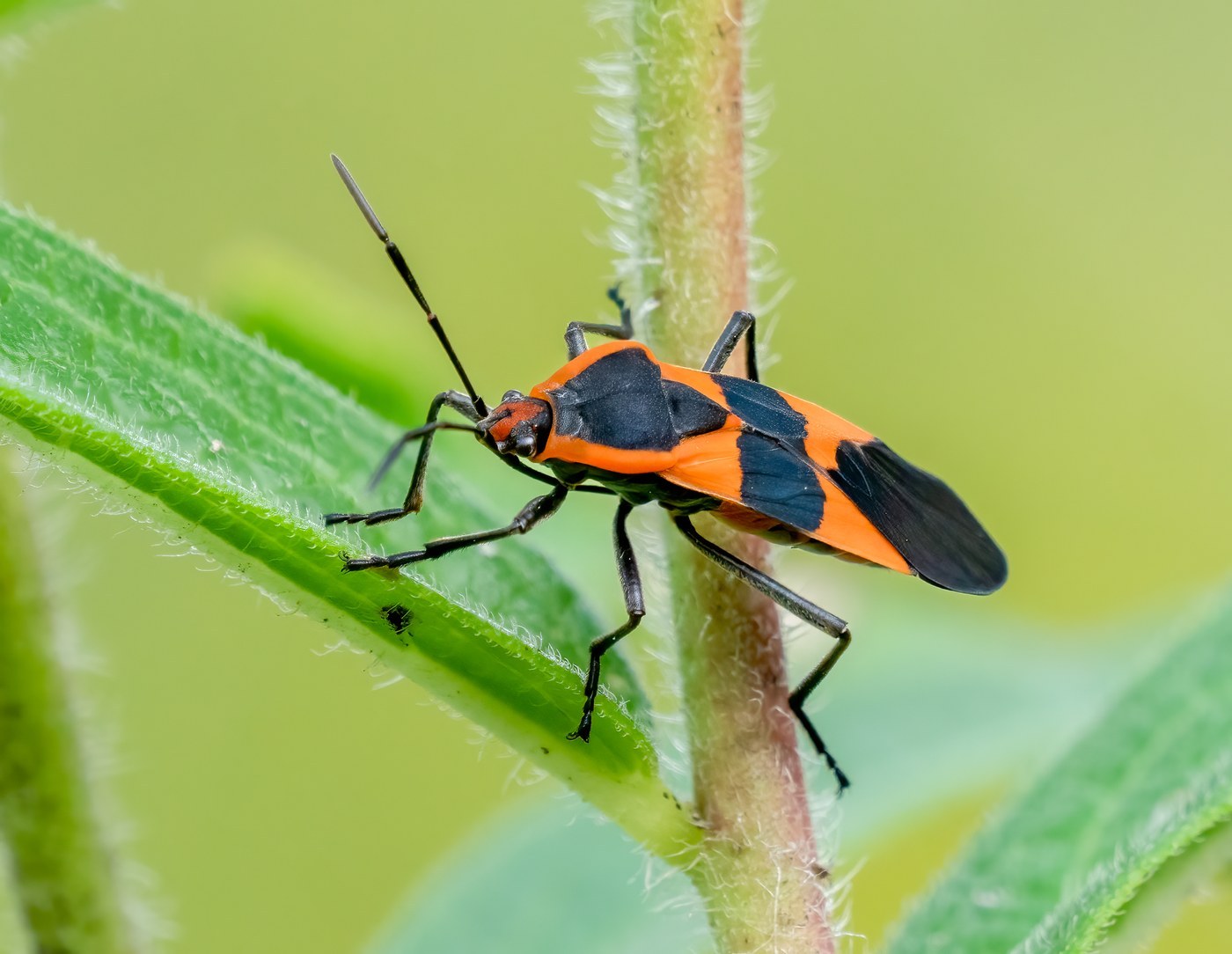
Milkweed Bug
A bold orange-and-black true bug that clusters conspicuously on milkweed seed pods, its warning colours advertising the plant toxins it safely stores from its host.
true-bug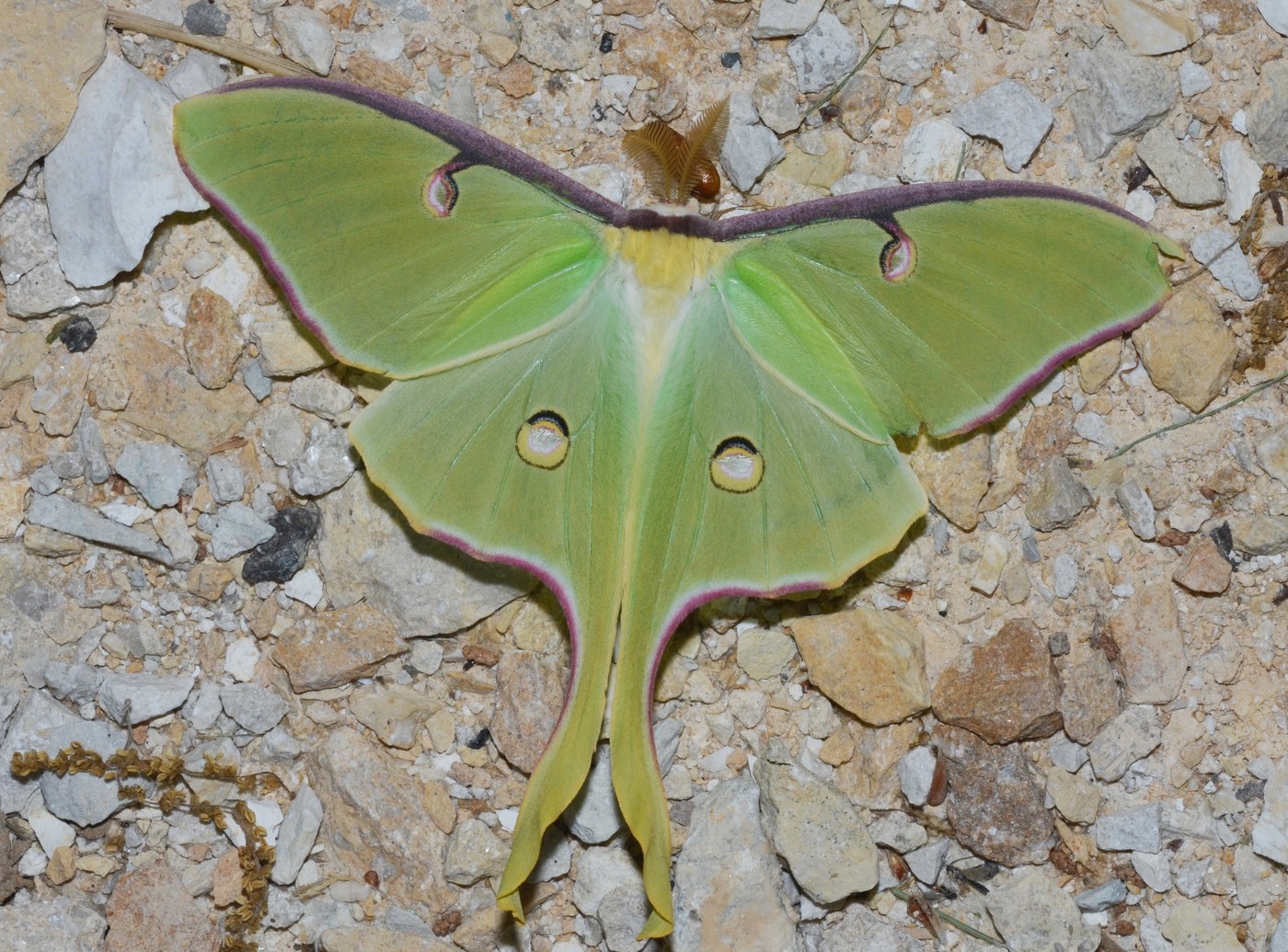
Luna Moth
A large, pale lime-green silk moth with long, elegant tails trailing from its hindwings, considered one of the most striking nocturnal insects in North America.
moth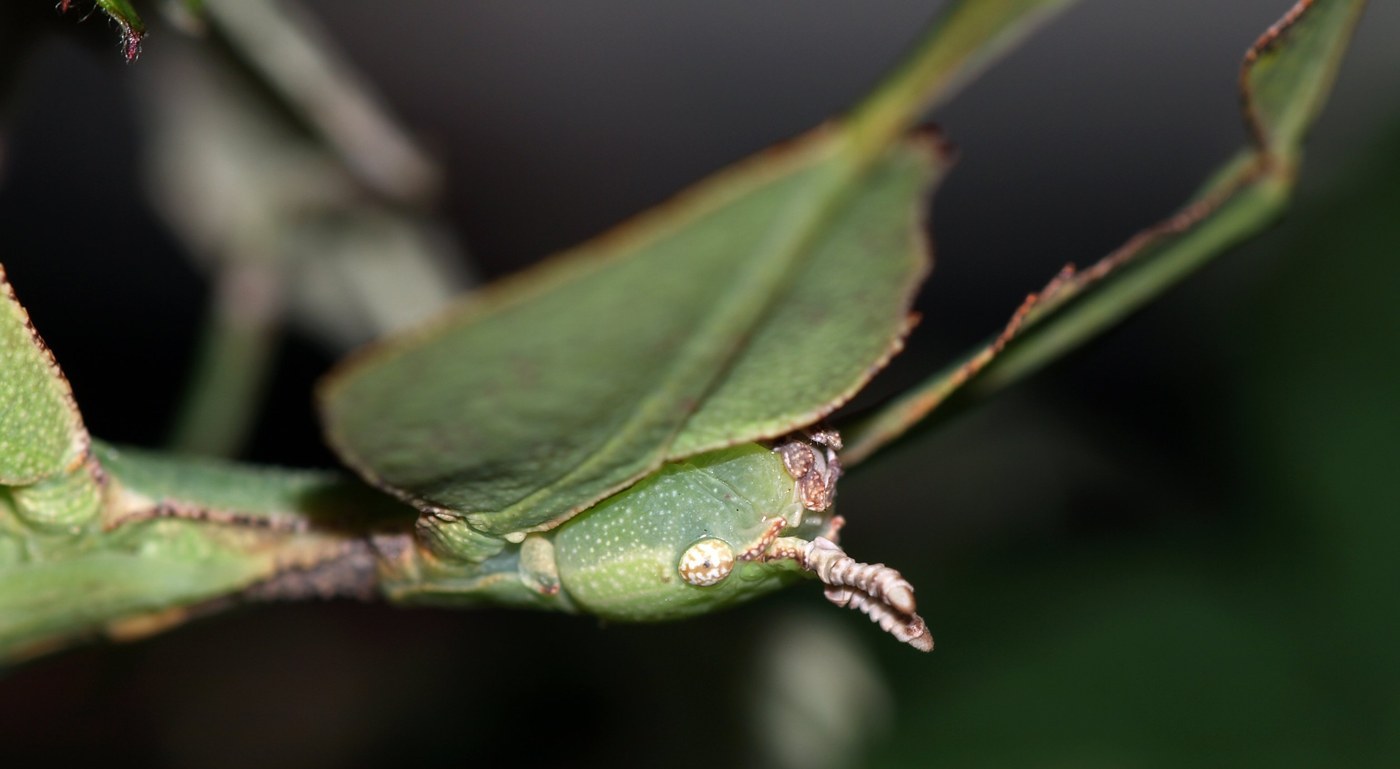
Javanese Leaf Insect
A broad, veined, leaf-green body makes this insect nearly indistinguishable from the foliage it feeds on, a masterclass in disguise native to the forests of Southeast Asia.
mantis-stick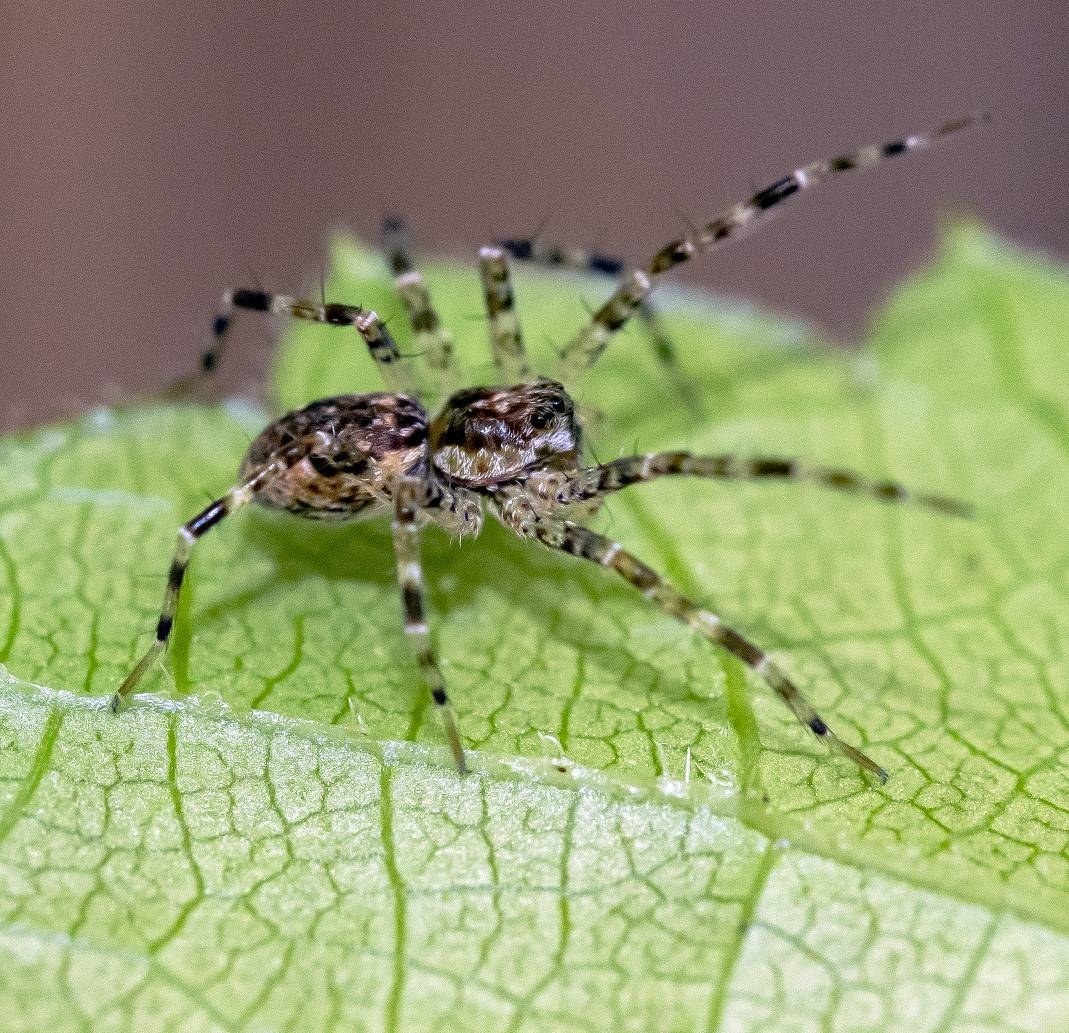
Fishing Spider
One of the largest spiders in North America, the fishing spider can walk on water, dive beneath the surface to escape danger, and ambush small fish and tadpoles with its front legs from the water's edge.
spider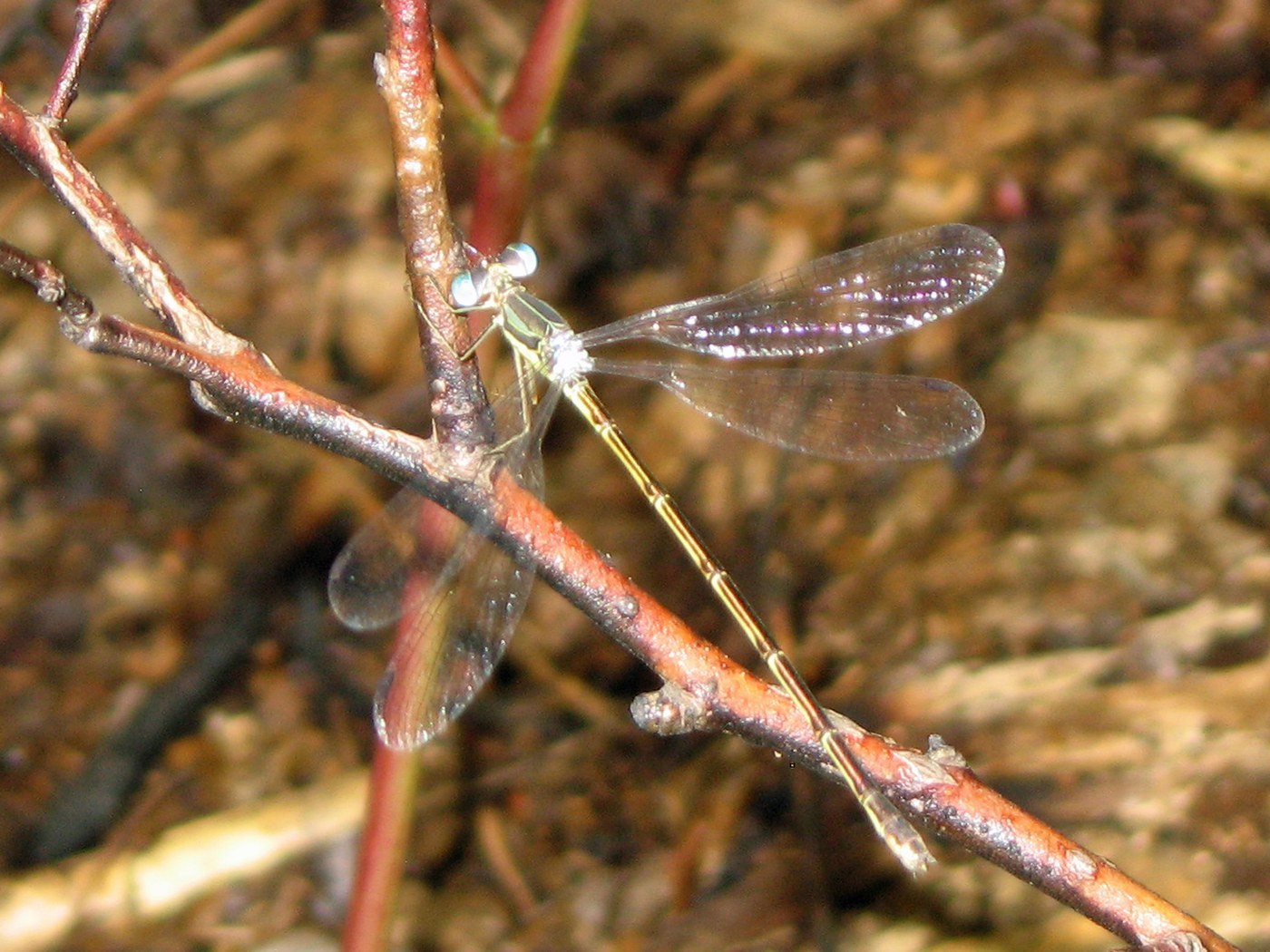
Common Spreadwing
True to its family name, the Common Spreadwing perches with its wings held out at an angle rather than folded together, setting it apart from most other damselflies.
dragonfly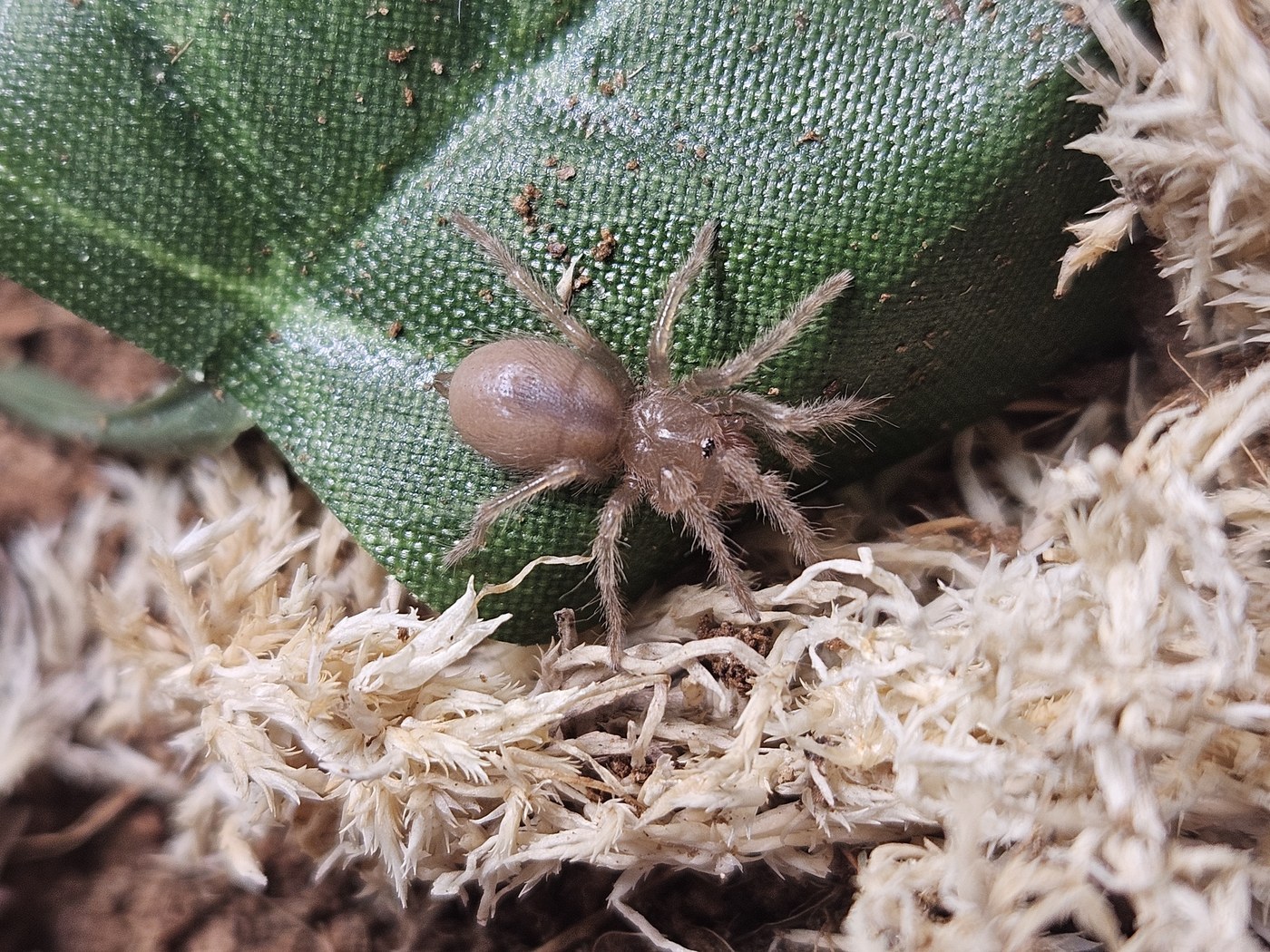
Mexican Redknee Tarantula
One of the most recognizable tarantulas in the world, this heavy-bodied spider has jet-black legs banded with vivid orange-red at each joint, and defends itself by kicking a cloud of irritating hairs from its abdomen rather than attacking.
spider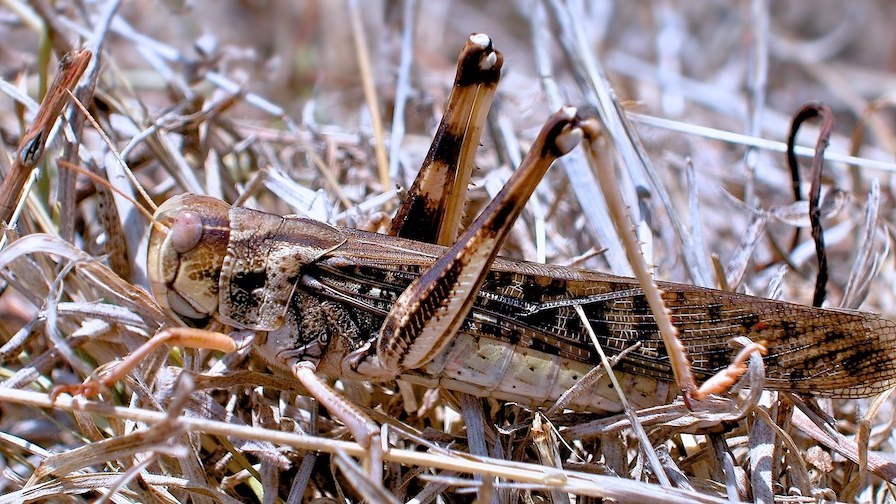
Locust
A large, powerful grasshopper capable of transforming from a solitary, harmless insect into a densely packed, migrating swarm when populations surge, historically famous for devastating crops across huge regions.
grasshopper-cricket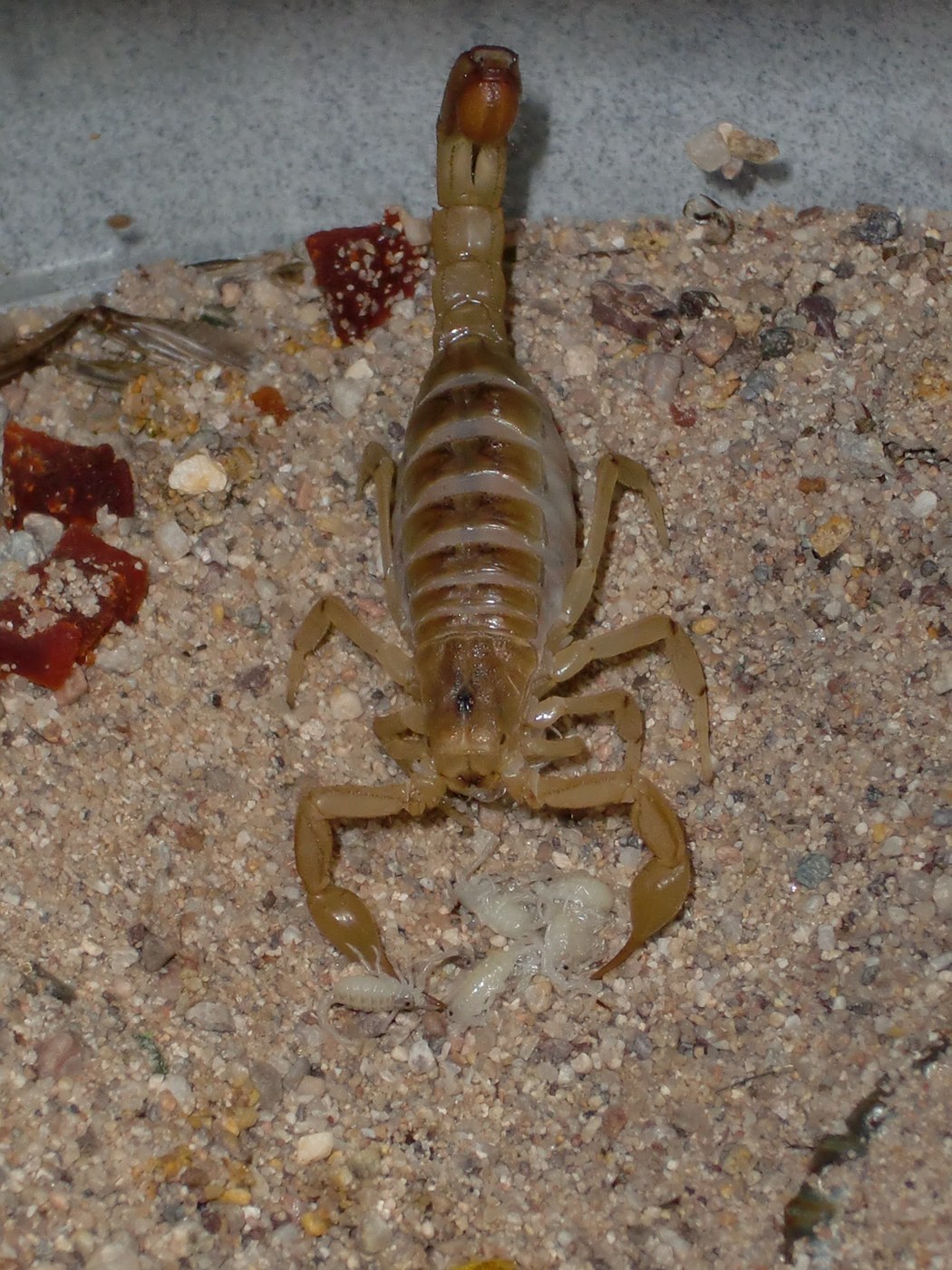
Bark Scorpion
A slender, pale tan scorpion best known for its unusual habit of climbing trees, walls, and rock faces rather than staying on the ground like most scorpions. Its thin build and long, narrow tail set it apart from the stockier, heavy-clawed scorpions found elsewhere.
arachnid