
Bug Encyclopedia
Search and identify bugs & insects — beetles, butterflies, moths, ants, bees, spiders and more — with size, habitat, danger, behavior, and how to tell them apart.
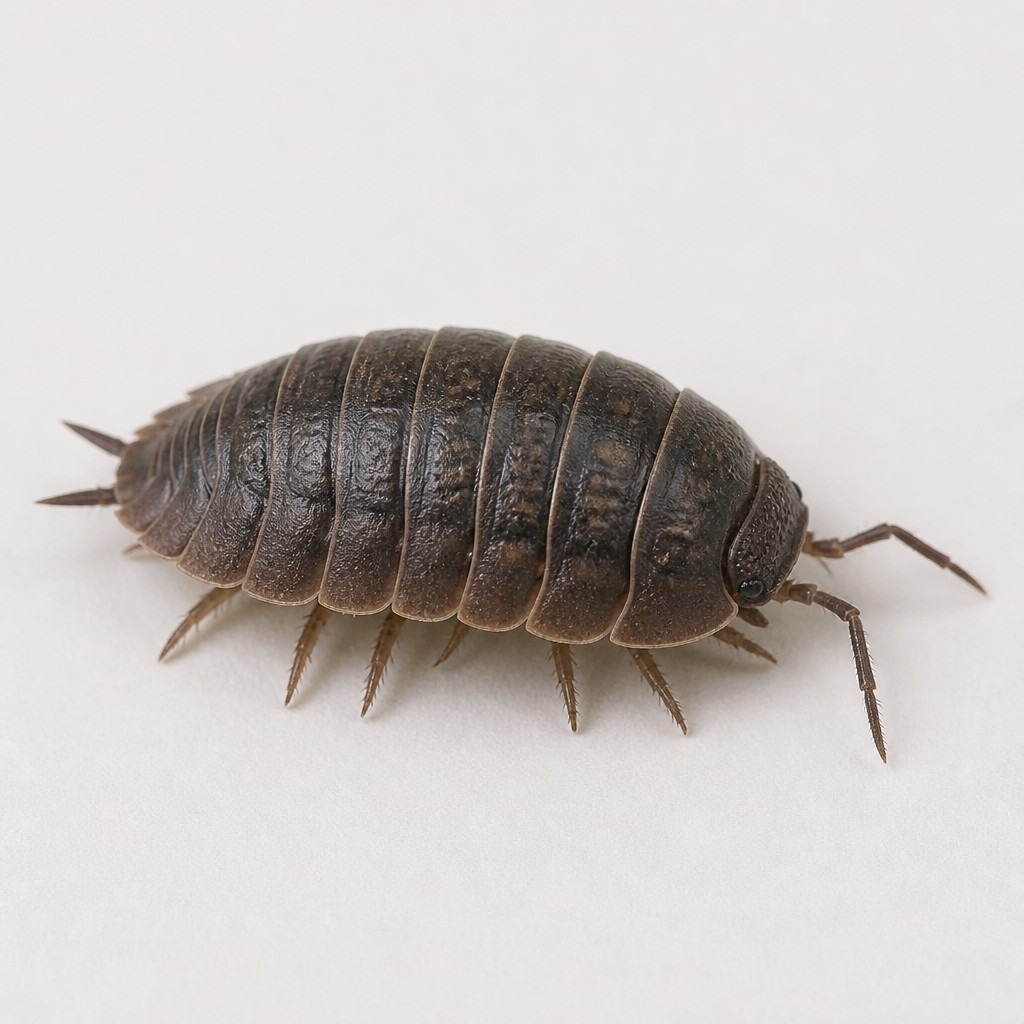
Sowbug
A slate-gray, oval, armor-plated crustacean that shuffles through damp leaf litter on seven pairs of legs, recognizable by its overlapping segmented shell and pair of trailing tail-like appendages.
other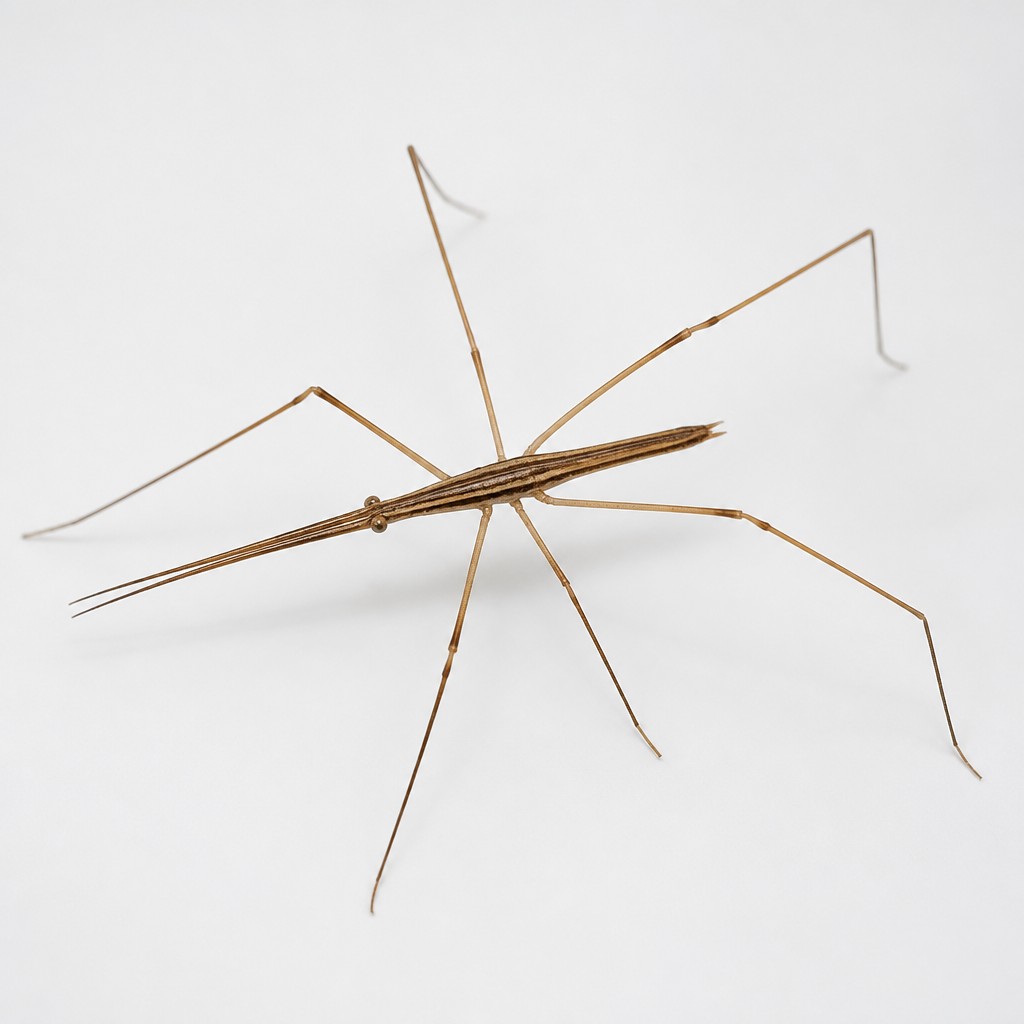
Marsh Treader
An extremely slender, thread-like true bug that walks slowly and deliberately across the water's surface on stilt-like legs, resembling a tiny floating twig as it hunts among marsh vegetation.
aquatic-insect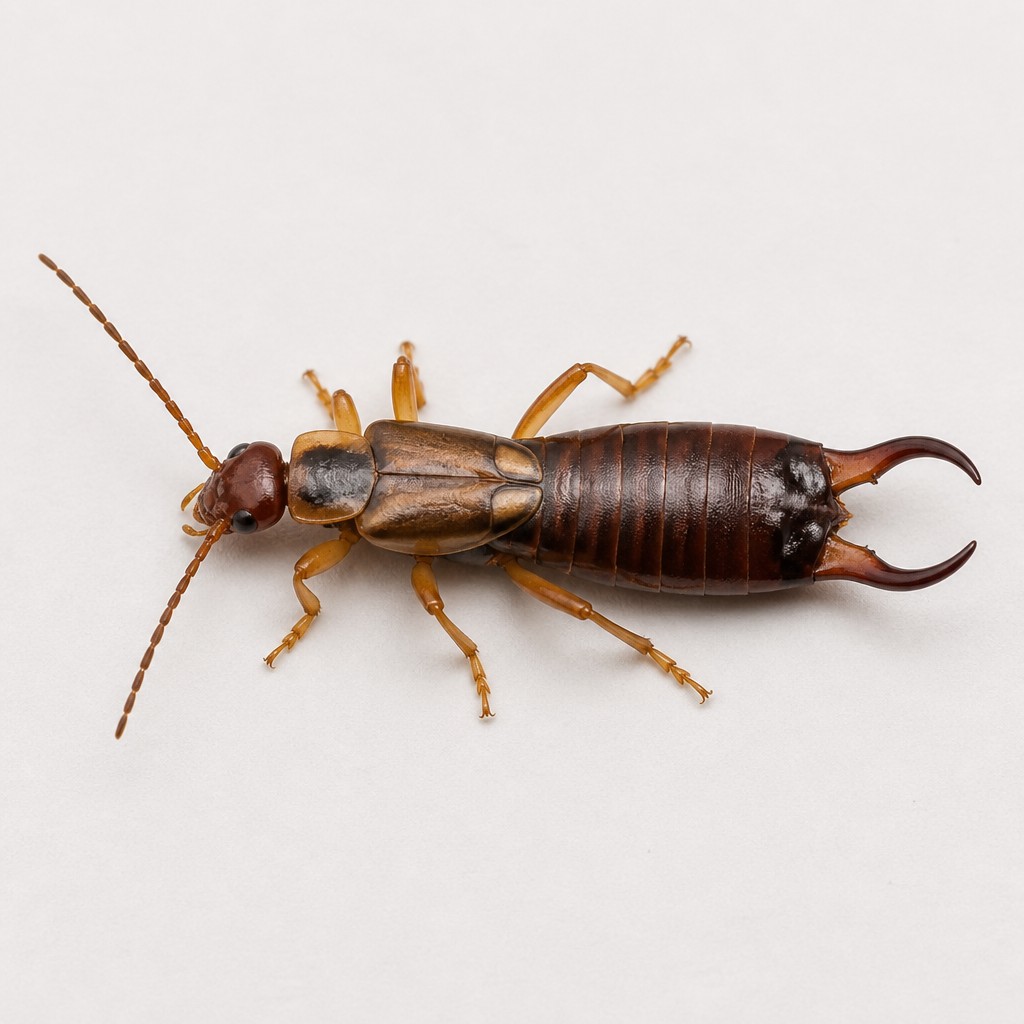
Earwig
A slender, reddish-brown insect easily identified by the pair of curved, forceps-like pincers at the tip of its abdomen, often found hiding under mulch, bark, or garden debris by day.
other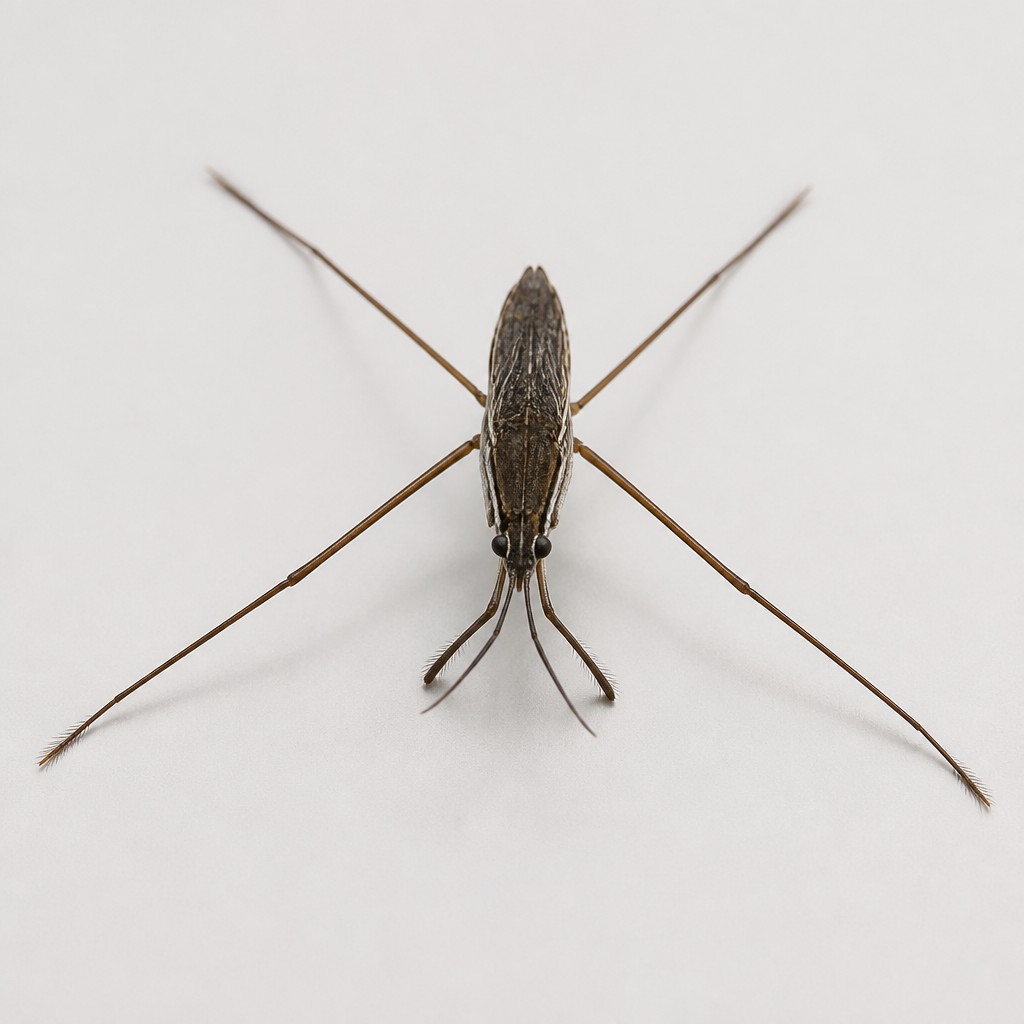
Common Water Strider
Skating effortlessly across the surface film of ponds and slow streams, the common water strider rows itself along on hair-fringed legs to ambush insects trapped in the surface tension.
true-bug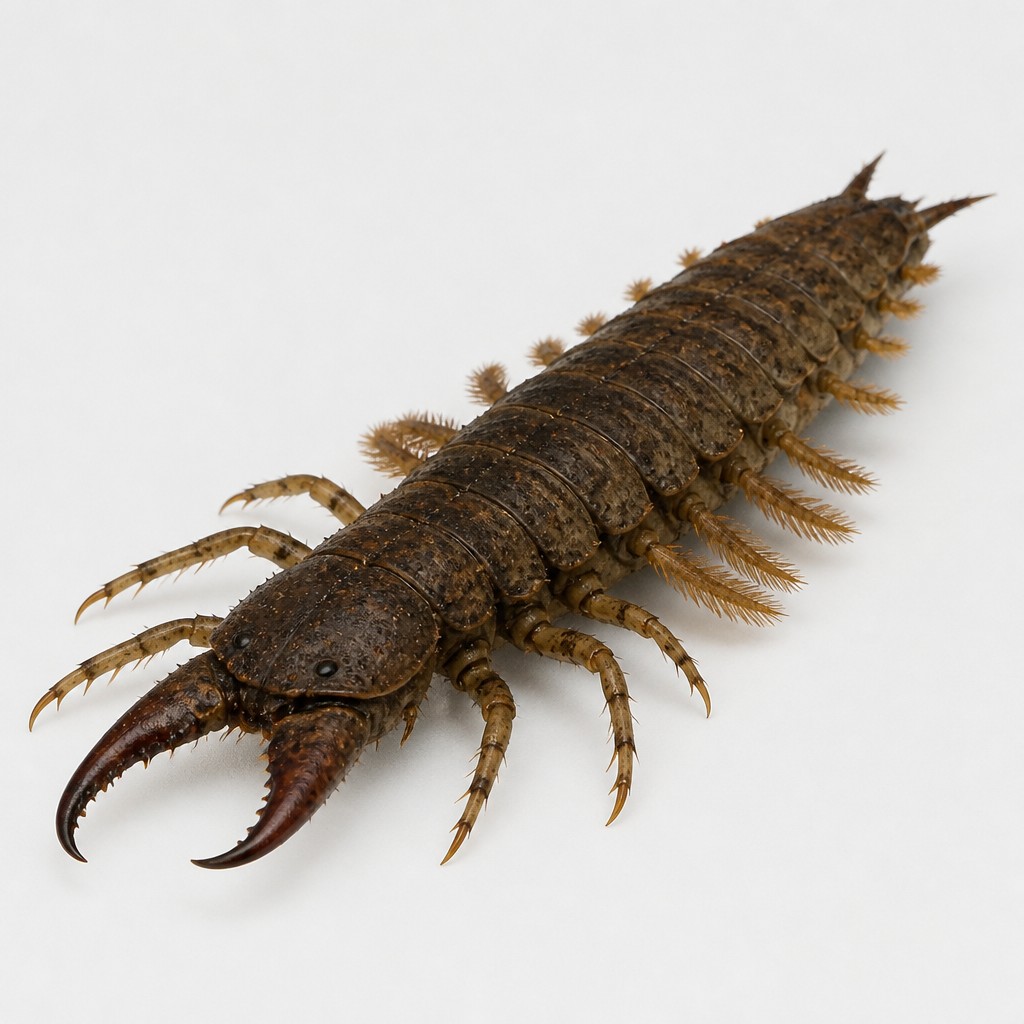
Dobsonfly Larva (Hellgrammite)
A large, fierce-looking aquatic larva with strong pinching jaws and fringed side gills, spending years hunting under stream rocks before becoming a giant winged dobsonfly.
aquatic-insect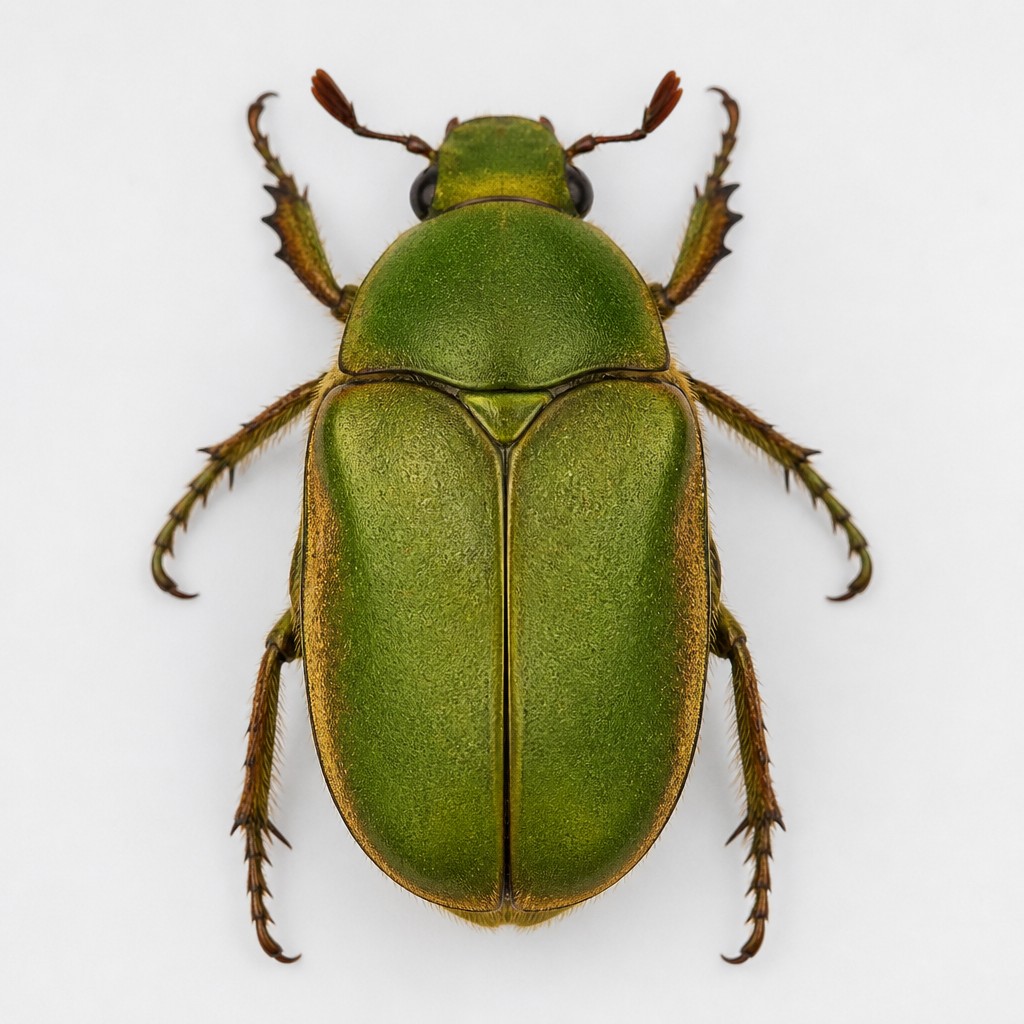
Green June Beetle
A large, velvety green scarab beetle with bronze edges that flies with a loud buzzing drone on warm summer days, often seen around ripening fruit.
beetle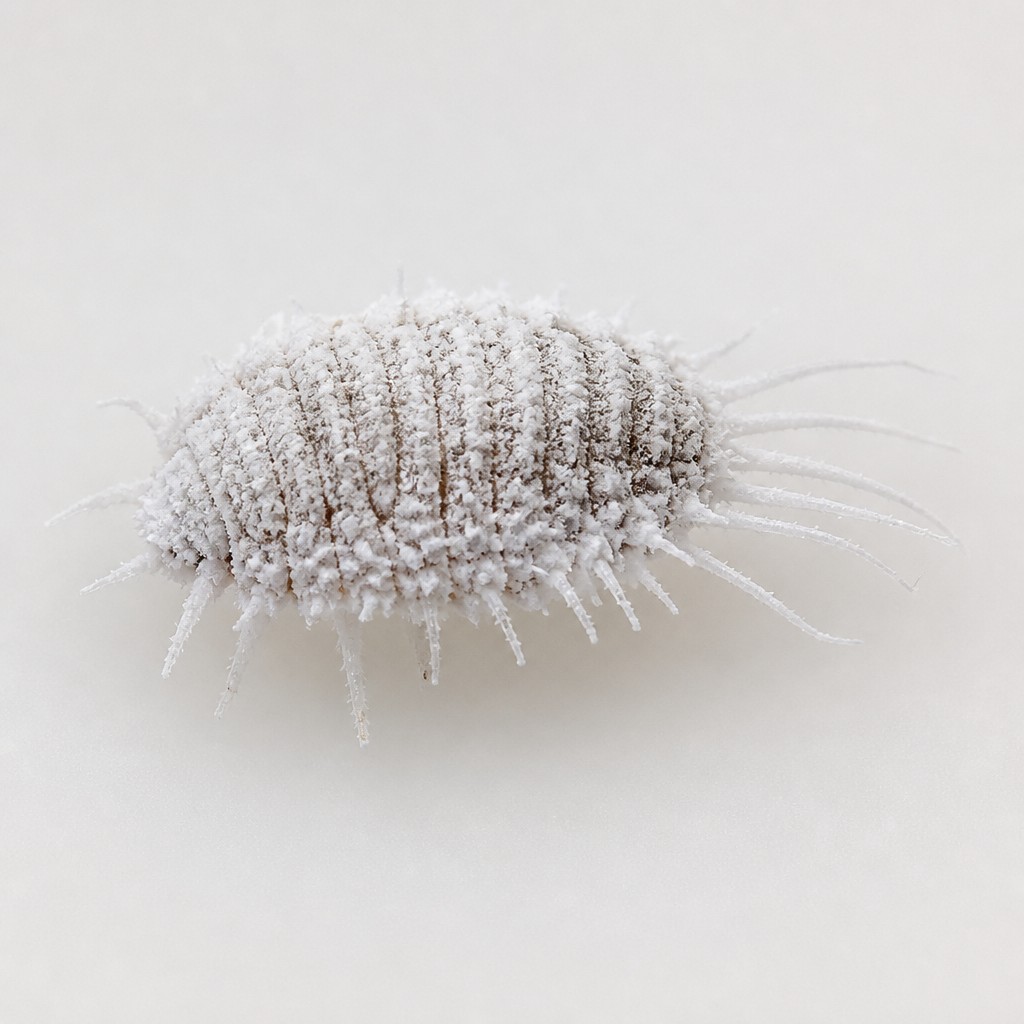
Mealybug
A soft, oval insect coated in a powdery white waxy secretion that gives it a fuzzy, cotton-like appearance, typically found clustered in leaf joints and along stems of houseplants.
true-bug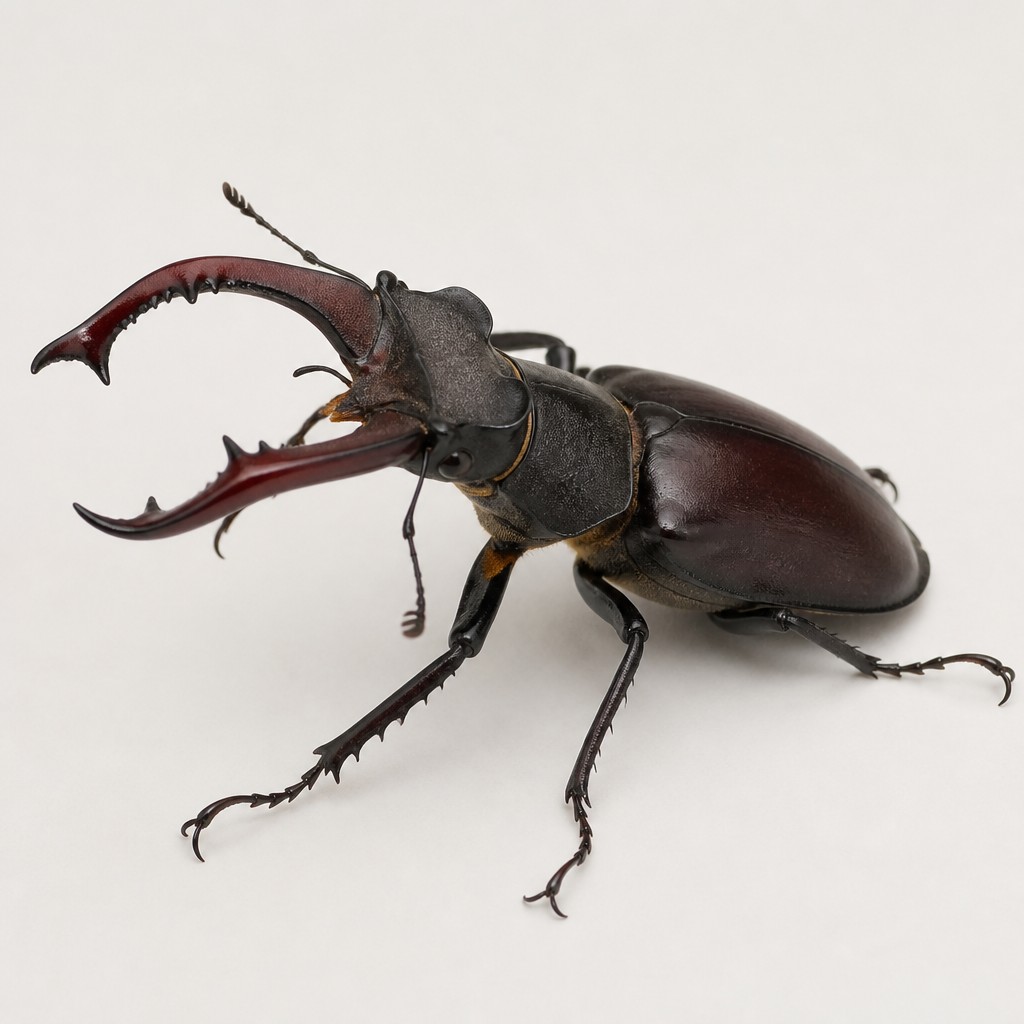
Stag Beetle
A large, glossy beetle whose males wield oversized, antler-like mandibles resembling a stag's rack of horns, used for wrestling rival males rather than for feeding.
beetle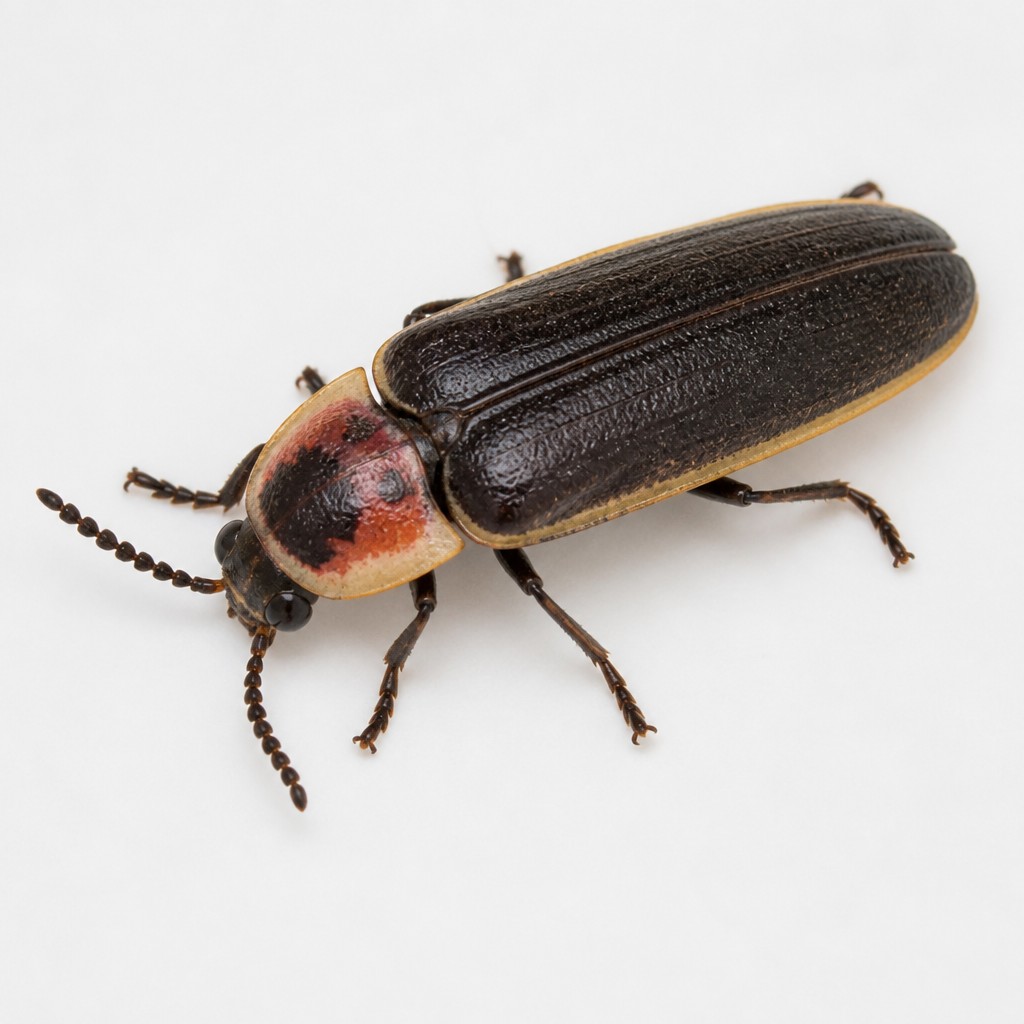
Fireflies
A soft-bodied beetle famous for producing rhythmic, glowing flashes of light from its abdomen at dusk, used to signal and attract mates across meadows and gardens on warm summer evenings.
beetle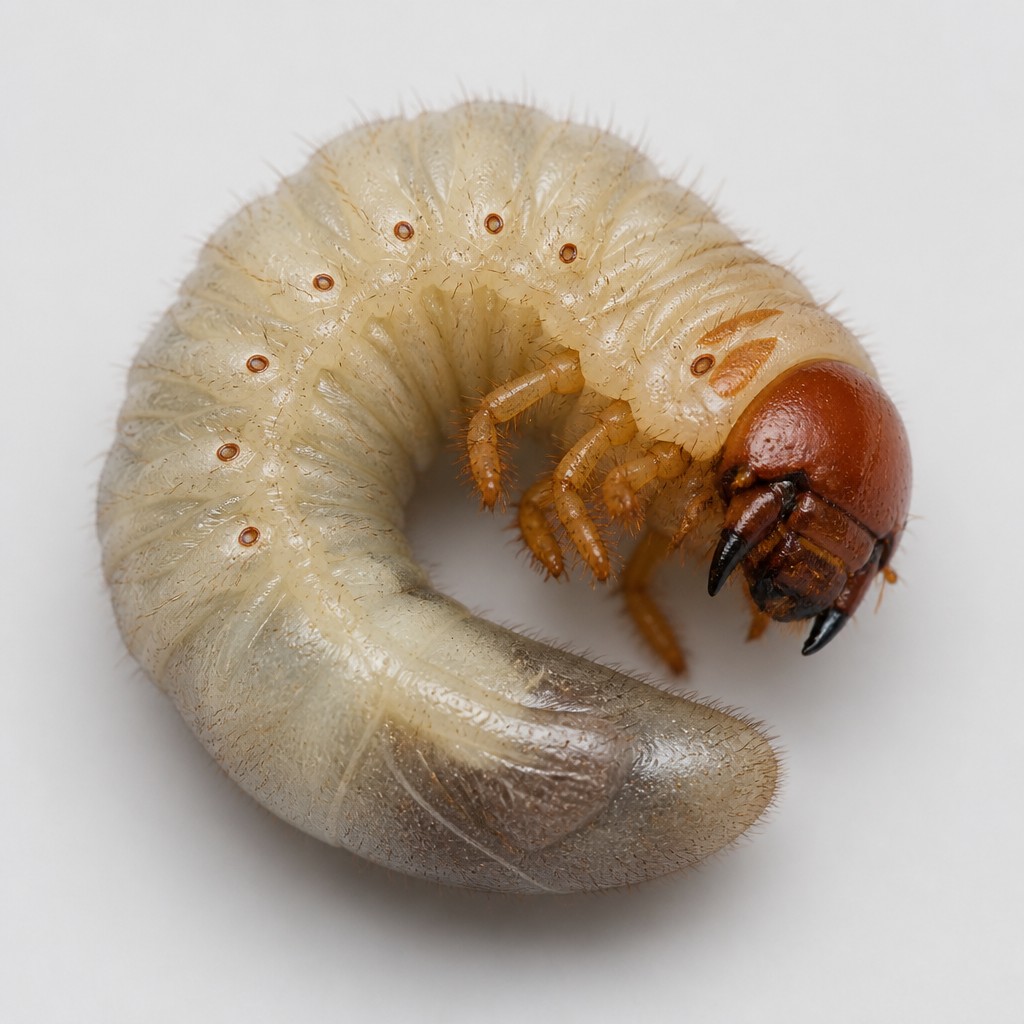
White Grub
A pale, C-shaped larva with a brown head capsule and six stubby legs, spending its entire early life hidden underground feeding on roots before emerging as a stout May or June beetle.
beetle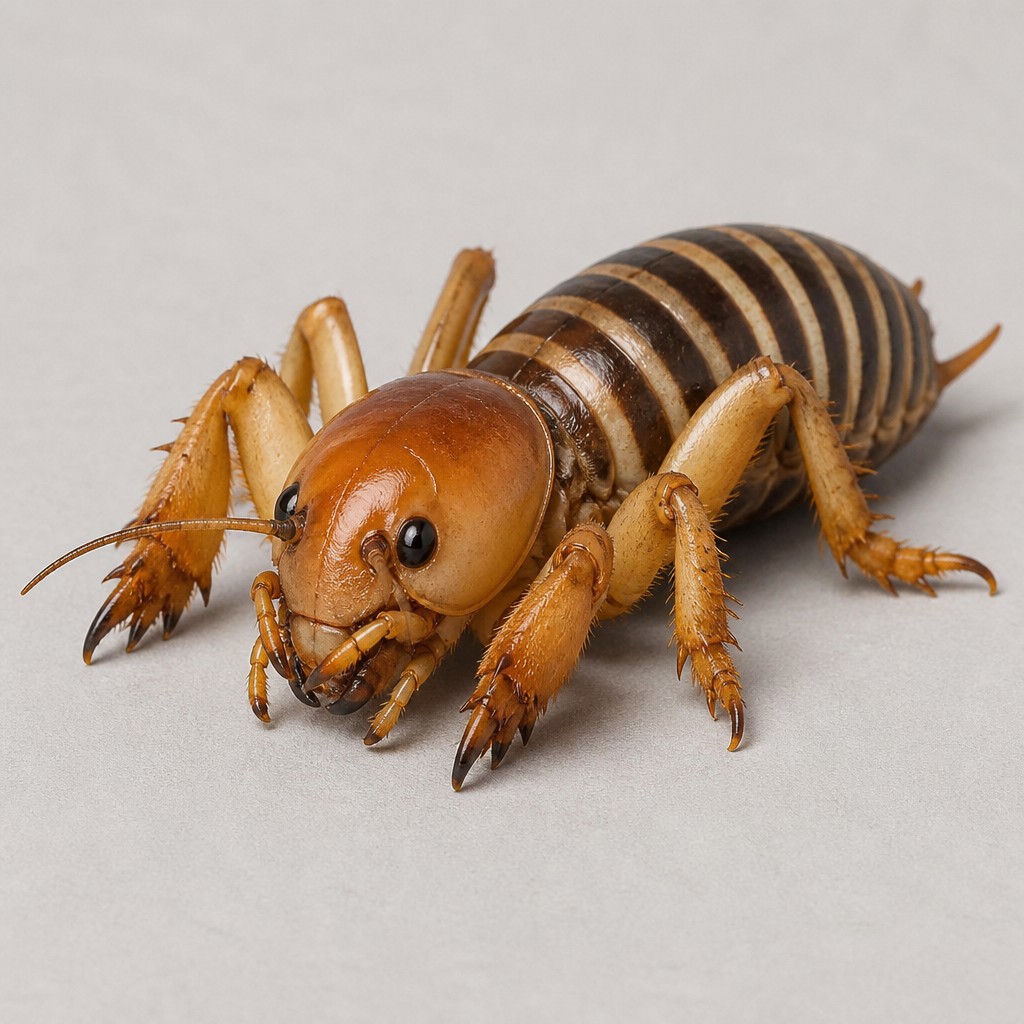
Jerusalem Cricket
A large, wingless, ground-dwelling insect with a shiny amber body, a strikingly human-like face, and a robust, banded abdomen, most often uncovered while digging in soil.
grasshopper-cricket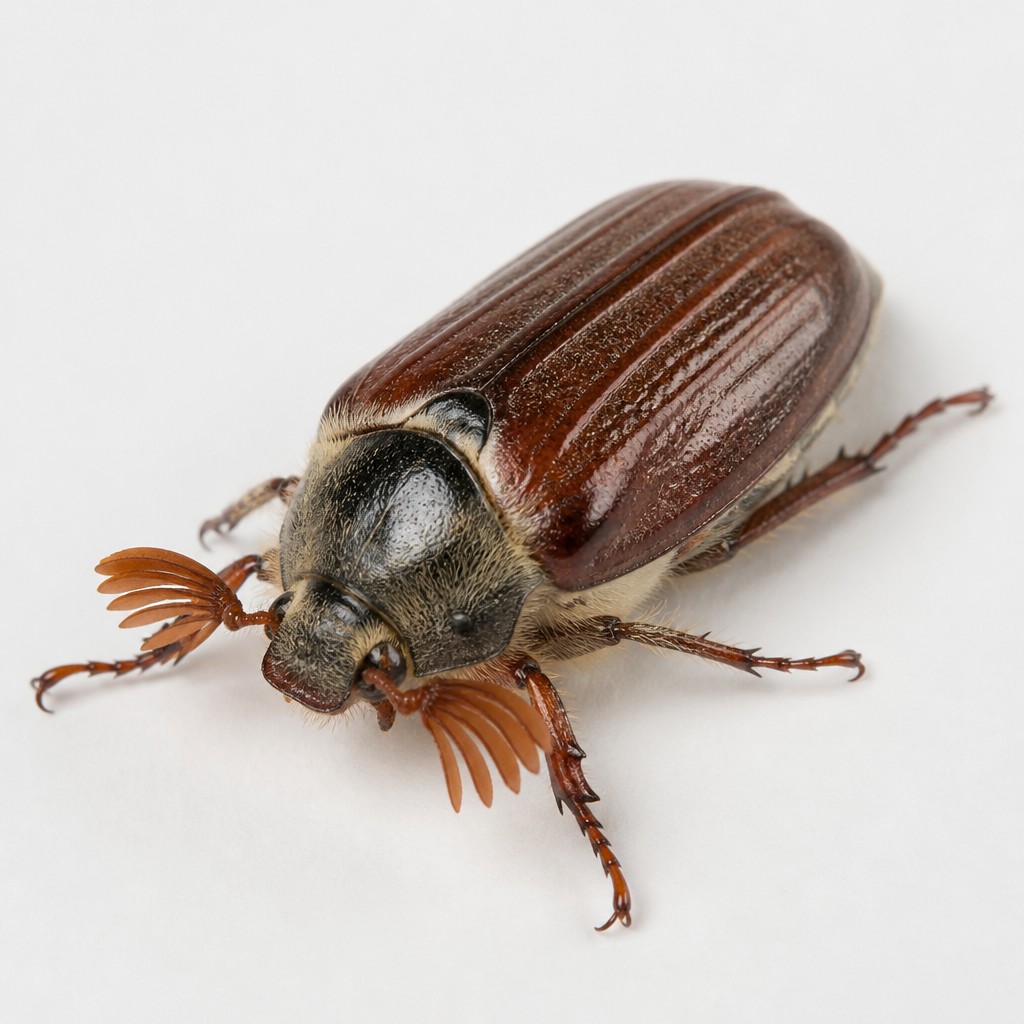
Cockchafer
A large, reddish-brown scarab beetle with distinctive fan-shaped antennae, famous for its noisy, clumsy evening flights around trees in late spring, giving rise to its alternate name, the May bug.
beetle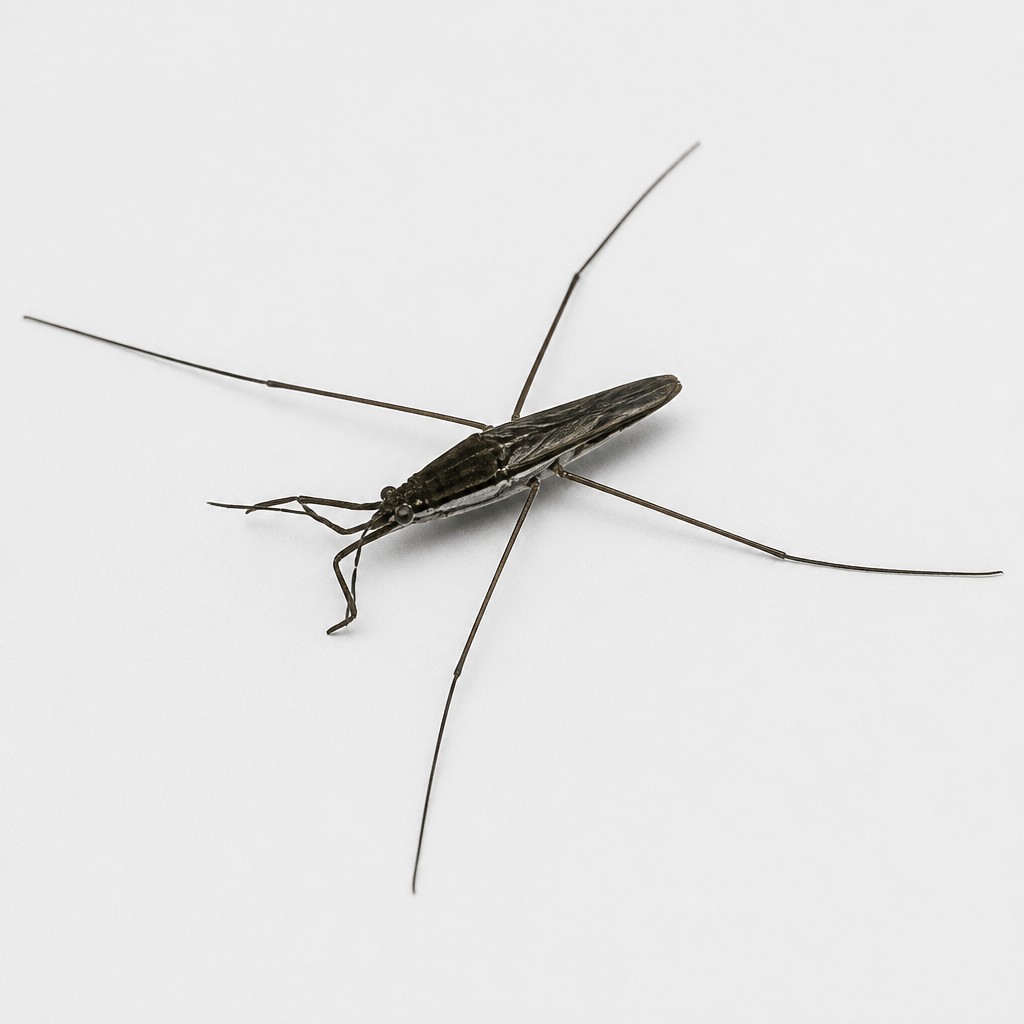
Water Strider
A slender, long-legged true bug famous for skating effortlessly across the surface of ponds and streams using water's surface tension.
aquatic-insect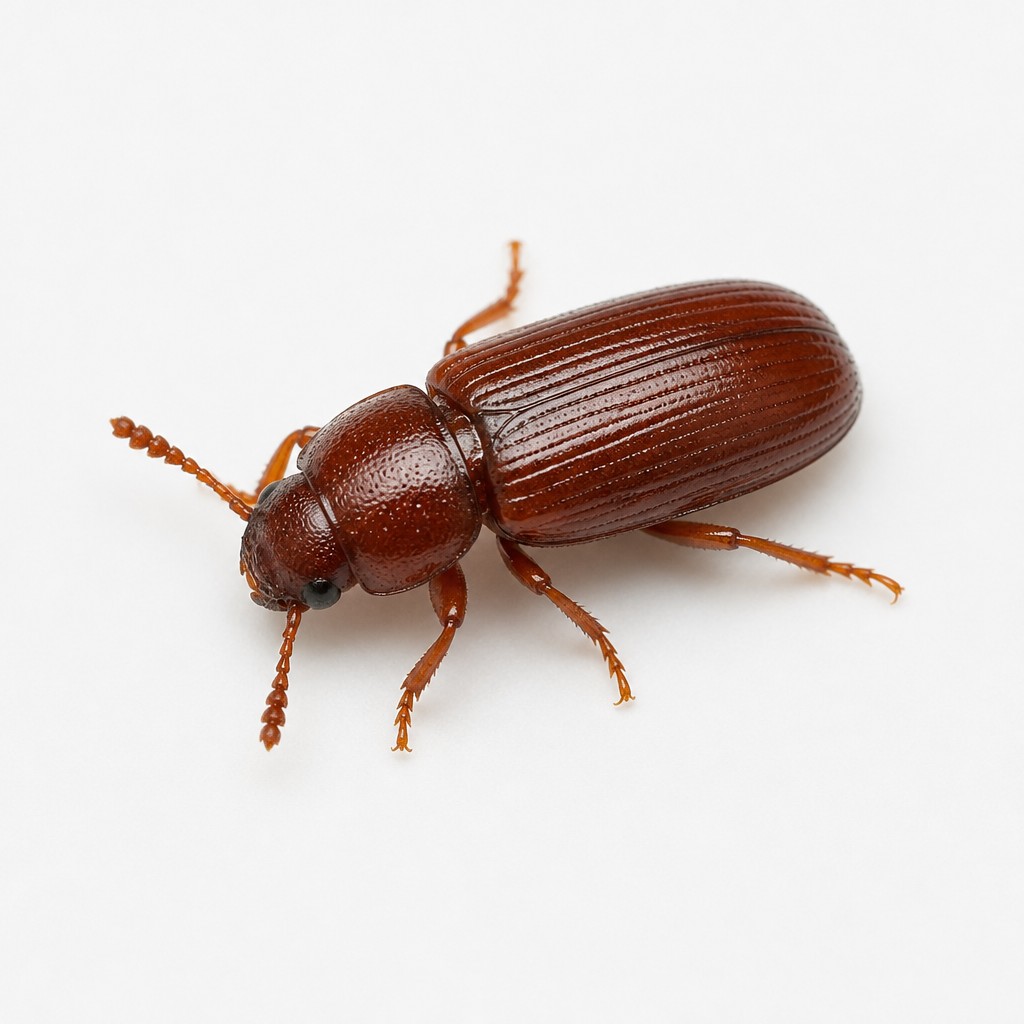
Flour Beetle
A tiny, shiny reddish-brown beetle that infests flour, cereal, and other dry stored foods, often found in dense clustered populations.
beetle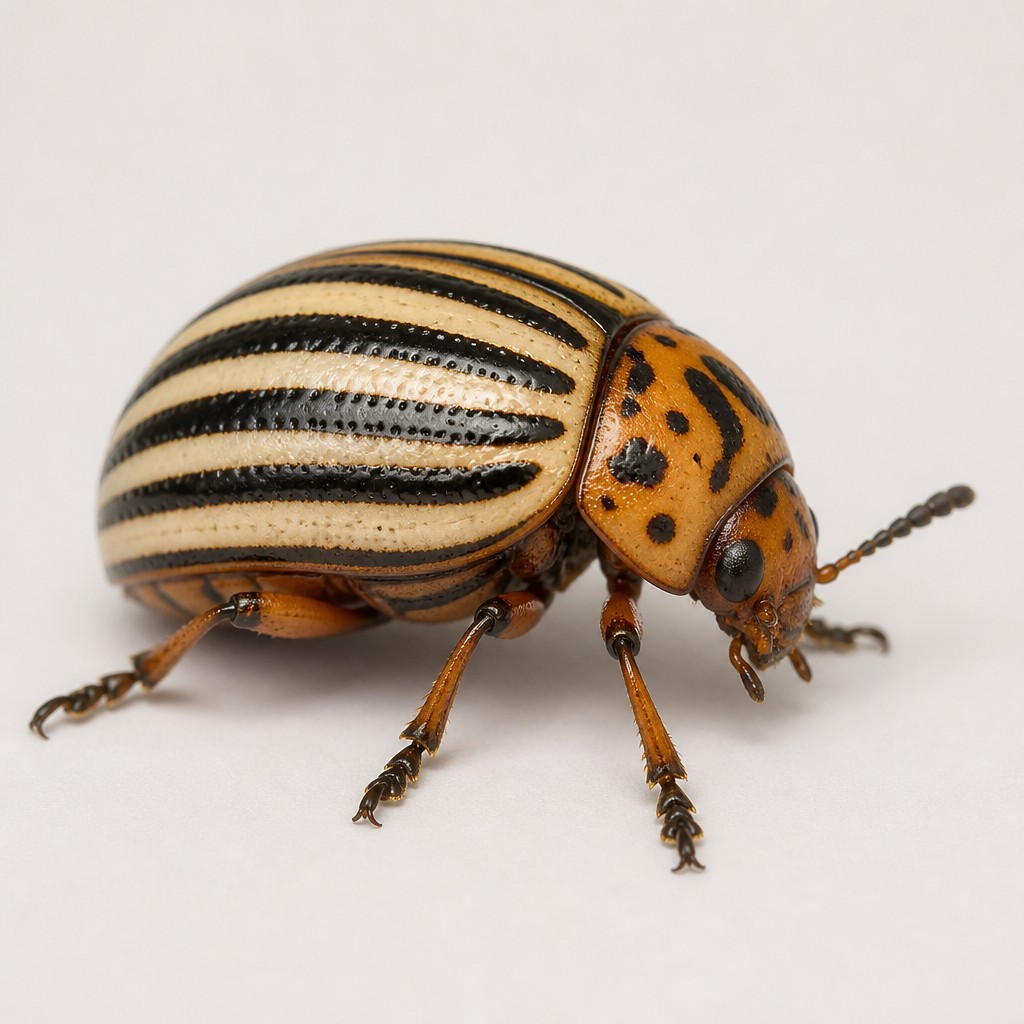
Colorado Potato Beetle
A rounded, boldly striped yellow-and-black beetle that is one of the most notorious defoliators of potato plants, easily spotted marching across leaves in gardens and fields.
beetle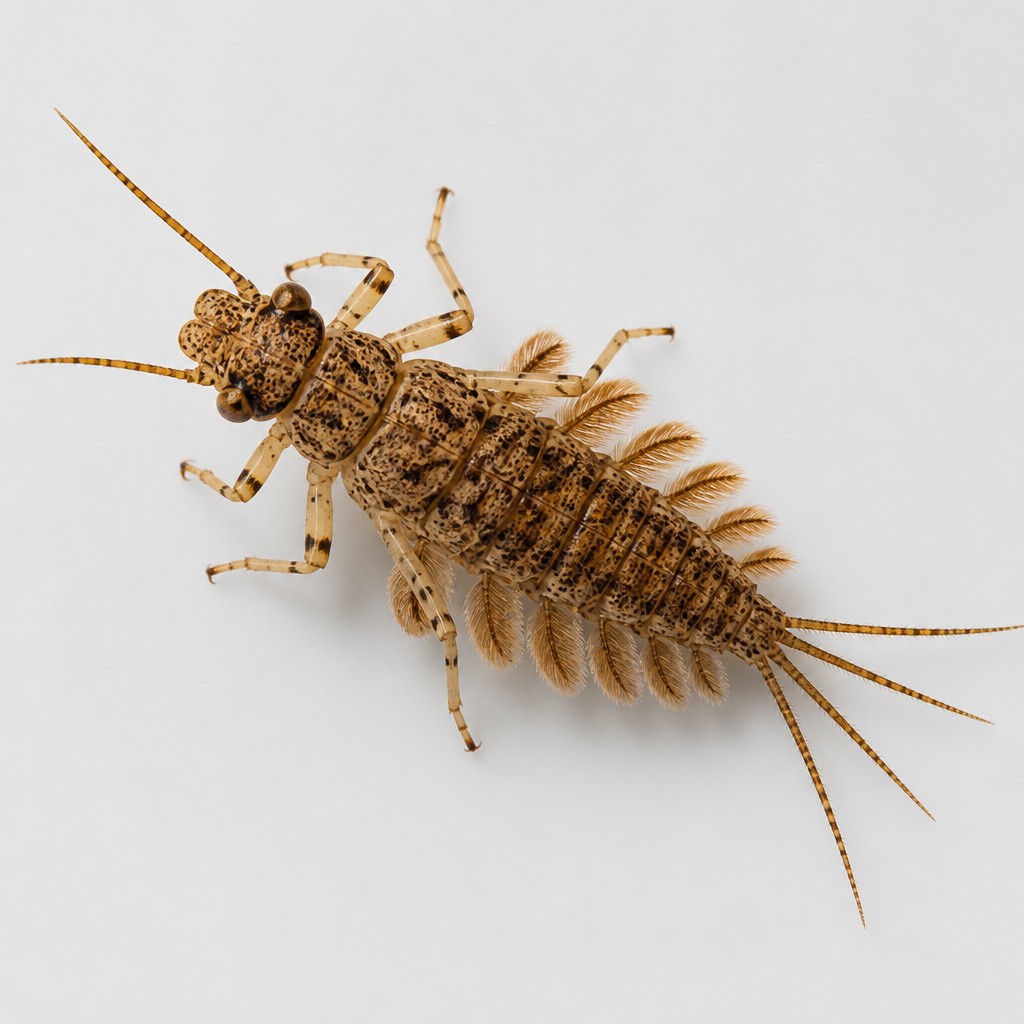
Mayfly Nymph
A short-lived aquatic grazer with feathery gills along its abdomen, living for months underwater before a brief, spectacular mass emergence as a winged adult.
aquatic-insect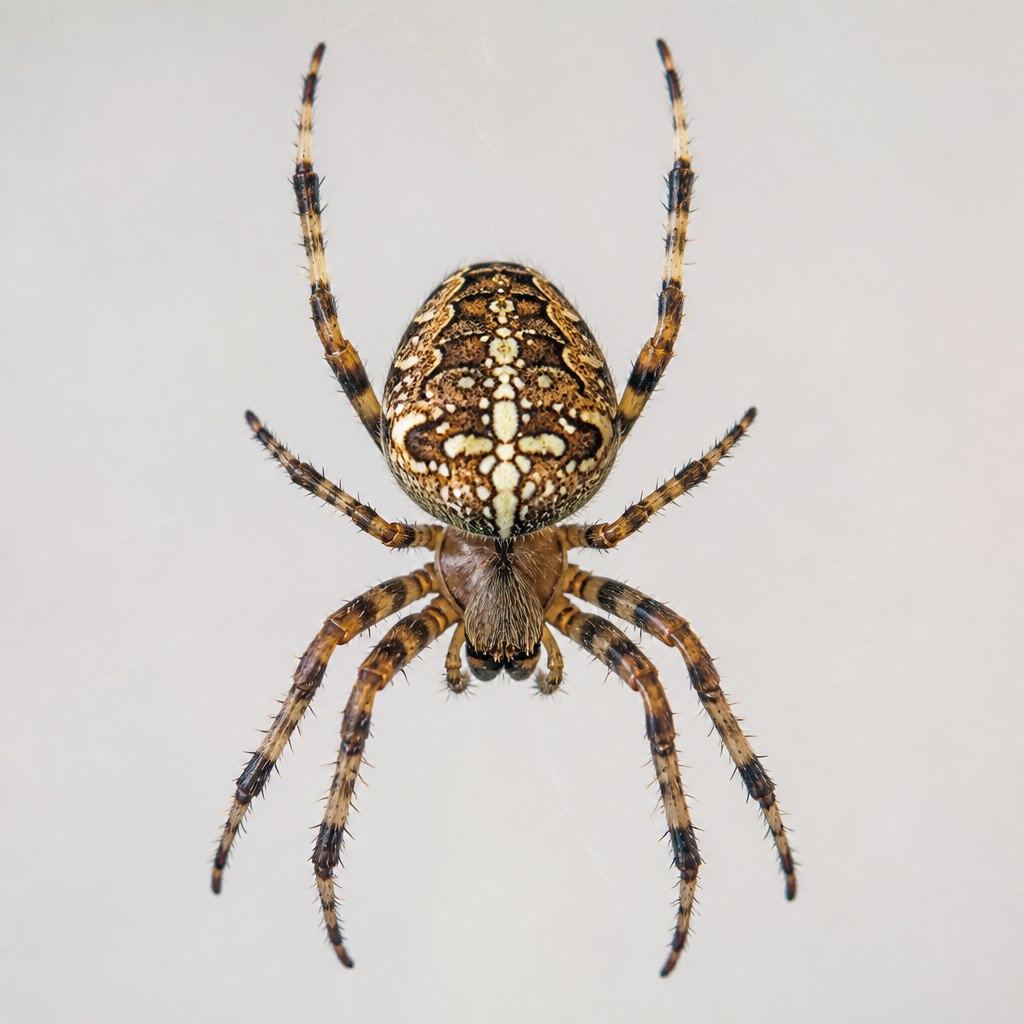
Garden Orb Weaver Spider
The classic maker of the round, wheel-shaped web, the garden orb weaver hangs head-down at the center of its silken snare. Many sport a cross-like pattern of pale spots on a rounded abdomen.
spider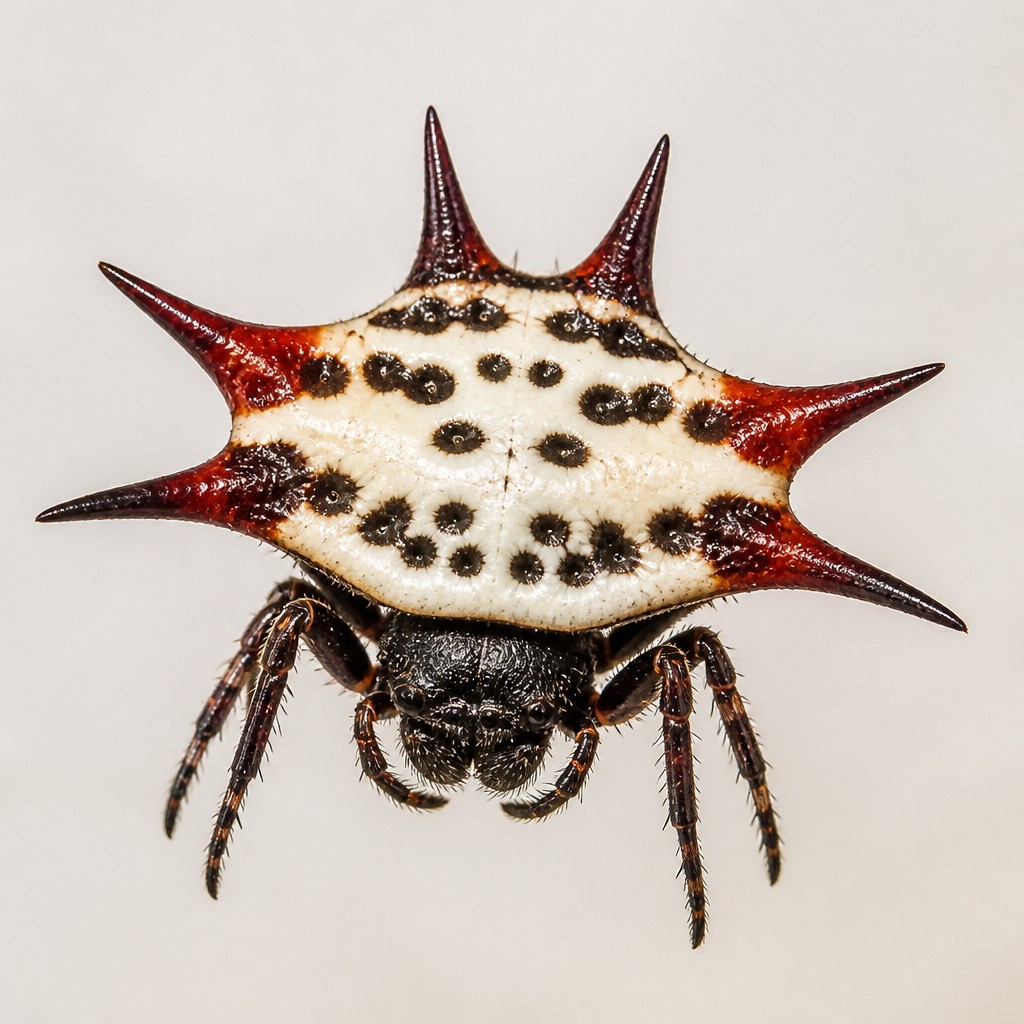
Spiny Orb Weaver
A small, hard-shelled orb weaver shaped like a tiny crab, with six sharp spines projecting from a brightly colored abdomen suspended in a neat wheel-shaped web.
spider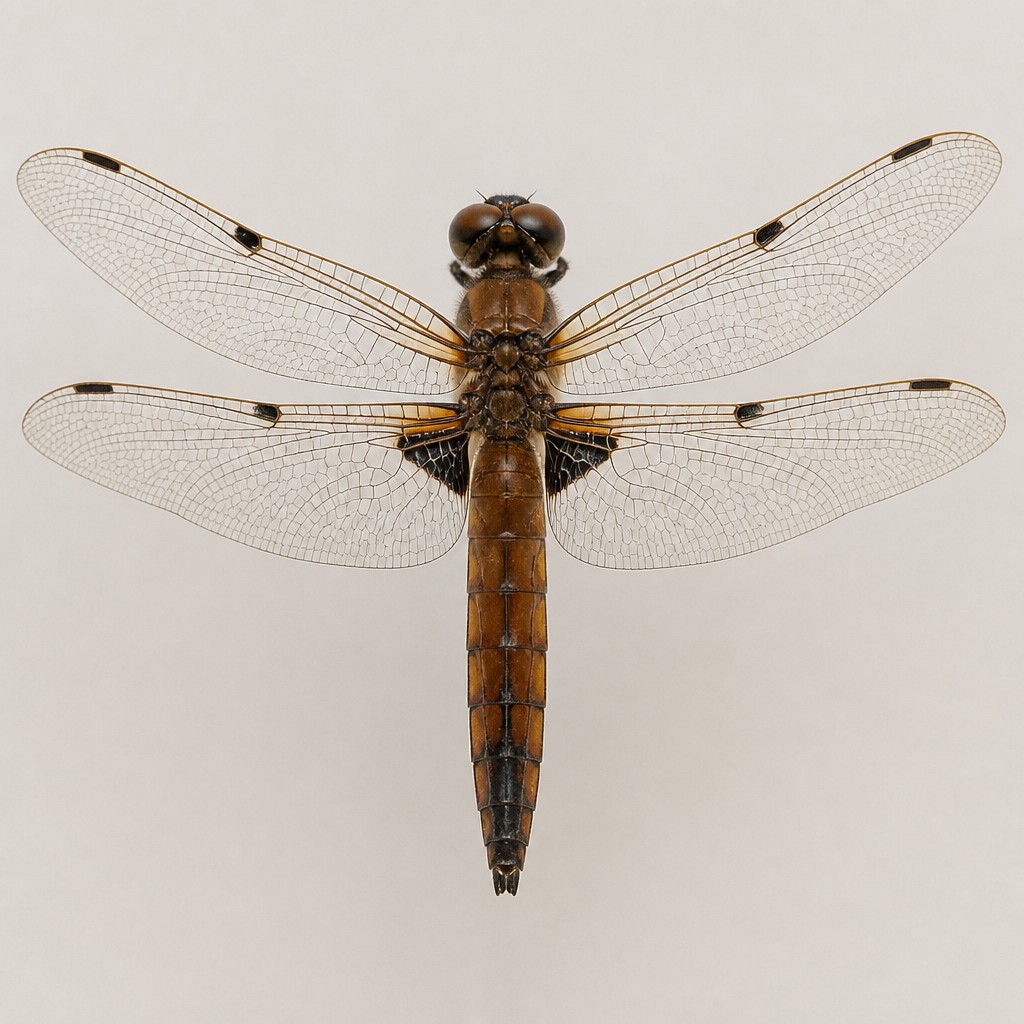
Four-spotted Skimmer
A brown, sturdily built dragonfly marked with a single dark spot on each wing, this holarctic species is famous for occasional mass emergences and long-distance swarming flights.
dragonfly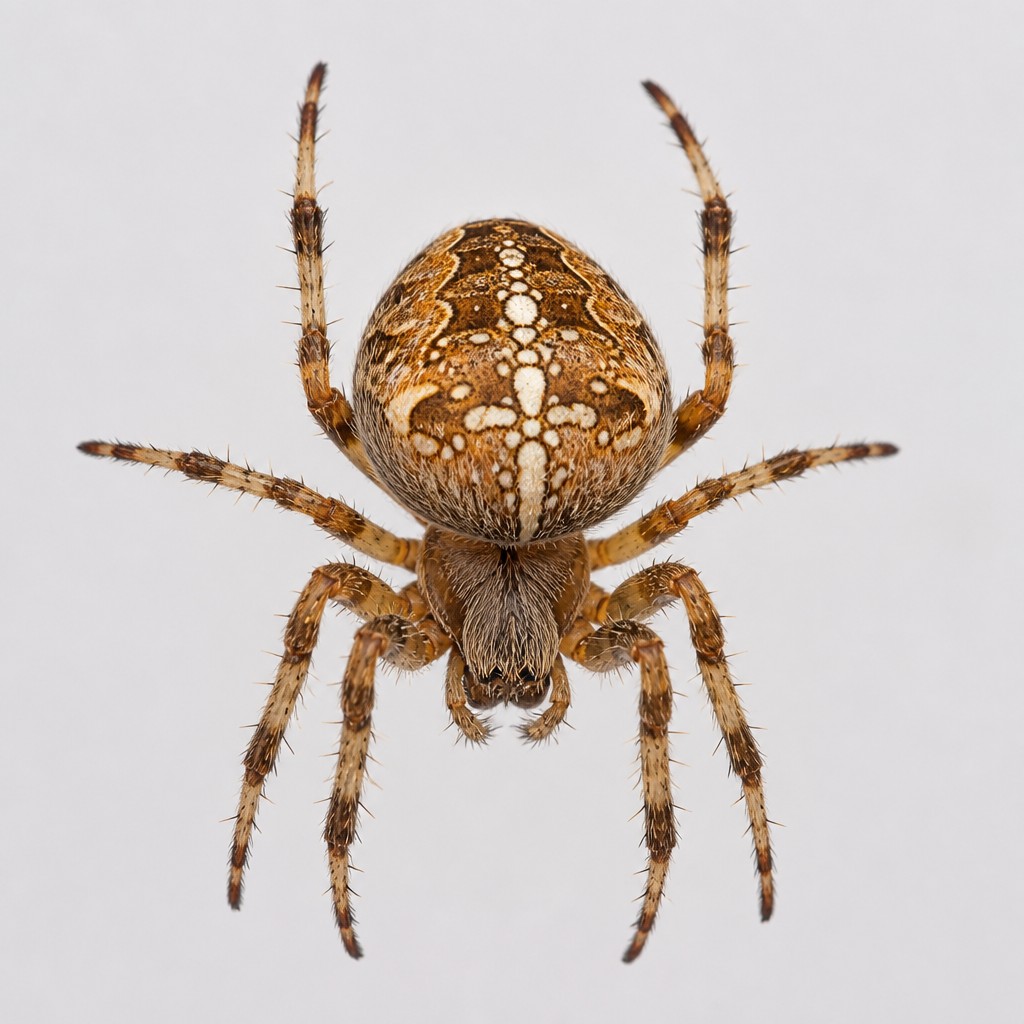
Cross Orbweaver
Named for the pale cross of dots marking its rounded abdomen, the cross orbweaver spins one of the most classic wheel-shaped webs, rebuilding it fresh nearly every night to keep its silk sticky and effective.
spider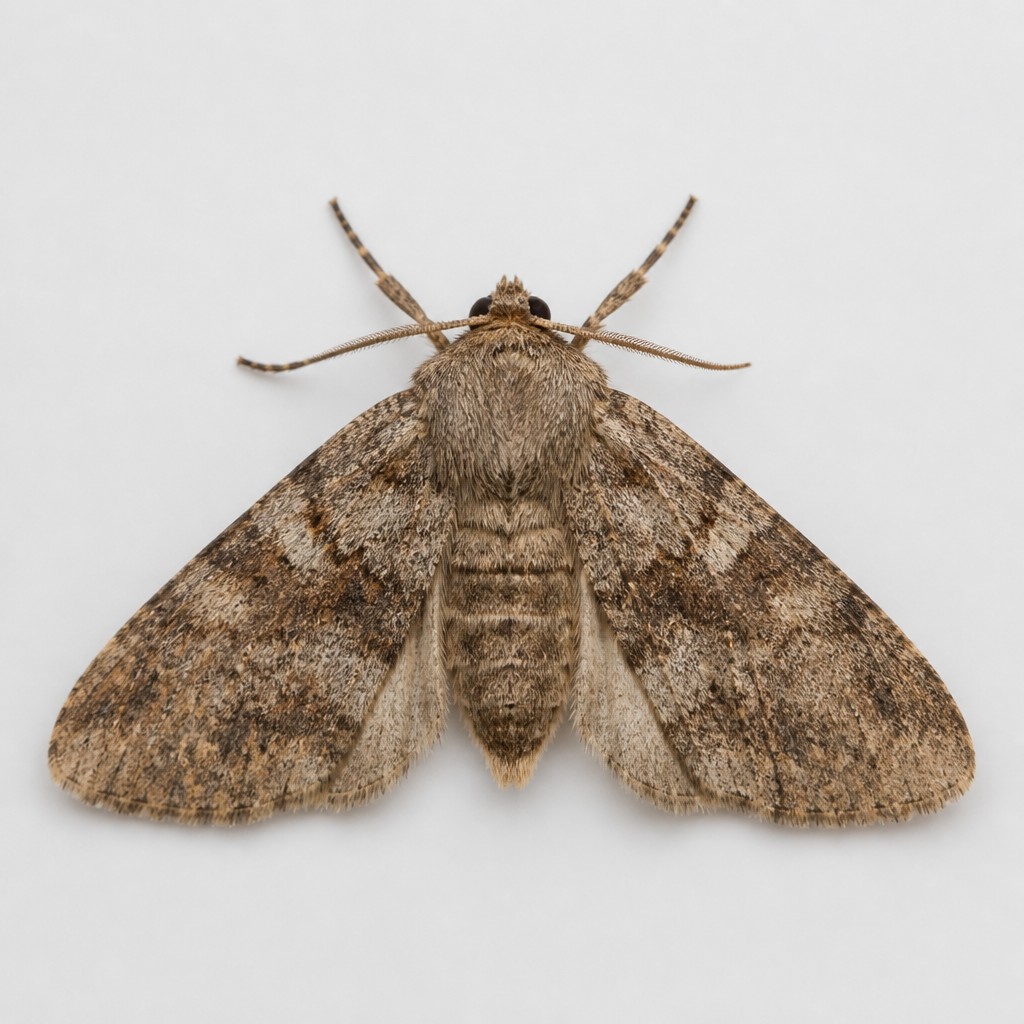
Bogong Moth
A modest brown, mottled moth famous for its extraordinary mass seasonal migration across thousands of kilometers to cool alpine caves in the Australian mountains, forming one of the largest known insect migrations by biomass.
moth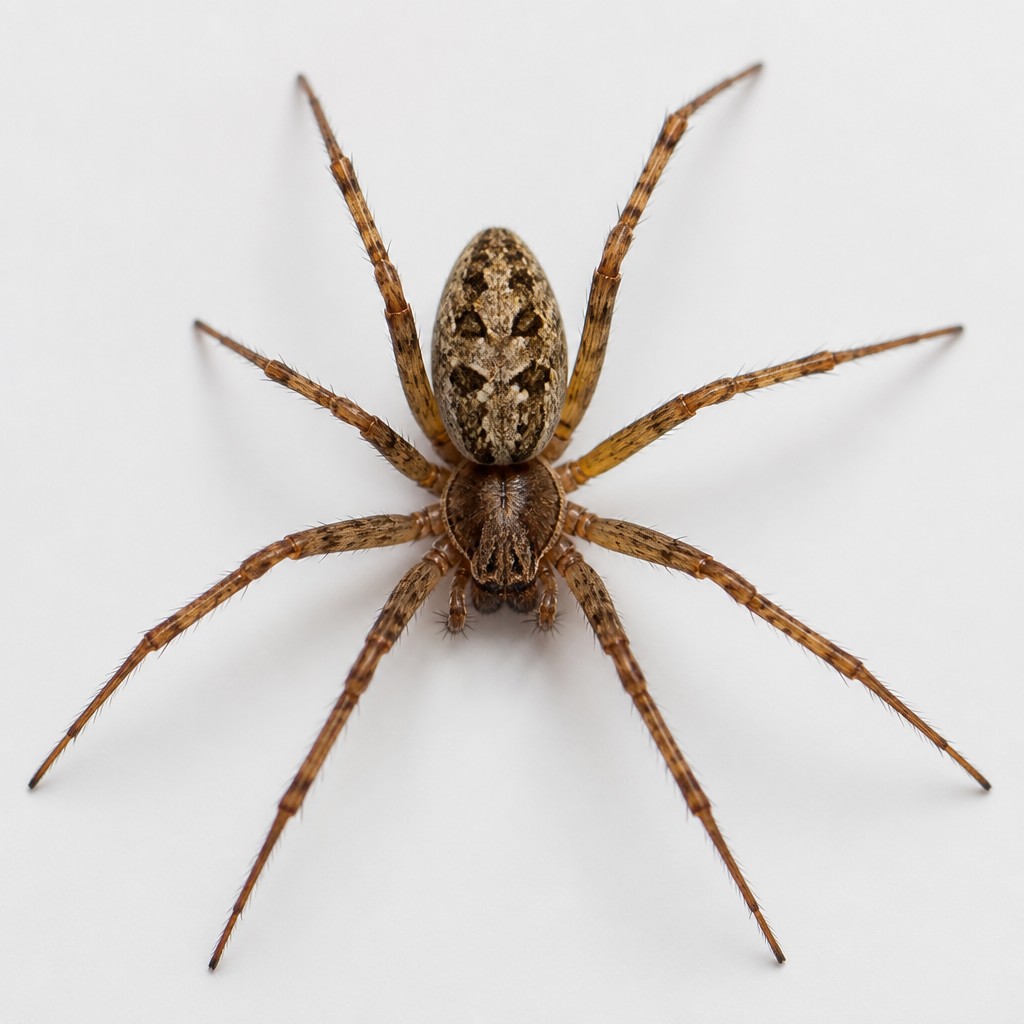
Brown Widow Spider
Named for its mottled tan-and-brown coloring rather than glossy black, the brown widow is easily recognized by its distinctive spiky, off-white egg sacs and an orange hourglass on its underside.
spider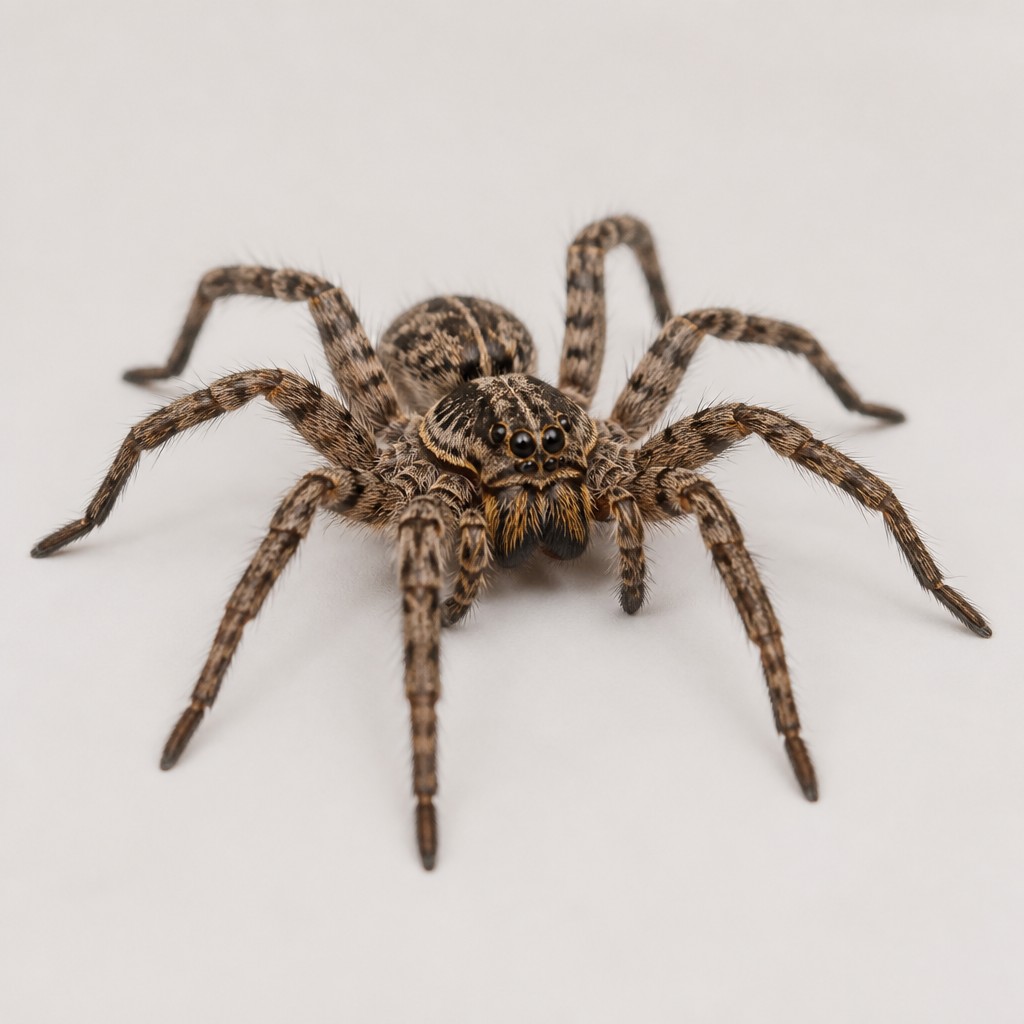
Wolf Spider
A robust, hairy, ground-dwelling spider with excellent night vision and a habit of chasing down prey rather than trapping it in a web; females are often seen carrying an egg sac or a back full of spiderlings.
spider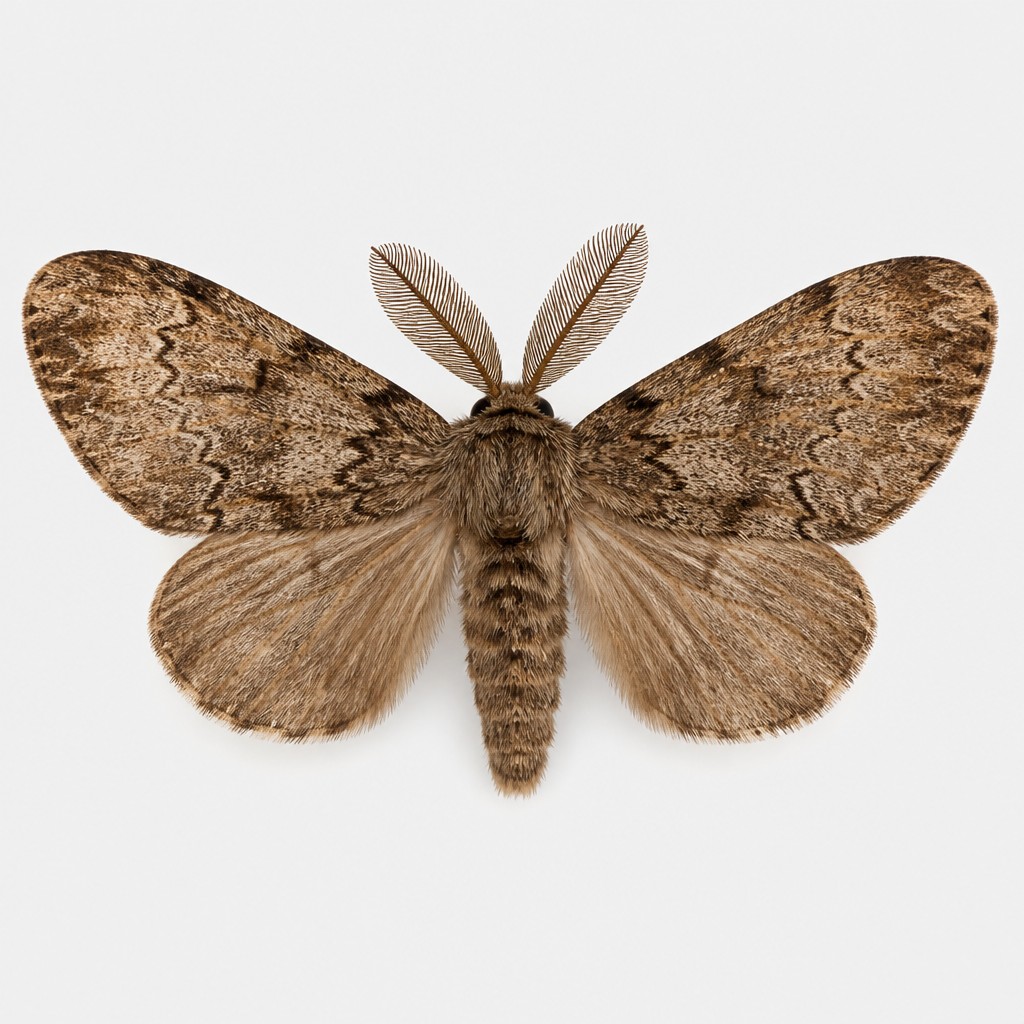
Gypsy Moth (Spongy Moth)
A strongly sexually dimorphic moth, recently renamed the Spongy Moth for its distinctive spongy, tan egg masses, whose caterpillars are known for periodically defoliating oak and other hardwood trees in large outbreak years.
moth